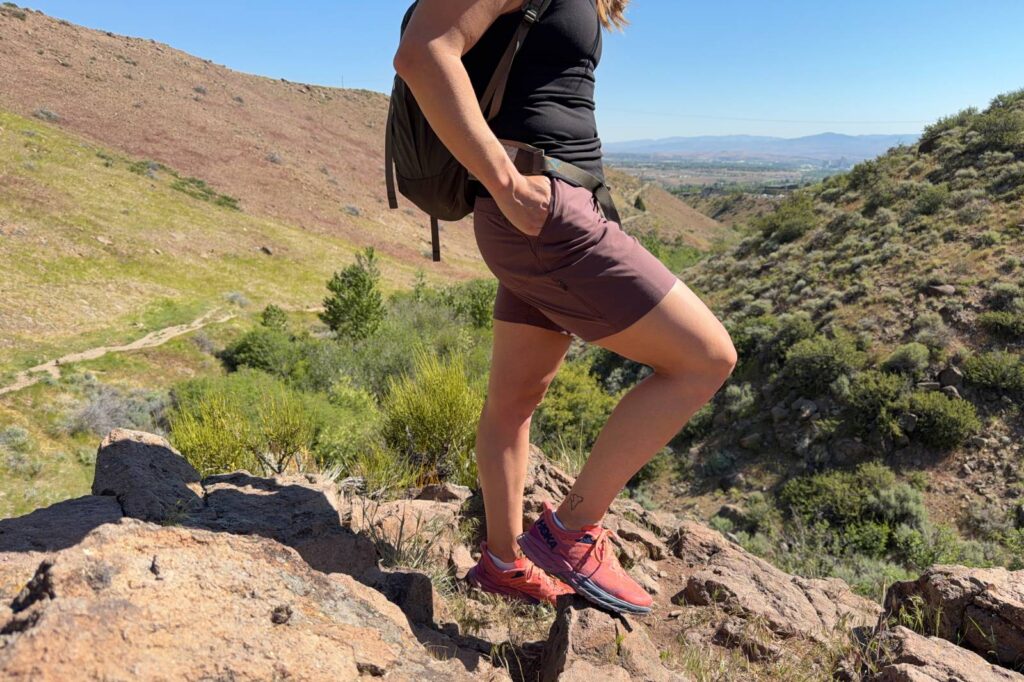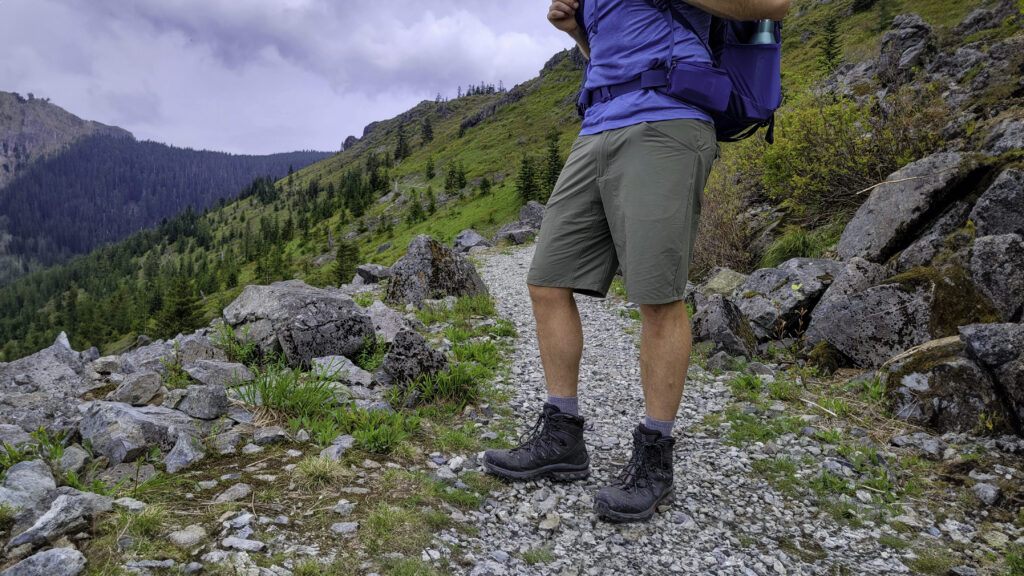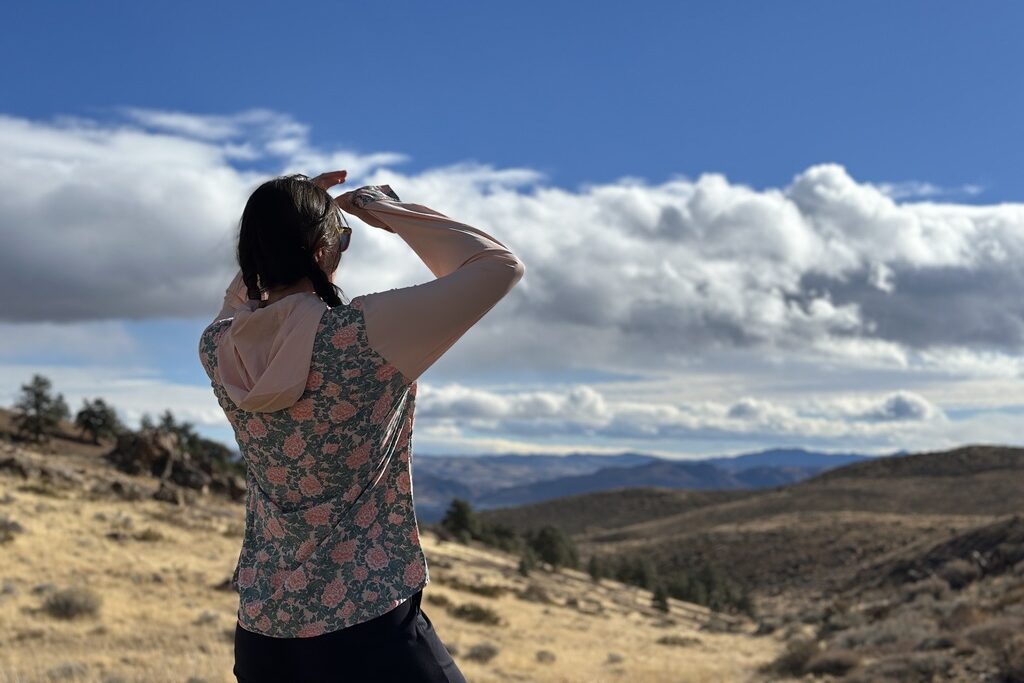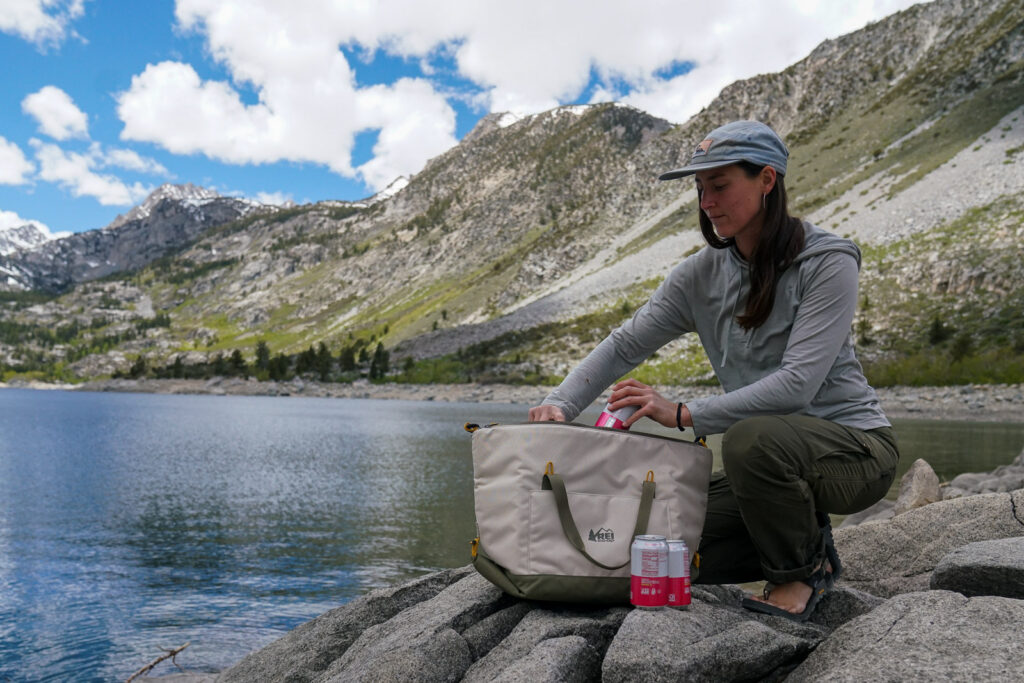


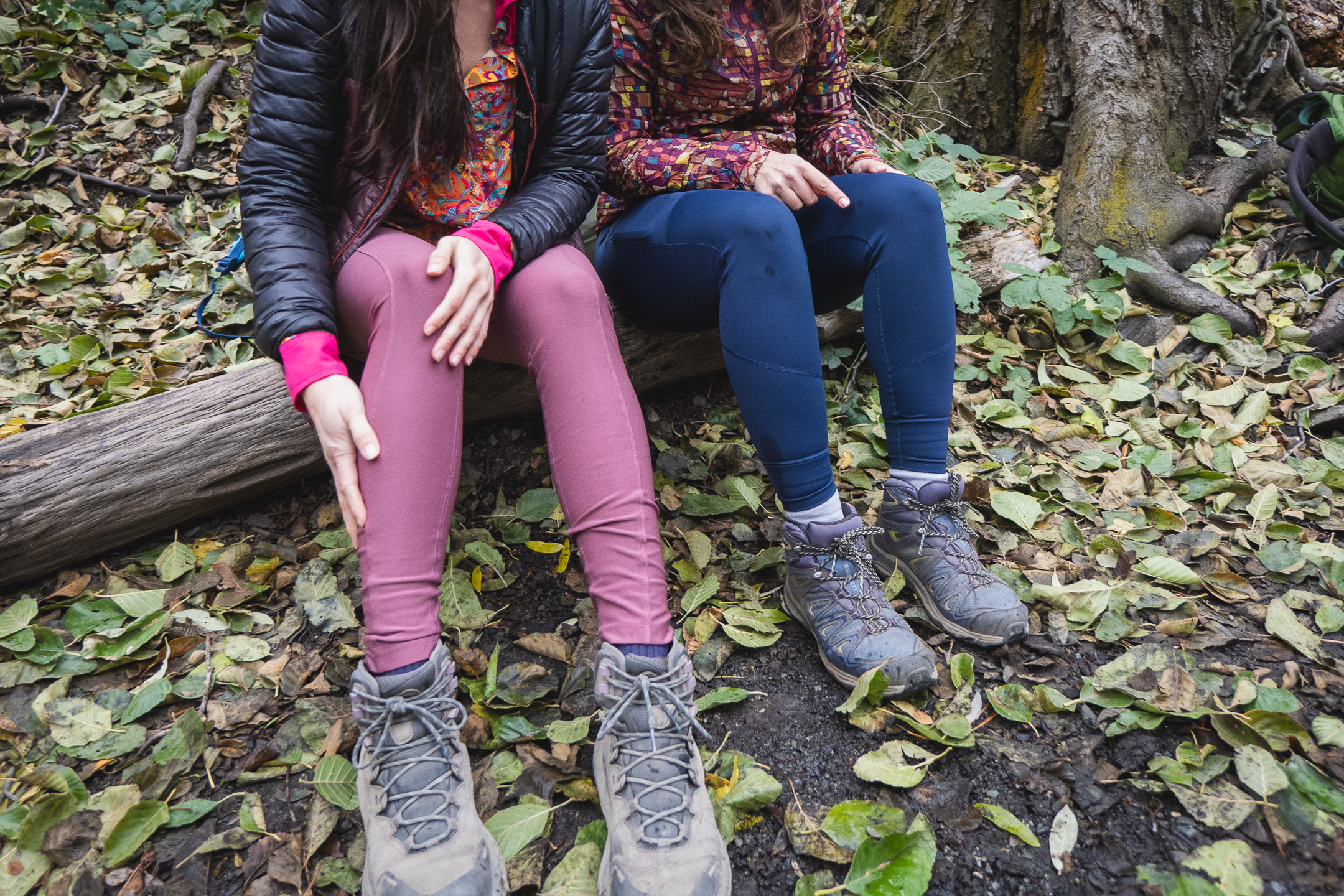
We’ve researched more than 50 pairs of hiking leggings over the years and tested around two dozen on hikes, road trips, bike rides, dog walks, and day-to-day life in between. For our most recent update to this guide, we narrowed down our picks to nine standout tights that we rigorously tested in the field, closely evaluating their comfort, fit, features, breathability, warmth, and durability.
Editor’s Note: We updated this guide on July 22, 2026, to ensure all prices and product specifications were accurate. We also expanded our section on How To Choose Hiking Leggings.
How We Test Hiking Leggings
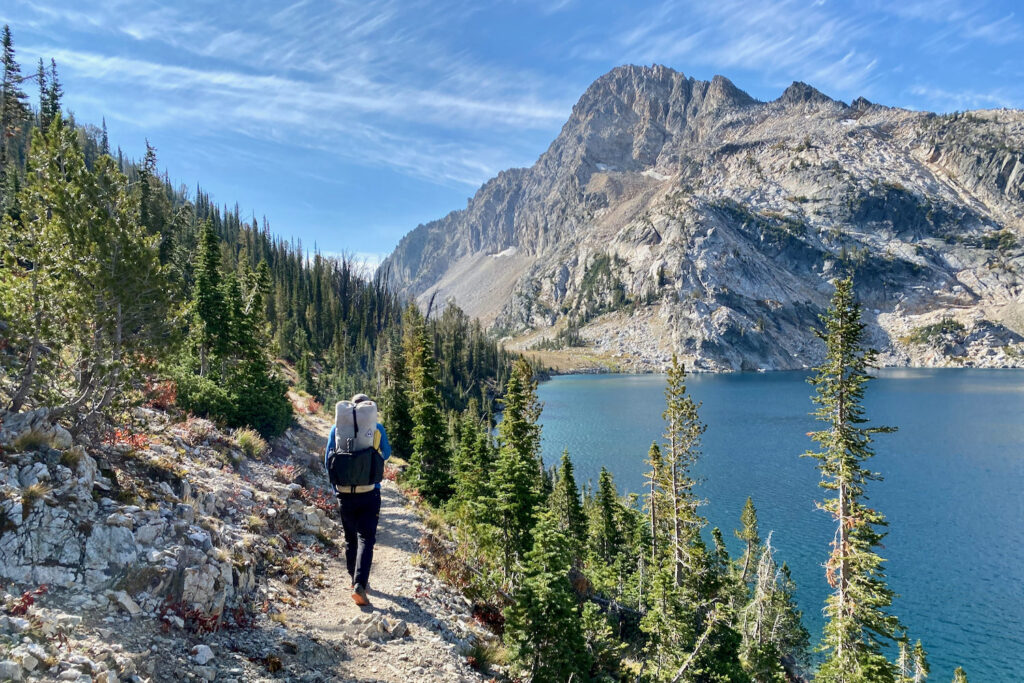
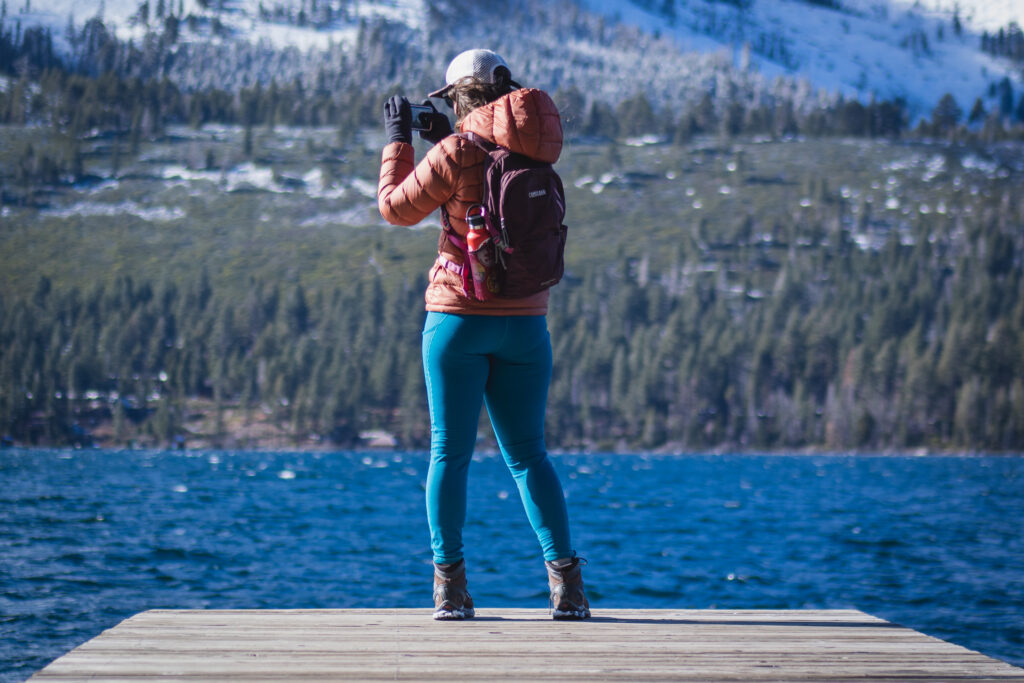
We logged more than 200 miles over roughly two months while testing hiking leggings, putting designs from Patagonia, Stio, Fjallraven, Mammut, and more through their paces in conditions from wet and snowy to hot and dry. We tested them while hiking, jogging, biking, running errands, working at a ski resort, walking our dog, working out at the gym, road tripping across states, and even sitting at a desk all day. Our goal is to wear each pair as much as possible in order to paint an accurate picture of all-around performance.
And for more info, check out some of our other popular gear guides:

#1. Best Hiking Leggings Overall
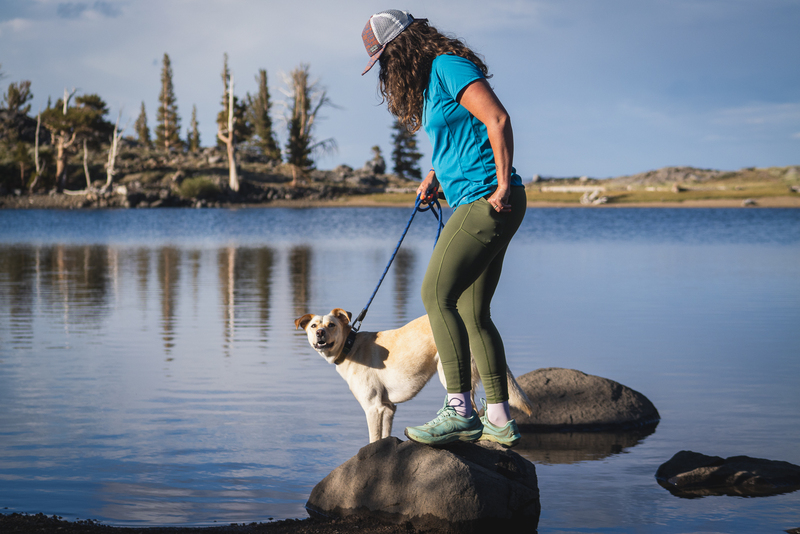
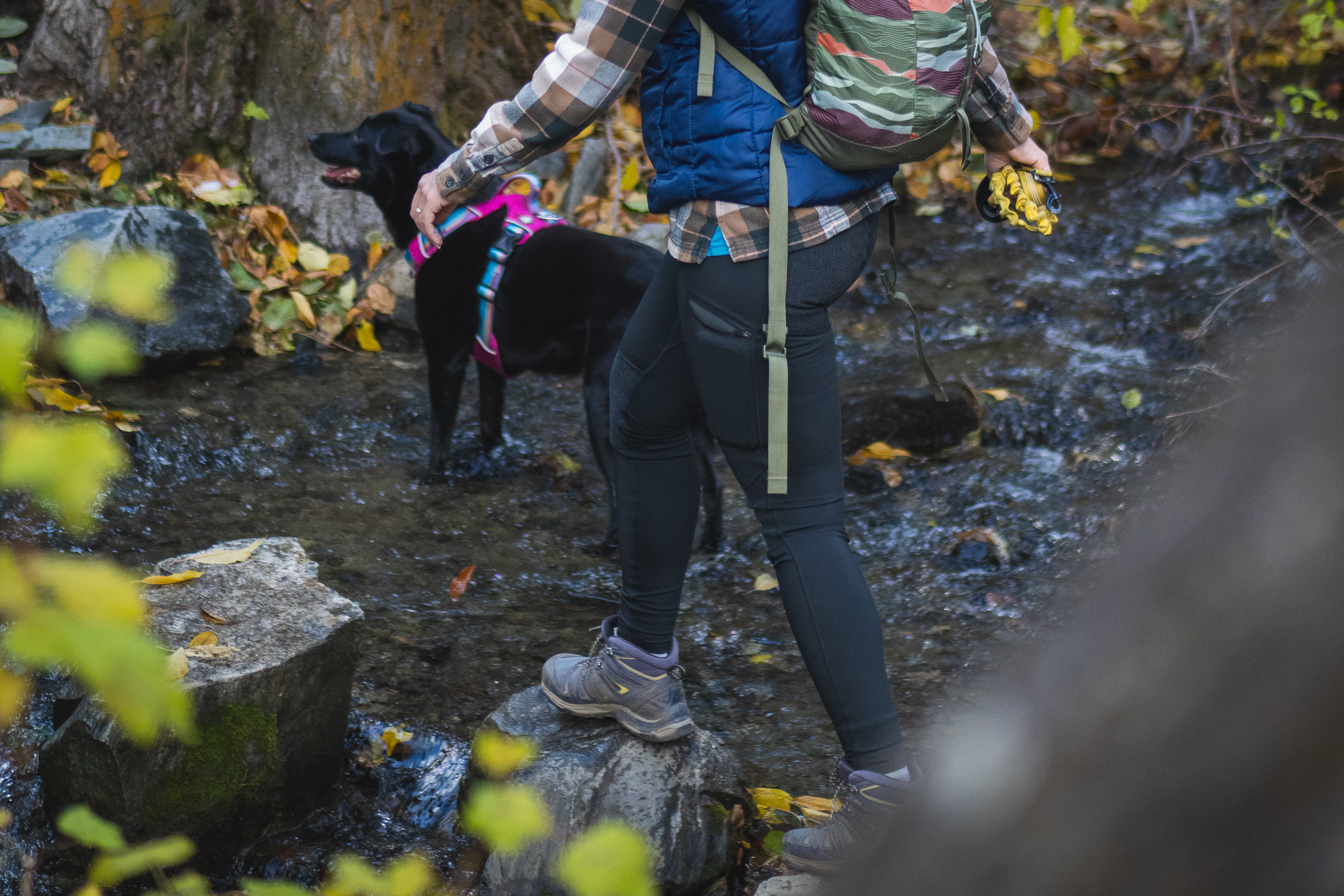
The Stio Glide Tech Legging is a versatile, high-performance design that thoroughly impressed us in testing. These tights have seen hundreds of miles across the U.S., and we still reach for them first when we’re headed out on an adventure.

Quick Picks for Hiking Leggings
Check out this quick list of our favorites if you’re in a hurry, or continue scrolling to see our full list with in-depth reviews.
1. Best Hiking Leggings Overall: Stio Glide Tech Legging ($129)
2. Best Cold-Weather Hiking Leggings: RevolutionRace Alaska Fleece Lined ($95)
3. Most Comfortable Hiking Leggings: Patagonia Maipo 7/8 Stash Tights ($125)
4. Best High-Intensity Hiking Leggings: Title Nine MVT 7/8 Train Tights ($89)
5. Best Warm-Weather Hiking Leggings: Mammut Aenergy Light ($139)
6. Most Durable Hiking Leggings: Fjallraven Abisko Trekking HD ($185)
7. Best Bang-for-Your-Buck Hiking Leggings: IUGA FlexTight High Waist Tummy Control with Pockets ($27)
8. Most Environmentally Friendly Hiking Leggings: Patagonia Pack Out ($119)
9. Best Budget Cold-Weather Hiking Leggings: IUGA HeatLab Fleece Lined with Pockets ($34 – 37)
Stio Glide Tech Legging
Best Hiking Leggings Overall
CleverHiker Rating: 4.9/5.0
Price: $129
Pockets: 3
Weight: 7.4 oz.
Fabric: 69% nylon, 31% spandex
Sizes Available: XS – XL
Pros
- Comfortable and well-fitting waistband
- Soft material
- Additional zippered pocket (three total)
- Waist drawstring
Cons
- Prone to stretching with use, causing the waist to slip down
- Zippered pocket requires a gentle touch to close
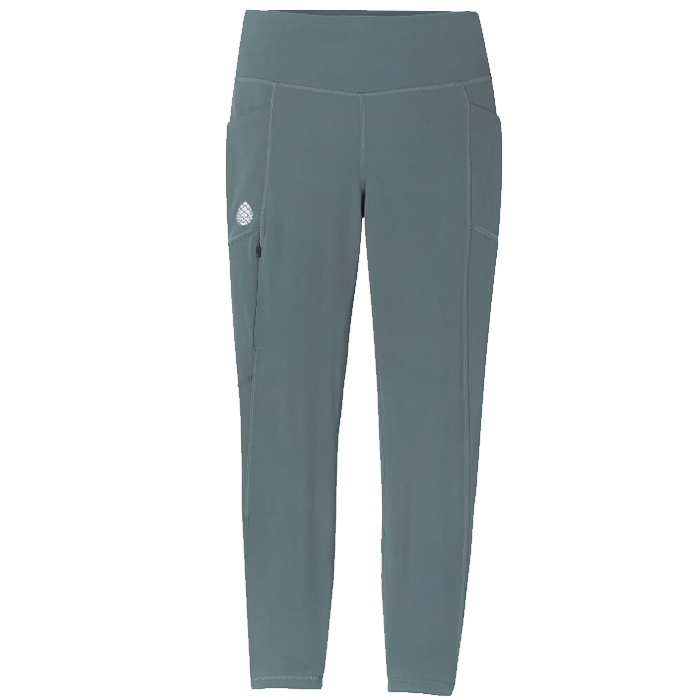
The Stio Glide Tech Legging is a versatile, high-performing hiking tight that can be your go-to for daily errands and outdoor adventures.
We were impressed by the hard-to-beat balance of comfort and fit, including a soft, stretchy construction and thick waistband that not only stays in place but also doesn’t roll or dig in. We also loved how the pockets sit slightly higher than traditional drop-in pockets and more toward the middle of the thigh (between the front and back), preventing items like a phone from pulling down the pants.
Speaking of pockets, the Stio also features a zippered pocket that is large and easy to access, unlike other options on this list where we found our hand got scraped by the zipper. We noticed the tights stretched a bit after a few wears, but we were able to secure the waist with the drawstring while moving.
These are the types of leggings you take on a road trip, bring on a weekend getaway, or leave at the top of your drawer (or laundry pile) because you plan to wear them every day for walks, hikes, and maybe even runs. If you’re choosing between these and the Patagonia Maipo 7/8 Stash below, the Glide Tech is the better choice if technical features and durability are your main priorities (although both are worthy additions to any outdoor-goer’s wardrobe).
RevolutionRace Alaska Fleece Lined Leggings
Best Cold-Weather Hiking Leggings
CleverHiker Rating: 4.8/5.0
Price: $95
Pockets: 3
Weight: 8.5 oz.
Fabric: 86% polyester, 14% elastane
Sizes Available: XS – 4XL
Pros
- Warm
- Incredible fit
- Durable
- Drawstring for adjusting fit
- Pockets are set slightly back and phone-friendly
- Inclusive sizing
Cons
- A little pricey
- Not suitable for warm temperatures
- No zippered pockets
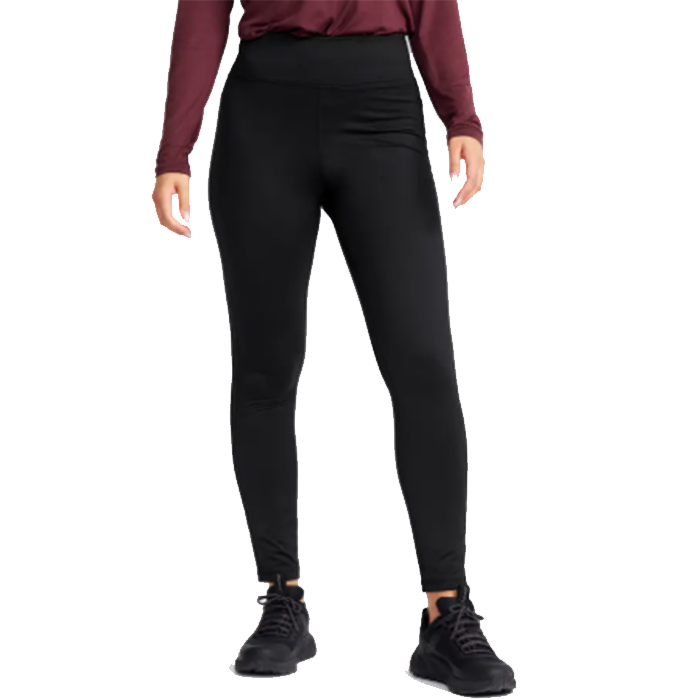
The RevolutionRace Alaska Fleece Lined Leggings are a standout choice for anyone living in a high-elevation mountain town where snow falls for half the year.
The fit is truly excellent and sets these leggings apart from similar styles. We’ve tried several comparable tights, and we expected the same stiffness and muffin top we encountered with the others.
However, these leggings combine a sturdy material that’s thick and warm with ample stretch and comfort. Like many of our other favorites, they are snugger in the legs with a bit more room around the waist and a drawstring for added security.
The pockets are unique, positioned farther back than the hip pockets on most leggings. Because of this design, you almost forget there’s something in your pocket. It keeps your belongings up and out of the way but secure. For shorter walks or hikes when you’re not carrying a backpack, there is a hidden third pocket that’s large enough for an ID or keys.
Although the RevolutionRace website claims these have lower-end insulating properties (a two out of five on their warmth scale), we tested them while hiking in temperatures at or below 30 degrees Fahrenheit and felt comfortable.
The size range is another massive win for these hiking leggings, extending up to 4XL. They aren’t the cheapest option available, but they’re well priced for the level of warmth and performance.
More: Women’s RevolutionRace Alaska Fleece Lined Full Review
Patagonia Maipo 7/8 Stash Tights
Most Comfortable Hiking Leggings
CleverHiker Rating: 4.6/5.0
Price: $125
Pockets: 2
Weight: 6.1 oz.
Fabric: 81% NetPlus nylon, 19% spandex knit
Sizes Available: XXS – XXL
Pros
- Very comfortable
- Lightweight
- Small packed size
- Breathable
- Environmentally friendly
Cons
- Waist may roll down when bending over
- Thinner and less durable
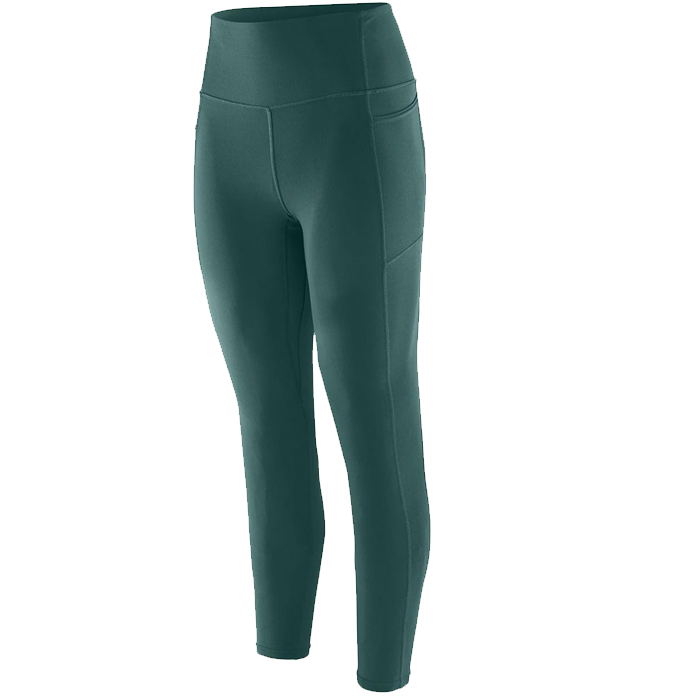
The Patagonia Maipo 7/8 Stash Tights are some of the most comfortable leggings we’ve ever worn. As active adventurers who often opt for technical performance over comfort, we don’t always gravitate toward the coziest options, but these were simply too good to ignore.
The material is silky soft, lightweight, and very stretchy. The extra-wide waistband is incredibly comfortable, too. We found ourselves reaching for the Maipo on long road trips, rest days on the couch, and active days alike.
We wore these during scorching, 100-degree Nevada heat and cool, post-rainstorm summer evenings at 8,000 to 10,000 feet in the California mountains. In all environments, we were pleasantly surprised – never feeling stifled, wanting to rip them off, or shivering and numb from the outside chill.
We were also impressed by their durability, which was decent considering the thin fabric. For reference, our pair has not started to snag or pill despite considerable wear.
The fit is stretchy and forgiving enough to accommodate weight fluctuations and hormonal changes throughout the month. You could cozy up in your sleeping bag in these leggings and head straight to the trailhead in the morning without missing a beat.
Our biggest complaint in testing was that the thin material makes panty lines more visible. Wearing longer shirts or light-colored, seamless underwear helps. Plus, we think the excellent breathability is worth that small trade-off.
Title Nine MVT 7/8 Train Tights
Best High-Intensity Hiking Leggings
CleverHiker Rating: 4.5/5.0
Price: $89
Pockets: 2
Weight: 12.9 oz.
Fabric: 80% polyester, 20% elastane
Sizes Available: XS – XL
Pros
- Compression-like fit
- Internal drawcord
- Drop-in pockets have a mesh-like lining
- Durable
Cons
- Tight waist
- Poor breathability in warm temperatures
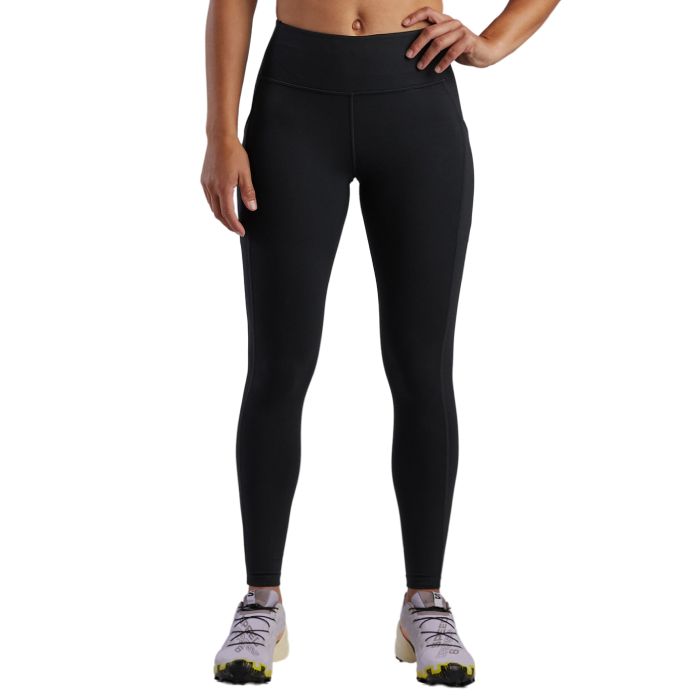
The Title Nine MVT 7/8 Train Tights are great for high-intensity pursuits due to their compression-like fit. We’ve been wearing a pair of Title Nine leggings for around five years, using them for activities from cold-weather running to walking the dog in summer. Though different than our original pair, the MVT 7/8 Train was quick to win us over for its fit and technical performance.
The waistband is very snug, providing a compression-style fit that stays in place with no rolling or bunching. There’s an infinity drawcord for added security if you need it.
As for storage, the MVT features two drop-in pockets and one stash pocket for keys or an ID. The drop-in pockets have a mesh-like lining that helps dump excess heat.
We were surprised that these leggings weren’t very breathable in warmer temperatures. This is likely due to the compression fit, but we were ready to rip them off after workouts on hot days.
On the other hand, these are a fantastic choice on colder outings. They’re a go-to for high-intensity winter pursuits like uphill snowshoeing, cross-country skiing, and cold-weather running – activities when you’ll be working hard but need a slightly thicker layer to fend off the chill.
Mammut Aenergy Light Tights
Best Warm-Weather Hiking Leggings
CleverHiker Rating: 4.5/5.0
Price: $139
Pockets: 2
Weight: 6.9 oz.
Fabric: 70% polyamide, 30% spandex
Sizes Available: XS – XL
Pros
- Excellent stretch
- Hip pockets are zippered and water-resistant
- Functional drawstring
- Pockets are set slightly back and large enough for a phone
Cons
- Waist can slide down
- Limited sizing options
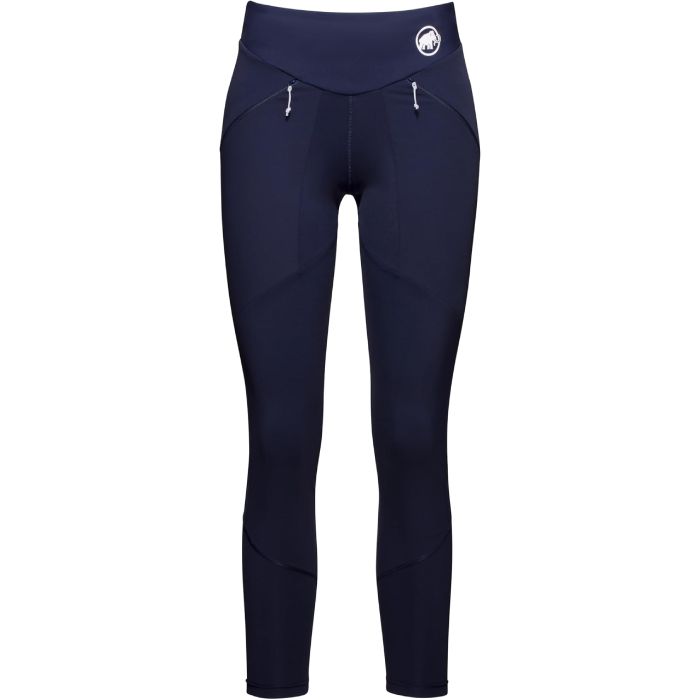
Once you put them on, the Mammut Aenergy Light Tights will make you feel like a superhero or an Olympic athlete. At first, they seem noticeably small and tight, but the material is so stretchy that the leggings nicely conform to your curves.
Like many of our other favorites, the Aenergy Light Tights are slightly looser at the waist and very snug around the legs. The drawstring is two-sided rather than an infinity style (much like a pair of sweatpants) and necessary when you’re on the move.
These pants can slide down at the waist during movement, but we enjoyed their overall fit and comfort. Those with bony or wide hips may not experience any unwanted movement (and again, the drawcord helps). Overall, we love these leggings for hot days, fast-paced adventures, and other instances when we want to feel athletic and nimble.
The pockets are uniquely positioned at the front of the hips for clearing a climbing harness. We appreciate that the material covering the pockets is water-resistant, causing droplets to bead up and roll off instead of soaking through. Our pair came with a second set of zipper pulls that were bright orange, which is a fun touch if you feel like swapping them out (or you end up breaking one).
All told, the Aenergy Light Tights are a standout warm-weather companion with great support and practical features for more technical adventures.
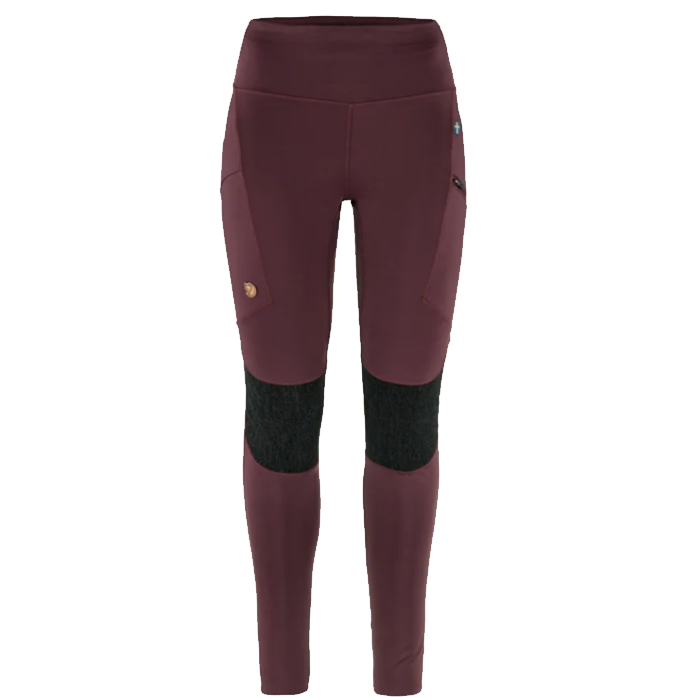
Fjallraven Abisko Trekking Tights HD W
Most Durable Hiking Leggings
CleverHiker Rating: 4.2/5.0
Price: $185
Pockets: 2
Weight: 9.3 oz.
Fabric: 70% polyester, 30% elastane
Sizes Available: XXS – XXL
Pros
- Reinforced knees and seat
- Very durable
- Stretchy
- Slightly more insulated due to the reinforcements
- Compression-like material
Cons
- Expensive
- Sizing is challenging and limited
- Envelope pocket is skinny and tight
The Fjallraven Abisko Trekking Tights HD are a technically savvy option for hikers who prioritize durability and mountain-ready performance. They are built with high-quality materials and made to withstand rugged outdoor use – all while maintaining the comfort and stretch we love about leggings.
We were initially worried that the thick seat and knees would be uncomfortable or cause chafing, but after a long hike, we realized the reinforcements just took some getting used to. These are the only hiking leggings on our list that feature such a durable fabric in the areas where we need it most.
At first, your standard size may feel a bit snug and restrictive, but these leggings stretch over time. They also come with a drawstring to keep the waist secure if you decide to size up.
The Abisko Trekking Tights HD boast a large side pocket with a zipper and a thinner, envelope-style pocket with a flap closure. Although the envelope pocket is secure, it’s narrower and tighter than the zippered pocket, making it difficult to access smaller items.
These are the most expensive hiking leggings on our list, and the price might be prohibitive for some. But if you’re willing to make the investment, these tights are sure to keep up on more technical adventures like peak-bagging, scrambling, and even 5th-class climbing.
More: Women’s Fjallraven Abisko Trekking Tights HD W Full Review
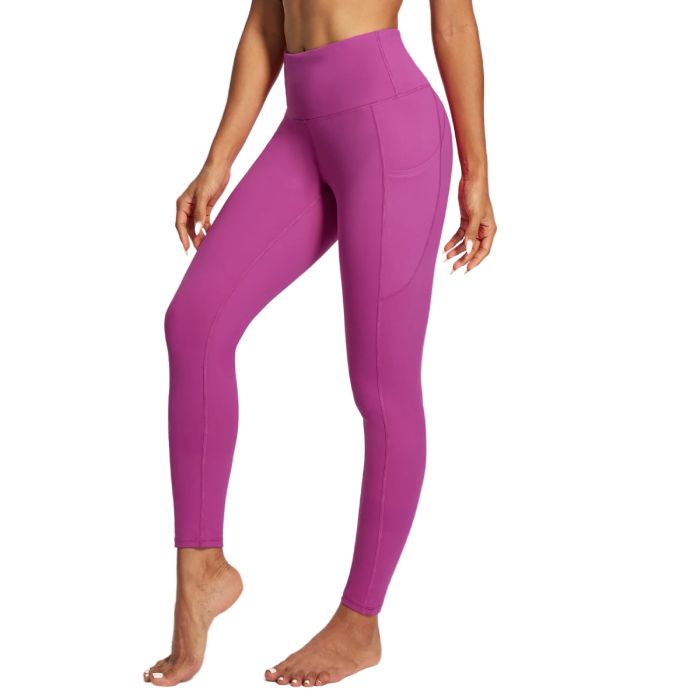
IUGA FlexTight High Waist Tummy Control with Pockets
Best Bang-for-Your-Buck Hiking Leggings
CleverHiker Rating: 3.9/5.0
Price: $27
Pockets: 3
Weight: 9.1 oz.
Fabric: 77% polyester, 23% spandex
Sizes Available: S – 3XL
Pros
- Super soft and comfy
- Lots of bright color options (in some sizes)
- Affordable
- Deep, secure pockets
- Waist stays up (even if you size up)
- Versatile for casual wear or the gym
Cons
- Not durable
- No drawstring
- No zippered pockets
Don’t let their name or bargain-basement price tag fool you: The IUGA FlexTight High Waist Tummy Control Leggings with Pockets are a solid choice for short and mellow hikes, lounging around the house, yoga classes, and gym workouts. In sum, they’re a great first pair of hiking leggings that won’t break the bank.
These leggings offer exceptional stretch, ensuring a comfortable fit regardless of your shape. If you opt for a larger size for reduced compression in the waist, they still stay up well without a drawstring. Though we expect the fabric to pill over time, we haven’t experienced any issues after several days of hiking and gym use, even in the thigh area, which seems most susceptible to deterioration from friction.
Beyond comfort, we love that the IUGA FlexTight leggings are offered in lots of vibrant colorways – a welcome change from some of the duller, techier options on our list. And the pockets are deep and spacious, securely accommodating most modern smartphones.
All in all, these leggings won’t be mistaken for a performance design, but they’re a wallet-friendly choice for light outdoor use and wearing casually.
More: Women’s IUGA FlexTight High Waist Tummy Control Full Review

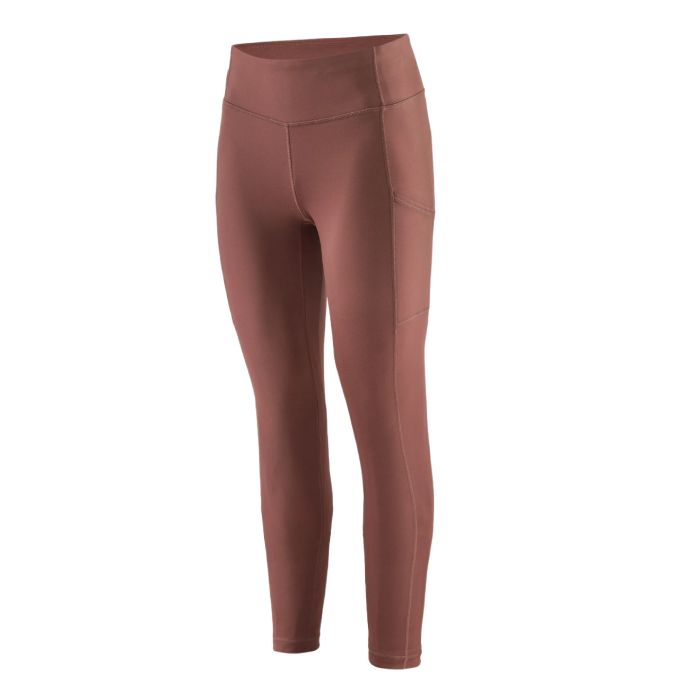
Patagonia Pack Out Tights
Most Environmentally Friendly Hiking Leggings
CleverHiker Rating: 3.7/5.0
Price: $119
Pockets: 3
Weight: 10.8 oz.
Fabric: 87% polyester, 13% spandex jersey
Sizes Available: XS – XXL
Pros
- Soft feel
- Sustainable fabric (and brand)
- Three pockets (one zippered)
- Versatile styling
Cons
- Waist slips down often
- Slightly less stretchy
- Mid-rise waist isn't for everyone
The Patagonia Pack Out Tights are soft and sustainably built, with a lower-rise waist and a fit comparable to women’s pants from the brand.
These leggings are a great choice if you’re after a versatile pair you can wear not only while hiking but also during long car rides to the trailhead. The design is made from a mix of recycled polyester and spandex double-knit jersey, offering a nice balance of comfort and stretch. The fabric is certified as bluesign-approved, and the tights are made in a Fair Trade Certified factory that ensures workers are compensated fairly.
The Pack Out Tights sit below the belly button, which can be either a pro or a con depending on your fit preferences. For those of us with curvier bodies and a bit of a belly, we found the waist tends to roll down often, particularly when bending over. However, many prefer a mid-rise waist over a high-rise cut.
These leggings also have one more pocket than many alternatives, with two drop-in pockets and one slightly hidden side pocket. The side pocket is zippered, which is a rarity in the legging market.
The Patagonia Pack Out Tights have decent mobility, allowing for unrestricted movement, but they aren’t the stretchiest design out there. For those who generally struggle to fit into Patagonia pants – due to more athletic thighs or a curvier figure – these leggings might cause similar frustrations. If you fall into that group, we found the waist is prone to sliding and rolling down, and there’s no drawstring to help keep it in place.
If you like Patagonia’s fit, however, these leggings are a great choice that transition nicely from trail to town. The brand’s sustainability ethos is the cherry on top.
Editor’s Note: The Pack Out Tights are on their way out at the time of publishing. For a similarly built option, Patagonia’s Tropic Comfort Sun Tights feature a mix of 81% recycled polyester and 19% spandex stretch jersey, with a high-raise waist and single security pocket.
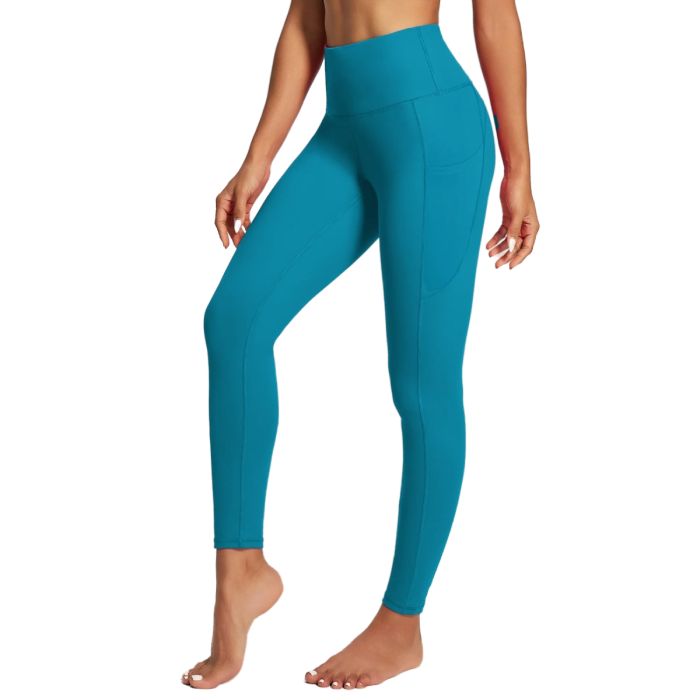
IUGA HeatLab Fleece Lined with Pockets
Best Budget Cold-Weather Hiking Leggings
CleverHiker Rating: 3.5/5.0
Price: $34 – $37
Pockets: 2
Weight: 10.1 oz.
Fabric: 87% polyester, 13% elastane
Sizes Available: XS – 3XL
Pros
- Warm and cozy
- Highly comfortable
- Affordable
- Very stretchy
- Good fit
Cons
- Prone to premature pilling
- No drawstring
- No zippered pockets
The IUGA HeatLab Fleece Lined with Pockets is the most comfortable pair of insulated leggings we’ve ever worn.
The exterior fabric is the kind you can’t help but rub your hands against, and the stretch is so forgiving that it feels like the tights could accommodate another person without restriction. (Note that we sized up in these leggings, which likely contributed to the extra comfort.) Inside, the fleece lining provides a pajama-like feel.
Even though we sized up (since our measurements were on the cusp between sizes), the waist stayed in place well. We didn’t find ourselves needing to make constant adjustments like we did with some other leggings on this list.
However, at a price this low, we weren’t surprised to find that the fabric showed wear quickly. The Fleece Lined leggings started to pill after just two wears, not only between the thighs but also in areas that might have been rubbed by our jacket while hiking. They should make it through a season if you treat them kindly, but don’t expect them to make a return appearance next year.
Like IUGA’s own FlexTight above, these leggings feature two deep and wide drop-in pockets that securely hold belongings. They’re also sold in a wide variety of bright colors that are sure to stand out on the trail or around town.
More: Women’s IUGA HeatLab Fleece Lined with Pockets Full Review
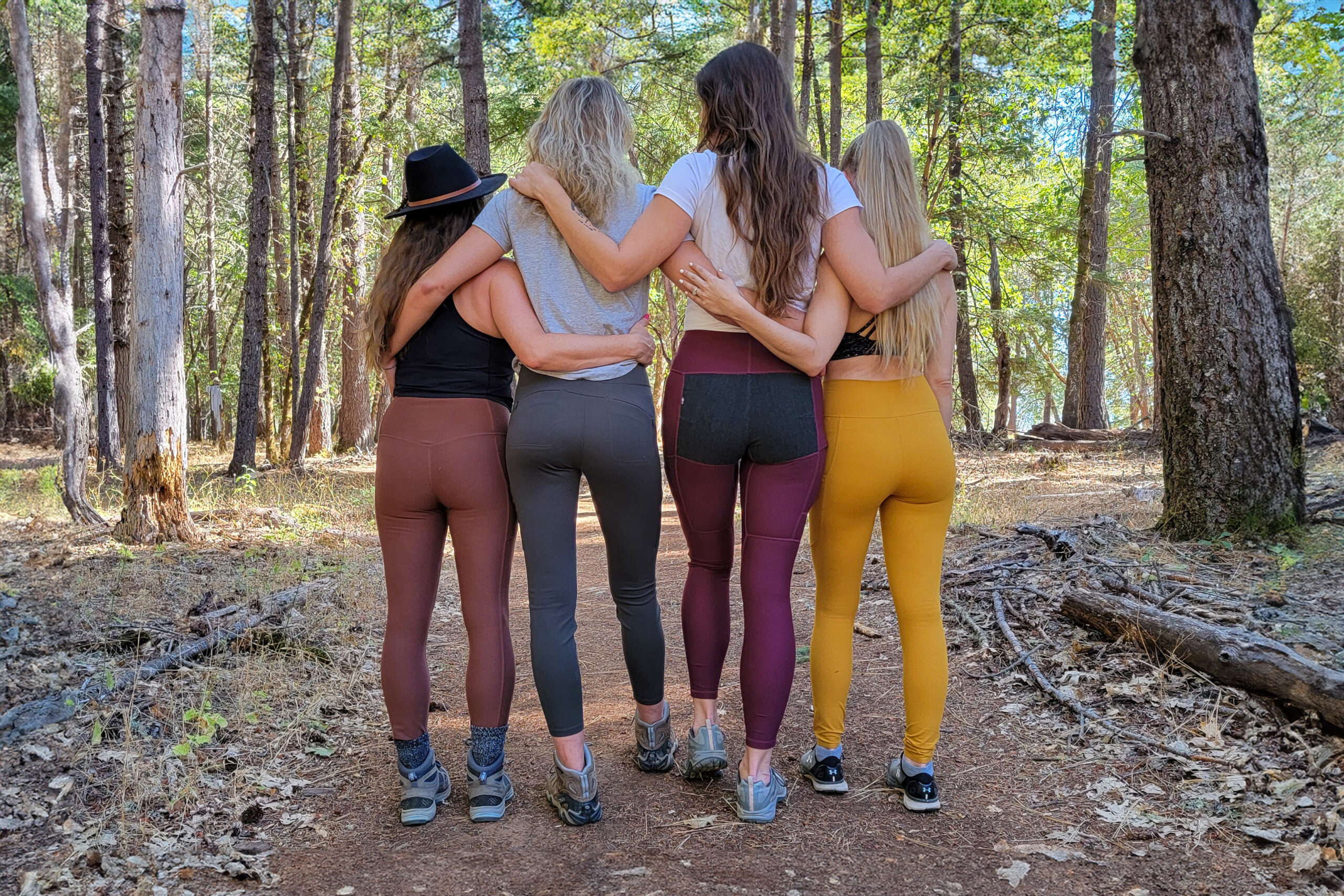
Product Comparison Table
| oSort | Product | Price | Pockets | Weight | Fabric | Sizes Available | Comfort | Fit | Features | Breathability | Warmth | Durability | 0 |
Stio Glide Tech Legging View at Stio 
|
$129 | 3 | 7.4 oz. | 69% nylon, 31% spandex | XS – XL | 5.0 | 5.0 | 4.6 | 4.6 | 4.0 | 4.8 | 1 |
RevolutionRace Alaska Fleece Lined Leggings View at RevolutionRace
|
$95 | 3 | 8.5 oz. | 86% polyester, 14% elastane | XS – 4XL | 5.0 | 5.0 | 4.5 | 3.5 | 4.9 | 5.0 | 2 |
Patagonia Maipo 7/8 Stash Tights View at REI View at Patagonia
|
$125 | 2 | 6.1 oz. | 81% NetPlus nylon, 19% spandex knit | XXS – XXL | 5.0 | 4.8 | 4.1 | 4.9 | 3.5 | 3.7 | 3 |
Title Nine MVT 7/8 Train Tights View at Title Nine |
$89 | 2 | 12.9 oz. | 80% polyester, 20% elastane | XS – XL | 4.5 | 4.9 | 3.9 | 4.0 | 3.5 | 4.8 | 4 |
Mammut Aenergy Light Tights View at Amazon View at Mammut |
$139 | 2 | 6.9 oz. | 70% polyamide, 30% spandex | XS – XL | 4.2 | 4.2 | 4.5 | 5.0 | 3.5 | 4.0 | 5 |
Fjallraven Abisko Trekking Tights HD W View at Amazon View at Backcountry |
$185 | 2 | 9.3 oz. | 70% polyester, 30% elastane | XXS – XXL | 4.0 | 4.2 | 4.6 | 3.8 | 3.9 | 5.0 | 6 |
IUGA FlexTight High Waist Tummy Control with Pockets View at Amazon View at IUGA 
|
$27 | 3 | 9.1 oz. | 77% polyester, 23% spandex | S – 3XL | 5.0 | 4.5 | 3.6 | 3.6 | 3.5 | 3.6 | 7 |
Patagonia Pack Out Tights View at Patagonia View at Backcountry |
$119 | 3 | 10.8 oz. | 87% polyester, 13% spandex jersey | XS – XXL | 4.2 | 3.8 | 3.9 | 3.9 | 3.6 | 3.7 | 8 |
IUGA HeatLab Fleece Lined with Pockets View at Amazon View at IUGA
|
$34 – $37 | 2 | 10.1 oz. | 87% polyester, 13% elastane | XS – 3XL | 5.0 | 4.0 | 3.4 | 3.2 | 5.0 | 3.0 |
|---|
Analysis & Results
Which Hiking Leggings are the Best Value?
Value is about more than just price – it’s about how well a product performs for the price and how well it holds up over time.
On the budget end, the IUGA FlexTight High Waist Tummy Control and IUGA HeatBal Fleece Lined leggings are the cheapest options on our list by a sizable margin. They lack the technical features and longevity of more premium (read: pricier) options but are solid buys for casual users and those in the market for their first pair of hiking leggings.
Stepping up in price, the Title Nine MVT 7/8 Train, RevolutionRace Alaska Fleece Lined, Stio Glide Tech, and Patagonia Maipo 7/8 Stash all offer solid bang for your buck. Though more expensive than the IUGA options, all of these designs are great long-term investments with convenient features, excellent comfort, and quality constructions that hold up well to regular outdoors use.
At the top end of our lineup is the Fjallraven Abisko Trekking Tights HD, which is an ultra-premium option for more technical adventures like peak-bagging, scrambling, and technical climbing. Though very expensive, the Abisko is made with a strong attention to detail and will hold up to multiple seasons of hard outdoor use. One of our editors has a pair that is going on six years with little wear to show after countless pitches of climbing on rough granite, gritty sandstone, and sharp limestone.
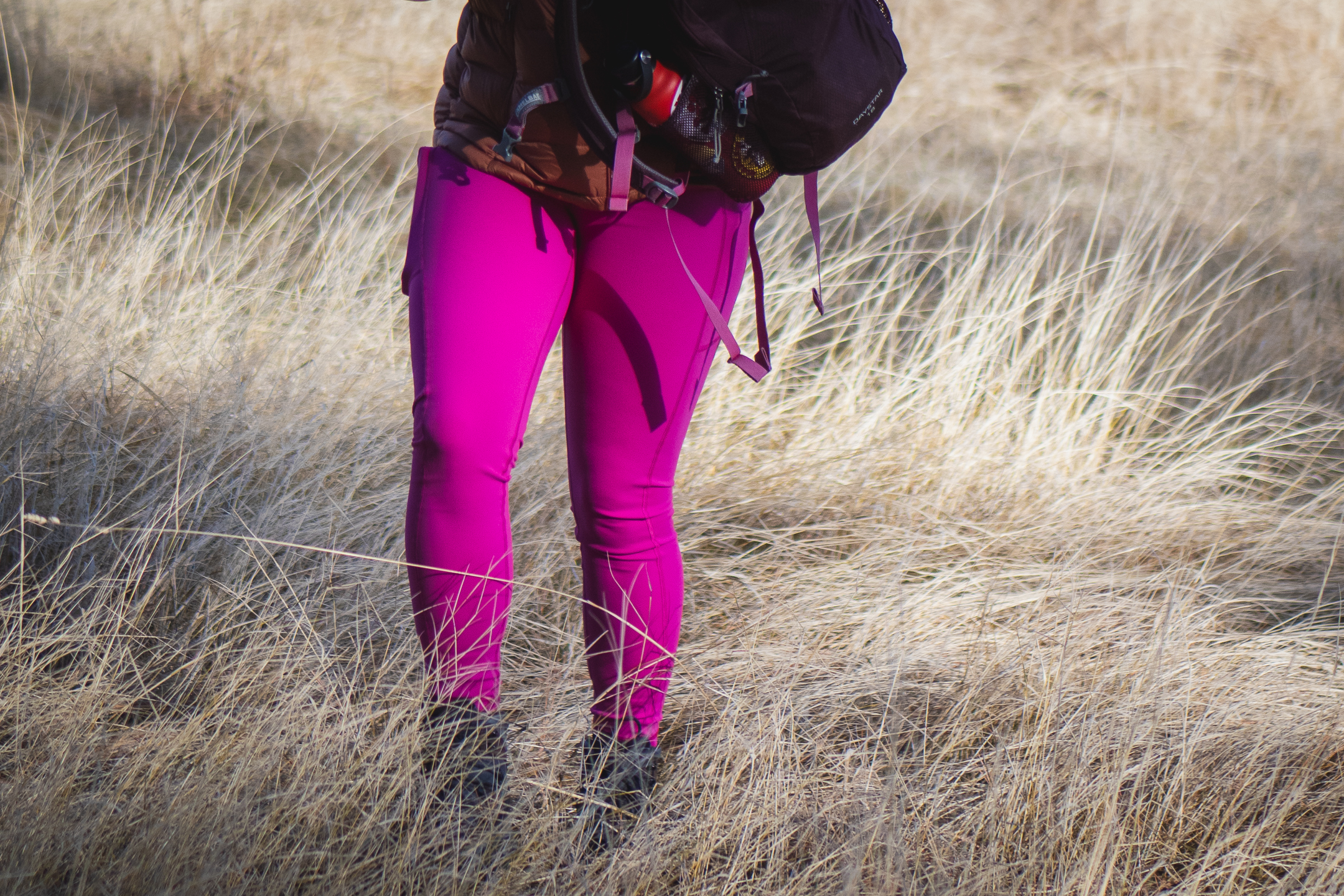
Which Hiking Leggings are the Most Comfortable?
The Patagonia Maipo 7/8 Stash received our top ranking for comfort. We wore them multiple days in a row during a road trip and thoroughly enjoyed the soft, supple fabric. They are the leggings we reach for the most – enough so that they spend more time in our laundry hamper than in our closet.
The IUGA HeatLab Fleece Lined and FlexTight High Waist Tummy Control are also extremely cozy. Though less technical than many other options on our list, they have soft and comfortable builds that are easy to wear casually. The HeatLab’s fleece lining gives the tights a pajama-like feel.
The RevolutionRace Alaska Fleece Lined leggings are also surprisingly comfortable considering their durable construction. They slide on smoothly, and the waistband sits comfortably against the belly without any digging in, rolling, or sliding down.
The Stio Glide Tech was another top performer in the comfort category. Impressively, Stio managed to achieve this without compromising in other areas like features or durability. We are equally excited to wear these leggings for strenuous hikes as we are for post-adventure lounging on the couch.
Which Hiking Leggings Have the Best Fit?
Fit can make or break a pair of hiking leggings, and the challenging part is that every body is different. For scoring purposes, we prioritized designs with secure (but not restrictive) waistbands and flattering silhouettes that complemented our curvy, athletic figure.
The Stio Glide Tech and RevolutionRace Alaska Fleece Lined impressed us the most. Both leggings offer a snug fit around the legs that nicely hugs our curves, with a slightly looser waist that stays up without digging in. Both pairs fit us like a dream.
The Title Nine MVT 7/8 Train was another standout in the fit department. The waistband is snug enough that it stays in place with no rolling or bunching. There’s also a drawcord for cinching the waist if you need it.
The Patagonia Maipo 7/8 Stash has a comparably nice fit, although the waistband isn’t as secure. It also lacks a drawcord, which only exacerbates the slipping issue. Even so, we’d say the Maipo fits true to size.
The IUGA FlexTight High Waist Tummy Control is also worth a mention here. These leggings offer exceptional stretch and feature a secure waistband, although it lacks a drawcord. They fit us well in our usual size with no areas of excess tightness or looseness.
Finally, the Fjallraven Abisko Trekking HD boasts a wide, high-riding waistband with a drawcord for added security. The Abiskos have more of a compression-like fit than the options mentioned above, so we sized up for comfort at the waist (and would recommend doing the same if you’re between sizes).
Which Hiking Leggings Offer the Best Features?
Leggings are minimally featured by nature, but some have more convenient storage layouts than others. Drawstrings can also be helpful for keeping the waistband in place, especially if you size up for comfort.
The Fjallraven Abisko Trekking HD earned our top spot for its reinforced knees and seat. It’s the only design on our list with reinforcements in wear-prone areas, which are especially helpful when taking trailside breaks, scrambling over rocks, or bushwhacking. It also features two drop-in pockets – one with a flap closure and one with a zipper – along with a drawstring for cinching the waist.
The Stio Glide Tech also scored high for features with two drop-in pockets, a zippered pocket, and a drawstring. In a similar vein, RevolutionRace’s Alaska Fleece Lined tights boast spacious pockets that are smartphone-friendly and positioned toward the back, keeping items out of the way. The leggings also feature a drawstring and a small hidden pocket at the back of the waistband.
A final design worth calling out here is the Mammut Aenergy Light, which has a two-sided drawstring (rather than infinity-style) and a water-resistant softshell fabric covering the pockets. The latter is a nice touch for protecting your phone in unexpected rain or snow. Our pair also came with a second set of zipper pulls, which is a helpful touch if you happen to break the original pair.
Which Hiking Leggings are the Most Breathable?
The Mammut Aenergy Light leggings were the most breathable option we tested. The polyamide/spandex mix is lightweight and thin, but not to the point that the leggings are sheer. Mammut gives them a five out of six on their breathability scale, which we think is pretty accurate. They’re a great choice for summit outings and fast-paced adventures like running or biking.
The Patagonia Maipo 7/8 Stash leggings are also a good warm-weather option. They scored slightly lower in our rankings because they were more likely to show sweat lines, although opting for the black colorway should help mitigate that issue.
The Stio Glide Tech also surprised us in warmer conditions, although its construction is a bit thicker than both the Aenergy Light and Maipo 7/8 Stash. As a result, the Glide Tech isn’t as strong of a choice for sweltering summer heat, but it’s breathable enough for most conditions.
Which Hiking Leggings are the Warmest?
For our cold-weather outings, we love the RevolutionRace Alaska Fleece Lined. As its name suggests, the design features a cozy fleece lining that adds a nice dose of warmth for winter adventures. The fit is also excellent – it’s not overly stiff like many alternatives – and there’s ample stretch for mobility and comfort. RevolutionRace ranks the leggings a two out of five on their warmth scale, but we managed to stay comfortable in temperatures around 30 degrees Fahrenheit.
The IUGA HeatLab Fleece Lined felt a bit warmer than the RevolutionRace, but it was close. In fact, they were almost too warm for active hikes, even in the dead of winter. As a result, they strike us as better suited for slower, flatter, and more casual cold-weather activities.
From there, the Stio Glide Tech and Fjallraven Abisko Trekking Tights HD performed about the same. Neither design would be our top choice to wear in the middle of winter, but they’re well suited for shoulder-season conditions, chilly evenings at camp, and higher-elevation adventures in the summer.
Which Hiking Leggings are the Most Durable?
One of the biggest reason to opt for a pair of hiking leggings over standard athleisure designs is that they are better equipped to handle the rigors of outdoor use.
The Fjallraven Abisko Trekking Tights HD are a clear standout in this department with a confidence-inspiring construction and beefy reinforcements at the knees and seat – two of the areas most susceptible to snags and tears. One of our editors has had a pair of Abisko leggings that are going on year six with little wear to show after countless pitches of rock climbing and dozens of miles of hiking and bushwhacking.
The RevolutionRace Alaska Fleece Lined leggings also offer a sturdier and more durable build than most tights. If you need warm leggings that can stand the test of time and hold up to the elements, these are an easy choice.
Next in line were the Stio Glide Tech and Title Nine MVT 7/8 Train Tights. Both of these options are slightly less durable than the Abisko and Alaska, but overall quality is still high. We have not encountered any pilling or deterioration after considerable use. Though we wouldn’t slide down rocks or hike through thorny bushes in these tights, their midweight constructions earned them solid marks for longevity.
How to Choose Hiking Leggings
How Should Hiking Leggings Fit?
When deciding on a pair of hiking-specific leggings, we recommend prioritizing a snug and supportive – but not restrictive – fit. Look for wide, comfortable waistbands that stay in place and go unnoticed underneath a backpack hipbelt. Drawcords can be helpful for securing the waist, especially if you opt to size up for comfort. There should be no excess material arounds the legs or crotch areas.
At the end of the day, there’s no substitute for trying on leggings before you buy to ensure they fit your figure how you want them to. If you can’t do that, consider purchasing from a reputable manufacturer that makes returns or exchanges easy. If you’re between sizes, it’s a good idea to order both and see which works best for you. Wear them around the house or go for a short walk to see how they feel – just remember to leave the tags on until you make your final decision.
Which Features Should You Look for in Hiking Leggings?
Most hiking leggings are pretty barebones when it comes to features, but some are better equipped for outdoor use than others. For storage, many hikers appreciate pockets that are secure and large enough to swallow a smartphone. A zippered pocket can be nice for stashing valuables like keys or an ID. The standard layout is two drop-in (read: non-zippered) pockets – one at either thigh.
A drawcord either inside or outside the waistband can also be nice for keeping the leggings in place while you’re moving. Many leggings have infinity-style drawcords that eliminate the risk of the cord getting lost inside the waistband. If you opt for a drawcord-equipped design and plan to wear a pack, make sure that the cord goes unnoticed underneath your hipbelt (some are lower-profile than others).
Final features to look out for include reinforcements in high-wear areas and water-resistant coatings or fabrics to fend off moisture. If you plan to do a lot of scrambling or technical climbing, reinforcements at the knees and seat can be very helpful. For wet climates like the Pacific Northwest, a durable water-repellent (DWR) coating or softshell panels can go a long way.
Which Climate(s) Will You Be Hiking in?
One of the first things to pin down is where you plan to do most of your hiking or adventuring. Cold-weather tights are built very differently than warm-weather options, so it’s important to pinpoint your objectives and expected temperature range.
For strictly summer use or working hard in mild temperatures, thin and lightweight synthetic blends are a great choice. A healthy dose of stretch (in the form of spandex or elastane) can be helpful for maximizing range of motion. Weight is often a good indicator of overall breathability, with designs in the 5- to 7-ounce range (for women’s designs) often hitting a sweet spot for warm-weather or high-intensity adventures.
If you do a lot of high-altitude or shoulder-season hiking, a thicker midweight design may be the better option. In general, thicker fabrics hold up better over time but may be too warm for hiking in the heat of summer – especially in low-elevation or desert climates. If a weight specification is available, midweight tights often hover in the 7- to 9-ounce range.
Finally, for winter use, fleece-lined leggings are hard to beat. Cross-country skiers, cold-weather runners, and other active winter users may want to avoid insulation altogether, but fleece-lined designs can be nice for casual hikes, snowshoeing, and lounging around the cabin. Fleece-lined leggings often weigh around 10 ounces or more, and the added bulk is noticeable in a pack or duffel.
How & Where Do You Plan to Wear Your Leggings?
Leggings that are comfortable for lounging can look very different than rugged designs that will hold up to scrambling and bushwhacking. If you’re looking for a pair of leggings to wear casually and on the occasional hike, you can likely get away with a cheaper and less performance-ready design. Leggings that fit this bill have soft and pliable fabrics that are lightweight and breathable. We love wide, low-profile waistbands that go unnoticed throughout the day. For storage, a drop-in pocket or two should get the job done.
For more technical hikes, scrambling, and bushwhacking, it’s worth upgrading to a more outdoor-ready option. Some designs in this category have reinforcements in wear-prone areas, which can be helpful for fending off tears and abrasion when scooting down rocks, sitting on logs, or navigating through pokey brush. Keep an eye out for thicker fabrics and a good amount of stretch (in the form of elastane or spandex) for unrestricted mobility. A zippered pocket can be helpful for securing a phone, ID, or keys while you hike.
Why Trust CleverHiker
Lead analyst and gear tester Natasha Buffo has hiked all over the world. Over the past decade, she has explored backcountry areas throughout New Zealand, Chile, Peru, and Colorado. She has also spent considerable time adventuring close to home in California’s Sierra Nevada mountains, completing the Tahoe Rim Trail and John Muir Trail.
A business analyst by trade, Natasha has a penchant for data-driven testing. She has been a fit tester and gear reviewer since 2019, using her professional background to provide helpful, quantitative information on trail-ready clothing and equipment. As an athletic woman with a curvy body, she knows the plight of finding well-fitting hiking pants – and quickly recognizes when she lands on a quality pair.
Testing Methodology
How Do We Test Comfort?
For comfort, we first considered the softness of the fabric. We asked ourselves: Would we want to wear these for multiple days, or were we eager to rip them off after a couple miles?
We focused on flexibility and stretch, paying attention to how easily we could move, bend, crouch, and squat. We evaluated how easy it felt to bend our knees when climbing uphill and whether there was any resistance. We rubbed our hands on the material to determine how soft the fabric was (or wasn’t).
We tested comfort by walking up and down hills, sitting cross-legged, stretching, bending down to pet our dog, and wearing each pair of leggings for planks, mountain climbers, and yoga. We kept them on for a full day of sitting. We noted how easy they were to put on and take off for bathroom breaks. Finally, we wore them during long days in the car on road trips or casually relaxing with friends before or after our hikes.
How Do We Assess Fit?
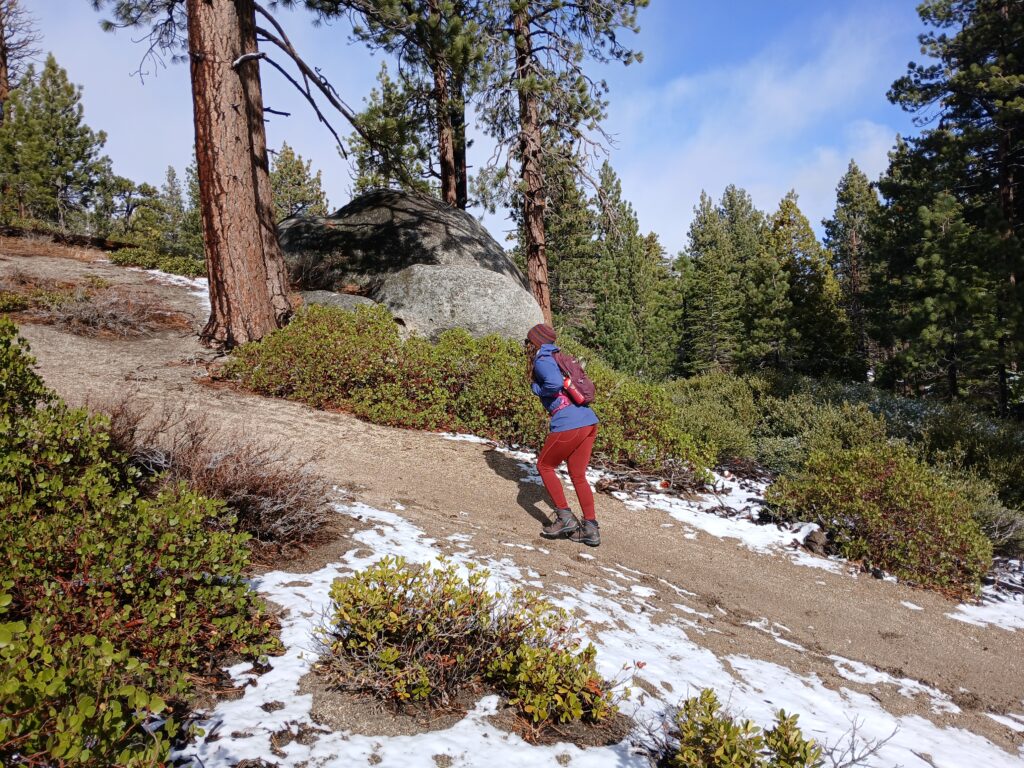
Anyone who has ever worn a pair of leggings knows that the most important detail is whether the waistband stays up. Beyond that, we paid attention to how the leggings felt around the waist. Was there digging in that created a muffin top? What was the waist height: below, at, or above the belly button? We wore each pair for multiple days to stretch them out. We walked, hiked, jogged, and moved up and down, lying on our backs and resting on our forearms.
A key factor was having a drawstring to keep the waist secure during more active moments. Were we constantly tugging the waist back into place? Did the waist make us feel self-conscious about our bodies by constantly rolling down? We also reviewed feedback on fit, checked size charts, and decided whether to recommend sizing up or down based on belly size and personal preference.
How Do We Evaluate Features?
For features, we looked at the number, size, and placement of pockets. We also considered closure type – zipper, flap, etc. – as well as waist drawstrings, fabric reinforcements, and water-repellent coatings.
We tested pocket utility by placing our phone, snacks, and pocket knife in the various pockets. We focused on how secure the items felt and whether our hands could easily get in and out of the pockets to access the items. We also hiked with items in the pockets to see if the placement was suitable during activity. If we needed to remove an item while hiking uphill or change the positions of items, we made note of that. If there was a drawstring, we tested tying and untying it and hiking with and without using it.
How Do We Gauge Breathability?
One downside to hiking leggings compared to alternatives like shorts or looser pants is that they can cause excessive sweating. We focused on whether the leggings were suitable for warm weather and high-intensity activities or if they felt too bulky or restrictive on warmer days.
We wore them in situations where we were likely to sweat: hiking in the heat of the day, hiking uphill in lower elevations, jogging, working out at the gym, or participating in a crowded yoga class. If we felt cool and comfortable, they were appropriate for these conditions. We also considered whether sweat was visible through the fabric.
How Do We Assess Warmth?
The flip side to breathability is warmth. If leggings were labeled as winter-friendly, we tested them on snowy hikes in temperatures at or below freezing. Did they feel too thin? Did we have goosebumps? Did our legs feel numb, or were they cozy and protected?
How Do We Test Durability?
Since these are not just everyday leggings but specifically designed for hiking, it’s important that the material is durable enough to handle the rigors of outdoor use. To test this, we sat on rocks and logs, laid in the grass, walked along narrow singletrack, and got out in rain and snow. We even let our dog jump on our legs.
Another common issue with leggings, especially for hikers with larger thighs, is pilling. We wore each pair for as many hours as possible, moving our thighs back and forth to gauge the material’s longevity. We also wore longer jackets to create friction and rubbed against various surfaces, doing our best to stress the fabric.

Conclusion
Our favorite pairs of hiking leggings offer a just-right balance of comfort, durability, and features. Casual users can get away with simpler and more streamlined options, while technical hikers will benefit from thicker fabrics and secure storage for stashing a phone, keys, or ID. All of our top picks feature wide and low-profile waistbands, soft fabrics, and practical pocket layouts. We hope this guide has gotten you one step closer to finding your perfect pair of hiking leggings.