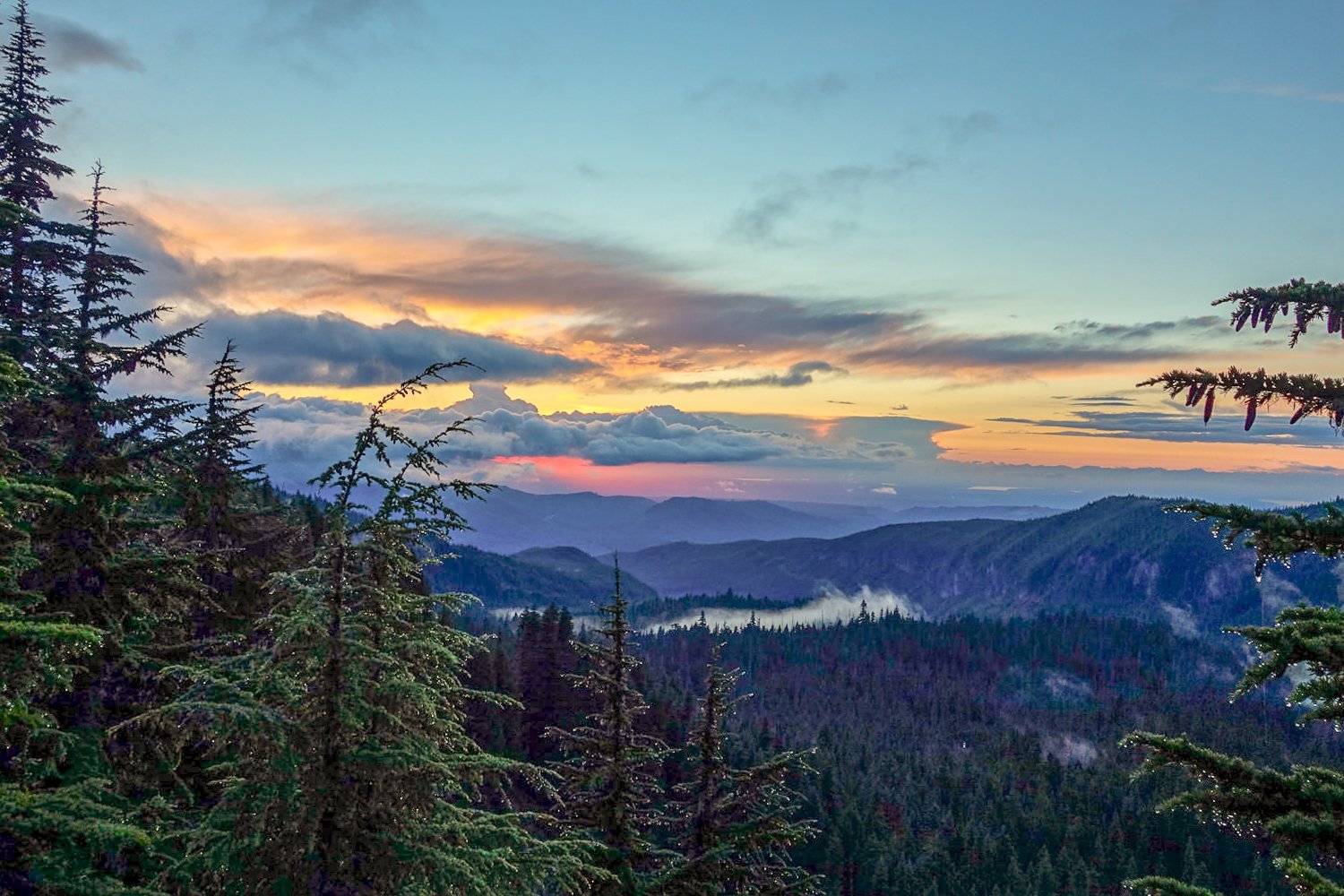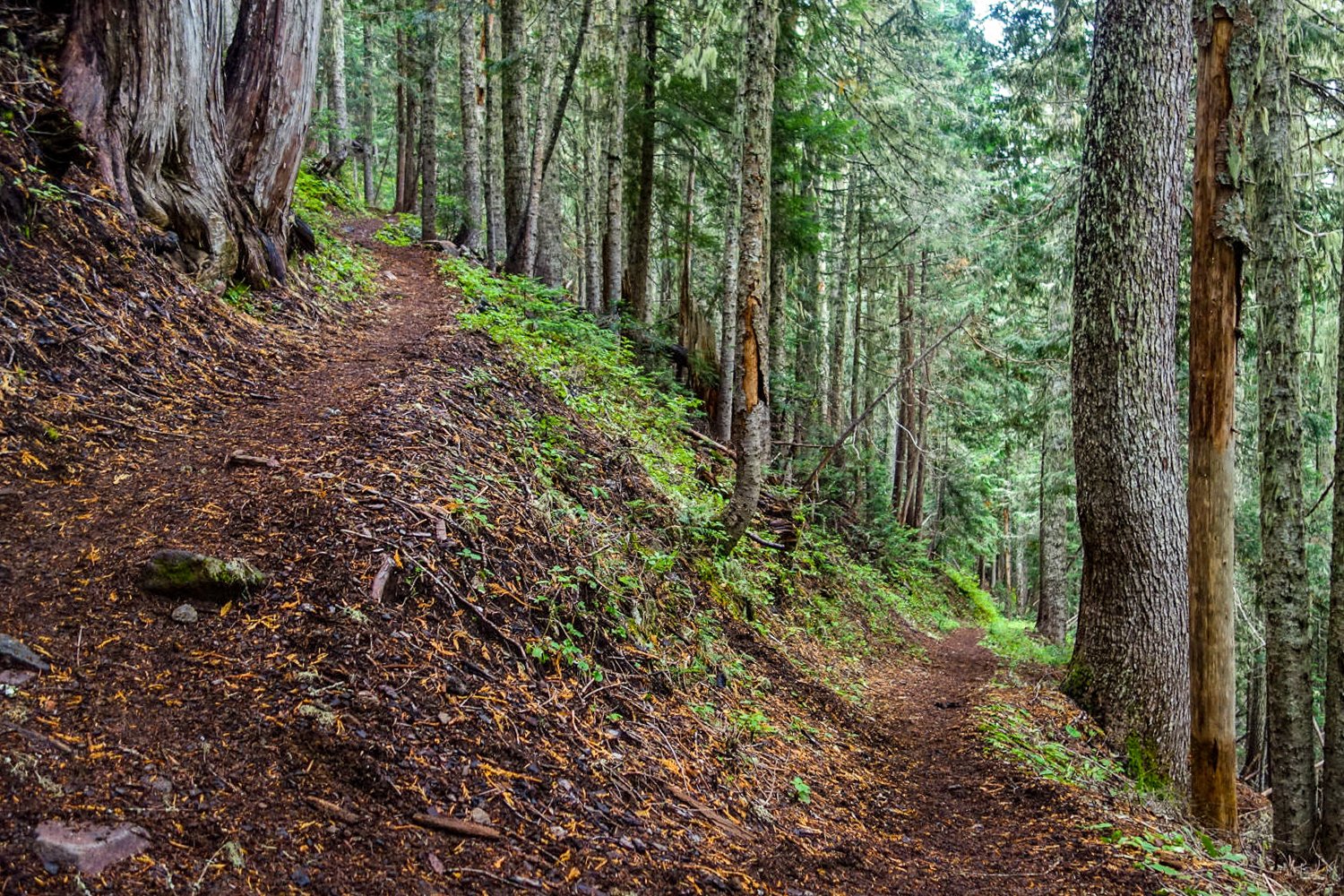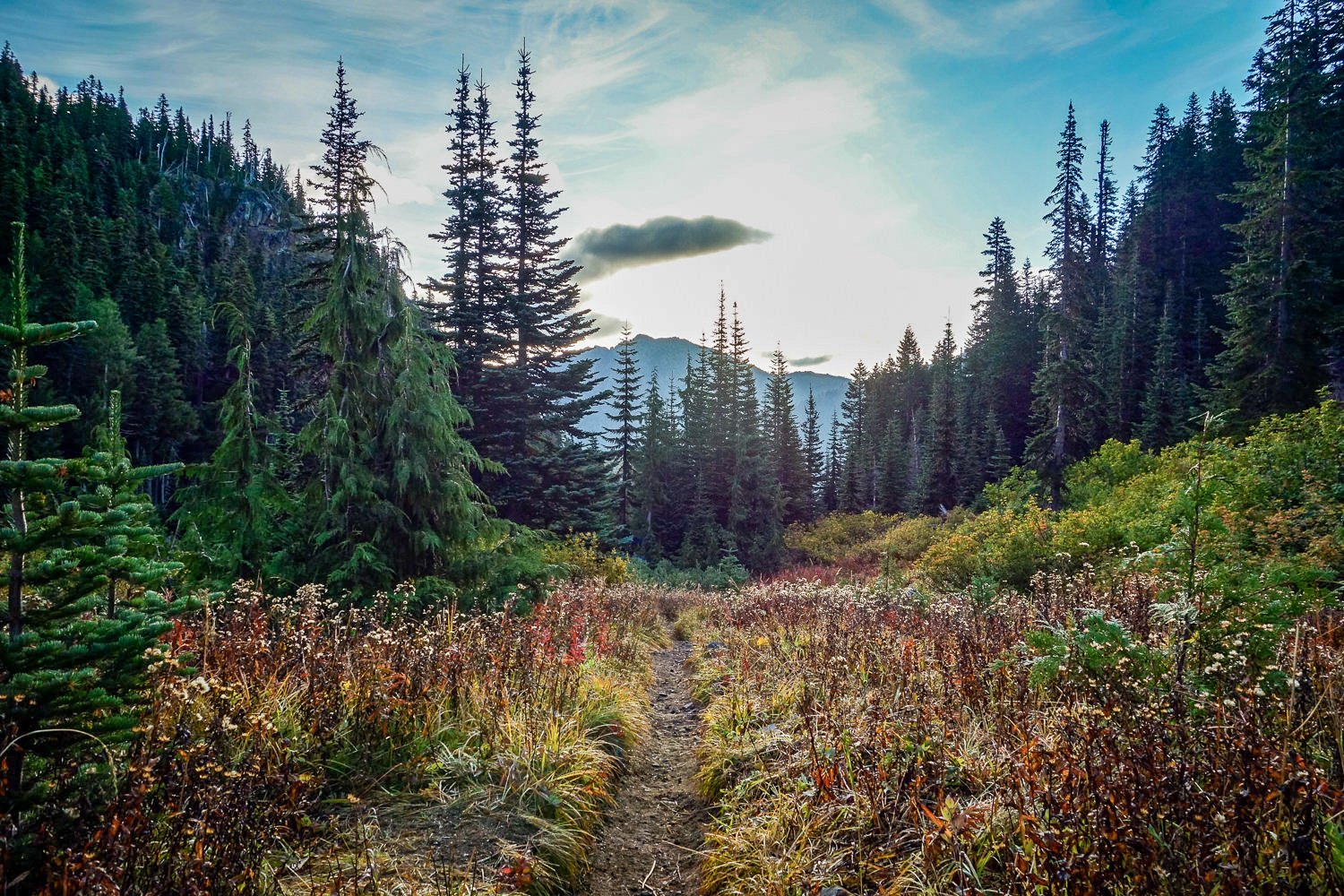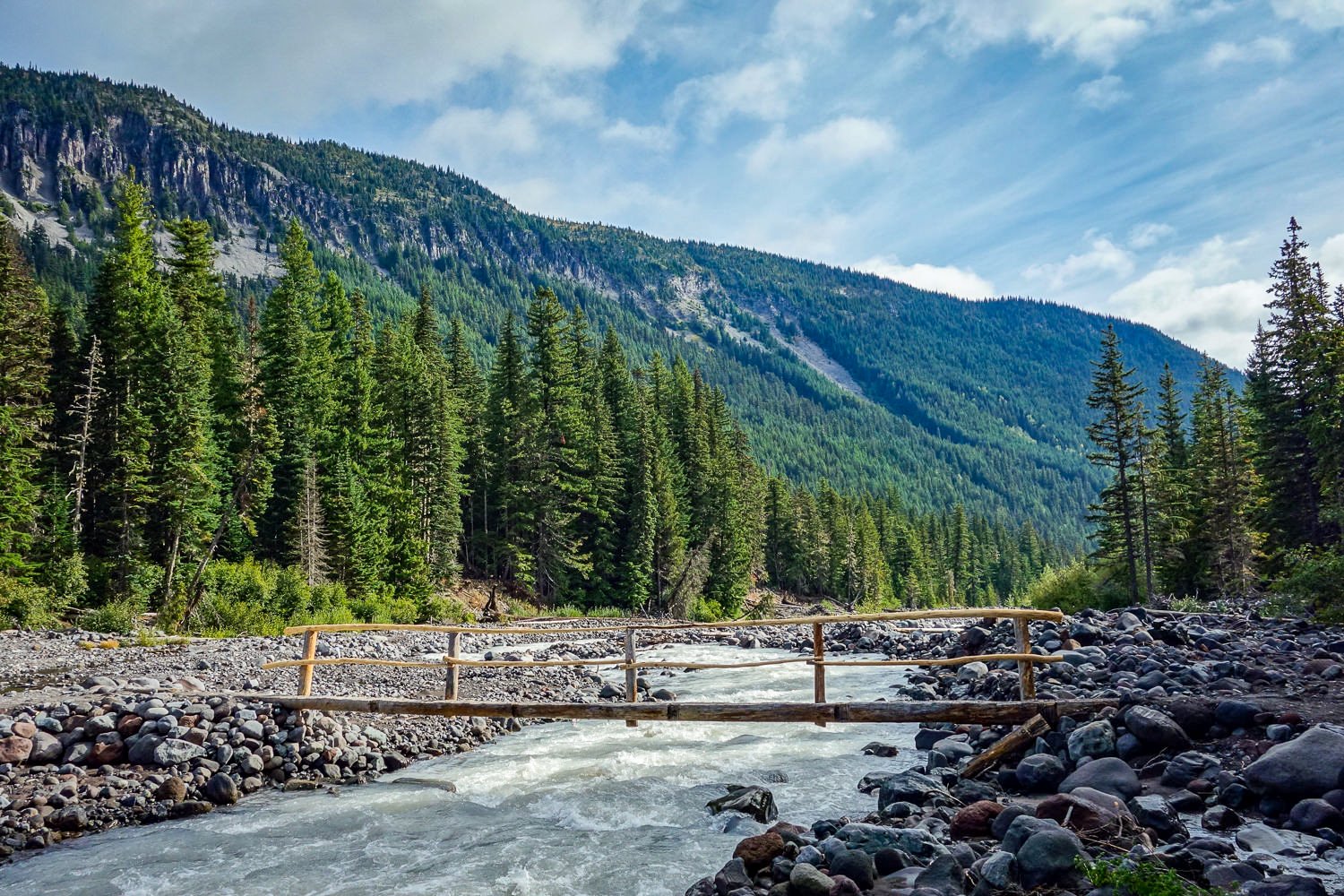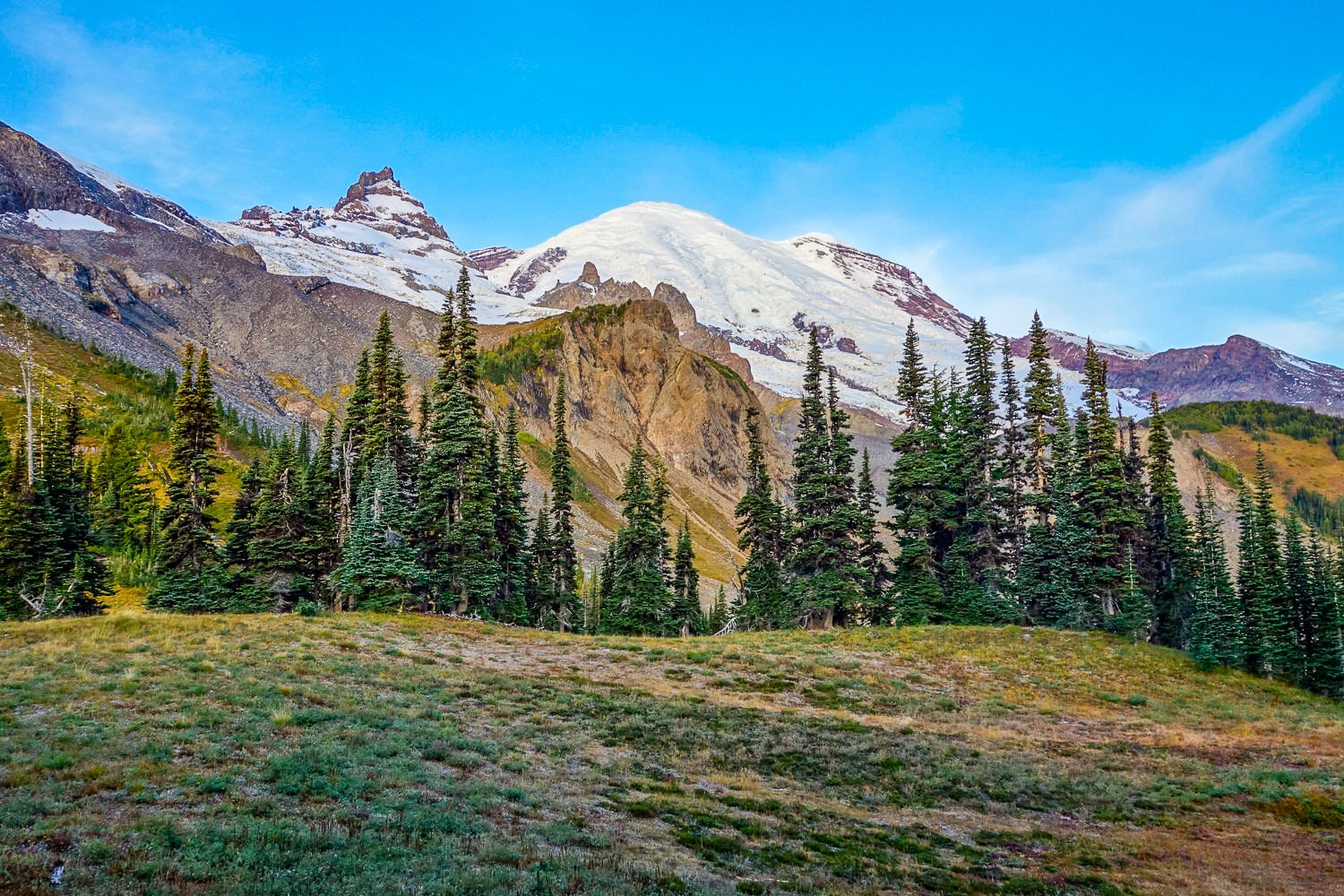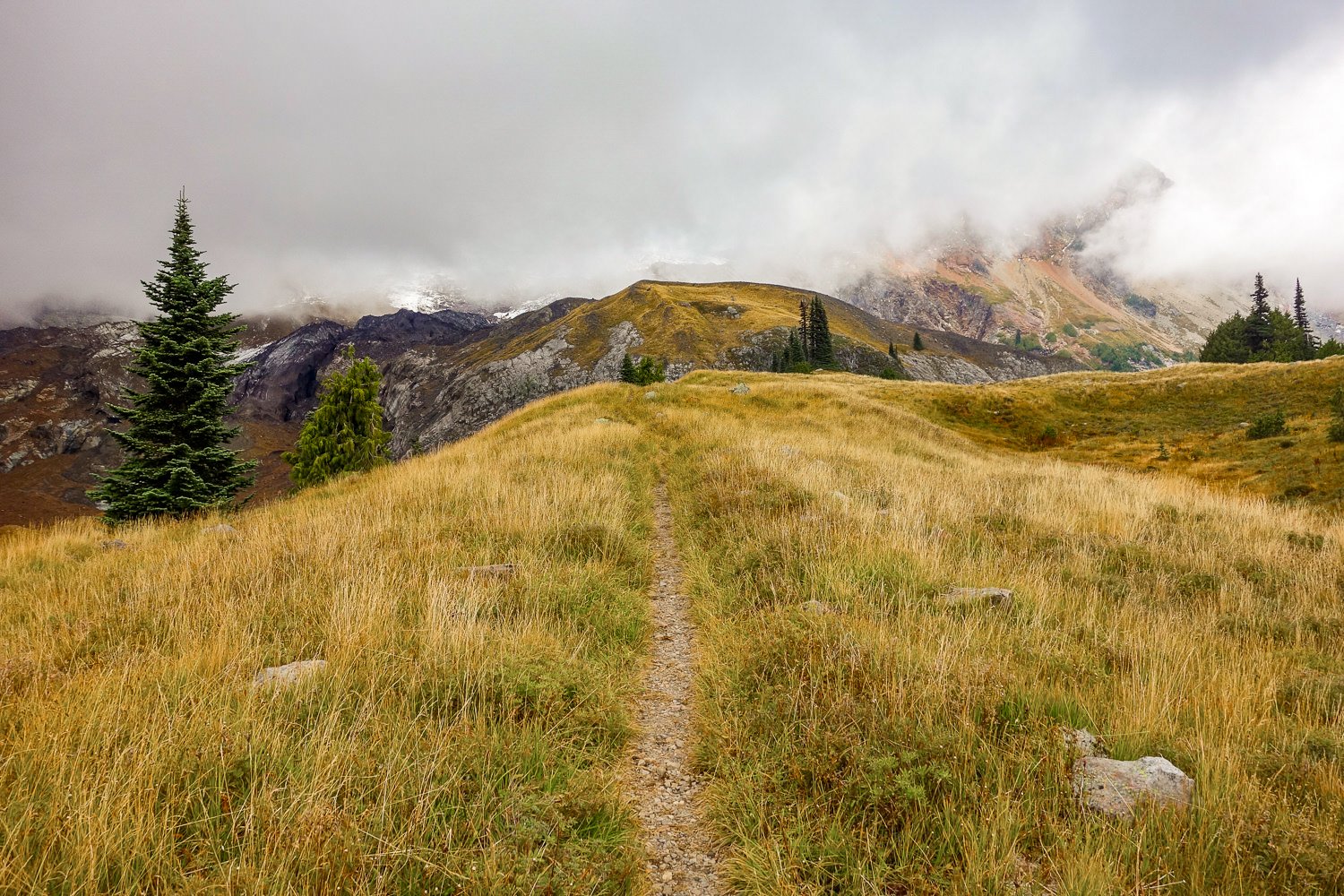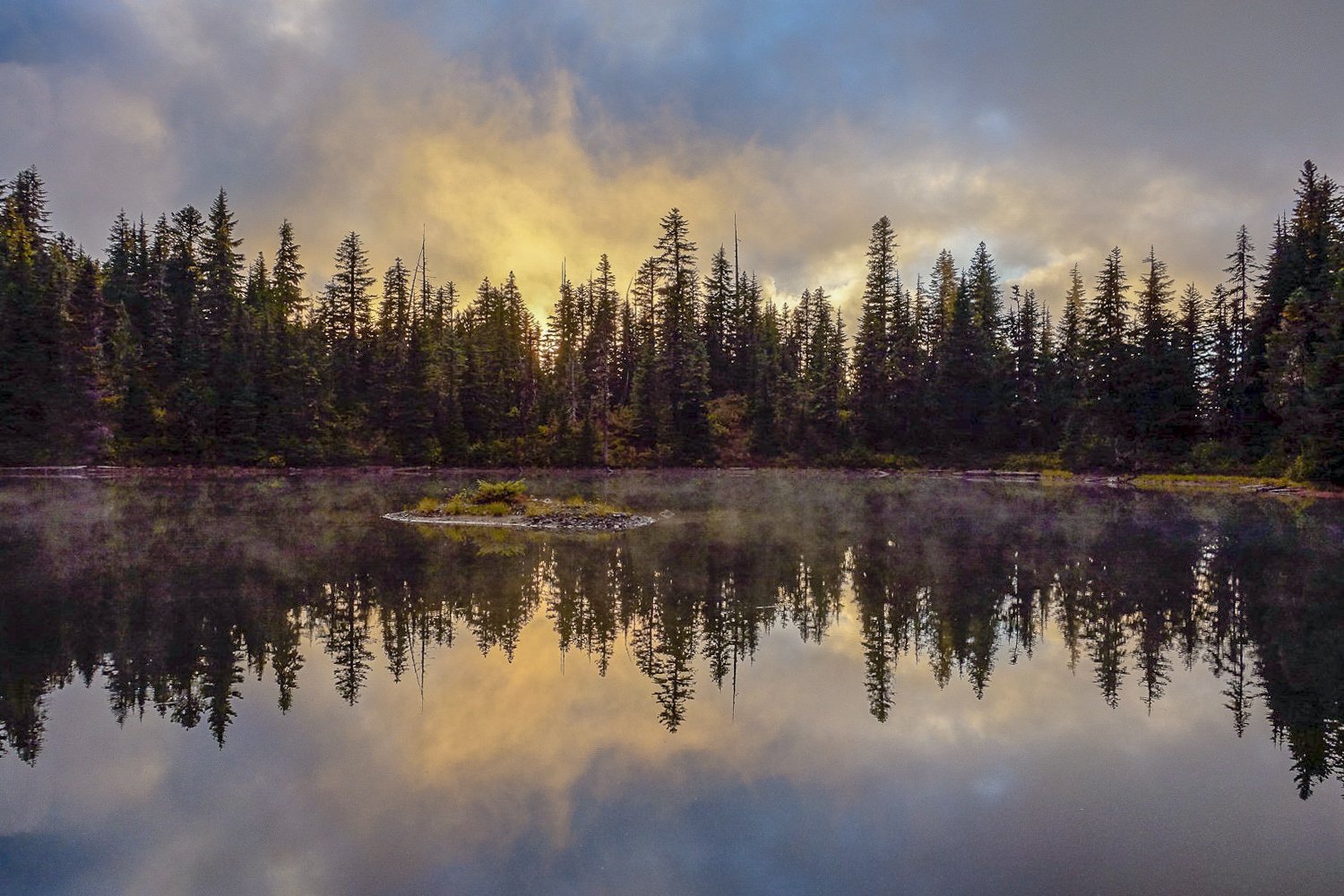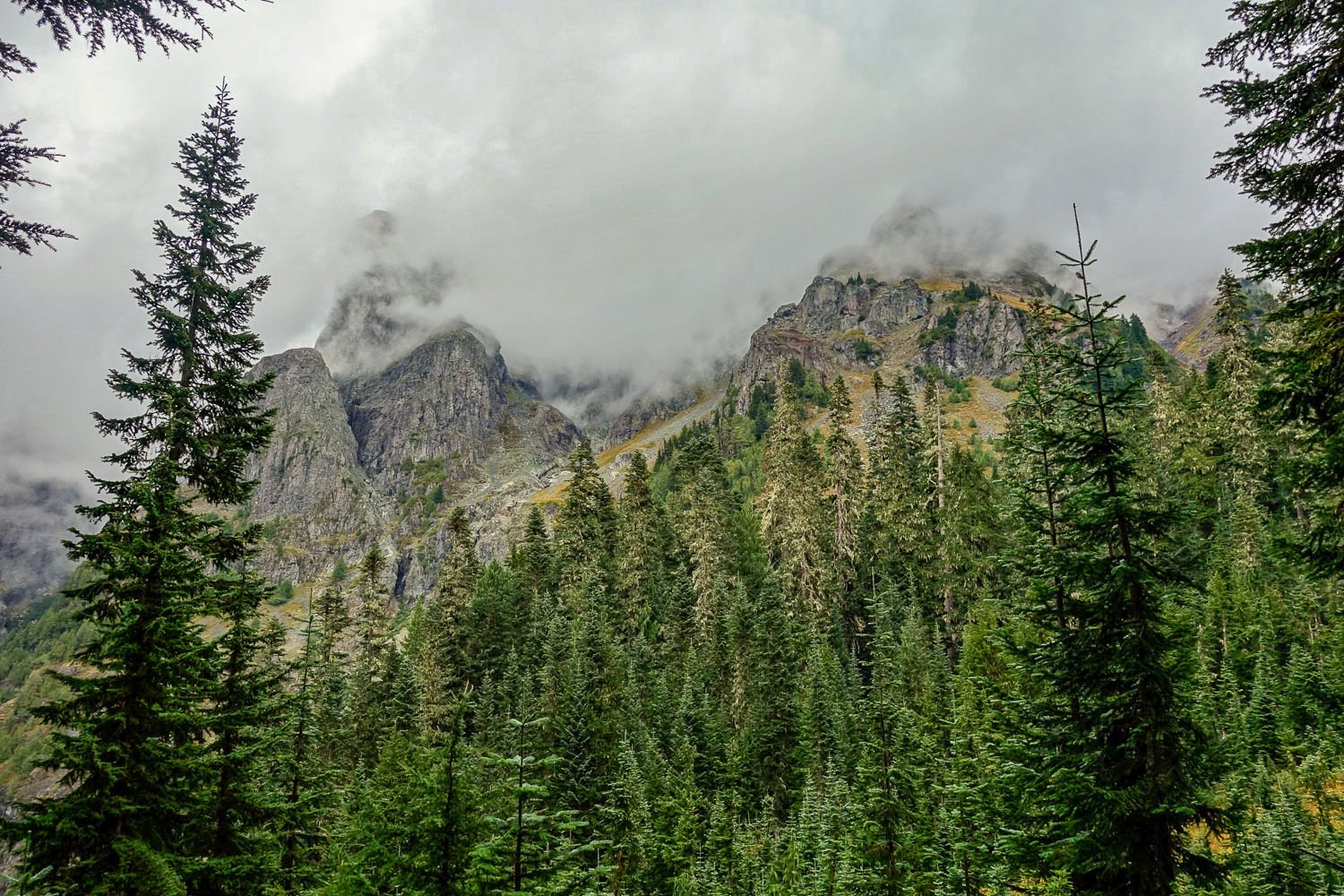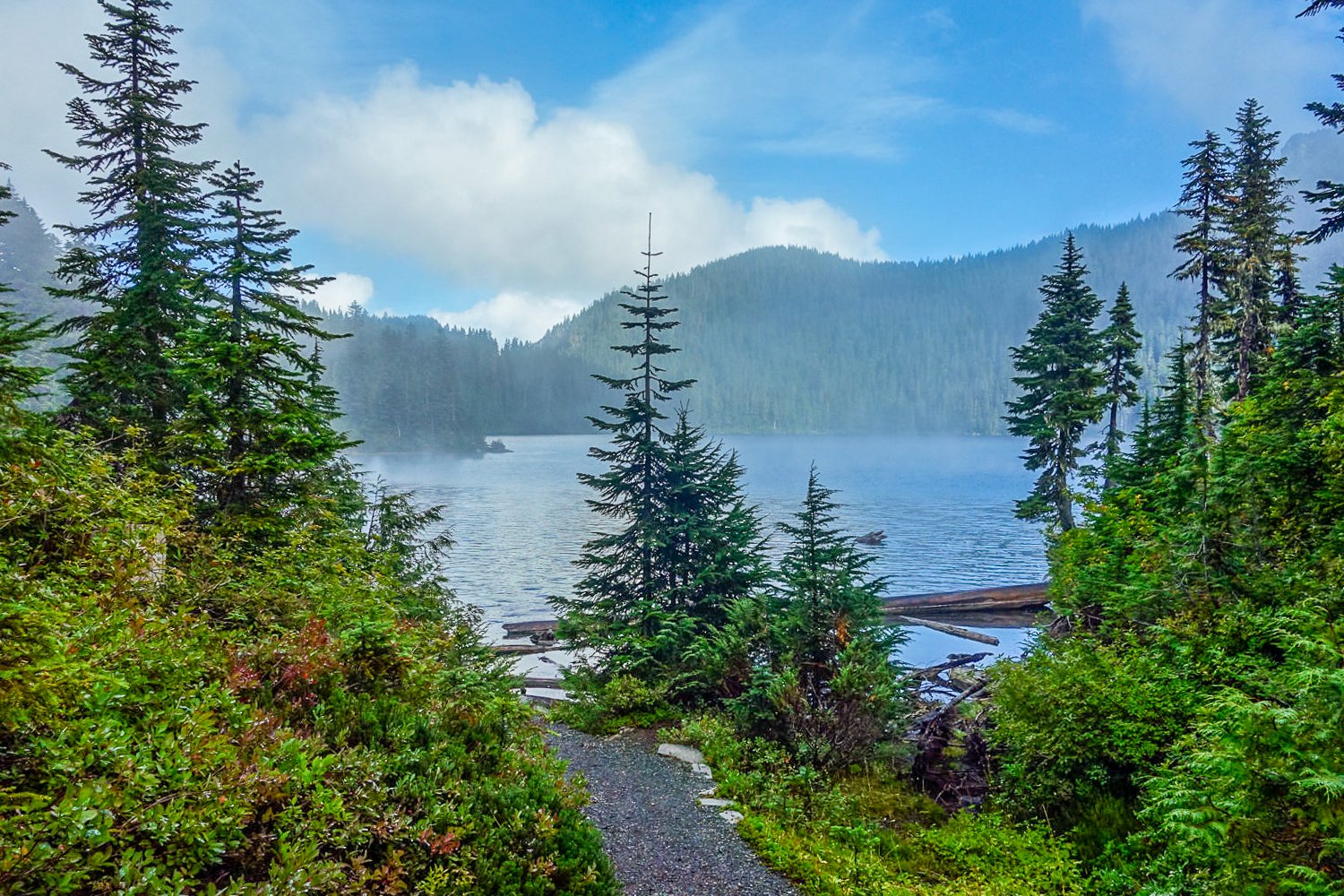

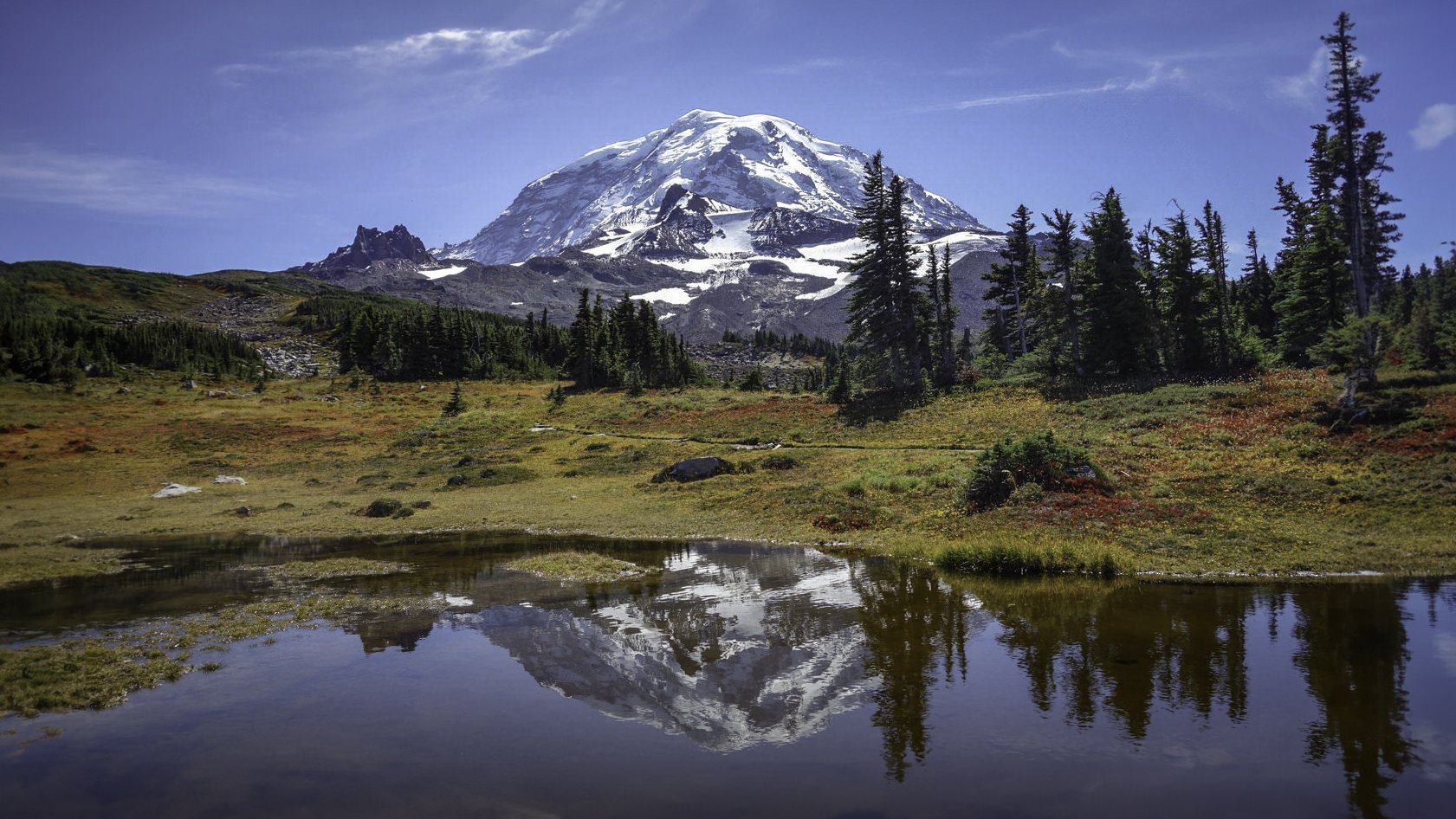
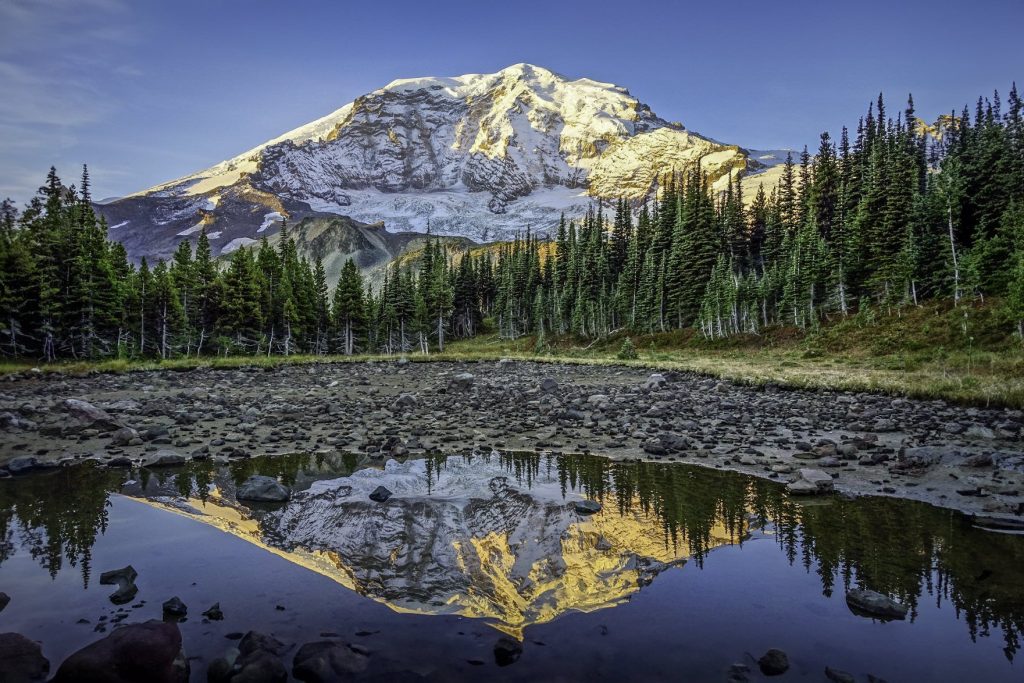
The Wonderland Trail is a true gem of the Pacific Northwest. As one of the most iconic trails in the region, it undeniably deserves a place on every backpacker’s bucket list. The Wonderland circumnavigates majestic Mount Rainier in 93 miles with 23,000 feet of elevation gain. Though the trail is challenging, the rewards are plentiful. Those who are fortunate enough to secure permits are in for breathtaking glacier views, wildflower-filled meadows, pristine alpine lakes, and miles of lush rainforests.
Editor’s Note: We updated this article on September 16, 2026, to revise information about food resupply locations, which have changed since our trip. We also verified all other logistics for accuracy, including permits, campsite locations, and current wilderness regulations.
Quick Facts
- Distance: 93 miles
- Average Hiking Time: 8 to 12 days
- Elevation Gain: 23,000 feet
- Best Travel Time: July through September
- Permits: Required
- Difficulty: Strenuous
Highlights
- Majestic mountain views
- Massive waterfalls
- Wildflower meadows
- Immense glaciers
- Easily accessible
- Well-marked and well-maintained trails
Lowlights
- Little solitude
- Big climbs and descents
- Seasonal bugs and snow
- Involved permit system
- Restricted campsites
When Is the Best Time to Visit?
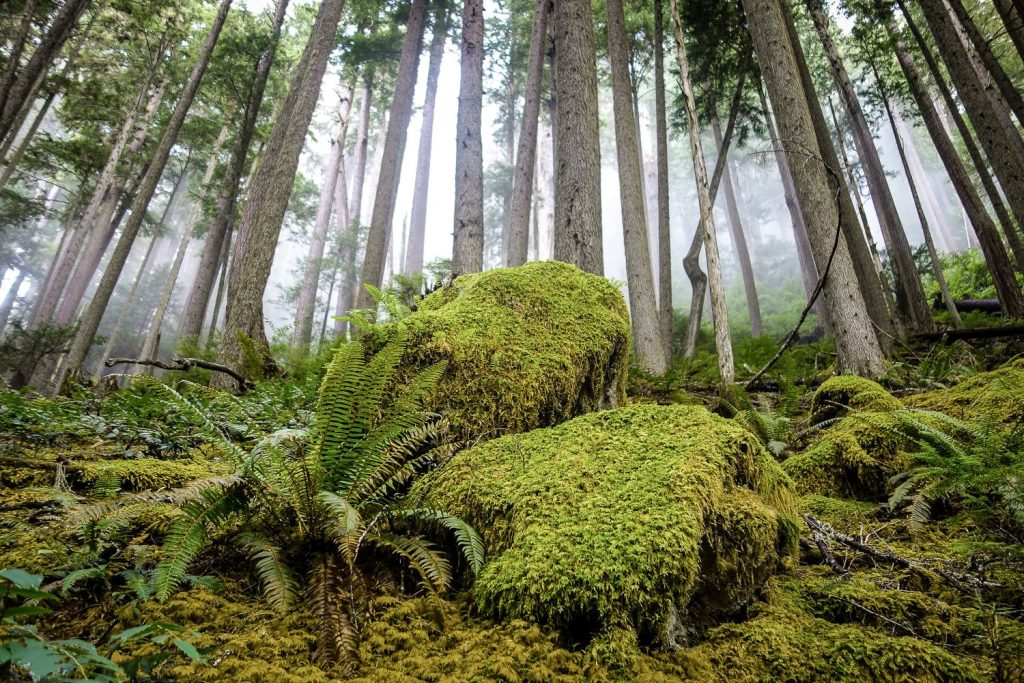
In general, July through September is the best time to backpack the Wonderland Trail. Snowpack varies considerably from season to season, so make sure to do your research ahead of time. Some years, a heavy winter snowpack and early-season storms keep trails covered into July. Other years, a June backcountry trip is quite feasible. Mid-August through September can also be a good time to visit because crowds and bugs will be diminished as impressive varieties of fungi and foliage replace the wildflowers.
July and August are usually great for wildflowers, but that’s also when mosquitoes will be the worst. We use a combination of permethrin on our clothing and a small amount of picaridin on exposed skin for full protection. Regardless of the season, there is always a possibility of snow, rain, and stormy weather in this area. Pay close attention to the weather forecast before your trip and be prepared for changing conditions.
How Difficult Is the Wonderland Trail?
- Total Distance: 93 Miles
- Total Elevation Gain: About 23,000 ft.
- Overall Difficulty: Strenuous
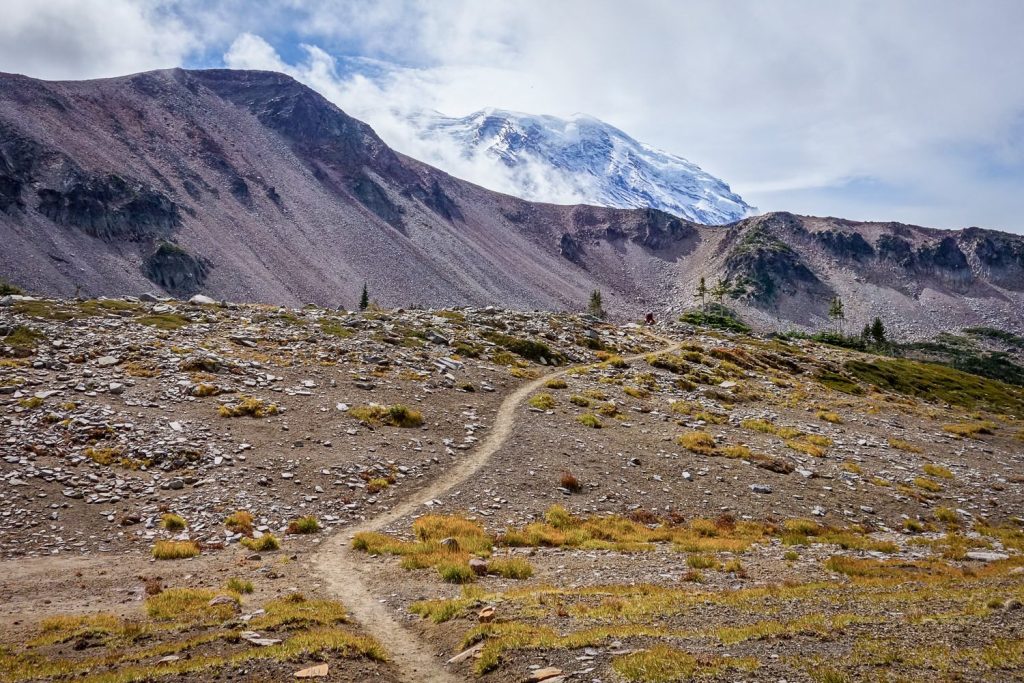
The difficulty of the Wonderland Trail should not be underestimated. It is common for hikers to take on too much trail between campsites along this challenging route and put themselves at risk of injury. When dividing the mileage between your campsites, plan with elevation gain in mind. This is not a technically demanding hike, but there are lots of big climbs and descents. It’s rare you’ll find yourself walking on flat terrain. Check out the jagged elevation profile to get an idea.
When planning your trip, know your personal limits and plan accordingly. Your experience, physical fitness, pack weight, and weather conditions are all factors to consider. We highly advise getting into good shape before attempting this trail. You should also complete a few short overnight trips to dial in your gear. Check out our Gear Guides for our top lightweight backpacking equipment recommendations.
How Do I Get a Permit?
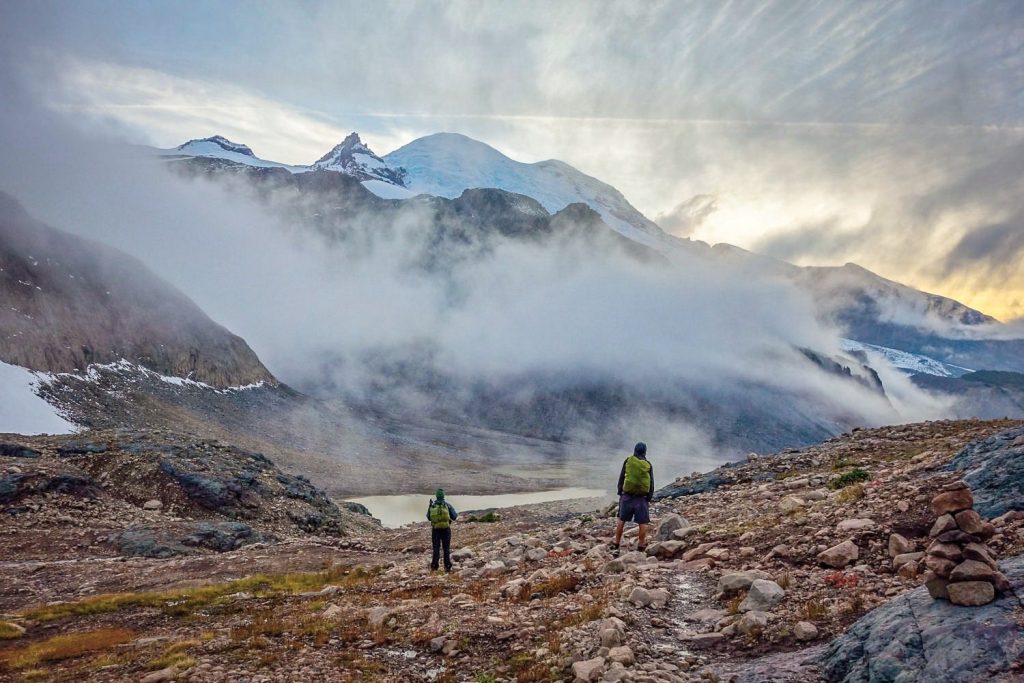
Permits are required for overnight trips on the Wonderland Trail – and almost always in high demand. For the late May to early October season, the early-access lottery application opens in February, and participants are notified about their status in March. General reservations open up online in late April.
During the main season, 1/3 of the permits are set aside at ranger stations for first-come, first-serve reservations. That said, it is unlikely you will get the right campsite bookings via walk-up permits, so it is best to get your reservations sorted in the spring.
What Can I Expect at the Backcountry Campsites?
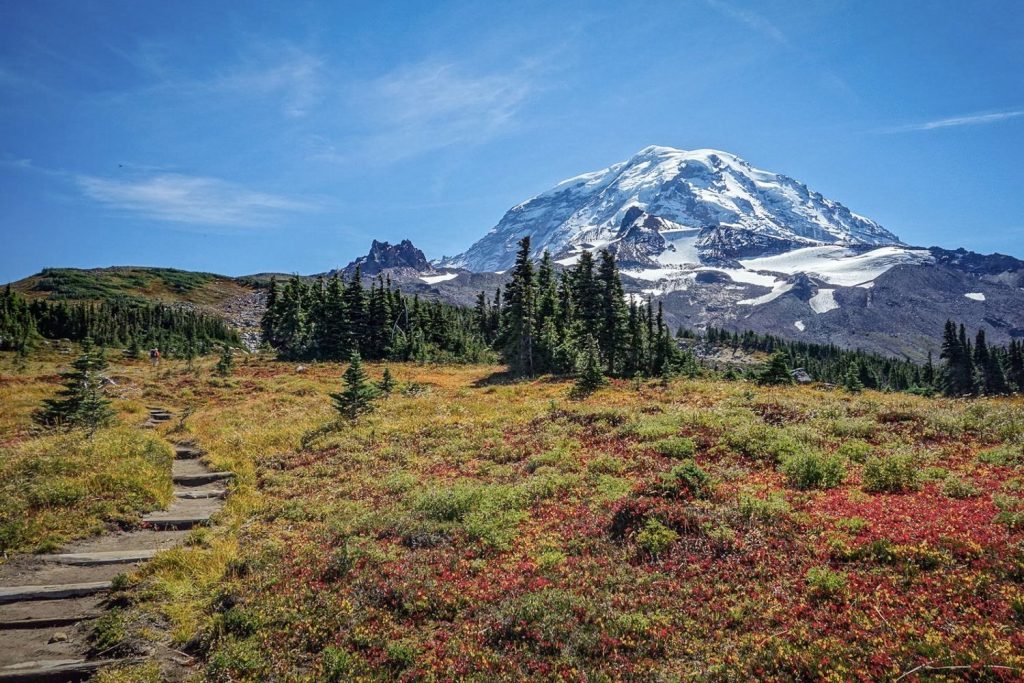
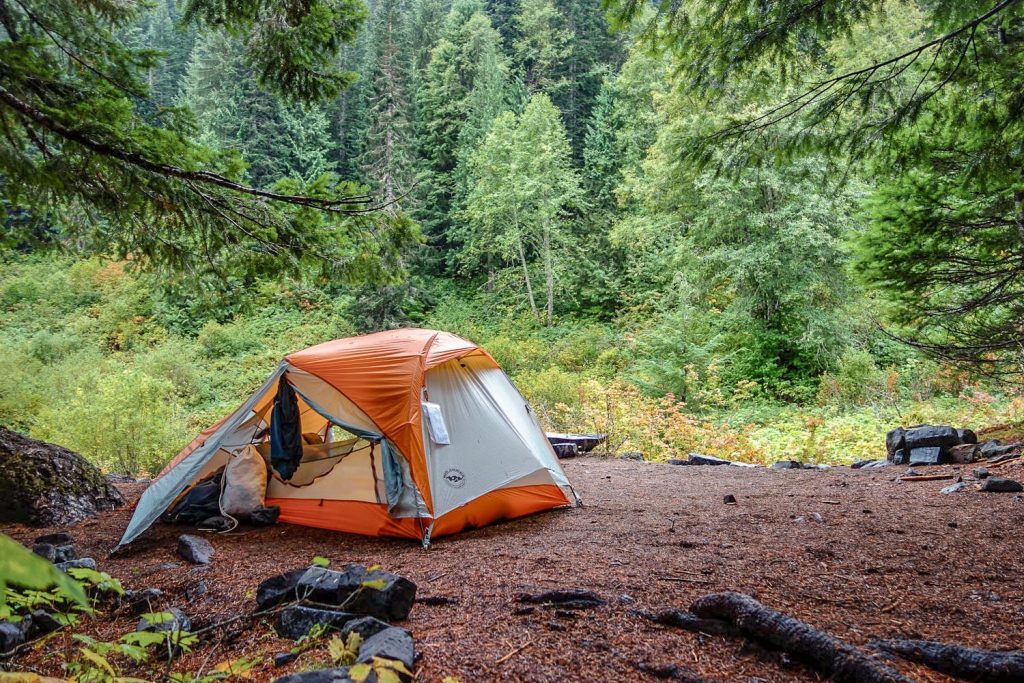
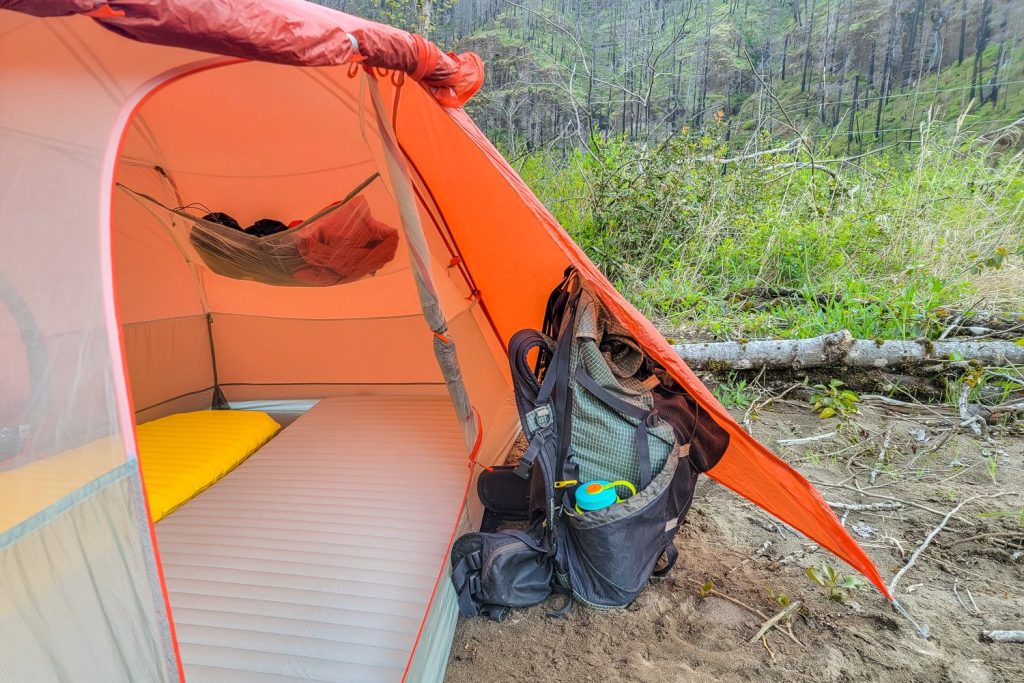
There are 18 designated backcountry camping areas along the Wonderland Trail. Camping along the trail outside of these campsites is not allowed. When you apply for a permit, you’ll have to choose the campsites you’d like to sleep at. Each backcountry site has a few separate locations for tents, a pit toilet, and a bear pole for protecting your food at night. The campsites are well maintained, and almost all of them are close to a water source.
You can find sweeping views and some solitude on the trail, but don’t expect either at camp. Most campsites are in tree-covered areas, and you will likely have neighbors nearby. Additional campsite info can be found on the Mount Rainier National Park website and through Wonderland Guides’ handy itinerary planner.
Where Are the Food Resupply Locations?
Most people hike the Wonderland in around 10 days, so planning one or two food drops to reduce pack weight is very common. There are three locations where you can cache food along the Wonderland Trail:
- Longmire Wilderness Information Center
- White River Campground
- Carbon River Ranger Station
You can ship food drops to these locations or drop them off in person. The Longmire General Store also has food, gifts, and limited essentials for purchase during operating hours. Make sure to follow the rules for food drops closely. For example, you’ll need to pack your food drop in a hard plastic container with a detailed label, and fuel must be stored separately. You can find more information and full caching instructions on the Mount Rainier National Park website.
What Wilderness Regulations Are in Place?
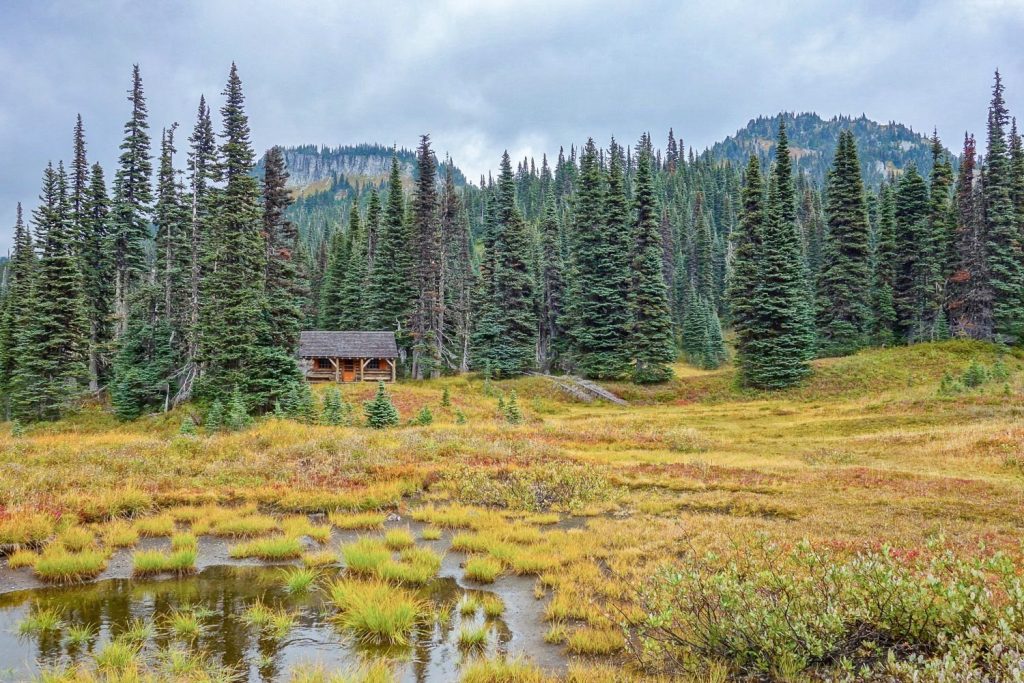
Mount Rainier National Park has several guidelines and regulations in place to keep the park wild and accessible. Fires, pets, bicycles, and firearms are prohibited on the Wonderland Trail. Camping within 100 feet of water is also restricted, unless you are in a designated campsite. All trash must be packed out, and party size is limited to just 5 people in the summer and 12 people in the winter (group camping is permitted at specific group sites). Be sure to respect Leave No Trace principles to minimize your overall impact and help preserve the area for future generations.
What Are the Best Maps & Guidebooks for the Area?
- Mount Rainier National Park Maps – The main map shows campsites, main attractions, and facilities. From this page, you can also navigate to more detailed maps for specific sections of the trail.
- AllTrails – A primary benefit of this app is being able to see recent trip reports and comments from fellow hikers. With a premium subscription, you can download different maps of the trail and record your hike.
- Green Trails Maps 269SX – This is a fantastic map for hiking the Wonderland Trail. It’s a detailed topographical map that’s ideal for use along the trail.
- Hiking the Wonderland Trail – A complete guide to the Wonderland by a Washington native who’s hiked the trail seven times.
- Plan & Go | Wonderland Trail – A comprehensive guide that contains everything you need to know for hiking the 93-mile Wonderland Trail.
- Backpacking Washington – This book has a section on the Wonderland and features several other great backpacking locations around Washington. We highly recommend picking up this book if you like backpacking in the PNW.
What Is the Water Situation Along the Wonderland Trail?
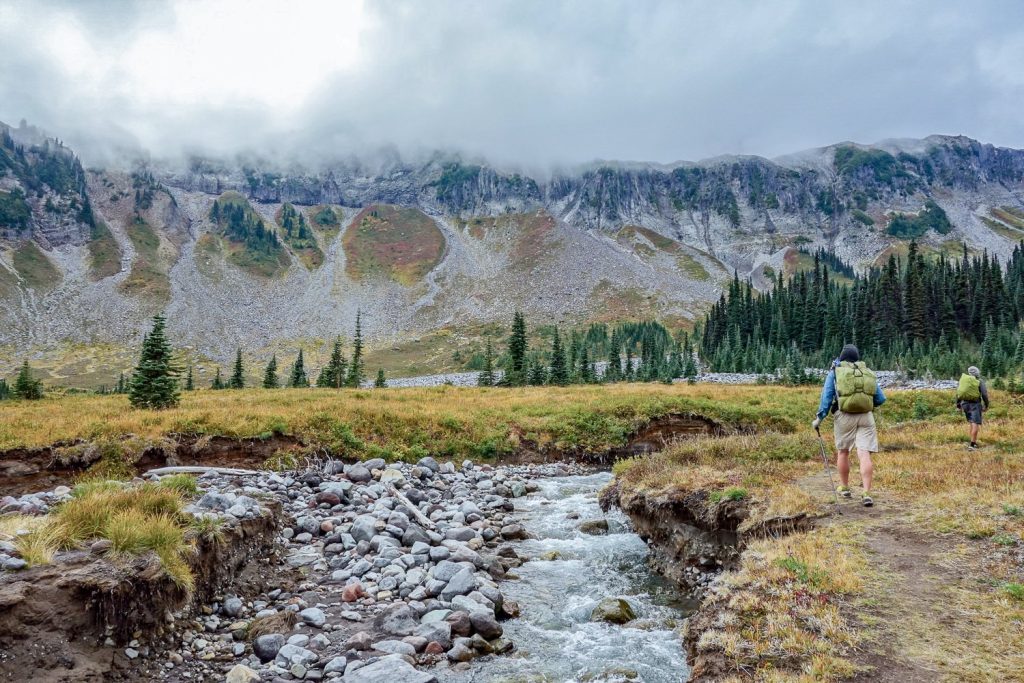
Water from lakes and streams is generally accessible and plentiful along the trail. It is a good standard to carry at least 1 liter of water for every 6 miles or two hours of hiking. Pack a lightweight water filter to replenish your supply. For our top water filter recommendations, check out our list of the best backpacking water filters.
What Should I Bring for Navigation?
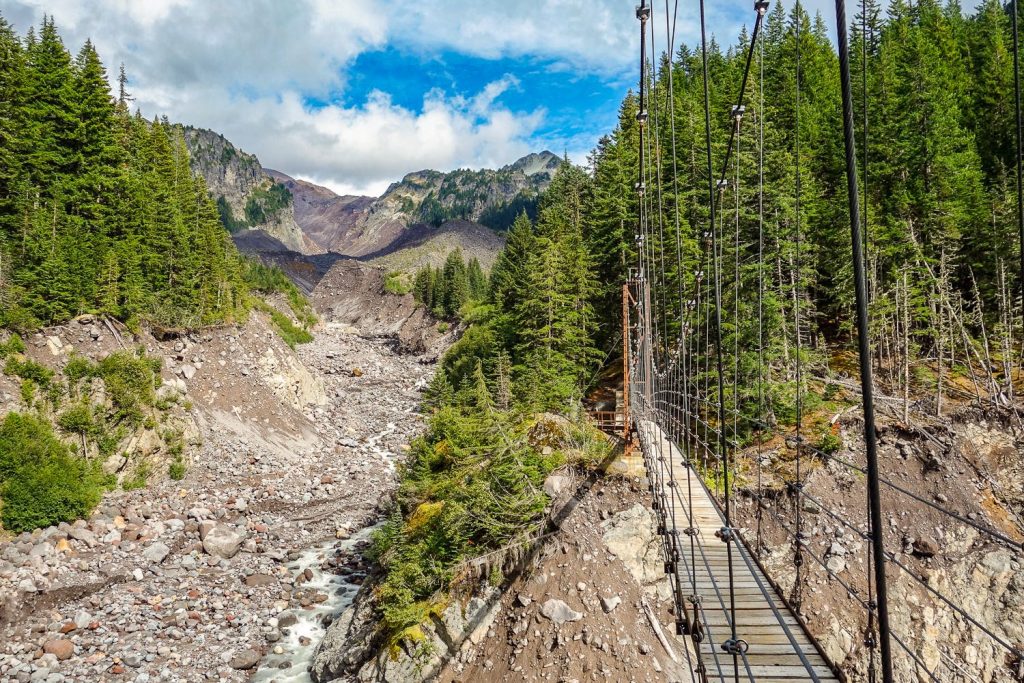
The Wonderland is well marked, so it’s unlikely that you’ll need to break out your navigation skills on this trip. Still, you should always bring a topographical map and compass into the wilderness and know how to use them. If you need a refresher, have a look at this video we made to teach backcountry navigation skills.
What Are the Best Food Storage Practices?
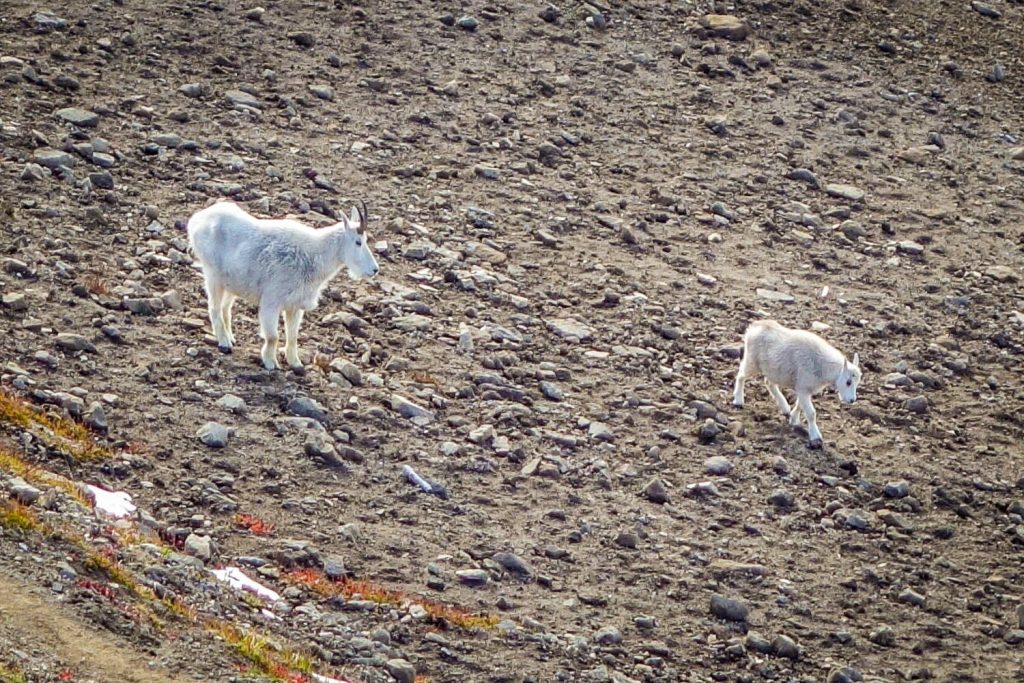
There are black bears around Mount Rainier, and it’s not uncommon to see them. For that reason, proper food storage is imperative in this area. All of the established backcountry campsites have bear poles, which make storing your food easy. Simply bring a waterproof sack for your food and hang it on the bear pole at night. You’ll also want to hang garbage and smelly products, like sunscreen and bug spray. Mount Rainier also considers bear canisters adequate for food storage.
What Gear Should I Pack?
Make sure to check out our Ultimate Backpacking Checklist, so you don’t forget something important.
Below you’ll find our current favorite backpacking gear. If you want to see additional options, our curated gear guides are the result of many years of extensive research and hands-on testing by our team of outdoor experts.
BACKPACK
- Best Backpacking Pack Overall: Gregory Paragon 58 – Men’s / Gregory Maven 58 – Women’s
- Best Ultralight Backpacking Backpack: Hyperlite Mountain Gear Unbound 40
- More: Check out our best backpacking backpacks guide for ultralight and trekking options
TENT
- Best Backpacking Tent Overall: Big Agnes Copper Spur HV UL2
- Best Ultralight Tent: Zpacks Duplex
- Best Budget Tent: REI Half Dome 2
- Best Tent Stakes Overall: All One Tech Aluminum Stakes
- More: Check out our best backpacking tents guide for more options
SLEEPING BAG/QUILT
- Best Sleeping Bag Overall: Men’s Feathered Friends Swallow YF 20 / Women’s Feathered Friends Egret YF 20
- Best Quilt Overall: Enlightened Equipment Revelation 20
- More: Check out our best backpacking sleeping bags guide and best backpacking quilts guide for more options
SLEEPING PAD
- Best Sleeping Pad Overall: NEMO Tensor All-Season
- Best Foam Sleeping Pad: NEMO Switchback
- More: Check out our best backpacking sleeping pads guide for ultralight and trekking options
CAMP KITCHEN
- Best Backpacking Stove Overall: MSR PocketRocket 2
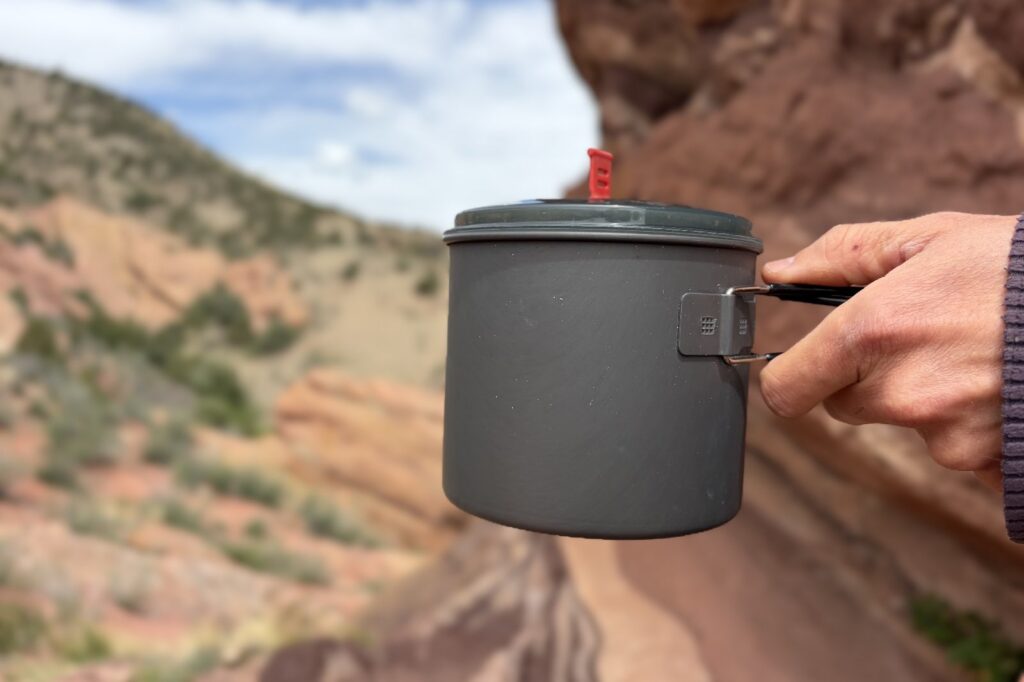
- Best Backpacking Cookware Overall: TOAKS Titanium 750ml
- Best Backpacking Coffee Overall: Starbucks VIA
- More: Check out our best backpacking stoves guide and best backpacking cookware guide for ultralight and large group options
WATER & FILTRATION
- Best Water Filter Overall: Sawyer Squeeze
- Best Hydration Bladder Overall: Gregory 3D Hydro
- Best Backpacking Water Bottles: Smartwater Bottles
- More: Check out our best backpacking water filters guide and best backpacking water bottles guide for ultralight and large group options
CLOTHING
- Best Hiking Pants Overall: Men’s Outdoor Research Ferrosi / Women’s The North Face Aphrodite 2.0
- Best Hiking Shorts Overall: Men’s Patagonia Quandary / Women’s Outdoor Research Ferrosi
- Best Women’s Hiking Leggings: Fjallraven Abisko Trekking Tights HD
- Best Rain Jacket Overall: Men’s Patagonia Torrentshell 3L / Women’s Patagonia Torrentshell 3L
- Best Rain Pants: Men’s Patagonia Torrentshell 3L / Women’s Patagonia Torrentshell 3L
- Best Down Jacket Overall: Men’s Patagonia Down Sweater Hoodie / Women’s Patagonia Down Sweater Hoodie
- Best Fleece Jacket Overall: Men’s Patagonia Better Sweater / Women’s Patagonia Better Sweater
- Best Sunshirt Overall: Men’s Outdoor Research Echo / Women’s Outdoor Research Echo
- Best Socks Overall: Men’s Darn Tough Light Hiker Micro Crew / Women’s Darn Tough Light Hiker Micro Crew
- Beste Ultralight Liner Glove: Patagonia Capilene Midweight Liner
- More: Check out our best backpacking apparel lists for more options
FOOTWEAR & TRACTION
- Best Hiking Shoes Overall: Men’s HOKA Speedgoat 6 / Women’s HOKA Speedgoat 6
- Best Hiking Boots Overall: Men’s Salomon X Ultra 5 GTX / Women’s Lowa Renegade Evo GTX
- Best Hiking Sandals Overall: Men’s Chaco Z/1 Classic / Women’s Chaco Z/1 Classic
- Best Camp Shoes Overall: Crocs Classic Clogs
- Best Traction Device for Hiking Overall: Kahtoola MICROspikes
- More: Check out our best backpacking footwear lists for more options
NAVIGATION
- Best GPS Watch Overall: Garmin Instinct 2 Solar
- Best Personal Locator Beacon (PLB): Garmin inReach Mini 2
- More: Check out our article How to Use Your Phone as a GPS Device for Backpacking & Hiking to learn more
FOOD
FIRST-AID & TOOLS
- Best First-Aid Kit Overall: Adventure Medical Kits Ultralight/Watertight .7
- Best Pocket Knife Overall: Kershaw Leek
- Best Multitool Overall: Leatherman Wave+
- Best Headlamp Overall: Black Diamond Spot 400-R
- Best Power Bank Overall: Nitecore NB 10000 Gen 3
- More: Check out our best first-aid kit guide, best pocket knife guide, best multitool guide, best backpacking headlamps guide, and best power banks guide for more options
MISCELLANEOUS
- Best Trekking Poles Overall: Black Diamond Pursuit
- Best Backpacking Chair Overall: REI Flexlite Air
- Best Backpacking Stuff Sack Overall: Hyperlite Mountain Gear Drawstring
- More: Check out our best trekking poles guide, best backpacking chairs guide, and best stuff sacks guide for more options
More Wonderland Trail Photos