Bottom Line
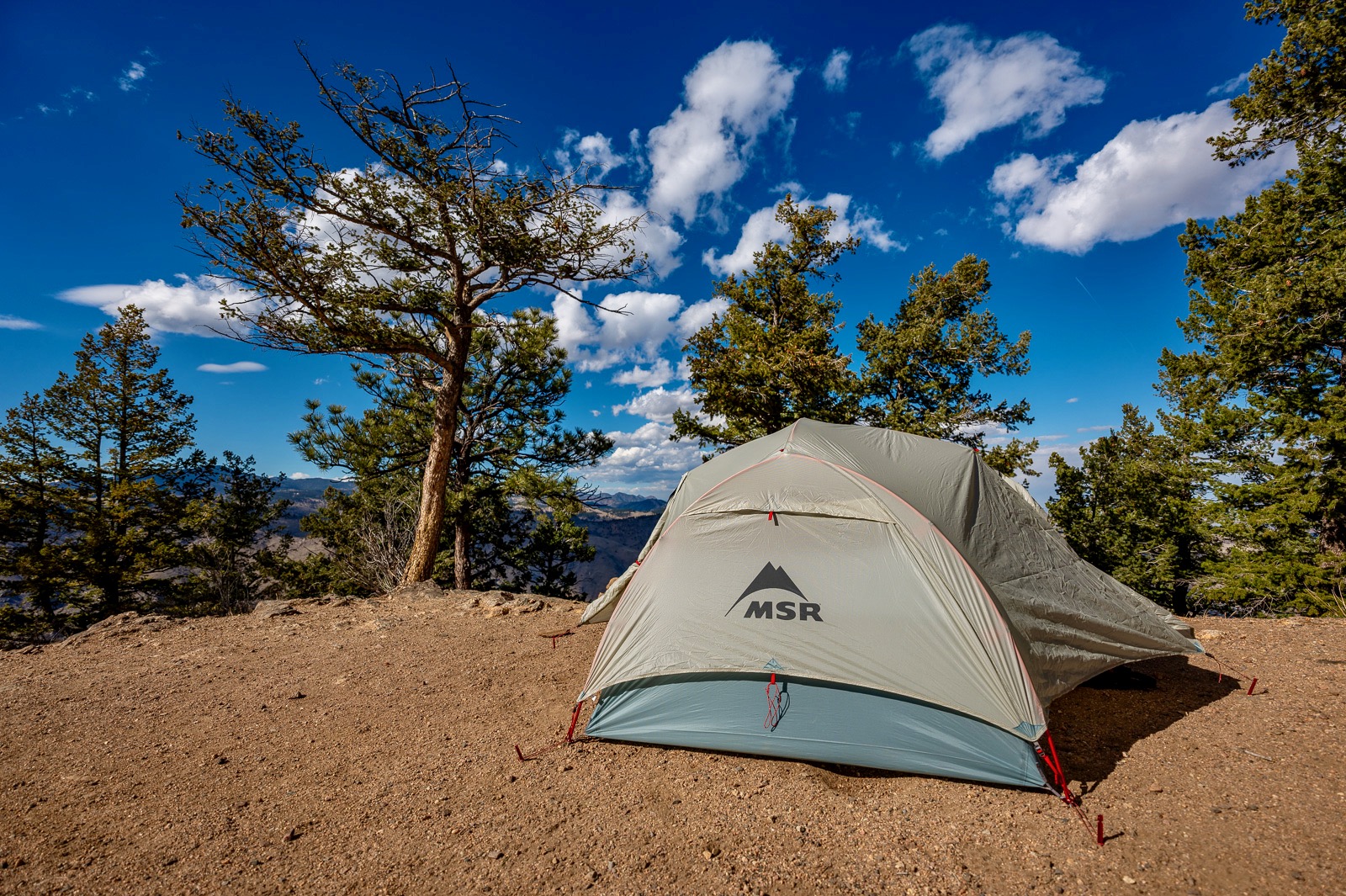
The MSR Hubba Hubba LT 2 is our favorite lightweight backpacking tent for two hikers who want a durable, weather-resistant freestanding shelter without moving into truly heavy crossover-tent territory.
Its current rectangular 32-square-foot floor is a meaningful upgrade for couples because it works well with modern rectangular sleeping pads, while the symmetrical hub-and-pole system keeps setup fast and predictable.
At a CleverHiker-measured 3 pounds, 6 ounces packed, the Hubba Hubba LT is not an ultralight tent. But the tradeoff buys stronger weather confidence, better durability, and a spacious two-person layout without moving into truly heavy crossover-tent territory.
How We Tested
We evaluated the Hubba Hubba LT in our current backpacking-tent category alongside the Copper Spur, Portal, Dagger, and lighter semi-freestanding tents. Our scoring emphasizes two-person comfort, measured packed weight, storm performance, setup, and durability.
Quick Specs
- Best for: Pairs who prioritize weather resistance, durability, and a simple freestanding pitch
- Floor area: 32 sq. ft.
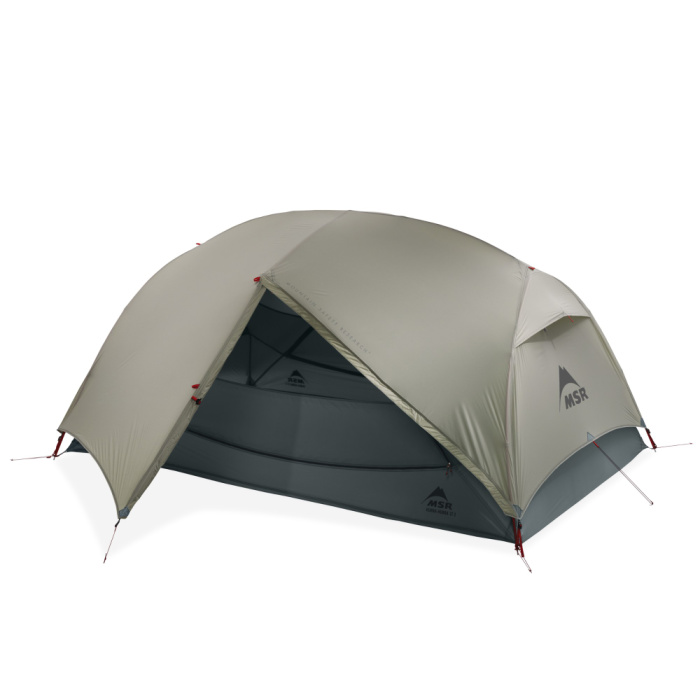
MSR Hubba Hubba LT 2
Best Lightweight Backpacking Tent for Two
CleverHiker Rating: 4.5/5.0
Price: $550
Packed Weight: 3 lb. 6 oz.
Dimensions (LxWxH): 88 x 52 x 40 in.
Type: Freestanding
Pros
- Great weather protection
- Freestanding design is easy to set up
- Durable
- Lightweight for the weather-worthiness
- Spacious
- Good pocket layout
Cons
- Expensive
- Heavier than ultralight tents
Comfort
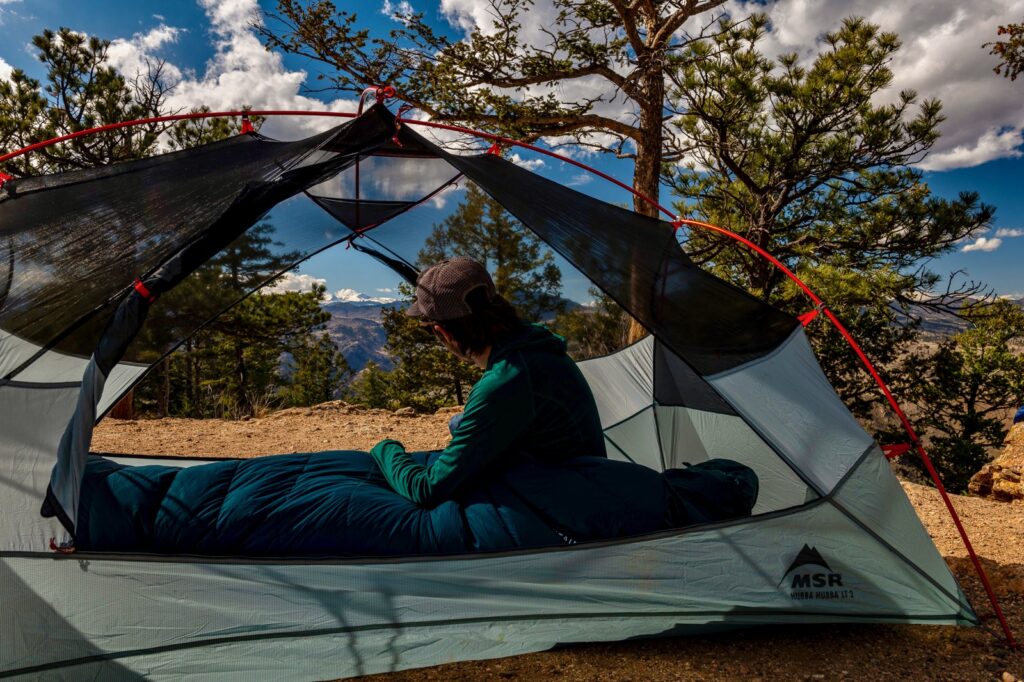
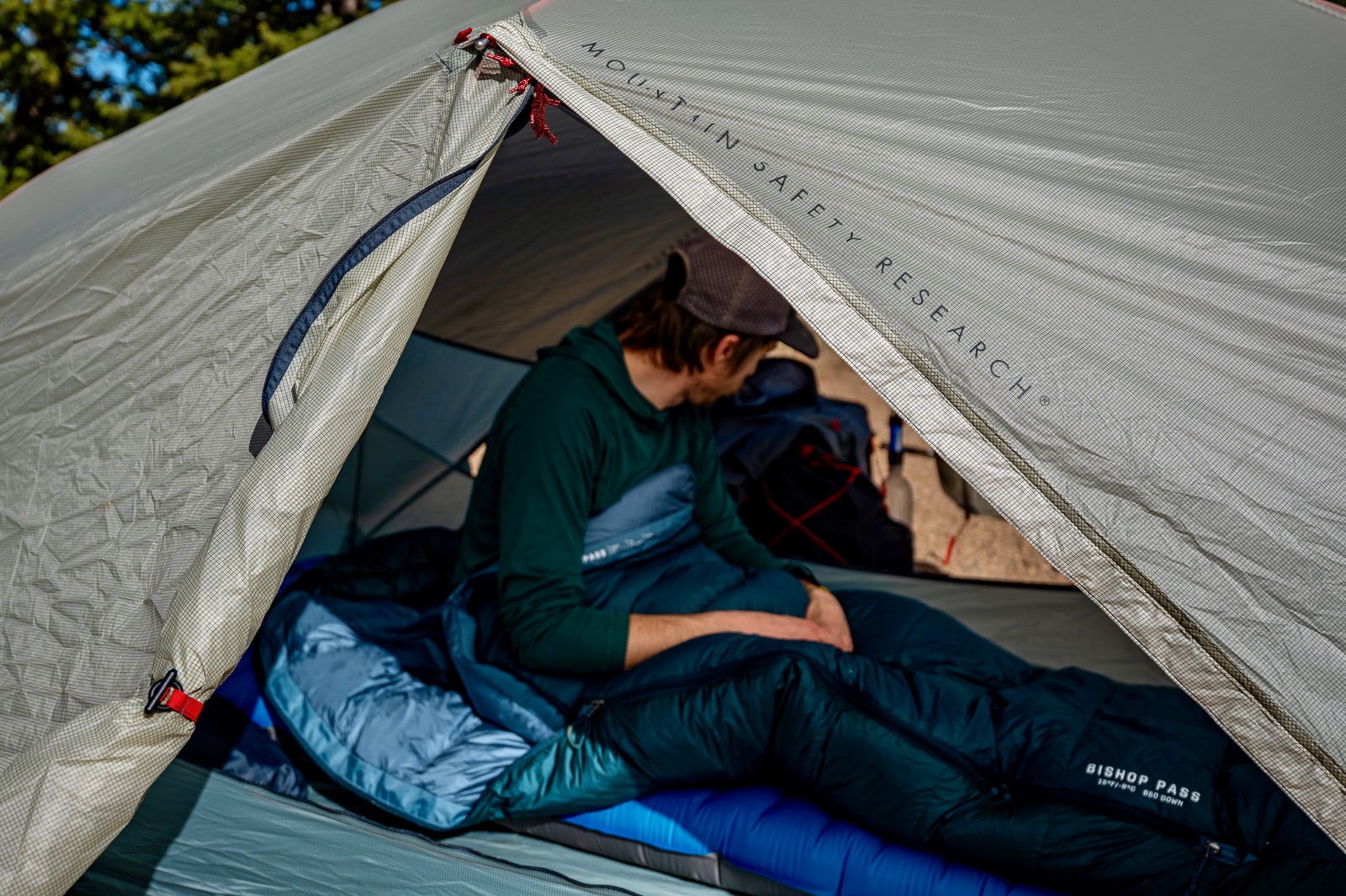
The Hubba Hubba LT 2 is one of the more comfortable lightweight freestanding tents for two. Its rectangular 32-square-foot floor works well with modern rectangular sleeping pads, and the pole structure broadens the upper canopy instead of concentrating all of the headroom at one narrow peak. That shape makes sitting up and moving around noticeably easier.
MSR also uses the interior space efficiently. A large gear loft at the head, ceiling pockets, smaller storage areas, and a built-in clothesline give two people places to stash headlamps, electronics, damp socks, and small essentials without covering the floor. Two side doors and vestibules keep entry and gear storage independent.
The LT 2 is not a palace, but its space is more usable than the raw dimensions suggest. Couples who want even more room can find it in heavier crossover tents like the Dagger or Half Dome, but those options add meaningful weight. For a trail-focused freestanding shelter, the Hubba Hubba strikes a strong comfort-to-weight balance.
The Hubba Hubba LT 2 works especially well for two people because its rectangular floor avoids the tapered foot area common in lighter tents. Broad upper walls and useful storage keep the sleeping space from feeling cramped, while two side doors reduce partner interference. That livability is a major reason to accept its modest weight premium over semi-freestanding ultralight models.
Comfort Score: 4.6 / 5.0
Weight & Packability
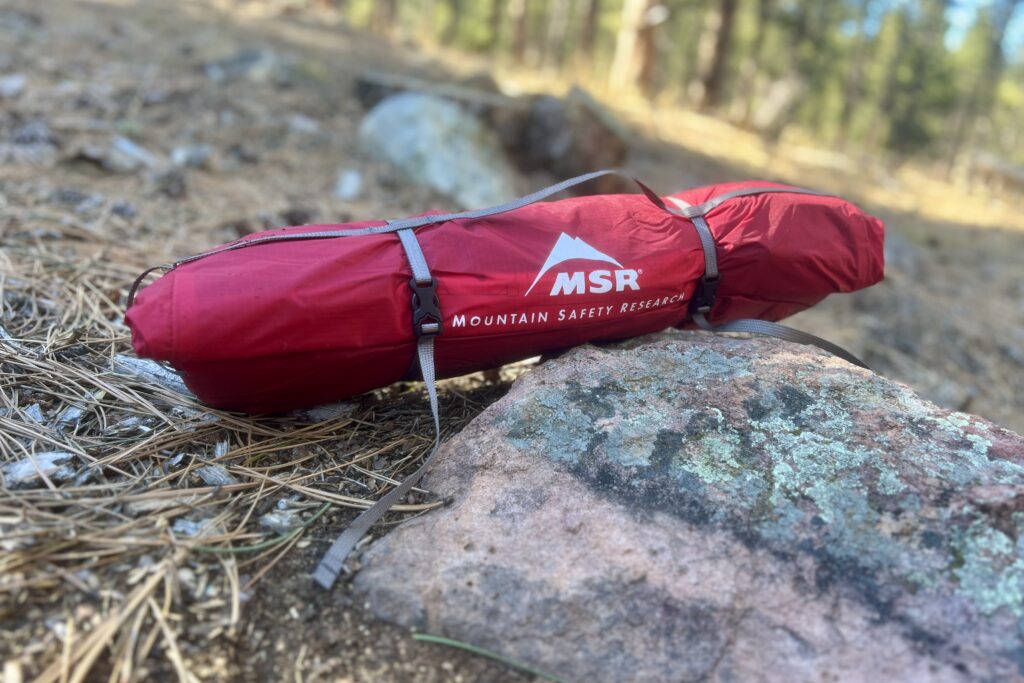
At a CleverHiker-measured 3 pounds, 6 ounces, the Hubba Hubba LT 2 is light enough for extended backpacking trips without relying on extremely thin fabrics. It is heavier than the Hornet, Tiger Wall, FreeLite, or trekking-pole shelters, but it also offers a sturdier structure and more weather confidence. For many pairs, that is a sensible place to spend a few extra ounces.
MSR uses 20-denier nylon extensively, which helps explain why the tent feels more substantial than ultralight competitors. The pole set is still compact and the updated side-opening roll-top stuff sack makes it easy to divide the shelter or pack components separately. Splitting the tent between two hikers makes the carried burden modest.
Solo hikers can certainly use the LT 2 as a roomy shelter, but the weight premium is harder to justify when lighter options exist. Its sweet spot is a pair that wants to keep overall weight reasonable without giving up freestanding simplicity or robust materials. In that role, the Hubba Hubba feels efficient rather than heavy.
At 3 pounds, 6 ounces packed, the Hubba Hubba LT sits between ultralight shelters and heavier comfort-first tents. The extra ounces buy a fully freestanding structure, sturdier materials, and excellent weather performance. Partners can divide poles and soft goods to make the load easier to carry, but solo hikers focused on minimum weight have much lighter options.
Weight & Packability Score: 4.2 / 5.0
Weather Resistance
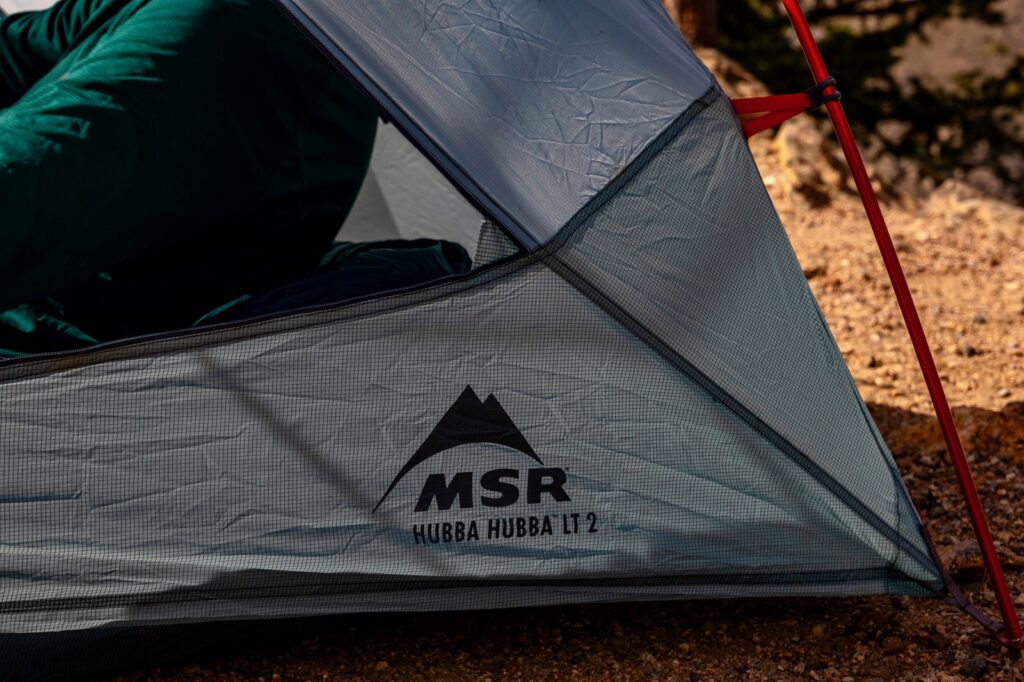
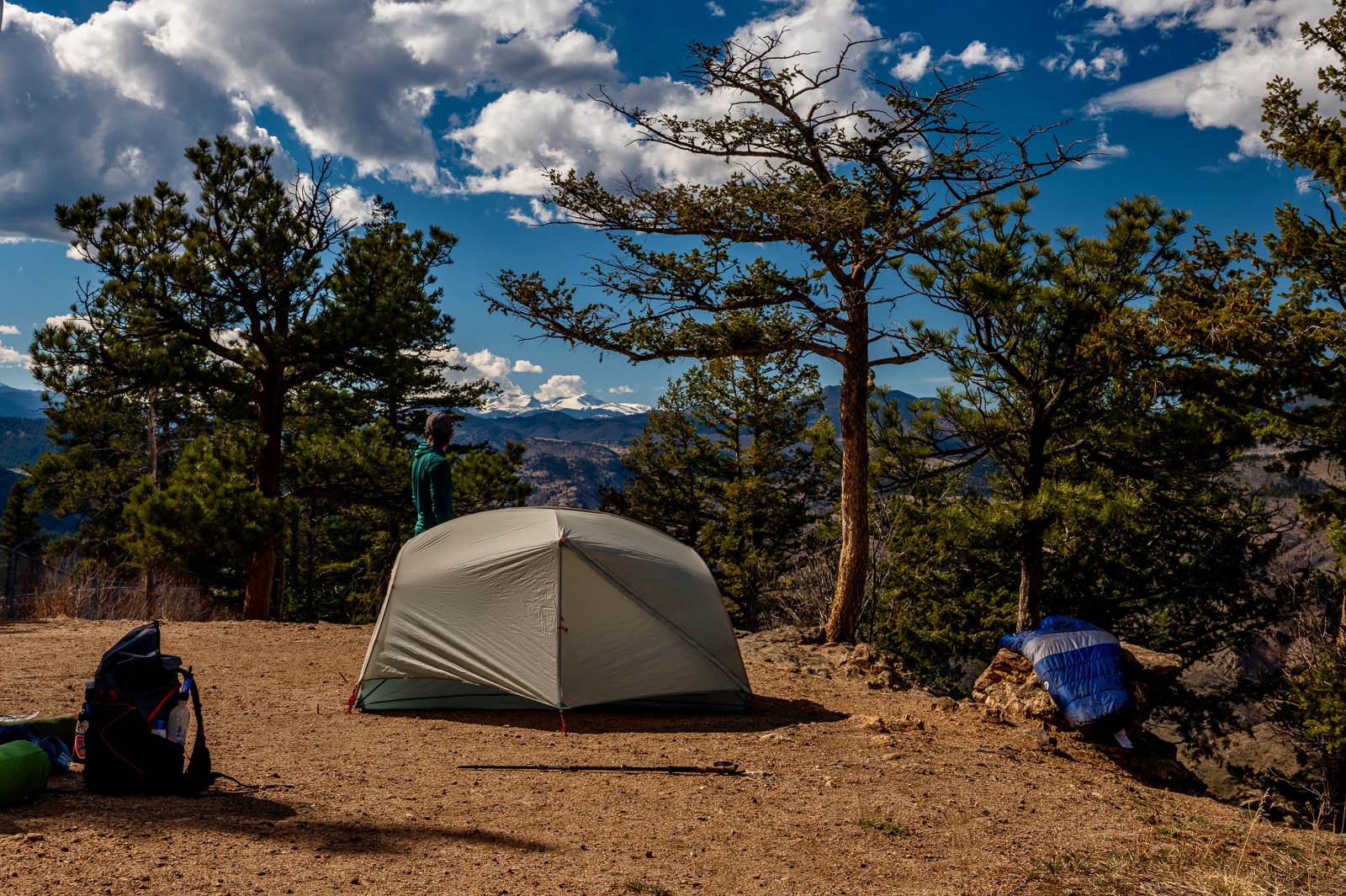
Weather resistance is one of the Hubba Hubba LT 2’s strongest qualities. A full-coverage fly, silicone-coated 20-denier nylon, taped seams, flexible but strong poles, and numerous guy-out points create a dependable system for rain and wind. The rounded profile also presents fewer broad flat surfaces for gusts to push against.
The vestibule doors include a small gutter that channels water away from the entry, which reduces dripping when you get in and out during rain. Large high vents help humid air escape when the fly is closed, and the bathtub floor provides substantial splash protection. Those practical details matter over multiple wet nights.
Like any lightweight tent, it still performs best when fully staked and guyed in bad weather. The extra guy points are especially useful in exposed camps, but they take more time and stakes to deploy. We would choose the Portal for the most severe three-season conditions, yet the Hubba Hubba offers more weather margin than many lighter tents.
A full-coverage fly, taped construction, useful ventilation, and a stable freestanding pole structure make the Hubba Hubba LT a dependable three-season shelter. The design also includes details that help manage runoff around the doors. Its weather confidence is one of the main reasons it scores well despite weighing more than the lightest tents in the category.
Weather Resistance Score: 4.6 / 5.0
Ease of Setup
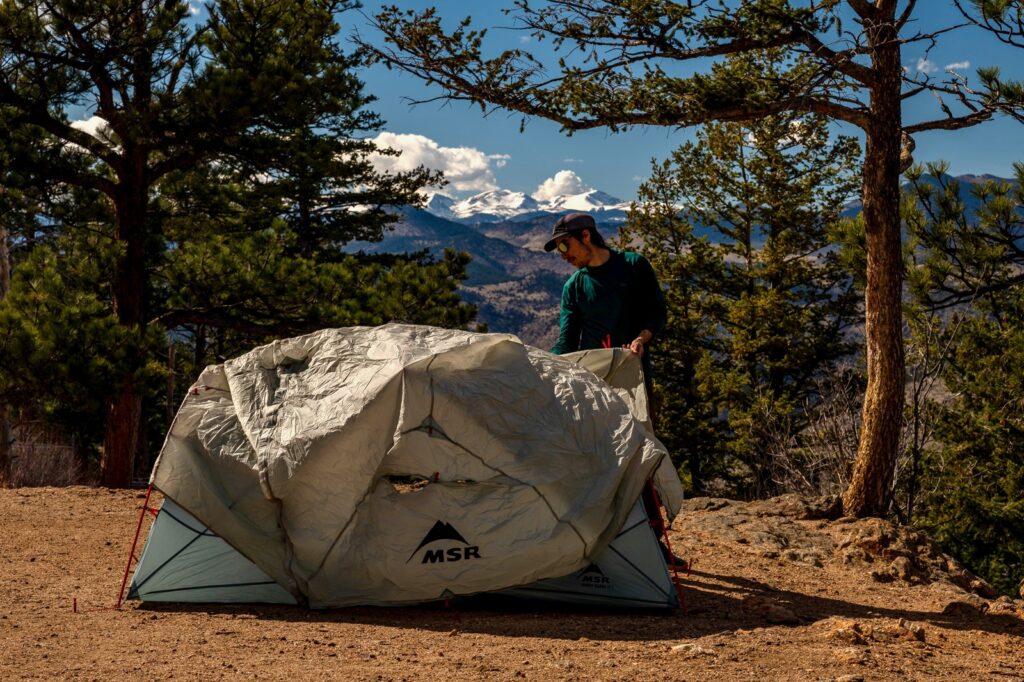
The Hubba Hubba LT 2 is about as intuitive as a modern freestanding tent gets. Its symmetrical pole structure makes orientation obvious, the body clips on quickly, and the fly attachments are simple enough that one person can complete the pitch in a few minutes. That predictability is valuable when you arrive at camp tired or in bad weather.
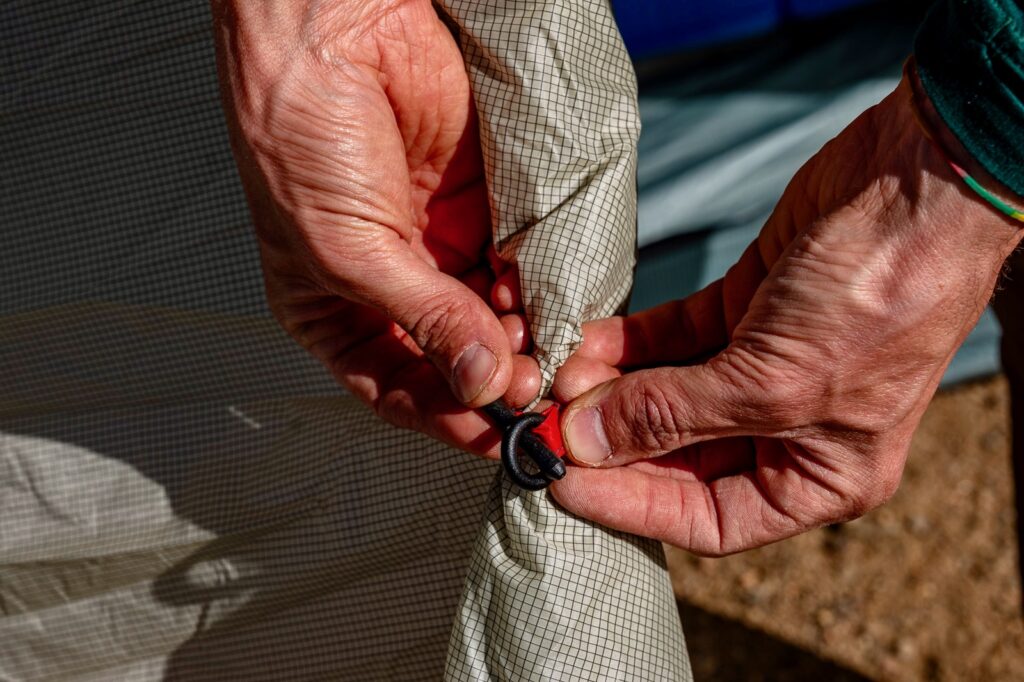
Pre-attached guylines and upgraded metal attachment points reduce small setup frustrations, and the freestanding body can be moved after pitching if you discover a root, rock, or slope under the floor. The pole legs may draw inward slightly when the tent is not staked, but that does not make the setup difficult. Staking the corners restores the intended shape.
The roll-top stuff sack is a matter of preference, but it is forgiving when packing a slightly damp or imperfectly folded tent. Overall, there are very few specialized techniques to learn. Backpackers who dislike the precision required by trekking-pole tents will appreciate how repeatable the Hubba Hubba pitch is.
The symmetrical pole structure and straightforward clips make setup intuitive even when you are tired or working in fading light. Because the shelter stands on its own, it can be shifted before the final stakeout if the first placement is not ideal. That flexibility is especially useful on rocky or root-filled campsites where perfect stake positions are difficult to find.
Ease of Setup Score: 4.7 / 5.0
Durability
The Hubba Hubba LT 2 is a strong performer for backpackers who prioritize long service life. Its 20-denier nylon is heavier than the 10- and 15-denier fabrics common in many ultralight shelters, and that extra material provides more resistance to punctures, tears, and everyday abrasion. The poles and attachment hardware also feel designed for repeated use.
Silicone coatings and taped seams contribute to both weather performance and longevity by maintaining a reliable waterproof barrier. MSR’s construction is clean, and the combination of freestanding geometry and robust pole structure distributes loads well in gusty conditions. A footprint can still help protect the floor on sharp or abrasive sites.
The downside is the same one that appears throughout this review: stronger materials add weight and cost. Hikers who replace gear frequently in the pursuit of the lightest possible setup may not value that tradeoff. Backpackers who want one tent to handle many seasons of regular use are more likely to appreciate it.
MSR uses a more substantial materials package than many ultralight competitors, which gives the Hubba Hubba LT a sturdy feel without pushing it into heavy crossover-tent territory. The poles, zippers, and connection points are built for repeated use. Normal lightweight-tent care still matters, but the shelter does not demand the same level of caution as thinner minimalist designs.
Durability Score: 4.4 / 5.0
Should You Buy the MSR Hubba Hubba LT 2?
Buy the Hubba Hubba LT 2 if you share a tent regularly and want a dependable freestanding shelter that is roomy, weather-ready, and simple to use.
Go lighter if you mostly hike in mild weather and are willing to accept a semi-freestanding or trekking-pole setup.
What Other Backpacking Tents Should You Consider?
SlingFin Portal 2 Review: The Portal 2 is the stronger choice when harsh wind, exposed camps, and shoulder-season conditions are frequent parts of your trips. It has specialized structural reinforcement and a higher storm ceiling than the Hubba Hubba LT 2. The MSR remains easier to justify for typical three-season backpacking because its layout is conventional and very user-friendly.
Big Agnes Copper Spur UL2 Review: The Copper Spur UL2 is lighter and more feature-rich for ordinary three-season backpacking. It offers excellent storage, strong livability, and a fully freestanding pitch while shaving noticeable weight. The Hubba Hubba LT 2 counters with burlier materials and especially good weather confidence.
NEMO Dagger OSMO 2 Review: The Dagger OSMO 2 is roomier and more crossover-friendly, with larger vestibules and a more substantial overall feel. It is also heavier, which makes the Hubba Hubba LT 2 more attractive for longer trail days. Choose the Dagger for maximum comfort and versatility; choose the MSR for a lighter balance of room, durability, and weather performance.
More MSR Hubba Hubba LT 2 Photos
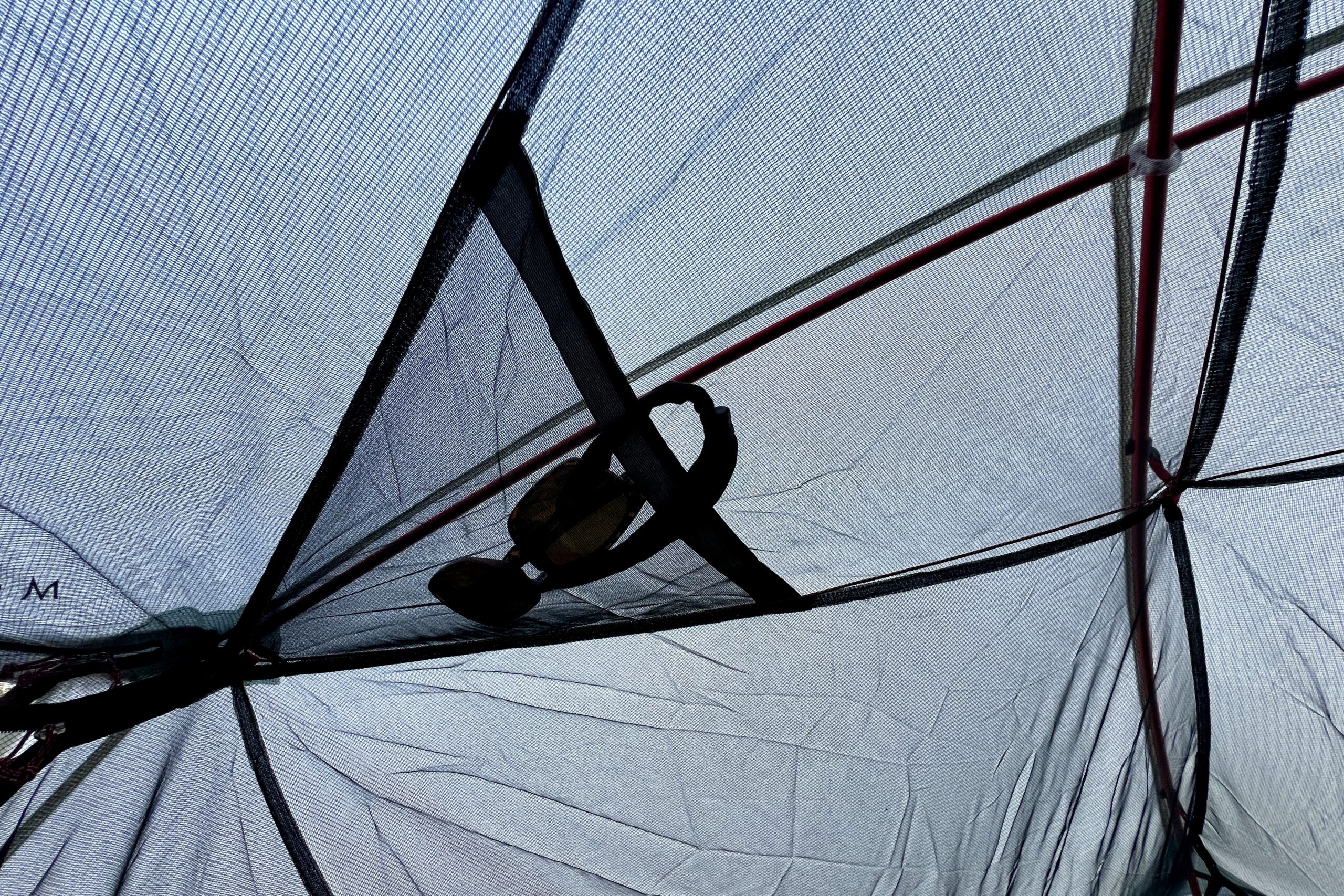
The top pockets are great for stashing small items or a headlamp. – Photo Credit: Brett Kretzer (CleverHIker.com)
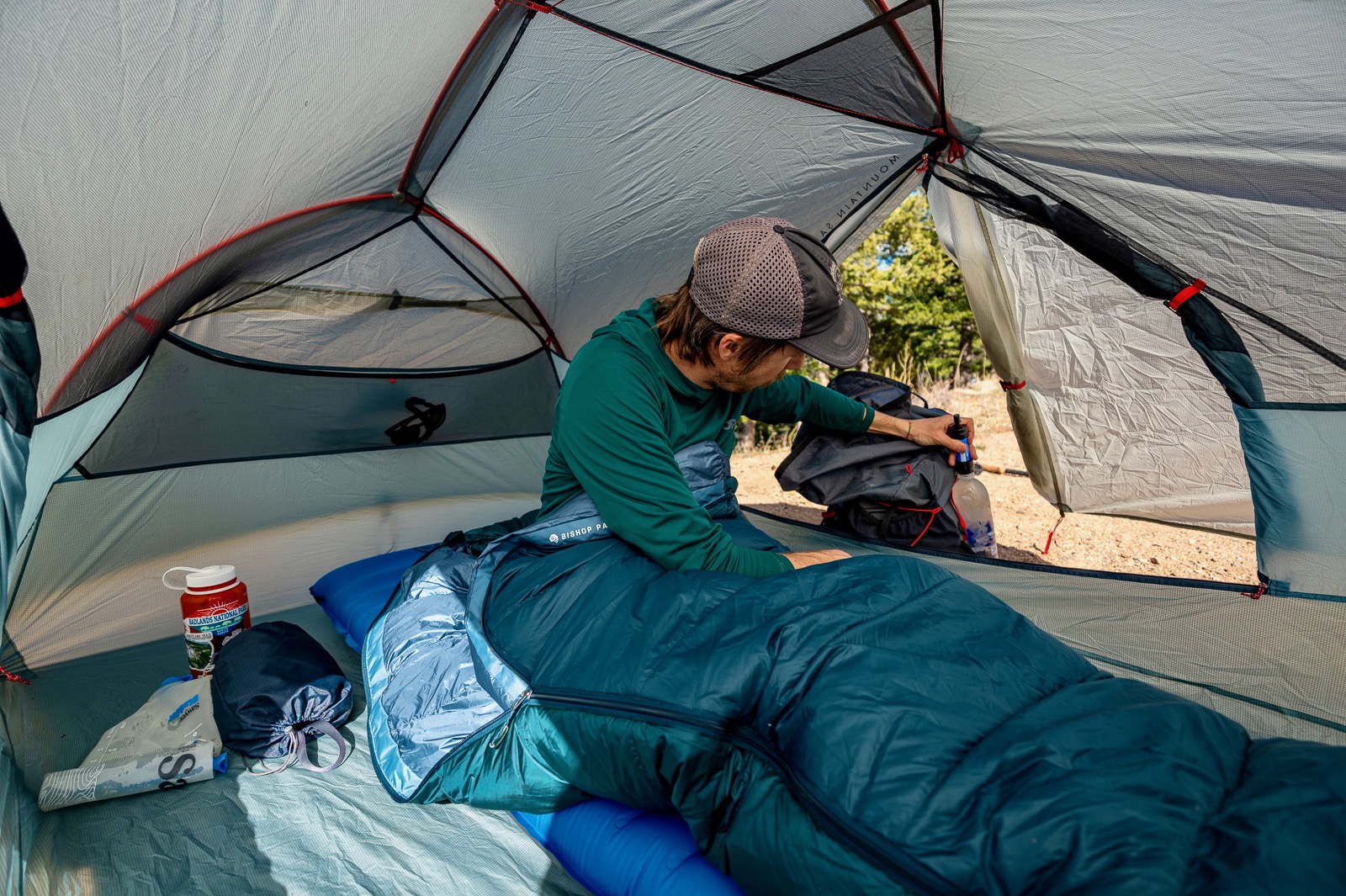
There’s Tons of interior space for sprawling out your gear. – Photo Credit: Brett Kretzer (CleverHIker.com)
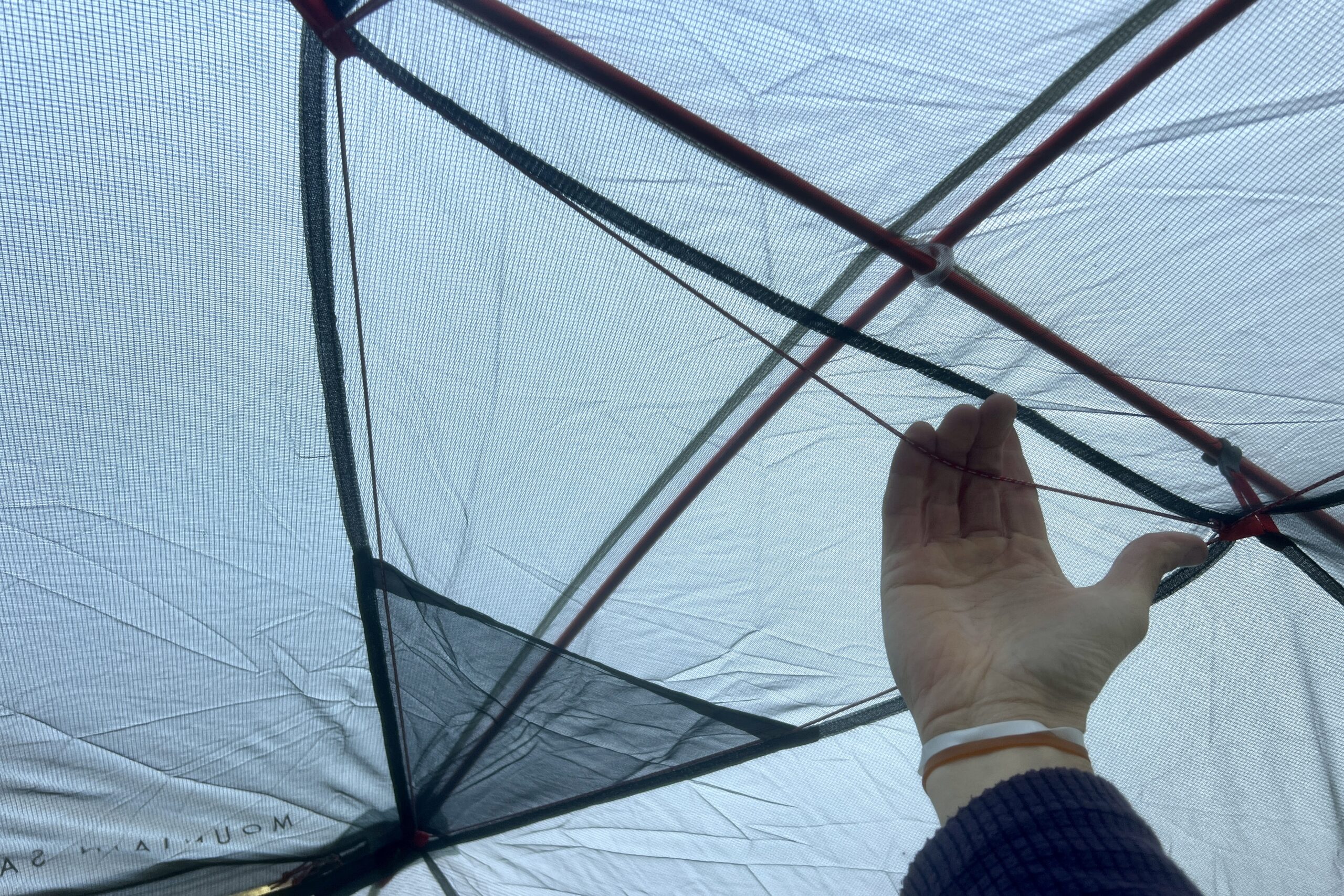
The clothesline is a nice touch. – Photo Credit: Brett Kretzer (CleverHIker.com)
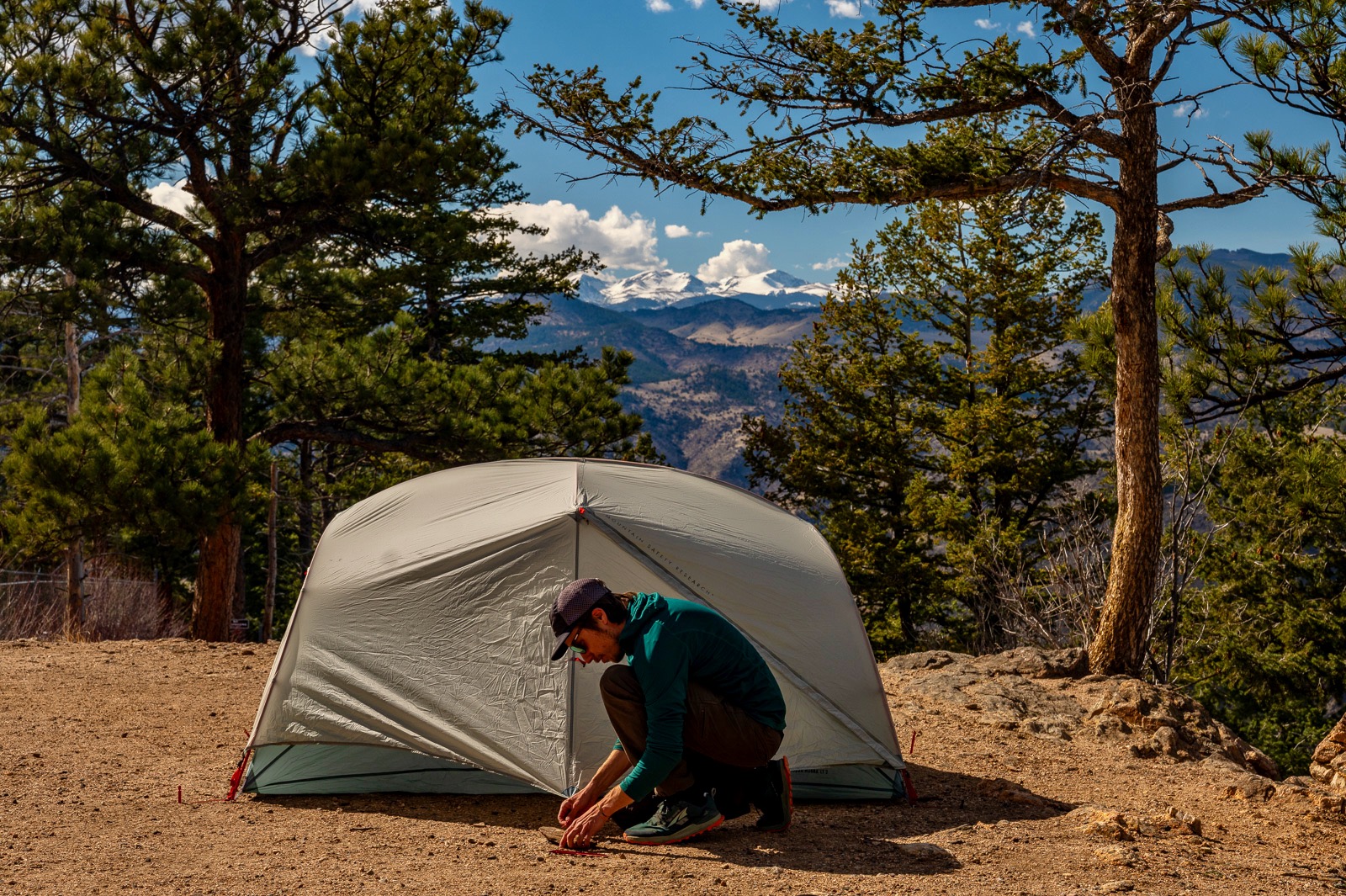
We prefer larger vestibules, but they aren’t bad. – Photo Credit: Brett Kretzer (CleverHIker.com)
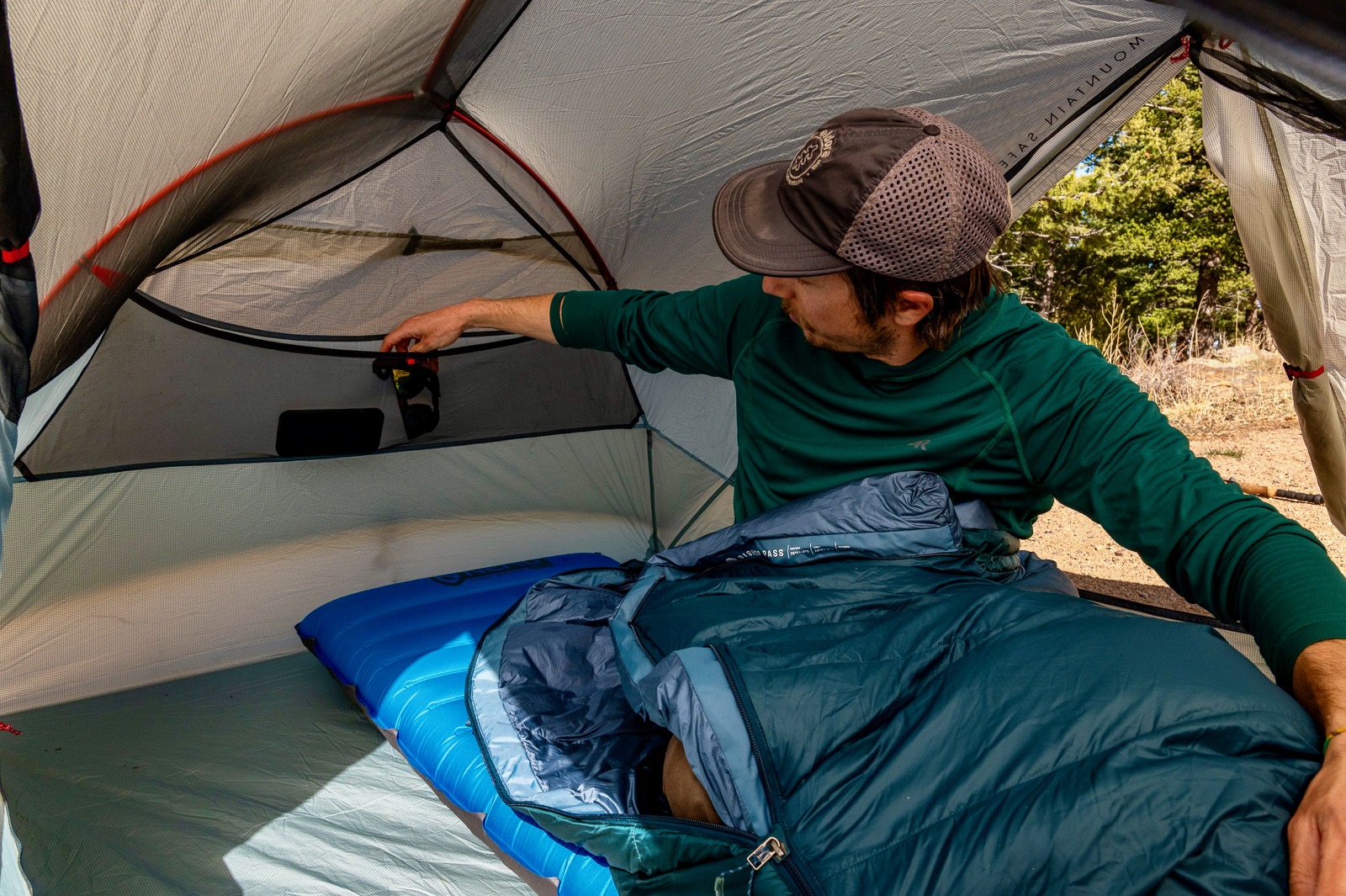
We love the giant gear pockets in the Hubba Hubba LT 2. – Photo Credit: Brett Kretzer (CleverHIker.com)
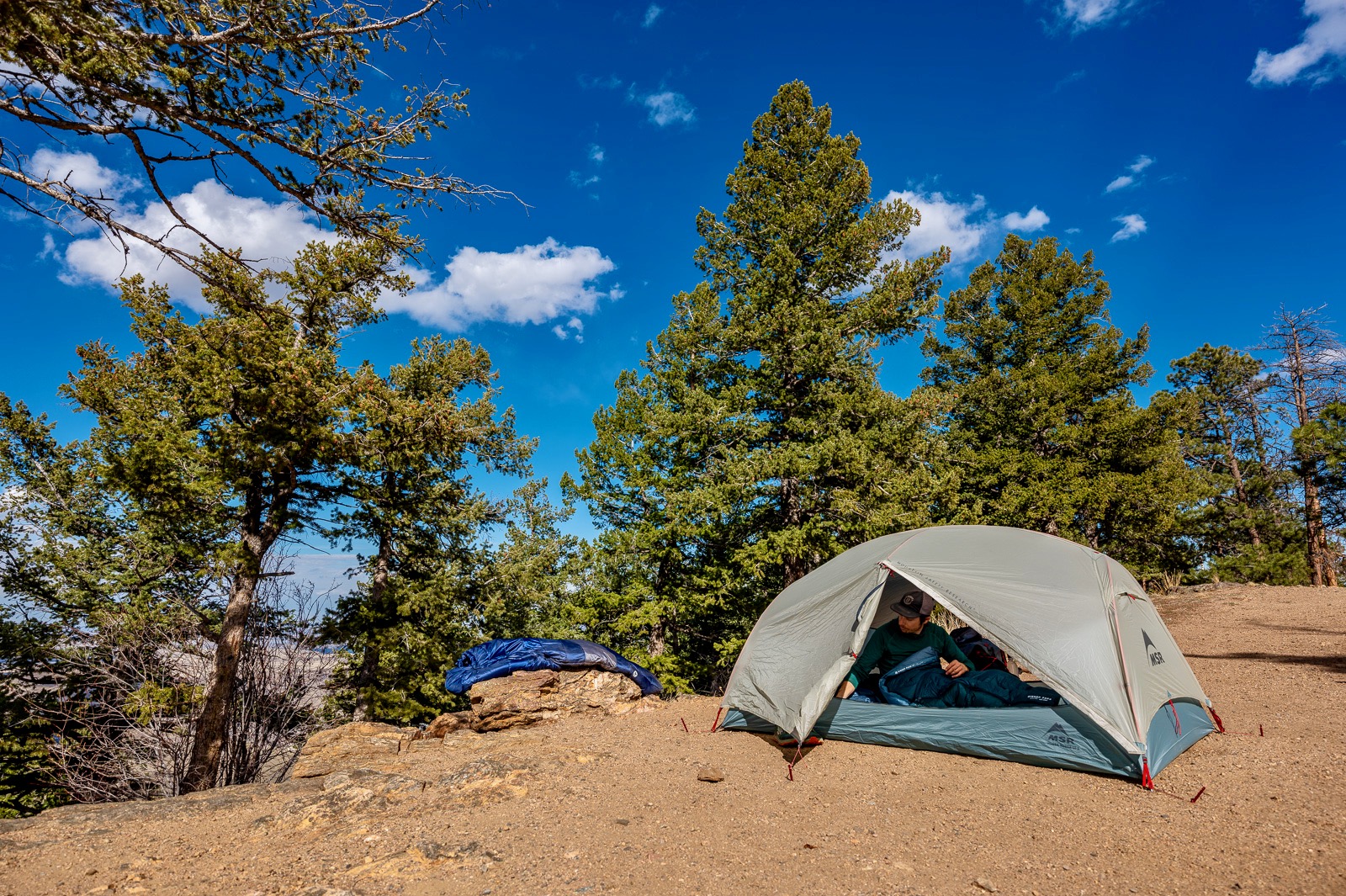
There’s Plenty of headroom and space to stretch out. – Photo Credit: Brett Kretzer (CleverHIker.com)