

Bottom Line
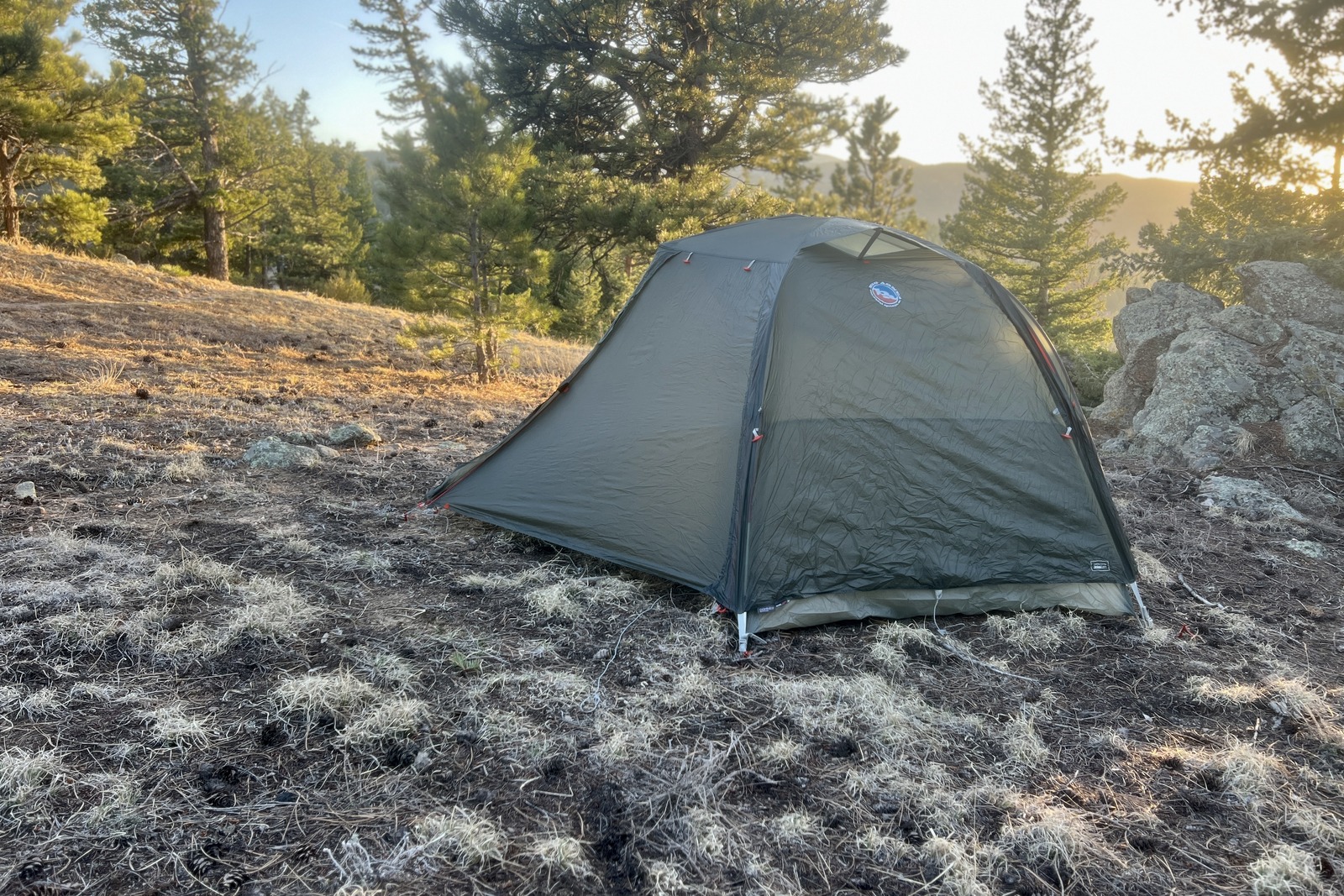
The Big Agnes Copper Spur UL2 remains our favorite overall backpacking tent because it balances comfort, low weight, weather protection, and ease of use better than almost anything else we’ve tested.
Our team has spent roughly 300 nights in the Copper Spur line on long trails including the PCT, CDT, and AT. The current UL2 keeps the familiar freestanding layout, dual doors and vestibules, generous storage, and high-volume pole architecture while moving to Big Agnes’ newer HyperBead fabric.
It is expensive, and the lightweight construction deserves normal care. But for backpackers who want one premium tent that works for high-mileage trips, weekend outings, and a wide range of three-season conditions, the Copper Spur is still the easiest recommendation in the category.
How We Tested
CleverHiker’s testing history with the Copper Spur spans hundreds of nights and thousands of trail miles. For the current category update, we evaluated the UL2 against the other leading freestanding, semi-freestanding, and trekking-pole shelters in our lineup, with particular attention to comfort, weight and packed size, weather resistance, setup, and durability.
Quick Specs
- Best for: Backpackers who want the best overall balance of livability and low weight
- Floor area: 29 sq. ft.
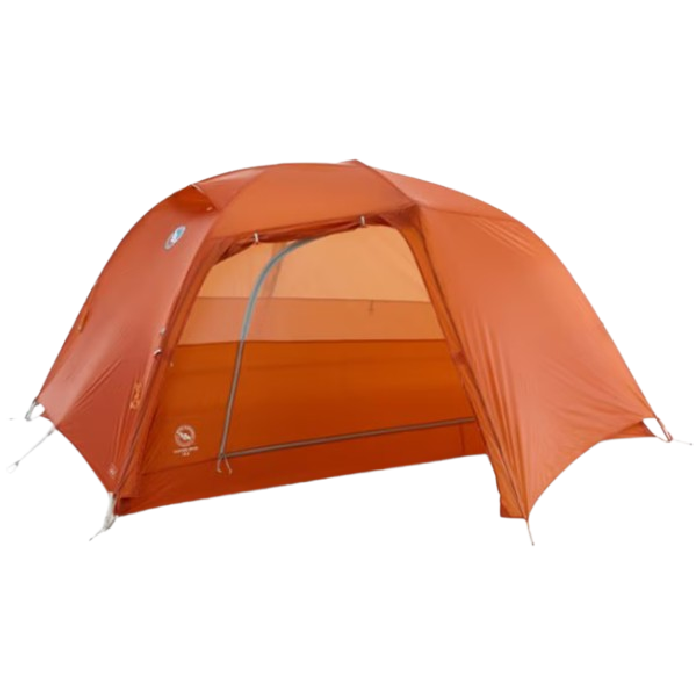
Big Agnes Copper Spur UL2
Best Backpacking Tent Overall
CleverHiker Rating: 4.8/5.0
Price: $600
Packed Weight: 3 lb.
Dimensions (LxWxH): 88 x 52/42 x 40 in.
Type: Freestanding
Pros
- Lightweight for a freestanding tent
- Quick and easy to set up
- Ample headroom
- Excellent features and storage
- Quality construction and materials
Cons
- Expensive
- Rainfly zippers can snag

Comfort
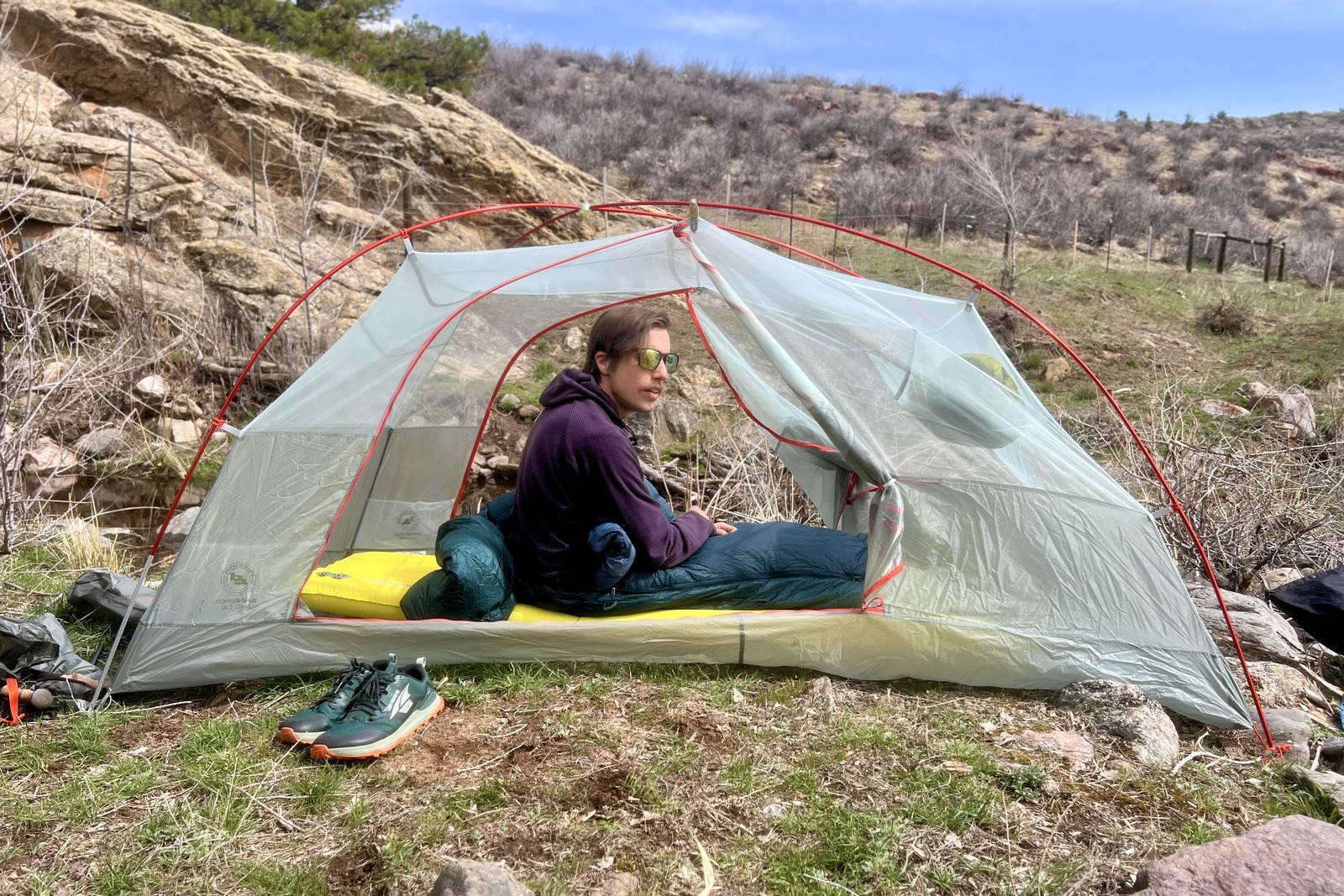
The Copper Spur UL2 is unusually livable for a 3-pound freestanding tent. Its bent-pole architecture and ridge pole pull the upper walls outward, so the interior feels broader at shoulder level than the tapered floor dimensions suggest. Two regular-width sleeping pads fit comfortably, and the mild taper toward the foot saves weight without making the sleeping area feel aggressively pinched.
Day-to-day usability is one of the main reasons this tent continues to stand out in our long-term testing. Each hiker gets a side door and vestibule, so partners can enter, exit, and store dirty or wet gear without crawling over one another. Inside, the oversized overhead gear loft is large enough for bulky layers, while smaller pockets keep headlamps, phones, and other essentials from disappearing into sleeping bags.
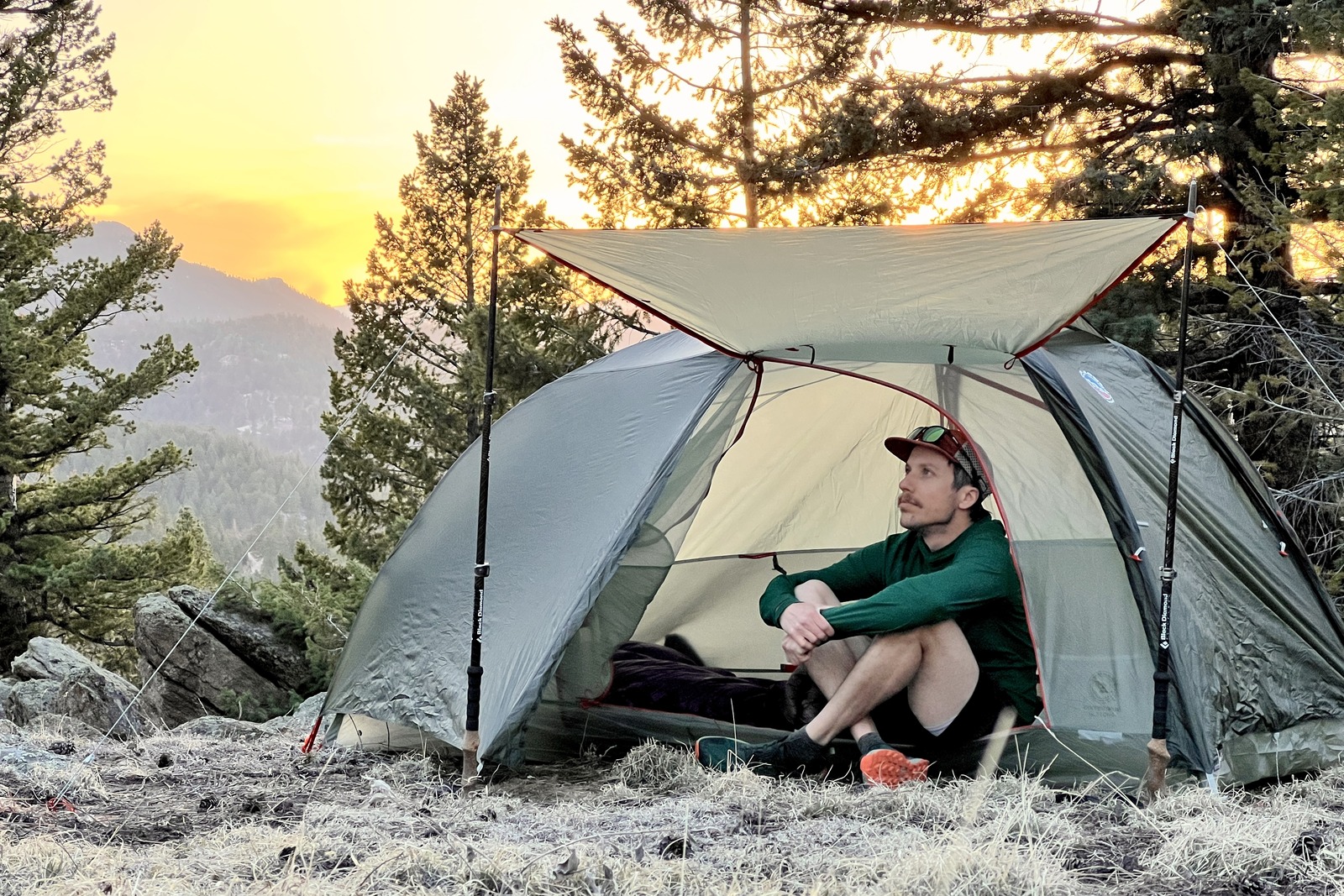
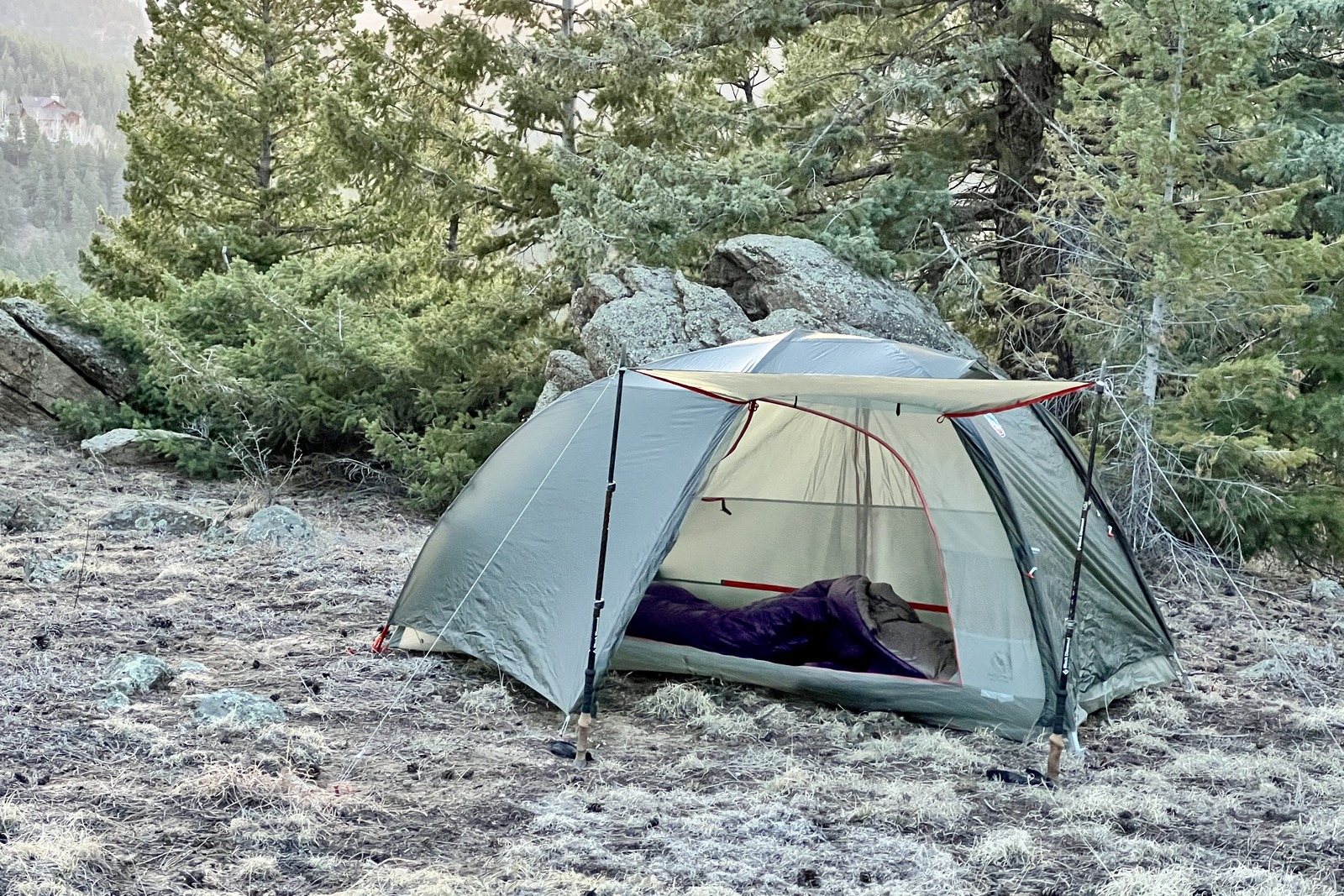
The vestibule awning adds another level of livability when you have time to set it up. It can create a protected porch for sitting out a light shower or opening the shelter to a view while keeping some coverage overhead. We do not use the awning every night because it takes extra support and setup time, but on relaxed trips it is a genuinely useful comfort feature rather than a gimmick.
For most backpackers, the practical benefit is that the Copper Spur gives up very little livability to stay near 3 pounds. The broad upper walls, two doors, useful vestibules, and generous storage make it easy for partners to organize gear and move around without constant negotiation. That balance is a major reason it remains such a strong all-around choice.
Comfort Score: 4.6 / 5.0
Weight & Packability
At a CleverHiker-measured 3 pounds packed, the Copper Spur UL2 is light for a fully freestanding two-person shelter with this much interior structure, storage, and weather protection. It is not as light as a trekking-pole tent or the most stripped-down semi-freestanding models, but it asks for far fewer compromises in campsite flexibility and everyday convenience. For many backpackers, that is a very favorable trade.
Big Agnes keeps the weight down with lightweight fabrics, mesh, aluminum poles, compact hardware, and a design that puts material only where it earns its keep. The current HyperBead construction also helps preserve the tent’s low weight while improving strength and waterproof performance over earlier generations. The poles separate cleanly from the soft goods, which makes it easy for partners to split the load.
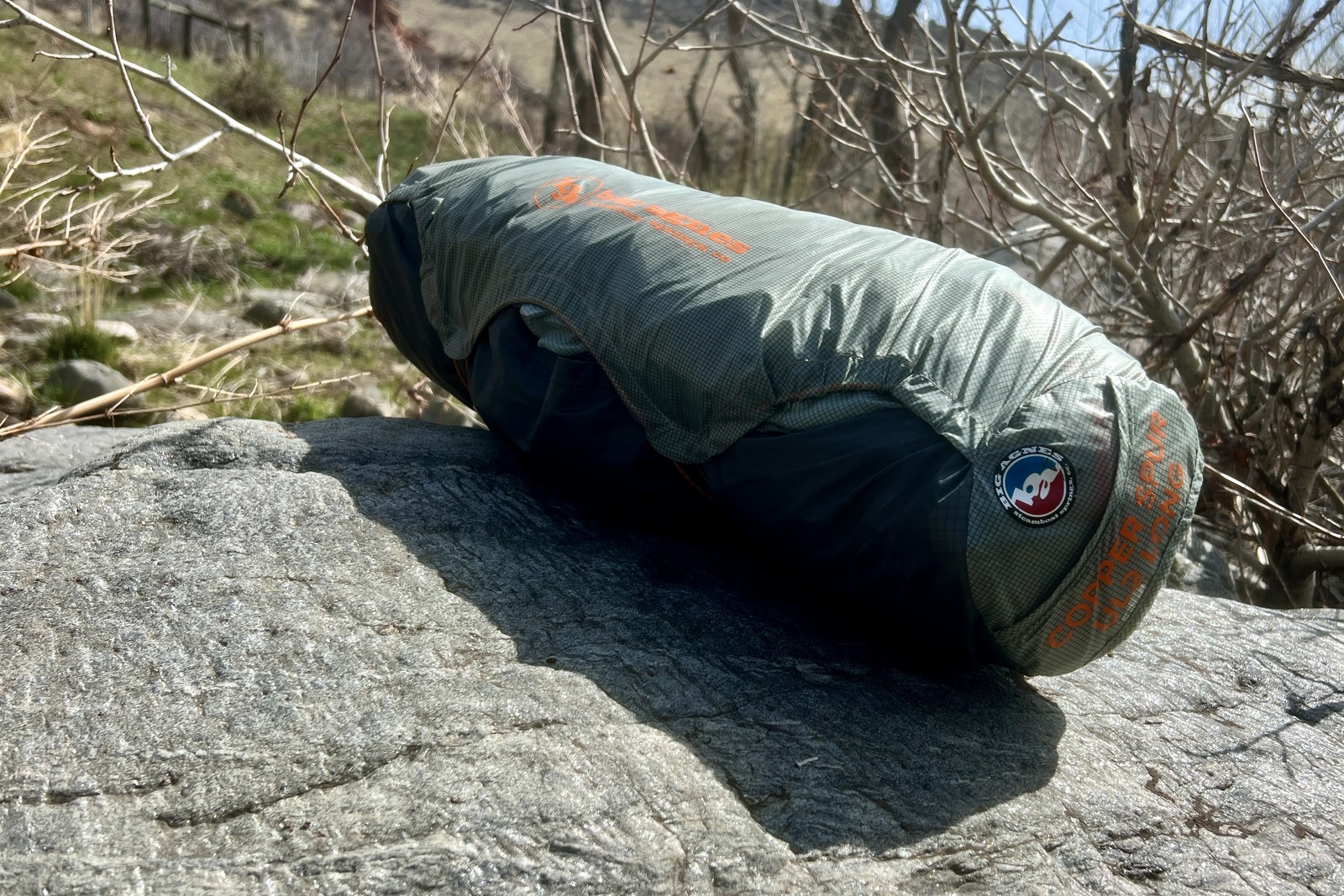
Packed volume is also manageable for a full-featured freestanding tent. The newer side-opening compression sack works especially well if you prefer to roll the body and fly neatly, though it is less convenient for hikers who simply stuff everything into a sack. The included stakes are light rather than burly, so backpackers heading into exposed or very hard ground may choose to carry a few stronger stakes and accept a small weight penalty.
Weight & Packability Score: 4.3 / 5.0
Weather Resistance
Our team has used Copper Spur tents through sustained rain, exposed camps, and gusty three-season weather on long trails and mountain trips. The full-coverage fly, bathtub floor, flexible pole structure, and multiple guy-out points give the UL2 much more storm confidence than its low weight might imply. When it is pitched taut and properly guyed, it has kept us dry through serious backcountry thunderstorms and wind.
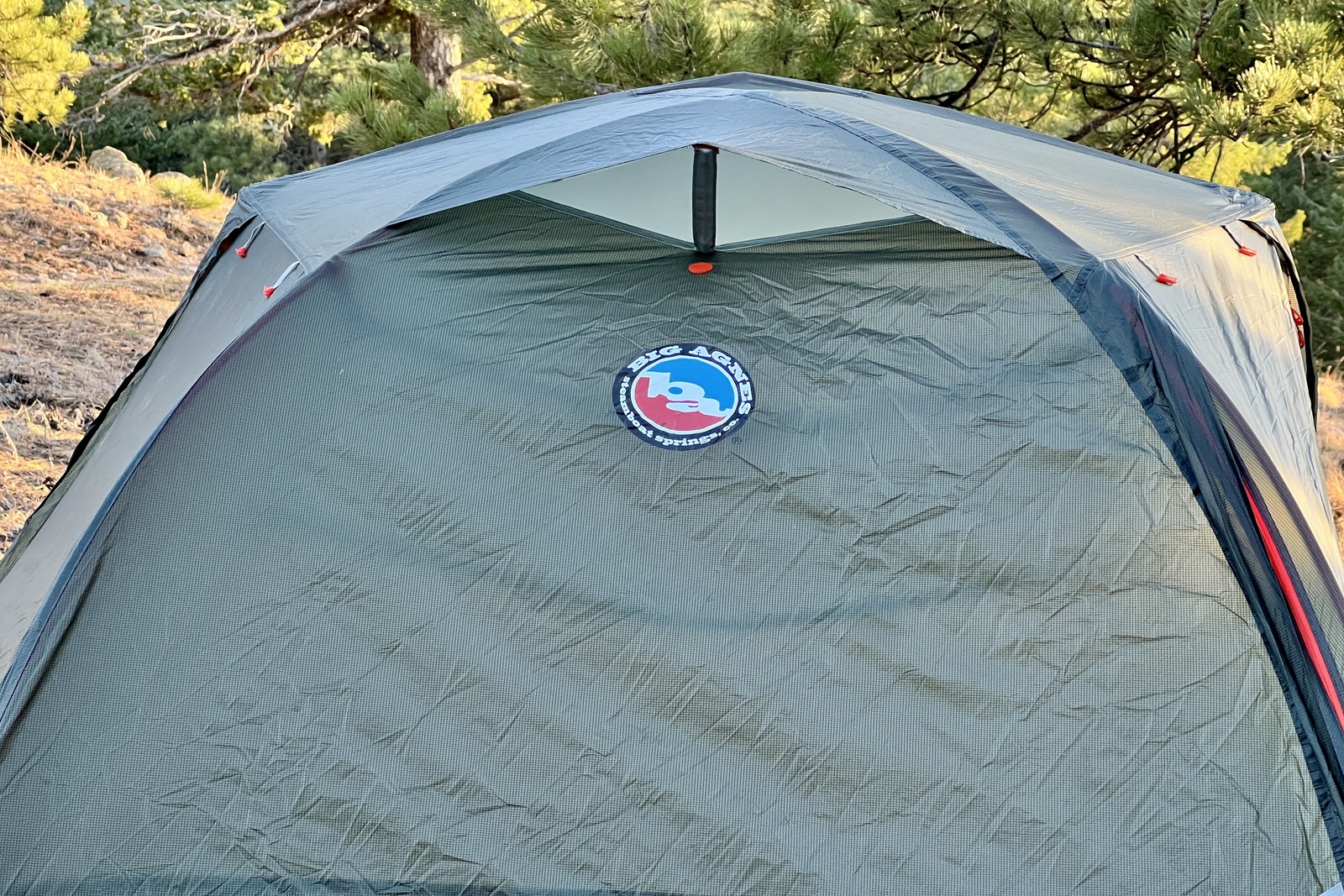
The double-wall design is a major advantage in variable conditions because the mesh inner separates sleepers from moisture on the fly. A large upper vent helps warm, humid air escape, while the vestibules provide covered space for shoes and packs so wet gear does not have to come inside. The awning configuration can also create protected space outside the inner tent in light rain, though we would close it down and fully guy the shelter when stronger weather is moving in.
Like most lightweight nylon shelters, the fly can lose some tension after prolonged rain or when temperatures drop. That means the Copper Spur may need occasional re-tensioning on cold, wet nights to keep the fly clear of the inner tent and maintain full vestibule coverage. The protection is excellent for a lightweight three-season tent, but careful site choice, secure stakes, and using the available guy points still matter in exposed conditions.
Weather Resistance Score: 4.5 / 5.0
Ease of Setup
Setup is one of the Copper Spur’s biggest strengths. The freestanding hubbed-pole structure is intuitive, color-coded attachment points reduce orientation mistakes, and the pre-bent architecture naturally creates the intended shape without much tuning. Once you know the layout, one person can get the body standing in a couple of minutes.
A freestanding design is also forgiving when the campsite is awkward. You can assemble the tent first, move it around to find the flattest patch, and then stake the corners and vestibules where they work best. That is a meaningful advantage over trekking-pole shelters on rocky ground, sand, or compacted campsites where every stake location is not ideal.
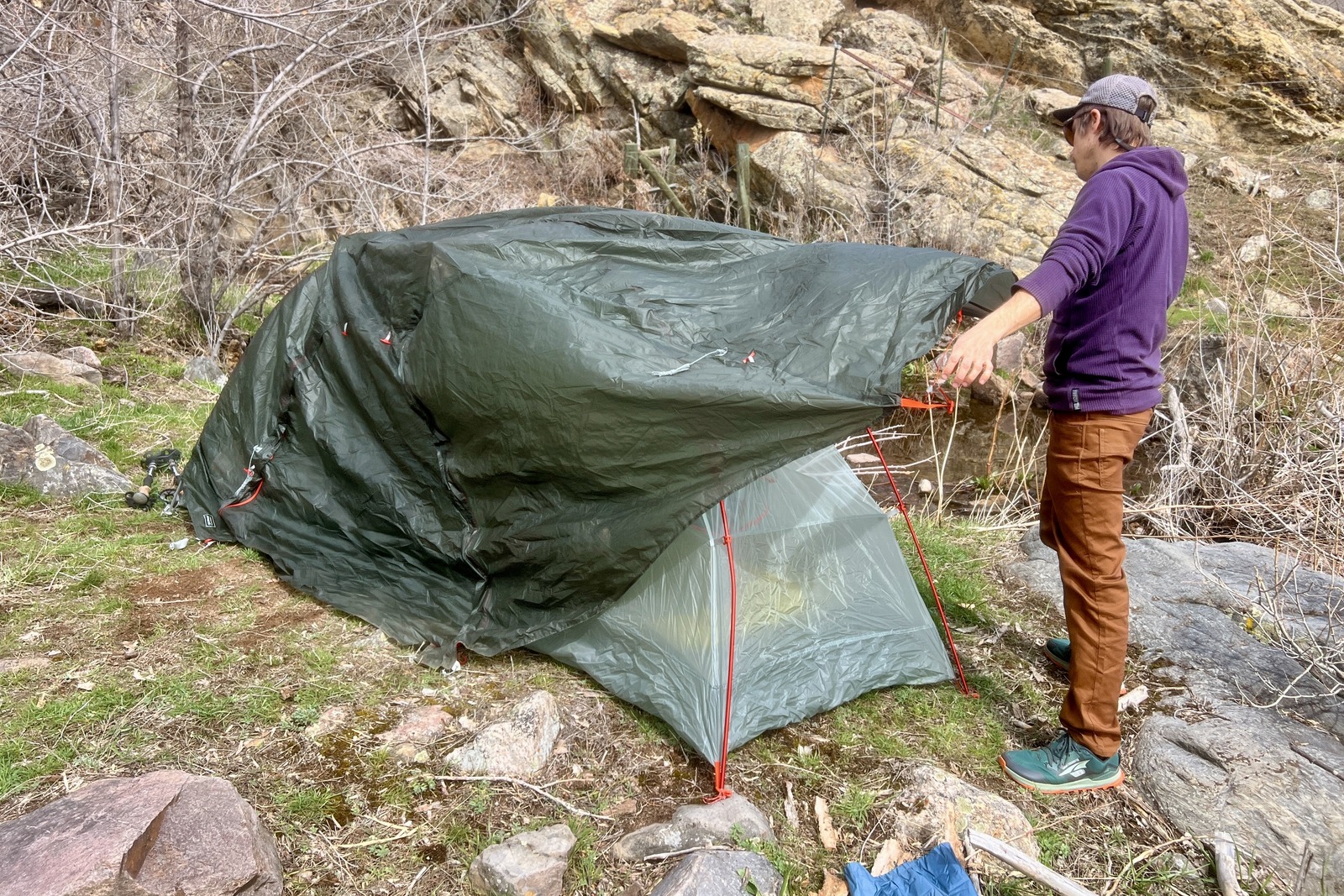
There are a few details to learn. The asymmetrical fly only goes on correctly in one orientation, although the color coding makes that easy to recognize, and the awning mode requires extra support if you want to use it. With the optional footprint, the tent can also be configured to get the fly up before the inner in bad weather, which helps keep the sleeping area drier during setup.
The Copper Spur is especially friendly for backpackers who want a light tent without adopting a more technical pitch. Its freestanding structure, color coding, and familiar clips make the process easy to repeat, while the ability to reposition the assembled tent reduces campsite frustration. The few orientation details become automatic quickly and do not meaningfully complicate routine use.
Ease of Setup Score: 4.7 / 5.0
Durability
The Copper Spur has held up impressively well in our long-term use, especially considering its low weight. CleverHiker has spent hundreds of nights with the Copper Spur line on major trails, and the overall pole architecture, stitching, clips, and hardware have proven dependable through repeated packing, pitching, and weather exposure. The current HyperBead fabric is also designed to be stronger and more waterproof than the material used on earlier versions.
That durability still has to be understood in the context of an ultralight shelter. The floor and fly are much thinner than the fabrics on heavy crossover or car-camping tents, so sharp rocks, sticks, and careless zipper use can do more damage. We recommend clearing abrasive debris before pitching, using a footprint or lightweight groundsheet when campsites are rough, and carrying a small patch kit on longer trips.
The lightweight zippers are one of the few areas that consistently demand attention. They can catch the fly fabric if they are pulled quickly or at an angle, especially when the material is wet and loose. Treated with normal backpacking care, though, the Copper Spur offers a strong lifespan-to-weight ratio and is a much more durable long-term shelter than its delicate feel might initially suggest.
Durability Score: 4.3 / 5.0
Should You Buy the Big Agnes Copper Spur UL2?
Buy the Copper Spur UL2 if you want a premium two-person backpacking tent that is light enough for long-distance trips but still feels like a fully featured shelter at camp.
Skip it if price is the main concern, if you are especially hard on lightweight gear, or if shaving every possible ounce matters more than freestanding convenience.
What Other Backpacking Tents Should You Consider?
SlingFin Portal 2 Review: Choose the Portal 2 when weather margin matters more than shaving the last few ounces. It is slightly heavier, but its internal guylines, robust pole structure, and trekking-pole reinforcement option give it a clear advantage in high wind and rough shoulder-season conditions. The Portal is also very livable, though its floor is a little less accommodating for wide sleeping pads than the Copper Spur.
Big Agnes Tiger Wall UL2 Review: The Tiger Wall UL2 is the better choice for hikers who want to cut weight while keeping a double-wall shelter and dedicated poles. It is lighter and packs smaller, but the semi-freestanding design requires staking at the foot and the thinner materials demand more care. We like it most for solo hikers who want extra room or pairs who are comfortable trading some livability and durability for lower trail weight.
NEMO Dagger OSMO 2 Review: The Dagger OSMO 2 moves in the opposite direction and prioritizes space, sturdiness, and crossover comfort. Its rectangular floor, large vestibules, and substantial construction make it easier to live in for two people and more appealing for trips that mix backpacking with car camping. The tradeoff is a noticeably higher packed weight, so it makes more sense when comfort matters more than covering big mileage with the lightest possible load.
More Big Agnes Copper Spur UL2 Photos
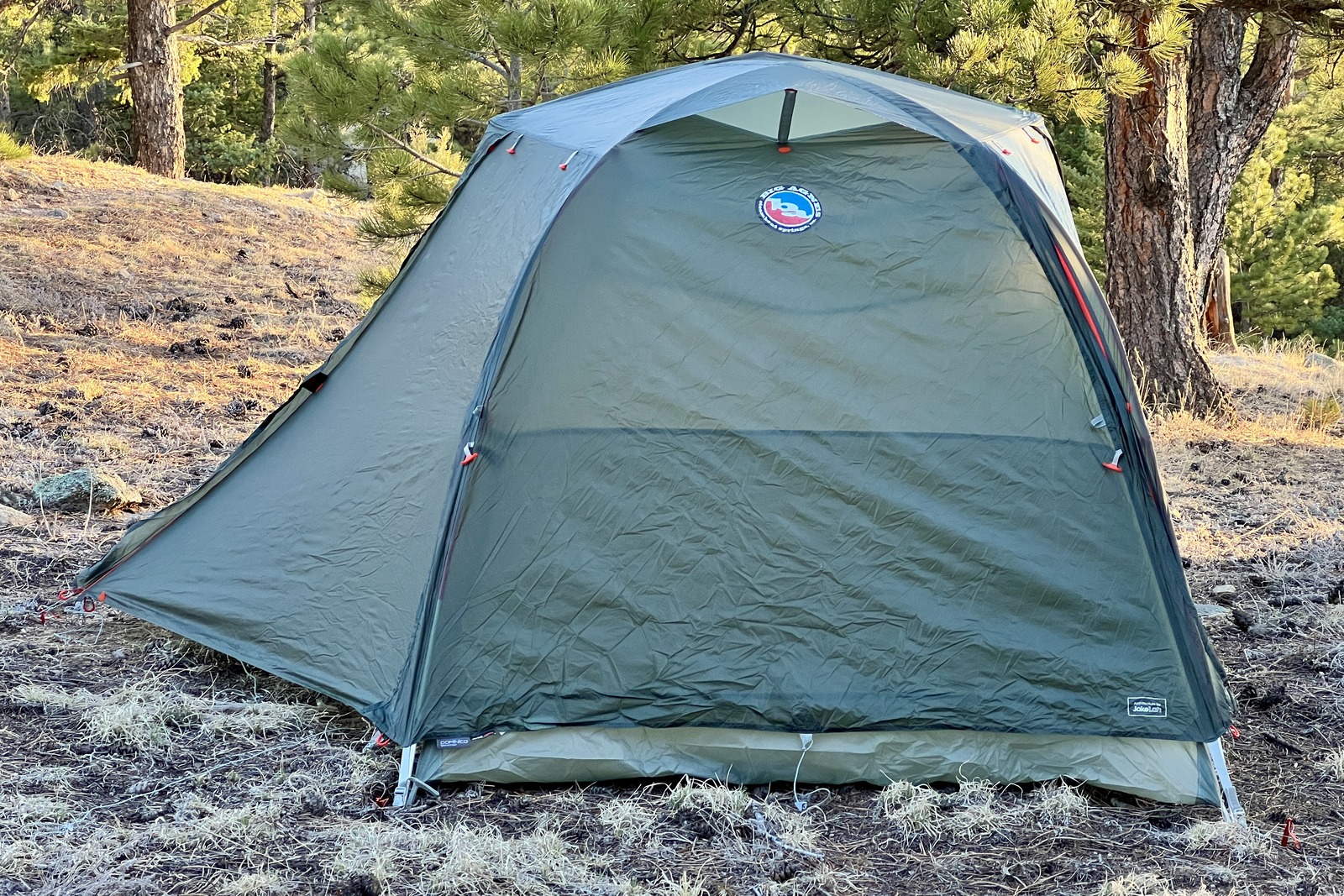
Getting a good pitch with the Copper Spur is super quick and simple. – Photo Credit: Brett Kretzer (CleverHiker.com)
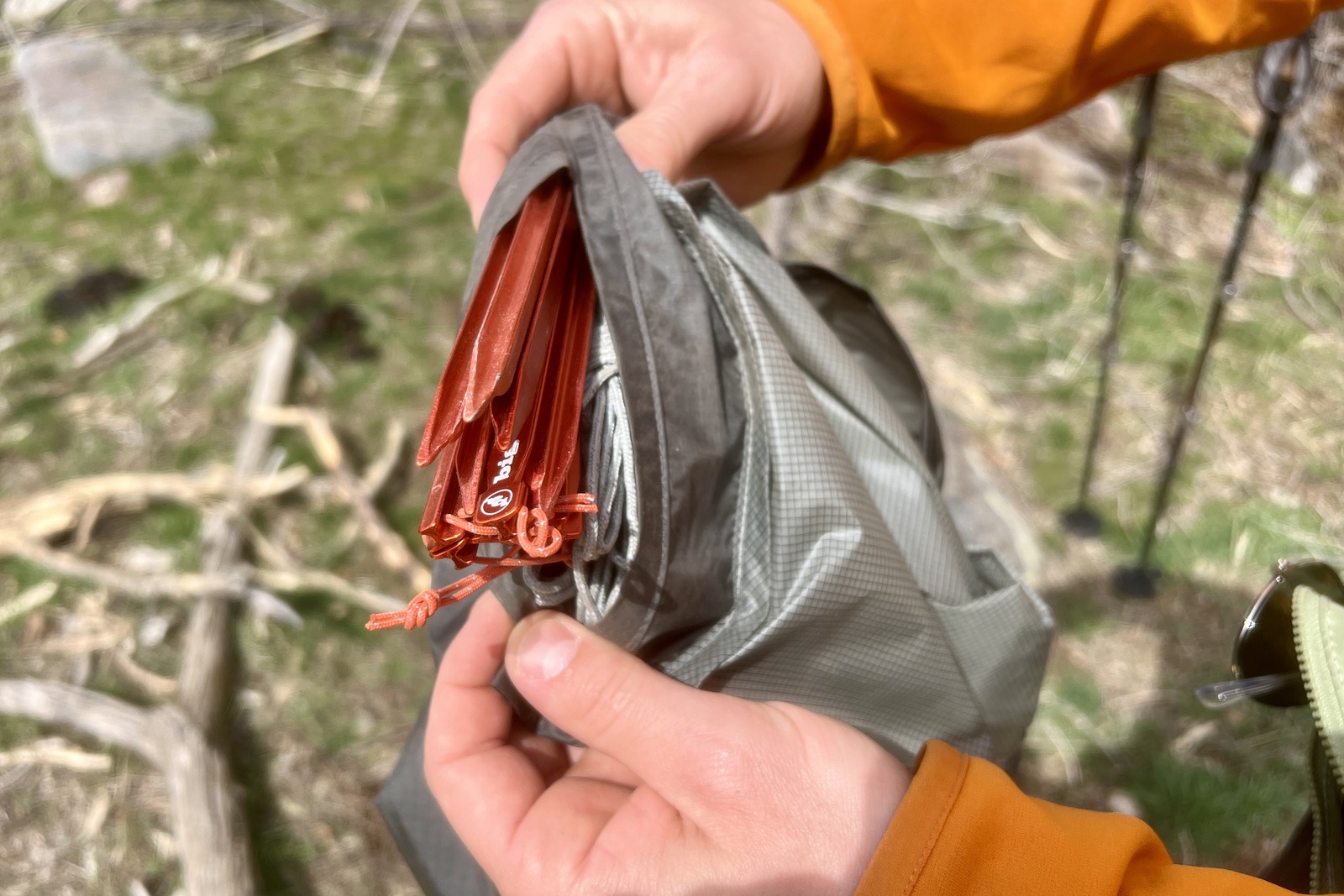
The Copper Spur comes with sturdy stakes that pack into a built-in stake pocket. – Photo Credit: Brett Kretzer (CleverHIker.com)
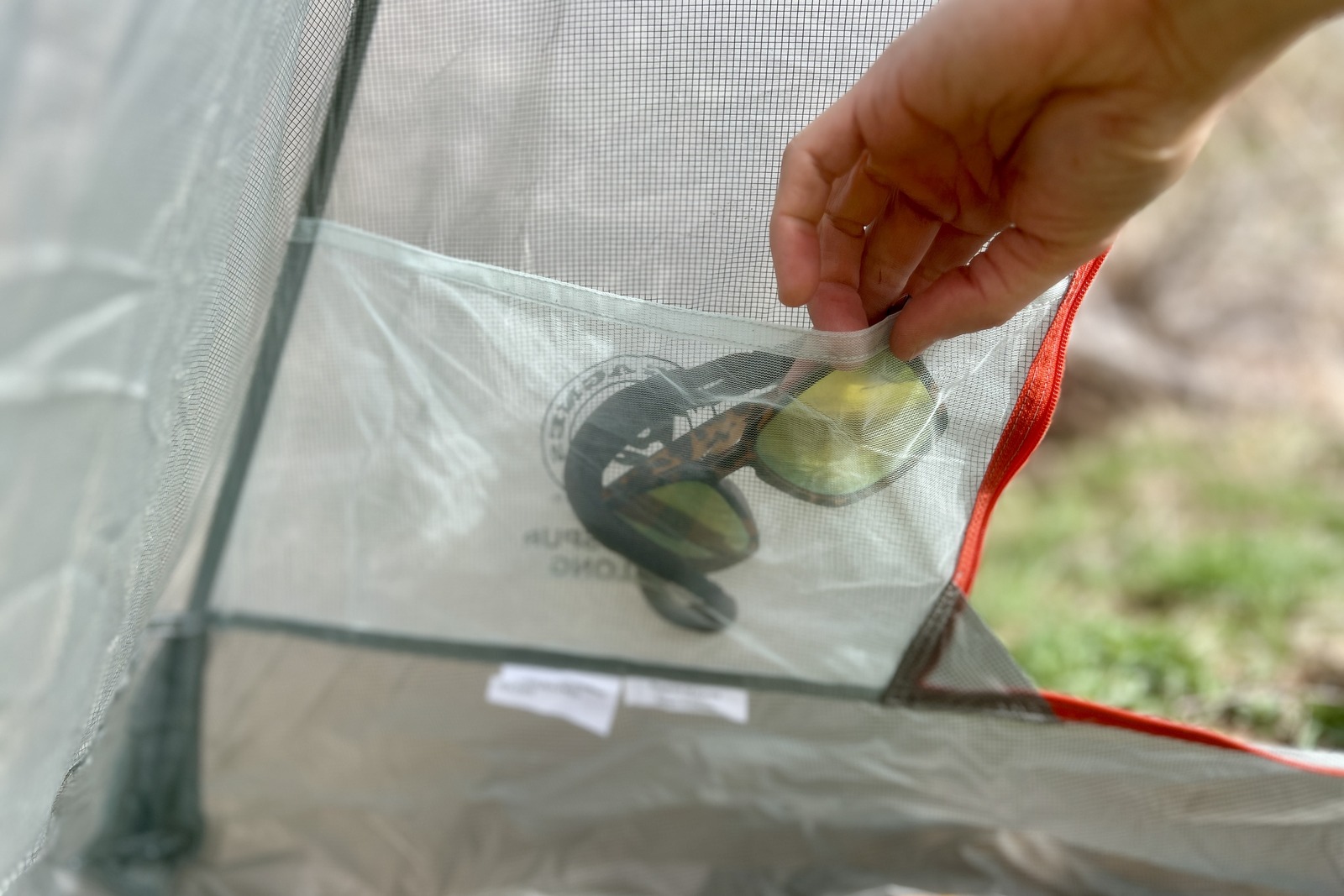
In addition to its huge gear loft, the Copper Spur features two small lower pockets. – Photo Credit: Brett Kretzer (CleverHIker.com)
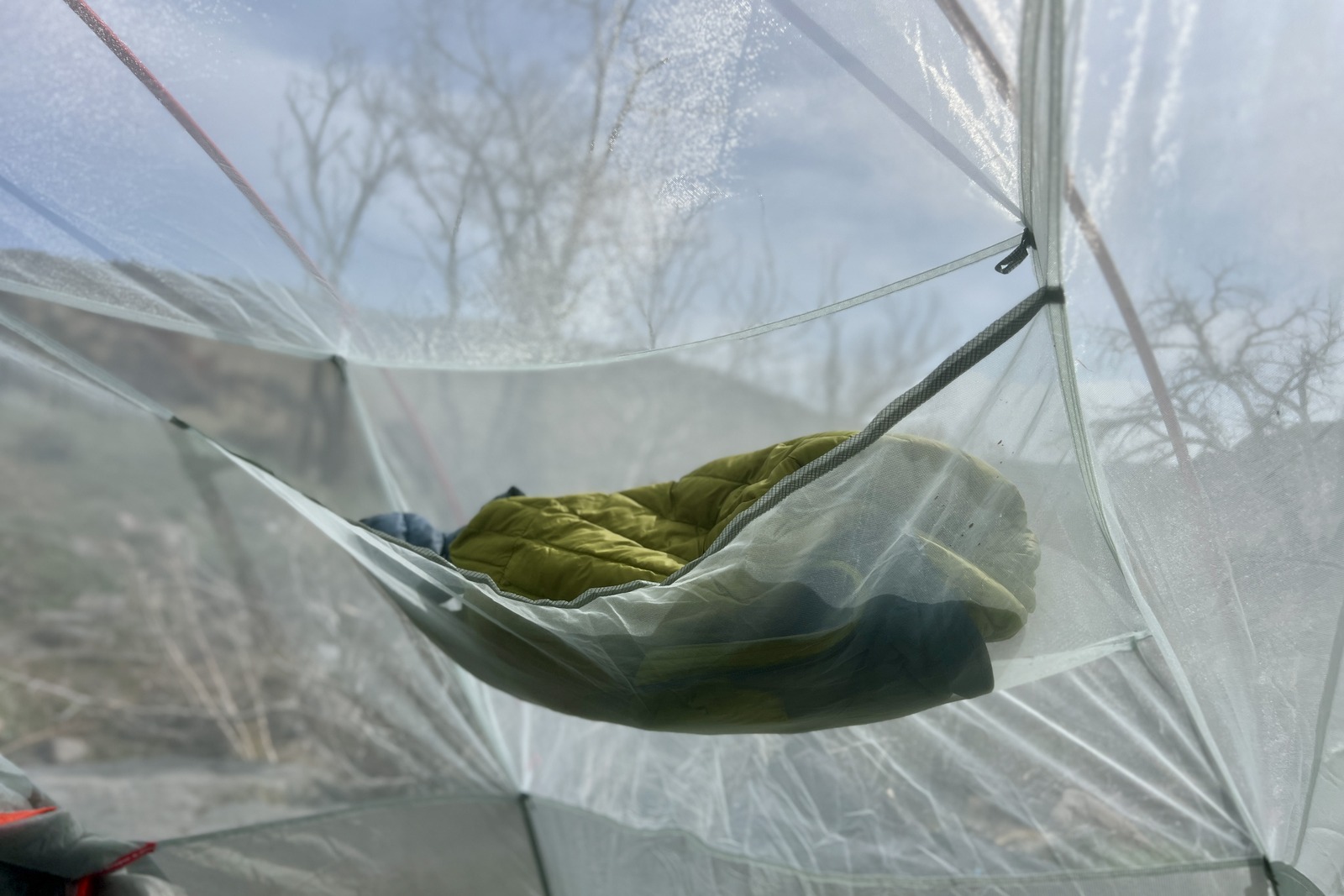
The giant gear loft in the ceiling is amazing for keeping gear off the floor. – Photo Credit: Brett Kretzer (CleverHIker.com)
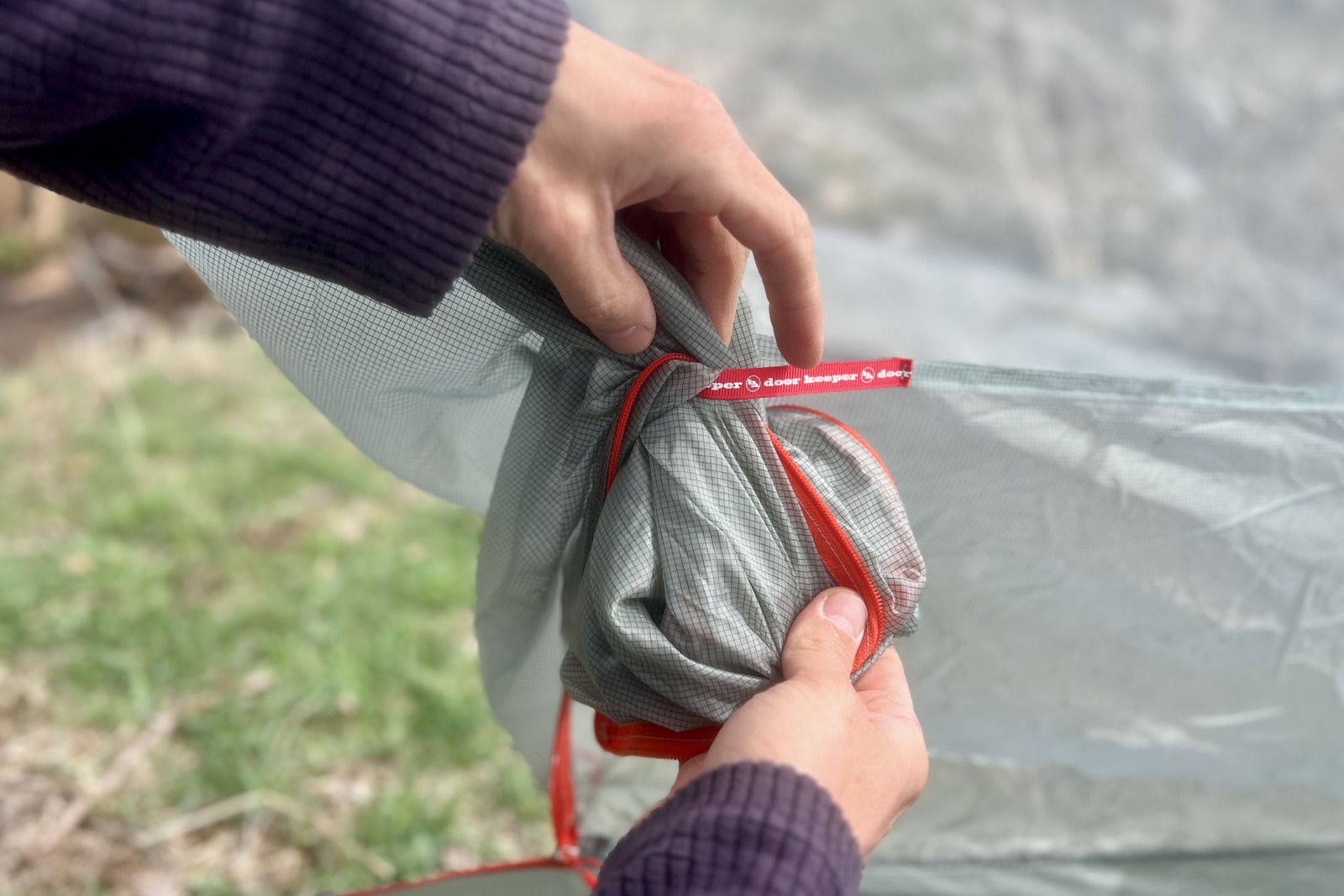
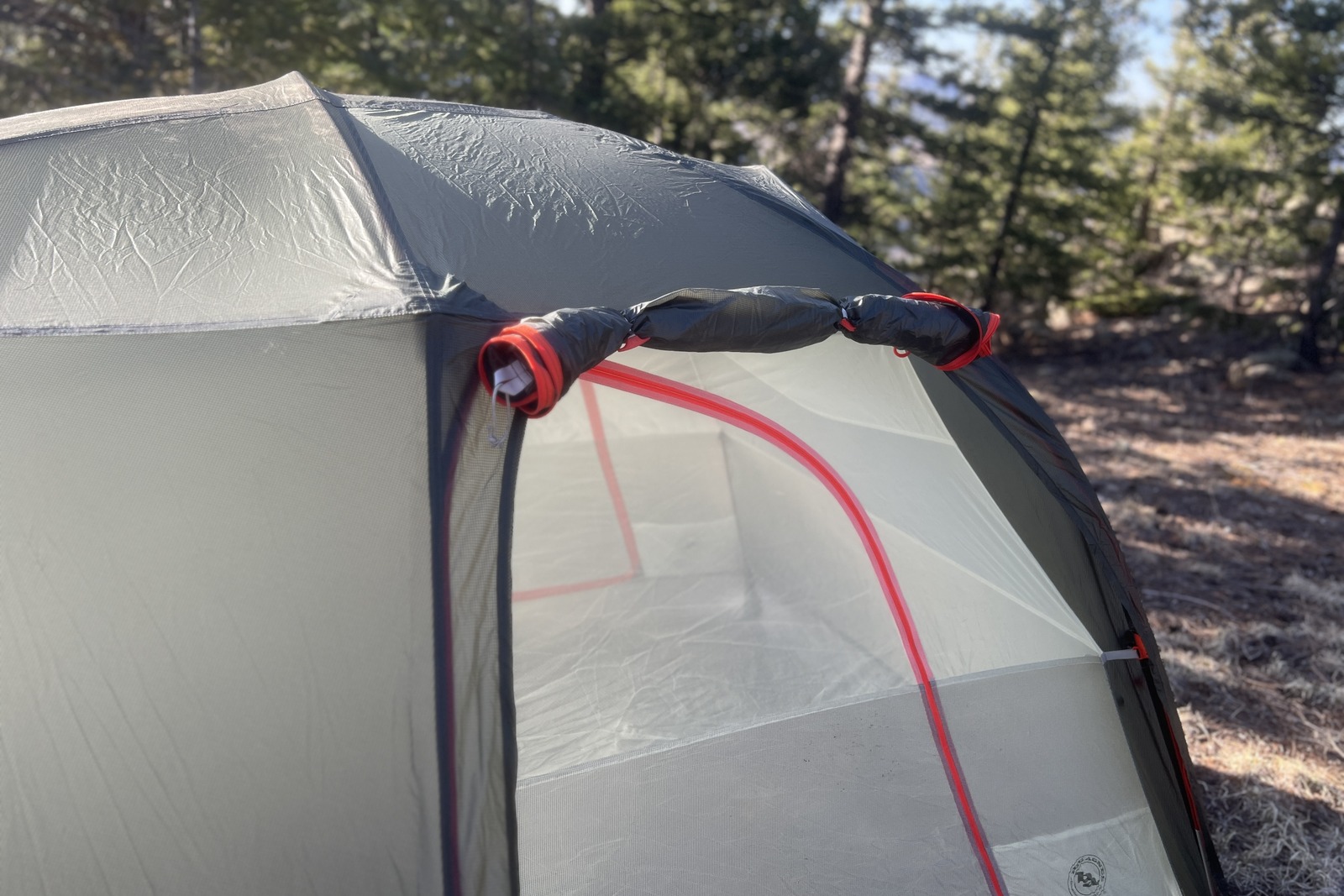
The door keeper makes stuffing away the door extremely quick and easy. – Photo Credit: Brett Kretzer (CleverHIker.com)
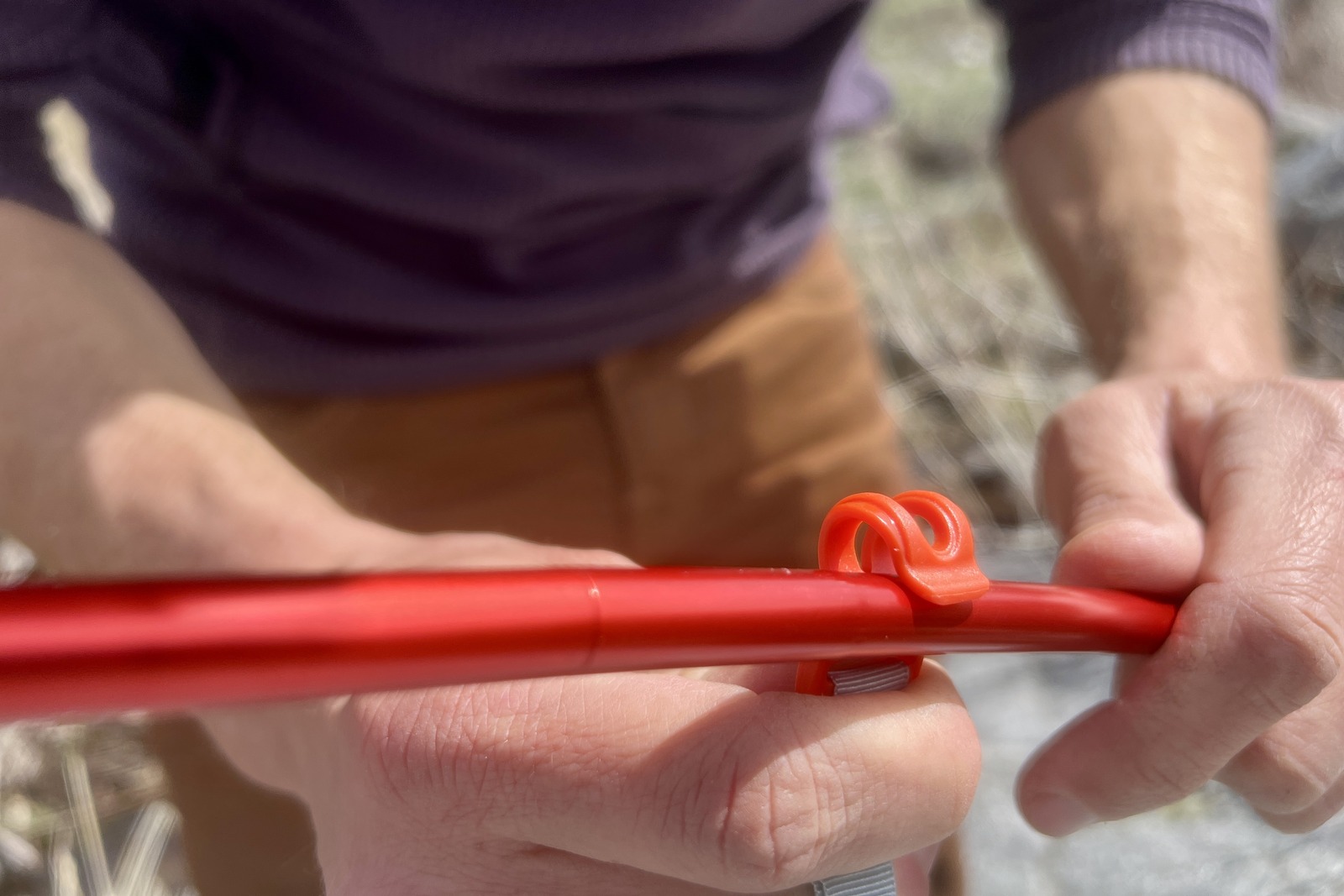
The Copper Spur comes with your standard tent clips. – Photo Credit: Brett Kretzer (CleverHIker.com)