

Bottom Line
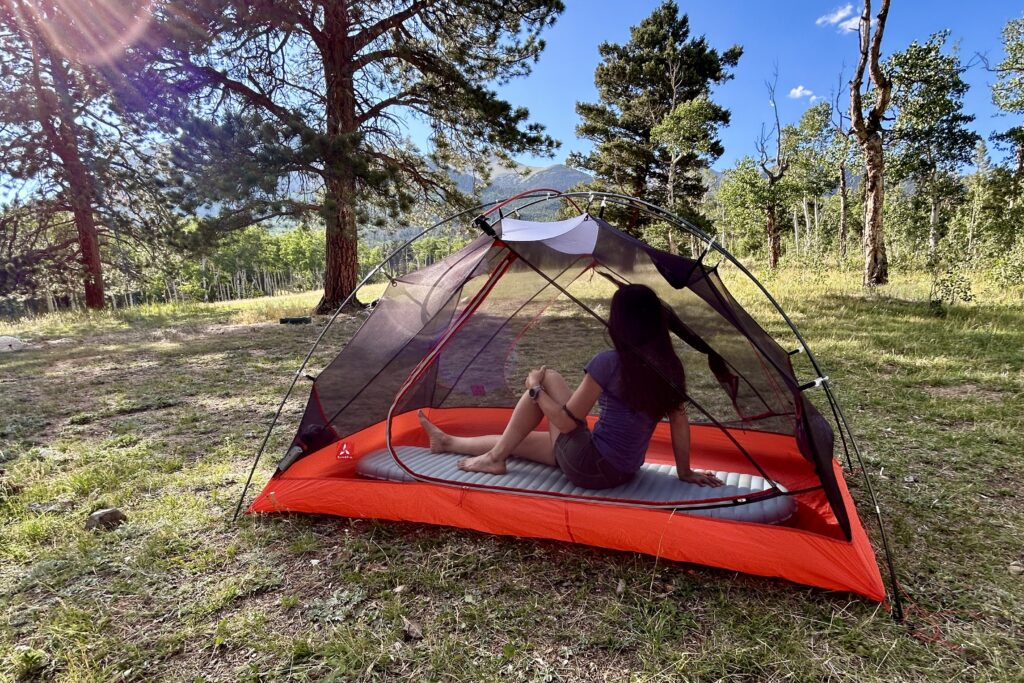
The SlingFin Portal 2 is our favorite backpacking tent for harsh conditions because it delivers unusually strong weather performance without the weight of a traditional expedition shelter.
Near-vertical walls, two doors and vestibules, useful interior storage, internal guylines, and the option to reinforce the frame with trekking poles make it much more livable than its storm-focused design might suggest.
The Portal is expensive and heavier than the lightest ultralight tents. But for backpackers who routinely camp above treeline, travel in windy places, or stretch three-season trips into shoulder season, the added stability is worth the modest weight penalty.
How We Tested
CleverHiker has tested the Portal 2 as part of our backpacking-tent lineup with an emphasis on weather resistance, structural stability, livability, setup, and long-term durability. We compare it directly with lighter freestanding tents as well as ultralight trekking-pole shelters.
Quick Specs
- Best for: Exposed, windy, wet, and shoulder-season backpacking
- Floor area: 27.45 sq. ft.
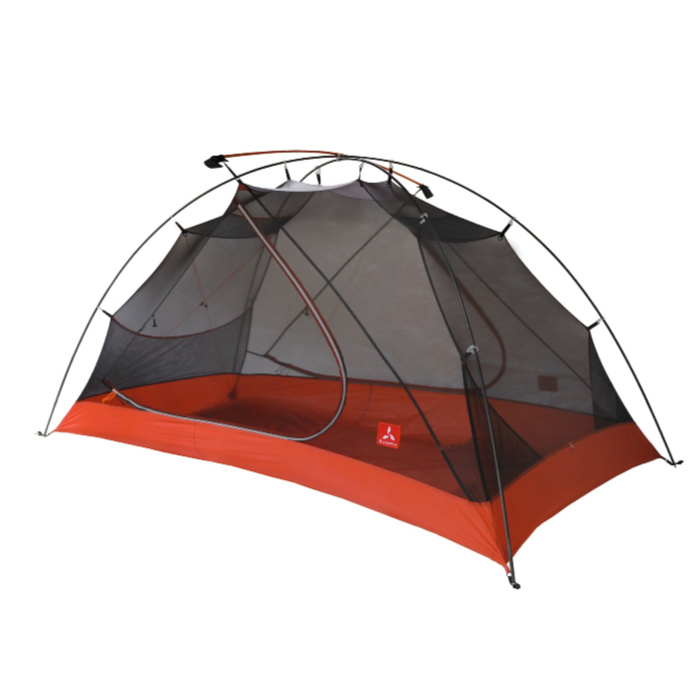
SlingFin Portal 2
Best Backpacking Tent for Harsh Conditions
CleverHiker Rating: 4.7/5.0
Price: $610
Packed Weight: 3 lb. 5 oz.
Dimensions (LxWxH): 85 x 51/42 x 44 in.
Type: Freestanding
Pros
- Excellent weather protection
- Lightweight for its strength
- Roomy interior
- Useful pockets
- Quality construction and materials
- Large doors and vestibules
Cons
- Expensive
- Rainfly zippers can snag

Comfort
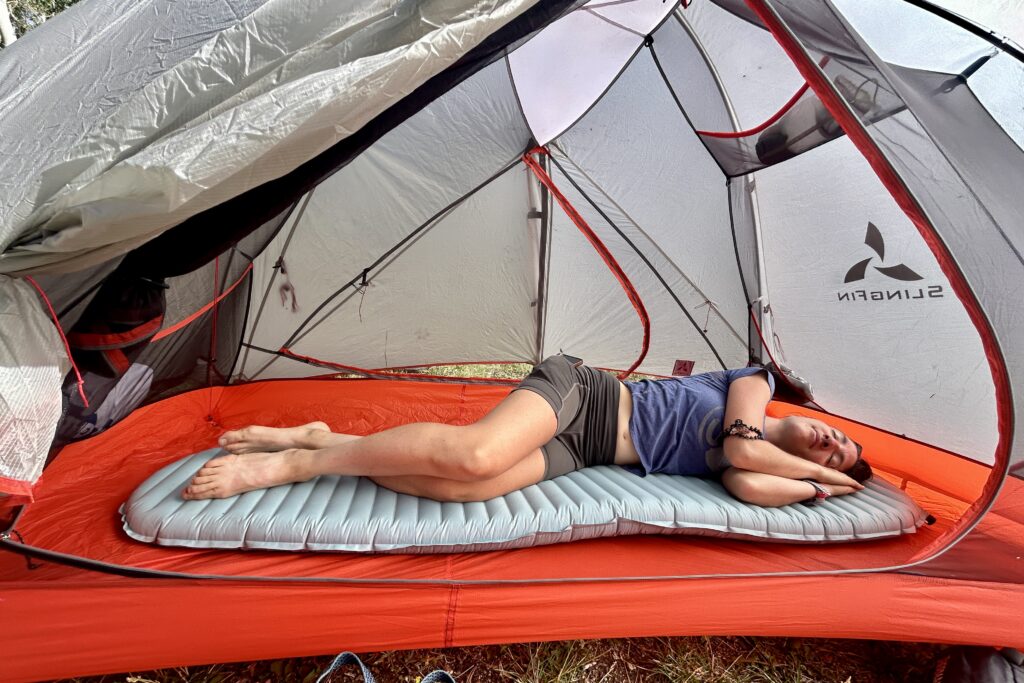
The Portal 2 turns a relatively modest 27.45-square-foot floor into a notably livable space. Its wide crossbar, 44-inch peak height, steep sidewalls, and mild taper keep the upper half of the tent open, so two people can sit up, change clothes, and organize gear without constantly bumping the canopy. Two large side doors also give each sleeper a direct exit and a separate vestibule.
Storage is another major strength. Multiple pockets at the ceiling, head, sides, and foot keep small gear organized and off the floor, which matters more in a shelter that is intentionally compact. The wide doors roll almost completely out of the way, improving views and ventilation when the weather is calm.
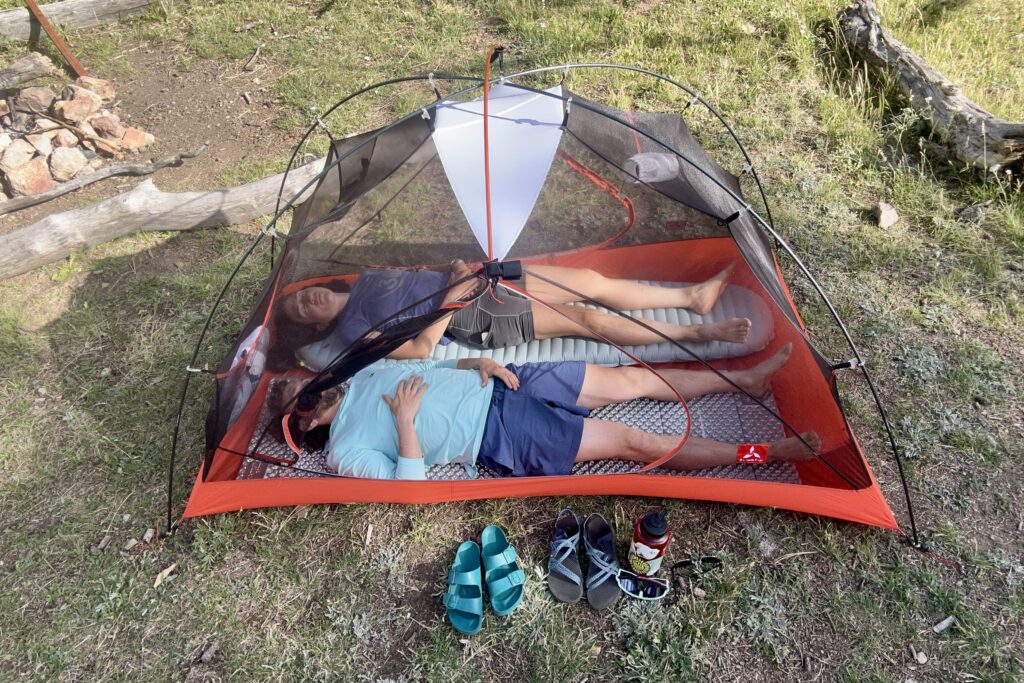
The limits are mostly about floor dimensions rather than headroom. Two wide sleeping pads are a tight fit, and very tall backpackers may find the 85-inch length less generous than longer tents in this guide. The vestibules are useful but not enormous, so pairs carrying bulky winter or shoulder-season gear may still have to pack deliberately.
The Portal’s interior feels larger than the floor-area number suggests because the walls are steep and the crossbar creates useful shoulder room. Two doors, two vestibules, and abundant pockets also reduce clutter for partners. The main fit limitation is that its tapered floor is less ideal for very wide pads than the roomiest rectangular tents in the category.
Comfort Score: 4.5 / 5.0
Weight & Packability
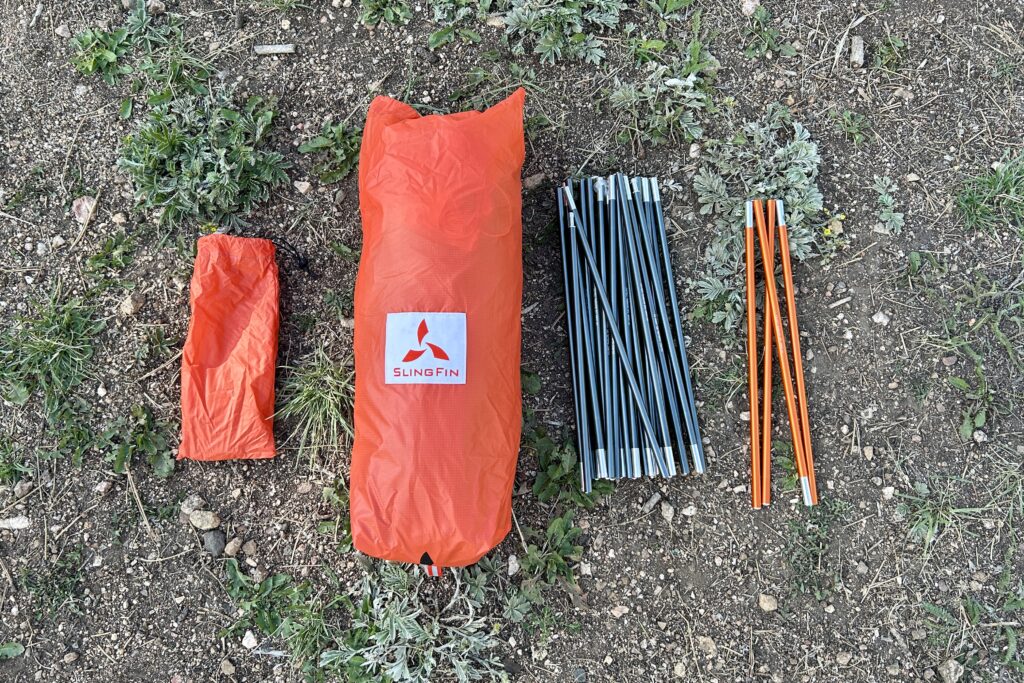
At a CleverHiker-measured 3 pounds, 5 ounces, the Portal 2 is remarkably light for the amount of structural strength it provides. The premium fabrics, stout poles, and reinforced storm features add some weight compared with stripped-down ultralight shelters, but the payoff is a tent we trust much more when the forecast turns ugly. For exposed routes, that tradeoff is often worth carrying a few extra ounces.
The packed shape is practical even though the pole set is more substantial than what comes with minimalist tents. The stuff sack is relatively narrow, so it slides easily into a backpack or can be divided between two hikers with the poles carried separately. That flexibility helps offset the Portal’s higher total weight on two-person trips.
Ultralight hikers who spend almost all of their time below treeline in mild summer weather can go much lighter. The Portal makes the most sense when weight matters, but not more than wind stability, rain protection, and long-term dependability. In that context, its weight-to-strength ratio is one of the strongest in the category.
The Portal’s weight is best viewed in relation to its structural capability. It is heavier than the lightest semi-freestanding and trekking-pole tents, yet remarkably light for a shelter designed with this much wind reinforcement and guyline support. Backpackers who rarely face rough weather may not need that margin, while exposed-route users can justify the added ounces.
Weight & Packability Score: 4.2 / 5.0
Weather Resistance
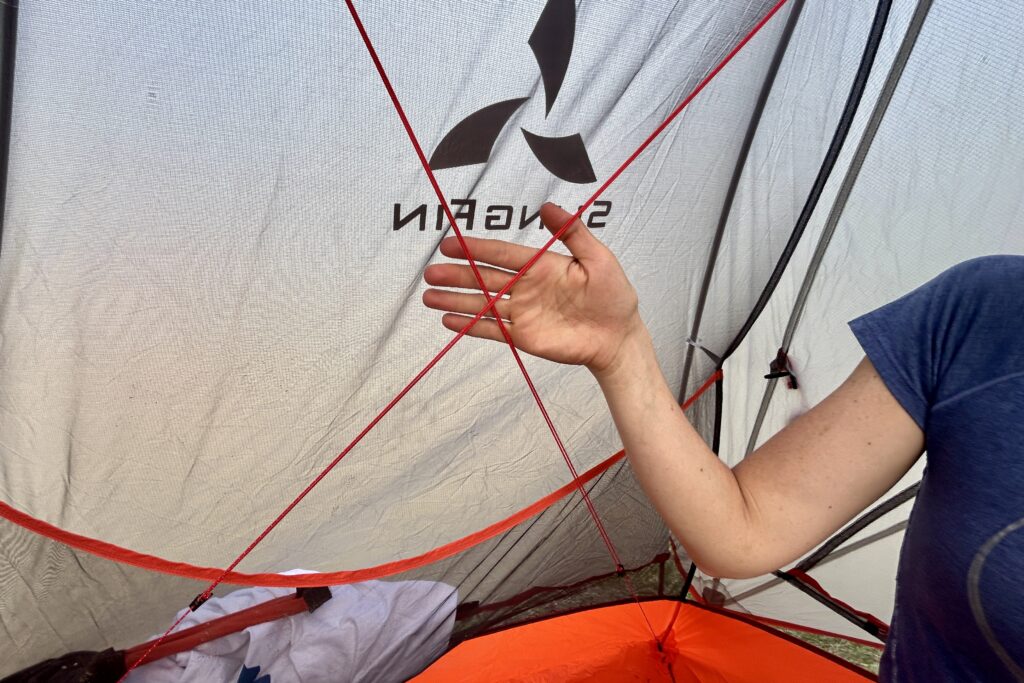
Weather resistance is the Portal 2’s defining advantage. Thicker poles, a cross-pole frame that resists twisting, internal guylines, numerous external guy points, and the option to brace the structure with trekking poles give it substantially more storm margin than a typical lightweight three-season tent. CleverHiker has used the Portal in high wind, driving rain, and snowy shoulder-season conditions with excellent results.
The fly and floor fabrics are designed to maintain a taut, weatherproof pitch instead of relaxing dramatically when they get wet. High bathtub walls help block splashback, while dual vents provide a path for warm, humid air to escape when the doors are closed. In sustained rain, that combination does a good job of keeping both the sleeping area and vestibules functional.
There are still a few practical caveats. The vent kickstands sit above the doors and can make entry a little awkward when they are deployed, and the stock package does not include enough stakes to use every guy point at once. For truly nasty forecasts, we would attach the extra guylines before leaving home and take advantage of the Portal’s reinforcement options.
This is where the Portal separates itself from most three-season competitors. The pole architecture, internal guylines, external guy points, high bathtub floor, and optional trekking-pole reinforcement all add storm margin without turning it into an expedition-weight shelter. The system works best when users take advantage of those features rather than relying on the basic fair-weather pitch.
Weather Resistance Score: 4.7 / 5.0
Ease of Setup
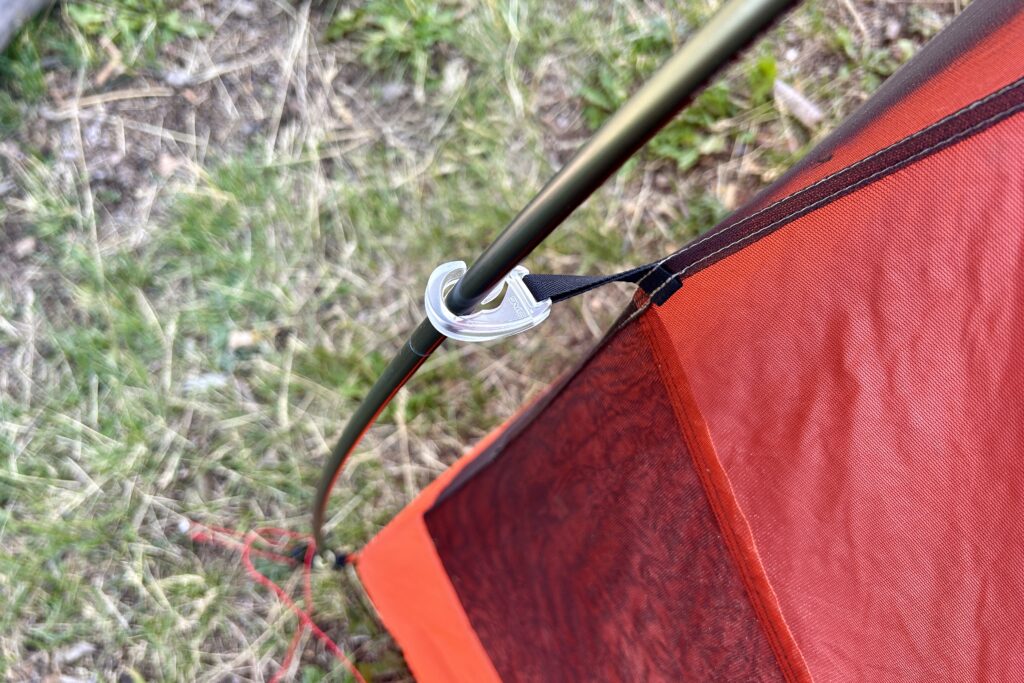
The basic Portal 2 pitch is fast and familiar for a freestanding tent. Color-matched attachment points, intuitive pole architecture, and straightforward fly orientation reduce mistakes, and one person can get the core shelter standing quickly. That is a major advantage when weather is moving in and you do not want to troubleshoot an unusual geometry.
The storm-ready features add optional complexity rather than making every pitch complicated. Internal guylines, extra external guylines, and trekking-pole reinforcement can all be added when conditions call for them, but they are unnecessary on a calm summer night. That modular approach keeps ordinary setup simple while still giving experienced users more control in severe weather.
New backpackers should practice the complete storm configuration before relying on it in the field. Only some of the guylines arrive pre-attached, and the extra reinforcement system is less obvious than a basic dome tent. Once those details are familiar, the Portal is quicker and more intuitive than its technical appearance suggests.
The normal freestanding pitch remains straightforward, and the extra storm features can stay out of the way when conditions are calm. That keeps everyday setup approachable while preserving more advanced options for wind. The only real learning requirement is understanding when and how to deploy the internal guylines and reinforcement system before bad weather arrives.
Ease of Setup Score: 4.5 / 5.0
Durability
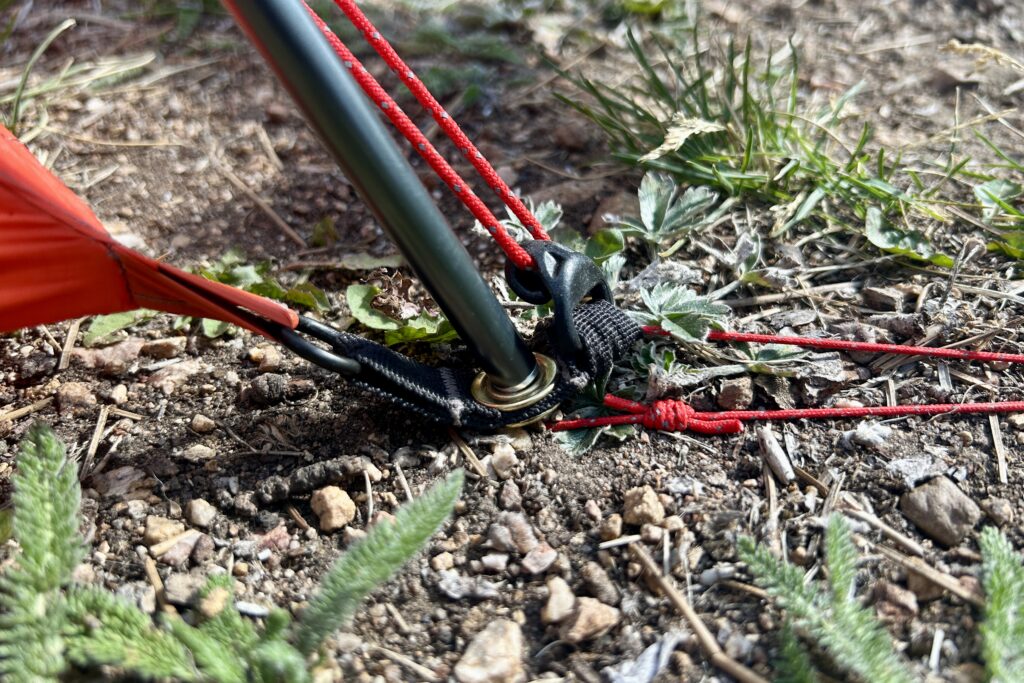
The Portal 2 uses premium materials and reinforced construction in places that take the highest loads. Strong stitching, robust hardware, resilient ripstop fabrics, and a structure designed around wind tension all contribute to a shelter that feels more confidence-inspiring than most tents at a similar weight. It is built for backpackers who expect to use the same tent hard and often.
Its fly and floor materials are chosen not just for waterproofing, but also for long-term resistance to UV exposure, mildew, stretching, and sagging. The design even includes backup zipper sliders, a small detail that can extend service life if a primary slider eventually wears out. Those touches are unusual in lightweight backpacking tents.
The fabrics are still lightweight enough that campsite selection and normal care matter. Sharp rock, desert vegetation, or repeated abrasion can damage any thin tent material, and a footprint is reasonable insurance on rough ground. Even so, the Portal’s overall construction gives it one of the better durability-to-weight ratios in our lineup.
The Portal combines light fabrics with unusually robust structural details, which gives it a strong durability-to-weight balance. Backup zipper sliders, reinforced load points, and quality hardware all support long-term use. It is still a backpacking tent, so abrasion and sharp ground deserve normal care, but its construction inspires more confidence than most shelters at a similar weight.
Durability Score: 4.5 / 5.0
Should You Buy the SlingFin Portal 2?
Buy the Portal 2 if you want a lightweight backpacking tent with substantially more storm margin than the average three-season shelter.
Choose something else if your trips are mostly fair-weather summer outings and lower cost or minimum weight matters more than structural strength.
What Other Backpacking Tents Should You Consider?
Big Agnes Copper Spur UL2 Review: The Copper Spur UL2 is the better all-around choice for most three-season backpackers who do not regularly camp in severe wind or shoulder-season storms. It is a little lighter, exceptionally easy to live with, and offers excellent storage and everyday convenience. The Portal 2 still has the edge when structural strength and storm margin matter more than shaving ounces.
MSR Hubba Hubba LT 2 Review: The Hubba Hubba LT 2 is another durable, weather-ready freestanding tent with a very intuitive pitch. Its rectangular floor and conventional geometry are especially friendly for couples using modern rectangular sleeping pads. The Portal 2 is the better pick for harsher conditions, while the MSR is easier to justify for routine three-season use.
Durston X-Mid 2: The X-Mid 2 is dramatically less expensive and lighter, and its double-wall trekking-pole design offers excellent ventilation and huge vestibules. It also needs a larger campsite, more precise stake placement, and more practice on uneven ground. Choose it for value and low weight; choose the Portal when freestanding convenience and storm performance are the priorities.
More SlingFin Portal 2 Photos
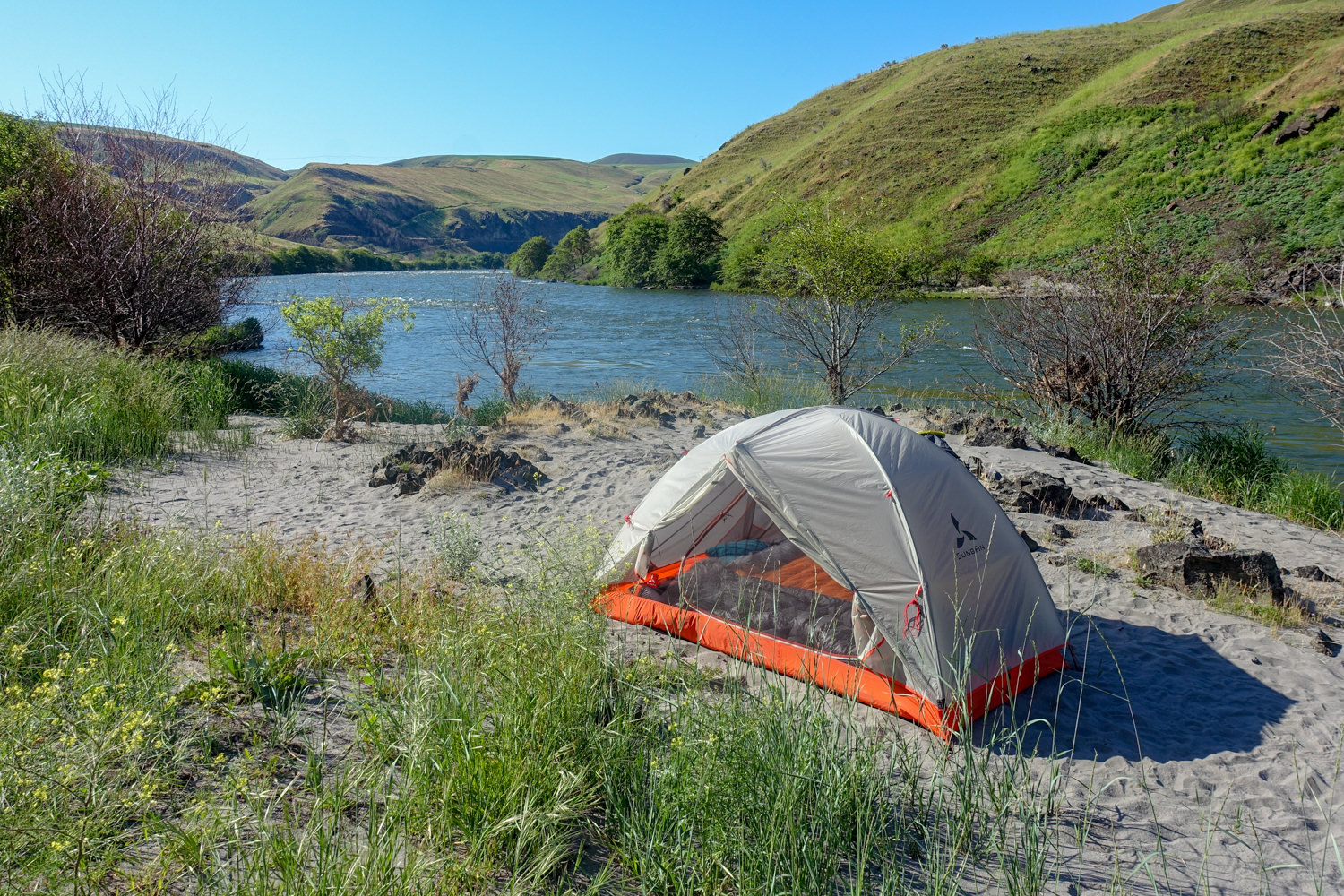
For its size, the Portal 2 maximizes comfort, making extended stays bearable whether the skies are blue or grey. – Photo Credit: Dave Collins (CleverHiker.com)
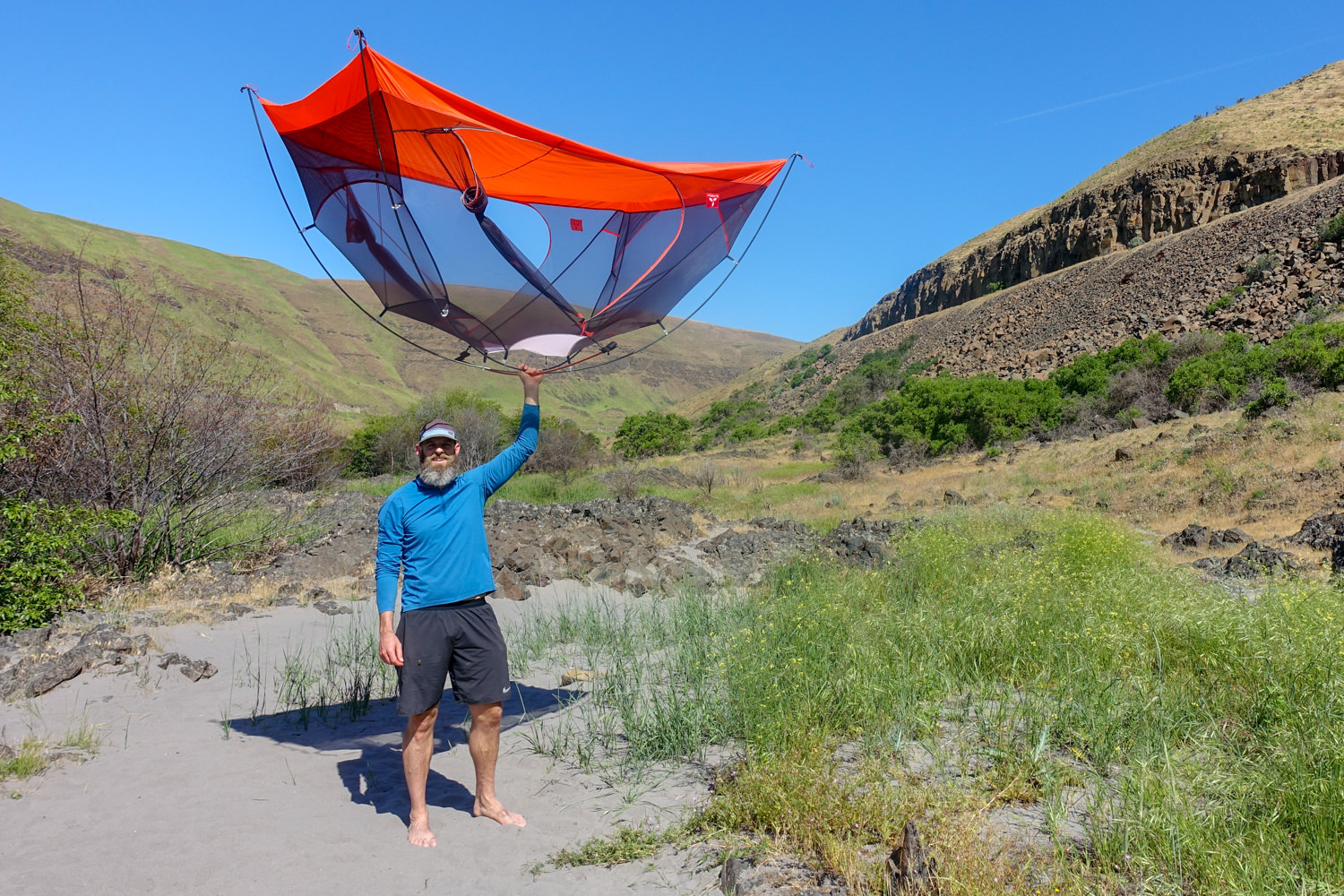
At just over 3 pounds, the Portal 2 offers a solid balance between weight and durability. – Photo Credit: Dave Collins (CleverHiker.com)
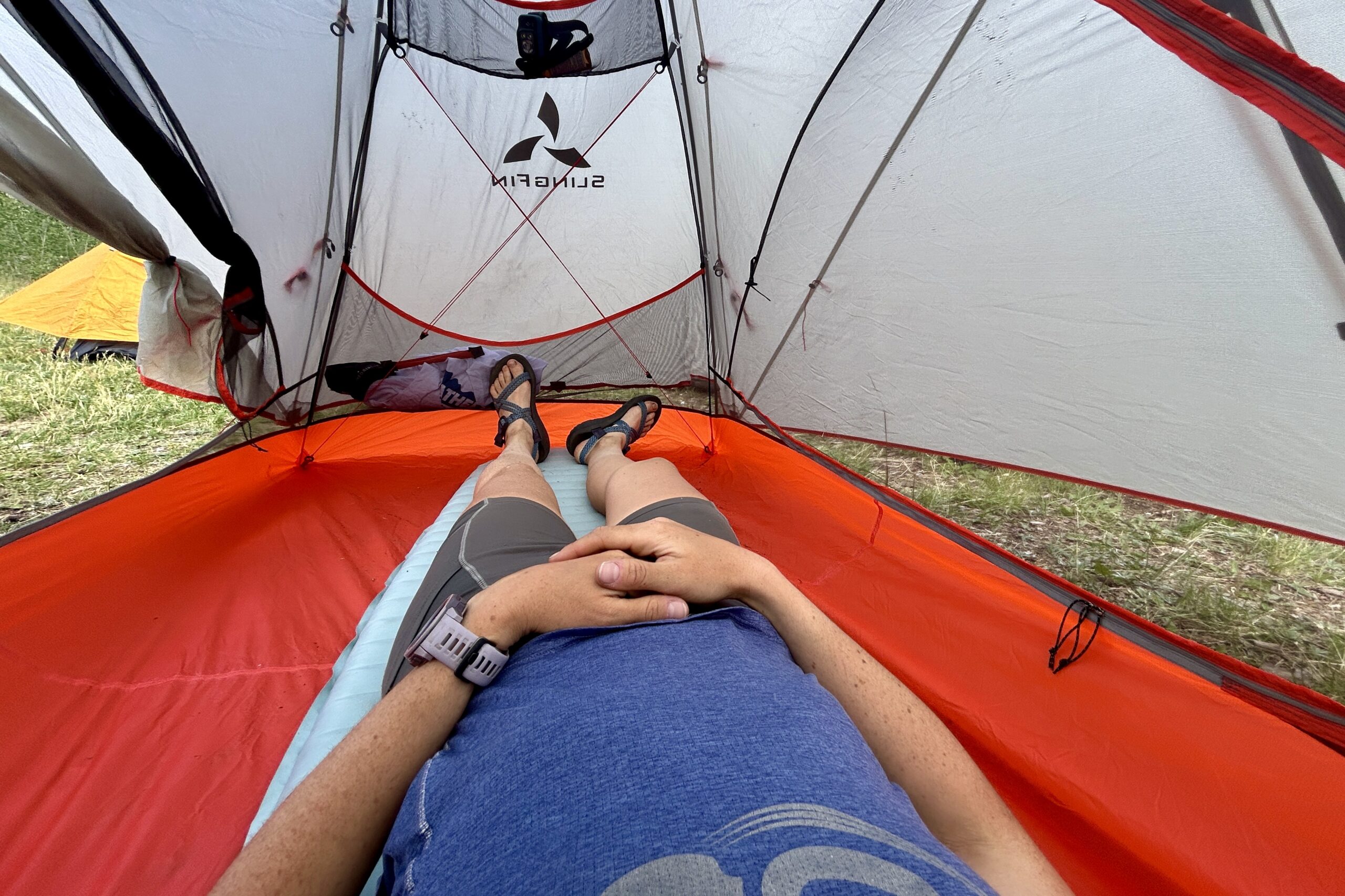
The Portal 2 offers a spacious interior with vertical walls, maximizing headroom and comfort on trips of any length. – Photo Credit: Dave Collins (CleverHiker.com)
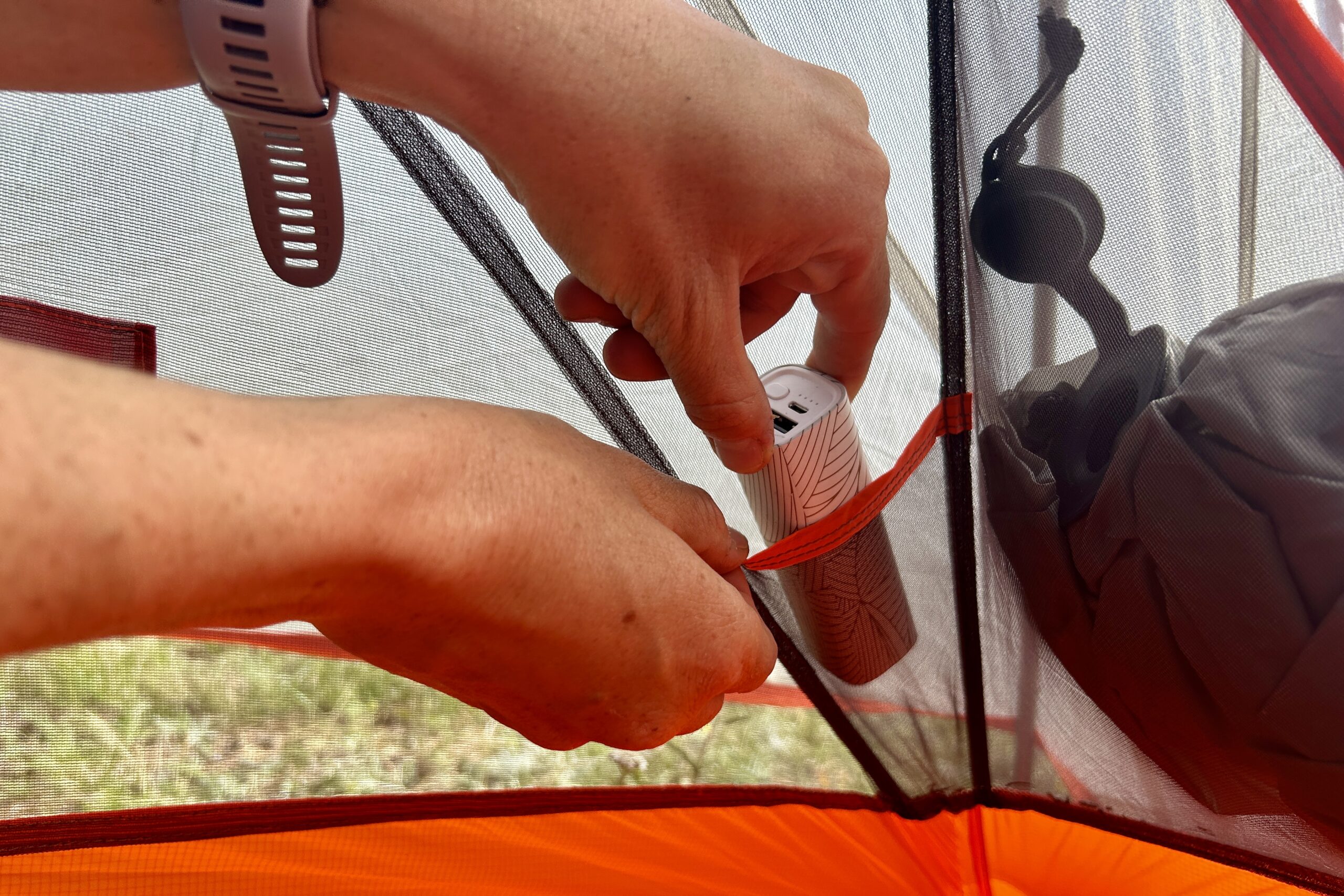
There are plenty of pockets in this tent for two people to stay organized. – Photo Credit: Ian Krammer (CleverHiker.com)
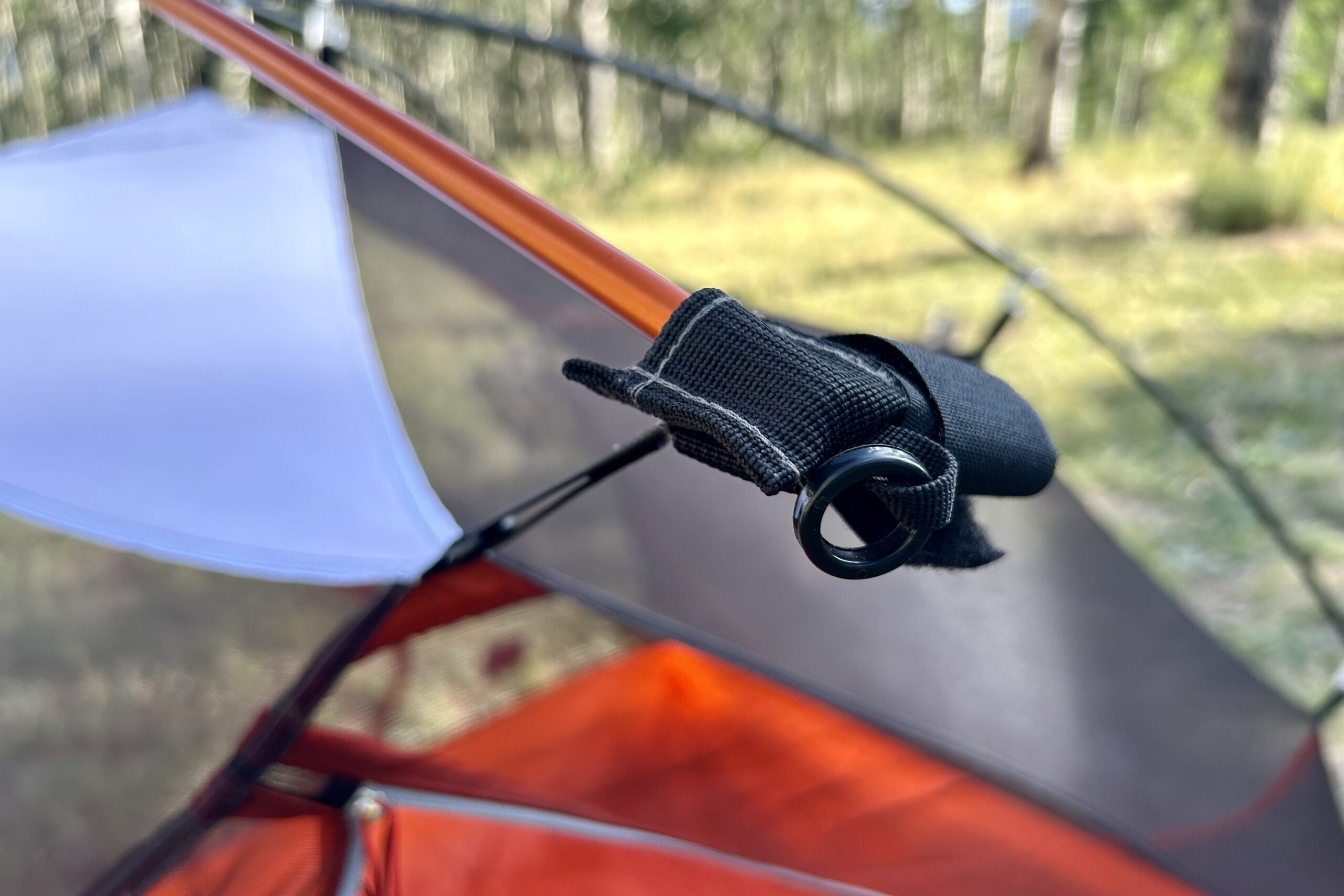
Simple pole architecture reduces the complexity of setup, allowing you to focus on enjoying your adventure rather than pitching the tent. – Photo Credit: Ian Krammer (CleverHiker.com)
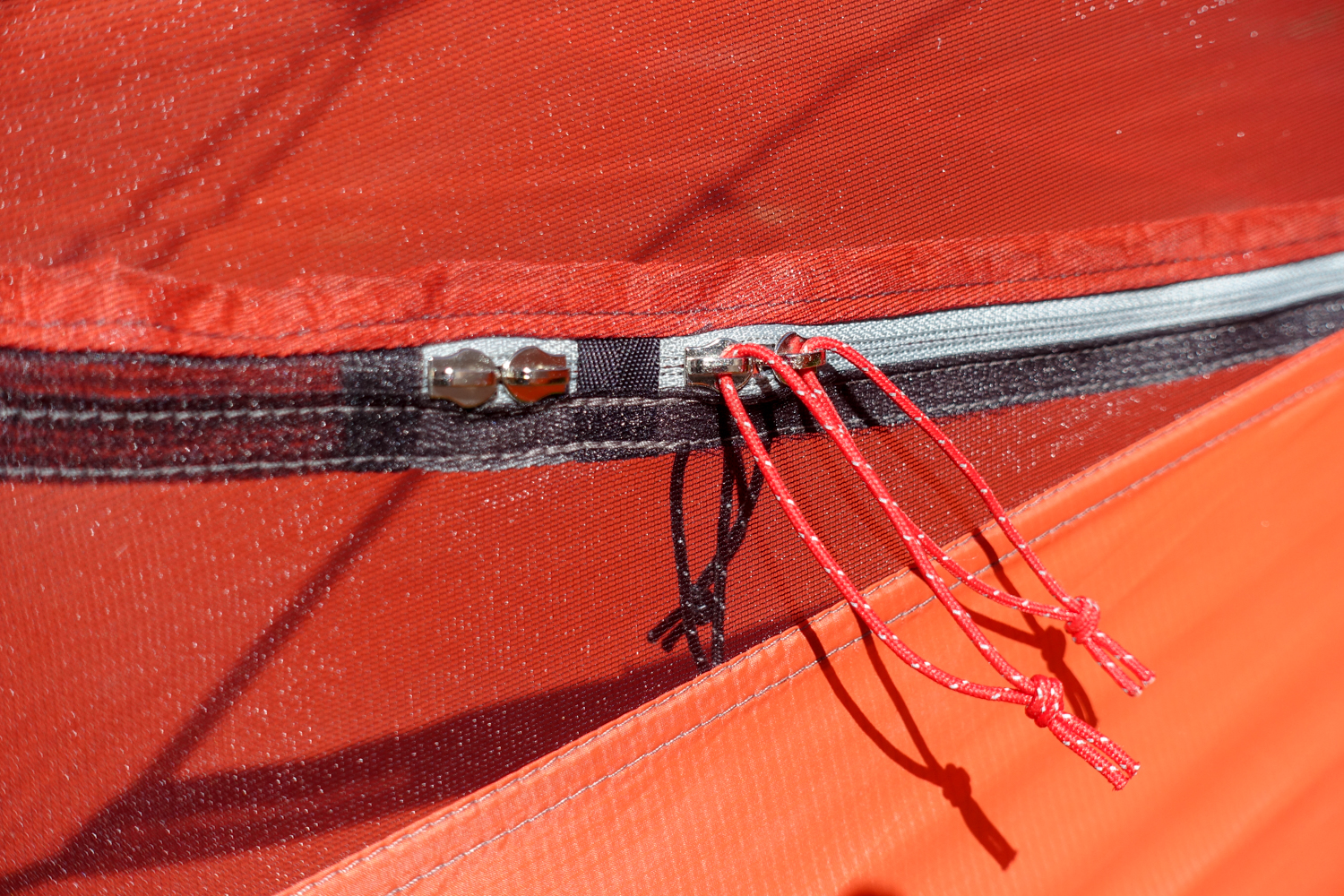
The backup zippers provide extra durability, extending the life of the tent without costly repairs. – Photo Credit: Ian Krammer (CleverHiker.com)
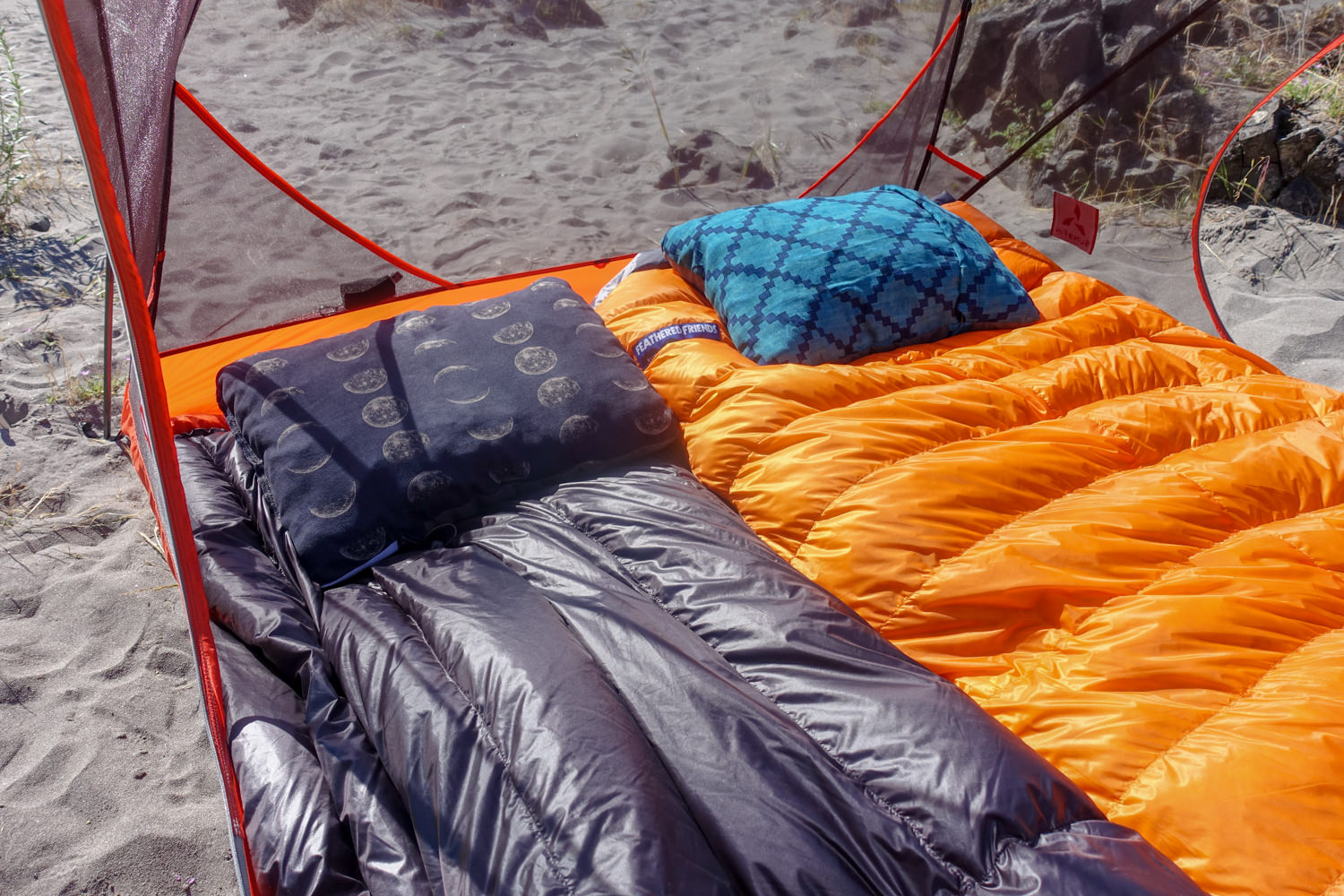
The Portal 2’s intuitive design makes it one of the easiest shelters to pitch quickly. – Photo Credit: Dave Collins (CleverHiker.com)
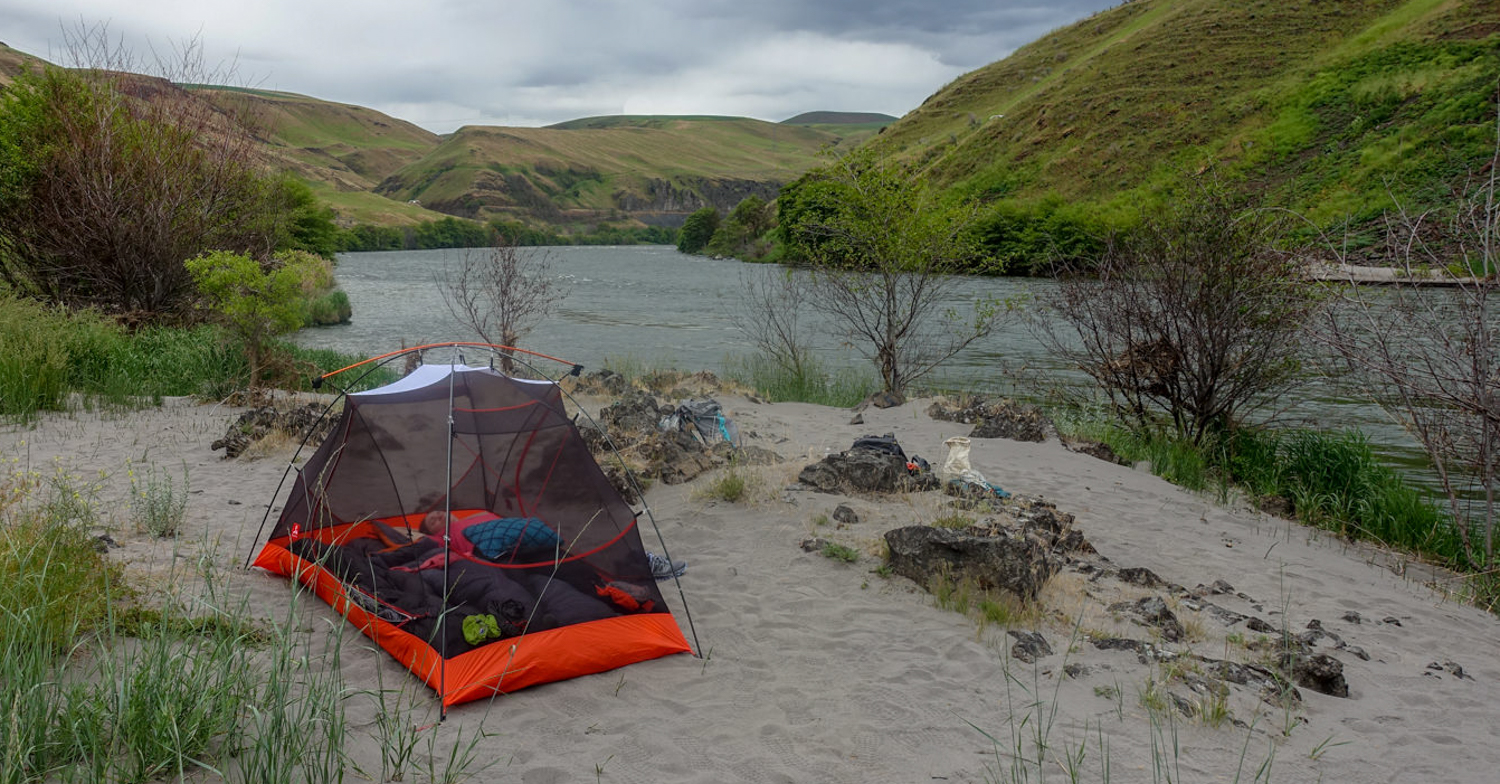
With extra headroom and minimal taper at the foot, this tent feels roomier than most two-person options. – Photo Credit: Dave Collins (CleverHiker.com)
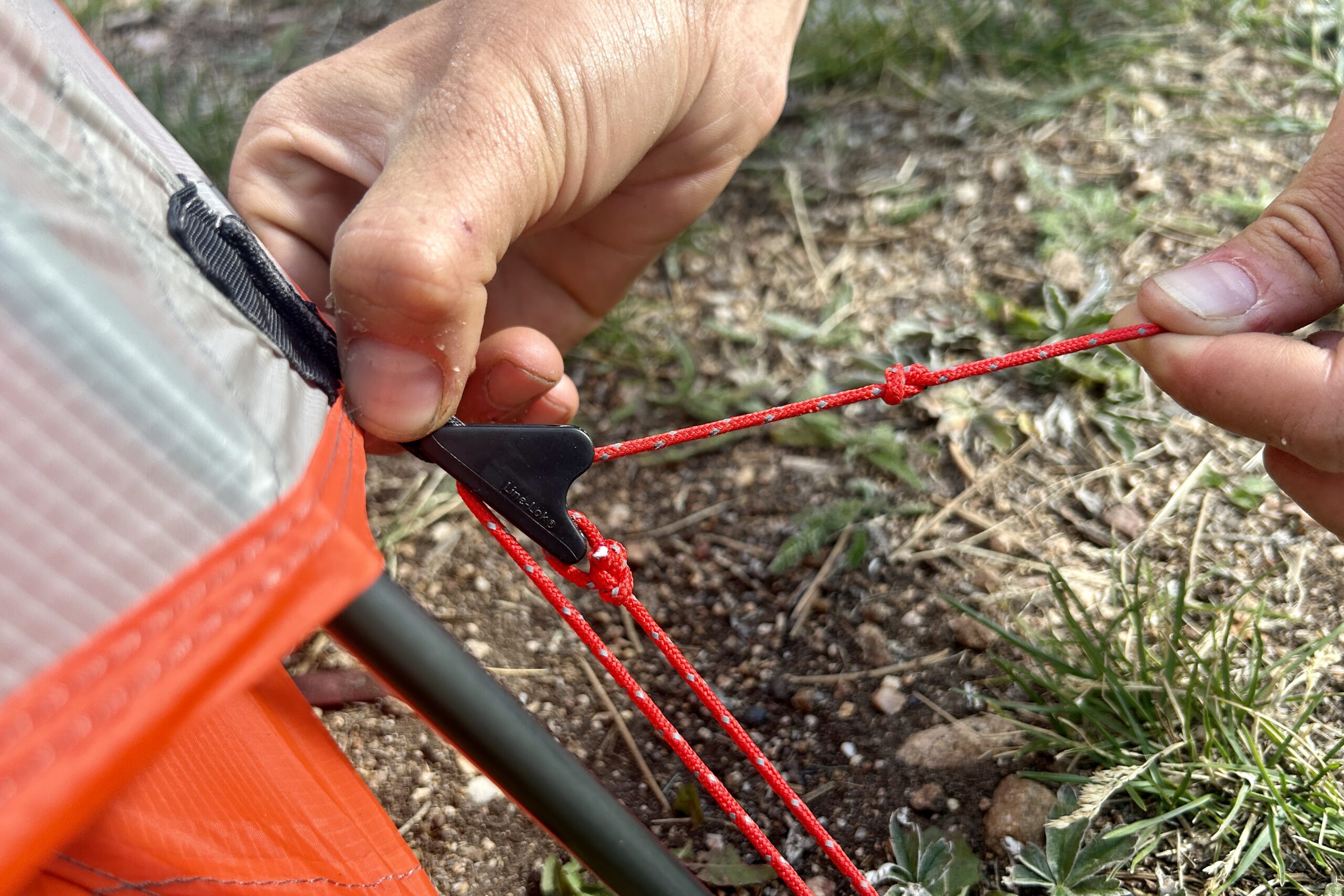
Reinforced stress points and top-quality hardware make the the Portal 2 one of the most durable backpacking tents on the market. – Photo Credit: Ian Krammer (CleverHiker.com)
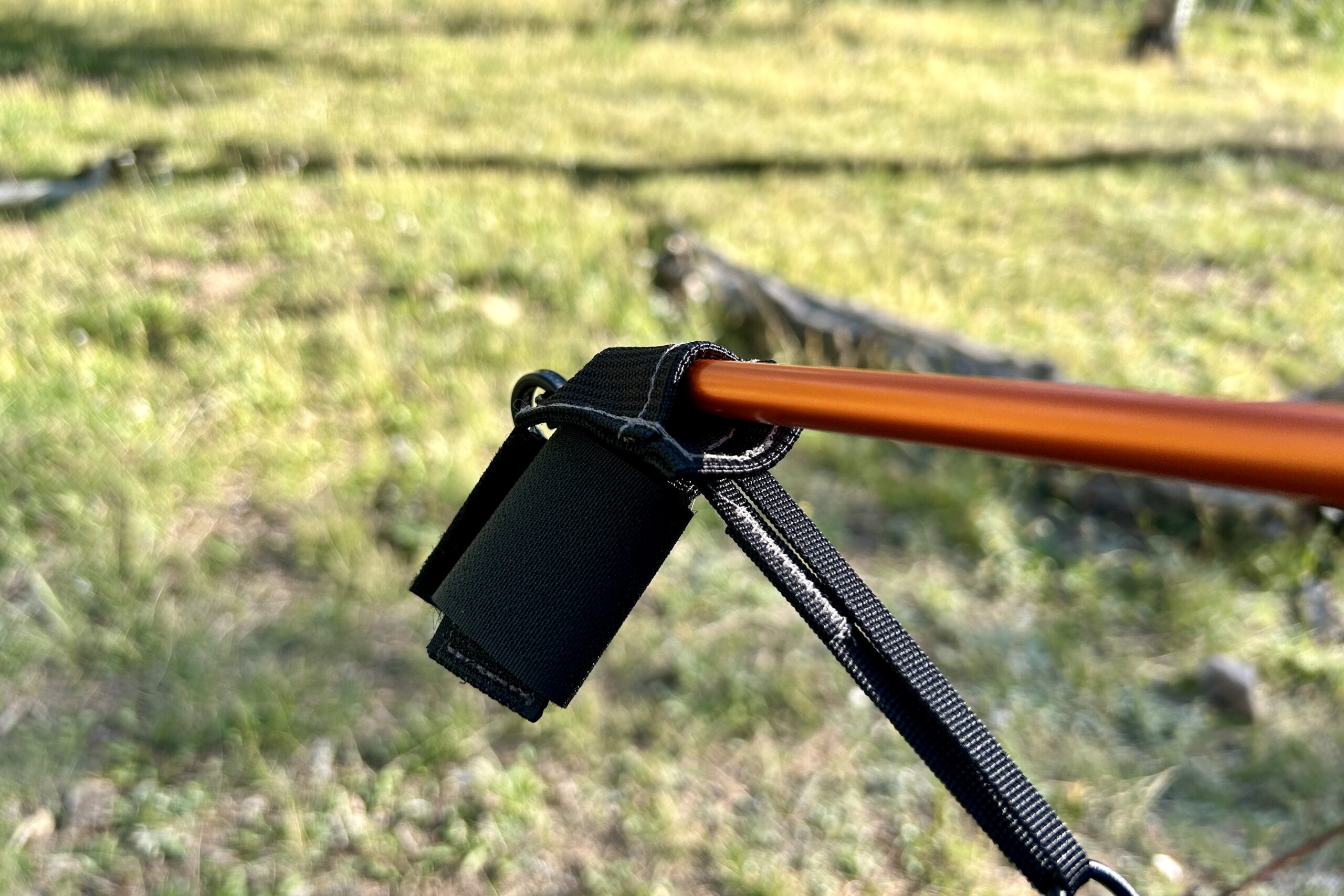
Burly nylon pockets for the brow pole make this tent a beast in high winds and serious storms. – Photo Credit: Ian Krammer (CleverHiker.com)
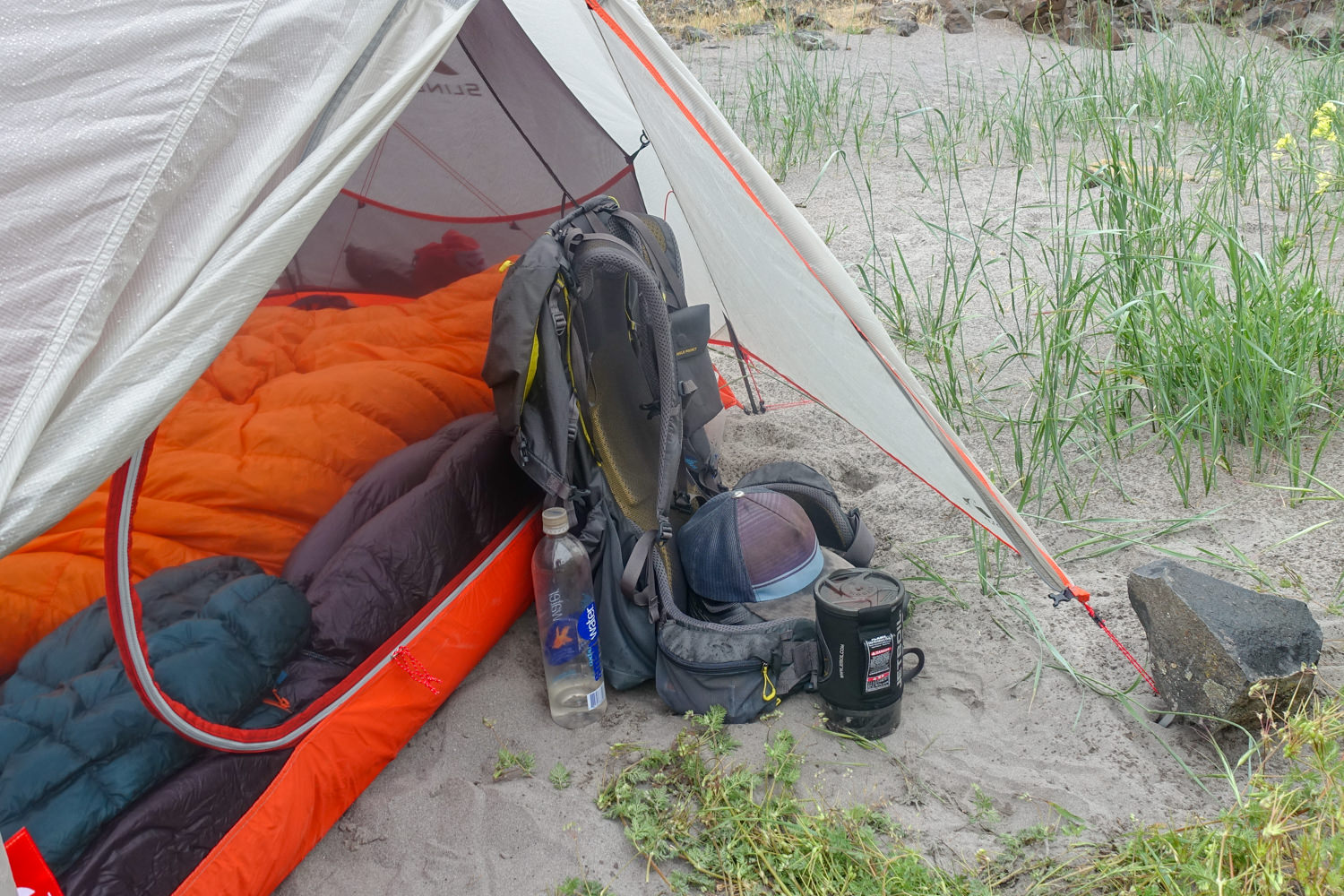
Two large vestibules allow for gear storage while keeping the sleeping area free and comfortable. – Photo Credit: Dave Collins (CleverHiker.com)
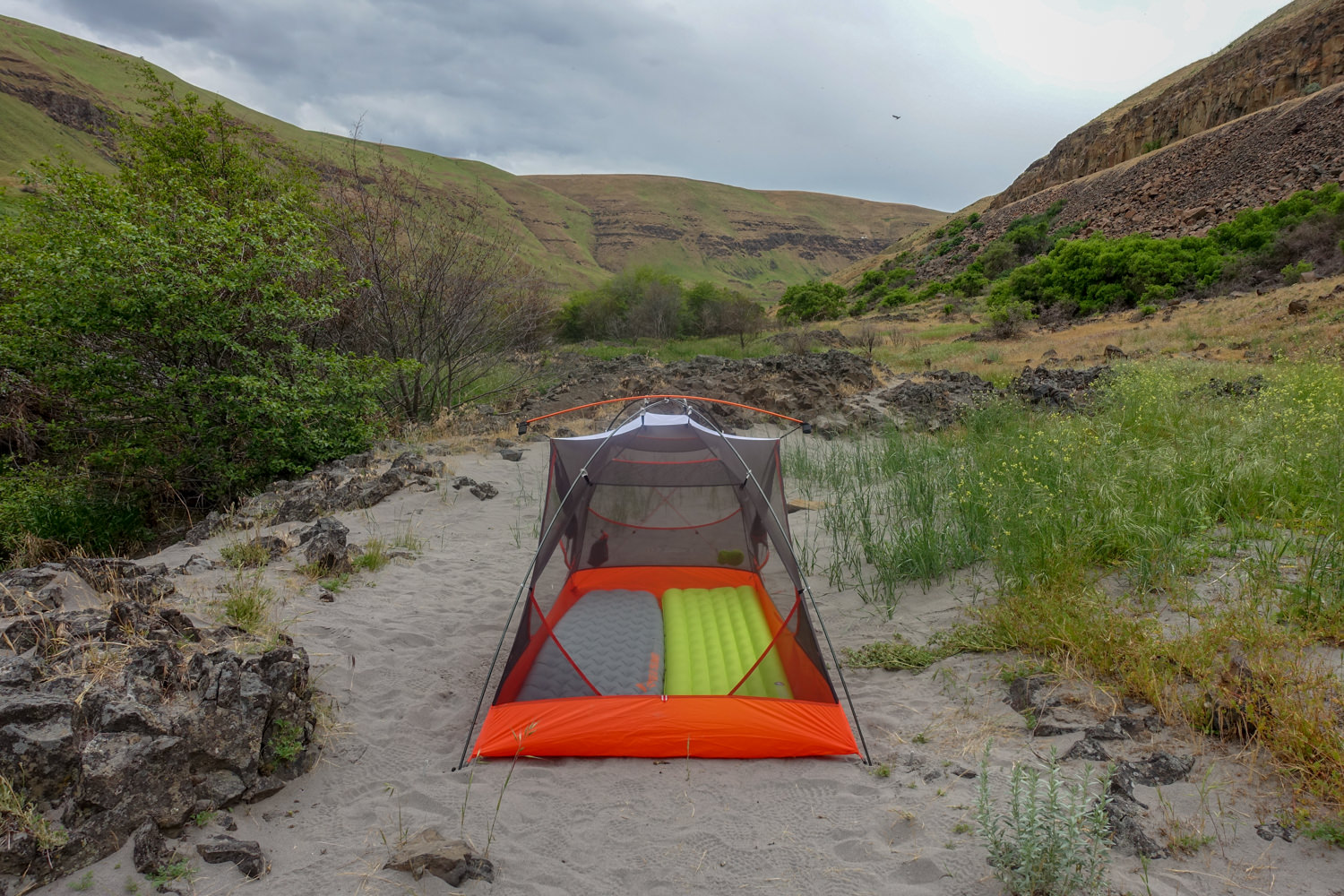
The tent’s tall peak height enhances ventilation but may sacrifice warmth on chilly nights. – Photo Credit: Dave Collins (CleverHiker.com)
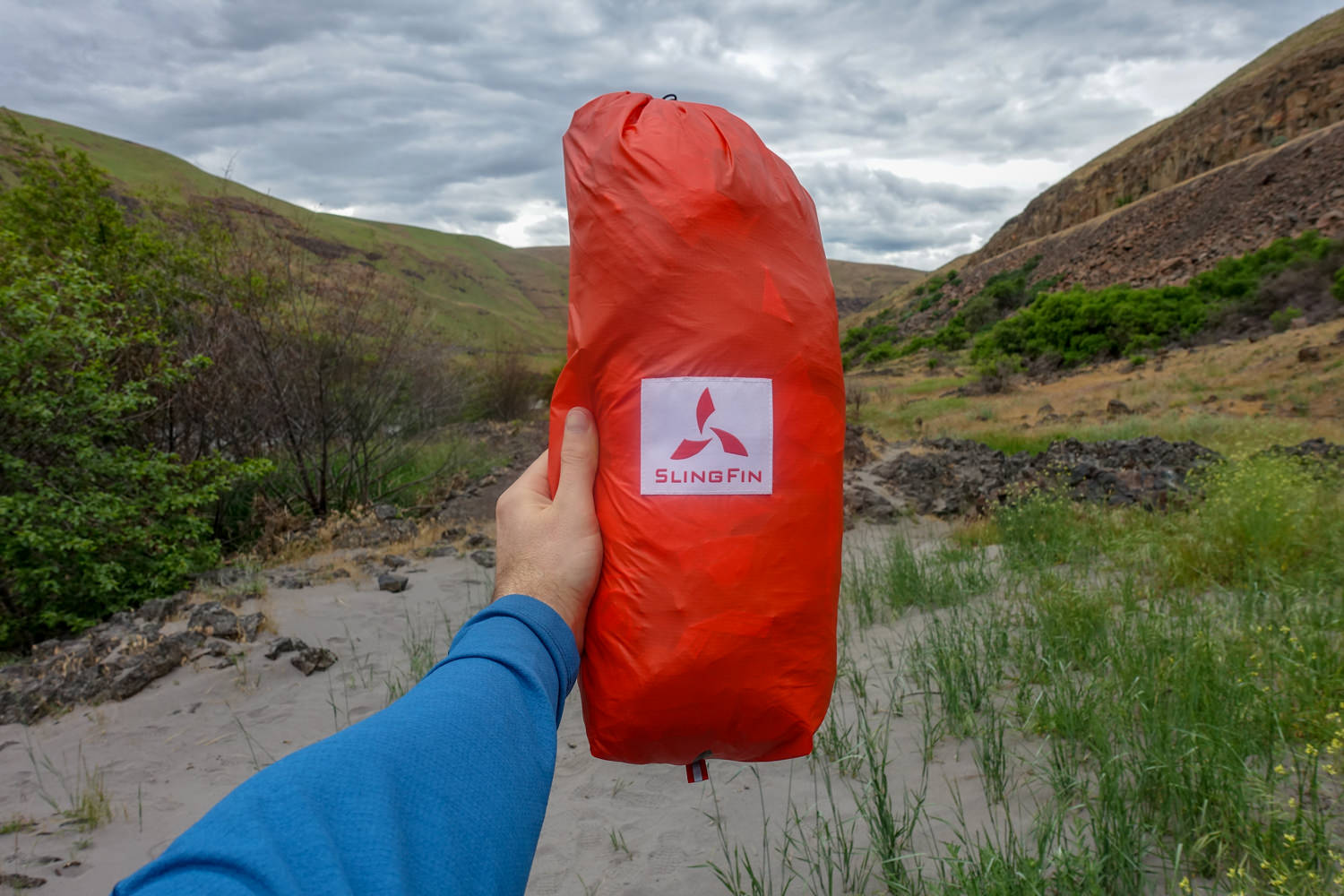
The SlingFin Portal 2 strikes a fine balance: light enough to carry but strong enough for rugged adventures. – Photo Credit: Dave Collins (CleverHiker.com)
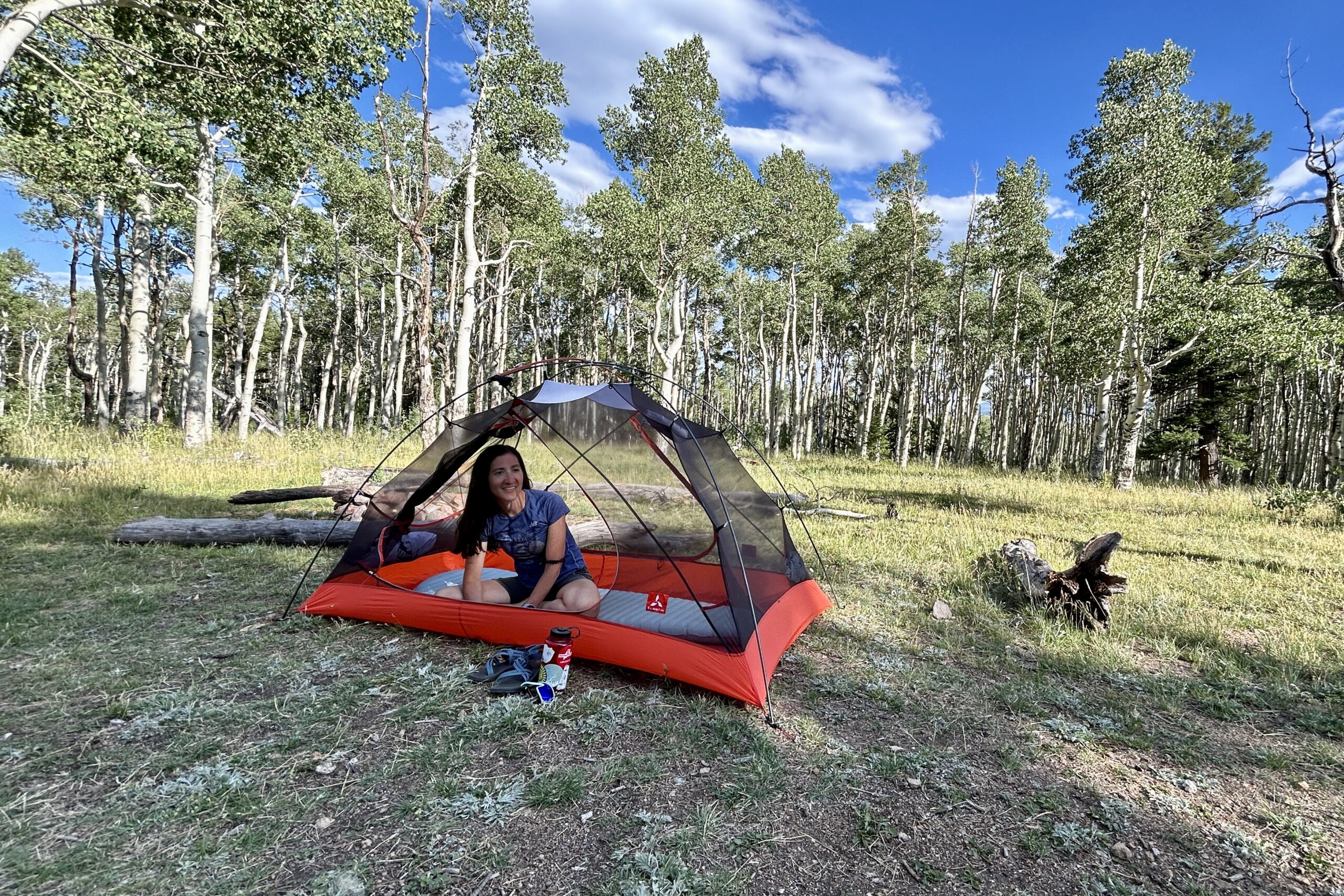
The freestanding design of the Portal 2 offers flexibility in choosing your campsite, making setup easy on any terrain. – Photo Credit: Ian Krammer (CleverHiker.com)
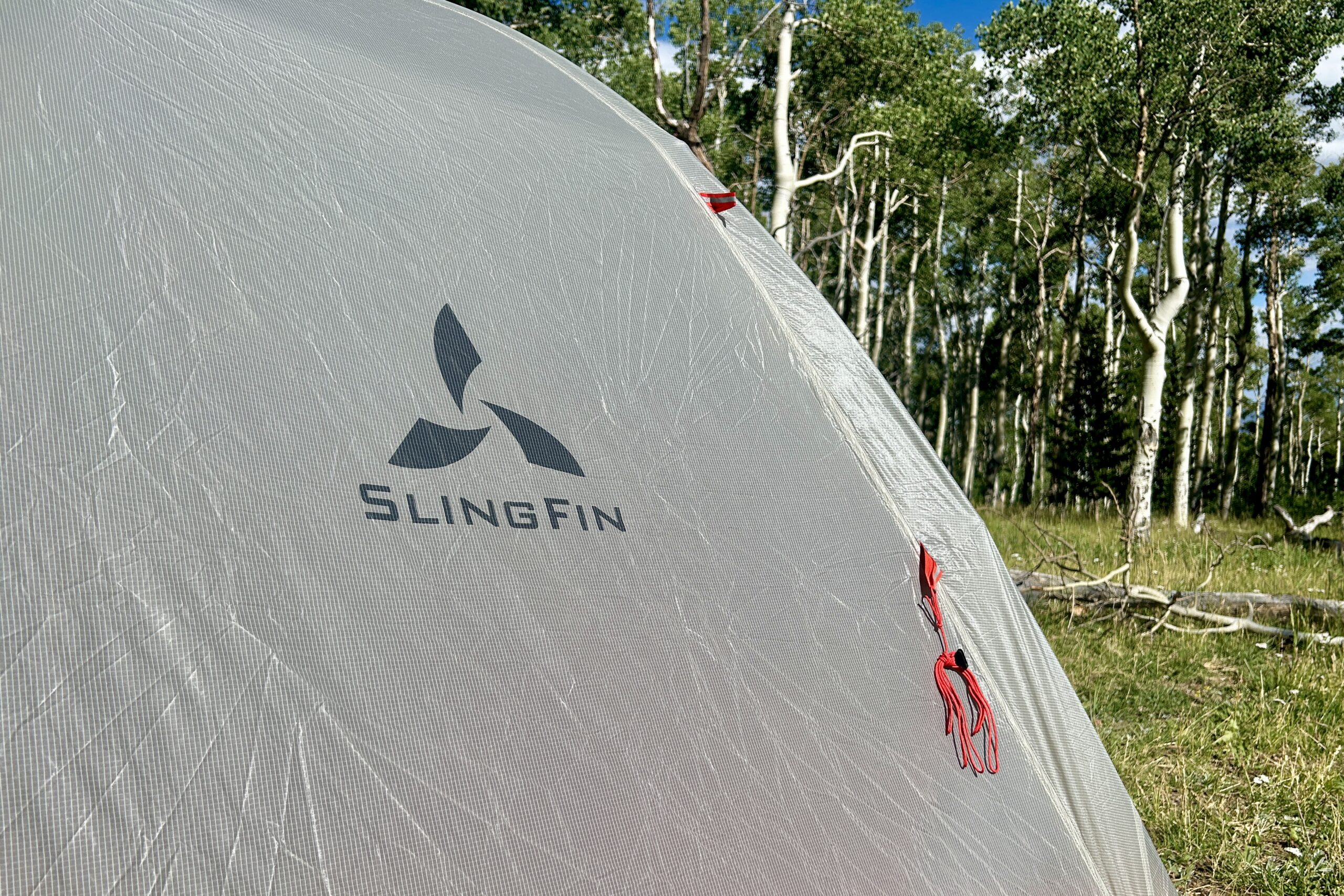
With fully taped seams, included guylines, and a durable rainfly, the Portal 2 excels at keeping water out, even in heavy downpours. – Photo Credit: Ian Krammer (CleverHiker.com)
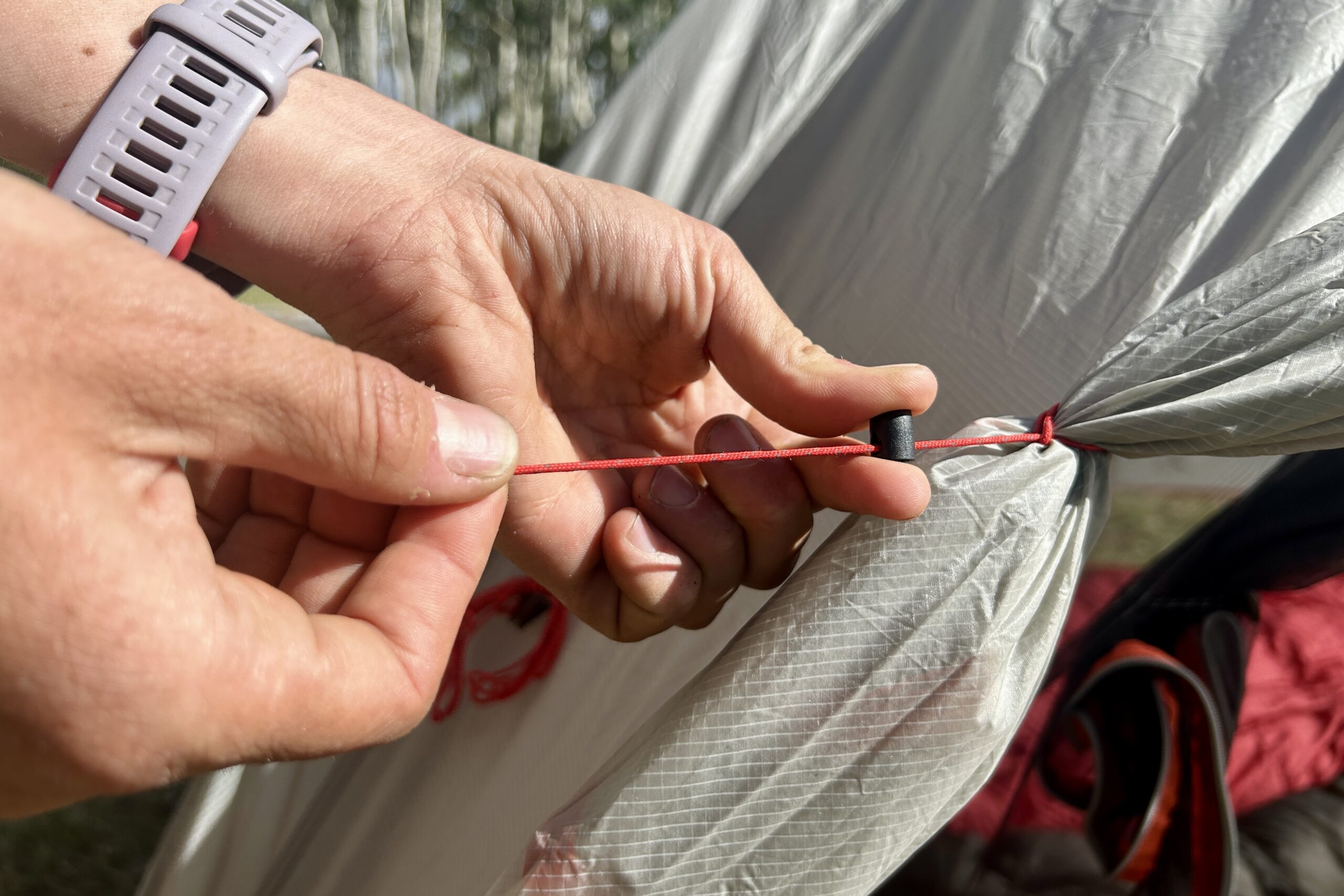
The Portal 2’s efficient design includes burly tiebacks and simple pull tabs on the rainfly doors for quick setup and tear-down. – Photo Credit: Ian Krammer (CleverHiker.com)
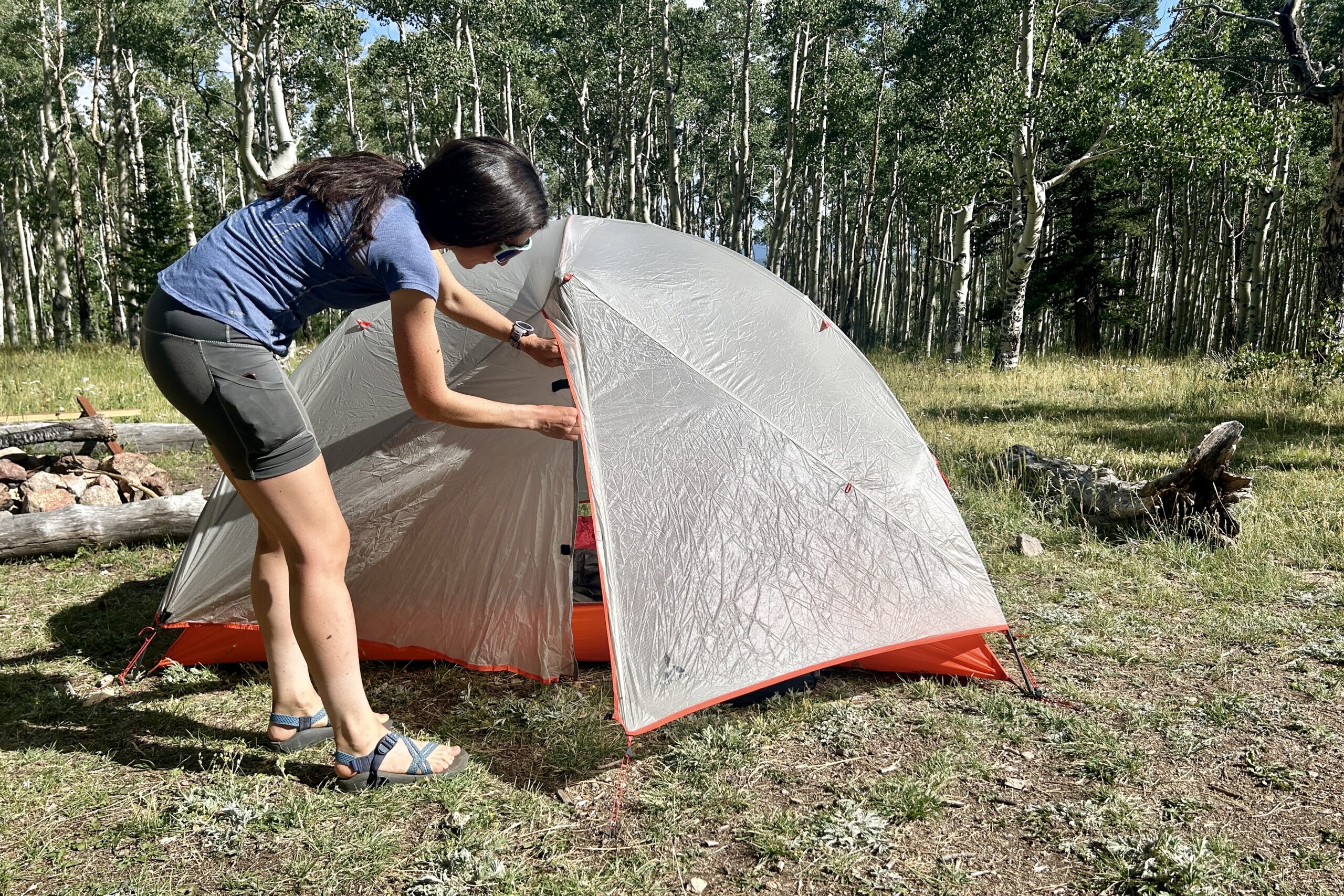
The Slingfin Portal’s low-profile design helps it stand strong against high winds. – Photo Credit: Ian Krammer (CleverHiker.com)
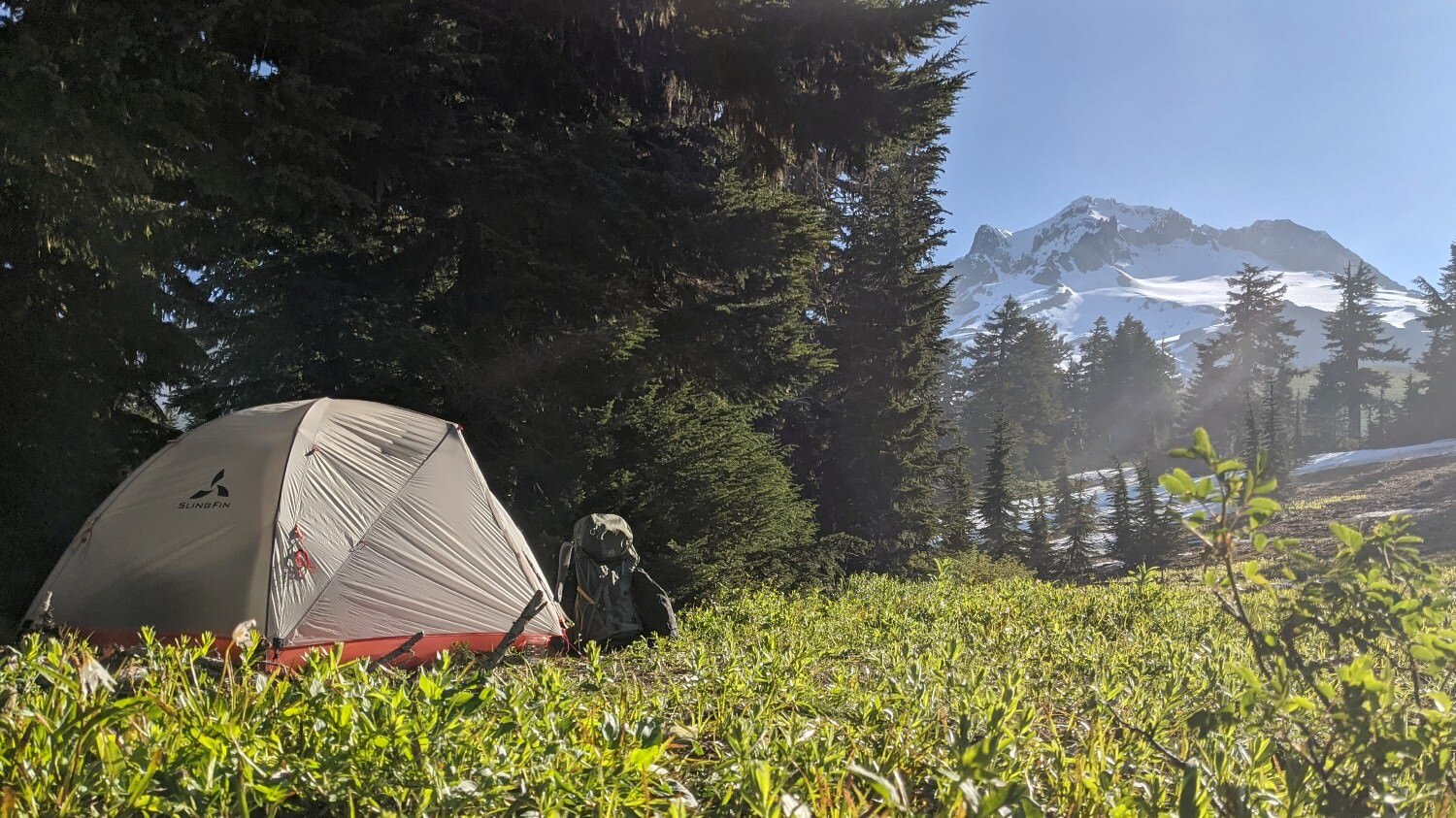
Its high-quality materials, including UV- and mildew-resistant fabrics, mean this tent will go the distance. – Photo Credit: Casey Handley (CleverHiker.com)