Bottom Line
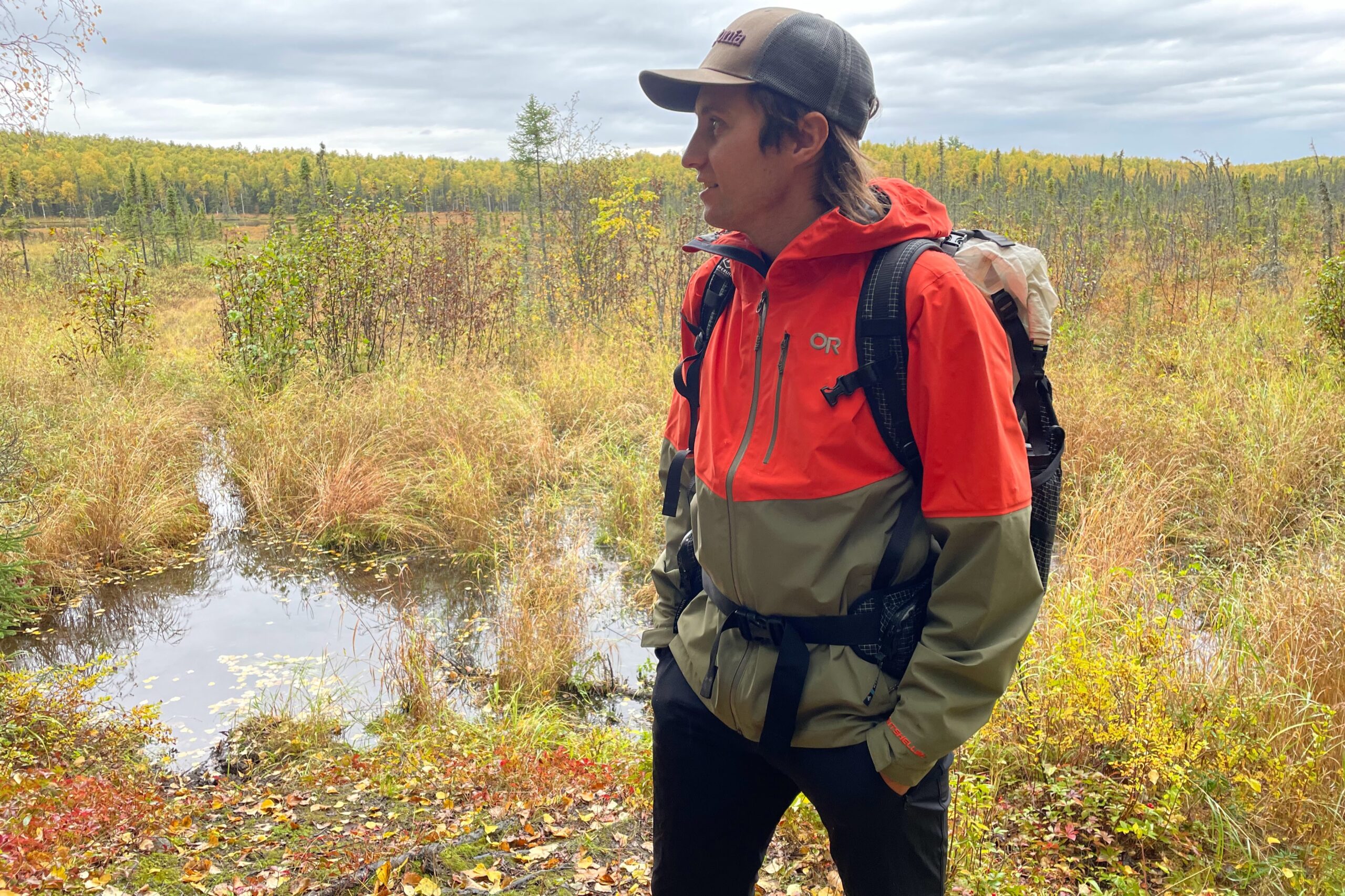
The men’s Outdoor Research Foray 3L and women’s Outdoor Research Aspire 3L stand out because their side zippers extend from the underarms toward the hem. They create far more adjustment than conventional short pit zips and can be opened for poncho-like airflow during warm, wet hikes.
Our testing notes describe consistent wet-weather performance on day hikes from Michigan to Colorado, with practical hood and hem adjustments and cuffs that accommodate gloves. Broad-shouldered hikers should check the fit carefully because the cut can feel tight up top.
For more options, see our Best Rain Jackets guide.
Bottom Line
CleverHiker Managing Editor Ben Applebaum-Bauch has used the Outdoor Research Foray on dozens of wet-weather day hikes from Michigan to Colorado. Our current gear guide emphasizes the Foray 3L and women’s Aspire 3L, including their long side vents, hood and hem adjustments, and broad-shoulder fit limitation. Our years of hiking in Foray jackets inform our assessment of its signature side-venting design.
Quick Specs
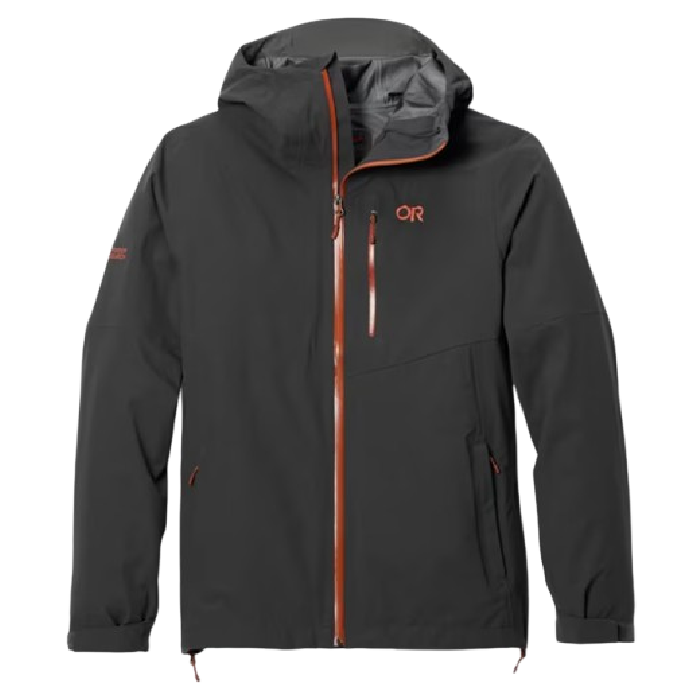
Outdoor Research Foray 3L / Aspire 3L
Best Rain Jacket for Ventilation
CleverHiker Rating: 4.7/5.0
Price: $250
Listed Weight: 15.3 oz. / 13.9 oz.(men’s / women’s)
# of Vents: 2
Pros
- Exceptionally adjustable side ventilation
- Useful hood and hem controls
- Substantial three-layer shell
Cons
- Broad shoulders may find fit tight
- Not an ultralight option
- Side-zip system adds complexity

Comfort & Mobility
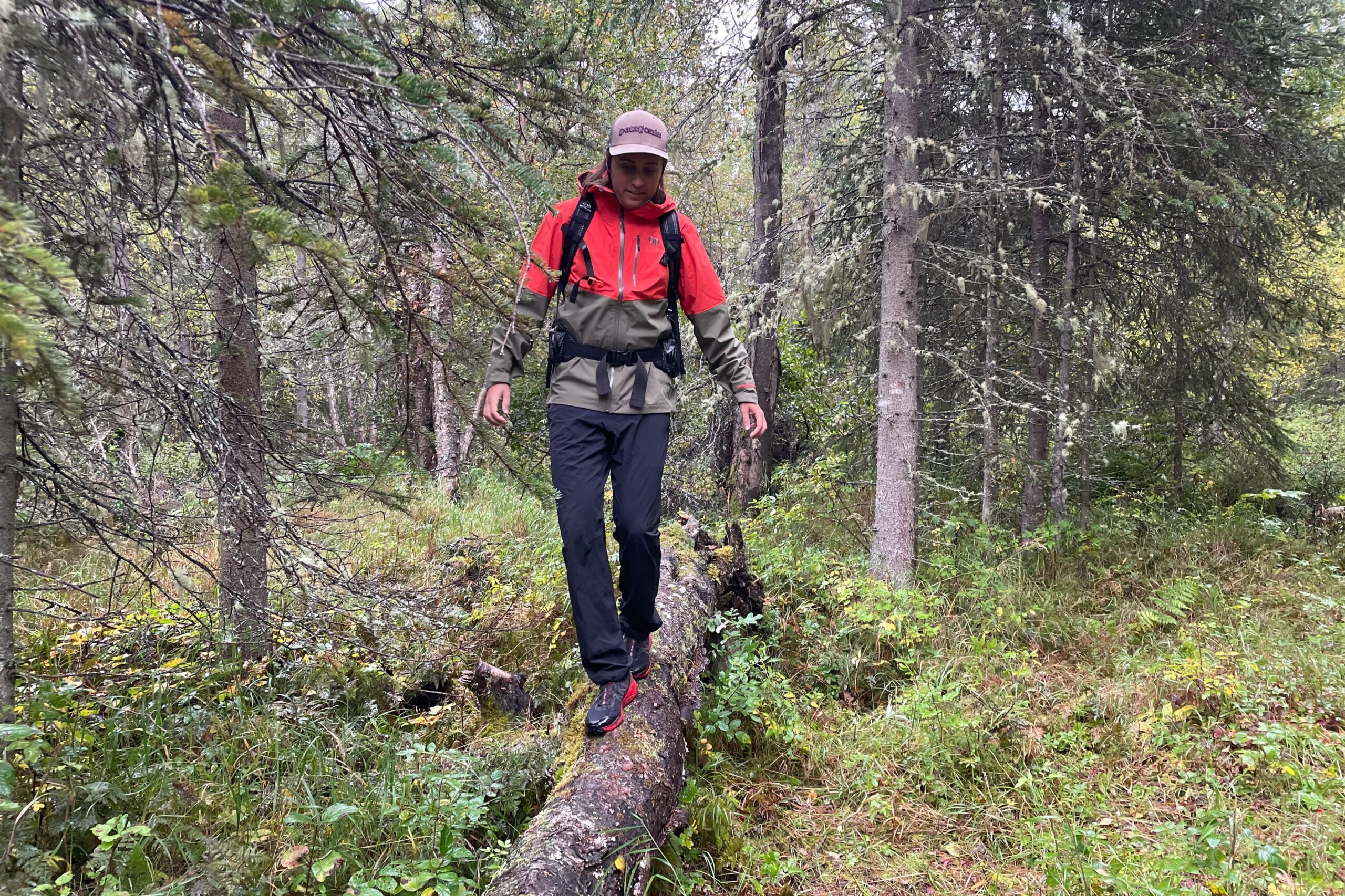
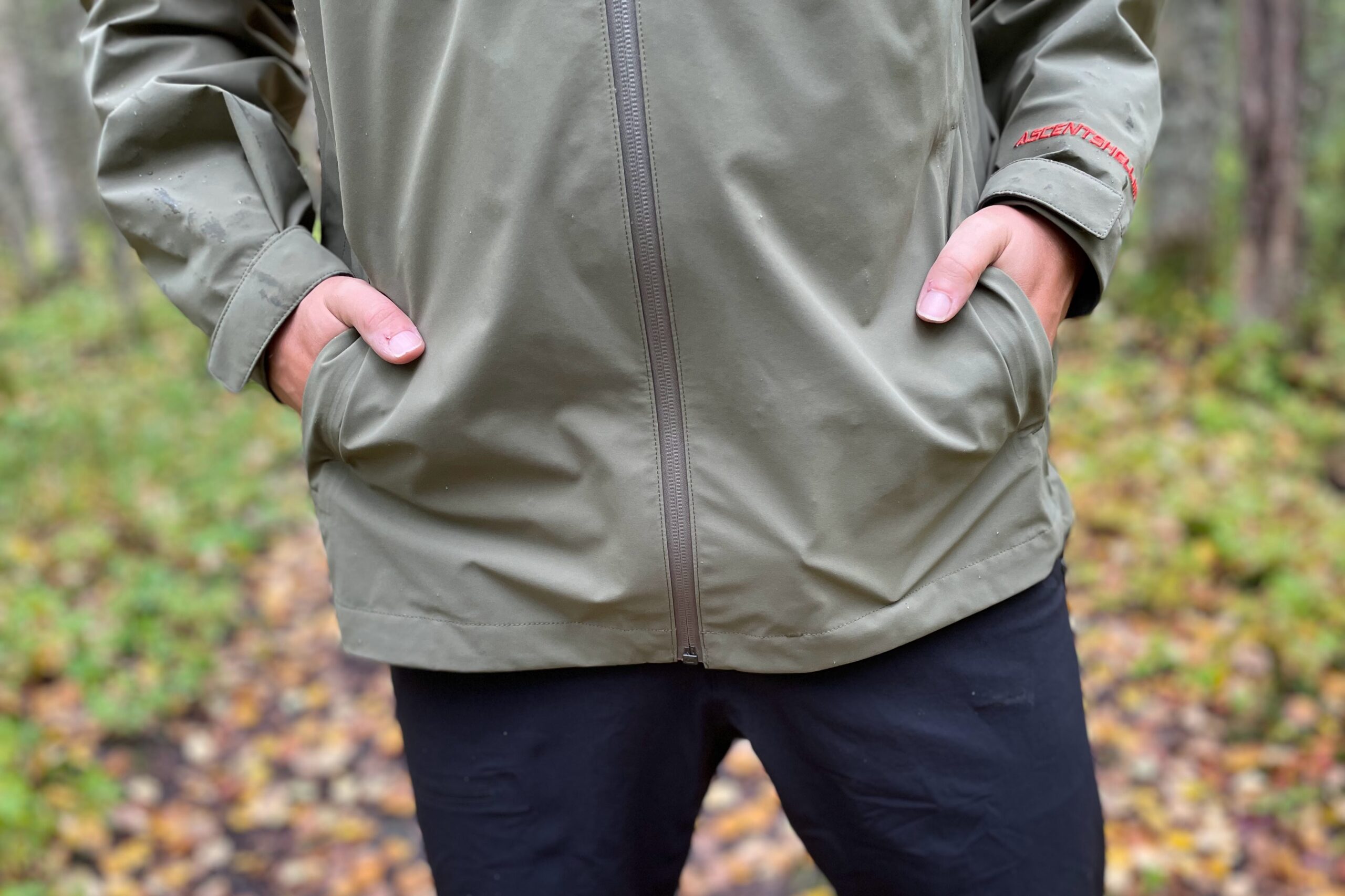
The three-layer fabric and adjustable hem provide useful coverage while moving. Our fit observations suggest checking shoulder room carefully, especially over layers. The jacket’s long side openings help reduce the clammy sensation associated with closed shells.
The present gear guide flags narrowness across broad shoulders, so checking the fit with a midlayer is more important than judging the torso in isolation. Adjustable cuffs and an accessible hood drawcord also let wearers tune coverage when rain and wind shift. When trying on this style, check that the long side zippers sit comfortably beneath your pack belt.
Comfort & Mobility Score: 4.5/5.0
Weather Resistance
Our Michigan-to-Colorado hiking observations support solid protection in shifting wet conditions. Hood and hem adjustments help seal out weather. The Foray 3L is a protective everyday shell rather than the lightest possible emergency layer.
The published gear guide reports dependable wet-weather use on dozens of day hikes spanning Michigan and the Colorado high country. A protective hood brim, adjustable hem, and effective cuffs help maintain coverage without sealing the entire body into an overheated shell. The combination is appealing for hikers who regularly alternate between climbing and stopping in rain.
Weather Resistance Score: 4.5/5.0
Ventilation
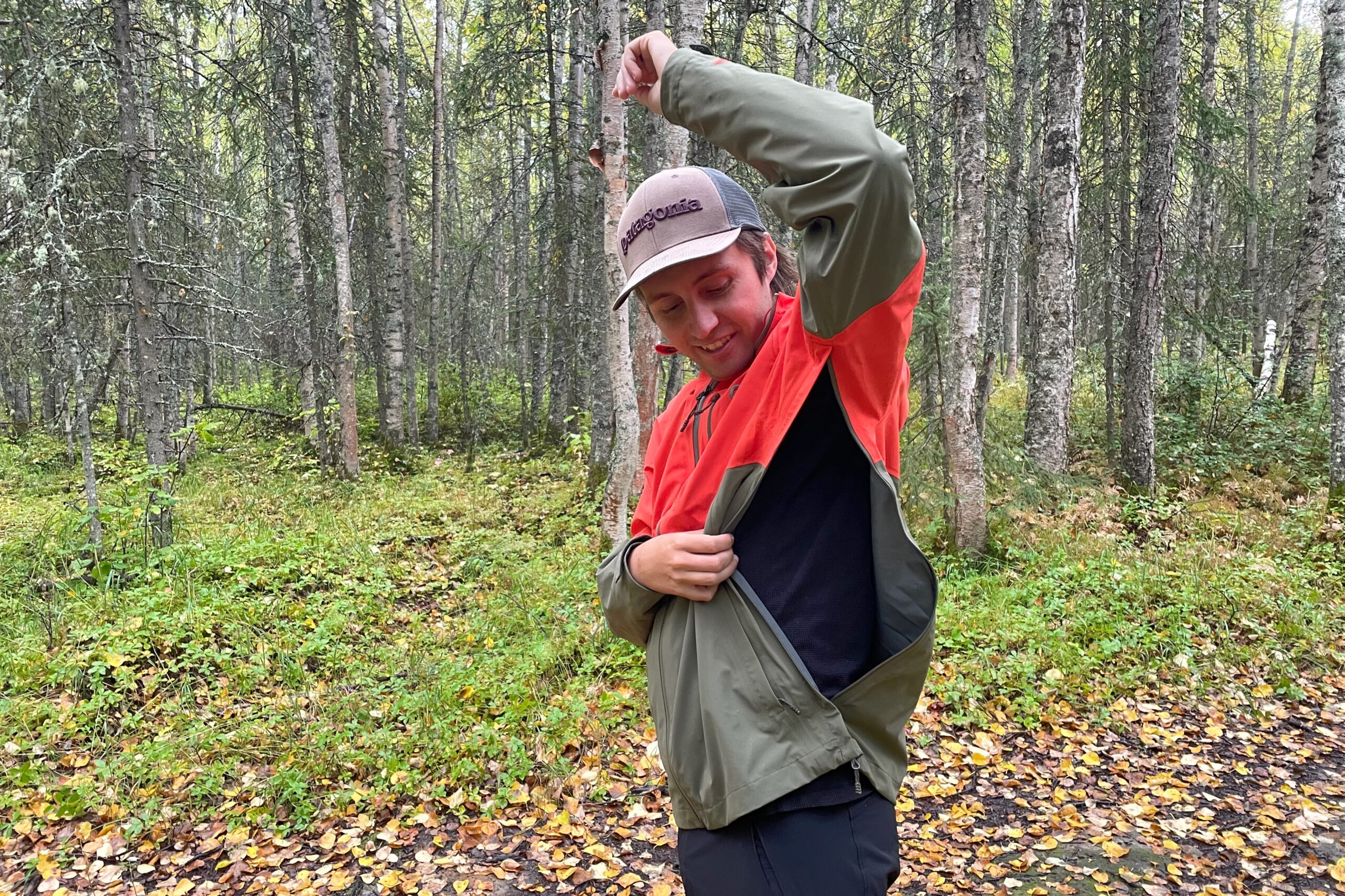
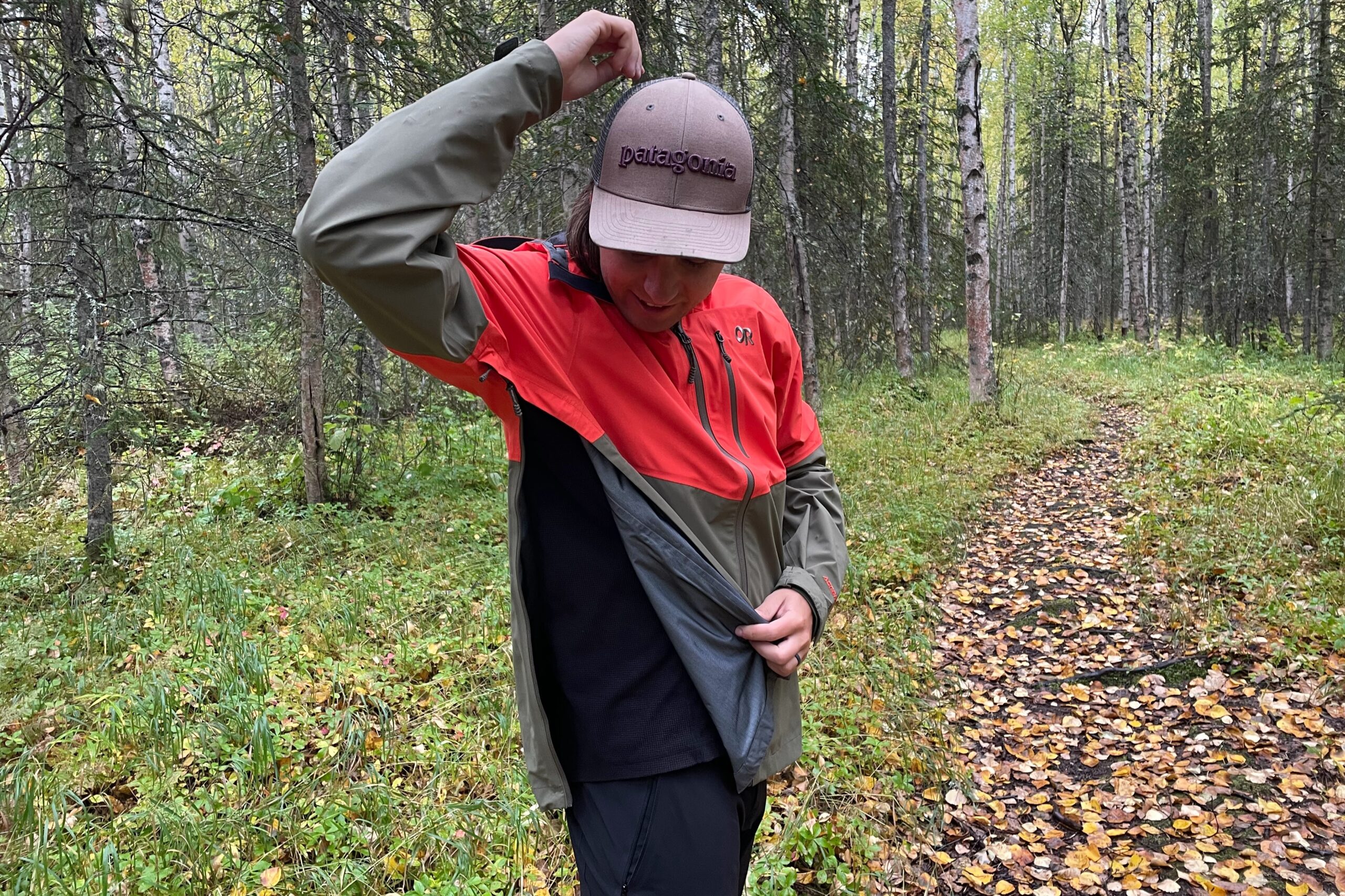
The defining feature of the Foray 3L and Aspire 3L is the ability to open their sides from underarm to hem for extensive airflow. Unlike standard short pit zips, the adjustable openings can create nearly poncho-style ventilation without removing the jacket. This is a particularly strong advantage for hikers who frequently overheat in wet weather, even though closing the vents completely retains significant warmth.
The side-zippers’ biggest benefit is control: open only the upper section for moderate heat release or expose much of the torso when the climb intensifies. Traditional short pit zips cannot create the same range of openings. The jacket will still run warm when closed, but the adjustment range makes that heat easier to manage.
Ventilation Score: 4.8/5.0

Durability
Its substantial three-layer construction and functional adjustments support frequent trail use. The side zippers add utility but also make this a more involved design than minimalist shells. Evaluate how often you actually need that range of ventilation.
The three-layer version pairs sustained rain protection with practical hardware intended for repeated hiking. Our long-term experience with the Foray design highlights the value of sturdy hardware and adjustable vents during repeated wet-weather hikes.
Durability Score: 4.5/5.0

Weight
Our men’s Foray 3L weighed 16.2 ounces. The women’s Aspire 3L has a different fit and weight. The long side zippers and full feature set add weight, making the jacket more suitable for wet day hikes than minimal-weight backpacking.
It is not an ounce-counting jacket: the side-zip system and protective features add both mass and packed bulk. Its advantage is that one shell offers broad venting options over a range of weather, reducing the need to trade protection for cooling. Long-distance ultralight hikers can find considerably lighter pieces with fewer features.
Weight Score: 4.0/5.0
Should You Buy the Outdoor Research Foray / Aspire?
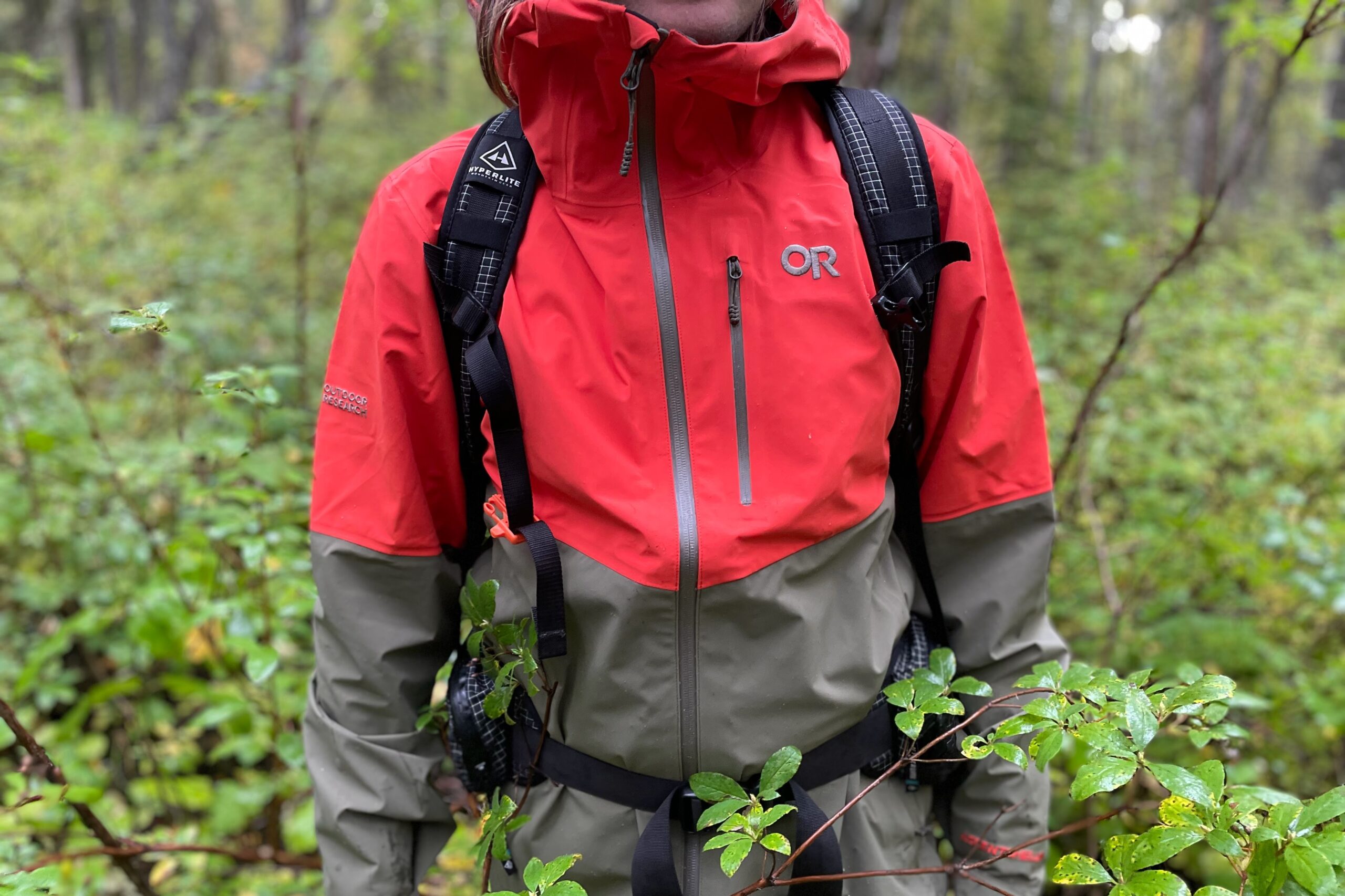
Choose the Foray 3L or Aspire 3L when sweat management is as important to you as staying protected from rain. The long side vents make this pair particularly useful for warm, wet hikes and sustained climbs where ordinary pit zips feel insufficient.
Try on the jacket over your intended layers before buying, because the shoulders can feel restrictive. If you don’t need this much airflow, the Patagonia Torrentshell costs less and offers a proven protective three-layer build.
What Other Rain Jackets Should You Consider?
Patagonia Torrentshell 3L Review: This jacket saves money while emphasizing long-term all-around protection. Its pit zips are shorter, so it is less adjustable for hikers who run hot.
Mountain Hardwear Stretch Ozonic Review: Prefer the Ozonic if you care more about soft, quiet fabric and flexible movement than maximum ventilation. The Foray/Aspire side openings provide substantially more airflow control.
Montbell Versalite Review: The Versalite combines large pit zips with exceptionally low carried weight. It is a more packable alternative when shaving ounces matters more than substantial three-layer construction.