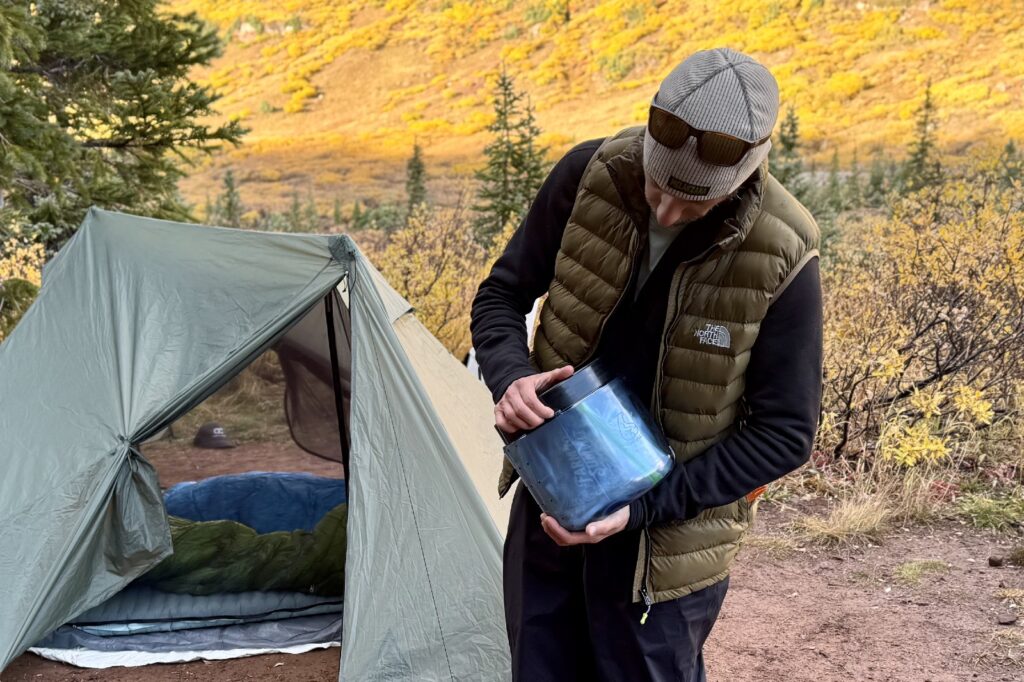


Collectively, we’ve spent hundreds of nights in the backcountry from the Adirondacks to the Sierras testing dozens of bear canisters. Our team has researched more than 50 bear canisters and food storage options – including hard-sided designs, soft-sided bags, and accessories – in order to narrow it down to the nine standouts below.
Editor’s Note: We updated this guide on July 24, 2026, to add the BearVault BV One to our list and revamp our coverage on several old favorites.
How We Test Bear Canisters
Our team has logged more than 100,000 miles in bear country and recently tested canisters during peak hyperphagia season (aka fall, when bears are the hungriest) in Colorado’s rugged Maroon Bells-Snowmass Wilderness. We assessed each canister for ease of use, security, capacity, weight, packability, and acceptance among regulating agencies. Our lineup features trusted brands like BearVault, Counter Assault, Bare Boxer, REI, Grubcan, Ursack, and more.
And for more info, check out some of our other popular gear guides:

#1. Best Bear Canister Overall
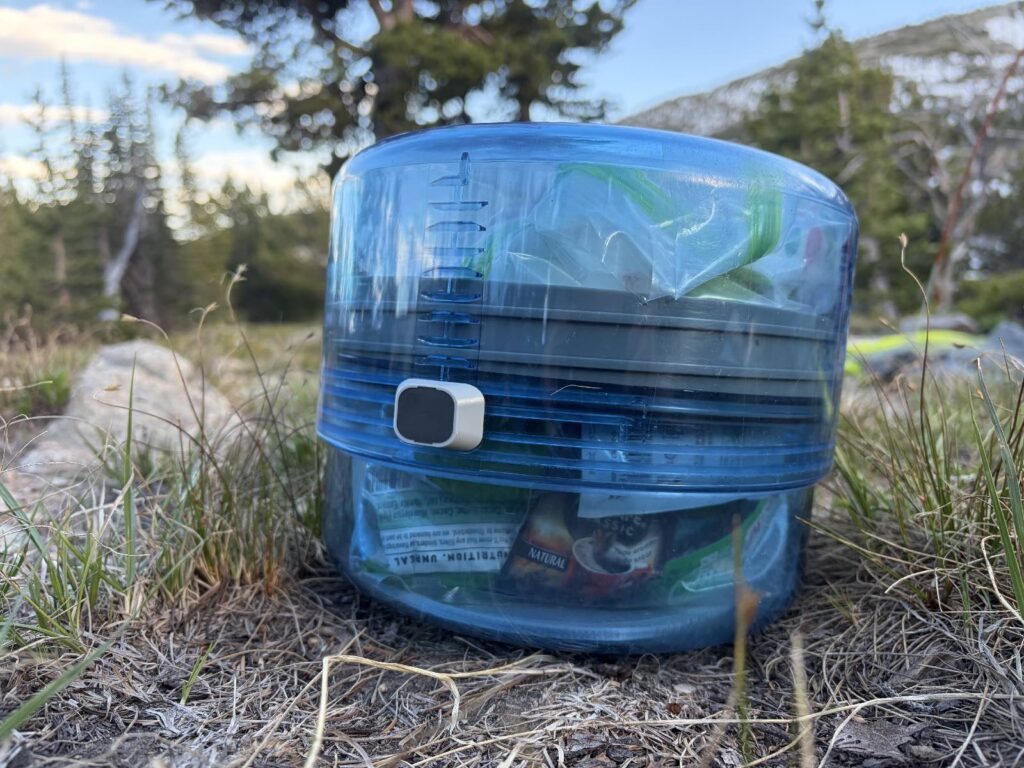
For most uses, the BearVault BV ONE is our favorite canister due to its compact size, low weight, and user-friendly design. We put it through its paces on several trips in the Colorado Rockies and came away impressed by its all-around performance on two- to four-day trips.

Quick Picks for Bear Canisters & Backpacking Food Storage
Get a quick overview of the best models below, and keep scrolling for detailed reviews and firsthand insights from the field.
1. Best Bear Canister Overall: BearVault BV ONE ($120)
2. Best Weight-to-Capacity Ratio: BearVault BV500 Journey ($100)
3. Best Rental Bear Canister: Grubcan 6.6L Carbon/Kevlar ($500 or $7/day)
4. Best Bear Bag: Ursack Major ($125)
5. Affordable & Lightweight Bear Canister: BearVault BV450 Jaunt ($90)
6. Best Large-Capacity Bear Canister: Counter Assault Bear Keg ($105)
7. Best Wilderness Area-Approved Bear Canister: Bare Boxer Champ ($100)
8. Best Two-in-One Bear Canister: REI Traverse ($90)
9. Best Bear Canister Accessory: Smelly Proof Storage Bags ($15)
BearVault BV ONE
Best Bear Canister Overall
CleverHiker Rating: 4.8/5.0
Price: $120
Weight: 1 lb. 15.6 oz.
Volume (Liters): 8.3 (expanded), 4.7 (collapsed)
Certifications: IGBC, WMI
Pros
- Lightweight
- Collapsible
- Easy to use
- Affordable
- Clear walls
Cons
- Not yet approved in Yosemite
- Clear walls could entice bears
- Limited capacity
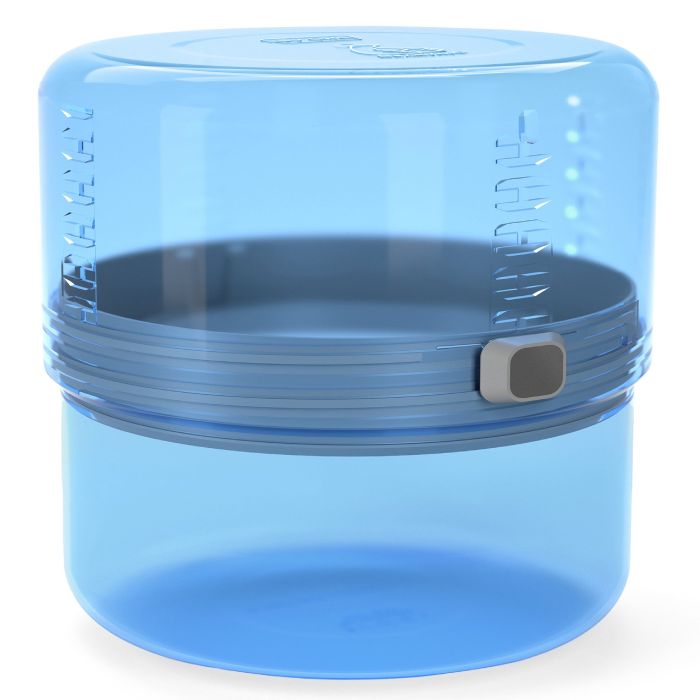
If weight and packability are what you care about most, the BearVault BV ONE is hard to beat. At just 1 pound, 15.6 ounces (ours weighed a couple ounces less), it’s lighter than its closest sibling, the BV 450 Jaunt below, yet somehow manages an extra liter of volume.
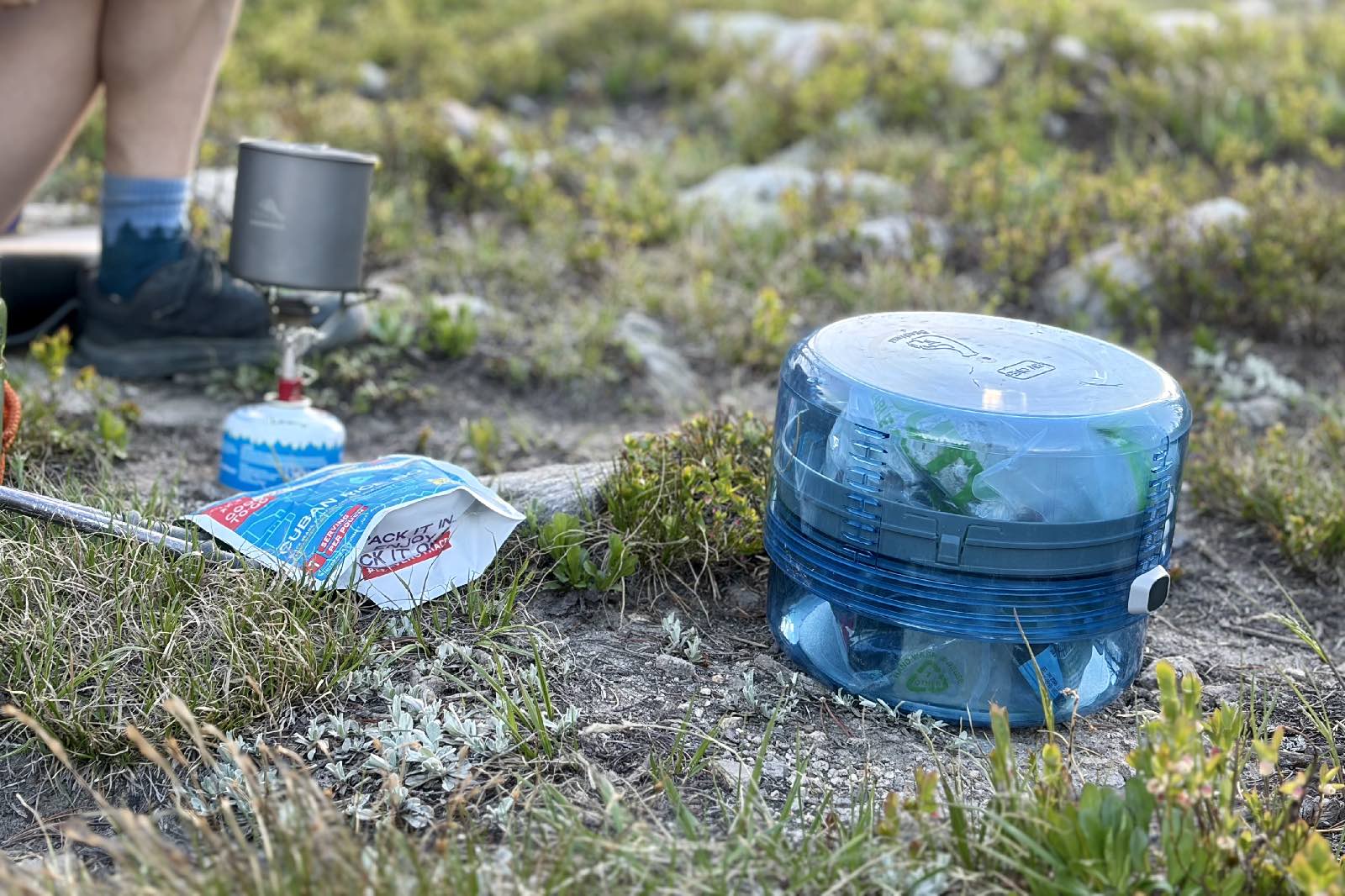
The real party trick, though, is that it collapses as you eat through your food. Instead of hauling around a bulky, empty canister by day four, you’re freeing up pack space with every meal. That alone makes it a great option if you’re trying to squeeze your kit into a smaller pack.
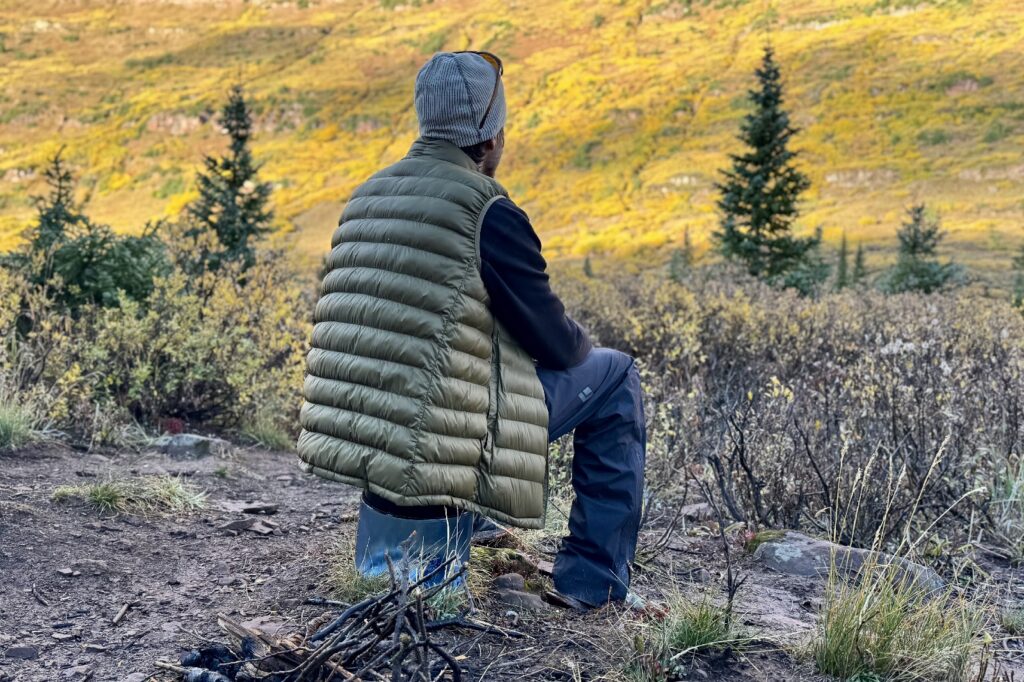
It’s also easy to live with day to day. The unlock buttons are bigger and less fiddly than older BearVault designs, so you’re not fighting the lid every time you want a snack. The transparent walls make it easy to grab that one item you’re craving without rifling through all your food. It even makes a surprisingly solid camp stool, which is a nice bonus.
However, as a newer canister, it’s still working its way into wider acceptance across regulatory agencies. The BV ONE hasn’t yet cracked the approved canisters lists for Yosemite or Sequoia & Kings Canyon, although it does hold a black bear certification from the WMI and a grizzly rating from the IGBC.
The lightweight, see-through plastic means you’re giving up some of the toughness and impact resistance you’d get from a heavier-duty canister. If durability is a top priority for you, it may be worth considering a more hardwearing (albeit heavier) option.
These complaints aside, if you backpack often, pack efficiently, and aren’t headed into one of the most heavily regulated areas, the BV ONE is one of the smarter buys out there.
BearVault BV500 Journey
Best Weight-to-Capacity Ratio
CleverHiker Rating: 4.8/5.0
Price: $100
Weight: 2 lb. 8.9 oz.
Volume (Liters): 11.5
Certifications: IGBC, WMI, SIBBG
Pros
- Large capacity
- Reasonably lightweight
- Good stool/table
Cons
- Overkill for short trips
- Bulky
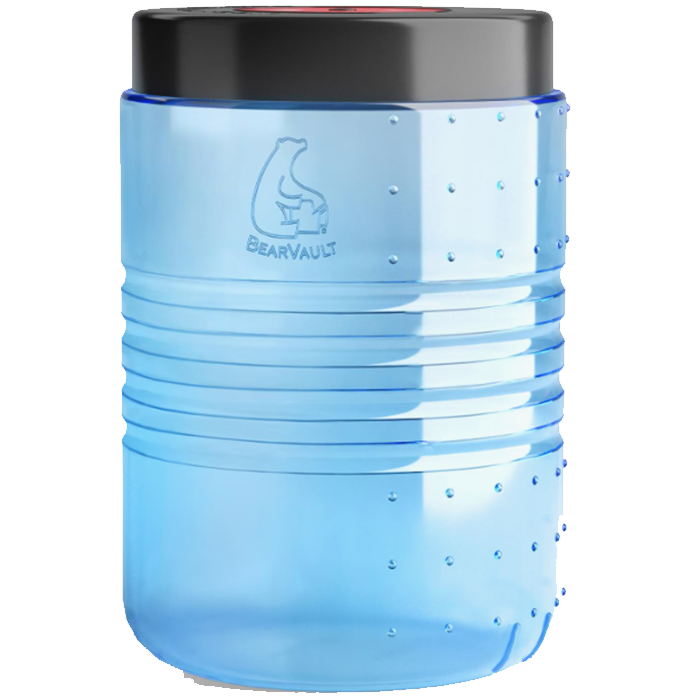
The Bear Vault BV500 Journey was another strong contender for our top spot, but for different reasons. It offers a strong balance between weight and capacity, making it an excellent choice for backpackers who want a sizable bear canister with minimal added weight.
It holds up to a week’s worth of food for a solo hiker and is a practical option for couples and small groups. Its ridged surface keeps it secure under backpack straps, and the flat lid can serve as a camp stool or table, providing extra functionality at camp.
The screw-top lid can be tricky in cold weather, but no tools are needed, and the wide opening makes packing and unpacking easier. Transparent walls let you see what’s inside at a glance, though they make the contents visible to bears, as well. Still, for most black bear camping scenarios – and all non-bear critters – the BV500 is secure enough to protect your food, especially if you add a Smelly Proof Storage Bag.
BearVault offers the design in various sizes to fit any trip length. Our ultralight backpacking testers can fit seven days of food into this canister, while its smaller sibling, the BV450 Jaunt below, can handle three to four days (though the average backpacker may find those estimates a bit ambitious).
Most BearVaults are approved by the Sierra Interagency Black Bear Group (SIBBG) and Interagency Grizzly Bear Committee (IGBC) for use in grizzly country. The BV500 is also highly effective against smaller rodents. Added up, it’s an excellent value for hikers seeking a lightweight, versatile, and generally secure option.
Grubcan 6.6L Carbon/Kevlar
Best Rental Bear Canister
CleverHiker Rating: 4.7/5.0
Price: $500 or $7/day
Weight: 1 lb. 8 oz.
Volume (Liters): 6.6
Certifications: IGBC, WMI
Pros
- Affordable rental program
- Competitively lightweight
- Strong and secure
- Intuitive to open
- Slim design fits in most packs
- Durable materials
Cons
- Reservations require planning
- Not as widely certified as a few others
- Expensive to purchase
- Narrow opening
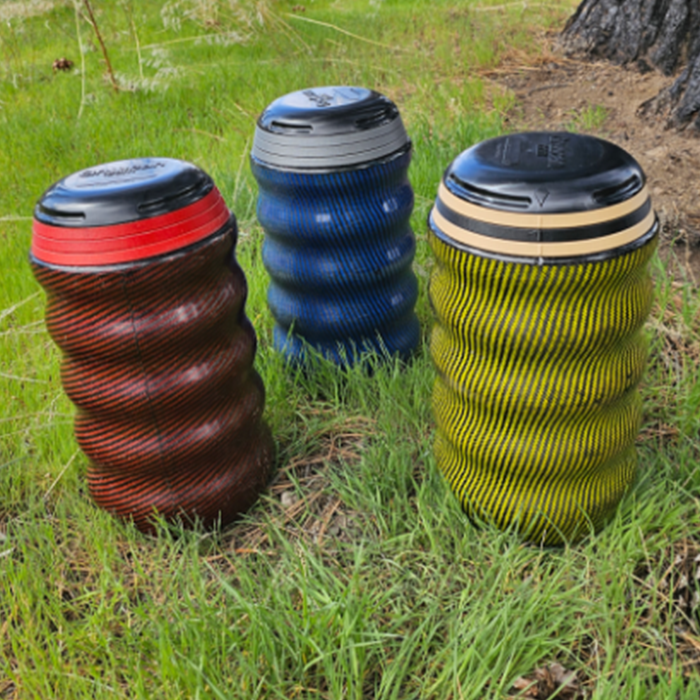
The Grubcan 6.6L Carbon/Kevlar is a top-tier bear canister designed for ultralight backpackers. This sub-2-pound canister eases much of the burden of carrying notoriously bulky bear canisters over challenging terrain.
The canister’s premium performance comes at a high price, and most casual backpackers won’t be able to justify the steep investment. Fortunately, Grubcan offers affordable rentals and hassle-free shipping. There’s also a cheaper polycarbonate version available.
Though ultralight, the Grubcan doesn’t compromise on security or durability. The shell is an extremely strong mix of carbon fiber and Kevlar, keeping all bear species at bay with certifications from the Wildlife Management Institute (WMI) and IGBC.
The Grubcan’s clever latch system confounds the smartest bears but is easy for humans. We appreciate that the mechanism requires no pressure to open, so it’s hassle-free even with cold hands.
The downside? Its tall, slender design with wavy walls makes packing a bit more difficult. Grubcan recommends using the repack method: organizing food into smaller, flexible bags to fit more. Although it adds an extra step to planning, we were able to cram six days’ worth of food inside after repackaging it.
If you’re buying outright, it’s one of the most expensive canisters available. But don’t let that deter you – Grubcan’s $7-per-day rental program is excellent, with fast shipping to anywhere in the U.S. for a flat rate of $15. It’s a great option for occasional backpackers, although it’s a good idea to reserve early, as summer rentals sell out fast.
Ursack Major
Best Bear Bag
CleverHiker Rating: 4.6/5.0
Price: $125
Weight: 7.6 oz.
Volume (Liters): 10.7
Certifications: IGBC
Pros
- Lightweight
- Packable
- Easy to use
- Soft exterior takes up less space
- Relatively affordable for the capacity
Cons
- Not 100% effective
- Not crushproof
- Not universally accepted
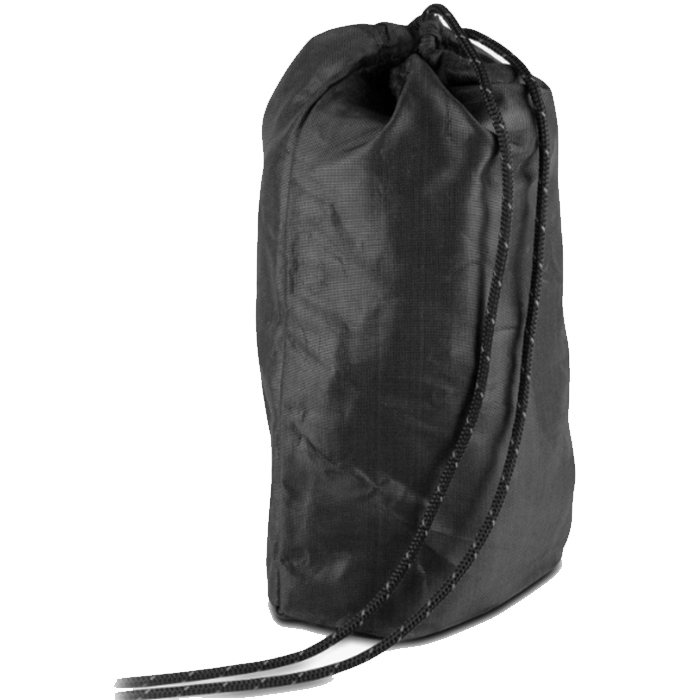
The Ursack Major bear bag is an excellent, lightweight alternative to bulky bear canisters, making it a go-to choice for ultralight and long-distance backpackers.
At just 7.6 ounces, this bag is well over a pound lighter than most hard-sided alternatives and takes up only as much space as your food supply demands. The Kevlar design is strong but flexible, making it easy to stuff and compress inside your pack and much more comfortable to carry overall.
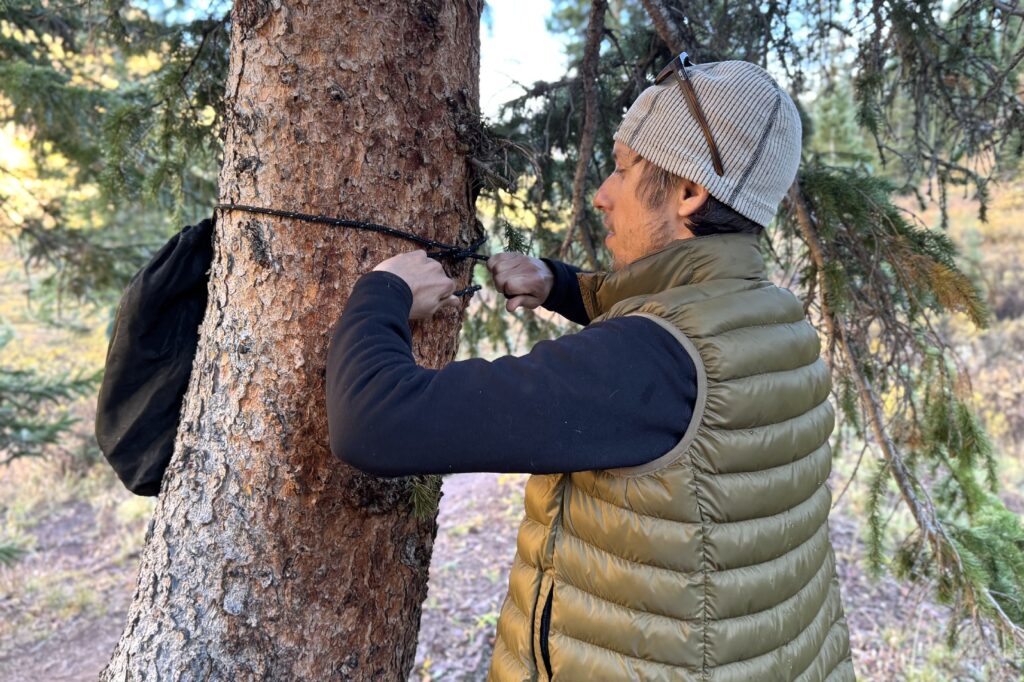
The securing process is straightforward but important to get right. Simply cinch the drawstring, tie a secure knot, and fasten the bag to a tree. Finding the right tree can sometimes take a moment, but the process gets easier with time. The reflective cord and tag are helpful for locating the bag in the dark.
Though tough, the Ursack isn’t 100% foolproof. Though it’s IGBC-certified for grizzlies, it’s not universally accepted. Every year, there are stories of determined black bears crushing these bags and motivated critters gnawing through the fabric. We highly recommend using an odor-proof liner as an extra layer of defense.
At the end of the day, the Ursack is best suited for experienced backpackers who are familiar with proper food storage practices and are willing to take a few extra steps to lighten their load. It’s also a solid pick for shorter trips and casual backpacking, offering a good balance between packability and peace of mind.
More: Ursack Major Full Review
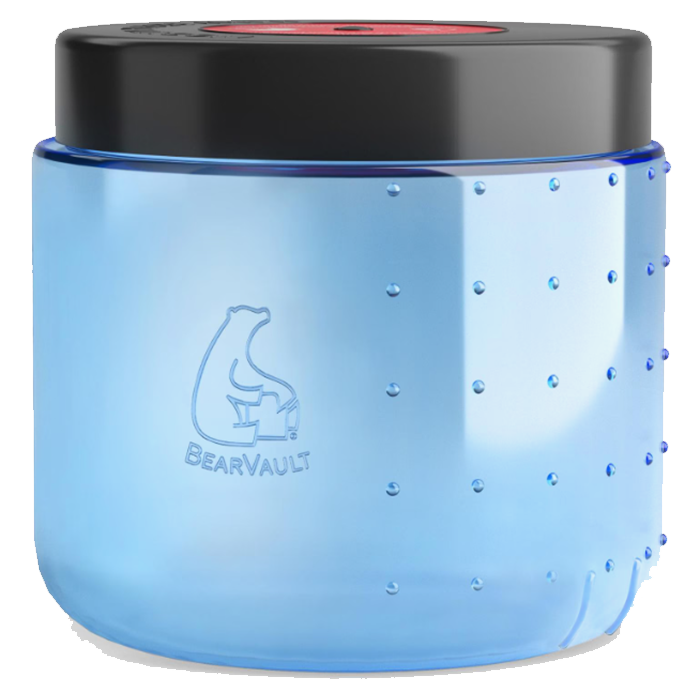
BearVault BV450 Jaunt
Affordable & Lightweight Bear Canister
CleverHiker Rating: 4.6/5.0
Price: $90
Weight: 2 lb. 1.2 oz.
Volume (Liters): 7.2
Certifications: IGBC, SIBBG
Pros
- Reasonably lightweight
- Compact
- Doubles as a stool
- Easy to pack/unpack
Cons
- Clear walls can entice bears
- Difficult to open in the cold
The Bear Vault BV450 Jaunt is a compact, practical bear canister that balances portability, capacity, and security. It’s one of the most common canisters we see on the trail – and for good reason.
Weighing just over 2 pounds, it comfortably holds two days of food for the average backpacker. With careful, efficient packing, it can stretch to three or four. Its manageable size fits easily in most packs, either vertically or horizontally, and it can even be secured externally with pack straps.
Opening the press-and-twist lid requires some finger strength and dexterity, especially in cold weather. On the bright side, the wide mouth and transparent walls make it easy to pack and retrieve items. At camp, the flat, sturdy lid works well as a small stool or side table, adding extra functionality that some competitors lack.
The BV450 isn’t invincible, but it’s secure against most critters and typical black bear encounters. It holds certifications from the IGBC and SIBBG, and it’s accepted in most backcountry zones. Because of its practical size and weight, the BV450 is a viable option for most hikers most of the time.

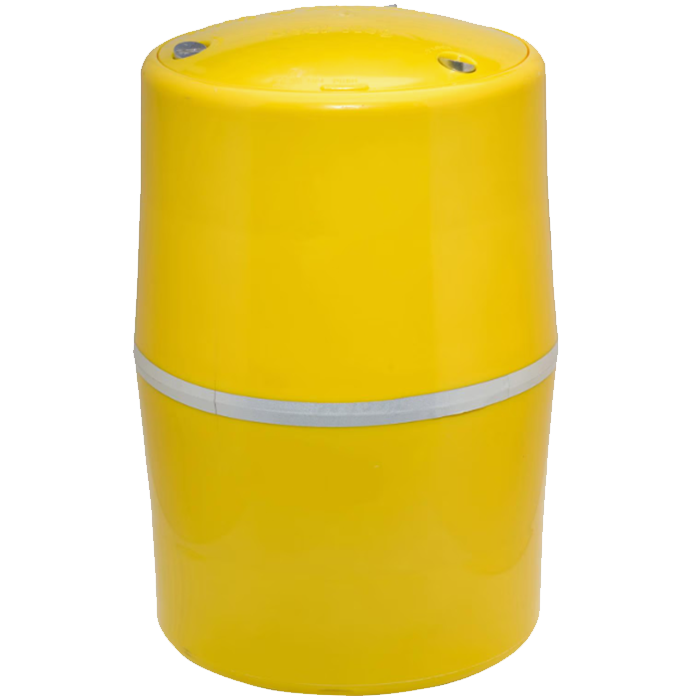
Counter Assault Bear Keg
Best Large-Capacity Bear Canister
CleverHiker Rating: 4.5/5.0
Price: $105
Weight: 3 lb. 10 oz.
Volume (Liters): 11.7
Certifications: IGBC, SIBBG
Pros
- Secure
- Widely accepted
- High visibility
- Durable
- Huge capacity
Cons
- Heavy
- Bulky
The Counter Assault Bear Keg isn’t winning any awards for weight savings, but when it comes to all-out strength and reliability, it’s hard to beat.
At 3 pounds, 10 ounces, it’s the heaviest canister on our list, and its towering 13-inch frame takes up a significant amount of pack space. Realistically, it only fits vertically and works best in large packs (60 liters or more) or when shared among a group.
What the Bear Keg lacks in packability, it makes up for in ease of use and security. Opening the canister requires a coin or similar tool to turn three stainless steel locks – simple for humans but impossible for bears. The spacious interior makes packing easy and can hold an impressive 21 dehydrated meals – enough for a week-long trip or more if you pack wisely.
Its thick plastic shell feels bombproof, with no flex or weak points, and it’s certified by the IGBC and approved by the Forest Service for use in national parks. The opaque walls help reduce bears’ curiosity about what’s inside. It’s not the comfiest camp stool, but it makes a decent seat in a pinch.
If you’re venturing into areas with high bear activity and want maximum peace of mind, the Bear Keg is as dependable as they come.
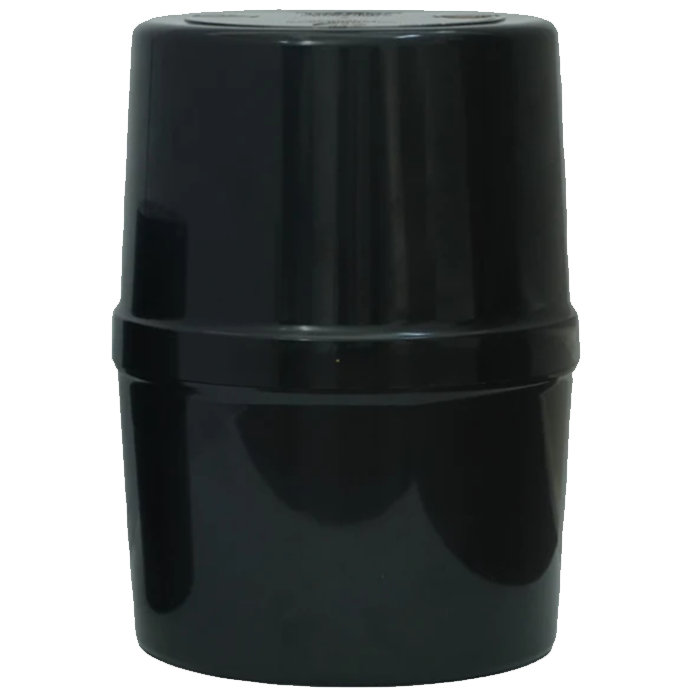
Bare Boxer Champ
Best Wilderness Area-Approved Bear Canister
CleverHiker Rating: 4.5/5.0
Price: $100
Weight: 2 lb. 9.6 oz.
Volume (Liters): 10.7
Certifications: IGBC, SIBBG
Pros
- Widely accepted
- Super durable
- Easy to use
- Secure
Cons
- Requires a tool
- Not the lightest
- Difficult to put on the outside of your pack
The Bare Boxer Champ hits a sweet spot for backpackers who want a reliable, widely accepted bear canister. It is SIBBG- and IGBC-approved and recommended by both the National Park Service and U.S. Forest Service.
It’s not the lightest option available, but it’s far from the heaviest, and its size suits most trips well. Packing is simple if you slide it in vertically, although strapping it to the outside of a pack requires some creativity.
The main trade-off is convenience. The lid needs a tool to open, which provides peace of mind but means you can’t just twist it off with your hands. The opening is also somewhat small, making it tricky to stuff in larger items. That said, the lid is sturdy enough to double as a camp stool, which is always a welcome feature.
Security is where the Bare Boxer shines. Its thick build, smooth sides, and opaque design inspire a lot of confidence. It’s widely trusted from Yosemite to the East Coast in areas with some of the most persistent problem bears.
The larger Champ version has enough capacity to hold about a week of food, while the smaller Contender is ideal for shorter trips. Either way, you get a sturdy, no-frills canister that prioritizes security and compliance.
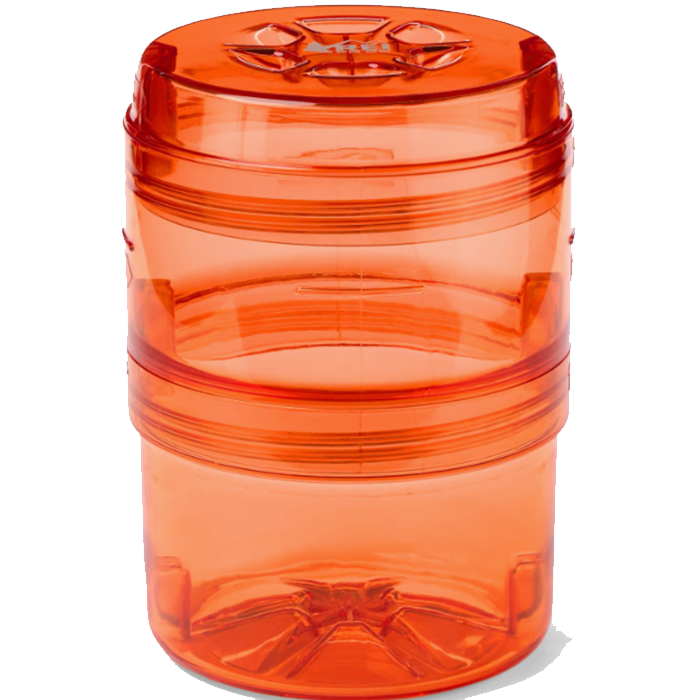
REI Traverse
Best Two-in-One Bear Canister
CleverHiker Rating: 4.4/5.0
Price: $90
Weight: 3 lb. 9.1 oz. / 2 lb. 8 oz.(large configuration / small configuration)
Volume (Liters): 6.8 – 11.3
Certifications: IGBC, WMI
Pros
- Modular design
- Secure
- Two-in-one value
Cons
- Heavy
- Not the easiest to use
The REI Traverse is an innovative option that adjusts to accommodate different trip lengths. Its unique, modular design can be configured into either a 6.75-liter or 11.25-liter size, and the larger volume can collapse down as you eat your way through a trip. As a result, the Traverse is suitable for everything from single overnights or five-night excursions.
Although the Traverse is relatively new to the market and lacks years of consumer testing and widespread approval, its robust construction inspires confidence that it will withstand extensive use and abuse. The metal push tabs and threaded lid are enough to stump both black and grizzly bears according to the WMI and IGBC (respectively). It even posed a slight challenge for our human analysts.
At over 3 pounds, the Traverse isn’t the lightest bear canister on the market and is hard to strap on the outside of a pack or carry horizontally. It really only works when positioned vertically inside a pack. On the plus side, the lid makes for a great camp chair.
Although we trust its security, see-through canisters have traditionally been rejected or discouraged in places like Yosemite and the Adirondacks. The Traverse is currently not listed among Yosemite’s approved canisters, but that might change in the future.
More: REI Traverse Full Review
Smelly Proof Storage Bags
Best Bear Canister Accessory
CleverHiker Rating: 4.0/5.0
Price: $15
Weight: 1.4 oz.(per 2-gallon bag)
Volume (Liters): 7.6
Certifications: None
Pros
- A cheap way to enhance food storage
- Ultralight
- Inexpensive
Cons
- Not a primary storage method
- Takes up packable space
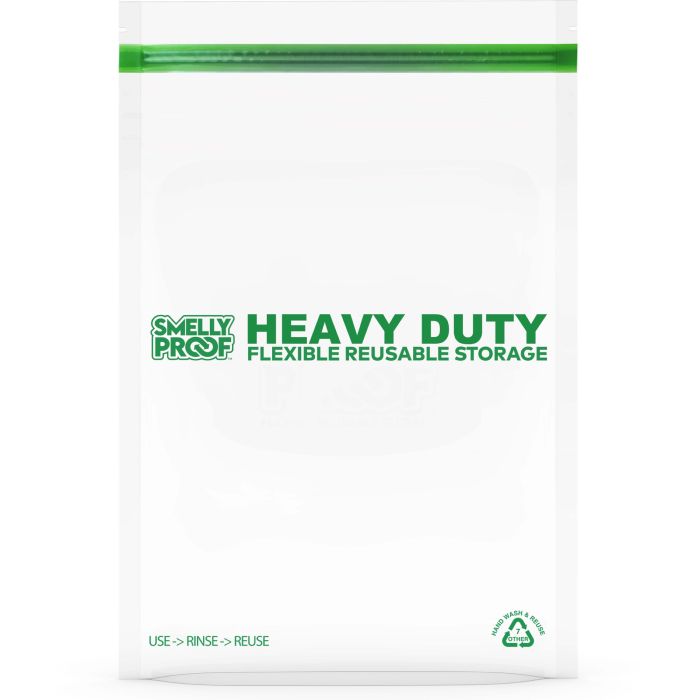
Smelly Proof Storage Bags are a lightweight and affordable way to add an extra layer of protection to a primary food storage system. The largest 2-gallon bags measure 15.25 by 11.25 inches and can hold about three to four days’ worth of food. Smaller bags in Smelly Proof’s line are great for toiletries, sunscreen, or other scented items.
At roughly 1.4 ounces per 2-gallon bag, even the largest option adds minimal weight to your pack. The wide-mouth design and reinforced zipper seal make packing and unpacking straightforward. Although the zipper is heavy-duty and backed by a lifetime warranty, we’ve broken several over the years, so handle them carefully. Opaque black options are also available to keep smelly items out of sight.
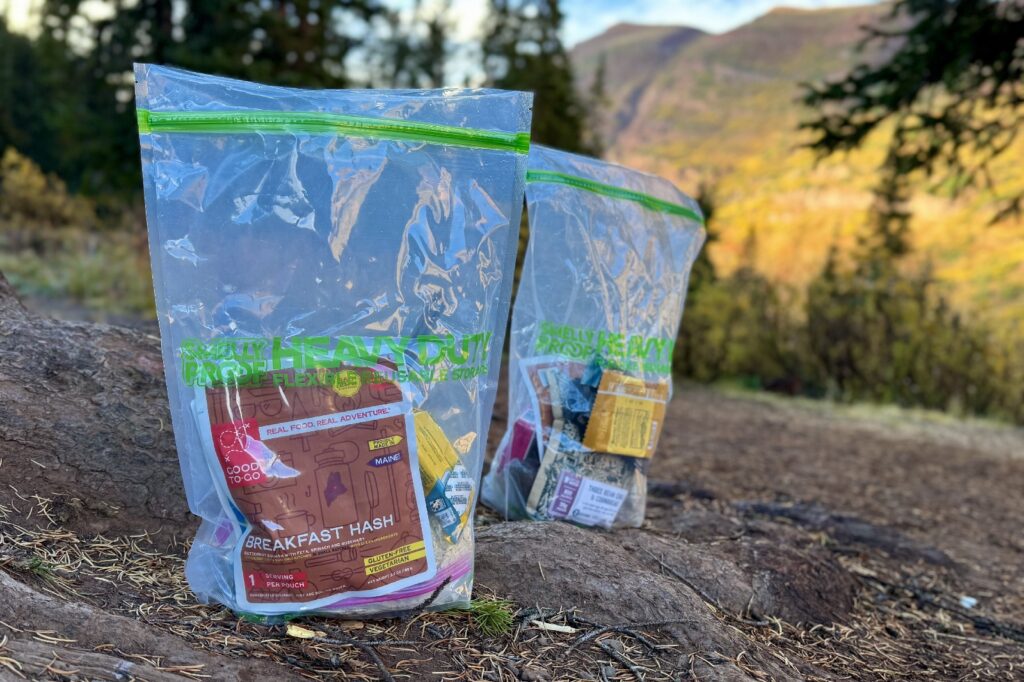
The downside is that they add some bulk to your food bag, which can reduce a bear canister’s capacity by a day or two. They work best with a soft-sided container like an Ursack. The heavy-duty standing version – although the most durable – is the hardest to pack.
Smelly Proof Bags excel at odor control and critter deterrence, providing extra peace of mind without replacing certified bear-resistant methods. Their combination of low weight, practical sizing, and versatility makes them a valuable addition to any backpacker’s kit.
Product Comparison Table
| oSort | Product | Price | Weight | Volume (Liters) | Certifications | Weight & Packability | Ease of Use | Security | Permit Compatibility | Capacity | 0 |
BearVault BV ONE View at REI View at Amazon 
|
$120 | 1 lb. 15.6 oz. | 8.3 (expanded), 4.7 (collapsed) | IGBC, WMI | 4.7 | 4.6 | 4.3 | 4.3 | 4.7 | 1 |
BearVault BV500 Journey View at REI View at Amazon
|
$100 | 2 lb. 8.9 oz. | 11.5 | IGBC, WMI, SIBBG | 4.4 | 4.4 | 4.3 | 4.4 | 5.0 | 2 |
Grubcan 6.6L Carbon/Kevlar View at Grubcan |
$500 or $7/day | 1 lb. 8 oz. | 6.6 | IGBC, WMI | 4.7 | 4.6 | 4.8 | 4.9 | 4.5 | 3 |
Ursack Major View at REI View at Garage Grown Gear
|
$125 | 7.6 oz. | 10.7 | IGBC | 4.9 | 4.9 | 3.6 | 4.2 | 4.7 | 4 |
BearVault BV450 Jaunt View at REI View at Amazon 
|
$90 | 2 lb. 1.2 oz. | 7.2 | IGBC, SIBBG | 4.6 | 4.4 | 4.3 | 4.4 | 4.5 | 5 |
Counter Assault Bear Keg View at REI View at Amazon |
$105 | 3 lb. 10 oz. | 11.7 | IGBC, SIBBG | 3.6 | 4.5 | 5.0 | 5.0 | 5.0 | 6 |
Bare Boxer Champ View at Bare Boxer |
$100 | 2 lb. 9.6 oz. | 10.7 | IGBC, SIBBG | 3.8 | 4.4 | 5.0 | 5.0 | 4.9 | 7 |
REI Traverse View at REI |
$90 | 3 lb. 9.1 oz. / 2 lb. 8 oz. (large configuration / small configuration) | 6.8 – 11.3 | IGBC, WMI | 4.4 | 4.2 | 4.3 | 4.6 | 4.6 | 8 |
Smelly Proof Storage Bags View at REI View at Amazon
|
$15 | 1.4 oz. (per 2-gallon bag) | 7.6 | None | 5.0 | 5.0 | 2.0 | 3.5 | 4.5 |
|---|
Analysis & Results
Which Bear Canister is the Best Value?
The price spread is pretty narrow among most of the canisters on our list, but the BearVault BV450 Jaunt stands out as one of the most affordable hard-sided options. For a slightly bigger investment, the BearVault BV500 offers a ton of extra space and is the best value for its size.
Although it doesn’t receive the highest scores across the board, the REI Traverse is worth mentioning for its two-in-one value. It’s the only modular bear canister on our list, converting into two different sizes to match the length of your trip.
For less than the cost of a fancy cup of coffee, Smelly Proof Storage Bags are a no-brainer addition to enhance the security of your food storage method. They provide extra protection by greatly reducing food odors. Even if a bear can’t crack open your bear canister, it might damage or even roll it off a cliff in frustration if it knows there’s food inside.
For occasional backpackers who would prefer to rent a bear canister rather than buy one outright, the Grubcan 6.6L Carbon/Kevlar is a great option. It’s relatively cheap to rent, ships anywhere in the U.S. for a flat rate, and is very user-friendly.
Which Bear Canister is the Lightest & Most Packable?
Bear canisters in general are relatively heavy and bulky, but some pull off the weight-versus-capacity equation better than others.
First, do yourself a favor and grab a handful of Smelly Proof Storage Bags to add to your food storage method. Of course, they shouldn’t be used as your sole form of bear protection, but they provide added peace of mind and security at just over an ounce each for the largest 2-gallon size.
When hard-sided bear canisters aren’t legally required, soft-sided bags offer a lighter alternative. The Ursack Major is one of our favorites partly because of its ridiculously low weight – plus, it’s IGBC-approved.
The Grubcan 6.6L Carbon/Kevlar, with its high-tech carbon fiber construction, is one of the lightest hard-sided canisters we tested. Its long, narrow shape also makes it easy to stuff into most backpacking packs. However, those precious weight savings do come at a premium price.
If you don’t need a black bear certification, the BearVault BV ONE gives the Grubcan a run for its money. It’s not as durable, but it’s slightly lighter and has nearly two liters of additional capacity. It even collapses in size as you work your way through your food.
BearVault makes some of the lightest bear canisters on the market, with the BV450 Jaunt and BV500 Journey being their flagship models. The BV500 Journey weighs a little more than the BV450 Jaunt but can hold about three more days of food. We see these a lot on the trail because they are easy to pack and reasonably lightweight.
In its small configuration, the REI Traverse is reasonably lightweight, and its modular design maximizes packability. After you’ve eaten half of your food, the Traverse can be collapsed to free up space in your pack.
Out of the widely accepted, extremely bear-proof canisters, the Bare Boxer Champ isn’t that bad. Sure, it’s half a pound to a pound heavier than the competition, but it’s supremely tough.
Which Bear Canister is the Easiest to Use?
If you’ve ever tried to open a bear canister with cold hands and a rumbling belly, you’ve gotten a taste of the frustration that bears go through. The trick is to develop a closure mechanism that baffles bears but is easy for humans. Smelly Proof Bags dominate this category due to their simple, plastic zipper closure.
The Ursack Major relies on a drawstring and knot tied around a tree. Although persistent bears have been known to rip Ursacks from time to time, we’ve never heard of an instance where a properly tied bag got hauled away.
Out of the hard-sided containers, the Grubcan 6.6L Carbon/Kevlar has our favorite locking mechanism. It operates through a series of puzzle-like discs that easily align to lift the lid straight off. This clever system is simple (and maybe even a bit fun), but it confuses even the smartest bears. Perhaps most importantly, you can still open and close it with cold hands since there is no pushing or squeezing required.
The latest BearVault BV ONE’s locking mechanism is a huge upgrade over past iterations, with large buttons that are easy to push. The older BearVault BV450 Jaunt and BearVault BV500 Journey work reasonably well in normal conditions, but their twist-off lids are a challenge with cold hands. The mechanism requires finger strength, and the canisters can be slippery and hard to grip. Their redeeming features are the large opening and transparent walls, which make food organization very easy.
The Bare Boxer Champ and Counter Assault Bear Keg are both opaque canisters that require a tool to open. As long as you have one available, they are easy to use with cold hands. The Bear Keg is slightly more user-friendly thanks to its wider opening.
The REI Traverse, although neat and innovative, could use some improvement. Its locking mechanism requires two hands to operate, and there is a lot of friction between all the pieces.
Which Bear Canister is the Most Secure?
The Counter Assault Bear Keg and Bare Boxer Champ are two of our favorites for their security. They are effective against all species of bears, carrying certifications from both the IGBC and SIBBG. Both canisters require a coin or tool to unlock, and their opaque walls help deter critter curiosity. In addition, they are very solidly built – a quality that’s reflected in their heftier weights.
The Grubcan 6.6L Carbon/Kevlar shares a lot of the same qualities – opaque, sturdy, and grizzly- and black bear-tested – but is built with slightly lighter material. It also doesn’t require a tool to open, so it’s conceivable (albeit unlikely) that a bear could figure it out.
BearVault canisters like the BV ONE, BV450 Jaunt, and BV500 Journey are effective most of the time in most scenarios. However, the New York State Department of Environmental Conservation encourages campers to consider opaque designs, as black bears in the area have “regularly defeated bear-resistant canisters made of clear plastic.”
The REI Traverse is another clear-sided canister with similar security features. However, it comes with a black carrying case to conceal the contents of the canister.
Bear-resistant bags like the Ursack Major, though extremely tough against claws and jaws, won’t stop a bear from crushing all of your food into dust.
Smelly Proof Bags aren’t usually an acceptable standalone food storage method, but they do a good job enhancing the security of any bear canister or bag. They help trap smells and deter critters from finding your food in the first place.
Which Bear Canister is the Most Widely Accepted?
The Counter Assault Bearkeg and Bare Boxer Champ come out on top because of their endorsements from regulatory groups from the Adirondacks to Yosemite. They’ve been tested against black bears and grizzlies and hold certifications from the IGBC and SIBBG. It’s always a good idea to double check, but these are widely accepted in most places that require cans.
The Grubcan 6.6L Carbon /Kevlar makes the Adirondacks’ list of approved bear canisters. It’s also approved by the IGBC and WMI for use against grizzlies and black bears, respectively. Notably, it was the first canister to pass the WMI evaluation – a more recent test against black bears that essentially replaces the certification from the no-longer-active SIBBG.
Next in line is the REI Traverse. Although it hasn’t been around long enough for long-term user reports and feedback, it’s currently approved by the IGBC and WMI.
The BearVault BV450 Jaunt and BearVault BV500 Journey are accepted in most areas across the country that require an IGBC-certified, hard-sided bear canister. The BV500 is also WMI-approved. However, their clear sides make them susceptible to visual identification from bears.
The BearVault BV ONE is a new canister, so although it has IGBC and WMI certifications, it has yet to be approved in the strictest areas such as Yosemite.
In areas that require an IGBC-approved food storage container but don’t specify that it needs to be hard-sided, the Ursack Major is one of our top picks. Make sure to double-check local regulations, as some areas specifically prohibit soft-sided containers.
Which Bear Canister has the Largest Capacity?
Most bear canisters come in various sizes, but for brands with multiple options, we chose the most common and practical capacity.
The Counter Assault Bear Keg provides a massive cavity for storing food and a wide opening that can accommodate bulky packaging. Its spacious interior boasts 11.7 liters of storage – enough for a week or more of food for one person. This is the ideal canister for long trips into dense bear country with hungry bears.
Following ever so slightly behind is the BearVault BV500 Journey, with a packable volume of 11.5 liters. The Journey is BearVault’s largest model, capable of holding a week’s worth of food or more, but the brand offers multiple sizes to suit any trip length.
The Bare Boxer Champ is their largest model and can hold about five to six days of food (with efficient packing) with roughly 10.7 liters of packable space. The opening is a bit small, so we recommend repacking food into smaller bags to maximize space.
Next is the REI Traverse, which holds about three to four days of food based on most user reports. We believe you can fit another day or two in its larger configuration (which has a capacity of 11.25 liters), but the screw-together mechanism makes packing more difficult.
The Ursack Major (10.7 liters) is the brand’s most popular model and carries at least five days’ worth of food. However, the Major 2XL model is considerably larger, providing a whopping 30 liters of packable space that can easily hold two weeks’ worth of food.
Grubcan’s largest canister, the 6.6L Carbon/Kevlar, can carry a reasonable amount of food (up to six days’ worth for expert packers) but requires using the repacking method to reach its full potential.
How to Choose A Bear Canister / Food Storage Container
How Much Should I Spend On a Bear Canister?
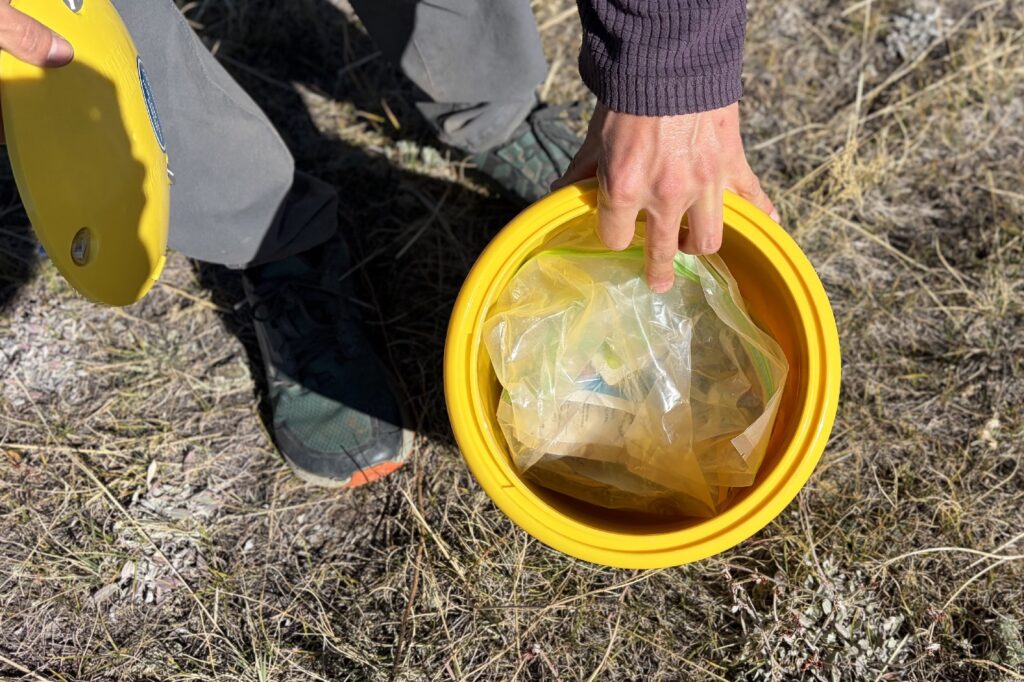
Bear canisters can vary considerably in price, so it’s important to think about how often you’ll use it. On one end, an ultralight thru-hiker who ventures through bear country year after year might choose to invest in a top-of-the-line, ultralight bear canister. On the other end, most canisters can be rented for just a few dollars a day from your local outfitter or park service.
In general, backpackers looking to purchase a bear canister outright can expect to spend around $100 to $120. Large, specialized, and/or ultra-tough designs sit at the upper end of that spectrum (or even higher), while smaller and simpler options may save you a bit of cash. Ultimately, it’s worth calculating the daily cost of a rental versus buying a canister outright. If you do a lot of backpacking, it’s probably worth making the long-term investment.
What Size Bear Canister Do I Need?
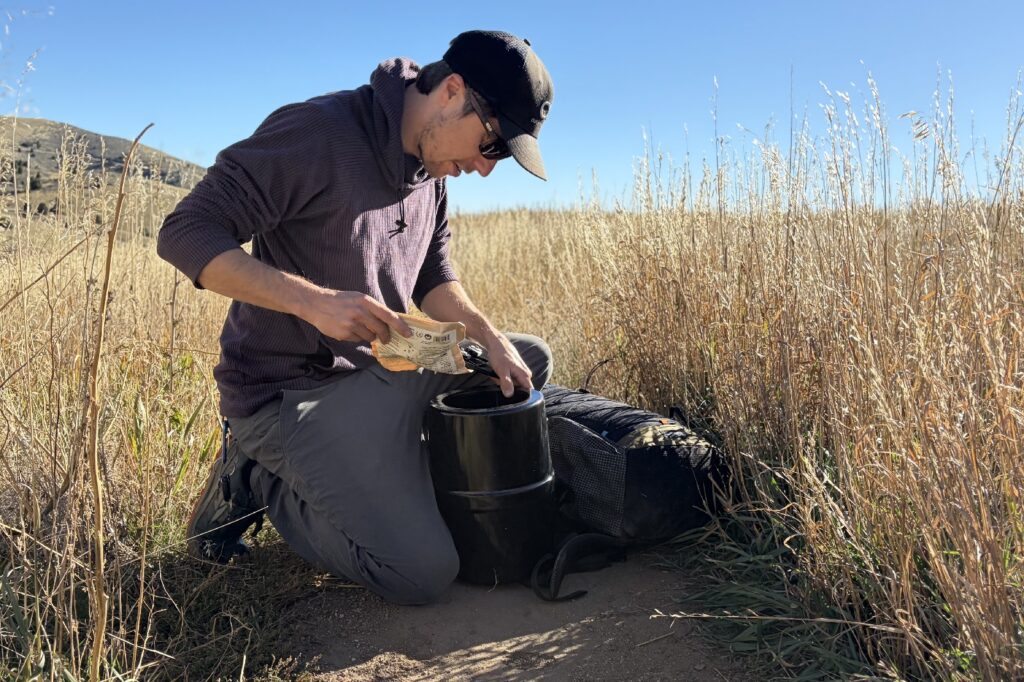
There are a lot of factors to consider when deciding on your ideal capacity for a bear canister. What’s the average length of your trips? Are you a light and efficient packer, or do you typically carry a lot of extra food just in case? Will you be repacking your food into smaller containers so that it takes up less space? How large is your pack? How many people are in your group, and how many will be carrying a food storage container?
As a general rule of thumb, canisters in the 10- to 11-liter capacity range can typically accommodate about a week’s worth of food for one person. Stepping down into the 6- to 8-liter range will get you around three or four days, although expert packers may be able to stretch that to around five or six. Some bear canisters can collapse down as you eat your way through a trip, which is a nice feature for maximizing space in your pack.
What Do the Different Bear Canister Certifications Mean?
IGBC – Interagency Grizzly Bear Committee
For this test, a baited container must withstand 60 minutes of being crushed, clawed, and chewed by grizzly bears. To pass, it must stay intact and functional. This certification is the industry standard – many agencies state that any IGBC-approved container is acceptable.
WMI – Wildlife Management Institute
The Wildlife Management Institute focuses more on black bears, a key distinction since they are typically more savvy scavengers than grizzly bears. Like the IGBC test, the WMI’s captive bear test requires the container to endure 60 minutes of continuous effort by a black bear, maintaining its functionality and structural integrity in order to pass.
SIBBG – Sierra Interagency Black Bear Group
The SIBBG was an agency that tested bear canisters for efficacy against black bears in the Sierra Nevada. Although the SIBBG is no longer active, you’ll still see their stamp of approval on some bear canisters. Their testing involved a staged approach including a visual inspection, captive bear testing, and field testing.
Other Regulations
Regardless of a canister’s certifications, some areas require backpackers to follow their own list of approved bear canisters. Yosemite National Park is well known for this. Be sure to do your research ahead of time to ensure that your food storage method will work in the area(s) you’re planning to explore.
Which Features Should I Look for in a Bear Canister?
Commercially made, hard-sided containers are always your best choice for preventing bears from accessing your food and are often required in regulated backpacking areas. The downside is their considerable weight and bulk. To use them, simply pack all of your scented items in the canister before heading to bed and leave it in a discreet spot away from camp.
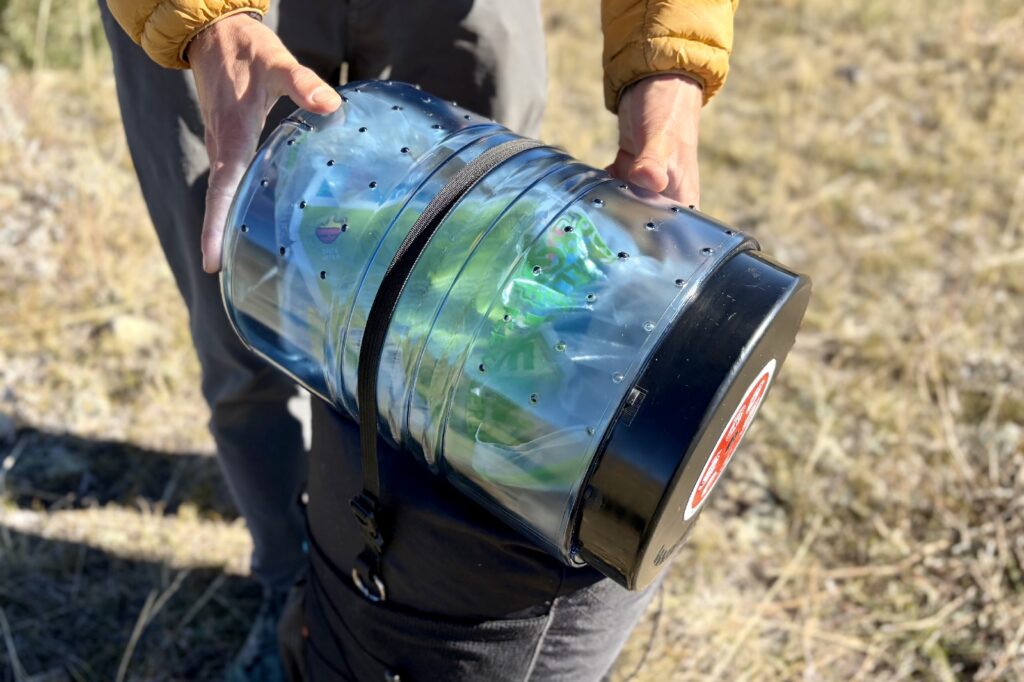
The biggest distinction between hard-sided containers is whether they are see-through. See-through canisters make it easier to find and retrieve items at a glance, but unfortunately, bears can see your food, too. This isn’t the main way these animals identify food (they have an extremely good sense of smell), but if they are close enough, they can see the contents.
Other features to keep an eye out for with hard-sided containers are sturdy lids that can double as a seat or table, wide openings that make it easy to access all your food, and collapsible designs that get smaller as you eat your way through a trip. Some canisters require a tool or coin to open, which is a nice deterrent for bears but an added step for humans.
Kevlar bags are a much lighter alternative to heavy, bulky, and often-annoying-to-manage hard-sided containers. Although they successfully foil bears’ attempts most of the time and can even receive an IGBC certification, they aren’t nearly as secure or as widely accepted as hard-sided canisters. To use them, simply pack all of your food and scented items in the bag and securely tie it to a tree away from your camp.

What Other Accessories Should I Consider?
Some additions to your primary bear-resistant container can greatly enhance its ability to deter bears and improve accessibility. Odor-resistant bags are not enough on their own for food protection, but when used with a bear can or bag, they can add an extra layer of confusion to a bear’s scavenging process.
Kevlar bags are sturdy enough to prevent a bear from eating your food, but not from crushing it. Adding an aluminum liner is a lightweight way to provide the bag with some hard-sided protection.
Some bear canisters are much easier to open with a small, flat coin. Keep one in your kit in a handy spot. You can also use a small stone, the handle of a utensil, or even jam a finger in there, but a coin is the simplest and most convenient option.
Why Trust CleverHiker
From the Wonderland Trail during peak blueberry season to the bear-infested Shenandoahs, gear analyst Brett Kretzer is no stranger to camping in bear country. He’s spent months exploring the backcountry, covering thousands of miles on thru-hikes including the Long Trail, Colorado Trail, Wonderland Trail, Spain’s GR11, and more.
Through his many roles as a gear expert over the years, Brett has developed a sharp eye for how gear performs day after day. He’s tested nearly every bear-resistant method available, from tough hard-sided containers to smellproof bags and bear hangs. With years of hands-on experience (and lots of trial and error), Brett has built a deep knowledge of bear-proof containers so you can choose with total confidence.
Testing Methodology
How Do We Evaluate Weight & Packability?
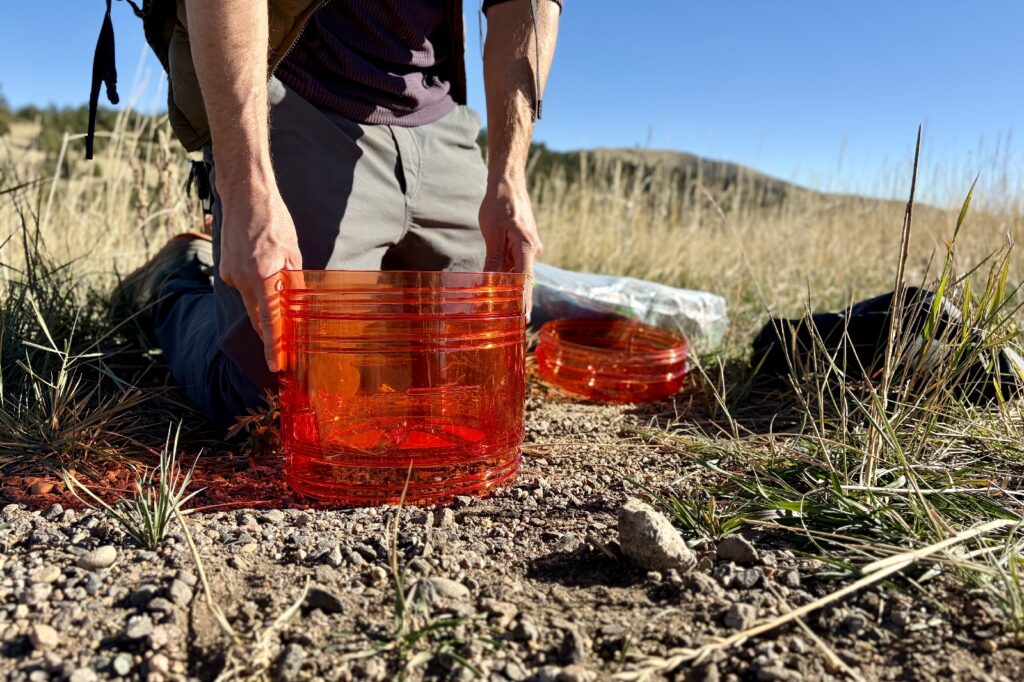
Every bear canister takes a turn on our scale to verify its actual weight against the manufacturer’s claim. Then, we assess how efficiently the canister packs vertically and horizontally, both inside and outside a typical backpacking pack. Because bear canisters are heavy and bulky, packability is essential for an efficient and balanced carry.
How Do We Assess Ease of Use?
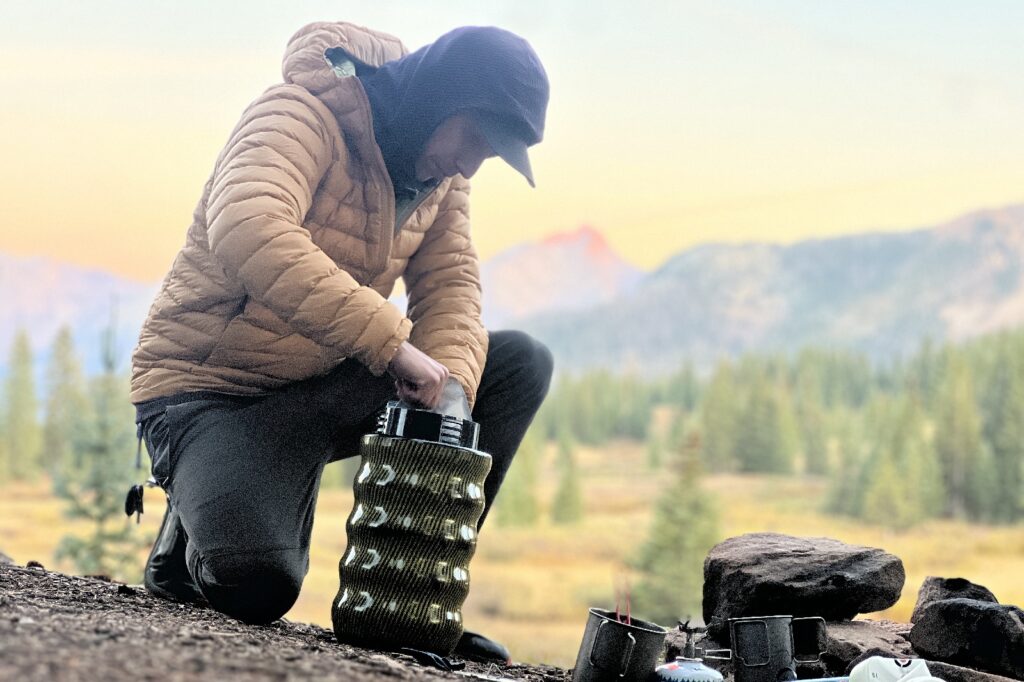
The best bear canisters are simple enough for a beginner backpacker with cold fingers to open but tough enough to deter a persistent bear of average intelligence. We evaluate ease of use based on how much practice it takes to quickly open a canister, whether tools are needed, and if the canister is simple to pack and close without trouble.
How Do We Determine Security?
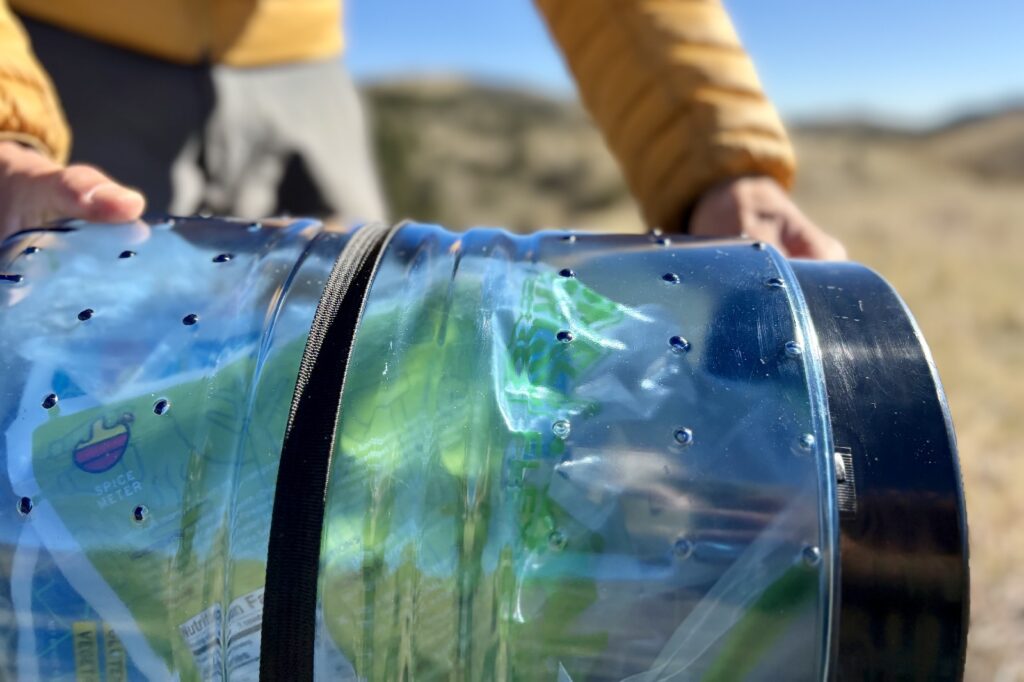
Most bear canisters are generally secure enough to keep out any woodland critter. However, some manufacturers push the limits of security by using lighter-weight plastic or making them see-through so you can see all of your goodies at a glance. These choices can sometimes compromise the canister’s security and lead to problems with bears.
In our rankings, we prioritized designs that were reasonably user-friendly but confidence-inspiring, including thick walls, opaque coloring, secure closure mechanisms, and certifications by agencies like the IGBC and WMI.
What Do We Look at for Permit Compatibility?
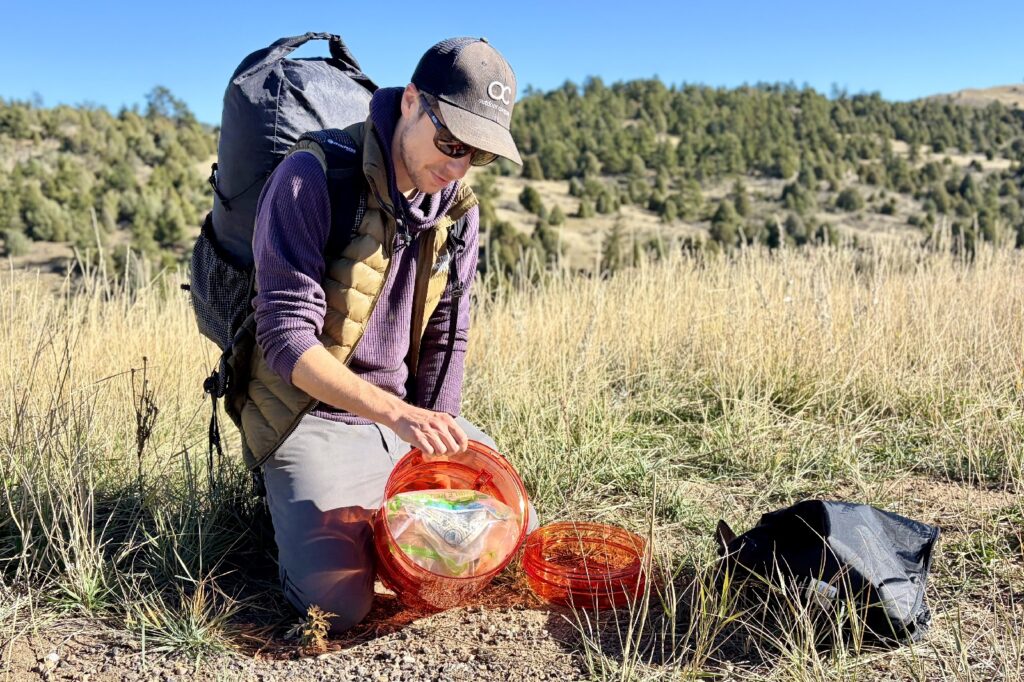
Most people only use bear canisters when they are required by a particular area or agency. For example, the National Park Service mandates the use of a bear can in Rocky Mountain National Park.
The IGBC sets the standards for bear canister certifications, but some IGBC-approved canisters have been banned in certain areas, so it’s important to always check local regulations. WMI is another agency that tests and certifies bear canisters, specifically for use in black bear country. You may also spot SIBBG certifications, although the organization is no longer active.
How Do We Test Capacity?
It’s crucial that your chosen bear canister can swallow all your food, toiletries, and scented items for the entire trip. Generally, a higher-capacity bear canister scores better, but we also look at how many size options a brand offers.
To evaluate real-world capacity, we stuff each canister full and estimate how many days’ worth of food it can accommodate. Our analysts are experienced backpackers, so we have our packing system down, but we make an effort to provide realistic recommendations for the average and occasional backpacker, too.
Conclusion
Hard-sided bear canisters are the gold standard and required in many wilderness areas, which is why they make up the majority of our list. Kevlar bags are much lighter and may get the job done in some instances, but the added weight and heft of a hard-sided canister is easy to justify in dense bear country. Our favorite hard-sided canisters weigh around 2 pounds and fit either vertically or horizontally inside a pack. We hope this guide has helped you pin down the best option for your adventures so you can get out safely and confidently in bear country.