
Bottom Line
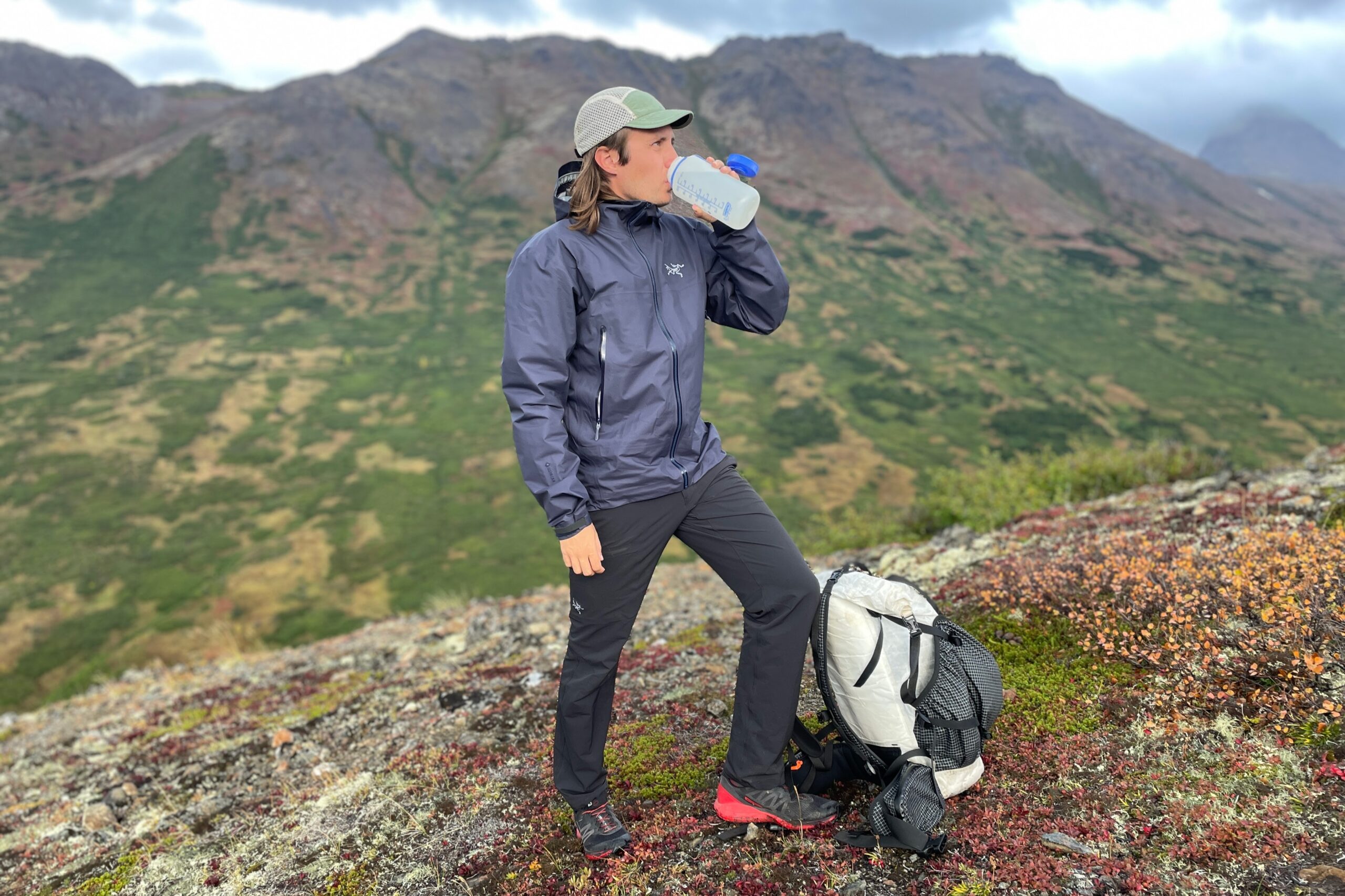
The Arc’teryx Beta SL (men’s / women’s) delivers heavy-rain protection that justifies considering this premium shell. Testing in Alaska’s Chugach Range included driving rain, wind, sleet, and shoulder-season conditions. The hood, weather-resistant zippers, and secure adjustments helped it perform in exposed environments, while the fabric’s crinkly hand and $500 price are meaningful compromises.
We turn to this jacket for remote packrafting, wet alpine trips, and other outings where reliable protection matters more than a soft, casual feel. Its pit zips help shed heat on sustained climbs; the slightly boxy fit and premium cost will not appeal to everyone.
For more options, see our best rain jackets guide.
How We Tested
Miles Knotek compared the Beta SL against previous Arc’teryx Beta versions while hiking in Alaska’s Chugach Range. Testing covered prolonged heavy rain, sleet, windy shoulder-season days, and brushy backcountry travel. He also tested freedom of movement under a pack and adjusted the hood, cuffs, and pit zips while hiking.
Quick Specs
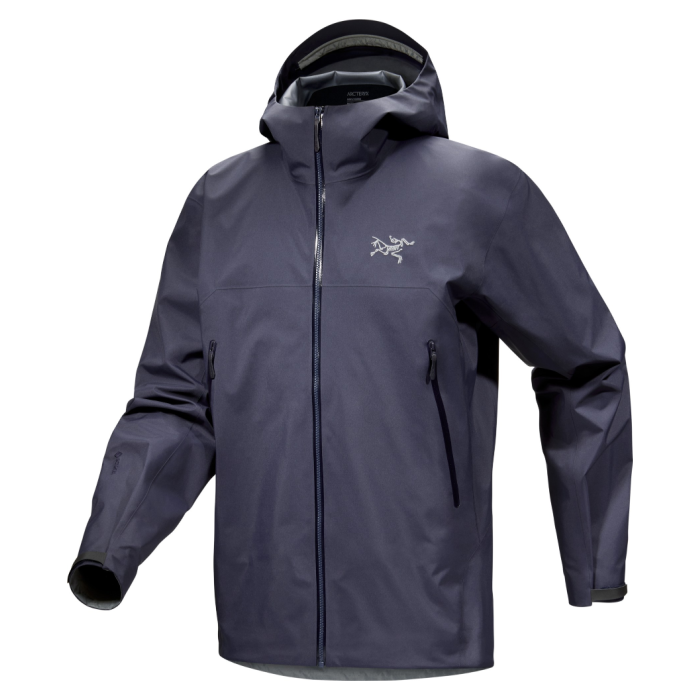
Arc’teryx Beta SL
Most Protective Rain Jacket for Wet Conditions
CleverHiker Rating: 4.8/5.0
Price: $500
Listed Weight: 12 oz. / 10 oz.(men’s / women’s)
# of Vents: 2
Pros
- Excellent extended-storm protection
- High, pack-compatible pockets
- Large pit zips
Cons
- $500 price limits value for casual use
- Crinkly shell fabric
- Roomier fit than labeling suggests

Comfort & Mobility
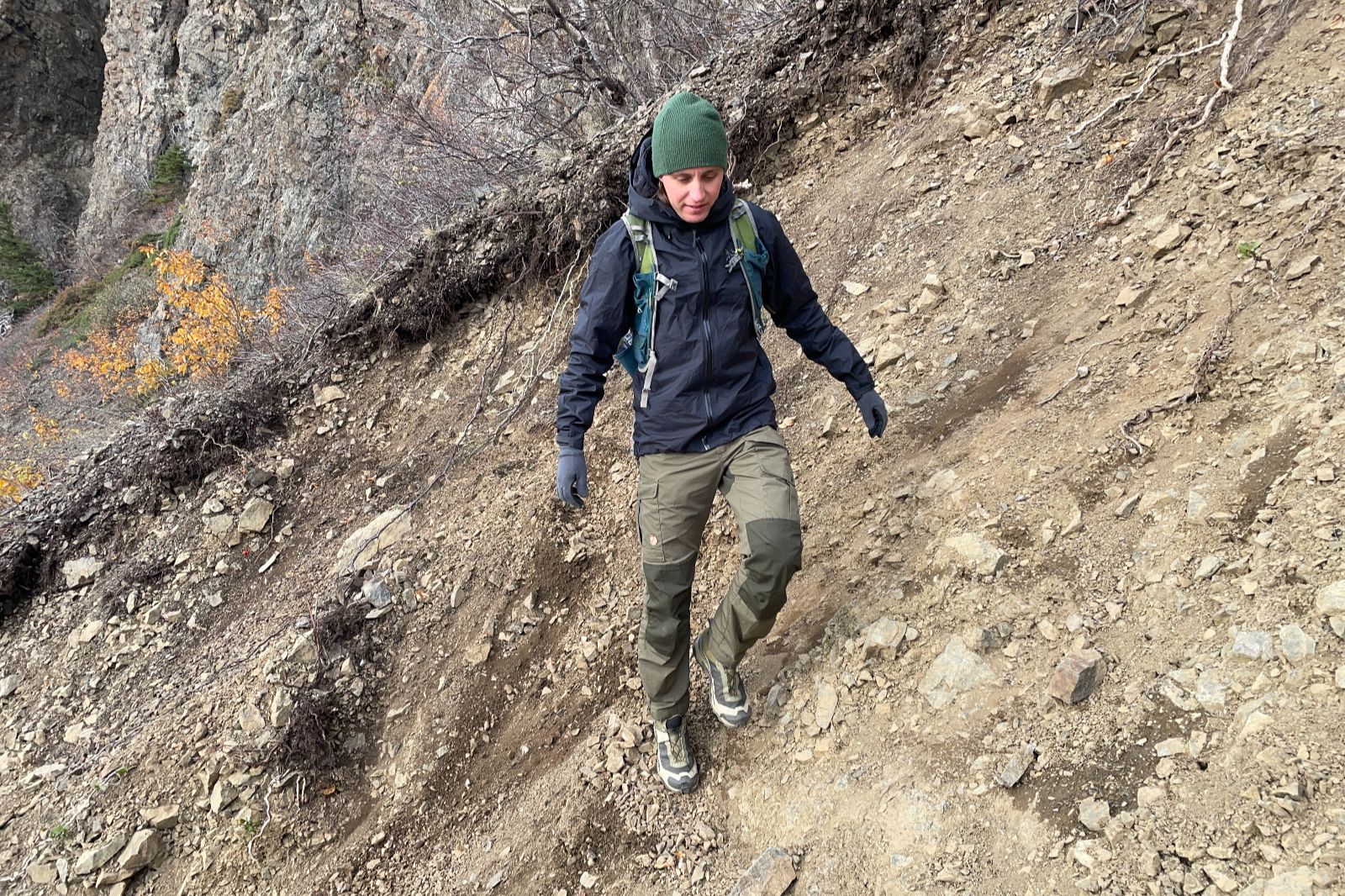
Although labeled fitted, the Beta SL felt roomy through the chest and torso during Alaska testing, allowing easy layering. Miles often tightened the long sleeves to keep them from covering his hands. Reaching overhead did not lift the hem, and the elevated pockets cleared a backpack hipbelt. This practical mobility helps justify the jacket for wet backcountry trips.
There is a cost to all that room: the long sleeves often needed cinching to keep them off the hands. On the other hand, a longer torso and pockets set above a pack hipbelt let Miles climb, stretch, and carry a load without compromising coverage. That combination makes the cut more practical for wet backpacking than its slim label suggests.
Comfort & Mobility Score: 4.0/5.0
Weather Resistance
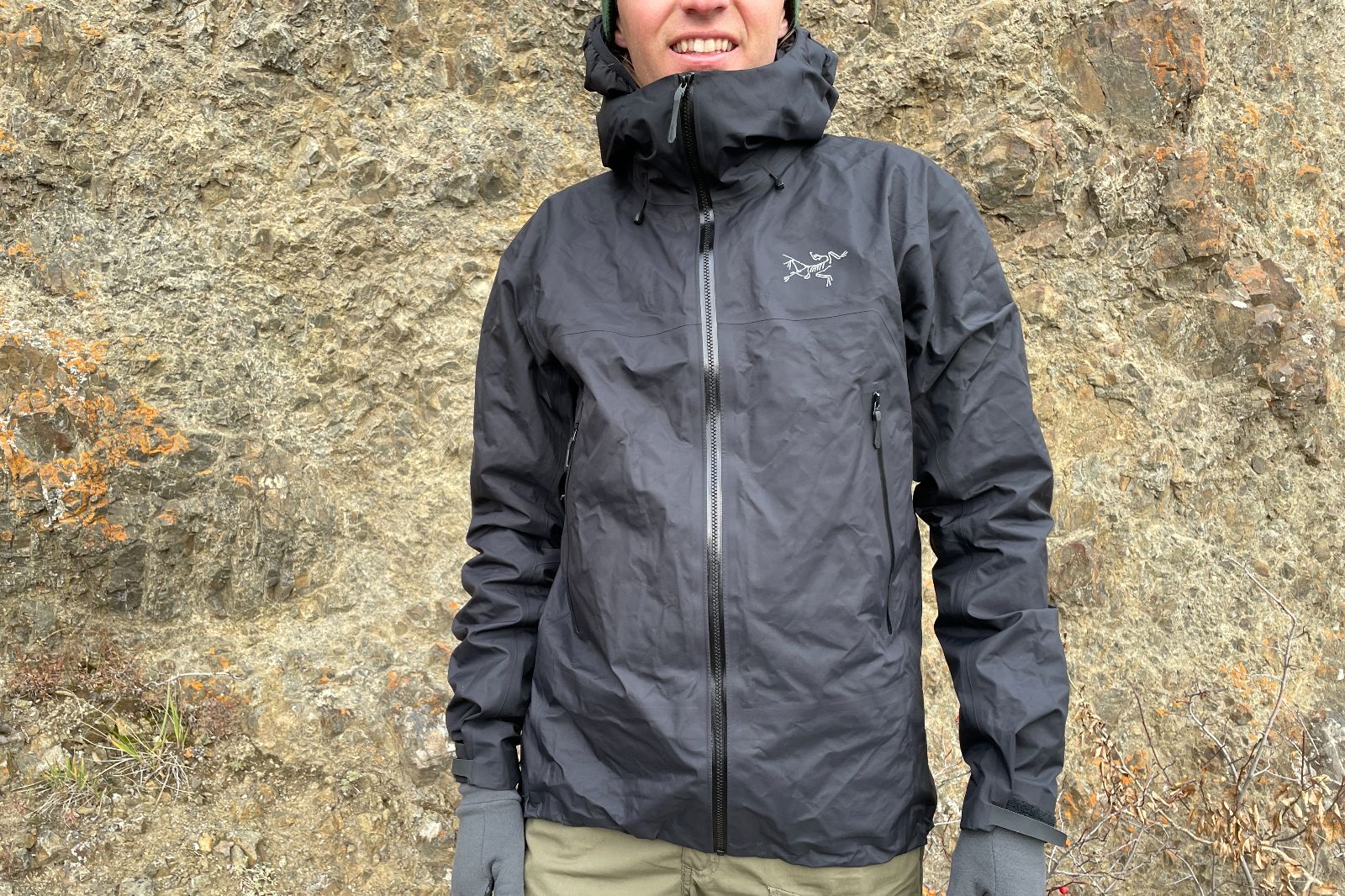
The three-layer GORE-TEX shell combines 40- and 70-denier panels with weather-resistant zippers. Alaska testing included heavy rain, sleet, and wind without reported water penetration. Its structured hood brim and adjustable collar help close off exposed openings.
The hood’s structured brim and its snug adjustments kept moisture away from the face during Alaska’s summer monsoons, cold fall rain, and wet sleet. Its long hem continued shielding the waist while moving with a pack. These are the details that support choosing the Beta SL for remote routes where opening a jacket to manage leaks is not an attractive option.
Weather Resistance Score: 4.5/5.0

Ventilation
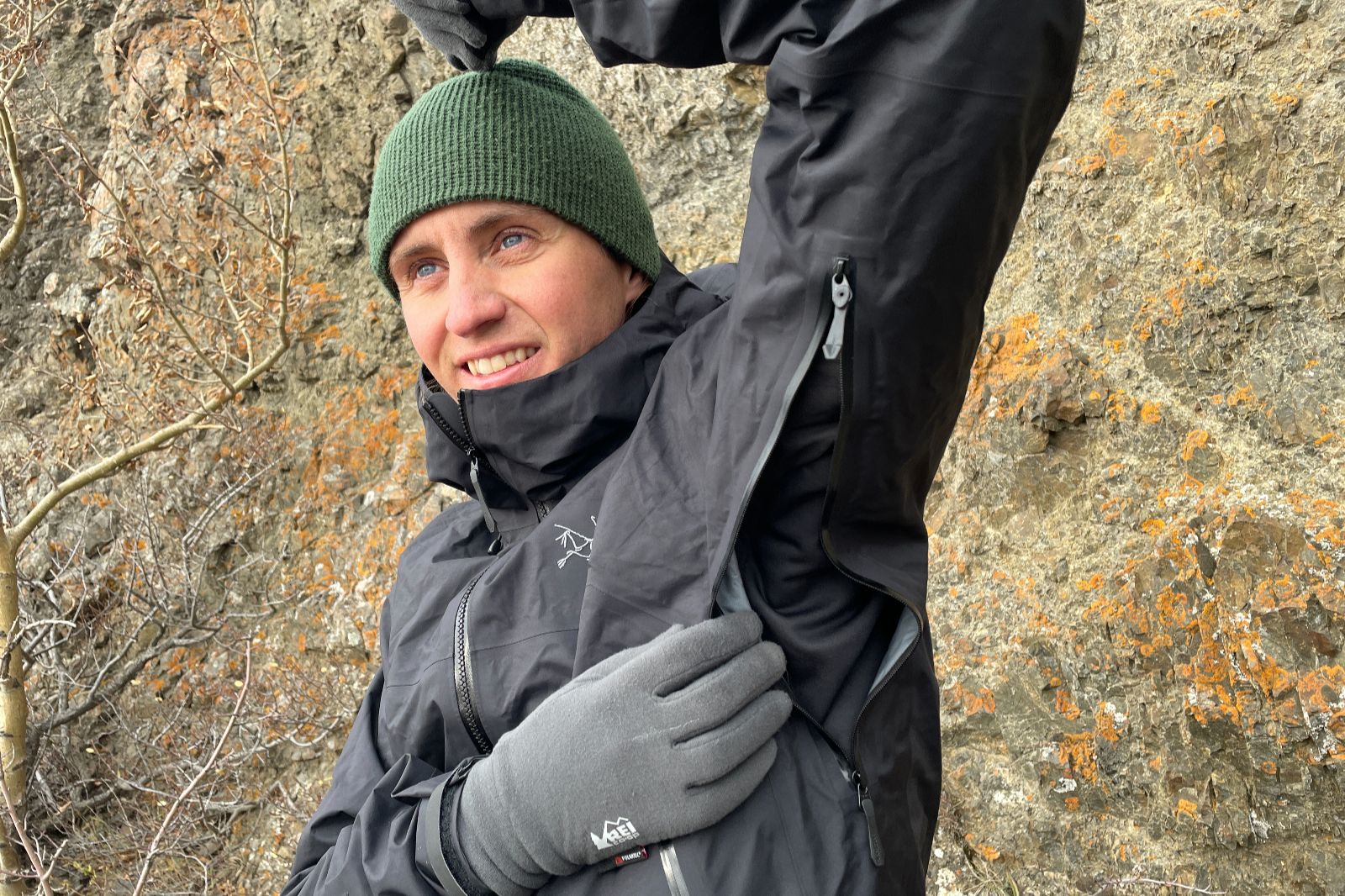
Unlike the earlier Beta, the Beta SL has large pit zips. Miles compared wearing it fully sealed against opening the front zipper, pockets, and vents while hiking in wet Alaska conditions. The GORE-TEX fabric felt less clammy than several competing shells even without opening the pit zips. It still runs warm in high exertion, so it is best in cooler rain.
That matters because the protective three-layer fabric and close storm adjustments retain heat when everything is closed. Opening the vents changes the feel dramatically, without sacrificing the sleeves and hood’s ability to shield from rain. Hikers mainly using their shell on warm, easy walks can find lighter alternatives, but sustained cool-weather climbing shows the benefit of this design.
Ventilation Score: 4.3/5.0
Durability
The Beta SL resisted scratching and snagging during brushy Alaska hikes. Panels combining 40- and 70-denier fabric protect high-wear areas, while straightforward construction reduces obvious failure points. Our tester also observed that the water-repellent finish resisted wetting out for longer than many competitors. These are meaningful reasons to pay more for a frequently used severe-weather shell.
No garment stays permanently waterproof without care, and the DWR may eventually need refreshing. So far, however, our field experience gives more confidence in this face fabric and its finish than in lighter emergency shells. Someone choosing between this and a budget rain jacket should think about repeated wet, brushy outings—not simply the sticker price.
Durability Score: 4.9/5.0

Weight
Our Beta SL weighed 10.7 ounces. Neither is ultralight, but the distinction matters less on remote trips where our testing favored protection. Hikers who pack for minimal weight can choose a lighter, less burly shell.
Our 10.7-ounce Beta SL carries more protection-oriented features than minimalist shells, despite being the lightest Beta model. For long exposed trips, the extra bulk buys robust fabric, accessible pockets, and better storm sealing; for fair-weather backpacking it is unnecessary.
Weight Score: 4.0/5.0

Should You Buy the Arc’teryx Beta SL?
Buy the Beta SL if extended Alaskan-style storms and repeated travel through brush are normal parts of your trip. Our tester stayed dry in sleet and rain, appreciated the helmet-compatible hood adjustments, and found its pocket layout worked with a loaded backpack.
Its bulk, stiff hand, and premium price are harder to justify for brief rainy walks. If most of your use is ordinary trail hiking, the Patagonia Torrentshell 3L provides substantial three-layer protection for much less.

What Other Rain Jackets Should You Consider?
Sometimes the pretty penny of Arc’teryx gear pays off, like in the case of the Beta SL. Still other worthy contenders are on our guide to the best rain jackets of the year.
Patagonia Torrentshell 3L Review: Choose the Torrentshell for frequent wet trail hikes when price matters more than the Beta SL’s more technical construction. The Torrentshell is bulkier and less refined but has an excellent record of long-term use.
Outdoor Research Foray 3L / Aspire 3L Review: This is a better alternative for hikers who run hot and want extensive torso ventilation. Its full-length side openings release more heat than conventional pit zips, though the Beta SL remains our stronger severe-storm pick.
REI Rainier Review: The Rainier offers basic rain protection, pit zips, and hood adjustments at a fraction of the Beta SL’s price. It makes more sense for occasional hikes than severe-weather expeditions.