Bottom Line
The Trekology Aluft Pro is the backpacking pillow to consider when price is the deciding factor. The raised air chamber and included pad strap provide useful features for a modest cost, but our testers had mixed experiences with its sculpted shape and it is heavier than the top ultralight inflatables.
Our testers carried the Aluft Pro on portions of the Arizona Trail and Continental Divide Trail without finding a dealbreaking durability or setup problem. Its five-inch inflatable height and strap are useful at this price, especially if you regularly lose your pillow off the edge of your pad. It offers a credible low-cost path into camping with a dedicated pillow instead of a bundled jacket.
Comfort is less certain. One of us liked how its curved outline settled around the shoulders, while another of us found the shape unnatural and shifted out of position overnight. At 8.7 ounces, it is considerably heavier than top ultralight models. Budget-minded campers who can tolerate those compromises get meaningful utility; hikers needing the most dependable ergonomic fit should consider the Sea to Summit Aeros Premium.
We compare the Aluft Pro’s low price with the support, weight, and comfort of other picks in our best camping pillows guide.
How We Tested
We used the Aluft Pro on trips including the Arizona Trail and Continental Divide Trail and compared its feel, pressure adjustments, and packed size with other camping pillows.
We had different reactions to its pronounced ergonomic outline, which helped us identify fit as the biggest uncertainty. We tested the pressure valve and securing strap repeatedly, and compared its height and packed size with both premium ultralight models and other budget pillows. The trail outings helped us evaluate whether its lower price came with practical failures.
Quick Specs
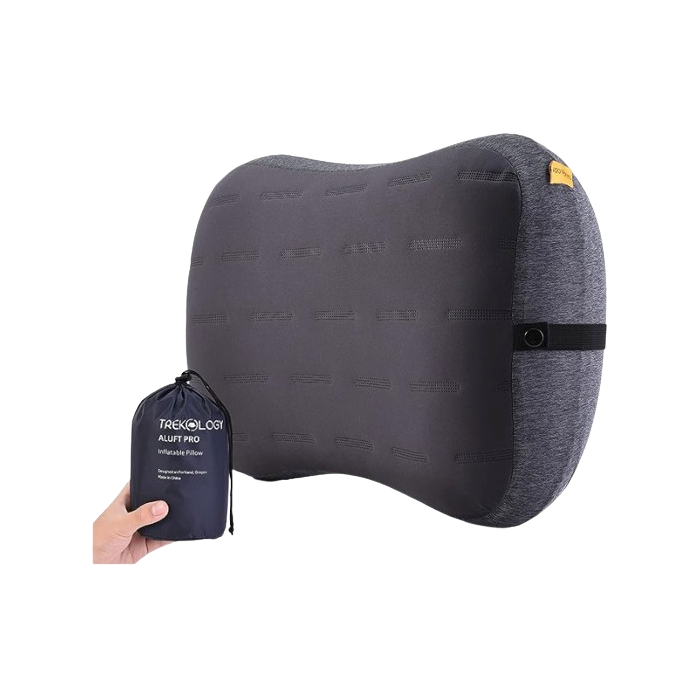
Trekology Aluft Pro
Best Budget Backpacking Pillow
CleverHiker Rating: 4.3/5.0
Price: $24
Weight: 8.7 oz.
Pillow Type: Air
Pros
- Affordable
- High inflatable loft
- Strap holds pillow in place
- Removable cover
Cons
- Ergonomic fit won't suit everyone
- Heavier than premium ultralight choices
Comfort
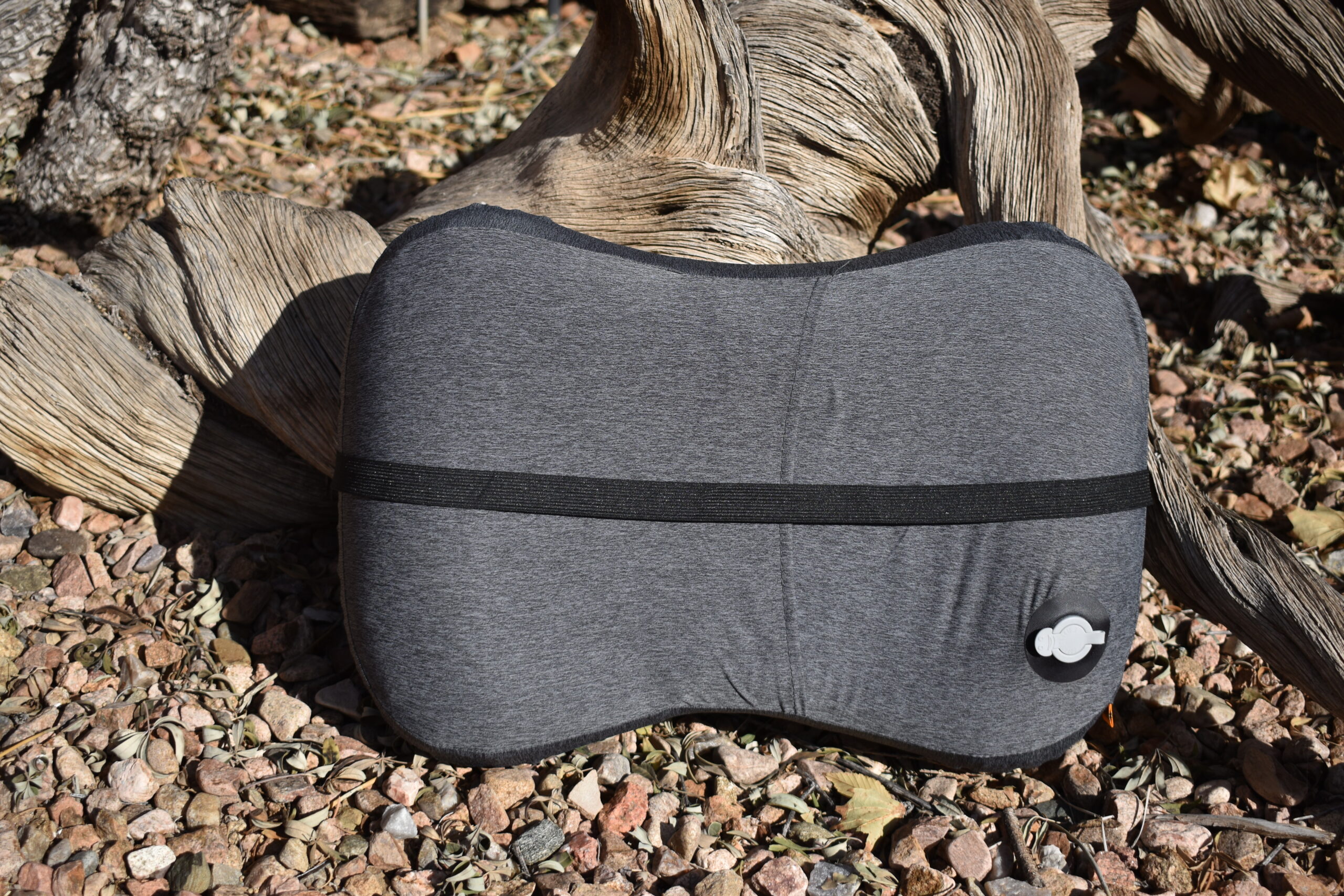
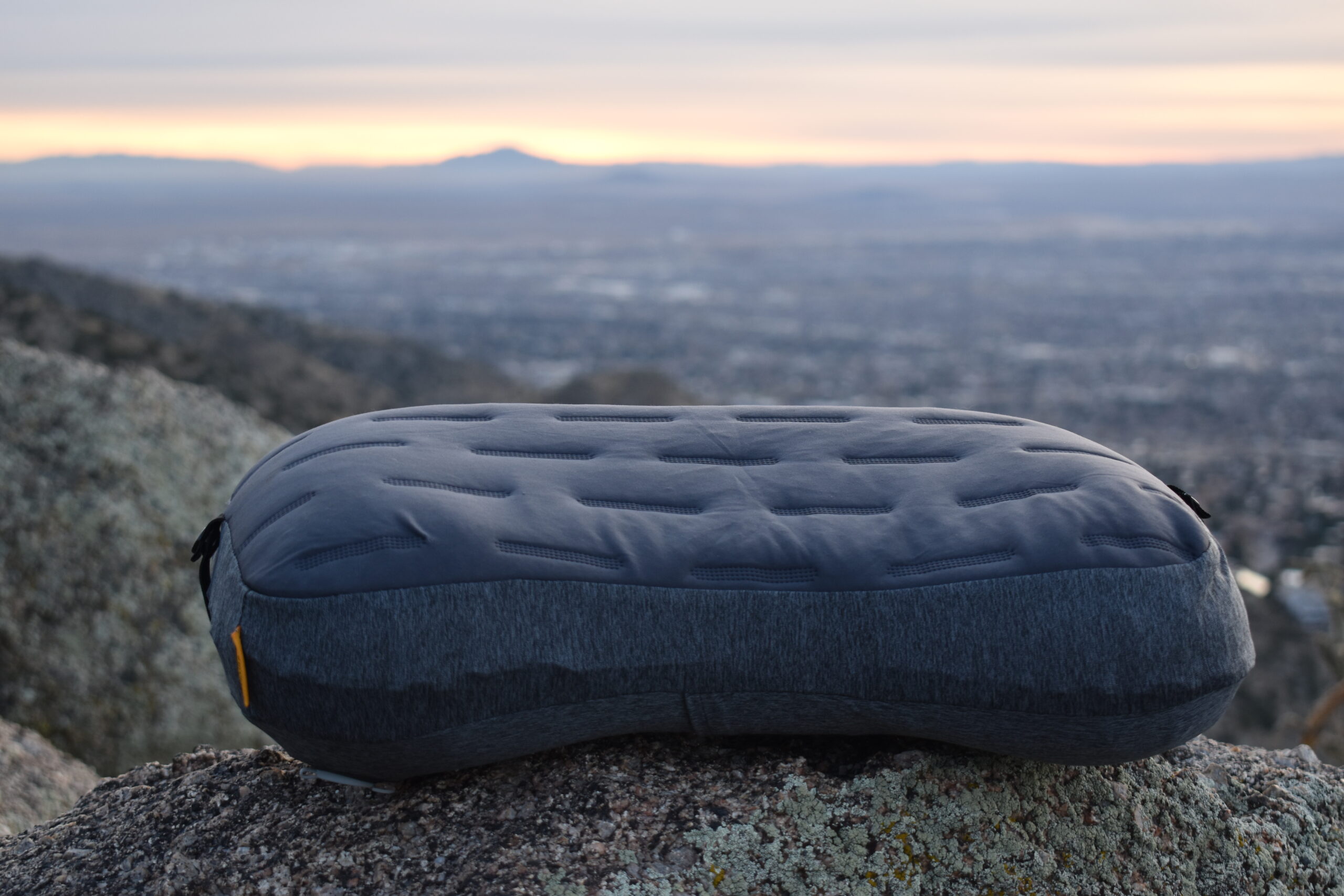
A fabric cover and slight padding make the Aluft Pro more inviting than a bare inflatable. One tester liked its curved ‘dog bone’ outline; another had trouble keeping his head positioned comfortably overnight, showing that the pronounced contours are not universally helpful.
We had comfortable nights using the Aluft Pro on Southwest trails, but the fit was not consistently excellent. Some of us felt the ‘dog-bone’ contours hugged our shoulders, while others found our heads slipping into an unnatural position by morning. This is the clearest reason not to choose it by price alone; the right contour depends on your sleep posture.
The soft face fabric is a genuine benefit for its budget price, but the deep contour did not fit both testers equally well. Before committing to this model, side sleepers should consider whether a recessed center feels natural beneath their neck.
Comfort Score: 4.0/5.0
Weight & Packability
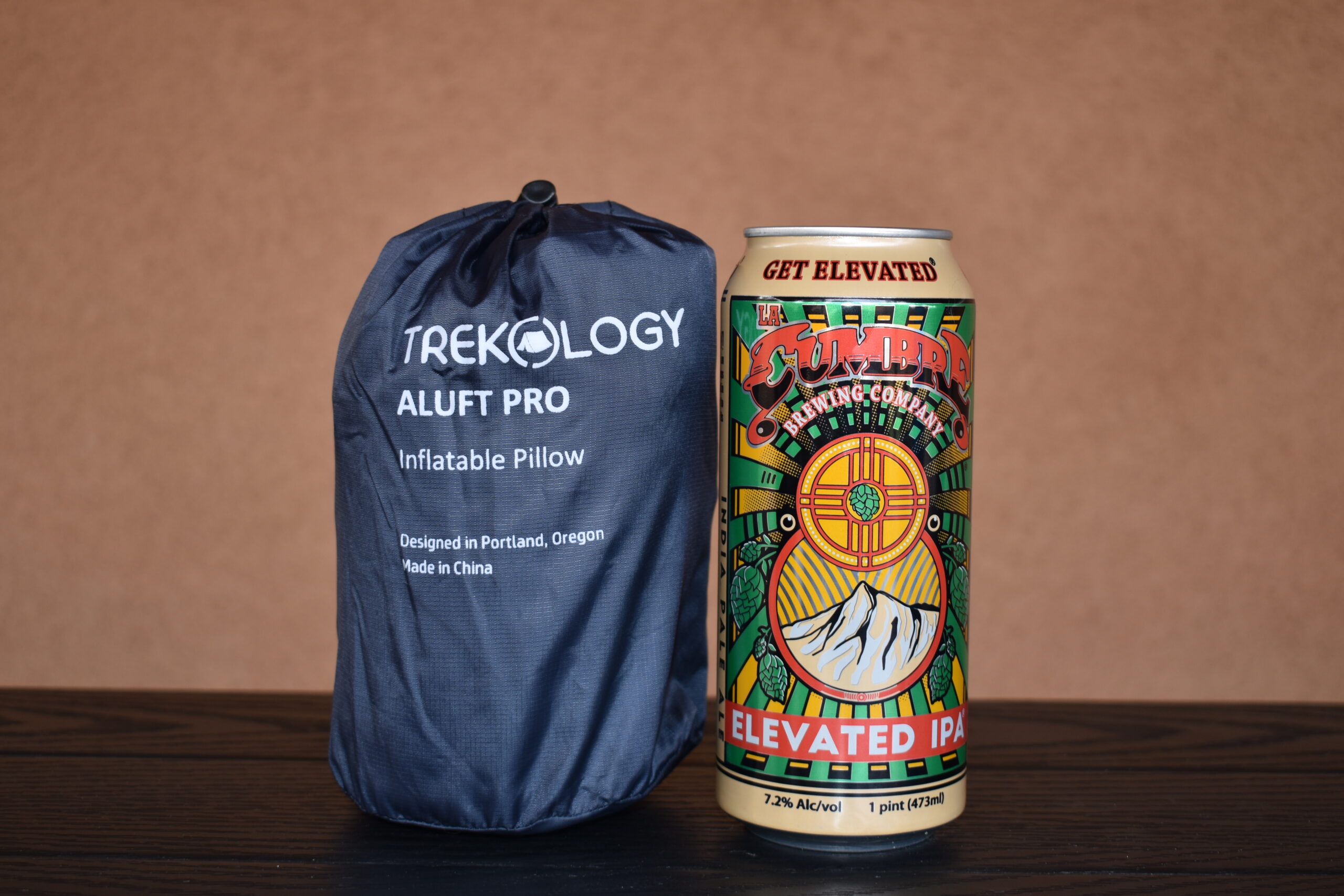
The 8.7-ounce ranking weight and comparatively larger bundle don’t compete with the lighter Aeros models. Nevertheless, the Aluft Pro remains reasonably portable for backpackers who are less concerned with shaving every last ounce.
Our 6.2-ounce packed sample was manageable on the trail, although the pillow still takes more weight and space than the smallest premium inflatables. Backpackers should decide whether several saved ounces are worth the much higher price of the Aeros Premium.
At 8.7 ounces in our comparison, the Aluft Pro isn’t among the lightest air pillows. Either way, the Aluft Pro is a legitimate backpacking pillow rather than a foam campground cushion in disguise.
Weight & Packability Score: 4.5/5.0
Support
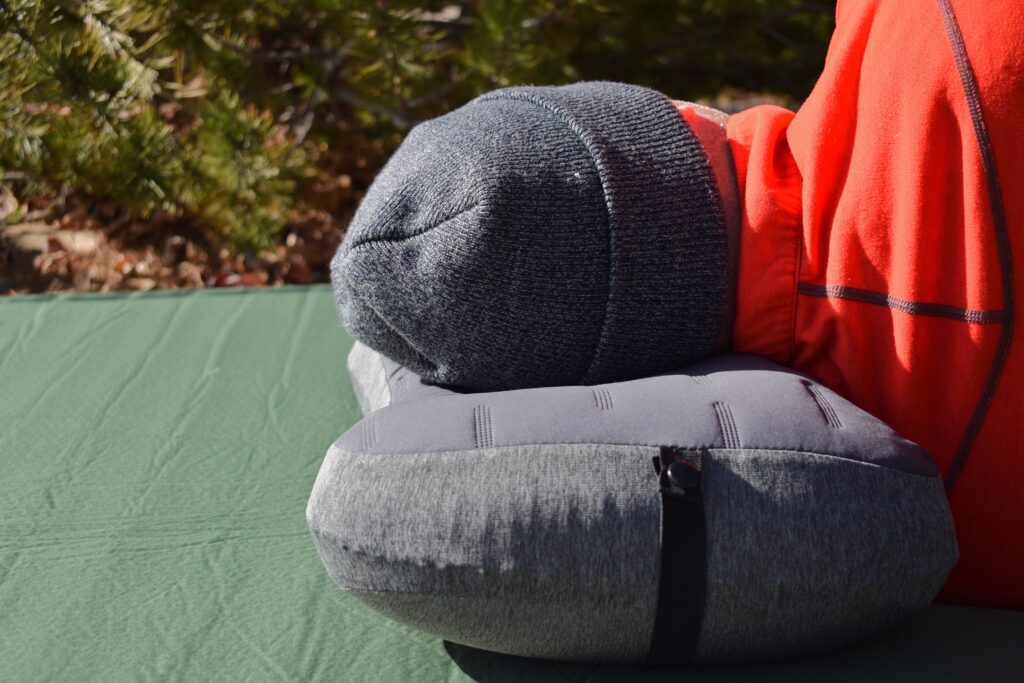
Its five-inch height offers a useful amount of head elevation for side sleepers. Whether that translates to natural neck support depends on how well the sculpted edge fits the sleeper’s shoulders; our field results differed.
The inflated five-inch profile can fill the gap under a side sleeper’s neck, and the curvature is designed to sit against the shoulders. Yet height alone did not guarantee comfort for every tester. If its recessed center pulls your head too far down, a less deeply sculpted pillow may offer a more natural alignment.
The five-inch air chamber creates enough loft for most sleeping positions, yet support depends on where the head actually settles. Our divergent experiences with its shape are why we don’t equate thickness with universal ergonomic success.
Support Score: 4.3/5.0
Ease of Use
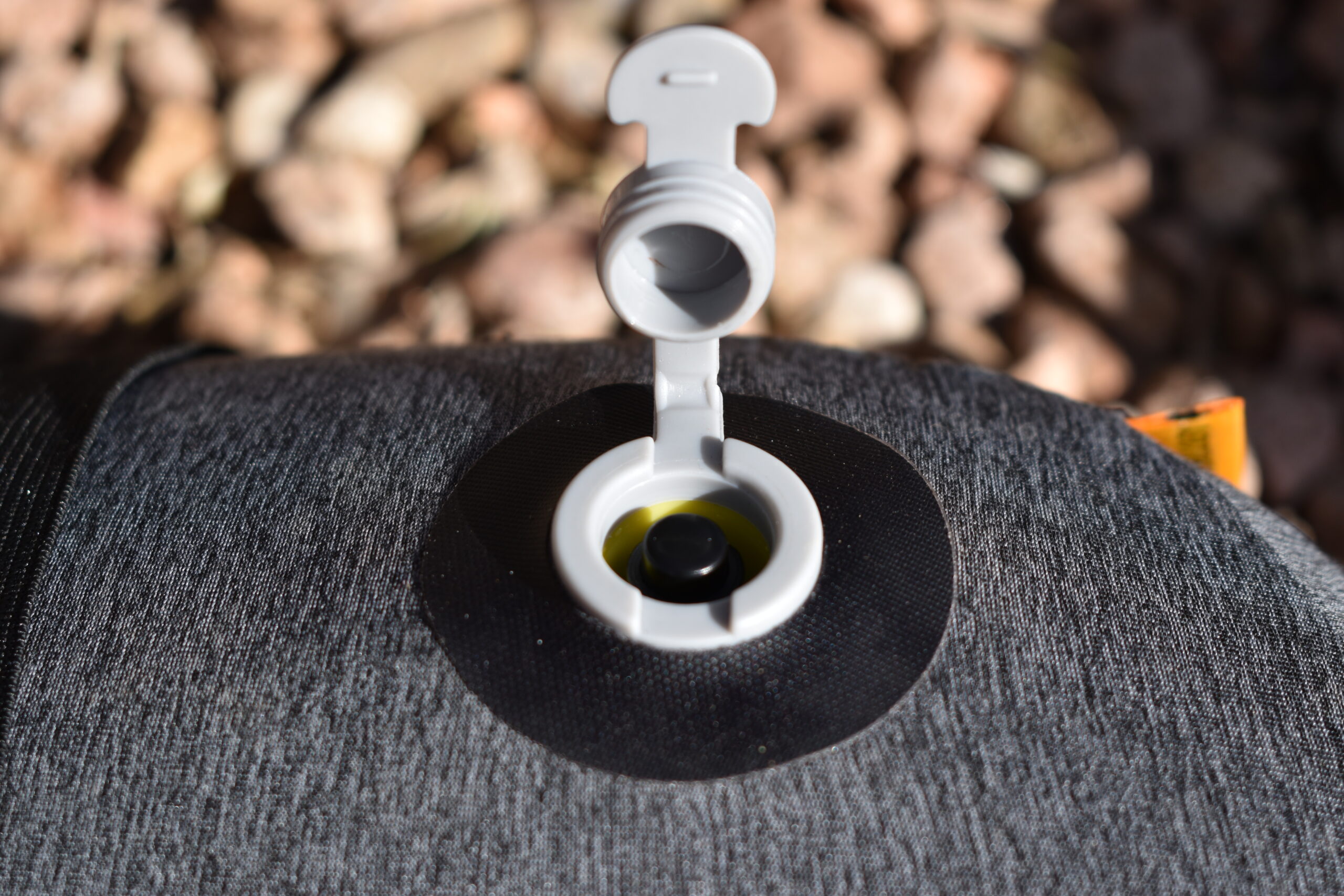
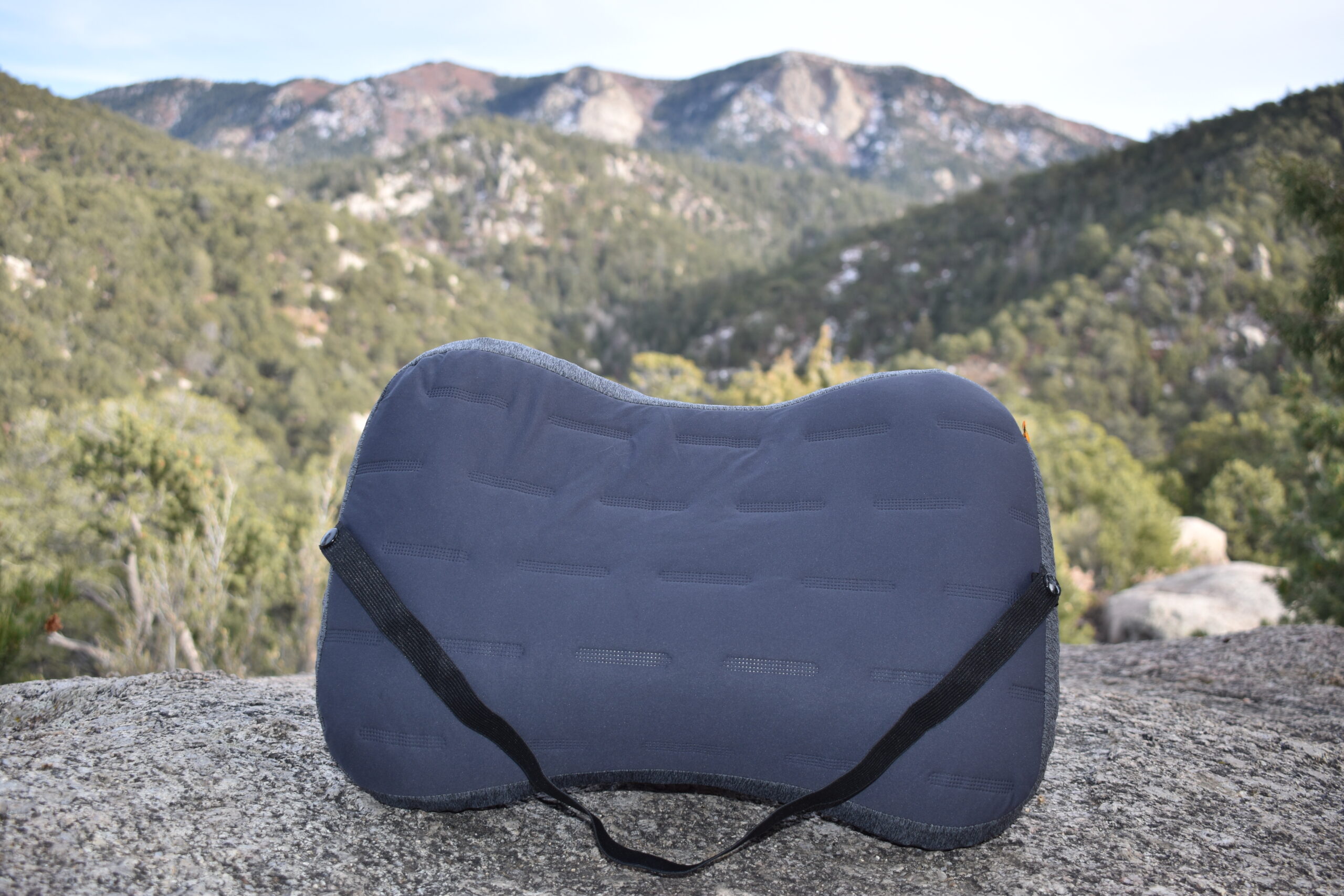
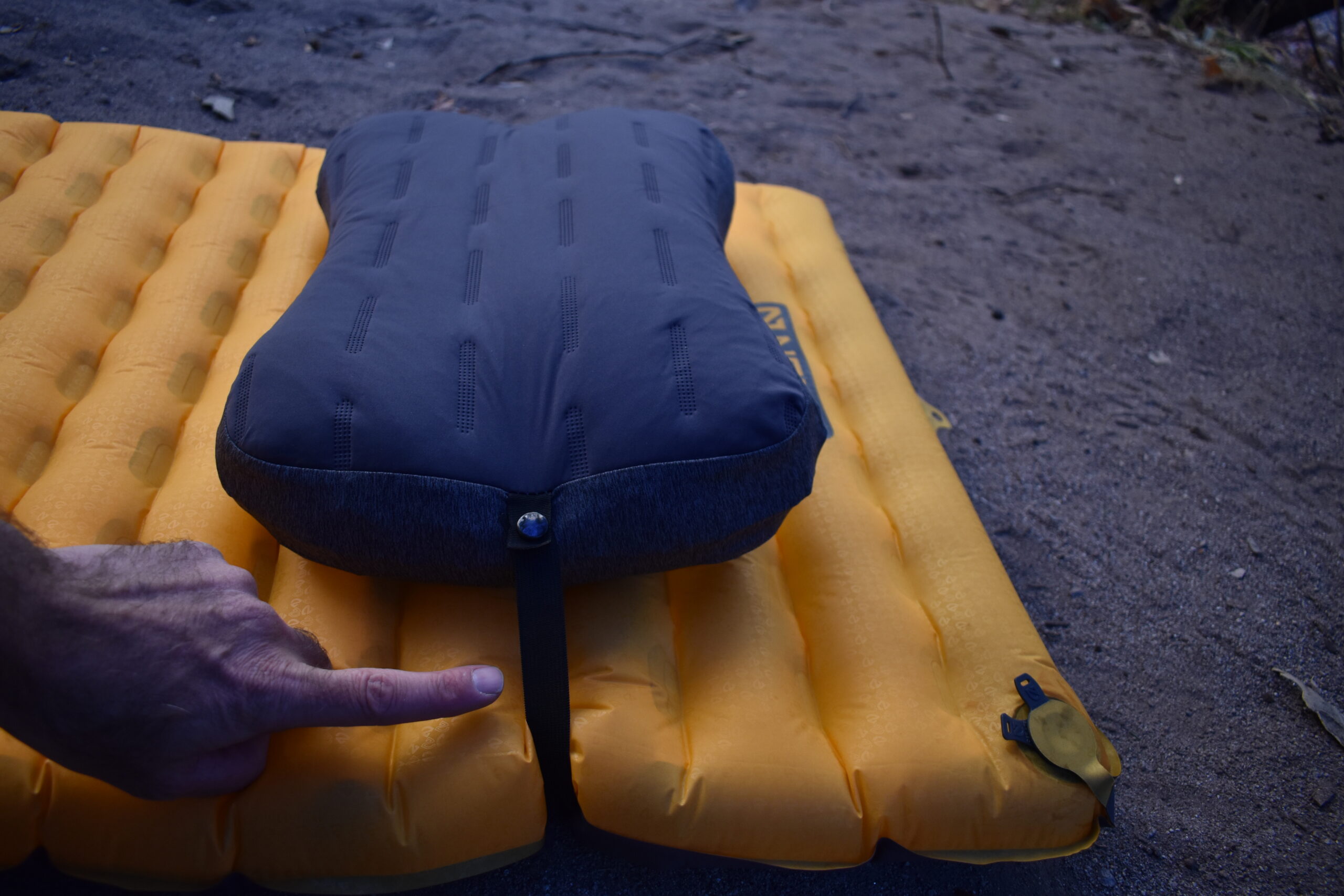
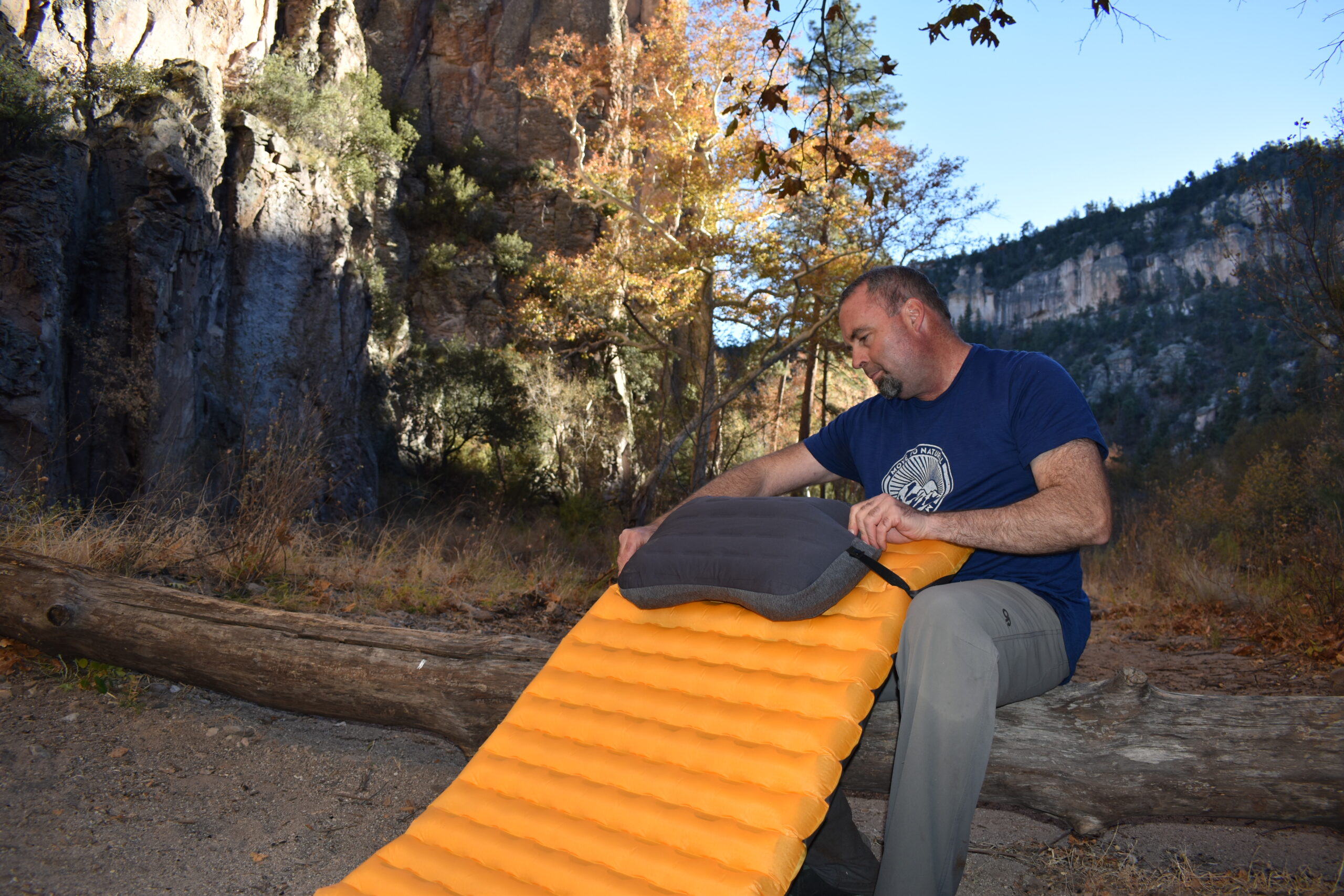
The removable strap helps keep the pillow on a sleeping pad, a meaningful advantage for restless sleepers. Once our tester learned the valve’s internal locking-button mechanism, inflation and deflation were straightforward, and the cover can be removed for cleaning.
During use, our team appreciated the removable strap because a pillow that stays on a sleeping pad saves nighttime adjustments. The valve’s internal button took a little learning, after which full inflation required only a few breaths and deflation was quick. The washable cover is an advantage for an inexpensive pillow used on dusty trails.
The removable strap can reduce overnight slips on a sleeping pad. Its push-button valve became easier to operate after our tester learned the hidden lock, illustrating how a small learning curve can improve its usability.
Ease of Use Score: 4.5/5.0
Should You Buy the Trekology Aluft Pro?
Consider the Aluft Pro if you’re a new backpacker or occasional camper who wants good basic performance without investing in a premium pillow. Its $24 price, five-inch height, and removable strap make it more capable than its budget status suggests. Our field testing on Southwest trails revealed no dealbreaking faults, but the pronounced sculpted shape was divisive: one tester liked the fit, another found it awkward enough to shift out of position.
That’s the biggest reason to look elsewhere. It’s also heavier on paper than the ultralight Aeros series. The Aeros Premium costs more but has a less polarizing neck profile and far better packability. The Aluft Pro remains worthwhile for budget-first shoppers who are comfortable with its specific ergonomic shape.
What Other Camping Pillows Should You Consider?
Sea to Summit Aeros Premium Review: The Aeros Premium is a more refined backpacking choice for hikers who can afford a higher price. Its 3.5-ounce weight and ergonomic curve save pack space and give a reliable neck fit, but the Aluft Pro’s low cost is attractive for occasional use.
NEMO Fillo Elite Wide Ultralight Review: Back sleepers who want a broad, soft-covered pillow with much less weight may prefer the Elite Wide. The Trekology offers greater loft and a securing strap at a lower price, although its curved shape did not fit all of us comfortably.
Klymit Pillow X Luxe Summit Review: The Klymit provides a large quilted alternative for those who prioritize sleeping surface and high loft. It costs more than the Trekology and is still not a packability leader, but its broader top may appeal to campers who shift positions.