Bottom Line
The KUHL Renegade Convertible is one of the most functional zip-off hiking pants we tested. Its biggest strengths are durability, useful storage, and a conversion design that produces shorts that actually feel and look normal once the lower legs are removed.
That versatility comes with bulk. The Renegade is one of the heavier pants in the category and runs warmer than the REI Sahara or Columbia Silver Ridge. For shoulder-season hikes with large temperature swings, though, the combination of warmth in pants mode and a comfortable shorts mode is genuinely useful.
Our men’s hiking pants guide makes it easy to compare the Renegade’s convertible versatility with lighter zip-offs and non-convertible pants.
How We Tested
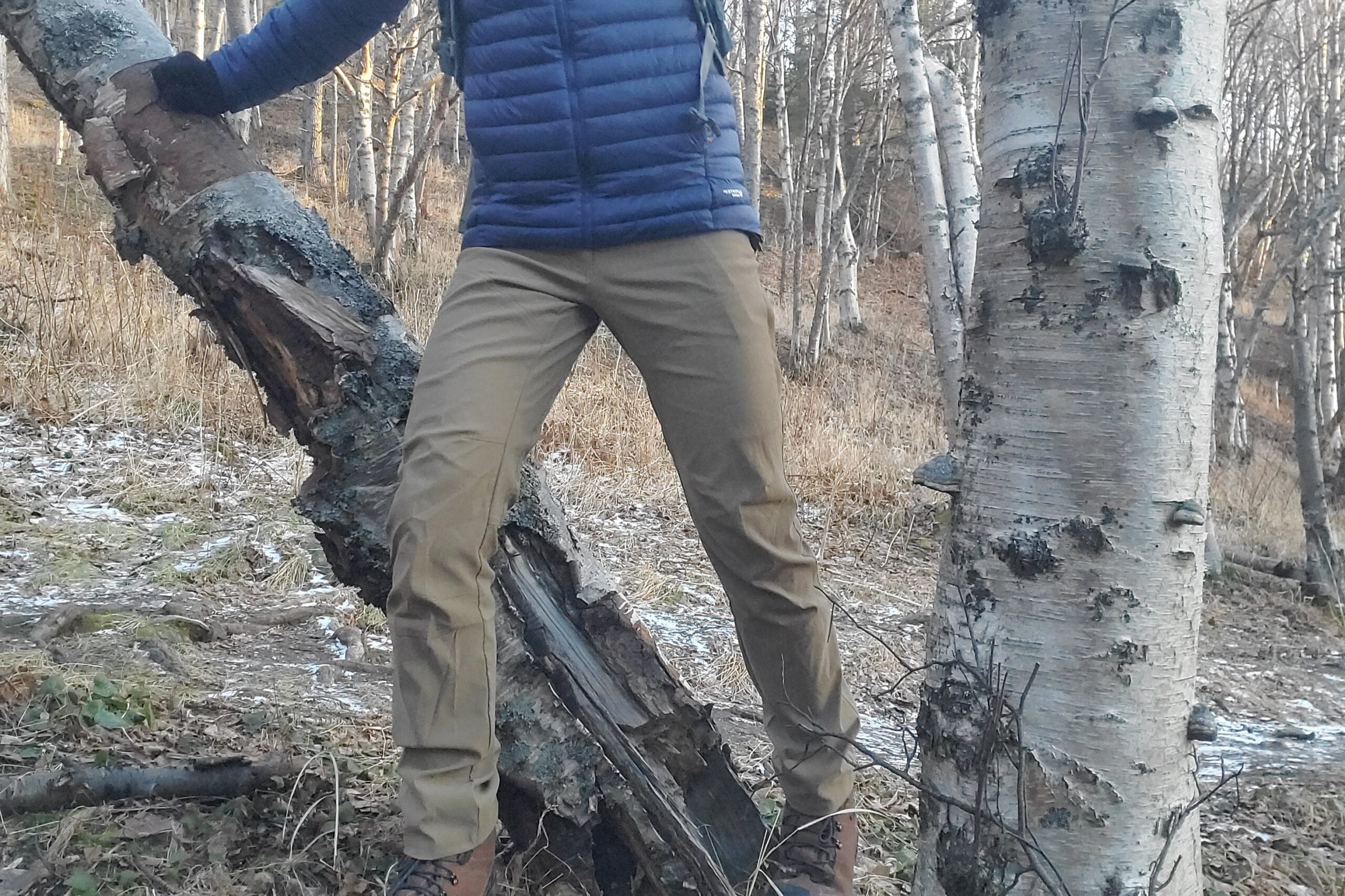
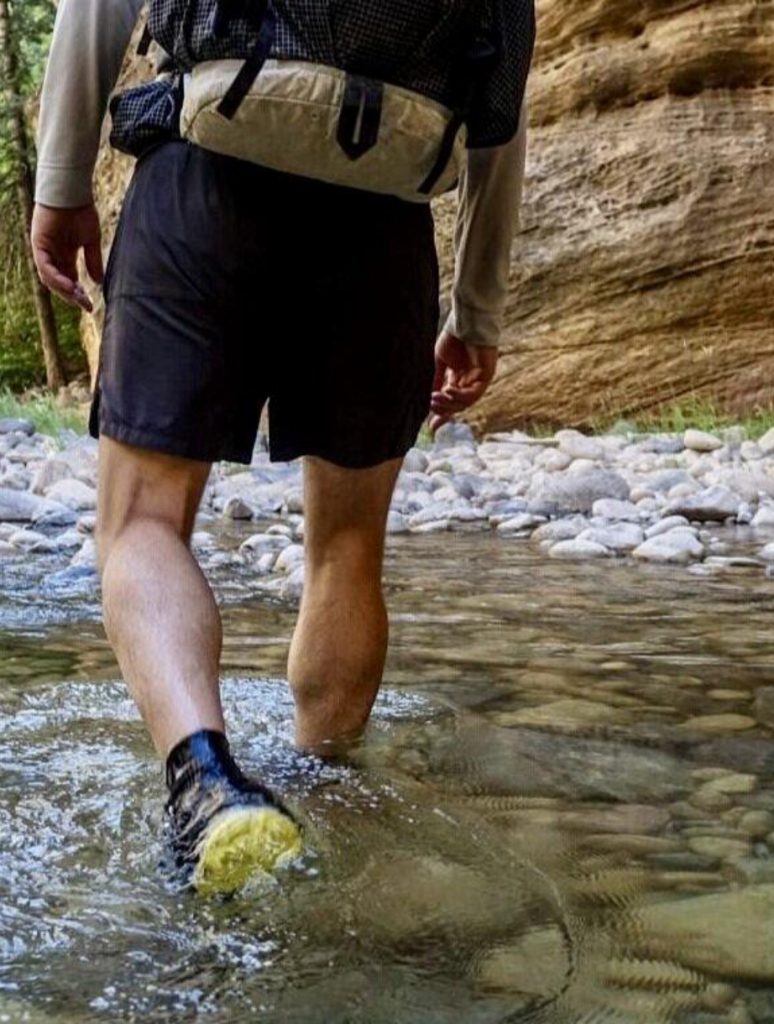
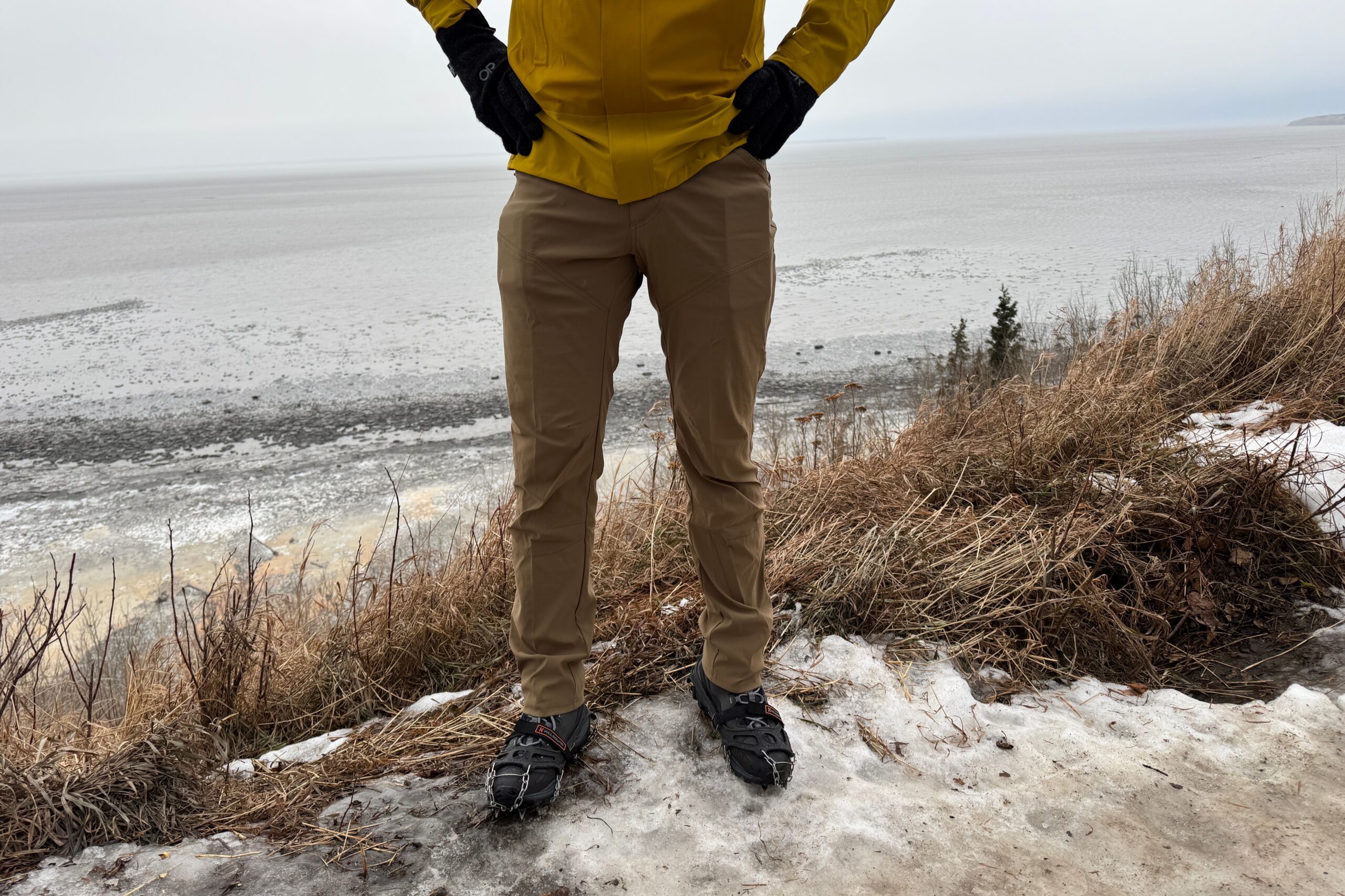
Miles Knotek wore the Renegade Convertible through hikes that shifted from cool mornings into warmer afternoons. He evaluated zipper usability, comfort in both pants and shorts modes, storage, mobility, breathability, weather protection, and durability.
Quick Specs
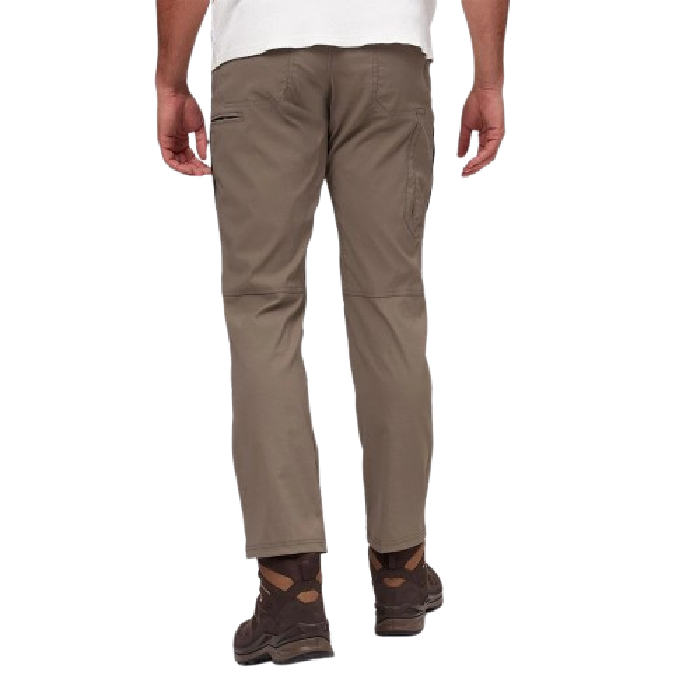
Men’s KUHL Renegade Pant
Durable Convertible Pants with Practical Shorts Mode
CleverHiker Rating: 3.8
Price: $99
Weight:
Fit: Standard, tapered
Fabric: nylon, spandex
Pros
- Lightweight
- Zipper pockets
- Durable
- Articulated knees
Cons
- Expensive
- Not as weather resistant as others
Comfort & Mobility
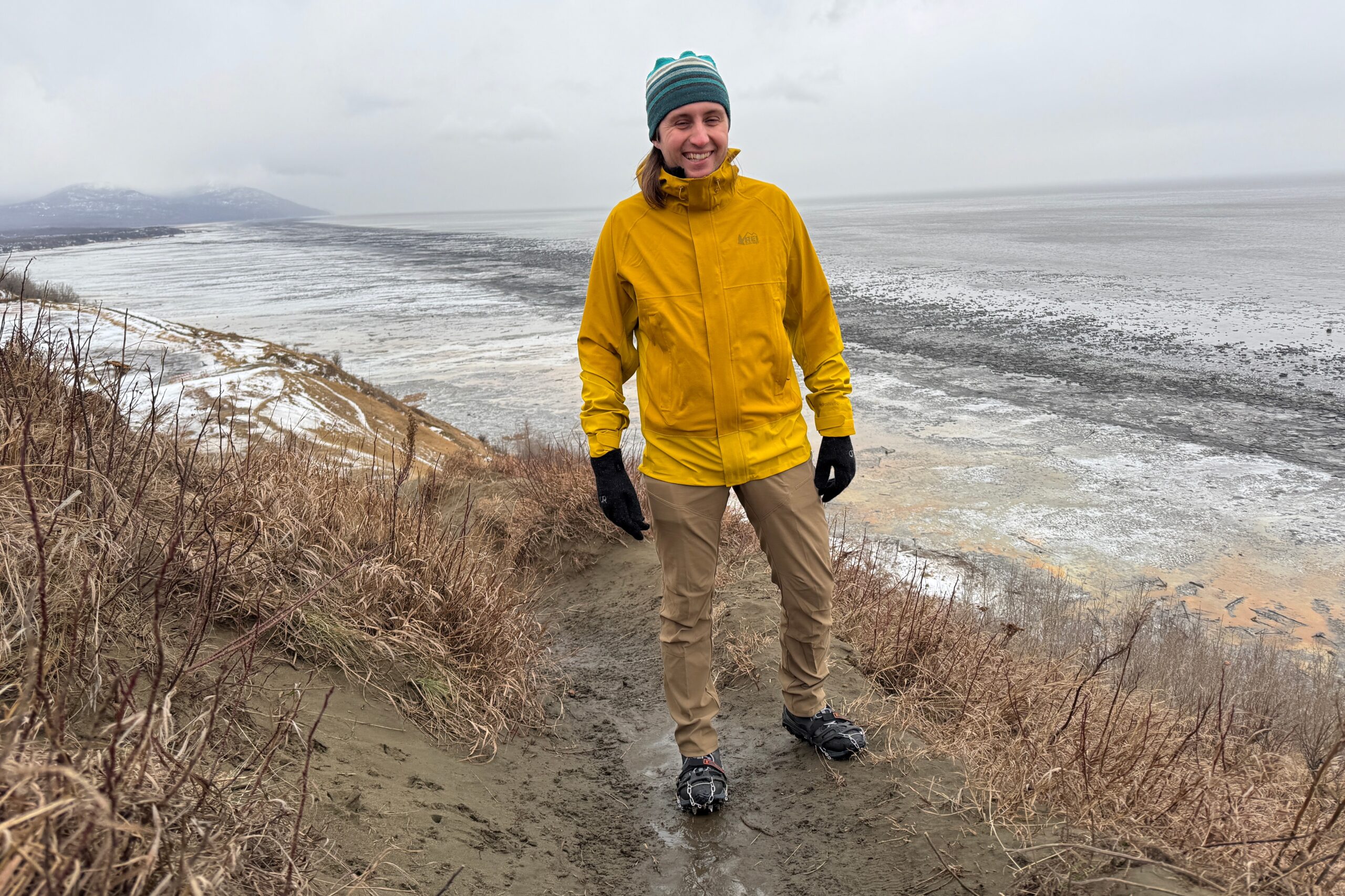
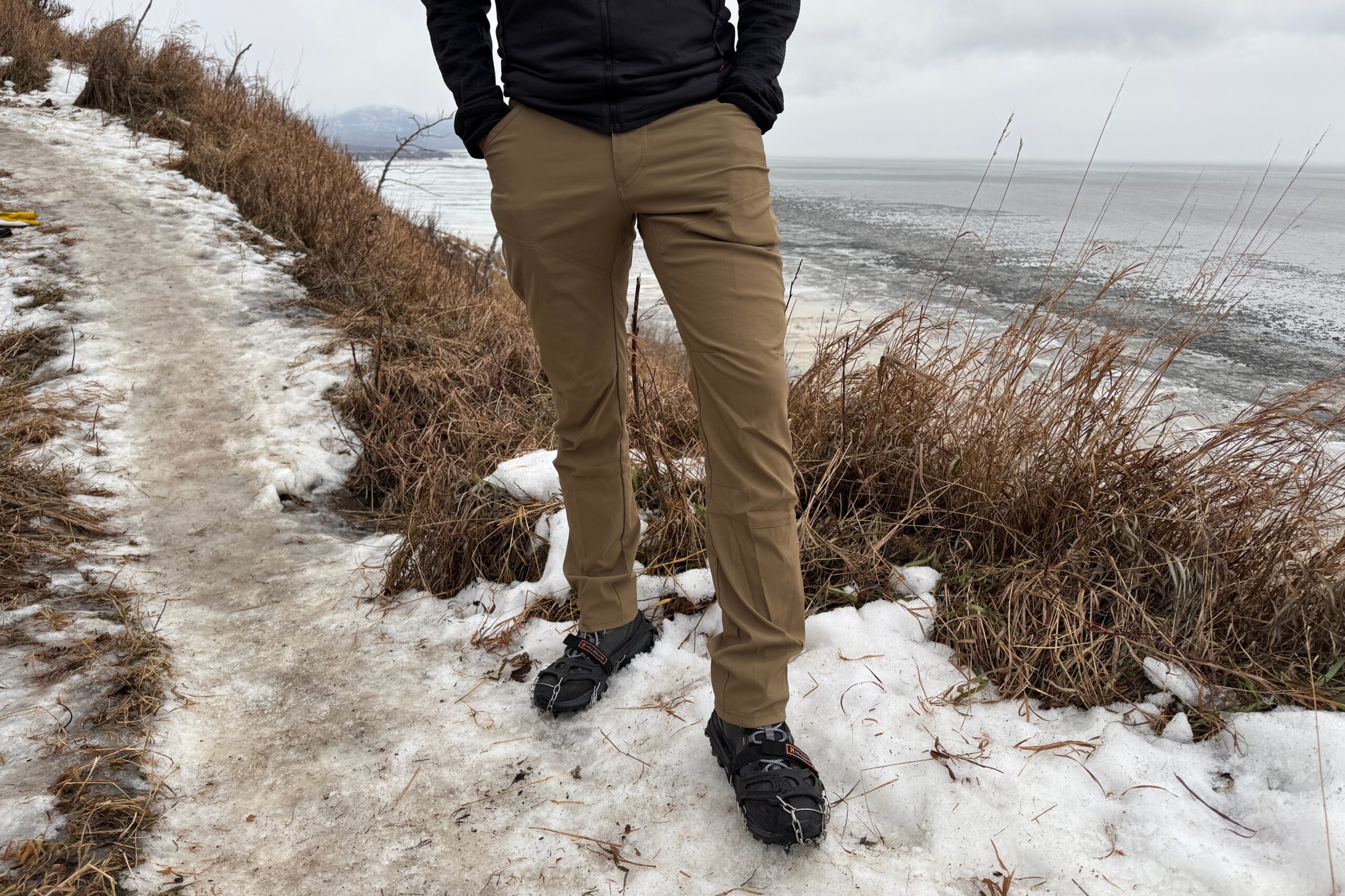
The relaxed cut provides enough room through the seat and thighs for normal hiking movement, and the stretch fabric prevents the pants from feeling rigid. In shorts mode, the zip-off seam is less intrusive than on many convertibles, which makes the Renegade unusually comfortable after conversion.
As full-length pants, the extra material and zipper structure are more noticeable. Hikers who prefer a streamlined, barely-there feel will find lighter non-convertible options more natural.
The wide knit-style waistband is another comfort advantage, especially under a loaded backpack hipbelt. It spreads pressure better than a narrow waist and stays comfortable even when the pockets are carrying heavier items.
Comfort & Mobility Score: 4.0/5.0
Breathability
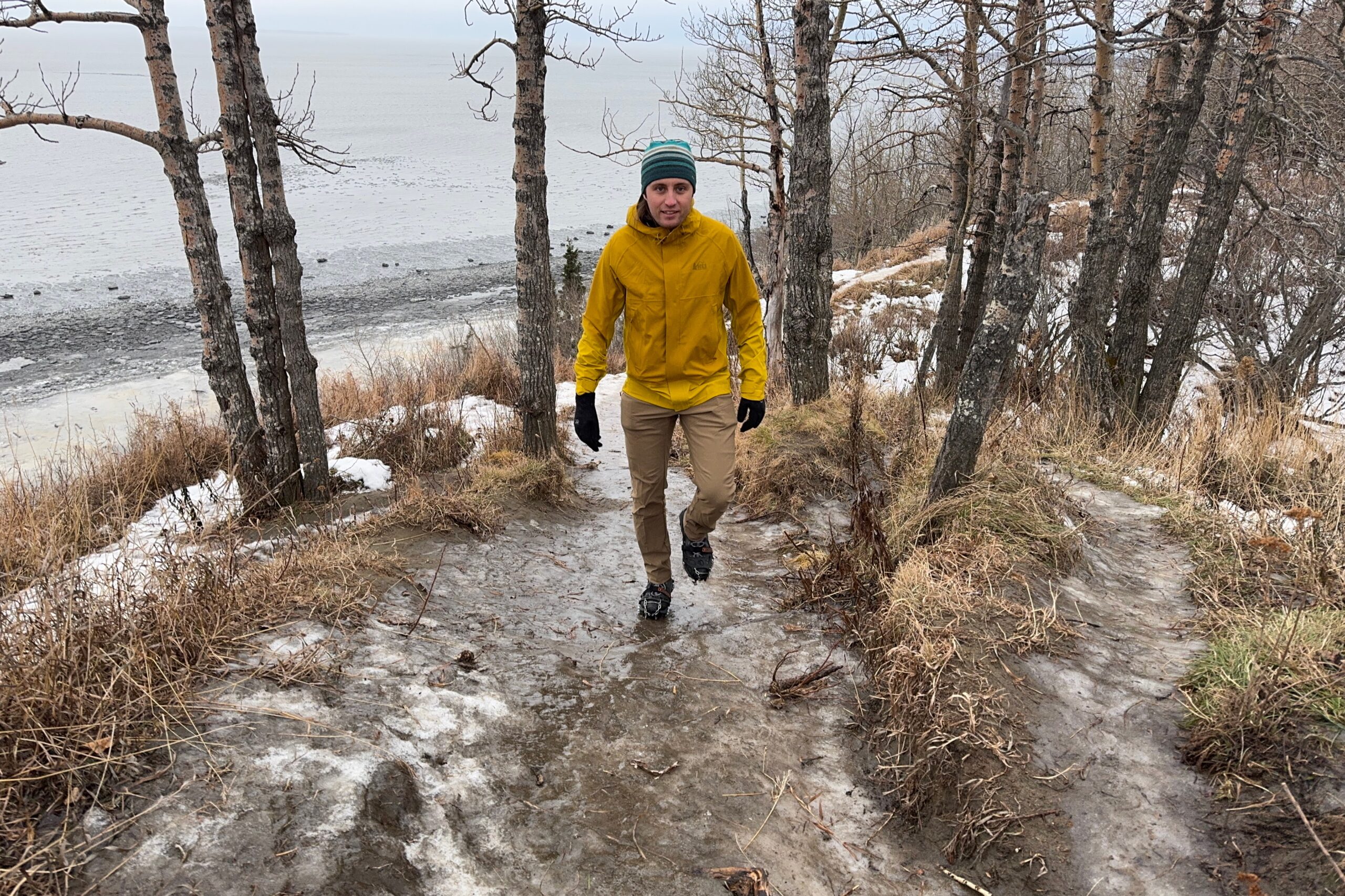
The Renegade’s thicker fabric holds more heat than our other convertible picks. In cool conditions that extra substance is welcome, but in warm weather the pants depend heavily on removing the lower legs rather than on fabric breathability alone.
Once converted to shorts, ventilation improves dramatically. This makes the Renegade better suited to days with big temperature swings than consistently hot summer hikes where a lighter fabric would be more comfortable all day.
The convertible design is therefore doing most of the climate-control work. As pants, the Renegade runs warm; as shorts, it becomes dramatically more comfortable, which is why the model is better for variable days than for hikers who want consistently airy full-length coverage.
Breathability Score: 4.3/5.0

Weather Resistance
The heavier fabric provides useful protection from wind and brief moisture, especially compared with thin summer convertibles. It is still not a waterproof pant and will eventually saturate in sustained rain.
For shoulder-season hiking, the extra coverage is valuable during cold starts. Hikers expecting a truly wet forecast should still bring rain pants.
The thicker fabric also helps with brush and cool wind during early starts before conversion. Once temperatures rise, removing the legs makes more sense than relying on the material to balance protection and airflow.
Weather Resistance Score: 4.5/5.0
Durability
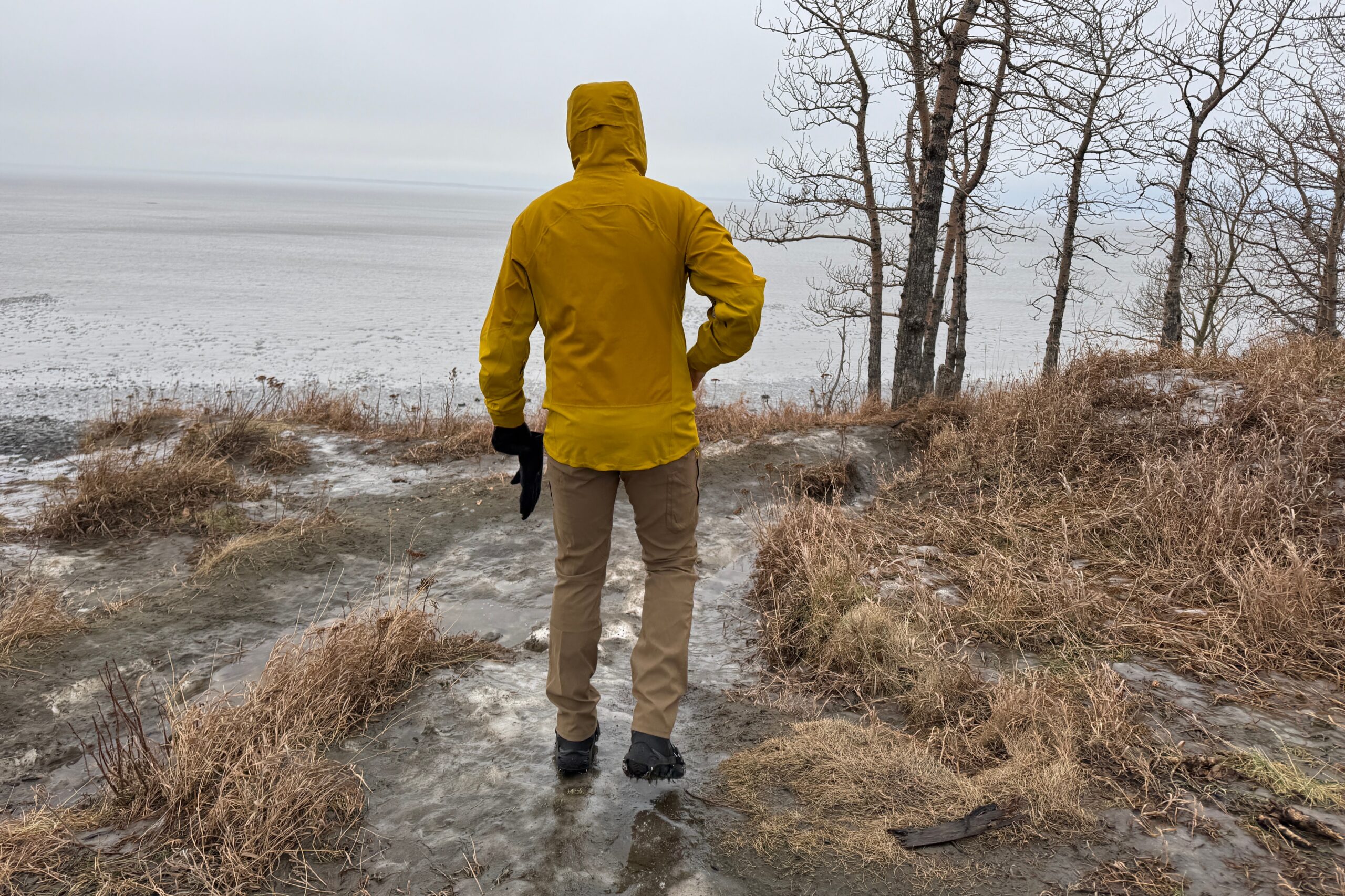
The Renegade feels built for repeated use. Substantial fabric, reinforced construction, and a robust zipper system make it better suited to rough terrain and regular wear than the lightest convertible designs.
That toughness is a major reason it weighs more. Hikers who prioritize longevity and protection may welcome the tradeoff; ultralight-minded users will not.
The conversion hardware did not feel fragile or like a weak point during use, which matters for a garment with more moving parts than a standard hiking pant. That reinforces the Renegade’s appeal for hikers who expect to use the zip-off system often.
Durability Score: 4.5/5.0
Features
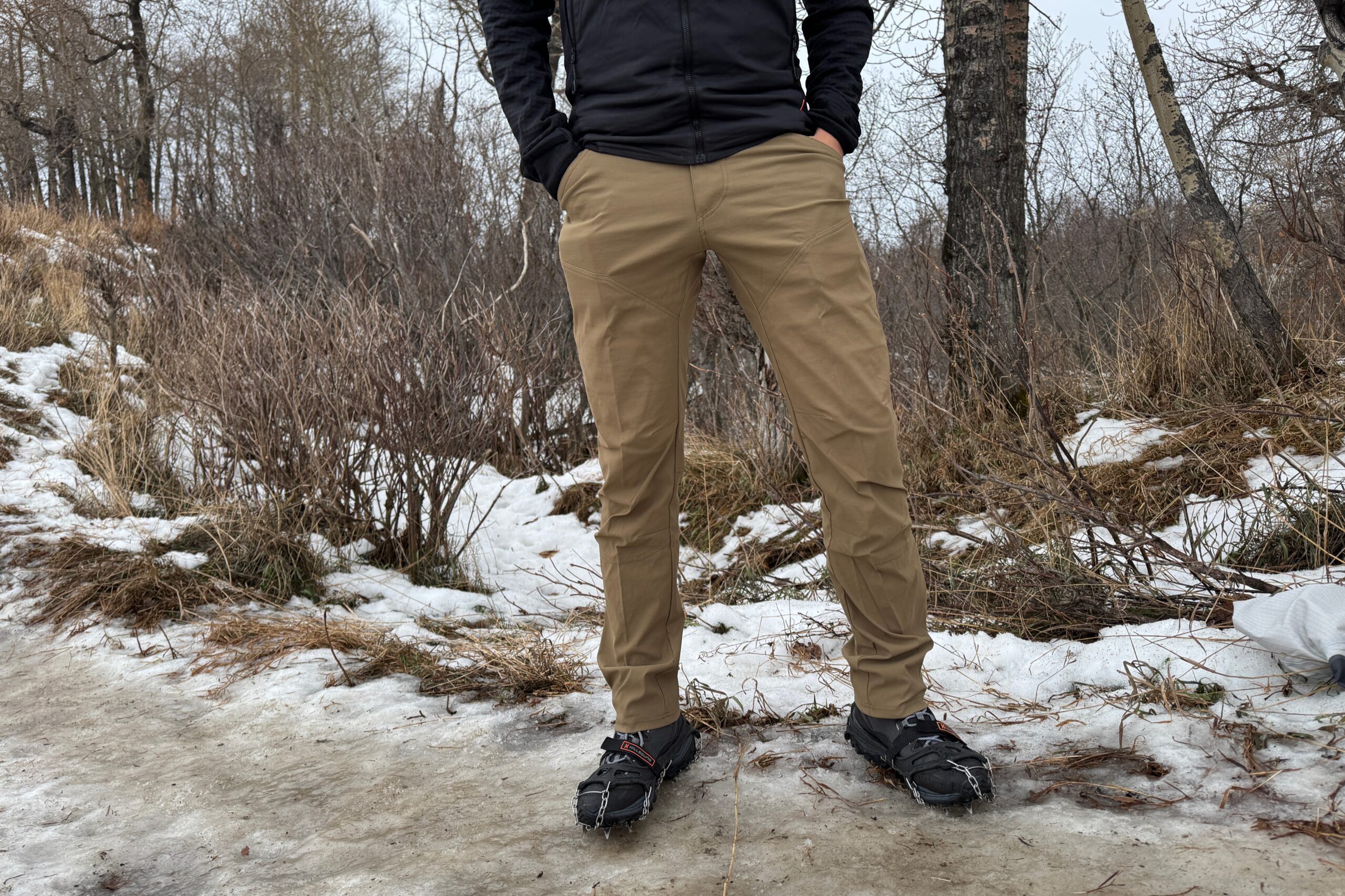
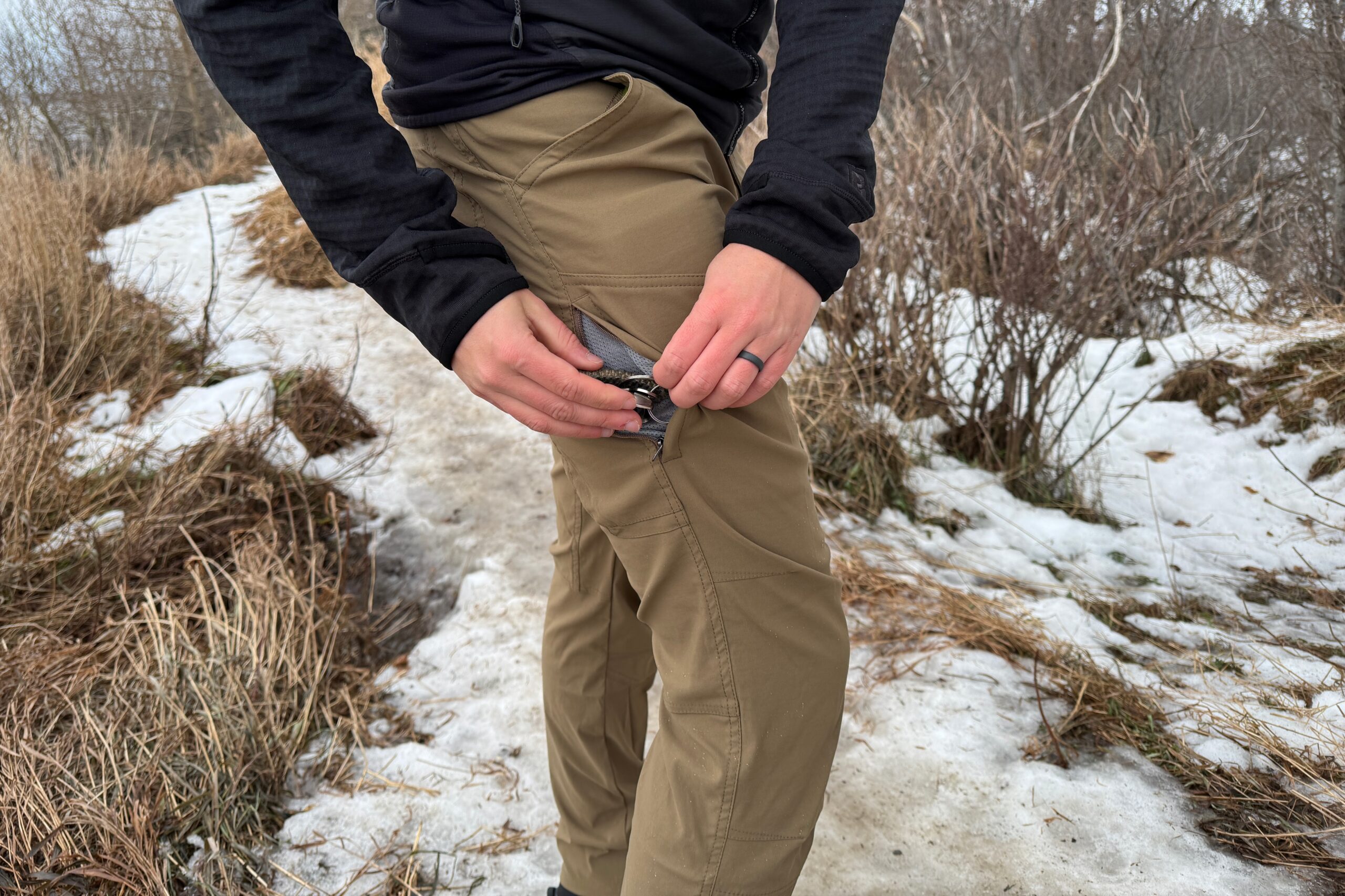
Features are where the Renegade stands out. Eight pockets provide extensive storage, with cargo compartments and dividers that keep small items from bouncing around. The ankle bungee adjusts cuff width, and the zip-off system is quick and low-profile.
Most importantly, shorts mode is genuinely practical. The zipper seam does not create the awkward feel that undermines some convertible pants, so this model works well as two usable garments rather than one compromised design.
Pocket organization is unusually extensive, but it remains functional because the compartments are placed to limit bouncing. Hikers who carry a phone, snacks, keys, or small tools on-body will get more from this layout than minimalist users.
Features Score: 4.5/5.0
Should You Buy the KUHL Renegade Pant?
Buy the Renegade if you want convertible pants for shoulder-season hiking, travel, or trips with major temperature changes and you care about durable fabric and lots of storage. It is especially strong for hikers who actually plan to use both pants and shorts modes frequently.
Skip it if low weight and summer breathability matter most. The REI Sahara Convertible and Columbia Silver Ridge Convertible both feel cooler, while the Outdoor Research Ferrosi is far more streamlined if you do not need zip-off legs.
What Other Hiking Pants Should You Consider?
Check out our full gear guide for the lineup of best hiking pants, we have two more convertible options, including:
REI Sahara Convertible Review: The Sahara is lighter, cooler, and less expensive, making it the better convertible choice for hot-weather hiking. The Renegade feels sturdier and has better storage, but it carries more weight.
Columbia Silver Ridge Convertible Review: The Silver Ridge is the budget-first option. It is airy and inexpensive, though less stretchy and less durable, and conversion is not as polished as on the Renegade.
REI Activator 3.0 Review: If your priority is cool-weather protection rather than conversion, the Activator provides warmth, stretch, and good weather resistance for less money. It cannot become shorts, but its softshell construction is better for sustained cold conditions.