
Bottom Line
The REI Campwell XL proves that a big, warm camping mattress does not have to cost an arm and a leg. Its roomy 78-by-30-inch footprint and R-7 insulation are strong selling points at $159. The biggest concession is just 2.5 inches of depth, leaving it short of the deeply cushioned feel of more expensive competitors. For beginners or budget-conscious campers who value warmth and space over luxury, it is a sensible purchase. The best camping mattresses guide compares it directly with thicker models.
How We Tested
Senior Gear Analyst Ian Krammer tested the Campwell as part of our current camping mattress lineup. We evaluated the comfort limitations of its relatively low profile, inflation routine, packed size, and insulating specification alongside more expensive self-inflating designs.
Quick Specs
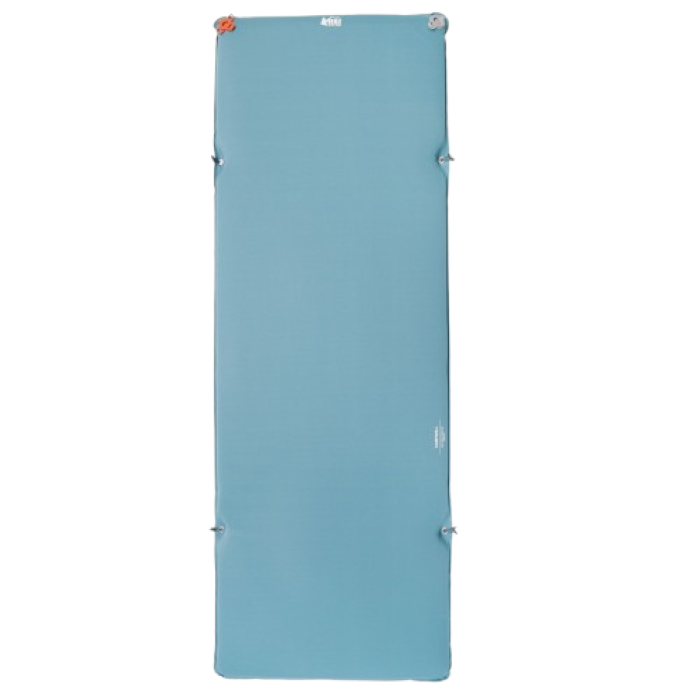
REI Campwell XL
Best Entry-Level Camping Mattress
CleverHiker Rating: 4.2/5.0
Price: $140
Dimensions (LxWxH): 78 x 30 x 2.5 in.
Weight: 4 lb. 8 oz.
Style: Self-inflating
R-Value: 7
Pros
- Generous XL sleeping floor
- Insulated for cold-ground camping
- Substantially less expensive than luxury models
- Simple self-inflating design
Cons
- Modest 2.5-inch cushioning
- Valves can pop open during the night
- No included pump sack
- Our original test pad developed a seam puncture

Comfort
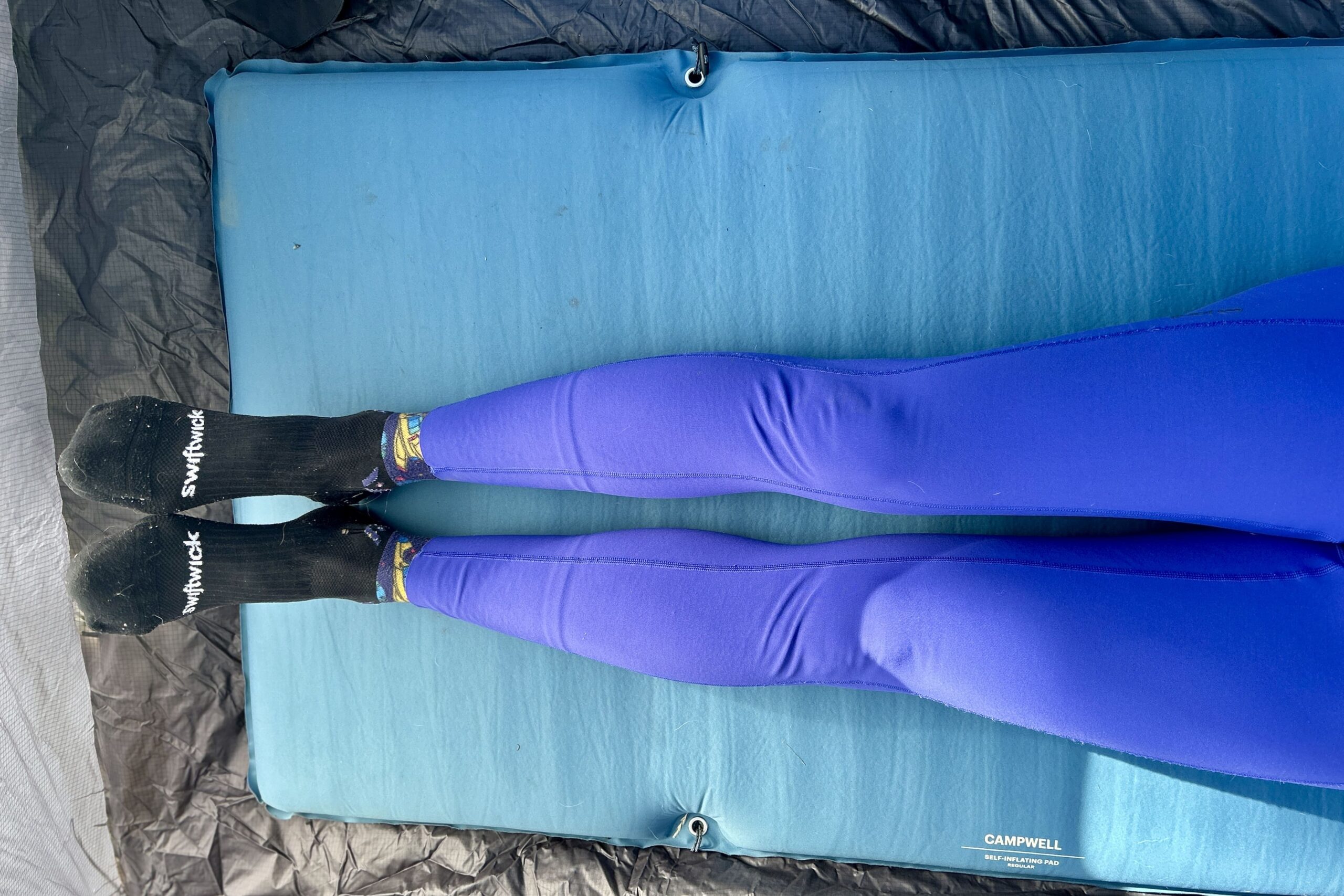
The Campwell’s big attraction is floor space. At 30 inches wide, the XL gives sleepers room to spread out that narrow budget pads do not. It is a useful improvement for anyone frustrated by rolling off a standard-width mattress. Ian found its soft, quiet stretch-polyester top comfortable for back and stomach sleeping, with sufficient cushion to rest on most surfaces.
Cushion is where the price difference becomes clear. Ian turns frequently in his sleep, and the Campwell’s thin 2.5-inch profile allowed his shoulders and hips to bottom out when lying on his side. He was comfortable on his back and stomach, but we would steer dedicated side sleepers toward a thicker pad. An R-value comparable to premium mattresses does not mean cushioning is comparable.
There was also a genuine durability problem in our tests: the pad developed a pinhole-sized side-seam puncture during its initial indoor inflation, even away from sharp objects. We patched it, but ultimately replaced the mattress when it stopped holding air. The replacement has not had the same issue, so we would not describe this as an inevitable failure, but the incident matters for the buying decision.
Comfort Score: 4.0/5.0

Ease of Use
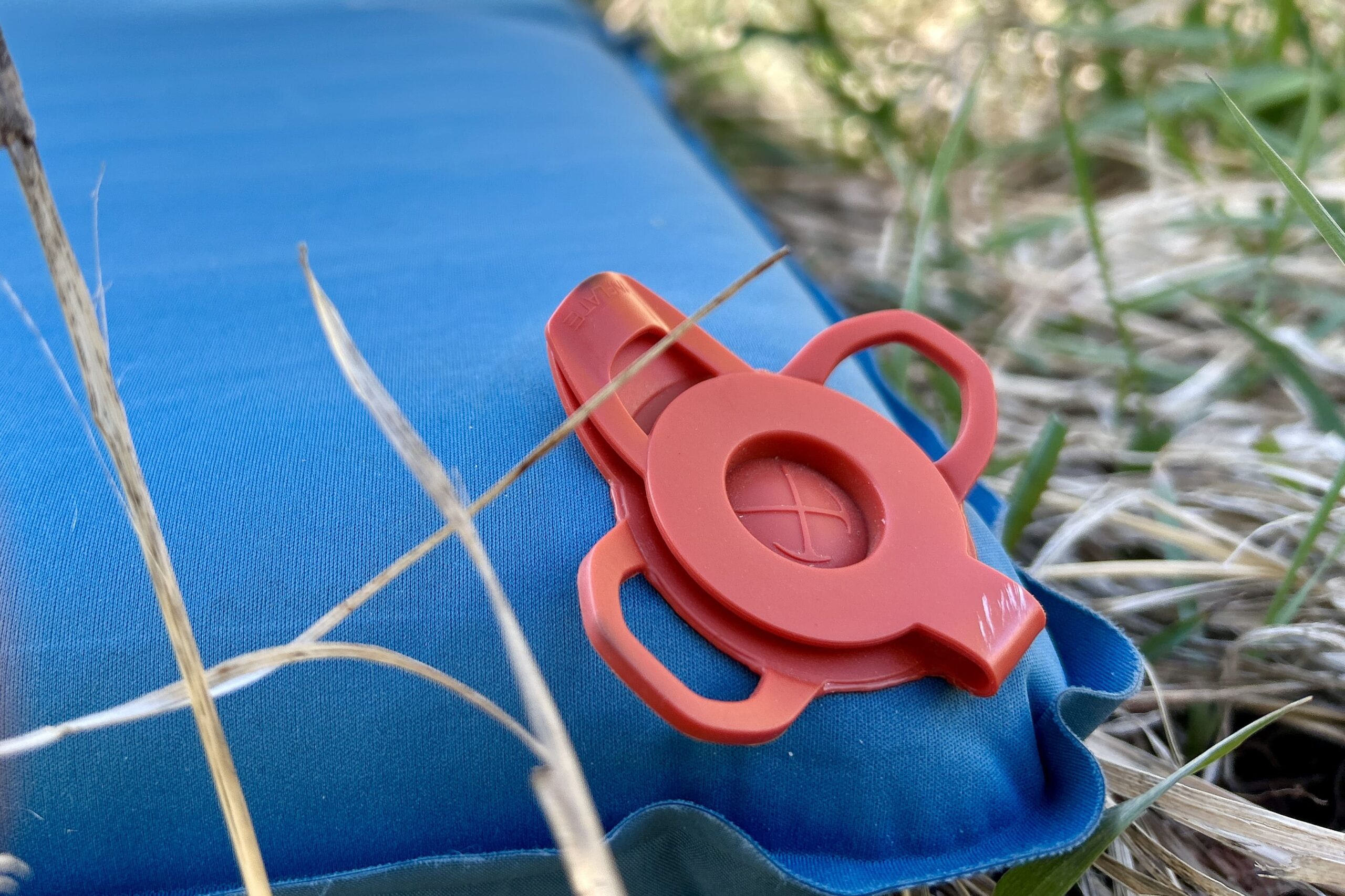
The Campwell’s self-inflating structure expands quickly, and the separate dump valve helps air escape when it is time to pack. Our tests found the valves somewhat touchy: the corner-mounted inflation caps can brush against sleepers and pop open unless firmly closed, causing rapid air loss. There is no included pump sack, so adding firmness beyond the self-inflated level requires blowing into the mattress.
Toggles let the Campwell connect to another pad or a cot, which increases its usefulness for shared sleeping arrangements. Those conveniences are welcome at this price, but they do not offset the need to double-check the valve caps before bed.
Ease of Use Score: 4.7/5.0
Warmth
An R-value of 7 is a standout specification at the XL price, and our field experience supports its usefulness in winter. Ian slept on the Campwell down to 15°F during trips in Colorado’s Rockies and the Wyoming Wind River Range between November and February, staying comfortable with appropriate bedding. The horizontally cored foam provides insulation despite the pad’s modest thickness.
This is an excellent example of why cushioning and insulation should be judged independently. The Campwell can protect against cold ground effectively while still allowing some side sleepers to feel pressure at their hips and shoulders.
Warmth Score: 5.0/5.0
Packed Size
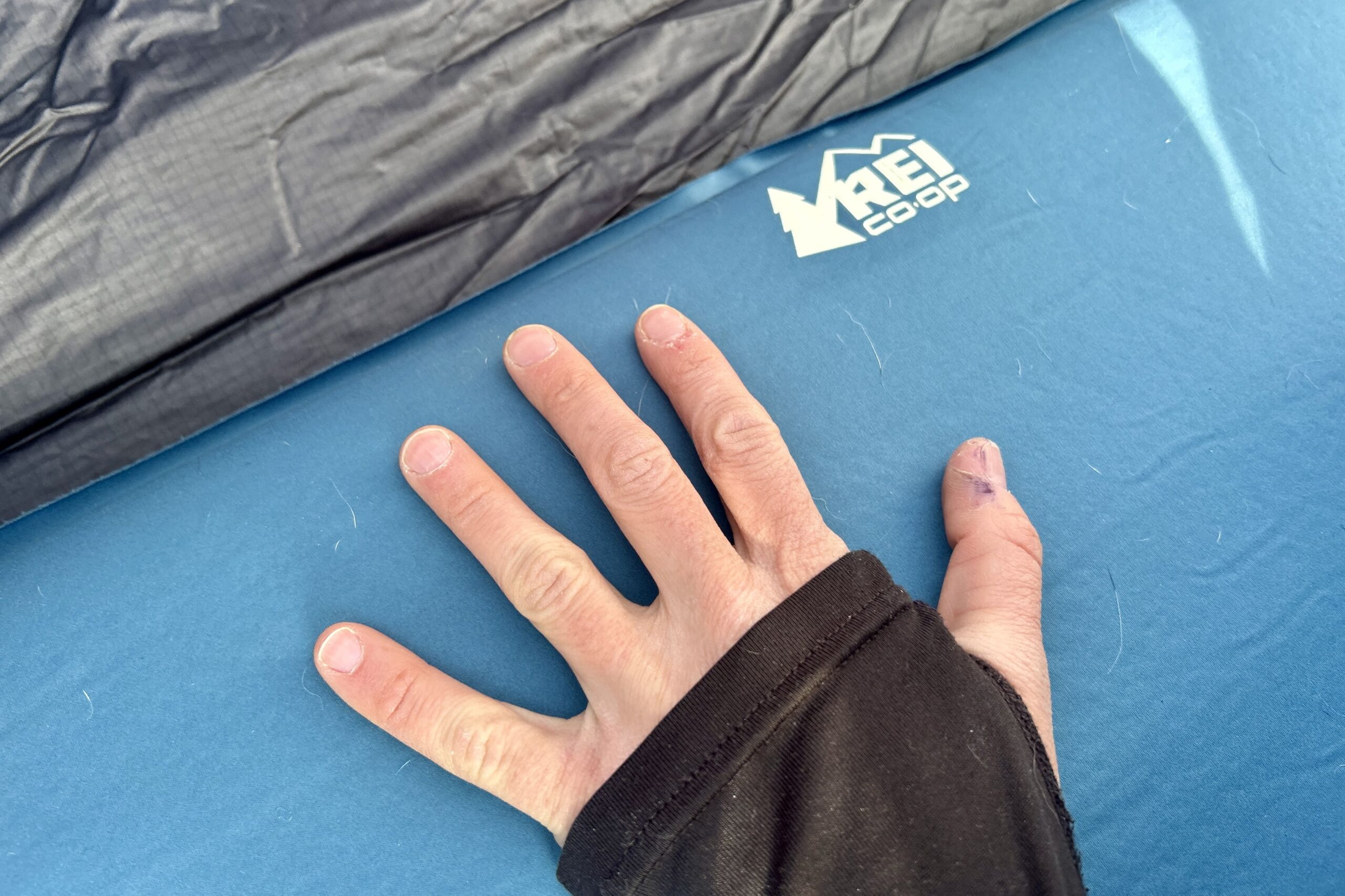
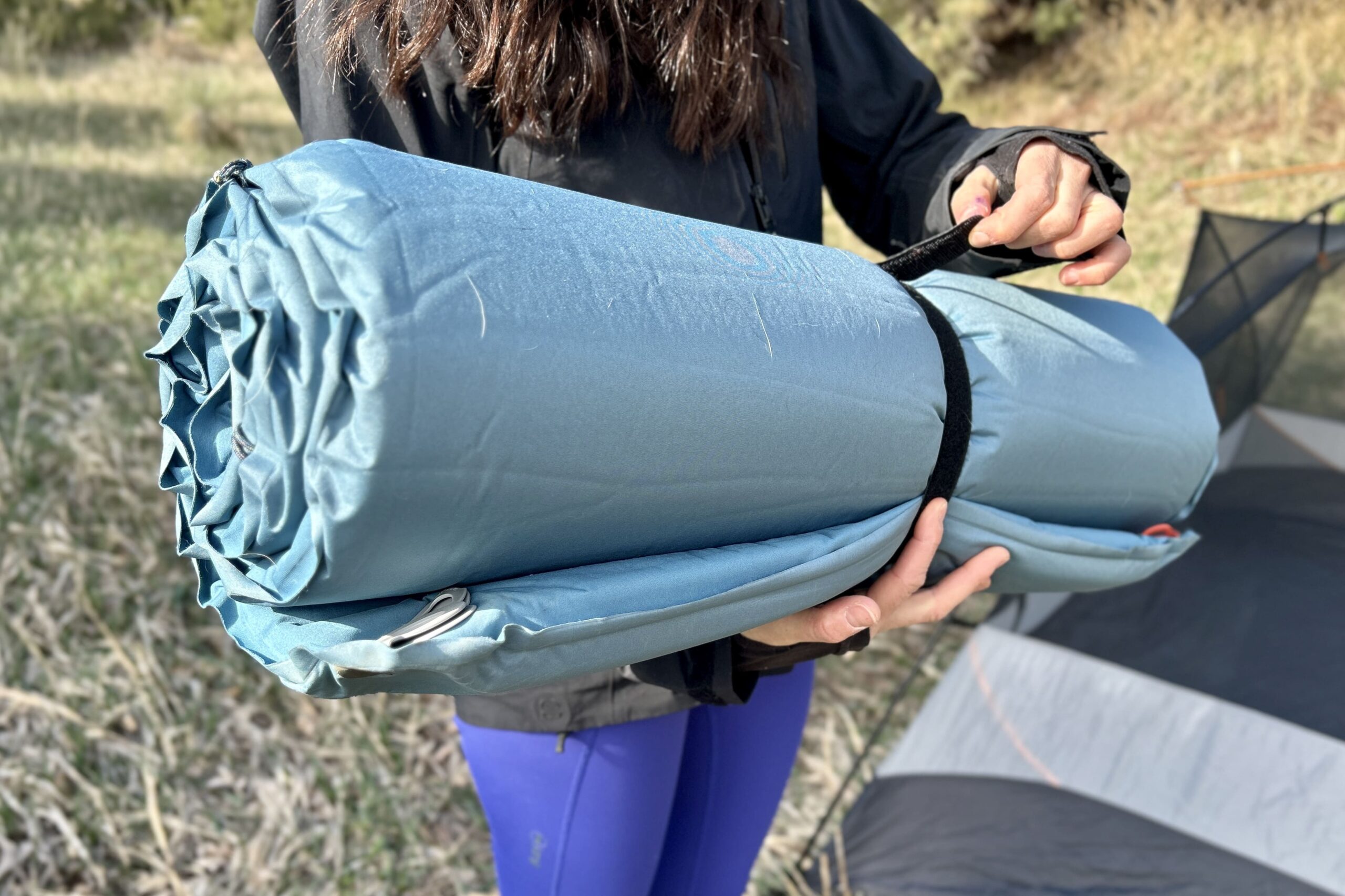
At roughly 30 by 9 inches and four pounds eight ounces, the XL is not especially compact. The included top-entry storage sack has a small carry handle but no shoulder strap, so it is awkward to hold under one arm when carrying other gear. REI’s regular version is shorter and narrower, and therefore makes a better choice when car space is scarce.
The full-width XL better rewards buyers who can afford its extra packed volume. Its broad sleeping surface comes with a substantial roll in the car. If you have extremely limited space, smaller, narrower mattresses such as the Camp Plus are more practical.
Packed Size Score: 4.0/5.0
Should You Buy the REI Campwell XL Camping Mattress?
Buy it if you want affordable warmth and extra sleeping room, and do not need a hotel-like bed. People who frequently wake sore from thin mattresses may be better served by saving for the Exped MegaMat rather than choosing purely on price.

What Other Camping Mattresses Should You Consider?
Head over to our guide to the best camping mattresses if you’re looking for a different sort of camping mattress:
Sea to Summit Camp Plus Review: At $99, Camp Plus costs less and packs far smaller than Campwell XL. Its regular mummy shape and lighter weight make it practical for smaller vehicles or trips requiring a walk from the car. The Campwell wins on sleeping width and R-7 insulation, so choose it when the mattress can stay close to a vehicle.
Exped MegaMat Review: Campers who find the Campwell’s 2.5-inch cushion insufficient should consider Exped’s four-inch MegaMat. Its softer upper fabric and years of dependable use in our testing justify it for frequent trips or guest-bed duty. The higher $280 price is a meaningful jump from the $159 Campwell, which remains the stronger choice for a strict budget.