

Bottom Line
The Norrøna trollveggen GORE-TEX Pro Light (men’s / women’s) is a technical shell designed for serious alpine work whose unusual appeal comes from combining GORE-TEX Pro Light protection with a more mobile feel than traditional heavy-duty Pro shells. During high-elevation testing, the articulated fit accommodated scrambling while generous vents controlled heat.
Hipbelt-compatible pockets, a helmet-compatible hood, and a fit that layers over insulation make sense for guides and climbers. The major drawback is value for ordinary hiking: the $699 price makes much less sense than others we suggest for someone who rarely subjects a jacket to prolonged alpine weather.
How We Tested
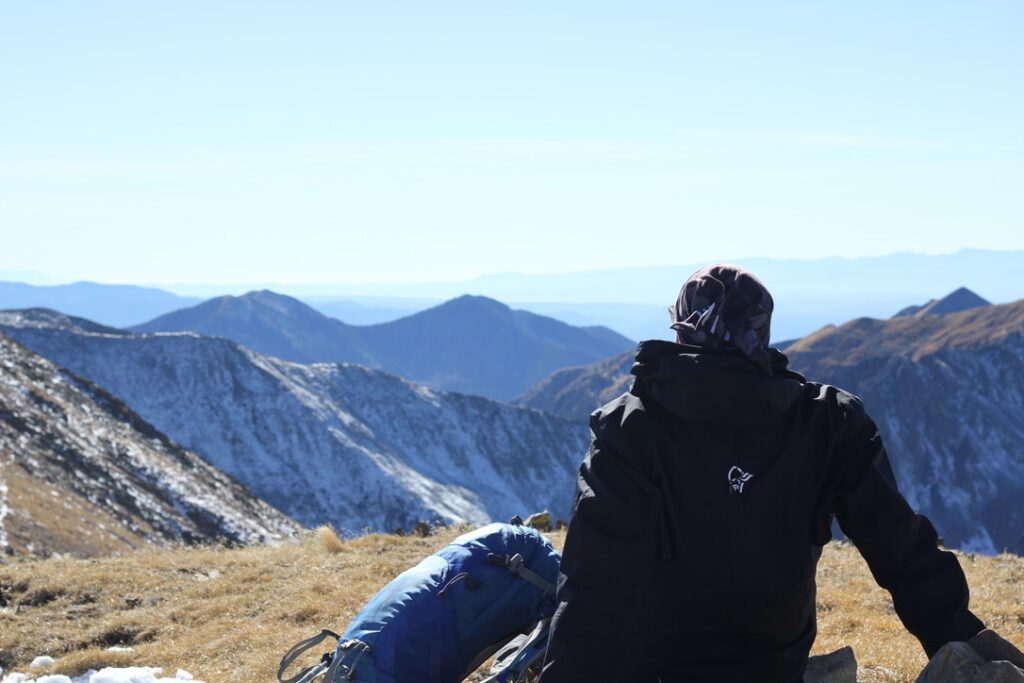
We tested the trollveggen during high-elevation hikes in New Mexico, including Wheeler Peak, winter conditions, rain, snow, and wind reaching approximately 50 mph. We evaluated the fit over insulation, the large underarm zippers while climbing, and the reinforced fabric in rough alpine terrain.
Quick Specs
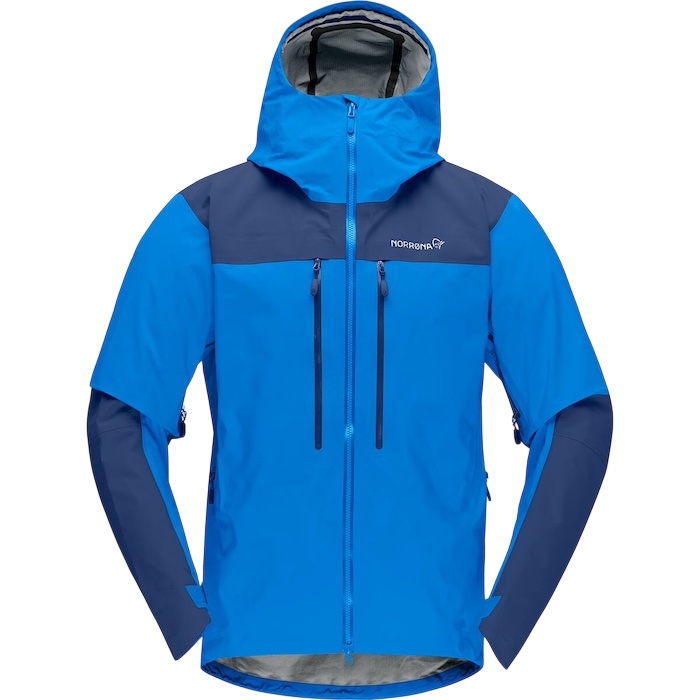
Norrona trollveggen GORE-TEX Pro Light Jacket
Best Rain Jacket for Guides
CleverHiker Rating: 4.8/5.0
Price: $699
Listed Weight: 15.9 oz. / 13.2 oz.(men’s / women’s)
# of Vents: 2
Pros
- Climbing-focused articulation
- Exceptional durability rating
- Strong ventilation for alpine effort
Cons
- Very high $699 price
- Heavier than ultralight rainwear
- Technical features unnecessary for casual use
Comfort & Mobility
Articulated construction allows reach and scrambling without the stiff restriction associated with some heavy alpine shells. The fit accommodates insulation and technical movement. Hipbelt-compatible pockets remain accessible when carrying climbing gear.
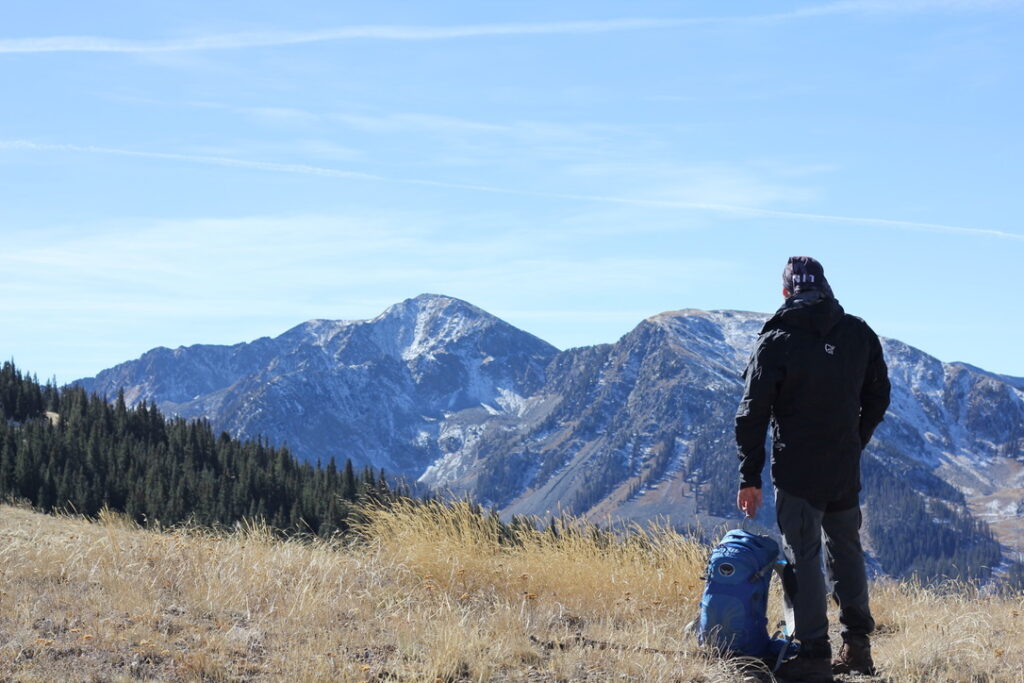
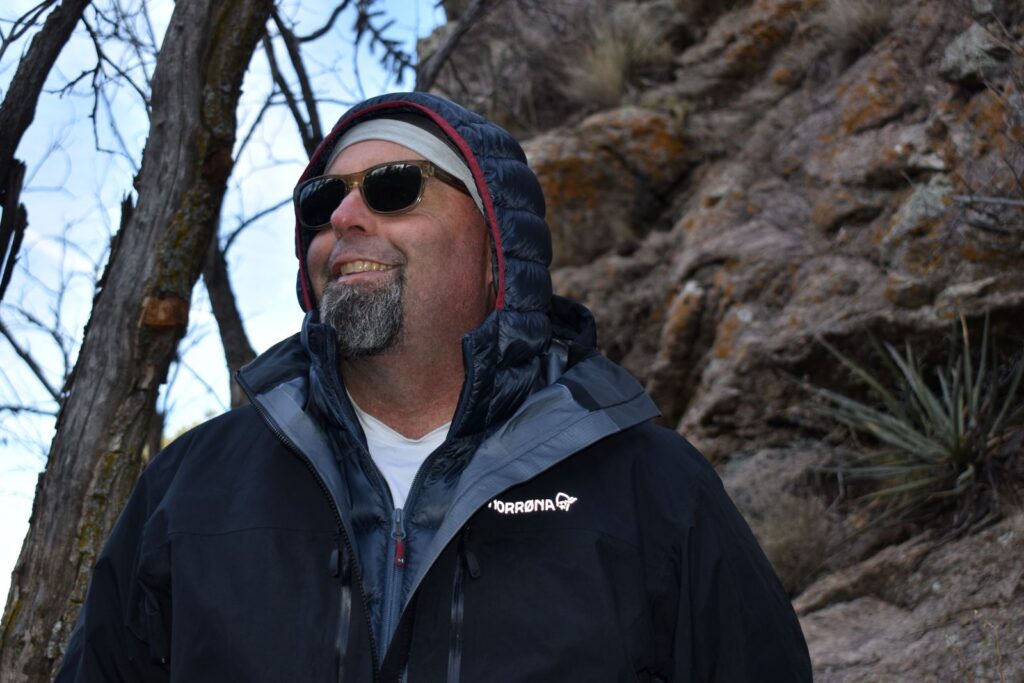
On Wheeler Peak, the Y-shaped fit stayed comfortable over a puffy and under a backpack, and the elevated pockets remained accessible above a hipbelt. The articulated arms did not restrict reaching or scrambling. Compared with traditional guide-grade shells, Pro Light felt markedly more supple; this is a technical piece that does not require the stiff movement of a classic mountaineering hardshell.
Comfort & Mobility Score: 4.5/5.0
Weather Resistance
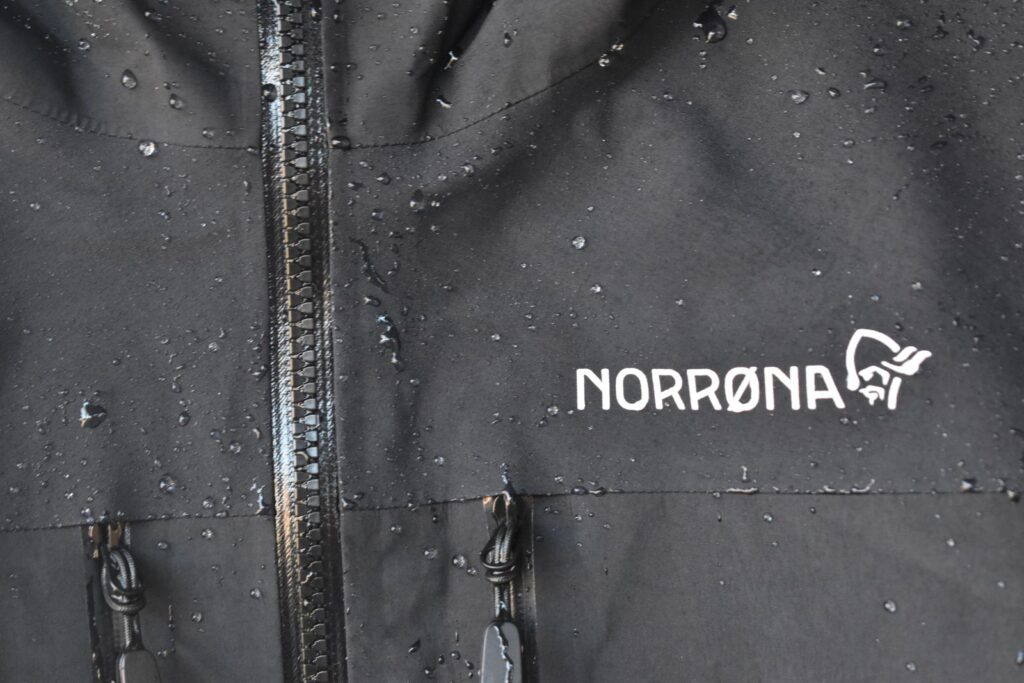
GORE-TEX Pro Light construction and careful hood adjustments are central to this shell’s design. Its high weather-resistance score reflects a technical emphasis on exposed conditions. Buyers wanting casual rainwear will not make full use of that protection.
During rain, snow, and wind approaching 50 mph in New Mexico, we remained protected by the membrane, storm hood, and covered openings. Pro Light’s important distinction is its sturdier face and backer, not a promise of more waterproofness than ordinary GORE-TEX. This is why the jacket makes sense for people who also expect hard abrasion from harnesses, straps, and sharp equipment.
Weather Resistance Score: 4.8/5.0
Ventilation
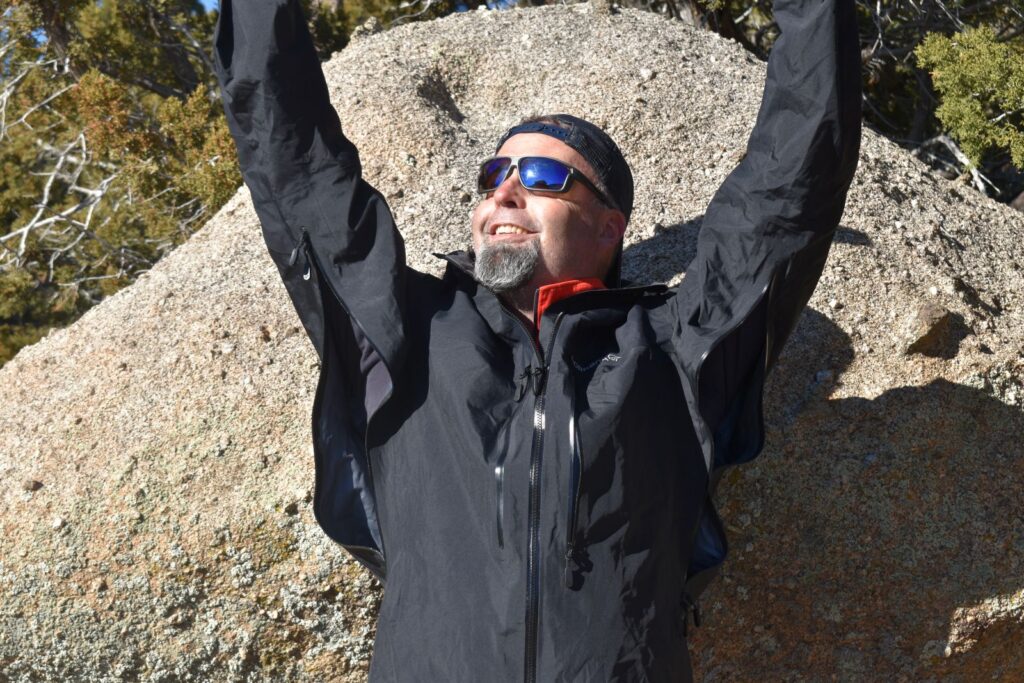
The category ranking gives this jacket the strongest ventilation score in the group. Large vents can be managed without abandoning storm coverage entirely. This is a more relevant advantage for sustained alpine effort than for occasional neighborhood walks.
The openings on the tested men’s large measured approximately 19 inches, among the longest we have evaluated. We used them while climbing toward 13,000-foot summits near Taos, shedding accumulated heat without removing the jacket. This unusually broad range of adjustment is more consequential to an active guide than a tiny improvement in fabric breathability alone.
Ventilation Score: 5.0/5.0
Durability
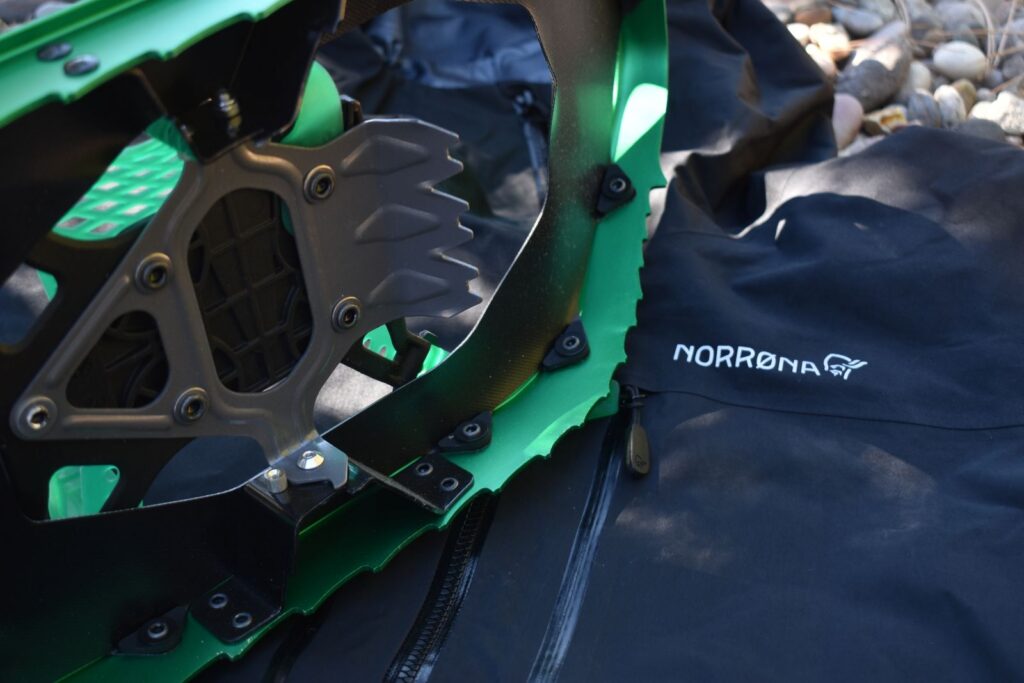
This model earns the top durability score in the current ranking, consistent with its serious alpine build. Robust hardware and a climbing-oriented cut make sense for repeated technical use. The available evidence does not justify a claim that every wearer needs that level of reinforcement.
Norrona reinforces wear zones with a dense 70-by-160-denier nylon weave designed for contact with ropes, pack straps, and rock. These technical materials are appropriate for climbers, ski mountaineers, and guides who routinely abuse a shell. They add price and weight that occasional rain hikers will not recover in meaningful performance benefits.
Durability Score: 5.0/5.0
Weight
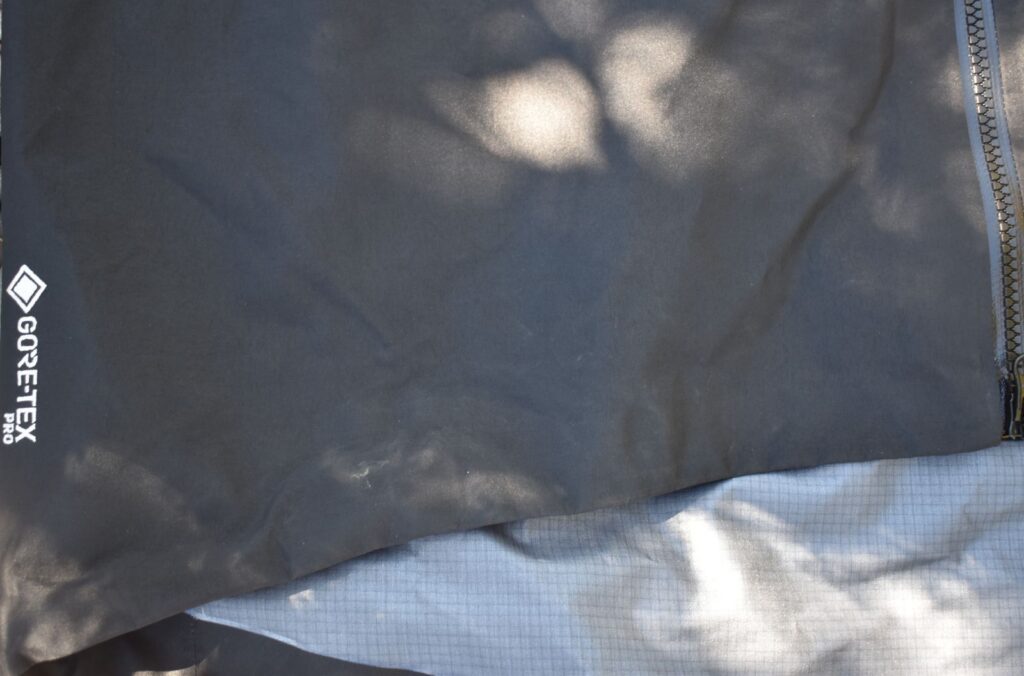
At 15.9 ounces, this is not a minimalist backpacking shell. Its price and carried weight should be evaluated against the technical features rather than against ultralight rainwear. Choose a simpler jacket if your trips rarely exceed ordinary trail exposure.
The jacket is comparatively light for pro-grade mountaineering protection, and our men’s large weighed 15.2 ounces, a reasonable tradeoff for its alpine features. On trail it felt less cumbersome than classic GORE-TEX Pro, but lightweight backpackers can save much more mass with a less protective design.
Weight Score: 3.8/5.0
Should You Buy the Norrona Trollveggen Gore-Tex Pro Light?
The Trollveggen GORE-TEX Pro Light makes sense for guides and climbers who regularly expose a shell to demanding alpine conditions. Its articulated construction, ventilation and protective features address needs that ordinary rain jackets do not prioritize.
The price is the main reason not to buy it for occasional hikes. The Beta SL supplies strong storm protection at a lower price, while the Patagonia Torrentshell 3L is a more sensible option for most nontechnical trail use.
What Other Rain Jackets Should You Consider?
The Norrona trollveggen GORE-TEX Pro Light dominates its specific niche, but many readers will be better off choosing one of the rain jackets in our guide that’s made for hiking, backpacking, or everyday wear:
Arc’teryx Beta SL Review: This is an alternative for severe-weather hikers who want premium protection without spending $699. It has excellent hood and zipper protection, though the trollveggen’s alpine-focused mobility may be more appealing to climbers.
Patagonia Torrentshell 3L Review: Hikers focused on long-term trail use rather than technical climbing will save hundreds of dollars. The heavier-duty alpine details here do not automatically translate to better value for everyday rain.
Outdoor Research Foray 3L / Aspire 3L Review: The extensive side zippers on these jackets are excellent for hikers who overheat in wet weather. They offer a more approachable alternative to a specialized alpine shell.