Bottom Line
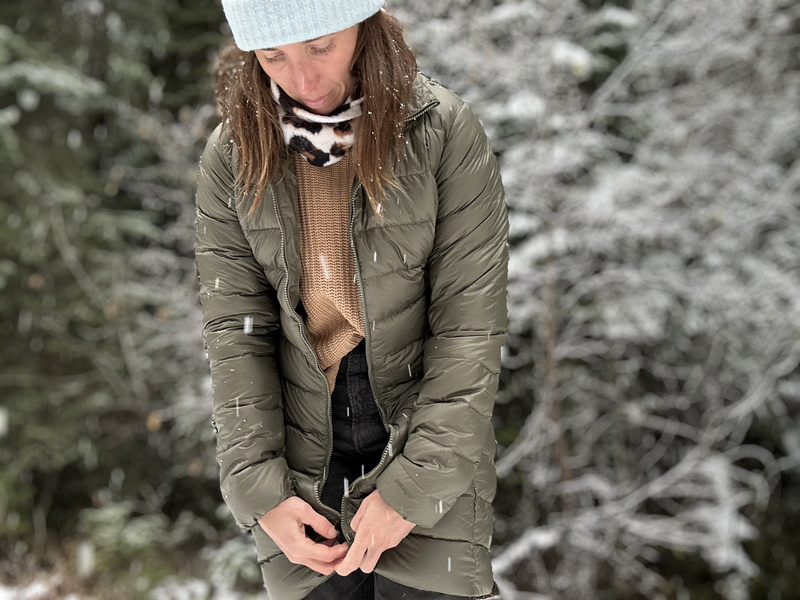
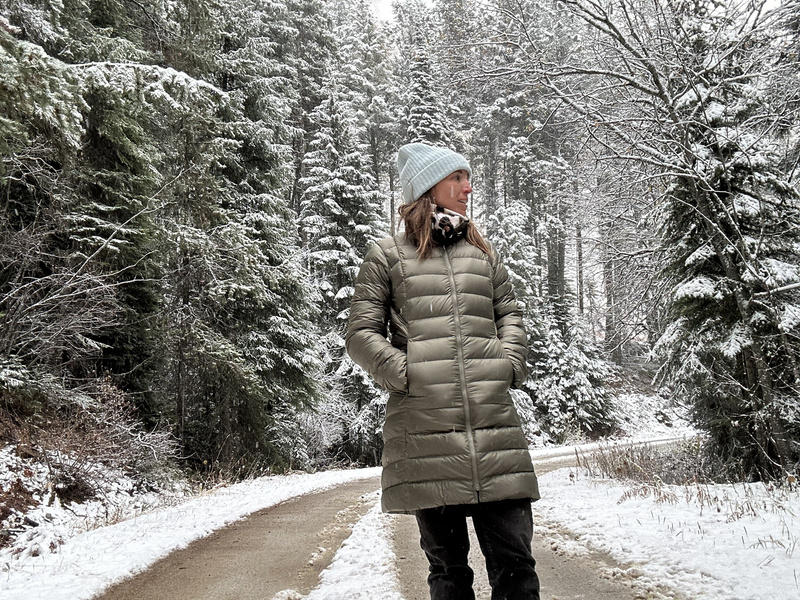
The Patagonia Tres 3-in-1 Parka is an unusually versatile winter coat for people who encounter cold rain as often as snow. Its waterproof outer shell and 700-fill down liner can be worn together or separately, and we watched rain bead cleanly off the shell during walks in northwest Montana. The knee-length silhouette feels polished enough for town without giving up weather-minded construction.
The clever part is that the convertible system is genuinely easy to use. We separated the liner and shell, then reconnected the sleeves, collar snap, cuffs, and front zippers in less than a minute. The substantial fabric held its shape, the hood’s stiff brim stayed structured, and the shell was quiet enough to feel comfortable for everyday wear.
The cost of that flexibility is some bulk at the front opening. Multiple zippers make the upper collar stiff when we tuck in our chin, and the down liner’s unusual cuffs feel a little draftier than elastic-edged cuffs. A thick sweater also made our usual medium feel somewhat restrictive. If you want one coat that moves between cold rain, winter chill, and milder days, the Tres earns serious consideration; compare it with the other options in our best winter jackets for women guide.
How We Tested
We wore the Tres 3-in-1 Parka in northwest Montana and Alberta during fall and winter snow and on rainy walks around 38°F. We checked the fit of a medium with normal and thick sweater layers, observed how the outer shell shed precipitation, and brushed the shell against a spruce branch along an overgrown trail.
We wore the complete parka, just the down liner, and the standalone shell. We also removed and reattached the down liner and timed how long reassembly took. We also inspected the hood brim, pockets, collar, front zippers, and cuffs. These experiences cover cool fall weather and rain and early winter conditions in Montana and Alberta.
Quick Specs
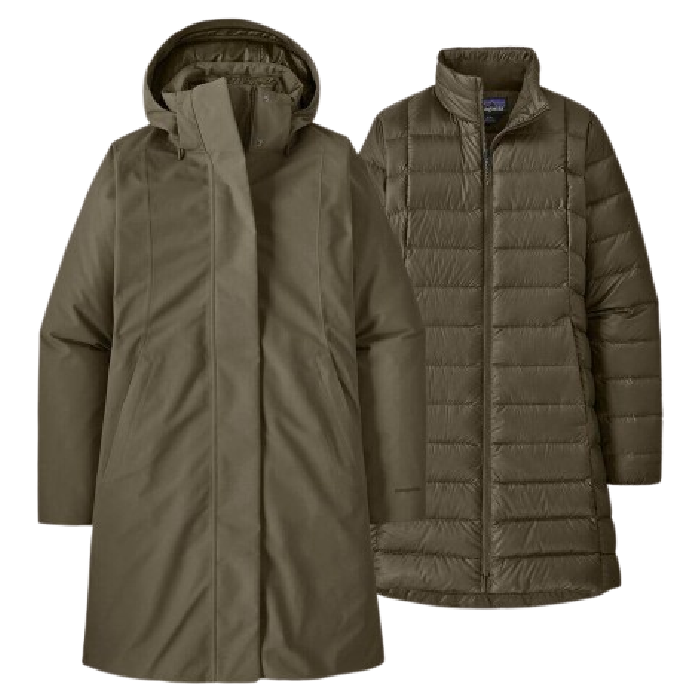
Patagonia Tres 3-in-1 Parka
Convertible Waterproof Winter Parka
CleverHiker Rating: 4.1/5.0
Price: $699
Weight: 3 lb. 3 oz.
Insulation: 700-fill-power down liner
Length: knee
Pros
- 3 wear configurations
- Excellent rain protection
- Quick liner removal/assembly
- Great coverage
- Structured hood brim
- Elevated style for outerwear
Cons
- Heavy
- Shell + puffy = bulk
- Wish the collar was fleece lined
- Drafty cuffs on the down layer
Warmth
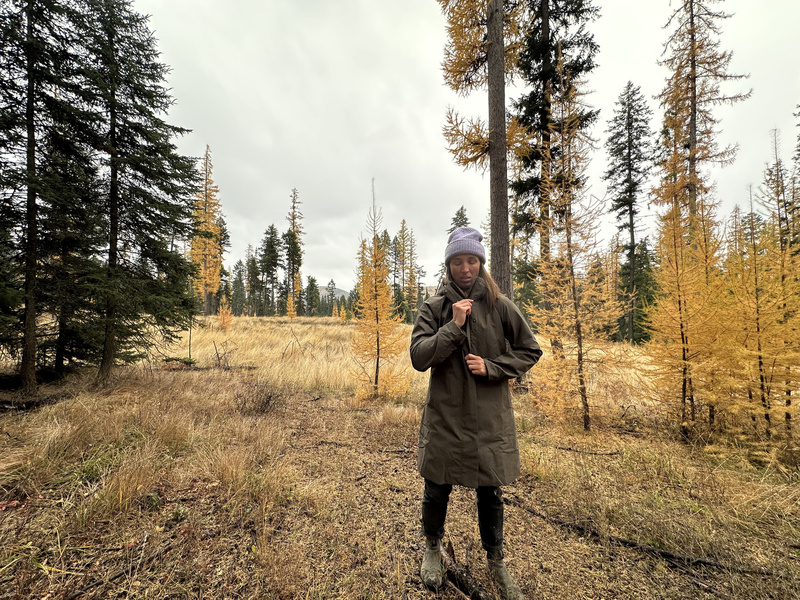
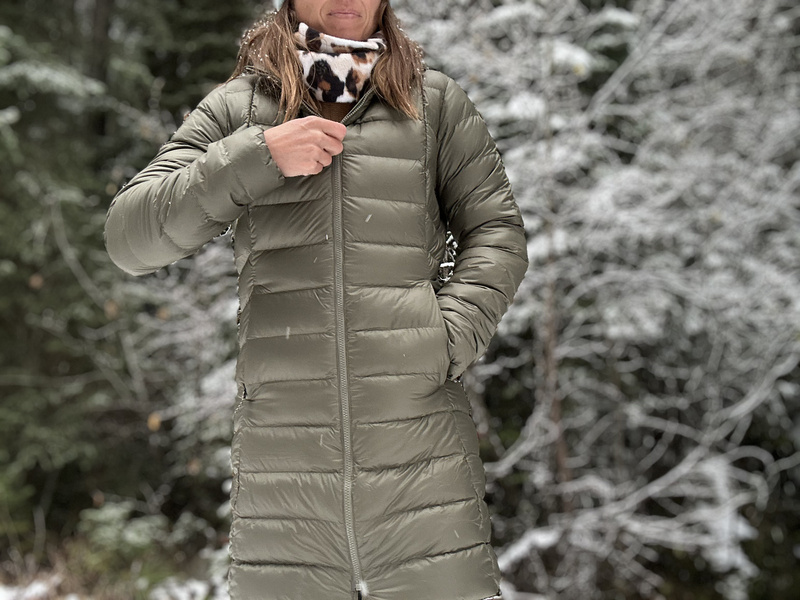
The Tres combines a down-insulated inner jacket with a longer outer shell, giving us more coverage and protection than a short standalone puffer. We liked the substantial feel of the complete coat during chilly outings in Montana, and the outer layer blocked wet weather while the 700-fill down liner provided insulation. The length is valuable when cold wind or precipitation reaches below the waist.
Fit matters when deciding how much additional warmth to layer underneath. Our women’s medium fit well with ordinary clothing, but a particularly thick sweater made the upper body feel slightly restricted when in paired mode. The down liner’s cuff construction also seals less than an elastic-edged wrist, leaving a little room for drafts while making it easier to wear gloves with gauntlet-style cuffs.
Warmth Score: 4.8 / 5.0
Weather Resistance
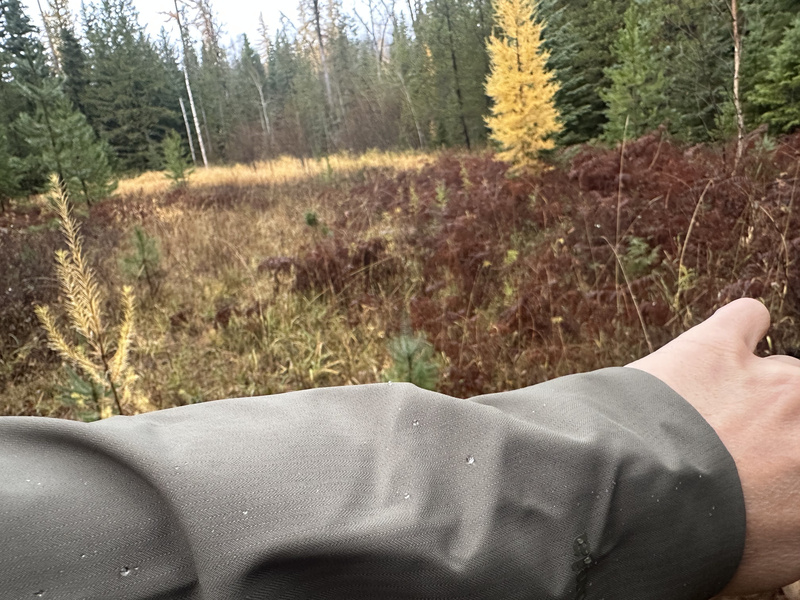
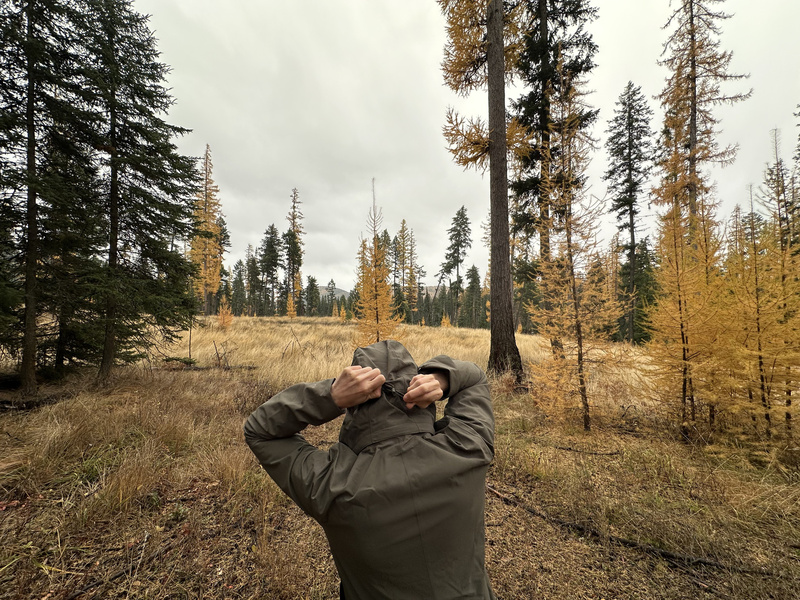
The waterproof shell is this parka’s defining advantage in wet winter weather. On a rainy and snainy walks in northwest Montana this fall, we saw water bead and roll off the outer fabric without difficulty. We had similar beading when we wore the shell alone along an overgrown trail, where a spruce branch brushed the fabric as we passed.
Patagonia builds the shell to its two-layer H2No Performance Standard and uses a DWR finish made without intentionally added PFAS. The hood’s stiff brim helps hold its shape when we aren’t wearing a hat, and the longer cut shields more clothing than a waist-length jacket. This jacket is built to handle shitty weather.
Weather Resistance Score: 4.9 / 5.0
Comfort & Functionality
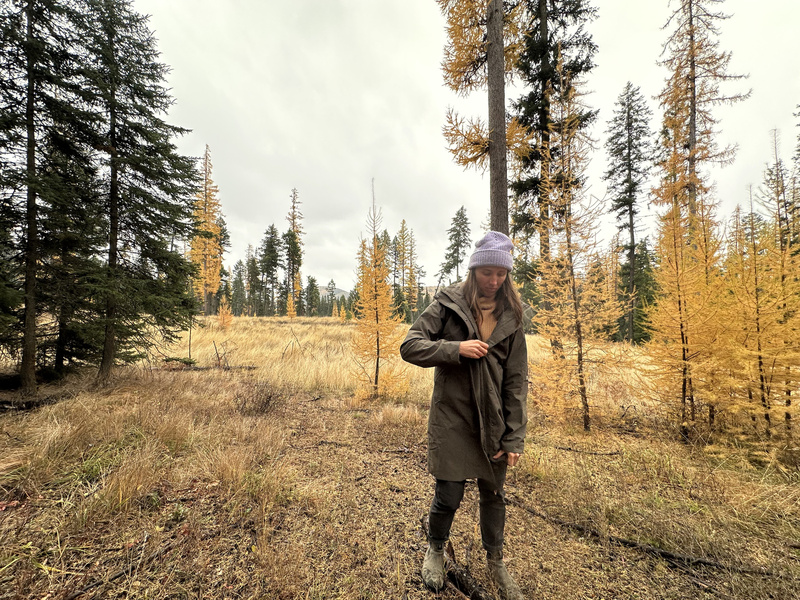
The Tres has a comfortable, tailored everyday feel, but it isn’t as simple against the face as a standard one-piece parka. We liked its quiet shell, full-coverage arms (over mitten cuffs), and weighty drape. We also had room for a normal sweater in the medium, although our bulkiest sweater pushed the fit toward restrictive.
The tradeoff shows up when the two jackets are connected. Their overlapping front zippers create a thick, somewhat rigid collar, especially when we pull our chin down to keep warm. The outer hand pockets are soft and roomy enough for substantial items, but they’re part of the rain shell rather than the insulated liner, so they don’t provide the hand-warming feel of down-backed pockets.
Comfort & Functionality Score: 4.7 / 5.0
Features
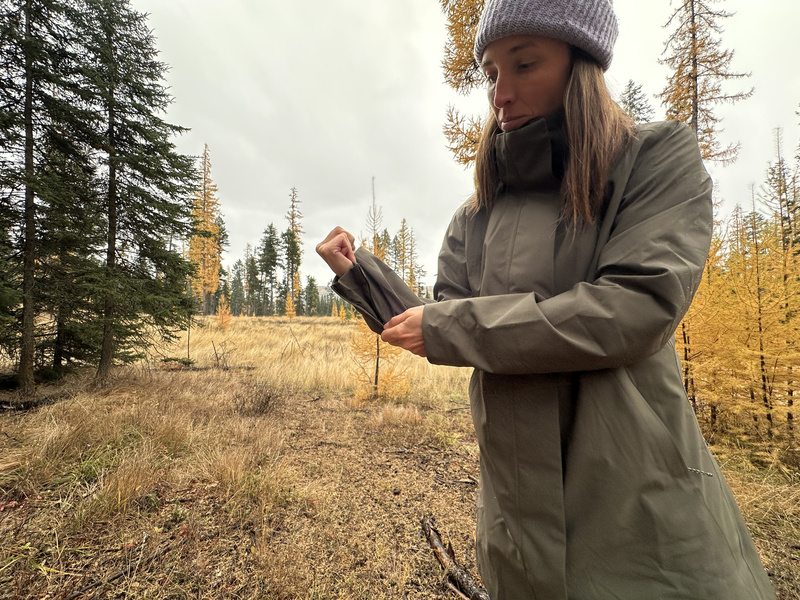
Three usable configurations give the Tres more range than a conventional insulated parka. We can wear the waterproof shell alone in milder rain, use the 700-fill down jacket separately in cold, dry conditions, or combine them for a weather-resistant insulated coat. We found removing the liner straightforward, and reattaching the sleeves, collar, cuffs, and front zippers took under a minute.
That convertible construction adds hardware, but not much fuss when we actually change configurations. The collar snap and wrist loops connect cleanly, and the well-shaped brim is helpful when rain is falling. The main drawbacks are the clustered front zippers and cuffs that don’t cinch closely around bare wrists; these are the compromises to consider before deciding whether the extra versatility is worth the complexity.
Features Score: 5.0 / 5.0
Should You Buy the Patagonia Tres 3-in-1?
We’d choose the Tres if we needed a single polished coat for cold, rainy days and wanted the option to remove the insulation when temperatures rise. Our field observations confirmed that the shell sheds rain well, and we were pleasantly surprised by how quickly we could separate the liner and put it back. The knee-length cut also makes sense for everyday travel when long weather coverage matters.
Skip it if you want a lightweight technical jacket, dislike thick collars, or regularly need to fit very bulky layers underneath. The outer pockets don’t warm hands the way insulated parka pockets do, and the multi-zipper construction is noticeable when the coat is fully buttoned up around the chin. A simpler down parka will feel less complicated on mostly dry winter days.
What Other Winter Jackets Should You Consider?
Take a look at our list of the best winter jackets for women or read more about specific similar models:
Marmot Emberous Down Coat Review: The Emberous focuses on simple, plush warmth with a fleece-lined torso, soft hand pockets, and glove-friendly cuffs. It’s worth choosing when dry-weather comfort is your priority; the Tres offers the more flexible layering system and true waterproof outer shell for frequent rain.
REI Stormhenge 850 Hybrid Parka Review: The Stormhenge is a more straightforward weather-minded insulated parka if you want substantial winter protection without zipping one jacket inside another. The Tres makes more sense when you intend to use its outer rain shell or inner down jacket separately throughout the season.
Fjallraven Nuuk Parka Review: The Nuuk emphasizes rugged everyday winter protection, plentiful pockets, and synthetic insulation in a conventional one-piece build. It suits shoppers who value a tough, feature-rich cold-weather coat over switching layers; the Tres is the more adaptable choice across wet and chilly conditions.