

Bottom Line
The Kershaw Bel Air is a USA-made pocket knife that earns its place among the best production knives we have tested: CPM MagnaCut blade steel, smooth-as-butter KVT ball bearing action, an ambidextrous DuraLock mechanism, and a 2.9-ounce aluminum frame that feels more premium than its weight suggests. This is one of those knives that just feels right the moment you pick it up, balanced equally well open or closed, and that first impression holds up through extended use.
After weeks of testing across campfire food prep, rope cutting at the river, beach carry, and what felt like a thousand Amazon boxes, edge retention has been exceptional and we have not seen a single sign of corrosion. For what you get in blade steel, USA manufacturing, and overall execution, the investment is easy to justify.
How We Tested
We carried the Kershaw Bel Air every day for several weeks and made a point of using it in all the places that tend to expose weaknesses quickly: the beach, Great Sand Dunes National Park, river days, and what felt like an endless stream of Amazon boxes.
Along the way, we paid close attention to edge retention, how it handled moisture and saltwater, how easy it was to use one-handed with cold or wet hands, and whether the overall build still felt tight and confidence-inspiring after regular use.
Quick Specs
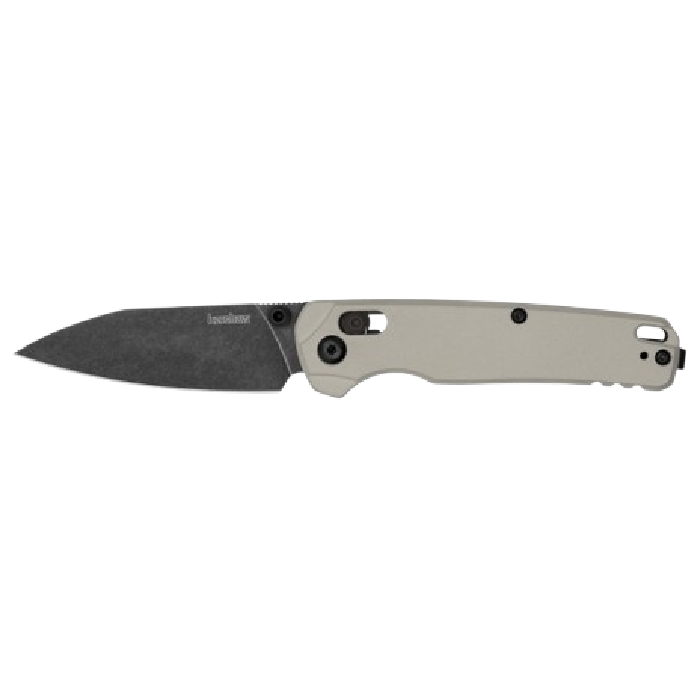
Kershaw Bel Air
Best Corrosion Resistant Pocket Knife
CleverHiker Rating: 4.8/5.0
Price: $260
Measured Weight: 2.9 oz.
Blade Length: 3.1 in.
Overall Length: 7.3 in.
Blade Material: CPM MagnaCut
Pros
- Very sharp
- Exceptionally smooth action
- Lightweight
- Balanced
- Excellent corrosion resistance
- Holds an edge
- Premium feel
Cons
- Price
- Handle can be slippery when wet

Build Quality
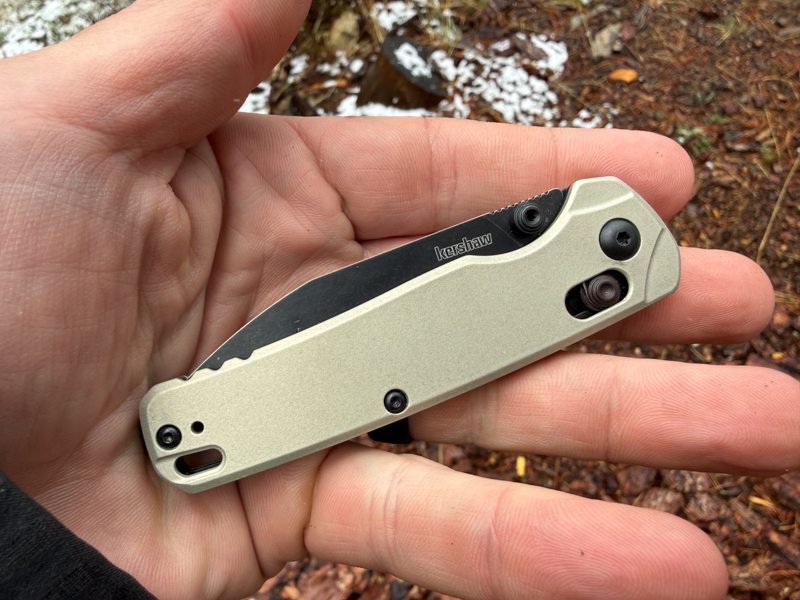
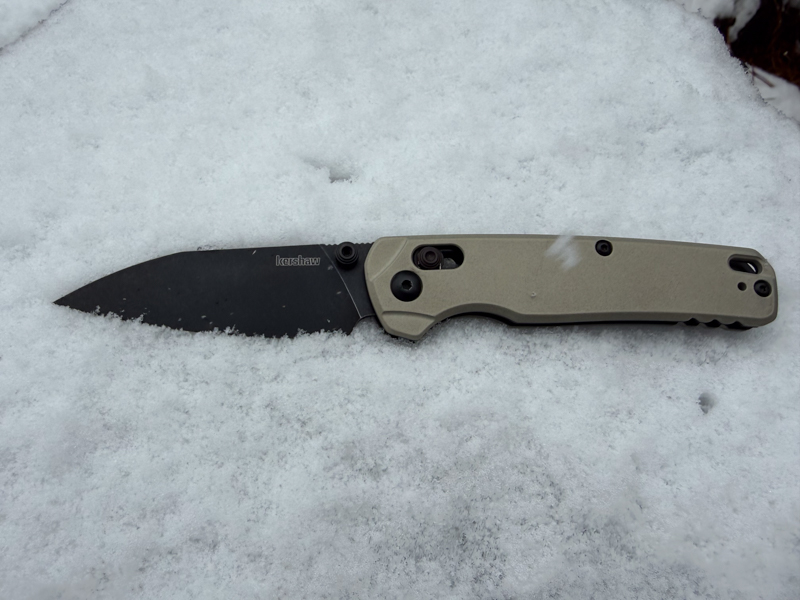
The Bel Air feels a little nicer than most production knives in this range right out of the box. The 6061-T6 aluminum handle with bright nickel Cerakote has a cleaner, more polished look than many knives with aluminum scales, and the overall fit and finish on ours was really good. No blade play, no weird gaps, nothing out of alignment. It just felt well put together from the start. The BlackWash blade is a nice touch, too. It helps hide everyday wear without making the knife look trashed too quickly.
One thing checked right away out of the box is blade play. Some users have reported a little movement that just needs a quick pivot adjustment. Ours arrived solid with no issues, but it takes about two minutes to check, and it’s worth knowing before you start carrying it.
Blade Retention & Stability
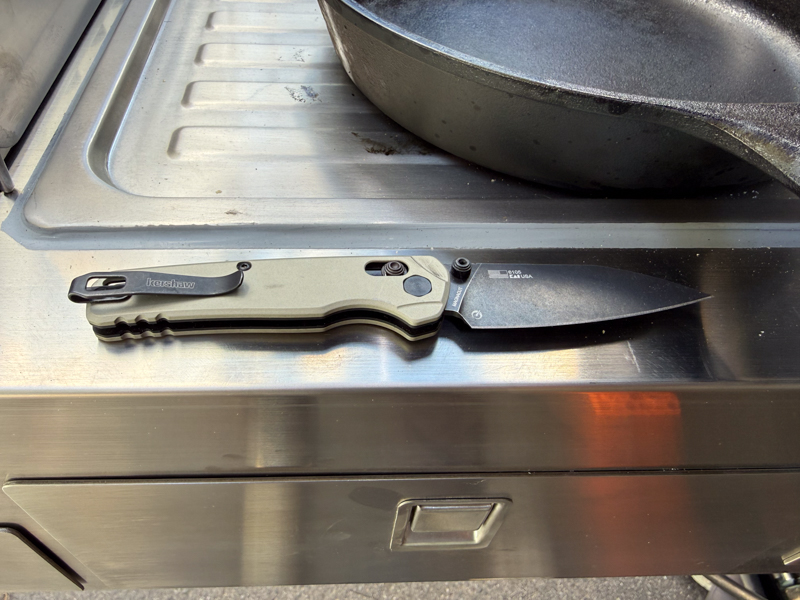
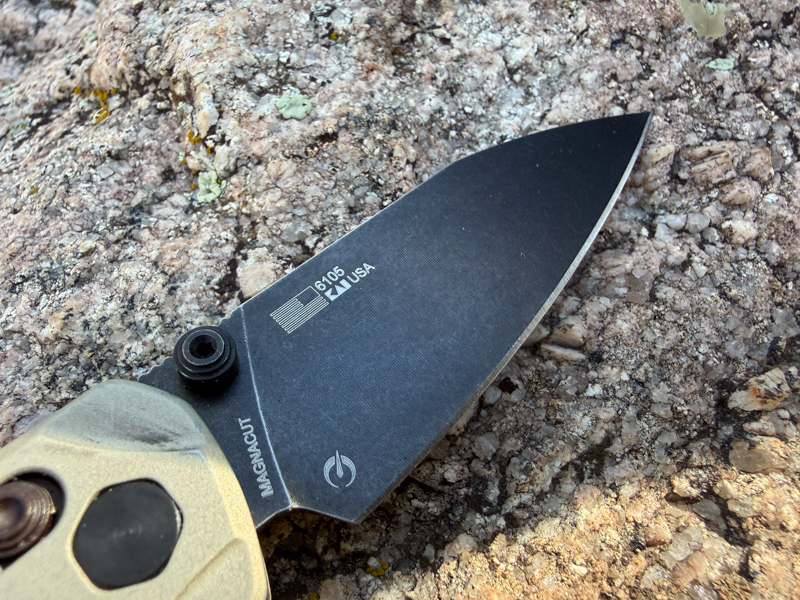
What really makes the Bel Air interesting is the CPM MagnaCut blade. There’s a reason people get excited about this steel. It does a really nice job balancing edge retention, toughness, and corrosion resistance without feeling like it had to sacrifice one to get the others. After weeks of use on cardboard, rope, camp cooking, and all the usual daily tasks, the edge held up extremely well and we never felt the need to touch it up during testing.
The blade also feels solid in use. It is thin enough to slice really well, which is a big part of why it feels so good for everyday tasks, but it still felt stable and dependable when we put it to work. We did not notice any wobble or flex under normal use. It is not the knife we’d choose for prying, but for the kind of cutting an EDC knife is actually meant to do, the Bel Air feels dialed.
Ergonomics & Grip
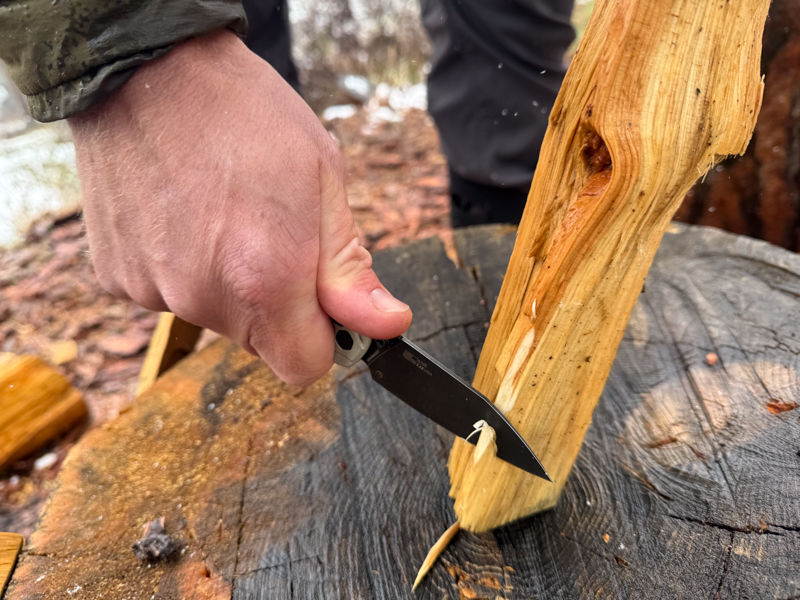
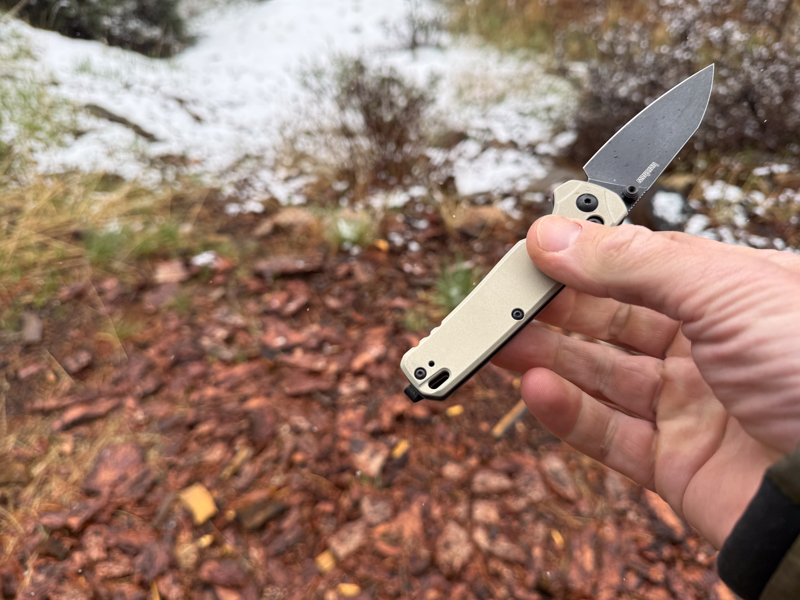
The Bel Air feels really well-balanced, both open and closed, and that is one of the first things we noticed. In hand, the aluminum handle is comfortable and easy to control, with just enough jimping on the spine to feel useful without being aggressive.
The handle shape also naturally guides your grip into place, so it feels intuitive right away. The reverse tanto blade shape might take a little getting used to at first, especially if you are more used to a drop point, but once we spent some time with it, it felt natural for both push-cuts and slicing.
The main downside is grip in wet conditions. In dry use, the aluminum handle feels great. Once it gets wet, though, it does get slicker than knives with G10 or more textured handle materials. That is not a dealbreaker, but it is something we would keep in mind if you plan to use it a lot around water or in damp conditions.
One smaller thing we noticed is that the clip placement feels a tiny bit off relative to the handle shape, though in real life, it never really became an issue during daily carry.
Corrosion Resistance
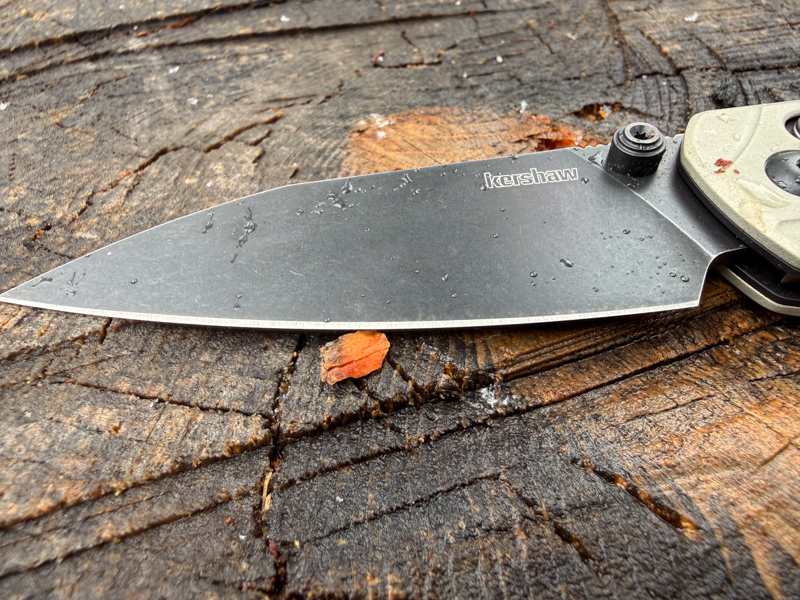
MagnaCut is a big part of why the Bel Air is so appealing, especially if your knife will see real outdoor use. We took it to the beach, brought it on river days, and exposed it to plenty of moisture and saltwater during testing. It came through all of that with no rust, no pitting, and no weird discoloration. That is not something every steel can say.
The BlackWash finish helps too, both by providing a little extra protection and by hiding the light scratches that come with actually using your knife rather than just admiring it. If you spend a lot of time around water, humidity, or generally wet conditions, this kind of corrosion resistance is a game-changer.
Locking Mechanism
The DuraLock is Kershaw’s version of the crossbar lock, and they did a really nice job with it. It feels smooth, secure, and easy to use right away. The lock engages cleanly, holds the blade firmly in place, and releases easily from either side, making the whole knife feel quick and intuitive in use. We used it in wet, dirty conditions throughout testing, and it kept working as we wanted without getting sticky or finicky.
It is also fully ambidextrous, which is not always something you can say about liner locks or frame locks. Closing it feels smooth and controlled, and your fingers stay out of the blade’s path the whole time, which makes it a really comfortable lock to use day-to-day.
Weight
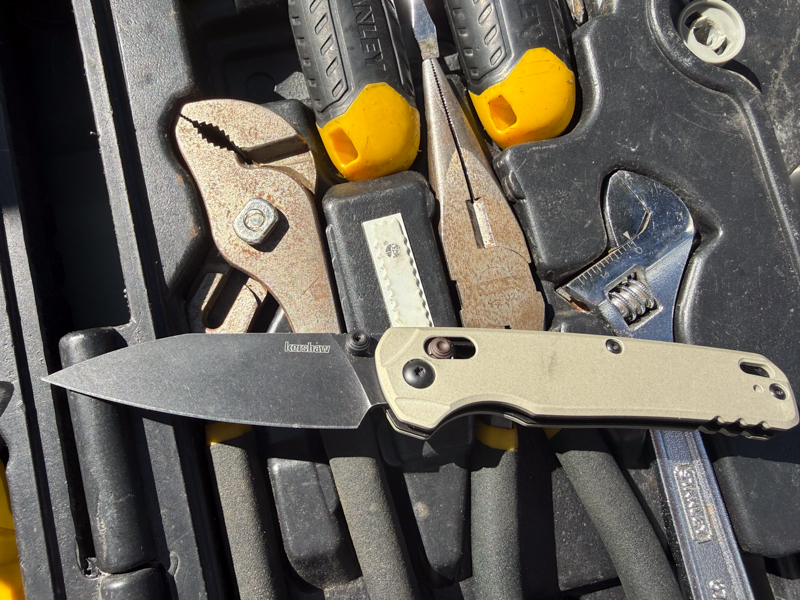
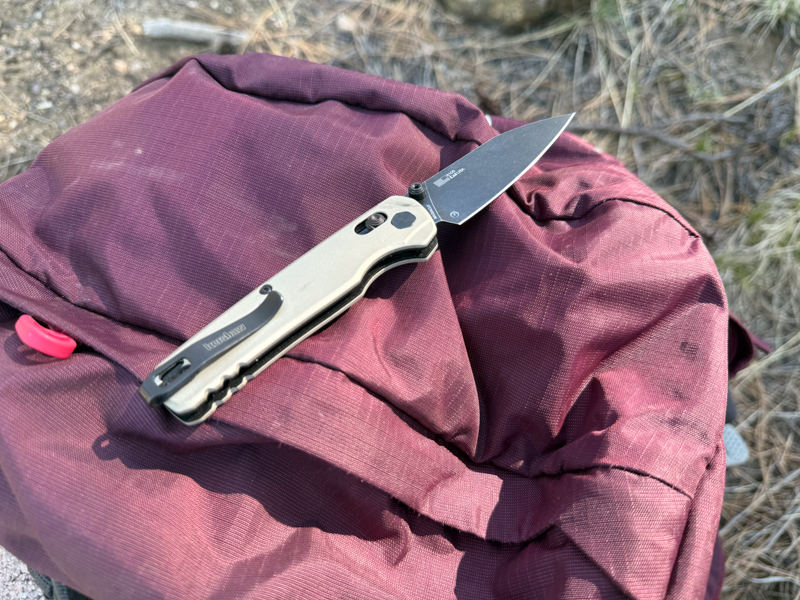
At 2.9 ounces, the Bel Air lands in a really nice middle ground. It is light enough that it pretty much disappears in your pocket, but it still feels solid and substantial when you pull it out to use it. The deep-carry reversible clip helps keep it low-profile, and the slim aluminum handle does not create the kind of bulk or pocket bulge that chunkier knives can.
Over full days of carrying it, whether we were hiking, camping, or just using it as an everyday knife, the weight never felt like an issue.
Should You Buy the Kershaw Bel Air Pocket Knife?
If you want a really nice everyday carry knife and you care about good steel, smooth action, and USA-made build quality, the Bel Air is a great choice. The MagnaCut blade is a huge part of the appeal. The lock works well, the action is smooth, and the whole knife feels well sorted in a way that held up throughout testing. It is one of the more impressive production knives we’ve used.
That said, it is not perfect for everyone. If you regularly use your knife in wet conditions, the aluminum handle is worth considering, since it can get a little slicker than more textured handle materials. And if you know you prefer assisted opening, something like the Kershaw Blur or Kershaw Leek may make more sense for you. But if you want a manual EDC knife that feels like a premium knife, the Bel Air is a solid pick.
What Other Pocket Knives Should You Consider?
We tested and reviewed 10 other pocket knives this year, and these are a few that, if you like the Bel Air, you also might want to check out:
Kershaw Leek Review: Our top-ranked pocket knife overall and the most direct Kershaw comparison. The Leek is lighter and more compact with assisted opening, making it the better choice for pure everyday carry minimalism. It does not match the Bel Air on blade steel or build refinement, but for a sleek, reliable EDC at a lower price point, it remains our top pick.
Benchmade Bugout 535 Review: If ultralight is the priority, the Bugout at 1.9 ounces is in a different weight class. The Axis Lock is one of the best mechanisms in the category, and the S30V blade steel is excellent, though MagnaCut is a step up. For backpackers or weight-conscious daily carriers, the Bugout is worth a look.
Spyderco Para Military 2 Review: If you want to step up to a truly premium production knife with a larger blade and exceptional ergonomics for more demanding tasks, the Para Military 2 is the benchmark in our lineup. It is heavier and more expensive but delivers a level of cutting performance and grip that suits more intensive use.