

Bottom line
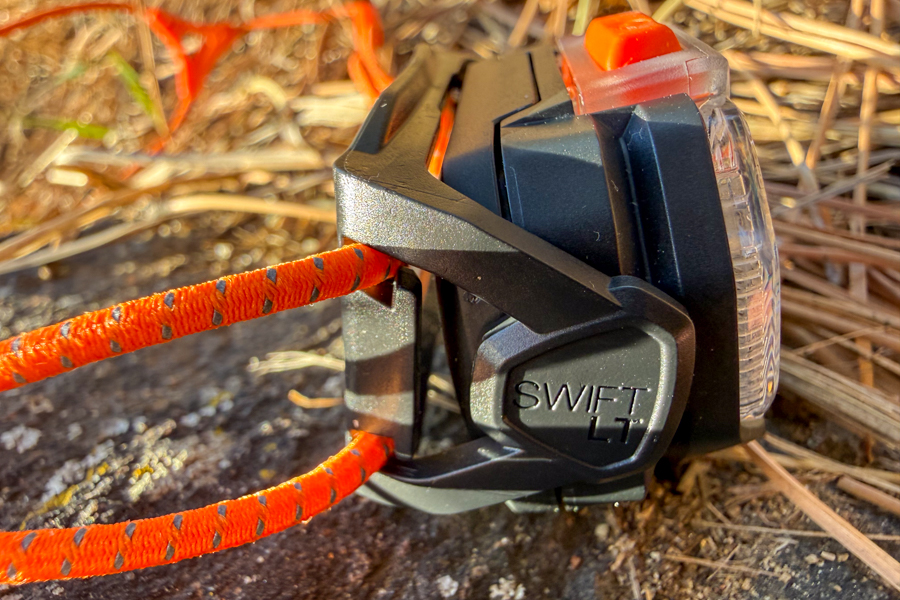
At 1.5 ounces, the Petzl SWIFT LT is competitively lightweight. The lamp’s 100-lumen standard mode handled most of our trail and camp use without needing to tap into the highest “max power” setting. However, there are trade-offs to the minimalist design: The fixed wide beam tops out at 230 feet (70 meters), the red light is fairly dim, charge time runs around 3 hours from empty, and there’s no pass-through option if the battery dies mid-outing.
Lightweight gear usually comes with noteworthy compromises, and the SWIFT LT is no exception. There’s a fixed wide beam, no spot mode, IPX4 weather resistance, and a shock cord in place of a traditional headband. Thankfully, most of these turned out to be less problematic than expected in testing. For ultralight runners, thru-hikers, and backcountry skiers who have already committed to going light, the SWIFT LT is worth serious consideration.
Check out our guide to the best headlamps for more top picks, expert recommendations, and tips on selecting the best options available.
How We Tested
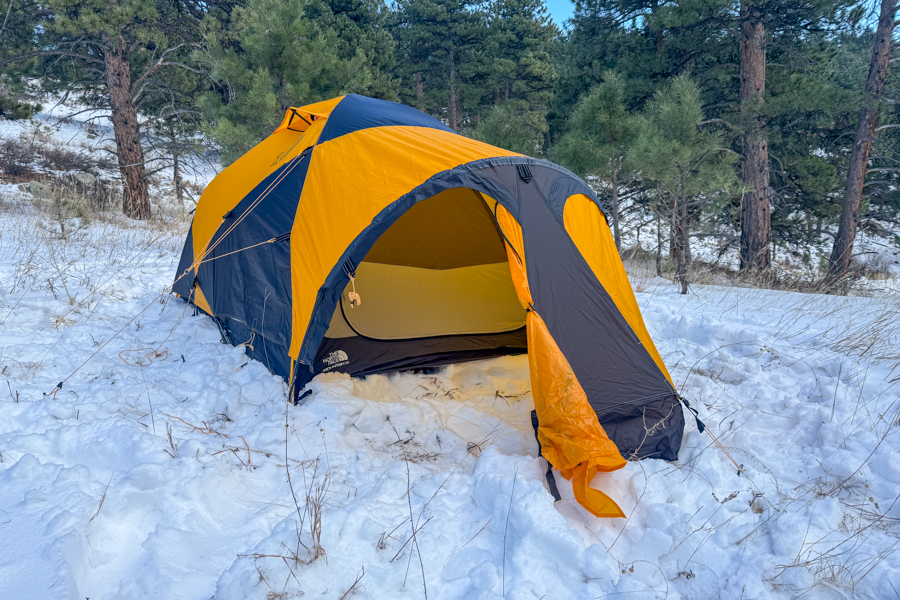
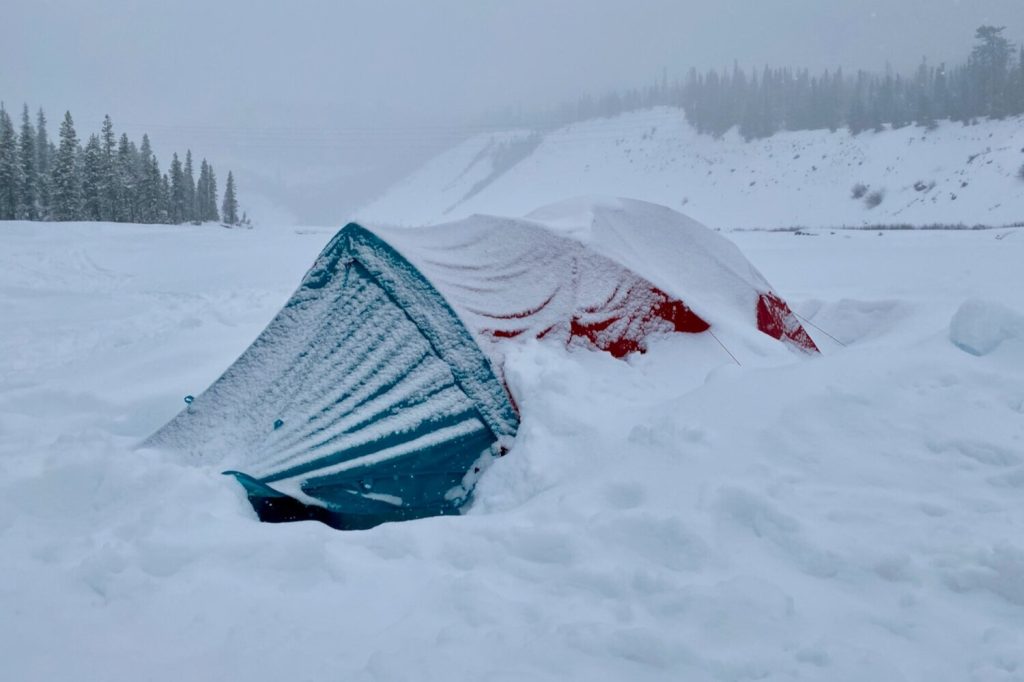
We tested the SWIFT LT over several months in Colorado, including pre-dawn trail runs in the foothills, backcountry ski laps, and multi-night backpacking trips. Our analysts focused on the uses and conditions it was designed for – high-output movement, sustained camp use, light snow and rain – along with a few it wasn’t.
Quick Specs
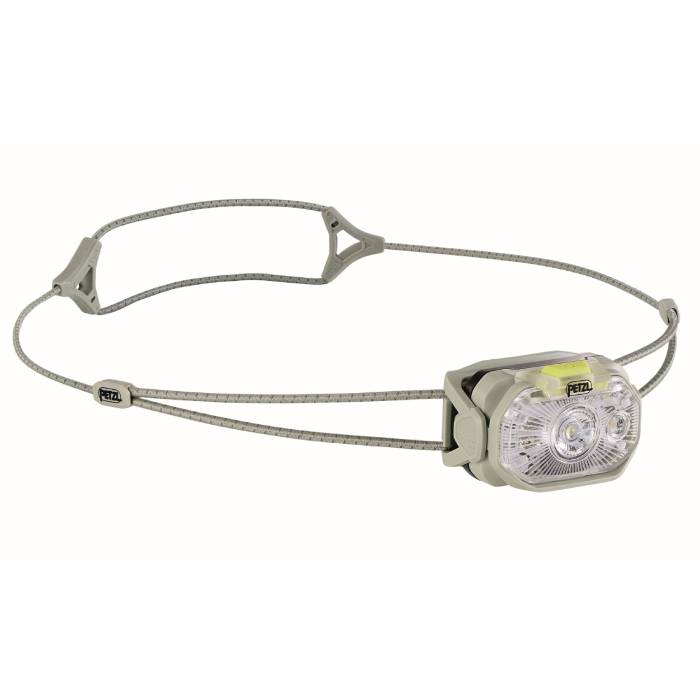
Petzl SWIFT LT
Best Headlamp for Runners
CleverHiker Rating: 4.6/5.0
Price: $55
Weight: 1.5 oz.
Max Lumens/Beam Distance: 380 lm / 230 ft (70 m)
Burn Time Low/High: 60 hrs / 2hrs
Pros
- Ultralight
- Simple to use
- Tilts up and can be worn around the neck
- Compact size
- Stable
Cons
- Not the brightest
- Slow recharge time
- No pass-through charging
Illumination & Light Quality
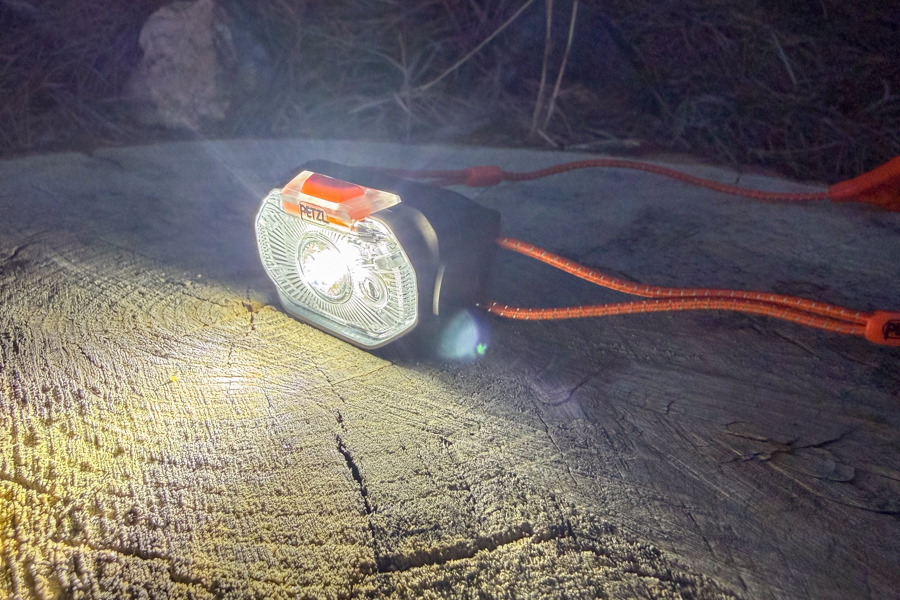
The SWIFT LT produces a wide, uniform beam across three white modes: max burn time (low) at 7 lumens, standard at 100 lumens, and max power (high) at 380 lumens. Max power is meaningfully bright for a headlamp this light, and standard mode at 100 lumens handled the majority of our trail and camp tasks without issue. The light color skews cool and is noticeably bluer than Petzl’s own ACTIK CORE or the neutral output of the Black Diamond Spot series. The cooler light reads well on technical terrain, though we did experience some eye fatigue after several hours of use.
Where the SWIFT LT falls a bit short is its throw. The fixed wide beam reaches 230 feet at max power, which works fine for wooded singletrack and camp use. That said, you’ll feel the ceiling on open ridgelines or fast descents when looking farther ahead is beneficial.
Burn Time
Battery life is solid given the SWIFT LT’s intentions. Max burn time at 7 lumens lasts 60 hours – useful as a low-draw reserve but too dim for moving on undulating trails or variable terrain. Standard mode at 100 lumens delivers 6 hours with an additional 2-hour reserve, which covered our trail runs, evening camp chores while backpacking, and most multi-day trips without issue. Max power at 380 lumens lasts for 2 hours.
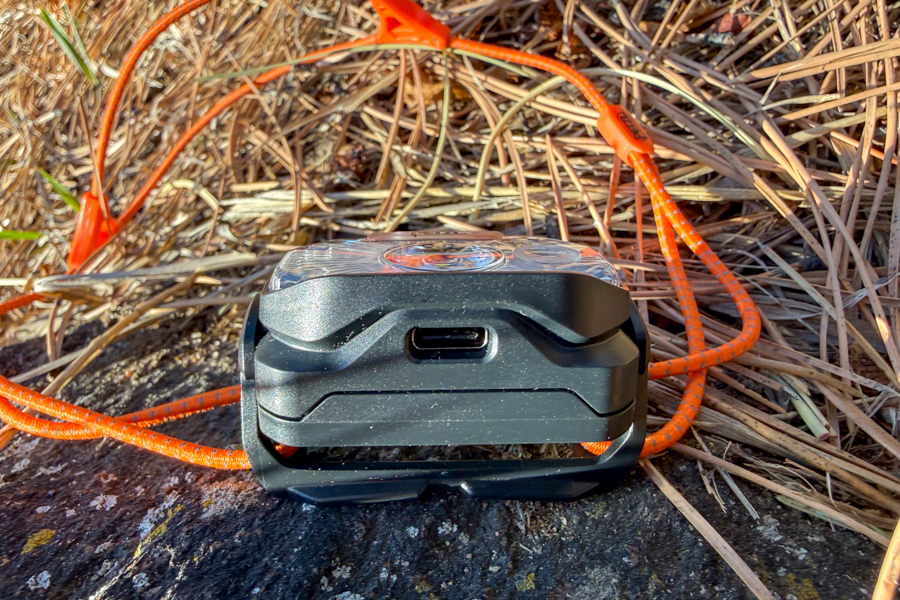
The charging situation is a little murky. The SWIFT LT charges via USB-C, but it consistently took our unit 3 hours to fill up from empty. That’s pretty slow for a headlamp with an 880 mAh battery. For comparison, the similarly intentioned Nitecore NU25 UL comes with a 650 mAh battery (which offers about 65% of the SWIFT LT’s the energy capacity) and charges in under 1.5 hours. There’s also no pass-through charging, so an external battery won’t keep it running mid-objective. On longer adventures, you’ll need to plan around that.
Weight
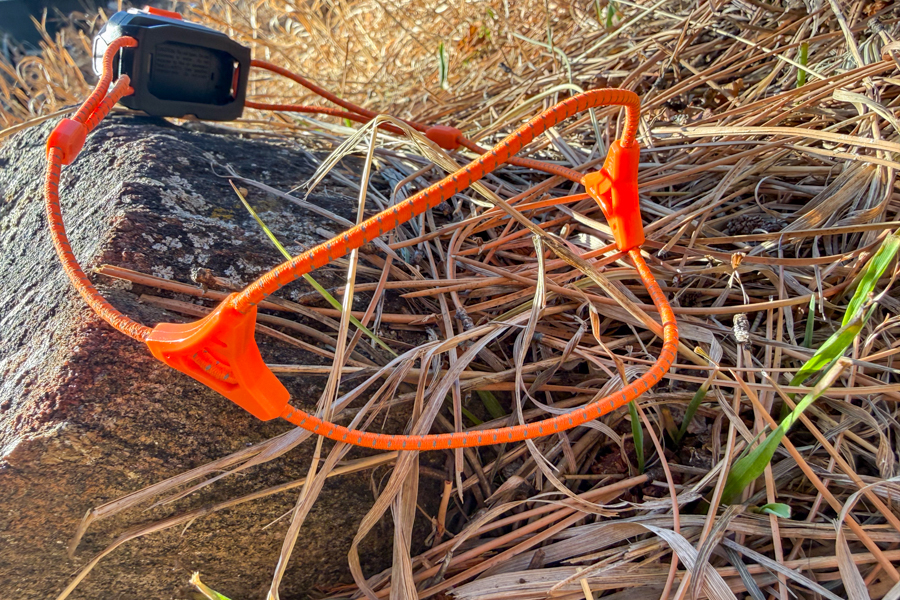
At 1.5 ounces, the SWIFT LT is feathery light with a barely there feel to match. We never noticed it on trail runs, and it added almost nothing to our pack weight on backpacking trips. A lot of the savings comes from the shock cord headband, which lacks the bulk of a traditional strap – the kind of design decision that makes sense to those who saw the handle off their toothbrush. The cord requires two hands to adjust – a minor inconvenience during setup that disappears once you dial in the fit. For ultralight backpackers, thru-hikers, trail runners, and backcountry users who prioritize keeping their kit light, the SWIFT LT is hard to beat.

Comfort
Ultralight headlamps are rarely very comfortable. Designs with shock cord-style straps don’t protect against plastic-to-skin contact, so more often than not, that means the plastic headlamp body is resting against your forehead. These straps also can’t distribute the pressure around your head as well as thicker, more traditional straps, which can sometimes lead to discomfort or irritation. Thankfully, the SWIFT LT is fairly comfy despite its unapologetically streamlined design.
Through trail runs, backcountry ski laps, extended backpacking outings, and sprinting after toddlers, the SWIFT LT held securely in place. The thin cord breathes noticeably better than a traditional headband when the going gets sweaty. Adjustment requires two hands to cinch, which is a small inconvenience, though we had our fit dialed in after a few seconds and didn’t think about it after that.
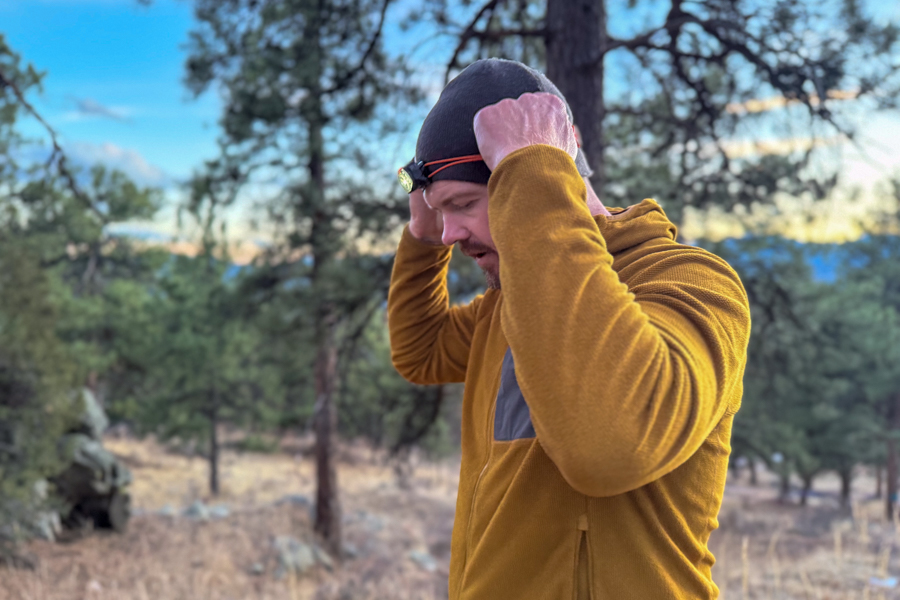
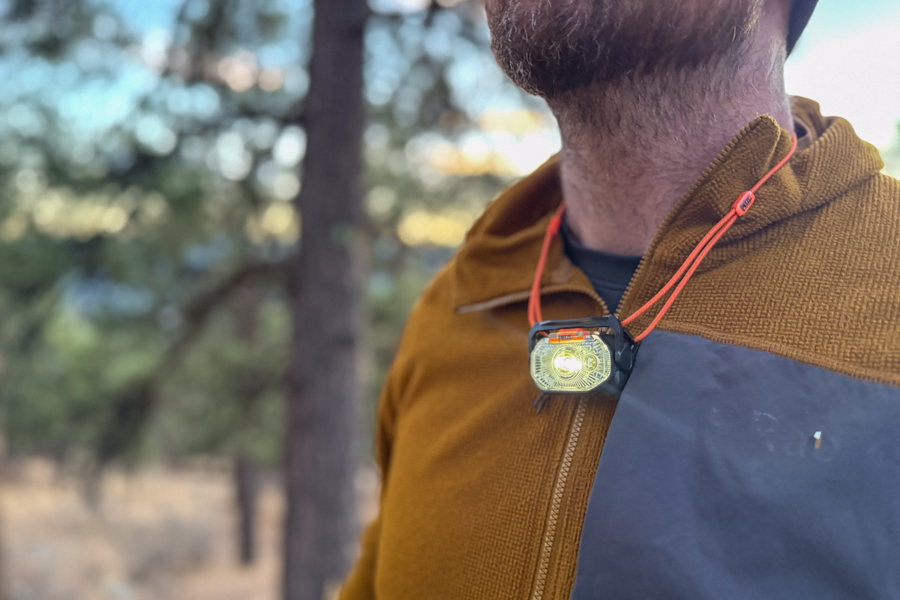
The tilt function added more to comfort than we expected. When worn angled forward around the neck on rocky trail sections, the lower light position takes pressure off the forehead entirely and improves depth perception enough that several of our analysts made it a regular habit. We did note minor pressure from the cord during long, low-intensity nights, but it never rose to the level of being a real complaint.
Ease of Use
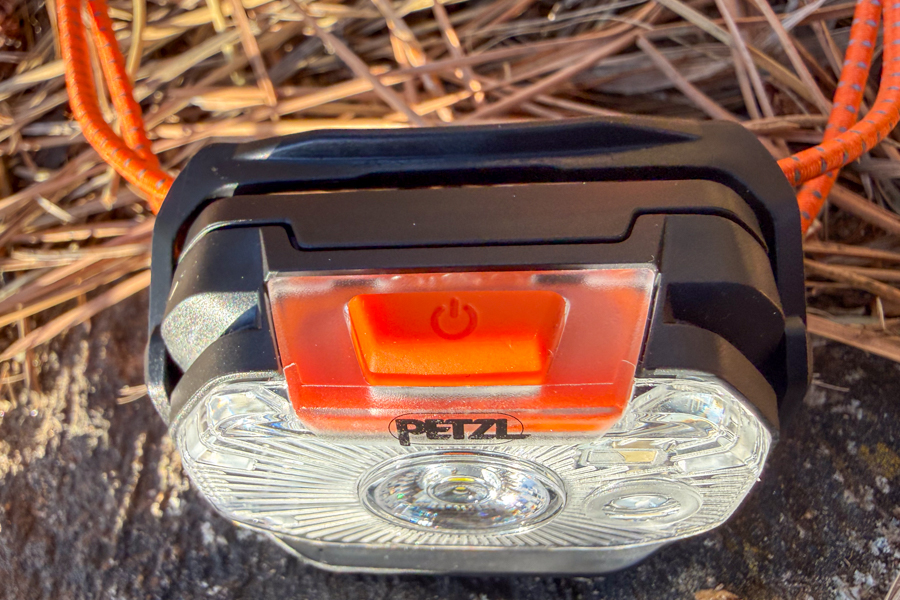
The SWIFT LT uses a single-button interface that’s very simple and intuitive out of the box. A single press turns the lamp on at max burn time (7 lumens), and additional presses cycle through standard (100 lumens) and max power (380 lumens) before returning to the lowest setting. Holding the button switches to red-light mode; a second press cycles to red strobe.
To access the lock function, just hold the button until the indicator blinks. The battery charge indicator shows remaining power each time the lamp turns on or off, which is helpful. The single button cycles through all three white modes before looping back to off, so if you overshoot your preferred brightness level, you have to click all the way through before starting again.
Features
The SWIFT LT’s feature list is short, and most of what’s on it works well. Three white modes cover the realistic range of ultralight uses. The tilt function is well executed. Angling the lamp upward when worn around our neck was useful enough on rocky terrain that it became a habit for us.
The lock function is reliable, though it’s standard on most modern headlamps. Reflective threading woven through the headband improves visibility in low light. The red light is the weak spot, comprising a 2-lumen narrow beam that works fine for reading in a tent or locating gear in a pack but isn’t much help for moving quickly on trail. There’s no pass-through charging, no spare battery option, no beam adjustment, and a middling IPX4 weather resistance rating.

Should You Buy the Petzl SWIFT LT?
The SWIFT LT is the right headlamp if going light is your top priority and you know what you’re giving up. We recommend it for trail runners, thru-hikers, backcountry skiers, and ultralight backpackers who need a feathery but reliable option for moving fast in the dark. The strap holds securely at a sprint, the low-profile unit is imperceptible on the move, and 100 lumens on standard mode covers most situations without hammering the battery.
Skip the SWIFT LT if beam throw matters. The fixed wide beam tops out at 230 feet, which you’ll feel on exposed ridgelines and alpine starts. The red light is narrow and dim, charge time is slow, and a dead battery mid-outing can’t be fixed with an external power bank. For users who need more flexibility in the dark, there are better options available.
What Other Headlamps Should You Consider?
If you like the SWIFT LT, you should also check out the models below and take a look at our guide to the best headlamps:
Nitecore NU25 UL Review: The NU25 UL is 0.14 ounces heavier than the SWIFT LT but steps up to 400 lumens, offers spot and flood modes, and has more robust IP66 waterproofing. The SWIFT LT has a more refined fit and feel on the head, though the NU25 UL delivers more features and better waterproofing for considerably less.
Black Diamond Spot 400-R Review: Moving away from the ultralight space to a more well-rounded headlamp, the Spot 400-R checks a lot of boxes for outdoor-goers of all kinds. It’s heavier at 3 ounces but throws to 328 feet, adds IP67 waterproofing, and features a more traditional strap.
Petzl ACTIK CORE Review: If you want to stay in the Petzl lineup but need more output and battery flexibility, the ACTIK CORE is a good bet. It delivers 625 lumens at max brightness, has a 377-foot throw, and can be powered by either its rechargeable battery or three AAAs. Weight jumps to 3.1 ounces, but the performance gain is worth that trade-off for many outdoor uses.