Bottom Line
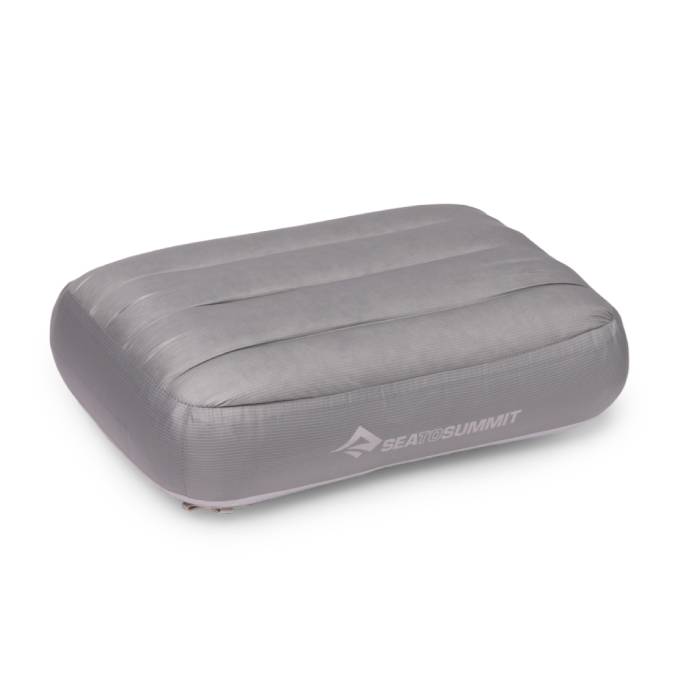
The Sea to Summit Aeros Down adds a down-cushioned top to an exceptionally light inflatable pillow. It is a practical luxury for backpackers who want some relief from the feel of bare air chambers but still need a very small packed size. Its narrow rectangular sleeping area and down-care requirements are important compromises.
We logged more than 75 nights on the Aeros Down, including long-distance trail hikes, and our team also compared its Regular and XL sizes in New Mexico. We appreciate that the down top reduces contact pressure on the ear without making the Regular heavier than most minimalist pillows. The multifunction valve offers convenient changes in firmness when the initial inflation feels too hard.
Our main reservation concerns shape, not quality. The small rectangular surface is less forgiving when you change positions, and the Sea to Summit Aeros Premium or Therm-a-Rest Air Head Down fits around the neck more naturally for some side sleepers. The XL gives you more room but undermines the tiny packed size that makes the Regular special.
For a closer look at how down-topped pillows compare with foam and other inflatables, explore our best camping pillows guide.
How We Tested
We compared the Regular and XL in New Mexico’s Gila and Pecos wilderness areas. We also used the pillow for more than 75 nights during Colorado Trail and Long Trail thru-hikes.
Our tests included both the minimal Regular size and the roomier XL, letting us assess how much weight and pack space the larger sleeping surface costs. We also compared the Aeros Down with the contoured Air Head Down and Aeros Premium to separate the advantages of top cushioning from the advantages of neck-hugging shape.
Quick Specs
Sea to Summit Aeros Down
Most Packable Backpacking Pillow
CleverHiker Rating: 4.7/5.0
Price: $65 – $85
Weight: 2.5 oz. (Regular)
Pillow Type: Air with down top
Pros
- Extremely light and packable
- Down top softens air chamber
- Convenient valve
- PillowLock attachment
Cons
- Small sleeping surface
- Rectangular neck fit
- Down requires maintenance

Comfort
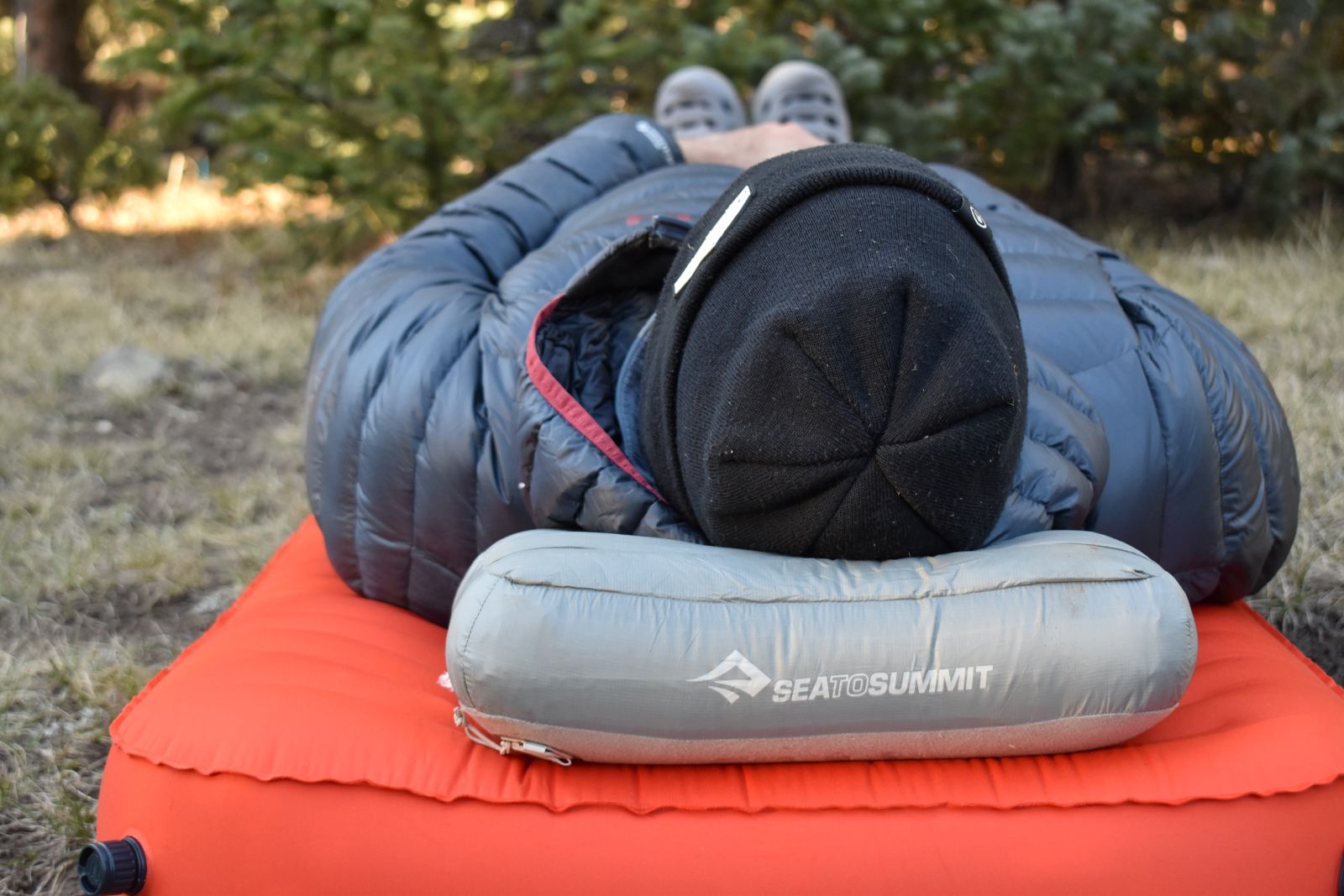
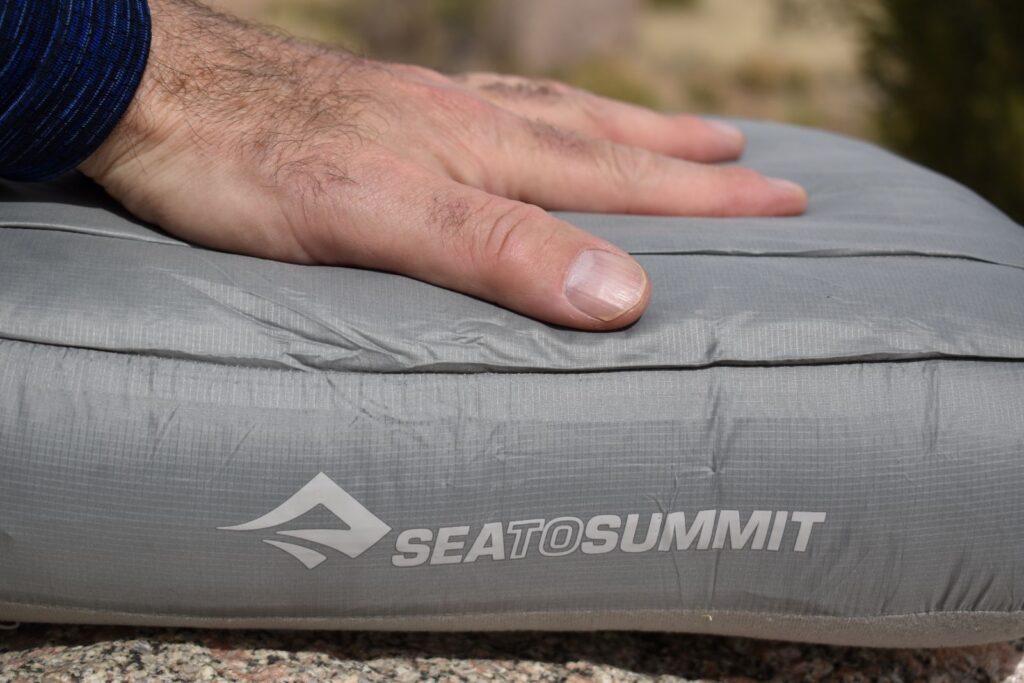
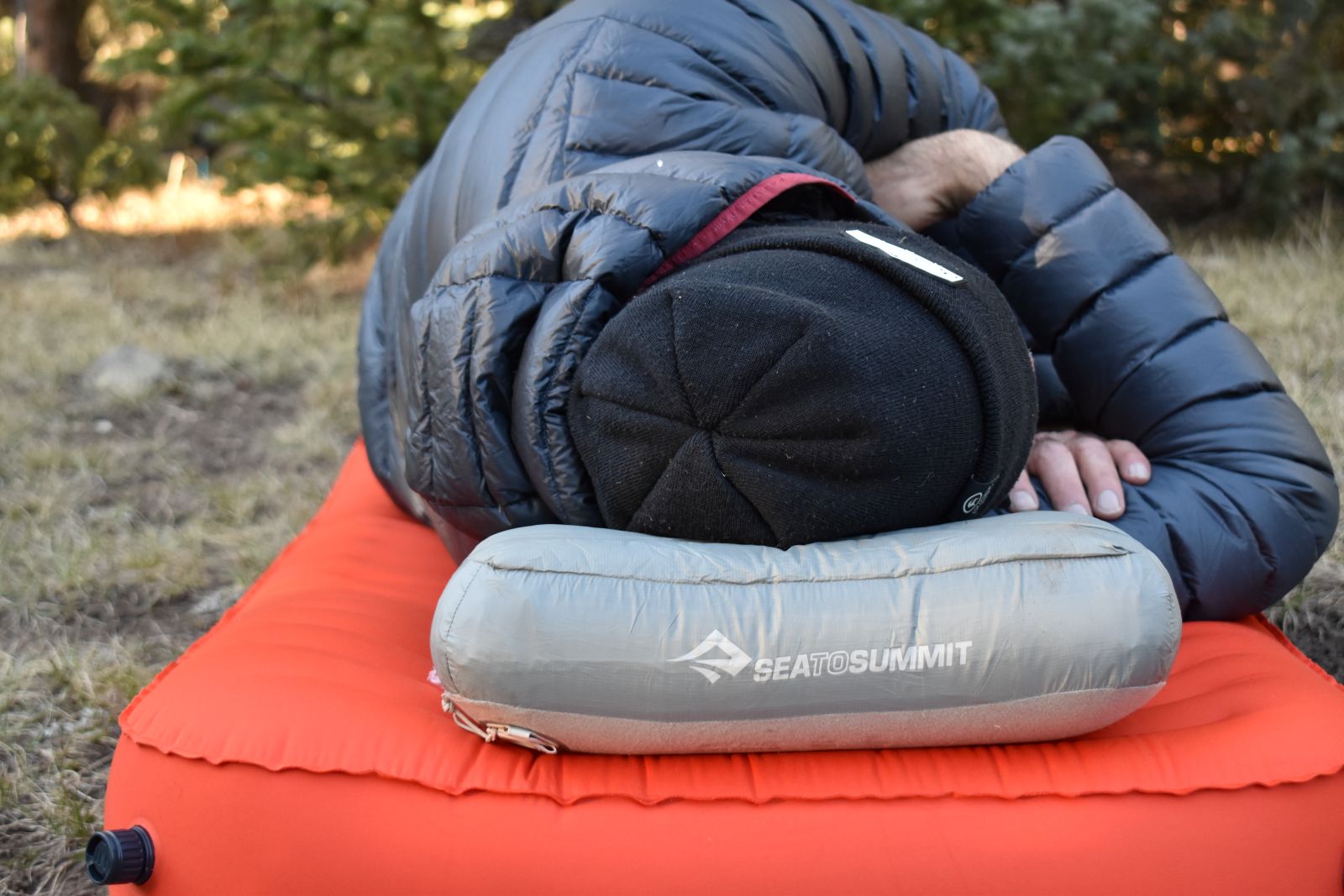
Thin baffles of down create a gentler contact surface than an unpadded inflatable. This reduced the squashed-ear sensation our side sleeper experienced with some competitors, though the core still feels more structured than compressible foam.
Our experience over more than 75 nights gives us greater confidence in the down-topped construction than a single comparison session could provide. The down layer doesn’t transform the pillow’s rectangular shape, though: in side-by-side tests our other analyst still preferred a crescent-shaped pillow for fit around the shoulders. Back sleepers who like a flatter rectangular landing zone may view that compromise differently.
Down softens the face-contact layer but does not cushion the entire bladder like a thick foam pad. Our side-sleeping tester still noticed the pillow’s limited width when changing position, so a larger foam pillow remains the choice for home-style comfort.
Comfort Score: 4.4/5.0
Weight & Packability
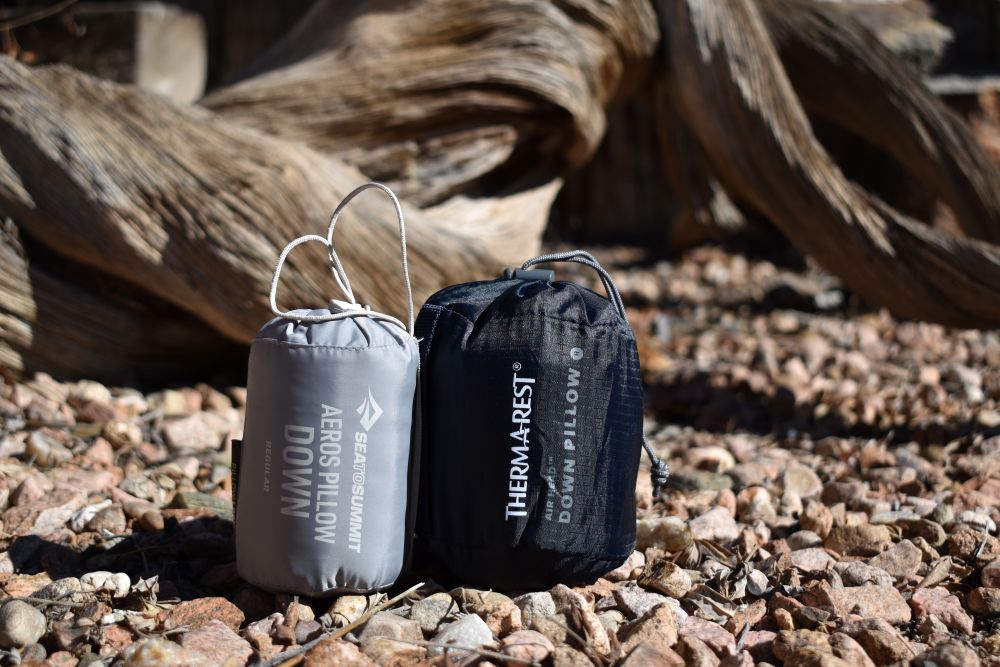
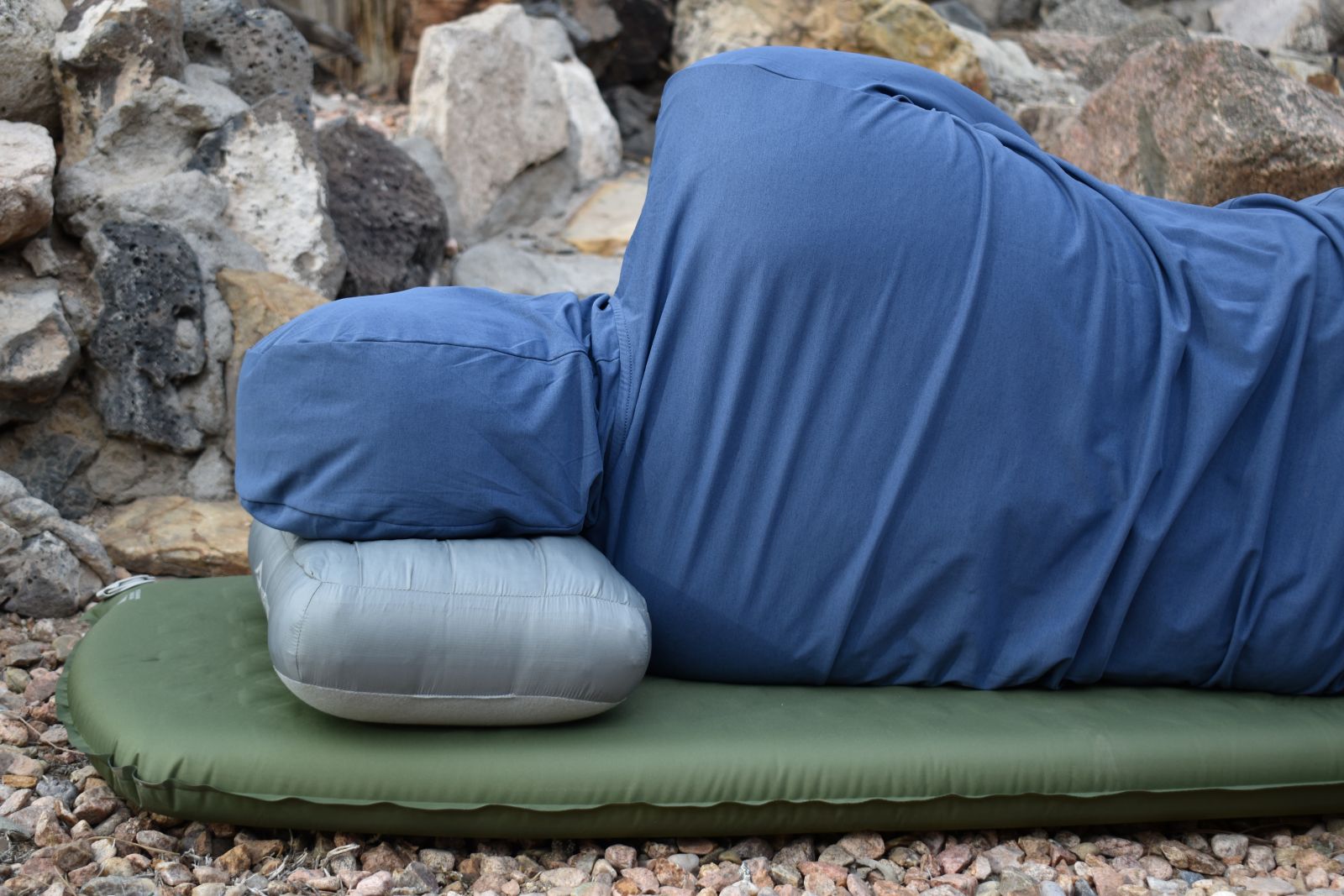
Our Regular weighed just 2.5 ounces and packed into a roughly four-inch-by-two-inch cylinder. That makes it one of the most attractive options for a small backpack; the XL is appreciably heavier and bulkier, so we prefer the Regular for hiking.
We also tried the XL and found that its considerably larger sleeping area comes at a noticeable penalty in packed bulk. A sleeper who shifts around frequently could welcome that width, but hikers choosing the Aeros Down primarily for tiny packed dimensions should favor the Regular. The down-topped air construction remains much easier to carry than a full compressible foam pillow.
The XL size illustrates the cost of extending the sleeping area: its greater material volume makes the packed bundle substantially larger. The Regular is the size that earns our packability recommendation for long-distance hikes.
Weight & Packability Score: 4.9/5.0
Support
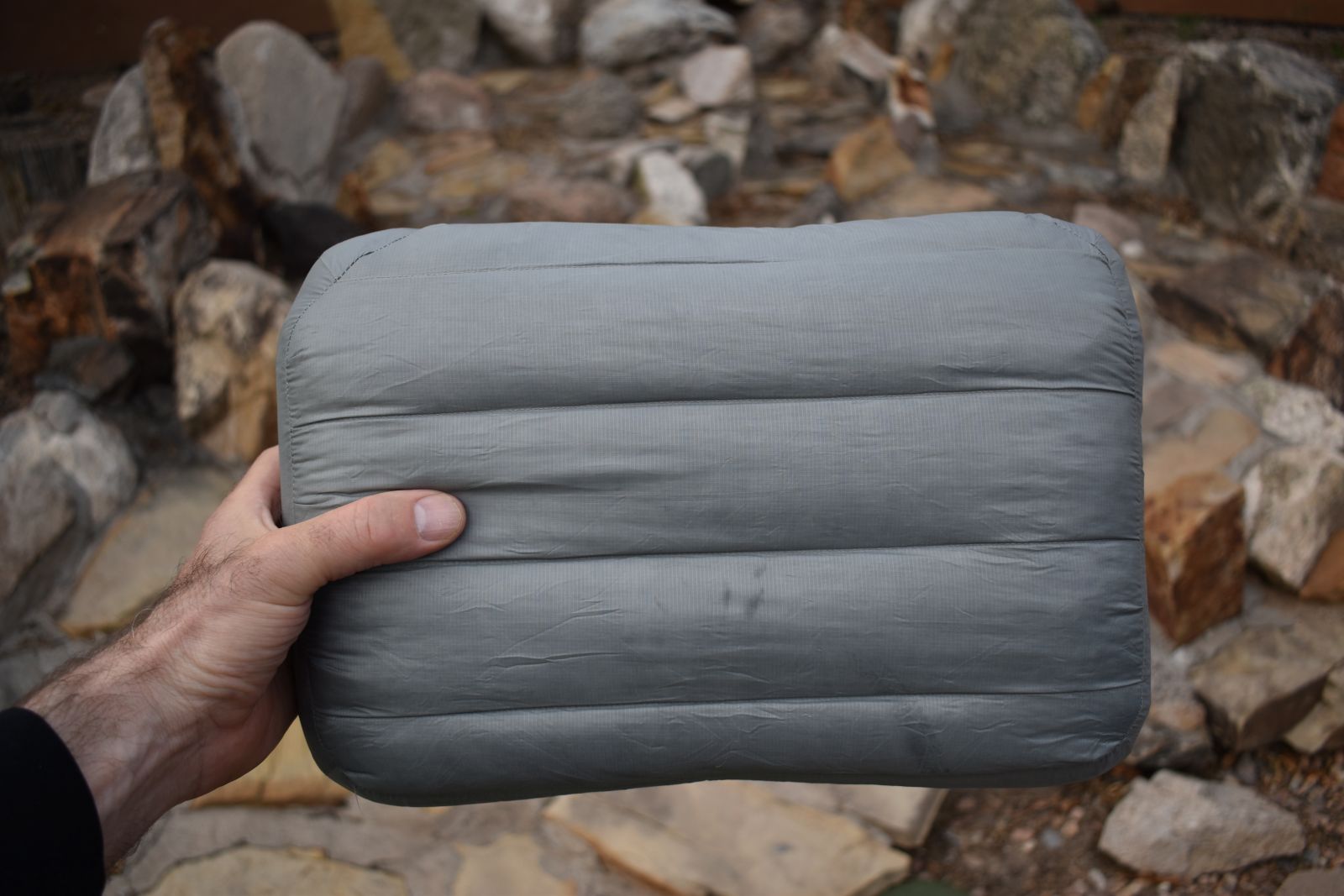
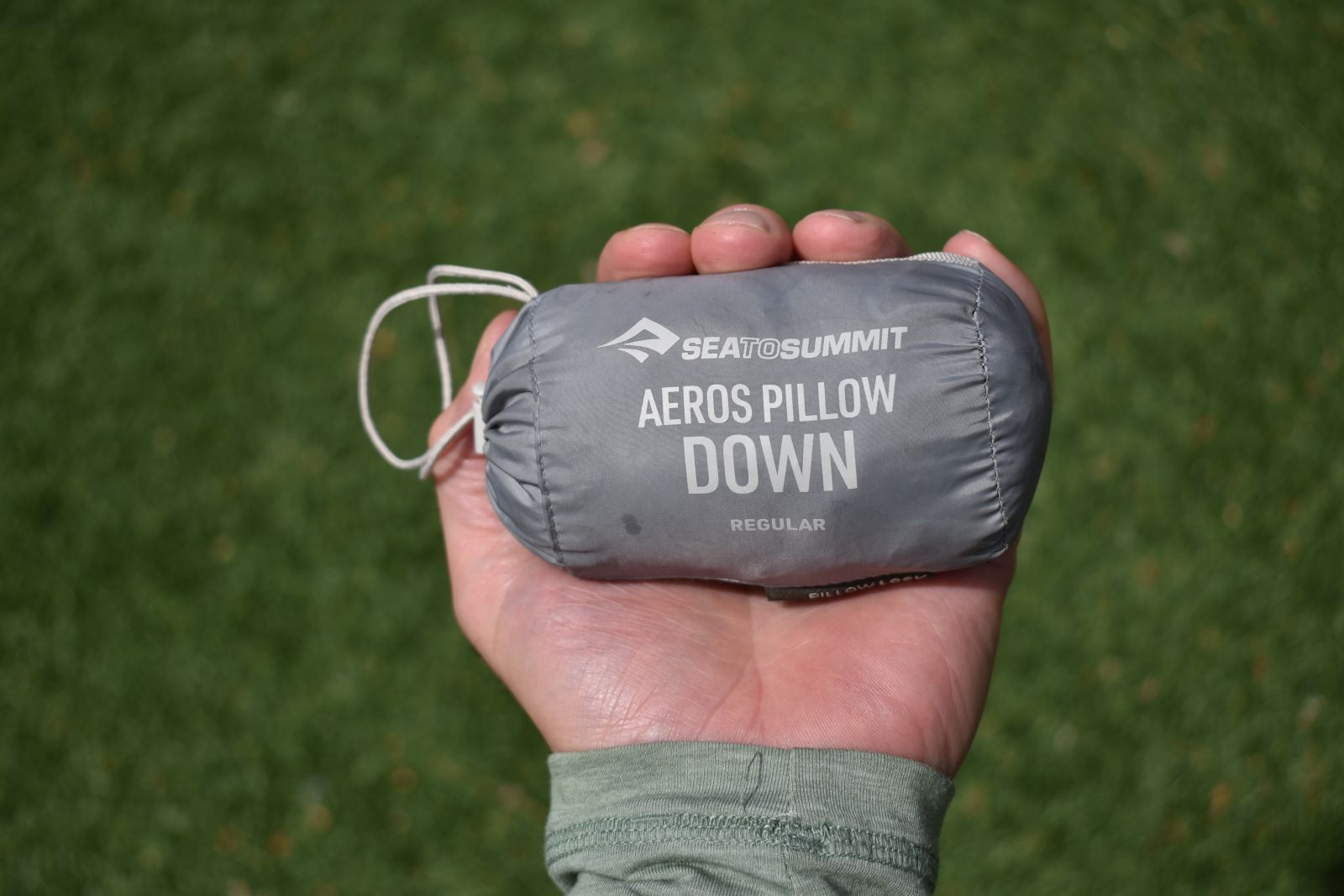
The air bladder supplies considerable height, but the rectangular shape does not cradle the shoulders as well as the curved Aeros Premium. Its small sleeping surface also leaves less room to shift positions.
Because the down is only the top layer, inflation pressure continues to determine how high and firm the pillow feels. This makes it more adjustable than an all-foam option, although it can’t provide the neck-hugging silhouette of the Aeros Premium. Our comparison with the Air Head Down also favored Therm-a-Rest’s curvature for comfortable neck placement even though the Aeros Down was more compact.
The higher air chamber is supportive despite its small footprint. However, shoulder fit is less natural than on the contoured Air Head Down and Aeros Premium, showing why support is not solely a matter of height.
Support Score: 4.7/5.0
Ease of Use
Sea to Summit’s multiway valve facilitates inflation, subtle pressure changes, and rapid packing. PillowLock patches keep it from moving on compatible pads. Take more care when washing and drying its down insulation than you would with a synthetic cover.
The multifunction valve is one reason we prefer Sea to Summit’s inflatable pillows for regular backpacking. You can fine-tune a fully inflated pillow with a touch, then empty it quickly in the morning. The soft insulation layer needs careful laundering and drying, an extra maintenance consideration that isn’t shared by a basic synthetic-topped air pillow.
The included stuff sack carries printed inflation and adjustment directions, making the valve less intimidating to someone who has never used Sea to Summit’s system. Maintaining the down top is the separate chore to remember after a dirty trip.
Ease of Use Score: 4.7/5.0
Should You Buy the Sea to Summit Aeros Down?
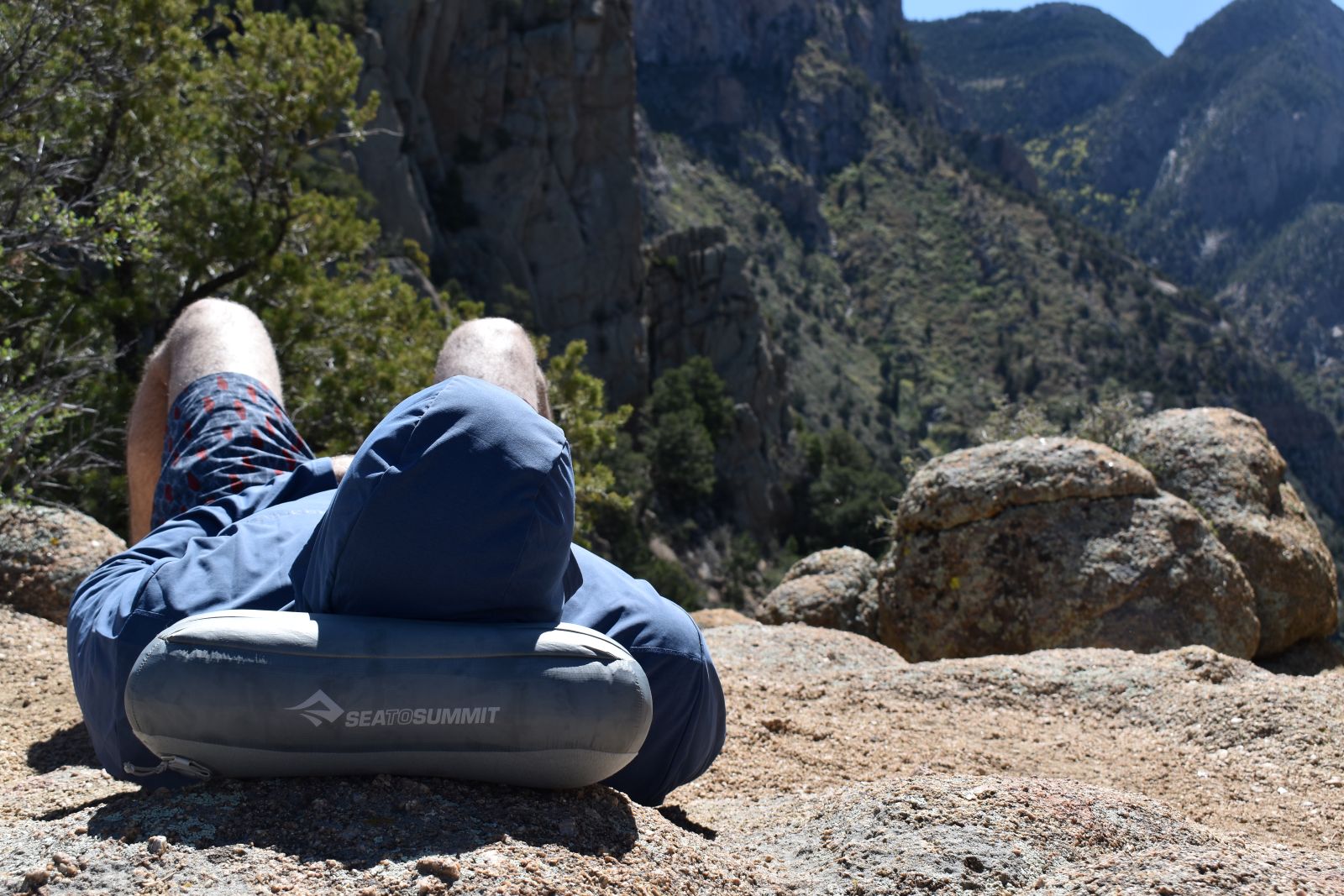
The Regular Aeros Down is a remarkably compact choice for a backpacker who wants the benefit of down padding without carrying a foam pillow. Our long-trail use supports our confidence in its field practicality, and the quick multiway valve is another advantage when packing up camp daily. Choose it if low weight and a softer cheek contact matter more than a large surface.
Its narrow rectangular profile is not ideal for side sleepers who rely on a crescent-shaped pillow to align their neck. If that’s your concern, the slightly heavier Aeros Premium or the contoured Therm-a-Rest Air Head Down may suit you better. You also need to be willing to care for down insulation properly. We prefer the Regular over the bulky XL for backpacking.
What Other Camping Pillows Should You Consider?
Therm-a-Rest Air Head Down Review: Backpackers who prioritize an ergonomic crescent shape should consider the Air Head Down. Our tests found it more comfortable around the neck than the rectangular Aeros Down, though its 4.9-ounce weight and twist valve give up some of Sea to Summit’s packability and ease of use.
Sea to Summit Aeros Premium Review: The Aeros Premium provides an excellent alternative for side sleepers who want more head-and-neck stability. Its curved shape offers a more natural shoulder fit, but the thinner top feels firmer than the down cushioning on the Aeros Down.
NEMO Fillo Elite Wide Ultralight Review: This is a useful choice for back sleepers who want a wider landing zone. Its jersey-covered surface spreads out across a 21-inch platform, although its 4.2-ounce weight exceeds the 2.5-ounce Aeros Down and its lower support may frustrate side sleepers.