Bottom Line
The ULA Equipment Circuit is our favorite lightweight load hauler for thru-hikers who want proven durability without moving back to a heavy traditional pack. CleverHiker testers have put roughly 6,000 miles on the Circuit across the Pacific Crest Trail, Continental Divide Trail, and controlled testing, and that history matters: its suspension carries efficiently into the low-to-mid 30-pound range, while the Robic body and reinforced mesh have held up through sustained use. The main tradeoffs are size and maintenance.
Its 68-liter total capacity can feel excessive for compact kits, and the DWR/PU coatings need upkeep over time. For high-mileage hikers, the Circuit remains our strongest recommendation when simple external storage, dependable load transfer, and a long trail record matter most.
How We Tested
Few packs in this category have a deeper CleverHiker test history than the Circuit. Brett Kretzer and the team have logged roughly 6,000 miles with it, including Pacific Crest Trail and Continental Divide Trail thru-hikes, then revisited load transfer up to about 34.5 pounds, pocket access, fabric wear, and long-day usability in controlled comparisons.
Quick Specs
- Best for: Thru-hikers who want low weight, durability, and reliable load transfer
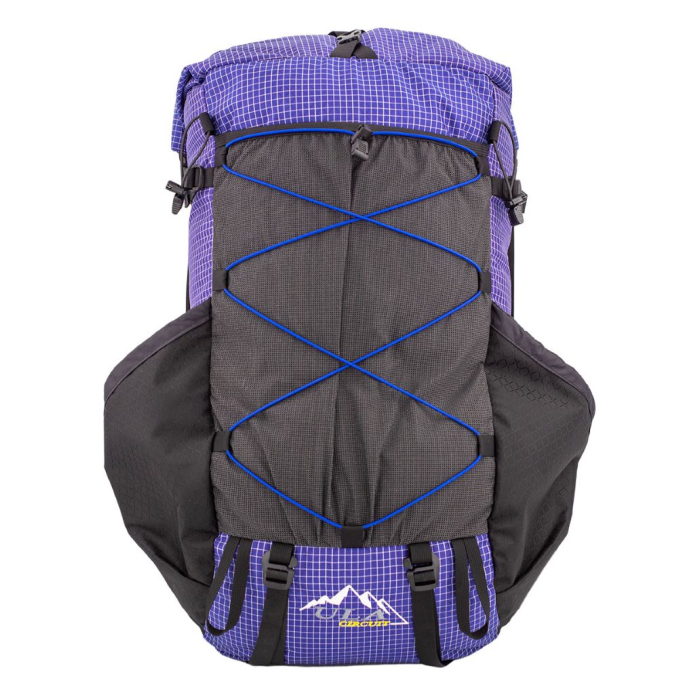
ULA Equipment Circuit
Best Backpack for Thru-Hiking
CleverHiker Rating: 4.6/5.0
Price: $300
Measured Weight: 2 lb. 7.5 oz.
Volume: 68 L
Max Weight Rec.: 35 lb.
Pros
- Excellent hauling capacity for the weight
- Durable
- Carries weight well
Cons
- Too big for some
- Water resistance needs upkeep


Comfort
The Circuit is comfortable because its structure is efficient, not because it surrounds the hiker with thick padding. A carbon-fiber/Delrin hoop, aluminum stay, dense foam, and contoured hipbelt move weight well for such a light pack, earning a 4.5. Near the 35-pound ceiling, more burden starts reaching the shoulders, so the suspension is best understood as a thru-hiking system rather than a miniature expedition frame. Below that ceiling, the weight savings are meaningful.
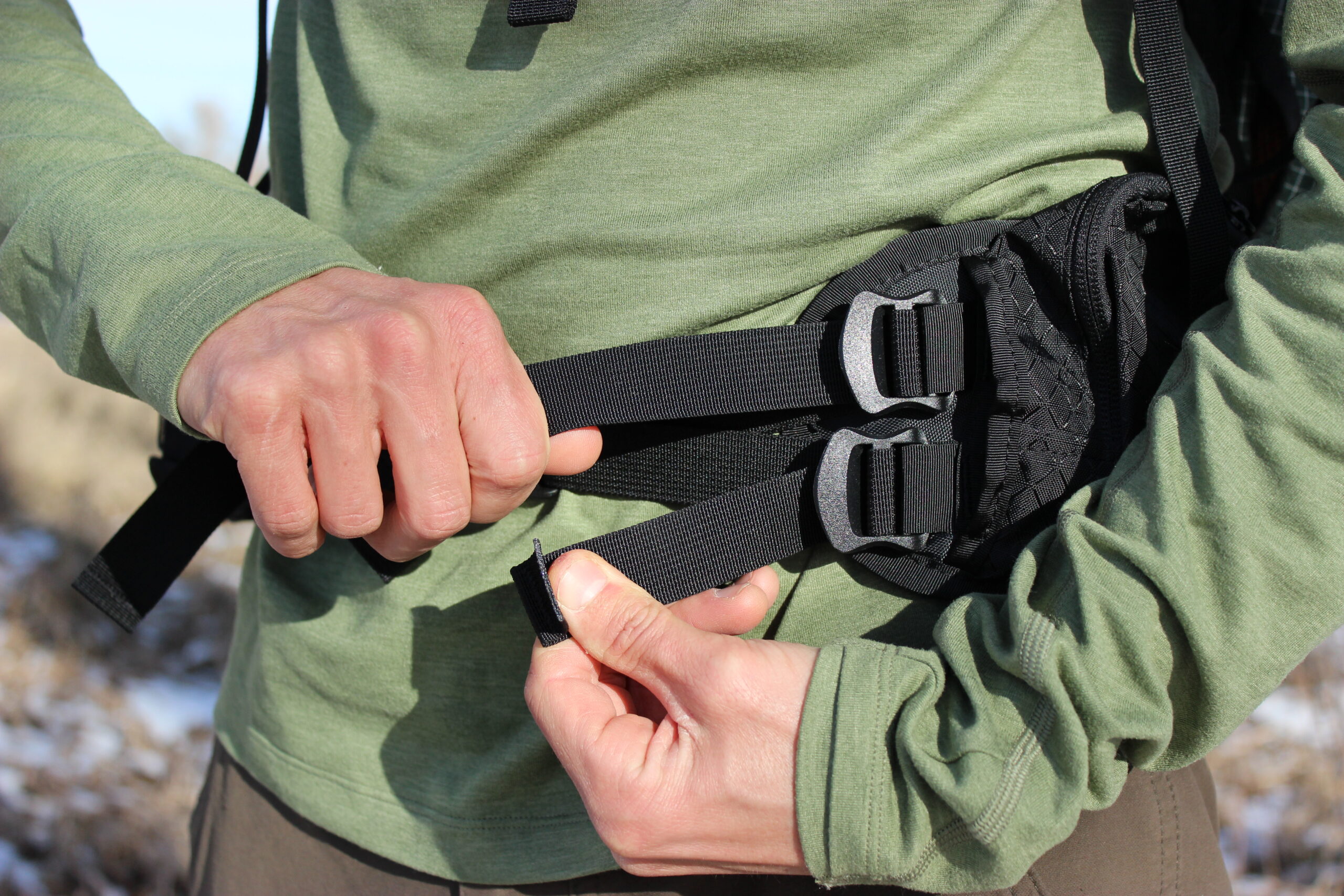
Fit adjustment is a meaningful part of that result. Load lifters and dual hipbelt adjusters let us fine-tune where weight sits during long trail days instead of accepting one fixed carry position. The shoulder straps contour well, though we would welcome a little more padding near the upper end of the recommended load.
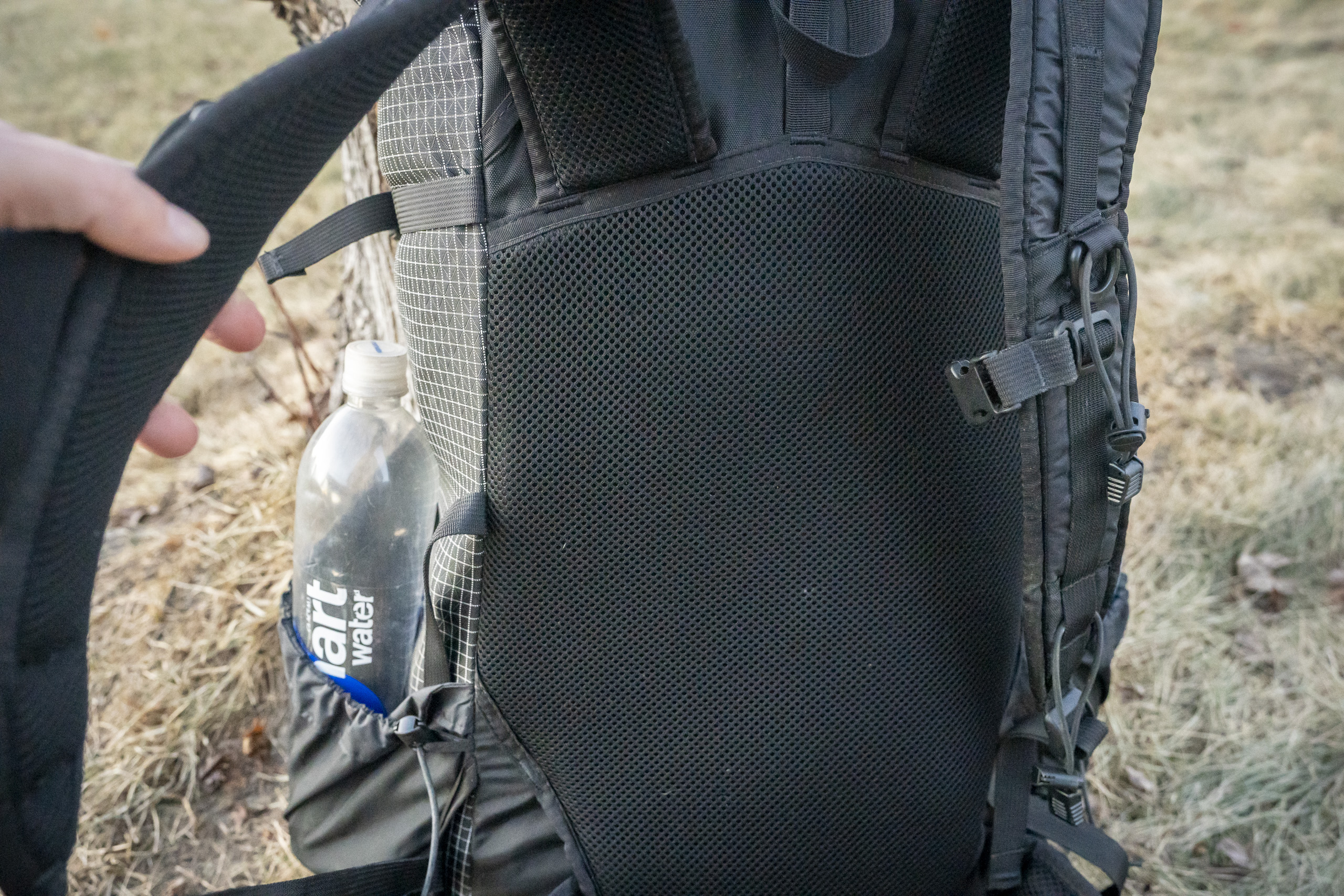
The back panel also uses padded mesh that adds some breathability without giving the pack the separated feel of a trampoline suspension. In testing, side-pocket access was good enough to reach water and small supplies without frequent pack-off stops, which matters over high-mileage days. The Circuit is therefore most comfortable when it is used as intended: a lightweight pack carrying a moderate-to-heavy thru-hiking load, not as a substitute for a five-pound expedition hauler over time.
Comfort Score: 4.5 / 5.0
Features
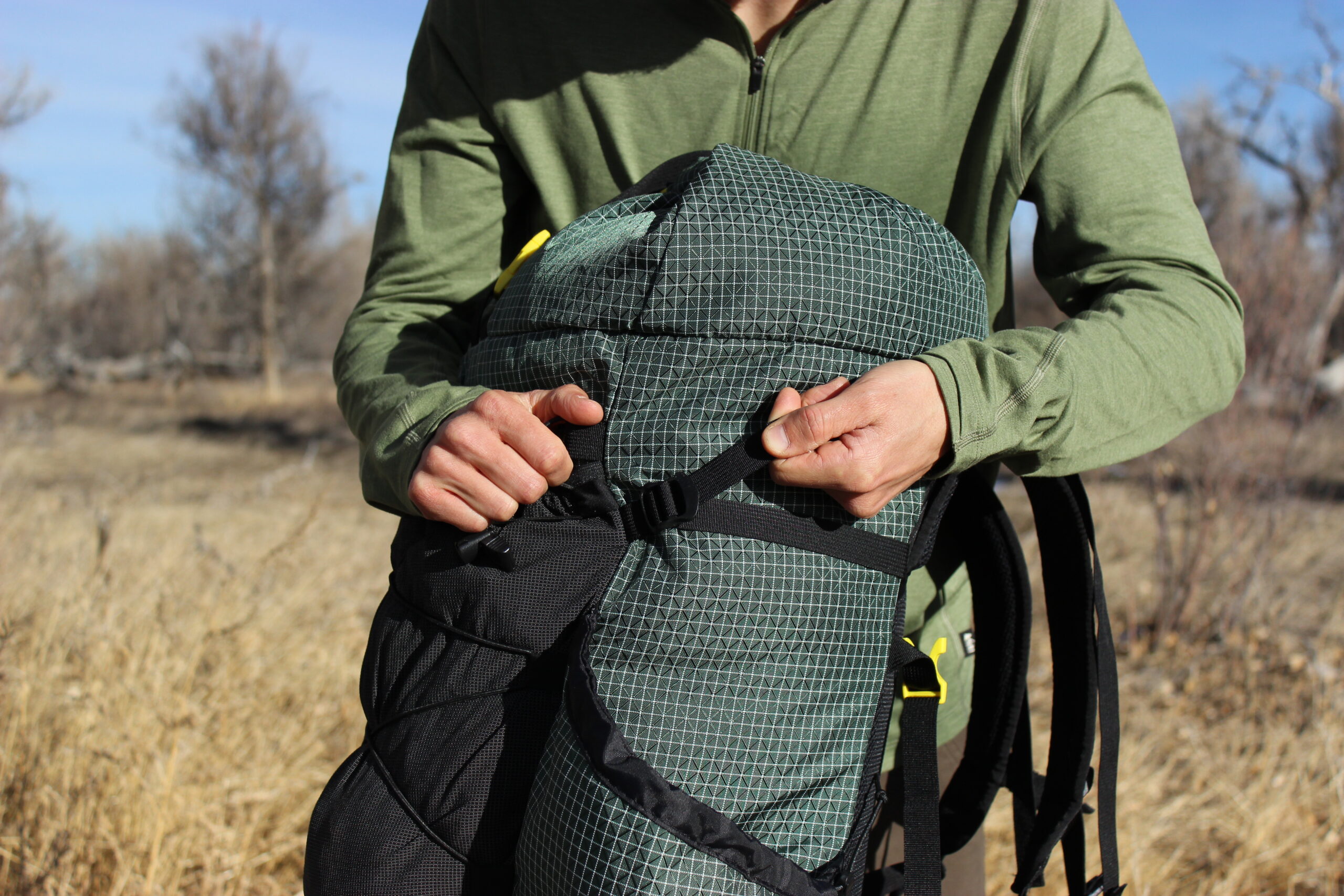
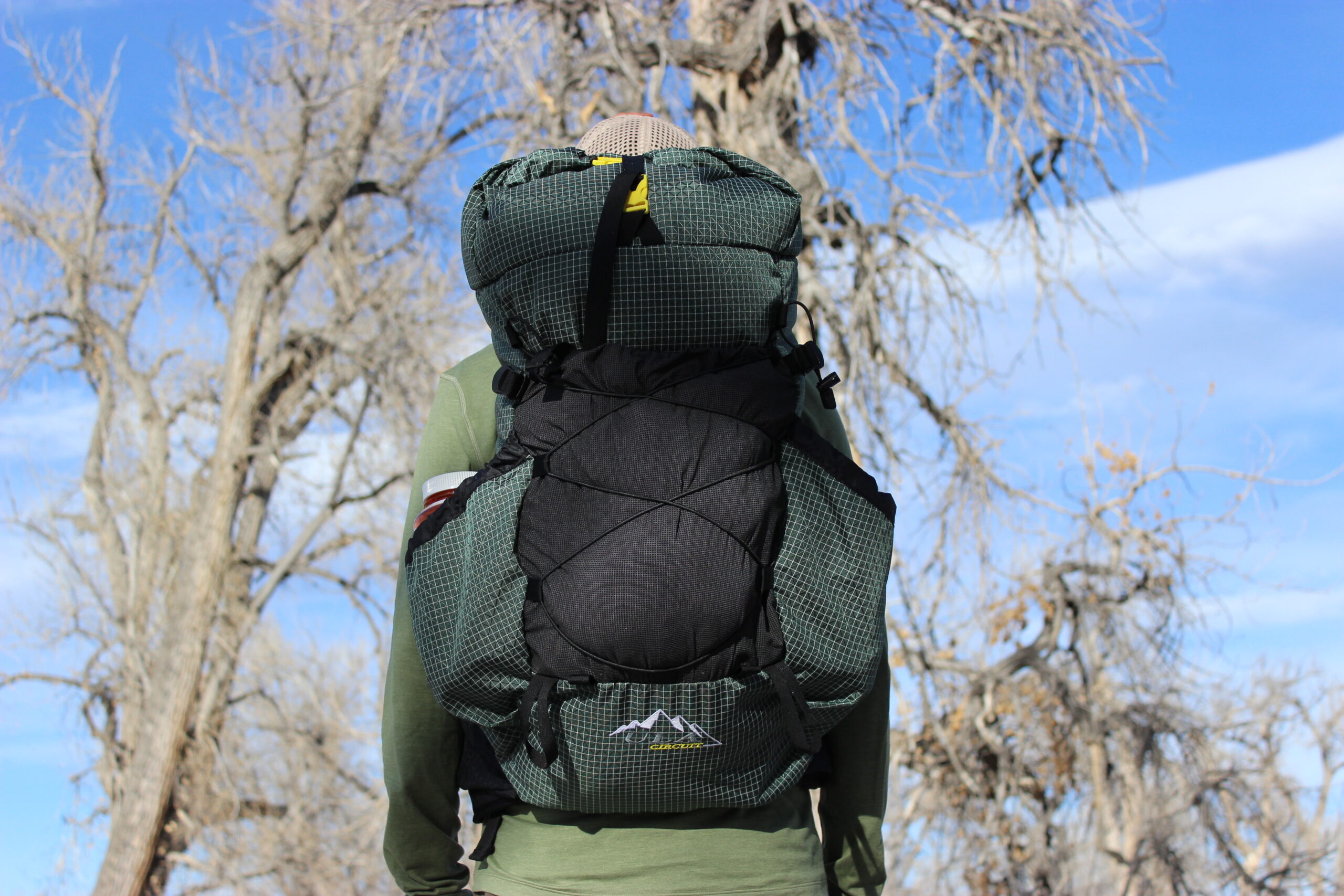
ULA’s feature philosophy is obvious on trail: give a thru-hiker fast exterior storage and remove almost everything that complicates the routine. Large side and hipbelt pockets, the front mesh pocket, roll-top closure, compression, and optional straps support that approach and justify a 4.4. The tradeoff is the Circuit’s generous 68-liter total volume, which can be more space than compact kits need.
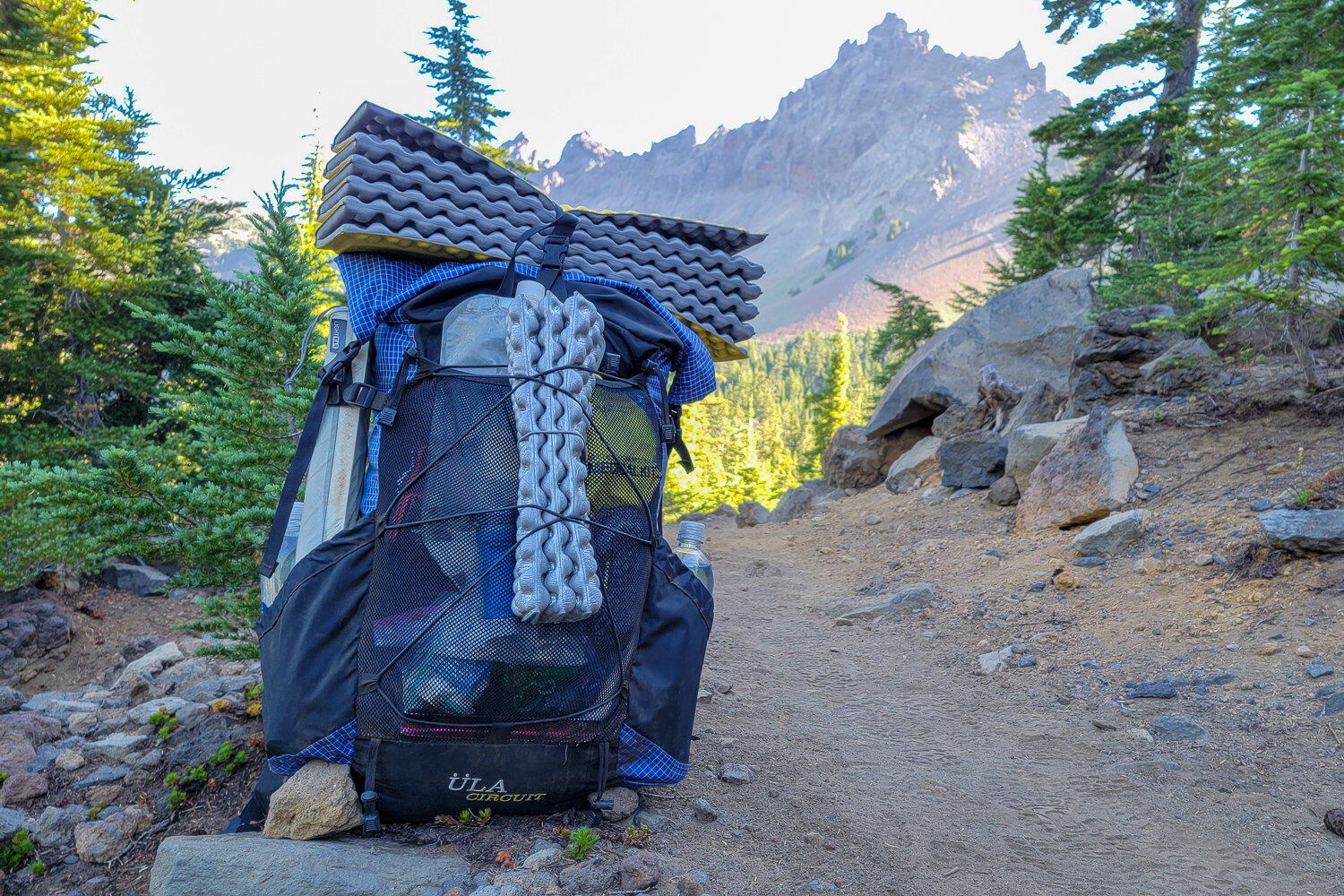
The pocket layout is simple but unusually useful. Each side pocket can swallow multiple bottles, the front mesh pocket handles wet layers and daily essentials, and the hipbelt pockets are large enough for modern phones plus snacks. Two ice-axe loops and upper elastic retainers add carry options, while the side compression straps can be repurposed to secure bulky items such as snowshoes. The long top strap is especially useful for a bear canister or other awkward gear.
What the Circuit does not provide is the compartment-heavy organization of packs such as the Atmos or Baltoro. That is a deliberate trade: fewer zippers and internal dividers keep weight and complexity down while preserving the external access thru-hikers tend to use most. For hikers who pack by stuff sack and exterior pocket rather than by compartment, the system is exceptionally functional.
Features Score: 4.4 / 5.0

Durability
Thousands of trail miles are the evidence behind the Circuit’s 4.8 durability score. Its 400D Robic body, webbing, and reinforced stretch mesh have survived repeated thru-hike use in a way that few lightweight packs in this guide can match. Water-resistant coatings still age and need upkeep, but the underlying structure has earned our trust through actual long-distance wear.
The main body uses 400-denier Robic nylon, and CleverHiker has seen Circuit packs remain structurally sound after multiple thru-hikes and thousands of demanding miles. Heavy webbing on the compression and attachment points is another confidence booster compared with the thin straps used on many lightweight packs. The front mesh pocket is also tougher than the delicate stretch mesh we often flag on low-weight designs; it has held mixed gear without sagging or tearing in our long-term use.
Water resistance is the main maintenance item. The DWR and PU coatings gradually wear rather than failing at one obvious point, so we treat a pack liner or cover as part of the system once the coatings age. That distinction matters: declining water resistance is not the same as fabric failure, and the underlying pack structure remains the reason we rate the Circuit so highly for durability.
Durability Score: 4.8 / 5.0

Ease of Use
Once the Circuit is dialed in, very little interrupts the rhythm of a high-mileage day. Its roll-top, oversized exterior pockets, hipbelt storage, and simple compression make the same pack-and-go routine easy to repeat, which supports a 4.7 for ease of use. Side-pocket reach varies by body shape, and the large capacity rewards organized packing, but fiddly systems are notably absent.
The Circuit’s simplicity also helps on long trips because the same packing routine works day after day. The roll-top opens wide, the long top strap handles oversized items, and the exterior pockets keep water, rain gear, snacks, and frequently used equipment accessible without digging through the main compartment. Hipbelt pockets are generously sized and easy to operate, and the compression straps are straightforward enough to reconfigure for snowshoes or other bulky loads.
Fit tuning is also practical on trail because the load lifters and dual hipbelt adjusters can shift pressure between shoulders and hips as fatigue builds. The only learning curve comes from managing the large 68-liter volume efficiently; hikers with very compact kits may need to cinch the pack carefully to prevent unused space from affecting load placement. For a high-mileage pack, though, there are remarkably few repeated friction points.
Ease of Use Score: 4.7 / 5.0
Should You Buy the ULA Equipment Circuit?
The Circuit makes the most sense for thru-hikers and lightweight backpackers who regularly carry more than a frameless pack handles comfortably but still want to keep pack weight low. Its combination of durable materials, simple storage, and effective load transfer is the reason it remains one of our strongest long-distance recommendations. Hikers with very compact kits may find 68 liters excessive, while those who prioritize maximum ventilation may prefer the Osprey Exos 58. If you want a more conventional framed layout for less money, the REI Flash 55 is the more approachable alternative.
What Other Backpacking Backpacks Should You Consider?
REI Flash 55 Review: A lower price, more conventional layout, and modular organization make the Flash the easier transition from a traditional backpack. It gives up some of the Circuit’s long-distance simplicity and durability emphasis, but it is easier to recommend for backpackers who want familiar features at a lower price.
Granite Gear Crown3 Review: The Crown3 makes sense if you want a pack that bridges traditional and lightweight systems with more exterior lashing and configurability. It is less comfortable as loads climb, but it gives evolving lightweight kits more flexibility than the Circuit’s more focused thru-hiking layout.
Osprey Exos 58 Review: The Exos shifts the priority from the Circuit’s close, proven thru-hiking carry toward maximum back-panel airflow. Its suspended mesh back panel moves more air, while the Circuit remains the stronger choice for hikers who prioritize simple storage and long-distance robustness.