

Over the past 12 years, the CleverHiker team has researched more than 70 stuff sacks and tested over 40. From weather-ready dry bags to space-efficient compression sacks, our list of 14 bags below represents the highest-performing designs on the market.
Editor’s Note: We updated this guide on August 12, 2026, to ensure all prices and product specifications were accurate. We also revamped our section on How to Choose a Stuff Sack.
How We Test Stuff Sacks
We’ve used stuff sacks for over 10,000 miles of backpacking, paying careful attention to characteristics like volume, waterproofing, weight, and durability at different price points. We put designs from Hyperlite Mountain Gear, REI, Sea to Summit, Osprey, Zpacks, and more through their paces in Alaska’s Chugach National Forest, Hawai’i Volcanoes National Park, and remote backcountry areas throughout the Lower 48.
And for more info, check out some of our other popular gear guides:

#1. Best Stuff Sack Overall
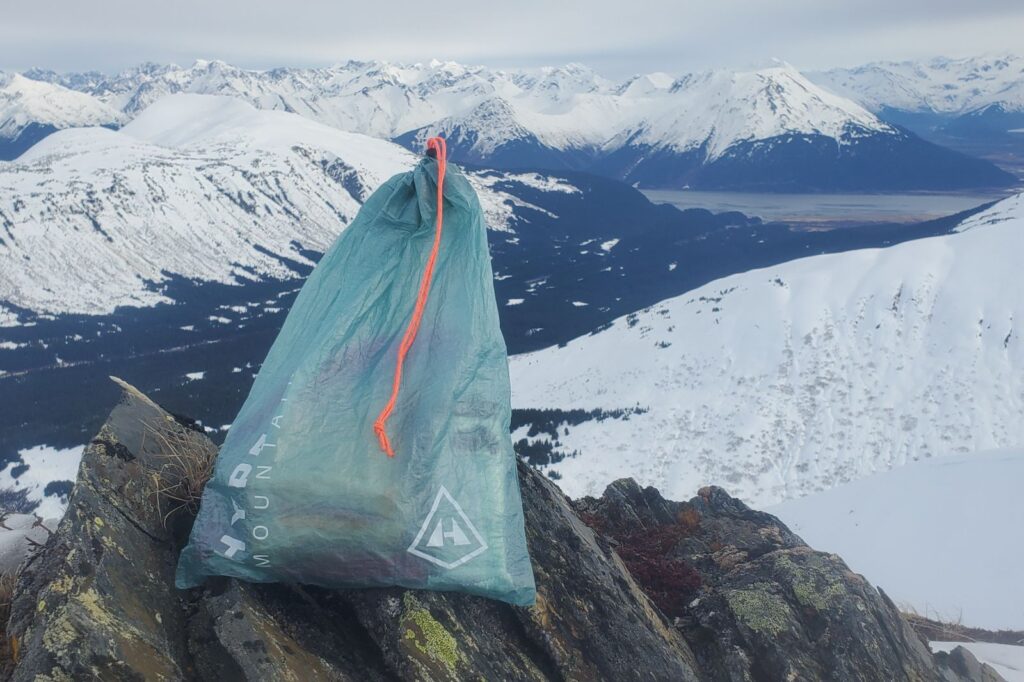
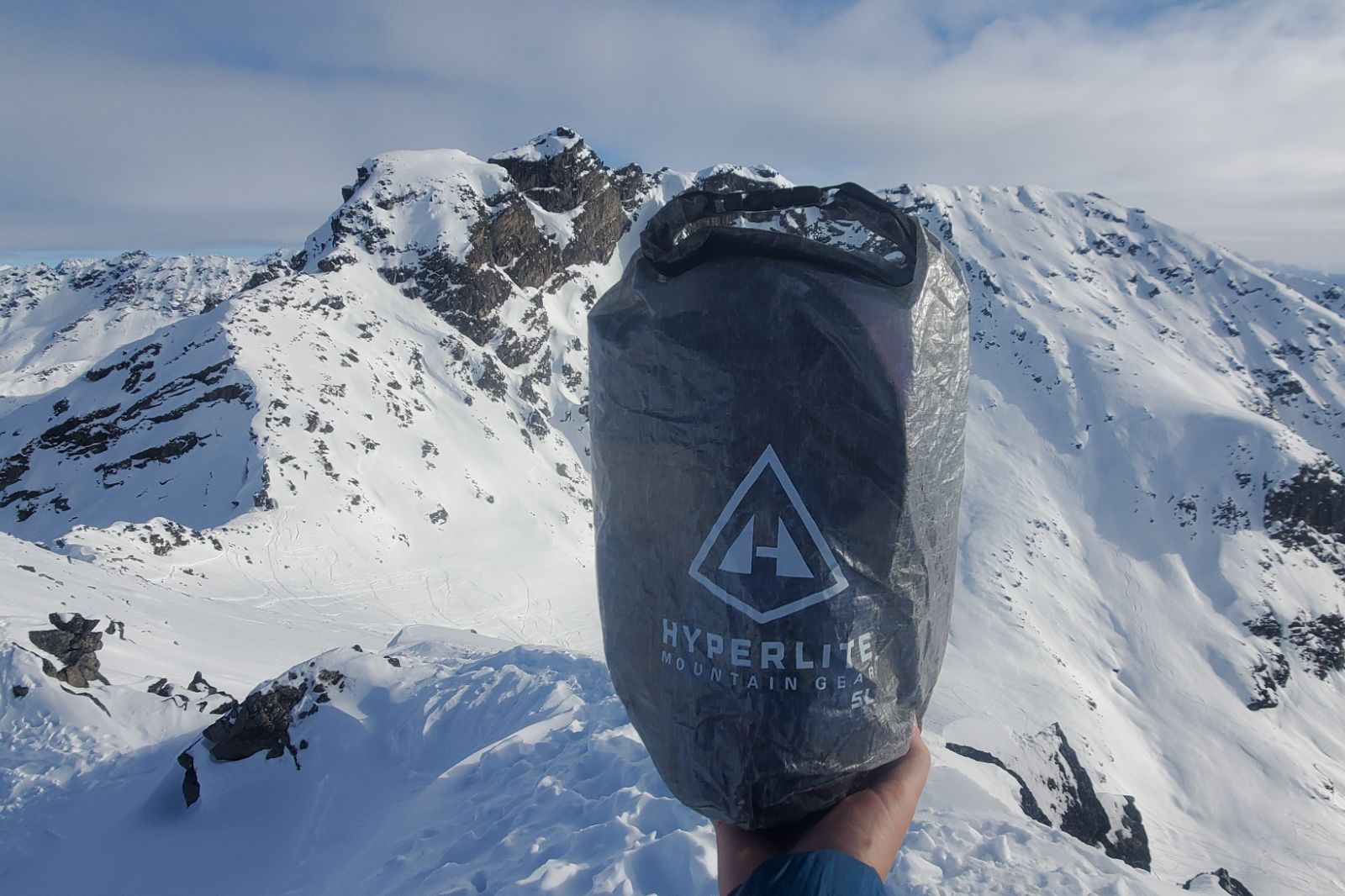
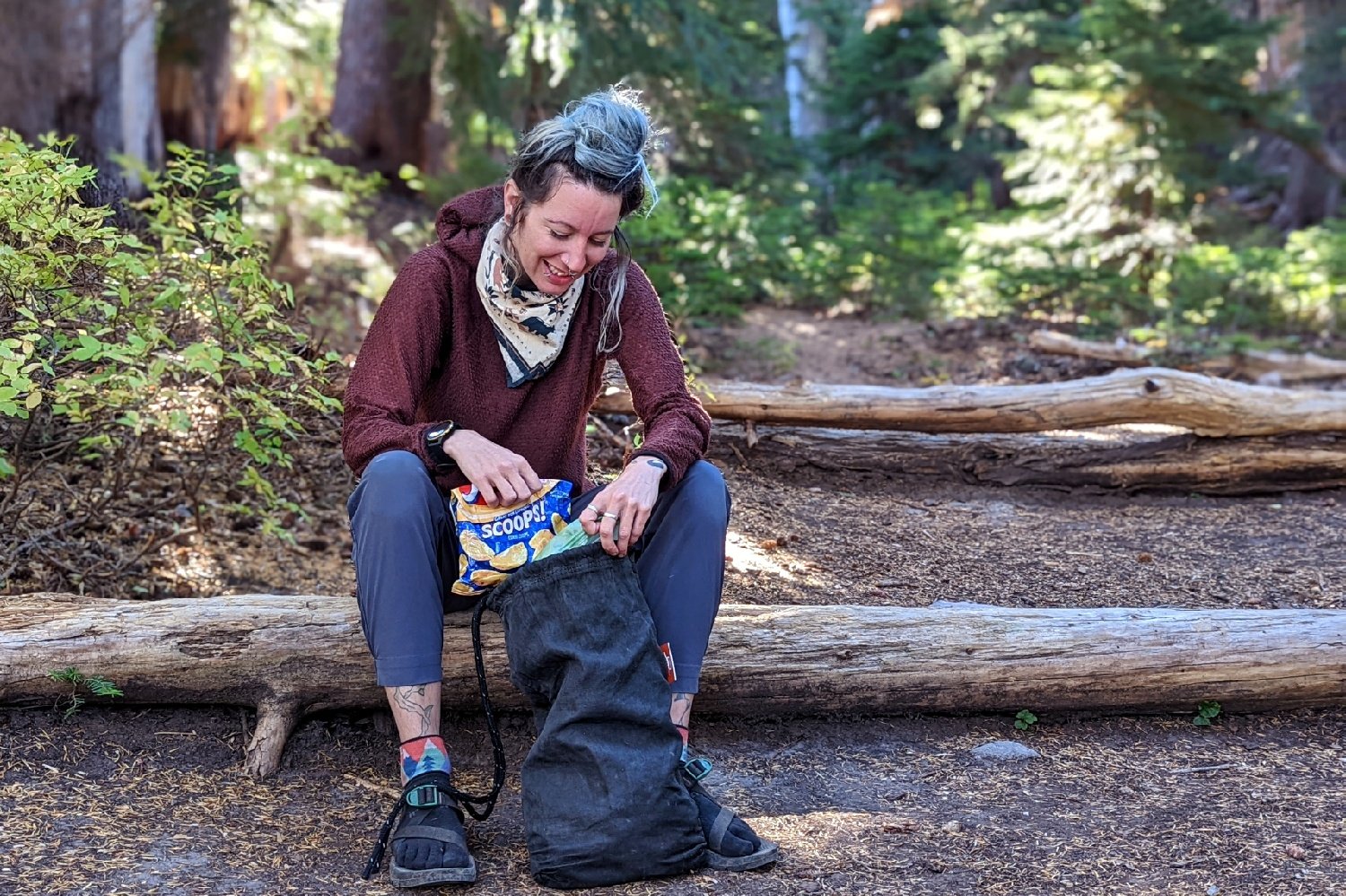
The Hyperlite Mountain Gear Drawstring is a standout all-around design that’s remarkably light, weather-ready, and built to last. We’ve put our Drawstring bags through more than 1,000 miles of use, and they continue to be the stuff sacks we reach for most often.
Quick Picks for Stuff Sacks
Check out this quick list of the best hiking shoes, or continue scrolling to see our full list of favorites with in-depth reviews.
1. Best Stuff Sack Overall: Hyperlite Mountain Gear Drawstring ($31 – $58)
2. Best Budget Stuff Sack: REI Lightweight Stuff Sack ($14 – $17)
3. Best Lightweight Roll-Top Bag: Hyperlite Mountain Gear Roll-Top ($53 – $83)
4. Best Waterproof Stuff Sack: Sea to Summit Ultra-Sil Dry Bag ($23 – $40)
5. Best Inexpensive & Reliable Stuff Sack: Ziploc Quart ($12 for $80) / Gallon ($12 for 66)
6. Best Packing Pod: Hyperlite Mountain Gear Pod ($60 – $70)
7. Best Dry Sack: Osprey Ultralight Dry Sack ($20 – $36)
8. Best Compression Sack: Sea to Summit Ultra-Sil Compression Sack ($35 – $55)
9. Best Ultralight Stuff Sack: Zpacks Drawstring ($19 – $40)
10. Best Budget Compression Sack: REI Lightweight Compression ($20 – $27)
11. Best Food Bag: Ursack Major ($125)
12. Best Stuff Sack for Travel: Sea to Summit Mesh Stuff Sack ($45 – $50)
13. Best Customizable Ultralight Stuff Sack: Hilltop Packs D50T Food Bag ($35 – $56)
14. Best Heavy-Duty Stuff Sack: REI Durable Stuff Sack ($12 – $16)
Hyperlite Mountain Gear Drawstring
Best Stuff Sack Overall
CleverHiker Rating: 4.8/5.0
Price: $31 – $58
Weight: 11 g (4 L)
Volume: 0.3, 1, 2, 3, 4, 9, 13 L
Pros
- Ultralight
- Durable
- High-quality material
- Highly water-resistant
- Easy to use
Cons
- Price
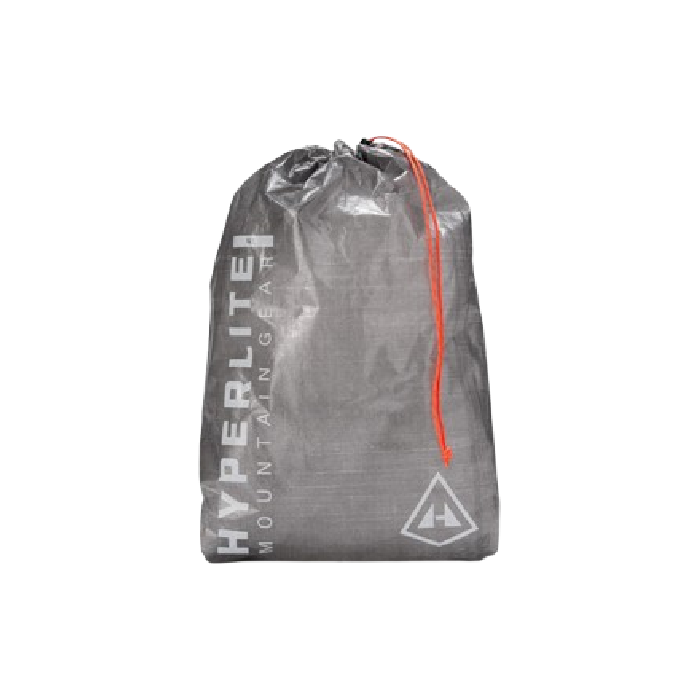
Hyperlite Mountain Gear’s Drawstring Stuff Sacks are incredibly durable for their weight. We have several of them that have traveled over 1,000 miles with us, and they’re still going strong.
We’ve used these bags for everything from packing clothes to electronics to food on multi-day trips, making them highly versatile. They are made with extremely durable and water-resistant Dyneema fabric that contributes to Hyperlite’s reputation as a high-end ultralight brand.
The bags come in three colors: white, green, and gray. They are constructed with either Dyneema Composite Fabric (DCF) 0.75 (white and green) or DCF 1.3 (gray) fabrics. The latter is slightly more robust, while the former is a bit lighter.
The HMG Drawstring is expensive, but its excellent balance of low weight and high strength makes it well worth the price. We’ve used the same bag for thousands of miles, and it still gets the job done with little wear to show for it.
Though the drawstring closure means the stuff sack isn’t completely waterproof, the bag offers enough weather resistance to keep extra layers dry inside a pack. The lightweight toggle is small, so sometimes it’s challenging to use while wearing gloves. Regardless, the HMG Drawstring continues to be a bag we reach for on almost every adventure.
REI Lightweight Stuff Sack
Best Budget Stuff Sack
CleverHiker Rating: 4.7/5.0
Price: $14 – $17
Weight: 26 g (10 L)
Volume: 5, 10, 15, 20 L
Pros
- Excellent value
- Durable for the weight
- Lightweight
Cons
- One color option
- Not waterproof
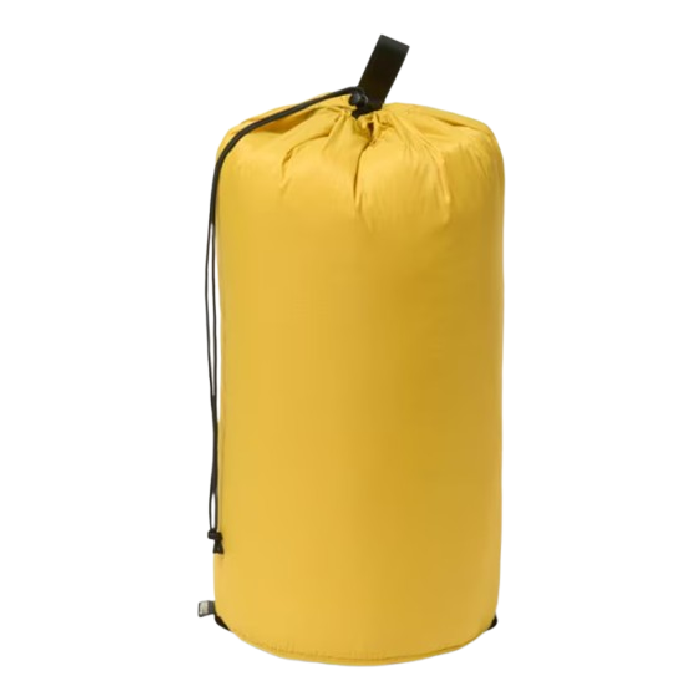
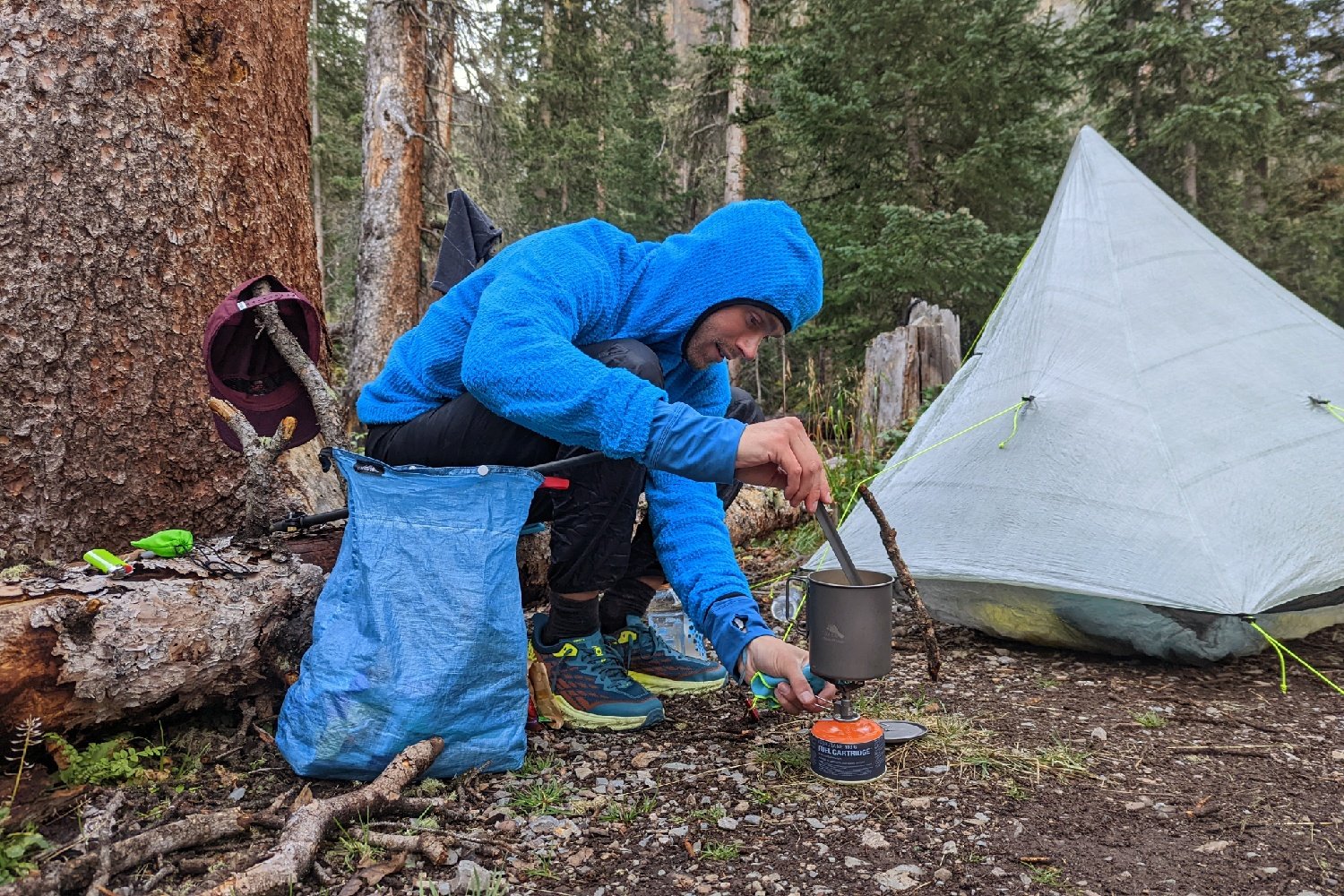
The REI Lightweight Stuff Sack is a simple, no-nonsense bag that accomplishes everything we require without any excess frills. Its thin nylon construction, though not the strongest on the market, is surprisingly robust for its weight.
Although it wouldn’t be our top choice for a bag that comes into frequent contact with the ground or rough surfaces, it is sturdy enough to keep our power banks, electronics, and personal items secure.
We love the lightweight stuff sack’s low volume when empty. It easily scrunches into a ball and slides into small spaces in your pack when it’s not full of items. We use this stuff sack most for spare clothes in travel luggage as well as electronics and toiletries in the backcountry.
The drawstring closure is simple and secure, and the slightly larger toggle is easy to use while wearing gloves. The bag also has webbing loops on the top and bottom for easy hanging at camp.
Though not the flashiest bag on the market – and only sold in one unremarkable colorway – the REI Lightweight Stuff Sack is simple, dependable, and priced right.

Hyperlite Mountain Gear Roll-Top Stuff Sack
Best Lightweight Roll-Top Bag
CleverHiker Rating: 4.7/5.0
Price: $53 – $83
Weight: 25 g (5 L)
Volume: 3, 5, 10, 15, 25, 43 L
Pros
- Durable
- Ultralight
- Strong buckle closure
Cons
- Expensive
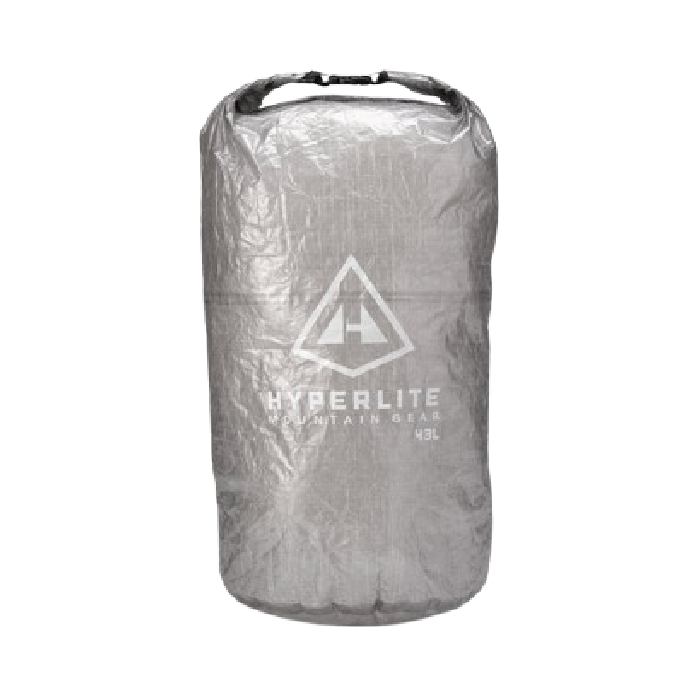
The Hyperlite Mountain Gear Roll-Top Stuff Sack is a premium storage solution designed for those who prioritize weight savings and durability. Made from DCF, it is incredibly lightweight while offering impressive strength and water resistance. The roll-top closure with a strong buckle keeps contents protected from moisture, making it an excellent choice for keeping extra layers dry on wet days.
From the winter peaks of Alaska’s Chugach to the backcountry of Hawai’i Volcanoes National Park, we’ve trusted the Hyperlite Roll-Top to keep precious items dry without fail. We’re big fans of Dyneema’s strength-to-weight ratio and resistance to moisture. Though this bag is not marketed as a fully waterprooof dry bag, it has enough weather resistance for most backcountry outings.
As with many Dyneema-based products, the Roll-Top is priced higher than traditional nylon or polyester options. Budget-conscious hikers will want to look elsewhere (and expect to make some sacrifices), but we think the investment is worth it for dedicated ultralight backpackers needing reliable water resistance.
Sea to Summit Ultra-Sil Dry Bag
Best Waterproof Stuff Sack
CleverHiker Rating: 4.7/5.0
Price: $23 – $40
Weight: 39 g (8 L)
Volume: 3, 5, 8, 13, 20, 35 L
Pros
- Waterproof
- Good value
- Ultralight
- Strong buckle for hanging
- Comes in a few colors
Cons
- Not as durable as some
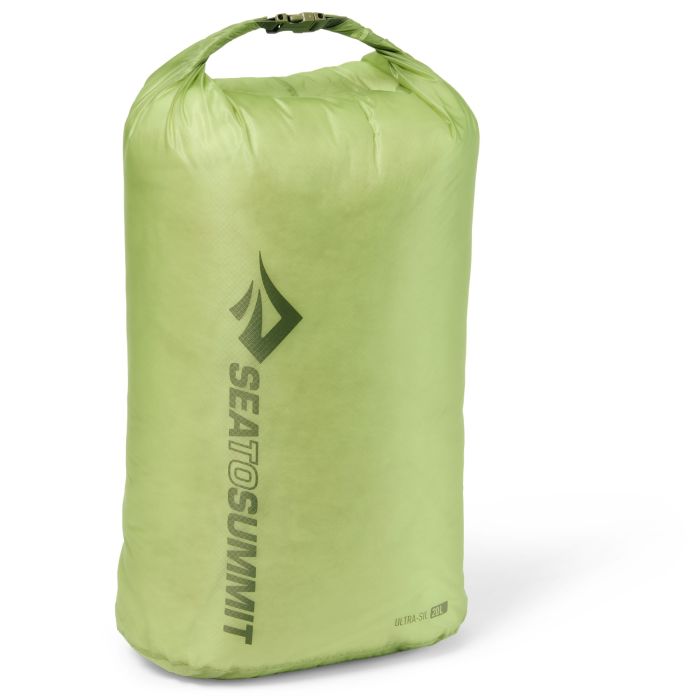
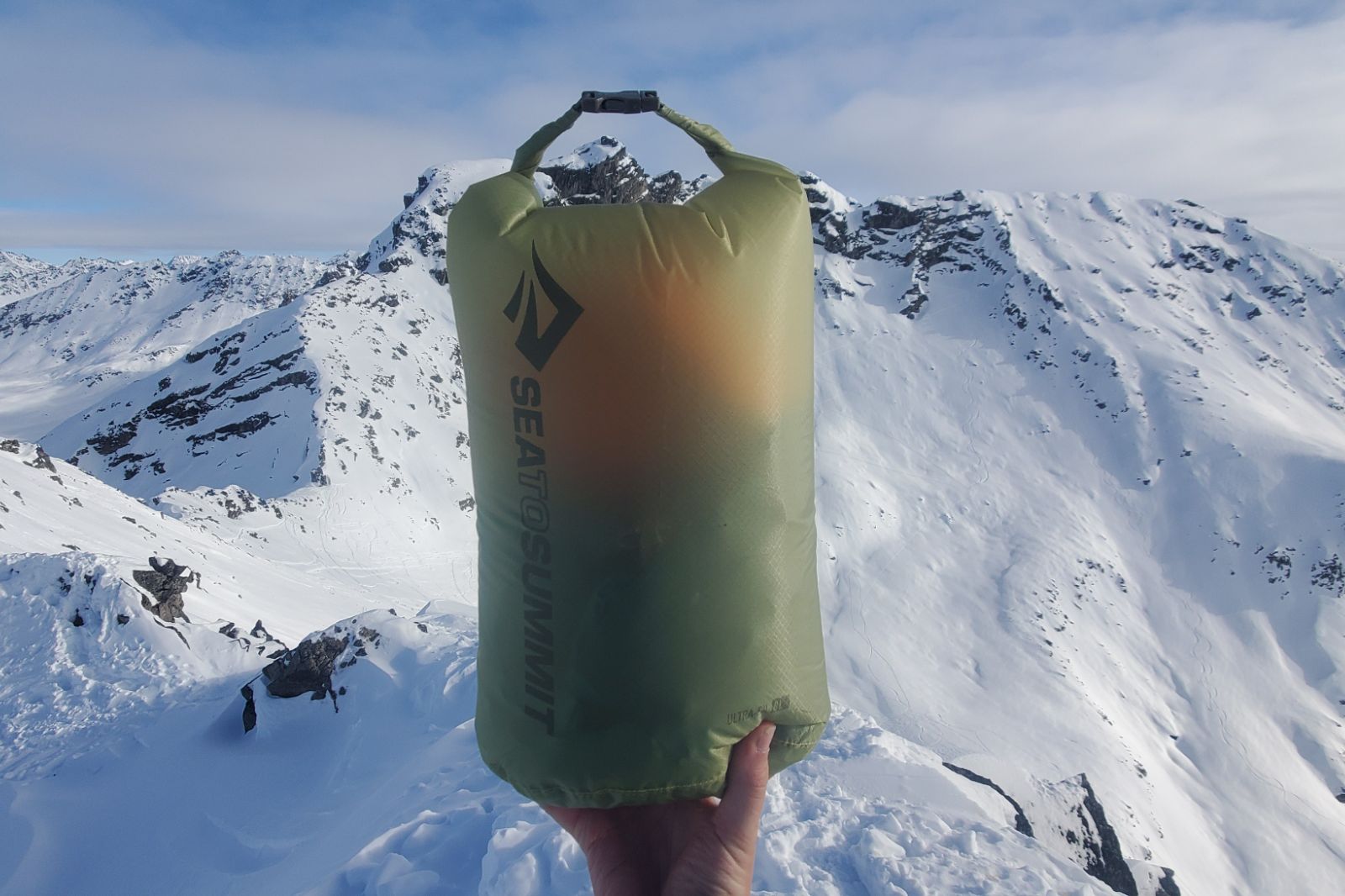
Sea to Summit’s Ultra-Sil Dry Bags have long been industry leaders in pack organization due to their reliability, low weight, and approachable price. Several useful features make these our top choice for a waterproof sack: color options for coordinated organization, buckle clasps for easy hanging, and reinforced taped seams that keep contents dry.
The thin fabric isn’t the most durable, but the low weight will justify that trade-off for many. The Ultra-Sil is still very tough for the weight and will hold up for years if you avoid sharp edges and rough surfaces. In fact, nine times out of 10, we found the bag packed in more than enough durability.
We often use the Ultra-Sil Dry Bag on rainy backpacking trips and snowy backcountry ski tours. It’s excellent for outings where we need to keep extra layers dry but don’t want to be burdened by excess weight. We’ve never been disappointed with its performance, earning it a permanent spot in our pack organization system.
Ziploc Quart / Gallon
Best Inexpensive & Reliable Stuff Sack
CleverHiker Rating: 4.6/5.0
Price: $12 for 80 / $12 for 66
Weight: 3 g (0.9 L) / 8.5 g (3.8 L)
Volume: 0.9 L / 3.8 L
Pros
- Affordable
- Contents are visible
- Ultralight
- Pretty close to waterproof
- Masks odors
Cons
- Not as durable
- Need to be replaced more often than stuff sacks
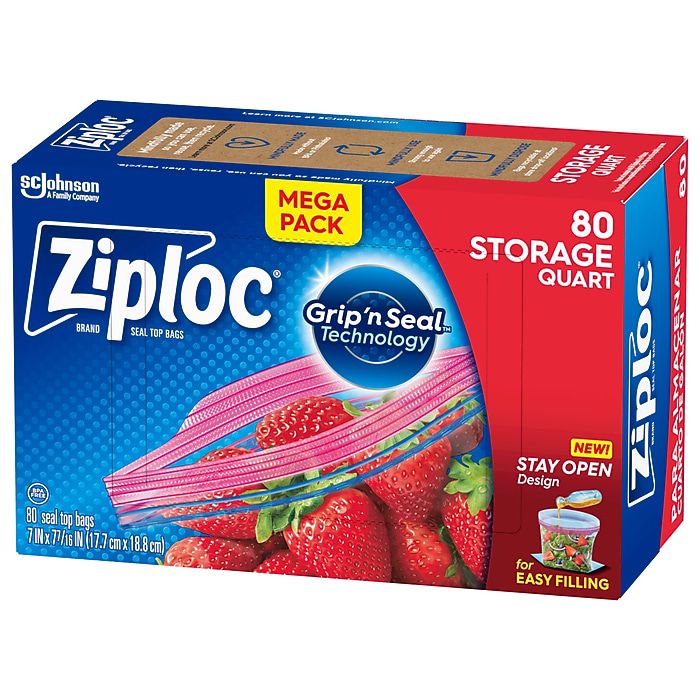
When it comes to outdoor gear, few items are as humble yet surprisingly effective as the classic Ziploc bag (quart / gallon). Though it wasn’t designed with rugged adventures in mind, this kitchen staple has earned its place in the packs of hikers, campers, and thru-hikers alike.
Ziploc bags are – for all practical purposes – cheap dry bags. Sure, they won’t survive full submersion for long, but they’ll keep your snacks, maps, and electronics safe from rain, spills, and the mysterious dampness that always seems to creep into a backpack. We use ours to keep backcountry electronics safe and dry. The quart size fits our Kindle, power bank, and cell phone together snugly.
Both the quart and gallon bags have their place depending on your storage needs. We frequently use the gallon as our labeled food bag, with each day’s snacks and treats portioned into multiple quart bags. They even can double as a makeshift vacuum sealer – simply squeeze or suck out the air to make a tight and compact bundle.
Durability is where Ziplocs fall short. After a few days of rough handling, they will start to fall apart. They also can become hard to clean after a while. We usually get three to four uses out of ours before the zipper rips, the interior becomes too grimy, or the bag tears open at the corners (some folks duct tape their bags around the seams to extend their lifespan).
But for the price – and considering its ubiquity in almost every household – it’s hard to beat the trusted performance of this cheap pantry essential.
Hyperlite Mountain Gear Pod
Best Packing Pod
CleverHiker Rating: 4.6/5.0
Price: $60 – $70
Weight: 34 g (9 L)
Volume: 9, 11, 13, 16 L
Pros
- Backpack-shaped for efficient packing
- Waterproof
- Ultralight
- Wide opening makes it easy to pack
Cons
- Pricey
- Designed for Hyperlite backpacks (though they work in other packs)
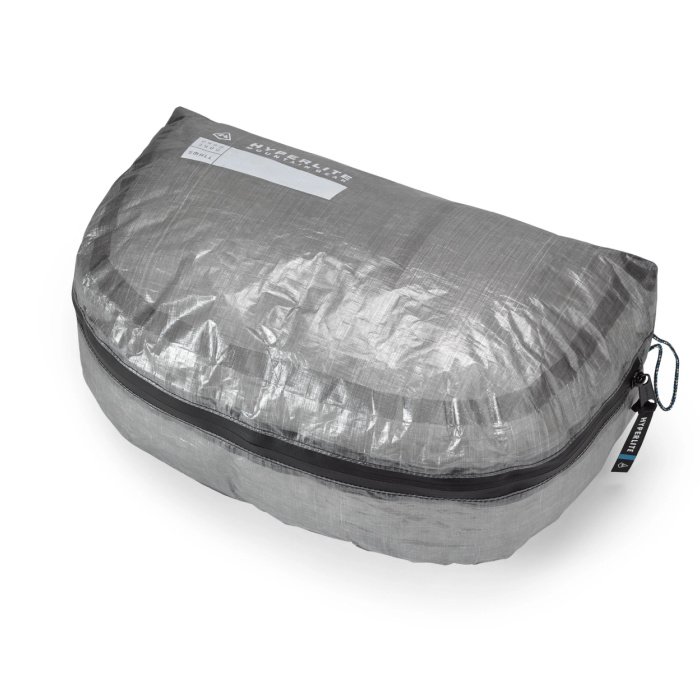
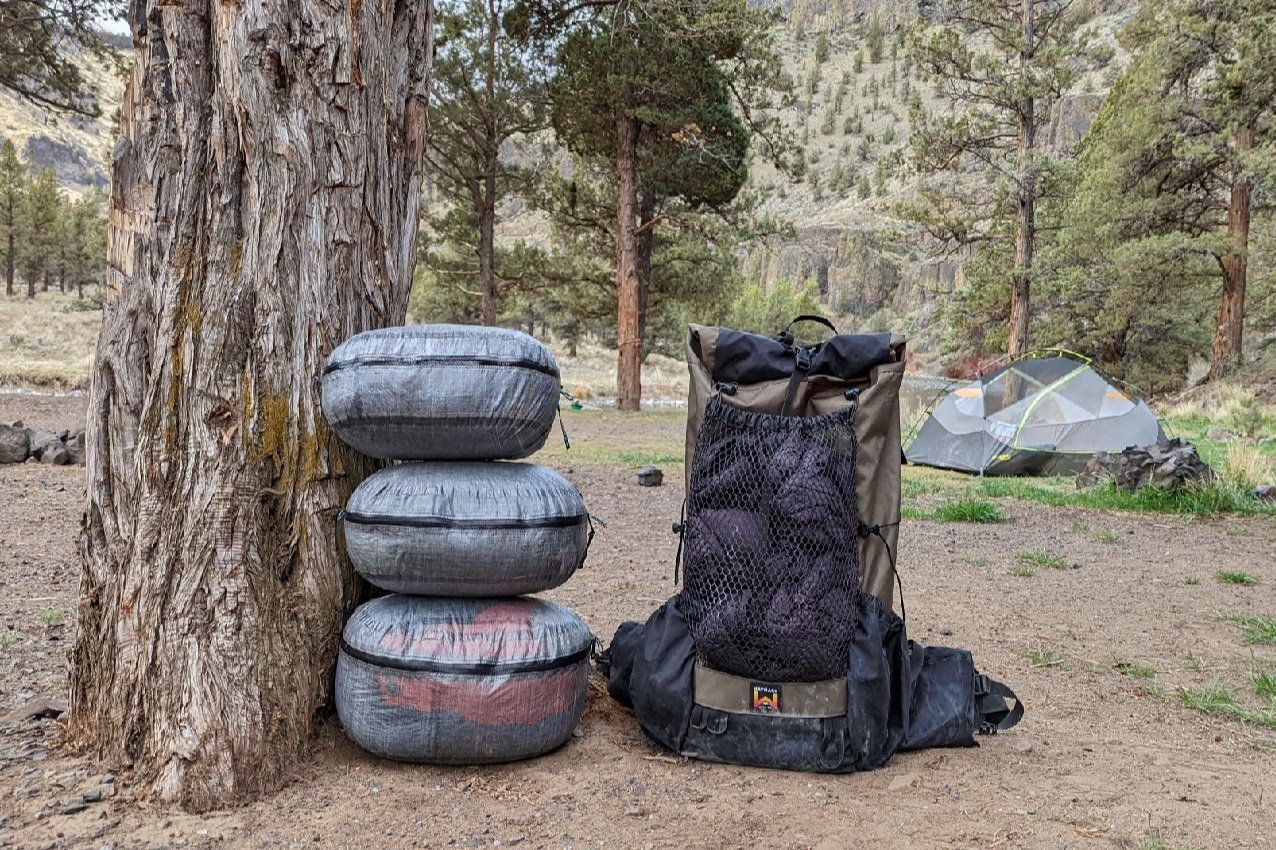
We love the Hyperlite Mountain Gear Pods because they’re waterproof and perfectly backpack-shaped for easy organization. We usually only bring one on backpacking trips for items like mid-layers or even a sleeping bag.
Putting one of these fully packed at the bottom of your pack creates the perfect base for other gear to sit on. It helps with organization and promotes more structure for a comfortable ride.
We mostly use these for packing our insulating layers located farther down in our pack. Although they are designed specifically for Hyperlite backpacks, the half-round shape is versatile enough to work with other packs, as well.
Though expensive, the Pod is the best packing cube-style bag in our lineup. The clamshell design makes it easy to find items, and the water-resistant zipper and trusty Dyneema construction keep items dry inside. They are so good that we find it hard to go on overnight trips without one.
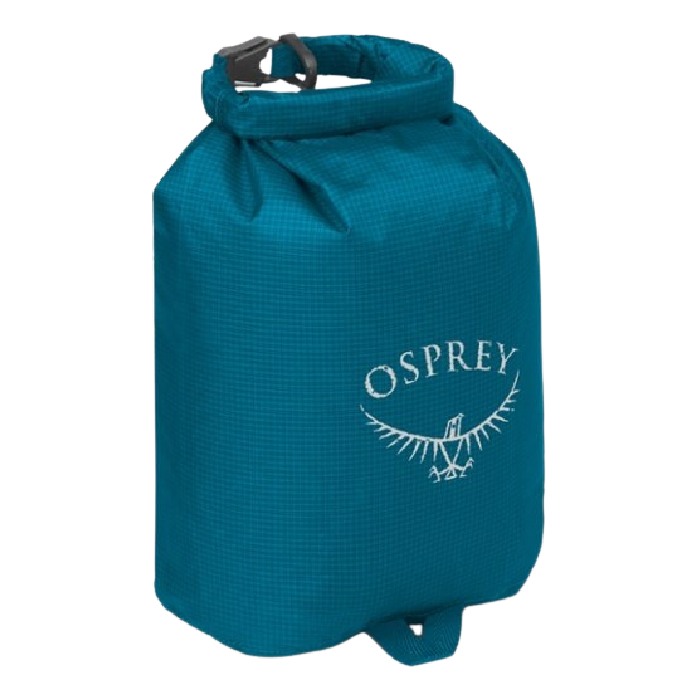
Osprey Ultralight Dry Sack
Best Dry Sack
CleverHiker Rating: 4.6/5.0
Price: $20 – $36
Weight: 34 g (6 L)
Volume: 3, 6, 12, 20, 35 L
Pros
- Waterproof fabric
- D-ring for drying or attaching
- Lightweight
- Durable
Cons
- Roll-top lets water in if overpacked and submerged
- Shape can be awkward to pack in a backpack
The Osprey Ultralight Dry Sack is a simple storage solution for backpackers needing lightweight organization and reliable weather resistance. Made from durable, 40-denier ripstop nylon, it nicely balances weight savings and durability. The material feels thin but holds up well to regular use, making it a solid choice for keeping gear, clothes, or food neatly packed and protected inside a pack.
The Ultralight Dry Sack has become a go-to companion for winter hiking when we need to keep spare layers dry and safe from the elements. One issue we found is that the roll-top has a hard time staying closed, leading to moisture leaking in. This was most problematic in deep snow and heavy rain. The material itself is waterproof, but when the bag is packed full, the closure system is not as secure as others we tested.
Though the Ultralight’s rectangular shape is unique, it fits somewhat awkwardly in a pack when full. We prefer cylindrical stuff sacks, so this one gets used less when we really need to pack strategically. Shortcomings aside, the Ultralight Dry Sack is a simple and mostly reliable option for wet days in the backcountry.
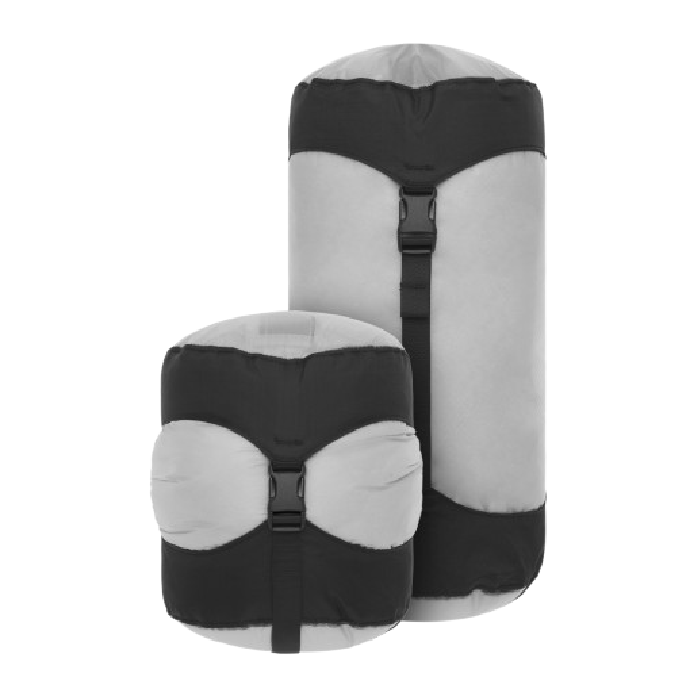
Sea to Summit Ultra-Sil Compression Sack
Best Compression Sack
CleverHiker Rating: 4.6/5.0
Price: $35 – $55
Weight: 64 g (8 L)
Volume: 5, 8, 13, 20, 35 L
Pros
- Strong compression
- Flip-top lid prevents tangling
- Ultralight
- Lots of size options
Cons
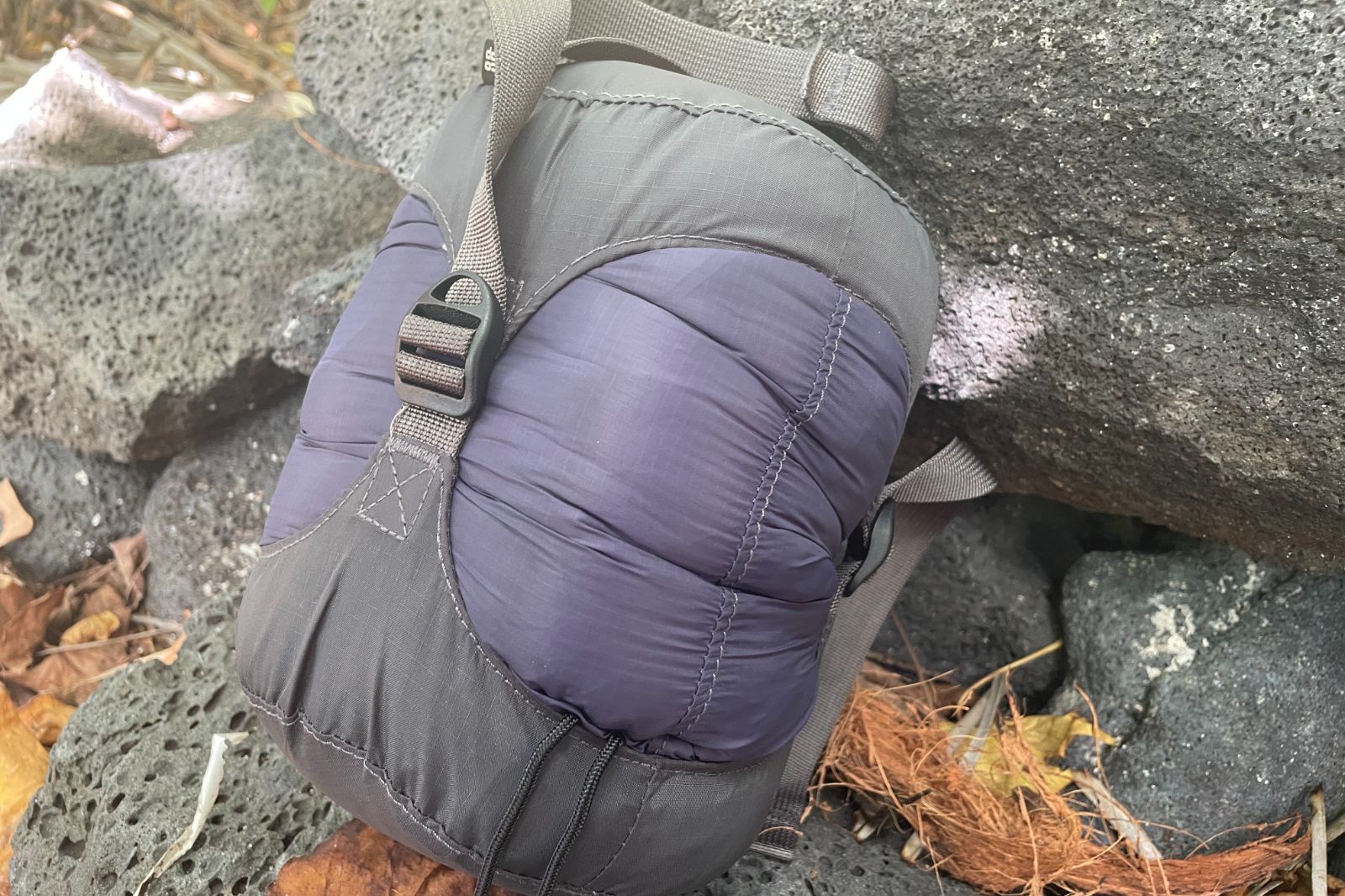
- Not waterproof
The Sea to Summit Ultra-Sil Compression Sack is our favorite compression bag on the market. We use it most often to securely pack our sleeping bag for forays into the backcountry. It’s extremely effective at compressing otherwise bulky loads into a small and manageable bunch. We even use it to stash puffy down jackets on winter trips.
The attached flip-top lid prevents the straps from twirling and tangling together, making the bag easy to deploy every time. We also love the convenient buckle strap, which allows for quick access to the bag’s contents.
Weighing almost 2 ounces in the smallest volume option, the Ultra-Sil Compression Sack is much heavier than most standard, non-compression bags. Though not a dealbreaker for us, there are certainly better options available if weight is your primary concern.
Still, with the ability to cinch down securely while offering a surprising number of technical features, the Ultra-Sil Compression Sack is an excellent option for reducing your pack’s volume.
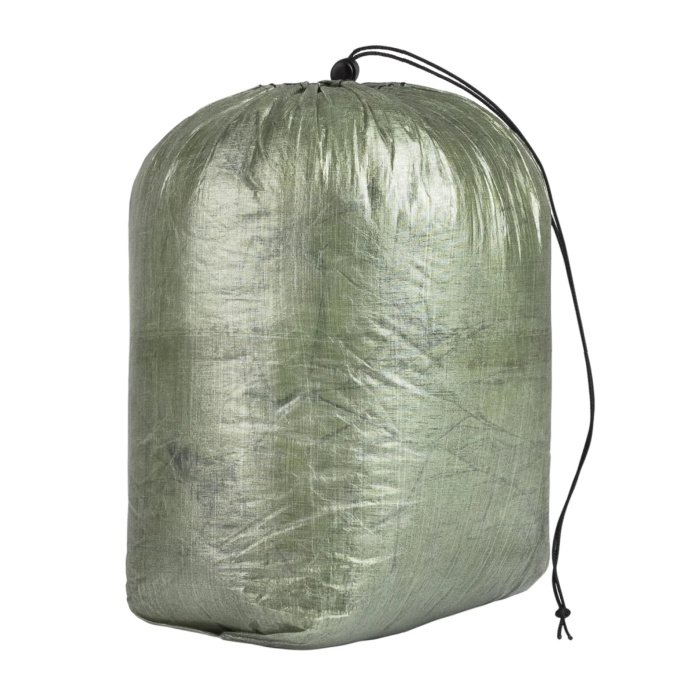
Zpacks Drawstring
Best Ultralight Stuff Sack
CleverHiker Rating: 4.5/5.0
Price: $19 – $40
Weight: 7 g (4 L)
Volume: 0.9, 1.7, 3, 4, 5.6, 8.5, 10.7, 12.3 L
Pros
- Ultralight
- Highly water-resistant
- Affordable for the quality
- Semi-transparent
Cons
- Not as durable as some
The Zpacks Drawstring is featherweight yet functional, combining ultralight chops with a decently hardwearing construction that holds up well to backcountry use.
Offered in a wide array of sizes, the Drawstring is one of our favorite UL organization solutions. The DCF construction is strong but light and reliably waterproof to boot. We also love that the fabric is slightly see-through, which makes it easy to locate bits and bobs without haphazardly rifling through the bag.
Though we occasionally use the Drawstring to keep items dry, it is not a true dry bag because the drawstring closure can let water in. Additionally, the thin material is not scratch- or abrasion-resistant, leading to a relatively fragile feel. It offers adequate protection on most backcountry trips, but you’ll want to be careful around sharp surfaces and gear.
In the end, the Drawstring is a standout choice for discerning ultralight users who are willing to make some sacrifices in the name of weight savings. Casual backpackers willing to shuttle more weight can find better durability elsewhere.
Editor’s Note: Zpacks’ stuff sack lineup is extensive, and our coverage above reflects the designs that feature 0.55 oz/sqyd or 0.75 oz/sqyd DCF fabrics.
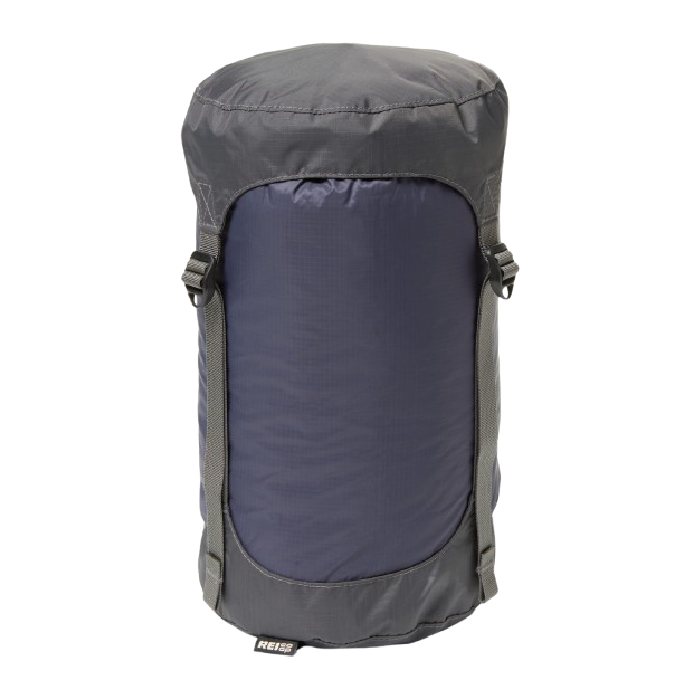
REI Lightweight Compression Stuff Sack
Best Budget Compression Sack
CleverHiker Rating: 4.5/5.0
Price: $20 – $27
Weight: 79.4 g (5 L)
Volume: 5, 10, 15, 20 L
Pros
- Excellent value
- Durable for the weight
- Simple
Cons
- Can pack down into awkward shapes
The REI Lightweight Compression Stuff Sack is a solid choice for backpackers looking to reduce their pack’s volume without breaking the bank.
Made from tough ripstop nylon, it holds up well to regular use and nicely balances weight and durability. However, don’t count on this bag to keep your items dry – it’s a compression sack, not a dry bag.
The compression system is easy to use, with four straps that cinch down effectively to minimize bulk in your pack. It works particularly well for compressing sleeping bags, clothing, or other soft gear. The straps are sturdy and don’t slip, which helps maintain a compact load throughout a trip.
We use the 5-liter version for our summer sleeping bag, which works perfectly to compress it into a compact bundle. However, the bag requires careful tensioning to avoid forming an uneven shape that fits awkwardly in our pack.
Overall, the Lightweight Compression Stuff Sack is a great option for budget-conscious backpackers looking to minimize bulk. It’s durable for the weight and offers well-rounded performance for the price.
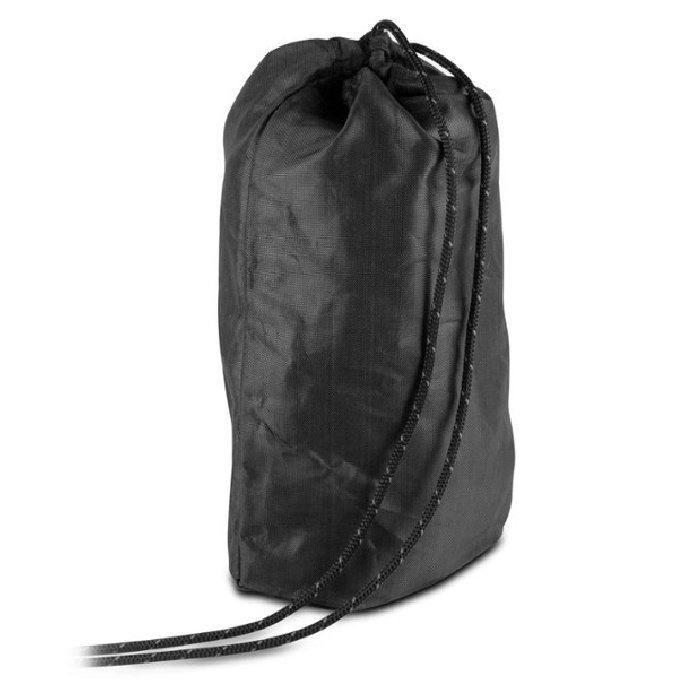
Ursack Major Bear Sack
Best Food Bag
CleverHiker Rating: 4.5/5.0
Price: $125
Weight: 215.5 g (10 L)
Volume: 10, 15, 30 L
Pros
- Protects food from critters and bears
- Very durable
- Good size for about five days of food
Cons
- Expensive
- Heavier than regular stuff sacks
- Some backcountry areas require a hard-sided canstier
The Ursack Major Bear Sack is a lightweight, flexible alternative to traditional bear canisters, making it a popular choice for backpackers looking to cut weight while still protecting their food.
Made from a tough, tightly woven UHMWP fabric, it resists tears and prevents bears from easily accessing its contents. Unlike hard-sided canisters, the bag’s volume shrinks as you eat your way through a trip – a huge advantage for space savings and efficiency.
One of the Ursack’s biggest strengths is its ease of use. Instead of finding space for a bulky canister, simply tie the Ursack to a tree or established bear hang (it comes with an integrated, six-foot length of 2,500-pound, tensile-strength cord).
It’s also considerably lighter than most bear canisters, making it ideal for long-distance hikers who count every ounce. The cinch system is easy to use and prevents smaller critters from getting to your food.
It’s not a perfect replacement for a canister in all situations – some wilderness areas have much stricter requirements – but it’s a solid investment for weight-conscious users in more lenient backcountry spaces.
More: Ursack Major Full Review
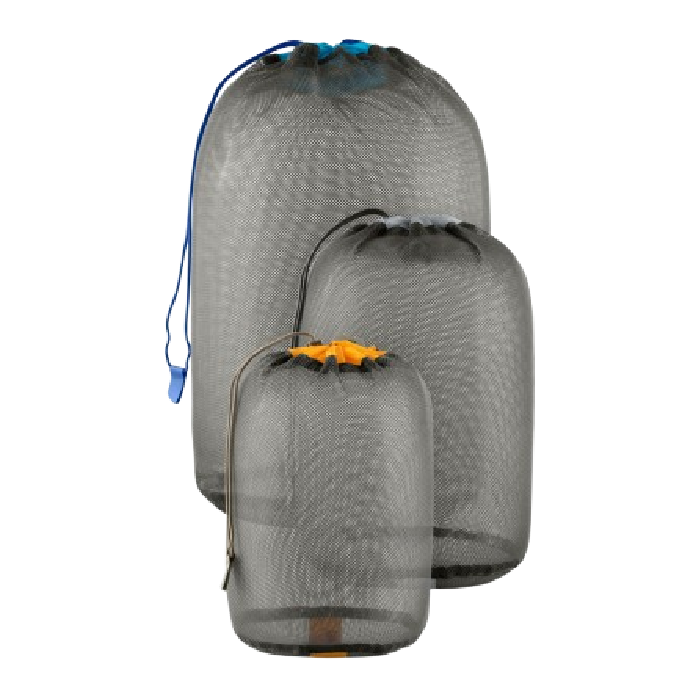
Sea to Summit Mesh Stuff Sack
Best Stuff Sack for Travel
CleverHiker Rating: 4.4/5.0
Price: $45 – $50
Weight: 107.8 g (set of 3, 5, & 8 L)
Volume: 3, 5, 8 ,13 L
Pros
- Set of three sacks
- See-through for easily locating items
- Strong material
Cons
- Not waterproof
- Minimal protection
The Sea to Summit Mesh Stuff Sack is the only design in our lineup to come as a pack of three. There are two sizes available: a pack with 3, 5, and 8-liter sacks and one with 5, 8, and 13-liter sacks.
We love these bags for luggage organization while traveling and for stashing clothes on backcountry trips. The 75-denier, multi-filament nylon mesh is impressively durable – despite being very porous, our bags never ripped.
Although they work well for stowing soft goods like extra layers, they are not our top choice for protecting more delicate items like electronics. The mesh construction makes it easy to locate items inside, but it lacks weather resistance and is susceptible to tears and abrasion.
Though streamlined, the Mesh Stuff Sack has several handy features that set it apart. These include a reinforced opening, handy rubber pull tabs, and a webbing handle for easy portability and unpacking.
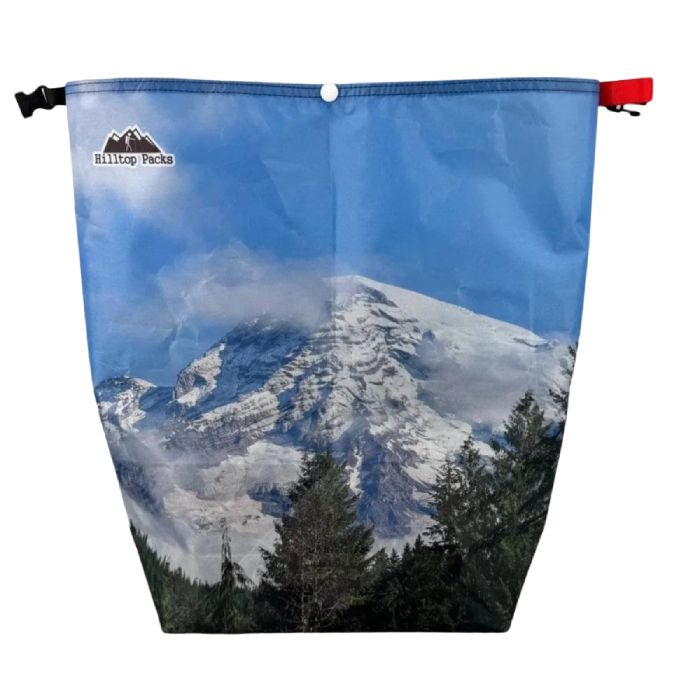
Hilltop Packs D50T Food Bag
Best Customizable Ultralight Stuff Sack
CleverHiker Rating: 4.4/5.0
Price: $35 – $56
Weight: 45 g (12-13 L)
Volume: 7-8, 12-13 L
Pros
- Wide opening
- Ultralight
- Highly water-resistant
- Reinforced loop for hanging
- Durable for the weight
- Custom printing avalible
Cons
- Price
- Lead time required for custom orders
- Not critter-resistant
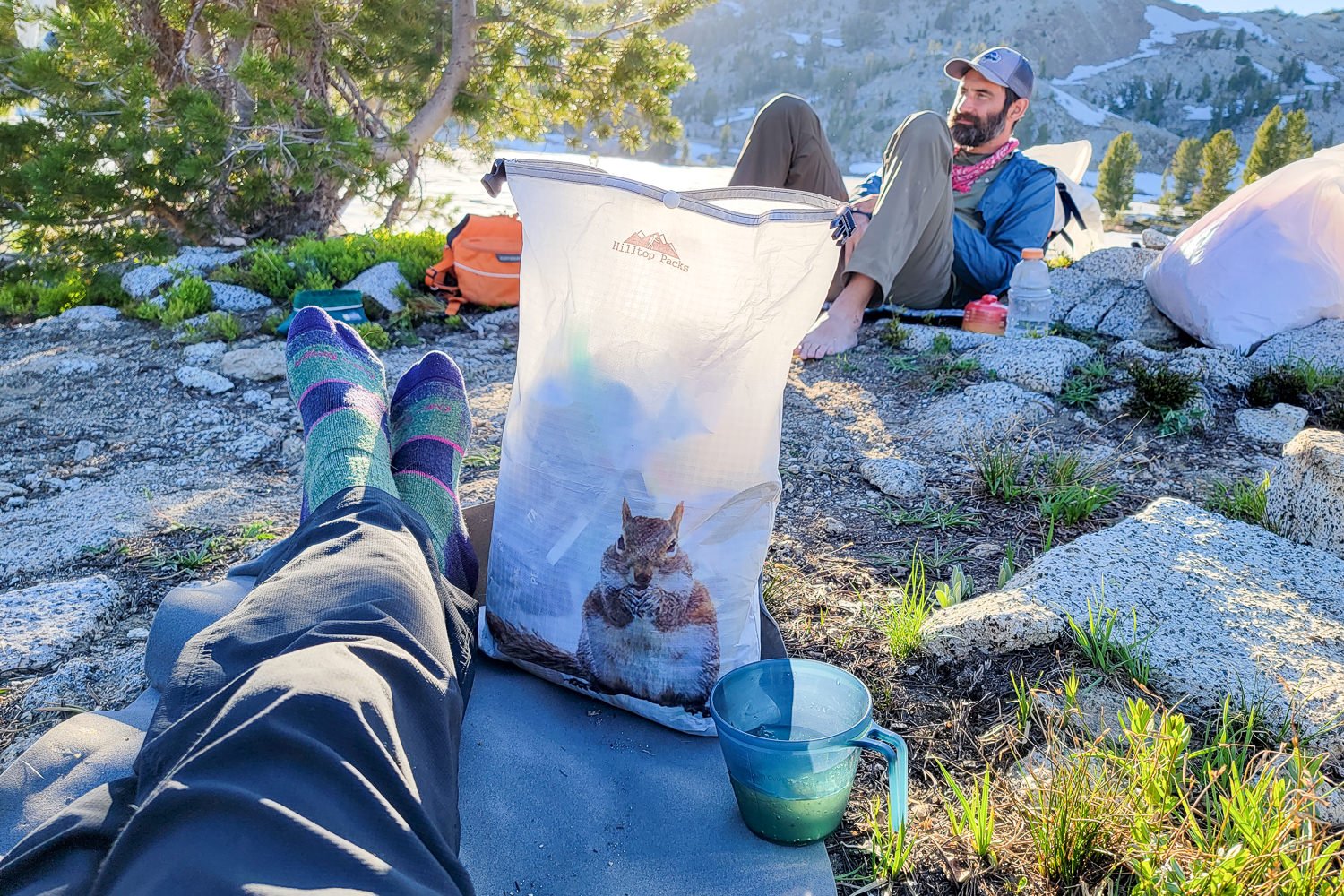
Hilltop Packs is a small cottage brand that makes a lot of really cool stuff sacks, and we particularly love their D50T Food Bags (custom / standard). These sacks have wide openings so you can easily see what’s inside, and the button closure is more convenient than tying and untying knots to access contents inside.
One of the best things about the Food Bag is that you can get it custom-printed with any image or color scheme. In addition to being downright fun, this can be very helpful for popular campsites where many people are storing their food in the same place (such as a bear box).
The rectangular shape is efficient for stashing in a pack, and the seams are cleanly stitched and reinforced, lending solid durability. A hang loop at the top makes it easy to suspend from a tree.
However, the bag isn’t completely odor-resistant or small critter-proof. In other words, this is not a true bear bag, but it is still great for keeping your food organized and compact.
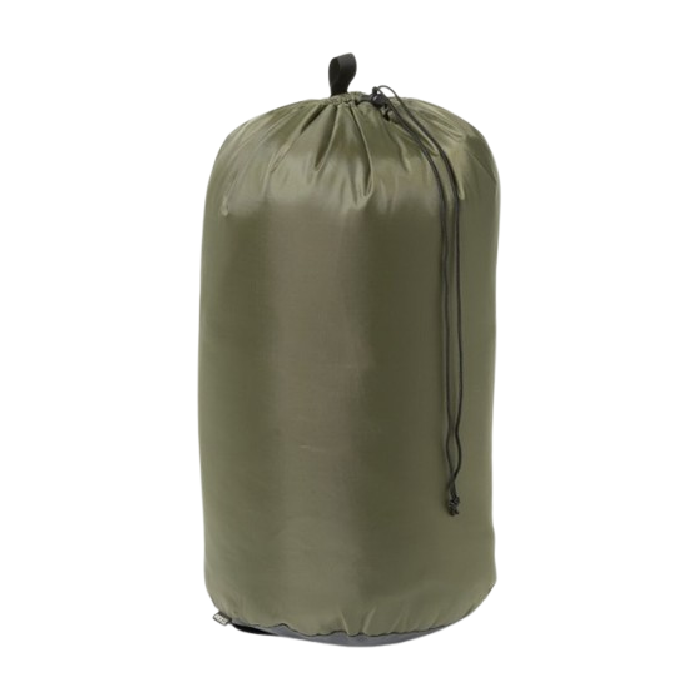
REI Durable Stuff Sack
Best Heavy-Duty Stuff Sack
CleverHiker Rating: 4.4/5.0
Price: $12 – $16
Weight: 56.7 g (10 L)
Volume: 10, 15, 20, 30, 60 L
Pros
- Durable
- Nice selection of sizes
- Affordable
Cons
- Heavy
- Only one color
True to its name, the REI Durable Stuff Sack is one of the heaviest-duty and most protective stuff sacks in our lineup. Constructed with a 200-denier Oxford polyester and a polyurethane coating, it offers standout abrasion resistance and toughness for rugged backcountry adventures.
We’ve used the Durable Stuff Sack for multiple years as a clothing bag while working on a backcountry trail crew in Alaska, and it has yet to show any signs of wear or slowing down. If you’re looking for a bag that can be dragged through rocks, tied to four-wheelers, or stuffed in a pack with a chainsaw, this one will hold up better than most.
With its PU coating and DWR finish, the Durable Stuff Sack repels light moisture but will not replace a dry bag. Double-stitched seams add durability, and the bottom haul handle makes it easy to carry the bag around when loaded.
The Durable Stuff Sack is available in sizes up to a whopping 60 liters, although we wish REI offered more colorways than just the utilitarian Army Cot Green. It also clearly favors durability over weight savings, so ultralight users will want to look elsewhere.
Product Comparison Table
| oSort | Product | Price | Weight | Durability | Weather Resistance | Compression & Packability | 0 |
Hyperlite Mountain Gear Drawstring View at Hyperlite View at Garage Grown Gear |
$31 – $58 | 11 g (4 L) | 4.7 | 4.6 | 4.7 | 1 |
REI Lightweight Stuff Sack View at REI |
$14 – $17 | 26 g (10 L) | 4.6 | 4.4 | 4.7 | 2 |
Hyperlite Mountain Gear Roll-Top Stuff Sack View at Hyperlite View at Garage Grown Gear |
$53 – $83 | 25 g (5 L) | 4.5 | 4.8 | 4.7 | 3 |
Sea to Summit Ultra-Sil Dry Bag View at REI View at Amazon |
$23 – $40 | 39 g (8 L) | 4.7 | 4.8 | 4.7 | 4 |
Ziploc Quart / Gallon View Quart at Amazon View Gallon at Amazon |
$12 for 80 / $12 for 66 | 3 g (0.9 L) / 8.5 g (3.8 L) | 4.1 | 4.6 | 4.6 | 5 |
Hyperlite Mountain Gear Pod View at Hyperlite View at Backcountry |
$60 – $70 | 34 g (9 L) | 4.7 | 4.6 | 4.5 | 6 |
Osprey Ultralight Dry Sack View at Amazon View at Osprey |
$20 – $36 | 34 g (6 L) | 4.5 | 4.6 | 4.5 | 7 |
Sea to Summit Ultra-Sil Compression Sack View at REI View at Amazon |
$35 – $55 | 64 g (8 L) | 4.5 | 4.3 | 4.8 | 8 |
Zpacks Drawstring View at Zpacks |
$19 – $40 | 7 g (4 L) | 4.4 | 4.5 | 4.6 | 9 |
REI Lightweight Compression Stuff Sack View at REI |
$20 – $27 | 79.4 g (5 L) | 4.3 | 4.3 | 4.8 | 10 |
Ursack Major Bear Sack View at REI View at Garage Grown Gear |
$125 | 215.5 g (10 L) | 4.8 | 4.5 | 4.2 | 11 |
Sea to Summit Mesh Stuff Sack View at REI View at Amazon |
$45 – $50 | 107.8 g (set of 3, 5, & 8 L) | 4.6 | 3.8 | 4.4 | 12 |
Hilltop Packs D50T Food Bag View Custom Printed Bag at Hilltop View Standard Bag at Hilltop |
$35 – $56 | 45 g (12-13 L) | 4.5 | 4.4 | 4.3 | 13 |
REI Durable Stuff Sack View at REI |
$12 – $16 | 56.7 g (10 L) | 4.7 | 4.4 | 4.2 |
|---|
Analysis & Results
Which Stuff Sack is the Best Value?
For such a small item, stuff sacks vary considerably in terms of price. When we look at value, we consider cost alongside overall performance.
With this in mind, the REI Lightweight Stuff Sack stands out as a very strong value. It’s one of the cheapest options on our list but doesn’t skimp on functionality. It’s lightweight, surprisingly tough for the weight, and highly packable when empty.
The Osprey Ultralight Dry Sack is the most affordable roll-top dry bag in our lineup and great for those who spend a lot of time in wet climates. It offers a smart balance of weight savings and durability, and the waterproof fabric adds a nice dose of assurance on winter adventures and wet backpacking trips alike.
Offered in an extensive array of sizes, the Zpacks Drawstring is a solid value for what you get. The Dyneema construction is top-of-the-line when it comes to balancing strength and weight savings. You do pay a bit of a premium for the high-end construction, but it’s the most affordable Dyneema option on our list.
Which Stuff Sack is the Lightest?
Even though stuff sacks are pretty lightweight in general, if you carry multiple on a trip, that weight can add up.
If your top priority is keeping weight to a minimum, it’s hard to beat Dyneema – as seen in the Hyperlite Drawstring, Hyperlite Roll-Top, Hyperlite Gear Pod, and Zpacks Drawstring. Though there are some key differences between the designs, all of these bags stand out for their impressive strength-to-weight ratios and ultralight builds.
Though not Dyneema, the REI Lightweight Stuff Sack (made from ripstop nylon) is competitively lightweight for the capacity. It’s much cheaper than Hyperlite and Zpacks designs, too – great for budget-conscious hikers and backpackers who want to shave weight without breaking the bank.
We’d be remiss if we didn’t mention the humble yet oh-so-useful Ziploc. Long favored parents everywhere for packing school lunches, Ziplocs make great backcountry companions, too. They are lightweight and come in various sizes for storing food, clothes, or electronics – just know they will have to be replaced pretty frequently.
Which Stuff Sack is the Most Durable?
A durable stuff sack not only withstands frequent outdoor use but also protects the contents within. In the eternal struggle between weight and durability, we prefer bags that strike a balance without tipping too far in either direction.
The clear winner for durability is the Ursack Major. It’s made with an ultra-tough, tightly woven UHMWP fabric that’s purpose-built to keep your food safe from bears and smaller critters. Unsurprisingly, the Major is the heaviest design on our list by a wide margin, but it’s easy to justify the heft when you’re camping in bear country.
The REI Durable Stuff Sack is another heavy-duty option. Though more durable than most options on our list, it is still light enough for most backcountry adventures.
As we mentioned previously, Dyneema is known for its unmatched strength-to-weight ratio. A few Dyneema options that stood out for their ultralight-but-tough constructions were the Hyperlite Drawstring, Hyperlite Gear Pod, and Hyperlite Roll-Top.
We also gave high marks to the Sea-to-Summit Ultra-Sil Dry Bag for being the most durable waterproof bag in our lineup. It’s not the lightest design available, but it’s very reliable in rowdy conditions and built to last with a burly Cordura nylon fabric.
Which Stuff Sack has the Best Weather Resistance?
When it comes to weather resistance, there is no substitute for a fully waterproof, roll-top bag. Topping the charts in this category is the Sea to Summit Ultra-Sil Dry Bag. We regularly rely on this bag to keep sensitive gear and clothing protected on rainy backpacking trips and snowy backcountry ski tours.
The Hyperlite Mountain Gear Roll-Top follows closely behind. Though Hyperlite does not market the bag as fully waterproof, its Dyneema construction and roll-top closure are confidence-inspiring in most conditions. Short of fully immersing the bag, we have no hesitations about relying on it to protect valuables.
The Osprey Ultralight Dry Sack is also quite trustworthy in wet weather. We did have some issues with the roll-top closure staying closed. This led to moisture leaking in in deep snow and heavy rain when the bag was packed full. But the fabric itself is fully waterproof, and the roll-top worked fine in most situations.
Which Stuff Sack is the Most Compressible & Packable?
Although standard roll-top bags offer some level of compression, those with dedicated compression straps the most efficient for maximizing space in your pack.
With that in mind, the two more compressible bags in our lineup are the Sea to Summit Ultra-Sil Compression Sack and REI Lightweight Compression Stuff Sack. The Sea to Summit Ultra-Sil is thoughtfully designed with convenient features like an attached flip-top lid to keep the straps from tangling and a buckled strap for quick deployment.
The REI Lightweight is lighter than the Sea to Summit but not quite as durable, weather-resistant, or fully featured. Both stuff sacks work well for a sleeping bag, and we also use them to compress bulky layers like down jackets.
Other space-efficient designs worth calling out are the Hyperlite Drawstring, REI Lightweight Stuff Sack, Hyperlite Roll-Top, and Sea to Summit Ultra-Sil Dry Bag. Although none of these are true compression designs like those mentioned above, they pack down relatively well and don’t take up a ton of space in a pack.
How to Choose a Stuff Sack
Which Material is Best for a Stuff Sack?
Stuff sacks come in all shapes and sizes, so it’s no surprise that construction varies, too. Each material has its pros and cons depending on your intended use(s), expected conditions, and preferences on factors like weight, durability, and weather resistance.
Nylon is lightweight, durable, and often treated with a durable water-repellent (DWR) coating for shedding light moisture. Nylon is typically relatively cheap to produce, and you can often find recycled varieties if you’re concerned about minimizing your impact. For most people and uses, nylon is a tried-and-true option that will get the job done.
A cottage-brand staple, Dyneema – a thermoplastic polymer made of UHMWPE – is popular among ultralight backpackers and other minimalist backcountry users. Dyneema is extremely lightweight, surprisingly tough, and essentially waterproof, although you can expect to pay a premium for the specialized technology.
Mesh is great for visibility and breathability but offers limited protection and is susceptible to snags and tears. Mesh bags can be nice for travel and frontcountry use, but they aren’t our first choice for backcountry adventures.
What Size Stuff Sack Do You Need?
Stuff sacks come in a wide array of sizes and are typically measured in liters. Though there isn’t a one-size-fits-all capacity, we generally gravitate toward stuff sacks in the 8- to 12-liter range. Bags of this size often fit our gear comfortably while minimizing excess bulk.
Getting a little more granular, stuff sacks in the 2- to 5-liter range are ideal for small items like electronics, toiletries, or first-aid kits. We often have at least one of these in our pack for organizing smaller essentials and valuables.
Stuff sacks that are 6 to 10 liters are suitable for clothing or lightweight sleeping bags. Winter campers will probably find these too small for thick down jackets and ultra-warm sleeping bags, but summer users should have no issue making them work.
Stuff sacks in the 11- to 20-liter range are good for larger items like down jackets or bulkier food supplies. They often make sense on longer trips, winter excursions, and other gear-intensive outings that warrant packing some extras.
Stuff sacks that are 20L+ are best for large, winter-weight sleeping bags or lining a backpack. In our experience, these are the least versatile option since the excess material can lead to unwanted bulk if the stuff sack is only partially full. Unless you have a specific need for a stuff sack this large, we’d recommend opting for several smaller sacks instead.
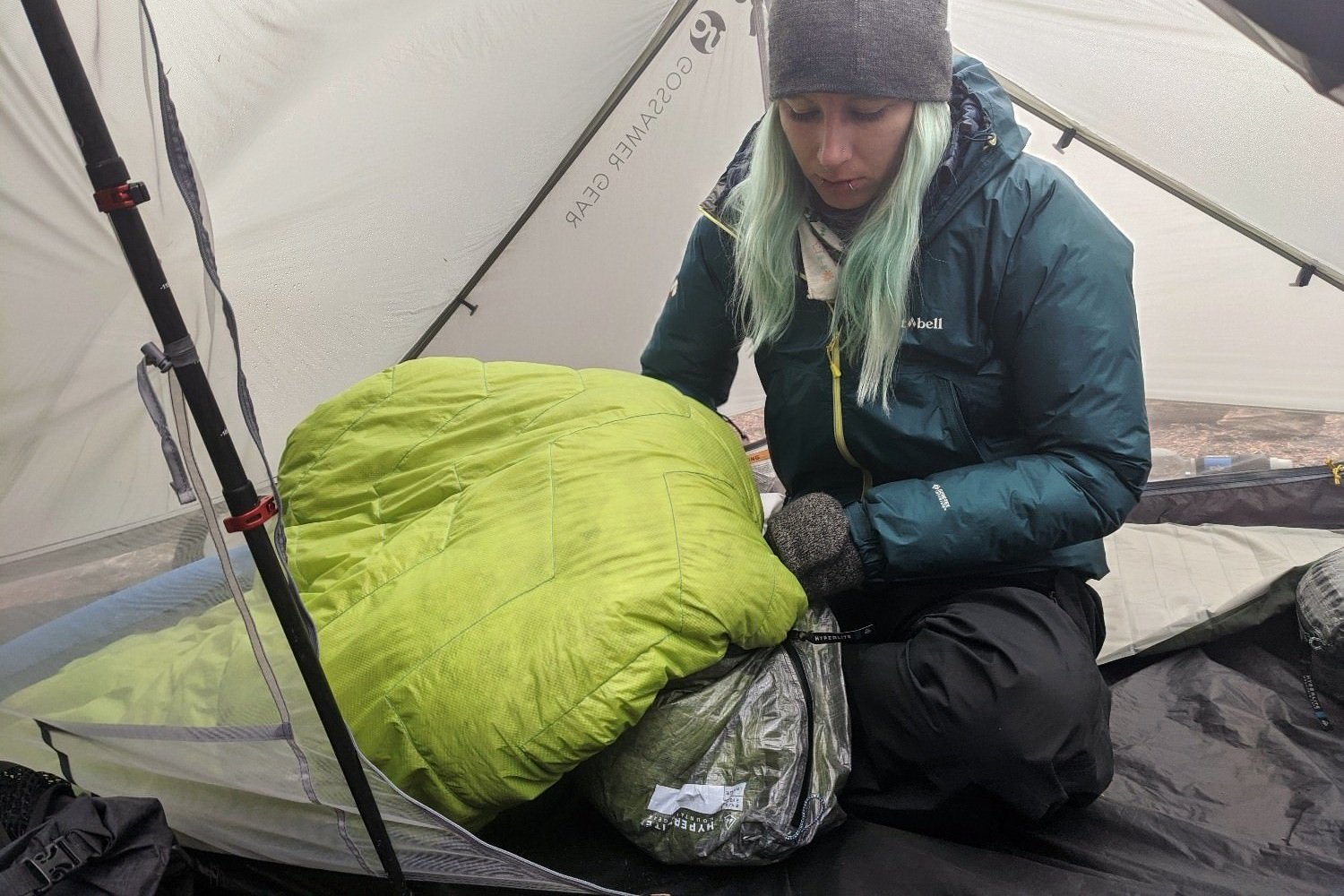
Which Stuff Sack Closure System is Most Effective?
The type of closure can affect ease of access, weather resistance, compressibility, and even weight – so choosing the right one for your needs is important.
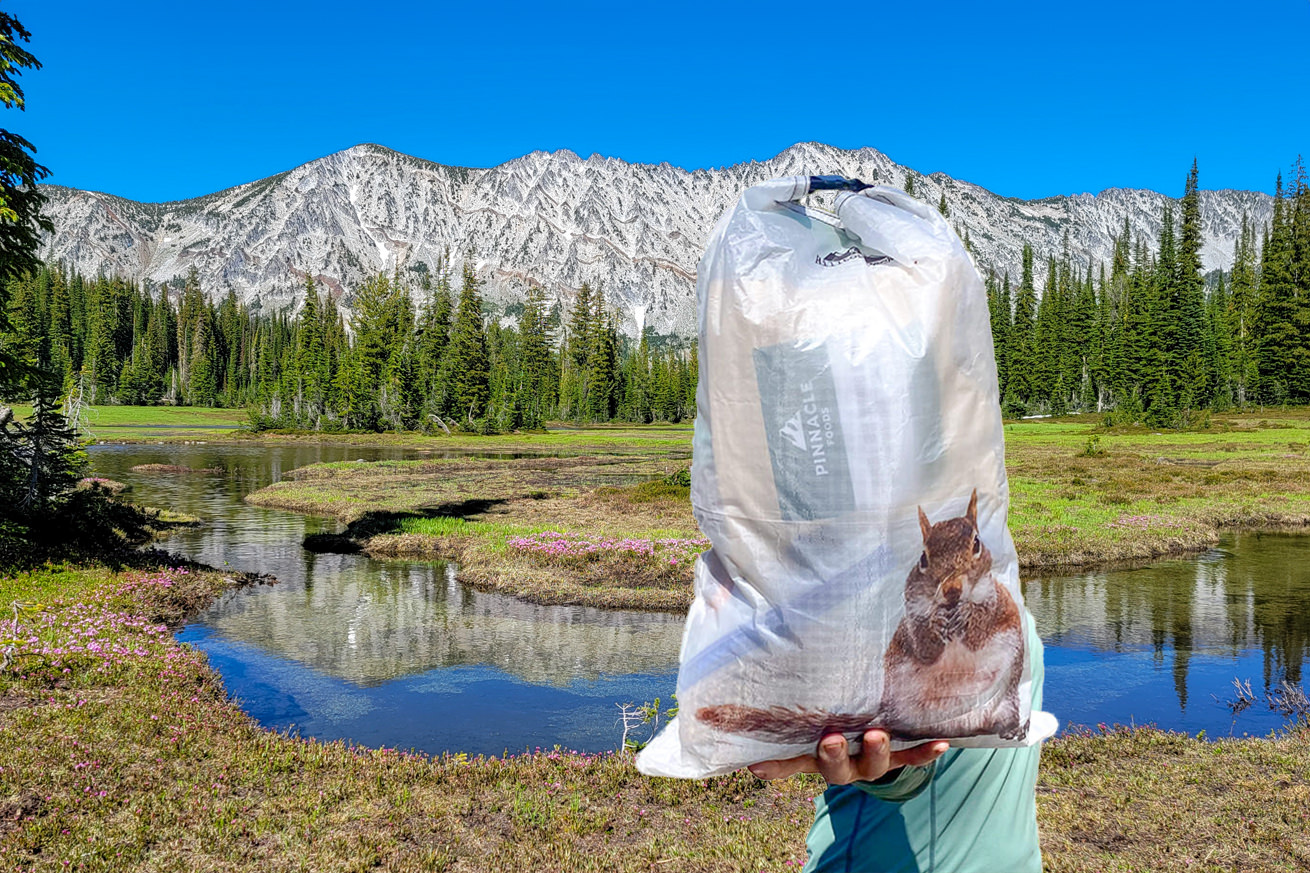
Drawstring closures are very common, and for good reason. Drawstrings are simple, lightweight, and easy to use. They do leave a small gap for moisture to enter, so drawstring-equipped bags are not entirely waterproof even if they feature a waterproof fabric.
Roll-top closures offer the best waterproofing and airtight compression. It can take some practice to get the hang of roll-top closures, especially if you’re prone to overpacking. Roll-tops also add a bit of weight compared to drawstrings due to the addition of buckles, which is something to keep in mind if you’re counting ounces. But for maximizing space and keeping sensitive gear protected, there’s no better option.
Zippered openings offer easy access but are generally less water-resistant than roll-tops. Some stuff sacks feature watertight or seam-sealed zippers, which can help offset that gap. Zippers can also fail over time – ultralight designs with smaller components are particularly susceptible.
Why Trust CleverHiker
From working on a backcountry trail crew in Alaska’s Chugach National Forest to environmental education in Wyoming’s Teton Range, gear analyst Miles Knotek has a long history of putting all sorts of gear – including stuff sacks – to the test. He has stuffed them full of everything from chainsaw chains to educational materials, sleeping bags, and down jackets. Covering over a thousand miles a year on foot, Miles is an avid backcountry traveler with a strong attention to detail and a penchant for punishing the limits of his equipment.

Testing Methodology
How Do We Measure Weight?
Although weight may seem unimportant for such a small item, bringing multiple stuff sacks can add unwanted ounces to your kit. We independently measured the weight of each bag on a kitchen scale to compare against the manufacturer’s claimed weight.
How Do We Assess Durability?
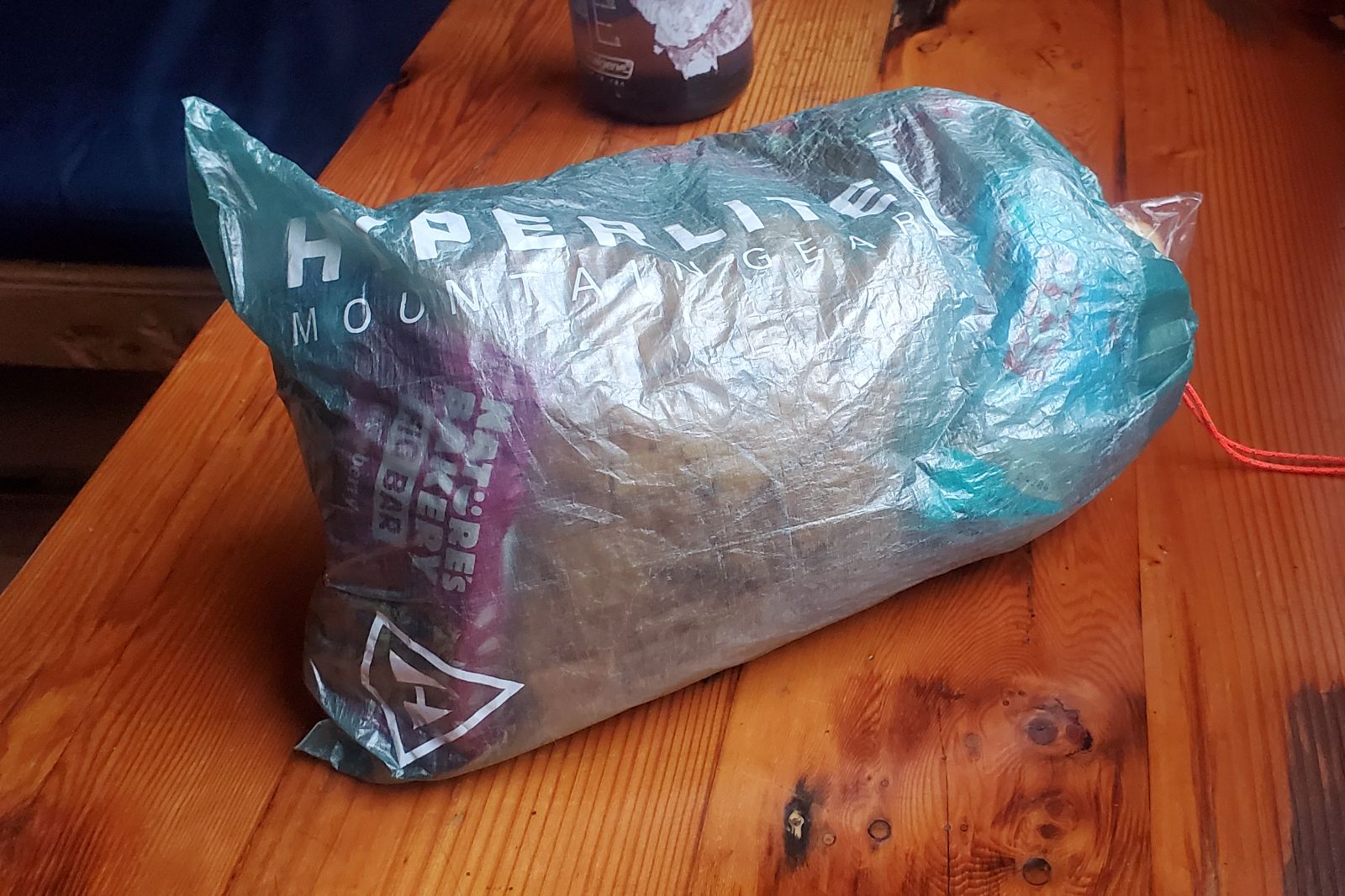
From day hikes to backcountry tours to backpacking trips, we use each bag in various conditions and settings to test its durability and ability to withstand repeated use. We intentionally put each bag through the wringer in our field tests, dragging them across rocks, carrying them through pokey brush, and exposing them to the elements when a storm rolls in.
How Do We Evaluate Weather Resistance?
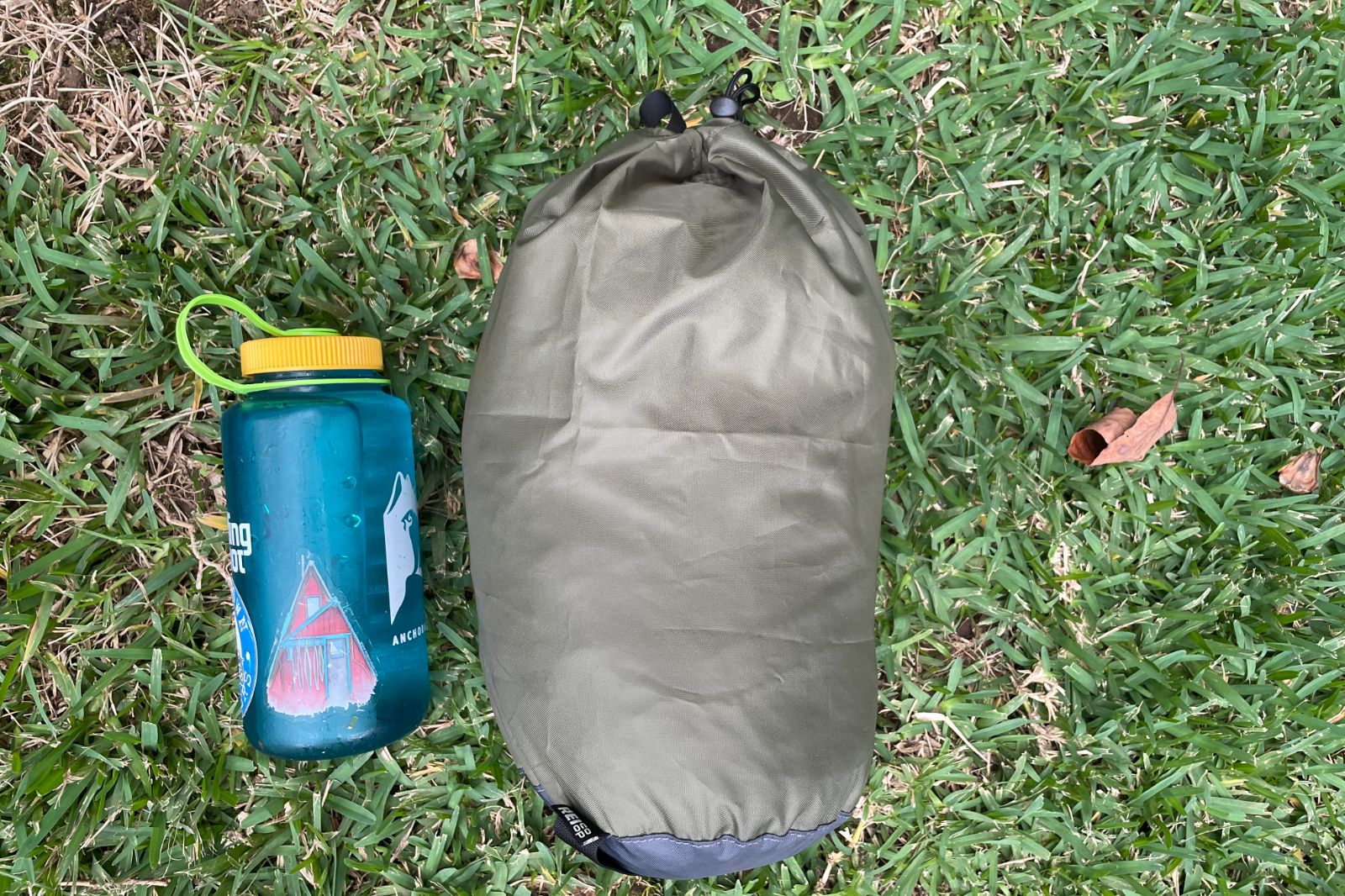
We gauge weather resistance by using stuff sacks in the field and performing standardized tests at home. For the latter, we dampen the surface of each bag and allow it to sit for 30 minutes to see if there is any moisture penetration.
In the field, we expose each bag to rain, sleet, and snow during day trips and overnight adventures. We pay close attention to the the exterior as well as smaller components like zippers, drawstrings, buckles, and seams.
How Do We Gauge Compression & Packability?
To gauge compressibility, we fill each bag to its capacity and then compress it to the smallest possible volume. For comparison’s sake, we also test the bags when only half-full. We compare the compressed sizes to the original volume when empty and measure the dimensions in each scenario. We tighten and loosen compression straps, open and close roll-tops, and cinch and uncinch drawcords to get an idea of how the closure system impacts overall packability.
Conclusion
We almost always have more than one stuff sack in our pack or duffel bag. If you’re just starting your collection, stuff sacks in the 8- to 12-liter range are the most versatile. Nylon designs are often the cheapest, while those made with Dyneema will offer a boost in performance for dedicated ultralight users. Roll-top closures are great for compressibility and waterproofing, while drawstrings are simpler and easier to operate. We hope this guide has helped you narrow down your choices to get your organization system dialed.