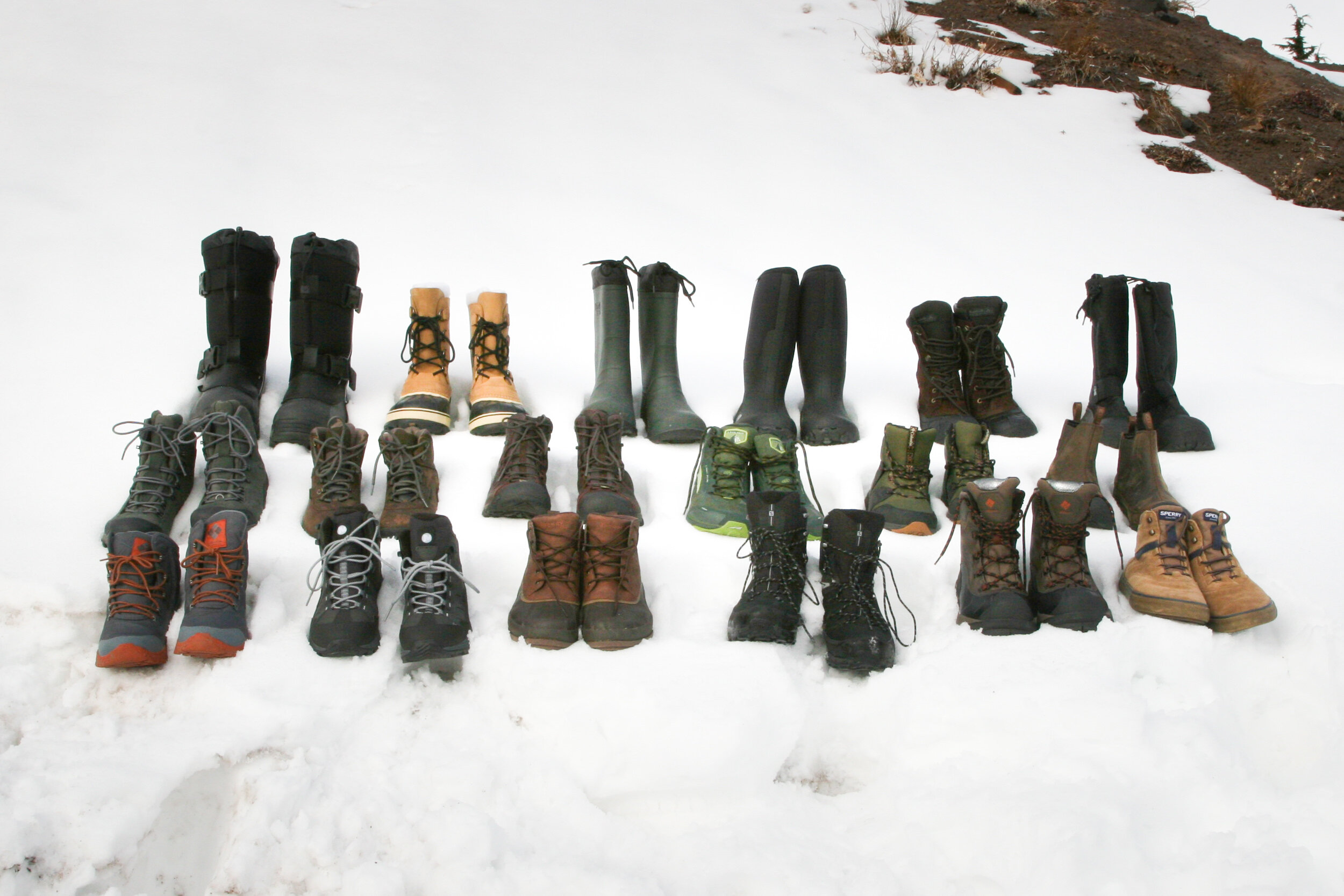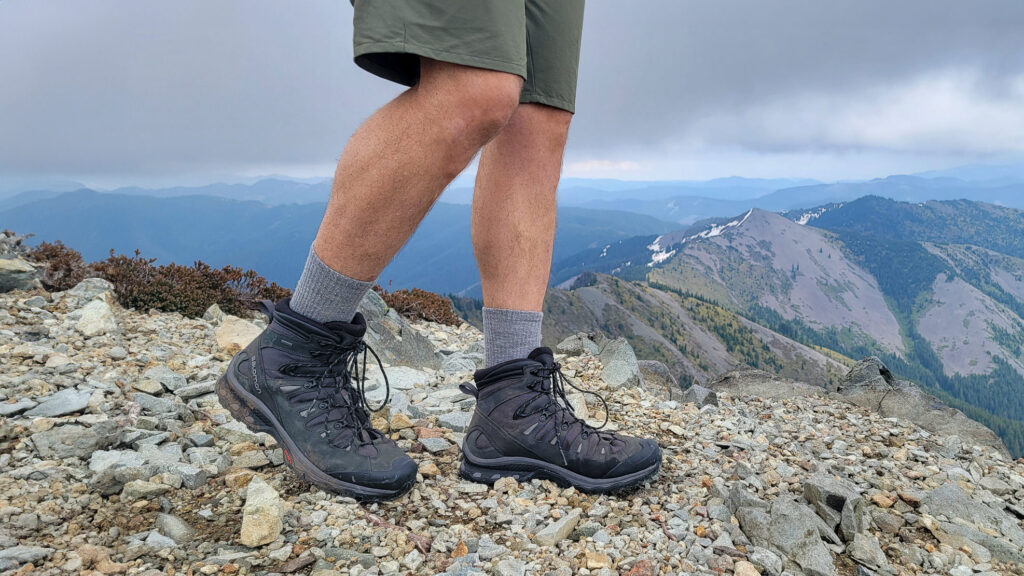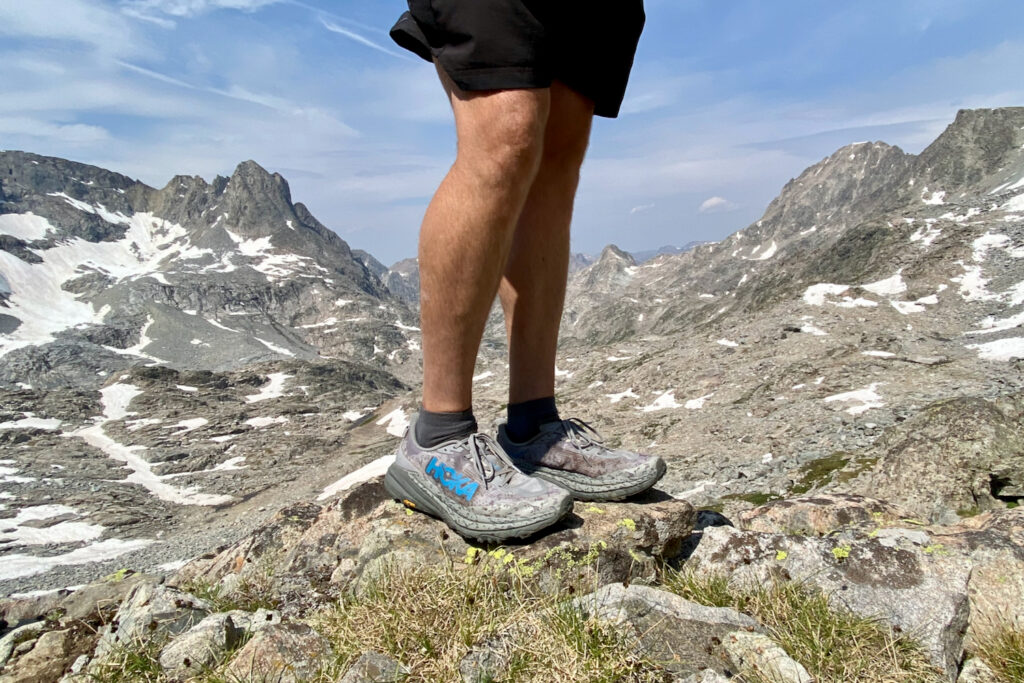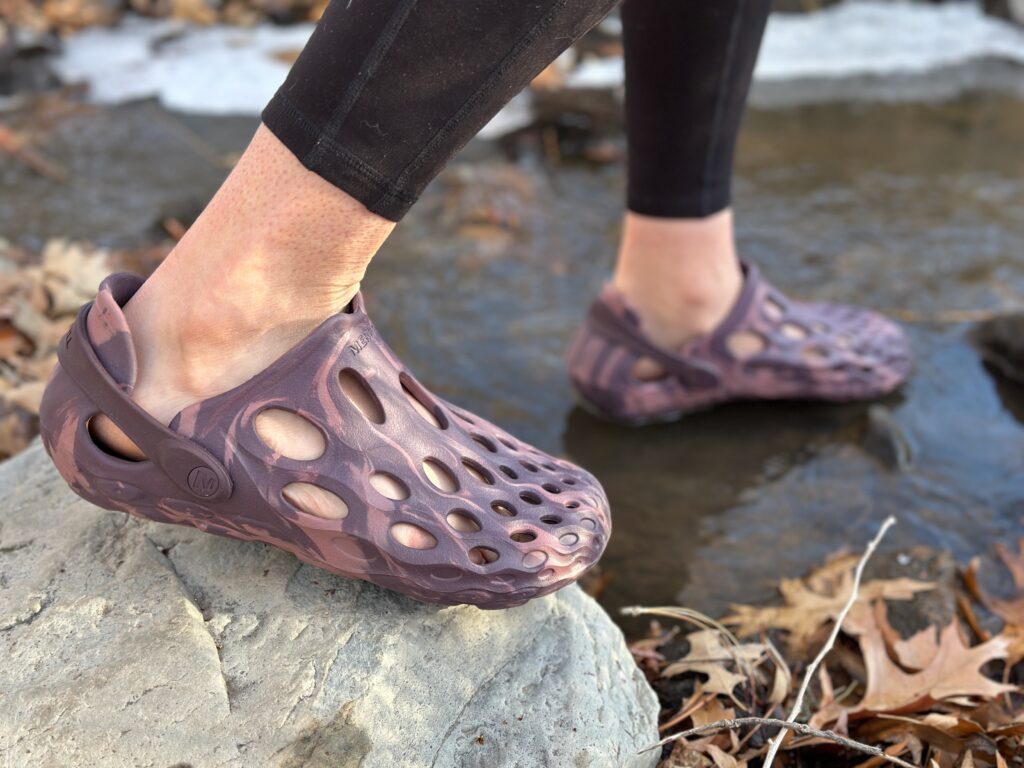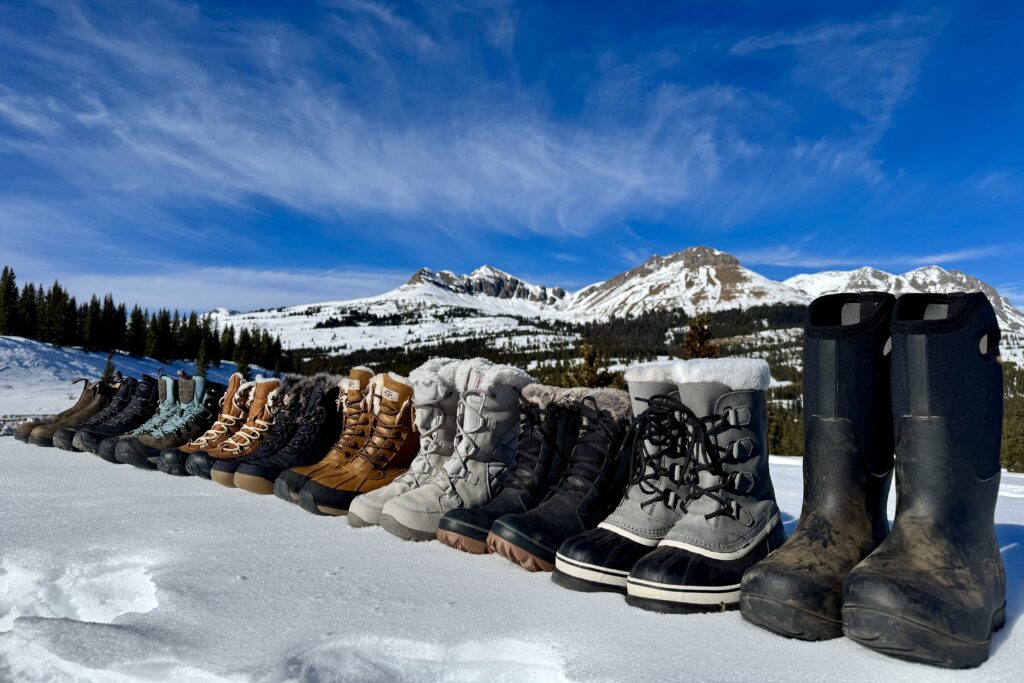


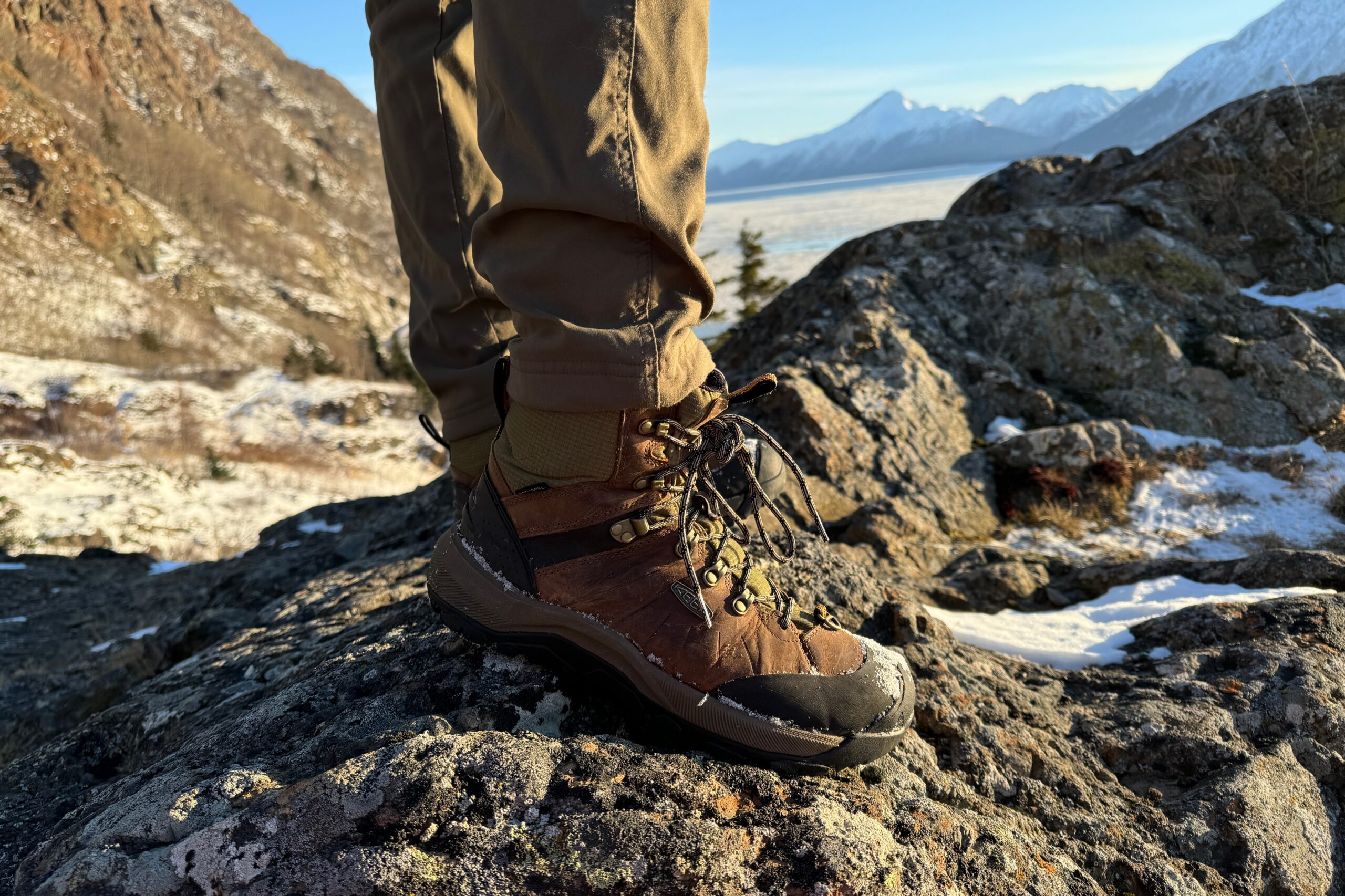
We’ve covered hundreds of miles in winter conditions to recommend the best winter boots available. Based in Alaska, CleverHiker Gear Analyst Miles Knotek trudged through everything from local Anchorage trails to the peaks of Chugach State Park to evaluate the comfort, warmth, traction, weather resistance, and durability of 11 promising models.
Editor’s Note: We updated this guide on August 17, 2026, to ensure prices and product specs are accurate and to confirm we still stand behind the picks on our list.
How We Test Men’s Winter Boots
We researched dozens of the best winter boots for men before testing around 40 pairs. The majority of our testing took place in Alaska, where we evaluated each pair of hiking boots for comfort, warmth, traction, weather resistance, and durability. We spent hundreds of hours hiking hundreds of miles in each pair to find the very best, no matter your winter conditions.
And for more info, check out some of our other popular gear guides:

#1. Best Overall Winter Boots for Men
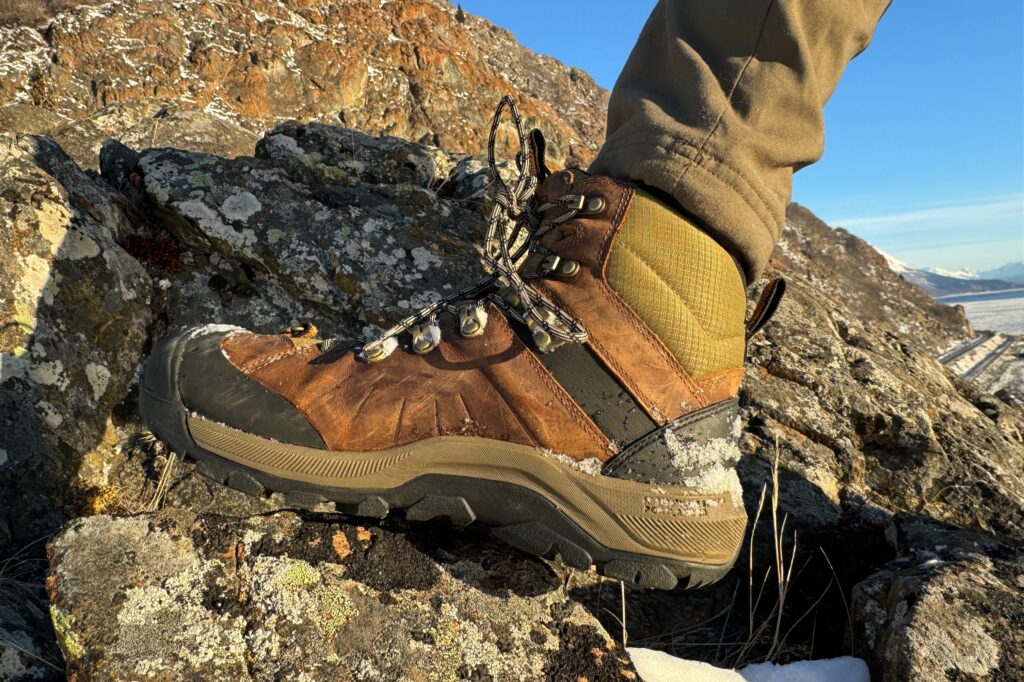
The Keen Revel IV Polar is a durable and versatile winter hiking boot that excels in both hiking and cold-weather performance. Its rugged build and recycled synthetic insulation kept our feet happy for hundreds of miles.

Quick Picks for Men’s Winter Boots
Check out this quick list of our favorite winter boots, or continue scrolling to see our full list with in-depth reviews.
1. Best Overall Winter Boots for Men: KEEN Revel IV Polar ($200)
2. Best Men’s Winter Boots for Wet Conditions: BOGS Bozeman Tall ($185)
3. Men’s Winter Boots with the Best Traction: Salomon Crosstrak Powder ($200)
4. Most Comfortable Men’s Winter Boots for Long Days on Trail: The North Face Vectiv Fastpack Insulated ($185)
5. Best Warm Snow Boots: Sorel Caribou ($250)
6. Best All-Around Men’s Winter Boot: The North Face Chilkat V 400 ($170)
7. Lightweight Men’s Winter Boots with Great Durability: Scarpa Moraine Polar GTX ($219)
8. Best Lightweight Men’s Winter Boots: Merrell Thermo Chill 2 Mid ($150)
9. Best Men’s Winter Boots with Iconic Style and Increased Warmth: Blundstone Thermal ($285)
10. Best Trail-to-Town Winter Boots for Men: Columbia Fairbanks ($130)
11. Best Rugged Men’s Winter Boots for Hiking and Snowshoeing: Oboz Bridger 8″ Insulated ($210)
KEEN Revel IV Polar
Best Overall Winter Boot for Men
Price: $200
Weight: 3 lbs
Insulation: recycled synthetic
Height: 8 in
Pros
- Durable
- Warm
- Great weather resistance
Cons
- Requires break-in time
- Not as tall as some winter boots
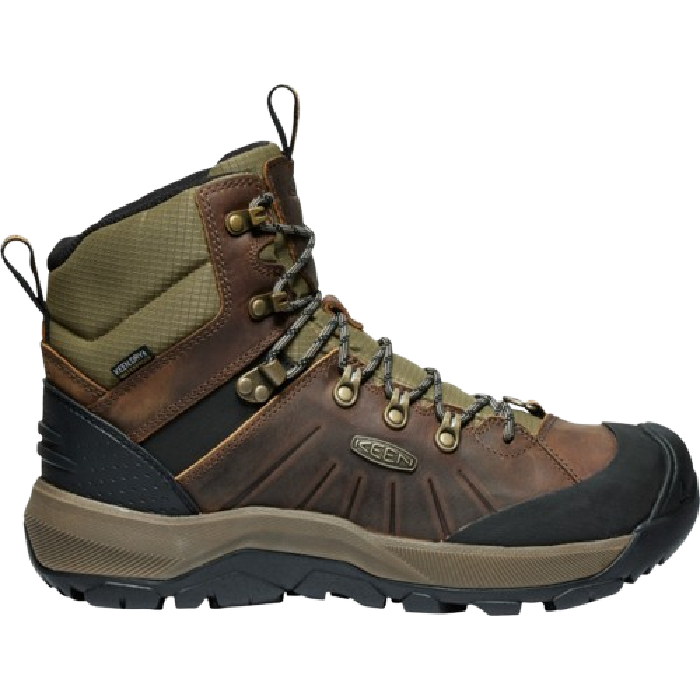
The KEEN Revel IV Polar is a versatile winter boot that excels in both hiking and cold-weather performance. Its durable leather upper offers excellent weather resistance, while the thick rubber toe cap and all-metal eyelets add to its rugged design. Though the boot fits slightly wider, making it ideal for those with broader feet, users with narrow feet may need to cinch the laces tight for a secure fit. In doing so, the long laces can be easy to trip over, and their round shape makes them easy to untie.
Although the Revel IV Polar features a relatively low shaft height, it provides solid warmth and weather resistance, making it suitable for moderate-depth snow and winter activities. Its recycled synthetic insulation offers ample warmth during high-output activities like hiking and snowshoeing but may not be ideal for low-output tasks in extreme cold. The boot’s traction shines on packed snow, dirt, and rocky terrain, though it struggles in loose snow and gravel.
Durable and well-constructed, the KEEN Revel IV Polar will withstand the wear and tear of outdoor adventures. The leather holds up against abrasions, and the boot’s reinforced pull tabs, double-stitched seams, and metal lace eyelets ensure long-term durability. Though not suited for deep snow, its weatherproof design and gaiter attachment points provide reliable protection in most conditions. Weighing 3 pounds, this boot is perfect for those seeking a durable, lightweight winter boot for hiking and light winter activities.
BOGS Bozeman Tall
Best Men’s Winter Boots for Wet Conditions
Price: $185
Weight: 4 lb
Insulation: 7mm neoprene
Height: 15 in
Pros
- Extremely durable
- Waterproof
- Warm
- Impact protection
Cons
- Bulky
- Fit too loose for hiking
- Handles let in snow & debris
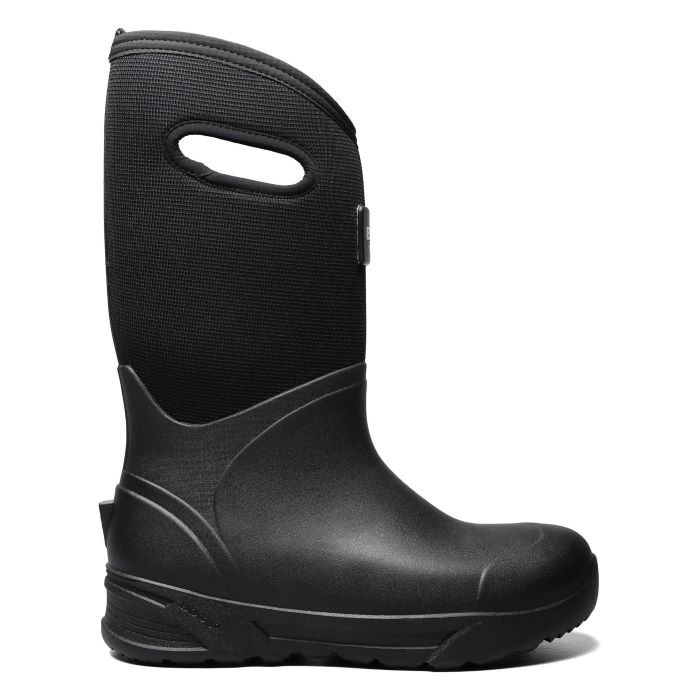
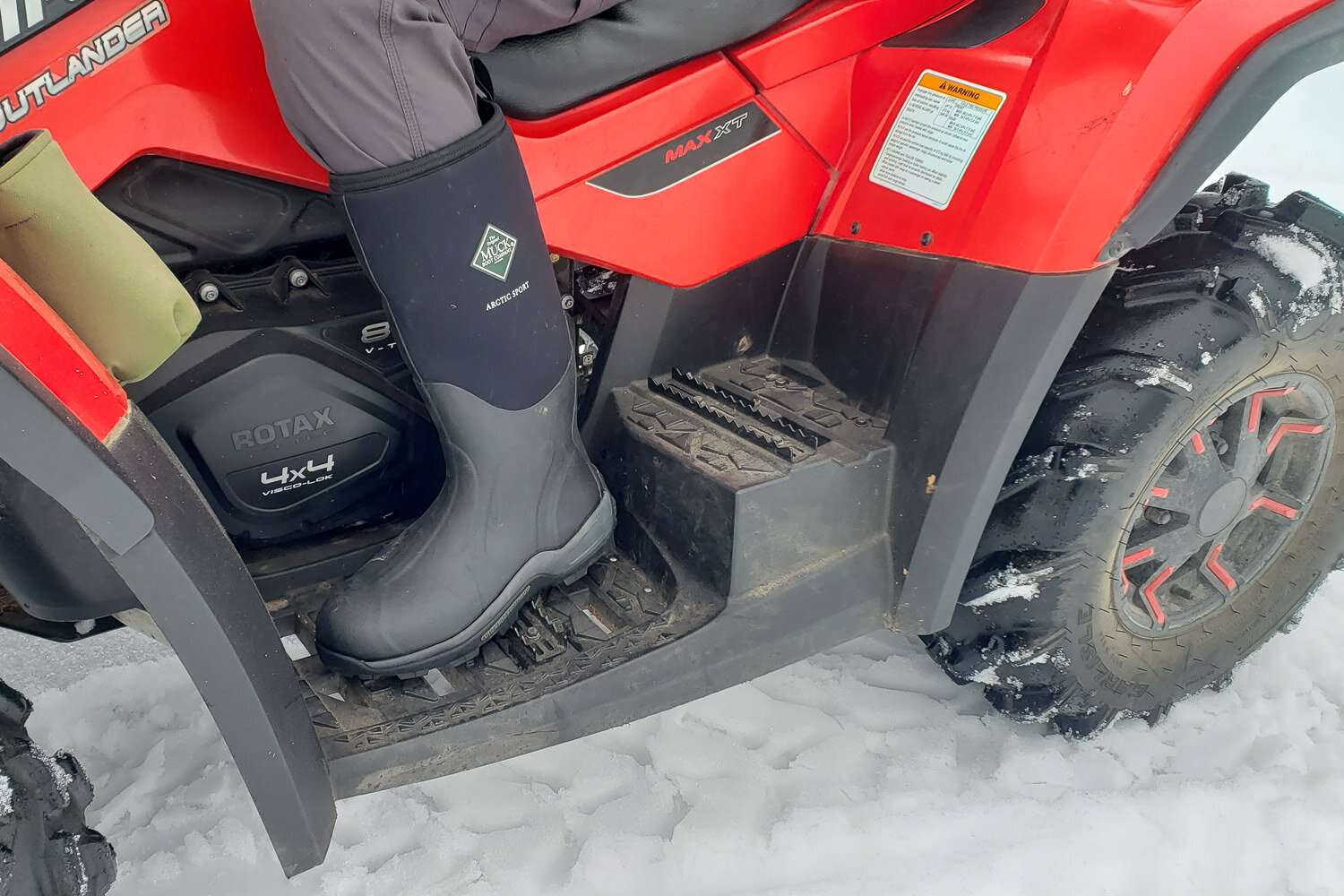
The BOGS Bozeman Tall is an incredibly durable option designed for wet and cold environments. Featuring a 14.5-inch shaft and insulated with Neo-Tech neoprene, these boots provide exceptional warmth — even when wet. Their rubber lower and the neoprene shaft’s seamless construction keep feet dry. However, the top handles can let in snow or debris.
These boots are extremely comfortable, too, thanks to supportive midsoles and cushioning around the heel that keeps the foot securely in place. At 4 pounds, they are heavy and best suited for standing and working rather than long hikes. If you’re seeking a tough, weather-resistant boot for outdoor chores or work in cold, wet conditions, the Bogs Bozeman Tall boots are an excellent choice.
Salomon Crosstrak Powder
Men’s Winter Hiking Boots with the Best Traction
CleverHiker Rating: 4.7/5.0
Price: $200
Weight: 2 lb. 8 oz.
Insulation: Primaloft
Height: 7.25 in
Pros
- Great traction
- Solid weather resistance
- Warm
- Lightweight
Cons
- Quick lace system can be finicky
- Runs large
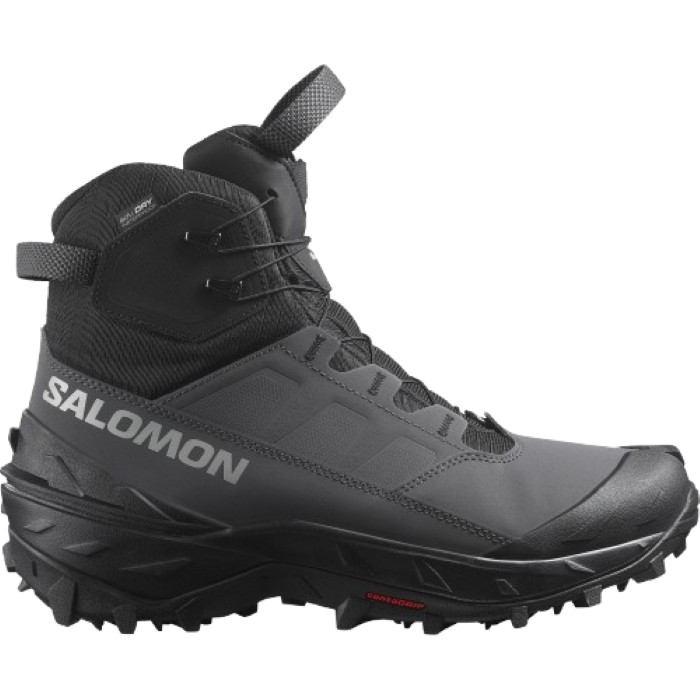
The Salomon Crosstrak Powder stands out as a rugged, adventure-ready boot built for those who need solid traction, dependable warmth, and excellent weather protection for deep-snow adventures. After extensive testing in Alaska’s frigid conditions, it proved itself capable of handling everything from icy sidehills to long snowshoe approaches without missing a beat. Its aggressive tread and wraparound midsole lugs offer some of the best traction in our lineup, making it an ideal choice for backcountry travel or variable, slippery terrain. The tall, 7.25-inch shaft height adds standout coverage, pairing well with the waterproof construction to keep your feet dry in slush, puddles, and fresh powder.
The Crosstrak Powder is comfortable for long days on trail. The lightweight construction, secure micro-adjustable quicklaces, and an easy-on design make it easy to use and a breeze to hike in. It packs impressive warmth for such a streamlined boot, offering reliable insulation for active use in temperatures down to zero degrees. That said, the Quicklace system can be finicky, especially with gloves on, and the fit runs slightly large, so you may need to size down for the best fit.
Overall, the Crosstrak Powder is an excellent match for hikers, snowshoers, and winter enthusiasts who want a single boot that excels in serious conditions. If maximum traction, durable weatherproofing, and lightweight warmth are your top priorities, this Crosstrak Powder is an excellent choice.
More: Salomon Crosstrak Powder Full Review
The North Face Vectiv Fastpack Insulated
Most Comfortable Men’s Winter Hiking Boots for Long Days on Trail
CleverHiker Rating: 4.6/5.0
Price: $185
Weight: 2 lb.
Insulation: 200g synthetic
Height: 6.5 in
Pros
- Comfortable for hours
- Lightweight
- Good weather resistance
- Rockered sole for comfortable gait
Cons
- Traction limitations
- Snow can enter at the ankle
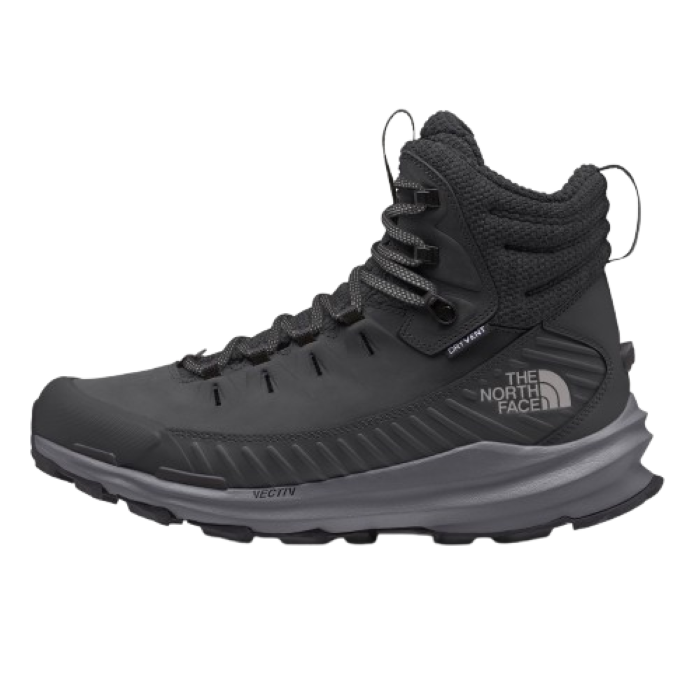
The North Face Vectiv Fastpack Insulated delivers an impressive blend of speed, warmth, and comfort, making it stand out in our lineup of winter boots. Built for hikers who like to move quickly, this boot brings trail-runner energy to snowy terrain without sacrificing protection. Its lightweight build and excellent weight-to-warmth ratio make it a strong match for long days in the mountains, and the high-rebound EVA midsole keeps each step feeling smooth and supportive. The rockered sole is a highlight, creating a natural rolling stride that minimizes the clunky feel common in traditional winter boots.
The Vectiv Fastpack also has impressive lightweight warmth. The 200-gram synthetic insulation punches above its weight, keeping feet comfortable through active hiking in single-digit temperatures. Weather resistance is equally solid thanks to the leather outer and DryVent membrane, which kept moisture out during creek crossings and stormy days.
Traction is reliable on packed snow and mixed winter surfaces, although the rubber lugs struggle a bit in loose, sugary snow. The lower shaft height is the only real limitation, as the ankle opening can let in snow during deep post-holing. Even so, the Vectiv Fastpack Insulated remains one of the most comfortable and versatile lightweight winter boots for hikers who want to move fast without giving up warmth or protection.
More: The North Face Vectiv Fastpack Insulated Full Review
Sorel Caribou
Best Warm Snow Boots
Price: $250
Weight: 5 lb 1 oz
Insulation: synthetic, 9 mm felt liner
Height: 10 in
Pros
- Warm
- Comfortable and durable
- Excellent traction
- Removable liner (quick-drying, washable & replaceable)
Cons
- Heavy/Bulky
- Loose-fitting (clunky for long walks)
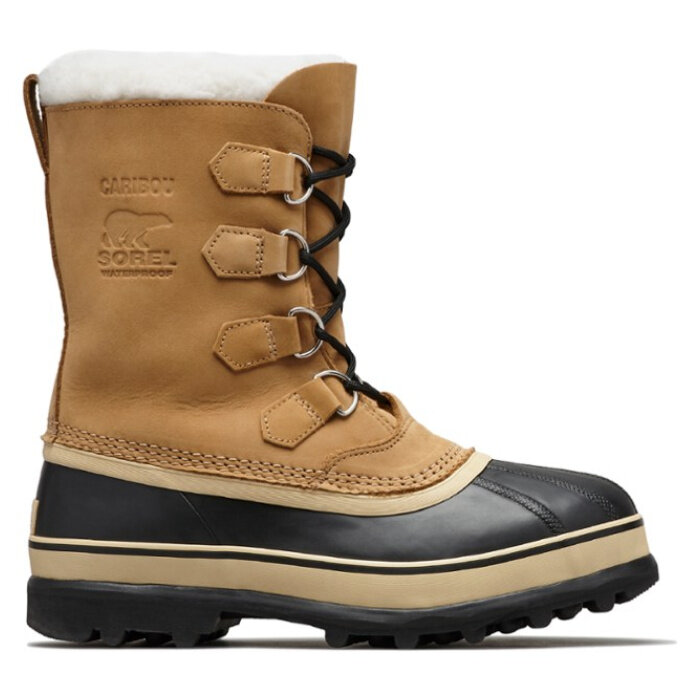
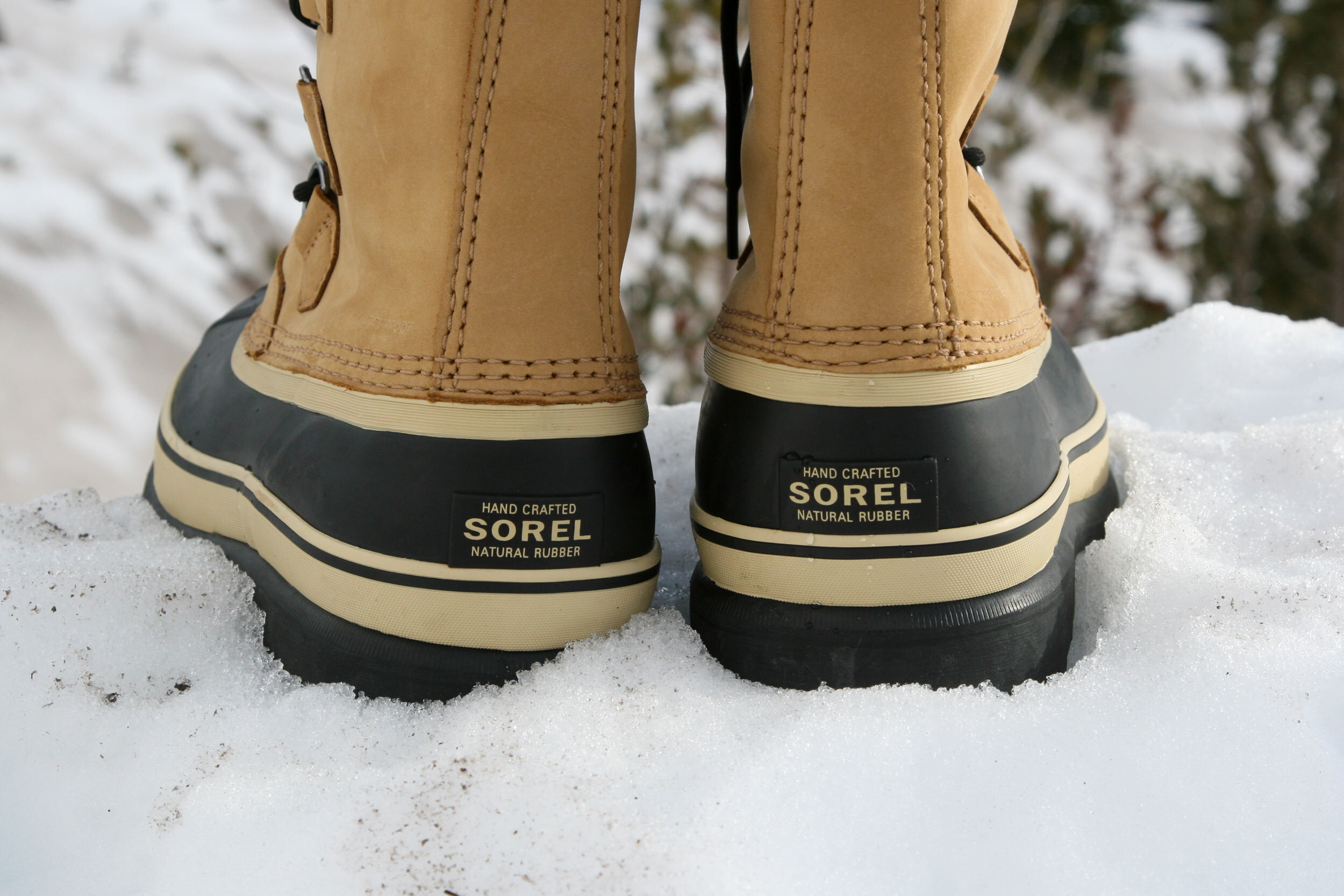
Sorel’s Caribou Snow Boots are designed for extreme cold and winter outings that require the warmest boots. Renowned for their warmth, these boots excel in frigid temperatures, with a removable felt liner that kept our feet warm for hours, even in -10°F. When it comes to weather resistance, the Caribous are impervious to snow and water thanks to their burly construction. However, their breathability is limited, and snow can occasionally seep in through the top of the shaft if you walk through deep snow.
We like the Caribou’s traction on smooth, icy surfaces more than on loose snow or deep powder. They’re not the best choice for mountain hiking or trekking in the deepest snow. But they’re perfect for city walks, local trails, and outdoor work. Ideal for those who need warmth and weather protection, the Sorel Caribou is a dependable choice for standing or walking in cold environments.
The North Face Chilkat V 400
Best All-Around Men’s Winter Hiking Boot
CleverHiker Rating: 4.7
Price: $170
Weight: 3 lb 2 oz
Insulation: 400g synthetic
Height: 8 in
Durability: 4.5
Pros
- Durable
- Warm
- Great weather resistance
Cons
- Bulky
- Heavy
- Not suited for long hikes
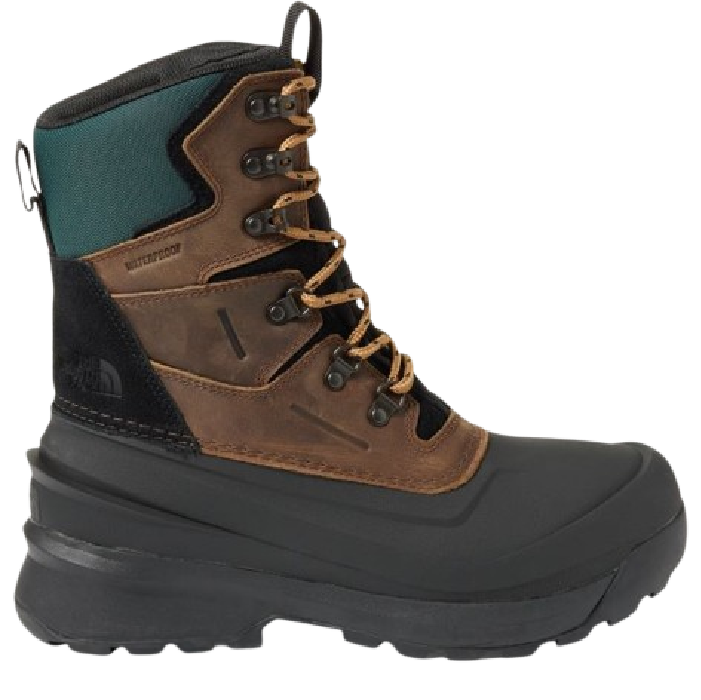
The North Face Chilkat V 400 is a versatile winter boot built for comfort and performance in cold conditions. With 400 grams of synthetic insulation and a durable TPU shell, it offers reliable warmth and protection against snow, slush, and wet weather. The 8-inch shaft height provides adequate coverage. However, it may not be high enough to prevent snow from entering the boot while walking through deep drifts. Despite its solid warmth and traction, the boot’s stiff construction can make it feel bulky and tough to tighten for optimal ankle support.
Weighing 3 pounds, 2 ounces, the Chilkat V 400 is affordable, given its all-around capabilities. Its aggressive, multi-directional tread ensures excellent grip on various surfaces, though it may not be compatible with most microspikes or ice cleats due to its bulky size. Although the boot performs well in cold temperatures, it can feel too warm in milder weather, and its breathability is limited, which can cause sweat to build up during exertion. The boot’s lower price point offers good value, though the overall durability could be better, with minor creases appearing after extensive use.
Overall, the Chilkat V 400 is a reliable choice for winter enthusiasts seeking an affordable, weather-resistant boot that is ideal for short- to medium-length hikes. Those wanting a boot for long treks, where weight and flexibility are priorities, may not find this boot the best choice.

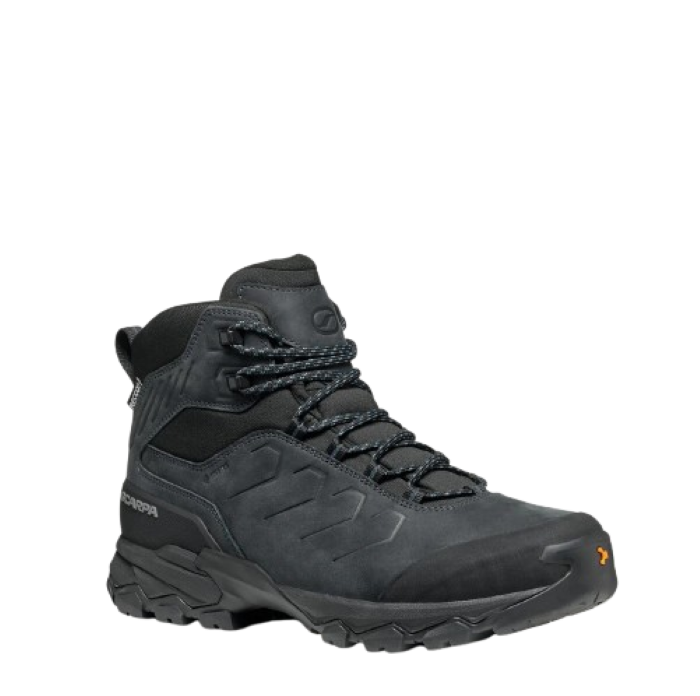
Scarpa Moraine Polar GTX
Lightweight yet Durable Men’s Winter Hiking Boot
CleverHiker Rating: 4.5/5.0
Price: $219
Weight: 2 lb. 6 oz.
Insulation: 200g synthetic
Height: 6 in
Pros
- Durable
- Stiff sole for kicking in septs in firm snow
- Lightweight
- Pairs well with traction devices
Cons
- Expensive
- Narrow
- Rigid sole may not be comfortable
The Scarpa Moraine Polar is a purpose-built winter boot that thrives in steep, demanding terrain where durability is a priority. Rooted in Scarpa’s history in technical European footwear, this boot brings serious mountain performance to winter hiking. Its defining feature is the extremely stiff sole, which performs more like a light mountaineering platform than a casual trail boot. That rigidity shines when kicking steps into firm snow, edging across icy side hills, or navigating loose scree.
Despite its streamlined shape, the Moraine Polar’s Primaloft Pure insulation provides reliable warmth in most winter temperatures, and the GORE-TEX Storm Laminate ePE delivers excellent waterproofing during creek crossings and on slushy trails. Despite its lightweight design, the Moraine Polar offers extreme durability. The leather upper, tough rubber rand, and firm outsole have repelled sharp rocks and abrasive terrain with barely a mark.
However, all that stiffness comes at a cost. The rigid heel cup, minimal midsole cushioning, and narrow fit make the Moraine Polar less comfortable for long miles on more mellow terrain. It lacks the taller cuff or gaiter attachment points required for deep-snow travel. Still, for dedicated mountain hikers seeking a lightweight yet rugged boot built for steep, technical adventures, the Moraine Polar is a dependable, long-lasting choice.
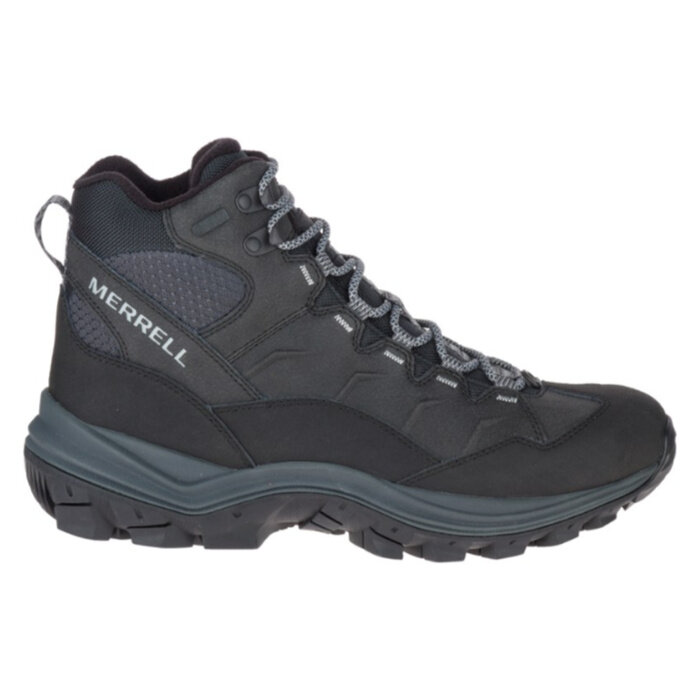
Merrell Thermo Chill 2 Mid
Best Lightweight Men’s Winter Hiking Boots
CleverHiker Rating: 4.2/5.0
Price: $150
Weight: 2 lb. 2 oz.
Insulation: 200 g synthetic
Height: 5.75
Pros
- Good value
- Lightweight
- Weather resistant
Cons
- Reduced traction on steep slopes
- No gaiter attachment loop
- Ankle design may not be comfortable
The Merrell Thermo Chill 2 Mid is a budget-friendly winter boot that offers excellent value without compromising on performance. Right out of the box, these boots provide comfort with minimal break-in, featuring a supportive, stiff footbed suitable for hours of wear. The lace system up the shaft ensures a snug fit around the ankle, providing solid support on uneven and slippery trails. Though the shaft’s minimal padding may cause discomfort from the hooks at times, it’s easily managed by wearing a thicker sock or loosening the boot.
For warmth, the 200 grams of insulation keeps feet comfortable while hiking in single-digit temperatures, making them ideal for active winter outings. They excel during high-output activities but may not offer enough warmth for prolonged exposure in extremely cold conditions. In the latest version of this boot, Merrell changed the tread pattern to be wider and flat. This sacrifices traction in deep snow in favor of traction on flat ice and concrete.
Weather resistance is strong at the boot’s lower half, but the shaft allows some moisture to enter in deep snow. Without gaiter attachment points, there is no option to add further weather resistance for deep snow. Despite being one of the more affordable boots, the Thermo Chill 2 Mid demonstrates solid durability, with no signs of wear after extensive use. However, the lack of articulation at the flex point may raise concerns for long-term use.
For those seeking high performance at a lower price, the Merrell Thermo Chill 2 Mid delivers exceptional value and reliability for winter adventures.
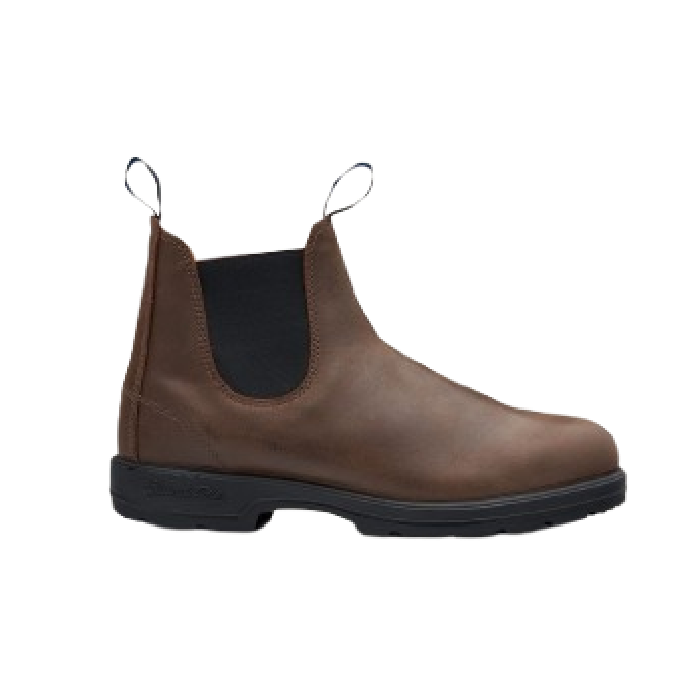
Blundstone Thermal
Best Men’s Winter Hiking Boots with Iconic Style and Increased Warmth
CleverHiker Rating: 4.4/5.0
Price: $285
Weight: 2 lb 2 oz
Insulation: Thinsulate
Height: 6 in
Pros
- Stylish and versatile
- Lightweight
- Comfortable
- Durable
- Slip-on
Cons
- Expensive
- Leather requires maintenance
- May need warm socks
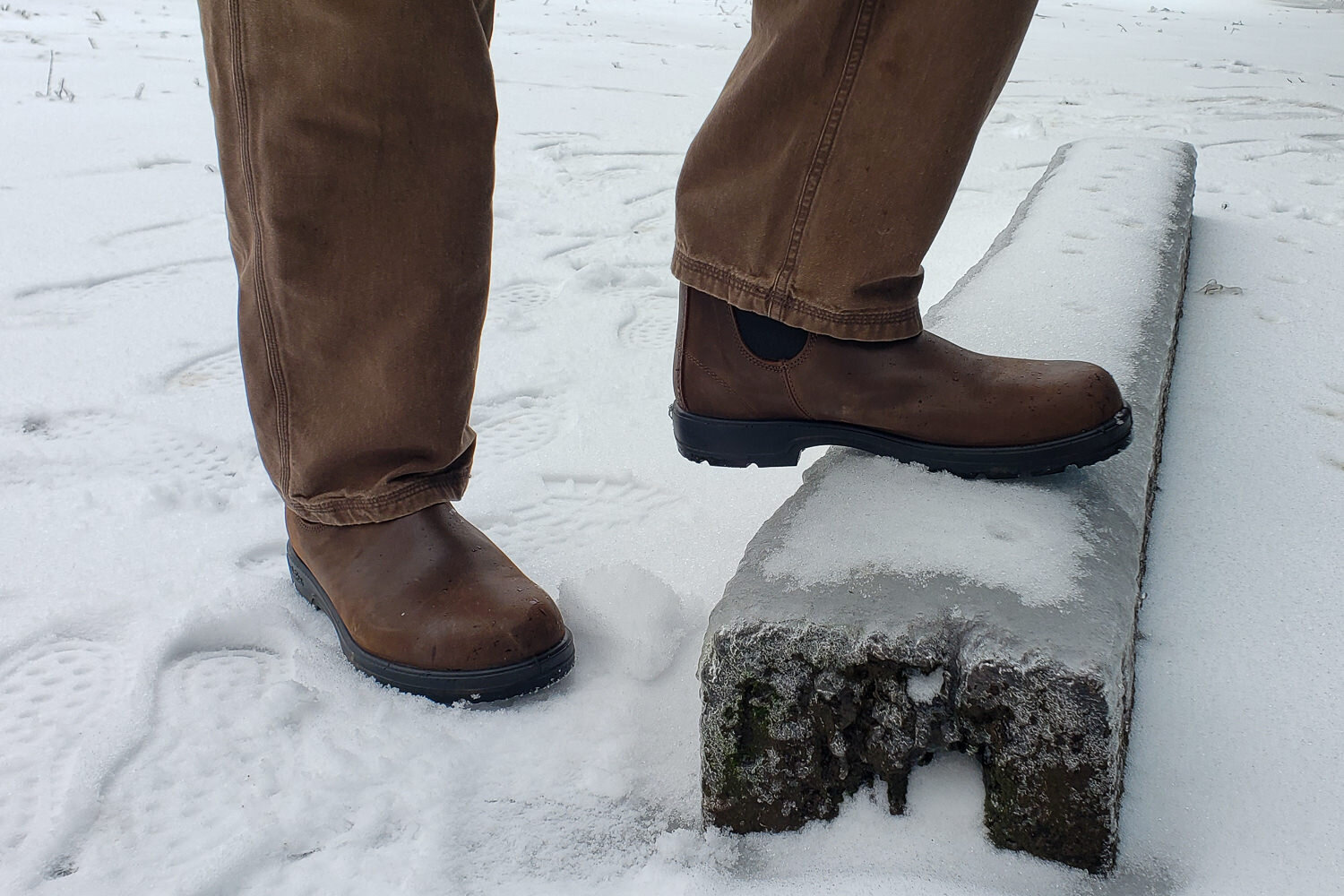
Adding insulation to the original, the Blundstone Thermal boots are a stylish and durable choice for those seeking comfort and versatility in cold weather. Weighing 2 pounds, 2 ounces, these boots offer a lightweight, slip-on design that’s both practical and comfortable. The 6-inch shaft features premium leather and waterproof elastic, while Thinsulate and plush sheepskin insoles provide warmth and insulation. The Blundstone Thermals are ideal for casual outings, light hikes, and yard work.
Though initially stiff, the boots break in comfortably, with the sheepskin packing down to offer both support and warmth. However, they require thick socks for optimal winter readiness, and leather care is essential to maintain waterproofing and prevent the leather from drying out. The shallow lugs of the Vibram sole provide good traction on wet surfaces but are less effective on loose snow and icy conditions.
Though not the best for deep snow or extended cold exposure, the Blundstone Thermal boots excel in urban and light outdoor environments, offering great weather resistance, durability, and a timeless style. Though pricey, they are built to last, making them a great option for those looking for a reliable and versatile winter boot for around town.
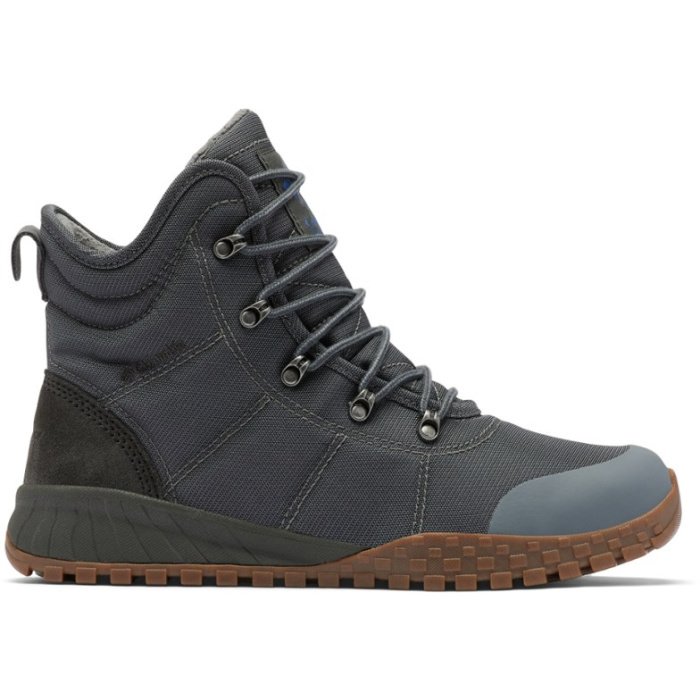
Columbia Fairbanks
Best Trail to Town Winter Hiking Boots for Men
Price: $130
Weight: 2 lb 4 oz
Insulation: 200 g synthetic, Omni-heat reflective lining
Height: Mid
Pros
- Warm and lightweight
- Versatile and stylish
- Comfortable and not bulky
- Breathable
Cons
- Need gaiters to keep deep snow out
- Minimal traction
If you’re looking for a versatile boot you can use for a variety of winter activities, the Columbia Fairbanks Snow Boots are an excellent option. They’re fully waterproof and lightly insulated to keep your feet toasty when you’re active, yet breathable so you won’t overheat. With thick socks, these boots are plenty warm unless the temperature is below freezing or you’re inactive for long periods.
The Fairbanks’ best assets are their flexibility, lightweight feel, and relaxed fit. They aren’t overly stiff or super supportive, so they’re not the best choice for snowshoeing or intense hikes. But they’re comfortable and very well-suited to leisurely hikes in wet, cold conditions and casual use around town.
Oboz Bridger 8” BDry Insulated
Best Rugged Men’s Winter Hiking Boots for Hiking and Snowshoeing
Price: $210
Insulation: 200 g Thinsulate
Weight: 3 lb. 1.2 oz.
Height: 8 in
Pros
- Excellent traction
- Warm
- Comfortable
- Durable
- Gaiter hooks
- Snowshoe compatible
Cons
- Expensive
- Need gaiters to keep deep snow out
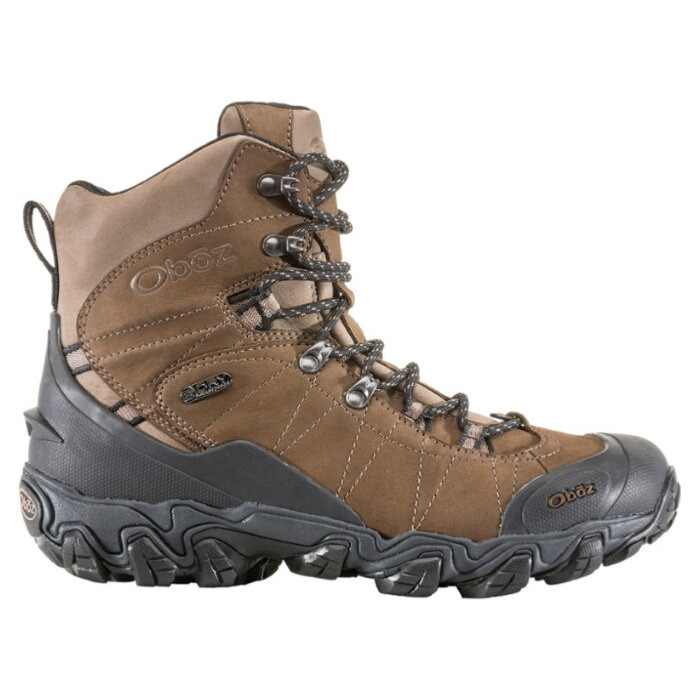
The Oboz Bridger 8” BDry Insulated delivers durability and reliable weather protection, making it a solid winter boot for cold-weather adventures. Constructed with waterproof nubuck leather and Oboz’s B-DRY membrane, these boots kept our feet dry through the wet, slushy, and snowy days of the Alaskan winter. The 200 grams of Thinsulate insulation provides ample warmth for most winter outings, and a heat-reflective insole adds more warmth for extra comfort.
Although durable and stylish, the Bridger requires a lengthy break-in period. The stiff leather, particularly around the ankle, felt cumbersome during initial use and took longer to soften than others. We also found that traction is underwhelming on icy or deep-snowy trails. This makes the boots better suited for shoulder-season hikes or ice-free trails than for slippery, technical trails. Still, the insulated version of the Oboz Bridger is a versatile, all-around option for casual winter hikes and warm enough for mid-winter outings.
Product Comparison Table
| oSort | Product | Price | Weight | Insulation | Height | Comfort | Warmth | Traction | Weather Resistance | Durability | 0 |
KEEN Revel IV Polar View at REI View at Amazon 
|
$200 | 3 lbs | recycled synthetic | 8 in | 4.4 | 4.6 | 4.5 | 4.6 | 4.6 | 1 |
BOGS Bozeman Tall View at Amazon View at REI |
$185 | 4 lb | 7mm neoprene | 15 in | 4.5 | 4.8 | 4.7 | 4.9 | 5 | 2 |
Salomon Crosstrak Powder View at Salomon View at Scheel's
|
$200 | 2 lb. 8 oz. | Primaloft | 7.25 in | 4.6 | 4.7 | 4.7 | 4.7 | 4.6 | 3 |
The North Face Vectiv Fastpack Insulated View at Amazon View at Backcountry |
$185 | 2 lb. | 200g synthetic | 6.5 in | 4.7 | 4.6 | 4.5 | 4.5 | 4.6 | 4 |
Sorel Caribou View at Backcountry View at Sorel
|
$250 | 5 lb 1 oz | synthetic, 9 mm felt liner | 10 in | 4.4 | 4.9 | 4.3 | 4.5 | 4.5 | 5 |
The North Face Chilkat V 400 View at REI View at Amazon 
|
$170 | 3 lb 2 oz | 400g synthetic | 8 in | 4.4 | 4.7 | 4.6 | 4.7 | 4.5 | 6 |
Scarpa Moraine Polar GTX View at Amazon View at SCARPA |
$219 | 2 lb. 6 oz. | 200g synthetic | 6 in | 3.8 | 4.3 | 4.4 | 4.6 | 4.7 | 7 |
Merrell Thermo Chill 2 Mid View at Amazon View at Dick's
|
$150 | 2 lb. 2 oz. | 200 g synthetic | 5.75 | 4.4 | 4.4 | 4.2 | 4.5 | 4.4 | 8 |
Blundstone Thermal View at REI View at Backcountry |
$285 | 2 lb 2 oz | Thinsulate | 6 in | 4.6 | 4.3 | 4.2 | 4.4 | 4.4 | 9 |
Columbia Fairbanks View at REI View at Amazon |
$130 | 2 lb 4 oz | 200 g synthetic, Omni-heat reflective lining | Mid | 4.4 | 4.5 | 4.3 | 4.0 | 4.3 | 10 |
Oboz Bridger 8” BDry Insulated View at Amazon |
$210 | 3 lb. 1.2 oz. | 200 g Thinsulate | 8 in | 4.1 | 4.3 | 3.8 | 4.4 | 4.3 |
|---|
Analysis & Results
Which Men’s Winter Boots Have the Best Value?
For the best-value men’s winter boots, we reach for the Merrell Thermo Chill 2 Mid. Their combination of high performance and low price makes them the perfect option for someone who wants a single boot to tackle multiple conditions. If you’re looking for a dedicated winter boot with a tall height and superb insulation, The North Face Chilkat V 400 is an excellent choice. At a price much lower than many other winter boots, it still provides top-notch warmth without the high price tag.
Which Men’s Winter Boots are the Most Comfortable?
The KEEN Revel IV Polar and The North Face Vectiv Fastpack Insulated take the top spots in this category. The Revels are lightweight, warm, and fit a little wider, in a good way. The recycled synthetic insulation helps boost the warmth and comfort of these hiking boots.
The Blundstone Thermals also stand out to us. They feature a slip-on style and no laces. We love the ease and comfort of the slip-on and the feel of the leather once broken in.
When it comes to more performance-oriented boots, there are a couple of clear leaders. Merrell’s long history of designing running shoes blends over to their winter boots as well. Both the Merrell Thermo Chill 2 Mid and TNF Vectiv Fastpack Insulated are exceptionally comfy boots. These lightweight, supportive boots offer the feel of a running shoe with the warmth of a boot.
We love how lightweight yet supportive the Thermo Chill 2 Mid is, and The North Face Vectiv Fastpack Insulated’s rockered sole makes for a smooth ride on the trails. We recommend these boots for hikers wanting to cover some serious ground while keeping their feet pain-free and happy.
Which Men’s Winter Boots are the Warmest?
What’s a winter boot without warmth? For the best cold-weather performance, the Sorel Caribou is a timeless classic that continues to perform. Its Pac-style insulation, thick rubber lower boot, and removable felt liner provide superior insulation for some of the coldest days of the year. We loved using these in below-zero temps or for times when standing for hours in the cold was necessary.
Also standing out to us, but for two distinct reasons, are the BOGS Bozeman Tall and The North Face Chilkat V 400. The BOGS achieve their high warmth from 7 millimeters of neoprene. Providing both exceptional warmth and weather resistance, neoprene may bring to mind images of wetsuit-clad surfers, but it works equally well as insulating boots for time spent in wet places.
We also love the more conventional style and construction of the North Face Chilkat V 400. For those who have cold feet or know they will be out in colder temperatures, 400 grams of insulation is a better choice than lighter weights. The KEEN Revel IV Polars also tested well in this category thanks to the recycled synthetic insulation.
Which Men’s Winter Boots Have the Best Traction?
For traction, we love the Salomon Crosstrak Powder. Armed with impressively deep lugs and innovative side-lugs on the midsole, the Crosstrak is perfect for getting a grip in anything from deep powder to glare ice.
Also ranking highly for their traction are the BOGS Bozeman Tall and The North Face Chilkat V 400. The BOGS stood out in icy, muddy conditions, where their deep lugs bit into loose surfaces and kept us upright on exceptionally slippery terrain. The North Face Chilkat V 400 worked very well in deep powder and loose snow conditions where other boots couldn’t get a grip. We loved these boots most for walking where others hadn’t through deep powder on steep slopes.
Which Men’s Boots Have the Best Weather Resistance?
Topping our charts for weather resistance, thanks to its impressive shaft height and a nearly impenetrable combination of neoprene and rubber, is the BOGS Bozeman Tall. The neoprene provides exceptional weather resistance, keeping out every drop of water. Its only drawback is the cutout handles, which reduce the shaft’s effective height. But for most uses, it’s already plenty high.
When heading out into deep snow, a tall boot is a must. We found that The North Face Chilkat V 400 was our boot of choice for venturing into deep powder or off-trail. The rubber lower transitions into an insulated, waterproof upper tall enough to keep most snow out. The lace system kept the boot closed and tight, and the rubber lower was impervious to all snow and water. This is one of our top picks for winter sports and long days in the snow.
The leather upper of the KEEN Revel IV Polar is among the most weatherproof hiking-dedicated boots we tested. We loved these for splashing through puddles, stomping through slush, and sliding through snow. Their biggest weakness is their relatively low shaft height compared to the aforementioned boots. That problem is easily fixed with gaiters thanks to the boot’s built-in gaiter attachment loops.
If you’re looking to move fast and light but don’t want to compromise on weather resistance, the Salomon Crosstrak Powder is an excellent choice. At 7.25 inches, it has one of the highest shaft heights among lightweight boots, and its waterproof construction kept us dry in creeks and deep snow.
Which Men’s Boots are the Most Durable?
When taking your boots out day after day, season after season, you’ll want to know you can continue to rely on them to keep you warm and dry. When it comes to a long-lasting and highly durable boot, look no further than the BOGS Bozeman Tall. This boot withstood being hit by firewood and glancing blows from a splitter while chopping, long walks on sharp rocks, and abrasions from gravel and concrete. It’s a boot that can take a beating and keep on working.
The Sorel Caribou appears near the top of the list as one of our most durable boots. With a simple yet sturdy combination of a rubber lower and leather upper, these boots are proven to work year after year. If you feel like the liner is losing some of its loft and warmth after years of use, trade it out for a new one, and the boot will work like new.
If the durability of a leather boot is what you’re after, then the KEEN Revel IV Polar is another excellent choice. With a burly toe cap encapsulating the front of the boot, kicking roots, rocks, and logs doesn’t leave a dent. The leather of the boots is supple yet can withstand multiple abrasions and scrapes with only minor cosmetic damage.
For lightweight boots, the Scarpa Moraine Polar GTX has excellent durability. An abrasion-resistant upper material welded to a thick rubber rand repels all scrapes. And a stiff sole and outsole are sure to withstand miles of use in the toughest terrain.
How to Choose Winter Boots
When choosing winter boots, the two questions that guide our selection process are:
- What activities do I intend to do with these boots?
- What temperatures and conditions do I expect to encounter while using them?
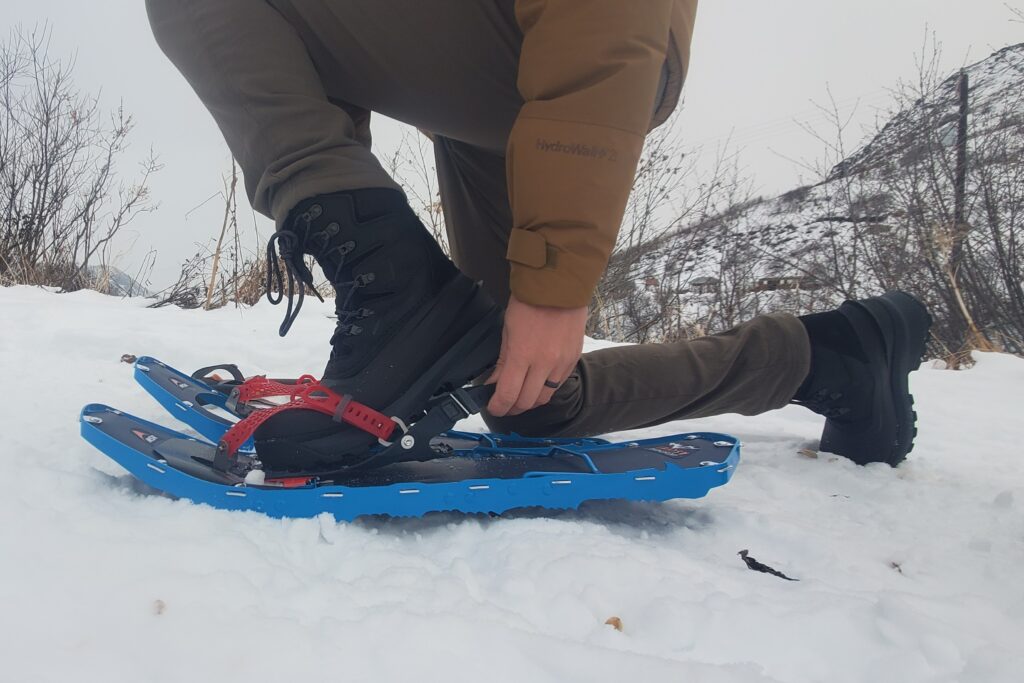
When choosing your winter boots, start by examining what you intend to use the boots for most. If you’re the type of person who likes to have one product for multiple uses, then versatility is key for your winter boots. Finding a single boot that fits a variety of uses can be easier said than done. But with a little planning and research, you can find the right boot to make your winter experience more enjoyable.
Alternatively, you might be the type of person who has several pairs of boots for different activities. Snowshoeing and hiking require boots with excellent weather resistance, traction, and durability. Working and wet weather require durability, weather resistance, and comfort. And boots for casual use require style and comfort, with less emphasis on weather resistance or durability.
Recreating in the winter poses its own unique set of challenges compared to summer. The cold and damp conditions are often the biggest hurdles, followed by reduced traction and greater durability needs. Start by carefully considering where you live and where you will use the boots most. Are they going to be used for the occasional cold snap or winter vacation? Or will you be using these boots day in and day out in deep snow and below-freezing temperatures?
Different boots serve different purposes and excel in different conditions. Matching boots to the conditions is vital to being comfortable and safe for any outdoor adventure. Whether it’s splashing through puddles on the way to the brewery or trekking across the tundra while snowshoeing, our feet are the part of our body most in contact with the elements. By choosing the right boots for the conditions, you will not only have a more comfortable and enjoyable experience but also be safer and able to enjoy the outdoors to the fullest.
What Sort of Liners Should I Look for?
Some boots have removable liners, which makes it easy to wash them, dry them out quickly, and replace them as needed. But they can also give the boot a looser, less specific fit. A boot dryer can help quickly dry wet/sweaty boots with non-removable liners. A loose fit isn’t really an issue for snow boots you’ll use primarily for shoveling the walk. For boots you’ll be hiking or walking around town in, more close-fitting liners will feel less cumbersome and floppy to walk in.
Do I Need Insoles in My Winter Boots?
Upgrading your insoles to cushier, warmer, or more supportive aftermarket ones, like Superfeet, can improve the fit and comfort of most boots. Just remember that you’ll need a little extra room to accommodate thicker insoles.
How Important is Weatherproofing in Winter Boots?
Rubber, treated leather, or waterproof membranes (like GORE-TEX) are typical materials used to weatherproof boots. Always take the time to read reviews of boots that claim to be waterproof and find out whether they require any treatments or maintenance (especially for leather). A good winter boot should keep your feet dry since moisture leads to heat loss.
Does the Brand Matter for Winter Boots?
Sometimes it can pay off to try inexpensive off-brands. But we’ve found that it’s usually worth paying a bit more for the quality and durability of tried-and-true brands that have been around for a long time. Generally, we find that we’re more satisfied with the materials and craftsmanship of products from larger footwear brands that consistently incorporate customer feedback to improve their products.
Why Trust CleverHiker
At CleverHiker, we put real-world experience at the forefront of our testing process. We own and use everything we recommend. And our testers live and breathe the outdoors. All the products we recommend have spent days on the trails and in the mountains as we put them to the test.
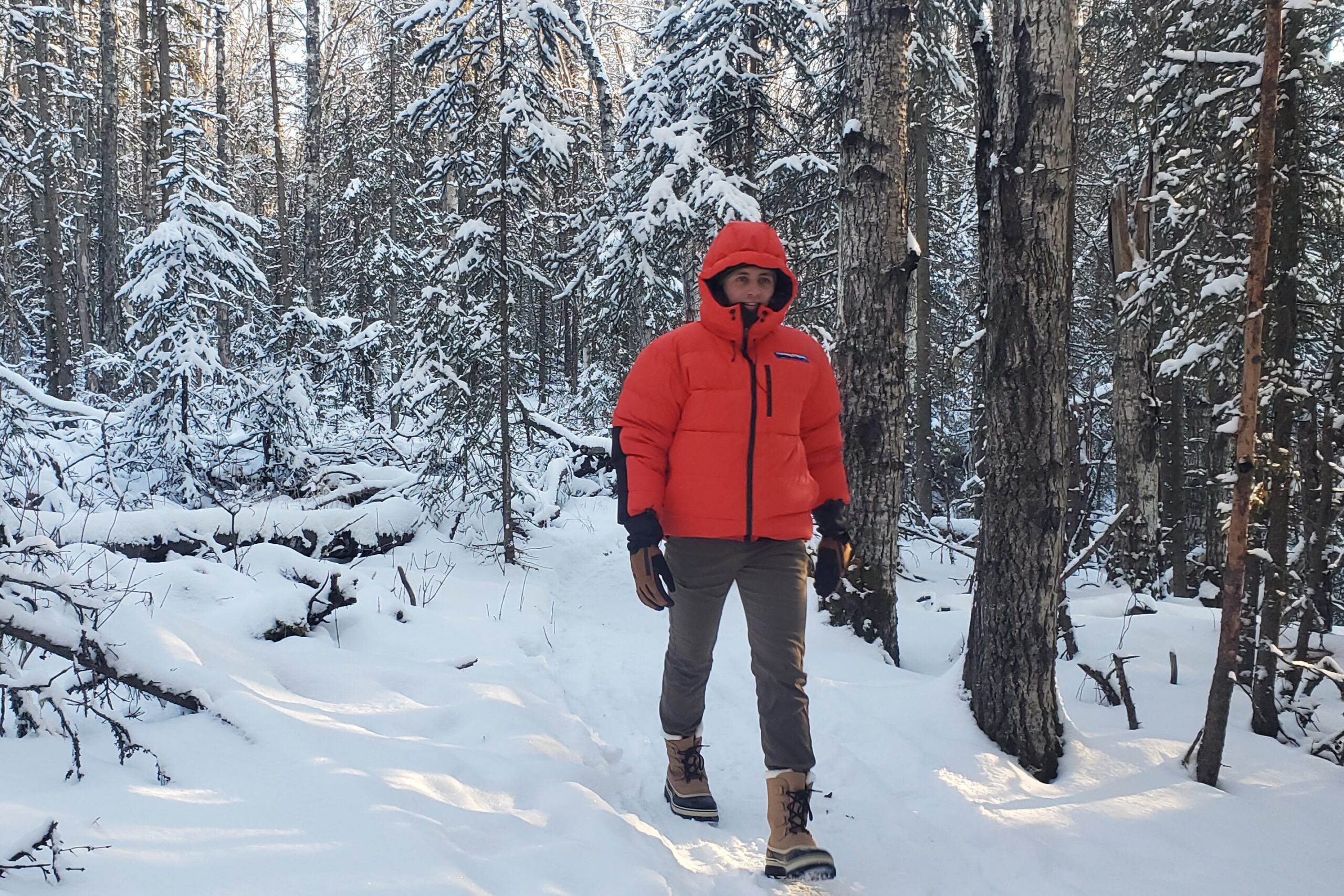
As a born-and-raised Alaskan, Gear Analyst Miles Knotek has been recreating in harsh winter conditions since before he could walk. Spending hours in the wet and cold is his idea of fun. And he spends most of his winter season finding the limits of his gear in some of the harshest conditions Alaska can deliver. Miles has stood in knee-deep ice water, trudged uphill in thigh-deep snow, and spent hours in below-zero temps finding the best-performing boots, so you don’t have to.
Testing Methodology
How We Test Comfort
Everyone’s feet are different, and everyone has different standards for the comfort of their boots. Some feet work best in wide, cushioned boots, while others fit well in narrow, firm boots. That said, we try to evaluate factors that are common to everyone.
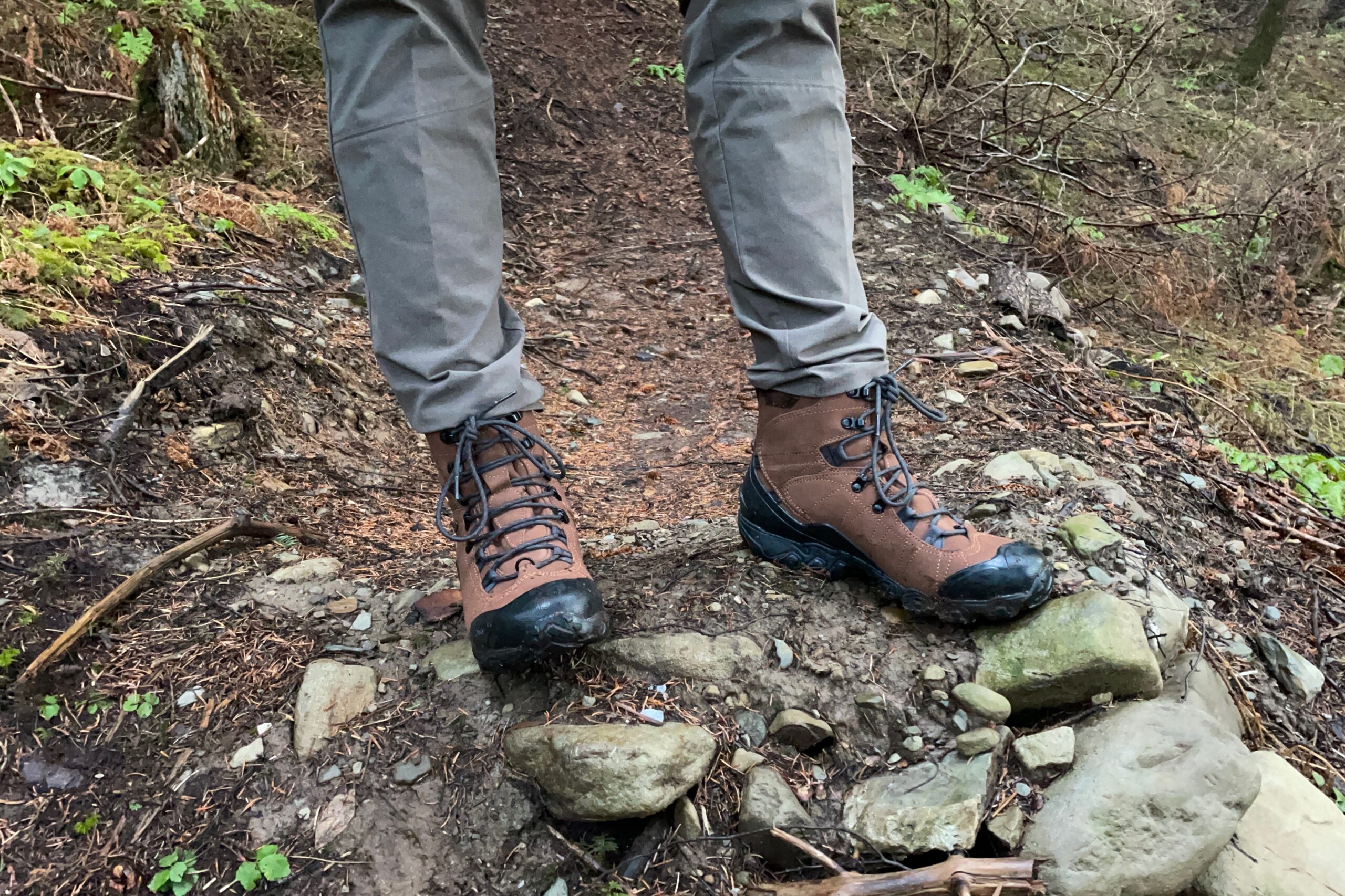
We evaluate the toe box of the boots to determine their width and assess which foot types will fit them best. We spend hours hiking to see how the ground affects our feet and to evaluate how well the boots support and protect them, and how well they support the ankles in off-camber and hilly terrain.
Testing for Warmth
Warmth is one of the most essential considerations for winter boots, as it can make or break your experience recreating in the winter months. We test the warmth of the boots across a range of temperatures, from above freezing to below zero.
We hike in the boots and evaluate their warmth at rest to test their warmth at different levels of exertion. Lastly, we use the boots with socks of different thicknesses to see how well the boots work with or without added insulation.
How We Evaluated Traction
For traction, we start by evaluating the lug pattern of the sole. There are numerous tread styles, but the best treads for winter incorporate negative space between lugs, deep lug depth, and a variety of lug orientations to grip loose snow and ice.
Flatter, wider lugs with greater surface area provide grip on smooth surfaces like ice and concrete, while deep, sharp lugs work best for deep snow and loose surfaces. We then use the boots on a variety of surfaces, such as icy sidewalks, packed snow trails, or deep snow off-trail. We then evaluate for any feelings of insecurity, slippage, or sliding when using the boots across different terrains and surfaces.
How We Test for Weather Resistance
When testing weather resistance in winter boots, we primarily look at two key things: How well the boots keep moisture out and how well they breathe moisture vapor from within the boot. We hike through deep snow, slush, mud, and puddles to examine how the boots’ material keeps moisture out. When hiking at a pace high enough to sweat, we evaluate the boots for any feeling of clamminess and judge them by how well they can transmit moisture vapor from inside to outside.
Evaluating Durability
When testing each boot’s durability, we take them through the wringer, hike after hike. We put enough hours and mileage on each pair that we can notice wear and tear on the boots. This may take the form of nicks in the foam midsole, worn-down tread, or scuffs on the upper materials. We evaluate how the boots stand up to the test of time and whether their performance has changed over time.
CONCLUSION
The best winter boots will have an excellent balance of durability, weather resistance, traction, warmth, and comfort. They will keep you upright and safe on the slickest surfaces. They’ll keep your dogs from barking after long hours on your feet. And they’ll shed slush and rain while keeping your feet toasty. We hope this guide has helped you find your next pair of winter boots.