
Bottom Line
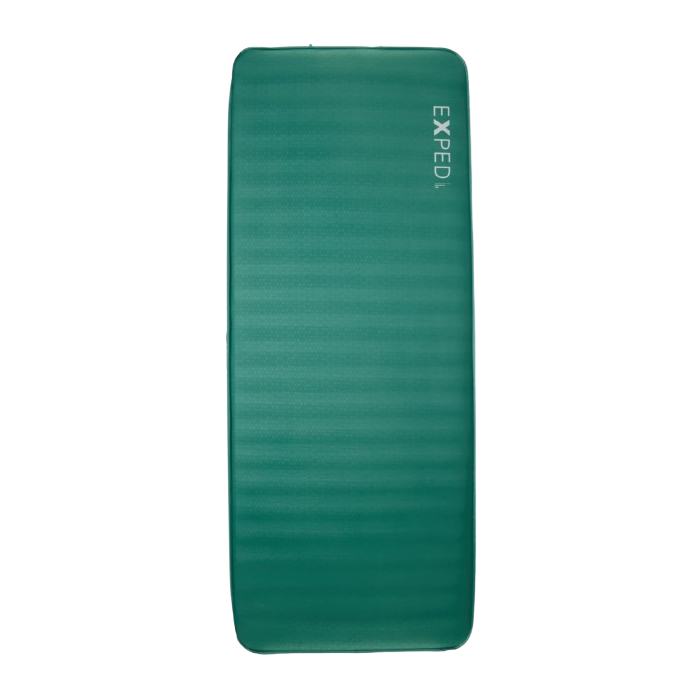
The Exped MegaMat has been one of our team’s most dependable camping mattresses for years. Its broad rectangular floor, thick foam-and-air cushion, and soft top surface translate into comfortable nights both at campsites and when used as a guest bed at home.
Newer competitors have surpassed it in certain comfort comparisons, but that does not diminish its reliable design or versatility. The drawbacks are predictable: the long roll takes space and the price is far beyond a basic camp pad. See our best camping mattresses guide for alternatives at both ends of the budget spectrum.
How We Tested
Senior Gear Analyst Ian Krammer has used the MegaMat for years and hundreds of nights of sleeping, while Gear Analyst Jory Brass has tested it with Exped’s MegaPillow. Their use includes uneven campsites, road trips, cold conditions, and backup guest-bed duty at home. Those long-term experiences, plus our head-to-head comparisons with newer luxury mattresses, inform our assessments of support, valve operation, insulation, packed size, and durability.
Quick Specs
Exped MegaMat
Classic Luxury Camping Mattress
CleverHiker Rating: 4.6/5.0
Price: $280
Dimensions (LxWxH): 77.6 x 30.3 x 4 in.
Weight: 5 lb. 11.7 oz.
Style: Self-Inflating
R-Value: 8.1
Pros
- Spacious rectangular sleep area
- Comfortable four-inch cushion
- Very strong insulation
- Well-executed valves
Cons
- Long packed bundle
- Costs considerably more than budget mattresses
- Some newer beds offer softer cushioning

Comfort
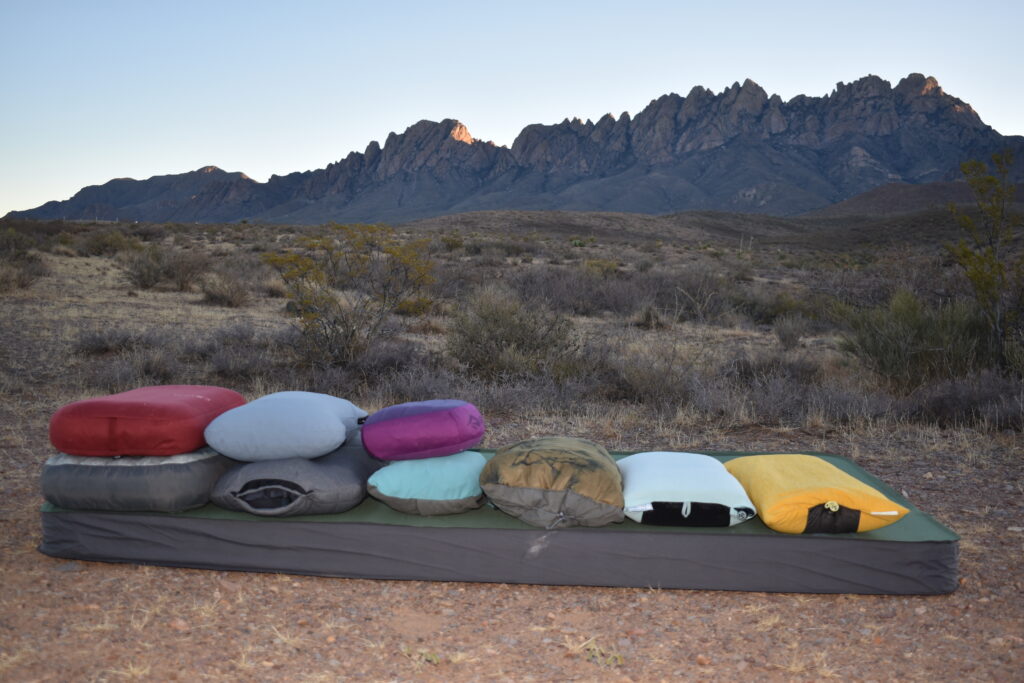
The MegaMat’s rectangular edges preserve useful width all the way along the sleeping area. We found its supportive foam and gentle face fabric much more comfortable than traditional thin self-inflating mats. It is easy to change position without running out of mattress beneath your arms or legs.
Several recent luxury contenders are even more inviting, particularly the Sea to Summit Comfort Deluxe‘s soft fabric and the HEST Foamy‘s pure foam feel. That puts the MegaMat just below the most indulgent sleep surfaces in our current lineup, but it remains a strong practical choice.
Comfort Score: 4.6/5.0

Ease of Use
Opening the intake valve starts the foam expanding. After roughly ten minutes, we typically use the included foot pump to add a little air and set the desired pressure. Ian Krammer has spent hundreds of nights on the MegaMat and found that sequence easy to repeat while camping or setting up a spare sleeping space at home. A separate deflation valve helps keep makes the routine predictable, and the storage sack is practical once air has been driven out.
The simplicity of having distinct valve tasks is part of the MegaMat’s lasting appeal. Owners who do not want another gadget can use the included system; an optional Exped pump offers another way to top it off.
Ease of Use Score: 4.8/5.0

Warmth
An 8.1 R-value makes the MegaMat particularly persuasive when shoulder-season nights are chilly. Ian’s hundreds of nights on the pad include demanding winter trips, during which the thick foam effectively separated him from frozen or uneven ground. We also appreciate that this insulation does not make the pad impractical for summer camping; the rating indicates resistance to heat transfer rather than heat generation.
This is not a minimally insulated inflatable designed solely for balmy summer weekends. We would still match the sleeping bag, clothing, and shelter to the forecast, but the mattress provides a strong insulating foundation for cold ground and nights.
Warmth Score: 5.0/5.0

Packed Size
About 31.1 inches long and 9.8 inches in diameter, the rolled MegaMat is a substantial piece of gear. Its long packed shape can be more awkward than the shorter rolls of some equally plush mattresses, even though Exped’s generously sized stuff sack makes it easy to load once compressed.
Medium Wide models have a smaller footprint for campers who cannot accommodate the LXW in a tight vehicle. It belongs in a vehicle, not in a backpack. The familiar cylindrical shape is straightforward to stack, although two MegaMats plus a family camping kit could easily consume a small trunk.
Packed Size Score: 3.5/5.0

Should You Buy the Exped MegaMat?
The MegaMat is for campers who want an established, adjustable luxury mattress with excellent insulation and no unusual learning curve. It is not the cheapest or the single plushest option, but the balance is why we continue to recommend it. Campers seeking maximum value should also look at the REI Campwell.

What Other Camping Mattresses Should You Consider?
Here are some other great choices from our guide to the best camping mattresses:
Sea to Summit Comfort Deluxe Review: Our editors have preferred the Comfort Deluxe’s ultra-soft sleeping fabric, and its PillowLock compatibility helps active sleepers keep a pillow in place. The current product includes a hybrid storage and pump sack, but our earlier tested pad required extra breaths after self-inflation and its nested valve could be fiddly. It is the more compelling alternative for people who prioritize face-fabric softness; the MegaMat feels like the less complicated all-rounder.
REI Campwell XL Review: At $159, Campwell XL is the budget path to a 30-inch-wide self-inflating pad with a high R-value of 7. Its straightforward design works especially well for occasional campers who need sleeping room and insulation without a $280 purchase. The tradeoff versus the MegaMat is substantial: 2.5 inches of cushioning rather than four, and a firmer, more utilitarian feel.