


Bottom Line
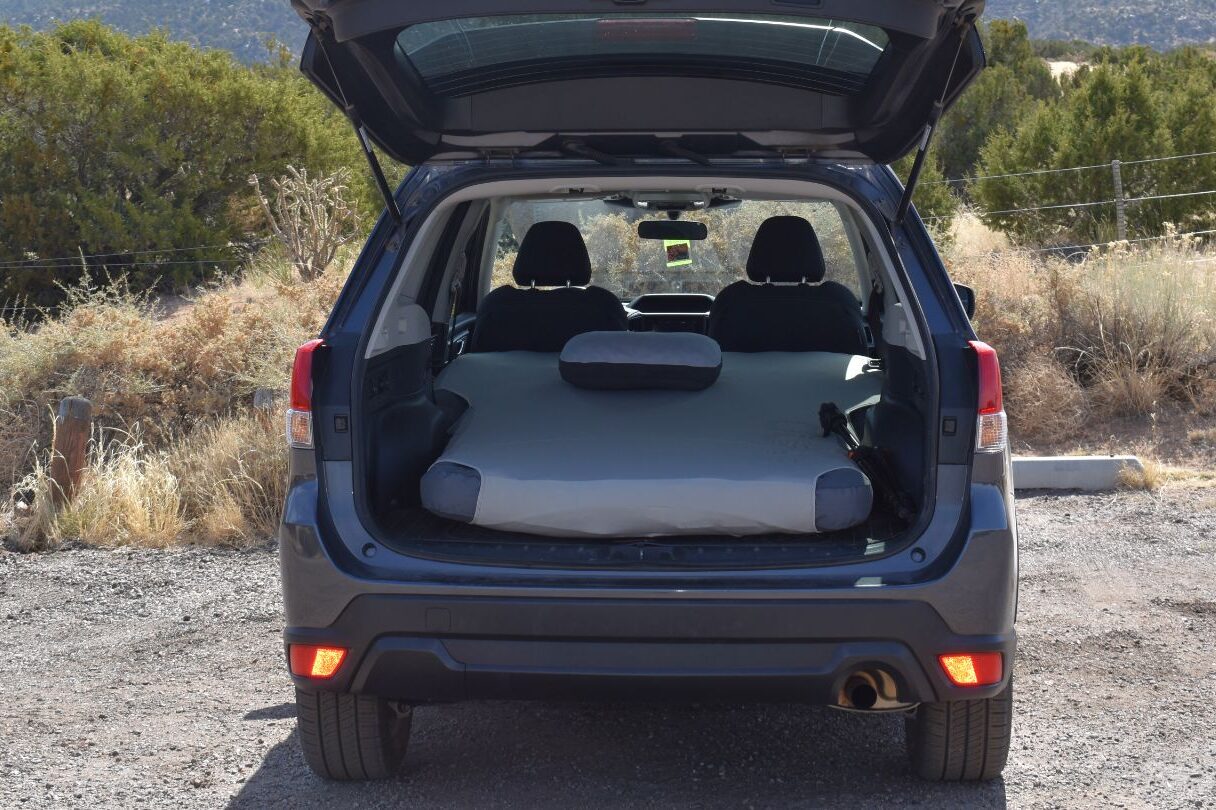
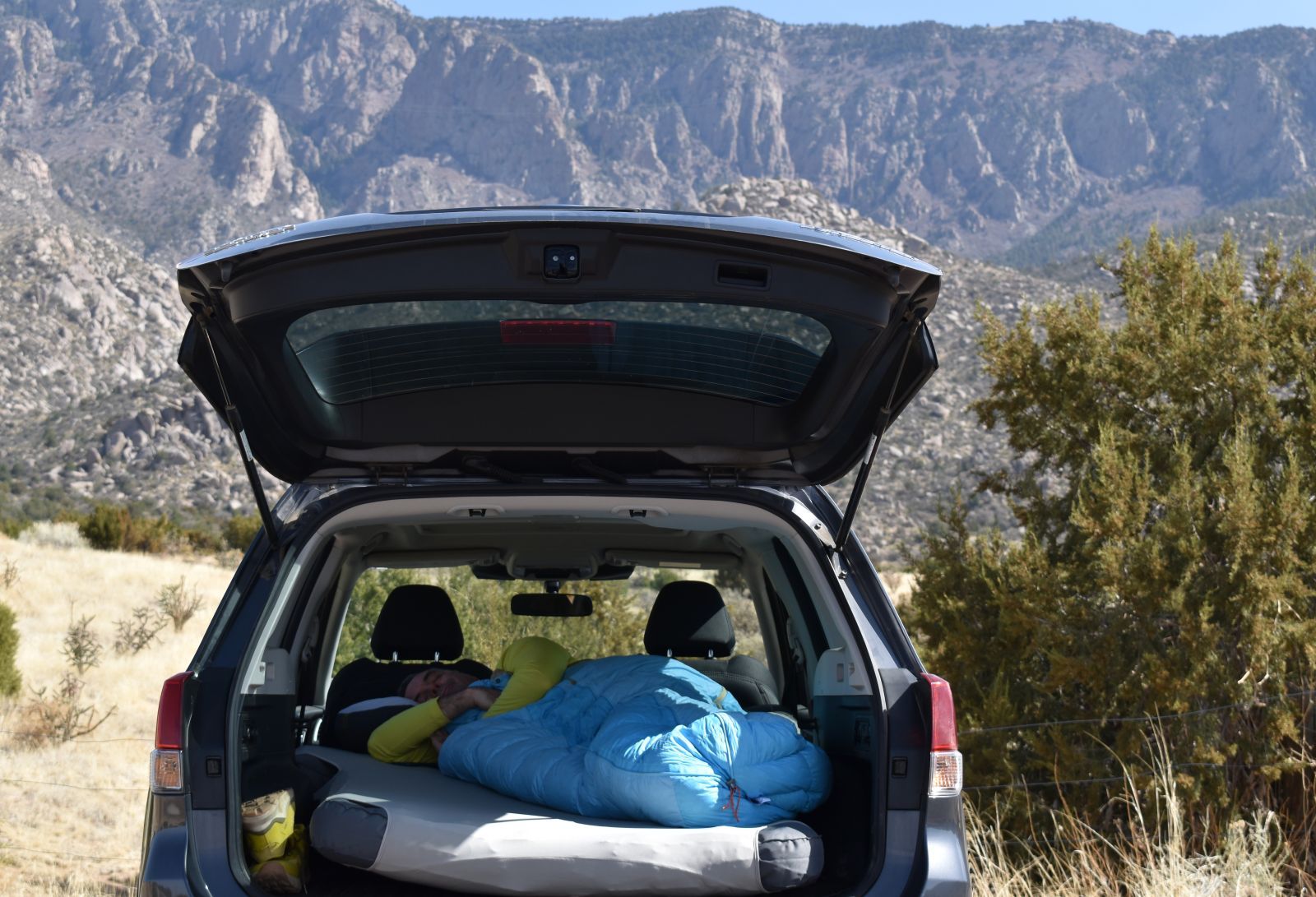
The original Luno AIR Vehicle Mattress turns compatible SUVs and other vehicles into a practical sleeping space without pitching a tent. Our field testing found its vehicle-specific shape, sturdy four-inch air chamber, and included electric pump especially useful for arriving late at camp. It is much less insulating than most of the conventional mattresses in our best camping mattresses guide, and freezing nights exposed that weakness. This assessment is of the original AIR Vehicle Mattress, not the later AIR Pro.
For over a year, Gear Analyst Jory Brass used the mattress on trips around the Southwest, including nights near northern New Mexico ski areas. Sleeping inside the vehicle was liberating, but the version we tested, with its low R-value, made it a warm-season specialty product rather than an all-season camping bed.
How We Tested
Jory Brass evaluated the original Luno AIR across multiple seasons in compatible vehicles, including Subaru Foresters, Toyota RAV4s, and trucks. Trip locations included Taos and Santa Fe ski areas, Navajo Dam, Organ Pipe Cactus National Monument, White Sands National Park, and the Sandia Mountains. Temperatures ranged from the 20s into the 90s Fahrenheit. The following field impressions concern the original product only.
Quick Specs
Luno AIR Pro Vehicle Mattress
Best Custom-Fit Vehicle Mattress
CleverHiker Rating: 4.4/5.0
Price: $350
Dimensions (LxWxH): Varies by vehicle
Weight: 13 lb.
Style: Vehicle Mattress
R-Value: 1.5
Pros
- Vehicle-specific fit for compatible models
- Quick setup with included 12V electric pump
- Independent adjustment of the two sides
- Durable, pet-friendly surface
Cons
- Poor insulation in freezing conditions
- Firmer feel than thick foam-core mattresses
- Requires a compatible vehicle
- Inflated mattress consumes substantial vehicle storage
Comfort
The AIR’s four-inch construction raised us above the uneven cargo area and gave us a much more inviting sleep surface than folding down a vehicle seat alone. Internal circular-coil structure offered steady support, and the two sides could be adjusted separately so each sleeper could set a different firmness. The material felt comparatively utilitarian next to plush foam-topped camping beds; a fitted sheet helped soften the experience.
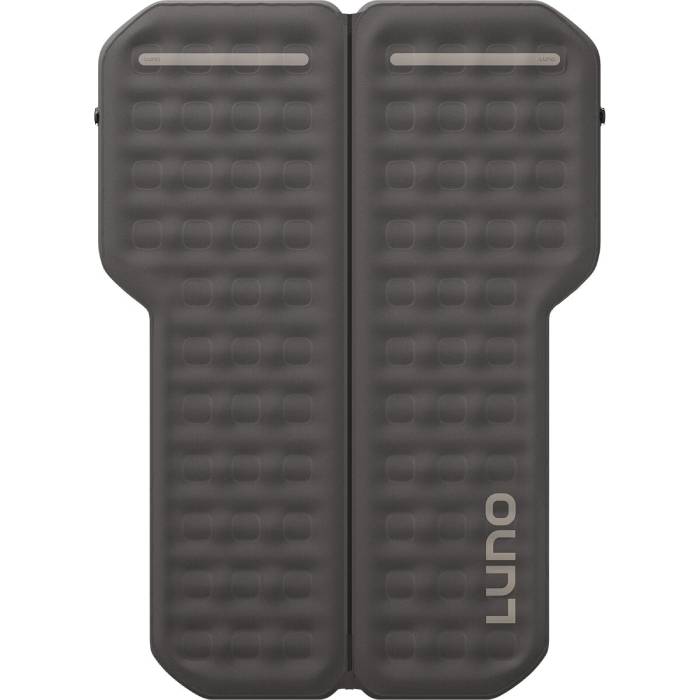
This is a mattress whose layout matters as much as its cushion. The contours and inflatable extensions made use of spaces that an ordinary rectangular pads can’t. In a compatible vehicle, that effective fit is the main reason to consider it over a less expensive mattress.
Comfort Score: 4.5/5.0

Ease of Use
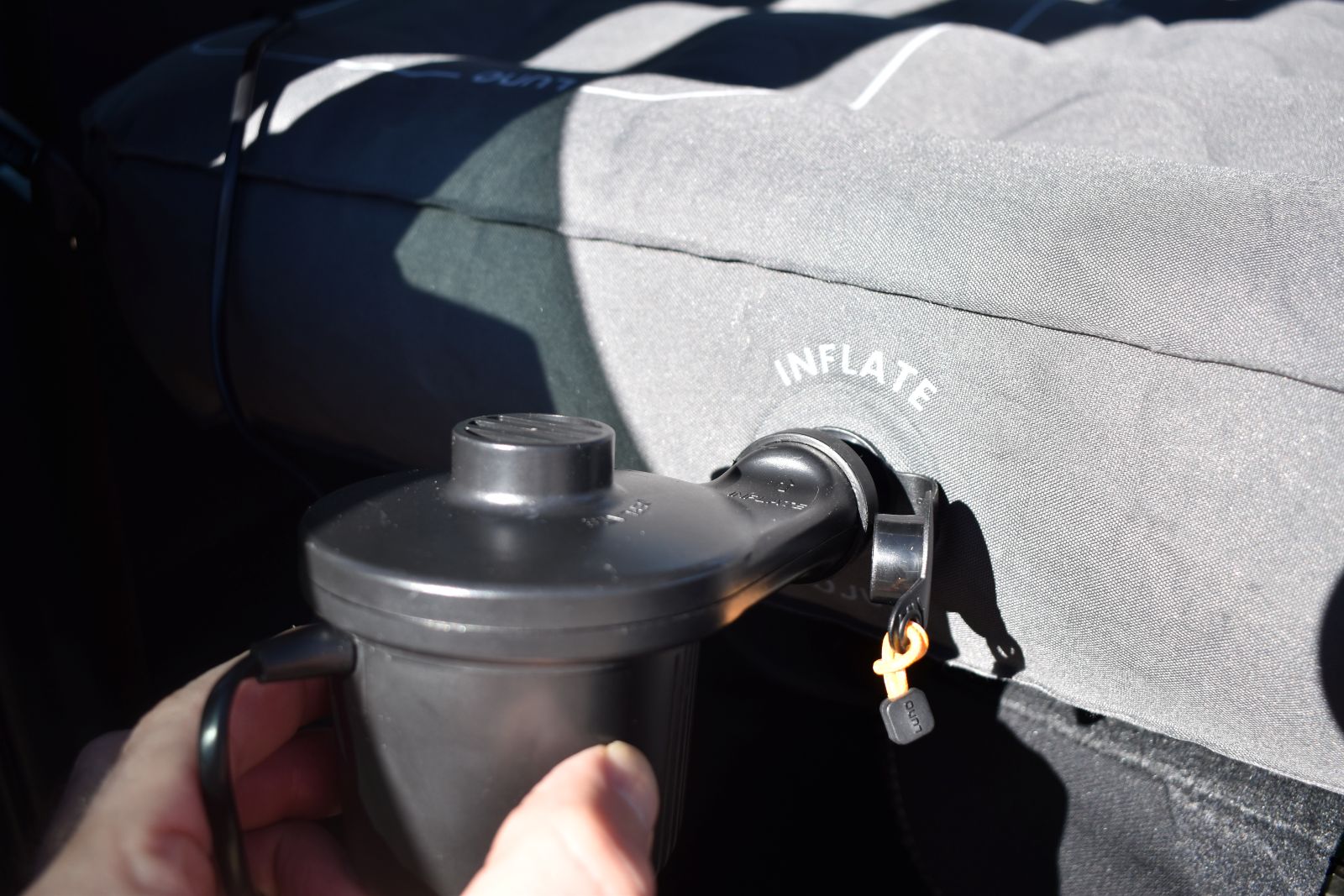
Using the included 12V pump plugged into a vehicle accessory outlet, our tester could fill the mattress in roughly two minutes. That quick process eliminated the need to erect a tent and made late trailhead arrivals considerably easier. There was little learning curve once the layout and valve positions were familiar.
We did occasionally catch the flush side valves near vehicle doors, unintentionally releasing air. This was an irritation rather than a reason to abandon the system, but it is worth checking each valve before turning in.
Ease of Use Score: 4.5/5.0
Warmth
Cold-night performance was the clearest limitation of the original AIR. With an R-value of just 1.5, it does not have the thermal resistance of an insulated foam-and-air camping mattress. Our tester noticed cold through the sleeping surface in the 40s and a much more serious problem during nights in the 20s and 30s around New Mexico ski areas.
Sleeping inside a vehicle does not remove heat loss through its floor or the mattress. For freezing conditions we would choose a properly insulated sleeping pad and a suitable full sleep system instead.
Warmth Score: 3.5/5.0

Packed Size
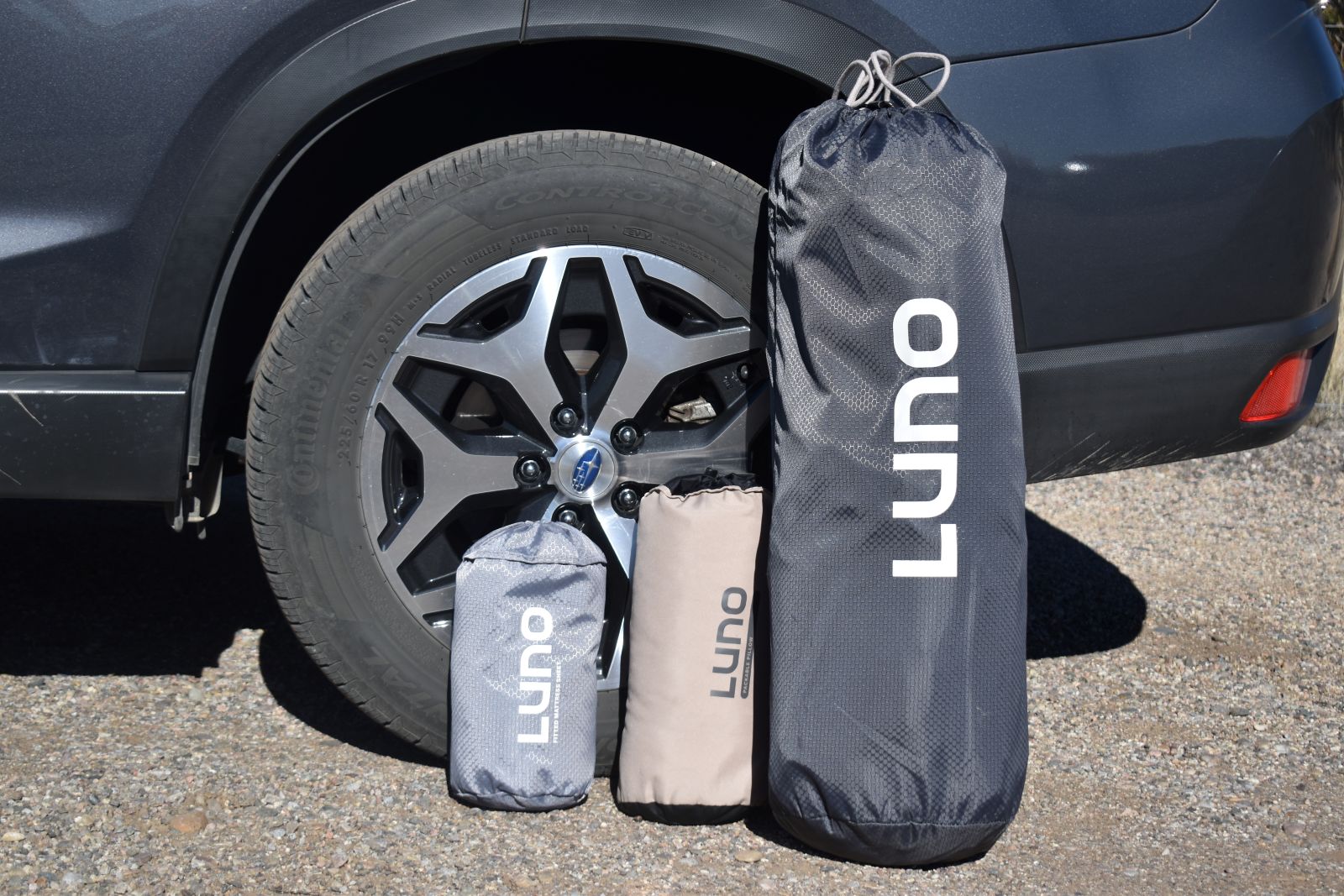
The version we tested packed to approximately 26 by 8 inches and weighed about 13 pounds. Those measurements make it more of a dedicated vehicle accessory than a pad to carry on foot. The carrying case was manageable in the garage and car, but once inflated the mattress occupied much of the sleeping-area cargo space in smaller SUVs.
Organizing luggage before inflating the mattress is an important part of using it comfortably. Plan for where shoes, bags, and bedding will go after the cargo floor becomes your bed.
Packed Size Score: 4.0/5.0
Should You Buy the Luno AIR Vehicle Mattress?
The original AIR was a strong choice for warm-weather road trippers who wanted to stay inside a compatible car and avoid a tent. Its fast pump and custom-fit platform were especially valuable for one-night stops and trailhead arrivals after dark. People planning winter vehicle camping should avoid depending on the original AIR alone for insulation.
This review does not attribute our original-model testing results to the newer AIR Pro. When product shopping links are added during formatting, they should point to the AIR Pro while clearly retaining that distinction.
What Other Camping Mattresses Should You Consider?
If the Luno AIR Vehicle Mattress isn’t a good match for how and when you camp, we have plenty of recommendations in our full list of the best camping mattresses.
Therm-a-Rest MondoKing 3D Review: For camping on the ground or on a suitably sized flat platform, the MondoKing offers a much warmer R-7 mattress with plush self-inflating support. It sacrifices Luno’s fitted vehicle geometry and fast electric inflation, but it is the more sensible choice when ground insulation matters.
NEMO Roamer Double Review: When two people need a shared sleeping surface for use primarily in a tent, the Roamer Double’s continuous 52-inch width and R-7 insulation offer a stronger all-season option. Our tests found its partner-movement control especially good. It needs more effort to deflate and lacks Luno’s custom vehicle contour, so the original AIR still has an advantage for quick warm-weather car sleeping.











