

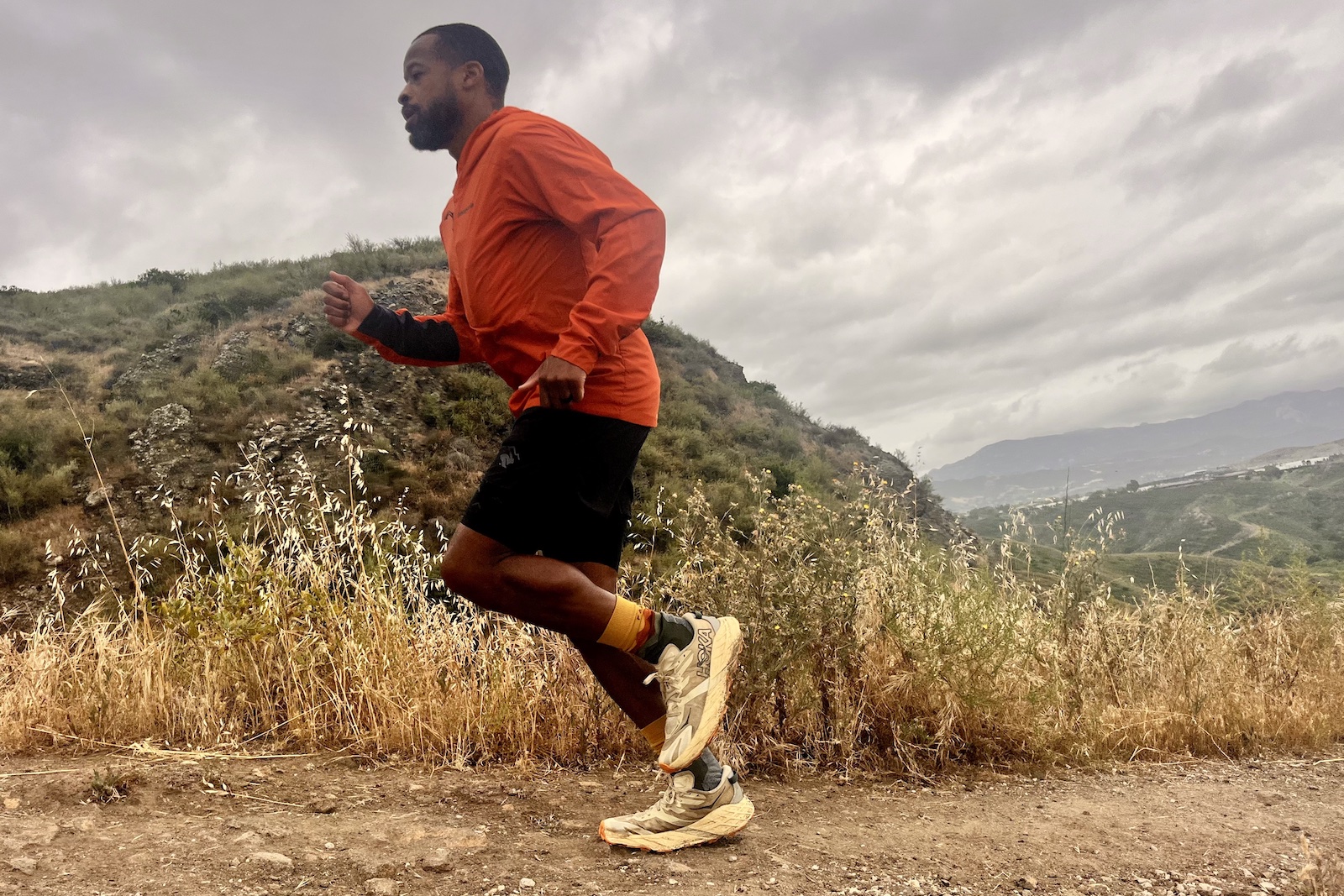
Bottom Line
The HOKA Speedgoat 7 is a good choice for support, traction, and weight savings, placing it on both our best trail running shoes guide and best hiking shoes for men guide. While the Speedgoat 6 got a major overhaul, the 7s remained mostly the same, with some slight tweaks.
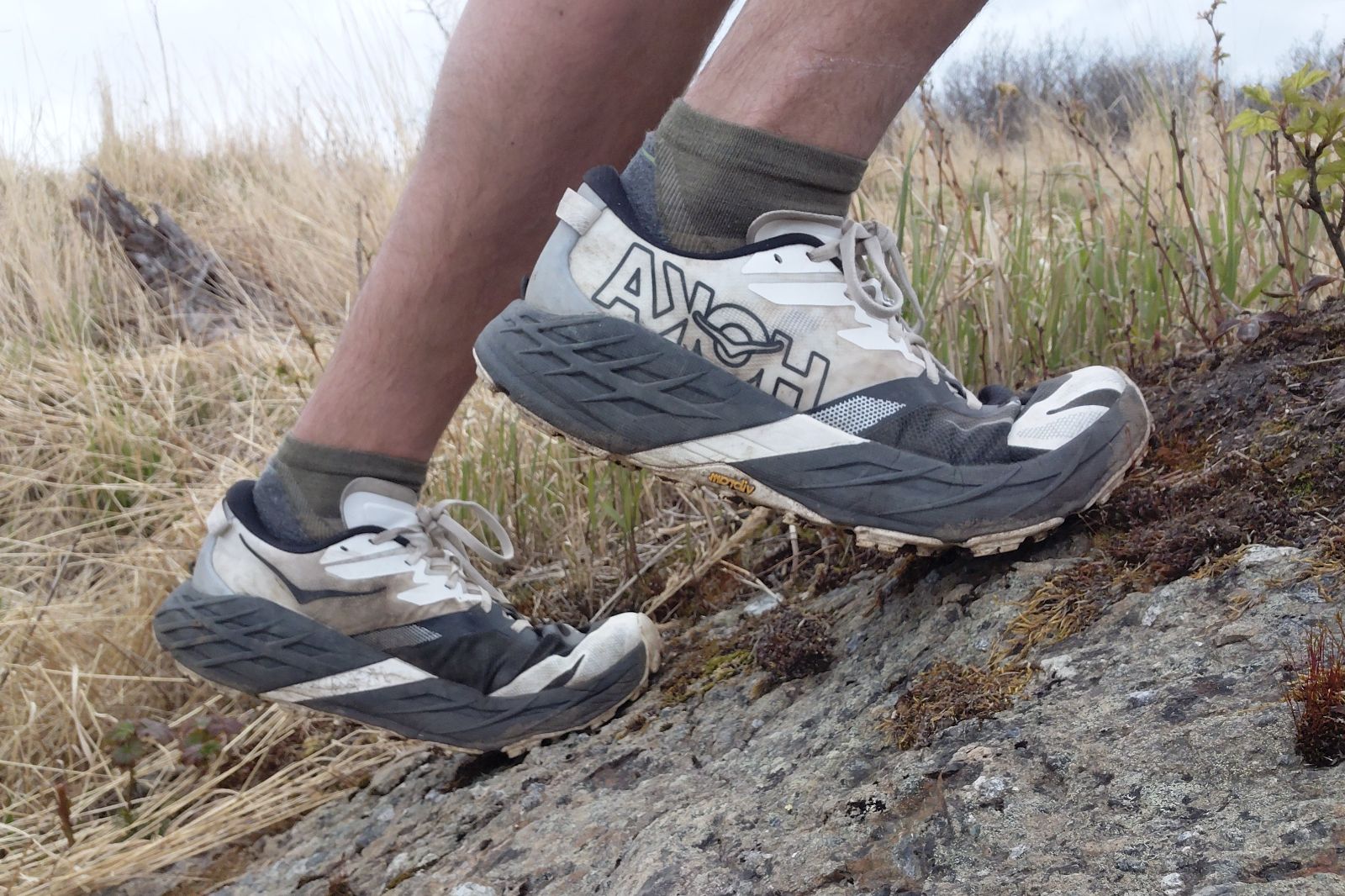
Similar to the 6s, the 7s are not the cushiest ride out there. Despite a 37-millimeter heel stack height and upgraded midsole foam, the 7s feel stiffer and notably more snappy and lively than versions 1 through 5. Other changes to the Speedgoat 7 include a longer tongue (thank goodness), revamped heel collar, a new gaiter integration, and different lug orientation. The toe box and midsoles remain narrow to the point that if you’re between sizes, we recommend sizing up, and opt for the wide if you’re feet are even slightly wider than average.
While we still appreciate and like the Speedgoats, they continue to slip down our ranking of best men’s trail running shoes. This iteration is still a solid choice for runners and hikers, and we find it very comfortable. While it’s no longer the cushy cruiser most folks loved, it’s still a great shoe: light, supportive, grippy, and dries in a flash. Just don’t let nostalgia trip you up on the trail.
Quick Specs
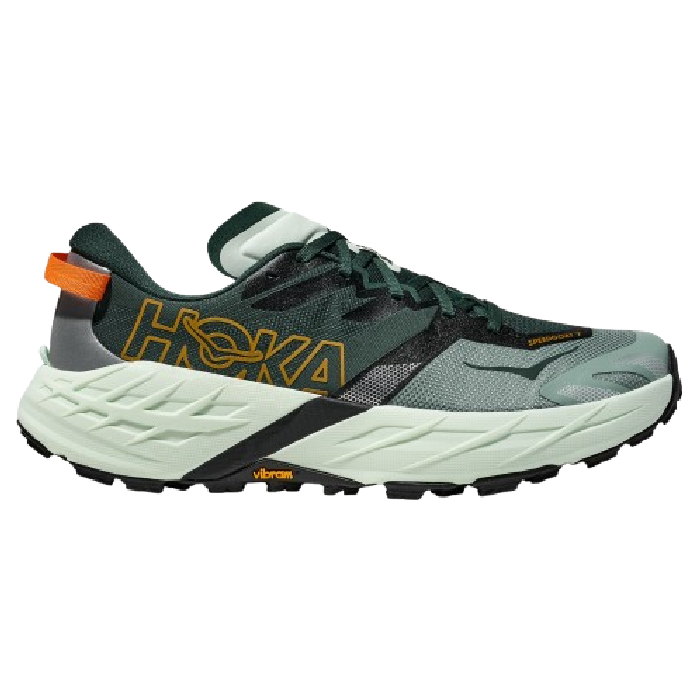
HOKA Speedgoat 7
Most Cushioned Trail Running Shoe
CleverHiker Rating: 4.1/5.0
Price: $165
Weight (Pair): 1 lb. 3.4 oz.
Heel-to-Toe Drop: 5 mm
Cushioning: Maximum
Best For: Trail
Pros
- Comfortable ride
- Good traction
- Supportive midsole
- Good lacing system
- Versatile for pavement or trail
- Lots of colorways
- Snug fit
Cons
- Stiffer than prior versions
- Smaller heel flare than prior versions
- Durability issues past 300 miles
- Toe box might be cramped, suggest sizing up 1/2 size
Comfort
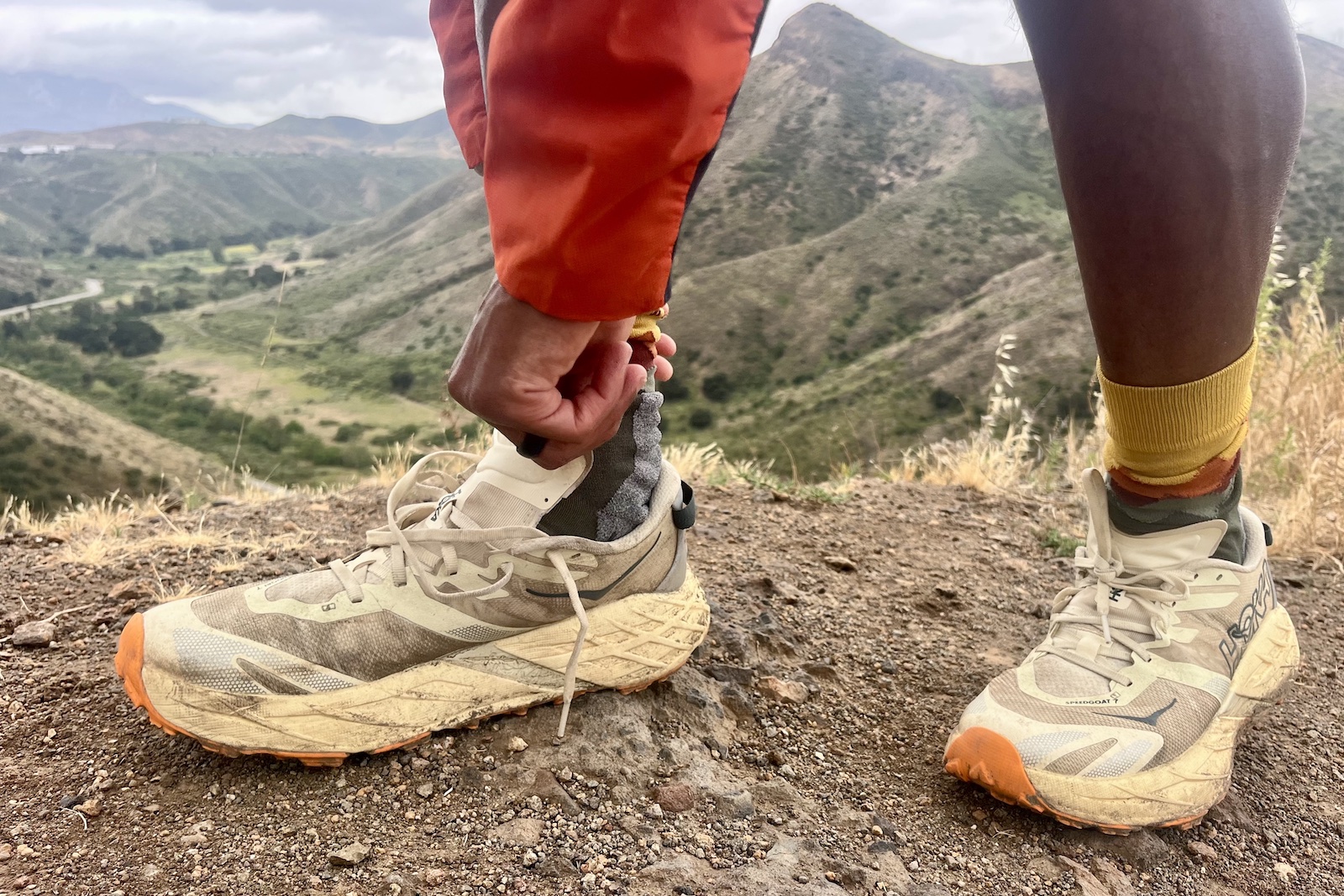
The Hoka Speedgoat 7 preserves many of the comfy elements we’ve always loved about this line. Its slightly rockered profile supports a natural gait. Effective arch support cradles our feet through miles of rough trail in the backcountry.
This shoe has a tall stack height — 37 millimeters — that absorbs shock well. Most of that height is new Super-Critically Foamed EVA that blocks sharp rocks and pokey roots, although they earn a lower score for responsiveness as a result. The airy mesh uppers are super breathable, so our feet stay cool and dry on hot summer days.
While the Speedgoat 7s are stiffer than models 1 through 5, they are more responsive and springy, which we noticed on technical trails full of roots and rocks. The fit also remains narrower through the toe box. While the 7s feel more agile and stable than previous versions, testers with wider feet definitely felt the edges of the shoe in the toe box and midfoot.
While the 7s feel slightly more comfortable than the 6s, they’re still a slight step backward in comfort compared to the original Speedgoats.. The shoe isn’t as cushy, forgiving, or flexible as previous Speedgoats, and it took a 10- to 15-mile break-in period for them to soften up. If you loved earlier versions, these changes might be a dealbreaker — though they still are solid compared to most of the other trail shoes we tested.
Traction
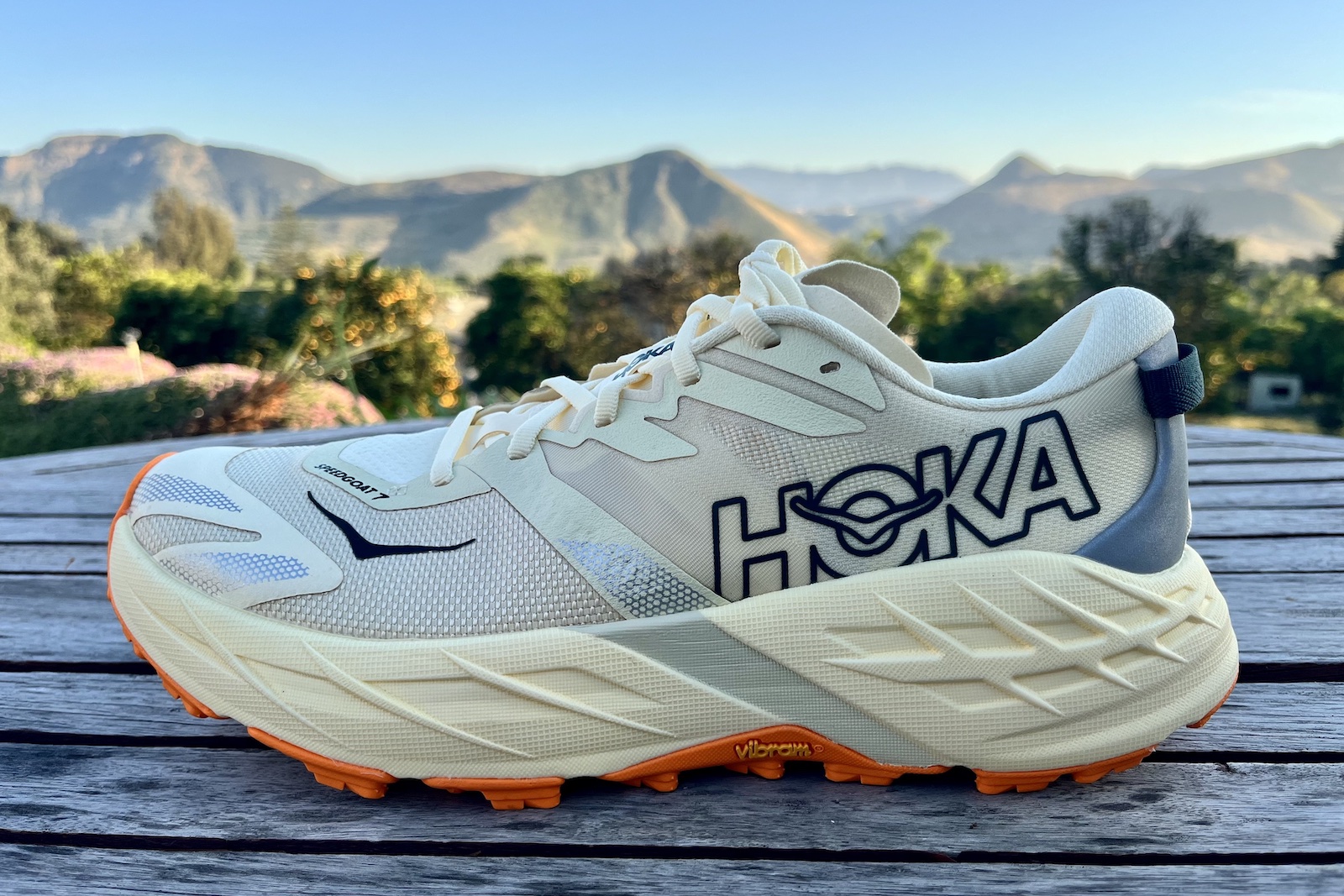
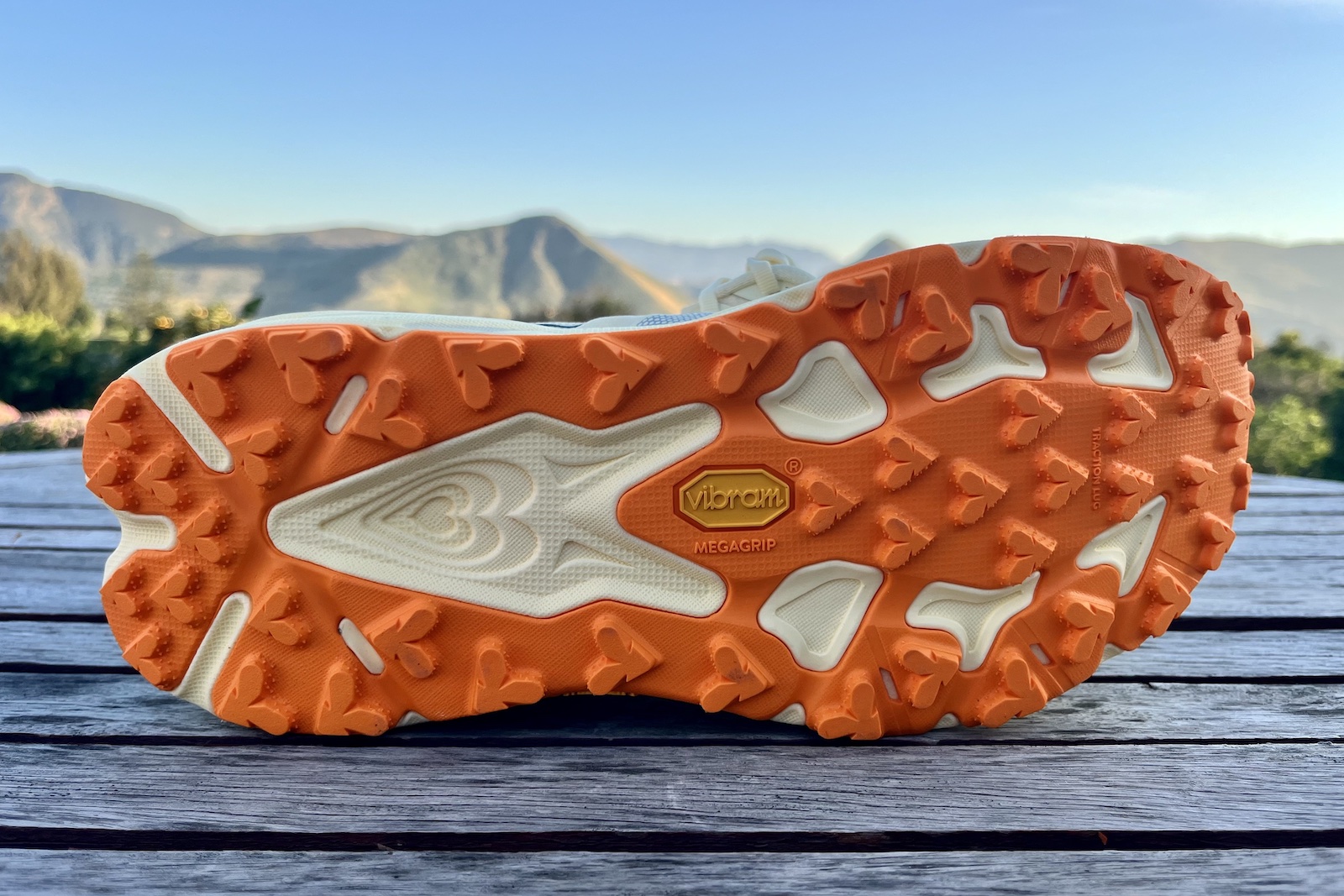
We ranked the Speedgoat 7s highly for traction. HOKA redesigned the tread pattern on these shoes, adding more lugs at the forefoot for better grip on ascents. We also appreciated the new design through the center and sides for increased lateral control and added stability.
The new lug directions seem to improve the traction on the most technical terrain. On moderate trails and mixed terrain, the Vibram soles felt tacky and sticky, biting into the ground for a firm grip. However, similar to the 6s, the 7s didn’t overwhelm us on steep downhills. Also, these shoes feel less reliable on slippery surfaces, a drawback for routes with lots of slick rocks or wet and icy conditions.
Weight
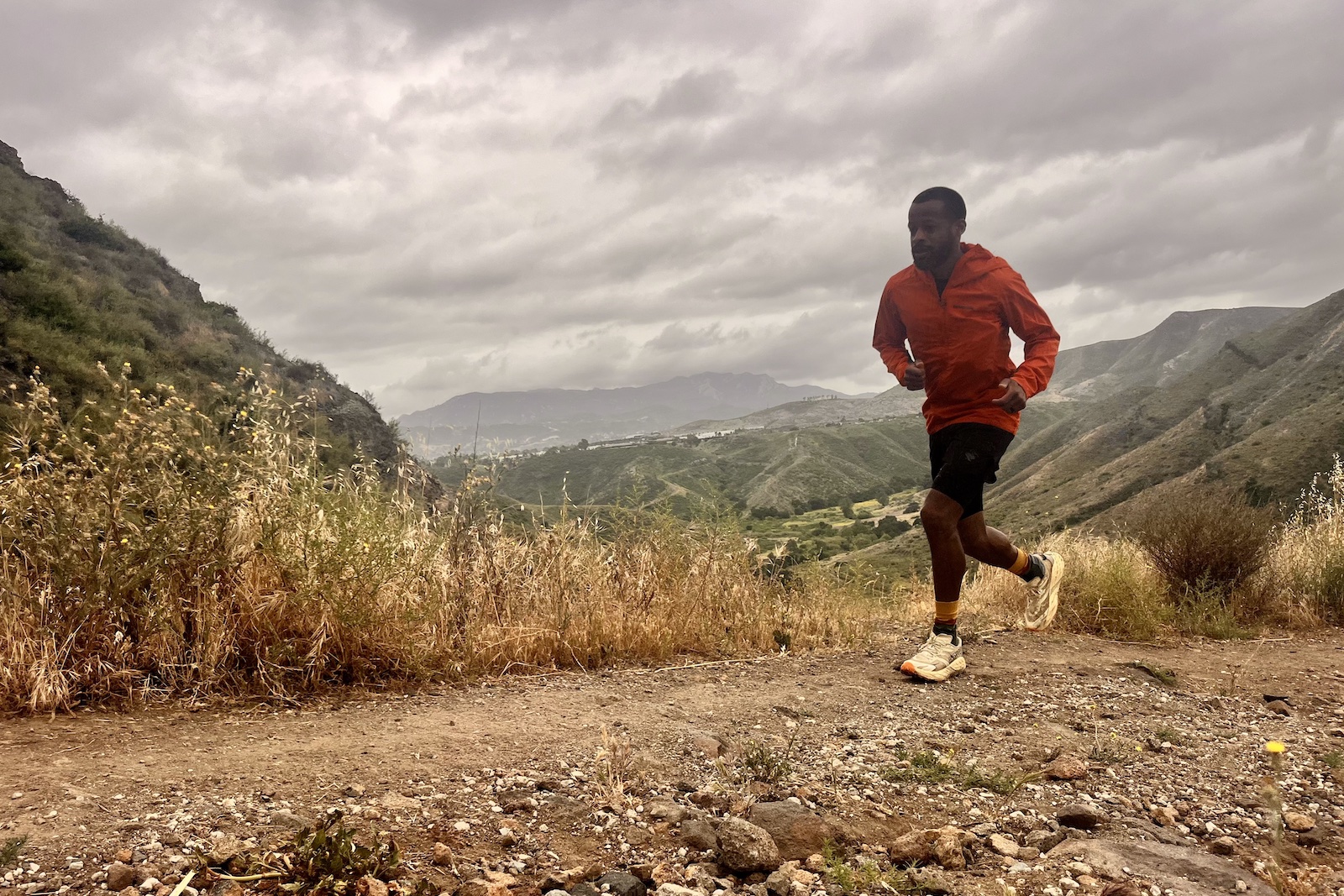
Each shoe weighs only 9.7 ounces (that’s 1 pound, 3.4 ounces for the pair), placing the Speedgoat 7 solidly in the middle of the pack. Thanks to a woven mesh upper, airy foam soles, and minimalist components from the thin laces to simple TPU overlays, these things won’t weigh your feet down.
This lower weight helps minimize fatigue and strain, so we could run and hike farther without discomfort, and the dry times and breathability are excellent.
The sacrifice for lighter materials, though, is much less durability. The sheer amount of mesh and lightweight foam doesn’t offer strong defense against sharp rocks and debris on the trail. However, if your top priority is a fairly fast, lightweight shoe for running and hiking, the Speedgoat gets the job done.
Durability
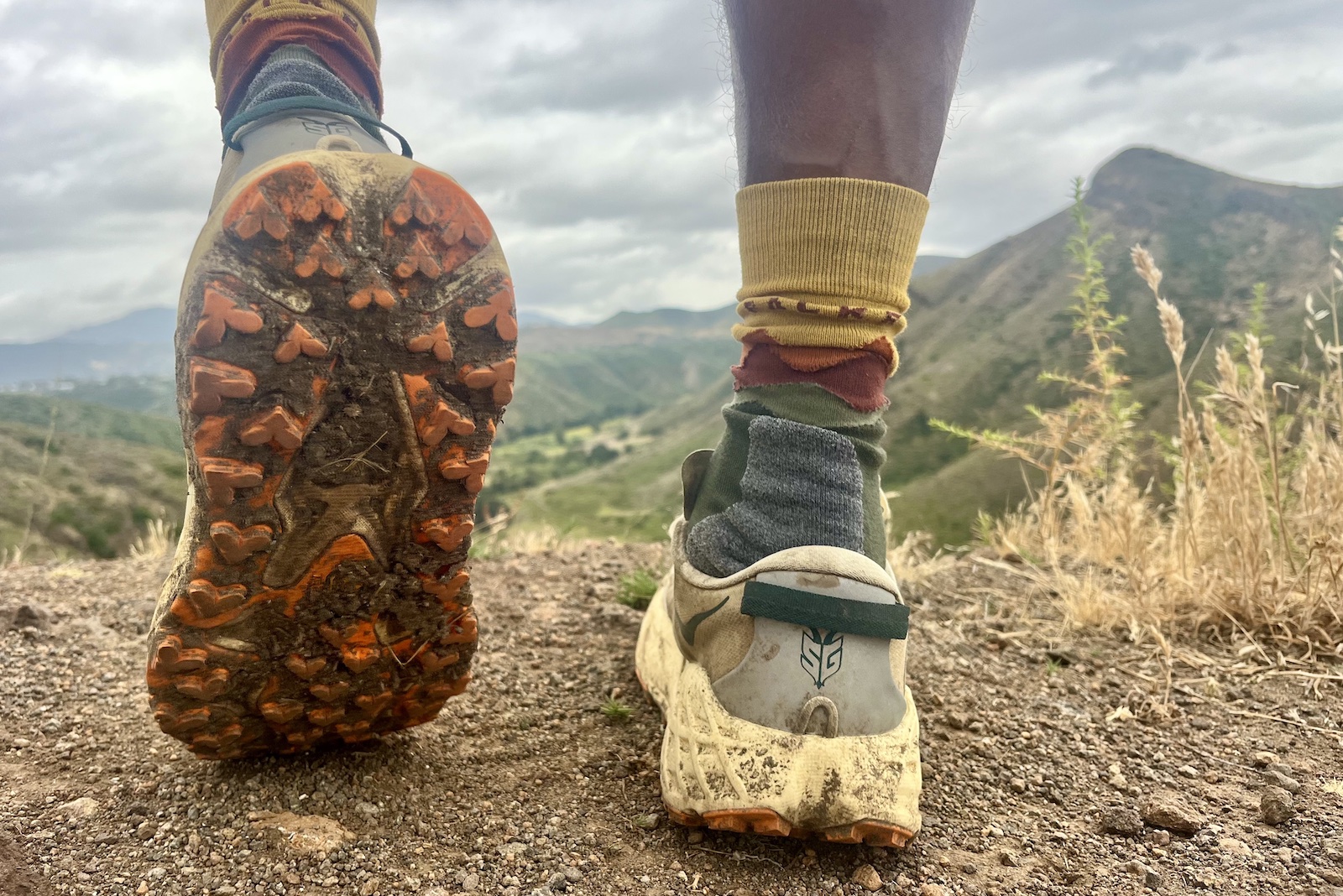
The Speedgoat 7 isn’t the most durable trail runner out there. We gave this shoe a low score for longevity compared to the competition because our previous pair broke down around 300 miles, and the 7s have a similar construction that also gives us pause.
Thorough testing finds that, at this point, the mesh uppers begin to blow out at the toes and along the overlays. We also find the foam soles begin to shred along the sides. For longevity’s sake, consider saving these for trips on established routes where speed and comfort are priorities.
Breathability
The HOKA Speedgoat 7 prioritizes breathability over weather resistance. The mesh uppers won’t keep you dry, but they dry so quickly that we don’t mind that they take on water.
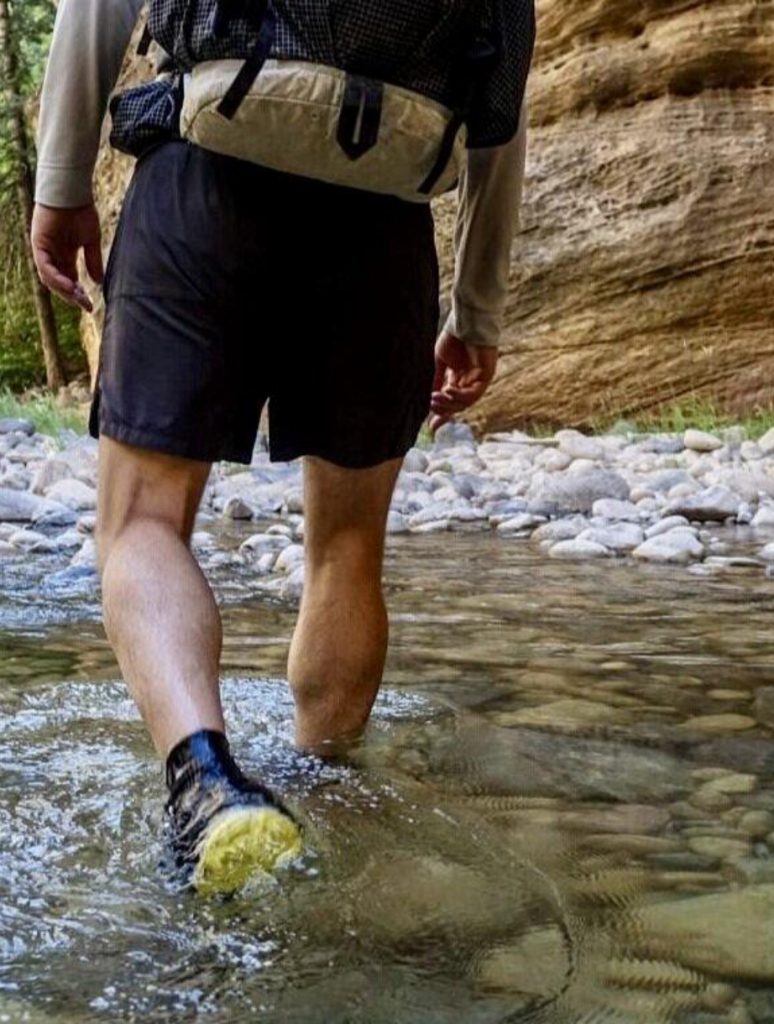
Their lightweight build and airy uppers are why Ian loves these shoes for summer hiking – paired with thin socks, he plows straight through creek crossings. In our experience, they dry in 45 minutes or less on warm summer days, a dream for routes with occasional wet areas or rainy conditions.
But if you’re hiking in muddy, rainy, or cold weather, consider shoes with waterproof membranes that repel water more effectively and retain a bit of heat. HOKA offers the Speedgoats in a waterproof GTX version and a high-top Mid-GTX version, which might be the move for heading into shoulder-season hikes and questionable weather forecasts.
Responsiveness
What you lose in softness and cushioning in the HOKA Speedgoat 7, you make up for in responsiveness, or snappiness. Like the 6s, the 7s remain fast, fun, and snappy trail-running shoes. Even with the updated midsole foam, the latest version of the Speedgoats has a fun, efficient feel to them that the original versions did not. And we’re all about it.
Should You Buy the Hoka Speedgoat 7?
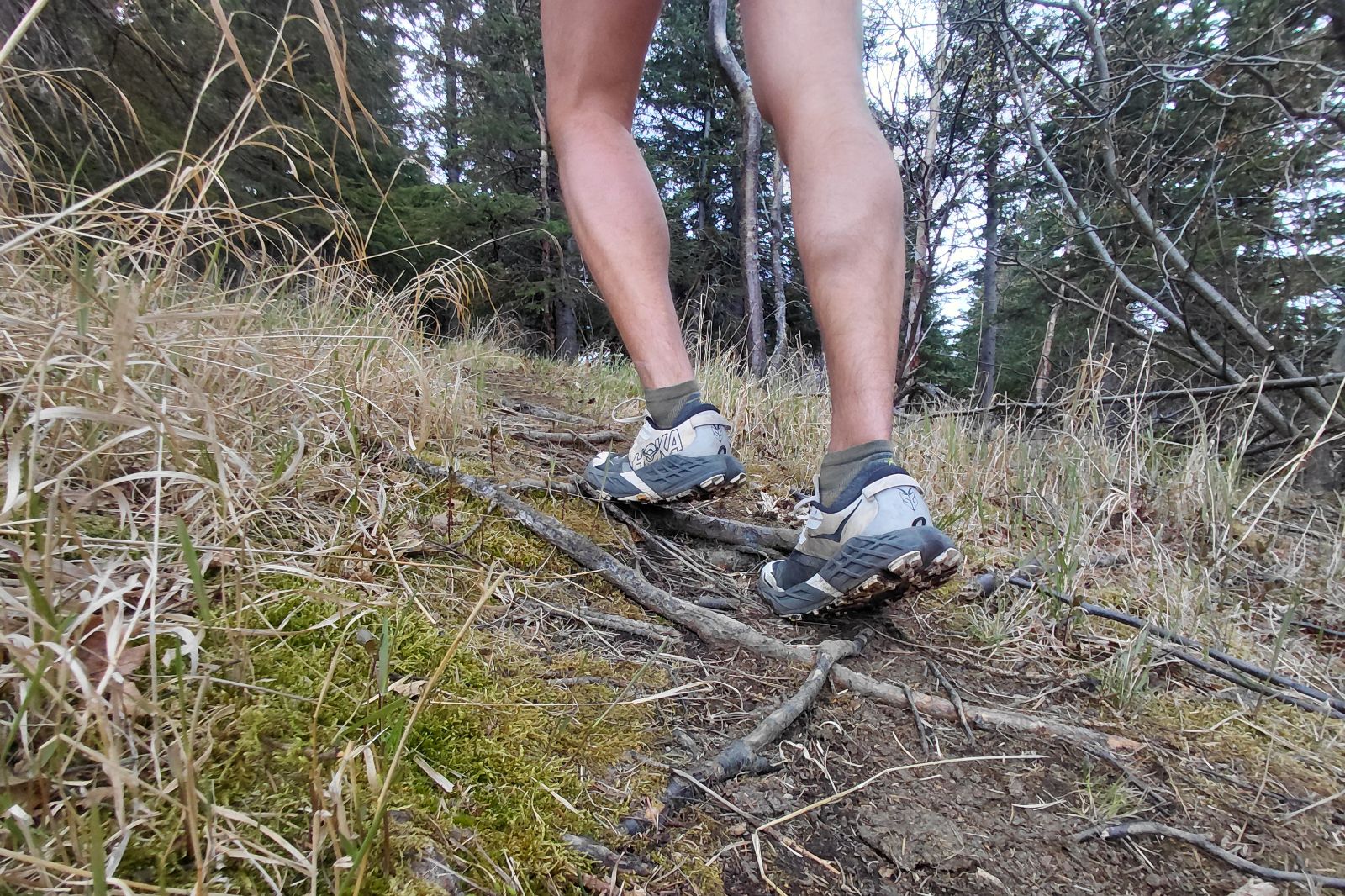
The HOKA Speedgoat 7 is a good option for trail runners, hikers, and backpackers seeking a breathable, comfortable ride. They excel on technical terrain thanks to their balance of cushion and stiffness. The uppers are flexible and fast-drying, which makes them an awesome choice for summer trail running, hiking, and backpacking. The updated tread pattern provides reliable traction, especially on ascents and crossing rocky, uneven surfaces.
However, fans of previous Speedgoat models who loved their super cushy soles and roomier toe box may not like the newer versions. This version still offers the thick cushioning we know and love, but it’s stiffer and more structured, and the fit is narrower. They’re also not the most durable option beyond 300 miles. That said, if you embrace the changes, the Speedgoat could be your glass slipper for summer adventures.

What Other Hiking Shoes Should You Consider?
Want to see how the HOKA Speedgoat 7 compares to our other top picks? Pop over to our lists of the best hiking shoes for men and best trail running shoes for men. And if these caught your eye, consider these other winners:
North Face Vectiv Enduris 4 Review: Long-time HOKA Speedgoat fans, rejoice! The Vectiv Enduris 4 is similar to older versions of the Speedgoat 4 and 5. We highly recommend these for a plush, cushy foam midsole, excellent lacing system, and a big swallowtail heel for long, cruiser miles on moderate terrain.
Saucony Peregrine 16 Review: The Peregrine 16 is one of the lightest shoes we’ve tested. It’s a great choice for everything from mellow flats to technical trails and mountain climbs with a stable chassis and a good all-around performance.
Brooks Cascadia 19 Review: If you like the firmer midsole support and lightweight mesh upper of the Speedgoat 7, consider checking out the Cascadia 19. It’s more durable, supportive, and affordable for a similar ride on most landscapes.