

Bottom Line
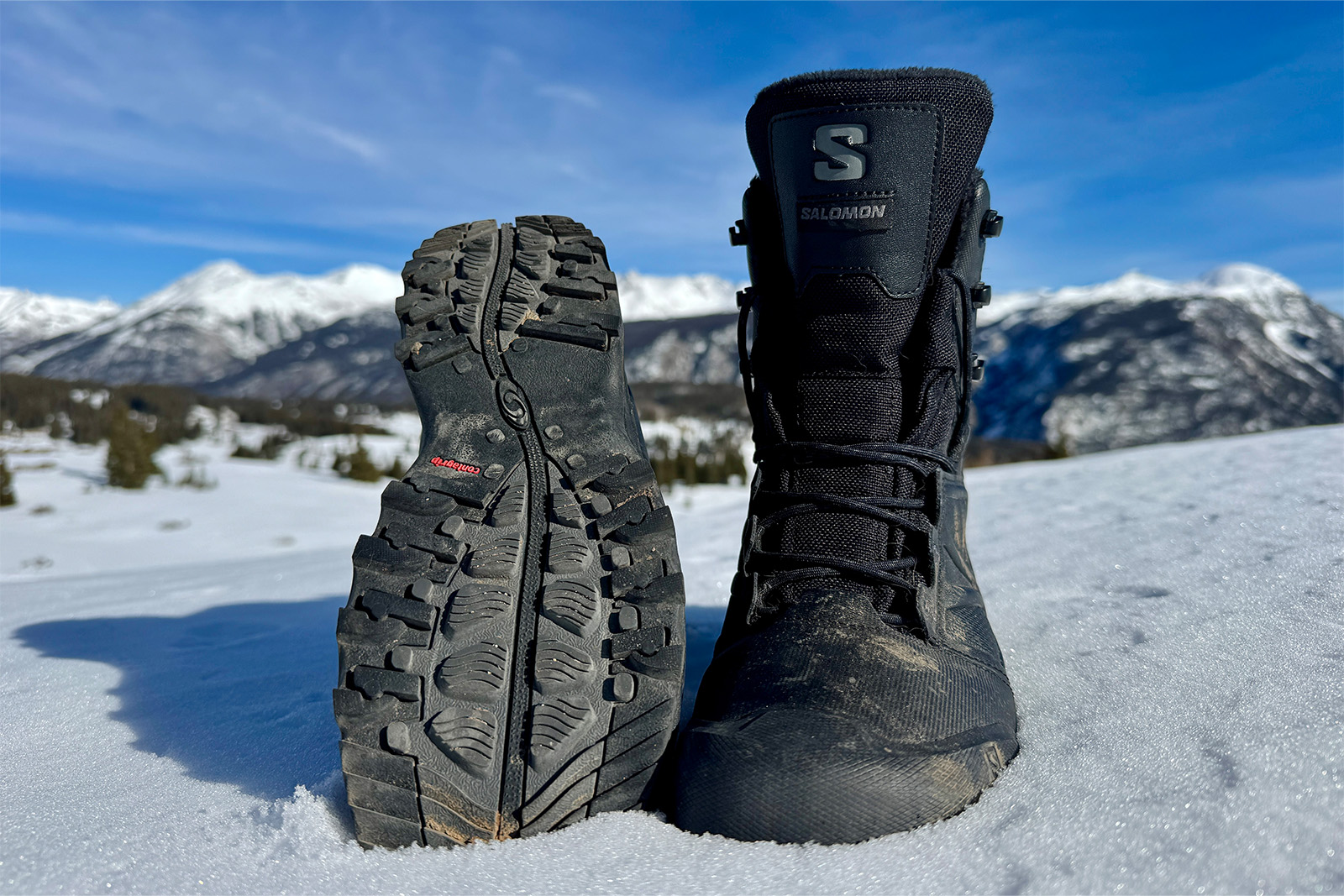
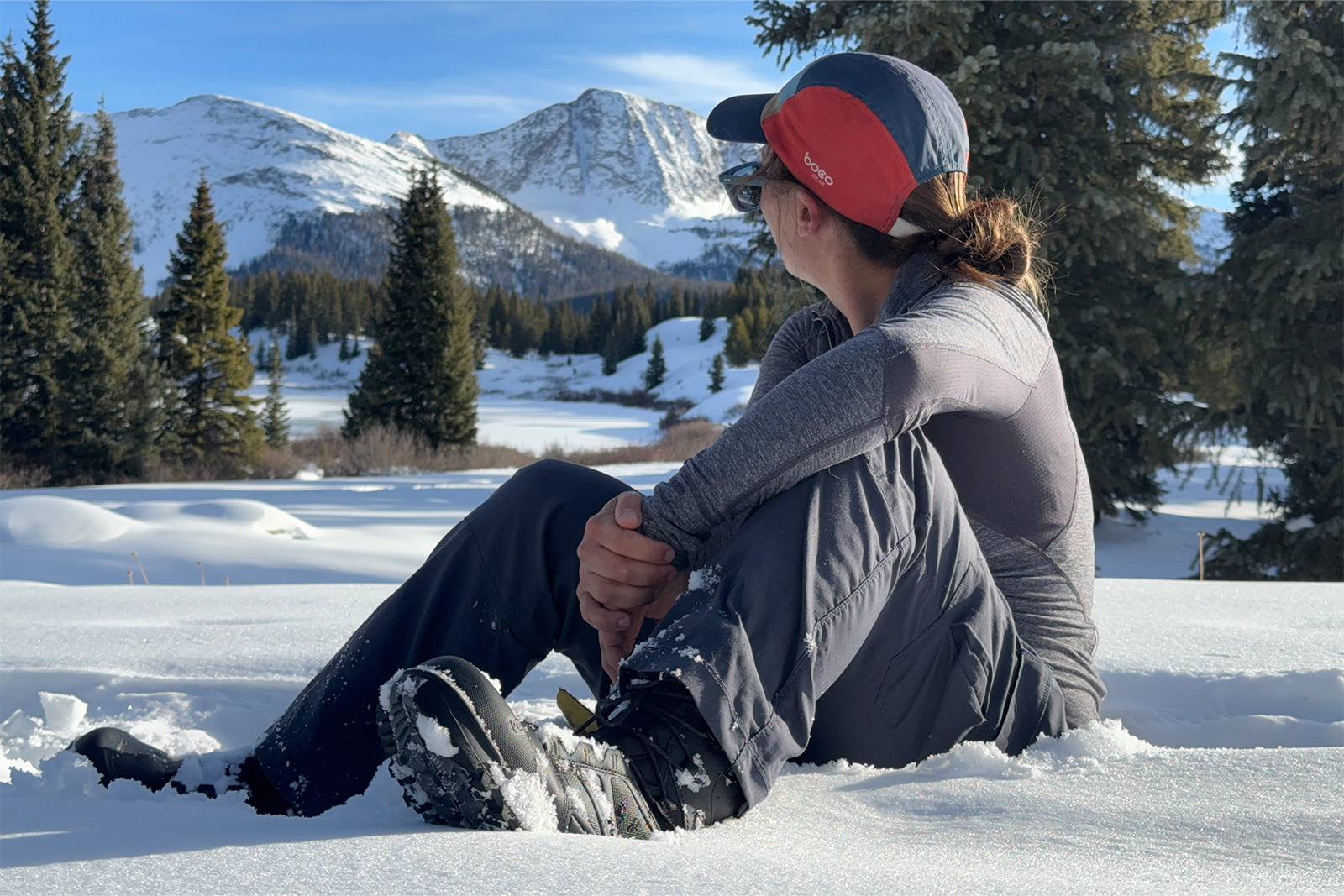
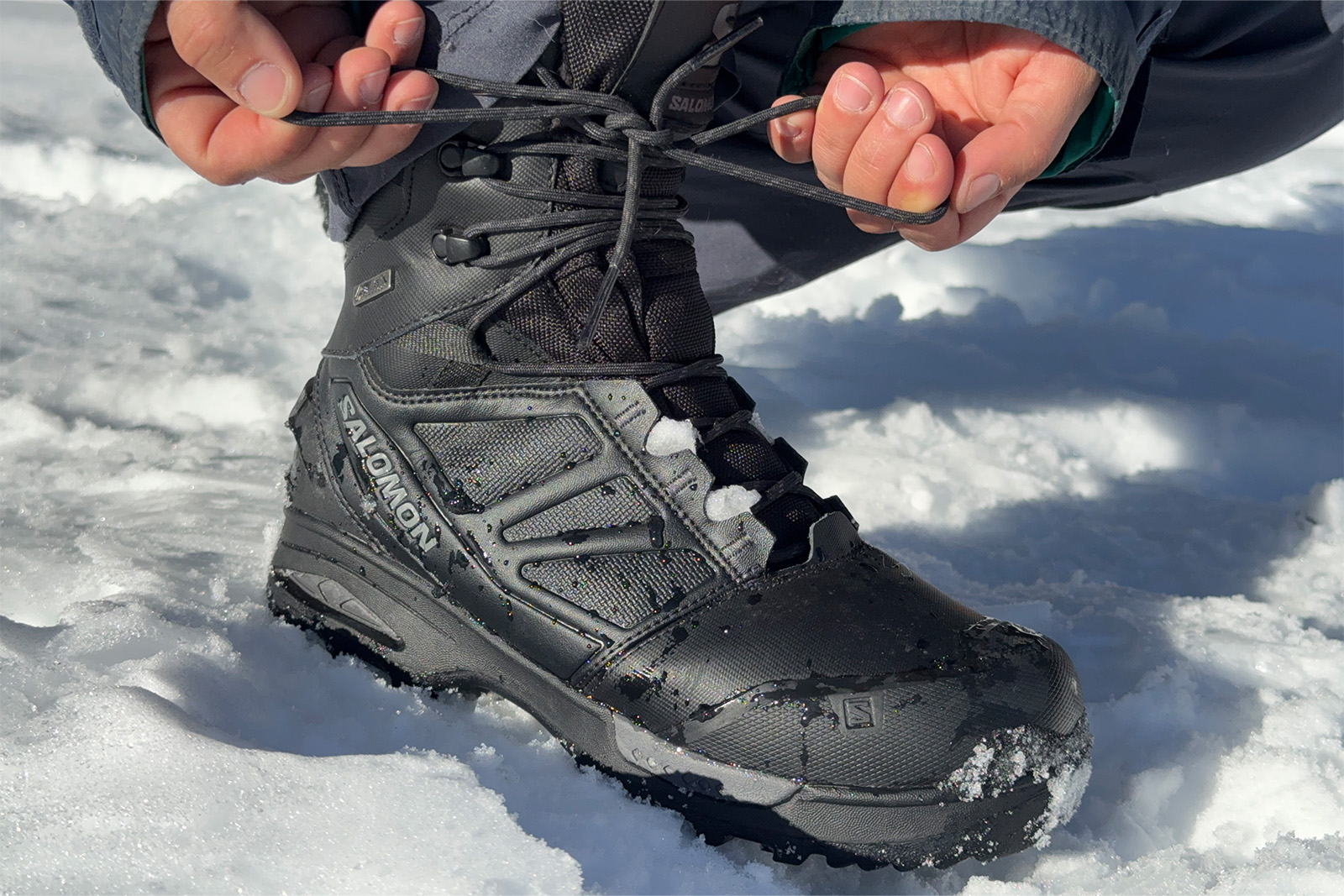
The Salomon Toundra Pro boots are one of our favorite winter boots for hikes in rugged conditions. To test them out, we conducted a series of side-by-side experiments and wore them on hikes around Durango, Colorado, as well as into the office.
One thing we discovered through these tests is that these boots have incredible tread! Not only did they excel on our traction machine, but we have never felt as secure walking on ice as we did in these boots. Another area of praise is the warm insulation and faux fur lining. These boots felt warm, sometimes a bit too much so, on all kinds of hikes.
No piece of gear is perfect. When it comes to the Toundra, we wish they were a bit lighter on the feet. On drier terrain, in particular, they can feel slightly heavy by the end of the hike. It was also disappointing to find out that they will wet out after about an hour of full submersion. However, they perform well with short durations in water.
Overall, we were impressed with how well these boots performed in a few key areas, and their consistent performance across the board makes them a new favorite on our list of women’s winter boots.
How We Tested
We tested the Toundra boots in the snowy San Juan Mountains of Colorado. These boots were mainly used for day hikes in both dry and snowy conditions. We also wore them to the office and around town to put extra miles on them.
Quick Specs
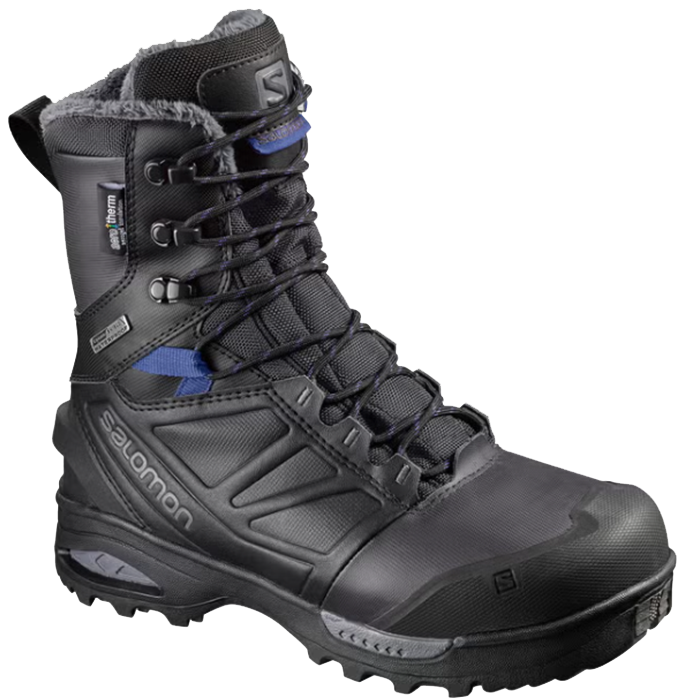
Salomon Toundra Pro
Best Winter Hiking Boot for Traction
CleverHiker Rating: 4.5/5.0
Price: $200
Weight: 1 lb. 4 oz.
Temperature Rating: -40°F
Insulation: Areotherm Aerogel
Also Available In: Toundra Forces Unisex Boot
Sizing: True to sizing
Pros
- Exceptional traction on ice
- Warm insulated design
- Secure, confidence inspiring fit
- Performs well in rugged conditions
Cons
- Feels slightly heavy on feet
- Too warm for mild conditions
- Not waterproof for long submersions
Weight
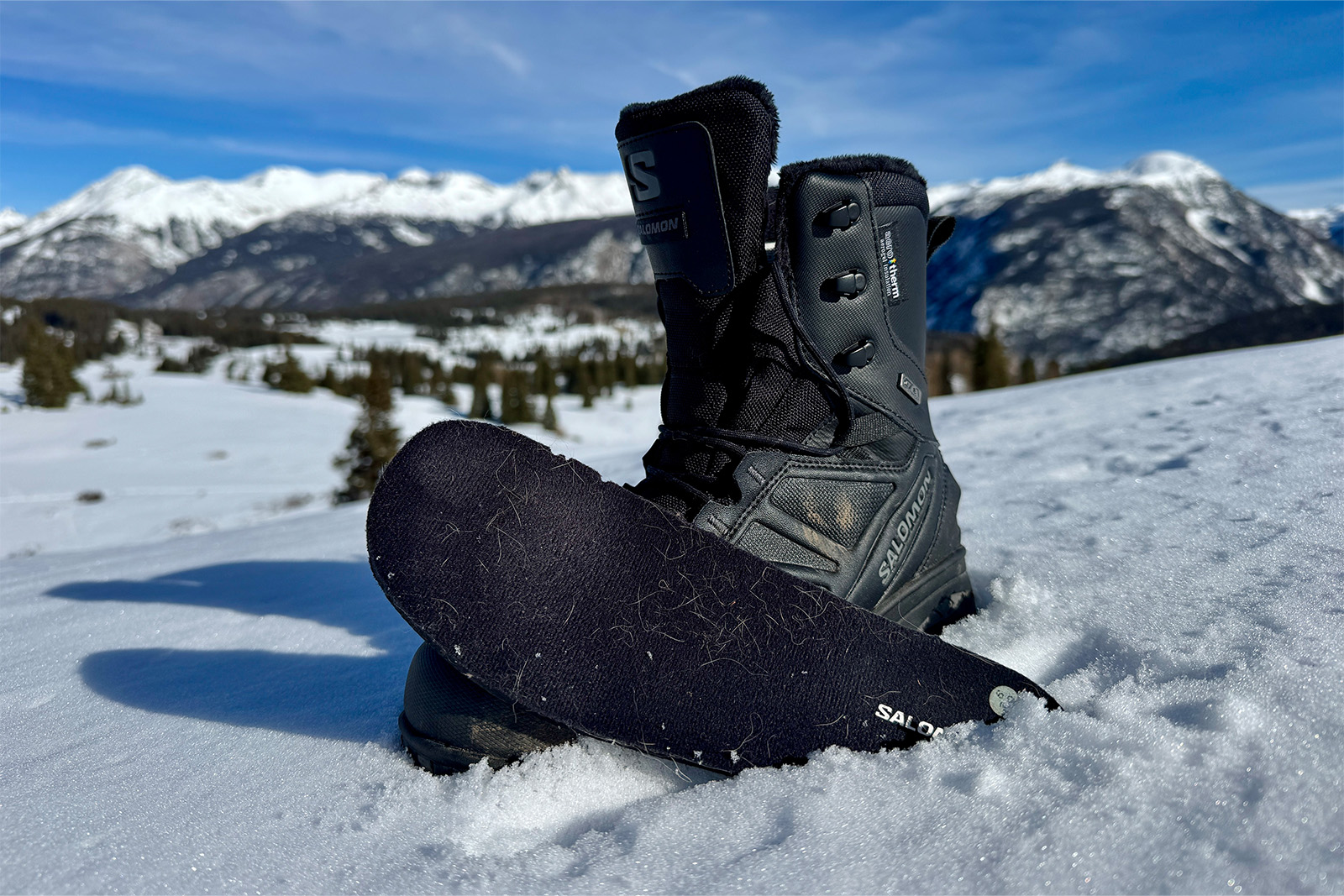
The Salomon Toundra Pro boots are similar in weight to, or slightly heavier than, other hiking-specific boots. Some of this can be attributed to the features it offers, such as taller shaft height and aggressive tread. According to our scale, the boots weighed 22 ounces, placing them in the middle of our lineup. This was also consistent with or slightly heavier than many of the other hiking-specific boots we tested, such as the Keen Revel Polar and Oboz Bridger boots.
On the trails, we found these boots to feel a bit heavy on the feet, especially in drier conditions. In snowy environments, the weight was less noticeable due to the uneven terrain and icy surfaces. That said, hiking in them was a bit more tiring than with some of our lighter models. We also wore these boots for over 8 hours in the office and hardly noticed the weight throughout the day.
The takeaway? These boots are slightly heavy, which can lead to increased fatigue during hikes, even if it’s not immediately apparent. Still, it’s a small tradeoff for some of the other features this boot offers.
Water Resistance
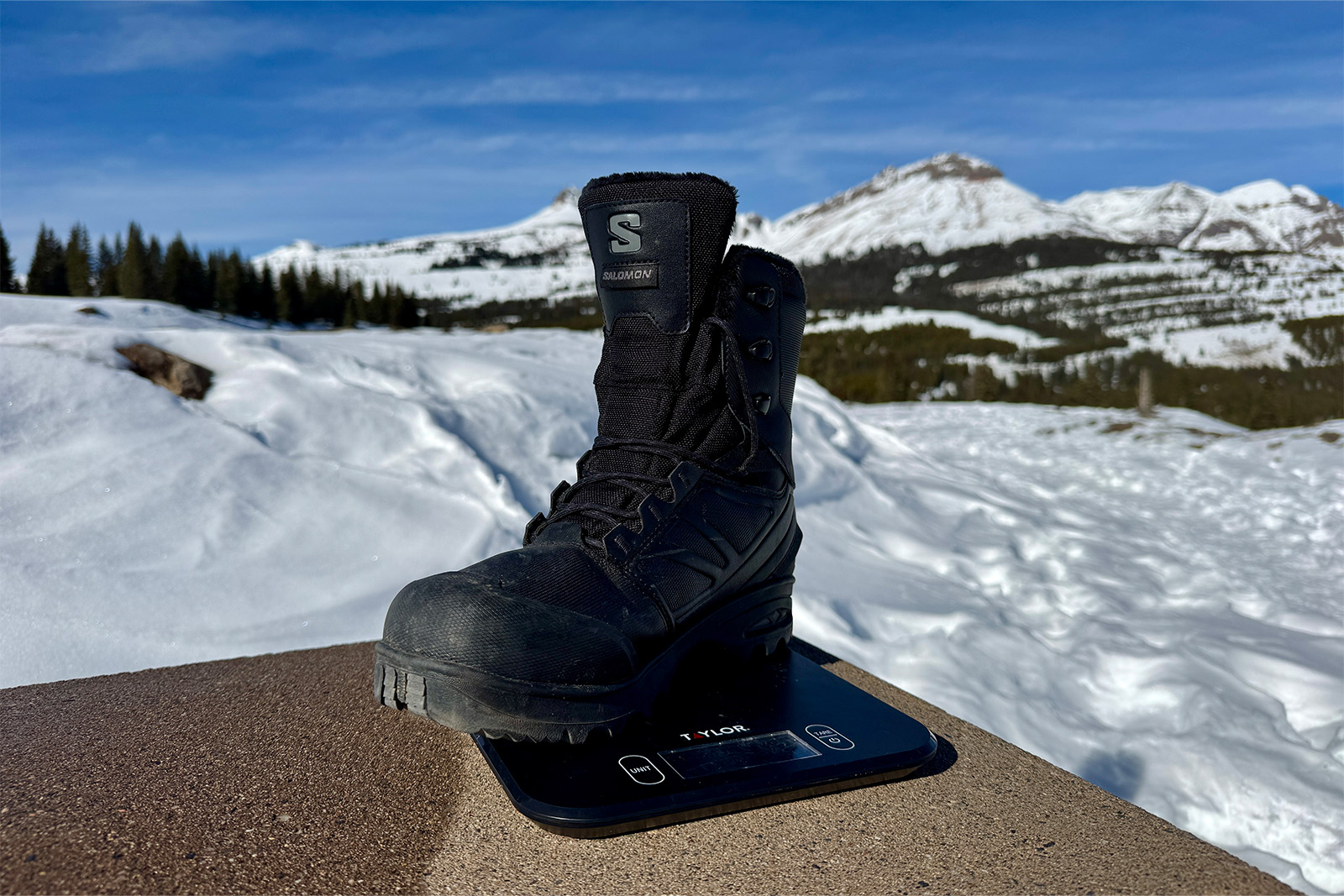
We were surprised to see the Salomon Toundra boots become wet after just an hour of submersion. Considering their sturdy build and gusseted tongue, we expected them to resist water better. However, during our side-by-side test, they simply didn’t hold up.
We submerged the boots in water up to the bottom of the tongue and weighed them down with a rock. While monitoring, everything seemed normal until we noticed water seeping in through the side panel. Luckily, the inside of the boot was only damp instead of soaked, but it was enough to get our socks wet.
During testing, we tried to find opportunities to walk through puddles with these boots. Quick submersions were never enough to soak through, and we had no issues with snow while hiking. This indicates that the Toundra boots are suitable for drier snow and trail conditions, but other boots might be better for long-term use in wet conditions climates.
Warmth
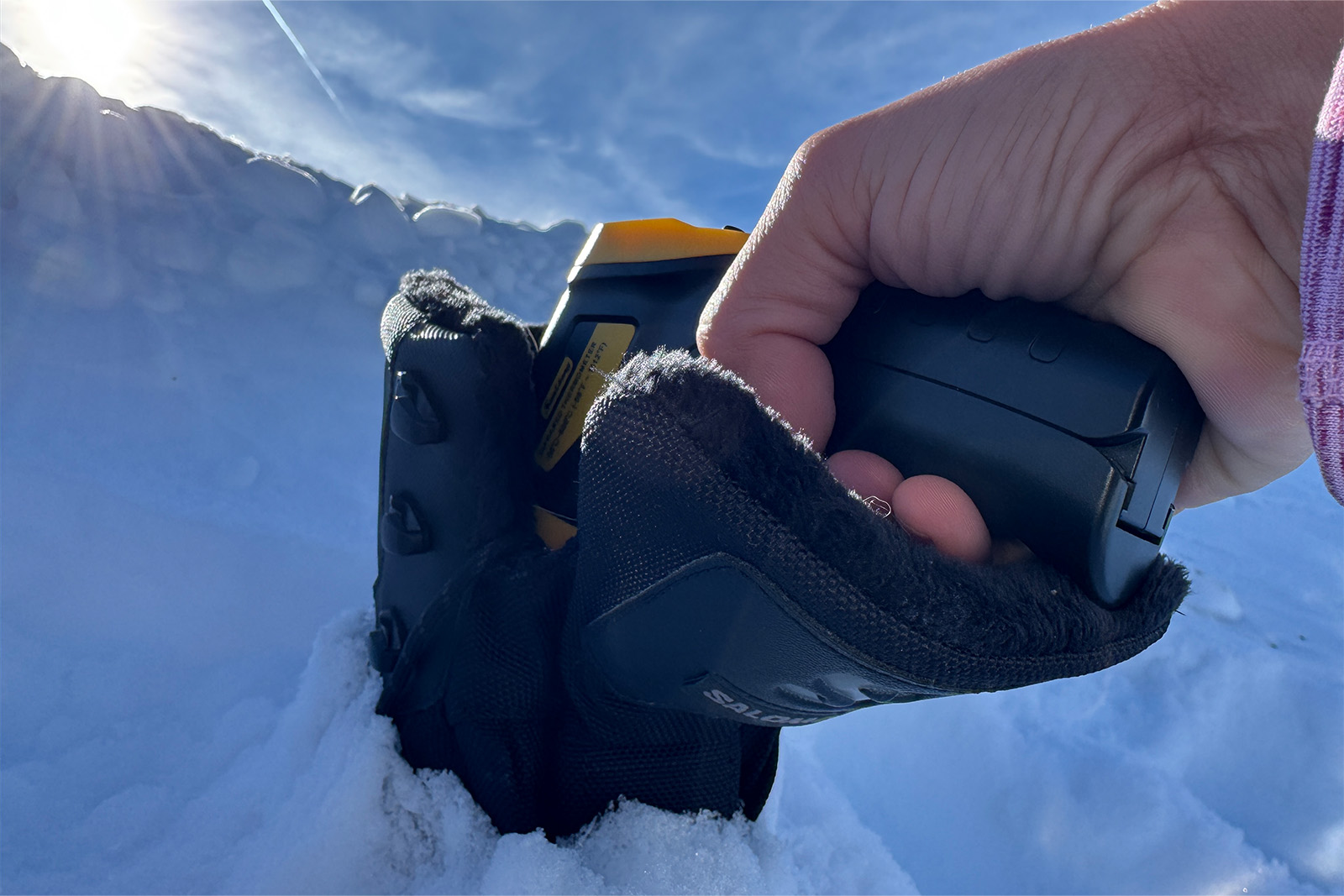
The Salomon Toundra performed well in cold conditions and is one of our top choices for dedicated hiking boots that keep you warm. When we buried these boots in snow for our side-by-side test, we were impressed to see that they matched the performance of the leading boots. We used an infrared thermometer to measure the temperature inside and took readings every five minutes. The temperatures we recorded were higher than average compared to all the other boots we tested.
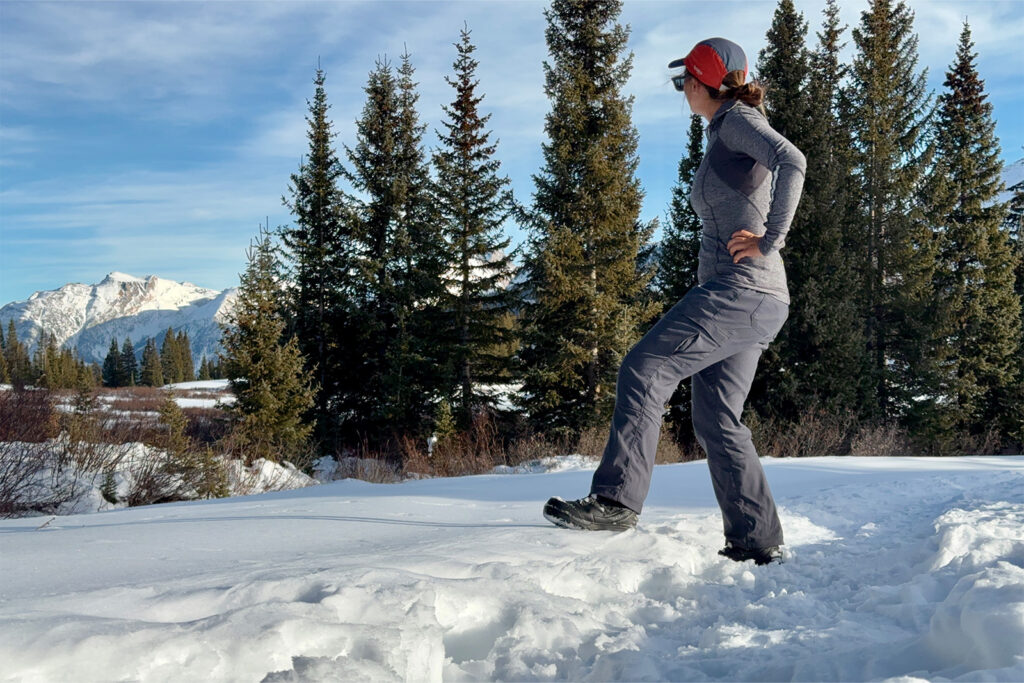
In the field, we appreciate how cozy the faux fur is, which lends a feeling of warmth. On early-morning hikes on snow and ice in Durango, Colorado, our feet always stayed warm in these boots with regular hiking socks. Even when plowing through deep powder near Little Molas Lake, our toes remained warm.
Of course, the trade-off is that these boots can feel a bit too warm during shoulder season hikes. We experienced this firsthand with sweaty feet while hiking the Log Chutes trail system near Durango. Overall, these boots are among our top choices for colder conditions hikes.
Comfort
For comfort, the Salomon Toundra Pro boots feature multiple adjustability points and a taller shaft height, which result in a better fit. Since comfort is highly subjective from person to person, we focused on customization when comparing different models side-by-side. We rated the Toundra boots based on availability in half sizes, removable insoles, adjustable laces, a return policy, and faux fur lining.
Sizing, insoles, and laces all allow users to personalize or modify these boots for a better fit. We also found that faux fur lining makes the boots feel cozier and more comfortable to wear. The option to return boots that are uncomfortable offers the opportunity to try them out without full commitment.
In the field, we found these boots to be relatively comfortable to wear. Besides feeling a little heavy in some conditions, we didn’t experience any foot fatigue or find any rub spots. The taller shaft reduces the chances of rubbing on the side of the ankle where the fibula and tibia bones meet the foot. Overall, we like how comfortable they are and will keep wearing them in various situations environments.
Traction
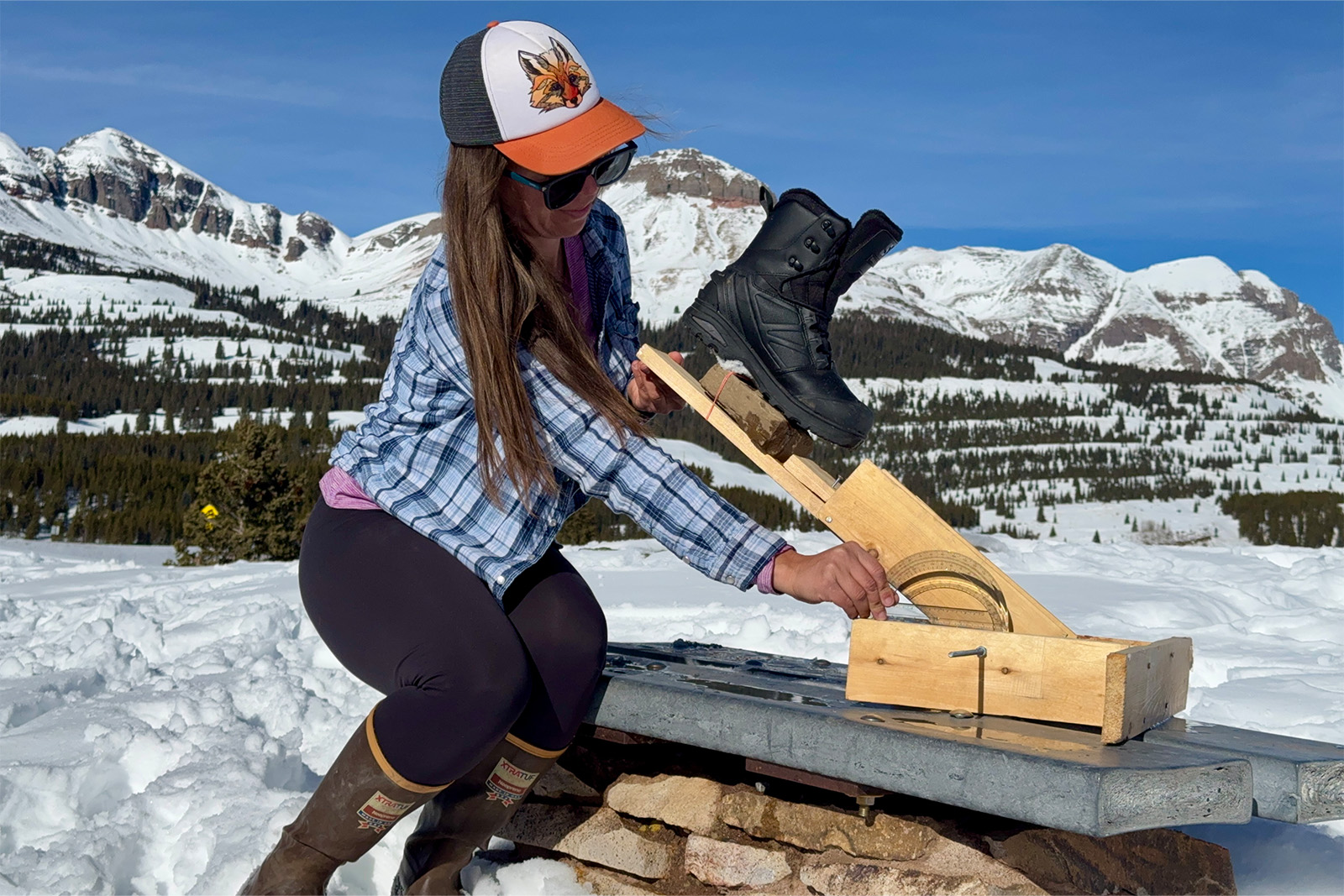
The Salomon Toundra Pro boots are one of our favorites for use on ice and other slick surfaces. We are truly impressed with how these boots performed in both our side-by-side and field tests. When we tested them on our traction device, they stayed on the rock longer than any other boots we tried. This matched our experience in the field, where they showed excellent traction.
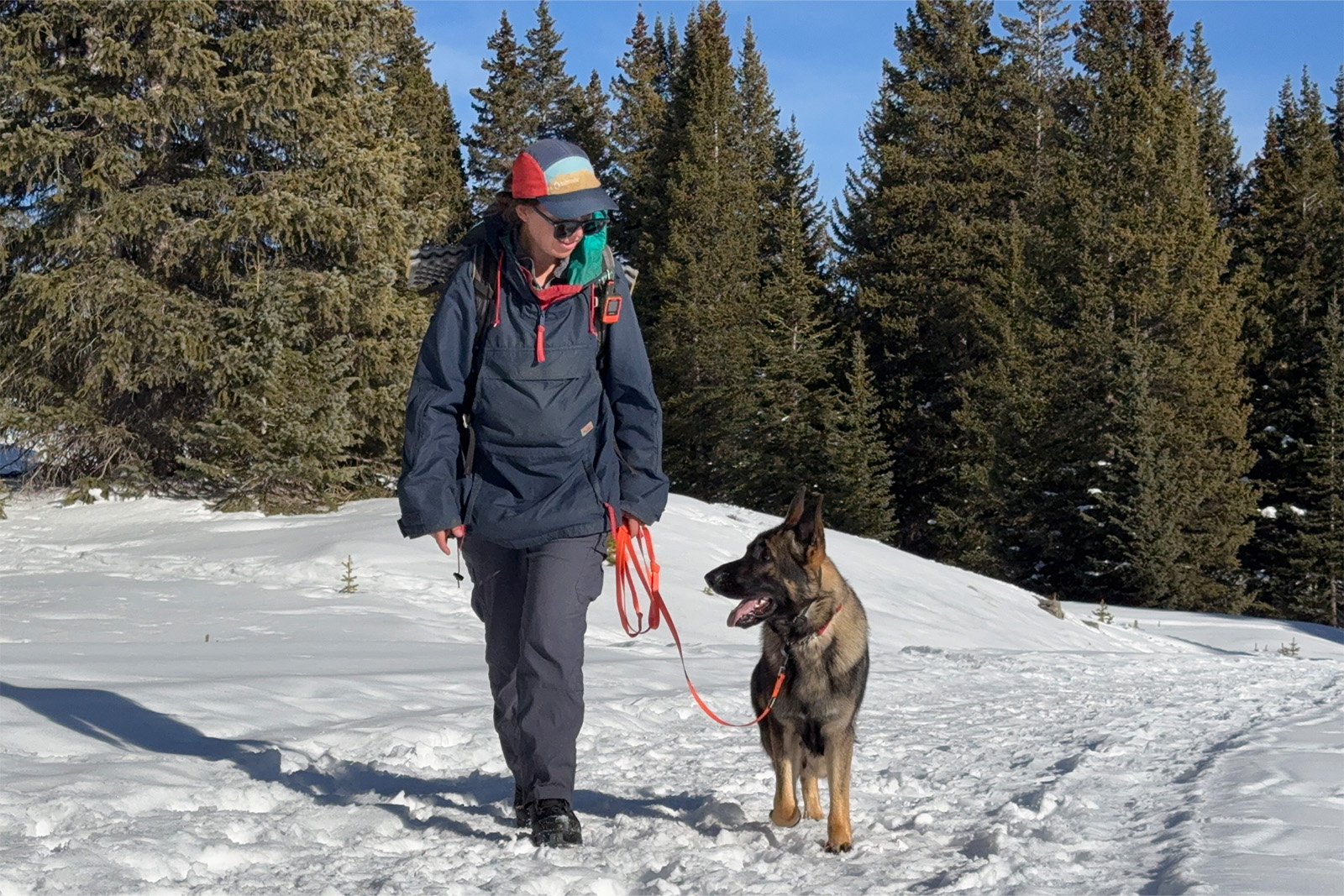
We were especially excited to find that they gripped pure ice, the kind created by frequent freezing and thawing of snow, so well that walking a large dog was easy. We have never had such an experience with other boots, and the difference in grip was noticeable when we wore different ones afterward. We would happily recommend these boots for use in terrain where traction matters.
Should You Buy the Salomon Toundra Pro Boots?
The Salomon Toundra boots have many excellent features that make them suitable for more technical winter hikes. Their warm interior and sturdy tread make hiking on cold, icy terrain easier.
They might feel a bit heavy on the feet, so although this is less noticeable in the snow, other boots could be a better choice where distance matters. Similarly, they can handle brief submersions in water but are not ideal for very wet conditions climates.
What Other Women’s Winter Boots Should You Consider?
If the Salomon Toundra’s aren’t for you, consider checking out these winter hiking boots that we tested for our women’s winter boot gear guide:
Oboz Bridger 7” Insulated Review: Our top choice for women’s winter boots, the Oboz Bridger boots share many benefits with the Toundras. They are similarly weighted and have excellent tread. They also offer better water resistance and adjustability.
Merrell Thermo Chill Mid Review: Another hiking-focused boot, the Merrell Thermo Chill boots feature a lighter design with decent water resistance. In many ways, they are a less rugged version of the Toundras.
Keen Revel IV Polar Review: The Keen Revel Polar boots are designed for snow hiking, featuring good tread and gaiter attachments. These are another great option for hikes in drier conditions climates.