
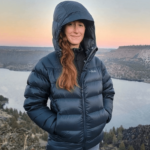
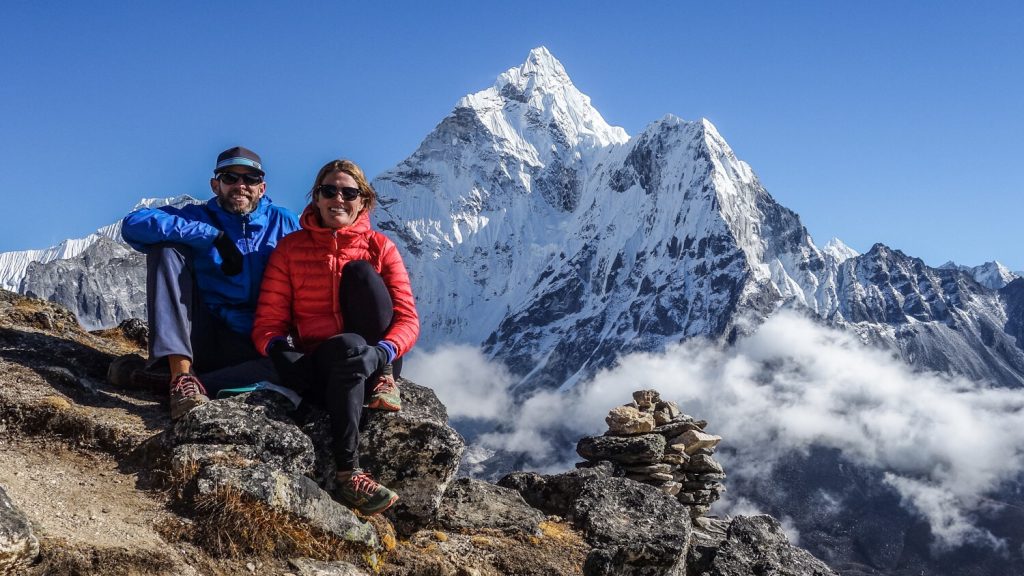
I’m New. What Are the Fundamentals of Outdoor Clothing?
“There’s no bad weather, only bad gear.” As hikers, we expect a lot from our clothing. It has to insulate us from the cold, breathe well, dry quickly, and protect us from everything from rain, snow, and wind to intense sun exposure and bugs.
This guide highlights techniques for how to approach your backcountry outfits, so you are well-prepared for what the wilderness throws your way.
How Does Layering Work?
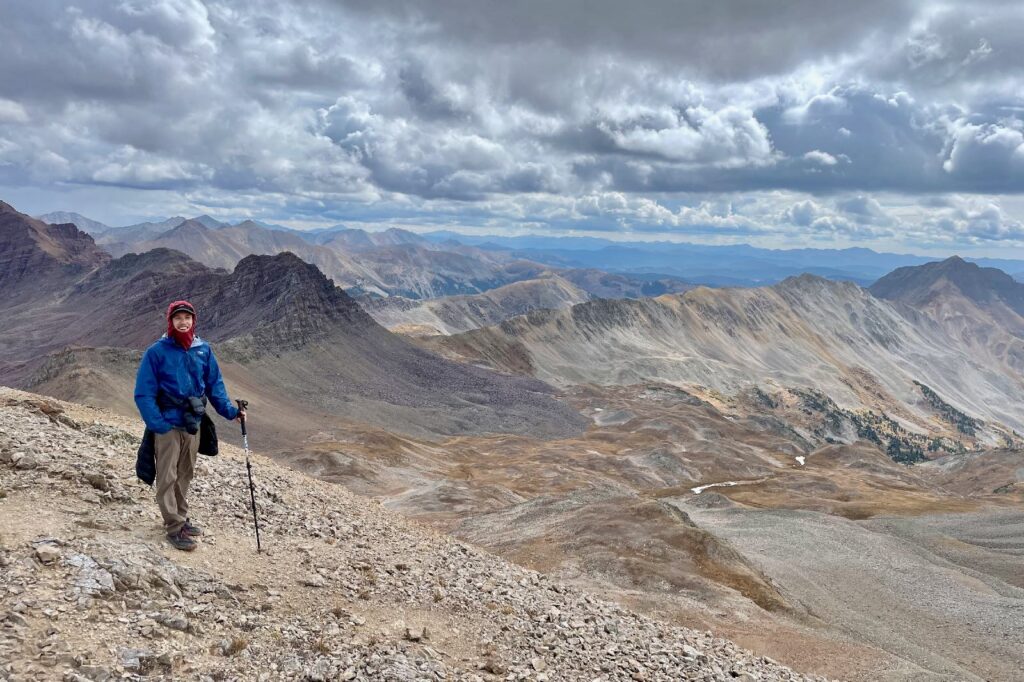
Weather and temperatures fluctuate, especially at higher elevations, so hikers should bring clothing they can layer. In other words, you can wear layers all at once for maximum warmth or pare down to base layers if you need to stay cool.
Layering is all about effective thermoregulation and sweat management. Wear the right combination of clothes, and you’ll be able to stay comfortably warm while limiting sweating.
Do bring tops, bottoms, jackets, and accessories that complement each other and work together. Don’t bring multiple items that serve the same purpose and can’t effectively be used in tandem.
On almost every trip, we bring underwear, base layers, a fleece and/or down jacket, rain jacket, and (maybe) rain pants.
Mix & Match
An efficient outdoor clothing system is a collection of essential garments you can mix and match. For backpacking, we wear the same basic outfit daily while hiking and supplement it with outer layers like puffies or rain jackets as needed.
It’s a delicate balance. For example, you want a rain jacket that is both loose enough to accommodate a bulkier fleece or puffy jacket underneath but not so baggy that you’re swimming in it in warm weather when you’re not wearing a mid-layer underneath it.
Why Are Hikers & Backpackers So Grimey?
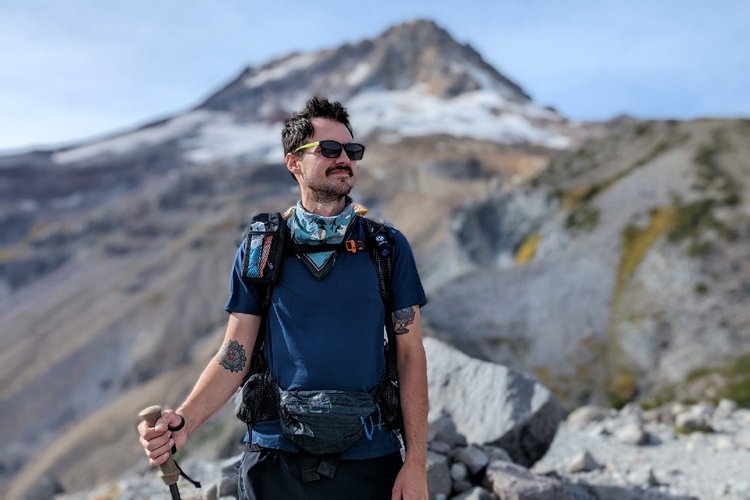
Even with the most methodical trail hygiene routine (and we do love to stay clean on trail), gear gets gross once you are out long enough. But some of the stench comes from intentionally minimizing the number of garments to keep pack weight super low. Low pack weight = less strain, less injury risk, happier hiking experience.
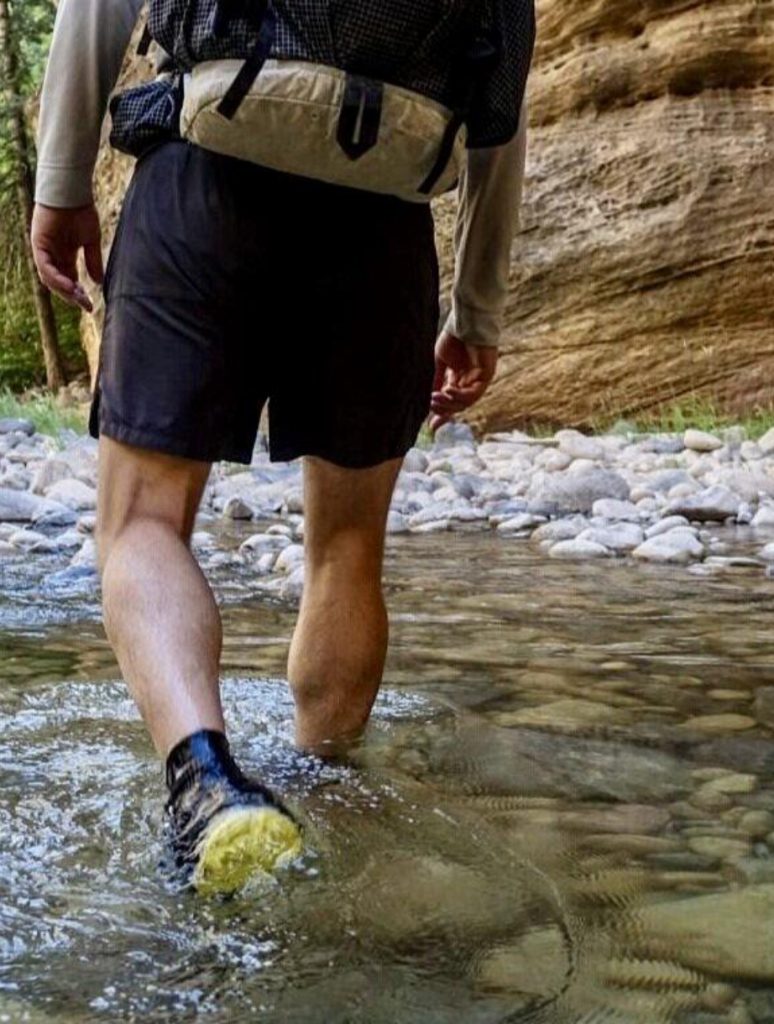
That said, the only garments we generally have at least two of are socks and underwear: one set for the day and another for the night after we rinse off (and we use the clean set as a backup for day use if disaster strikes). It’s also often easy enough to clean (or at least rinse out) clothing periodically. Summer trips make it easy to rinse off in streams and lakes and do a light field wash of clothing.
Just remember not to dirty your drinking water. Wash and wring out clothing well away from your water source.
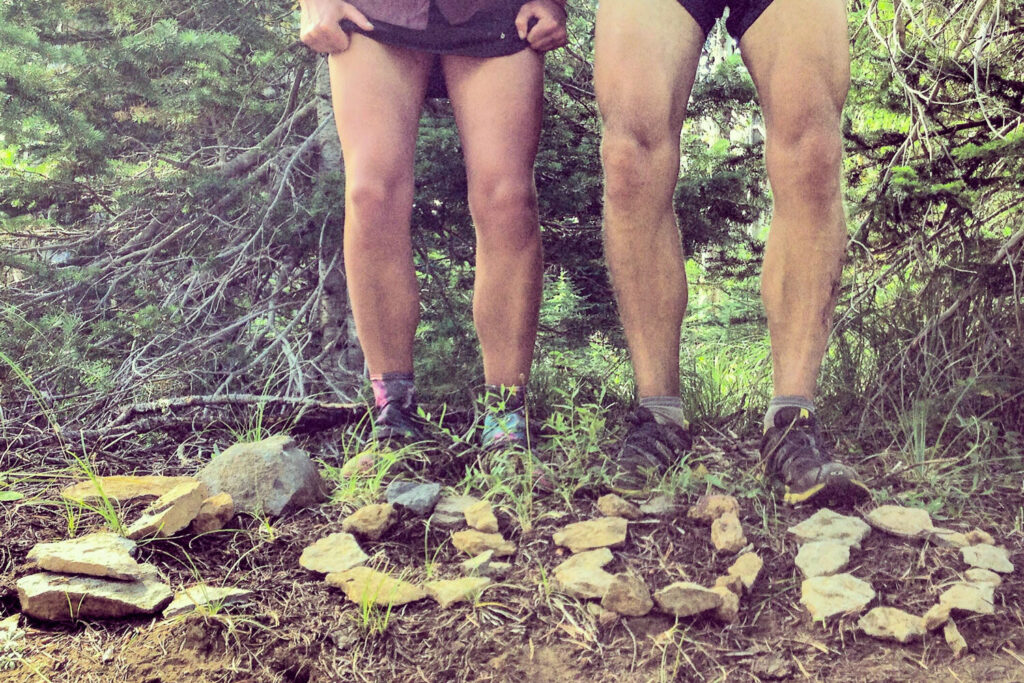
What Are the Best Materials to Look For in Outdoor Apparel?
Managing moisture is one of the key challenges of staying comfortable and healthy on a trip. Sweat, precipitation, and water crossings are part of the experience, so it’s really important that clothing dries quickly.
Fabrics that stay wet for a long time – such as cotton and cotton blends – hold moisture against the skin. This can be a huge problem in cold temperatures and/or high winds since that moisture sucks away body heat, which can lead to hypothermia.
Even in warm weather, wet clothing leads to other problems like chafing, blisters, and rashes – all of which can be a real bummer.
Synthetic fabrics, like polyester and nylon, are excellent for wicking moisture away from the skin. They also dry quickly and are fairly durable, lightweight, and affordable. The downside to synthetics is that they tend to hold odors more than natural fibers do.
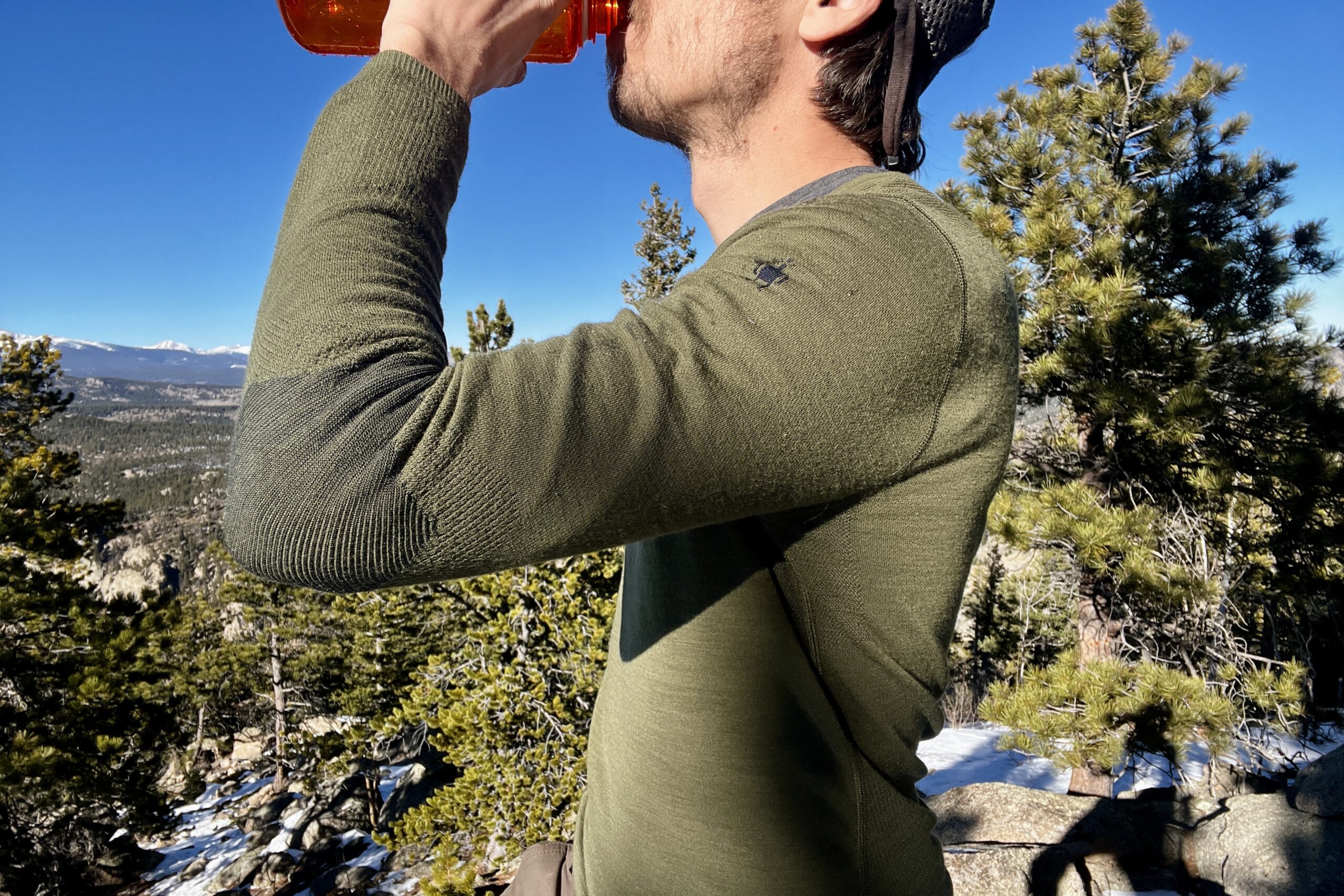
Natural fibers, like wool, are legendary in the hiking world for their ability to keep you warm even when wet. Fine merino wool is also excellent at helping you thermoregulate in warm weather and is naturally antimicrobial for minimal odor buildup on multi-day trips.
The downsides of wool are that it’s expensive and tends to be less durable than synthetics. Some people also prefer hiking in silk underwear (sounds fancy but it’s super practical) to reduce chafing and rashes on sensitive skin.
I’m An Overpacker, Help!
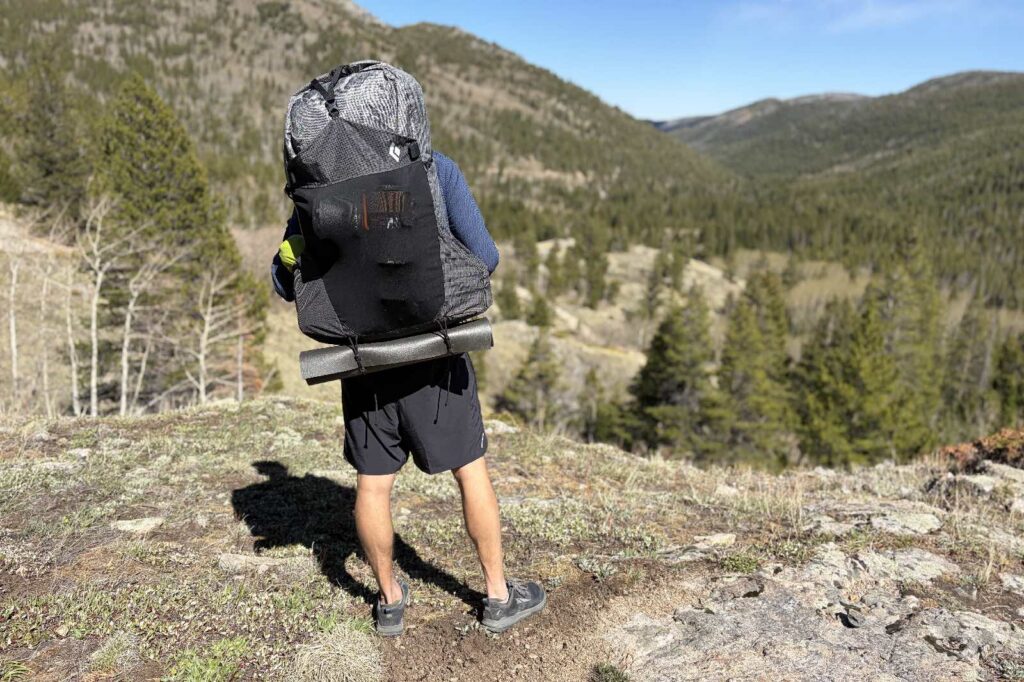
Hikers often overpack clothing and layers, making backpacks unnecessarily heavy and bulky. We do this because we’re nervous about being too cold, wet, and dirty on the trail.
That’s why it really pays to dial in an efficient set of clothes that work together and can be easily adjusted to meet changing conditions. Keeping your clothing system minimal and lightweight increases comfort by reducing strain on your body.
For beginners, pack what you think you’d want and need. Then, go back through your items and identify single-use case items versus multi-use garments. For instance, a rain jacket can double as a wind layer, so we don’t pack a windbreaker if we have a rain jacket. A spare set of socks and camp socks can be one pair, not two. An unzipped super puff is the equivalent of a fleece zipped up. Only one jacket needs an insulated hood. You get the idea. Ask your nearest dirt bag friend to come over and help you pack, they won’t be able to resist.
Don’t bring backups, just bring essentials. After your trips, use your phone or journal to note items you didn’t use so you remember to leave them at home next time.
Identify whether it is for Safety or Comfort
Ultimately, clothing choices are about staying comfortable and safe in the myriad elements you’ll encounter in the backcountry.
Having the right rain jacket in a storm or sun hat and pants in the sun-scorched desert will keep you happier and healthier on your adventure.
If you know your comfort limits and prepare properly, you should feel confident that your shelter, sleep system, clothing, and skills can get you through almost anything nature throws at you.
What to Wear While Hiking & Backpacking?
SUMMER
For summer backpacking trips, when temperatures typically won’t drop below freezing:
On trail:
- hiking shorts
- hiking pants (at high altitude or in desert conditions)
- t-shirt or sun shirt
- quick-dry underwear (or lined shorts)
- lightweight hiking socks
- trail running shoes
- running gaiters
- sun hat
- sunglasses
- windbreaker or rain jacket (to retain heat if it gets chilly)
- liner gloves
- rain pants
- rain mitts
In camp:
- base layer top
- shorts or pants
- warm socks
- warm hat
- down jacket
SPRING & FALL
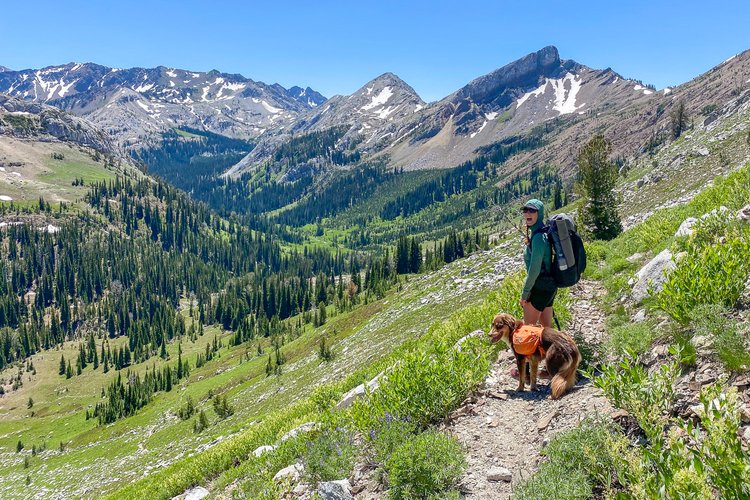
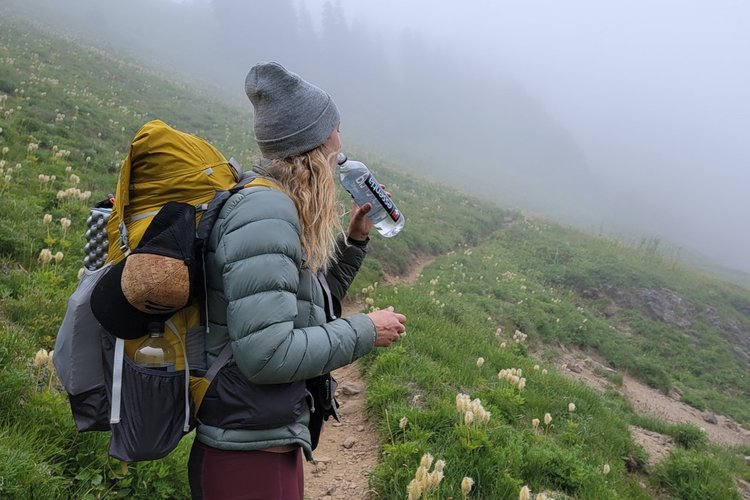
Shoulder seasons are typically a bit colder and rainier, so they require a few extra clothing items. For these trips, we bring our full summer clothing setup and add a fleece jacket, a full set of base layers, and an extra pair of hiking socks. We may also bring more robust rain gear including rain pants and an umbrella if the forecast looks super wet.
On trail:
- hiking pants or leggings
- t-shirt, sun shirt, or long-sleeve hiking shirt
- quick-dry underwear
- lightweight hiking socks
- trail running shoes or lightweight boots (if snowy/muddy terrain is expected)
- sunglasses
- rain jacket
- rain pants
- rain mitts
- liner gloves
- fleece jacket
In camp:
What Do I Wear For Winter Hiking & Backpacking?
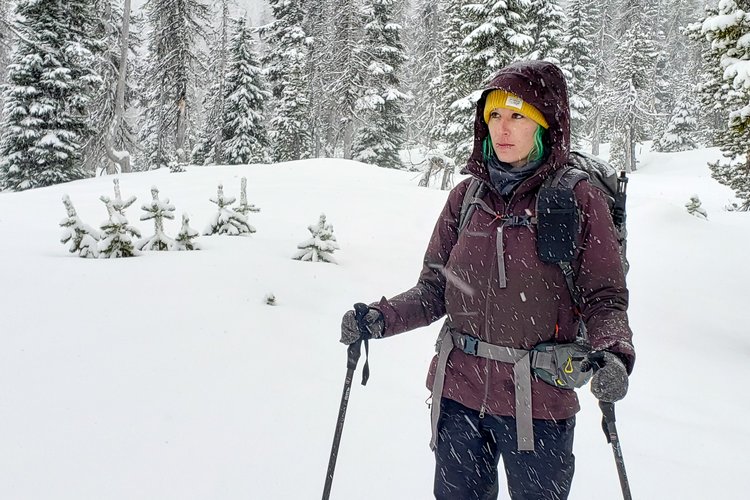
Hiking and backpacking in winter requires more redundancy in clothing because it’s harder to stay warm and dry in stormy, sub-freezing conditions. We move slower, don’t venture as far, and pack multiple of the same layers so we can always remove saturated clothing and put on a dry layer. This is critical for avoiding hypothermia.
Pay close attention to the weather forecast, and make sure your shelter and sleep system are warm enough for nighttime lows. Bear in mind that wind chills will make that number feel significantly colder.
We typically wear baselayers and a lightweight fleece under rain gear when hiking in wet, cold conditions. In camp, we change into a second set of dry base layers (reserved for camp only) and put on an extra puffy down jacket (cold people may want down pants as well).
We also like to have an extra pair of gloves on winter trips since it’s very common for the liner gloves you wear during the day to be wet by nightfall.
On trail:
- baselayer top and bottom
- fleece jacket or midlayer
- rain jacket
- rain pants
- warm hat or hat w/ a brim
- quick-dry underwear
- midweight socks (2 pairs)
- winter boots
- snow gaiters
- sunglasses (really important in the snow)
- rain mitts or shell gloves
- liner gloves
In camp:
- baselayer top and bottom (2nd pair)
- warm socks
- warm hat
- down jacket
- down pants (if you tend to run cold)
- liner gloves (2nd pair)
Hiking Clothing Checklist
Ready to start assessing what you’ve already got in your closet and what you may need to buy? Print copies of our free Ultimate Backpacking Checklist and Day Hiking Checklist.
1 Long-Sleeve Shirt
A long-sleeve shirt will be one of the most useful clothing items you bring.
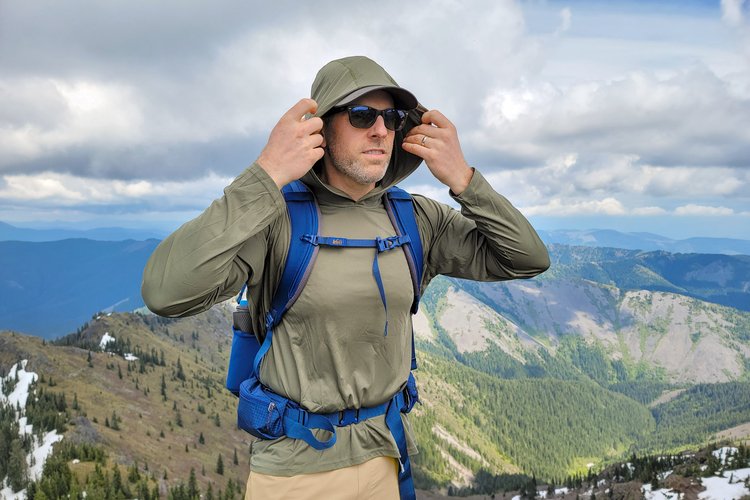
Sun shirts are lightweight, breathable, and can be worn in hot conditions to protect your skin from intense sun and/or mosquitoes. A base layer top provides a bit more insulation when hiking in cool conditions. Zip-necks are generally our go-tos since they provide some added ventilation in the neck/chest area.
1 Short-sleeve shirt
A lightweight, synthetic or wool T-shirt is a bit more breathable than a long-sleeve sun shirt and can be comfortable for some when hiking in hot weather. Short sleeves protect your shoulders from abrasions caused by backpack straps better than a tank top for backpacking.
The tradeoff is that you’ll need more sunscreen and bug repellent if the sun is strong or the mosquitoes are bad.
1 Down or Synthetic Jacket
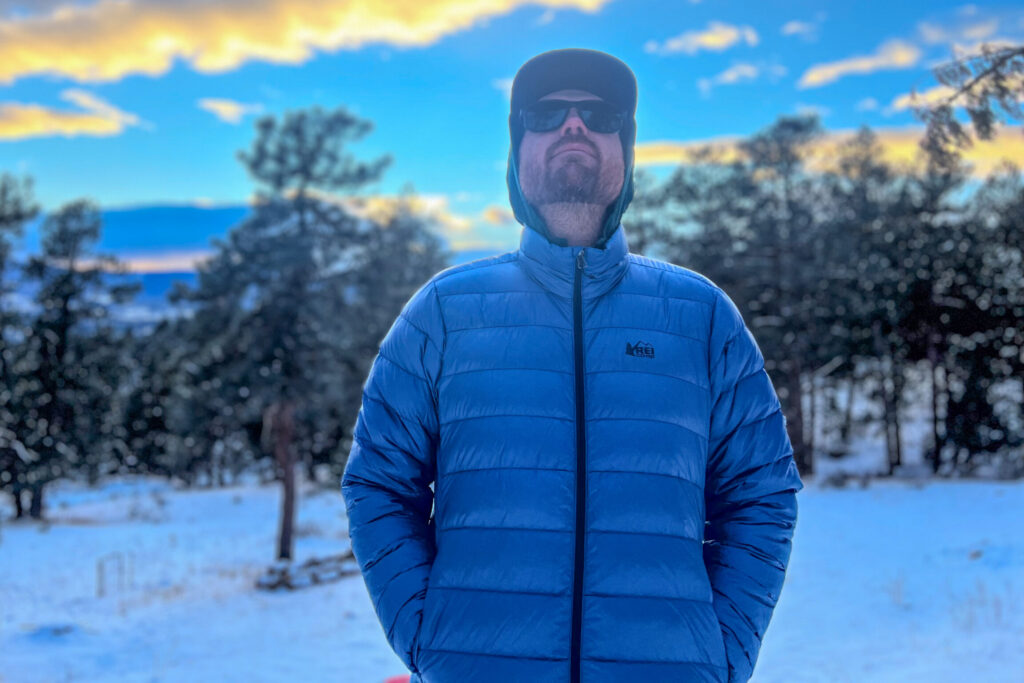
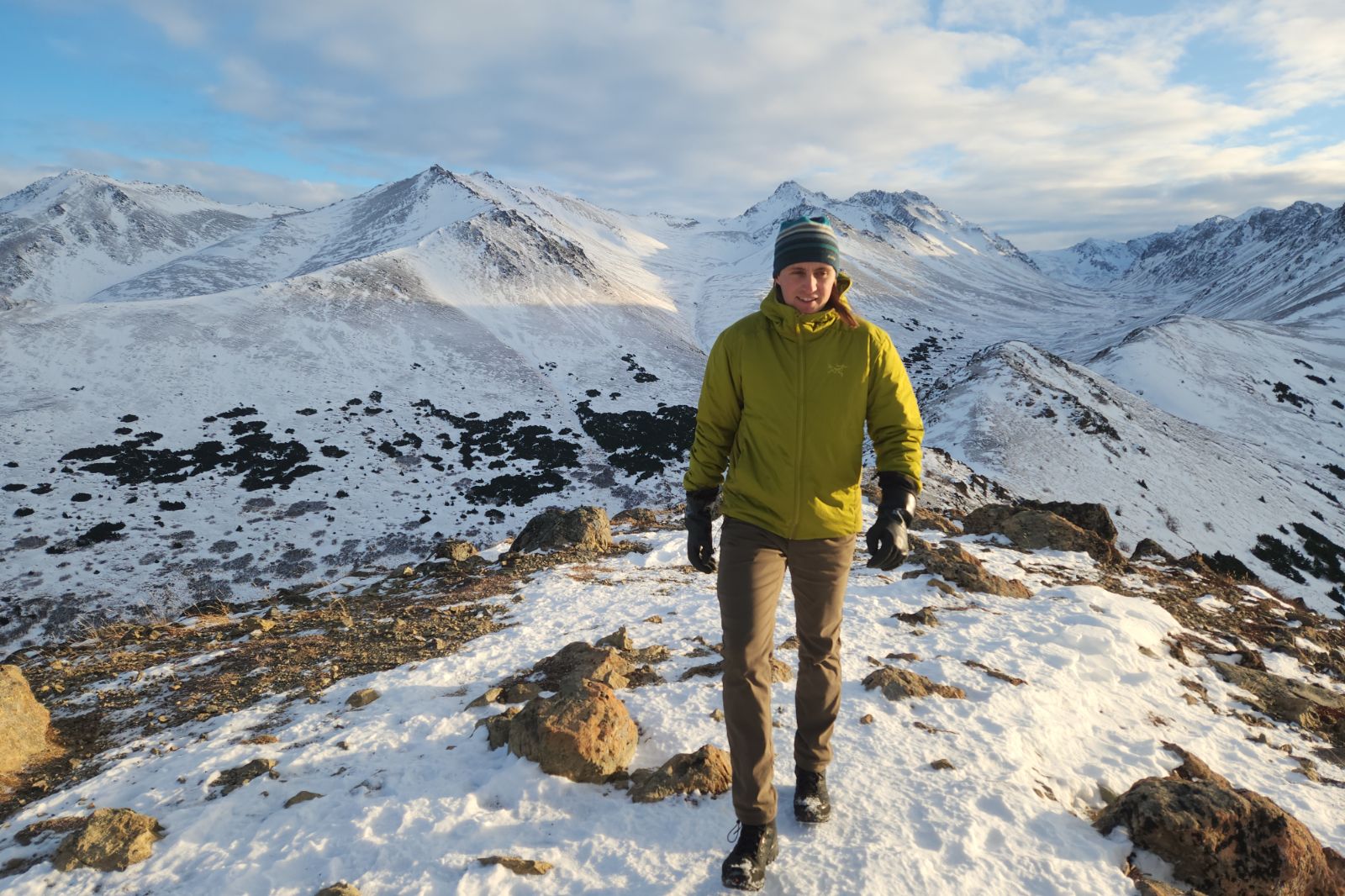
A warm down or synthetic jacket is your insurance in the backcountry. It’s easy to underestimate how cold it can get in the mountains (and the desert) even during the summer months. Once the sun goes down or the weather shifts, temperatures can swing dramatically.
We wear our down jacket on breaks, around camp, or to supplement our sleep system when it’s exceptionally chilly. Quality down jackets can be expensive, but a good one will undoubtedly become one of your most heavily-used pieces of gear.
For more recommendations, see our best down jackets gear guide.
1 Rain Jacket
A lightweight, waterproof rain shell with a hood is an essential item on all hiking and backpacking trips. You will sweat and overheat hiking in rain gear if temps are mild, so rainwear with good ventilation via pit zips and breathable materials are preferred.
You typically wear rain jackets while hiking or at camp when conditions are wet and cold. You can also wear a rain jacket in windy conditions to help retain heat. Size up to accommodate any layers you plan to wear under your rain jacket (puffy, fleece, base layer top, etc.).
For more recommendations, see our guide to the best rain jackets.
Ponchos & Alternative Rain Gear
Some hikers prefer a poncho instead of a rain jacket because it’s lightweight, covers your backpack, has good ventilation, and can also be used as a groundsheet or emergency shelter.
That said, ponchos can be awkward and are much worse at keeping water out in windy conditions. We prefer the versatility of rain jackets and pants, but a lightweight poncho can serve as lightweight emergency rainwear for trips when the weather is expected to be fair. We usually wear a hat with a bill to keep the rain out of our faces with any poncho or rain jacket.
1 Fleece Jacket
Fleece keeps you warm even when it gets wet, a key advantage over other insulating layers like down jackets. For that reason, a fleece can be a great addition to your clothing system for cold, wet trips. We prefer light to midweight fleeces with quarter- or full-length zippers.
For more recommendations, see our guide to the best fleece jackets.

1 Windbreaker
These thin ultralight jackets prevent wind from stripping away body heat. They’re usually made of water-resistant nylon. Even though they don’t offer enough protection for sustained rain, you can wear them over a fleece or long-sleeve top to stay warm in high wind and light mist. Wind shirts are a handy light layer to wear over your long-sleeve shirt when you’re starting to hike in the cool morning. We generally don’t bring them on long hikes if we are packing a rain jacket.
For more recommendations, see our guide to the best windbreakers.
1 Pair Hiking Pants
Worn while hiking in mild or cooler weather, or even in hot weather instead of shorts for added protection from brush, sun, and mosquitoes/ticks. We look for pants that are lightweight, breathable, and quick-drying. It also helps when they’re relatively durable and have a pocket configuration that’s convenient on the trail.
For more recommendations, see our guide to the best hiking pants (Women’s / Men’s) and best leggings (Women’s) gear guide.
1 Pair Shorts
Hiking shorts are breathable and offer excellent freedom of movement, so they’re generally our top choice when bugs aren’t biting, and we’re not bushwhacking. The waistband should be comfortable under a hipbelt. Shorts with a liner also make it possible to hike with one less pair of underwear.
For more recommendations, see our guide to the best hiking shorts for men and women.
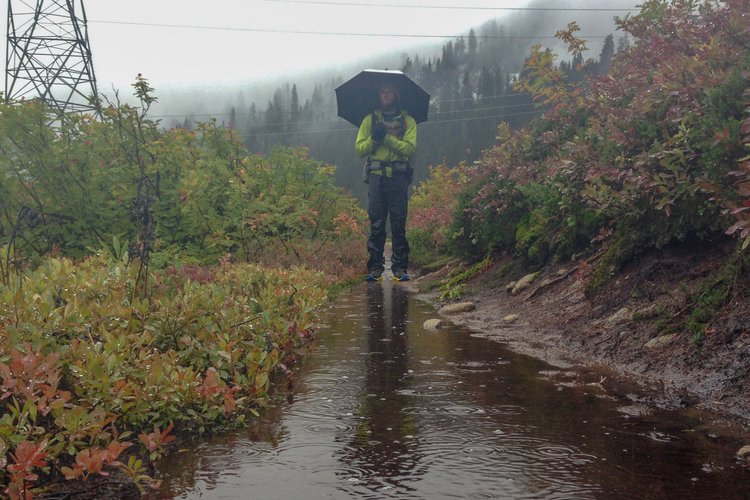
1 Pair Rain Pants
A lightweight, waterproof, but minimalist rain pant. Full-length zippers make it easier to put them on and take them off without removing your shoes/boots, but that also makes them heavier. Worn while hiking or in camp when conditions are wet, cold, or windy.
For more recommendations, see our guide to the best rain pants.
1 Pair Base Layer Bottoms
Choose lightweight or ultralight synthetic, silk, or wool. Usually reserved for camp and sleeping, but you can wear them under other layers when you need extra warmth in very wet or cold weather.
For more recommendations, see our Best Base Layers list
1 Pair Insulated Pants
In really cold conditions, a pair of down pants can be a lifesaver. We typically only use these for winter trips in the backcountry, but they’re also useful for car camping trips with chilly nights and mornings.
Our Top Picks:
- Mountain Hardwear Stretchdown Pants (Men’s / Women’s)
- Mountain Hardwear Ghost Whisperer Pants (Men’s / Women’s)
- Montbell Light Down Pants (Men’s / Women’s)
1-2 Pairs Underwear
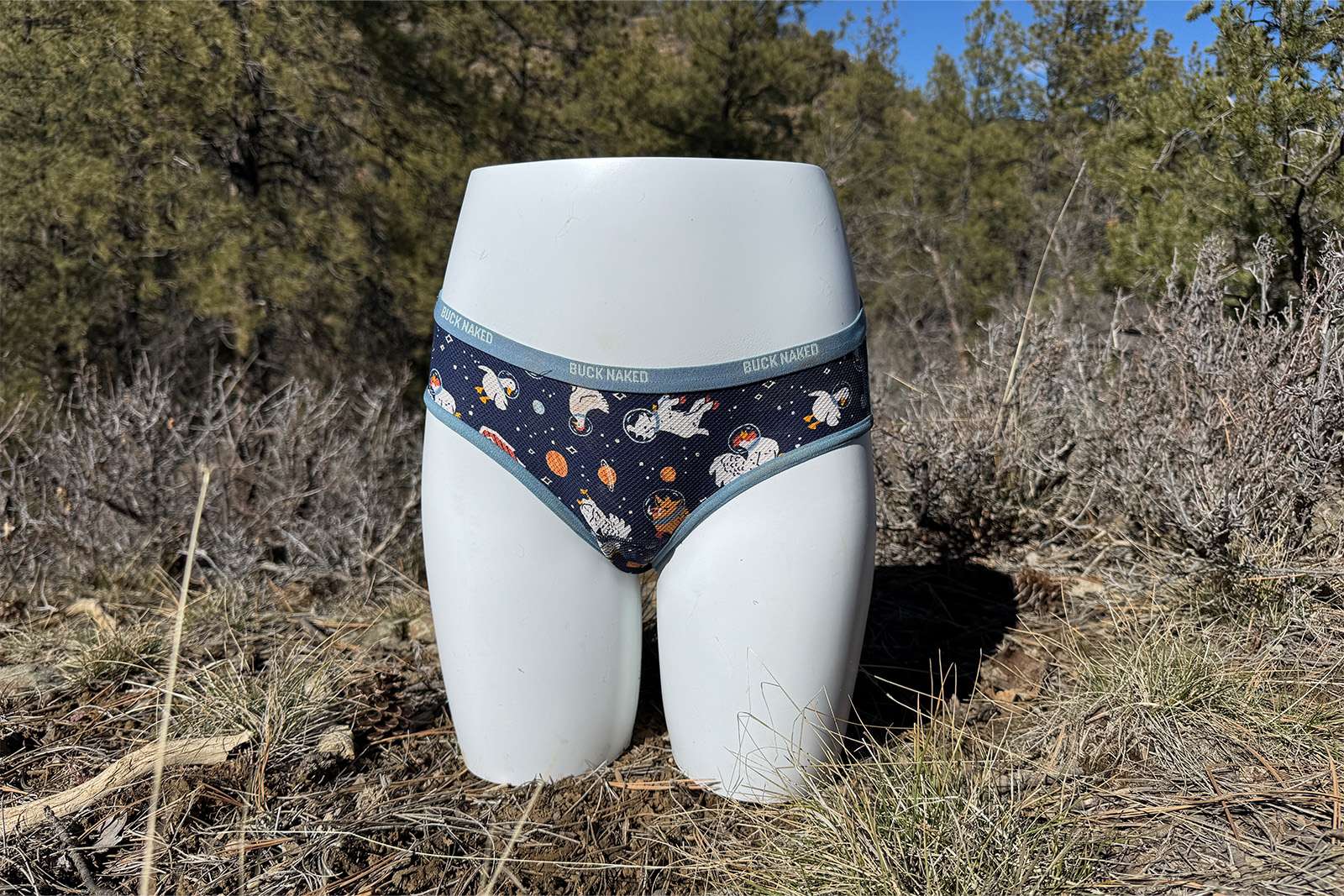
Comfortable, breathable, quick-drying, anti-odor. Worn daily. Cycle between pairs, rinsing out and air-drying them as needed. Keep at least one pair clean by only wearing them in camp after washing up for the day.
Many women also wear a sports bra on the trail. We recommend a comfortable, breathable, quick-drying one that doesn’t fit too tight.
Do I Need a Hat?
1 Sun Hat
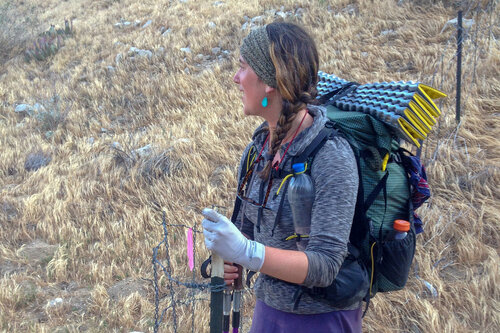
A good hiking hat has a brim long enough to cut the sun out of your line of vision. It should also dry quickly, be breathable, and be reasonably packable so that you can store it when not in use. We wear a hat almost all the time while hiking, especially when the sun is intense or when it’s raining (to keep drops out of our faces).
Wide-brimmed hats with neck capes provide the most protection, but they’re not everyone’s favorite style-wise. Baseball and trucker hats work well with hoods, but they don’t protect your ears and neck, so make sure to sunscreen up, use a sun shirt hood, or tuck in a bandana when necessary.
For our top recommendations, see our guide to the best sun hats.
1 Warm Hat
A warm hat is the easiest piece of clothing to put on or remove quickly for thermoregulation on the go, on breaks, in camp, or in your sleep sack. Fleece is preferable because it keeps you warm even if it gets wet. It offers a lot of bang for the buck when you need to get or stay toasty. Or, upgrade to merino wool, which also insulates when wet and dries quickly (and resists odor). We like a hat that is long enough to go over our eyes for full-moon sleeps.
1 Buff
Multifunctional headwear like a buff can be worn as a headband, hat, hair band, helmet liner, or balaclava. They’ll also do in a pinch as a mini towel, pillowcase, or pot holder. A few members of the CleverHiker team love these, while others choose not to bring them. We tend to bring one when it’s a full moon to cover our eyes during sleep time.
1 Pair Sunglasses
A good pair of sunglasses (and a protective case) is essential for almost every backcountry trip. Polarized sunglasses are preferable since they help cut glare and are easier on the eyes.
Do I Need Camp Clothing?
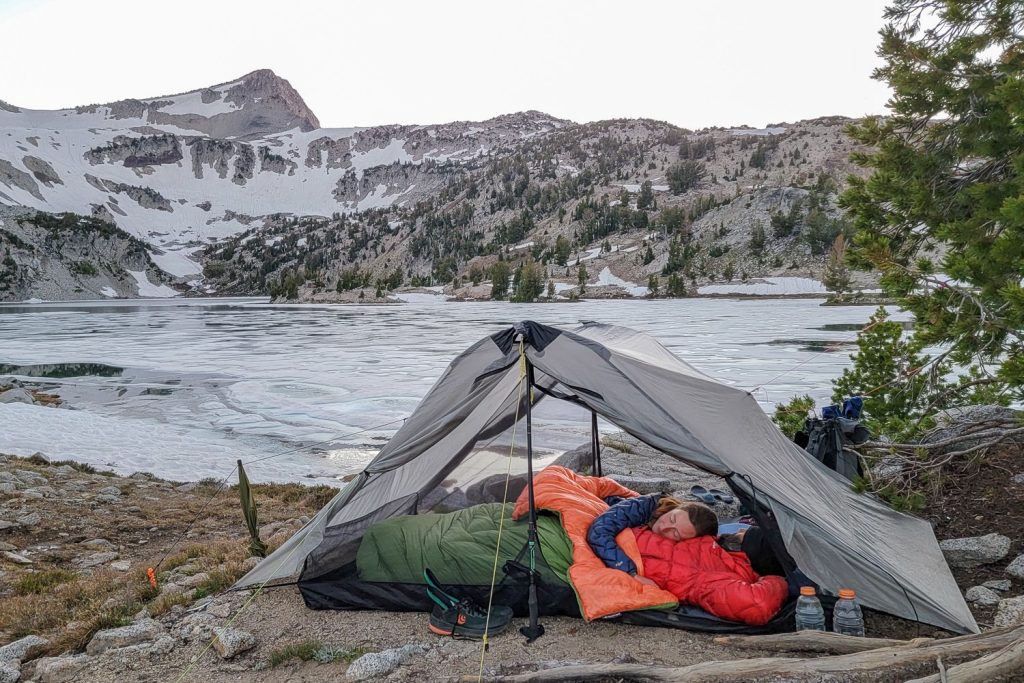
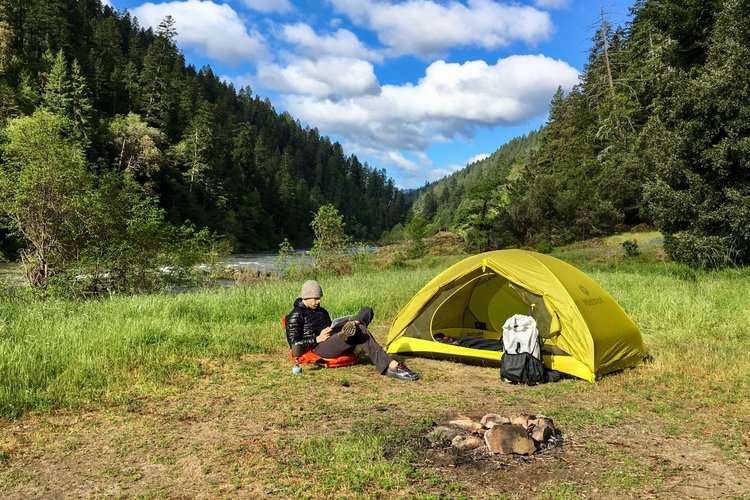
We love having a clean, lightweight base-layer top and bottom to wear in camp and as our sleepwear after we’ve washed up at the end of the day.
In a pinch, you may have to wear them as extra layers while hiking when conditions are really cold or wet. But either way, you should bring the long johns.
Keeping camp clothes clean requires a little resilience to pull on those soggy socks or sweaty T-shirts before you set out for the day, but in our opinion, it’s well worth it to have clean/dry clothing when you get to camp that night. We avoid hiking out in our camp clothes whenever possible.
Active Drying
If you get to camp and your clothes are sweat-soaked and you’re generally warm, we recommend wearing them a little longer while you set up camp and get your meals going. It’s a technique called active drying that uses your body heat (without sweating) to help evaporate and dry your clothes. Especially now that you aren’t wearing your backpack, they will dry pretty quickly (faster than if you take them off and hang them or lay them out on a rock).
What Footwear Should I Bring?
Choose one of the following shoe options that best suits your trip based on:
- Terrain
- Weather/season/conditions
- Pack weight
- Personal preference/needs
1 Pair Trail Runners or Hiking Shoes
We almost always backpack in lightweight trail runners. They minimize blisters, dry quickly, and offer excellent traction. They also keep our feet nimble and don’t exhaust our legs over long days of hiking.
Choose a size with a little extra wiggle room in the toe box to allow your feet to swell. Too-tight shoes are a recipe for disaster.
For recommendations, check out our shoe guides:
When to go with Hiking Boots
Though trail runners have become very popular in most hiking/backpacking circles, many people still prefer the durability and support of hiking boots. Boots offer superior protection on rocky, rugged terrain and on cold, wet trips, especially if you’ll be traveling through extensive snow or extremely muddy/mucky trails.
Look for lightweight, comfortable boots that let your foot flex, and make sure to break them in well before your hike.
For recommendations, check out our shoe guides:
Do I Bring Camp Shoes or Sandals?
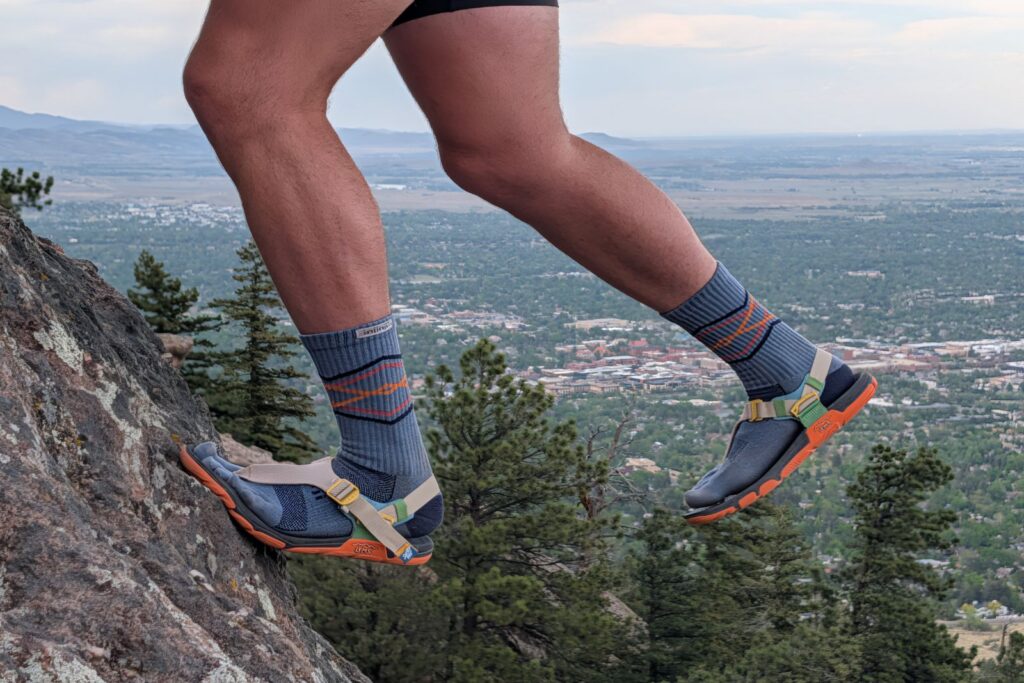
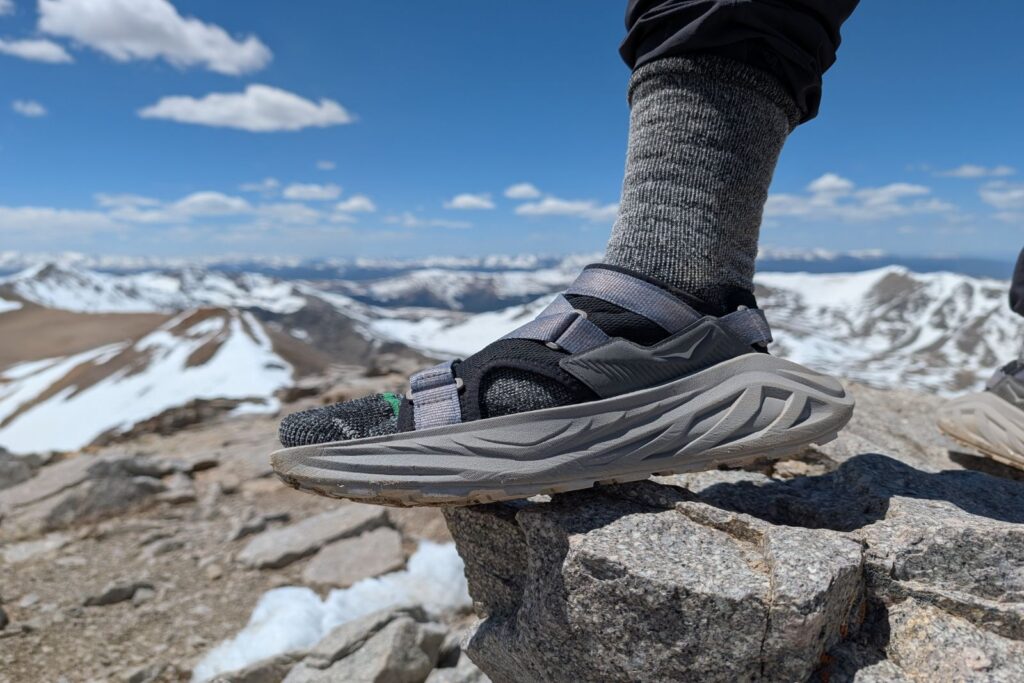
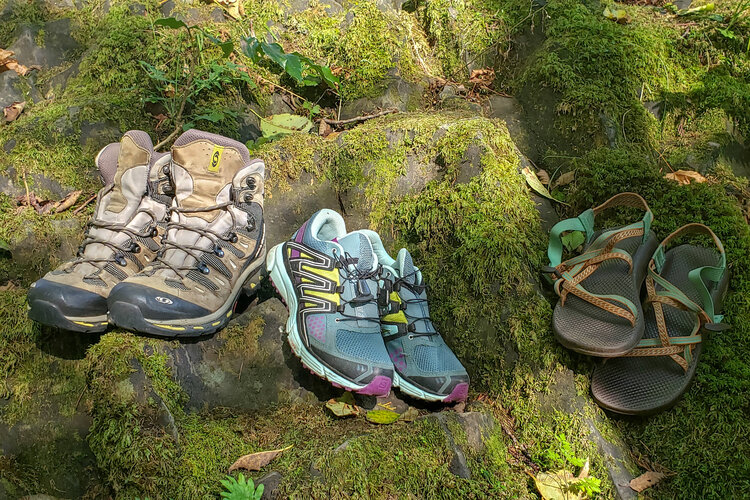
Sandals are comfortable, breathable, and dry quickly. We like them for summer trips where we know we will be chilling at camp, hanging by a lake or stream, and temperatures are mild, so wet understory isn’t a big deal.
That said, sandals leave your feet open to busting a toe open, breaking a toenail, or slipping, all of which can end a trip and make for a miserable exit. If you do wear sandals, find a kind that lets you wear wool socks with them and has decent traction.
Camp shoes may be worth bringing if the trail is soggy or snowy. They are also nice for wearing in town while you’re thru-hiking.
We don’t recommend bringing both camp shoes and sandals. A camp shoe can be a sandal and a sandal can be a camp shoe.
For recommendations, check out our guides:
- Best Hiking Sandals (Men’s / Women’s)
- Best Camp Shoes
What are Gaiters? Why Do Backpackers always wear them?
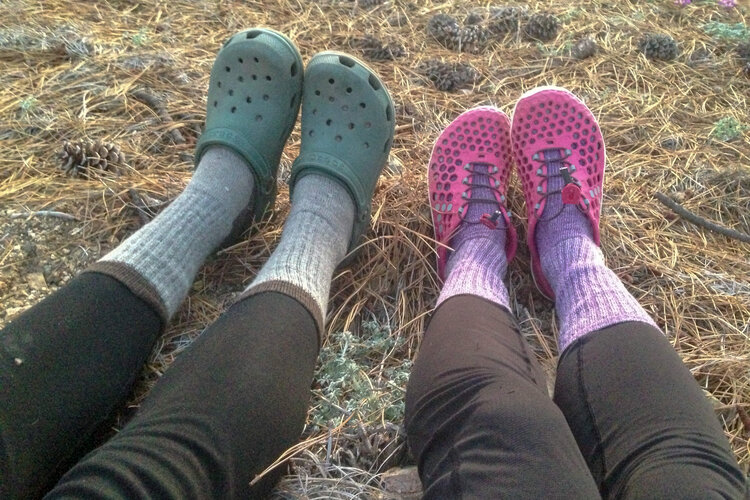
If you wear trail running shoes, minimalist gaiters like the Altra Trail Gaiters or Dirty Girl Gaiters will help keep debris from creeping into your shoes. This will keep your feet more comfortable on long trail days, and you’ll have far fewer stops to remove pebbles from your shoes.
Thru-hikers tend to love gaiters because they spend so much time on the trail. The biggest downsides to gaiters are that they won’t allow your shoes/feet to breathe quite as well and they require one more step every time you put your shoes on or take them off.
Do I need Hiking-Specific Socks?
1-2 Pairs Hiking Socks
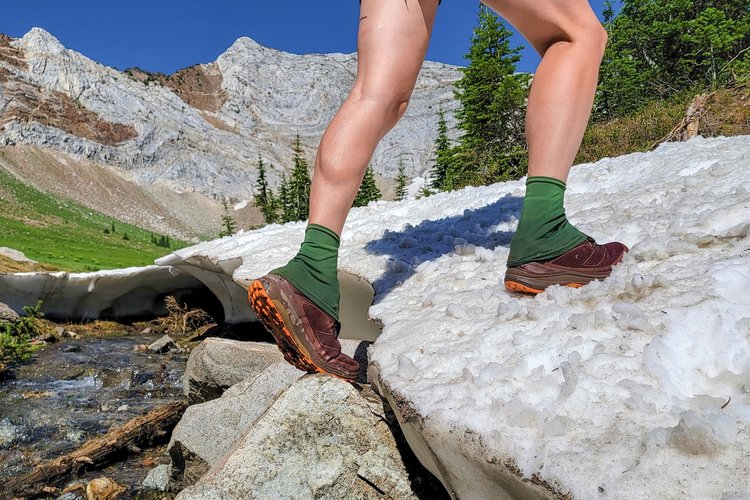
Hiking socks are quick-drying, reinforced in typical high-wear zones, and often made of a wool-synthetic blend. We usually pack only 2 and rotate between wearing them and rinsing and drying them in direct sunlight when necessary.
On cold/wet trips, you may want to bring an extra pair of thick wool socks, which will help keep your feet warm when wet and/or can help dry your shoes after rain showers or river crossings.
1 Pair Camp/Sleep Socks
Keep one pair of thick wool socks clean and dry, reserving them for use in camp. We suggest always washing your feet off before slipping on the sacred camp socks.
On chilly nights, you can also sleep with them on to help boost your warmth.
Our top picks are in our guide to the best hiking socks.
Why Are Gloves Essential?
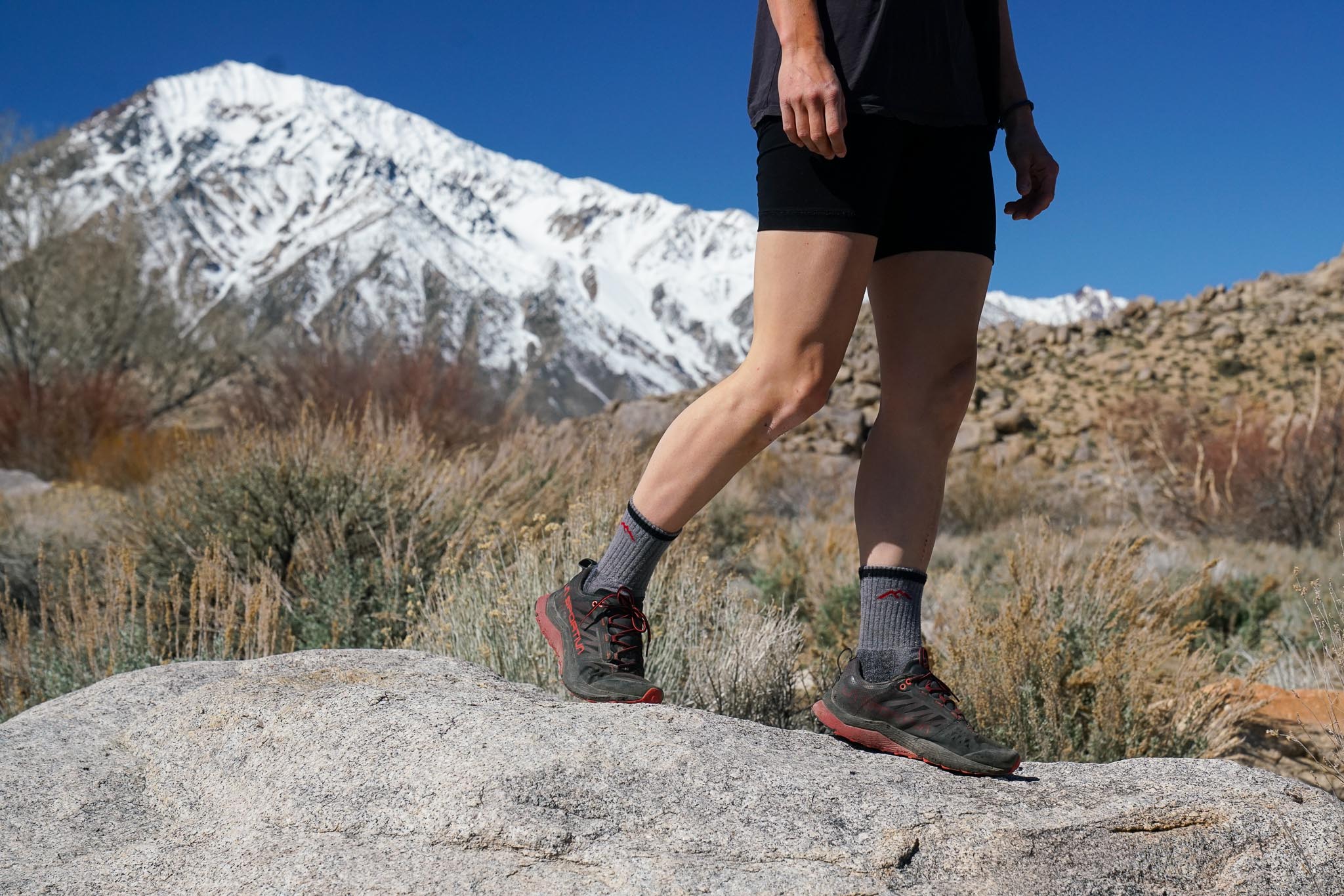
When we forget them at home, we always end up in a freezing-finger situation, desperate to keep our fingers warm and end up wearing socks on our hands. You’ve been warned!
1 Pair Liner Gloves
Basic thin synthetic or wool gloves are the bare minimum you should have to keep your hands warm while on the move. Make sure your liner gloves and rain mitts can be layered together if needed.
1 Pair Fleece gloves
Thin/medium-weight gloves are great for hiking and camp on slightly colder spring and fall trips. Again, make sure these are compatible with your rain mitts.
1 Pair Rain Mitts / Shell Gloves
Waterproof mitts help retain your body heat and can be layered with other gloves to protect your hands from the elements when it’s windy, cold, and wet.
For our top recommendations, see our guide to the best gloves for everything from basic liners to winter mitts.

Bug-Proof Clothes & Bug Nets
Clouds of mosquitoes can easily ruin any backcountry trip, so do your research and check trip reports. Check online forums or call the local ranger station to see whether bugs are typically thick during your trip dates. Generally, hatches happen when there is standing water available (during snowmelt, after rainy seasons).
In general, July and August tend to be the worst months for mosquitoes. If the mosquitoes are going to be voracious, don’t cancel your trip. Just prepare by doing the following:
- Wear breathable, tightly woven clothing that covers your arms and legs.
- Treat your clothing with Permethrin spray before you leave.
- Use a little Picaridin lotion on exposed skin.
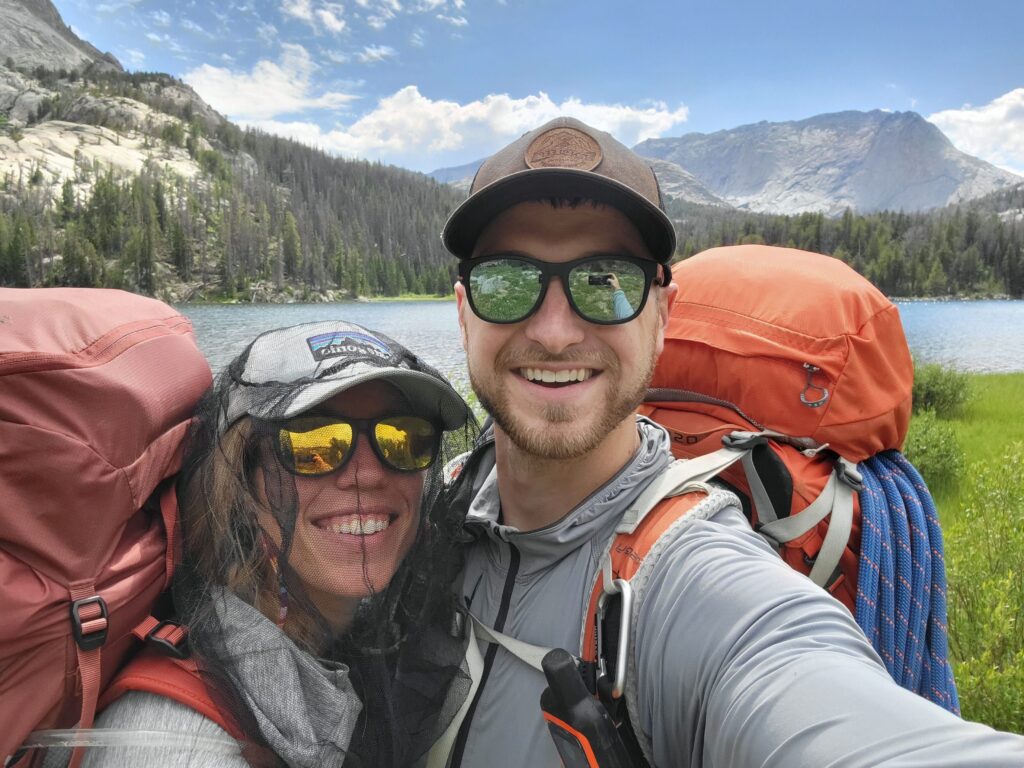
- Wear a head net over a hat.
Why Should I Thrift Outdoor Apparel?
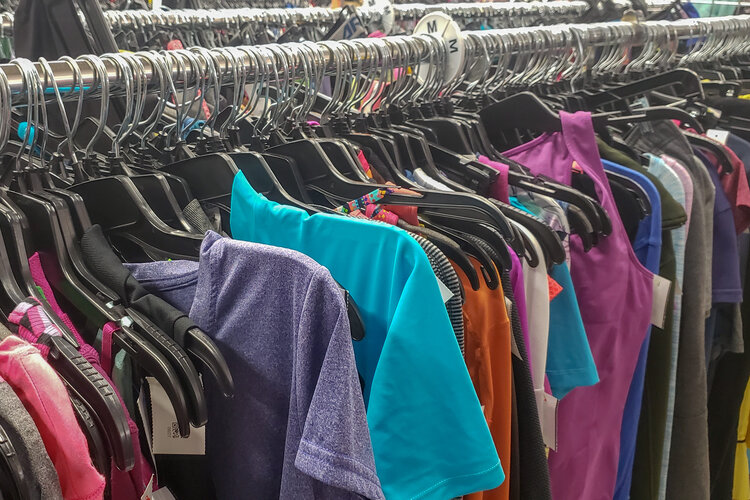
If you’re short on cash, you can find plenty of perfectly functional used clothing at thrift stores if you know what you’re looking for. There are a lot of folks who go out and buy all brand-new gear for one trip to Yosemite, end up having a miserable time, and donate it. We don’t understand this phenomenon, but we like keeping nice things out of the landfill!
Look for trusted brand names and comparable budget brands like Columbia, REI, and Target labels. Pay attention to fabrics, fit, comfort, and weight. Check the activewear section, which is often full of synthetic T-shirts, long-sleeve tops, shorts, and fleece jackets.
We’ve found some absolute steals this way. Facebook Marketplace, local gear swaps, eBay, Poshmark, and Depop are also great places to score lightly used outdoor gear and clothing.
Learn the Basics
If you’re a visual learner, you might also enjoy our Ultralight Clothing and Rain Gear Video.
Also, feel free to print a copy of our free Ultimate Backpacking Checklist to start assessing what you’ve already got in your closet and what you may need to pick up.