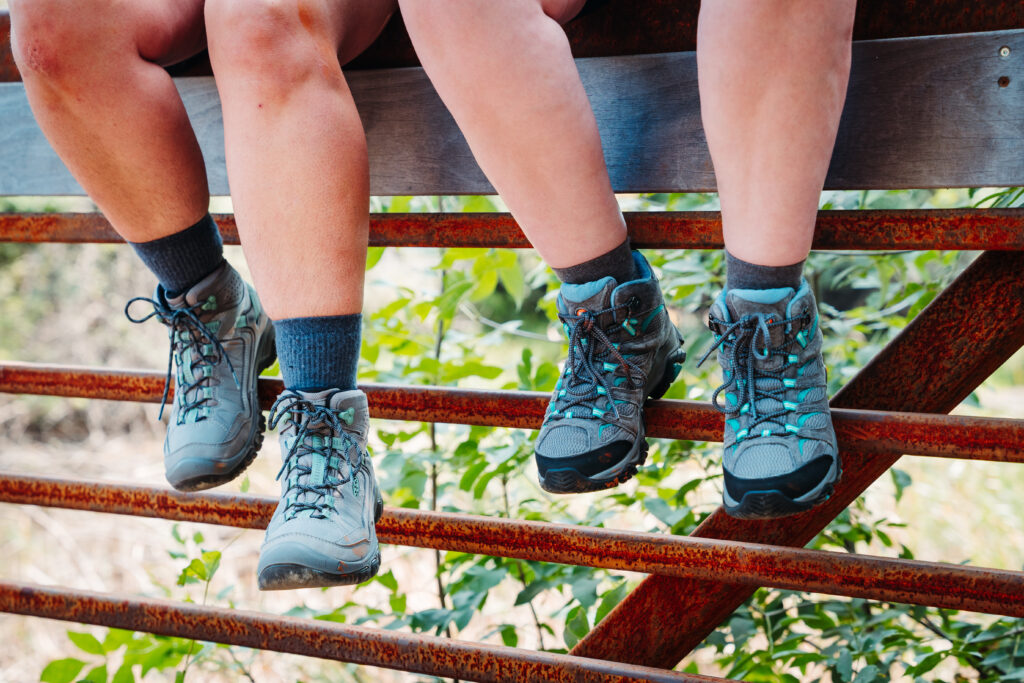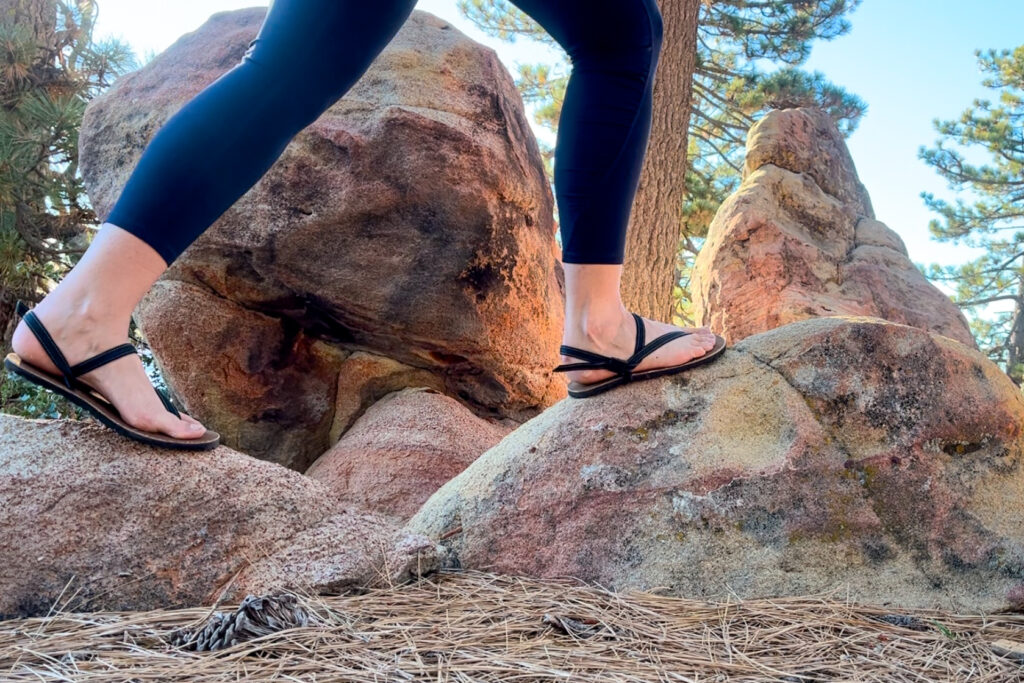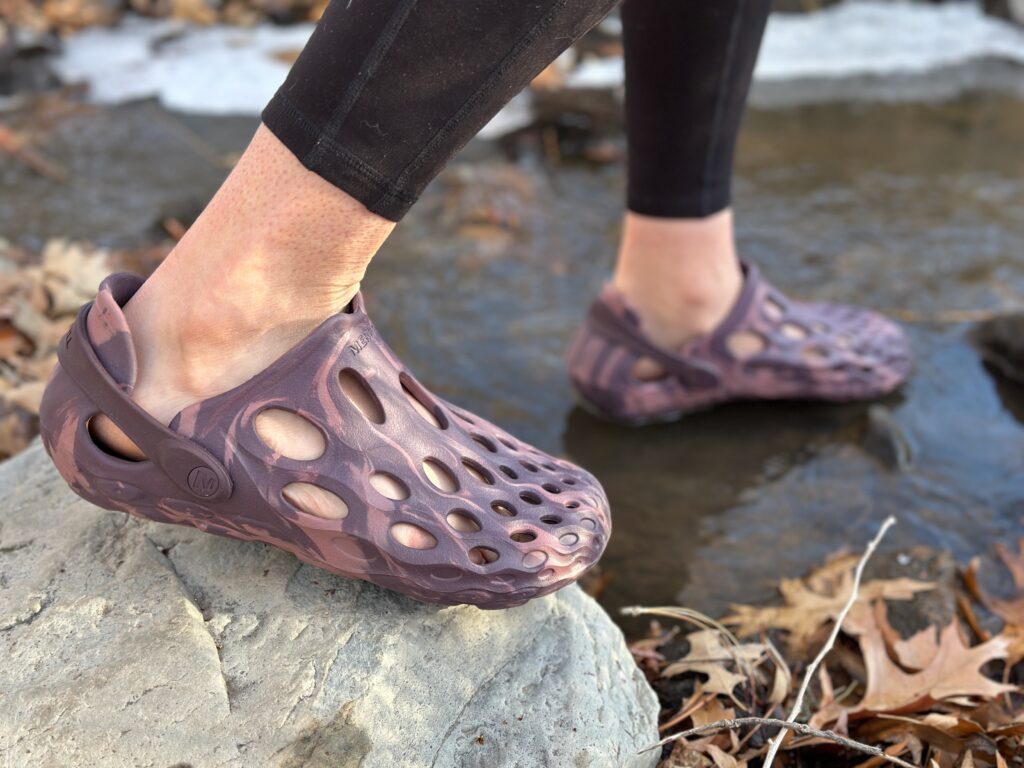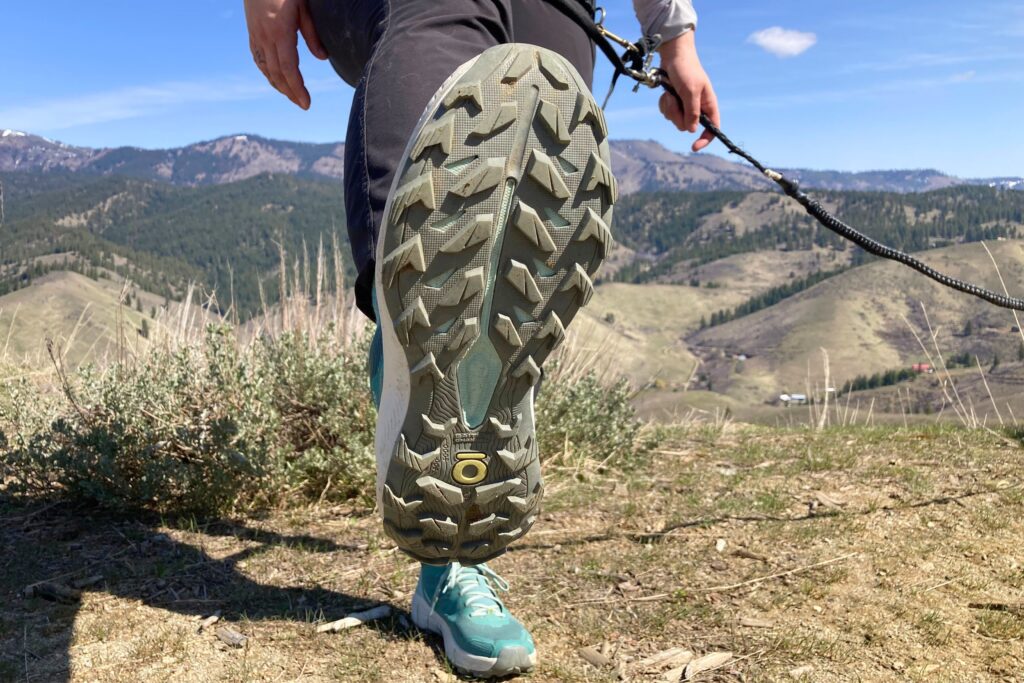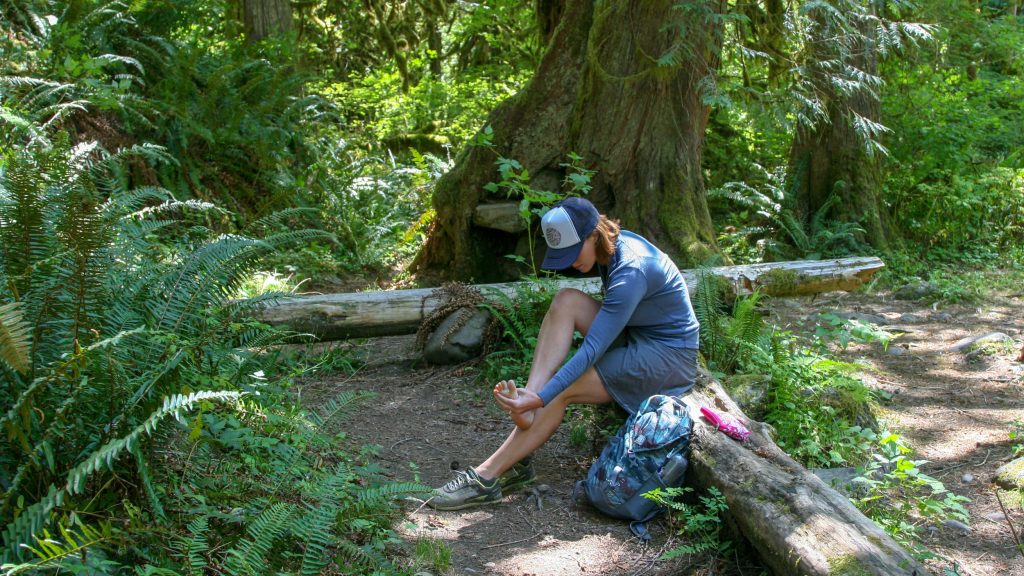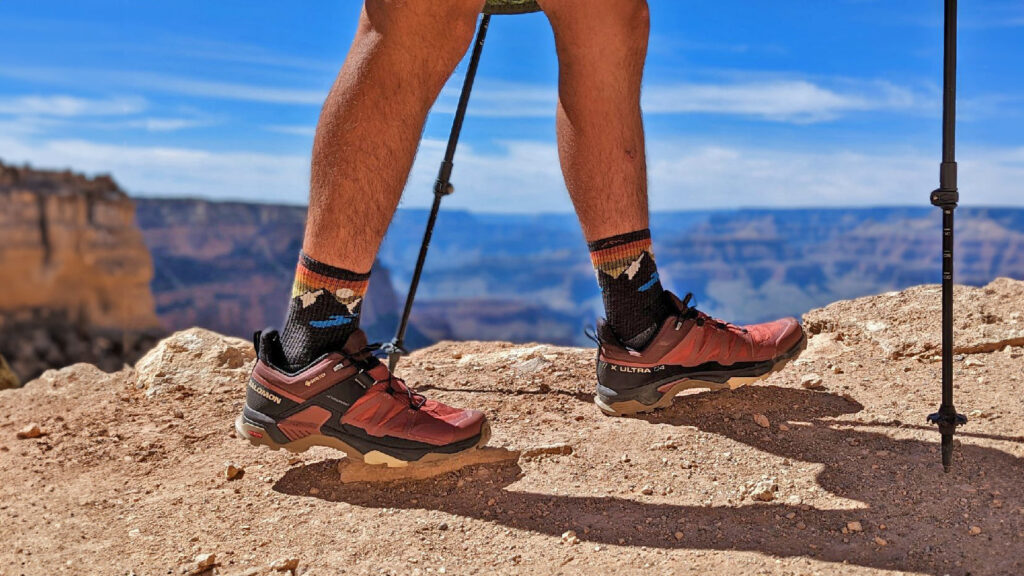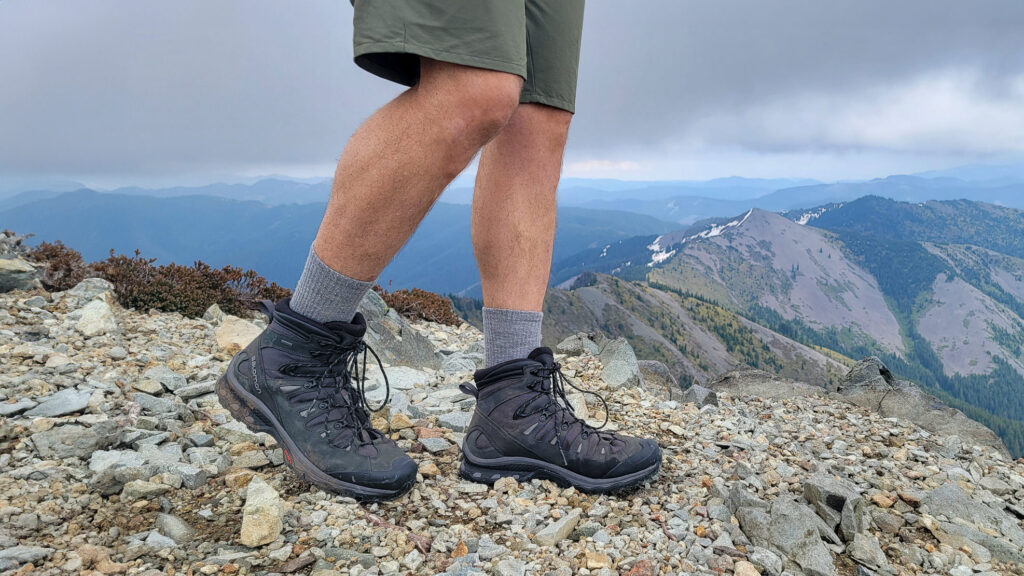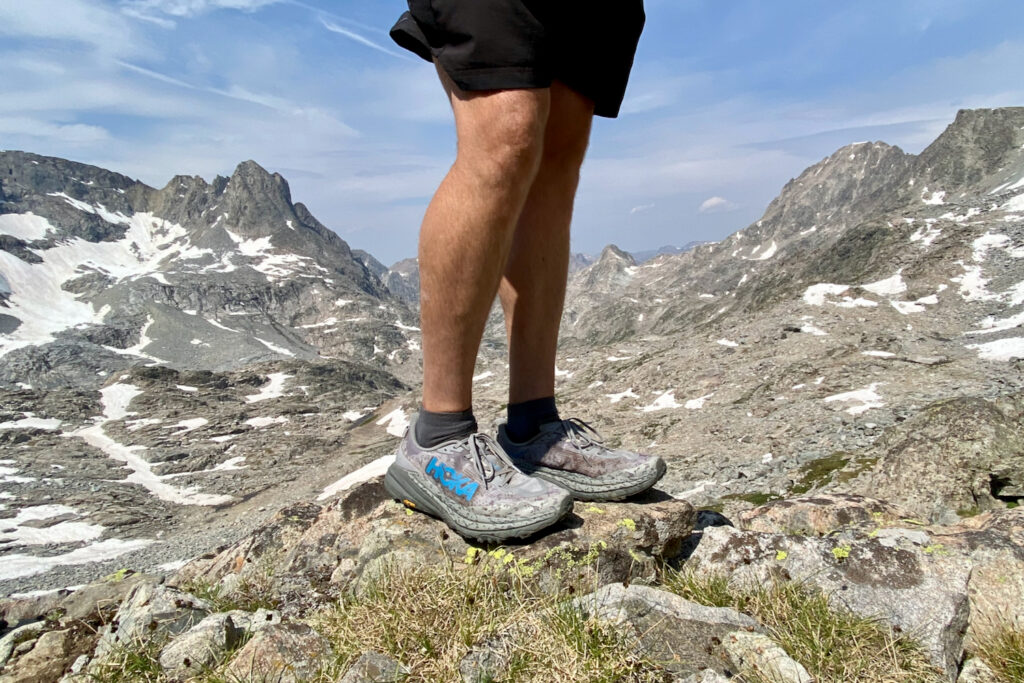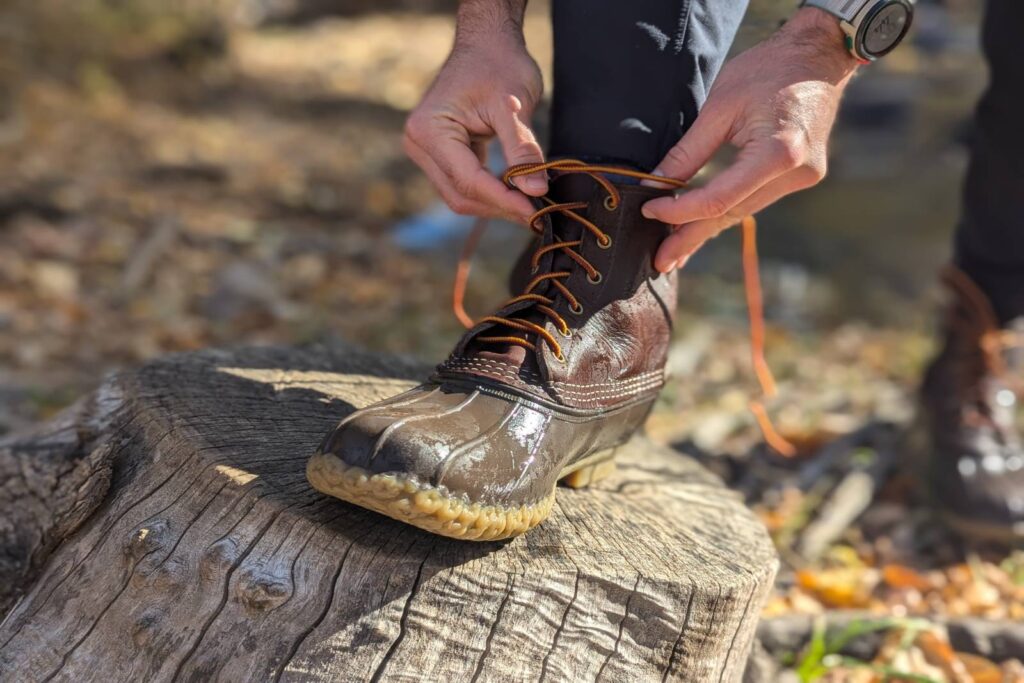

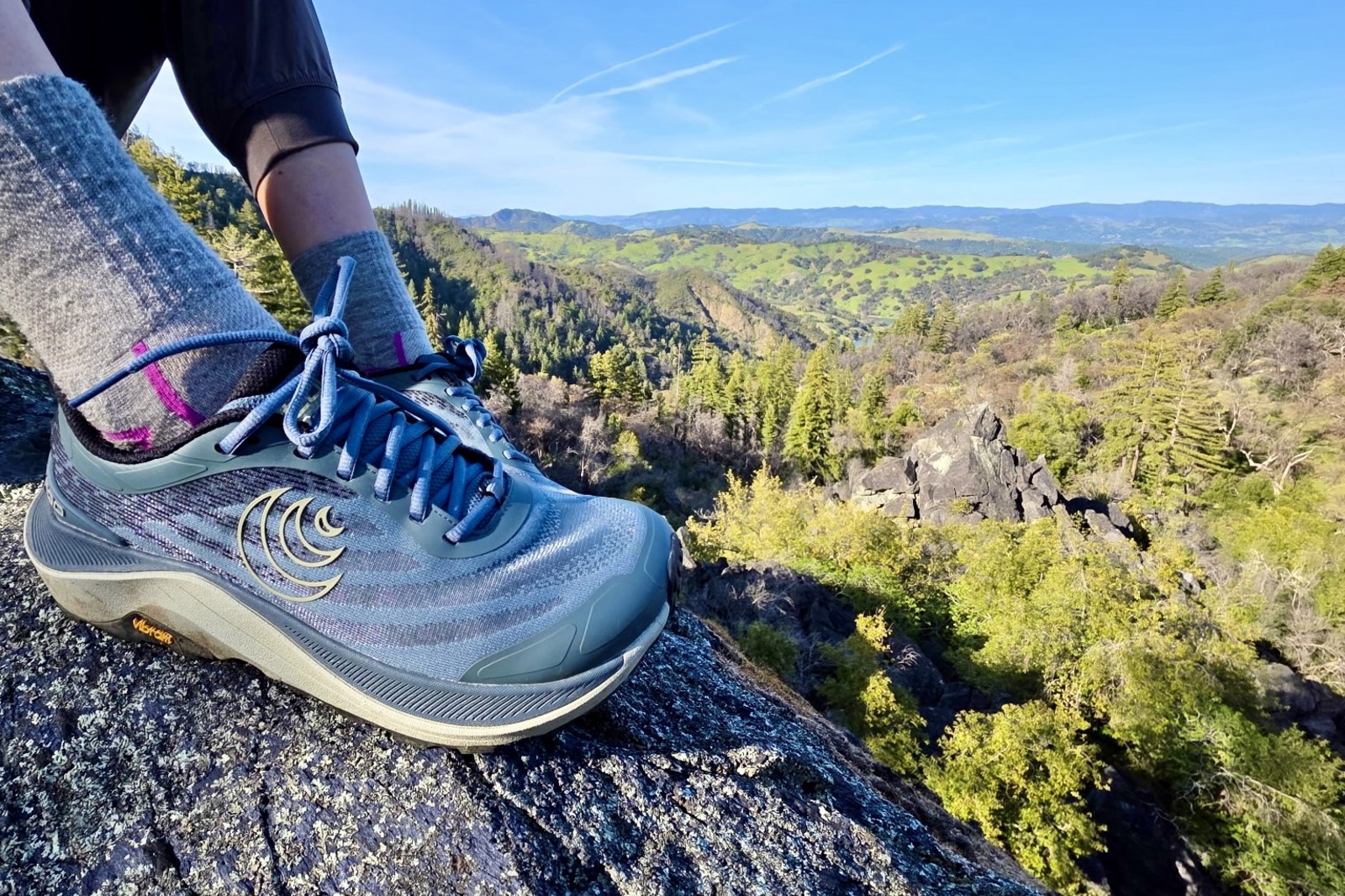
Our team has tested more than 50 pairs of hiking shoes across long-distance trails, technical mountain routes, muddy forest trails, desert terrain, and everyday day hikes. This guide brings that experience together with our current category scoring so you can match the right shoe to your foot shape, terrain, and hiking style.
Editor’s Note: We updated this guide on September 28, 2026 after refreshing all 11 individual reviews, auditing current specifications, and reconciling the product cards with our women’s hiking-shoe rankings and testing evidence.
How We Test Women’s Hiking Shoes
Our team evaluates women’s hiking shoes across five core metrics: comfort, traction, weight, durability, and weather resistance. We also consider value, but value is not a separate numerical score.
We test shoes on real trails, including long-distance routes, rocky and off-camber terrain, mud, creek crossings, steep climbs and descents, and everyday maintained paths. We compare field performance with manufacturer specifications, record our own measurements where available, and keep the category scores separate so one standout strength does not erase a meaningful weakness.
If you need more support, durability, or weather resistance, you should also take a look at our list of the best hiking boots for women.
For more info, check out some of our other most popular gear guides:

#1. Best Women’s Hiking Shoes Overall
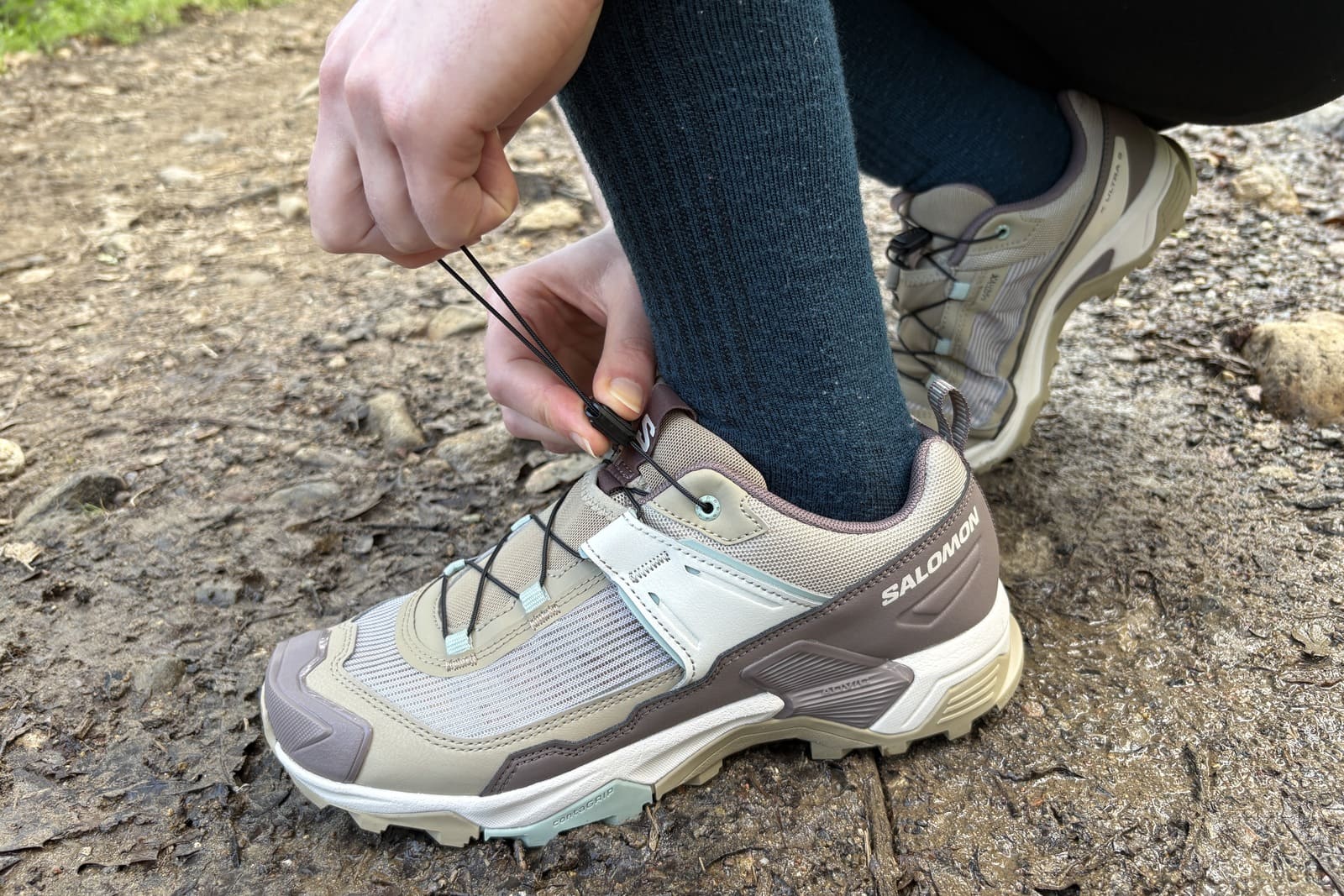
The Salomon X Ultra 5 Low retains our top spot because it offers the strongest overall balance of traction, durability, stability, and low weight. Across muddy post-rainstorm singletrack, rock, gravel, creek crossings, steep climbs and descents, and off-camber terrain, it stayed secure and grippy with no concerning wear during our testing.
Quick Picks for Women’s Hiking Shoes
Check out this quick list of our favorite hiking shoes, or continue scrolling to see our full list with in-depth reviews.
1. Best Hiking Shoes Overall: Salomon X Ultra 5 Low ($155)
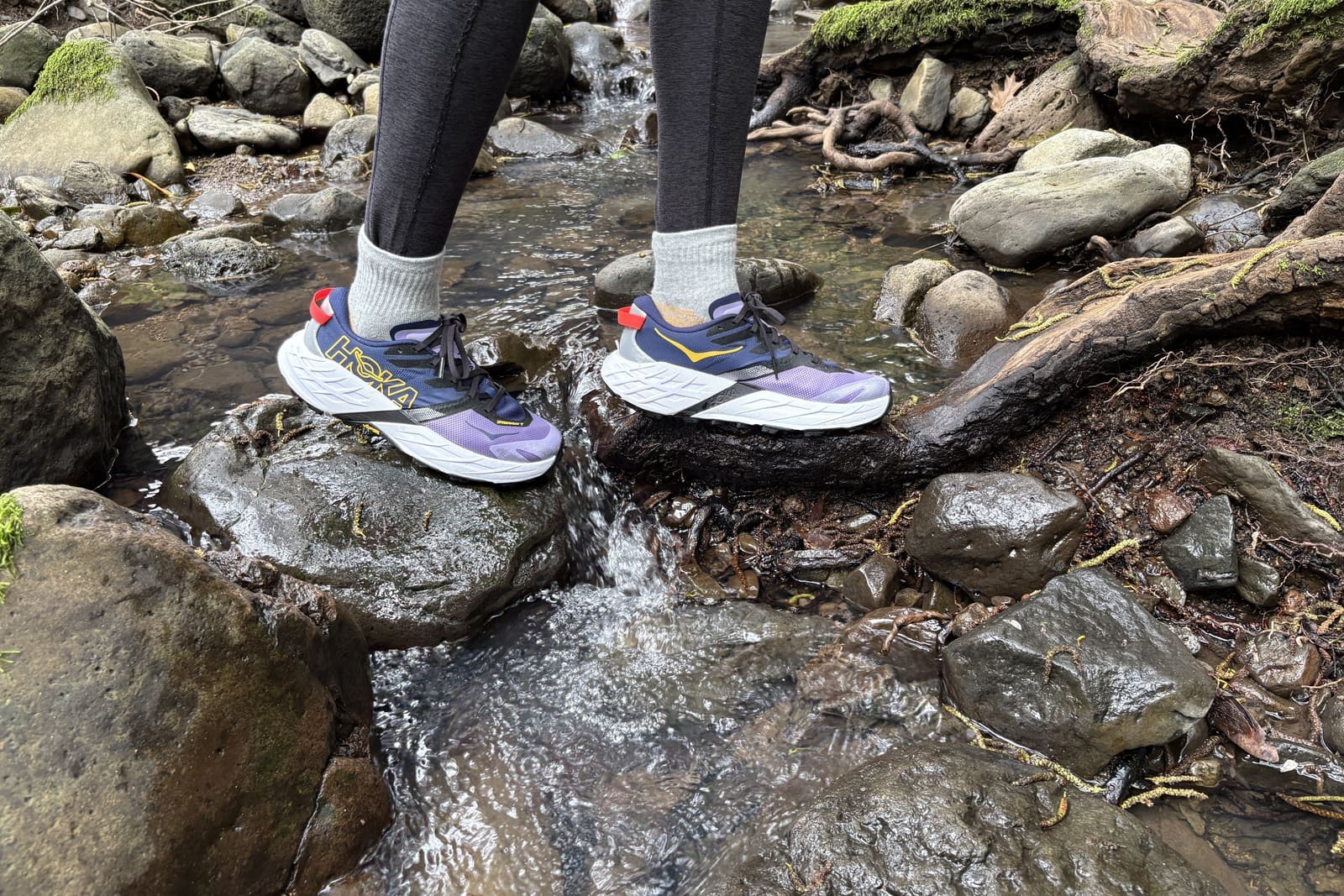
2. Best Hiking Shoes for Stability: HOKA Speedgoat 7 ($165)
3. Best Hiking Shoes for Long-Distance Treks: Altra Olympus 6 ($185)
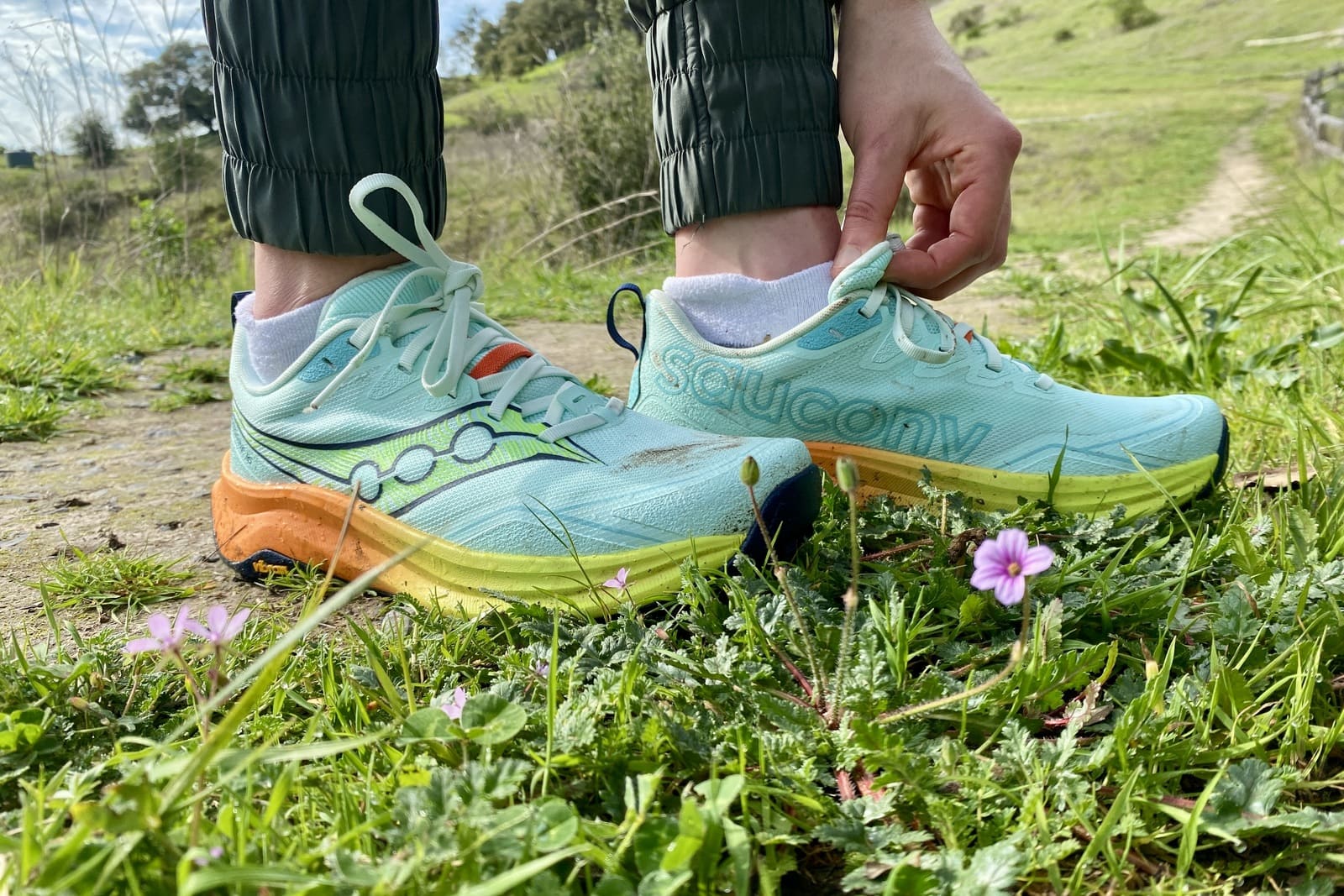
4. Best Lightweight Trail Runners for Hiking: Saucony Peregrine 16 ($150)
5. Best Shoes for Everyday Hiking: Topo Athletic Ultraventure 4 ($155)
6. Best Hiking Shoes for Trail to Town: Altra Lone Peak 9 ($145)
7. Best Budget Hiking Shoes: Merrell Moab 3 ($145)
8. Best for Style, Weight, & Durability: Merrell Moab Speed 2 ($145)
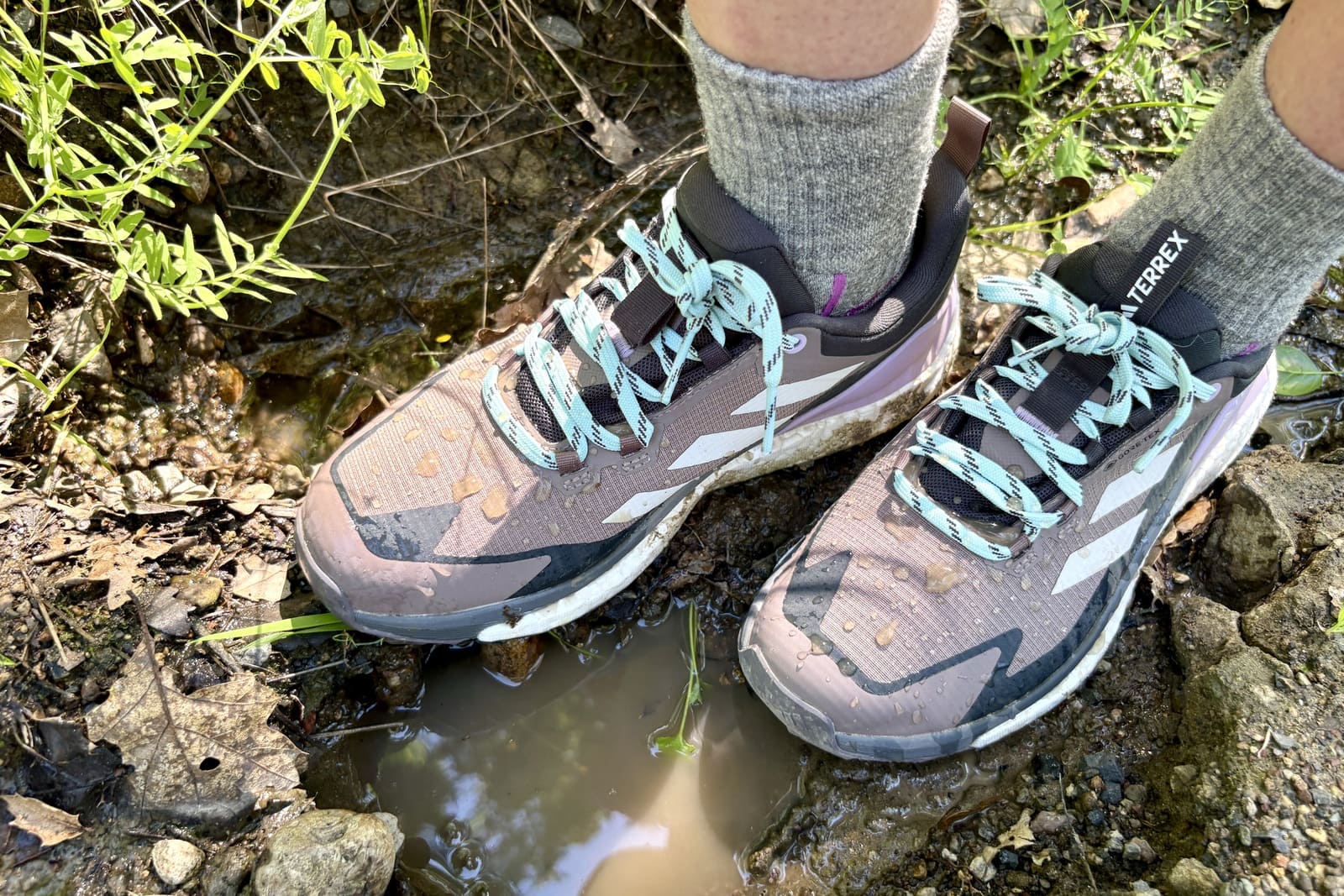
9. Best for Cushion & Protection Underfoot: Adidas Terrex Free Hiker 2.0 Low Gore-Tex ($180)
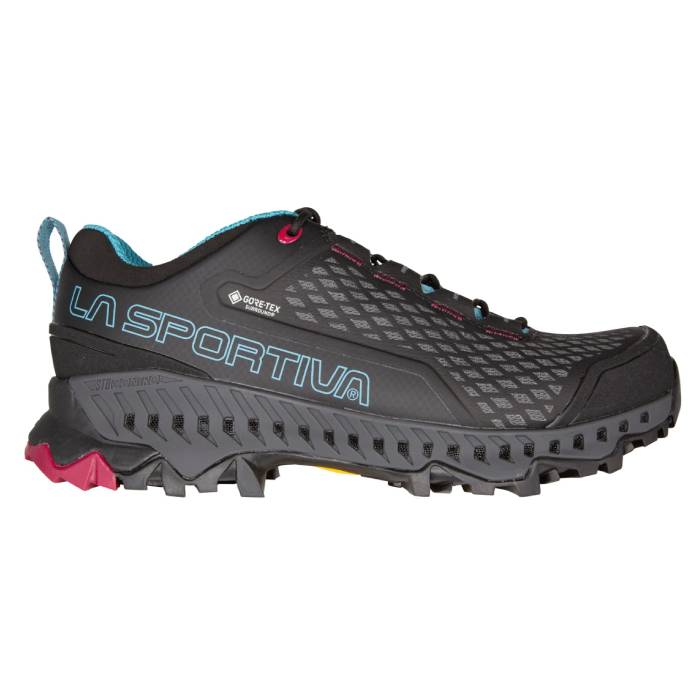
10. Best Waterproof Hiking Shoes: La Sportiva Spire GTX ($219)
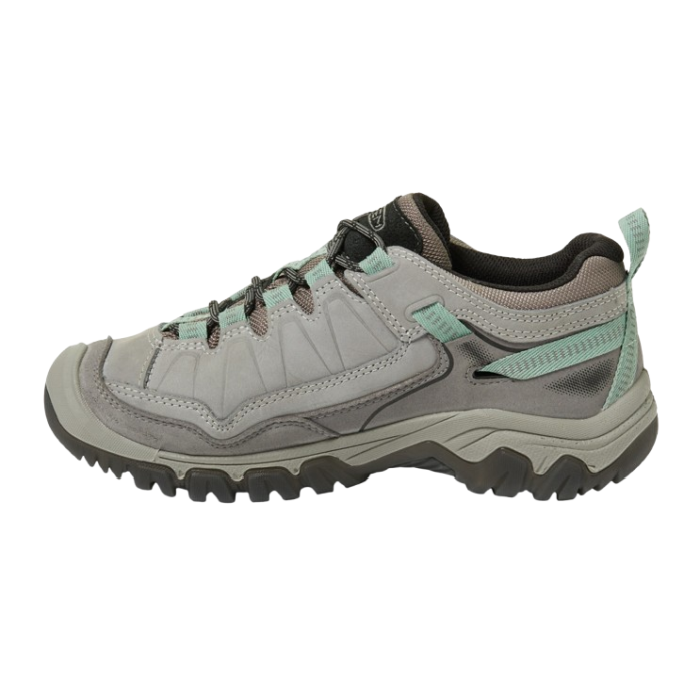
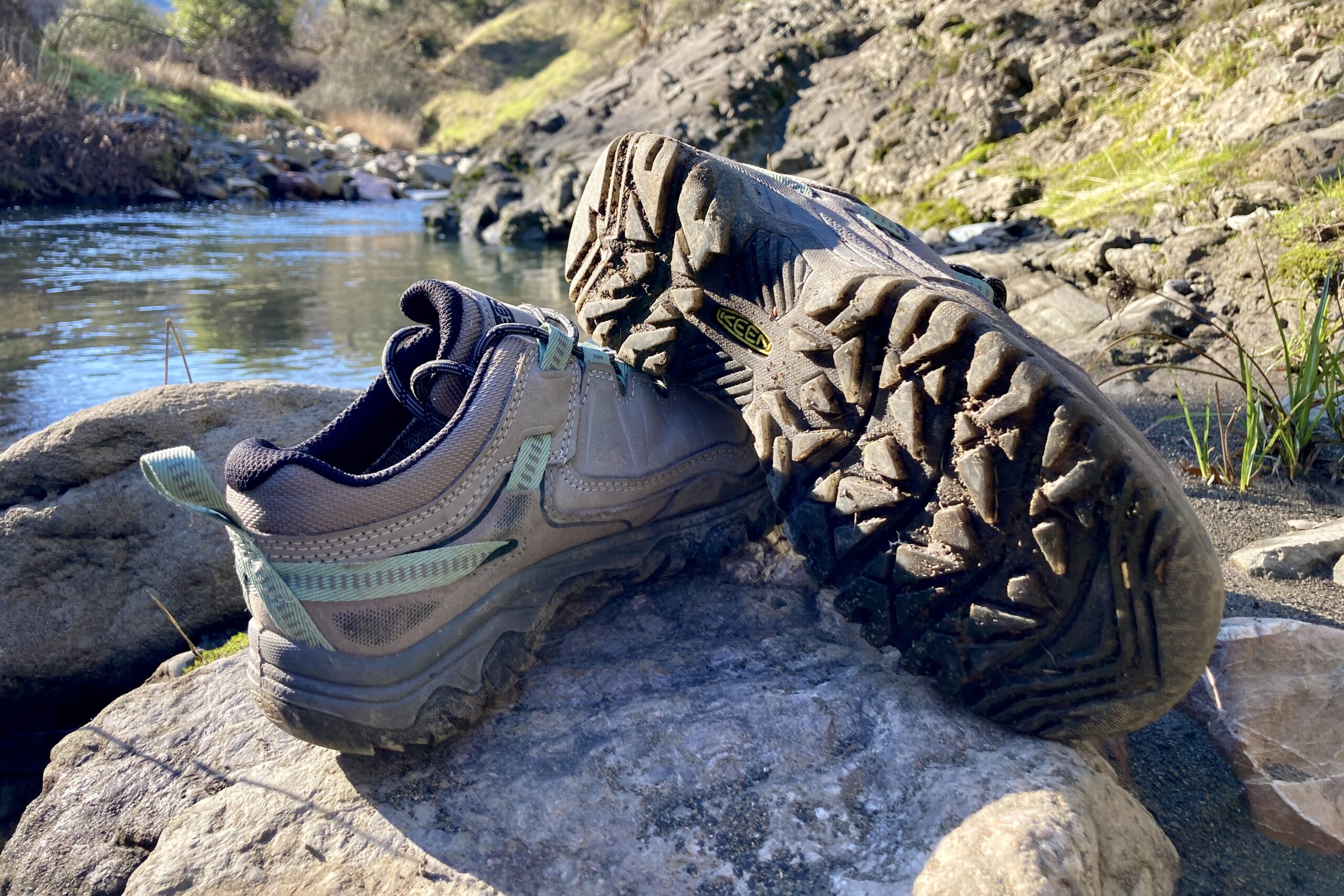
11. Best Value Hiking Shoes for Day Hikers: KEEN Targhee IV WP ($180)
Salomon X Ultra 5 Low
Best Hiking Shoes Overall
CleverHiker Rating: 4.8/5.0
Price: $155
Weight: 1 lb. 6 oz. per pair, manufacturer listed; 1 lb. 7.2 oz. per pair, women’s size 8.5 CleverHiker measured
Heel-to-Toe Drop: 11 mm
Pros
- Excellent traction on mixed terrain
- Lightweight for the support and durability
- Secure, stable fit
- Very little break-in required
- Breathable with useful water resistance
- Wide sizes available
- Quicklace system stays secure
Cons
- Runs smaller than the prior version
- Moderate arch support will not suit every foot
- Quicklace system takes some getting used to
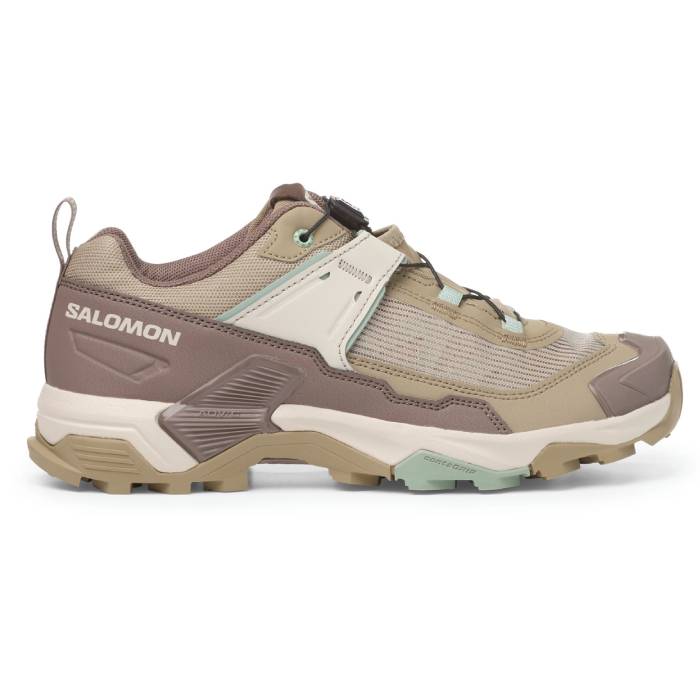
The Salomon X Ultra 5 Low is our best overall women’s hiking shoe because it combines excellent traction, support, durability, and relatively low weight with fewer compromises than anything else in this lineup. It feels athletic enough for fast hiking but structured enough for technical trails and light backpacking.
Our testing covered muddy post-rainstorm singletrack, rock, gravel, creek crossings, steep climbs and descents, and off-camber terrain. The Contagrip outsole stayed secure across those surfaces, and the reinforced upper, heel, toe cap, and outsole showed no concerning wear.
Fit is the main thing to get right. This version runs noticeably shorter and lower-volume than the X Ultra 4, and our tester moved from a women’s 7.5 to an 8.5. The Quicklace system holds the heel and midfoot securely, but hikers who dislike moderate arch support or nontraditional laces may prefer another option.
Choose the X Ultra 5 Low when you want one shoe that can handle the broadest range of normal hiking conditions. The Speedgoat 7 is lighter and more cushioned, while the Peregrine 16 is nimbler, but the Salomon offers the best overall mix of protection, traction, durability, and stability.
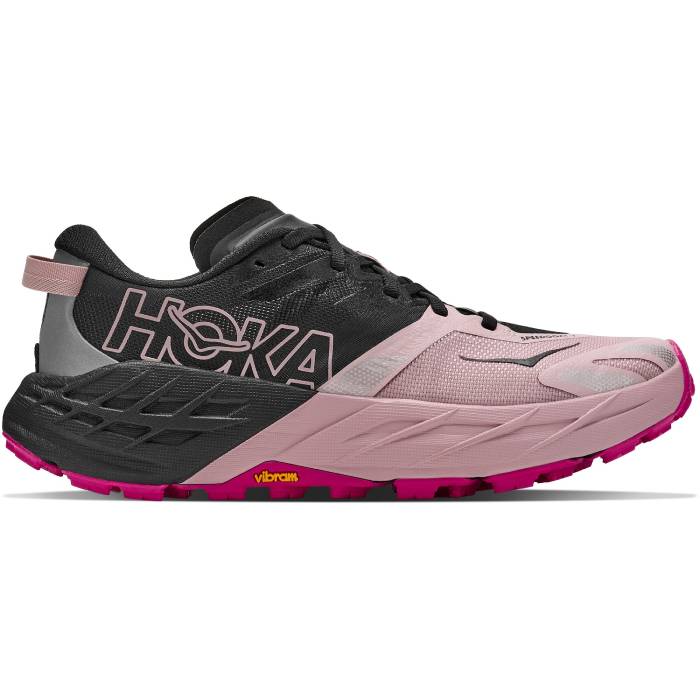
HOKA Speedgoat 7
Best Hiking Shoes for Stability
CleverHiker Rating: 4.7/5.0
Price: $165
Weight: 1 lb. 0.6 oz. per pair, manufacturer listed
Heel-to-Toe Drop: 5 mm
Pros
- Responsive, springy midsole
- Lightweight
- Excellent traction
- Roomy toe box
- Breathable
- No break-in required
- Updated heel collar improves comfort
Cons
- Tall stack can feel a little clunky
- Fit volume may vary by foot shape
- Colorways are polarizing
The HOKA Speedgoat 7 is our favorite trail-runner-style hiking shoe for stability, pairing a broad platform with low weight, a responsive midsole, and excellent traction. The updated heel collar is a meaningful improvement over the Speedgoat 6 and felt much more comfortable in our hiking tests.
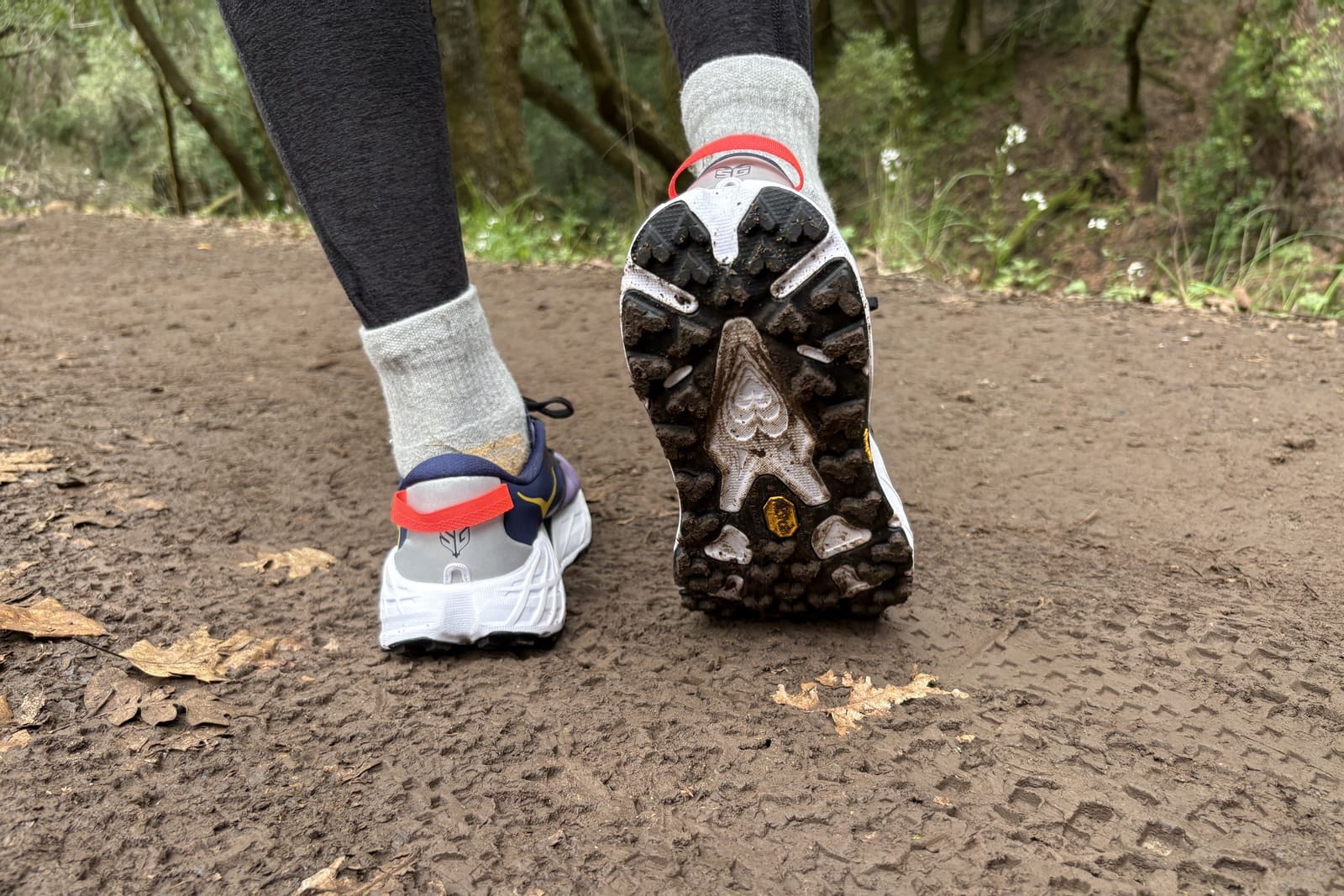
The Vibram Megagrip outsole and 5 mm lugs held confidently on rock, mud, dirt, and uneven trail, while the wider base added support on off-camber sections. Despite its tall stack and substantial cushioning, the listed pair weight is only 1 pound 0.6 ounces.
Fit can vary by foot shape. Our hiking tester found the heel and midfoot secure, while separate CleverHiker trail-running testing found more volume through the shoe for some testers. Narrow-footed hikers should pay close attention to lockdown and sizing.
Choose the Speedgoat 7 if you want cushion and stability without giving up low weight. The X Ultra 5 Low is more structured and durable for rugged hiking, while the Peregrine 16 sits lower to the ground and feels more precise.
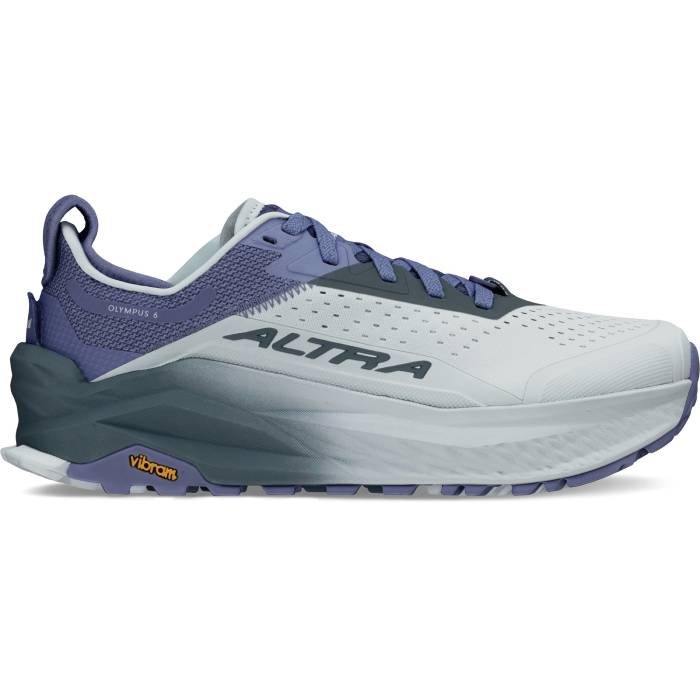
Altra Olympus 6
Best Hiking Shoes for Long-Distance Treks
CleverHiker Rating: 4.6/5.0
Price: $185
Weight: 1 lb. 5.9 oz. per pair, manufacturer listed
Heel-to-Toe Drop: 0 mm
Pros
- Roomy toe box and natural foot shape
- Excellent protection, stability, and durability
- Secure lacing system
- Comfortable out of the box
- Breathable
- Excellent grip on dry terrain
Cons
- Slippery on wet rock
- Narrow heels may experience some slip
- Achilles pillow is polarizing
- Does not drain or dry especially quickly after submersion
The Altra Olympus 6 is our favorite option for long-distance hikers who already prefer zero-drop footwear and want more protection than a lightweight trail runner. Its roomy forefoot, broad base, and firmer midsole reduce foot fatigue while providing much more structure than the Lone Peak.
The fit is secure through the midfoot, but narrower heels may need the extra eyelets to improve lockdown. We also found the padded Achilles pillow unusual at first, though it became more comfortable after several miles.
Traction is excellent on dry rock, gravel, dirt, and mixed trail, and the outsole sheds mud well. Wet rock is the notable weakness, and the breathable upper takes on water quickly; after full submersion, drainage and drying were slower than we would like.
Choose the Olympus 6 for long, rocky trips where cushion, natural toe splay, and protection matter more than low-profile agility. The Lone Peak 9 is lighter and quicker-drying, while the Speedgoat 7 offers a more conventional drop and lighter ride.
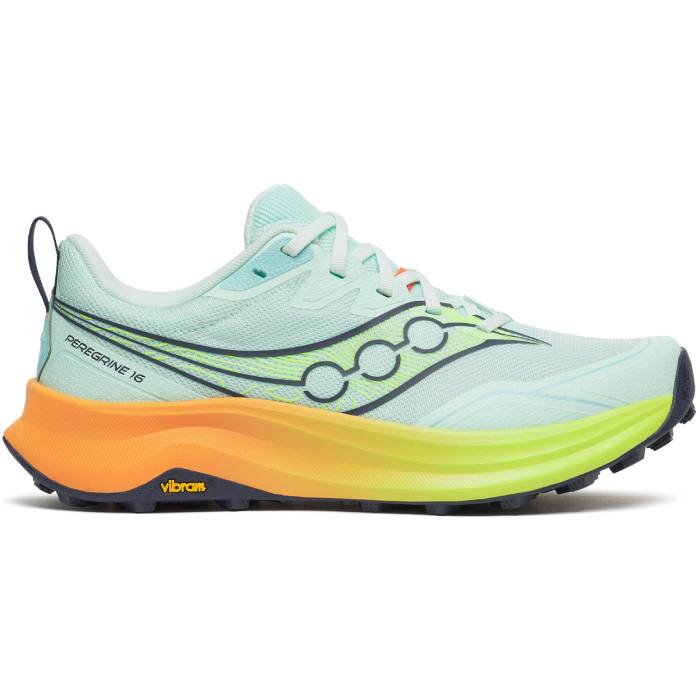
Saucony Peregrine 16
Best Lightweight Trail Runners for Hiking
CleverHiker Rating: 4.6/5.0
Price: $150
Weight: 1 lb. 0.8 oz. per pair, manufacturer listed
Heel-to-Toe Drop: 4 mm
Pros
- Slipper-like comfort
- Highly breathable
- Excellent traction on mixed terrain
- Nimble and lightweight
- Available in wide sizes
- Excellent balance of cushion and ground feel
Cons
- Less durable than burlier hiking shoes
- Fit can feel narrow or heel volume can vary by foot
- Not water resistant
- Limited support for heavy loads
The Saucony Peregrine 16 is our favorite lightweight trail runner for hiking because it combines exceptional grip with a low-profile, responsive ride. It is one of the lightest shoes here and feels especially efficient for fast hiking, trail running, and fastpacking.
The full-coverage Vibram Megagrip outsole performed extremely well in mud, on wet surfaces, and across mixed northern California trails. The updated midsole adds cushioning without muting ground feel, which helps the shoe stay nimble on uneven terrain.
Our hiking tester found the heel and midfoot secure, though separate trail-running testing showed that heel volume can vary by foot. The thin mesh upper is highly breathable and quick-drying but offers little water resistance and less long-term protection than burlier hiking shoes.
Choose the Peregrine 16 when speed, traction, and low weight are the priorities. The Speedgoat 7 adds more cushion and stability, while the X Ultra 5 Low is the better match for heavy loads and repeated rugged use.
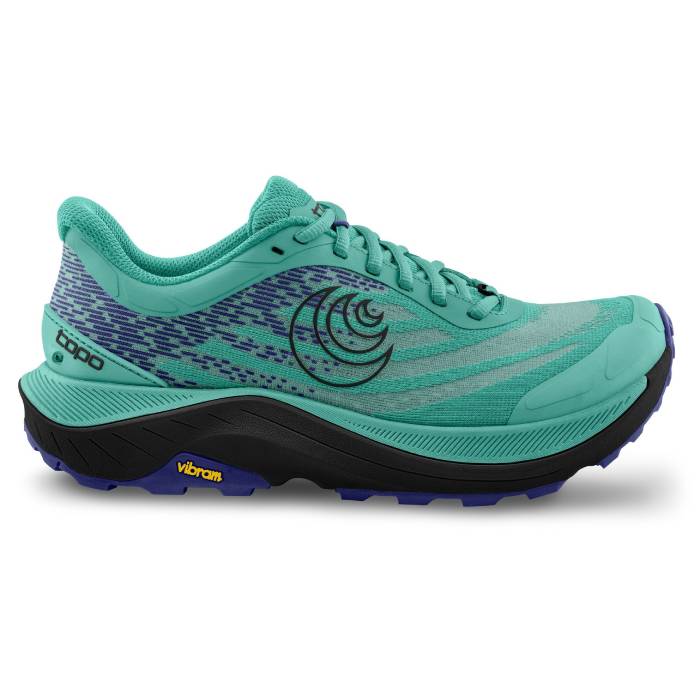
Topo Athletic Ultraventure 4
Best Shoes for Everyday Hiking
CleverHiker Rating: 4.5/5.0
Price: $155
Weight: 1 lb. 0.4 oz. per pair, manufacturer listed; 1 lb. 2 oz. per pair, women’s size 8.5 CleverHiker measured
Heel-to-Toe Drop: 5 mm
Pros
- Roomy toe box
- Very comfortable out of the box
- Lightweight
- Breathable and quick drying
- Excellent traction on maintained and moderate trails
- No break-in required
- Wide sizes available
Cons
- High-volume toe box can feel sloppy on narrow feet
- Tall stack is less stable on steep or off-camber terrain
- Not built for sustained wet weather
The Topo Athletic Ultraventure 4 is our favorite everyday hiking shoe for hikers who want a roomy forefoot, low weight, and generous cushioning. It feels comfortable immediately and works especially well for wider or higher-volume feet.
The Vibram outsole handled mud, wet trail, rock, and moderate slopes confidently, and the breathable upper dries quickly after getting wet. Our women’s size 8.5 test shoe weighed 9 ounces, while Topo’s listed pair weight is 1 pound 0.4 ounces.
The main tradeoff is stability on steeper terrain. The toe box has a lot of width and vertical volume, and our tester’s forefoot moved side-to-side on steep slopes; the 35 mm heel stack also feels less planted than lower-profile options.
Choose the Ultraventure 4 for established trails and long everyday hikes where comfort and toe room matter most. The Speedgoat 7 is more secure on technical terrain, while the Lone Peak 9 provides a flatter zero-drop platform.
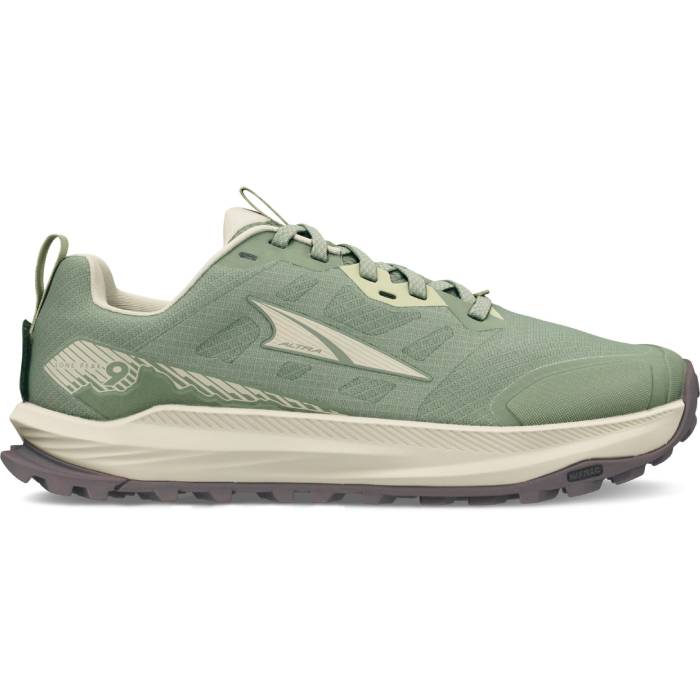
Altra Lone Peak 9
Best Hiking Shoes for Trail to Town
CleverHiker Rating: 4.4/5.0
Price: $145
Weight: 1 lb. 2.6 oz. per pair, manufacturer listed; 1 lb. 2.8 oz. per pair, women’s size 8.5 CleverHiker measured
Heel-to-Toe Drop: 0 mm
Pros
- Roomy toe box
- Lightweight and breathable
- Natural zero-drop platform
- Improved upper durability
- Responsive midsole
- Built-in gaiter attachment
Cons
- Zero drop requires an adjustment period for some hikers
- Not ideal for heavy loads
- Wet-rock traction is only average
- Less durable than burlier hiking shoes
The Altra Lone Peak 9 remains one of our favorite lightweight, zero-drop hiking shoes for hikers who value natural toe splay and a low-profile ride. The latest version improves upper durability and midsole responsiveness while preserving the roomy FootShape fit that defines the line.
Our women’s size 8.5 test shoe weighed 9.4 ounces, and the low stack keeps it agile on trail and easy to wear around town. The heel cup felt secure in our hiking testing, though hikers new to zero-drop footwear should transition gradually.
MaxTrac rubber grips well on dirt, gravel, mud, and most dry rock, but wet-rock traction is only average. The lightweight construction also gives up some support and long-term durability compared with more traditional hiking shoes.
Choose the Lone Peak 9 if you want a roomy, breathable shoe for fast-and-light hiking and everyday use. The Olympus 6 adds protection and durability for long rocky trips, while the Ultraventure 4 offers more cushion with a 5 mm drop.
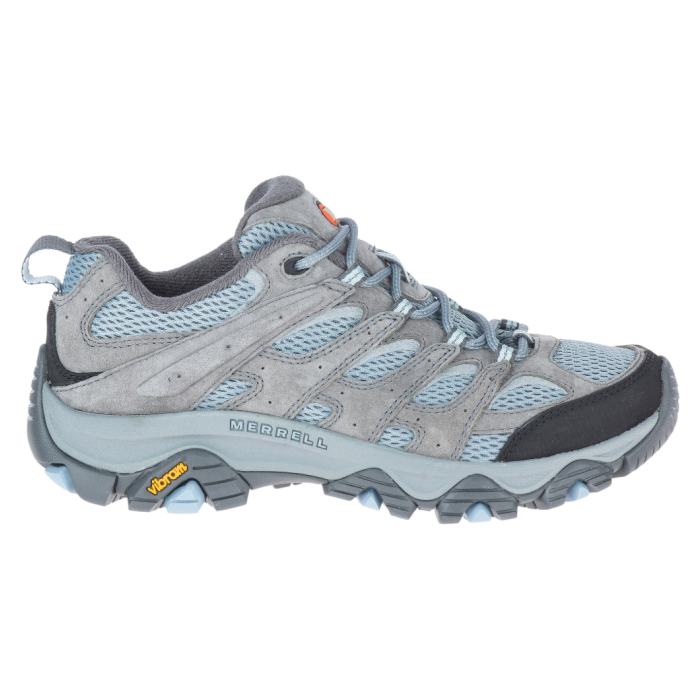
Merrell Moab 3
Best Budget Hiking Shoes
CleverHiker Rating: 4.4/5.0
Price: $145
Weight: 1 lb. 8.7 oz. per pair, manufacturer listed
Heel-to-Toe Drop: 11.5 mm
Pros
- Affordable for the durability
- Comfortable with little break-in
- Supportive underfoot
- Durable leather-and-mesh upper
- Good all-around traction
- Wide sizes available
Cons
- Heavy and bulky compared with trail runners
- Laces can loosen
- Less secure in deep mud and loose terrain
- Not the best choice for high-mileage fast travel
The Merrell Moab 3 is our favorite budget-oriented traditional hiking shoe because it delivers dependable comfort, durability, and protection at a relatively approachable price. It is a proven choice for day hiking and shorter trips when low weight is less important than support and longevity.
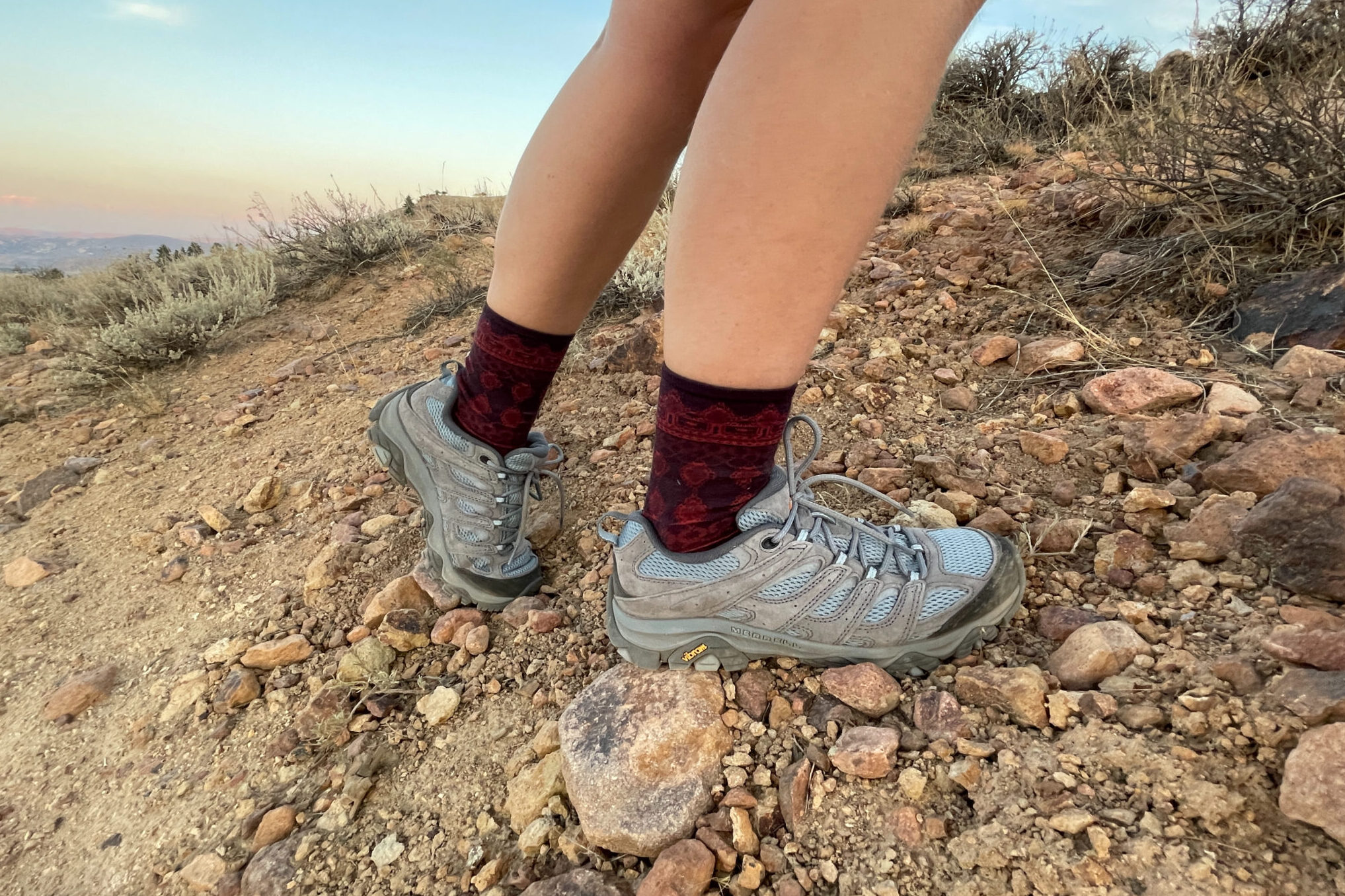
The suede leather-and-mesh upper provides more structure than trail runners while retaining useful ventilation, and the Vibram TC5+ outsole grips well on compact dirt, rock, and ordinary mixed trail. The shoe also needs very little break-in for such a substantial build.
Weight is the central compromise. At 1 pound 9.1 ounces per pair, the Moab is noticeably heavier and bulkier than the lighter shoes at the top of this guide, and its lugs are less secure in deep mud and loose terrain.
Choose the Moab 3 when value, durability, and a familiar hiking-shoe feel matter most. The Moab Speed 2 is much lighter and more athletic, while the X Ultra 5 Low delivers stronger technical performance at a higher price.

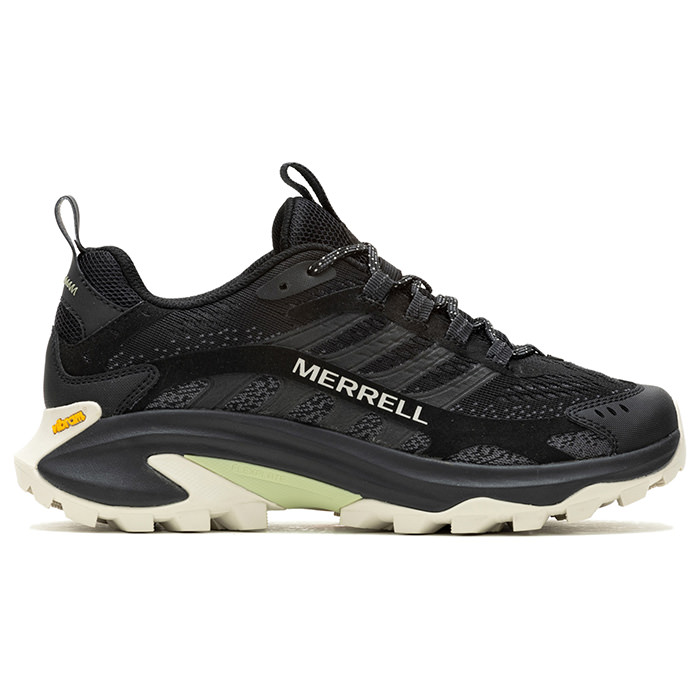
Merrell Moab Speed 2
Best for Style, Weight, & Durability
CleverHiker Rating: 4.3/5.0
Price: $145
Weight: 1 lb. 3.4 oz. per pair, manufacturer listed
Heel-to-Toe Drop: 10 mm
Pros
- Lightweight
- Stylish trail-to-town design
- Comfortable with little break-in
- Full-length rock protection
- Good traction on mixed terrain
- Relatively affordable
Cons
- Runs large and can feel sloppy
- Less supportive for heavy loads
- Less cushioned than some trail-runner options
The Merrell Moab Speed 2 is a strong option for hikers who want a lighter, sleeker alternative to a traditional hiking shoe without giving up underfoot protection. Its trail-to-town styling, low weight, and full-length FlexPlate make it especially versatile for day hiking and light backpacking.
At about 1 pound 3.4 ounces per pair, it is substantially lighter than the standard Moab 3. The Vibram TC5+ outsole provides dependable grip on rock, dirt, roots, and mixed trail, while the FloatPro midsole keeps the ride comfortable without feeling overly soft.
Fit is the main issue. Our test pair ran large enough to feel sloppy on uneven ground, even with thicker socks, so hikers between sizes should consider trying a half-size down.
Choose the Moab Speed 2 when you want protection and everyday versatility in a lighter package. The Moab 3 is burlier and more supportive, while the Peregrine 16 is lighter, lower, and more responsive.
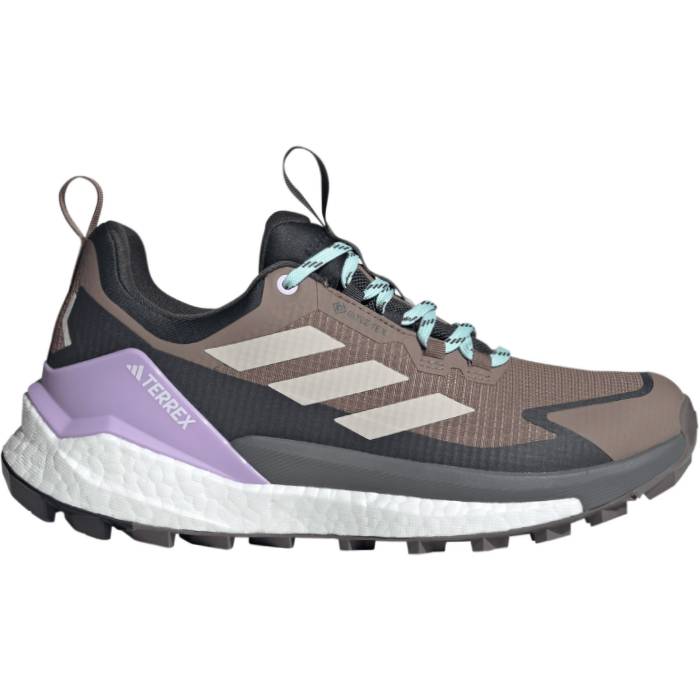
Adidas Terrex Free Hiker 2.0 Low Gore-Tex
Best for Cushion & Protection Underfoot
CleverHiker Rating: 4.2/5.0
Price: $180
Weight: 1 lb. 10.7 oz. per pair, manufacturer/retailer listed; 1 lb. 13.2 oz. per pair, CleverHiker measured
Heel-to-Toe Drop: 10 mm
Pros
- Excellent waterproofing
- High durability
- Stable and protective underfoot
- Strong traction on steep terrain
- Generous toe box
Cons
- Heavy and bulky
- Stiff heel cup and laces need break-in
- Substantial arch support and drop will not suit everyone
- Our tester found sizing large
The Adidas Terrex Free Hiker 2.0 Low Gore-Tex is our pick for hikers who want substantial cushioning, protection, stability, and waterproofing underfoot. Its GORE-TEX liner, Continental outsole, abrasion-resistant upper, and stabilizing frame make it one of the burlier shoes in this guide.
Our test pair weighed 1 pound 13.2 ounces, compared with a current listed weight of 1 pound 10.7 ounces. That extra mass is noticeable, but it comes with excellent waterproofing, strong durability, and a supportive platform for rough trails.
The heel cup, tongue, and laces felt stiff at first and needed several miles to settle in. Our tester also found the shoe about a half-size large, and the substantial arch support and 10 mm drop will not suit every foot.
Choose the Free Hiker if wet-weather protection and underfoot structure matter more than low weight. The Spire GTX is firmer and more technical, while the Speedgoat 7 delivers cushion and traction at dramatically lower weight.
La Sportiva Spire GTX
Best Waterproof Hiking Shoes
CleverHiker Rating: 4.1/5.0
Price: $219
Weight: 1 lb. 10.2 oz. per pair, manufacturer listed
Pros
- Class-leading traction
- Excellent waterproofing
- Exceptional durability
- Above-average support
- Breathable for a waterproof shoe
Cons
- High price
- Heavy
- Stiff with a longer break-in period
- Fit is narrow in front and looser at the heel
The La Sportiva Spire GTX is our favorite waterproof hiking shoe for technical terrain, combining excellent weather protection with class-leading traction, support, and durability. Its GORE-TEX Surround construction is unusually breathable for a waterproof shoe, and the Vibram outsole feels secure on steep, rugged trail.
The Spire has a firm, structured ride and needs more break-in than the lighter shoes in this guide. Our tester experienced foot soreness after about five miles on the first long outing, and the fit runs about a half-size small with a narrow forefoot and relatively loose heel.
At 1 pound 10.2 ounces per pair and $219, this is a substantial shoe in both weight and price. We also experienced some slipping on wet polished rock despite otherwise excellent traction.
Choose the Spire GTX if you want boot-like support and waterproof durability in a low-cut shoe. The X Ultra 5 Low is lighter and more flexible, while the Free Hiker offers more cushioning and a roomier forefoot.
KEEN Targhee IV WP
Best Value Hiking Shoes for Day Hikers
CleverHiker Rating: 4.0/5.0
Price: $180
Weight: 1 lb. 15.5 oz. per pair, manufacturer listed; 2 lb. 1.3 oz. per pair, CleverHiker measured
Heel-to-Toe Drop: 12 mm
Pros
- Roomy toe box
- Excellent durability
- Reliable waterproofing
- Secure lacing system
- Good traction on rock and mixed trail
Cons
- Heaviest shoe in the lineup
- Bulky and stiff
- Limited breathability
- Longer break-in
- Poor fit for low-volume or narrow feet
The KEEN Targhee IV WP remains a strong choice for day hikers who want a roomy, waterproof, durable traditional hiking shoe. The high-volume fit, secure lacing system, substantial toe protection, and rugged outsole make it especially useful for broad feet and everyday outdoor use.
Our test pair weighed 2 pounds 1.3 ounces, making the Targhee the heaviest shoe in this lineup. The burly leather construction and KEEN.DRY membrane provide excellent protection but also limit breathability and make the shoe feel stiff compared with trail-runner-style options.
Fit runs large, especially in length. Our tester sized down a full size and still had substantial room through the shoe; the heel-capture lacing helps, but low-volume feet may struggle to get a precise fit.
Choose the Targhee IV WP for shorter hikes, cool or wet weather, and long-term durability. The Moab 3 is lighter and more breathable, while the Spire GTX is more precise and technical for rugged terrain.
Product Comparison Table
| oSort | Product | Price | Weight | Heel-to-Toe Drop | Comfort | Traction | Weight Score | Durability | Weather Resistance | 0 |
Salomon X Ultra 5 Low View at REI View at Backcountry 
|
$155 | 1 lb. 6 oz. per pair, manufacturer listed; 1 lb. 7.2 oz. per pair, women’s size 8.5 CleverHiker measured | 11 mm | 4.6 | 4.9 | 4.3 | 4.9 | 4.5 | 1 |
HOKA Speedgoat 7 View at REI View at Amazon
|
$165 | 1 lb. 0.6 oz. per pair, manufacturer listed | 5 mm | 4.4 | 4.7 | 4.9 | 4.6 | 4.5 | 2 |
Altra Olympus 6 View at REI View at Amazon
|
$185 | 1 lb. 5.9 oz. per pair, manufacturer listed | 0 mm | 4.6 | 4.7 | 4.5 | 4.8 | 3.8 | 3 |
Saucony Peregrine 16 View at REI View at Amazon
|
$150 | 1 lb. 0.8 oz. per pair, manufacturer listed | 4 mm | 4.8 | 4.7 | 4.9 | 4.0 | 3.8 | 4 |
Topo Athletic Ultraventure 4 View at REI View at Amazon |
$155 | 1 lb. 0.4 oz. per pair, manufacturer listed; 1 lb. 2 oz. per pair, women’s size 8.5 CleverHiker measured | 5 mm | 4.8 | 4.5 | 4.9 | 4.2 | 4.0 | 5 |
Altra Lone Peak 9 View at REI View at Amazon |
$145 | 1 lb. 2.6 oz. per pair, manufacturer listed; 1 lb. 2.8 oz. per pair, women’s size 8.5 CleverHiker measured | 0 mm | 4.7 | 4.5 | 4.7 | 3.9 | 3.8 | 6 |
Merrell Moab 3 View at REI View at Amazon 
|
$145 | 1 lb. 8.7 oz. per pair, manufacturer listed | 11.5 mm | 4.5 | 4.3 | 3.8 | 4.0 | 4.4 | 7 |
Merrell Moab Speed 2 View at REI View at Amazon
|
$145 | 1 lb. 3.4 oz. per pair, manufacturer listed | 10 mm | 4.5 | 3.9 | 4.5 | 4.0 | 3.7 | 8 |
Adidas Terrex Free Hiker 2.0 Low Gore-Tex View at REI View at Backcountry |
$180 | 1 lb. 10.7 oz. per pair, manufacturer/retailer listed; 1 lb. 13.2 oz. per pair, CleverHiker measured | 10 mm | 4.2 | 4.5 | 3.7 | 4.8 | 4.8 | 9 |
La Sportiva Spire GTX View at REI View at Amazon |
$219 | 1 lb. 10.2 oz. per pair, manufacturer listed | – | 4.0 | 4.8 | 3.8 | 4.8 | 5.0 | 10 |
KEEN Targhee IV WP View at REI View at Amazon |
$180 | 1 lb. 15.5 oz. per pair, manufacturer listed; 2 lb. 1.3 oz. per pair, CleverHiker measured | 12 mm | 4.1 | 4.2 | 3.6 | 4.8 | 4.8 |
|---|
Analysis & Results
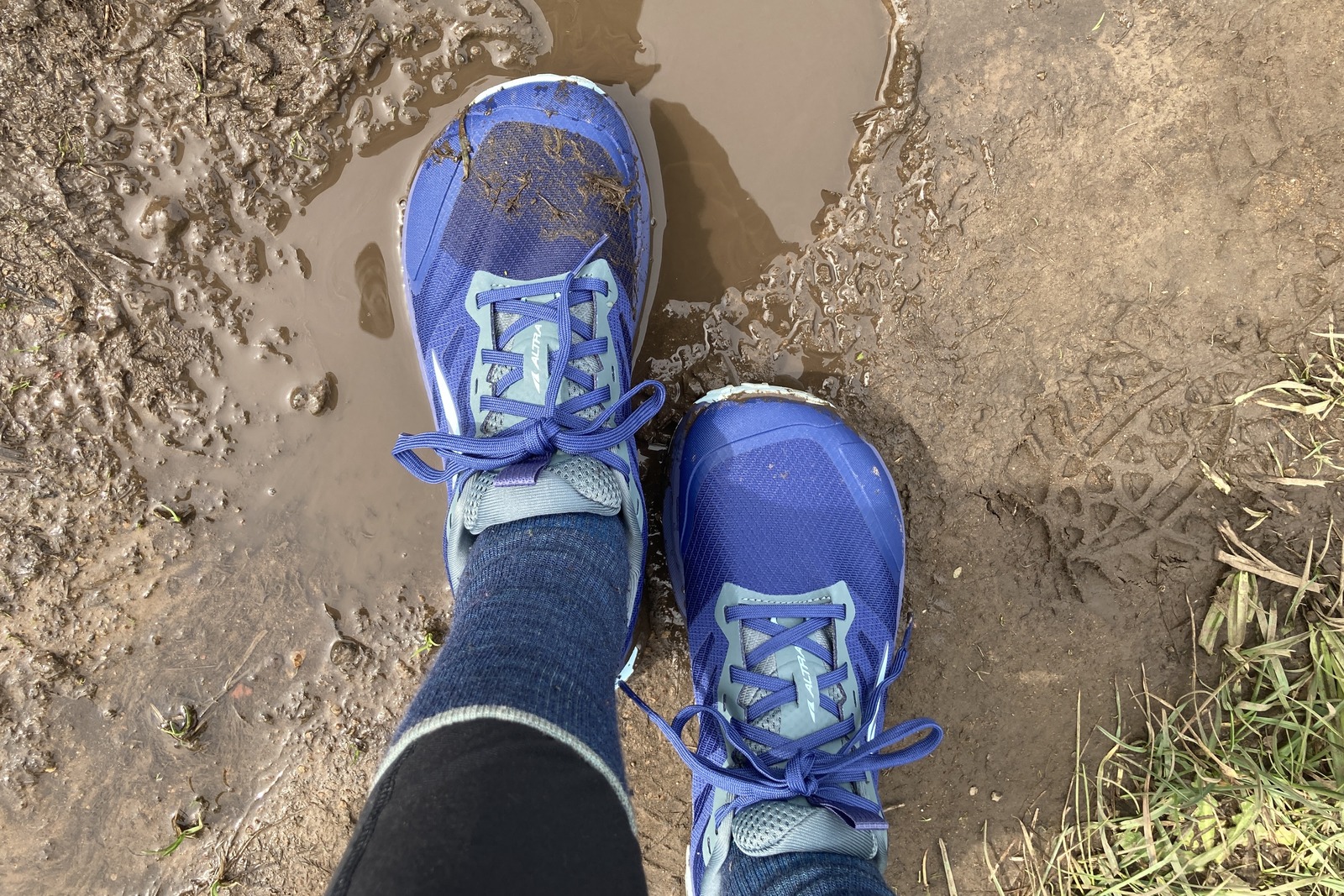
We evaluated all 11 shoes on the decisions that matter most on trail: value, comfort, traction, carried weight, durability, and weather resistance. The rankings below treat those traits as connected tradeoffs, so the right choice depends on your foot shape, terrain, weather, and how much structure you want underfoot.
Which Hiking Shoes Are the Best Value?
The Merrell Moab 3 is the strongest straightforward value in this lineup at $145 because it combines durable construction, traditional hiking-shoe support, and dependable traction without moving into premium pricing. At the same price, the Altra Lone Peak 9 is a better value for hikers who prioritize low weight, a roomy zero-drop fit, and long-distance efficiency, while the Merrell Moab Speed 2 is the better buy for hikers who want a lighter, more athletic shoe with more underfoot protection than a trail runner.
The Saucony Peregrine 16 and Salomon X Ultra 5 Low are also excellent values because they deliver standout performance without a major price premium. The Peregrine 16 gives fast hikers excellent traction and very low weight for $150, while the X Ultra 5 Low earns its $155 price with the best overall balance of traction, durability, stability, and protection in the category.
For most hikers, those five models offer the clearest value propositions: Moab 3 for durable traditional support, Lone Peak 9 for roomy zero-drop performance, Moab Speed 2 for lightweight protection, Peregrine 16 for fast-and-light traction, and X Ultra 5 Low for the strongest all-around performance.
Which Hiking Shoes Are the Most Comfortable?
The Saucony Peregrine 16 and Topo Athletic Ultraventure 4 sit at the top of our comfort scoring, but they get there in different ways. The Peregrine 16 feels light, responsive, and close to the ground, with enough cushioning to protect the foot without muting trail feel. The Ultraventure 4 uses a roomier, higher-volume forefoot and more generous cushioning, which is especially comfortable for wide feet on established trails but can feel sloppy on steep sidehills.
The Altra Lone Peak 9 and Altra Olympus 6 are the strongest choices for hikers who value toe splay and zero-drop geometry. The Lone Peak is lighter, lower, and more natural-feeling, while the Olympus adds firmer cushioning, more protection, and a broader platform for long-distance hiking. The Salomon X Ultra 5 Low and Merrell Moab 3 provide a more traditional supportive feel: the Salomon is lower-volume and more precise, while the Moab 3 is heavier and more structured but needs very little break-in.
The HOKA Speedgoat 7 and Merrell Moab Speed 2 split the difference between trail-runner comfort and hiking-shoe protection. The Speedgoat’s improved heel collar, broad base, and springy midsole are comfortable over long days, though some testers found more fit volume than others. The Moab Speed 2 feels lighter and more athletic than a traditional Moab, but our test pair ran large enough to reduce security on uneven ground.
The waterproof models are more comfort-dependent on fit. The Adidas Terrex Free Hiker 2.0 Low Gore-Tex has generous cushioning and a roomy forefoot but a stiff heel cup and laces that need break-in. The KEEN Targhee IV WP works best for broad, high-volume feet and can feel bulky or imprecise on narrow feet. The La Sportiva Spire GTX is the firmest and least forgiving of the group, with a narrow forefoot, looser heel, and longer break-in. In other words, Peregrine 16 and Ultraventure 4 lead for immediate comfort, but the right winner changes quickly depending on foot shape, preferred drop, and how much structure you want.
Which Hiking Shoes Have the Best Traction?
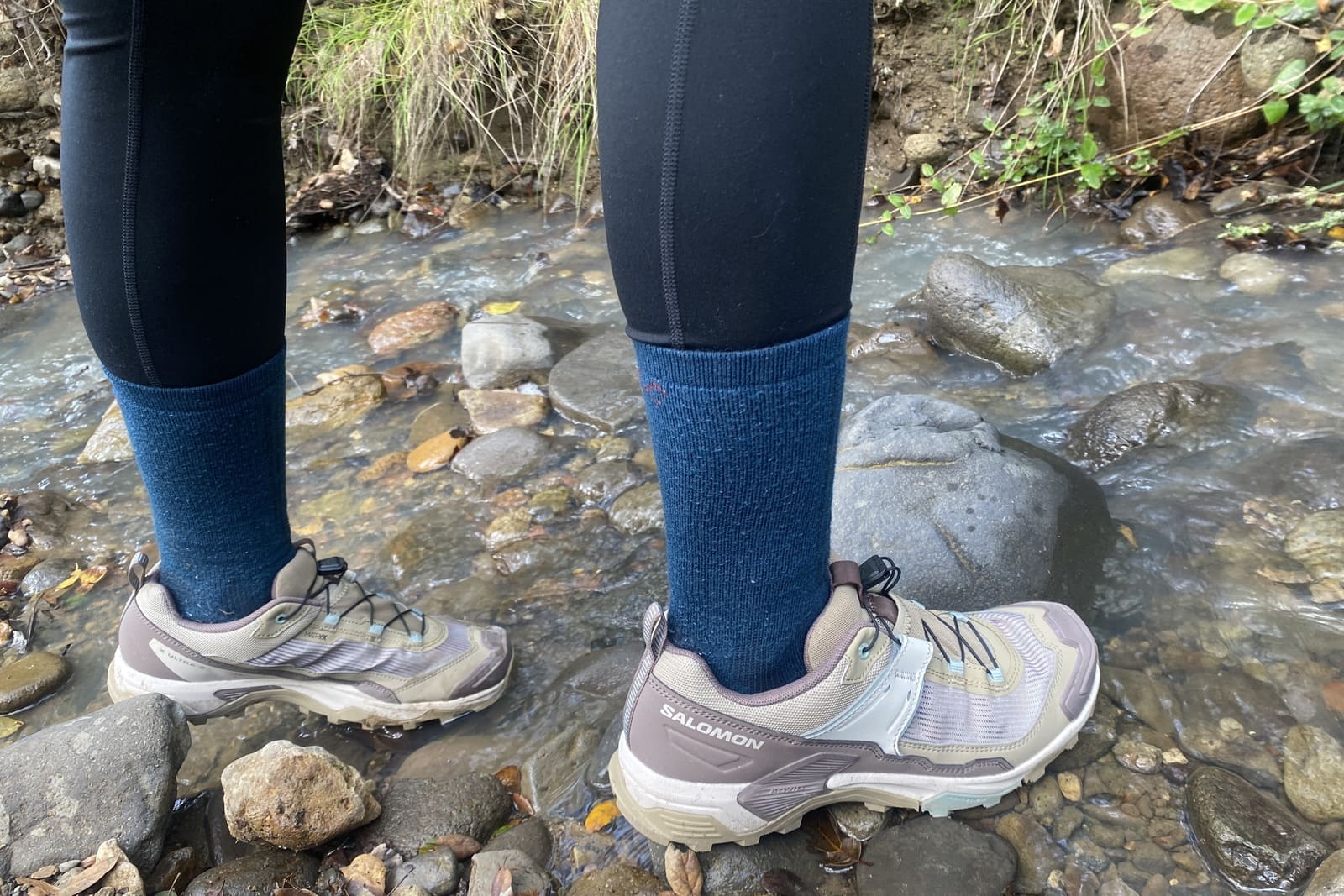
The Salomon X Ultra 5 Low is our traction leader because its Contagrip outsole combines dependable grip with a stable, precise platform on mud, rock, gravel, loose dirt, and steep slopes. The La Sportiva Spire GTX is close behind and feels especially secure on technical climbs and descents, though polished wet rock exposed a weakness. The HOKA Speedgoat 7 and Saucony Peregrine 16 also belong in the top tier: both use sticky Vibram rubber, but the HOKA adds a broad stable base while the Peregrine stays lower and more nimble.
The Altra Olympus 6 is excellent on dry rock, gravel, dirt, and mixed trail, but wet rock is a clear limitation. The Topo Athletic Ultraventure 4 and Altra Lone Peak 9 are dependable on normal trail and moderate terrain; the Topo’s Vibram outsole is stronger than its modest-looking lugs suggest, while the Lone Peak benefits from a low stack and precise placement but gives up confidence on slick wet stone. The Adidas Terrex Free Hiker 2.0 Low Gore-Tex uses deep Continental lugs and performs well on steep dirt and rock, though its higher drop and more structured platform reduce ground feel.
The Merrell Moab 3 provides predictable traction on packed dirt and rock but is less secure in deep mud and loose terrain. The KEEN Targhee IV WP surprised us with solid grip on wet rock and mixed trail, but sticky mud can pack into the outsole and add weight. The Merrell Moab Speed 2 is the least aggressive of the group, with reliable 4 mm Vibram lugs for day hiking and fast movement but less bite in deep mud or technical wet conditions.
Across all 11, the key distinction is not just rubber compound but how the outsole works with the platform. The X Ultra 5 Low, Spire GTX, Speedgoat 7, Peregrine 16, and Olympus 6 provide the strongest traction for challenging terrain; the Ultraventure 4, Lone Peak 9, Free Hiker, Moab 3, Targhee IV WP, and Moab Speed 2 remain capable, but each has a more specific surface or fit-related limitation that shows up sooner.
Which Hiking Shoes Are the Lightest?
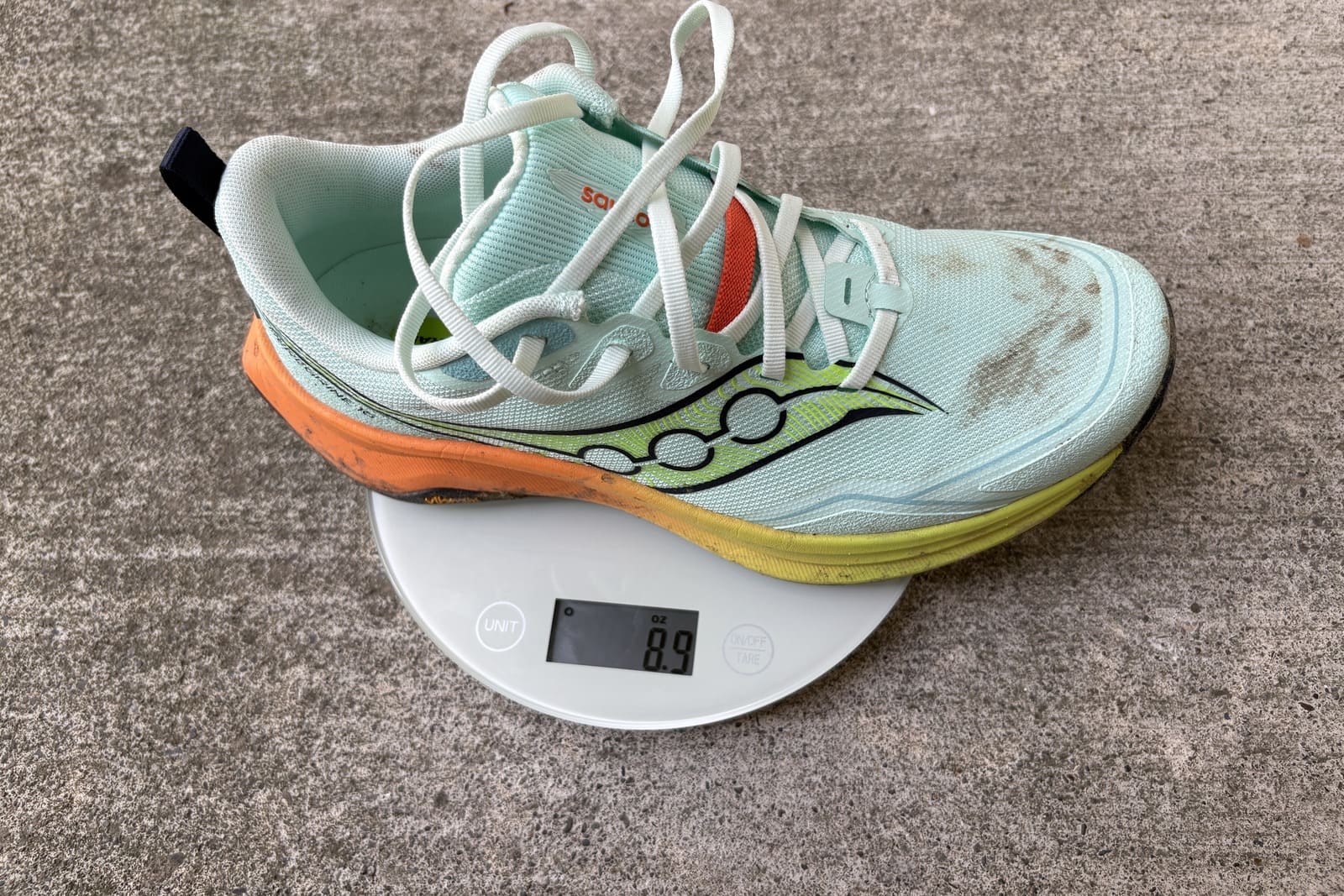
The Topo Athletic Ultraventure 4, HOKA Speedgoat 7, and Saucony Peregrine 16 are the lightest shoes in the lineup at roughly a pound per pair, and all three feel noticeably efficient over long mileage. The Ultraventure 4 is the lightest listed option at 1 pound 0.4 ounces, the Speedgoat 7 follows at 1 pound 0.6 ounces, and the Peregrine 16 is 1 pound 0.8 ounces. The Altra Lone Peak 9 remains firmly in the lightweight group at 1 pound 2.6 ounces.
The Merrell Moab Speed 2 sits in a useful middle ground at 1 pound 3.4 ounces, keeping a full-length FlexPlate and more hiking-specific protection without approaching traditional-hiker weight. The Altra Olympus 6 is heavier at 1 pound 5.9 ounces because of its broader platform and added cushioning, while the Salomon X Ultra 5 Low is listed at 1 pound 6 ounces and our women’s size 8.5 test pair weighed 1 pound 7.2 ounces. Both spend those extra ounces on stability and protection.
The Merrell Moab 3 and La Sportiva Spire GTX are clearly heavier at 1 pound 9.1 ounces and 1 pound 10.2 ounces, respectively. The Adidas Terrex Free Hiker 2.0 Low Gore-Tex is heavier still: our test pair weighed 1 pound 13.2 ounces versus a current listed weight of 1 pound 10.7 ounces. The KEEN Targhee IV WP is the heaviest shoe here at 2 pounds 1.3 ounces on our scale, with a manufacturer-listed weight of 1 pound 15.5 ounces.
Weight also explains a lot of the category’s tradeoffs. The Ultraventure 4, Speedgoat 7, Peregrine 16, Lone Peak 9, and Moab Speed 2 save energy and feel quicker but generally give up some structure or weather protection. The Olympus 6 and X Ultra 5 Low preserve more support at moderate weight, while the Moab 3, Spire GTX, Free Hiker, and Targhee IV WP deliberately carry more material for durability, waterproofing, and protection.
Which Hiking Shoes Are the Most Durable?
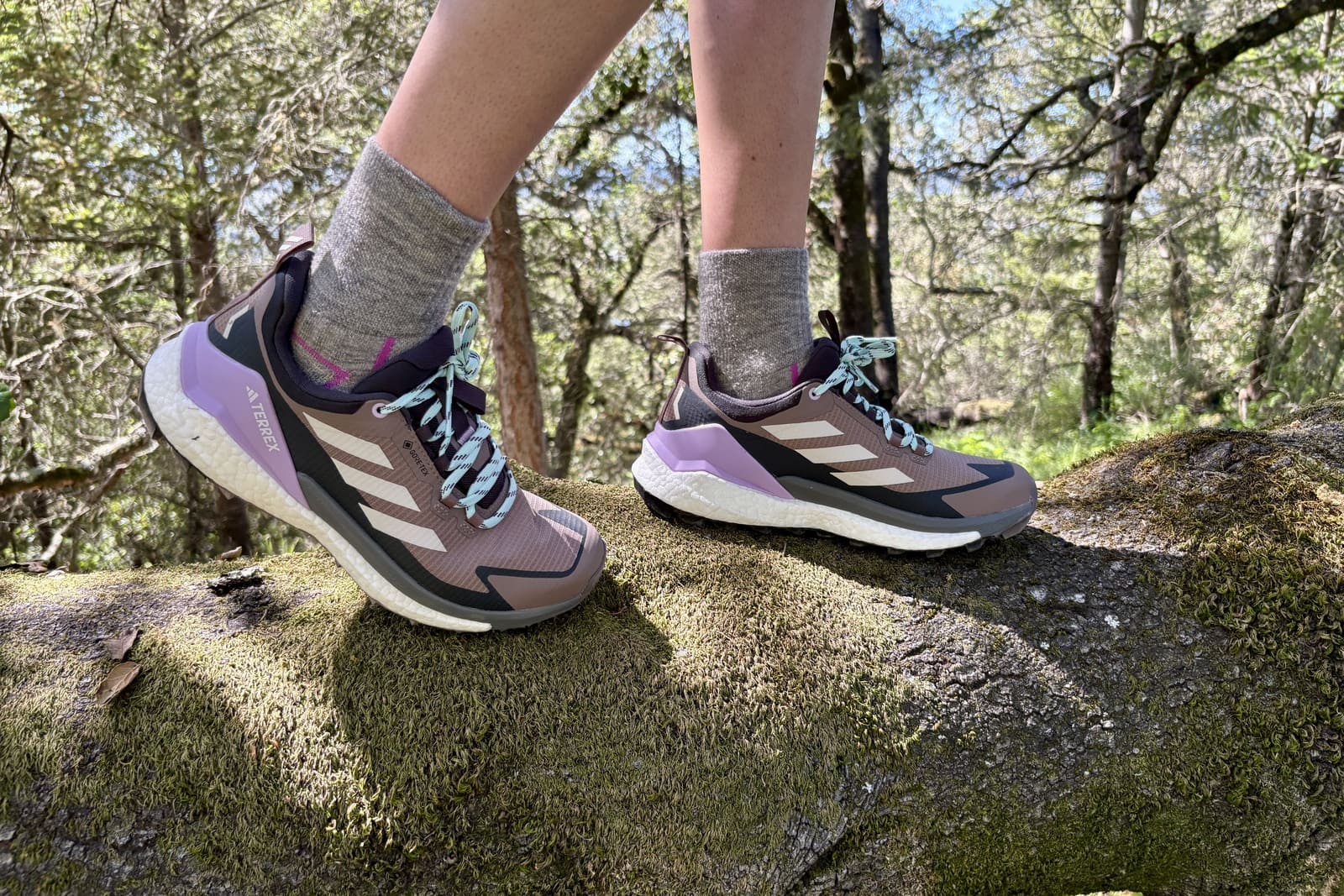
The Salomon X Ultra 5 Low earns the highest durability score in the group because its tightly woven upper, reinforced heel, large toe cap, and robust outsole held up exceptionally well without pushing weight into traditional-hiker territory. The Altra Olympus 6, Adidas Terrex Free Hiker 2.0 Low Gore-Tex, La Sportiva Spire GTX, and KEEN Targhee IV WP are close behind, but they arrive there with more material, more structure, or both.
Among those four, the Olympus 6 is the strongest durability choice for zero-drop hikers and feels substantially more protective than the Lone Peak 9. The Free Hiker combines an abrasion-resistant upper, TPU overlays, thick toe protection, and a substantial outsole; the Spire GTX uses a similarly burly abrasion-resistant build with TPU protection and Vibram rubber; and the Targhee IV WP adds thick leather, a protective toe cap, KEEN.FUSION construction, and a rugged outsole designed for long service.
The HOKA Speedgoat 7 is the most durable of the lightweight trail-runner-style leaders in our testing, with no concerning wear despite its low weight. The Topo Athletic Ultraventure 4 lands in the middle: its reinforced mesh held up well off trail, but it is not built for constant bushwhacking. The Saucony Peregrine 16, Merrell Moab 3, and Merrell Moab Speed 2 all score similarly for different reasons—the Peregrine is light and reinforced but still mesh-heavy, the Moab 3 uses durable materials but is not indestructible, and the Moab Speed 2 balances reinforcement with a lighter athletic build.
The Altra Lone Peak 9 is the least durable shoe in this group, even though the current ripstop upper and toe protection are improved over earlier versions. That does not make it fragile; it simply reflects the tradeoff required to keep a roomy zero-drop shoe light and flexible. Overall, X Ultra 5 Low, Olympus 6, Free Hiker, Spire GTX, and Targhee IV WP are the best bets for repeated rugged use, while Speedgoat 7, Ultraventure 4, Peregrine 16, Moab 3, Moab Speed 2, and Lone Peak 9 trade some lifespan for lower weight, flexibility, or price.
Which Hiking Shoes Offer the Best Weather Resistance?
The La Sportiva Spire GTX is the weather-resistance leader in this lineup. Its GORE-TEX Surround construction kept water out while venting better than many waterproof designs, which gives it an advantage over the Adidas Terrex Free Hiker 2.0 Low Gore-Tex and KEEN Targhee IV WP when you want both waterproofing and a more technical mountain-shoe feel. The Adidas also performed extremely well in water testing, while the KEEN.DRY membrane in the Targhee kept feet dry through puddles, wet trail, and creek exposure.
Among the non-waterproof shoes, the Salomon X Ultra 5 Low and HOKA Speedgoat 7 provide the best balance of light moisture resistance, breathability, and drying speed. The Merrell Moab 3 also handles light moisture better than thin mesh trail runners because of its leather-and-mesh upper, though the standard version is not waterproof. The Topo Athletic Ultraventure 4 resists light wet grass, slush, and intermittent rain before soaking through, then dries relatively quickly.
The Altra Olympus 6, Saucony Peregrine 16, and Altra Lone Peak 9 are better viewed as warm-weather or quick-drying shoes than weather-resistant ones. The Olympus lets water in immediately and drains poorly after submersion, the Peregrine’s mesh absorbs water quickly but dries fast, and the Lone Peak also takes on water readily in exchange for ventilation. The Merrell Moab Speed 2 prioritizes breathability in the standard version and is our lowest-scoring shoe here for weather resistance, though a GORE-TEX version exists.
The practical split is clear across all 11 shoes: choose the Spire GTX, Free Hiker, or Targhee IV WP when keeping water out is a primary need; choose the X Ultra 5 Low, Speedgoat 7, Moab 3, or Ultraventure 4 when you want some moisture tolerance without giving up as much ventilation; and choose the Olympus 6, Peregrine 16, Lone Peak 9, or Moab Speed 2 when breathability and drying behavior matter more than staying dry through sustained wet conditions.
How to Choose a Hiking Shoe
What Type of Hiker Are You?
Start with how you actually move on trail. Trail runners and fast hikers generally benefit from lighter, more flexible shoes like the Peregrine 16, Speedgoat 7, Lone Peak 9, or Ultraventure 4. They reduce fatigue and make it easier to move quickly on maintained trails.
For extended backpacking or rougher terrain, more structured shoes such as the X Ultra 5 Low, Olympus 6, Spire GTX, or Free Hiker provide additional protection and stability. Casual day hikers can prioritize comfort and value, which is where the Moab 3 and Targhee IV WP make the most sense.
If your hiking includes scrambling, steep sidehills, or precise foot placement, prioritize a secure fit, trustworthy traction, and a platform that does not move excessively underfoot. High-volume shoes can feel unstable in those situations even when they are comfortable on easier trail.
How Much Support & Cushioning Do You Need?
The right amount of support depends on your feet, pack weight, and preferred trail feel. Stiffer midsoles and structured uppers generally provide more stability and protection, while lighter, more flexible designs feel more natural and agile.
Heel-to-toe drop also changes how a shoe feels. Zero-drop shoes such as the Lone Peak 9 and Olympus 6 place the heel and forefoot at the same height and require a gradual transition for hikers who are used to conventional footwear. Higher-drop shoes can feel more familiar and may reduce strain for some users, but fit and comfort matter more than any single number.
Stack height and cushioning affect both comfort and stability. Taller shoes can absorb more impact and isolate the foot from rocks, while lower-profile shoes provide more ground feel. We prefer enough cushion to prevent fatigue without making the platform feel disconnected from the trail.
Do You Need Waterproof Shoes?
Waterproof hiking shoes are most useful in cool, consistently wet conditions, shallow snow, or repeated moisture where keeping water out matters more than maximum ventilation. The Spire GTX, Free Hiker, and Targhee IV WP are the strongest waterproof options in this guide.
For warm-weather hiking, many of us prefer non-waterproof shoes because they breathe better and dry faster if water comes over the collar. A low-cut waterproof shoe can still fill with water during a deep crossing, and the membrane will usually slow drying once that happens.
Breathability matters for blister management too. If your feet run hot or you hike in dry climates, a mesh-heavy shoe such as the Peregrine 16, Lone Peak 9, or Ultraventure 4 may be more comfortable than a waterproof model.
Why Trust CleverHiker
The CleverHiker team has logged tens of thousands of hiking and backpacking miles across long trails, mountain routes, desert terrain, forests, and everyday local hikes. Our women’s hiking-shoe testing includes both lightweight trail-runner-style shoes and more traditional waterproof hikers, giving us direct experience with the tradeoffs among comfort, traction, weight, durability, and weather protection.
Our team has hiked thousands of miles across routes ranging from the Appalachian Trail to the French Alps, bringing deep footwear and long-distance hiking experience to the category. Additional CleverHiker testers contribute field evidence from the individual products, and we preserve those product-specific observations when comparing the lineup.
We keep the five metric scores separate and use the overall CleverHiker Rating as a holistic editorial assessment rather than a mathematical average.
TESTING Methodology
We test comfort, traction, weight, durability, and weather resistance using the same category framework.
How Do We Assess Comfort?
We evaluate toe-box shape, heel lockdown, lacing, arch support, sole stiffness, cushioning, break-in time, and how a shoe feels after sustained mileage.
We pay particular attention to fit because a shoe can be objectively well built and still be a poor choice for a particular foot shape. When a tester-specific trait affects the result, we keep that context in the review rather than presenting one fit experience as universal.
How Do We Test Traction?
We use shoes on surfaces ranging from ordinary singletrack and gravel to rock, mud, exposed roots, creek crossings, and off-camber terrain. We look at rubber compound, lug depth and spacing, braking grip, mud shedding, and how stable the shoe feels when the trail gets uneven.
Dry-trail grip is only part of the picture. Wet rock, loose soil, steep descents, and mud often reveal differences that are not obvious on easy trail.
How Do We Measure Weight?
We compare manufacturer-listed weights with CleverHiker measurements whenever we have a standardized test sample. When both are available, we preserve the distinction rather than silently replacing one with the other.
Low weight can reduce fatigue and improve agility, but it often comes with less structure, thinner materials, or lower weather protection. We evaluate what the shoe gives up to reach the number, not just the number itself.
How Do We Evaluate Durability?
We examine uppers, toe and heel protection, outsole wear, midsole resilience, laces, seams, and high-abrasion areas over repeated trail use.
A lightweight trail runner is not expected to have the same construction as a leather hiking shoe, so durability scores reflect real performance and intended use rather than rewarding bulk by itself.
How Do We Test Weather Resistance?
We evaluate how effectively the upper keeps water out, how quickly the shoe dries after getting wet, and how well it vents heat and sweat.
For waterproof models, we also pay attention to membrane performance, collar height, tongue construction, and whether water enters around the opening. For non-waterproof shoes, quick drying and ventilation can be more useful than resisting every splash.
Conclusion
The best women’s hiking shoe is the one that fits your foot and matches your terrain. Choose the X Ultra 5 Low for the strongest all-around balance, the Speedgoat 7 or Peregrine 16 for lighter trail-runner performance, the Olympus 6 or Lone Peak 9 for zero-drop hiking, and the Spire GTX, Free Hiker, or Targhee IV WP when weather protection and structure matter more than ounces.