Bottom Line
The Outdoor Research Ferrosi is our top-ranked men’s hiking pant because it combines exceptional mobility, excellent breathability, useful trail features, and dependable everyday durability without becoming heavy or overbuilt. The current version remains a standout for warm-weather hiking, backpacking, scrambling, and long trail days.
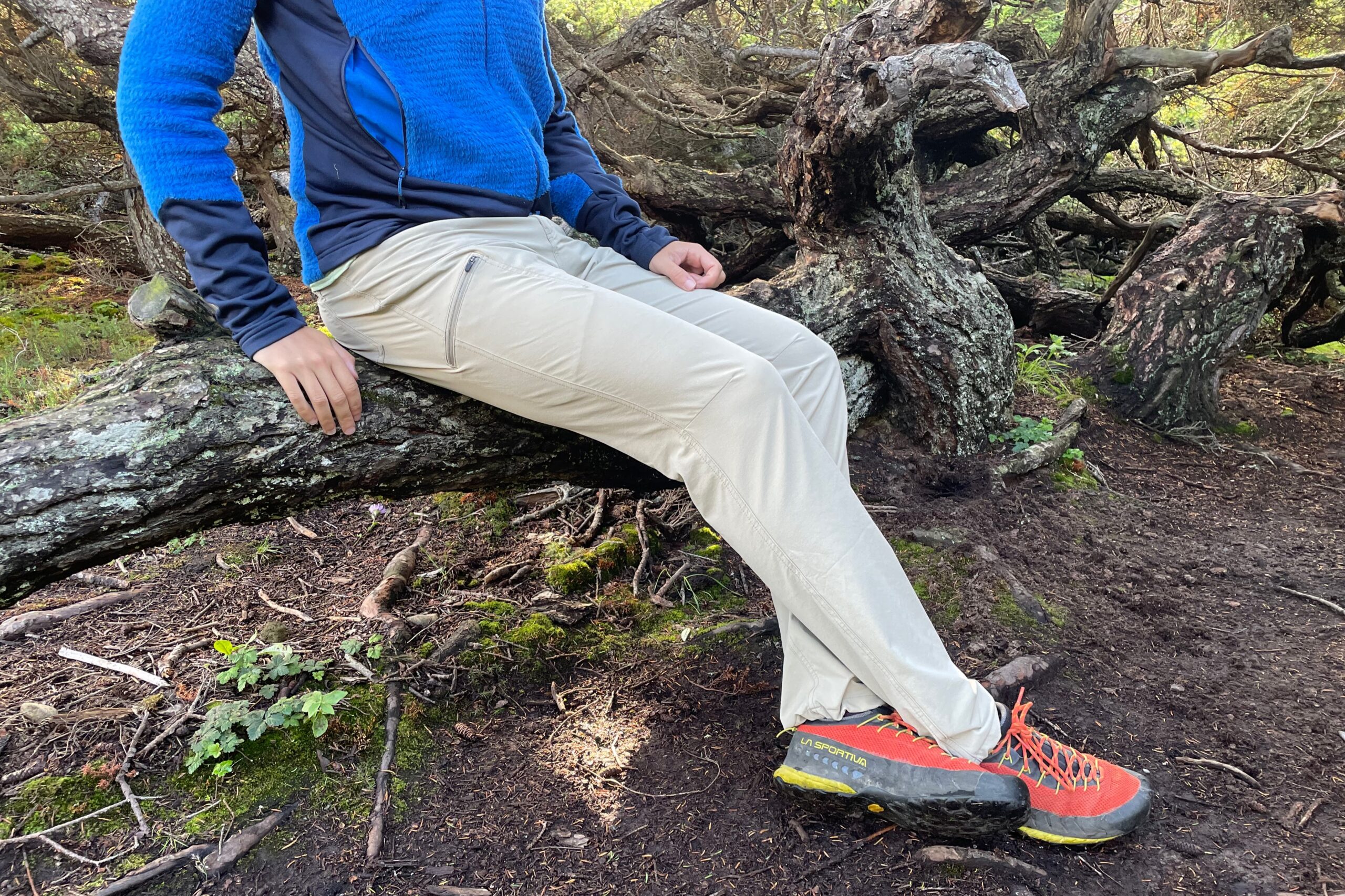
Its biggest advantage is how little it interferes with movement. The fabric is among the stretchiest we tested, the knees and crotch move freely, and the brushed waistband is comfortable against the skin. It also handles sweat well and dries quickly after rain.
The tradeoff is protection: the Ferrosi will bead light precipitation and block some wind, but it is not the pair we choose for prolonged rain or repeated abuse against rock and brush. For hikers who want one versatile pair for most three-season trail use, though, the balance is hard to beat.
For a side-by-side look at the full field, our guide to the best hiking pants for men shows how the Ferrosi compares with every current pick.
How We Tested
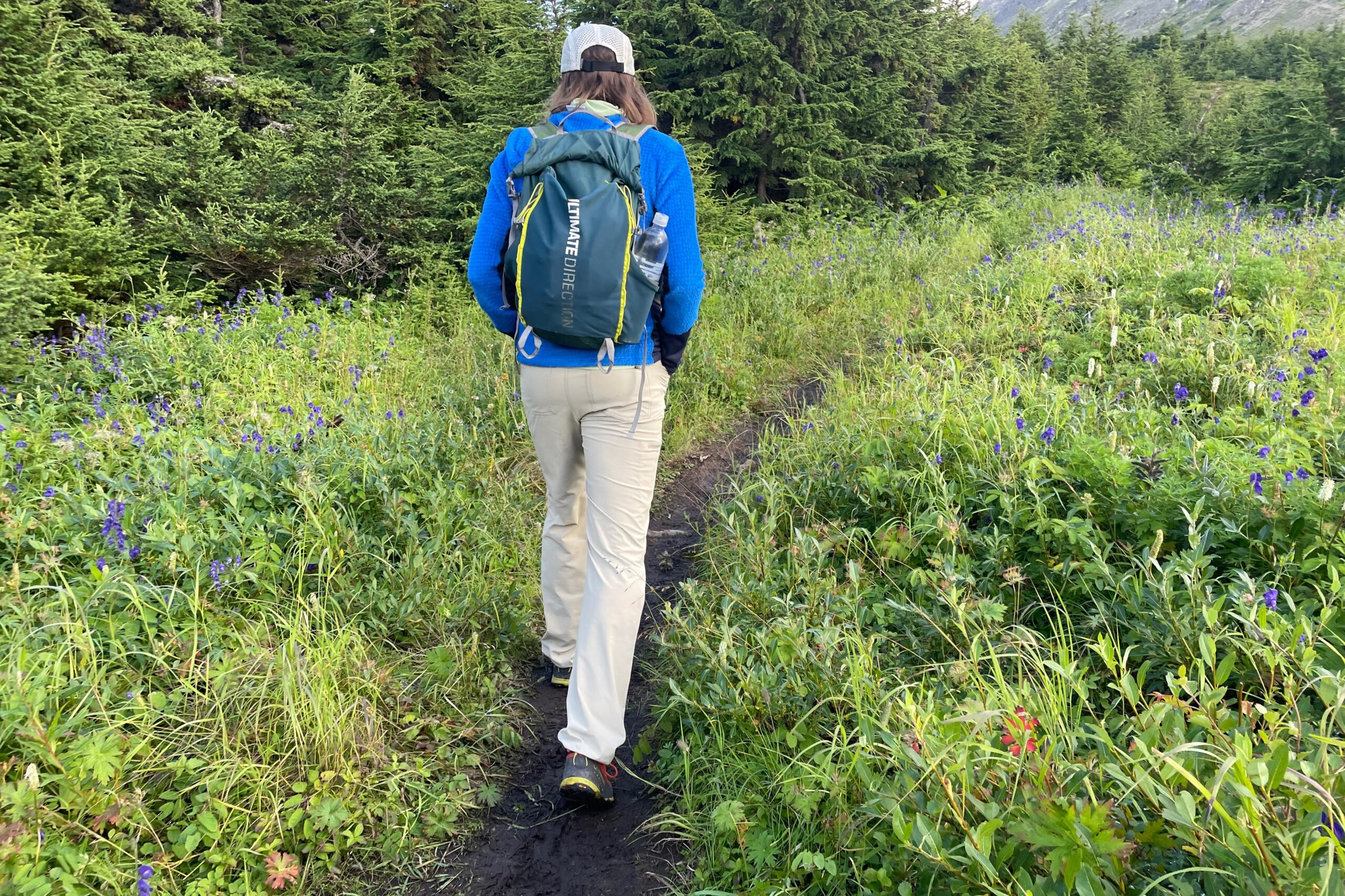
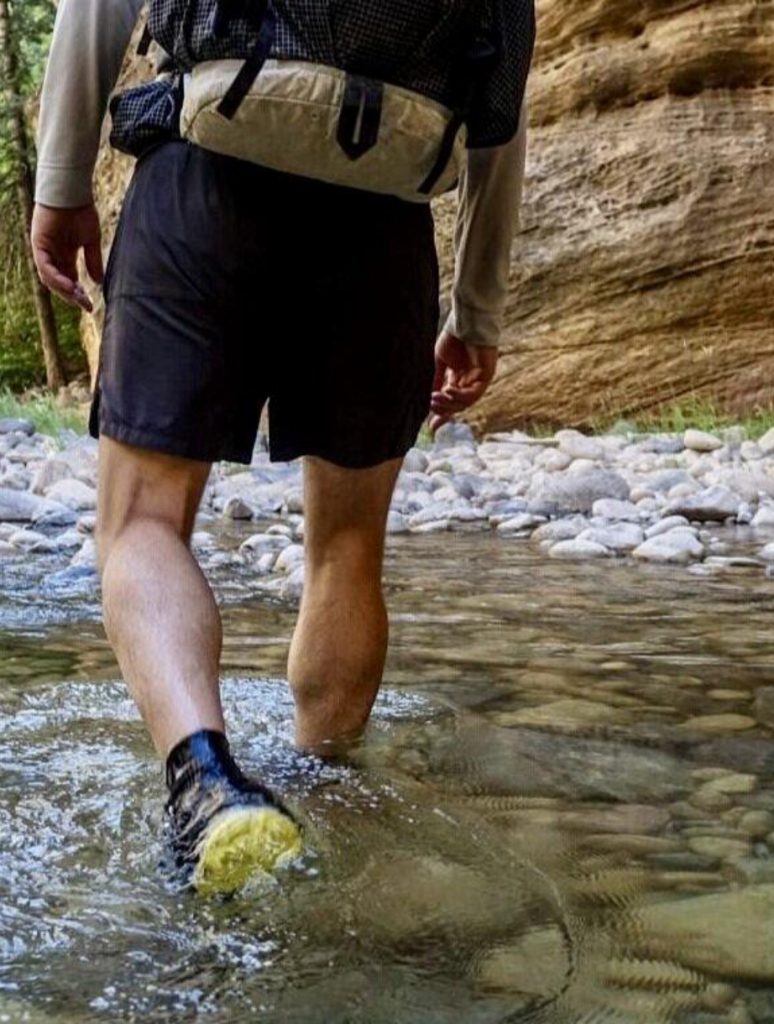
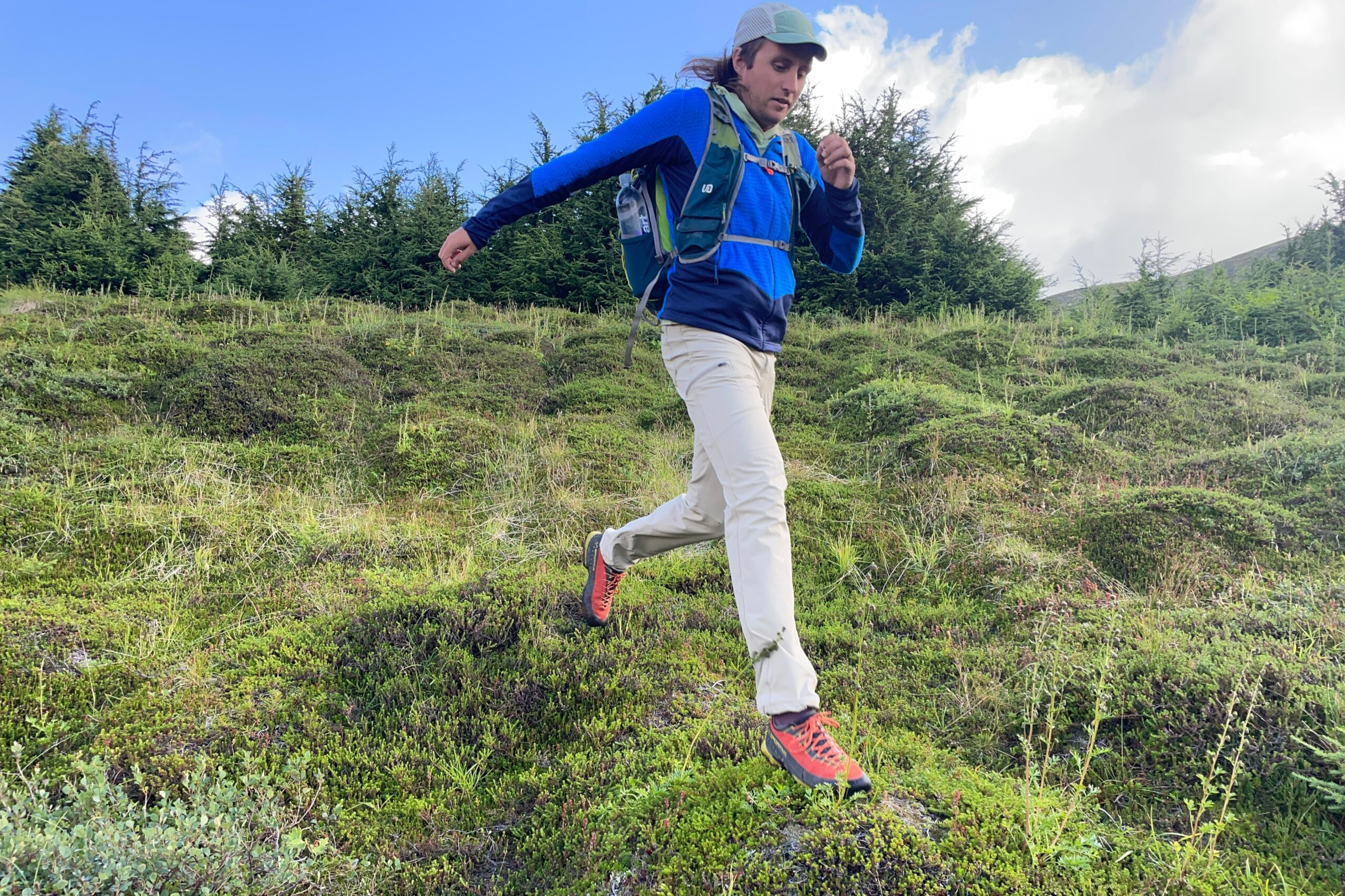
In Alaska’s Chugach Mountains, Gear Analyst Miles Knotek used the current Ferrosi for hiking, off-trail travel, and a light run, focusing on mobility, heat management, weather protection, and durability. CleverHiker also has unusually deep long-term experience with this model: Managing Editor Ben Applebaum-Bauch wore Ferrosi pants during a roughly 3,000-mile Continental Divide Trail thru-hike, where the pants finished with only a few small ankle tears.
Quick Specs
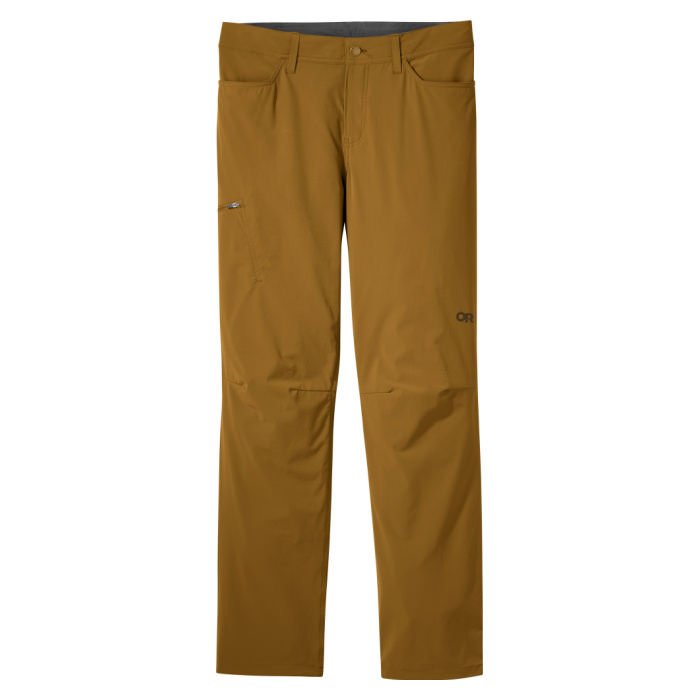
Men’s Outdoor Research Ferrosi
Best Hiking Pants Overall
CleverHiker Rating: 4.8/5.0
Price: $110
Weight: 10.7 oz.
Fit: Straight-leg
Fabric: 86% nylon (46% recycled), 14% spandex
Pros
- Super airy and comfortable
- Excellent stretch & mobility
- Quick drying
- Useful internal drawstring & cuff cinches
Cons
- Waist can loosen over consecutive days
- Not built for sustained heavy rain
- Less protective than heavier technical pants

Comfort & Mobility
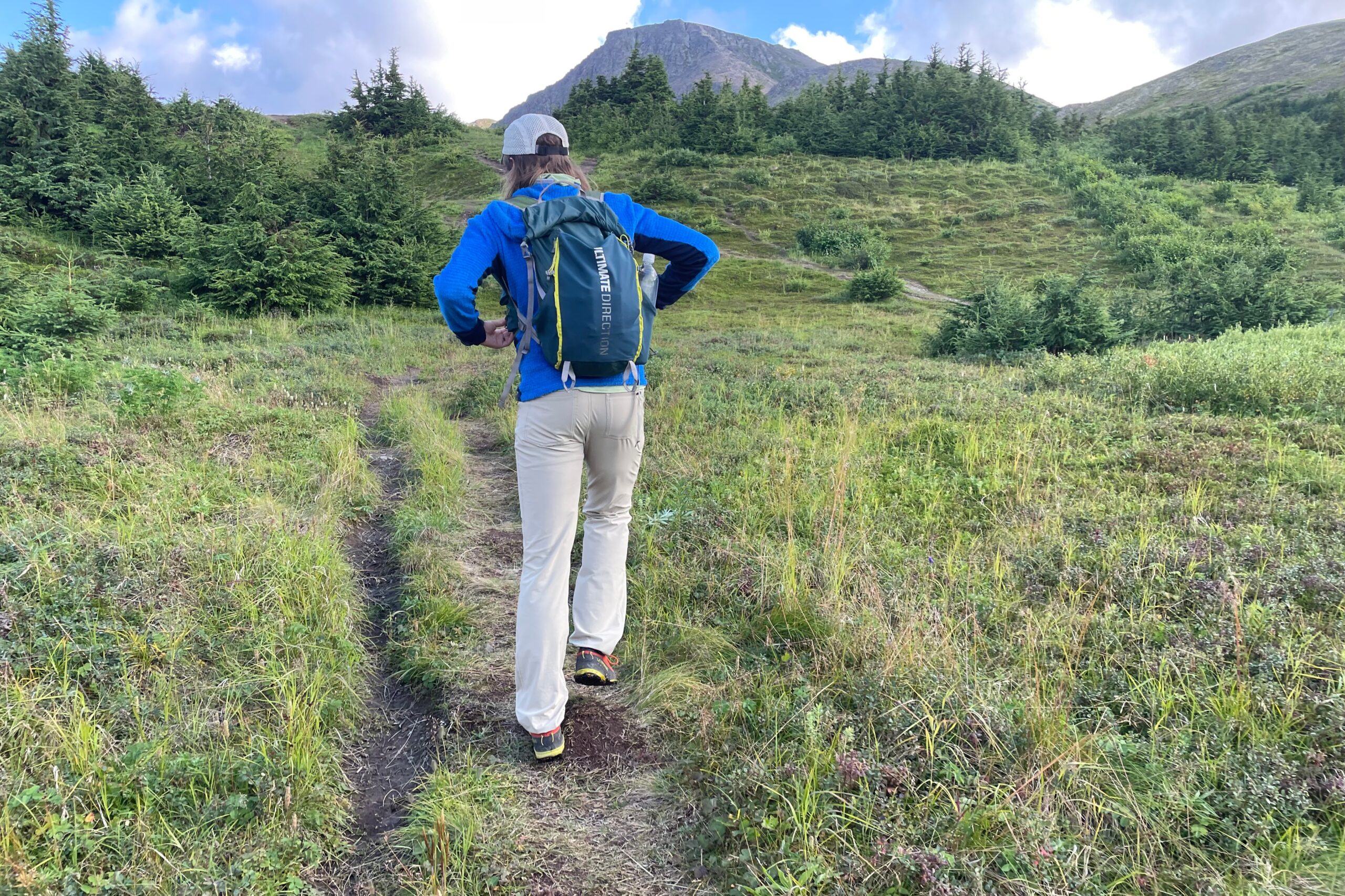
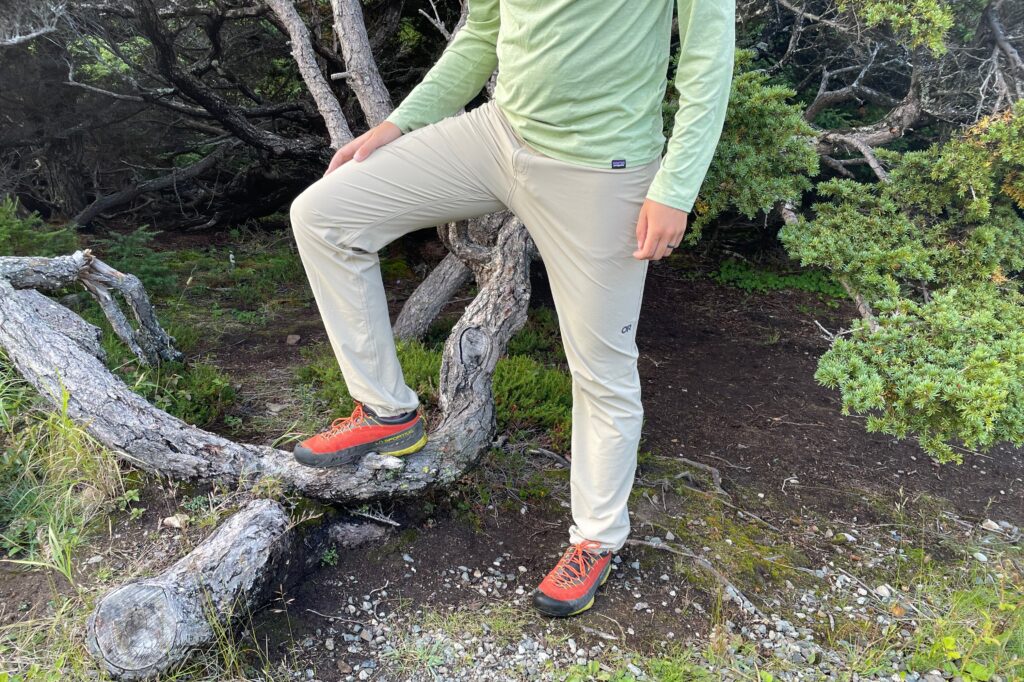
Comfort is the Ferrosi’s strongest attribute. During scrambling, crouching, and high steps, the highly elastic fabric moved easily through the knees and crotch instead of binding. The brushed waistband adds noticeable next-to-skin comfort, and the straight cut leaves useful room without feeling baggy.
Fit can require a little attention. Our tester sized down for the best fit, and the waist can relax after several days of use, but the internal drawcord helps compensate. For hikers who want an athletic-feeling pant without an aggressively slim silhouette, the Ferrosi is one of the most accommodating options in the guide.
Long-term use reinforces that impression: the Ferrosi has remained comfortable through repeated all-day hiking and backpacking rather than only short test outings. The wider cuff and forgiving stretch also make the active cut easier to live with than many technical pants that feel narrow through the lower leg.
Comfort & Mobility Score: 4.8/5.0
Breathability
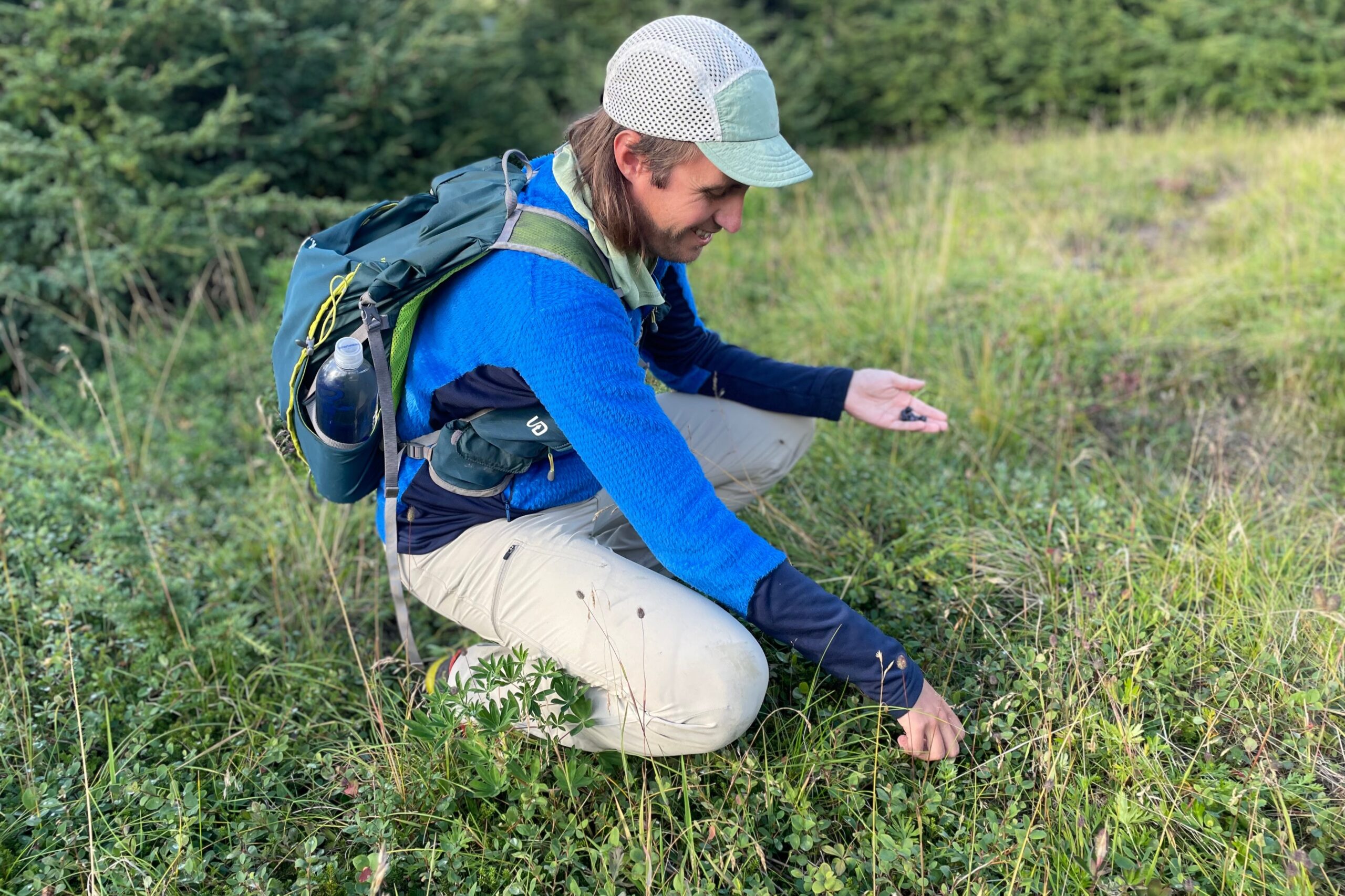
The Ferrosi manages heat extremely well for a full-length hiking pant. On steep efforts and even a light run, the fabric released heat quickly and moved moisture away from the body rather than turning clammy. Mesh-backed pockets can also be opened for a bit more airflow.
That performance makes the Ferrosi especially useful for warm summer hiking and high-output days when sun protection is still desirable. It is not the absolute lightest-feeling pant in the category, but its combination of air permeability and fast drying is among the best we tested.
That heat management is especially noticeable when the pace changes. We could move from exposed climbs to slower trail sections without the pants holding much residual warmth, which is a useful advantage over denser softshells that stay hot after effort drops.
Breathability Score: 4.5/5.0
Weather Resistance
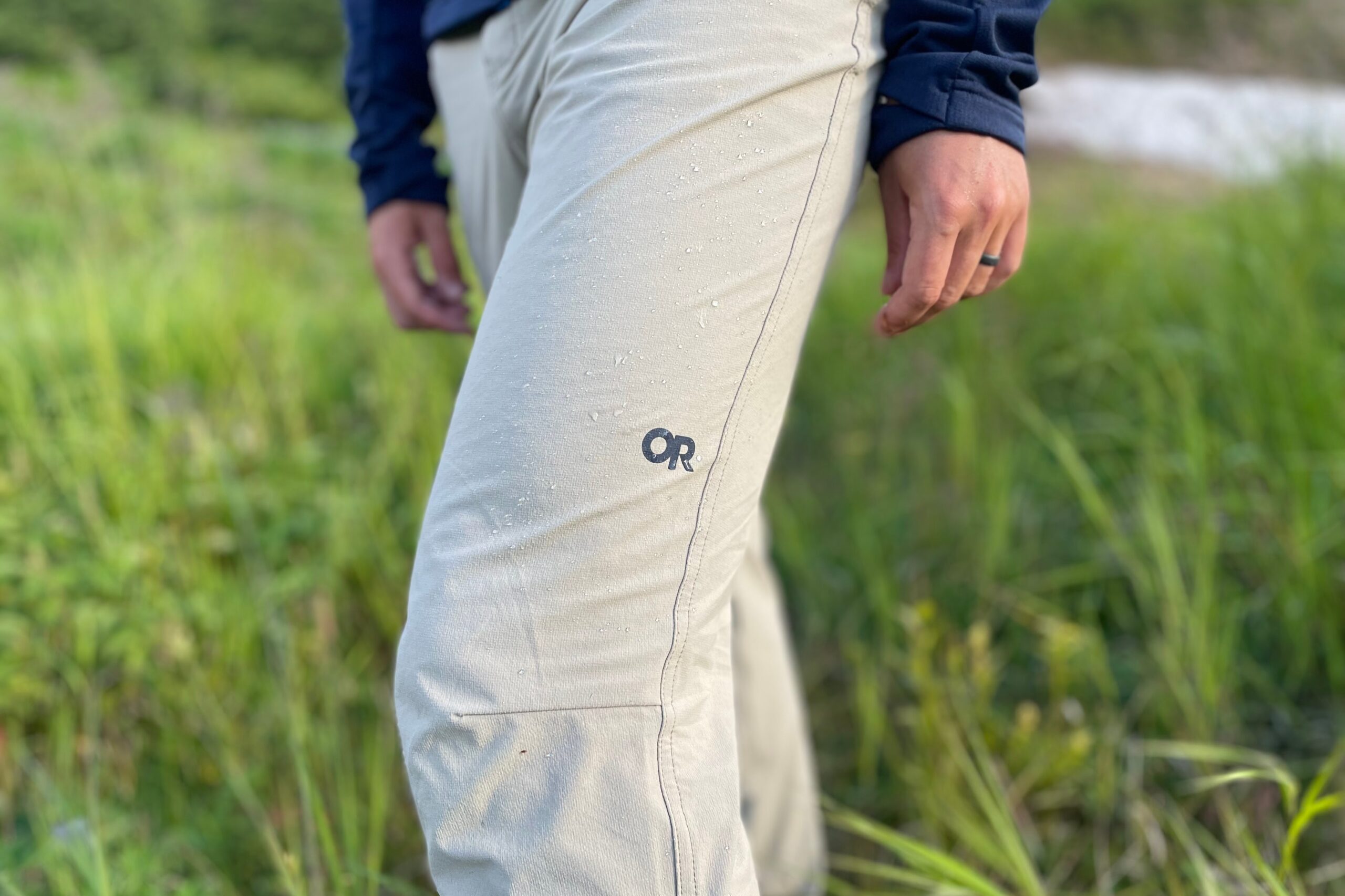
Light rain beads on the Ferrosi better than its airy construction suggests, and the fabric cuts wind well enough for variable mountain weather. In heavier rain, however, water eventually works through the material, so this is not a substitute for rain pants.
The stronger part of the Ferrosi’s wet-weather performance is recovery. Once precipitation passes, the thin stretch-woven fabric dries quickly, making these more appealing for intermittent showers than for hours of continuous moisture.
The DWR-style surface treatment is best viewed as a short-duration buffer. It buys time in passing showers and wet vegetation, but the Ferrosi’s real advantage after getting wet is how quickly it stops feeling saturated once conditions improve.
Weather Resistance Score: 4.4/5.0
Durability
The Ferrosi is durable enough for normal hiking and backpacking, but it is not designed like a work pant. Our shorter-term testing showed scuffing at the cuffs and less protection while kneeling in gravel or moving through abrasive brush than heavier options provide.
Long-term experience gives the model important context: a pair used for roughly 3,000 miles on the CDT survived with only a few small tears near the ankles. That makes the Ferrosi a strong durability-to-weight compromise, even though hikers who routinely bushwhack or kneel on rock have better choices.
The weak point remains localized abrasion rather than general fabric failure. Cuffs and other high-contact areas show wear first, so the Ferrosi makes the most sense for hikers who want long-mile durability without routinely grinding their pants against rock or thorny brush.
Durability Score: 4.5/5.0
Features
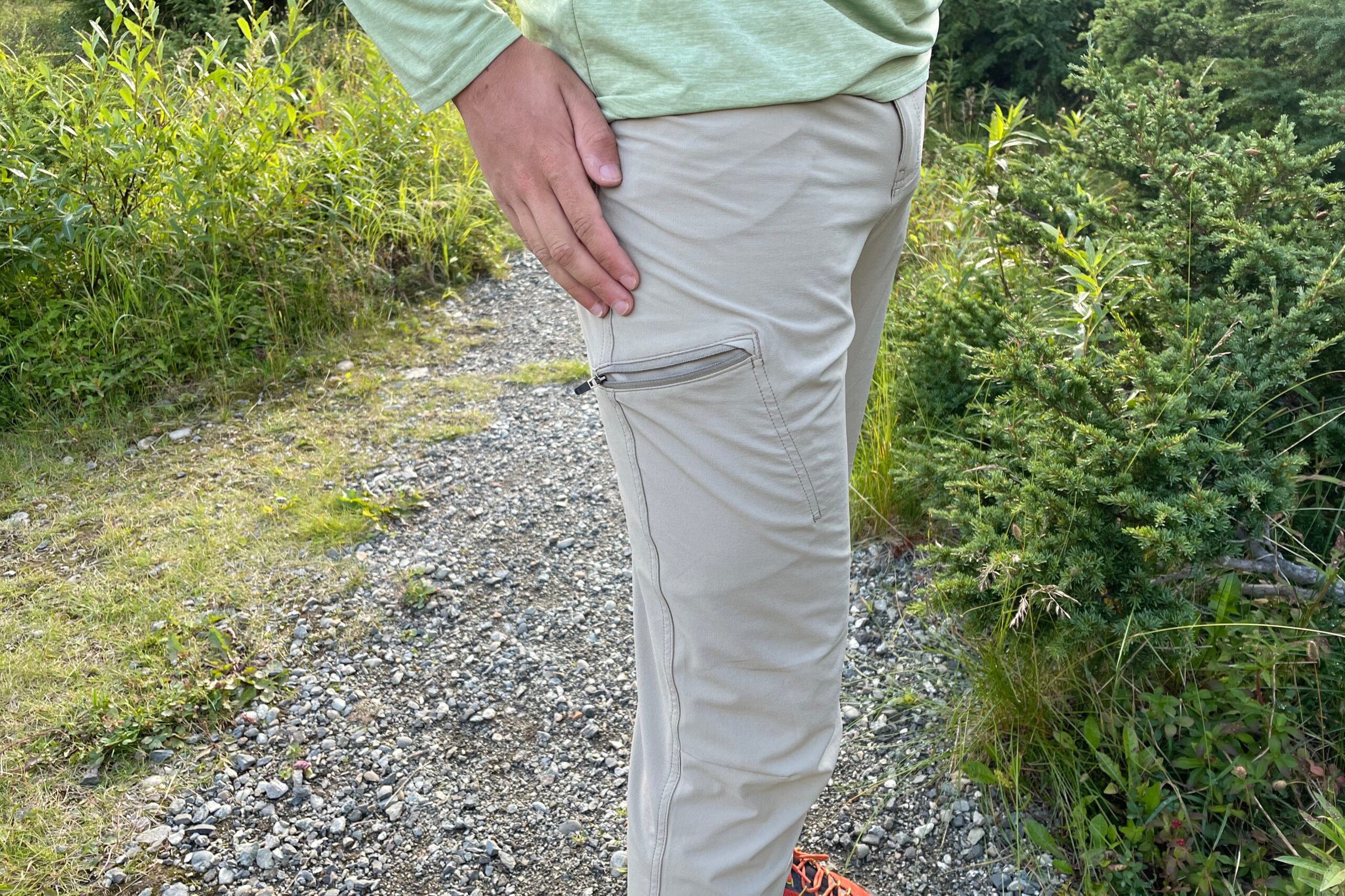
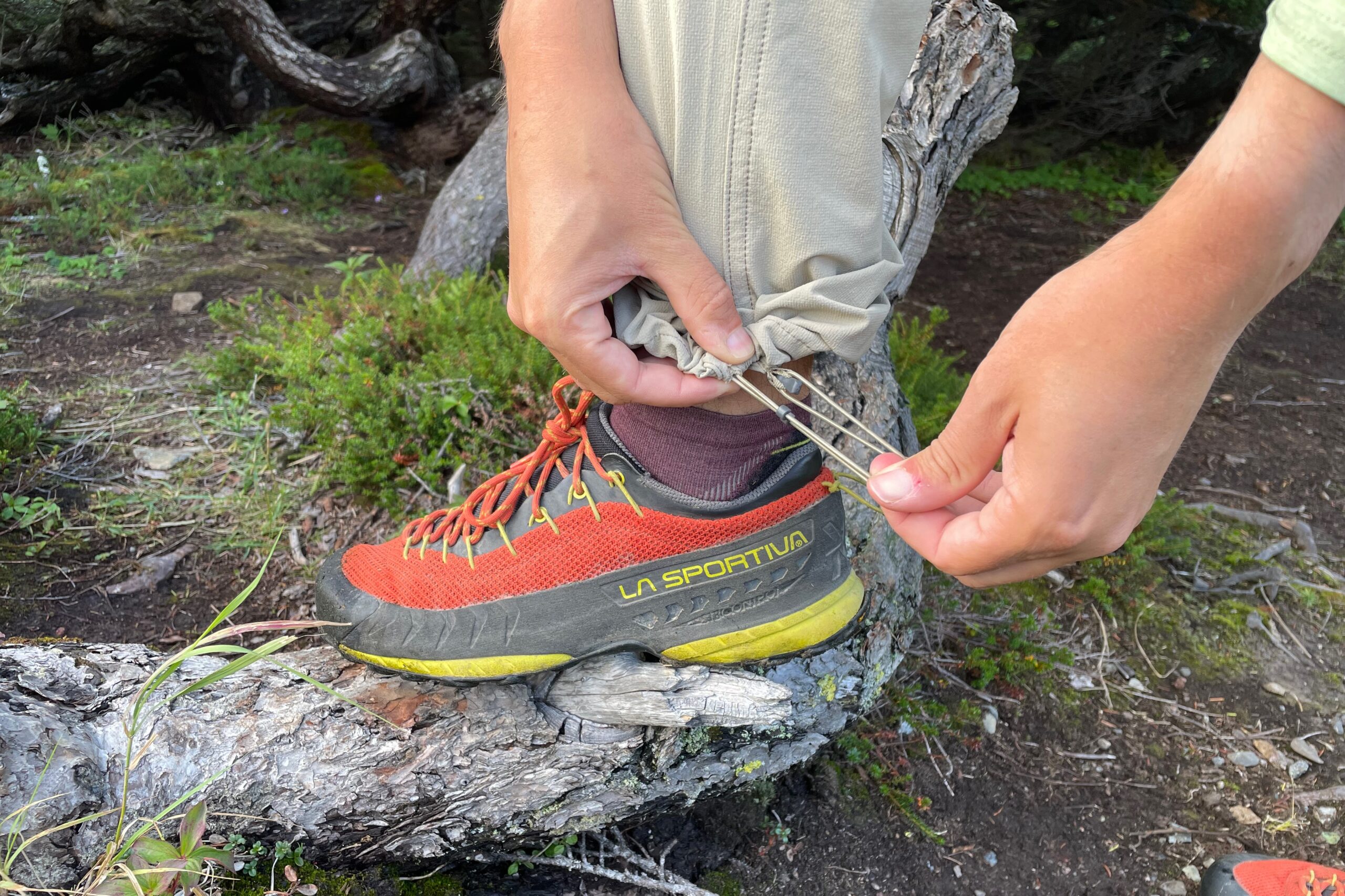
Five pockets provide useful storage without turning the Ferrosi into a bulky cargo pant. The ankle cinches are genuinely useful for sealing out bugs, holding the cuffs above mud, or opening the lower leg for ventilation.
An internal drawstring gives the waist extra adjustability when the fabric relaxes over multiple days. The overall feature set is simple, trail-focused, and well matched to the pant’s light, versatile design.
The pocket layout also stays accessible under a pack better than many cargo-heavy designs. That restraint matters on long days: the Ferrosi gives hikers enough secure storage and adjustment without adding the bulk or snag points that come with more heavily featured pants.
Features Score: 4.5/5.0
Should You Buy the Outdoor Research Ferrosi Pants?
Buy the Ferrosi if you want one highly versatile hiking pant for warm to mild conditions and you care most about comfort, stretch, breathability, and quick drying. It is especially easy to recommend for backpacking and long trail days because it delivers excellent freedom of movement at a moderate weight.
Choose something else if your trips regularly involve cold wind, prolonged precipitation, abrasive granite, or heavy bushwhacking. The Arc’teryx Gamma and Fjallraven Keb Agile provide more protection and durability, while the Mammut Runbold IV is a compelling alternative for hikers who want an even trimmer, lighter alpine feel.
What Other Hiking Pants Should You Consider?
Our guide to the best hiking pants includes options that could take the Ferrosi’s top spot. Here’s a few contenders:
Mammut Runbold IV Review: The Runbold IV is a strong alternative for hikers who like the Ferrosi’s light, stretchy feel but want a slimmer athletic cut and fully zippered pockets. It scores slightly higher for breathability, though its trim fit is less forgiving and it offers similarly modest storm protection.
Arc’teryx Gamma Review: Choose the Gamma when durability and weather resistance matter more than maximum warm-weather comfort. It is heavier and much more expensive than the Ferrosi, but the thicker fabric, built-in belt, and stronger abrasion resistance make it better suited to cool alpine terrain.
REI Trailmade Review: The Trailmade is the budget path to a lightweight, breathable hiking pant. It gives up some of the Ferrosi’s stretch, refinement, and weather performance, but its $80 price makes it a practical choice for hikers who want solid warm-weather function at a lower cost.