
Bottom Line
The Gregory Baltoro 75 / women’s Deva 70 is the pack we prefer when the load becomes genuinely heavy. We pushed it to roughly 60 pounds in testing and found it more comfortable than the Osprey Aether at similar weights, with the FreeFloat-style suspension keeping the load controlled. The huge stowable bottle holster is another standout because it is easy to use while wearing the pack, and the U-shaped main access plus side pockets make a 75-liter load easier to manage.
The tradeoffs are obvious: this is a heavy, expensive backpacking pack with a lot of capacity and hardware, and the large exterior mesh pocket deserves care around abrasion. The Baltoro earns its weight only when heavy-load support is a recurring need; for ordinary multi-day backpacking, the lighter Paragon is the more sensible Gregory.
How We Tested
To test the Baltoro for the job it is actually built to do, Taylor Passofaro carried it on Minnesota state-park trips with loads pushed beyond ordinary weekend weights. That let us judge the heavy-hauling suspension under stress while also checking bottle access, U-shaped and side storage, exposed mesh wear points, and the practical handling of a very large pack.
Quick Specs
- Best for: Heavy-load trips, guiding, and bulky expedition-style carries
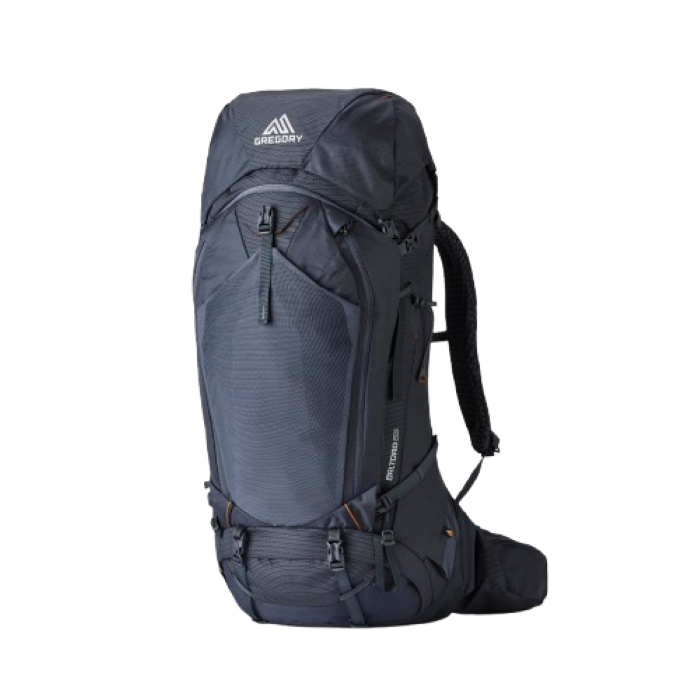
Gregory Baltoro 75 / Deva 70
Best Load Hauler Backpacking Backpack
CleverHiker Rating: 4.6/5.0
Price: $400
Measured Weight: 5 lb. 3.5 oz.
Volume: 75 L
Max Weight Rec.: 55 lb.
Pros
- Excellent load carrying
- Great water bottle pocket
- Good array of features
Cons
- Heavy
- Use of mesh raises durability concerns
- Overkill for most backpackers


Comfort
Comfort becomes the Baltoro’s advantage only when the load is heavy enough to need all of its structure. Around 60 pounds, it felt more forgiving than the Osprey Aether under a similar burden, with the hipbelt, frame, and refreshed back panel keeping the load controlled. That specialized performance earns a 4.5, but the five-pound-plus empty weight makes little sense for hikers who normally carry 25 or 30 pounds.
The Baltoro’s aluminum frame is a major reason it stays composed under heavy loads. When we pushed the pack to roughly 60 pounds, the frame gave the load a stable, rigid feel while the hipbelt transferred force effectively onto the hips. That combination matters more at high weights than plush padding alone. The updated FreeFloat suspension also moves with the body well enough that the pack never felt like a rigid board, and the refreshed mesh back panel improved ventilation during spring testing in Minnesota.
Shoulder straps remain comfortable under heavy loads and did not create new pressure points during our testing. The main caveat is that this performance comes with a heavy empty pack. If your normal load is closer to 25–30 pounds, the Baltoro’s support is more structure than you need. Its comfort score is therefore strongest in the exact scenario it is designed for: hauling loads that overwhelm ordinary packs.
Comfort Score: 4.5 / 5.0

Features
Big packs create access problems, and the Baltoro’s best features are the ones that solve them. Its low stowable bottle holster is among the easiest hydration setups we tested, while the U-shaped zipper, side pockets, compression, and exterior storage keep a 75-liter load from becoming a black hole. That purpose-built organization is why the pack earns a 4.7 for features.
The stowable bottle holster is the feature we remember most because it solves a real trail problem. Instead of placing the bottle high on the side, Gregory hangs the pocket lower so a hiker can remove and replace a bottle while wearing the pack. We found it easier to use than nearly any competing bottle pocket. The large U-shaped zipper is similarly practical on a 75-liter pack because it lets the user reach buried gear without unpacking everything from the top.
Two additional zippered side pockets add even more organization for a load this large. Compression, external carry, and the usual Gregory adjustments round out the system. The downside is weight and complexity. These features are valuable because the Baltoro is expected to haul a lot of gear; if you do not need 75 liters, the same organization can feel like unnecessary hardware.
Features Score: 4.7 / 5.0

Durability
A heavy hauler has to feel structurally trustworthy, and the Baltoro largely does. Frame components, hardware, stitching, and main fabrics support its 4.6 durability score under serious loads. The reservation is exposed stretch mesh on the exterior, which deserves more caution around branches and abrasive rock than the woven body and load-bearing parts.
The Baltoro’s frame, stitching, buckles, and main fabrics all feel appropriate for a pack built around serious load carrying. We have confidence in the structural parts because they remained controlled when we tested above the normal recommended weight, and nothing in the harness suggested the pack was close to failure. The main concern is the amount of exterior stretch mesh.
Large mesh storage is convenient, but it is also more exposed to snagging and abrasion than woven nylon when the pack brushes against branches or rock. That makes the durability profile different from the Aether, which uses more solid fabric and less exposed mesh. We would still trust the Baltoro for demanding multi-day trips, guides, family gear, or bulky winter loads, but we would be more careful around rough off-trail terrain than we would with a pack designed specifically around maximum abrasion resistance.
Durability Score: 4.6 / 5.0

Ease of Use
For a pack this large, the Baltoro is impressively easy to manage once it is on your back. The bottle holster works while walking and the U-shaped zipper cuts down on digging through a deep load, helping it earn a 4.5 for ease of use. Its main usability penalty is physical scale: five-plus pounds and 75 liters simply take more effort to lift, maneuver, load, and store.
For a 75-liter heavy hauler, the Baltoro is unusually friendly to live with. The low bottle holster can be operated without removing the pack, and the U-shaped main zipper dramatically reduces the amount of digging required when the load is stacked deep. Side zip pockets keep frequently used items separate from the main compartment, and the familiar harness controls are easy to understand. The large frame and body are the unavoidable usability penalty.
A fully loaded Baltoro is harder to lift, maneuver through tight spaces, and store than a smaller pack, and every extra pocket or zipper adds another place to organize gear. That is why the pack works best for hikers whose trips genuinely require the capacity. When the volume is justified, the access systems make a large load easier to manage; when it is not, the entire pack can feel like unnecessary bulk.
Ease of Use Score: 4.5 / 5.0

Should You Buy the Gregory Baltoro 75 / Deva 70?
Choose the Baltoro if you routinely carry very heavy loads, bulky cold-weather gear, family equipment, or long food carries that overwhelm ordinary backpacking packs. Its suspension and bottle access genuinely improve those trips, and our heavy-load testing is the reason it remains our favorite load hauler. Most backpackers should not carry a five-pound-plus pack just for occasional extra capacity. The Paragon is lighter and better suited to typical multi-day loads, while the Osprey Aether is the alternative if maximum material toughness matters more than comfort.

What Other Backpacking Backpacks Should You Consider?
Gregory Paragon 60 Review: Typical multi-day loads favor the Paragon because it delivers excellent comfort at substantially lower pack weight. Choose the Baltoro only when its extra capacity and heavy-load suspension solve a real need.
Osprey Aether 65 Review: The Aether is the more durability-focused heavy hauler, with burlier materials and a 60-pound-class frame. The Baltoro felt more comfortable to us at extreme loads, while the Aether is the better choice if toughness and maximum carrying structure come first.
Osprey Atmos AG 65 Review: Choose the Atmos if ventilation, organization, and fit adjustment matter more than maximum load hauling. It remains a substantial traditional pack, but its suspended mesh and feature set target a different kind of comfort than the Baltoro’s heavy-load support.