Bottom Line
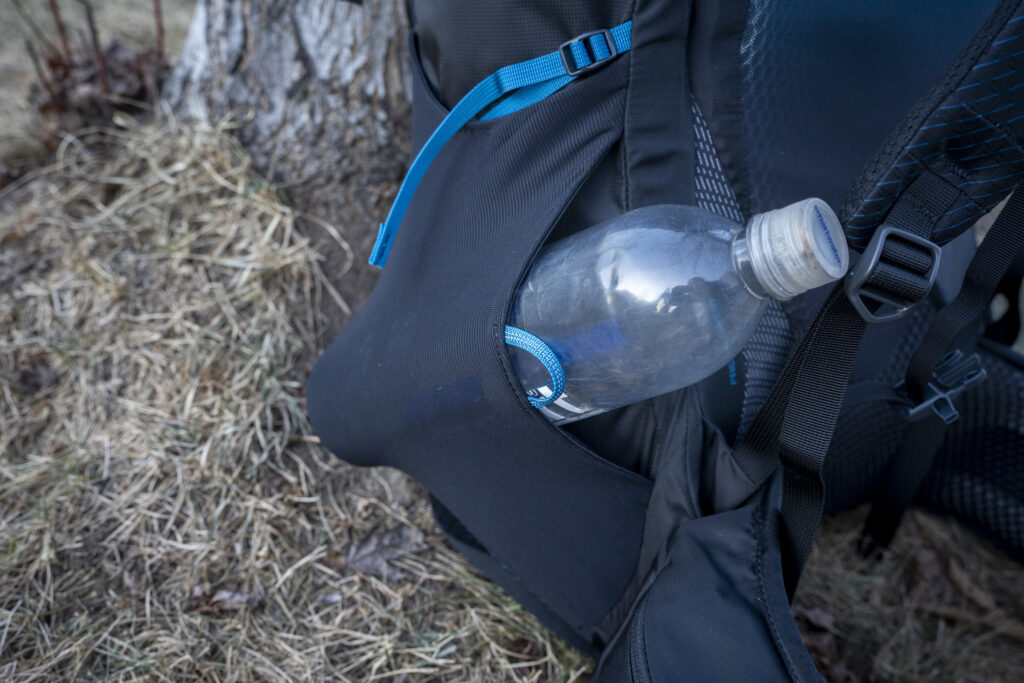
The Gregory Paragon 60 and Maven 58 are our favorite traditional all-around backpacking packs because they combine excellent comfort with practical access and a manageable feature set. With roughly 30 pounds loaded, the suspension transferred weight smoothly to the hips without creating shoulder hot spots, and the cushioned back panel remained supportive. Side-zip access makes buried gear easier to reach, while the vertical bottle opening is one of the more useful small details in the category.
The main compromises are weight and exposed mesh: lighter packs such as the Flash and Exos save meaningful ounces, and the rear stretch pocket deserves care around abrasion. That combination keeps the Paragon/Maven at the top of our backpacking-pack ranking for hikers who want one comfortable traditional pack to cover most multi-day trips.
How We Tested
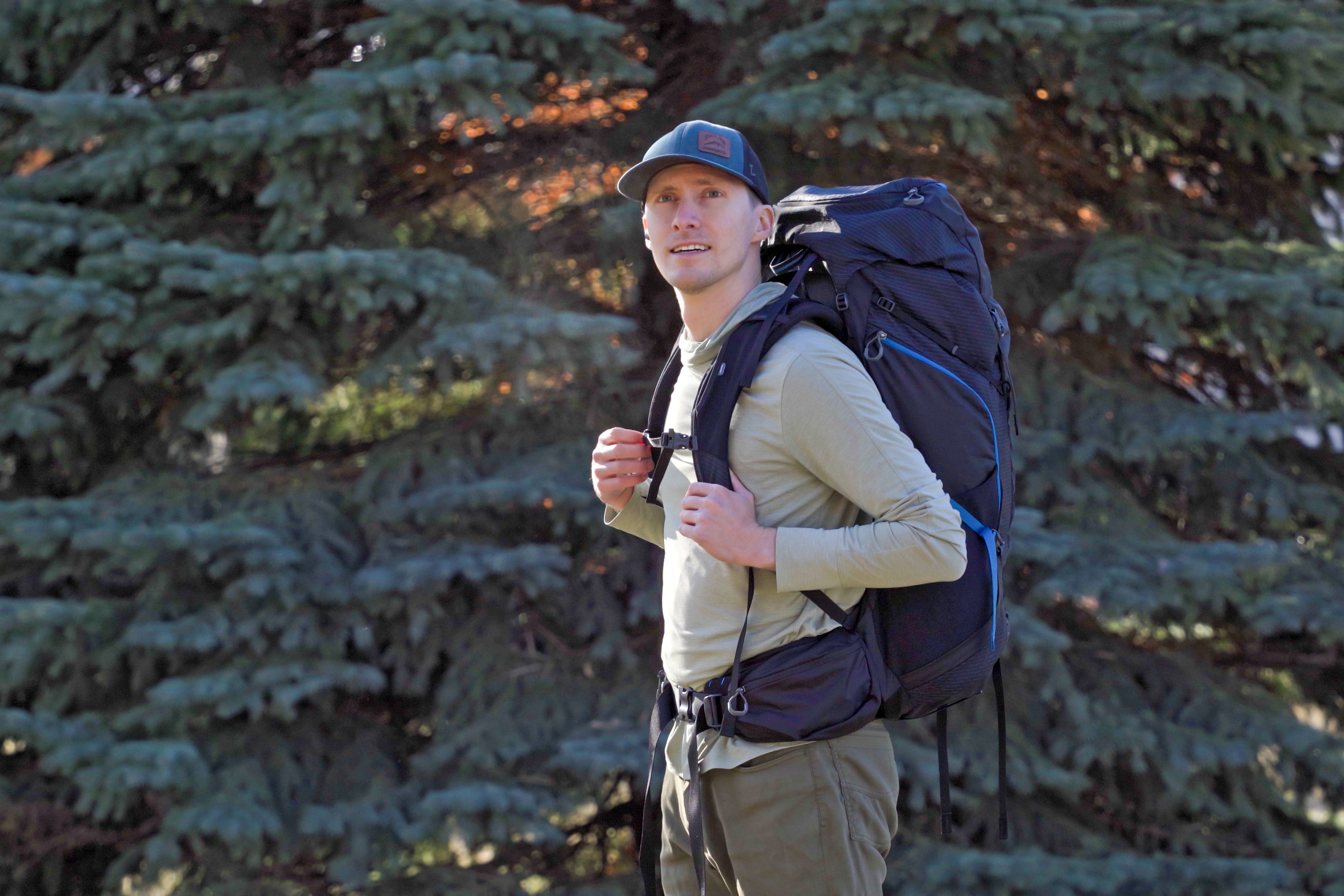
Our current Paragon testing paired Taylor Passofaro’s forested Minnesota trail sessions with more than 1,000 miles of CleverHiker experience across earlier Paragon versions. The refresh centered on how the suspension handled roughly 30 pounds, how easily we could reach water and buried gear, and whether the materials and adjustment system still supported the pack’s all-around role.
Quick Specs
- Best for: Traditional backpackers prioritizing comfort and balanced features
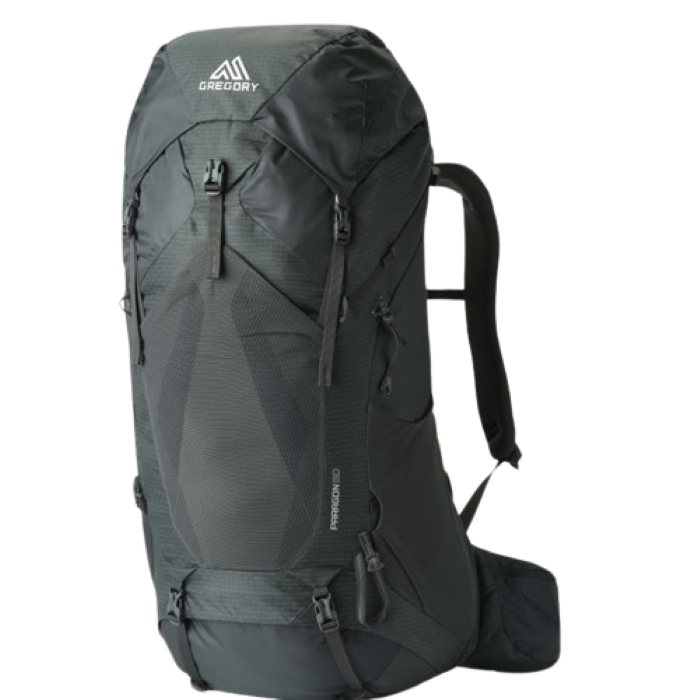
Gregory Paragon 60 / Maven 58
Best Backpacking Backpack Overall
CleverHiker Rating: 4.8/5.0
Price: $300
Measured Weight: 3 lb. 8.3 oz.
Volume: 60 L / 58 L
Max Weight Rec.: 50 lb.
Pros
- Very comfortable
- Water bottle pocket is easy to reach
- Side zipper access
Cons
- Heavier than its peers
- Only one bottle pocket has a vertical opening
- Mesh on the back pocket may lack durability

Comfort
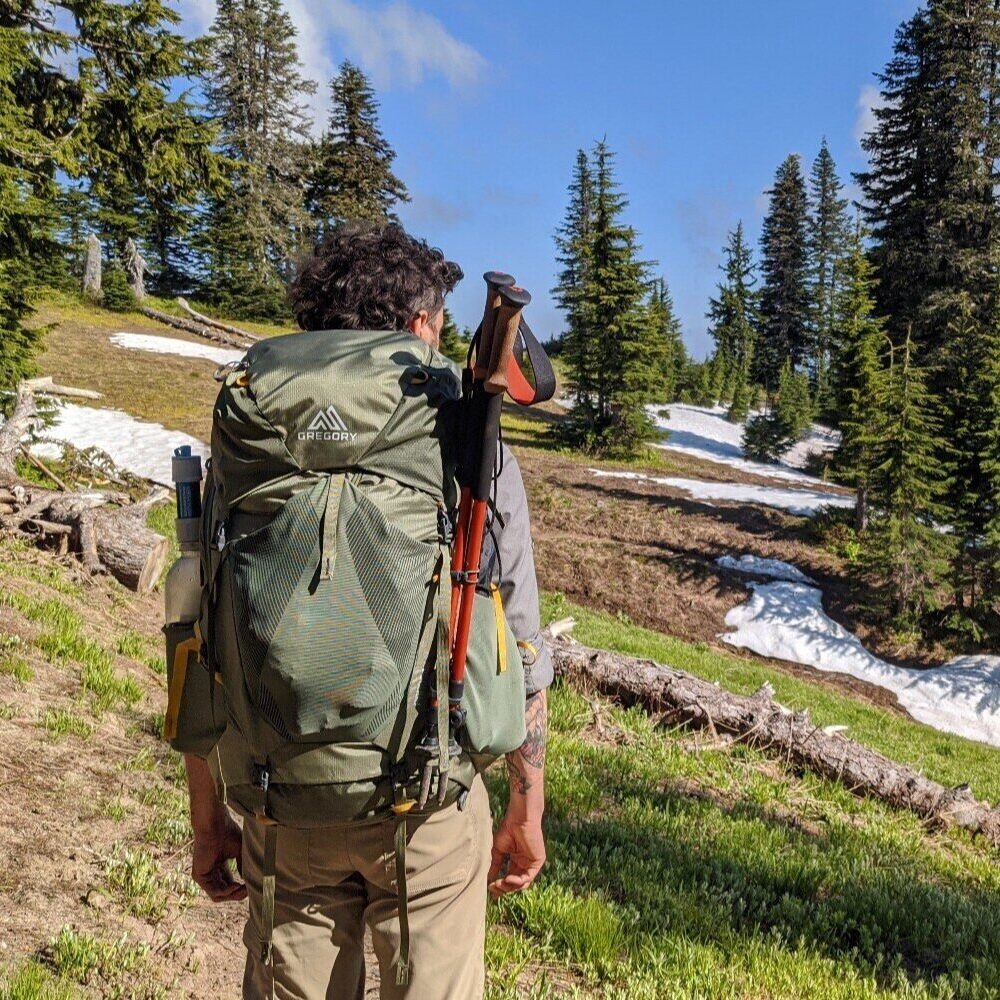
Around 30 pounds is where the Paragon/Maven showed why it leads this field for traditional comfort. Weight settled onto the hips cleanly, shoulder hot spots never developed, and the back panel felt cushioned without taking on the bulky, overbuilt character of a true heavy hauler. That balance of support and restraint is what drives its 4.9 comfort score, especially over ordinary multi-day terrain where weight transfer matters for hours.
The Paragon/Maven’s suspension impressed us because a roughly 30-pound load moved cleanly onto the hips while the shoulder straps carried the remaining weight without creating hot spots. The mesh back panel is not as deeply suspended as an Osprey Exos or Atmos, but it still creates useful airflow, and mesh through the shoulder straps and hipbelt adds breathability. The hipbelt itself feels supportive without becoming as bulky or rigid as a heavy-hauling design such as the Baltoro.
Comfort is personal, so we still recommend trying the pack with realistic weight rather than assuming our fit will match every body. What gives us confidence is the combination of even load transfer, cushioned contact points, and a long history with the Paragon line across multiple seasons. It delivers traditional-pack comfort without requiring a five-pound chassis.
Comfort Score: 4.9 / 5.0
Features
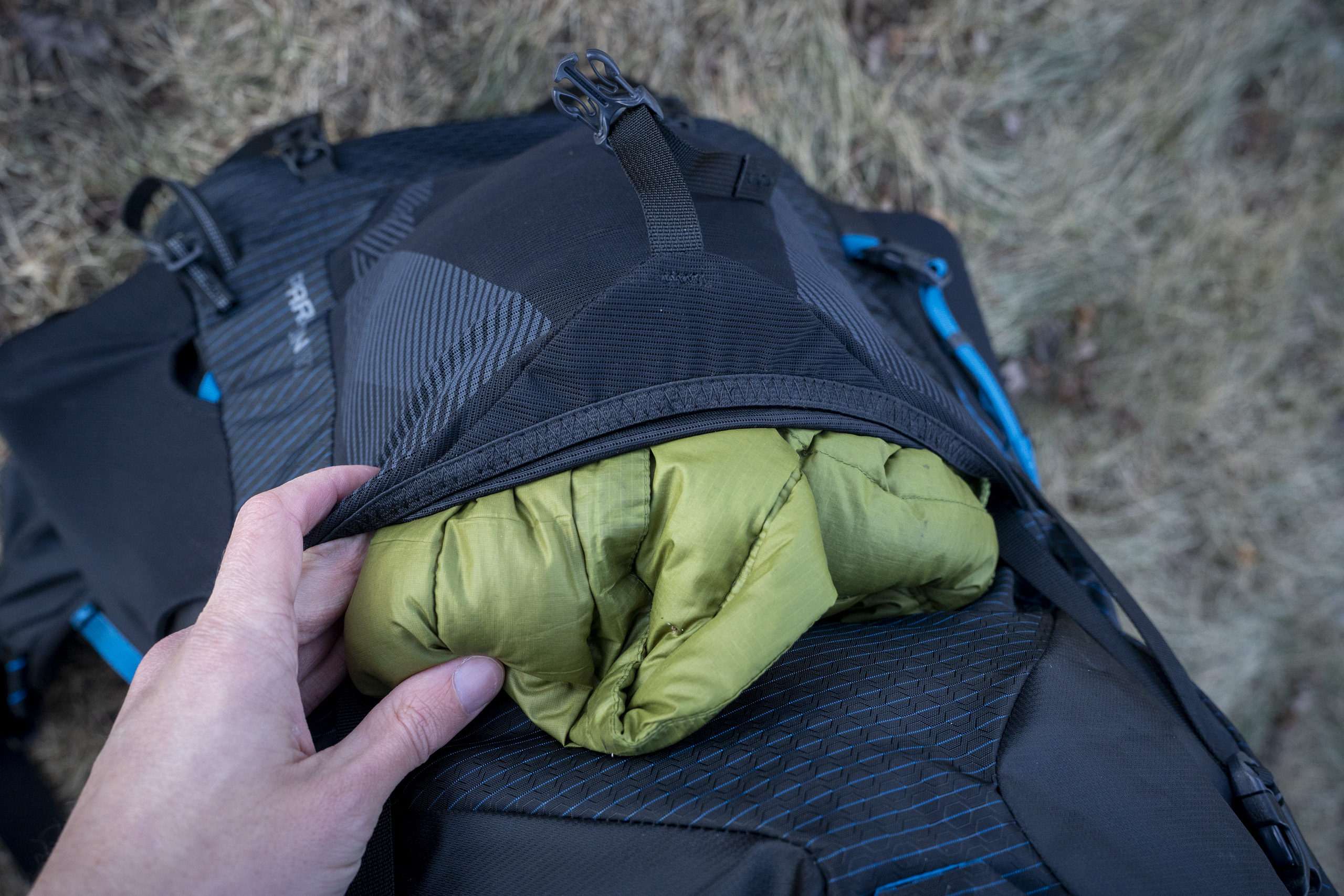
The Paragon earns its 4.7 for features by solving frequent trail tasks without burying the user in hardware. Side access reaches buried gear, the lower compartment keeps bulky sleep items separate, and the vertical bottle opening is genuinely useful while moving. Compared with the Atmos, there are fewer systems to manage, but the ones that remain are the ones we reach for most often.
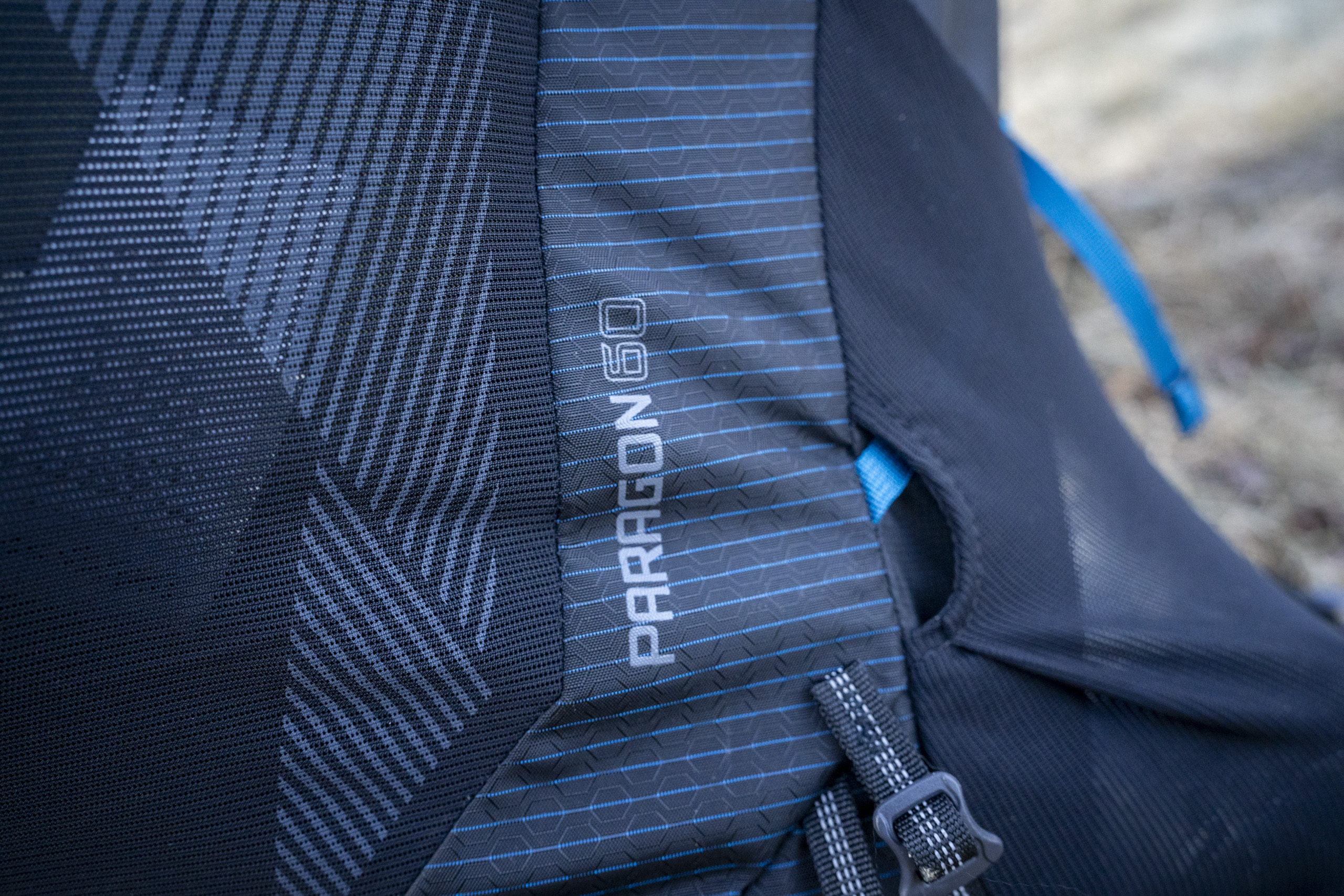
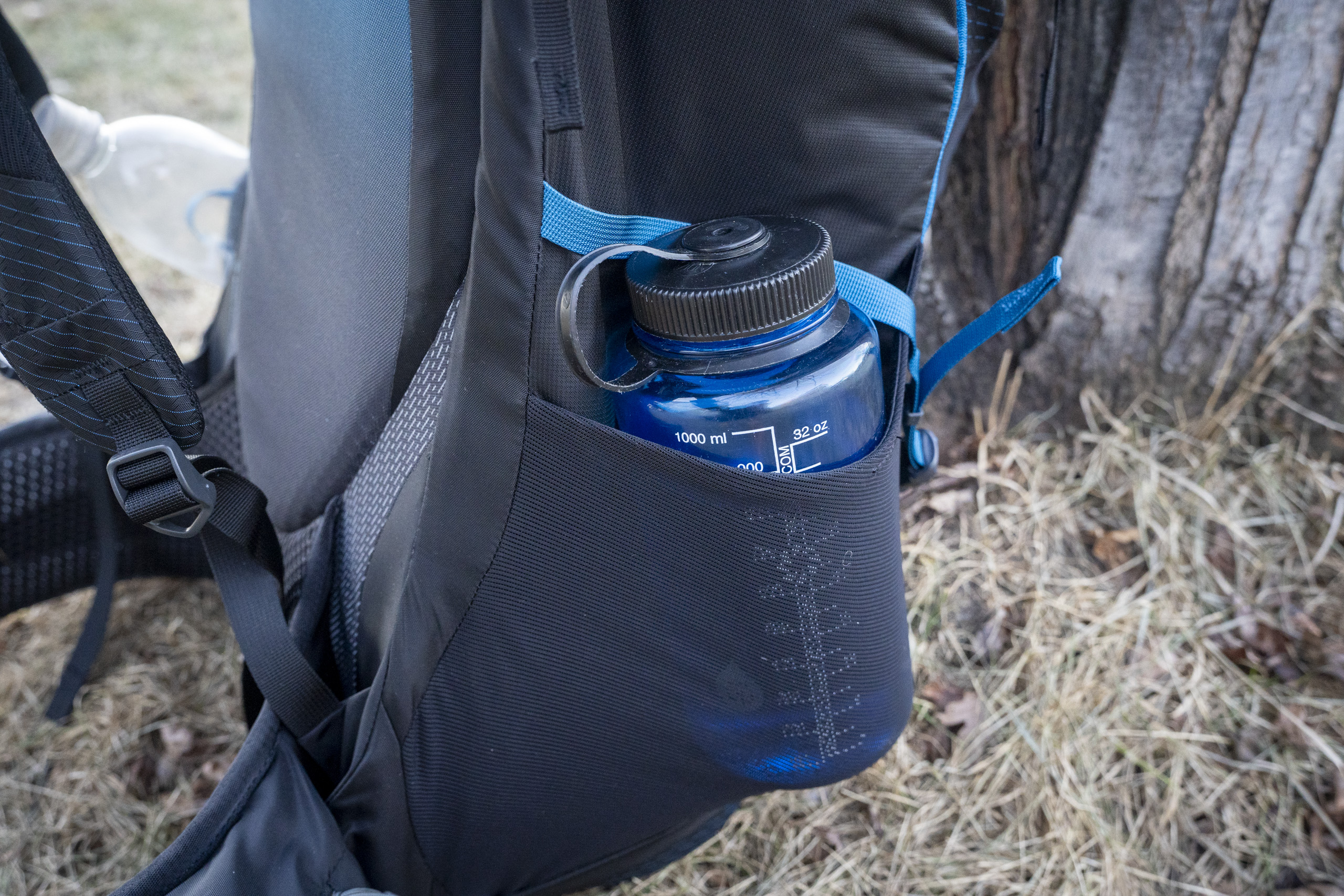
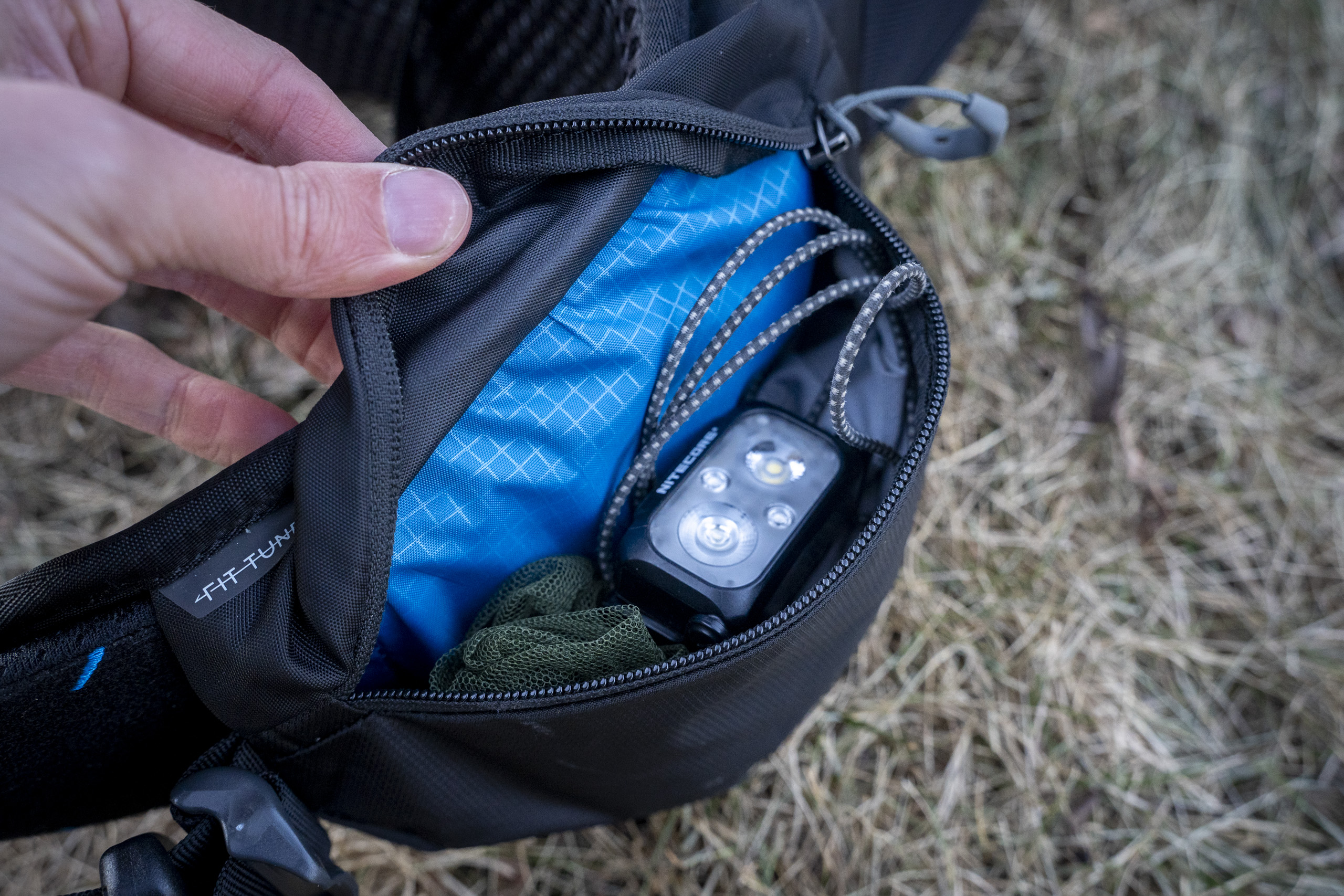
The Paragon is a midweight pack that adds useful access without trying to match the Atmos feature for feature. The most important system is the L-shaped side zipper, which opens a large section of the main body and lets hikers reach buried layers without unloading the top. The hipbelt can also be extended or reduced with Velcro-backed sections, giving the pack more flexibility as body shape changes over a long trip. Gregory includes a vertical bottle opening on the right side, which is genuinely easy to reach, though we wish the same design appeared on both sides.
A hidden compression cord routes beneath that pocket so the user can tighten the load without sacrificing bottle access. The main nitpick is the hipbelt zippers, which require more effort one-handed than our favorite pockets. Overall, the feature set feels chosen for trail usefulness rather than novelty.
Features Score: 4.7 / 5.0
Durability
Years of CleverHiker experience with the Paragon line give us more confidence in its frame, hardware, and main body than a short materials inspection alone. That history supports the 4.5 durability score. The load-bearing structure and woven body have given us far fewer reasons for concern than the exposed storage areas over time. The weak link is the rear stretch pocket, which is useful for quick storage but deserves more care around brush and rock than the pack’s structural components.
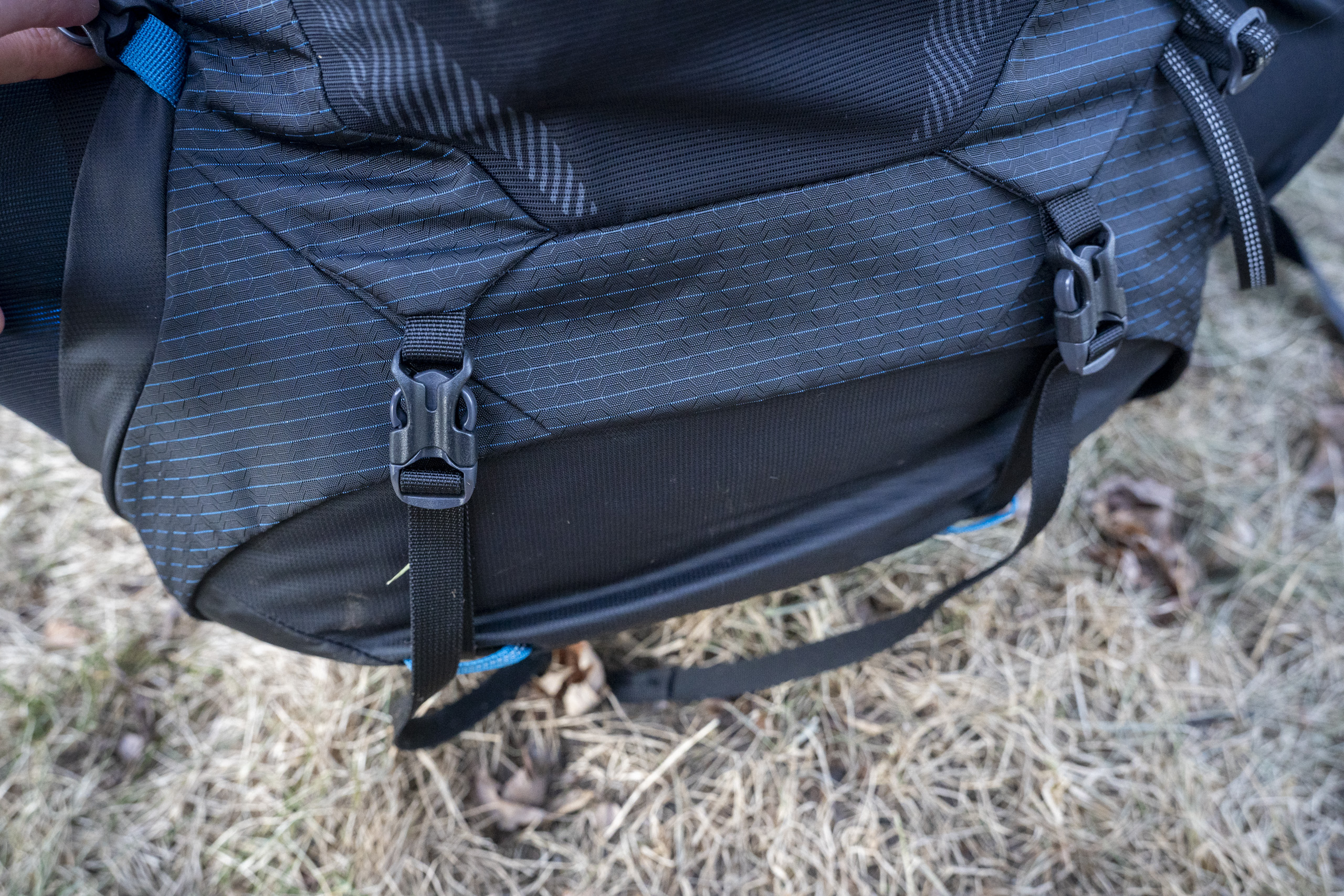
CleverHiker has used versions of the Paragon for years, and the main structure has given us confidence over that time. The frame, buckles, stitching, and woven body fabrics have held up well, which supports the 4.5 durability score. The area we treat more carefully is the large rear stretch pocket. Mesh makes it convenient for wet layers or frequently accessed gear, but it is also more vulnerable to branches and abrasive rock than solid fabric.
That is a tradeoff we accept because the pocket is genuinely useful, not because the material is equally durable. Compared with the Aether, the Paragon is less overbuilt; compared with lightweight designs that use mesh across multiple high-wear zones, it feels more substantial. The best fit is normal trail backpacking where the user wants years of service without carrying expedition-level fabric weight.
Durability Score: 4.5 / 5.0
Ease of Use
Trail routines feel unusually smooth with the Paragon, which is why it scores 4.6 for ease of use. The side zipper shortens gear searches, the vertical bottle opening works while walking, and the compression layout is immediately understandable. We still notice asymmetry between the two bottle pockets and hipbelt zippers that are not our one-handed favorites, but those are minor interruptions in an otherwise intuitive design.
The Paragon reduces trail friction through access rather than through minimalism. The side zipper makes it possible to retrieve a layer, food bag, or other buried item without emptying the top of the pack, and the vertical bottle opening on the right side is one of the easiest hydration setups in the field. Compression controls are familiar, and the hipbelt adjustment range is straightforward once set. The uneven bottle-pocket design is the most obvious oddity because the left side is less convenient to reach.
Hipbelt zippers also take more effort to close one-handed than the smoothest pockets we tested. Those are small issues rather than systemic problems. For a traditional pack with multiple compartments and access points, the Paragon remains intuitive and predictable, which is part of why we recommend it so broadly.
Ease of Use Score: 4.6 / 5.0
Should You Buy the Gregory Paragon 60 / Maven 58?
Buy the Paragon or Maven if comfort is your first priority and you still want useful organization without moving into a five-pound heavy hauler. The suspension works especially well around typical multi-day loads, and side access plus easy bottle reach reduce small trail frustrations. Hikers with dialed-in lightweight kits can save weight with the Flash, Exos, or Circuit, while those carrying expedition-level loads should step up to the Baltoro. For the broad middle of traditional backpackers, the Paragon/Maven has the fewest consequential compromises.
What Other Backpacking Backpacks Should You Consider?
REI Flash 55 Review: Saving weight and money is the Flash’s advantage while still keeping a supportive frame. It is less plush than the Paragon, but its modular layout and lower price make it an excellent value for lighter loads.
Gregory Baltoro 75 Review: The Baltoro is the better tool when your trips regularly involve very heavy or bulky loads. It carries much more pack weight itself, but its suspension and capacity become worthwhile for guides, family gear, long food carries, and expedition-style use.
Osprey Exos 58 Review: Warm-weather hikers can trade some of the Paragon’s planted feel for the Exos’s much airier suspended-mesh carry. The Paragon feels more planted and comfortable in a traditional sense, while the Exos is the better warm-weather option for a lighter kit.