


Bottom Line
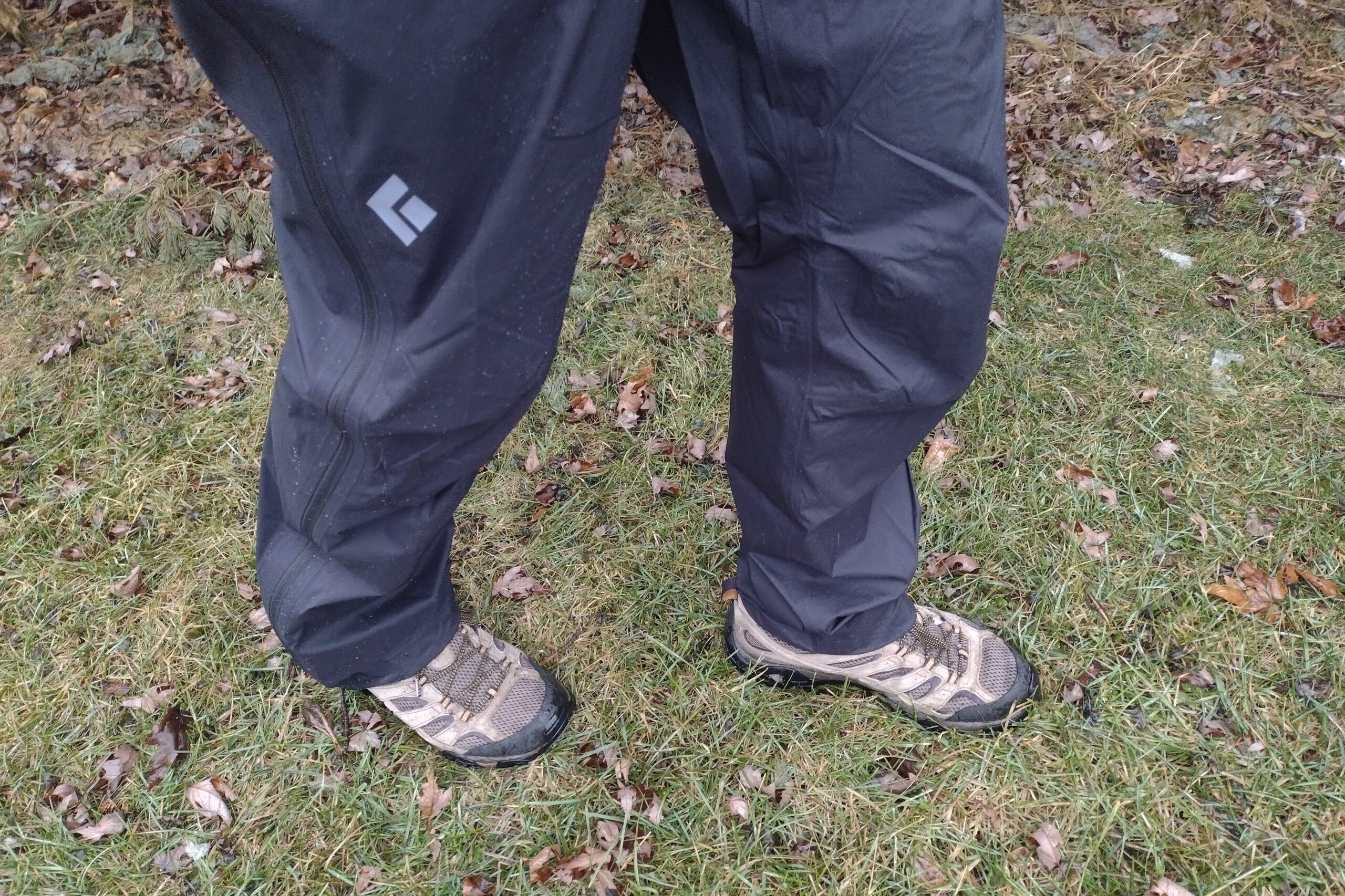
The Black Diamond Fineline Stretch (men’s / women’s) stands out because it doesn’t feel like a rigid pair of rain pants. We liked its flexible, quiet fabric on steep climbs and when stepping over fallen trees. Full side zippers make it easy to vent and change layers without taking shoes off, while the entire pant packs into its own pocket.
During our 60-day test in wet Minnesota and Colorado storms, the shell handled ordinary rain well. The elastic waistband and adjustable drawcord stayed comfortable, and the tailored shape felt less cumbersome than roomy rain shells. However, the narrow fit does not leave much space for insulating layers or larger builds.
The lightweight fabric is less reassuring in severe, prolonged weather or abrasive brush than a thick three-layer shell. We would choose the Fineline for fast hikes, travel, and active moderate-weather use, not repeated punishing alpine outings. See our full best rain pants guide for a complete review of our favorites.
How We Tested
In our published testing, we wore the pants for roughly 60 days in soggy Minnesota winter weather and afternoon storms along Colorado’s Front Range. We scrambled up steep terrain and crossed fallen trees in dense Wisconsin woods, paying special attention to stretch, waist security, and comfort while moving. We also evaluated rain shedding, ventilation, packed size, and long-term material tradeoffs.
Quick Specs
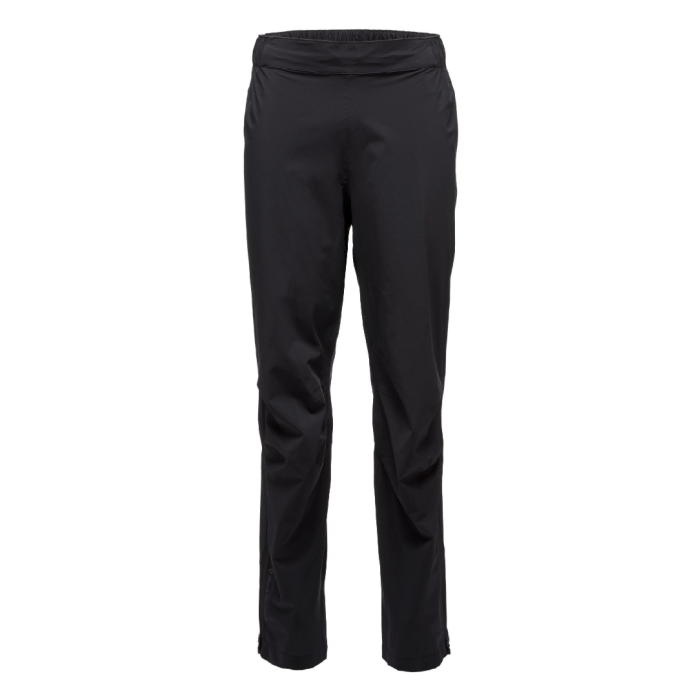
Black Diamond Fineline Stretch
Best Stretchy & Comfortable Rain Pants
CleverHiker Rating: 4.8/5.0
Price: $179
Weight: 9.7 oz. / 7.5 oz.(men’s / women’s)
Zipper Length: Full
Pros
- Comfortable stretch fabric
- Full-length side zippers
- Light and compact
- Secure adjustable waist
- Packs into pocket
Cons
- Slim fit limits layering
- Only one pocket
- Warms up during hard pushes
- Less rugged than thicker shells

Comfort & Mobility
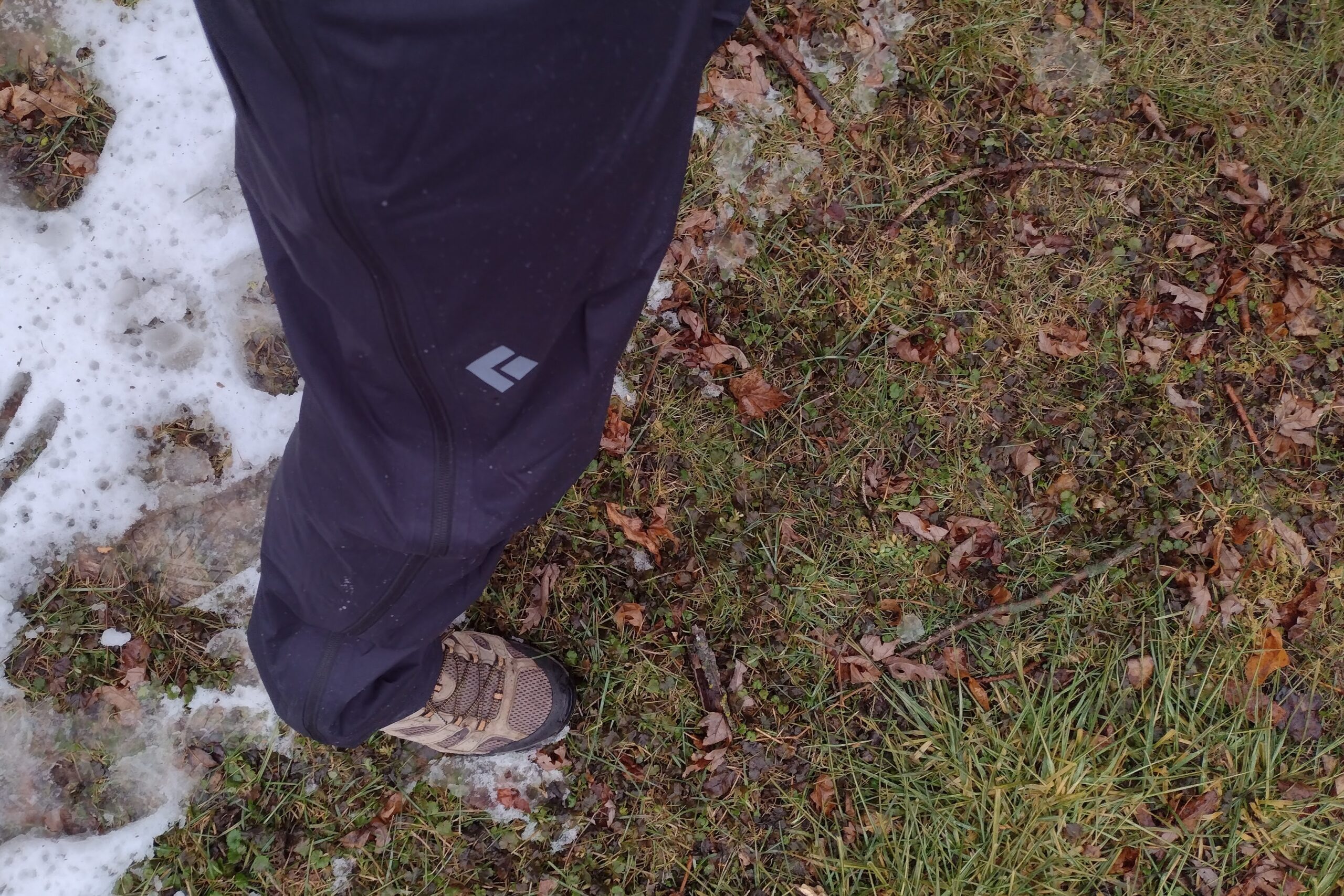
The Fineline’s biggest advantage is how freely it moves. We climbed Colorado slopes and navigated downed trees in Wisconsin without the stiff tugging associated with heavier waterproof fabric. The elastic waist and drawcord maintained a secure fit without digging in during long strides.
The narrower profile also feels less baggy and looks more at home off the trail. In our North Country Trail testing, the fabric stayed comfortable over sustained walking instead of making the stiff swishing noise that characterizes some thicker shells. But that cut limits its versatility with bulky winter layers, and hikers who prefer a loose fit may feel constrained. The roomier Beta and Torrentshell are better choices when thick insulation needs to go underneath.
Our North Country Trail walks also showed why the fit is more than a cosmetic preference. A close cut kept excess fabric from flapping around our legs while we climbed over deadfall, and the elastic waist remained secure. The same streamlined shape leaves less flexibility for adding thick insulation, so this is a better three-season movement shell than a roomy winter overpant.
Comfort & Mobility Score: 4.8/5.0
Weather Resistance
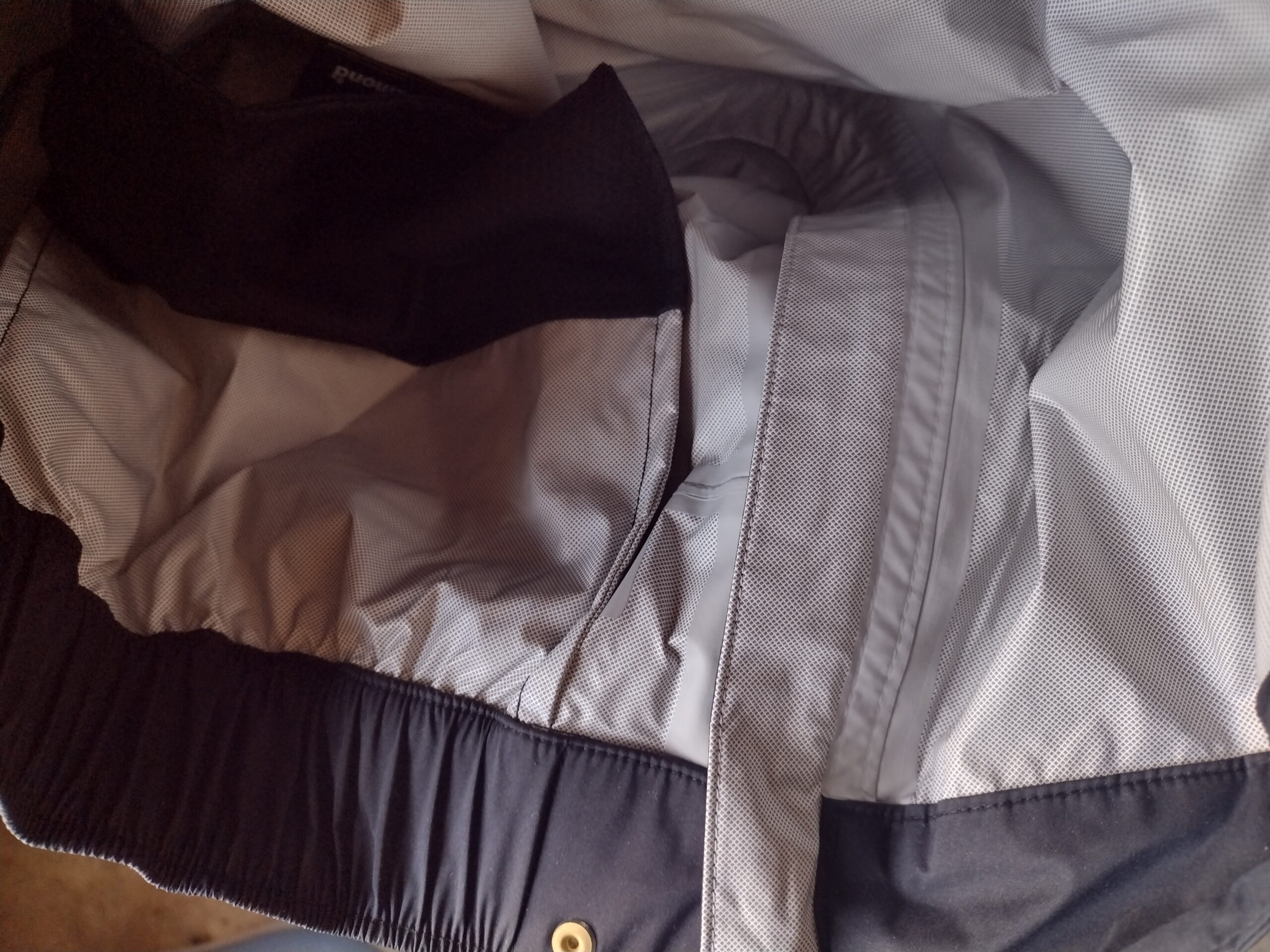
The 2.5-layer BD.dry waterproof construction, taped seams, and DWR treatment kept rain off during drizzles and heavier showers. Our Minnesota and Colorado use supported its suitability for typical variable mountain weather without carrying a bulky alpine shell.
The distinction is prolonged exposure. The published review finds the Fineline reliable from drizzles to downpours, while acknowledging that it gives up some weatherproofing margin to more protective designs. The Fineline is not our pick for sustained torrential rain or rough winter conditions, where a thicker shell offers more protection. The ability to keep exterior rain out also should not be confused with comfort during sweaty climbing; its internal heat buildup can still be noticeable.
Weather Resistance Score: 4.5/5.0

Ventilation
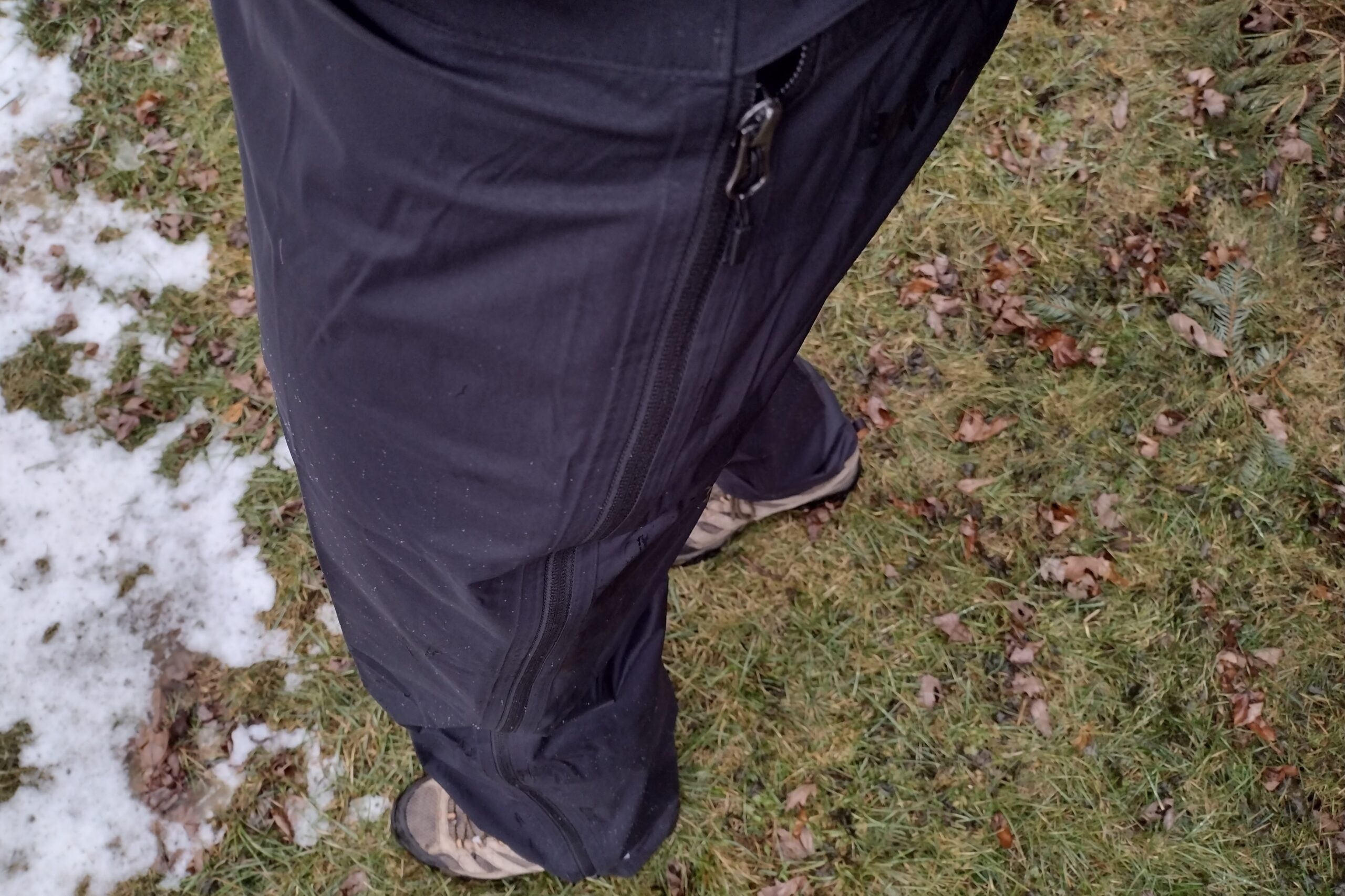
Full-length zippers are a major practical advantage. They make changes over shoes much easier and allow extra airflow when our effort increases. The light material is comfortable at moderate hiking intensity, but it runs warm when pushed hard in humid conditions.
On a long climb, opening the side zips can help more than relying on membrane breathability alone. This mattered in our testing because heat buildup became more noticeable at higher exertion, despite the comfortable stretchy fabric. Hikers who regularly work hard in rain will appreciate that flexibility, although open vents expose the legs if precipitation blows directly into them.
We found the full openings most helpful when conditions changed repeatedly, not simply when hiking fast. They let us adjust airflow without a complete clothing change and made it easier to put the pants on after rain began. That convenience is a meaningful reason to choose the Fineline over a lighter zipperless alternative, even though the membrane alone did not prevent warmth building during hard efforts.
Ventilation Score: 4.6/5.0
Weight
The published men’s and women’s weights are 9.7 and 7.5 ounces. Those are compelling figures for rain pants with full leg openings and an adjustable waistband. We could tuck the pair into a jacket pocket on a multi-day North Country Trail outing, keeping them accessible for sudden weather.
There are lighter, simpler options, including the Zpacks Vertice and Outdoor Research Helium. Unlike those minimalist pairs, the Fineline packs into its own pocket while retaining side access for fast changes in unsettled weather. The Fineline’s appeal is that it retains genuinely useful mobility and access features without a large pack-space penalty.
Weight Score: 4.6/5.0
Durability
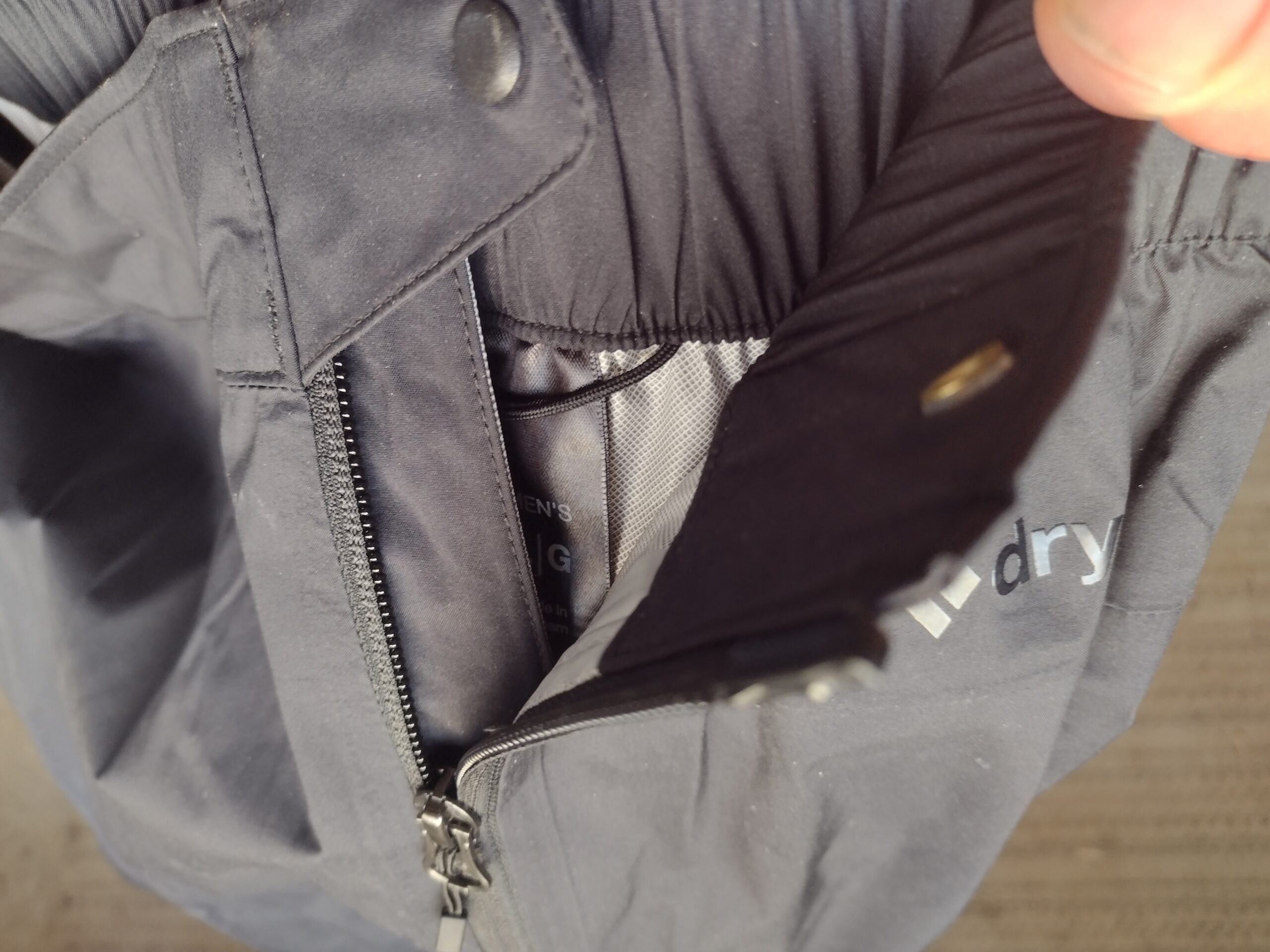
The stretch material handled the normal demands of our active hiking, including climbing over deadfall. It is still a thin, mobility-first fabric and not the option we trust most for repeated rock abrasion or dense thorny brush.
A heavier Torrentshell or Beta gives up some comfort in exchange for a tougher exterior. Our scrambling and wooded-trail testing did not expose an immediate failure, but the thinner, stretchy material warrants more caution with repeated abrasion. The Fineline is better suited to hikers who move quickly on established routes and want rain protection that is pleasant to wear.
Durability Score: 4.6/5.0

Should You Buy the Black Diamond Fineline Stretch Rain Pants?
Buy the Fineline if comfortable movement, quick changes over footwear, and low packed weight are central to your hiking. It’s especially appealing for active day hikes, travel, and moderate three-season weather.
Look elsewhere for a loose winter-layering fit, maximum durability, or prolonged severe storms. At $179, you’re paying for stretch and versatility, not the toughest shell in this comparison.

What Other Rain Pants Should You Consider?
Here are a few top rain pants from our best rain pants gear guide that might fit your rainy weather needs:
Patagonia Torrentshell 3L Review: We would choose the Torrentshell for rocky, brushy, frequently wet outings. Its burly three-layer fabric shrugged off deliberate scraping on Colorado boulders and costs less than the Fineline. It is stiffer, noisier, and bulkier, so it trades walking comfort for toughness.
Arc’teryx Beta Review: The Beta is better suited to exposed alpine weather and insulating layers, with rugged waterproof construction and full-length side access. Its relaxed cut and firm waistband feel less athletic than the Fineline. It also costs substantially more, making it hard to justify for straightforward trail hikes.
Mountain Hardwear Stretch Ozonic Review: The Stretch Ozonic is another quiet, comfortable shell with excellent freedom of movement and useful side ventilation. Its slightly roomier feel may be better if the Fineline runs too slim. It shares a vulnerability to snagging in brush, so neither should replace a heavy-duty shell for repeated off-trail abuse.