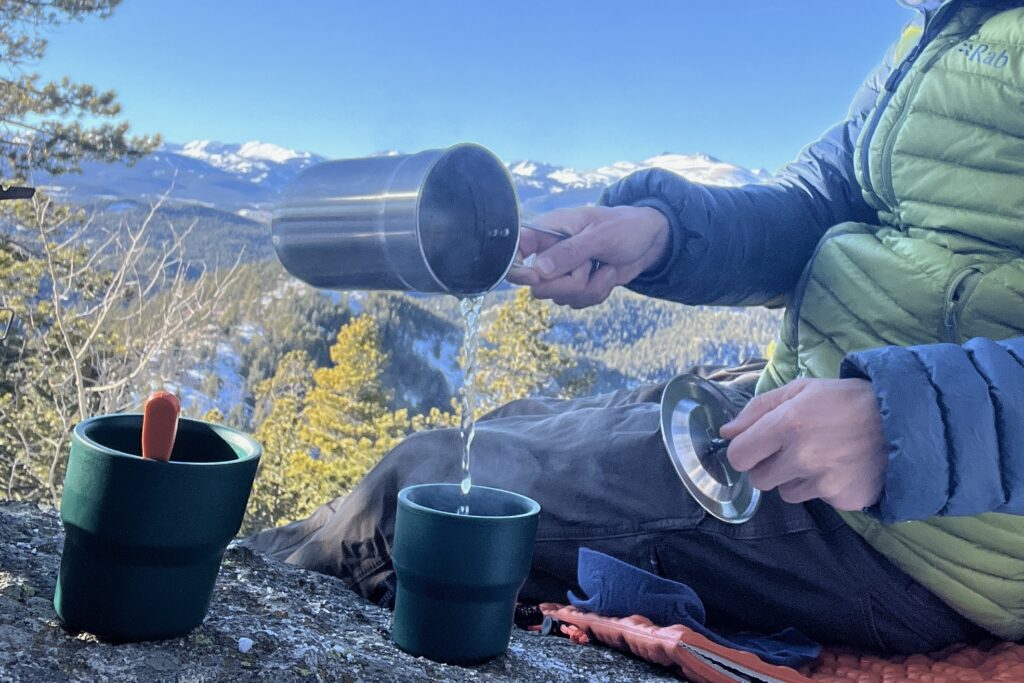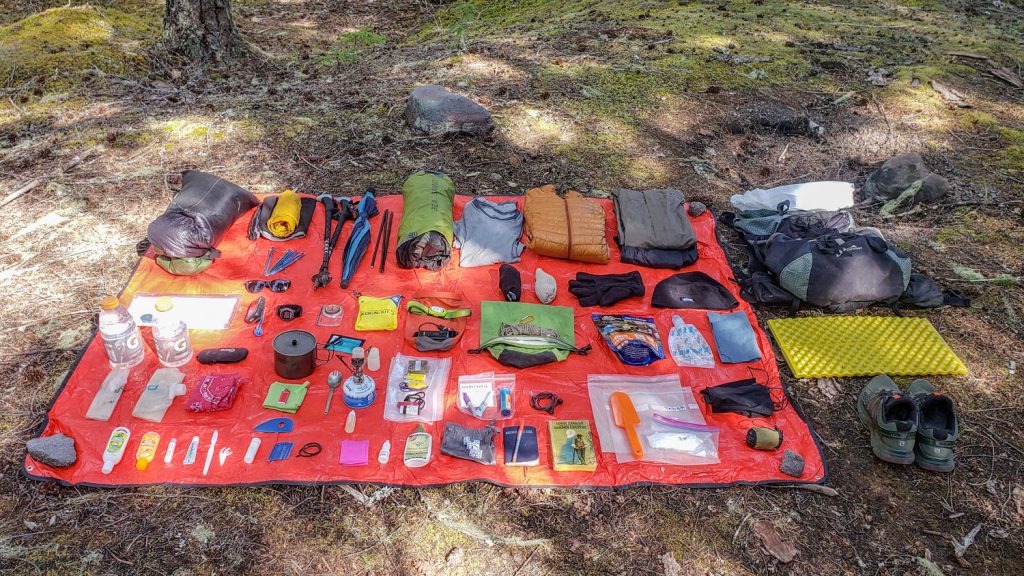


We’ve researched 150 backpacking stoves and tested over 40 of the best available options, from the sky-high mountains of Nepal to the freezing ridges of Mt. Hood – and just about everywhere in between. We used our experience and expertise to narrow down this list of our absolute favorites from MSR, Jetboil, SOTO, and more.
Editor’s Note: We updated this guide on May 29, 2026, to add three new stoves to our list: the Jetboil Stash, MSR Switch, and TOAKS Titanium. We also swept the guide for price changes and moved some stoves around in our rankings.
How We Test Backpacking Stoves
For this guide, gear analyst Brett Kretzer subjected each backpacking stove to on-trail testing and controlled experiments to evaluate its convenience, weight and packability, power and efficiency, and precision. He’s researched over 50 of the industry’s top cooking setups and field-tested well over a dozen with hundreds of backcountry meals.
And for more info, check out some of our other popular gear guides:

#1. Best Backpacking Stove Overall

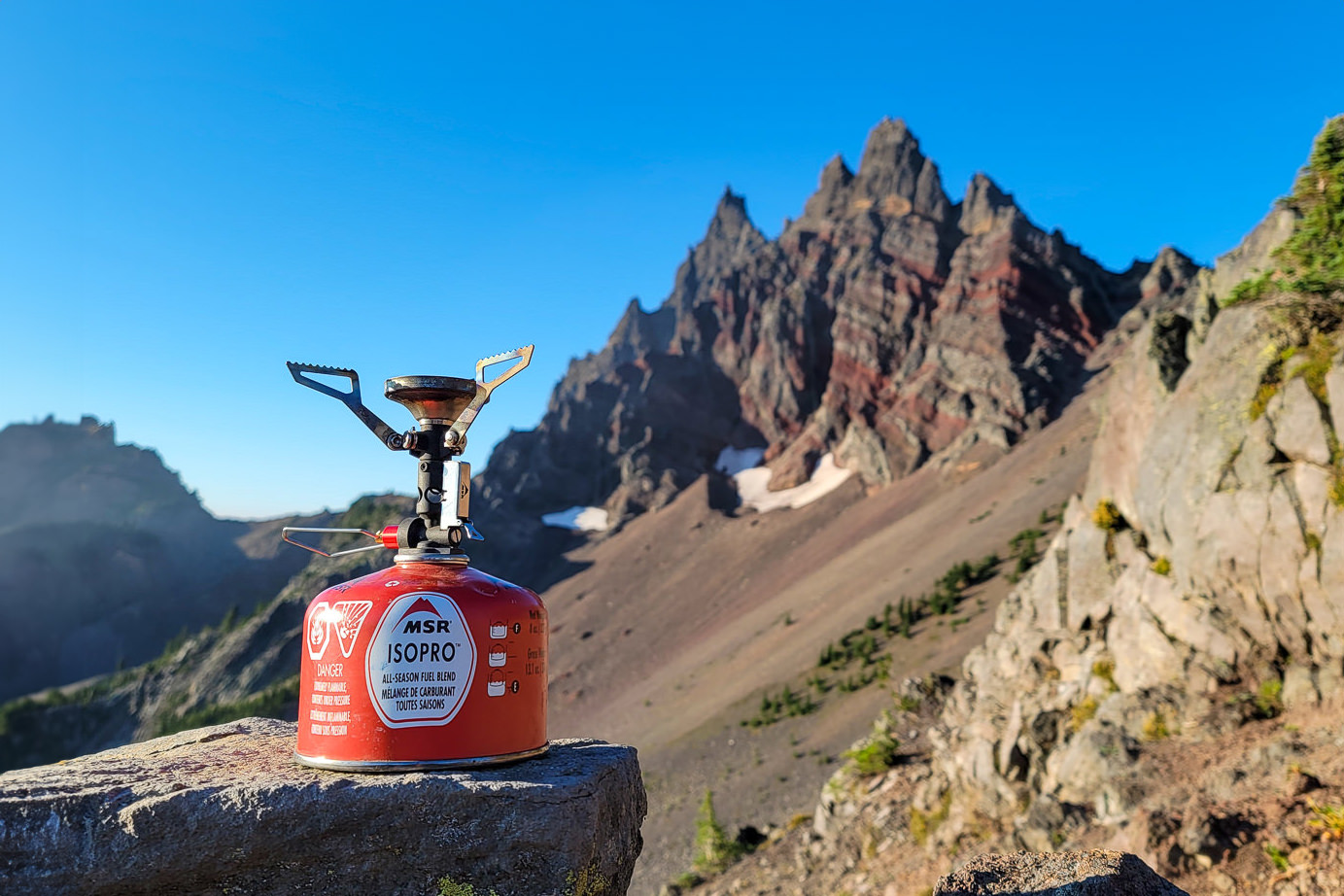
The MSR PocketRocket 2 hits the sweet spot of weight, performance, durability, and affordability. Out of the dozens of stoves we’ve tested and hundreds of backcountry meals we’ve cooked, the PocketRocket 2 continues to stand out for its well-rounded performance.

Quick Picks for Backpacking Stoves
Check out this quick list of the best backpacking stoves if you’re in a hurry, or continue scrolling to see our full list of favorites with in-depth reviews.
1. Best Backpacking Stove Overall: MSR PocketRocket 2 ($60)
2. Best Premium Ultralight Backpacking Stove: Jetboil Stash ($165)
3. Lightweight Stove with Excellent Wind Performance: SOTO WindMaster ($70)
4. Best Hybrid Stove System: MSR Switch ($145)
5. Best Ultralight Backpacking Stove: TOAKS Titaniumm ($30)
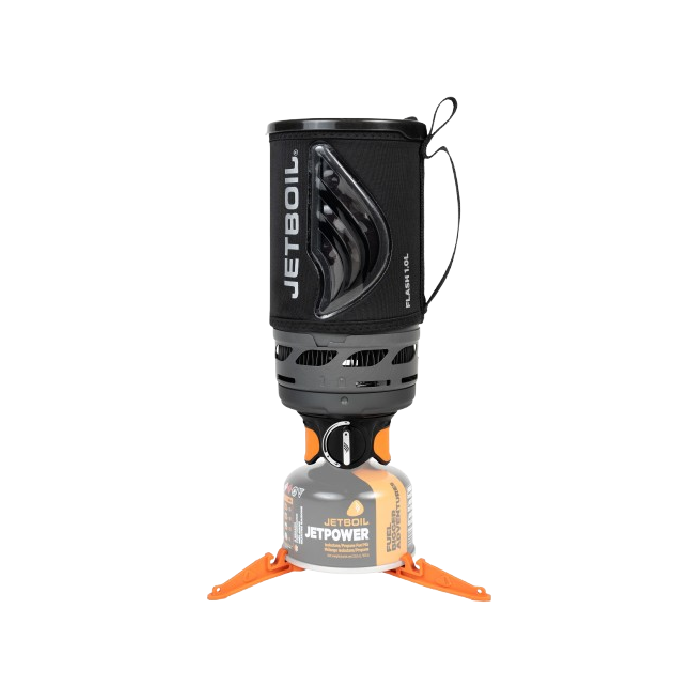
6. Best Fully Integrated Backpacking Stove: Jetboil Flash ($145)
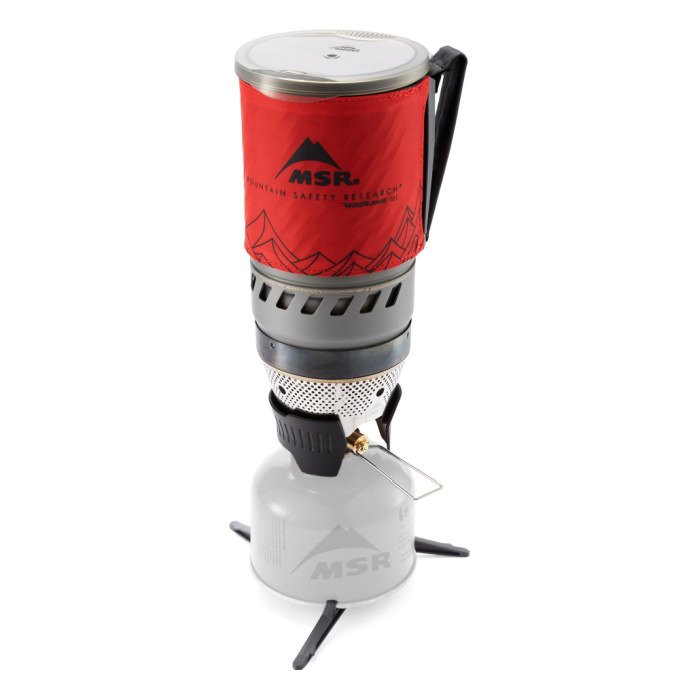
7. Most Wind-Resistant Backpacking Stove: MSR WindBurner ($200)
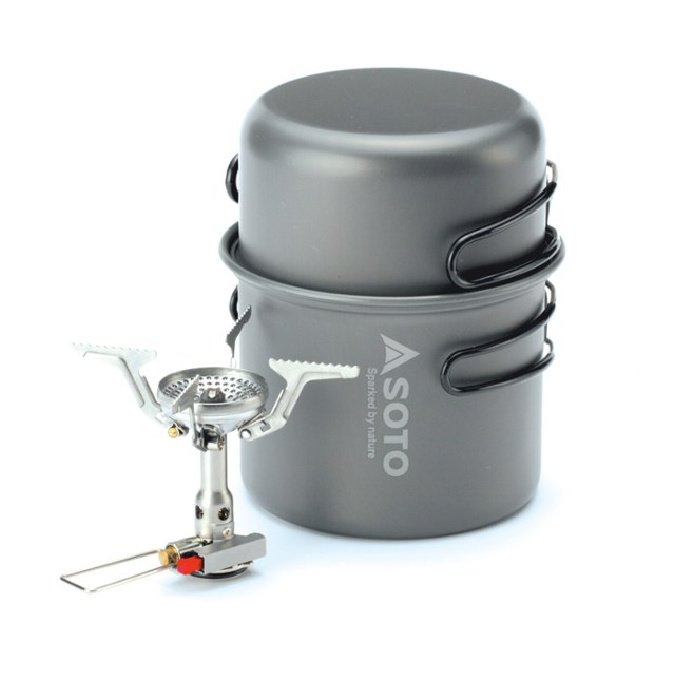
8. Best Budget Backpacking Stove Bundle: SOTO Amicus Cookset Combo ($50)
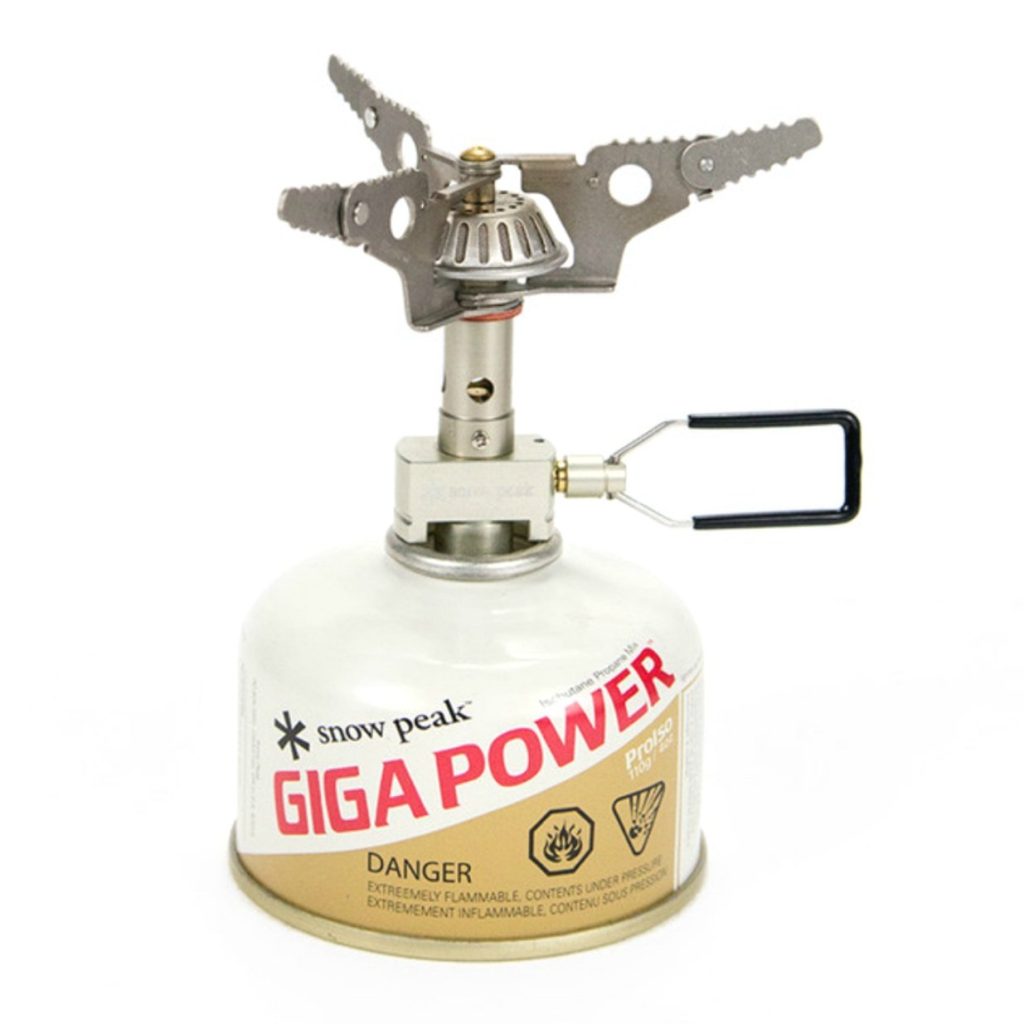
9. Best Alternative Ultralight Backpacking Stove: Snow Peak LiteMax ($55)
10. Best Budget Ultralight Backpacking Stove: BRS 3000T ($20)
11. Best Backpacking Stove for Extreme Conditions: MSR WhisperLite ($140)
12. Best Wood-Burning Backpacking Stove: Solo Stove Lite ($60)
MSR PocketRocket 2
Best Backpacking Stove Overall
CleverHiker Rating: 4.8/5.0
Price: $60
Weight: 2.6 oz.
Fuel Type: Isobutane/propane canister
Boil Time: 3m 25s
Burn Time (8 oz. fuel): 60m
Pros
- Ultralight
- Compact
- Durable
- Decent simmer control
- Efficient
Cons
- Somewhat bulky carrying case
- Not as wind-resistant as some
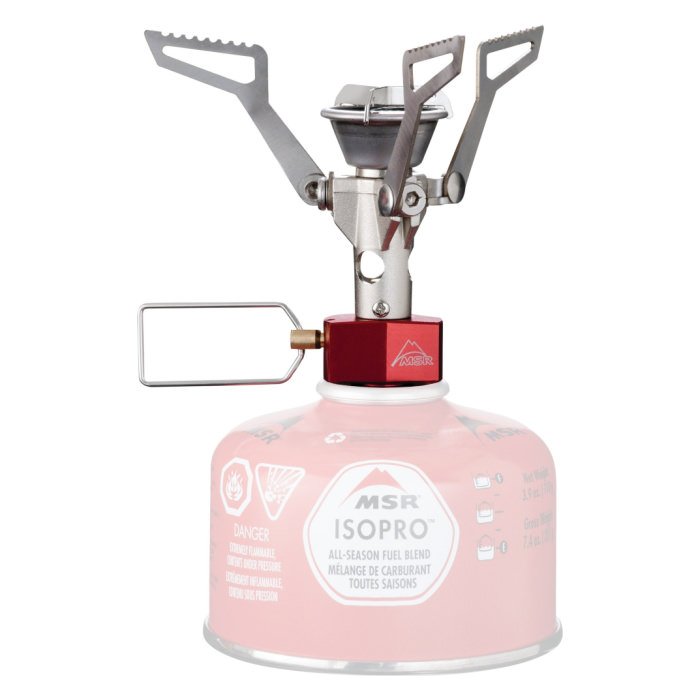
The MSR PocketRocket 2 is a lightweight, compact, and durable stove that won’t break the bank. During testing, the PocketRocket 2 consistently outperformed more expensive stoves with its great simmer control and fast boil times.
One unique feature is the hard plastic storage case. This keeps the stove protected from debris and ensures it won’t get bent or damaged in your backpack. We sometimes opt to leave the case behind when we want to go as light as possible, but it only weighs 1.6 ounces – not a big penalty for the added peace of mind.
MSR also offers the PocketRocket 2 Kit, which comes with the stove, a pot, a bowl, a straining lid, and a pot grip. The kit is an awesome value if you’re looking for a complete cooking setup.
Another upgrade you can opt for is the MSR PocketRocket Deluxe (which is also available as an all-in-one kit). The Deluxe comes with a push-button igniter, a pressure regulator to help performance in cold temperatures and at high altitude, and a recessed burner head for improved wind performance.
The standard PocketRocket 2 is a great choice for seasoned thru-hikers and backpacking novices alike. Though the Deluxe has a more robust regulator for high altitude and cold weather, we’ve never had an issue with the PocketRocket 2.
Jetboil Stash
Best Premium Ultralight Backpacking Stove
CleverHiker Rating: 4.8/5.0
Price: $165
Weight: 7.1 oz. / 2.1 oz.Full kit / stove only
Fuel Type: Isobutane/propane canister
Boil Time: 3m 30s
Burn Time (8 oz. fuel): 140m
Pros
- Lightweight
- All-in-one kit
- Very efficient
- Fast boil time
Cons
- Expensive
- Biased towards Jetboil cookware
- Included pot is a little bulky
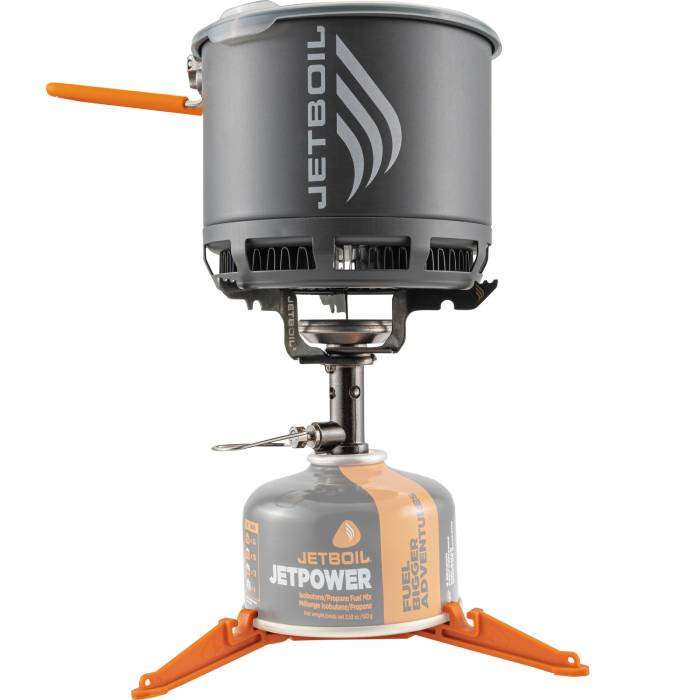
The Jetboil Stash is a thoughtfully designed ultralight cook system that prioritizes efficiency, simplicity, and packability. It strikes a unique balance by offering the performance benefits of a Jetboil-style integrated system while keeping weight low enough to appeal to ultralight backpackers.
Its biggest strengths are efficiency and ease of use. The combination of a powerful burner and a heat-exchanging pot results in fast boil times and excellent fuel economy, allowing you to stretch a single canister farther than most competing setups. Everything works together seamlessly right out of the box, creating a true plug-and-play system that requires minimal setup or tinkering in the field.
The design is also highly packable. All components nest neatly into the pot, forming a compact unit that takes up minimal space in your pack. Despite being a complete system, it remains impressively lightweight, and there’s flexibility to trim even more weight by leaving behind optional pieces or pairing the stove with different cookware.
That said, the Stash is not without its limitations. Flame control is fairly basic, lacking the precision needed for more involved cooking. Though it can handle a simple simmer, it’s primarily geared toward boiling water and preparing straightforward meals. Wind performance is solid but falls short of most integrated setups. Boil time can still be affected in more exposed conditions.
Price is another consideration. The Stash sits at the premium end of the market, and though the performance and design justify the cost for some, others may find better value in simpler, less expensive setups.
SOTO WindMaster
Lightweight Stove with Excellent Wind Performance
CleverHiker Rating: 4.7/5.0
Price: $70
Weight: 3 oz. / 2.1 oz.With 4Flex pot support / stove only
Fuel Type: Isobutane/propane canister
Boil Time: 3m 5s
Burn Time (8 oz. fuel): 70m
Pros
- Performs well in wind
- Lightweight
- Efficient
- Push-button igniter
- Stable pot support
- Good simmer control
Cons
- Slightly bulkier than some
- Expensive
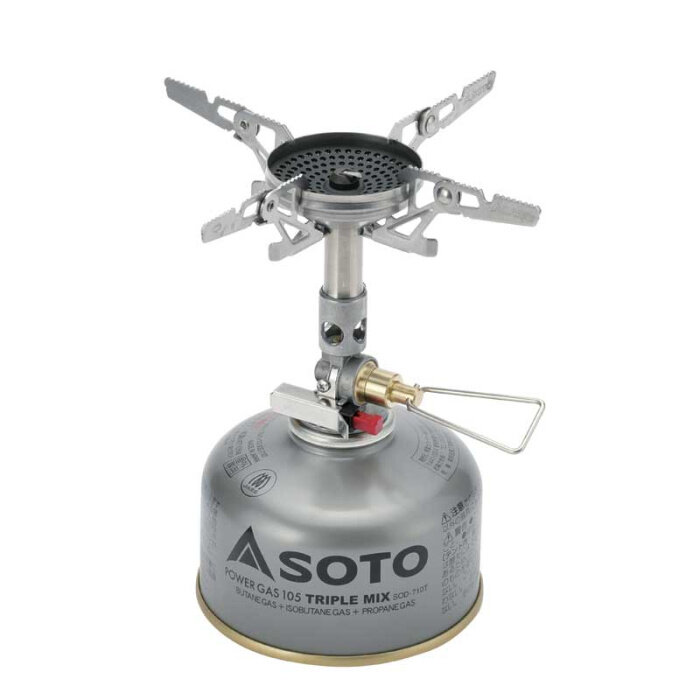
The SOTO WindMaster is a highly efficient stove that – as the name implies – performs beautifully in windy conditions. This powerful little stove boils water very quickly and is noticeably quieter than many other stoves we’ve used.
The WindMaster outperforms other stoves in windy conditions because the recessed burner has a lip around it, and there’s very little open space between the burner head and the pot. This means there’s not a lot of room for wind to interfere with your flame. The result is a faster and more efficient boil in less-than-deal conditions.
We also love that the WindMaster can be adapted to suit different pots. You have the option to attach the included four-pronged support for larger cooksets, or you can purchase an ultralight three-pronged attachment for small pots.
Even though the WindMaster is slightly bulkier than some of our other favorite canister stoves, it’s still quite manageable and packs a lot of power for such a neat little package.
MSR Switch
Best Hybrid Stove System
CleverHiker Rating: 4.7/5.0
Price: $145
Weight: 13.8 oz.
Fuel Type: Isobutane/propane canister
Boil Time: 3m
Burn Time (8 oz. fuel): 80m
Pros
- Versatile
- Easy to use
- Efficient
Cons
- Heavy and bulky
- Pot doesn’t lock into place
- Fuel stand is finicky
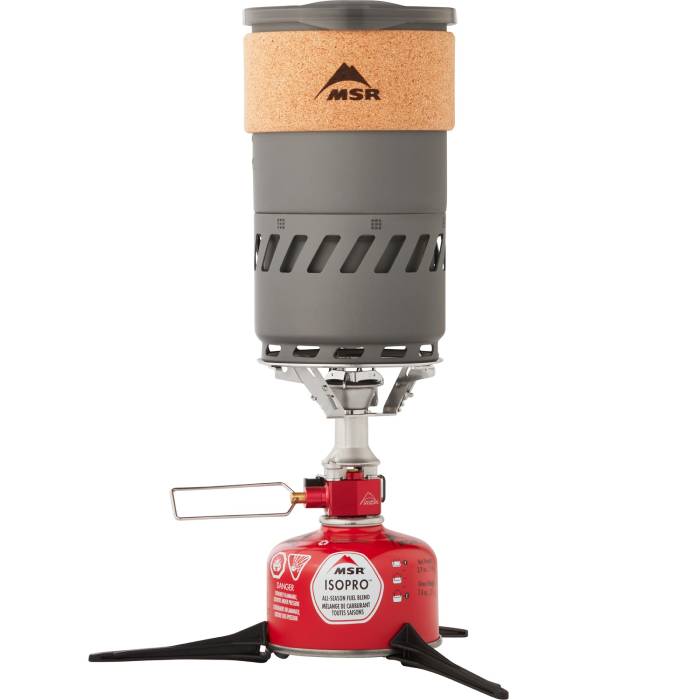
The MSR Switch fills a niche between ultralight canister stoves and fully integrated systems. You get the efficiency and wind resistance of an integrated setup without being locked into a single pot. The ability to switch between “system mode” and a standard pot setup makes it far more versatile than most stoves in this category, especially for hikers who like to do more than just boil water.
Boil times are fast, fuel efficiency is excellent, and the stove holds its own in windy conditions. The pressure regulator is a key feature, allowing for precise flame control and that’s rare for backpacking stoves. It’s capable of everything from a quick boil to a controlled simmer, making it a viable option for simple backcountry cooking.
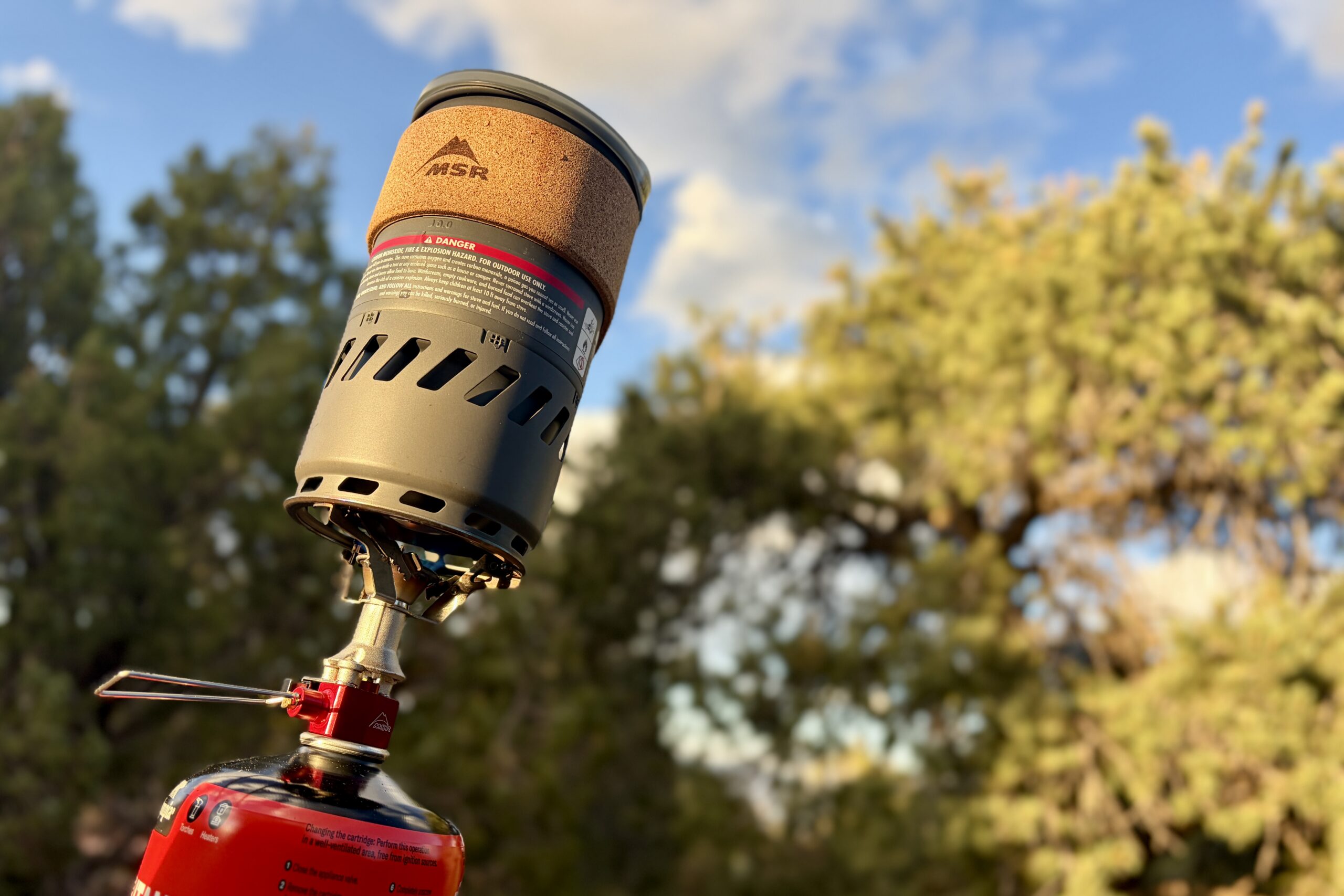
The overall user experience is also well thought out. Features like the cork sleeve and sturdy handle make handling hot water noticeably safer and more comfortable, and the nesting packability keeps everything tidy in your pack. The main trade-off is weight. Though lighter than many integrated systems, it’s still heavier and bulkier than ultralight setups.
The Switch is very affordable considering the whole package. It’s priced similarly to competing integrated stoves but offers more flexibility and better all-around usability. If your priority is cutting every ounce, simpler stoves still make more sense – but you’ll sacrifice some of what makes this one so enjoyable to use.
More: MSR Switch Full Review
TOAKS Titanium
Best Ultralight Backpacking Stove
CleverHiker Rating: 4.6/5.0
Price: $30
Weight: 1.7 oz.
Fuel Type: Isobutane/propane canister
Boil Time: 3m 35s
Burn Time (8 oz. fuel): 70m
Pros
- Ultralight
- Packable
- Durable
- Affordable
Cons
- Not very wind-resistant
- Not the most efficient
- Limited simmer control
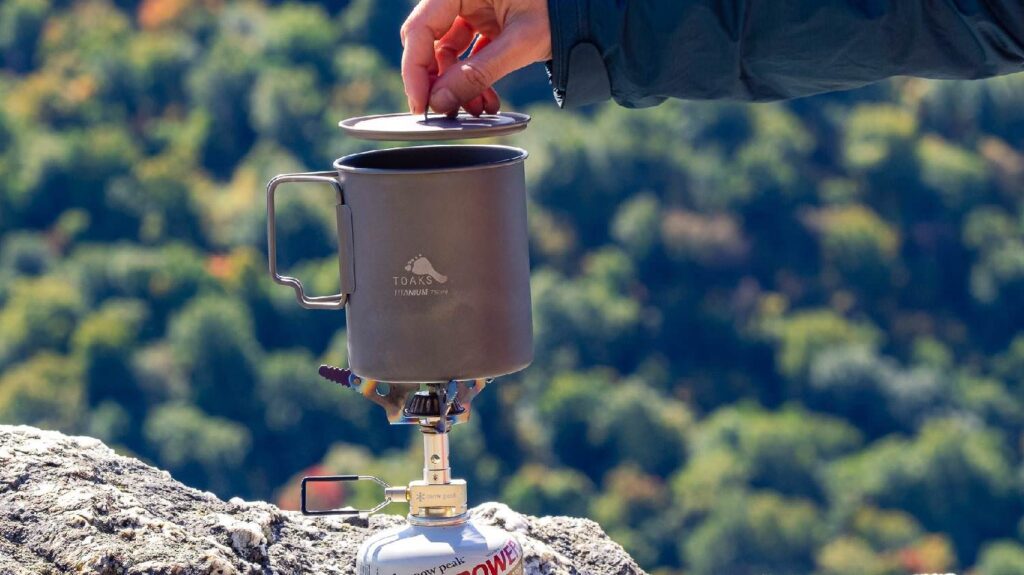
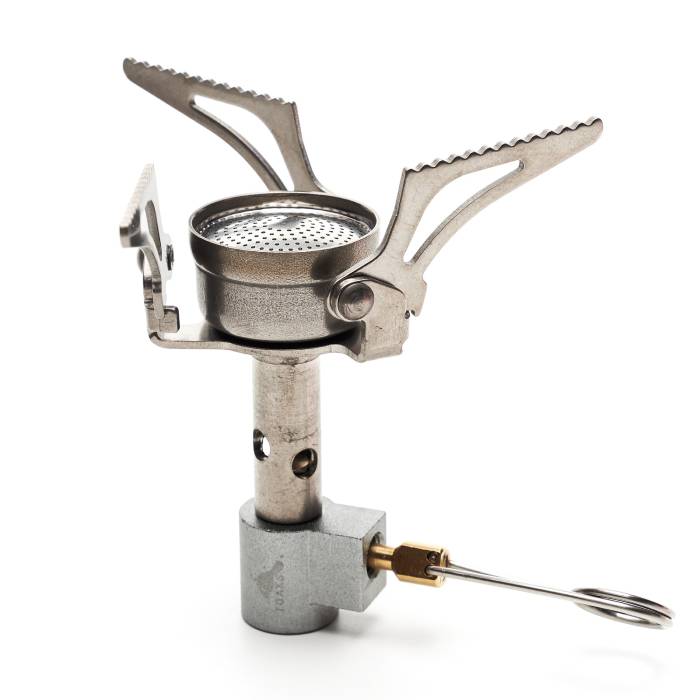
The TOAKS Titanium is a straightforward, no-frills stove built for ultralight hikers who care more about cutting weight than cooking versatility. It strips things down to only the essentials, avoiding any extraneous features that add weight.
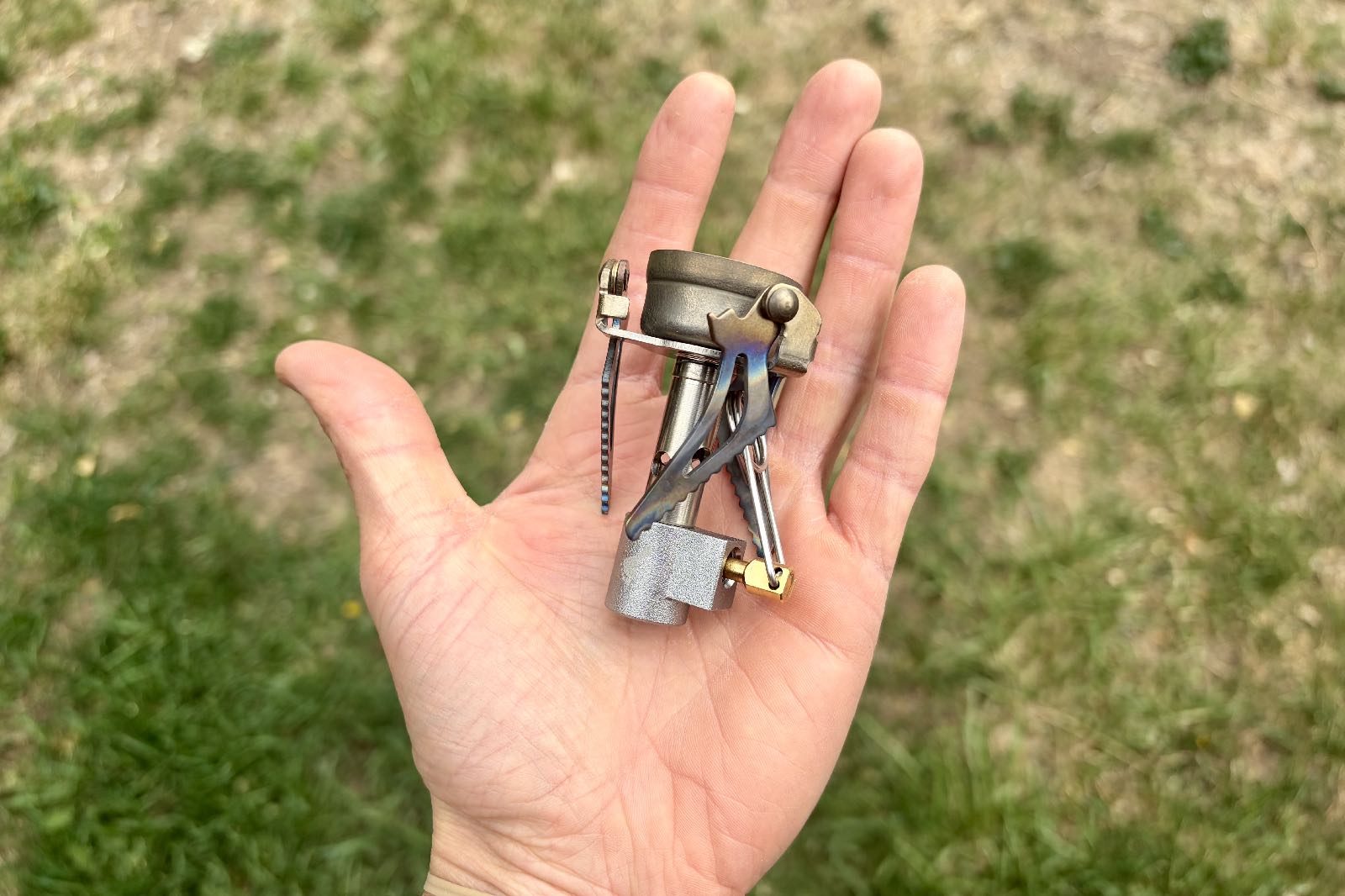
Many ultralight stoves at this price point feel fragile and flimsy, but the TOAKS Titanium is a noticeably more durable and higher-quality product. The pot supports are surprisingly sturdy for how minimalist the design is, and the overall construction feels like it can handle years of use without issue. At just 1.7 ounces and roughly golf-ball-sized when packed, it disappears into nearly any cook kit – even the most dialed of ultralight setups.
Performance is solid in calm conditions. Boil times are respectable, and fuel efficiency is on par for a stove this size. However, it’s not particularly wind-resistant, and that’s where efficiency and control start to suffer. Even with a built-in wind collar, performance drops noticeably in exposed areas, making it less ideal for harsh conditions.
Precision is another trade-off. Though the valve technically offers a usable range of adjustment, most of the control sits at the higher end of output. It can handle a basic simmer in a pinch, but this is very much a boil-focused tool rather than a cooking stove.
The TOAKS Titanium stove is only slightly more expensive than the cheapest ultralight burners, but the improvement in durability is immediately noticeable. For dedicated ultralight backpackers or anyone wanting a reliable, featherweight backup stove, it’s an easy recommendation.

Jetboil Flash
Best Fully Integrated Backpacking Stove
CleverHiker Rating: 4.6/5.0
Price: $145
Weight: 13.1 oz.
Fuel Type: Isobutane/propane canister
Boil Time: 2m 40s
Burn Time (8 oz. fuel): 50m
Pros
- Convenient
- Fast boil time
- All-in-one system
- Push-button igniter
- Performs well in wind
Cons
- Expensive (but comes with a pot)
- No simmer control
- Heavy and bulky for backpacking
The Jetboil Flash is a longstanding favorite among integrated stove users. With new features to enhance comfort and usability, the most recent version has only raised the bar.
With a lightning-fast boil time of 2 minutes per half liter of water, the Flash won’t leave you waiting around for a hot meal. The excellent wind blocking and heat transfer help conserve fuel to ensure each canister will go the extra mile. Although it excels more at boiling water than simmering – due to its lack of a fuel regulator – the new version of the Flash seems to have a touch more precision than the older model. This may be due to its upgraded turn-and-click fuel knob.
The new fuel knob feels significantly smoother and sturdier than the old wire knob that most other integrated systems are still using. The new turn-and-click igniter switch is also built into the top end of the knob – another upgrade over the push-style igniter switch which was notably more fragile.
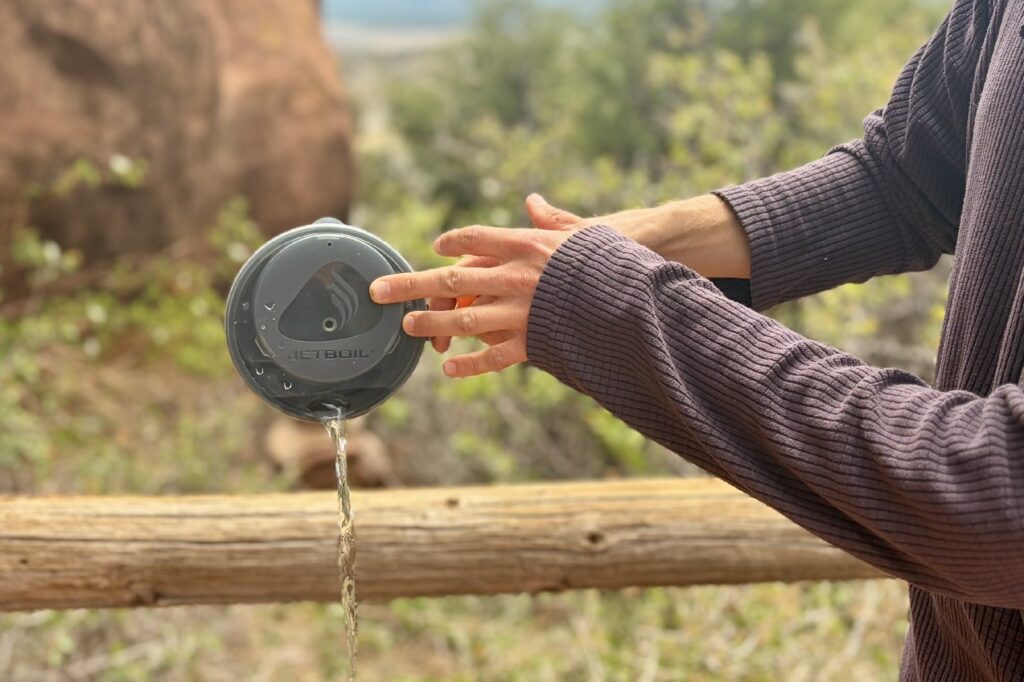
The Flash retains features like the pour spout lid, heat-indicating neoprene cozy, and pot stabilizer but comes with an upgraded housing. The stove now has a comfy rubber handle and is more streamlined than previous versions. The latest design hasn’t shed any weight, but it takes up less space when packed away.
The handy features and ease of use unfortunately come at the cost of weight savings when compared to more ultralight options. However, for beginner backpackers or extreme conditions, the fast boil time, wind resistance, and extra convenience are worth their weight in gold.
MSR WindBurner
Most Wind-Resistant Backpacking Stove
CleverHiker Rating: 4.6/5.0
Price: $200
Weight: 15.3 oz.
Fuel Type: Isobutane/propane canister
Boil Time: 2m 55s
Burn Time (8 oz. fuel): 95m
Pros
- Performs very well in wind
- Convenient
- Fast boil time
- Pot included
Cons
- Expensive (but comes with a pot)
- Heavy and bulky for backpacking
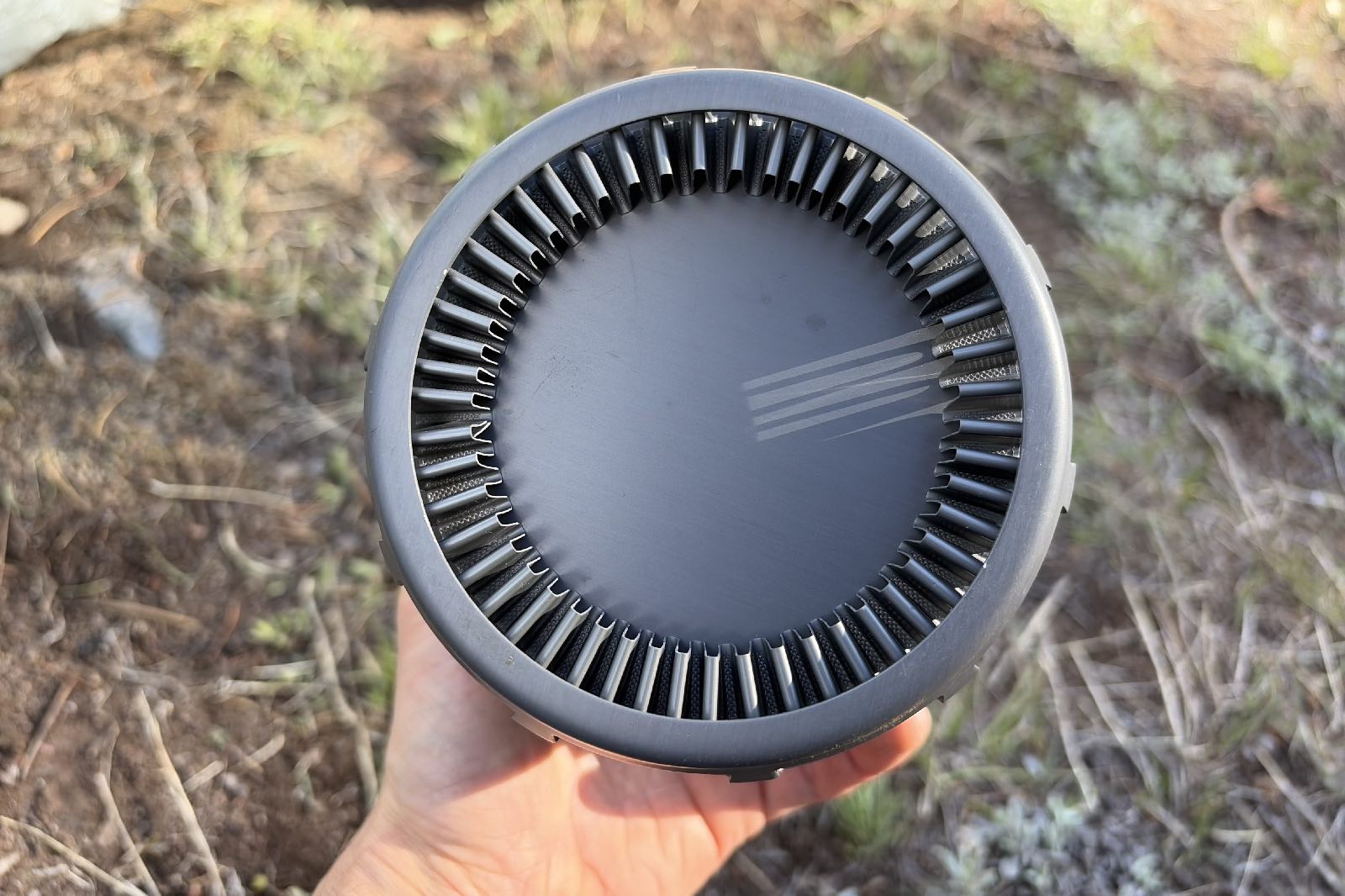
The MSR WindBurner is another extremely convenient integrated stove system. The main advantage it has over other integrated systems is its excellent wind resistance. Stiff winds can greatly reduce stove efficiency, but that’s not an issue with the WindBurner.
The WindBurner also has excellent simmer control and some of the fastest boil times, making it a breeze to cook with. It’s a no-brainer design that’s easy to whip out trailside for a quick cup of coffee or hot meal.
Although it is one of the highest-performing and most efficient of the integrated stoves we tested, it is also the heaviest and the highest-priced. If you’re after something slightly lighter, with more convenient features, and in a budget-friendlier package, we recommend checking out the Jetboil Flash (above) or more refined MiniMo.
SOTO Amicus Cookset Combo
Best Budget Backpacking Stove Bundle
CleverHiker Rating: 4.4/5.0
Price: $50
Weight: 11.2 oz. / 2.9 oz.Stove and pot / stove only
Fuel Type: Isobutane/propane canister
Boil Time: 4m 20s
Burn Time (8 oz. fuel): 90m
Pros
- Ultralight
- Affordable
- Two pots included
- Good simmer control
- Stable pot support
- Performs well in wind
Cons
- Pots don’t have measurement marks
- Not the most premium option
The SOTO Amicus Stove Cookset Combo is a super affordable bundle that includes both an ultralight stove and a pot. The Amicus stove has good simmer control, four locking legs that provide solid pot support, a push-button igniter, and a recessed burner for increased performance in the wind.
The cookware that comes with this set is somewhat basic, but it’s lightweight and gets the job done efficiently. We like that the pot has a generous capacity, so we can heat enough water for everything at once. The deep lid also can be used as a separate cup.
We recommend the Amicus Combo to anyone on a budget who needs a complete, lightweight cook system for backpacking.
Snow Peak LiteMax
Best Alternative Ultralight Backpacking Stove
CleverHiker Rating: 4.2/5.0
Price: $55
Weight: 1.9 oz.
Fuel Type: Isobutane/propane canister
Boil Time: 6m 5s
Burn Time (8 oz. fuel): 60m
Pros
- Ultralight
- Compact
- Durable
- Solid simmer control
Cons
- Not great in wind
- Long boil time
The Snow Peak LiteMax is an ultralight, durable, and compact canister stove that packs down very small. The LiteMax is built with titanium to keep weight to an absolute minimum. Its main strength is its highly collapsible folding design, which makes it easy to pack away in any cook pot.
It also has a decent boiling time, ensuring you can get water hot quickly. Simmer control is good, too, so you can cook your rice or noodles without fear of scorching the bottom of the pot.
The LiteMax isn’t the most powerful or efficient stove on the market, but it might take the cake for most durable ultralight stove. Its titanium construction feels much sturdier than other UL options, and the arms are built to accommodate a range of pot sizes.
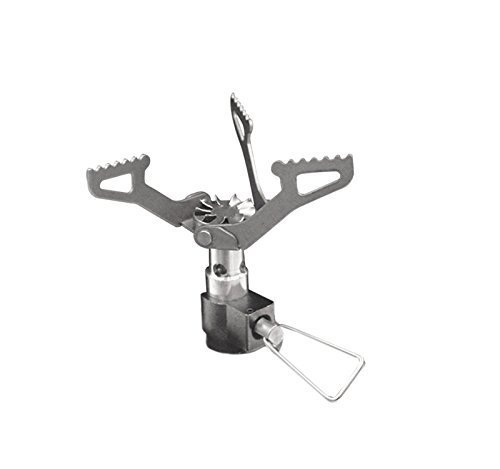
BRS 3000T
Best Budget Ultralight Backpacking Stove
CleverHiker Rating: 4.1/5.0
Price: $20
Weight: 0.9 oz.
Fuel Type: Isobutane/propane canister
Boil Time: 4m 45s
Burn Time (8 oz. fuel): 75m
Pros
- Affordable
- Ultralight
- Compact
Cons
- Not as durable as some
- No simmer control
- Fuel valve is a little finicky
- Not very wind-resistant
If you’re looking for a super cheap and ultralight stove that’ll work for one to two people, the BRS 3000T is about as cheap and light as they come. Although the BRS stove isn’t nearly as dependable as many of the other stoves on this list, it has worked well for us over the years.
The BRS doesn’t feel very sturdy, so you have to treat it with care. The lightweight material bends easily, and the small pot stand requires an attentive eye to avoid spilling the whole pot. Its minuscule price and weight, however, makes it highly appealing for thru-hikers and ultralight backpackers.
Don’t expect any frills with this stove – no simmer control, push-button igniter, fuel regulator, etc. – but it’s great if you just need something cheap and light to get the job done. We pair the BRS stove with a titanium pot like the Snow Peak Trek 900 or TOAKS Titanium 750ml for a truly ultralight cooking system.
More: BRS 3000T Full Review
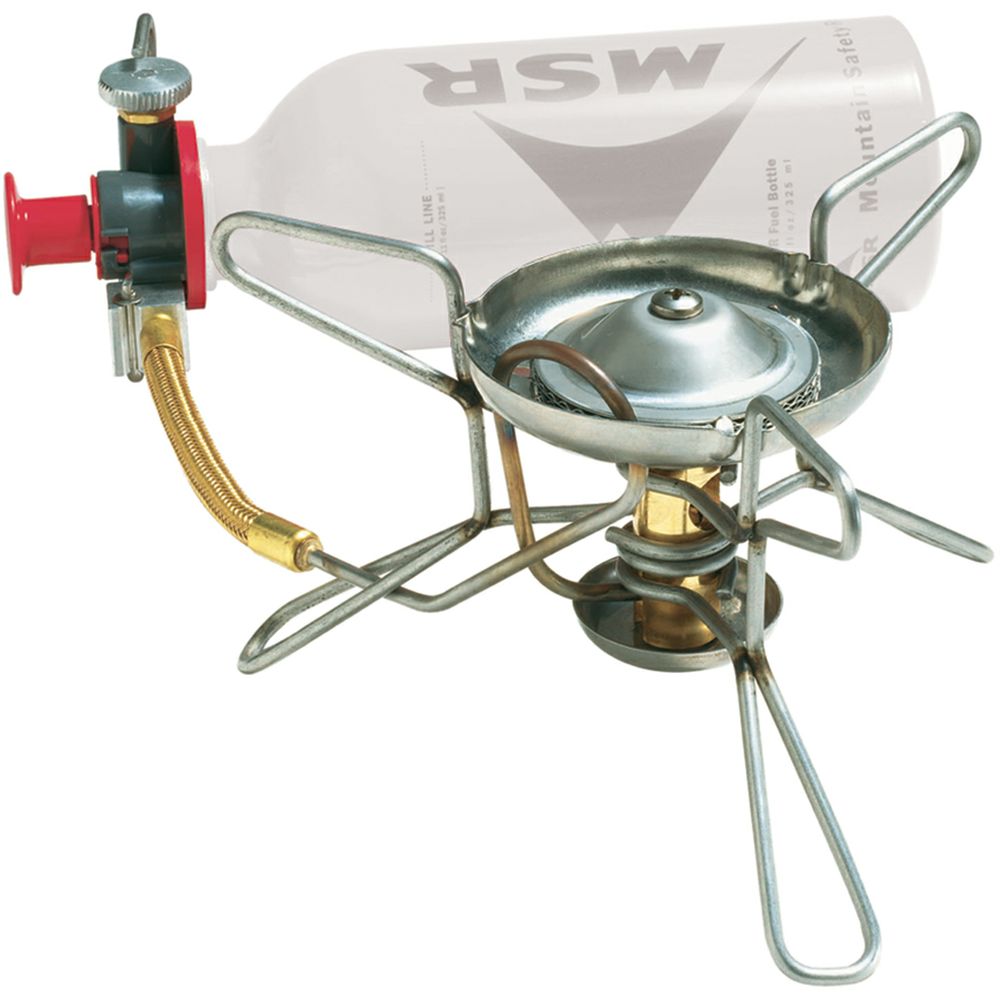
MSR WhisperLite
Best Backpacking Stove for Extreme Conditions
CleverHiker Rating: 4.1/5.0
Price: $140
Weight: 15.2 oz. / 11.5 oz.Full kit / stove only
Fuel Type: White gas
Boil Time: 5m 50s
Burn Time (8 oz. fuel): 110m
Pros
- Performs well in extreme cold and at high altitude
- Efficient
- Quiet
- Stable pot support
Cons
- Slight learning curve
- No simmer control
- Heavy and bulky
- Expensive
The MSR WhisperLite is one of the most popular liquid-fuel stoves because it’s among the lightest, smallest, and least expensive on the market. It’s also much quieter than many other roaring liquid-fuel stoves. After you get used to the priming process, it’s simple to use and will last for a long time with regular maintenance.
The WhisperLite will work in extreme cold and at high altitude where canister stoves fail. Even wind has a minimal effect on this stove due its naturally sheltered construction and included windscreen.
Pick up the WhisperLite service kit to keep your stove functioning efficiently. If you want the ability to use fuel types other than white gas, check out the WhisperLite International (white gas, kerosene, unleaded gas) or WhisperLite Universal (white gas, kerosene, unleaded gas, or isobutane-propane). Though it takes a little more time to set up, this stove is great for large groups.
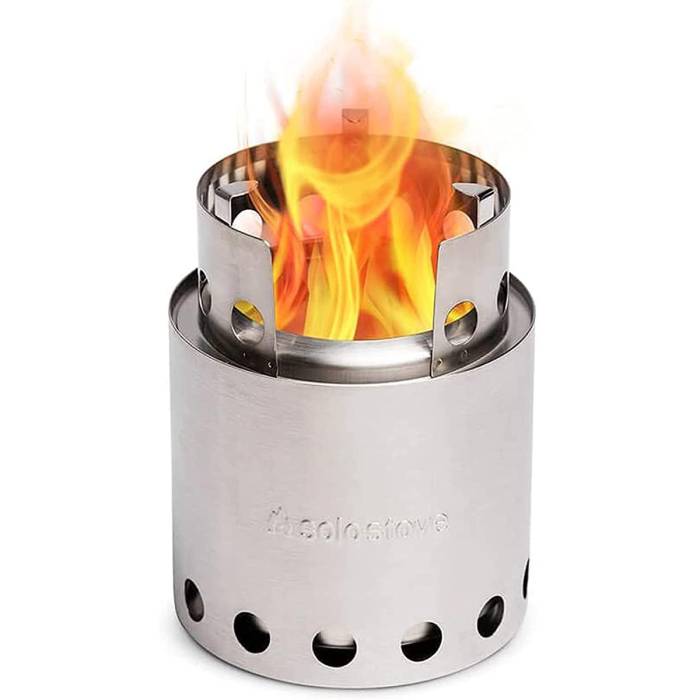
Solo Stove Lite
Best Wood-Burning Backpacking Stove
CleverHiker Rating: 3.7/5.0
Price: $60
Weight: 9 oz.
Fuel Type: Wood
Boil Time: 10m+
Burn Time (8 oz. fuel): N/A
Pros
- No need to carry fuel
- Efficient wood burner
- Low-smoke design
- Stable pot support
Cons
- Expensive
- Heavy
- Slightly bulky
- No flame control
The Solo Stove Lite is a double-wall natural convection inverted downgas gasifier stove. And what do all those fancy words mean? Who knows!? What we can tell you is the Solo Stove is incredibly efficient and effective.
Air intake holes in the bottom of the stove feed the fire from below and above. The net result is a hot and less smoky burn that doesn’t require a windscreen and won’t scorch the ground under your stove.
At 9 ounces, this stove isn’t winning any weight prizes, but not having to carry fuel does help. Combine the Lite stove with Solo Stove’s Pot 900 for a completely nested cooking system and more space in your pack.
The Lite is a good size for one to two people. For two to four, bump up to the Solo Titan.
Product Comparison Table
| oSort | Product | Price | Weight | Fuel Type | Boil Time | Burn Time (8 oz. fuel) | Convenience | Weight & Packability | Power & Efficiency | Precision | 0 |
MSR PocketRocket 2 View at REI View at Amazon 
|
$60 | 2.6 oz. | Isobutane/propane canister | 3m 25s | 60m | 4.3 | 4.8 | 4.5 | 4.2 | 1 |
Jetboil Stash View at REI View at Amazon |
$165 | 7.1 oz. / 2.1 oz. Full kit / stove only | Isobutane/propane canister | 3m 30s | 140m | 4.4 | 4.5 | 4.8 | 4.4 | 2 |
SOTO WindMaster View at REI View at Amazon
|
$70 | 3 oz. / 2.1 oz. With 4Flex pot support / stove only | Isobutane/propane canister | 3m 5s | 70m | 4.5 | 4.4 | 4.7 | 4.3 | 3 |
MSR Switch View at REI View at Backcountry
|
$145 | 13.8 oz. | Isobutane/propane canister | 3m | 80m | 5.0 | 3.7 | 4.8 | 4.9 | 4 |
TOAKS Titanium View at REI View at Amazon 
|
$30 | 1.7 oz. | Isobutane/propane canister | 3m 35s | 70m | 4.3 | 4.9 | 4.5 | 4.4 | 5 |
Jetboil Flash View at REI View at Amazon |
$145 | 13.1 oz. | Isobutane/propane canister | 2m 40s | 50m | 4.9 | 3.7 | 4.8 | 4.2 | 6 |
MSR WindBurner View at REI View at Amazon |
$200 | 15.3 oz. | Isobutane/propane canister | 2m 55s | 95m | 4.6 | 3.3 | 4.9 | 4.7 | 7 |
SOTO Amicus Cookset Combo View at REI View at Amazon
|
$50 | 11.2 oz. / 2.9 oz. Stove and pot / stove only | Isobutane/propane canister | 4m 20s | 90m | 4.3 | 4.5 | 4.1 | 4.0 | 8 |
Snow Peak LiteMax View at REI View at Amazon |
$55 | 1.9 oz. | Isobutane/propane canister | 6m 5s | 60m | 4.1 | 4.9 | 3.5 | 4.2 | 9 |
BRS 3000T View at Amazon View at Garage Grown Gear
|
$20 | 0.9 oz. | Isobutane/propane canister | 4m 45s | 75m | 3.9 | 5.0 | 3.9 | 3.3 | 10 |
MSR WhisperLite View at REI View at Amazon |
$140 | 15.2 oz. / 11.5 oz. Full kit / stove only | White gas | 5m 50s | 110m | 3.6 | 3.5 | 4.0 | 3.5 | 11 |
Solo Stove Lite View at Amazon View at Solo Stove |
$60 | 9 oz. | Wood | 10m+ | N/A | 3.3 | 3.8 | 3.4 | 3.3 |
|---|
Analysis & Results
Which Backpacking Stove is the Best Value?
Whether you’re going for the best-performing, most highly featured stove on the market or the one with the most affordable price tag, it’s important to know you are getting the most bang for your buck. We interpret value by weighing each stoves’ overall effectiveness against cost.
The SOTO Amicus Cookset Combo is the best budget buy by far. For less than the cost of most stoves, you get a lightweight and capable canister stove, a 1-liter pot, and a lid/skillet. It may not be the lightest or most powerful stove on the market, but it’ll get the job done without breaking the bank.
Although you can save the most money with the BRS 3000T, the TOAKS Titanium offers noticeably better durability, stability, and efficiency for only a little more. The BRS still wins in terms of weight and size, but only by a hair.
The MSR PocketRocket 2 stands out as a very solid value with good stability, efficiency, and simmer control – all in a small package. Although it doesn’t excel in any one metric, it’s incredibly well rounded and one of the more affordable stoves on our list. For a few more bucks, the SOTO WindMaster offers better overall performance with a faster boil time and the best wind resistance of any ultralight stove.
If convenience and optimal performance is what you’re after, the MSR Switch is tough to beat. It has most of the bells and whistles of an integrated system with the versatility of a regular canister stove. Not to mention, it’s at the top of its class in performance metrics, as well.
Which Backpacking Stove is the Most Convenient?
For convenient, integrated stove systems, the Jetboil Flash takes the cake. Features like a fast boil time, excellent wind resistance, and an insulated sleeve make this stove system one of the best. The latest version has an easier-to-use turn-and-click igniter switch, as well as a measuring cup, heat indicator, and pour spout lid.
Just behind the Flash is another integrated stove setup: the MSR WindBurner. The WindBurner, though lacking a few of the fun features that the Flash includes, is more focused on tip-top performance. Nothing beats its superior wind resistance, and it even has decent simmer control.
A stove with handy features that increase its overall functionality is usually easier and more enjoyable to use. Integrated stove systems usually dominate this category, but the MSR Switch really impressed us recently. It has perfected all the features of an integrated stove while adding a lot more versatility.
Apart from fully featured integrated stove systems, some ultralight stoves stand out for their addition of an igniter switch or especially stable pot stand. The SOTO WindMaster includes an igniter switch in case you lose your lighter and takes convenience a step further with two interchangeable pot stands.
The Jetboil Stash is less feature-rich than most Jetboil systems, but it works and packs exceptionally well with its included pot.
All of the stoves on our list are highly functional and easy to use, but some have a stronger focus on specialized application, like the MSR WhisperLite for winter expeditions and the Solo Stove Lite for wood-powered bushcraft enthusiasts.
Among the more minimalist lightweight stoves, we think the MSR PocketRocket 2 and SOTO Amicus are the easiest to use.
Which Backpacking Stove is the Lightest & Most Packable?
Weight can be a major factor in determining if the convenient features of a stove are actually worth it. Everyone loves a quick boil, but is it worth carrying the extra weight of an integrated system? With a few exceptions, the ratio of weight to added functionality is pretty linear. The more weight, the more convenient and highly featured the stove is.
The BRS 3000T is the clear winner here at just under an ounce, but at the cost of efficiency, wind resistance, and a stable pot support. For ultralighters just boiling water in a tiny pot, however, the BRS is sufficient.
The closest competitor to the BRS we’ve seen so far is the TOAKS Titanium. It weighs 1.7 ounces and is noticeably higher-quality than the BRS. It’s more durable, stable, and efficient. Just behind at 1.9 ounces is the Snow Peak LiteMax. It doesn’t perform as well as the TOAKS, but it packs down just as small.
Add another 0.7 ounces, and you have the best overall stove on our list, the MSR PocketRocket 2. We think the PocketRocket balances function and weight the best with its efficient and powerful burner, excellent simmer control, and stability. The SOTO Amicus is an affordable, lightweight stove that features impressive all-around performance but definitely focuses more on weight savings.
A more recent addition to our list is the Jetboil Stash. Its included pot is slightly bulky, but it’s all designed to pack together very nicely, and you can always swap it out for a lighter pot.
Another stove that falls right in the sweet spot is the SOTO WindMaster, featuring a very high level of overall performance in a 3.1-ounce package.
Which Backpacking Stove is the Most Powerful & Efficient?
Power and efficiency indicate how well the stove performs its main function – making things hot – and whether or not it uses a ton of fuel in the process. Fuel savings can mean weight and money savings, and a quick boil is just nice at the end of a long day or when you’re desperate for your morning coffee.
Hands down, the best stove at being a stove is the MSR WindBurner. It boils water quickly while using hardly any fuel. The enclosed burner with the integrated pot allows it to maintain most of that performance even in high winds.
Jetboil has built a reputation around efficient, powerful stoves, so it’s no surprise that both the Jetboil Stash and Jetboil Flash ranked very high in this category. They both boil water rapidly and stretch the life of a small fuel canister. The MSR Switch, as an integrated hybrid with a uniquely designed pot, also lands in the top four for power and efficiency.
The SOTO WindMaster impressed us with its ability to compete with integrated stove systems in efficiency and wind performance. The WindMaster features a highly effective collared burner and strong fuel output, making it the most powerful lightweight stove on our list.
The MSR PocketRocket 2, though not designed for harsh conditions, performed surprisingly well at boiling water in strong wind.
The TOAKS Titanium offers a significantly elevated level of power and efficiency over other budget buys like the BRS 3000T. It’s not the most wind-resistant model, but it’s a solid performer for the price.
The SOTO Amicus also stood out as a very capable stove compared to more expensive options. SOTO’s quality construction was not lost on this budget option.
Which Backpacking Stove has the Best Flame Control?
For folks who enjoy adding a layer of complexity to their backcountry meals, the versatility of a simmer control is an important feature. The secrets behind a high level of cooking precision are a built-in fuel regulator, which allows minute changes in fuel output, and excellent wind resistance that allows a small flame to burn without blowing out.
The MSR Switch impressed us by having the highest level of flame variability. Its powerful pressure regulator not only provides lots of range but also consistent performance at different elevations.
Previously at the top of this category was the MSR WindBurner. It has the best wind resistance of any stove on our list, a fuel regulator, and a wide burner.
The best folding stoves in this category are the Jetboil Stash, TOAKS Titanium, and SOTO WindMaster. All three have a fuel regulator, and the WindMaster is especially wind-resistant for a small, lightweight stove.
Despite its lack of a fuel regulator, the MSR PocketRocket 2 has remarkably good simmer control. That said, we wish it has a slightly wider flame output for more even heating.
We would recommend reserving the remaining stoves for either boiling water or very attentive cooking, especially the MSR WhisperLite, which essentially has nothing more than an on and off mode.
How to Choose a Backpacking Stove
Which Type of Fuel is Best?
Isobutane/propane canister stoves are the most common, most convenient, and easiest to use. Liquid-fuel stoves are the most efficient for trips at high altitude or below-freezing temperatures. Wood stoves are nice because you don’t have to lug fuel around, but they don’t work for trips above treeline or in most desert environments. Solid-fuel stoves and alcohol stoves are generally pretty budget-friendly and ultralight, but you can’t control the flame, they yield slow boil times, and they’re not great in wind.
Forest fire danger is an important consideration for any stove user any time of year, but especially when conditions are hot and dry. Fire ban rules differ from place to place, so check the specific regulations in your area. In some strict fire ban areas, all stove usage is prohibited, but that’s not common.
In general, canister stoves are usually viewed as the safest option. Solid-fuel stoves may be permitted. as well. Wood stoves and alcohol stoves are usually not permitted. Liquid-fuel stoves may be allowed, but exercise extreme caution when priming. Spilling highly flammable fuel while priming is easy to do and could quickly start a fire.
What is a Good Price for a Backpacking Stove?
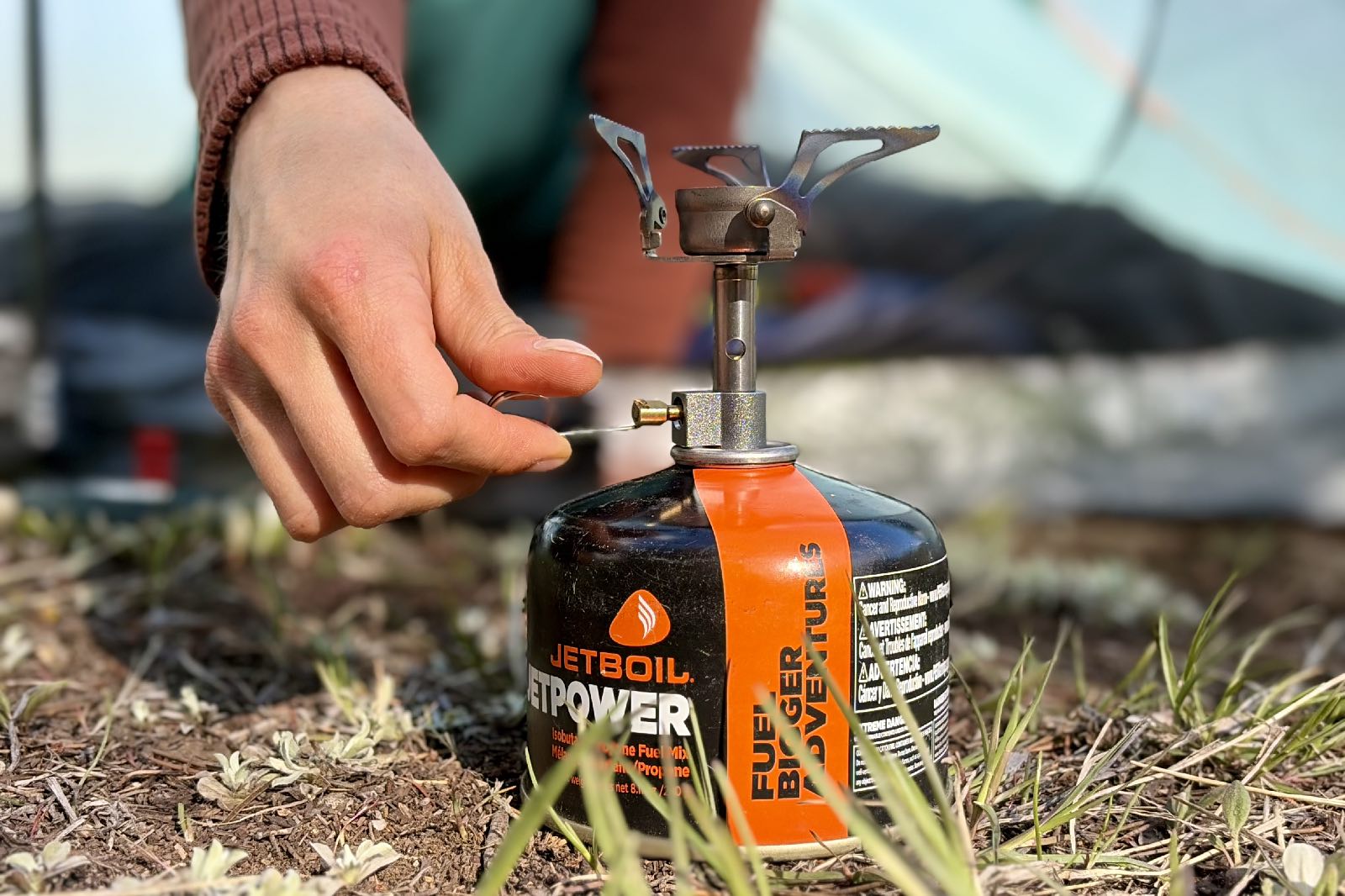
Typically, the more you spend, the more features you get with backpacking stoves. More expensive stoves are likely to have better simmer control, superior wind performance, and many even come with an integrated cook pot. Hikers just looking to boil water for rehydrating meals may find that saving money with a less feature-rich option better suits their needs.
How Much Should a Backpacking Stove Weigh?
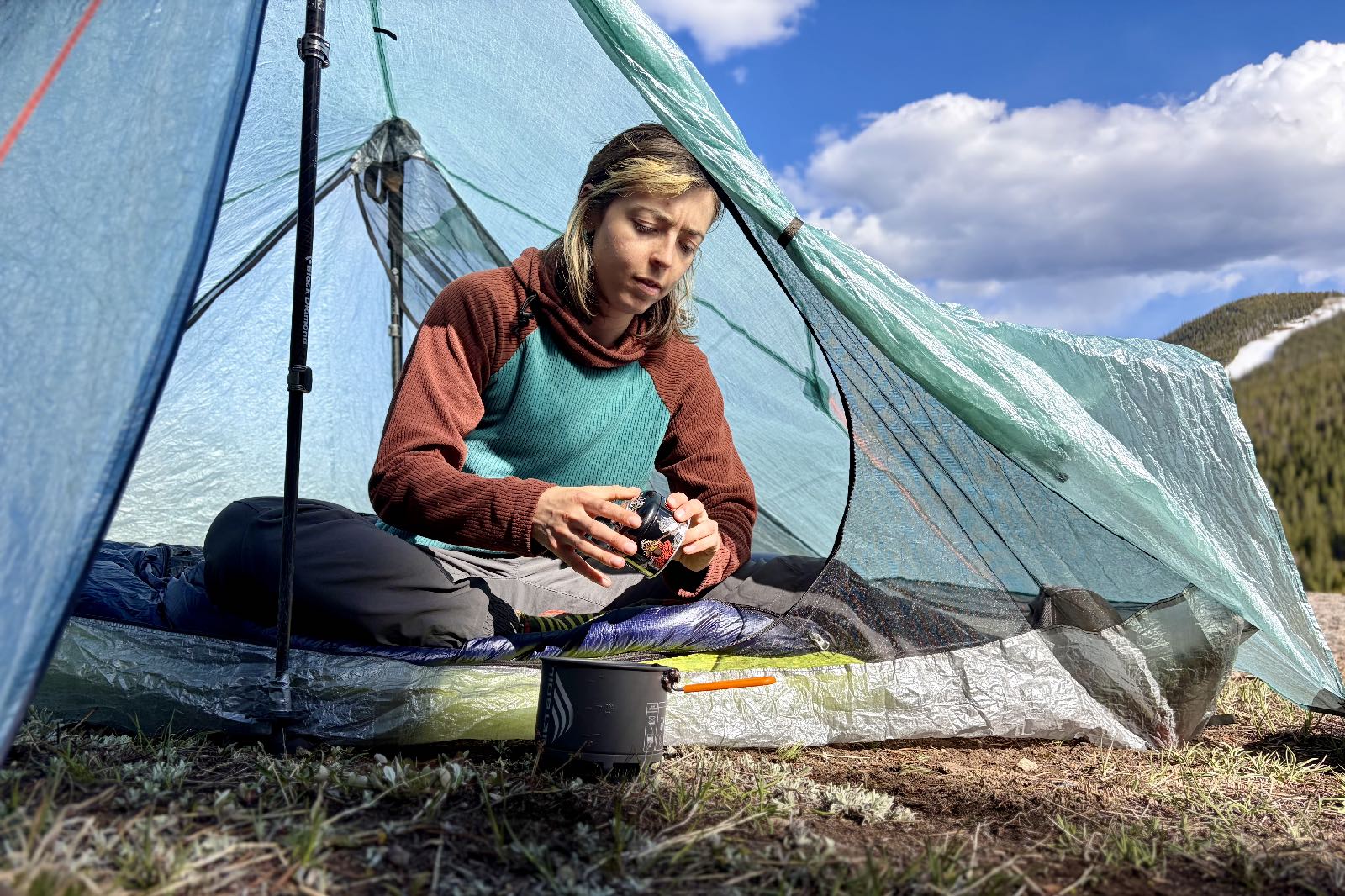
Though it might not seem like a couple of ounces should make a big difference in the grand scheme of things, they can add up quickly in a full pack. When you’re carrying that weight for tens of miles per day, your body can feel the difference. When choosing a stove, we try to find the best balance between functionality and weight.
How Small Should a Backpacking Stove Be?
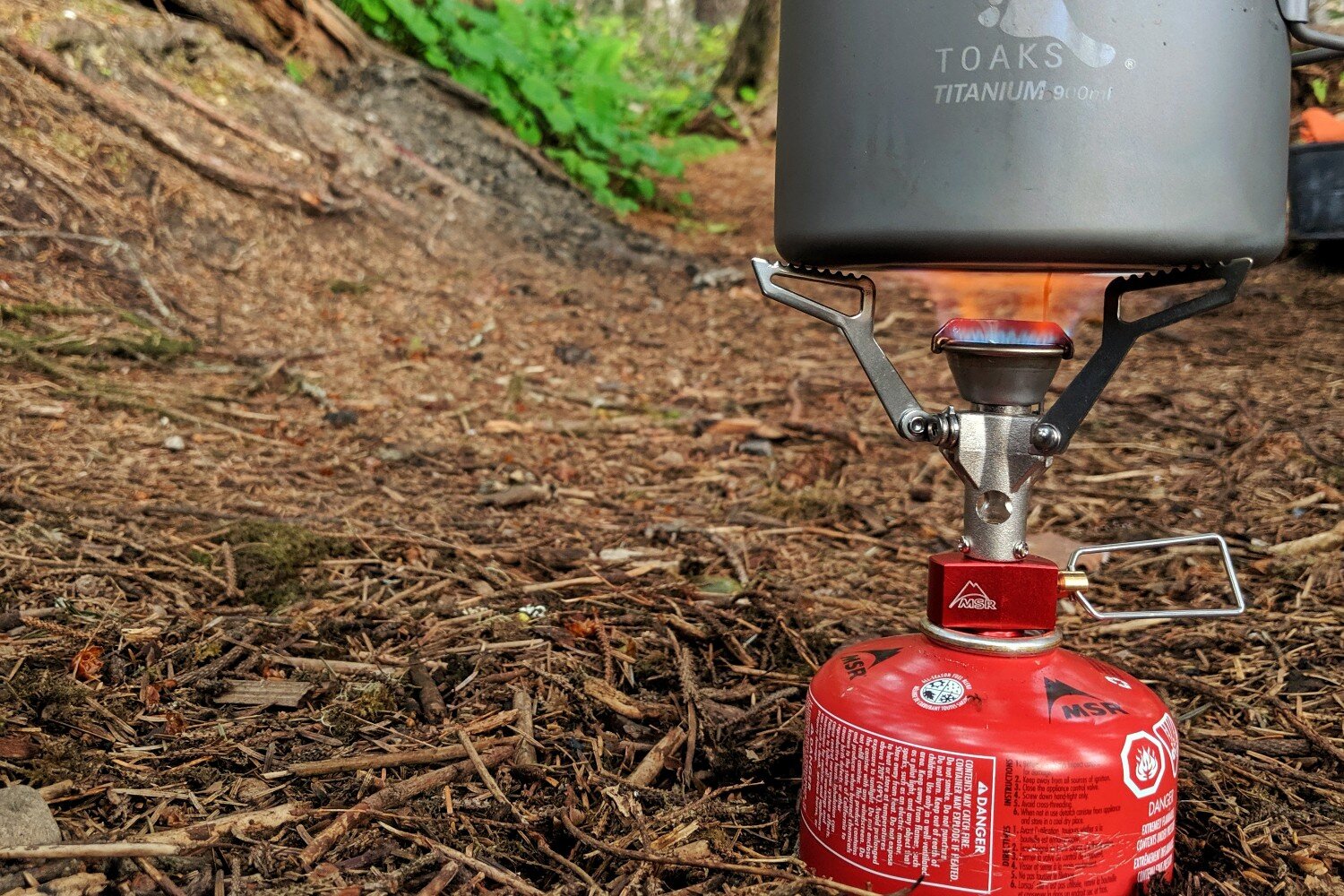
When we’re packing our bag, we like each piece of gear to fit neatly into its place and not take up an excessive amount of space. Many stoves fold down small enough to nestle into a pot along with a small fuel canister and a lighter, making the entire cookset conveniently contained in a single vessel. Most integrated systems are specifically designed to pack away like this. If we have to pack our fuel canister or stove separately, away from the rest of our cookset, we factor that into our stove selection.
How Long Should it Take to Boil Water?
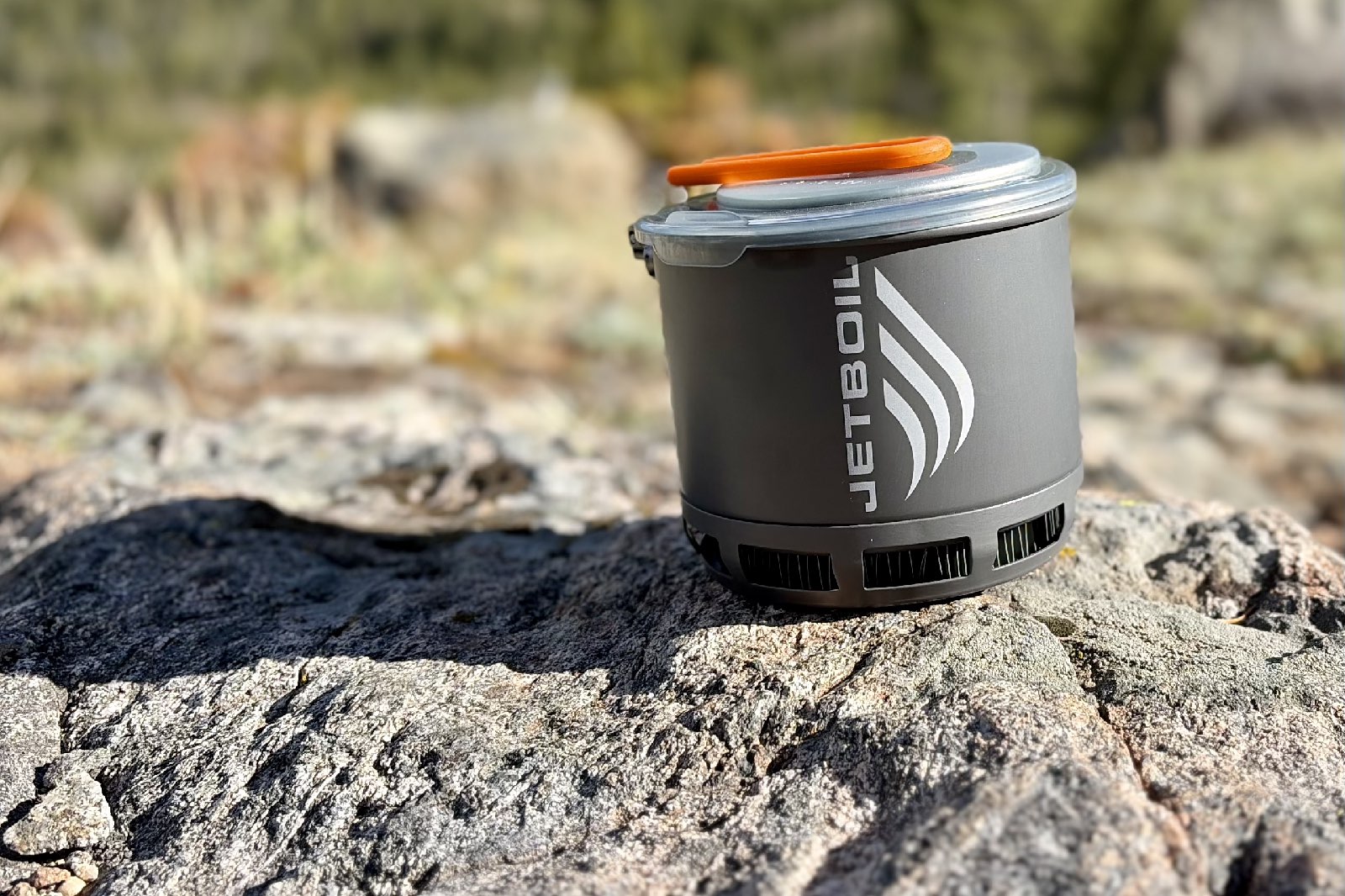
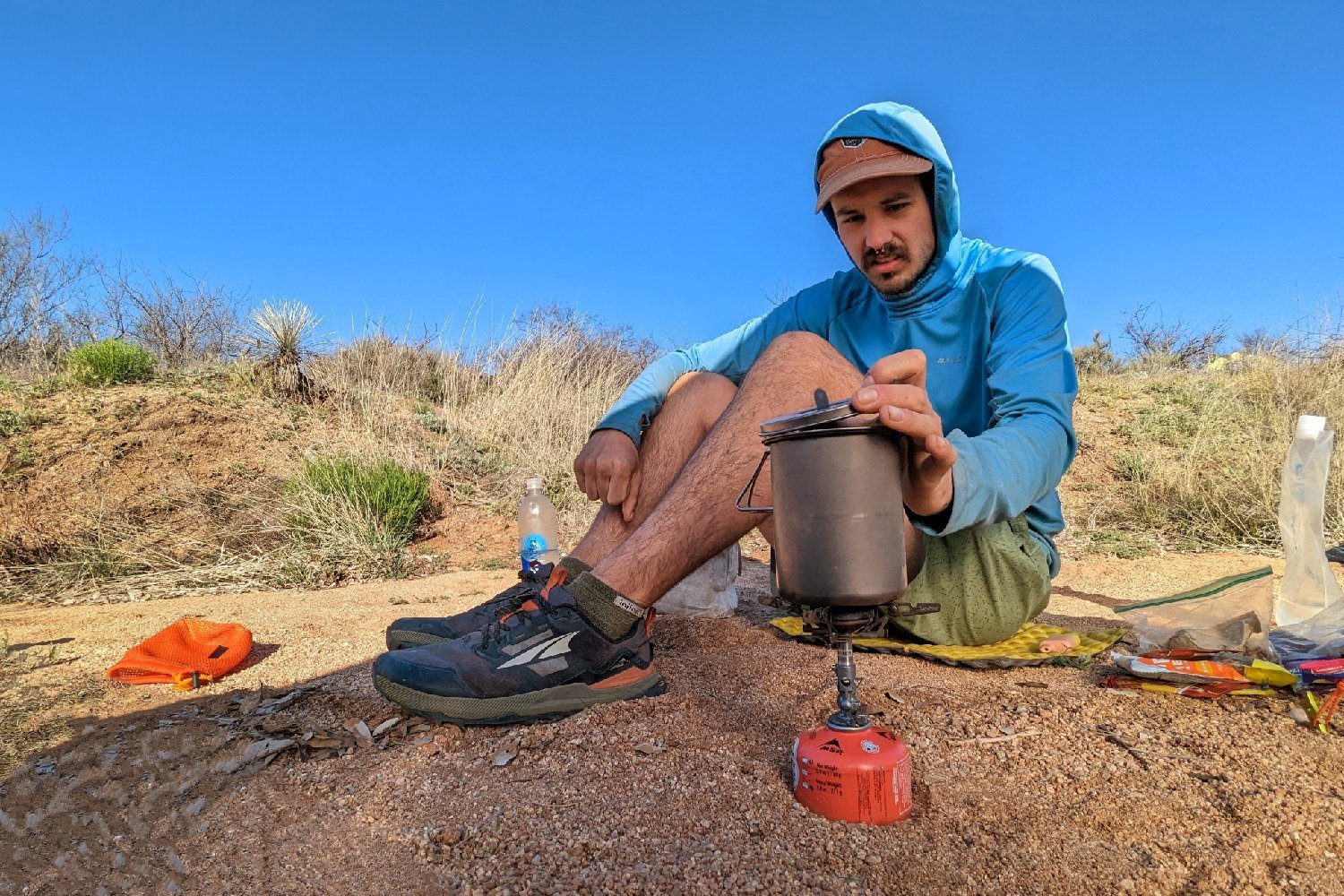
Most backpackers these days make very simple meals that only require boiling water to rehydrate food. For that reason, the main purpose for most backpacking stoves is to boil water quickly, not necessarily to cook. The quicker this can happen, the better.
How Much Fuel Does a Backpacking Stove Use?
Just like your car, some stoves are more fuel-efficient than others. The rate at which a stove burns through fuel determines how long a single canister will last and how much fuel you need to carry. It’s not the most important specification in our book, but it’s worth taking into consideration.
How Much Wind Can Backpacking Stoves Handle?
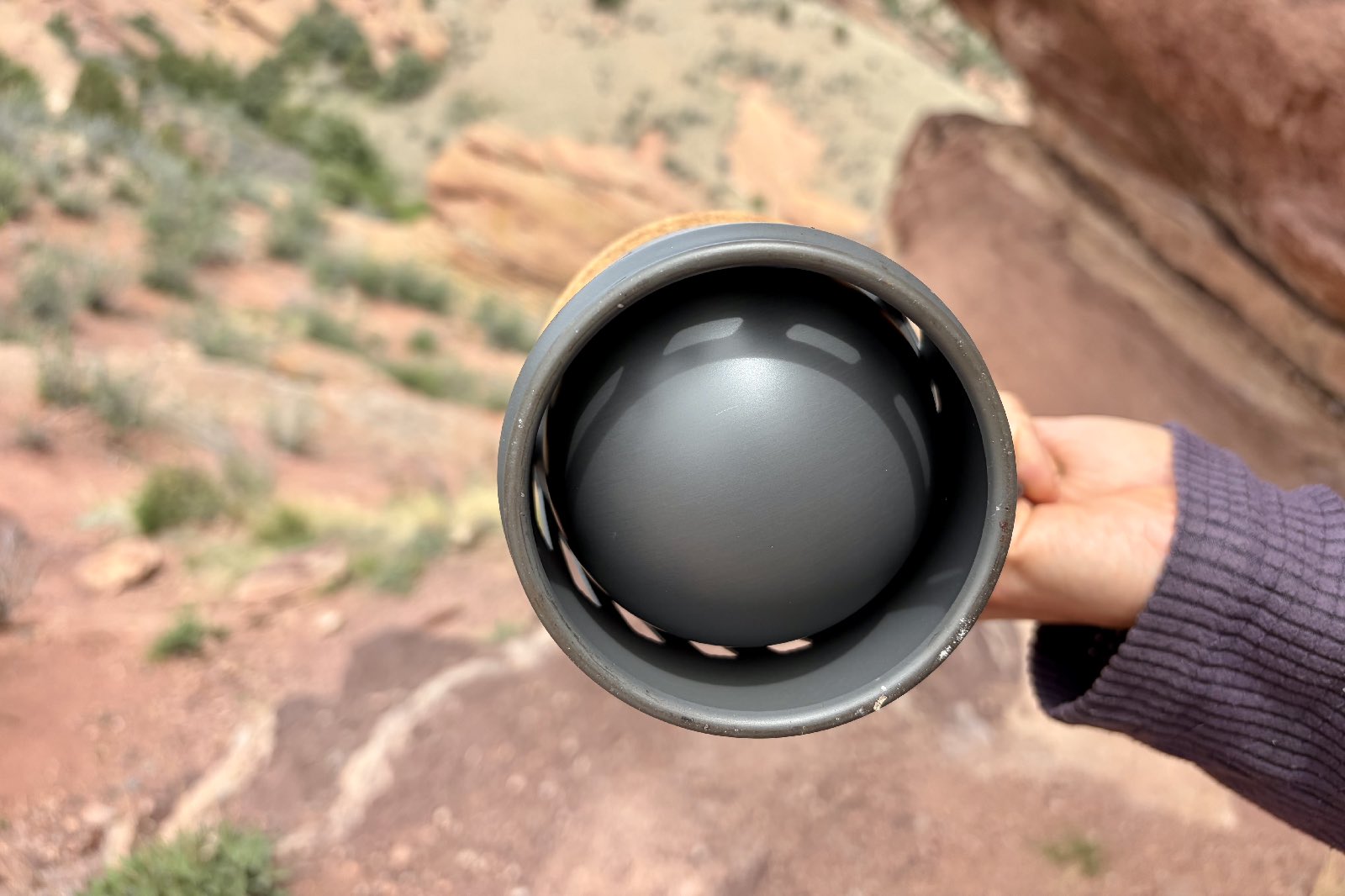
Backpacking stoves don’t like wind. Strong winds will whip away heat before it ever gets to your pot, which will make your stove far less efficient. Some stoves perform better in windy conditions (integrated canister stoves) and others perform very poorly (alcohol stoves, wood stoves, and solid fuel stoves). For that reason, a windscreen is recommended with most backpacking stoves.
How Do You Prevent a Backpacking Stove from Tipping Over?
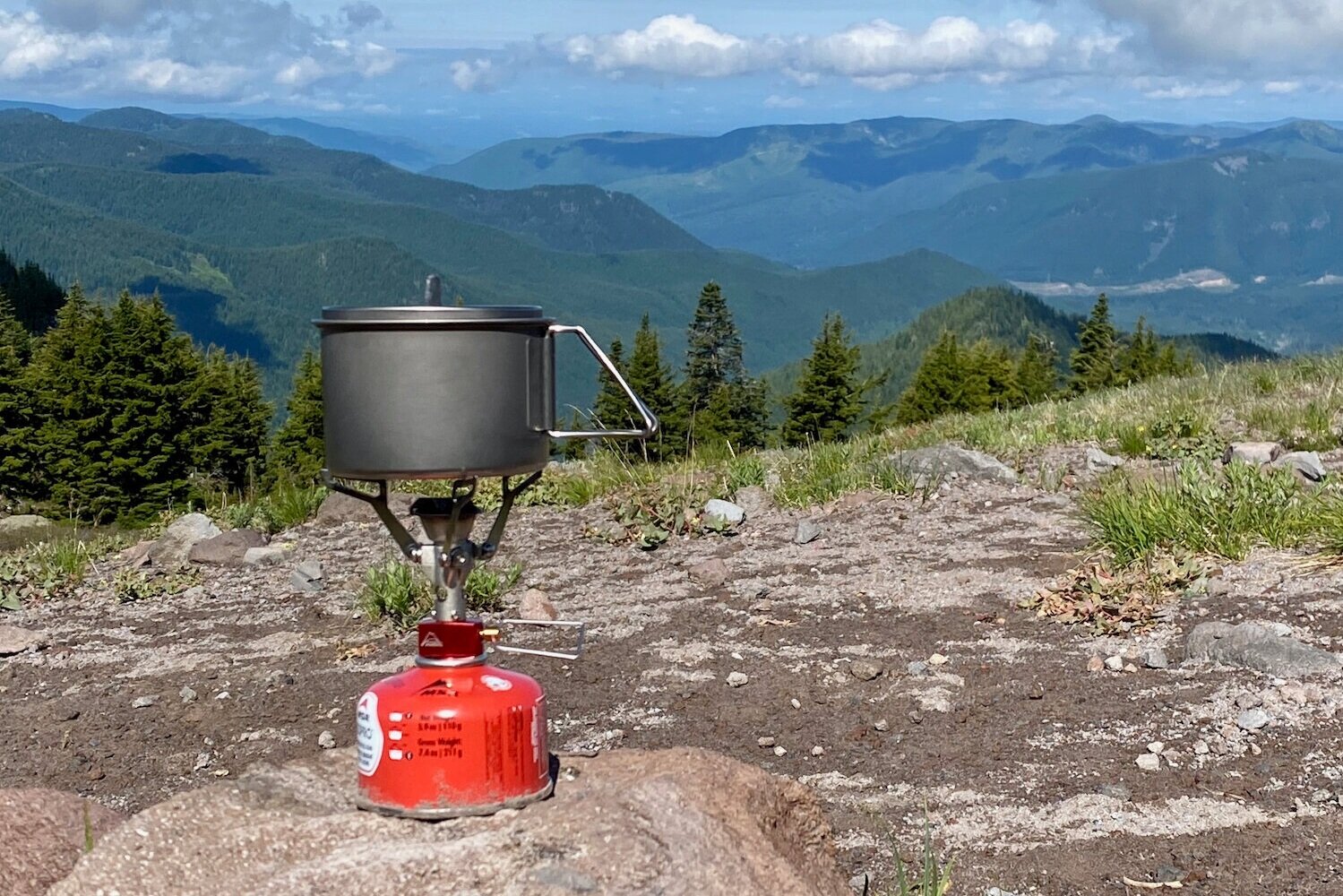
Knocking a fully cooked dinner onto the ground is the pits. Unless you enjoy eating dirt, you’re going to want to avoid that move at all costs. If you plan to cook large meals in big pots, get a stove with a wide base that will rest securely on the ground. Smaller pots used with upright canister stoves will work just fine, but they do tend to be a little less stable, so cook with care.
How Much Flame Control Do You Need?
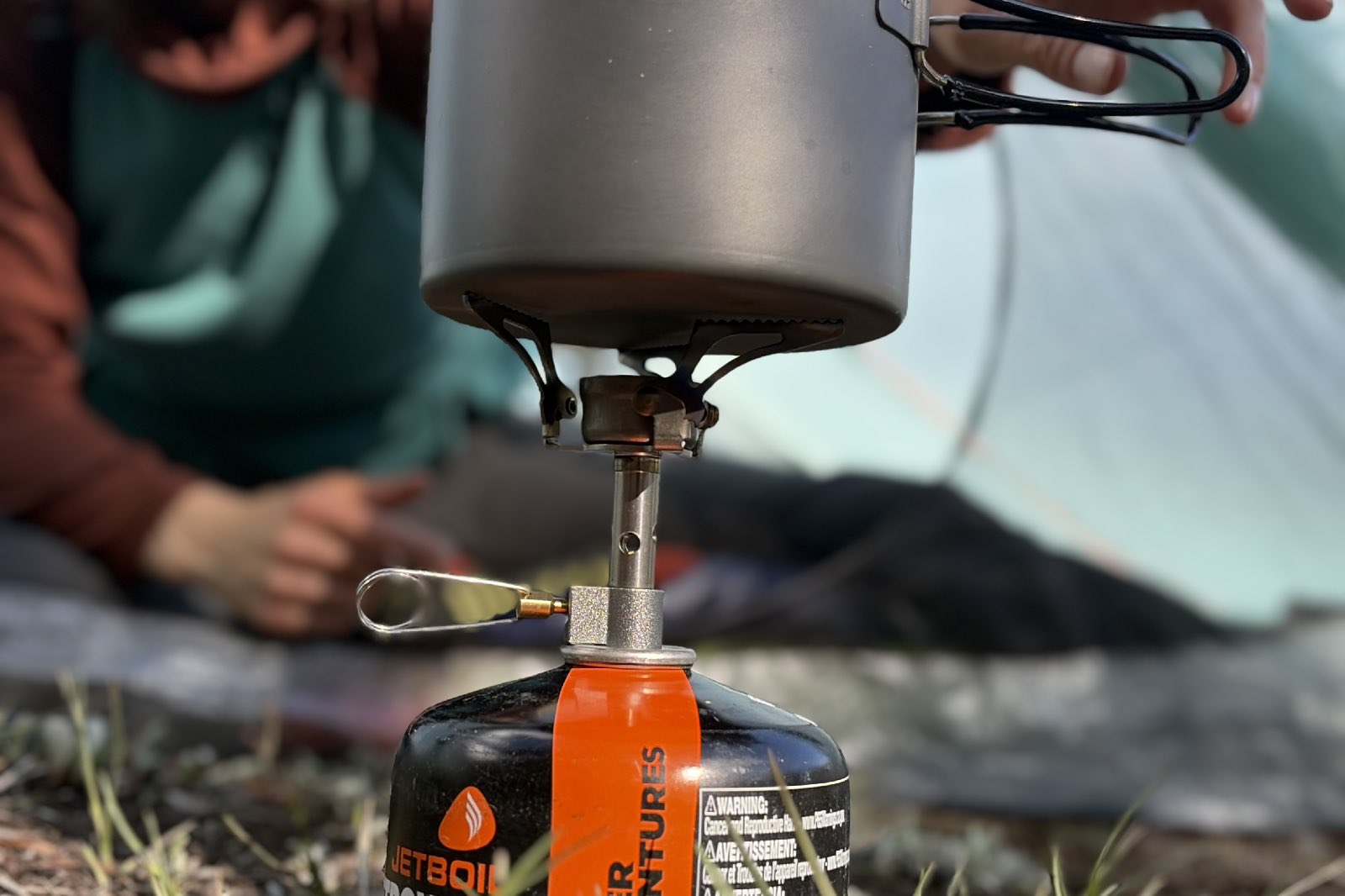
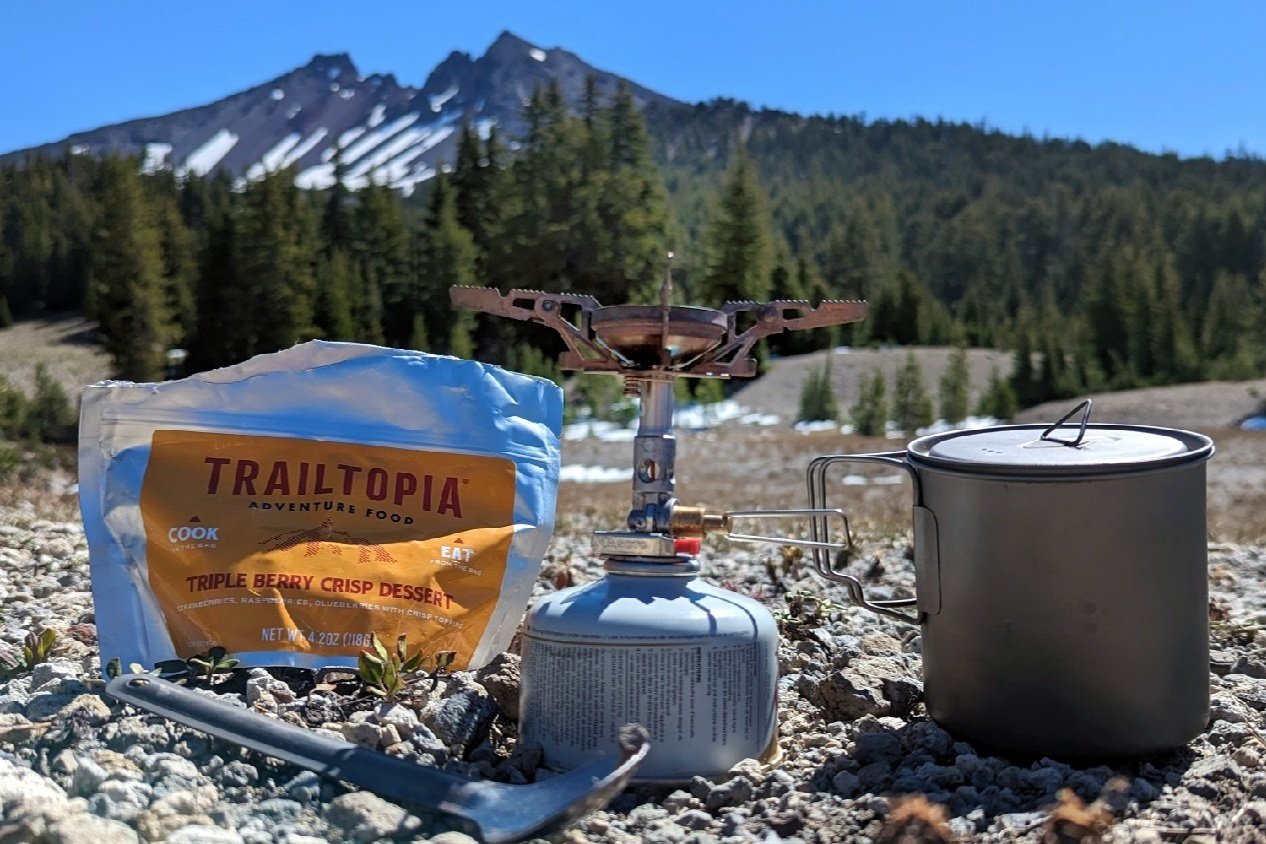
If you want the ability to cook more complex trail meals, you’ll definitely want a stove with good simmer control. Some canister stoves and liquified gas stoves have this feature, but not all of them. Simmer control can be a handy feature even if you only plan on making simple backcountry meals. It’s a lot easier to keep a pot from boiling over when you have a choice between off and turbo.
Do Ignitier Switches Work?
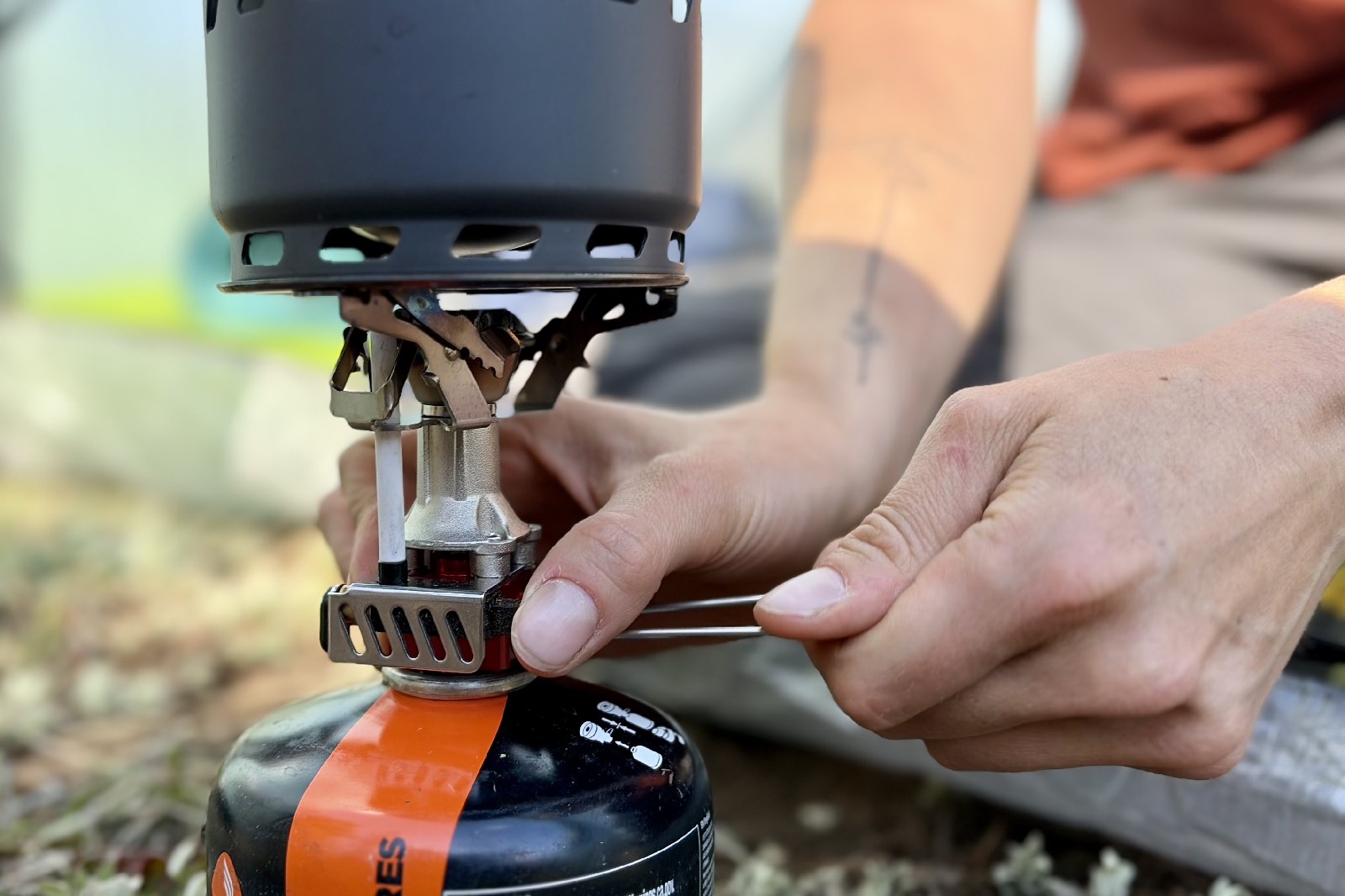
Igniter switches are a convenience feature usually reserved for higher-end stoves. It’s nice to light your stove at the push of a button and have a backup if your lighter gets wet. That being said, we recommend always carrying a lighter regardless of your stove model because igniter switches are usually the first feature to break on a stove.
Do You Need an Integrated Stove System?
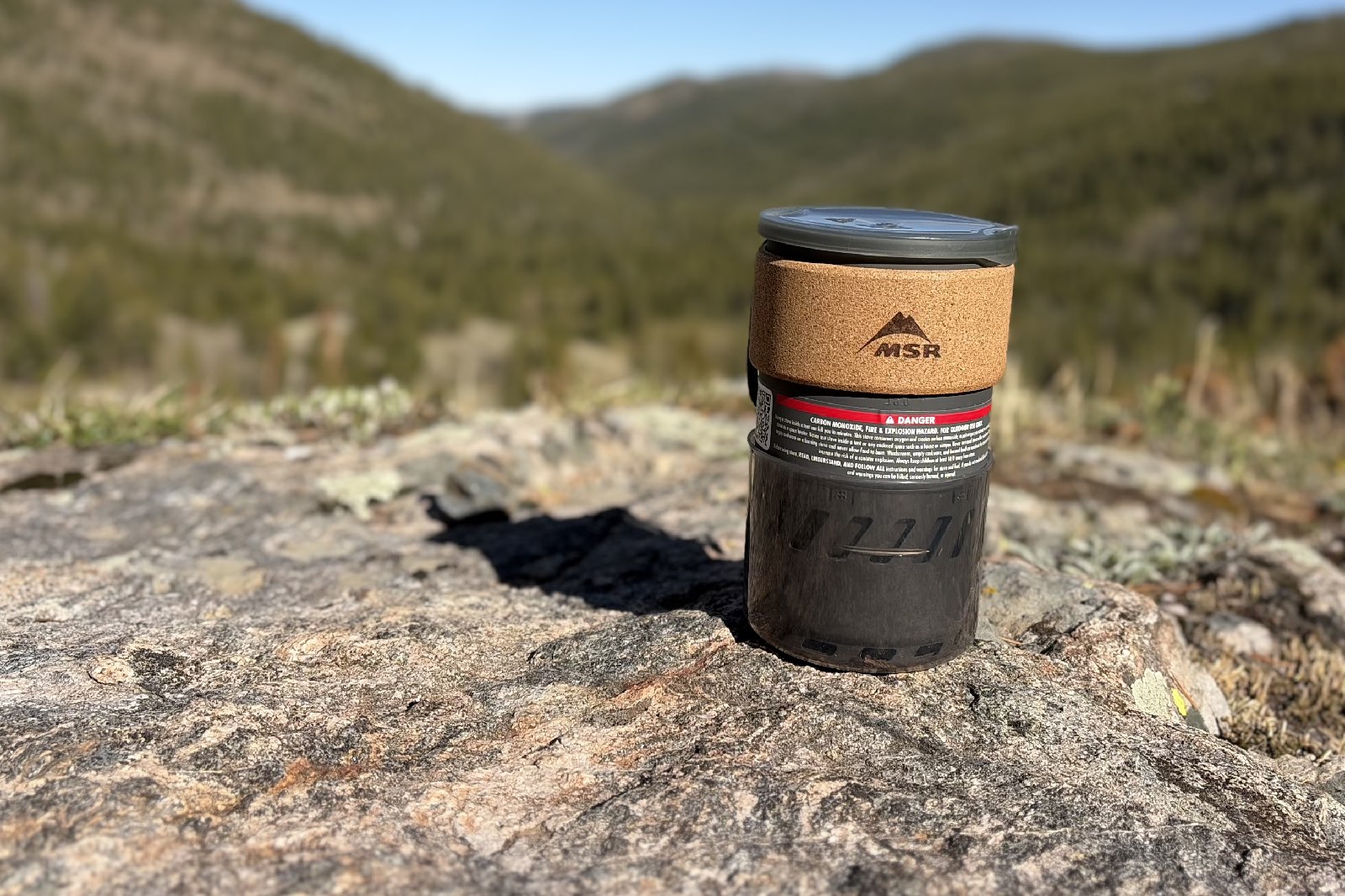
Integrated systems are usually more efficient, stable, and convenient than traditional backpacking stoves. They come with an included pot that screws directly into the stove, which helps to block wind and makes for a quicker boil time. On the flip side, an integrated system is almost always going to be pricier and heavier than typical canister stoves. Some people don’t mind carrying the extra weight for the added convenience of an integrated system, but most ultralight backpackers will steer clear.
Why Trust CleverHiker
We put all of our backpacking stoves through real-life, practical testing in the mountains and controlled, lab-style environments. We strive for quantifiable metrics wherever possible and pair that with our own hands-on experience and opinions of the gear.
Gear analyst Brett Kretzer has backpacked over 2,500 miles across the US, Europe, and Asia. He’s thru-hiked the Long Trail, Colorado Trail, GR11 (Spain), and Manaslu Circuit (Nepal), as well as countless other desert and mountain treks. In the process, Brett has put a wide range of gear through the harshest conditions, including stoves from this list.

Testing Methodology
How Do We Assess Convenience?
Convenience refers to the stove’s overall ease of use and setup. This includes things like ignitor switches, additional pot stands, neoprene sleeves, and pour spout lids. We also factor in overall stove stability by giving it the ‘tip test’. In other words, how easy is it to knock over? All of these elements are taken into account to give it an overall convenience score.
How Do We Measure Weight & Packability?
Whether you are an ultralight backpacker or a bushcrafter, the amount of weight you are carrying makes a huge difference. We weigh each stove with and without its extra accessories, measure its size, and see if it’s packable inside a 1-liter pot along with a fuel canister. This helps us (and you) determine if the overall features of the stove justify its weight and size.
How Do We Test Power & Efficiency?
We measure power and efficiency by how quickly a stove can boil water and how much fuel is consumed in the process. We also look at how that performance changes in a windy environment. A quick boil is a much-appreciated feature at the end of a long day, and higher efficiency means less fuel is wasted. We time how long each stove takes to boil 1 liter of water, on high, with and without wind present. Then we measure how much fuel was lost.
How Do We Evaluate Precision?
Precision is defined by how much simmer control the stove has. Some stoves feature a fuel regulator, which significantly increases their range, but even stoves without a regulator usually have some level of variability. With water in a pot, we put it on the stove and try to squeeze out as many definitive changes in flame output as we possibly can. Simmer control is most important to backpackers who want to do more than just boil water. Simmering provides more cooking versatility, allowing you to reheat a meal or even sauté.
Conclusion
There are a number of factors to consider when choosing the right backpacking stove. Whether you’re focused on minimizing weight or enhancing your outdoor cooking experience, considerations like convenience, weight and packability, power and efficiency, and precision are crucial. Everyone prioritizes different features in a stove, and we hope this guide has helped you determine which stove is best for your purposes.