

Bottom Line
We tested the LifeStraw Peak Squeeze on backpacking trips throughout the Rockies, filtering everything from clear alpine streams to silty glacier-fed water sources. Over the course of testing, its biggest strength proved to be versatility. The ability to switch between standard 28-millimeter bottles and larger 42-millimeter soft flasks made it easy to adapt the system to almost any bottle.
The included soft bottles also feel noticeably more durable than many competing squeeze-filter systems, and the sturdy filter housing keeps the filter safe from regular use and abuse. Water quality was consistently excellent, with a clean taste and reliable filtration.
The biggest downside is maintenance. Flow rate is decent but not especially fast, and the filter tends to clog sooner than some competing models if you aren’t diligent about backflushing. Fortunately, cleaning is simple and restores performance fairly well.
Overall, the Peak Squeeze offers a ton of value and versatility, making it one of the best options for any backpacker. For other options, check out our gear guide to the best backpacking water filters.
How We Tested
We tested the Peak Squeeze on camping trips throughout the Rocky Mountains and Colorado desert, filtering water from alpine streams, lakes, and silty desert sources. In addition to field use, we performed controlled testing to measure flow rate, treatment time, and durability.
Quick Specs
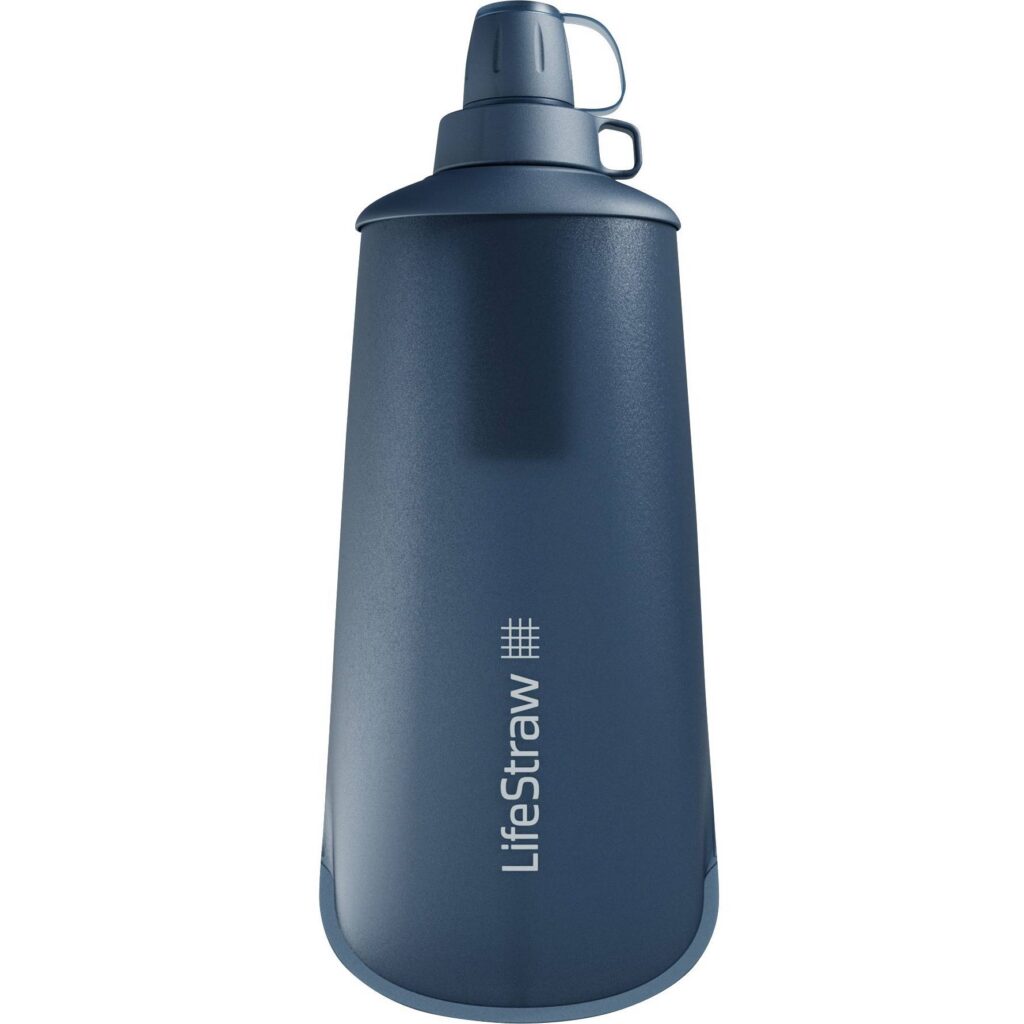
LifeStraw Peak Squeeze
Most Versatile Water Filter
CleverHiker Rating: 4.6/5.0
Price: $44
Weight: 2.4 oz.(filter only)
Flow Rate: 1.75 L/min
Filter Pore Size: 0.2 microns
Lifetime Volume: 2,000 L
Pros
- Works with a variety of bottles and bladders
- Good flow rate
- Ultralight
Cons
- Requires frequent cleaning
- Middling flow rate

Water Quality
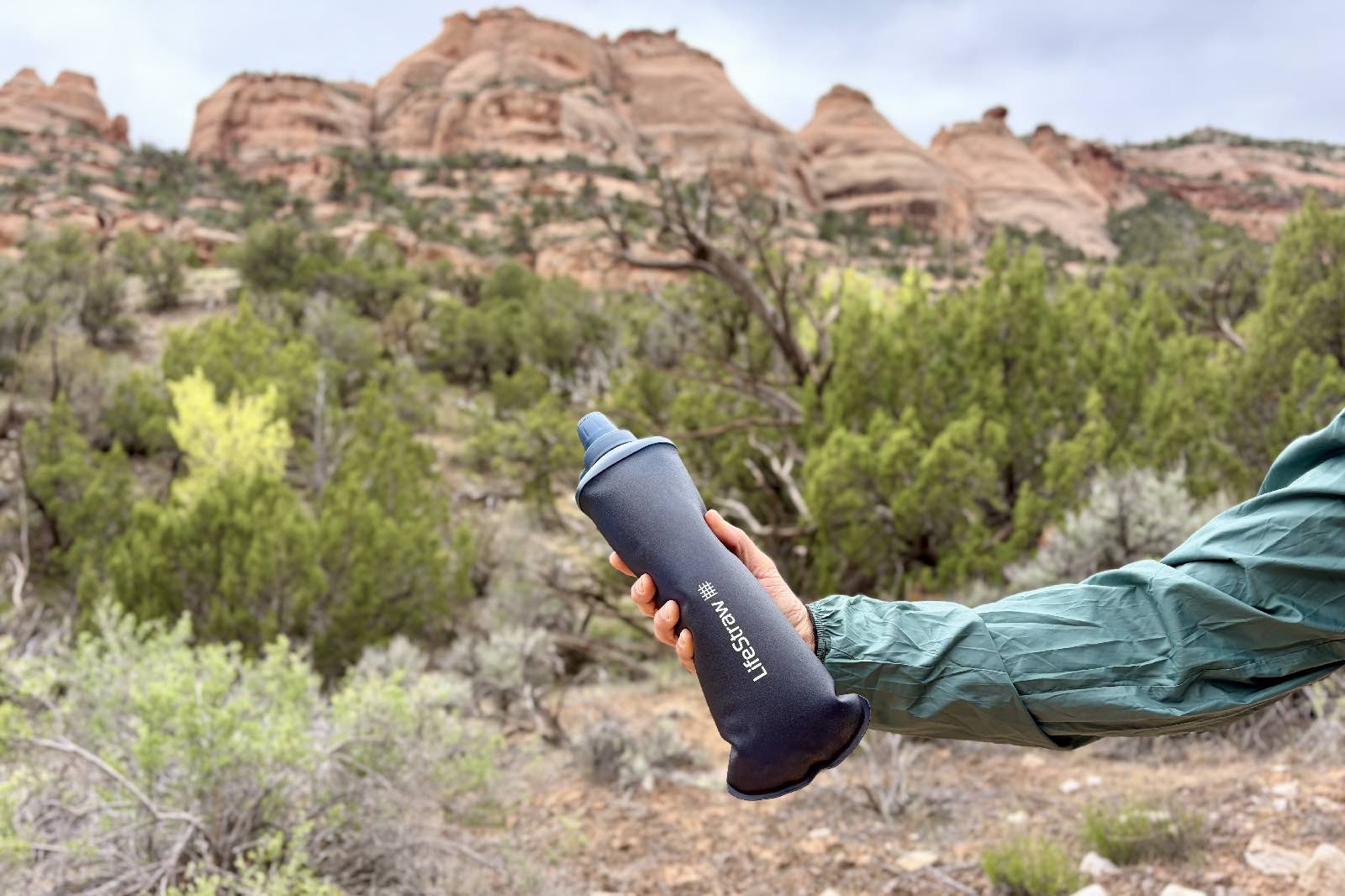
The Peak Squeeze meets the standard 0.2-micron filtration rating used by most backpacking water filters, removing virtually all bacteria, parasites, and microplastics. Like most squeeze filters, it’s not designed to filter out viruses, but it does a good job producing clean, tasty drinking water from most backcountry sources.
For especially questionable water sources, we often pair a filter with a chemical treatment to add another layer of protection. The Peak Squeeze works particularly well in that kind of setup because it reduces chlorine to improve the taste of chemically treated water.
Ease of Use
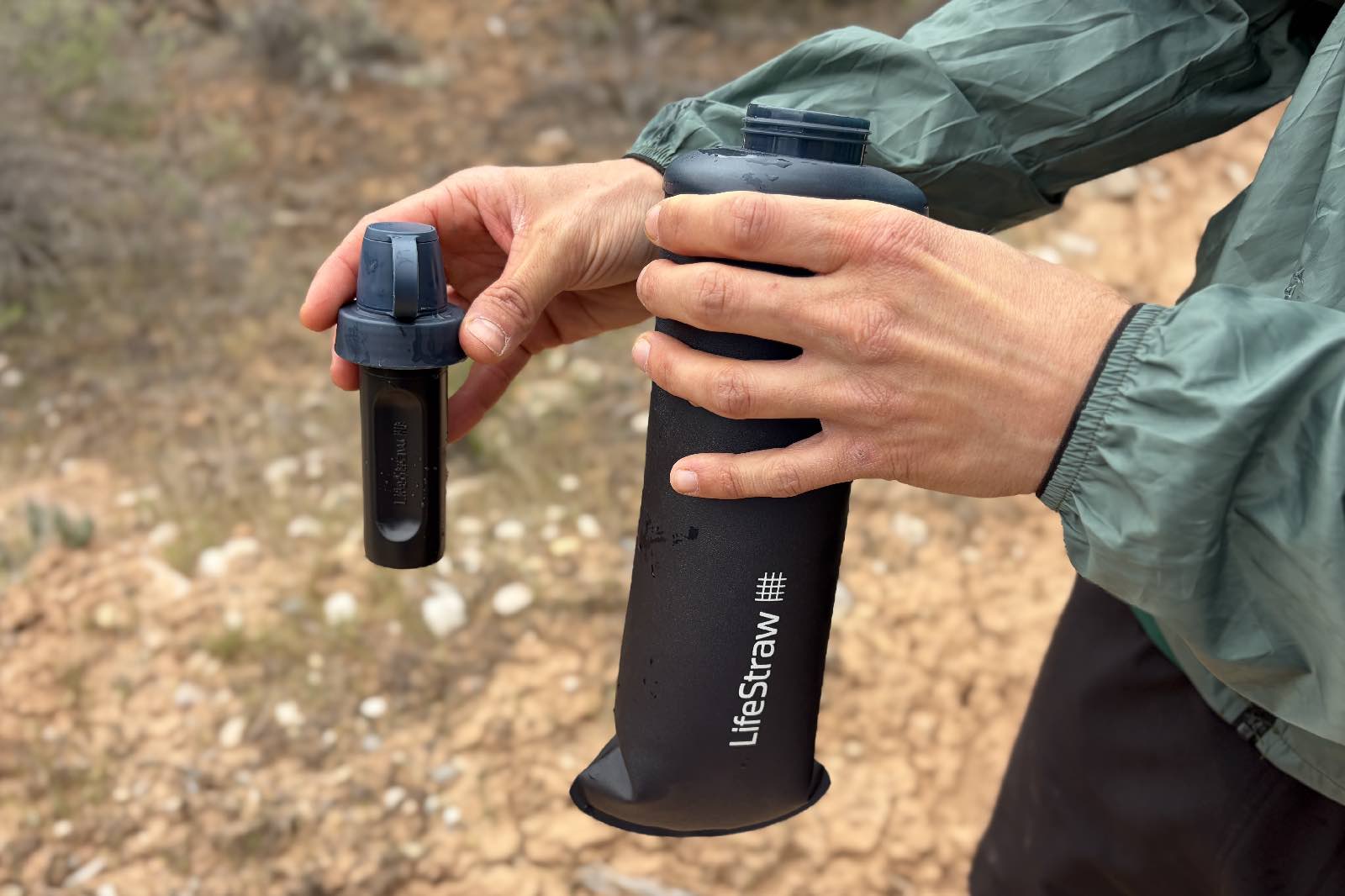
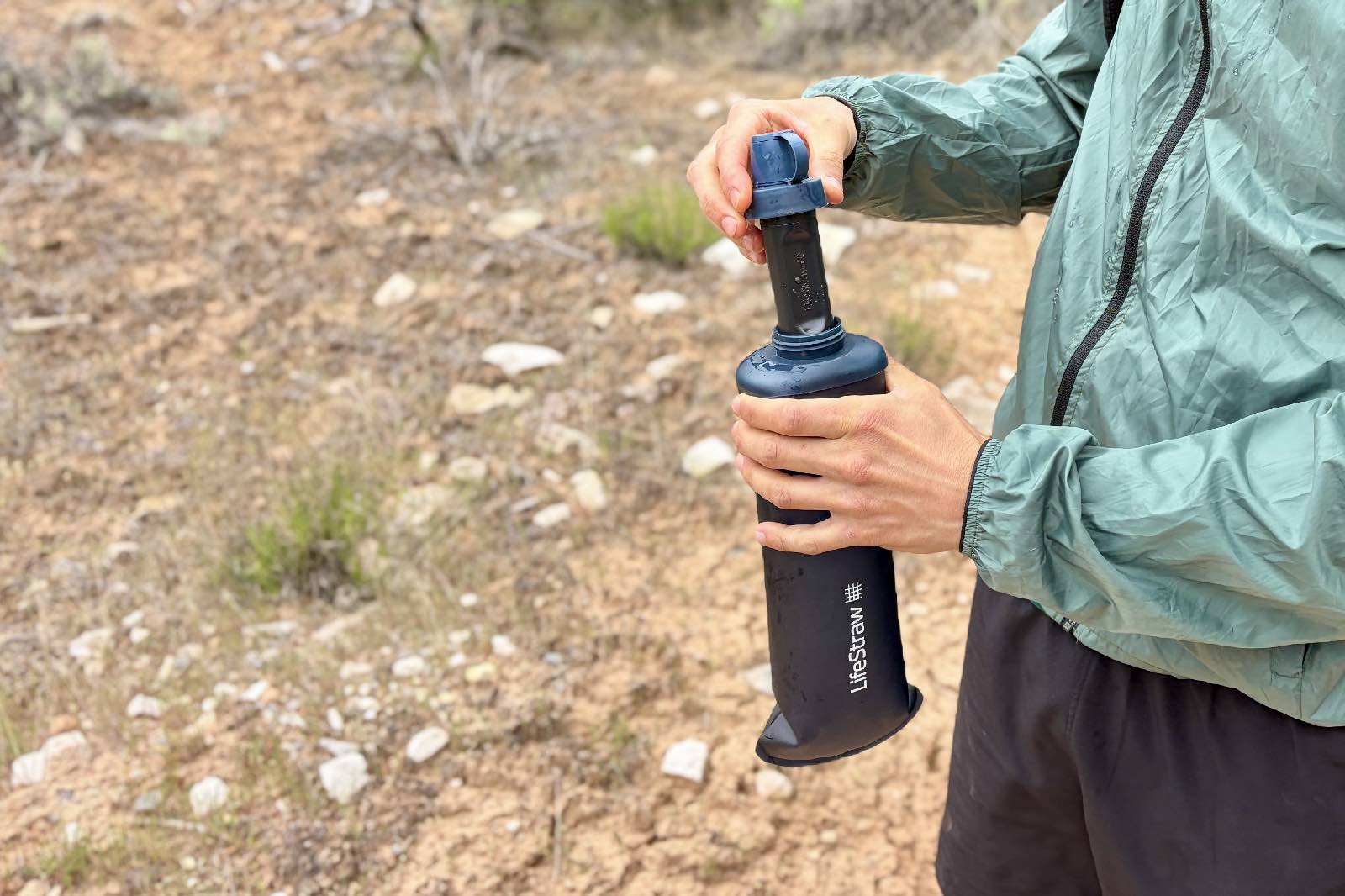
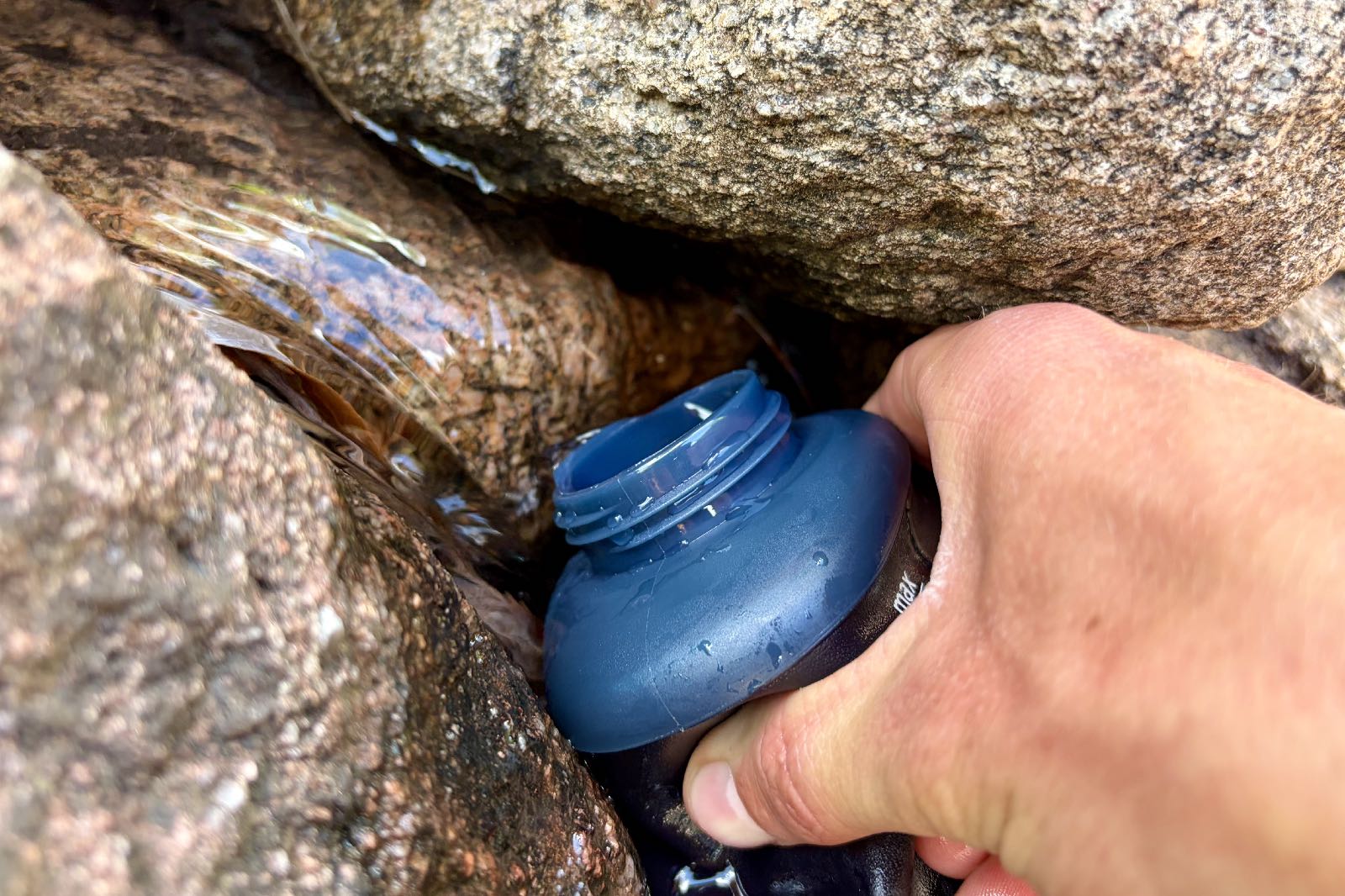
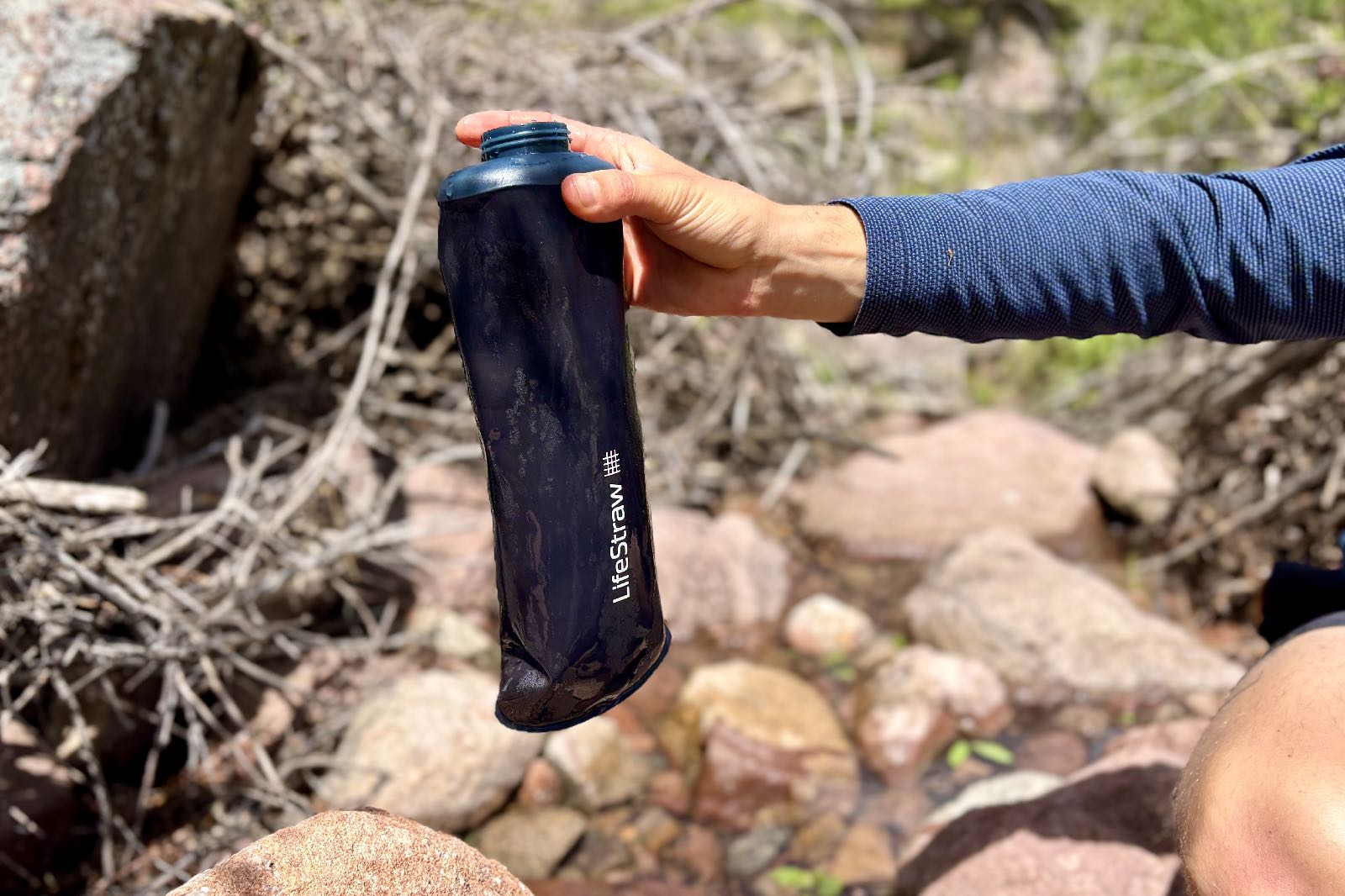
Squeeze filters are already among the easiest-to-use water treatment methods, and the Peak Squeeze takes it farther with its highly versatile design. The filter comes with a BPA-free soft bottle featuring a wide, 42-millimeter opening, which makes collecting water much easier than the narrower openings commonly found on other squeeze filters. The soft-sided bottle is durable, compresses down small when empty, and provides the best flow rate.
If your bladder becomes compromised or you just prefer a different setup, the filter is also compatible with standard 28-millimeter bottles like Smartwater bottles. With a bit of creativity, the Peak Squeeze can even be adapted into a gravity filter system.
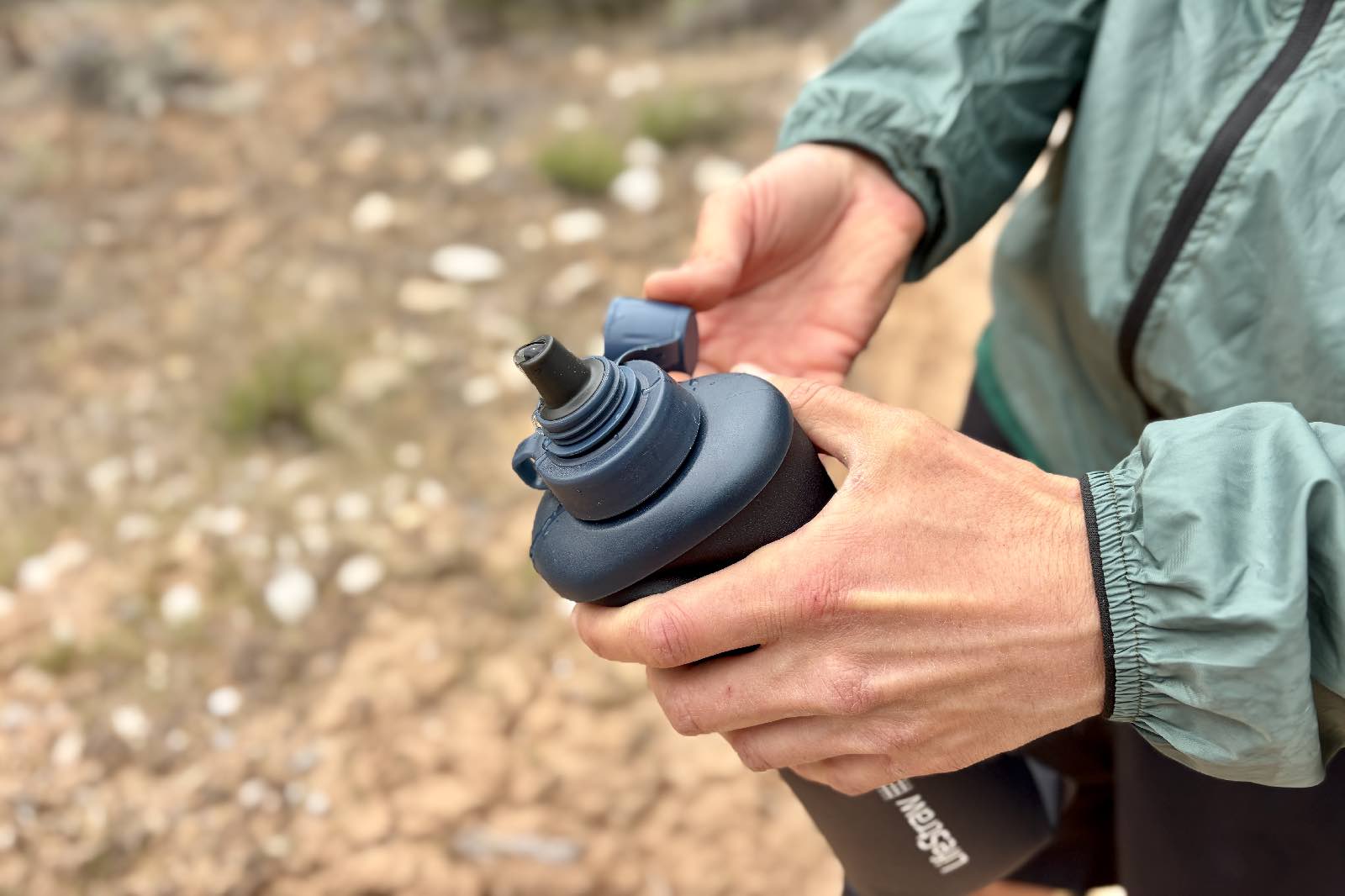
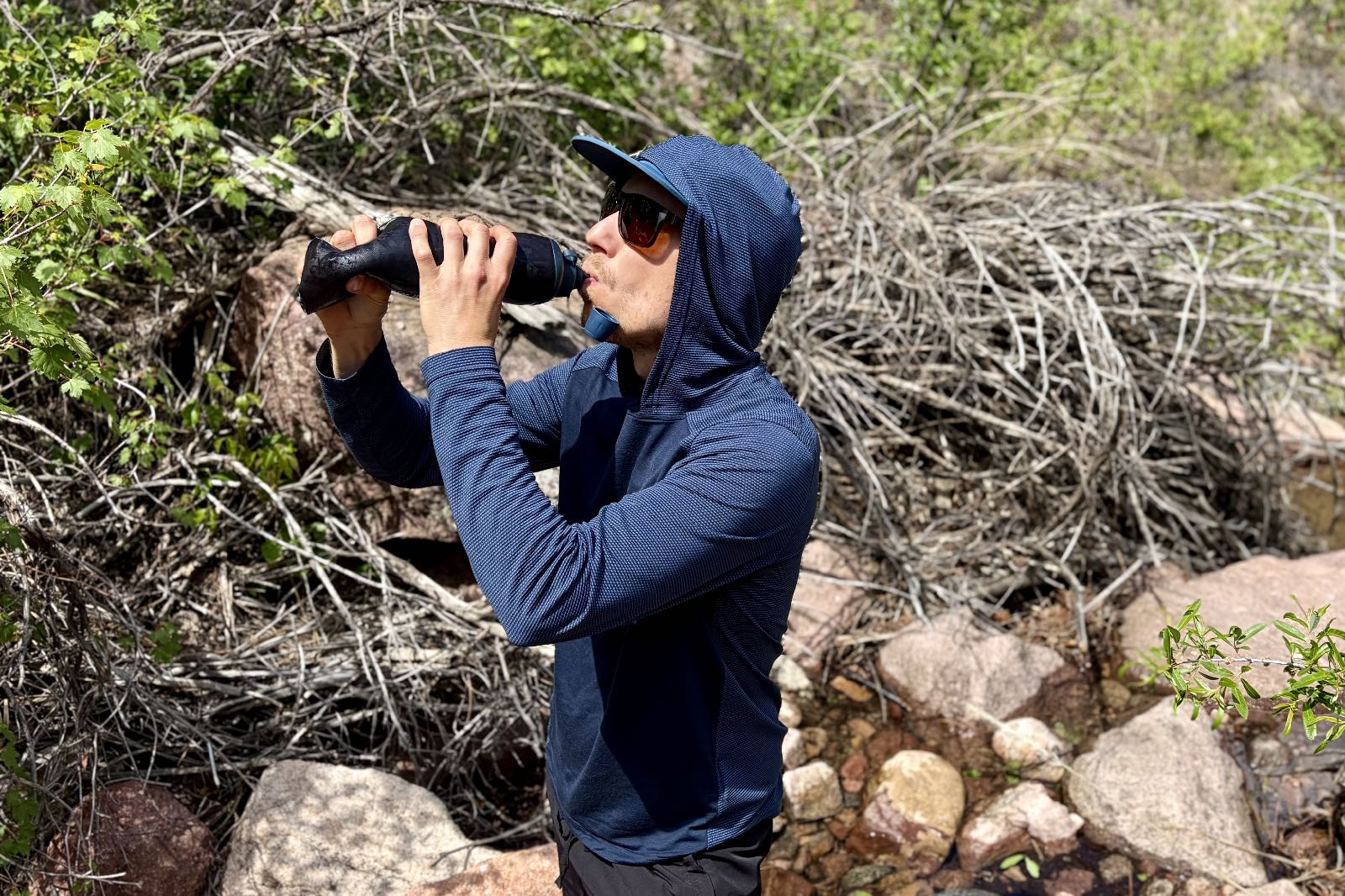
The rubber mouthpiece is comfortable to drink from, and the included cap protects it against dirt and contaminants.
Treatment Time
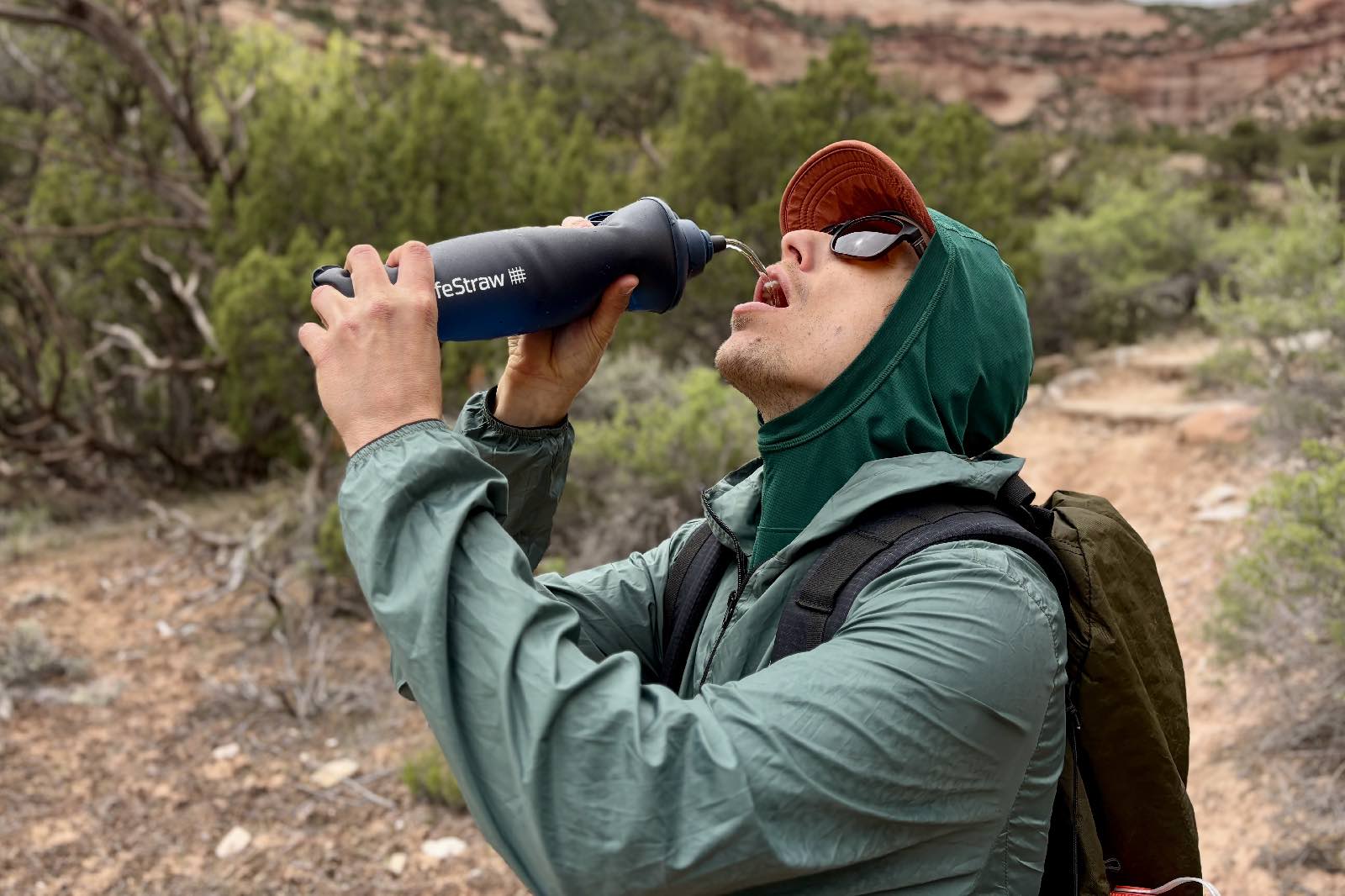
The Peak Squeeze delivers fairly average filtration speed compared to other squeeze-style filters. Treatment time varies depending on which bottle setup you use, with the included soft flasks providing the fastest and most consistent flow rate.
Using the soft bottles, filtration typically took around 35 to 40 seconds per liter right out of the box. Standard Smartwater-style bottles had a flow rate closer to about a minute per liter. Left to gravity alone, filtering a full liter took roughly 15 minutes.
Weight
The Peak Squeeze is very lightweight for such a versatile design. The extra pieces that make it compatible with multiple bottles do come with a slight weight penalty, but it’s still well within ultralight standards. The absolute minimum weight for the Peak Squeeze (if you only plan on using it with 28-millimeter bottles) is 1.5 ounces. Add the 42-millimeter mouthpiece, and it jumps up to 2.4 ounces. The whole kit, including the one-liter LifeStraw bladder, weighs a total of 4.2 ounces – very respectable for such a capable system.
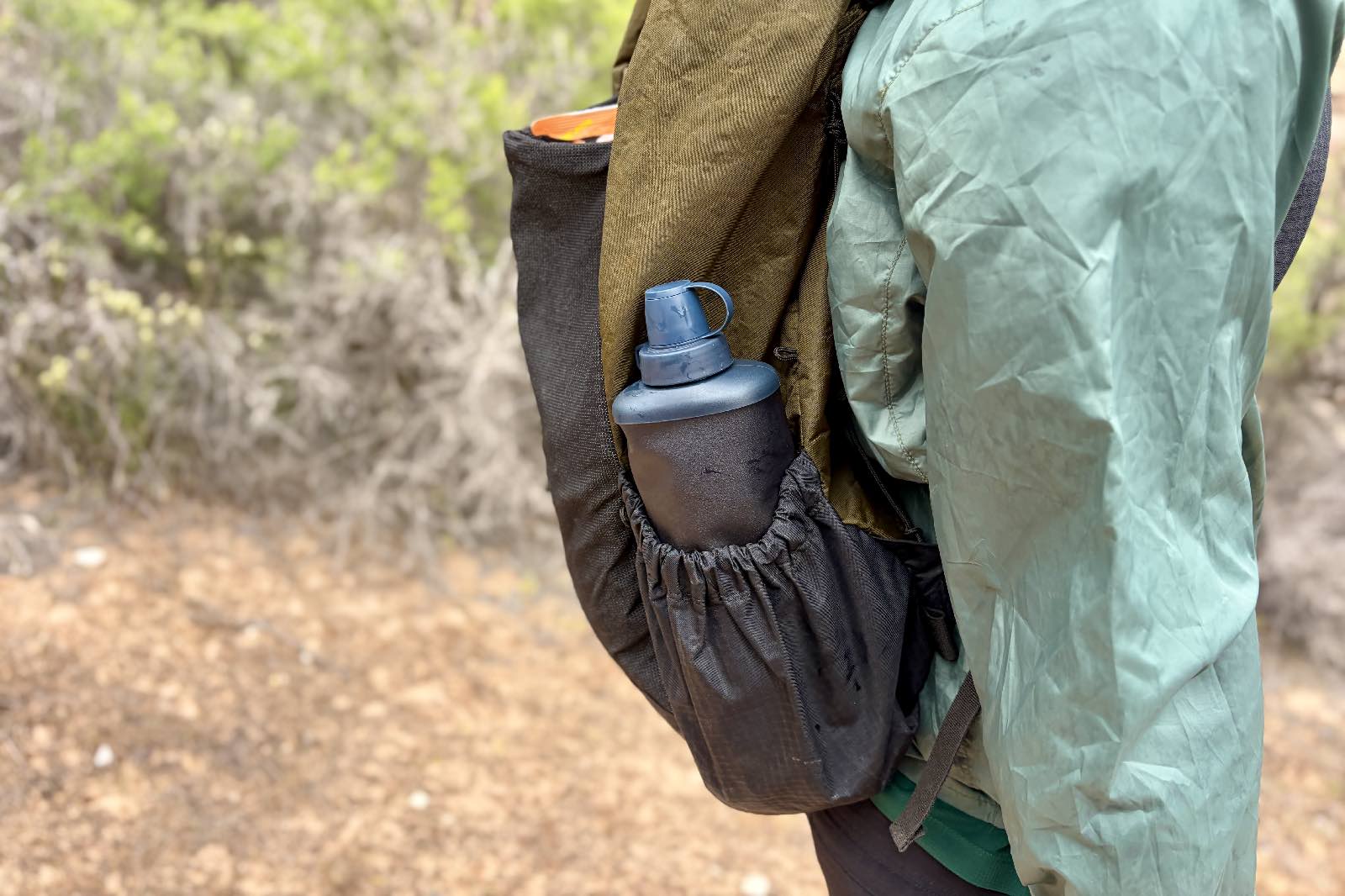
We typically store the Peak Squeeze directly on the mouth of our water bottle or bladder, but it’s small enough to fit in a standard hipbelt pocket or side pocket of a backpack.
Maintenance & Longevity
The Peak Squeeze is built with a durable plastic housing that does a good job protecting the internal microfiber filter from damage. Like most hollow-fiber squeeze filters, though, maintaining good flow requires regular backflushing. The included syringe makes the process straightforward, and the more you clean the filter, the better it will work.
Compared to some other squeeze filters, the Peak Squeeze does seem to clog a bit more quickly, especially when filtering silty water. Staying on top of backflushing helps minimize this issue and keeps the filter performing better over time.
LifeStraw rates the filter for roughly 2,000 liters of use, though its actual lifespan depends heavily on water quality and maintenance. As long as the filter continues flowing at a reasonable rate and hasn’t been damaged, it should still be good to go.
As with most hollow-fiber filters, if water inside the filter freezes, the internal fibers can crack. This makes the filter unsafe to use, so it’s important to keep the filter warm in cold conditions.
Should You Buy the LifeStraw Peak Squeeze?
The Peak Squeeze is lightweight, easy to use, and offers a little more versatility than other options.The best part about this filter is its compatibility. It works with both standard 28-millimeter bottles, like Smartwater bottles, and larger 42-millimeter soft flasks. This flexibility makes it easy to tailor the setup to your preferences without adding much extra weight or bulk.
Another highlight is the Peak Squeeze’s design is its durability. The filter element is protected by a robust plastic housing, and the included water bladders are noticeably thicker and more hardwearing than most.
Though it doesn’t have the fastest flow rate and tends to get clogged more quickly than others, it’s a minor setback for such a versatile system. With regular cleaning, it should continue to function well.
Overall, the LifeStraw Peak Squeeze is an excellent option for virtually any backpacking style. It produces safe, delicious drinking water, and it packs a ton of value as one of the most versatile and affordable filters on our list.
What Other Water Filters Should You Consider?
For a wider look at the market, including other styles of filtration and purification, check out our backpacking water filters gear guide.
Sawyer Squeeze Review: The Sawyer Squeeze is a tried-and-true option that has served backpackers for millions of miles. A lot of folks still use this classic despite all the newer competition thanks to its long lifespan and consistent flow rate.
Katadyn BeFree Review: The BeFree is the biggest competitor when it comes to 42-millimeter soft flasks, but it isn’t compatible with Smartwater bottles. It does, however, have one of the most impressive flow rates out of the box. It absolutely gushes for the first week or so of use (but does slow down considerably towards the second half of its life).
LifeStraw Peak Straw Review: Similar to the Peak Squeeze but in a much longer housing, the Peak Straw can be used directly in a water source. This thing is perfect for lightweight runs with ample water sources. Simply kneel down and grab a treated sip from a stream or puddle, and you’re on your way again.