


Bottom Line
The Therm-a-Rest NeoAir XTherm NXT is the winter sleeping pad we trust most. Its R-value of 7.3 provides serious insulation for true winter backpacking, while our Regular test pad weighed just 16 ounces. That combination gives it one of the strongest warmth-to-weight profiles in our current sleeping pad lineup.
Our team has used the XTherm NXT in chilly shoulder-season conditions, snowy camps, rough desert terrain, and high-elevation mountain environments. The 70D nylon bottom stands out among inflatable pads for durability, while the three-inch thickness and horizontal baffles provide a comfortable, supportive sleeping surface across multiple sleep positions.
There are a few tradeoffs. The XTherm is heavier than our favorite three-season pads, its pump sack is less efficient than the best systems we’ve used, and the WingLock valve takes more squeezing and rolling to fully deflate than pads with dedicated dump valves. It’s also more insulation than most summer backpackers need. But for winter trips, cold sleepers, and backpackers who want maximum warmth without carrying a bulky pad, the XTherm NXT remains our top dedicated winter choice in our guide to the best backpacking sleeping pads.
How We Tested
We’ve used the XTherm NXT while backpacking in chilly spring and fall conditions across the Sonoran Desert and on trips in the Central Oregon Cascades. Our broader CleverHiker team has also used the XTherm line for winter backpacking, snowy camps, rough desert terrain, icy mountain passes, and other demanding cold-weather trips.
We tested the Regular mummy version and measured it at 16 ounces. Across that use, we evaluated warmth, comfort, durability, weight, packability, valve performance, inflation, deflation, and how well the pad holds up to repeated use in abrasive terrain.
Quick Specs
- Best for: Winter backpacking, cold sleepers, alpine trips
- Tested size: Regular mummy
- Tested dimensions: 72 x 20 x 3 in., manufacturer listed
- Fabric: 30D ripstop nylon top / 70D nylon bottom
- Included: Pump sack, stuff sack, field repair kit
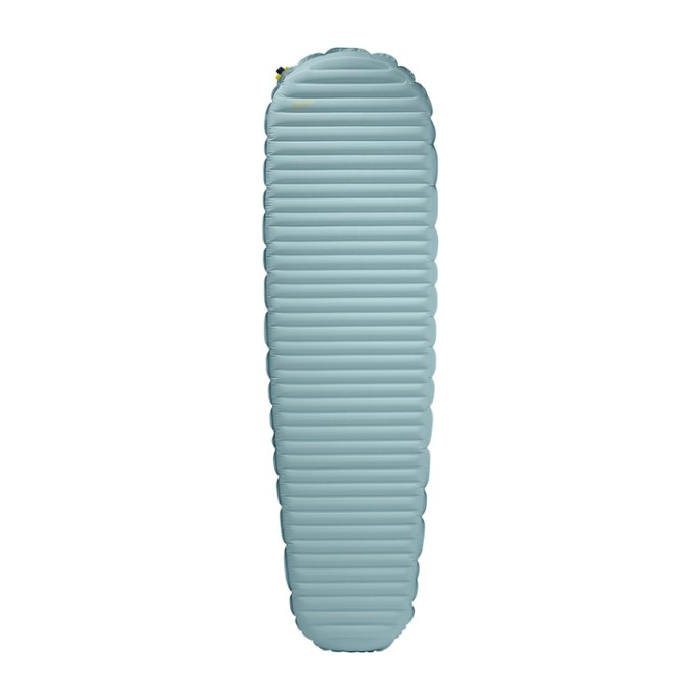
Therm-a-Rest NeoAir XTherm NXT
Best Winter Backpacking Sleeping Pad
CleverHiker Rating: 4.5/5.0
Price: $230
Weight: 16 oz., Regular, CleverHiker measured
R-Value: 7.3
Thickness: 3 in.
Pros
- Excellent warmth-to-weight ratio
- Our favorite dedicated winter sleeping pad
- Very durable for an inflatable pad
- Comfortable three-inch cushioning
- Supportive horizontal baffles
- Highly packable for the insulation
- Many size options
- Quieter than older XTherm generations
Cons
- More insulation and weight than most summer backpackers need
- Pump sack is less efficient than our favorites
- Slower to fully deflate than pads with dump valves
- Pricey for occasional or warm-weather backpackers
Comfort
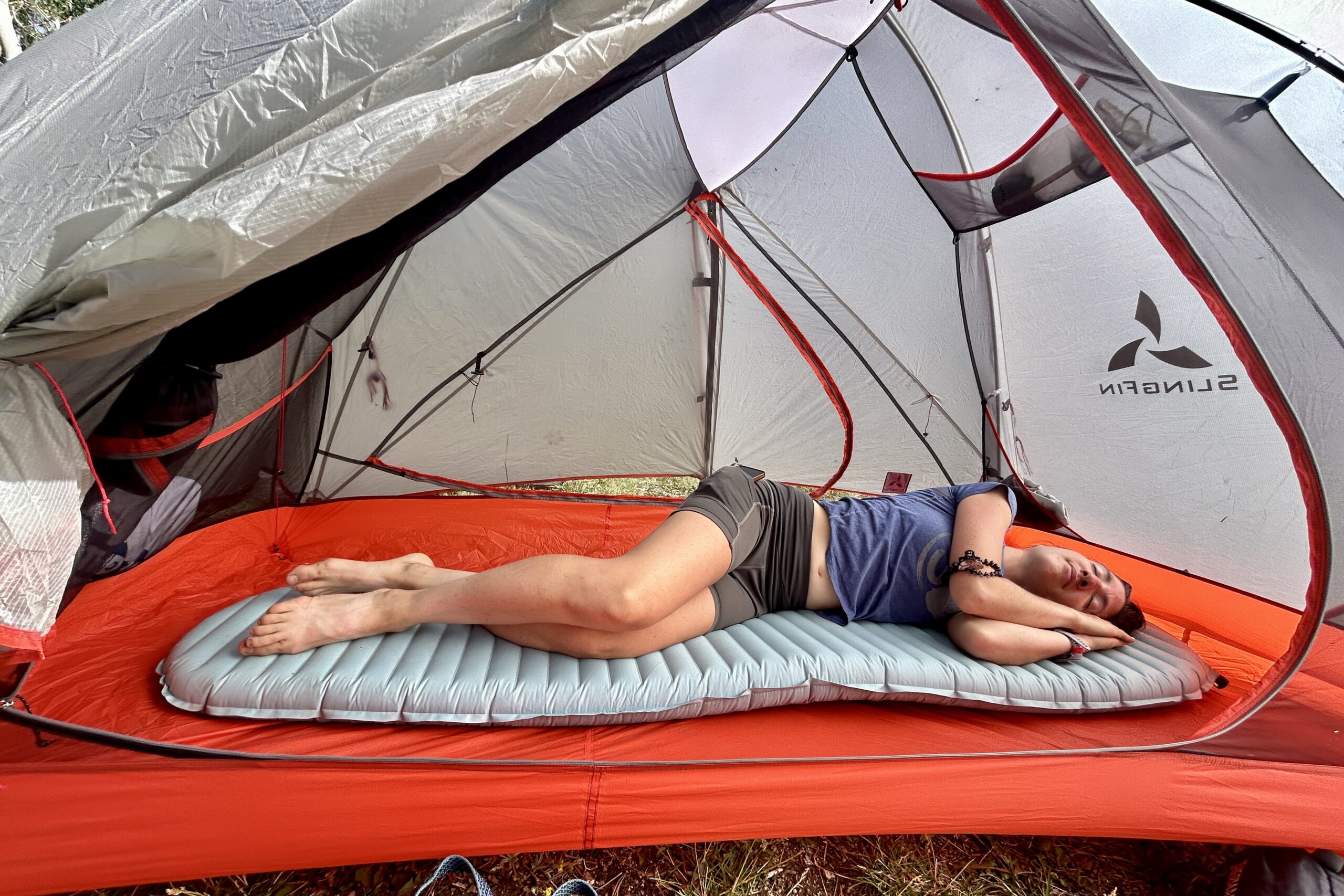
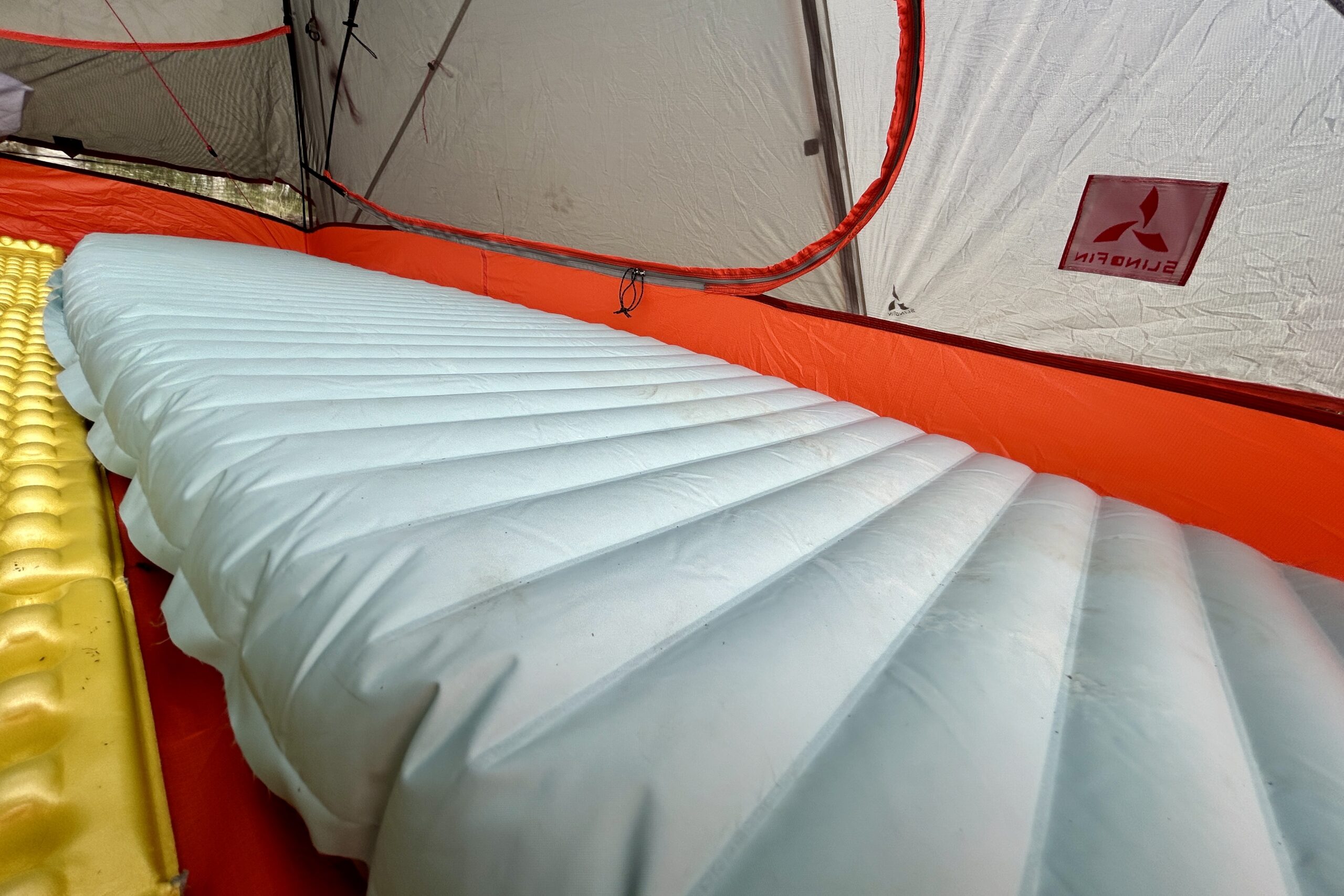
The XTherm NXT provides a comfortable, supportive sleeping surface without moving into the heavier comfort-first end of the category. Its three inches of cushioning are enough to keep hips and shoulders off the ground, and the horizontal baffles distribute pressure evenly across the pad.
We find the XTherm comfortable in multiple sleeping positions. Side sleepers get enough depth to avoid regular bottoming out, while back and stomach sleepers may especially appreciate the firmer, more supportive feel of the horizontal baffle structure.
The WingLock valve also makes firmness adjustments easy. We like being able to inflate the pad firmly and then release small amounts of air while lying on it until the support feels right.
Compared with softer, body-conforming pads such as the Exped Ultra 6.5R, the XTherm feels firmer and less cradling. That is a tradeoff rather than a flaw: backpackers who prefer a structured sleep surface may favor the XTherm, while side sleepers who want a softer feel may prefer the Exped.
Comfort Score: 4.5 / 5.0
Weight & Packability
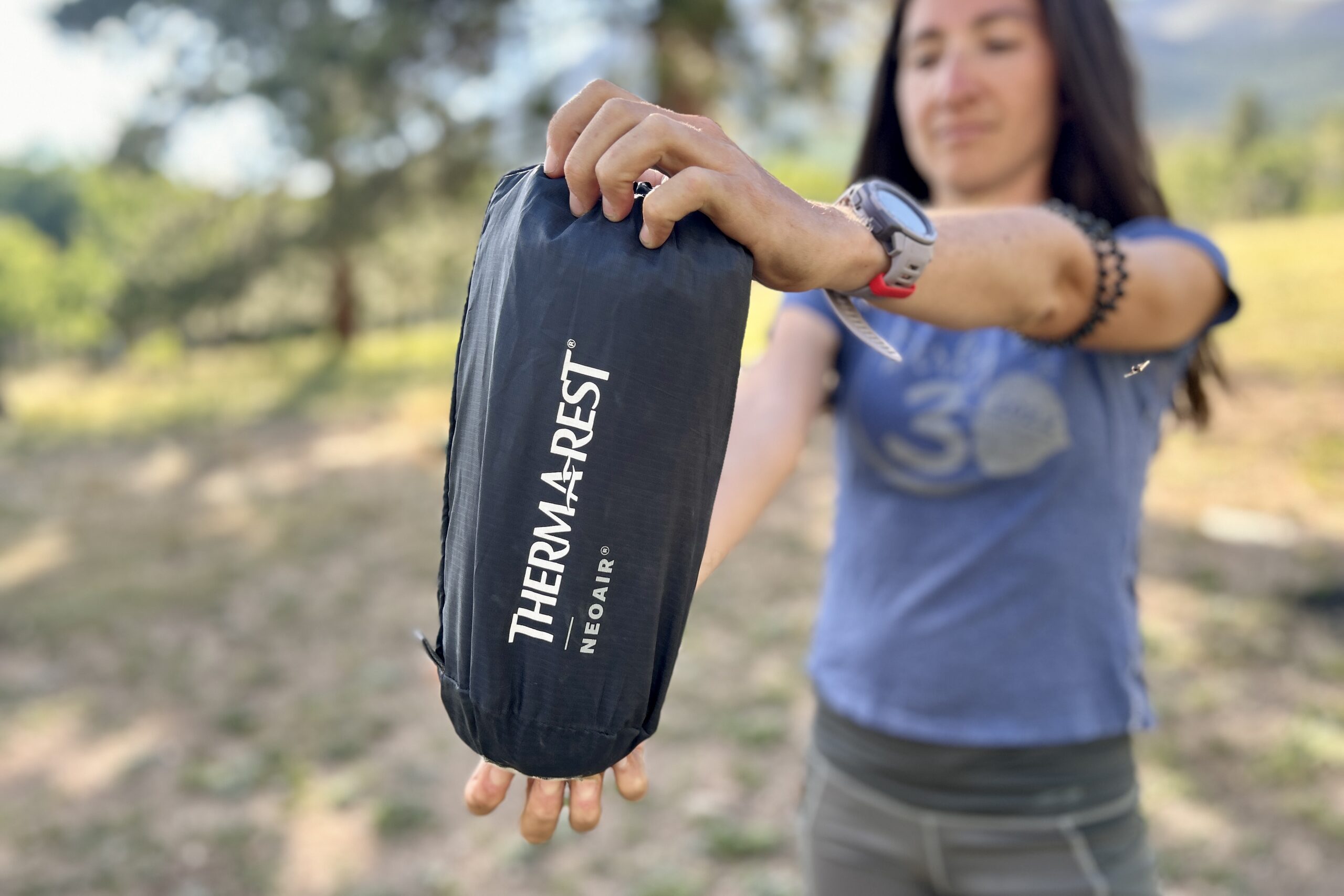
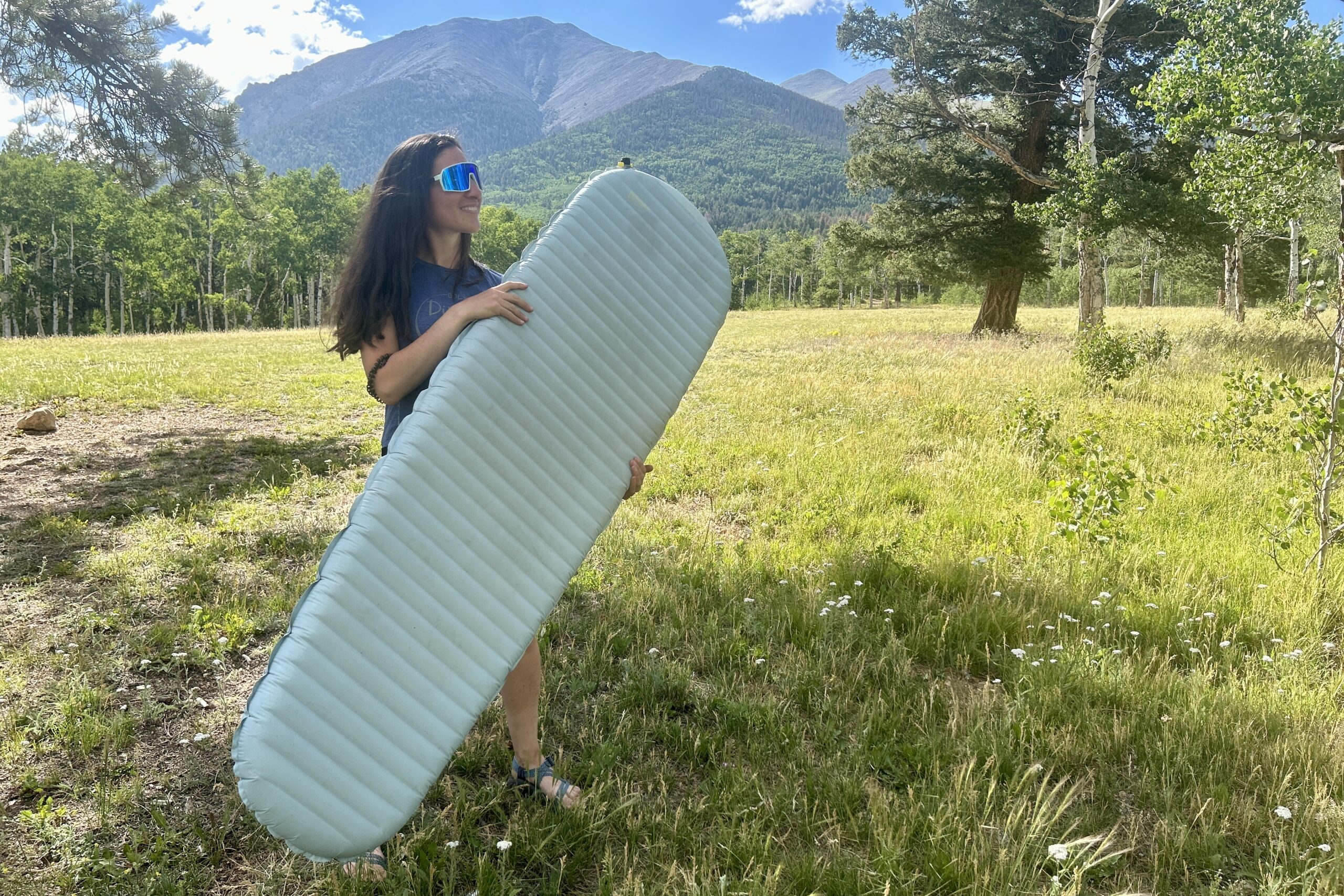
Our Regular test pad weighed 16 ounces, which is remarkably light for this level of insulation. The XTherm is not one of the lightest pads in the category overall, but those lighter alternatives generally give up a substantial amount of cold-weather capability.
That distinction matters most in winter. The XTherm carries only a modest weight penalty over premium three-season pads while providing an R-value of 7.3, so backpackers are getting a meaningful increase in insulation for the extra ounces.
The Regular packs down to roughly 4.5 by 9 inches, about the size of a one-liter bottle. That makes it easy to fit into a backpack even when winter gear is already taking up more room than a typical summer kit.
For three-season backpacking, lighter choices make more sense. For winter backpacking, the XTherm remains one of the strongest weight-to-warmth options we’ve tested.
Weight Score: 4.0 / 5.0
Durability
Durability is one of the XTherm NXT’s biggest advantages over most inflatable pads. The 70D nylon bottom is substantially tougher than the thin underside fabrics used on many lightweight competitors, and our category testing places the XTherm among the strongest inflatable options we’ve used.
Our team has used the XTherm in cactus-filled desert terrain, around jagged lava rock, through pine forests, and on icy mountain trips. The heavier bottom fabric gives us more confidence around abrasion and rough campsites than we have with many ultralight air pads.
No inflatable is puncture-proof, and we still clear sharp rocks, sticks, and debris before setting up camp. Therm-a-Rest includes a field repair kit, and the WingLock valve can be replaced if it is damaged.
The Therm-a-Rest NeoLoft earns a slight durability edge in our current lineup, but the XTherm remains one of our most trusted inflatable pads when toughness matters.
Durability Score: 4.7 / 5.0
Warmth
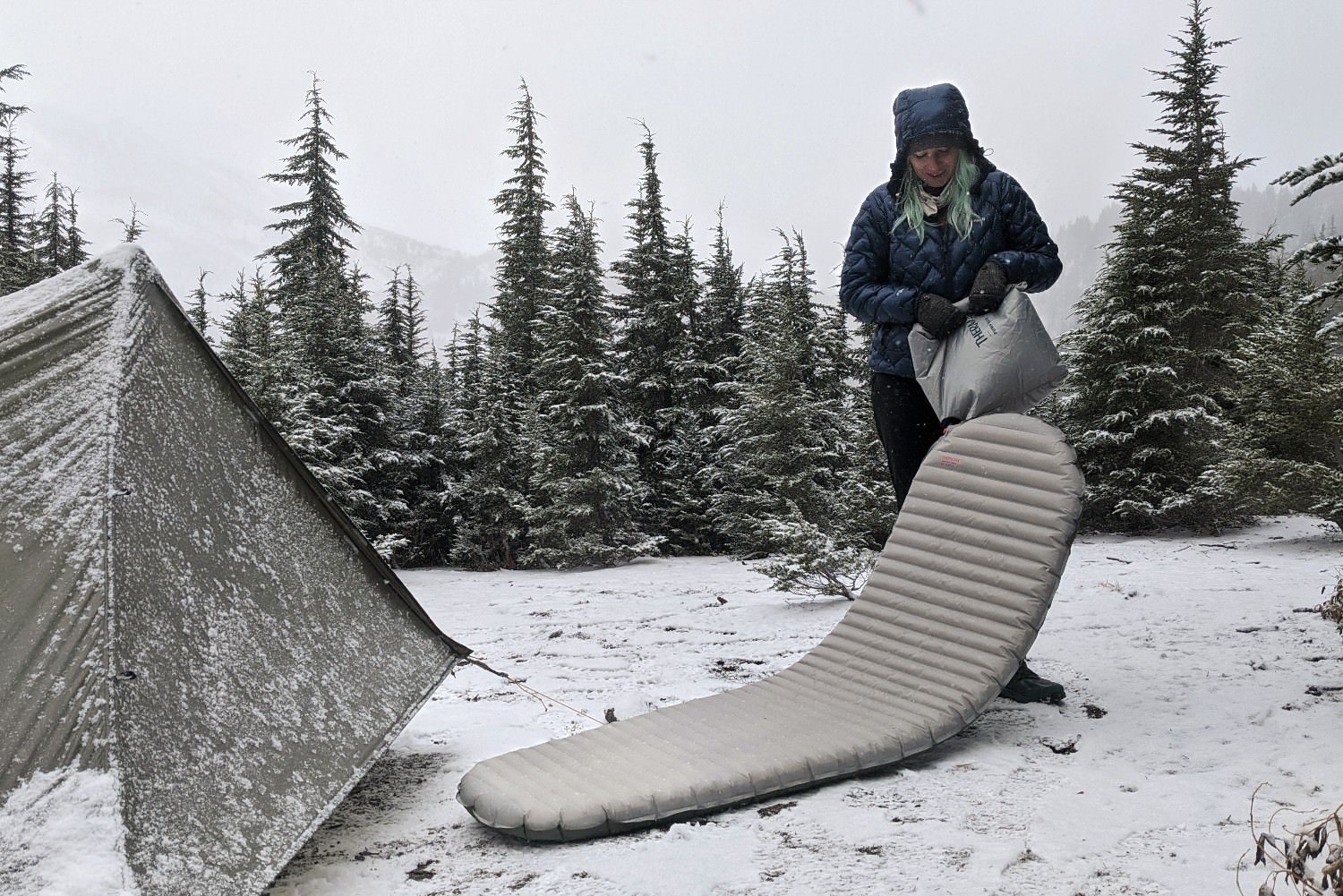
Warmth is the XTherm NXT’s defining strength. Its R-value of 7.3 gives it the highest warmth score in our current backpacking sleeping pad lineup and makes it our preferred pad for true winter backpacking.
In our testing, the XTherm has kept our team warm and comfortable in frigid conditions and snowy camps. Its insulation is substantial enough that we trust it when sleeping directly over cold or frozen ground, where lower-R-value three-season pads can become the weak link in a sleep system.
The XTherm achieves that performance with Therm-a-Rest’s reflective internal insulation and baffled construction rather than bulky synthetic fill. That is a major reason it can provide serious winter insulation while staying relatively light and compact.
The Exped Ultra 6.5R is another excellent cold-weather pad and is more forgiving for side sleepers in our testing, but the XTherm is the stronger choice when maximum winter insulation and warmth-to-weight performance matter most.
Warmth Score: 4.9 / 5.0
Ease of Setup
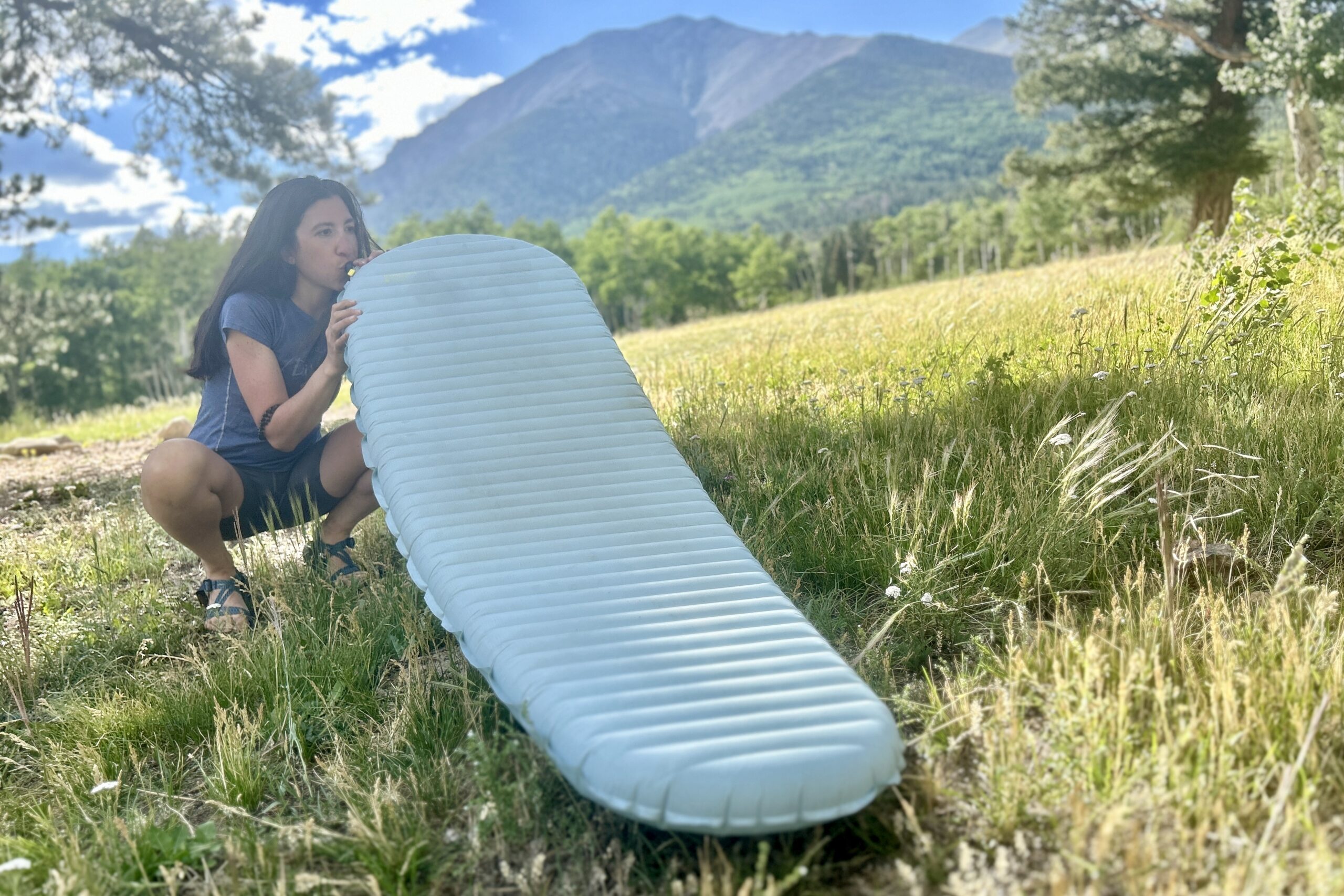
The XTherm NXT is straightforward to inflate and adjust. The WingLock valve provides one-way inflation, and the included pump sack connects securely to the valve. Our testing generally takes around six to seven full pump-sack fills to inflate the pad.
Once inflated, the valve makes it easy to release small amounts of air and fine-tune firmness while lying on the pad. The stuff sack also has enough room that packing does not require a perfectly precise roll.
The main drawback is efficiency compared with the best systems in the category. Therm-a-Rest’s pump sack has a wide opening that can be awkward to seal, and we find it bulkier and less effective than NEMO’s Vortex design.
Deflation is also slower than pads with dedicated dump valves. Getting the last air out of the XTherm requires more squeezing and rolling, so breakdown takes a little more work than it does with the Tensor All-Season or other quick-dump designs.
Ease of Setup Score: 4.5 / 5.0

Should You Buy the Therm-a-Rest XTherm NXT?
The XTherm NXT is our first choice for backpackers who routinely camp in true winter conditions. Its 7.3 R-value, 16-ounce measured weight, and 70D bottom fabric make it unusually capable without forcing winter hikers into a heavy or bulky sleeping pad.
It is also a strong choice for cold sleepers who regularly push into shoulder seasons, high elevations, or snowy conditions. The pad is supportive, durable, compact, and warm enough that it can remain a reliable part of a winter sleep system for years of use.
We would choose something else for mostly warm-weather backpacking. The XLite NXT and Tensor All-Season both save weight or offer easier day-to-day handling for typical three-season use, while the Exped Ultra 6.5R provides a softer, more forgiving feel for cold-weather side sleepers.
If winter performance is the priority, though, the XTherm NXT is the pad we trust most.
What Other Backpacking Pads Should You Consider?
Exped Ultra 6.5R: The Ultra 6.5R is our favorite cold-weather value and a strong alternative for side sleepers who want a softer, more cradling feel. It is slightly less insulated than the XTherm and heavier in our tested configurations, but its vertical baffles, 3.5-inch thickness, and rectangular shape make it more forgiving for comfort-focused sleepers.
NEMO Tensor All-Season: The Tensor All-Season is our favorite overall backpacking sleeping pad and makes more sense for hikers who want one premium pad for summer, shoulder-season, and some mild winter use. It is lighter in comparable Regular Mummy sizes, slightly more comfortable in our testing, and much easier to fully deflate and pack, but it does not provide the same insulation margin for severe winter conditions.
Therm-a-Rest NeoAir XLite NXT: The XLite NXT is the better Therm-a-Rest option for typical three-season backpacking. It saves several ounces, remains warm enough for most spring-through-fall trips, and uses the same familiar WingLock system. Choose the XTherm when winter insulation matters; choose the XLite when lower weight matters more than extreme-cold capability.
More Photos
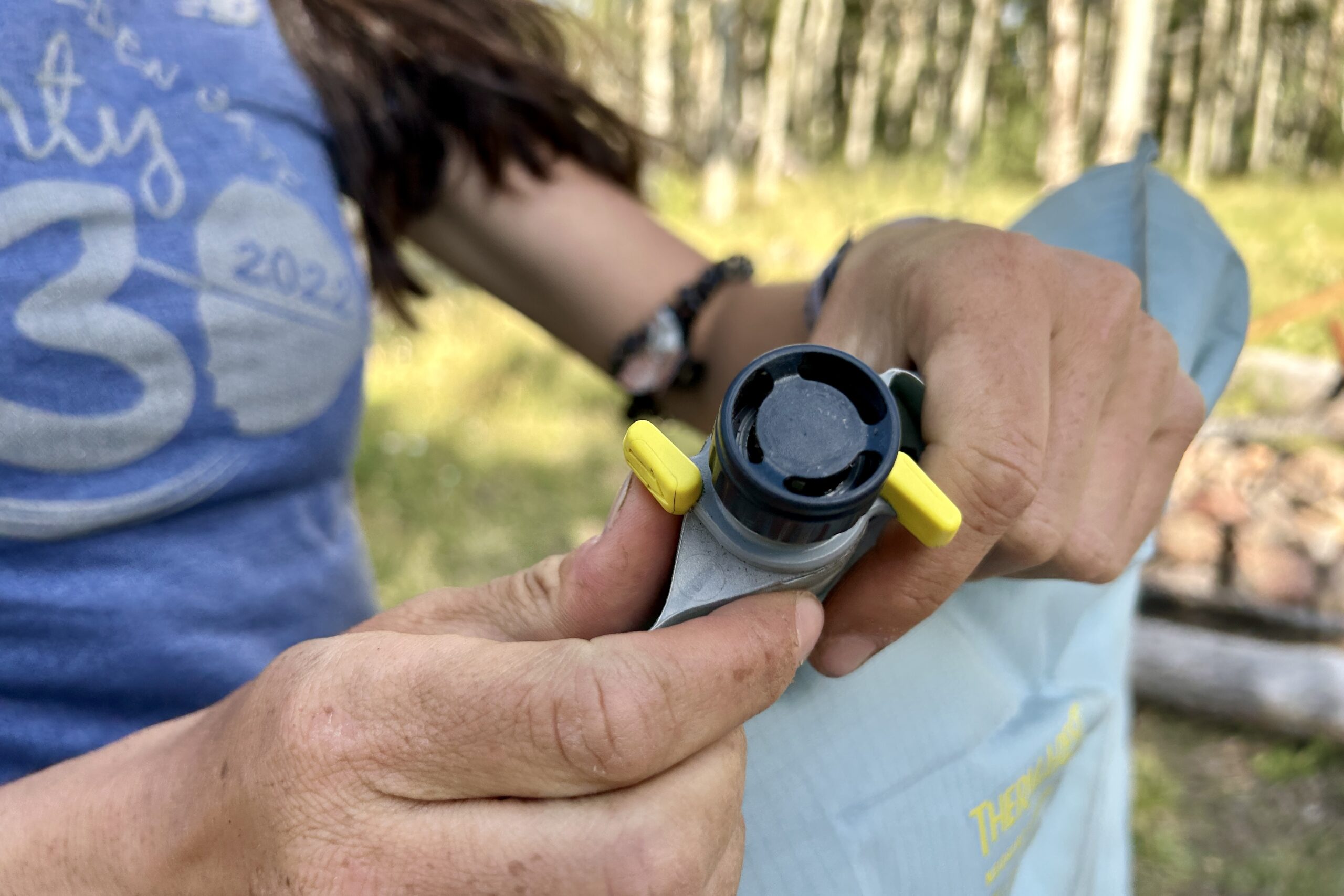
The XTherm NXT’s WingLock valve and included pump sack make inflation and deflation efficient, so you’ll spend less time setting up and more time relaxing. – Photo Credit: Ian Krammer (CleverHiker.com)
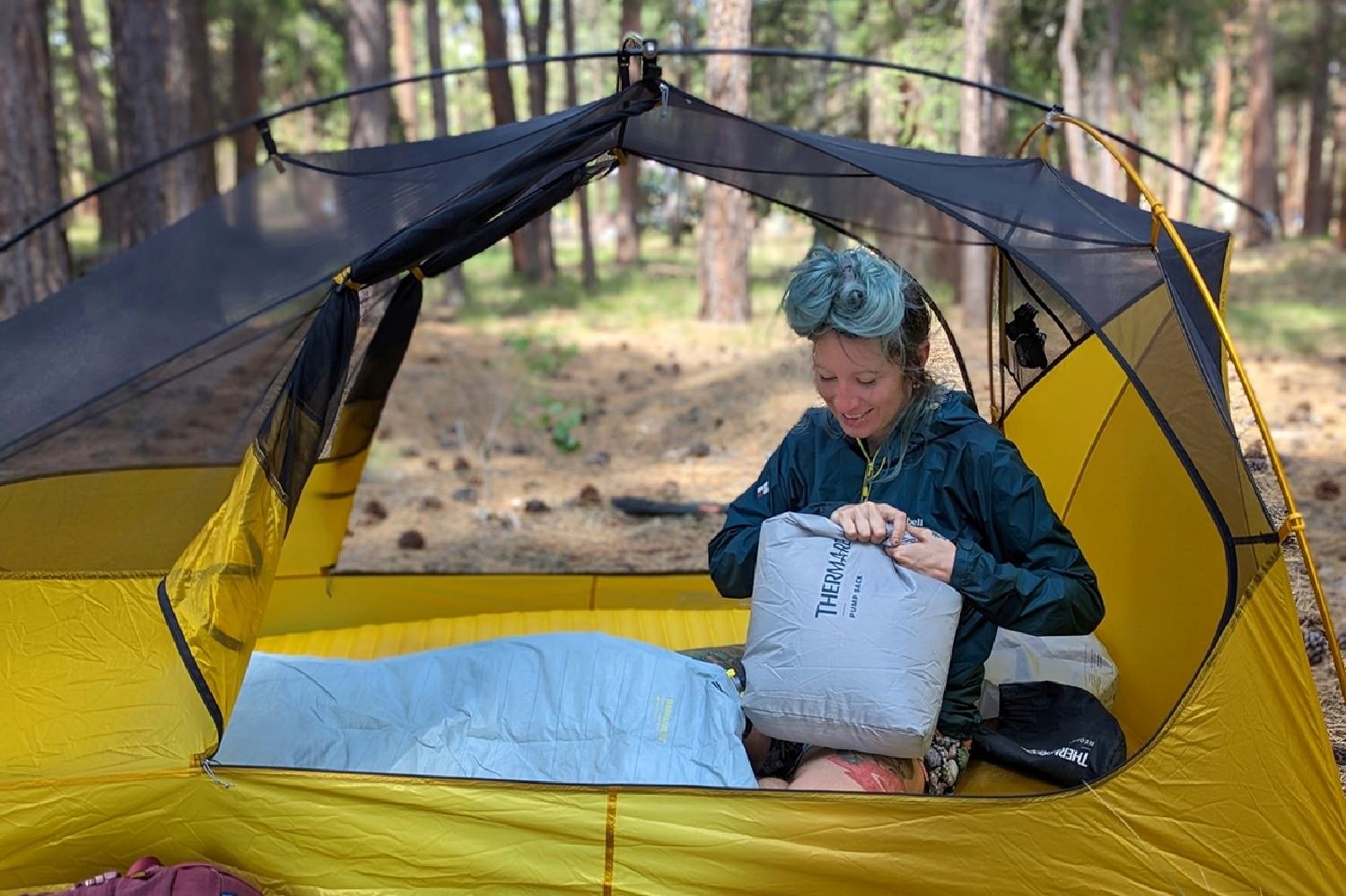
The XTherm NXT’s high R-value makes it one of the warmest pads on the market, so you’ll stay comfortable even on the coldest nights. – Photo Credit: Casey Handley (CleverHiker.com)
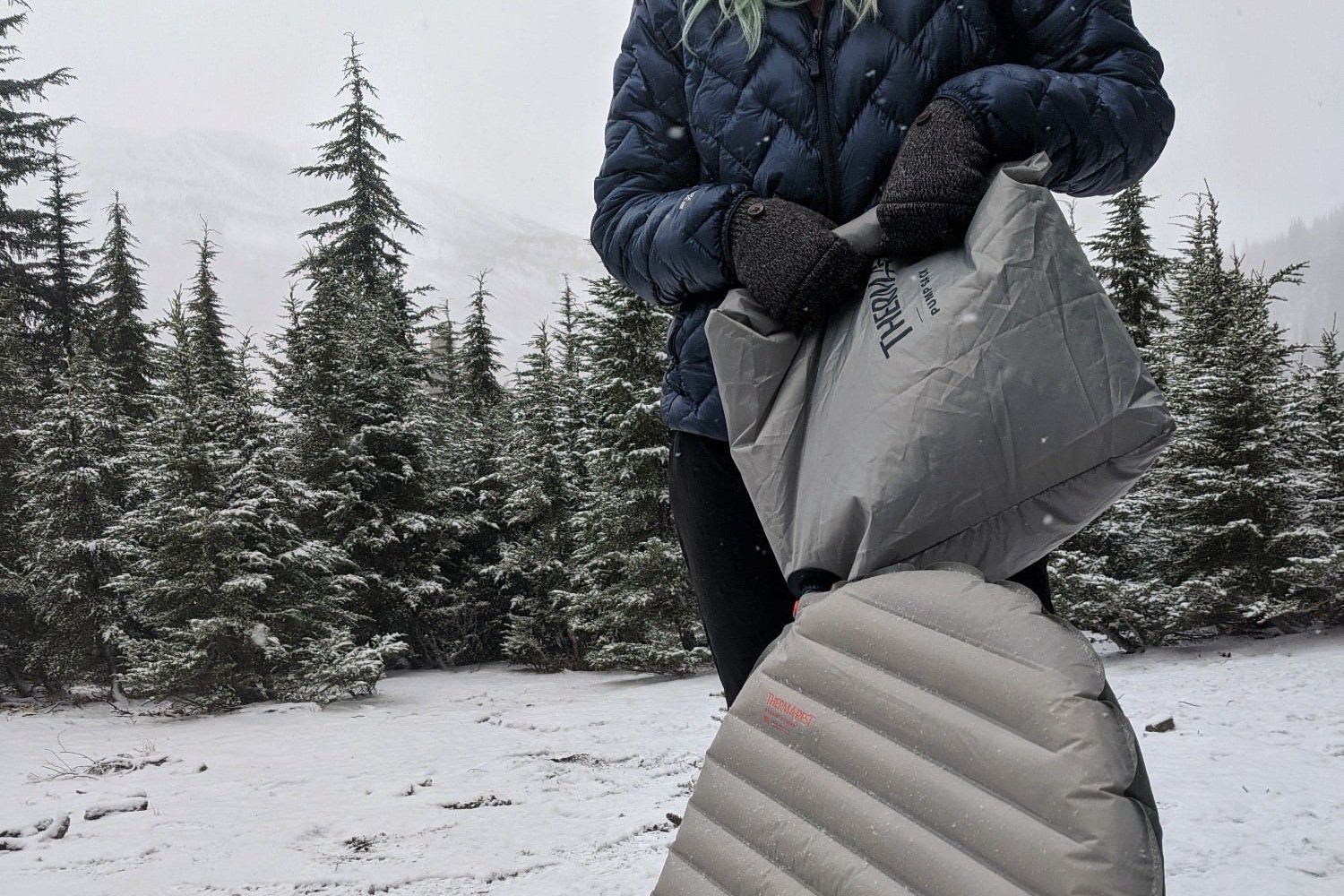
One of our gear analysts testing in true winter conditions in Central Oregon. – photo credit: casey handley (cleverhiker.com)

The XTherm NXT’s high R-value makes it one of the warmest pads on the market, so you’ll stay comfortable even on the coldest nights. – Photo Credit: Casey handley (CleverHiker.com)
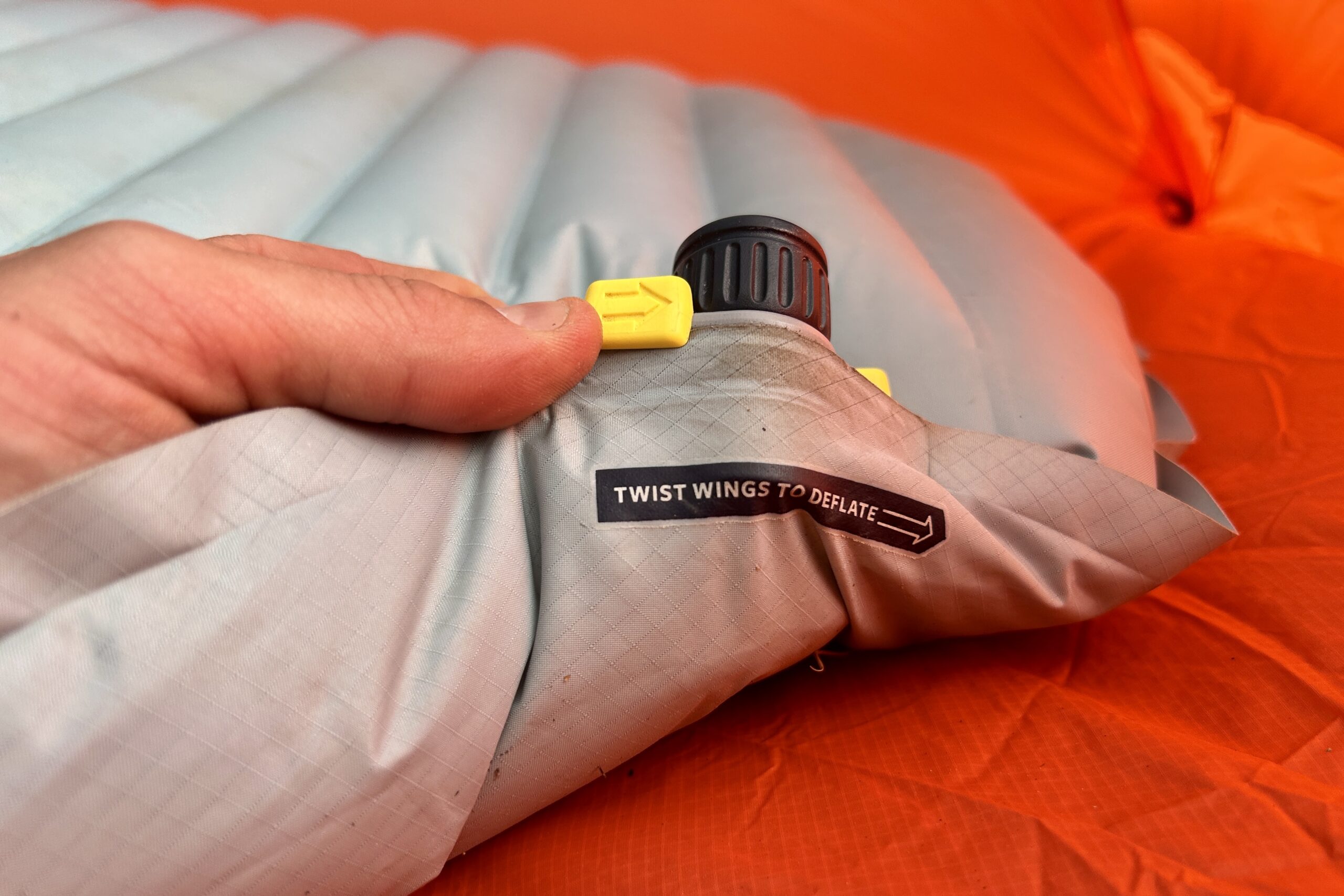
The WingLock valve on the XTherm NXT simplifies inflation and deflation, making setup fast and easy. – Photo Credit: Ian Krammer (CleverHiker.com)
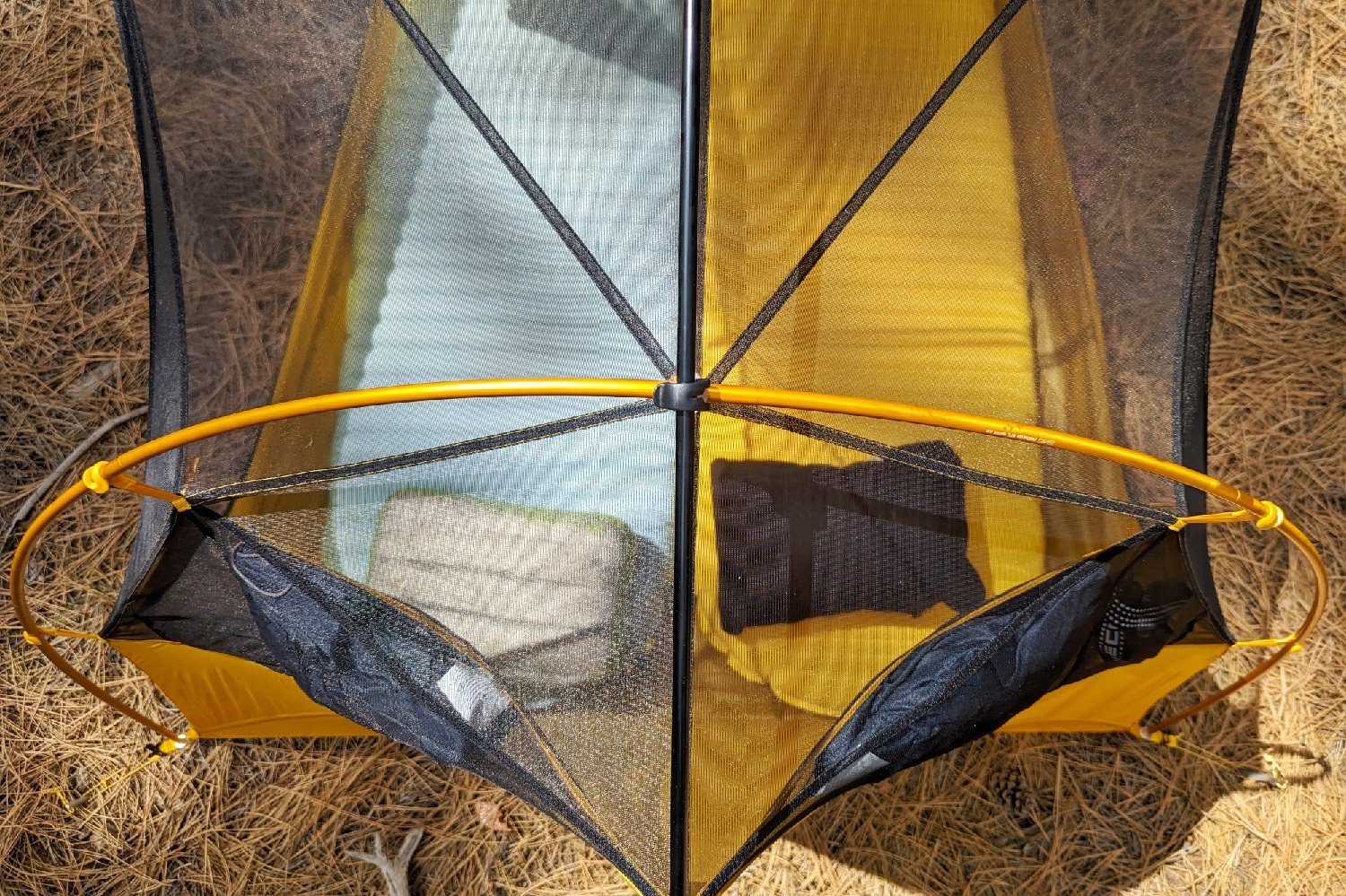
The XTherm and the XLite side-by-side, two excellent choices – photo credit: casey handley (cleverhiker.com)
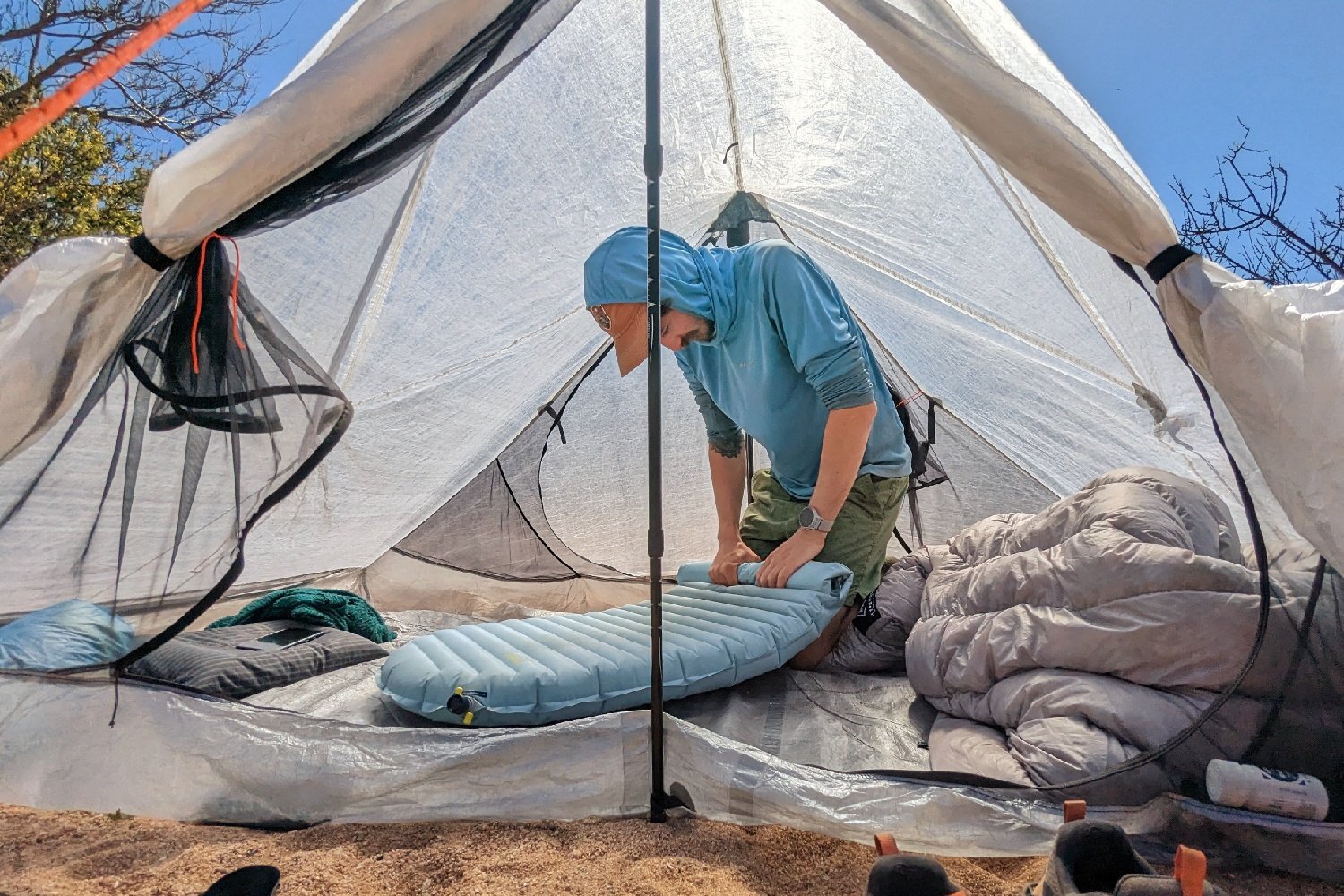
With no dump valve, the XTherm packs up a bit slower. – photo credit: casey handley (cleverhiker.com)

The stuff sack isn’t frustratingly small so you can actually use it. – photo credit: casey handley (Cleverhiker.com)
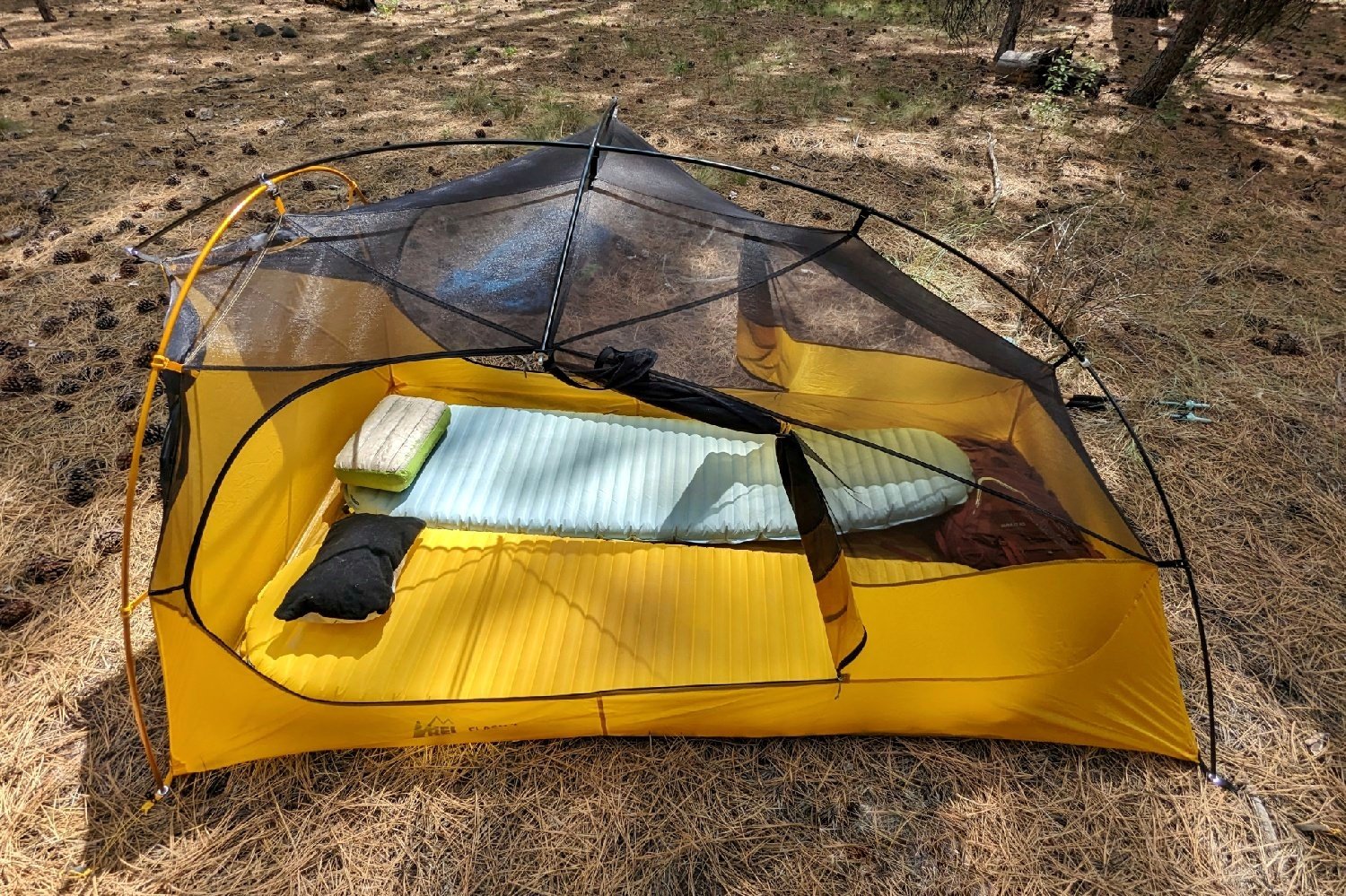
if you sleep on your side or jack-knifed, this pad keeps those weighted areas off the ground and insulated. – photo credit: casey handley (cleverhiker.com)
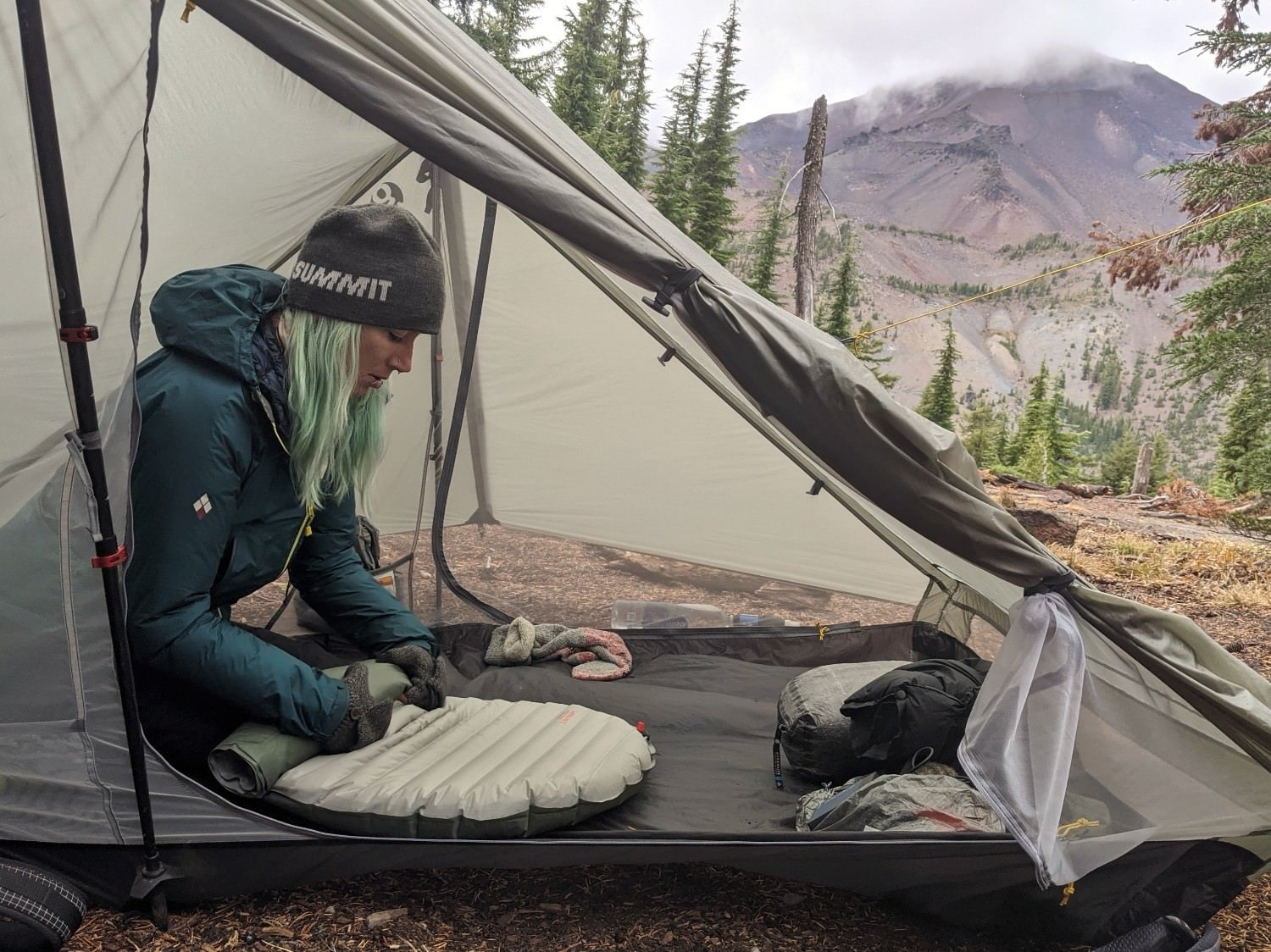
The XTherm NXT takes a bit longer to pack up, but it’s not too bad. – photo credit: casey handley (cleverhiker.com)
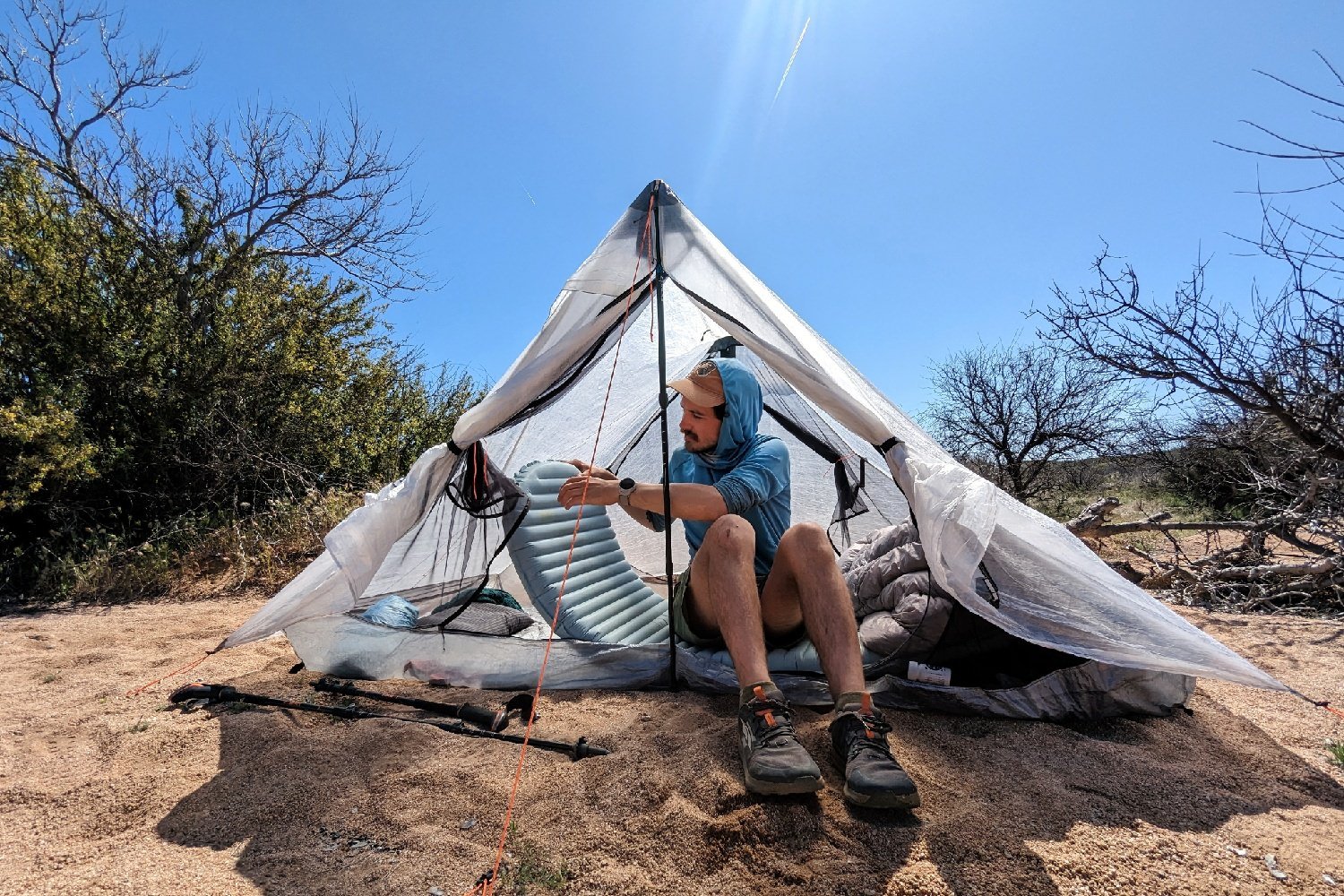
Despite all the opportunities the desert presents to puncture our pad, the NeoAir XTherm NXT stayed strong. – photo credit: casey handley (cleverhiker.com)