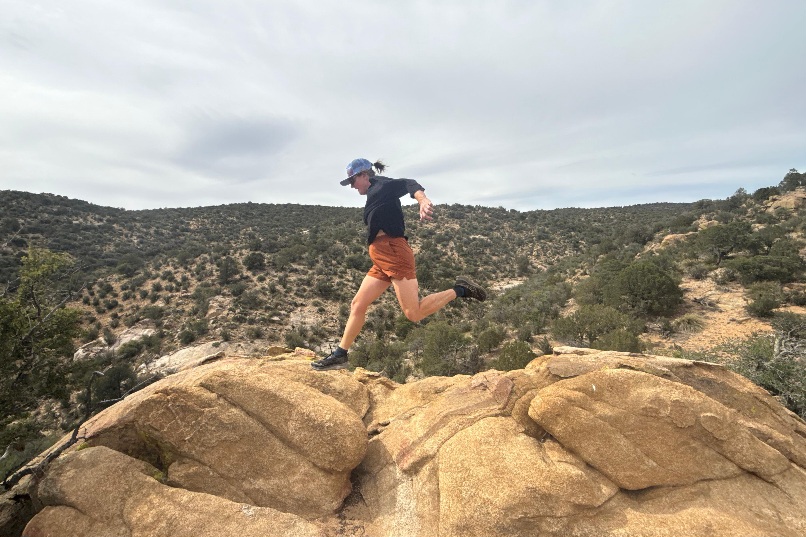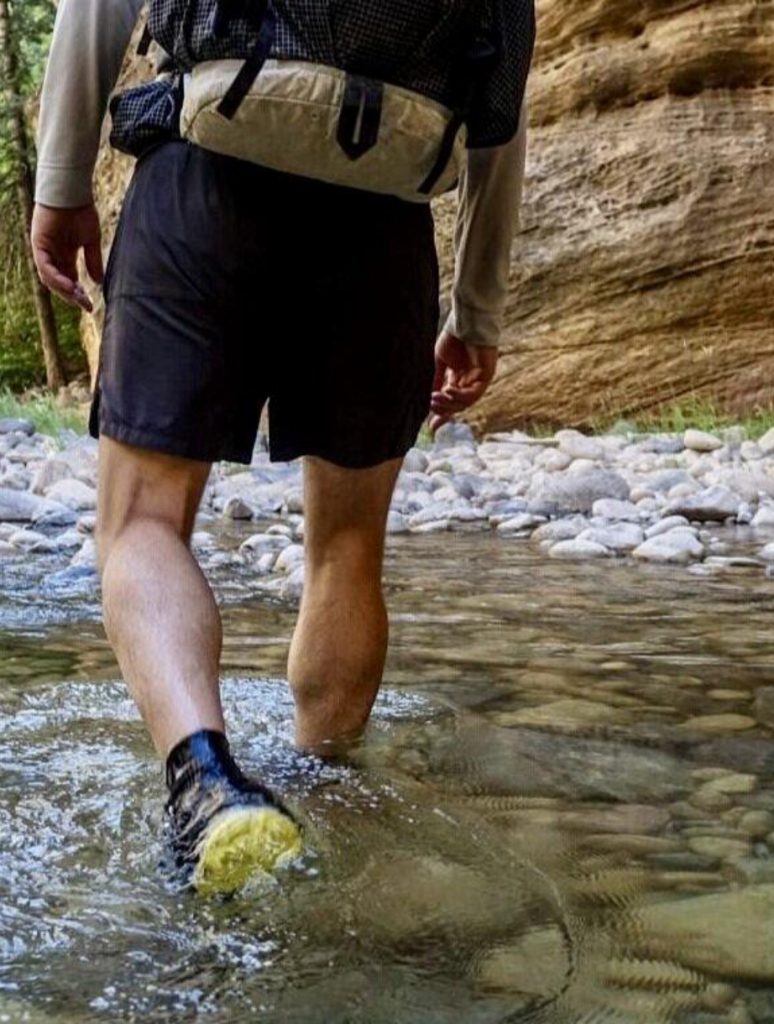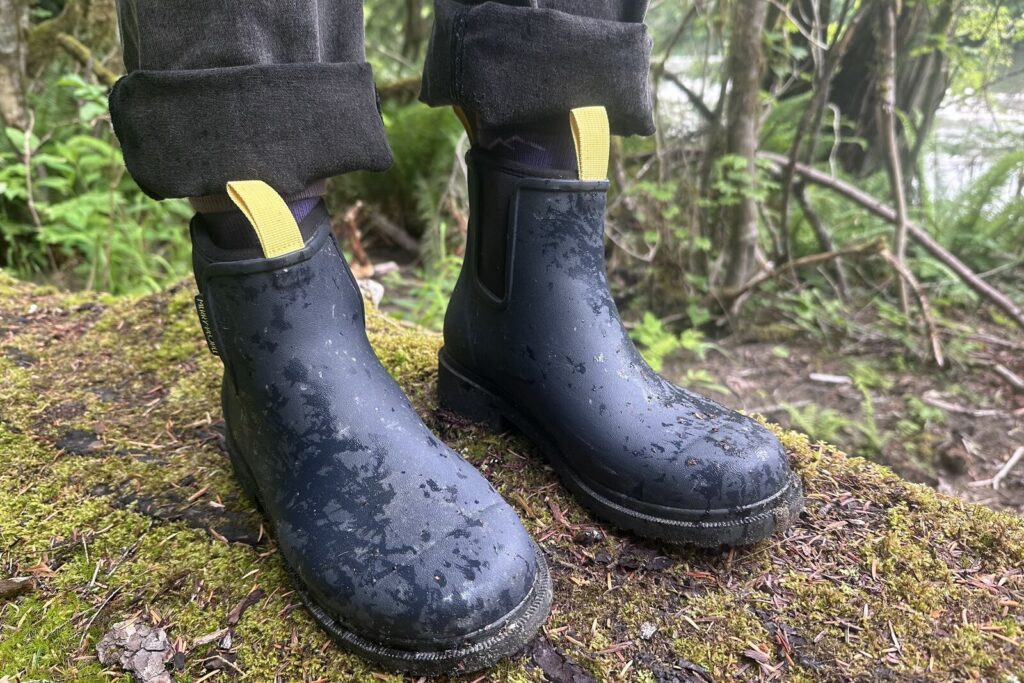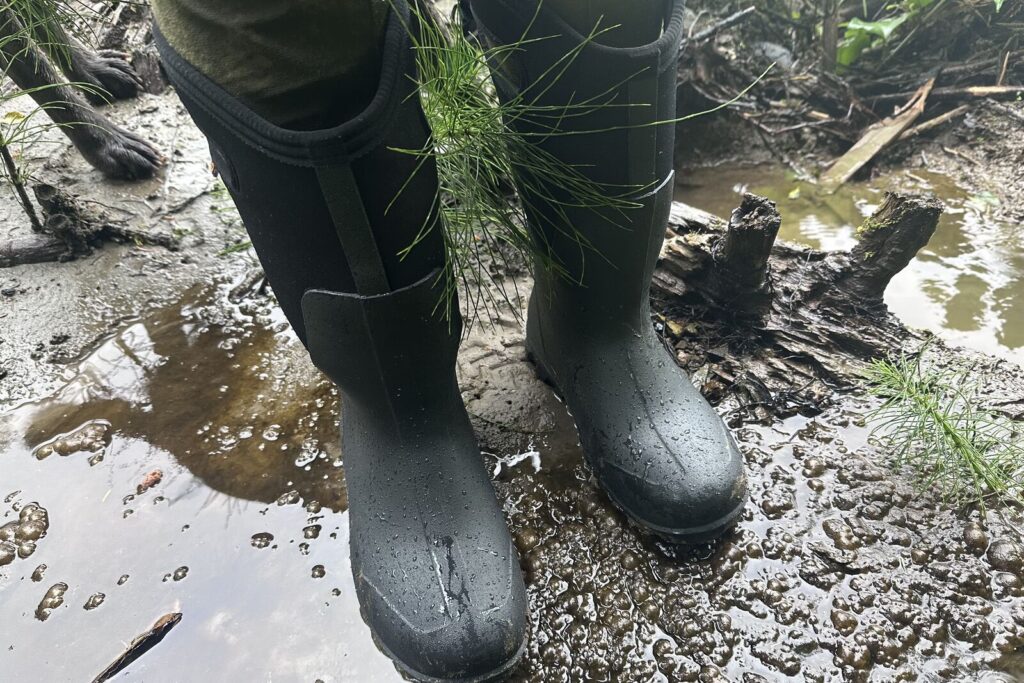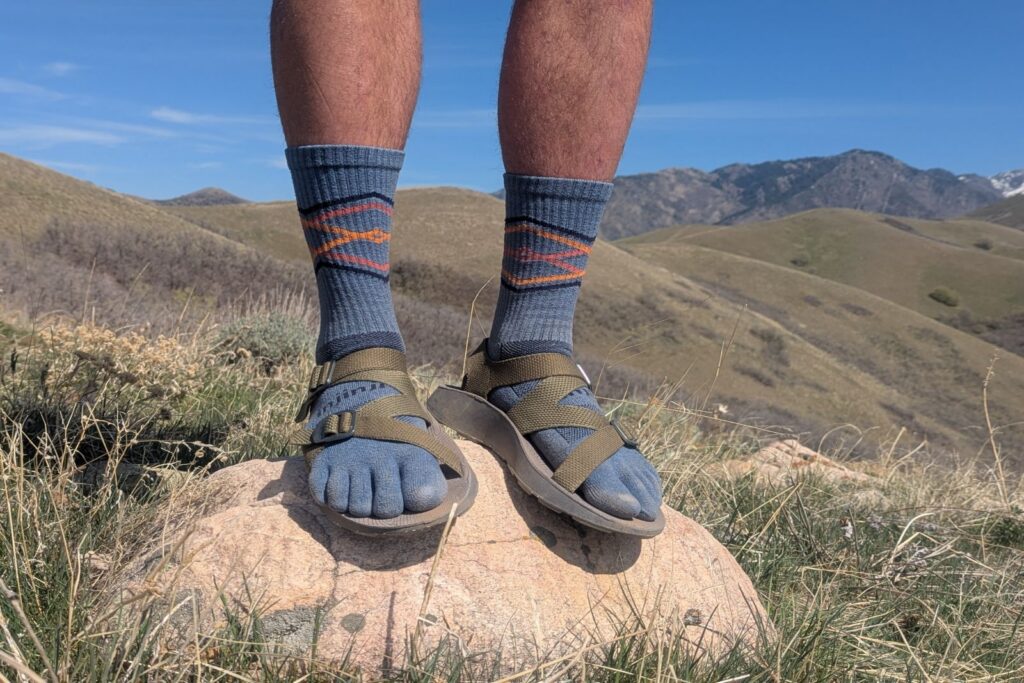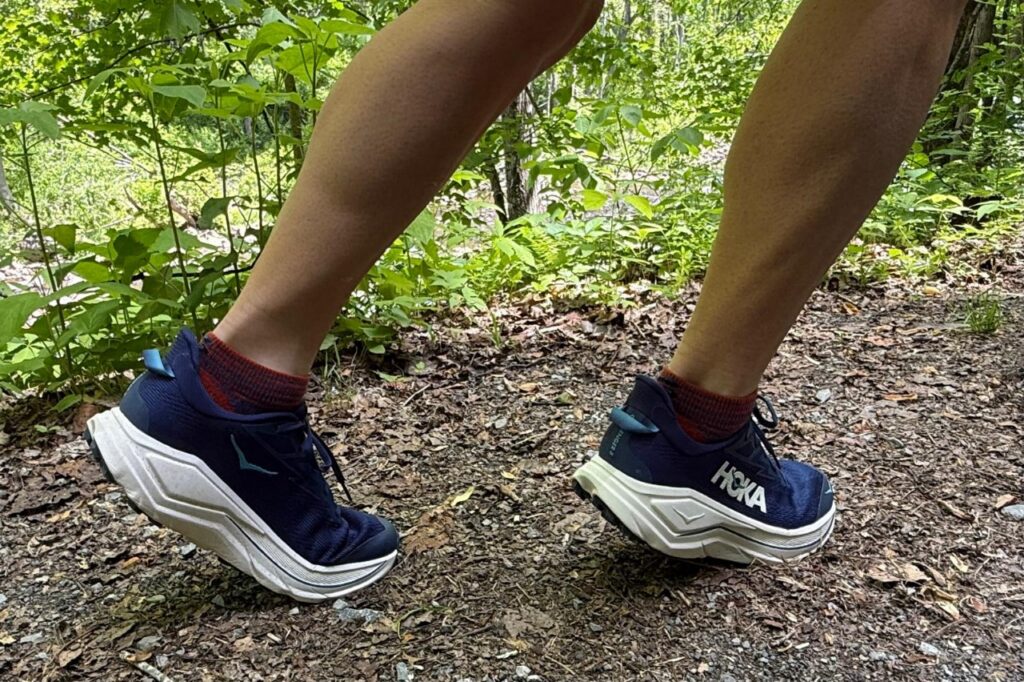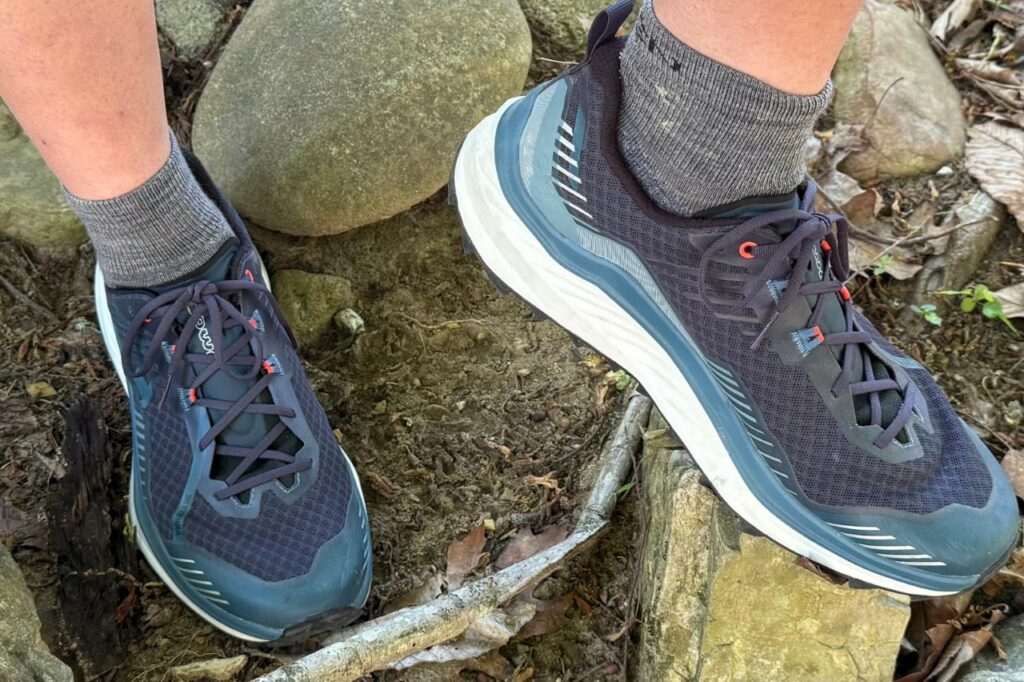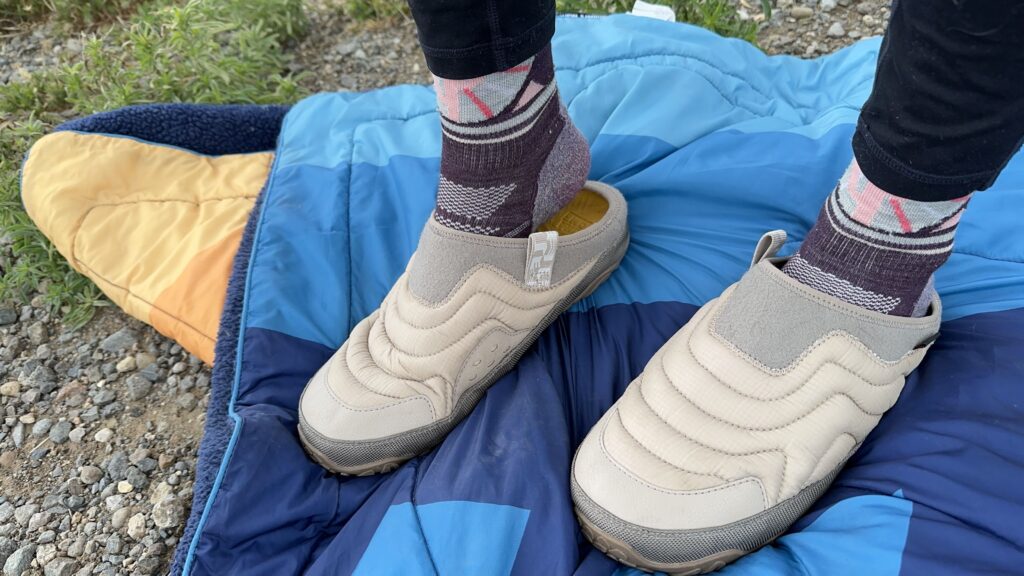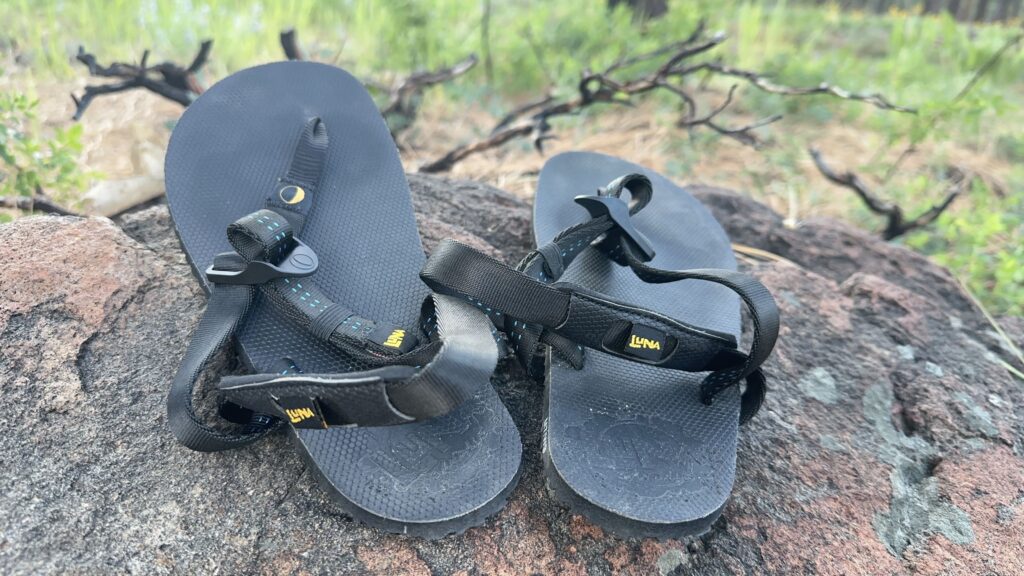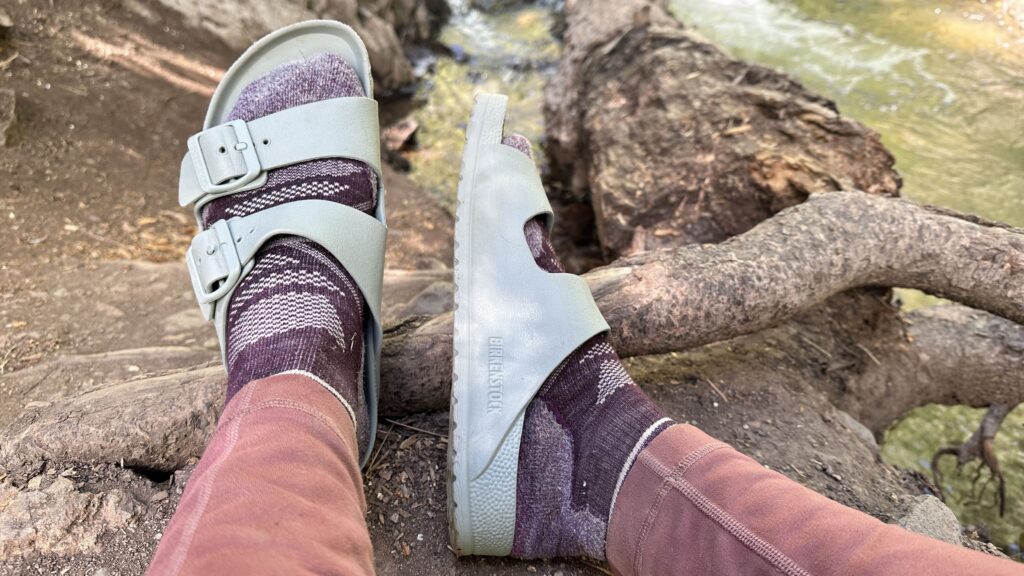

The best hiking footwear is a really personal preference, and unfortunately that means a few seasons and pairs of trial and error. Hiking buddies and gear heads often have conflicting opinions on what type of shoe works best for hiking, which shows that your feet need the final say. To make things even more complicated, hiking boots, hiking shoes, and trail runners each have a use case, which we detail below.
More than just your feet, fitness, and gait, the type of terrain you typically cover, backpack weight, and pace all influence how hiking footwear feels and supports feeling good on the trail.
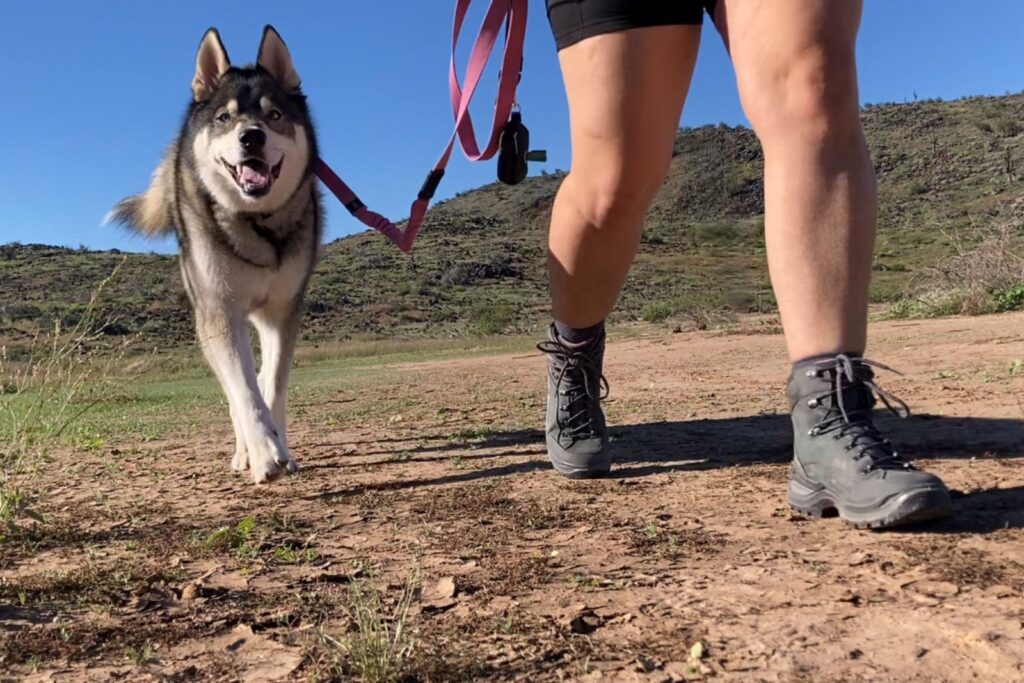
When Should I Wear Hiking Boots?
Boots provide more ankle support, stability, and water protection than hiking shoes or trail runners, and they’re the more practical choice for off-trail adventures. If you haven’t discovered approach shoes, they are our pick for off-trail scrambles. They have super-grippy soles, a protective toe cap, and a durable upper.
Check out our guide to the best hiking boots ( men / women ) to see our latest faves and time-tested go-tos. They’re usually more durable than other types of footwear and will last around 1,000 trail miles or so.
Many hiking boots are waterproof and make hiking in the rain more comfortable, but they dry slowly. Boots are also the heaviest hiking footwear choice, so you’ll expend more energy with each step. If boots are your thing, it’s worth splurging on a high-quality, lightweight pair, in our opinion.
When Should I Wear Hiking Shoes?
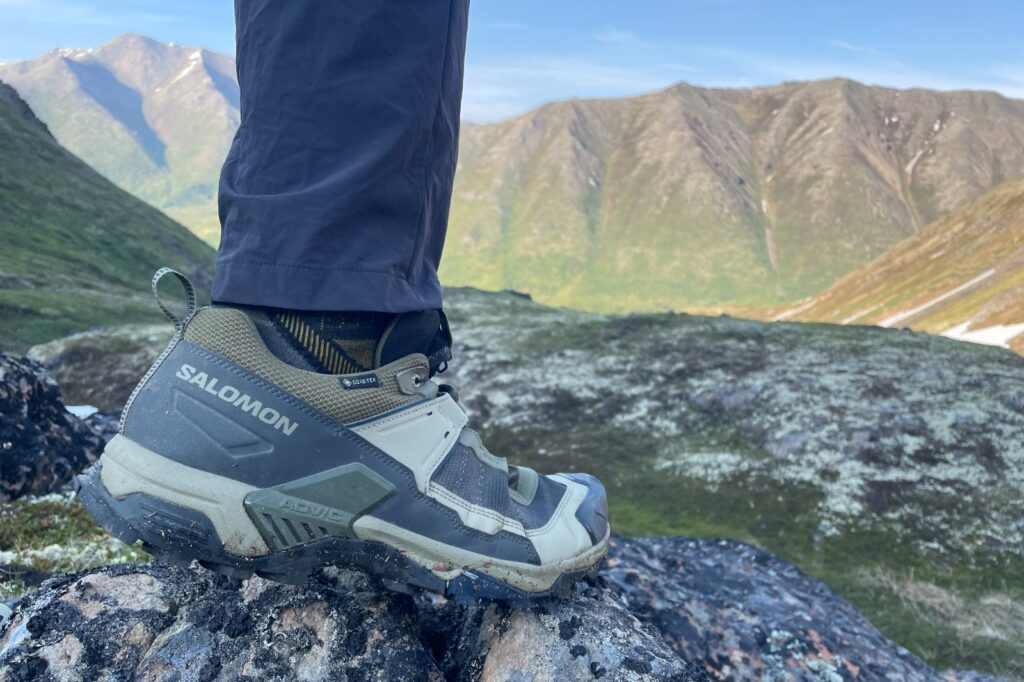
Hiking shoes offer a good balance of support, weight savings, water protection, and durability. Our guide to the best hiking shoes ( men / women ) includes our favorite options with gear analyst reviews and comparisons.
You may love hiking shoes if you like the durability of hiking boots but want waterproof footwear that’s lighter and doesn’t require ankle support. For example, waterproof hiking shoes are a great choice for day hikes or walks around town in soggy spring or fall weather.
Typically, hiking shoes last around 750 trail miles before falling apart or getting packed out. Many hiking shoes are waterproof and work well in light rain, but they won’t keep your feet quite as dry as a high-collar boot will. Hiking shoes don’t provide the ankle support many like from boots or the extra weight-savings and breathability of non-waterproof trail runners, but they’re a good middle ground.
Why Do We Like Trail Running Shoes the Best?
Trail runners are great for those who prioritize comfort and weight savings when choosing trail footwear. Our guide to the best trail runners for men and women features our favorite options.
Among long-distance hikers and thru-hikers, trail running shoes tend to be the most popular choice. The CleverHiker team generally prefers non-waterproof trail runners for our big-mile backcountry trips. Trail running shoes are lightweight and breathable, so it’s easier to manage moisture and avoid blisters.
The most popular models are non-waterproof for breathability, but they dry fairly quickly. Trail runners tend to be less durable than most hiking shoes and boots. Generally, trail runners last about 500 trail miles.
Our 5 Reasons to Ditch Your Hiking Boots article explains more about why we like hiking in trail runners.