

Outdoor fires have rules. They’re for our safety and the protection of the environment. An average of 7.5 million acres of forest are impacted by wildfires each year. And almost 85% of wildfires are caused by humans.
These statistics and recent wildfire devastations remind us that even us ‘smores lovers need to take campfires very seriously and be totally certain conditions are safe for a fire.
The good news is that most of the fire damage done to our public and private lands can be prevented. With a little extra prep, attentiveness, and care, we can all make a large impact on the future of our natural spaces. In this article, we’ll outline how to safely enjoy a fire outdoors.
And for more info, check out some of our other most popular gear guides:
10 Fire Safety Tips
1. Maybe Don’t Make a Fire
The best way to lessen the impact of campfires on our natural spaces is to just do without them. Sure, fires are fun and warm. But even more fun is having beautiful wildernesses we can all enjoy for years to come. Below this list of tips, we outline our favorite ways to stay cozy at camp without fire.
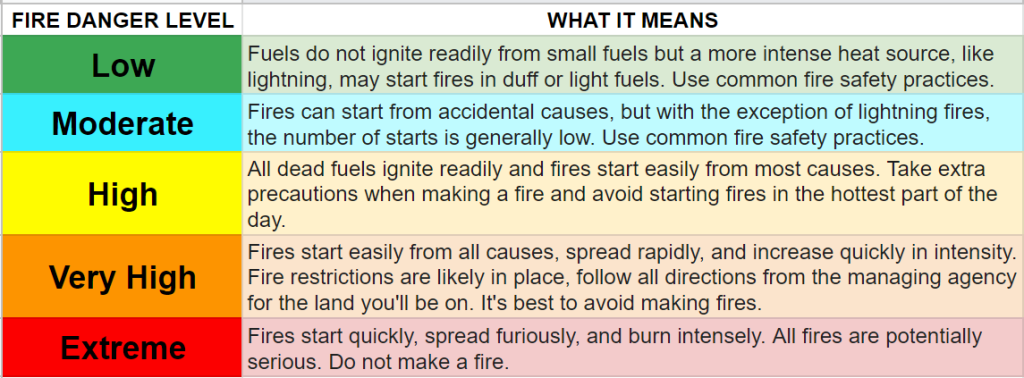
2. Check The Area’s Current Fire Danger LevelS
Always check with the area’s managing agency to get the most up-to-date information on the fire danger level. To find this info, stop in the nearest forest service station on your way out, consult the county website, or make a call or web visit to the Bureau of Land Management, National Forest Service, state and local parks, and other agencies.
3. Check For Fire Restrictions or Regulations Before You Go
As mentioned above, you should also check whether there are fire regulations for the exact area you’re going to.
This information will be more specific than the general fire danger level for an area, and may include restrictions such as no fires above a certain elevation, no fires within a certain distance of a natural feature, no fires on certain days, etc.
4. Use Established Fire Rings
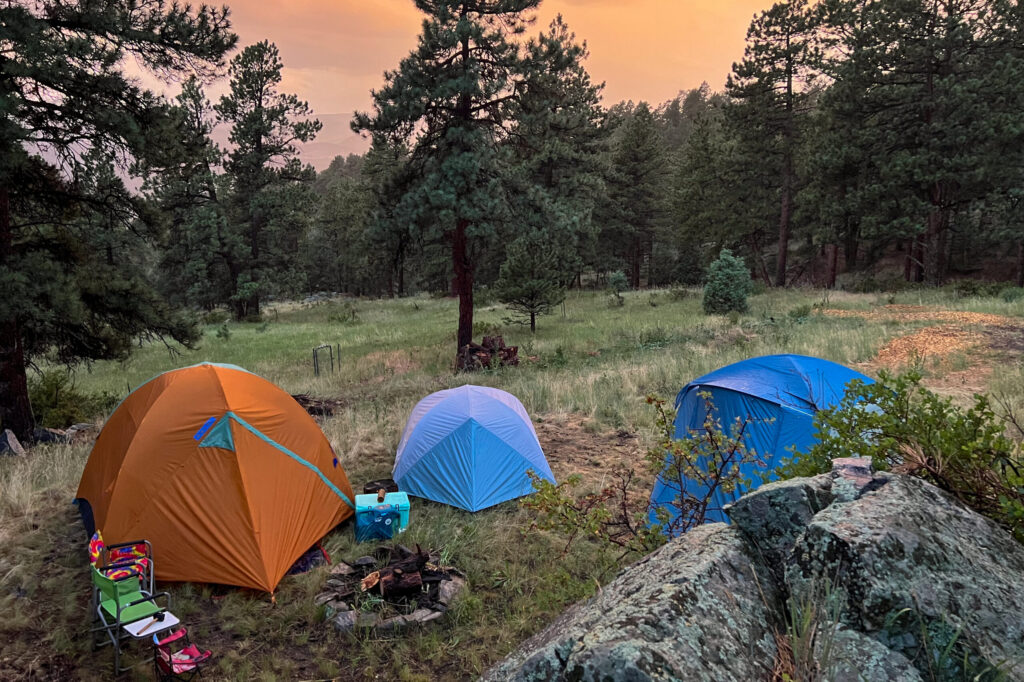
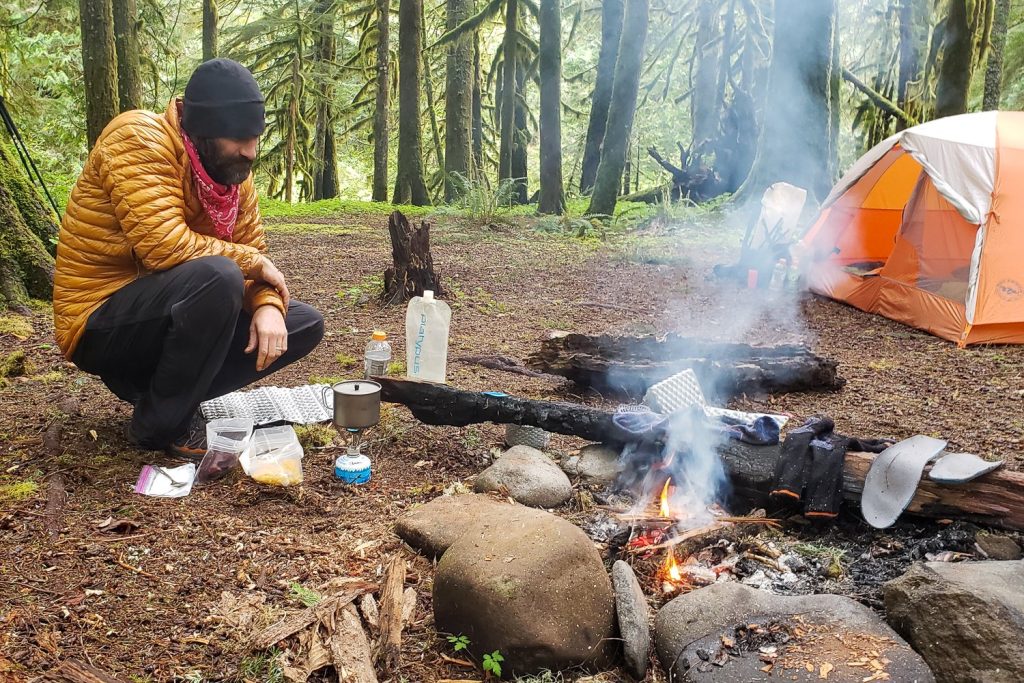
Established fire rings are the safest places to build a fire. They can be found at most established campgrounds and sometimes even at backcountry sites. Make sure to clear and pack out any trash found in the ring, and remove any natural fuel sources before starting your fire.
For campsites that don’t have a fire ring, select a spot that’s free of dry organic material and make a ring out of rocks to contain your fire and its embers. Make sure you aren’t in a place where rising sparks won’t ignite any needles/leaves. Living, green foliage is still very flammable.
Before you leave, make sure your fire is completely extinguished. Use a lot of water to soak the area (fires can ignite in the soil and through roots). Scatter the rocks you used to preserve the wild look of the area (make sure they are cold and not carrying any embers).
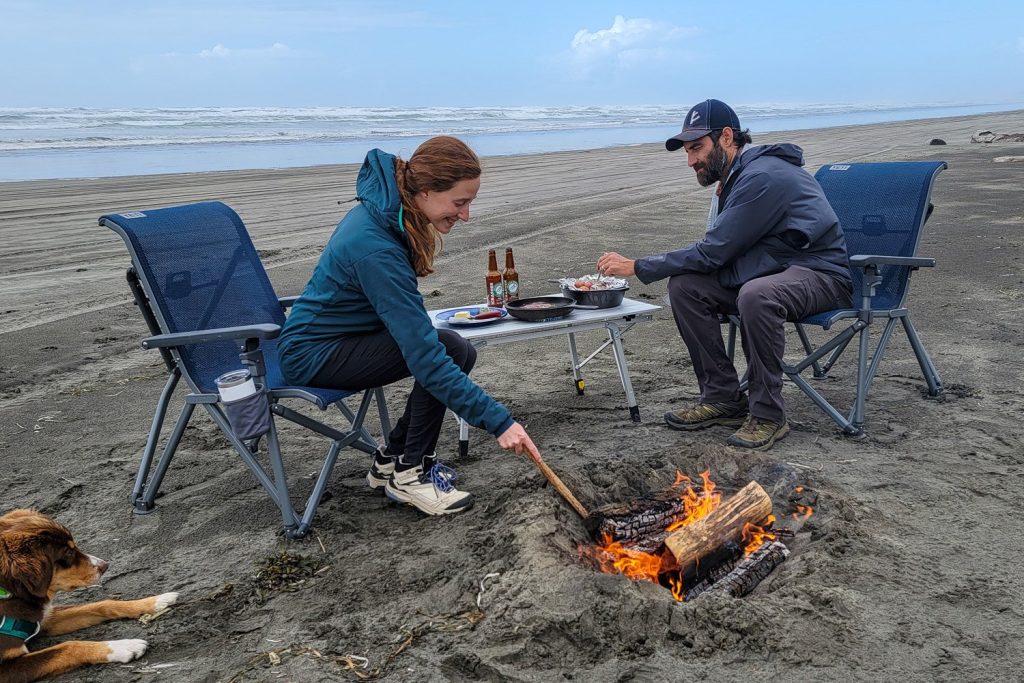
In the frontcountry, fire pans (like an oil change pan) or portable fire pits are safe ways to contain fires.
5. Clear Debris Away From Your Fire Ring
Before starting your fire, do a quick sweep around the perimeter to clear leaves, twigs, and other natural fuel sources away from your fire. Cal Fire recommends clearing out an area 10 feet in diameter for your fire.
6. Keep Your Fire Small
Everyone loves the allure of a roaring fire, but it’s not necessary or worth the risk to the land. Smaller fires still produce an enjoyable amount of heat and light, and they’re much easier to burn to ash and fully extinguish when you’re done.
7. Don’t leave your fire unattended
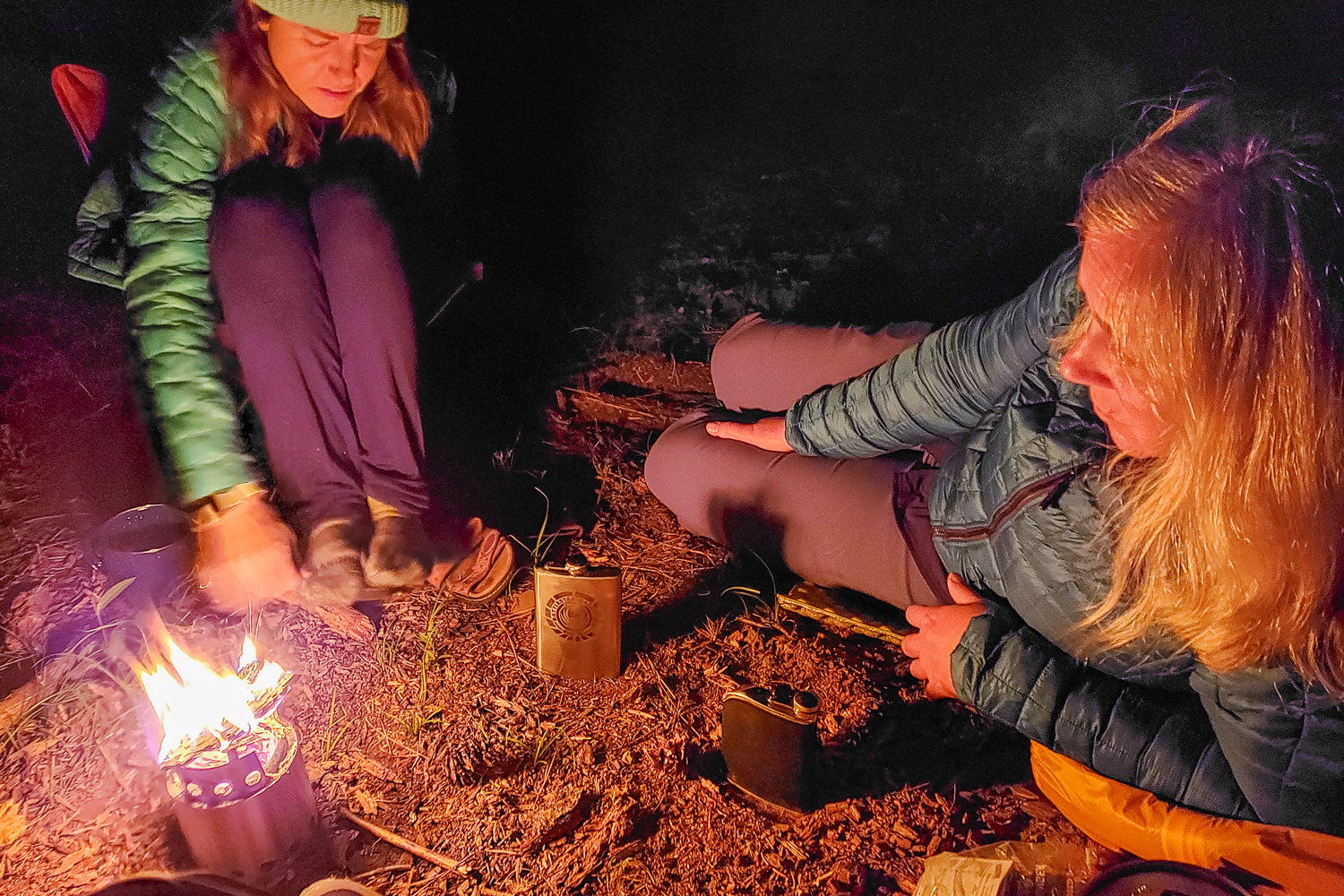
It may be tempting to leave a fire smoldering while you step away for a few hours to hike so that it’s easier to get it going again when you return. But you shouldn’t ever leave your fire unattended. Winds can quickly change and carry little embers a great distance.
8. Extinguish fires completely using water
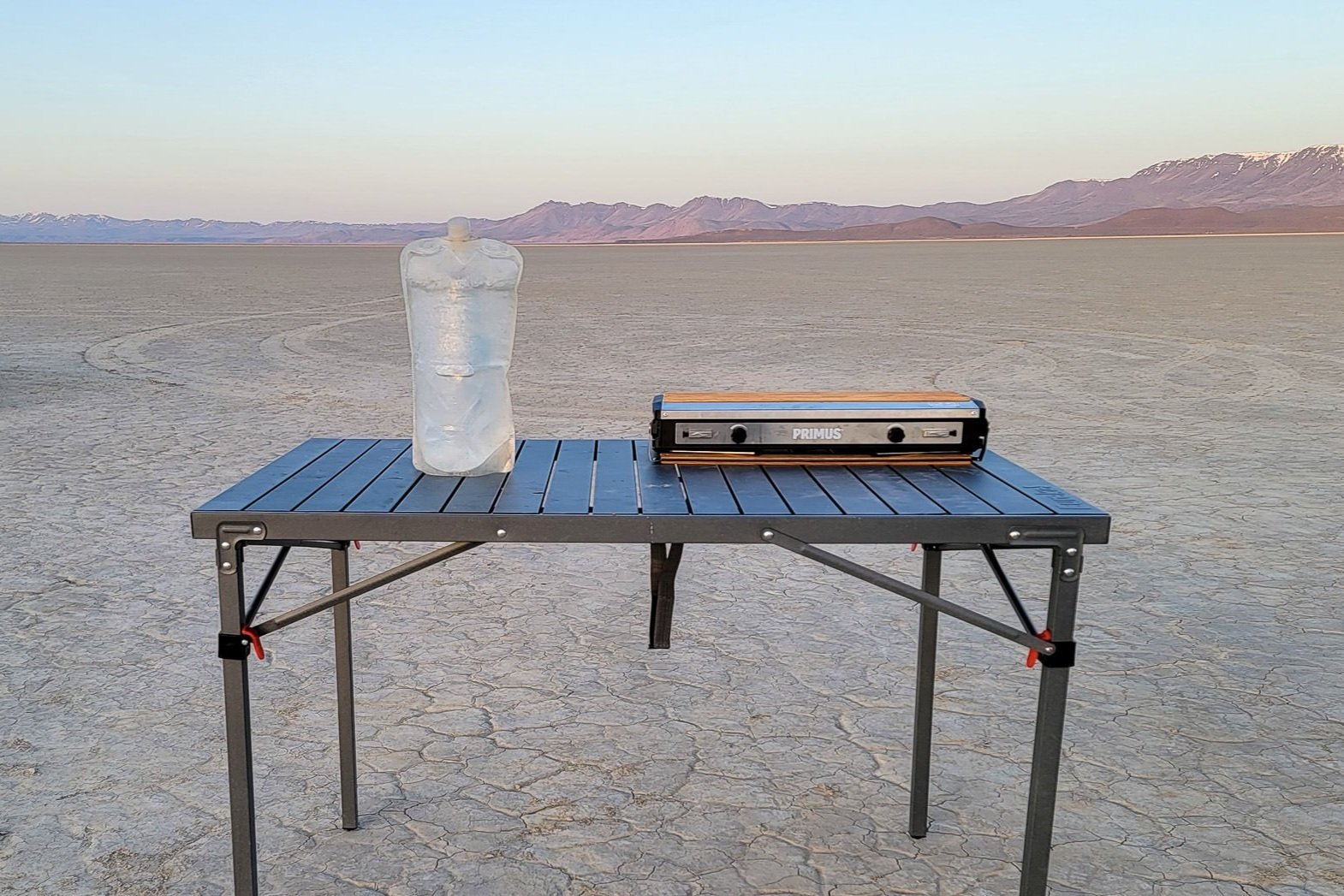
Make sure you always completely extinguish your fire with water before going to sleep or leaving your site. We use a large water jug in the frontcountry or a lightweight water pouch in the backcountry for extinguishing fires. Using sand or dirt isn’t nearly as effective at completely dousing a fire, so it’s not advisable to use it for putting out your flame. The Leave No Trace organization says you should “burn all wood to white ash, grind small coals to ash, thoroughly soak with water, and scatter the remains over a large area away from camp. Ashes may have to be packed out in river corridors.”
9. Keep extra water close by in case BURNING debris escapes from your fire
It happens sometimes – your wood pops and sends sparks flying or a rogue gust of wind carries some burning ash away. Pay close attention to what your fire is doing at all times, and be ready with extra water to extinguish anything that escapes from your fire ring. Even tiny little embers can start devastating fires. We usually keep a large water jug with us in the frontcountry and a
10. Be attentive with stoves / lanterns
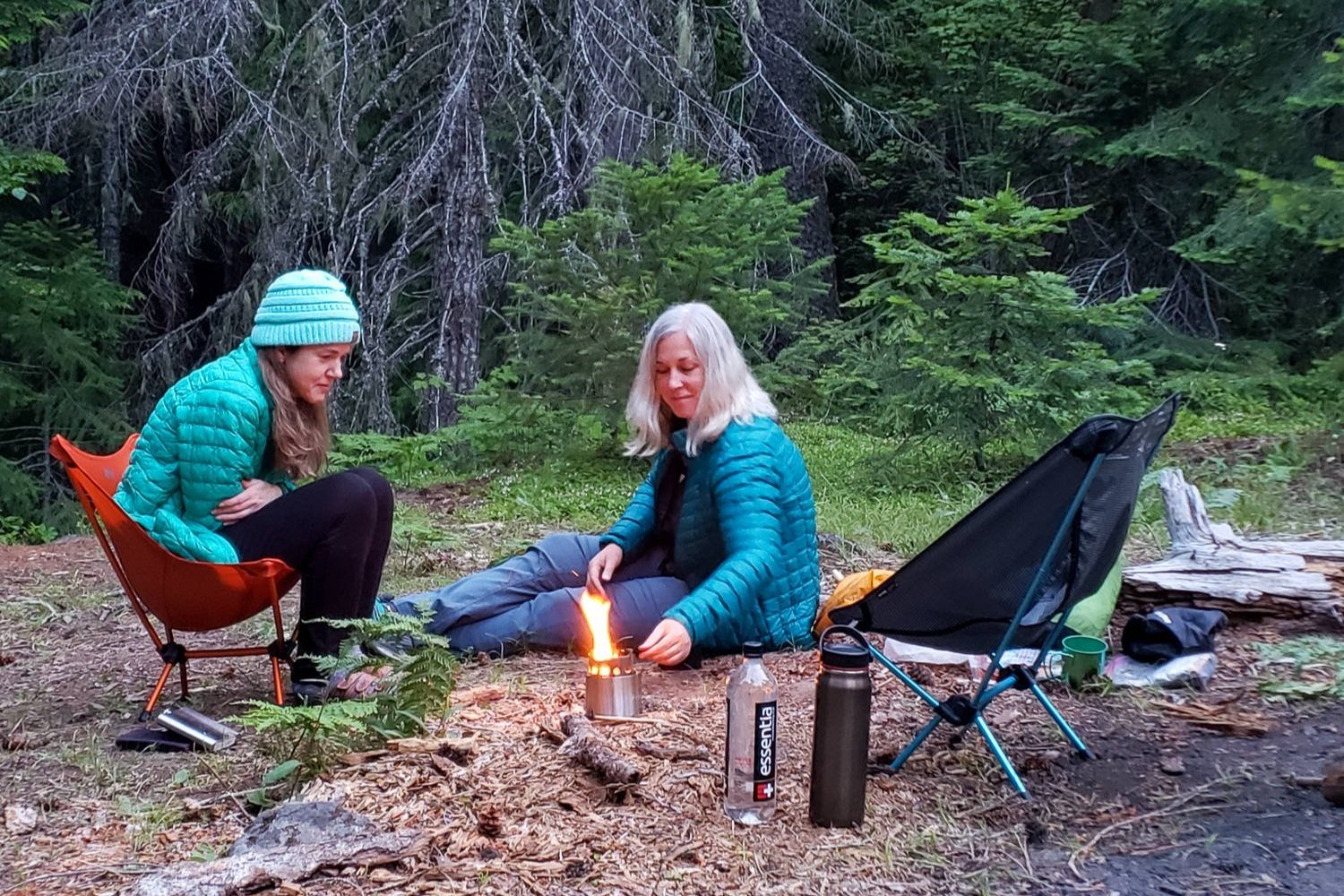
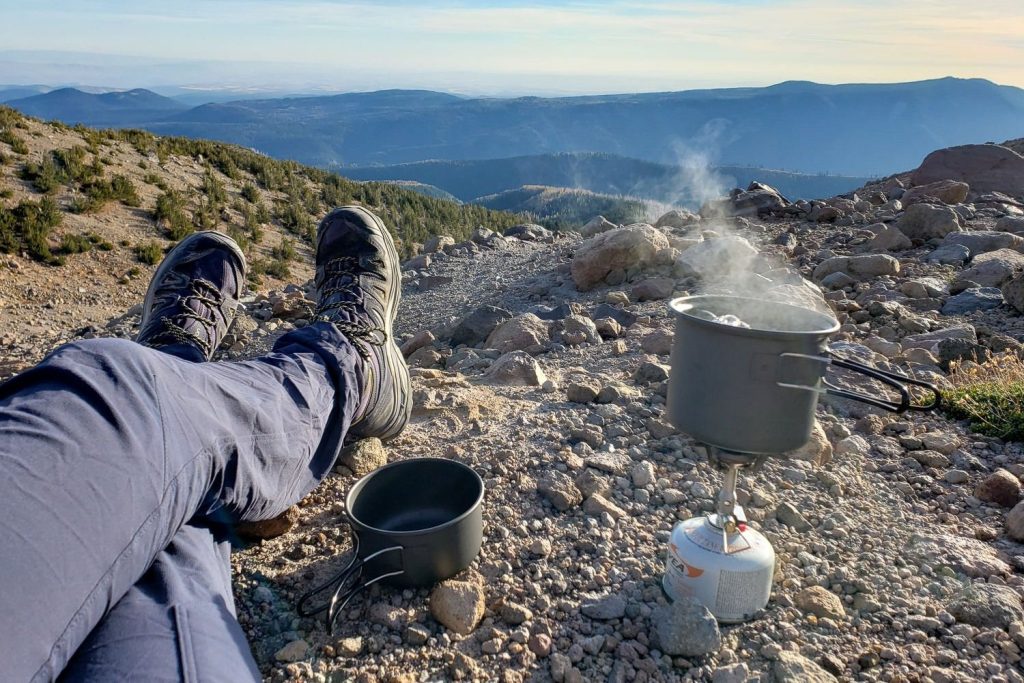
The risk of starting a fire from a gas lantern or stove is pretty low, but it’s still good to handle these items with care, since they’re sources of flame.
Extra precautions should be used with alcohol stoves since they burn quickly and hot, and they produce invisible flames. We generally recommend avoiding alcohol stoves because we don’t think their weight savings is worth the risk they come with.
Other Fire Tips
Firewood
The type and size of wood you choose is important, as well as where it comes from. Below are some tips to keep in mind.
- Never bring any wood from home – Only start fires with wood that is purchased or gathered(if permitted) from the area you’ll be enjoying your fire in. Wood from elsewhere can introduce pests or invasive flora to an area.
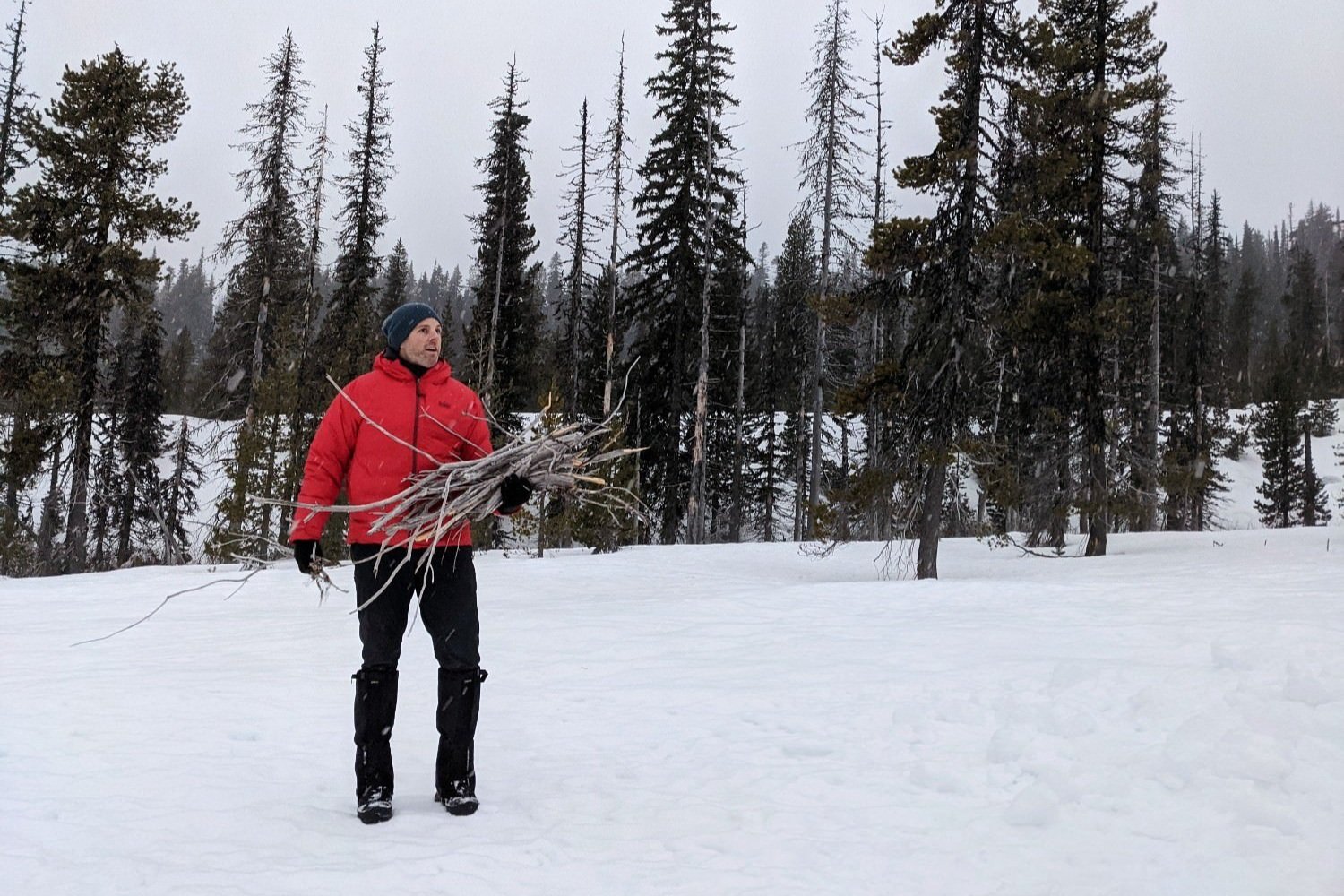
- Size – If you’ll be gathering wood, only collect branches and twigs that are about the size of an adult wrist in diameter. Wood of this size will burn quicker, so you don’t have half burnt smoldering logs to contend with. If you’re bringing logs that you’ve purchased, start with a couple of pieces and only add more once those have almost completely burned down.
- Leave standing deadwood– Do not pull branches or twigs off of standing deadwood. Dead trees provide shelter and nesting sights for animals and sensitive flora can grow there.
- Do not chop down live treesor branches – Only gather fallen twigs and branches from the ground. Chopping live trees and branches can disrupt wildlife habitats and spoil the wild look of natural spaces. Green wood doesn’t burn well anyway, is hard to split, and produces more smoke.
- Scatter unused wood – It’s a nice thought to leave unused wood you’ve gathered for the next person, but it’s much better for the natural space if you scatter what you didn’t burn. This will preserve the natural look of the space and will be less disruptive to wildlife.
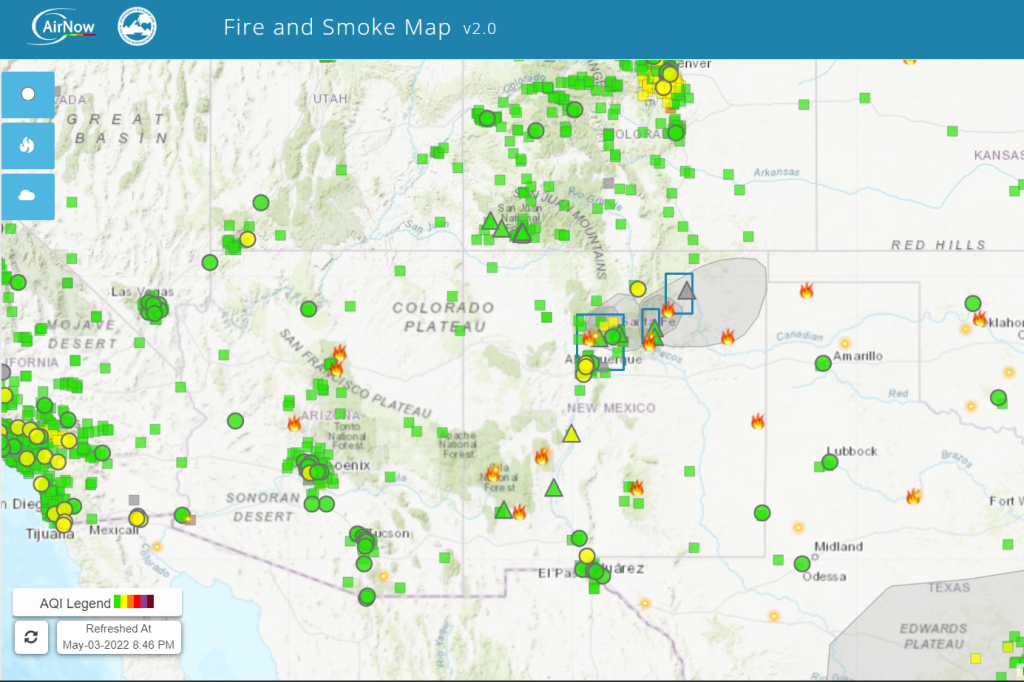
Fire & Smoke maps
If you’re planning to recreate in an area that may be impacted by active fires, consult a fire and smoke map to evaluate whether it’s safe to do so.
Be prepared to pivot to another adventure plan if air quality is unhealthy or there is a risk of a fire spreading to the area you want to visit. Road closures can also be impacted by wildfires.
Leave No Trace
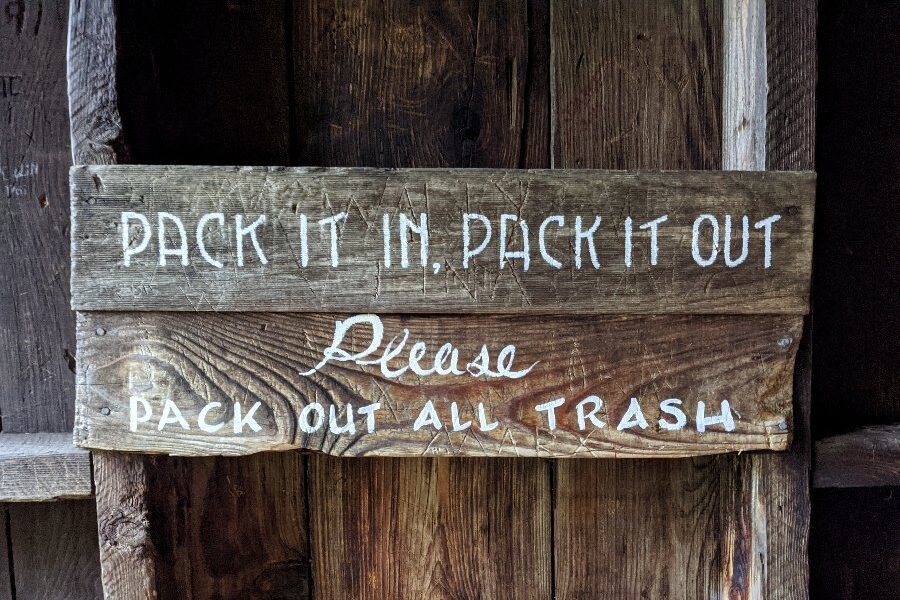
Many of the tips we outline in this article were learned from studying and practicing the Leave No Trace Principles. We encourage everyone to become familiar with all of these guidelines before heading out into the wilderness.
Alternatives to fires
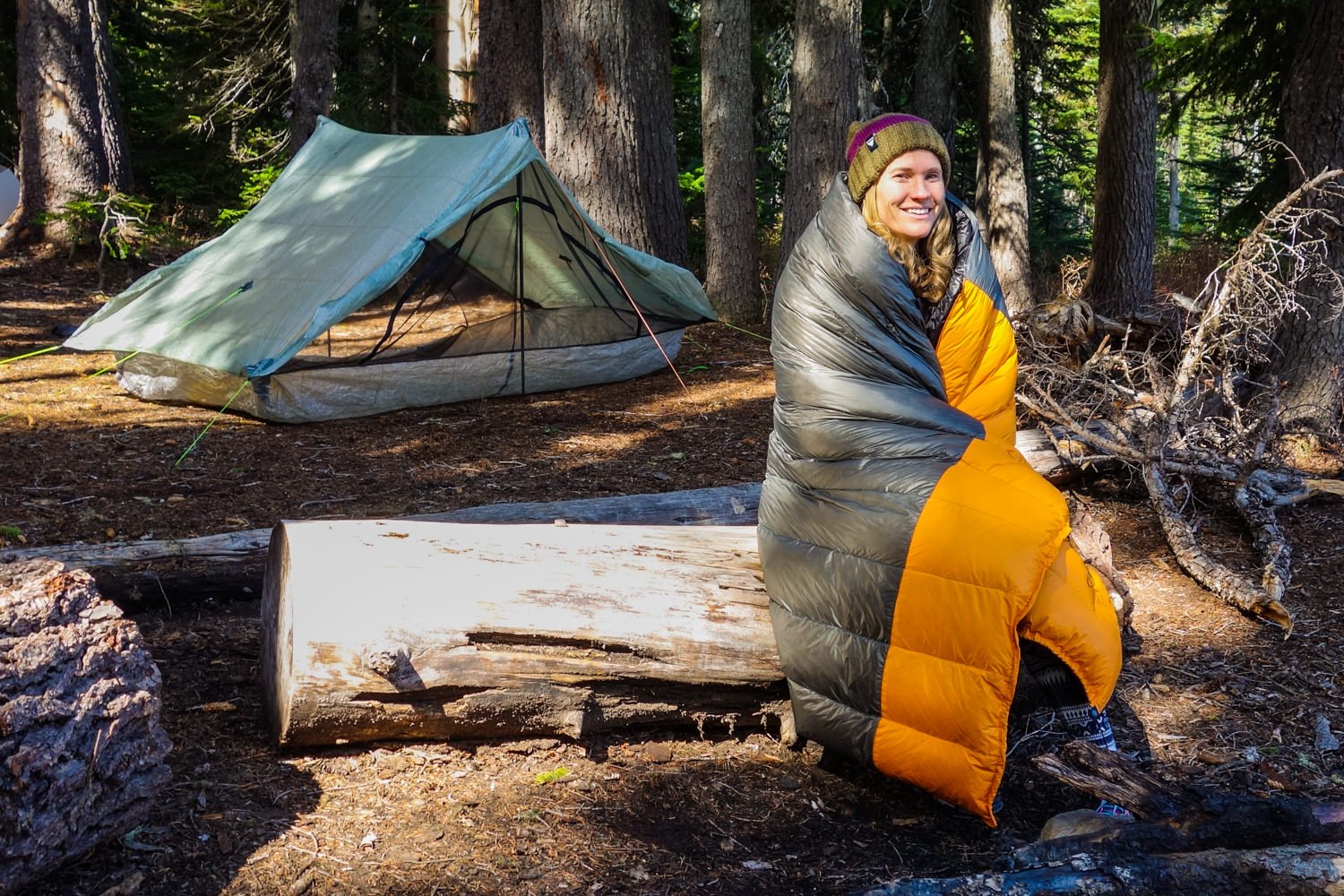
It can be a bummer to find out that the place you’ve picked to camp in doesn’t allow fires. But there are plenty of other things you can do to keep warm or create a nice ambience. Here are some of favorite ways create a cozy camp without fires:
Starting fires in harsh conditions
Fire is one of the most important tools for safety. If you’re caught out in a storm without adequate gear for protection, it could save you from exposure.
It’s tricky to get a fire going in wet conditions, but not impossible. We put together this video to help you learn how to build a fire in wet conditions, and we also reiterate several fire safety tips.