

Bottom Line
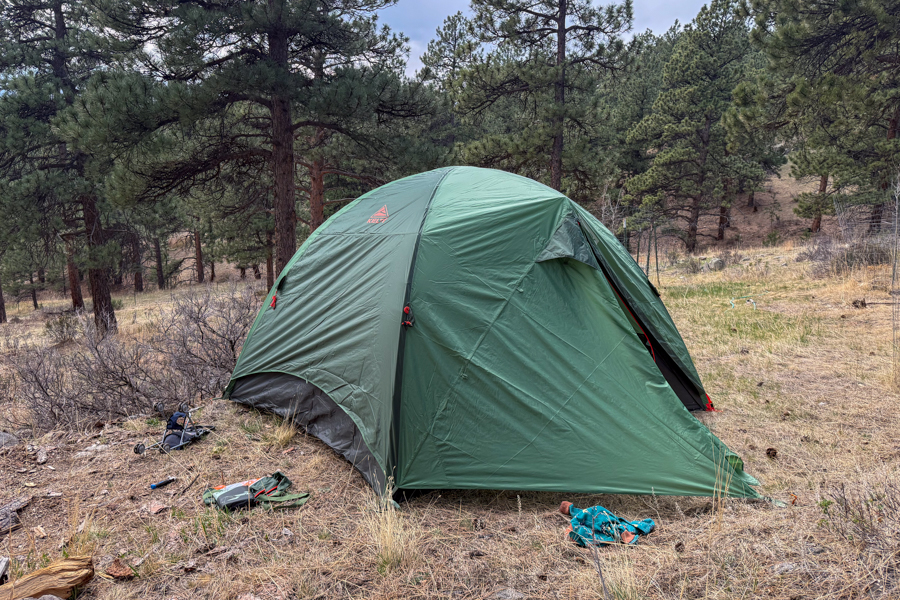
The Kelty Wireless 6 delivers the kind of space and familiar setup that make family camping feel simpler – at a price that’s getting harder to find. With 86.5 square feet of floor space and a 74-inch peak height, it feels noticeably roomy inside. At 6 feet 2 inches, one of our analysts could stand up, turn around, and move through the tent without hunching. This is not something we take for granted in a family car camping tent.
Kelty made some nice improvements to this version. Our biggest complaint about the older model was heat buildup and poor ventilation with the fly on. This iteration is better thanks to more mesh in the tent body and two kickstand vents in the fly. The difference is night and day, although the added mesh does cut down on privacy when the fly is off.
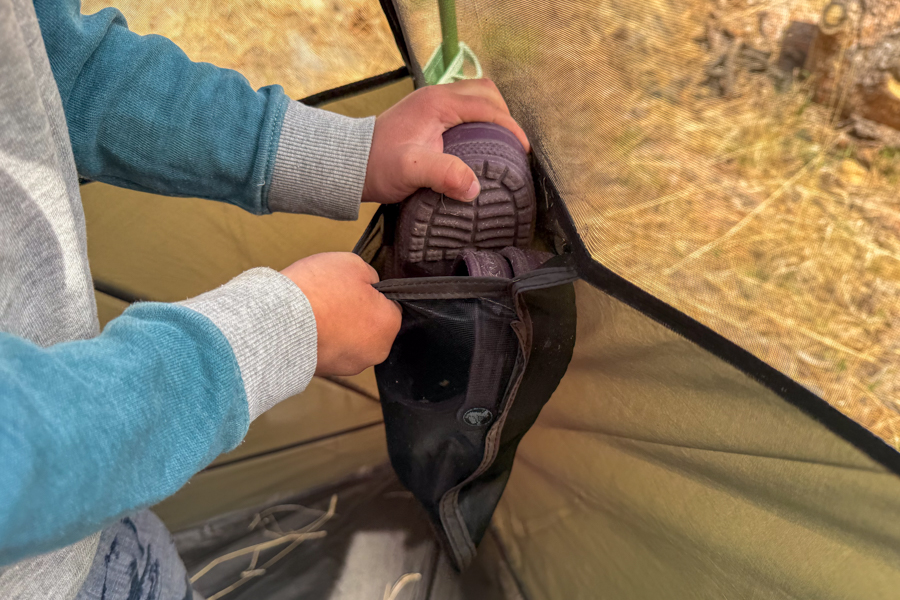
We also really liked the new nightlight pockets, which let you drop in a headlamp for a softer glow inside. The pre-attached guylines now tuck into dedicated Velcro pockets, and Kelty includes aluminum stakes for them.
A few concerns still carry over. The fiberglass poles remain our biggest question mark when it comes to long-term durability. Additionally, four small interior pockets do not feel like enough in a tent this size. However, the dual vestibule design does help with much-needed storage. We also found solo pitching to be a bit of a pain. The tent is tall enough that getting the fly over the top and lined up correctly is much easier with two people.
For budget-conscious families who want a roomy, easy-to-use shelter with better ventilation than before, the Wireless 6 is a strong choice. It is not the tent we would pick for exposed campsites or years of especially hard use. But for three-season family car camping, it does a whole lot right.
How We Tested
We tested the Kelty Wireless 6 across several Colorado spots, including Great Sand Dunes National Park and roadside campsites, pitching and breaking it down repeatedly in varying conditions. These ranged from high-elevation thunderstorms to warm summer nights. We tested it both with and without the rainfly to evaluate the updated ventilation. We also assessed setup solo and with a partner to understand the real-world pitching experience.
Quick Specs
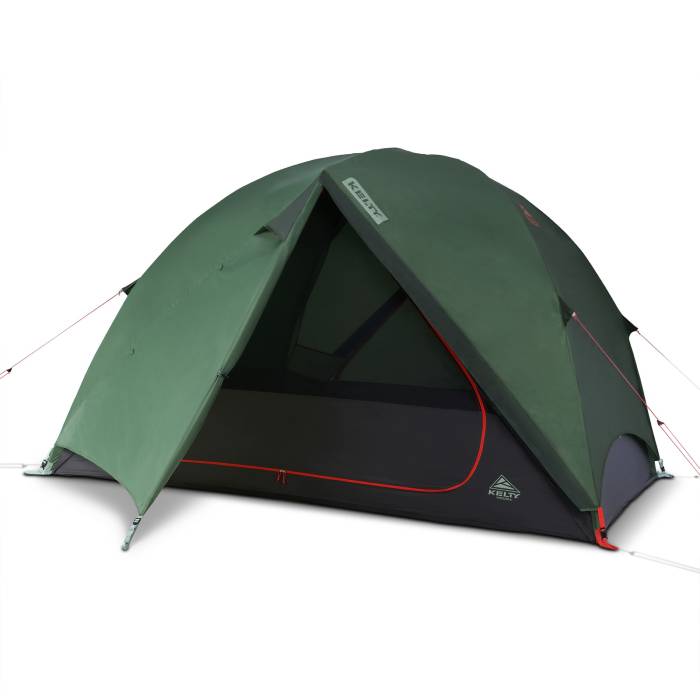
Kelty Wireless 6
Best Bang for Your Buck
CleverHiker Rating: 4.4/5.0
Price: $280
The size we tested feels: Luxurious for 2-3, comfortable for 4, and tight for 5
Weight: 18 lb. 15.4 oz.
Dimensions (LxWxH): 118 x 106 x 74 in.
Pros
- Huge interior
- Color-coded tabs for easy setup
- Affordable
- Intuitive and fast to pitch
- Pre-attached guylines with Velcro stash pockets
- Excellent carrying case
Cons
- Footprint sold separately
- Only a few small internal pockets
- Doesn’t ventilate well

Comfort
The Kelty Wireless 6 feels plenty spacious for a family of four. With 86.5 square feet of floor space and a 74-inch peak height, there’s enough room to spread out without everyone bumping into each other. Taller campers will especially appreciate the headroom. Being able to stand up inside a family camping tent without hunching over makes a big difference. The long brow pole helps a lot, keeping the walls more upright and the interior feeling open instead of sloped and cramped.
Kelty calls this a six-person tent. Though technically, six people would make for a very full house. For most families, it will feel much more comfortable with four sleepers, especially once you factor in clothing, bags, and other gear. The two vestibules add extra covered storage outside the tent, which makes the interior easier to keep organized.
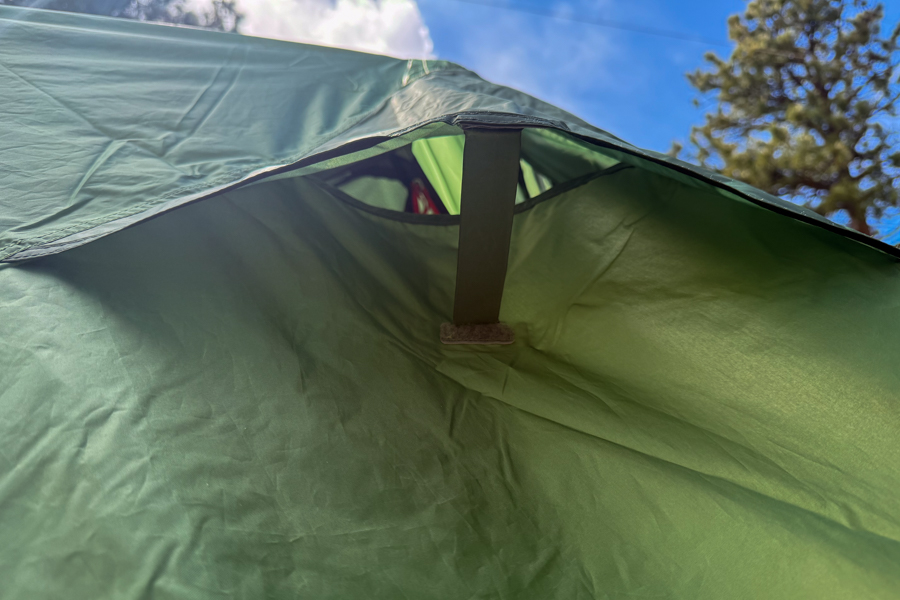
Ventilation is also noticeably better on the updated version. Our biggest complaint with the previous model was how stuffy it felt, especially once the fly was on. Kelty addressed that by adding more mesh to the tent body and including two kickstand vents in the fly. Without the fly, this tent ventilates extremely well and feels as airy as just about any camping tent we’ve tested. With the fly on, airflow is still more moderate than excellent. But it is a clear improvement over the older version and much more manageable on warm nights.
Durability
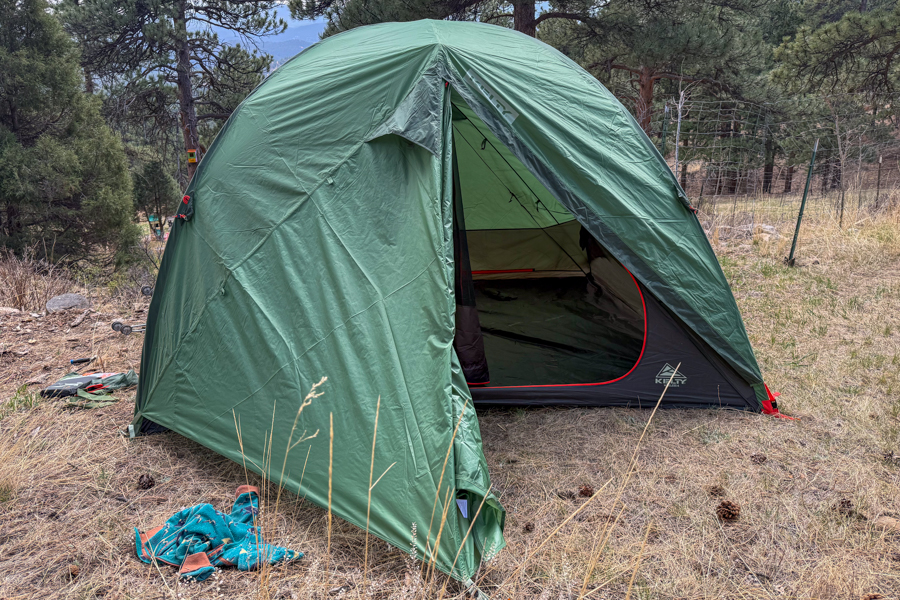
The Wireless 6’s poles are still the biggest durability question mark. They are thick and fairly burly, so this is not an issue of them feeling flimsy. The concern is more about overall quality and long-term confidence. They are fiberglass instead of aluminum, and they just do not have the same dependable feel as the pole sets included with more premium tents.
After our twelfth night with the tent, one of the pole shock cords broke while we were taking it down. We repaired it and kept using the tent without any further problems, but it is still worth mentioning. The poles aren’t bad, but they do seem like something you want to handle with a bit more care. Pushing them gently through the sleeves instead of pulling on them will likely help them last longer.
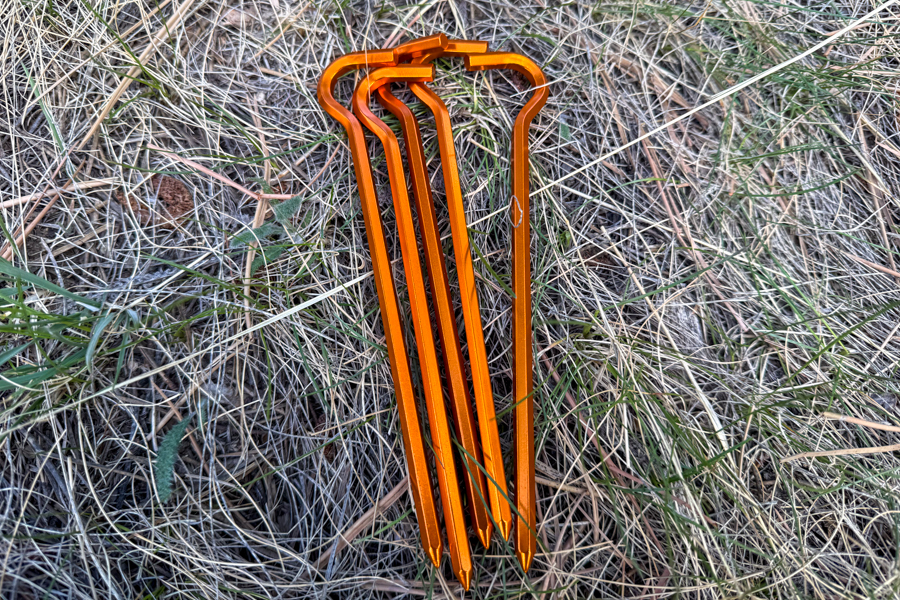
The rest of the tent is more reassuring. The fabrics feel surprisingly solid for the price, the seams are fully taped, and the mesh feels sturdier than what we often see on budget tents. The stakes are decent, too, though we did bend a couple in Colorado’s rocky ground. Overall, the Wireless 6 does not feel especially premium, but it’s well made in most of the places that matter.
Weather Resistance
Overall, the Kelty Wireless 6 performs well in bad weather. We tested it through intense Colorado thunderstorms, including heavy rain and moderate winds, and it held up better than we expected for a tent at this price point.
One thing to note up front is that it does not come with a footprint. We tested it both as-is and with a ground tarp, and we did get some moisture through the floor in wet conditions without the added protection. This was not especially surprising, and we would strongly recommend pairing this tent with a footprint or ground tarp from the start. Once we added that layer, we had no issues with leakage through the bottom, even in similarly wet weather.
Ventilation is also much improved on this updated version. Our biggest complaint with the previous model was how stuffy it felt, especially with the fly on. Kelty addressed that by adding a lot more mesh to the tent body and two kickstand vents to the fly. Without the fly, the Wireless 6 now vents as well as just about any tent we’ve tested in this category. With the fly on, airflow is still only moderate, but it is much better than before and enough to make warm-weather camping more enjoyable.
This is still a tall tent, so it will never be our first choice for exposed campsites or blustery days. Its shape sheds rain well, but the height gives wind more to grab onto. When it is fully guyed out, though, it feels much more secure. That process is easier now thanks to the pre-attached guylines and the fact that Kelty includes enough stakes to actually use them.

Ease of Setup
The Kelty Wireless 6 has a familiar, mostly intuitive design. The corner pole sleeves are simple to use – easier than the grommet-style attachments on some other family camping tents. Kelty also includes color-coded tabs on one corner of the tent body and rainfly. This takes some of the guesswork out of orientation and helps everything come together more smoothly.
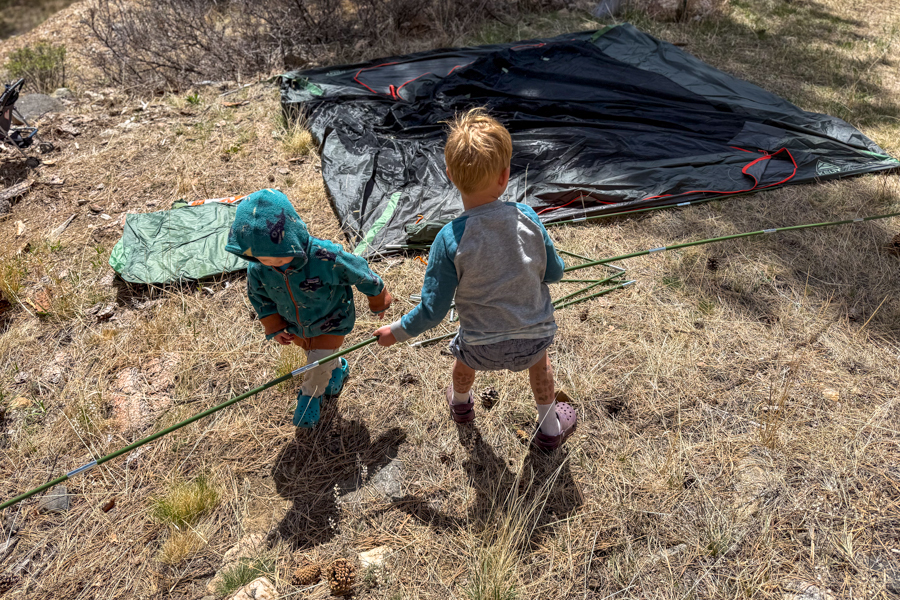
That said, this is not an especially easy tent to pitch solo unless you are on the taller side. Once the poles are in place, reaching higher attachment points can be awkward for shorter campers. And getting the fly over the top is more of a chore than it first appears. There is just a lot of material to manage, and the height of the tent makes that process feel clumsier when you are working alone. With two people, this is much less of an issue, and setup goes fairly quickly.
In the end, although the overall design is user-friendly and the details are well thought out, we would not call this an effortless solo pitch. For most campers, especially shorter ones, it is noticeably easier with a second person.

Features
The Kelty Wireless 6 does a lot right here. Starting with setup, Kelty’s Quick Corner sleeves are very helpful. They hold the pole ends in place as you raise the tent, which cuts down on the fumbling that often comes with traditional grommet-and-pin systems. Kelty also uses color-coded webbing on one corner of the tent body and fly as well as color-coded pole tips, so figuring out the right orientation is quick and painless.
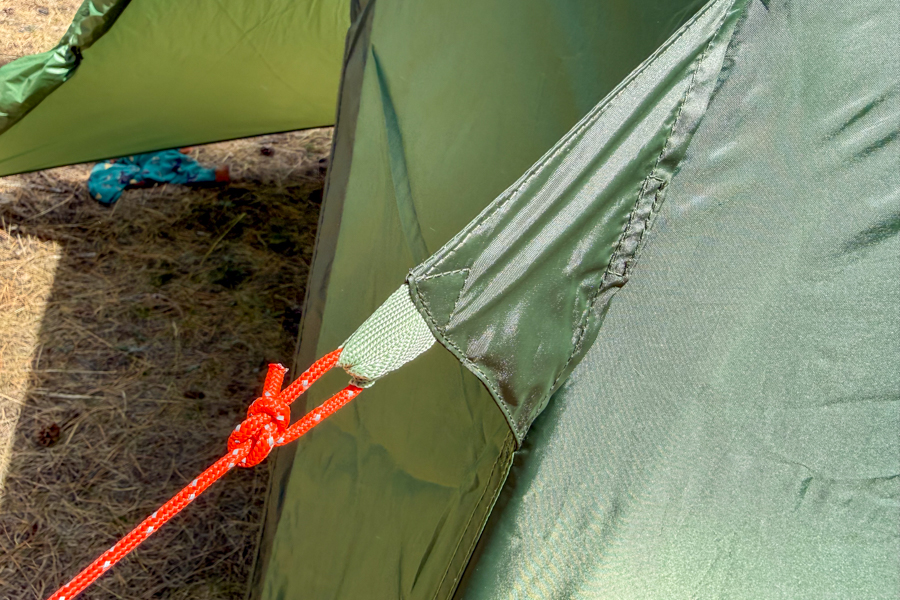
One of our favorite updates on this version is the pre-attached guylines. On the previous model, they were more of a hassle than a help. Now, they tuck neatly into their own Velcro pockets on the tent body, which keeps out of the way and ready to deploy quickly if weather rolls in. Kelty also includes enough aluminum stakes for the guylines, which is a welcome upgrade and makes it much easier to fully secure the tent when conditions call for it.
The ventilation changes are the biggest improvement overall. This version has a lot more mesh on the tent body than the previous one, which makes a real difference on warm nights and anytime you can sleep without the fly. Two kickstand vents built into the fly help quite a bit when the fly is on. We also ended up liking the new nightlight pockets more than expected. Drop a headlamp in, and it turns into a soft lantern effect that illuminates the tent without blasting everyone in the face.
Where the Wireless 6 still comes up a bit short is interior organization. Four small pockets just do not feel like enough in a tent this size, especially for a family of four. We would love to see a couple more storage options or even a gear loft.
One feature we still love, though, is Kelty’s Shark Mouth carry bag. The long zipper makes packing up dramatically easier. Instead of wrestling the tent back into a tight stuff sack, you just roll it up, drop it in, and zip it shut. After a long weekend of camping, that kind of detail matters.
Should You Buy the Kelty Wireless 6?
The Kelty Wireless 6 is a great fit for families who want a roomy, easy-to-use tent without spending a ton. The tall peak height makes it especially nice for taller campers. And the dual vestibules add enough extra storage to make camp feel less cluttered and more functional.
At around 19 pounds all in, this is strictly a car camping tent. Additionally, if you plan to camp hard and often, a more premium model may be worth the extra investment. But for casual family camping, weekend trips, and campers who want a lot of tent for the money, the Wireless 6 makes a lot of sense.
What Other Camping Tents Should You Consider?
If the Wireless 6 isn’t quite what you’re looking for, check out the alternatives below, or head to our camping tents gear guide for a wider look at the market.
NEMO Aurora Highrise 4 Review: If you can stretch your budget, it’s worth checking out the Highrise 4. Though technically a four-person tent, it offers a similar livability with higher-quality materials. If you plan on spending more nights under the stars, the NEMO Highrise is an impressively well built and thoughtfully executed design.
Kelty Daydreamer 6 Review: For another quality Kelty option at a solid value, we also like their Daydreamer 6. The Daydreamer stands out for its light-blocking fabric, making it great for families with young kids or sensitive sleepers in general. It’s not as well ventilated as the Wireless, however, and there’s only one door and vestibule.
The North Face Wawona 6 Review: At the premium end of the spectrum, Wawona 6 is one of the most livable and well-rounded camping tents we’ve tested. It’s packed with some of our favorite features, including a massive vestibule that’s almost as large as some of the tents we tested – although it’s much pricier than the Wireless.