Bottom Line
The Kelty Daydreamer 6 earns its place in our guide because it solves a problem most tents ignore: light. Its Twilight Tech rainfly noticeably darkens the interior, blocking early-morning sun, campground lighting, and much of the ambient brightness that can wake kids and light-sensitive sleepers.
It is also a genuinely roomy family shelter. The 120-by-107-inch floor, 77-inch center height, and mostly mesh body make the Daydreamer feel spacious when the fly is off. Setup is straightforward, and the price is much lower than many premium six-person tents.
The compromises become more obvious with the fly installed. Ventilation drops, the interior can heat up in direct sun, and the fiberglass poles and thin floor do not feel as durable as the components on higher-ranked tents. For fair-weather family trips, though, the combination of space, darkness, and price is hard to match.
How We Tested
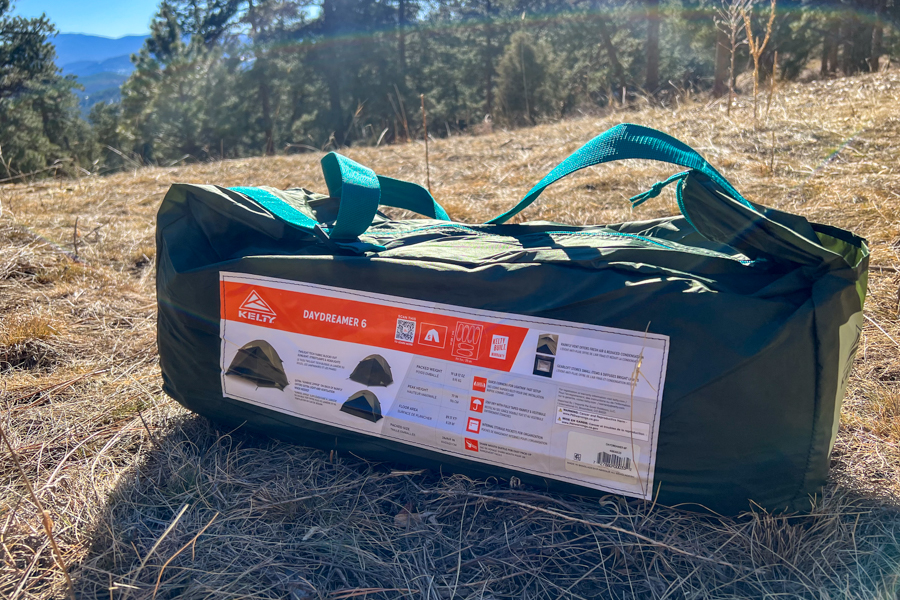
Because the Daydreamer 6 is built around sleep-friendly darkness, our testing centered on family use as much as basic shelter performance. Over several months in the Colorado mountains, CleverHiker gear analyst Ben Dawson camped in it with young kids on grass, packed dirt, and rocky sites through warm sun, cold breezy nights, and light rain. We paid special attention to the darkened fly during naps and early bedtimes, while also evaluating setup, airflow, condensation, and family livability.
Quick Specs
- Capacity: 6-person
- Floor area: 89.2 sq. ft.
Kelty Daydreamer 6
Best Tent for Light-Sensitive Sleepers
CleverHiker Rating: 4.0/5.0
Price: $270
The size we tested feels: Luxurious for 2-3, comfortable for 3-4, manageable for 5, tight for 6
Measured Weight: 19 lb. 12 oz.
Dimensions (LxWxH): 120 x 107 x 77 in.
Pros
- Darkened fly blocks ambient light
- Large floor area
- Excellent peak height
- Easy setup
- Useful front vestibule
- Mesh body vents well without the fly
Cons
- Poor ventilation with the fly on
- Thin floor material
- Fiberglass poles
- Low-quality stakes
Spaciousness & Comfort
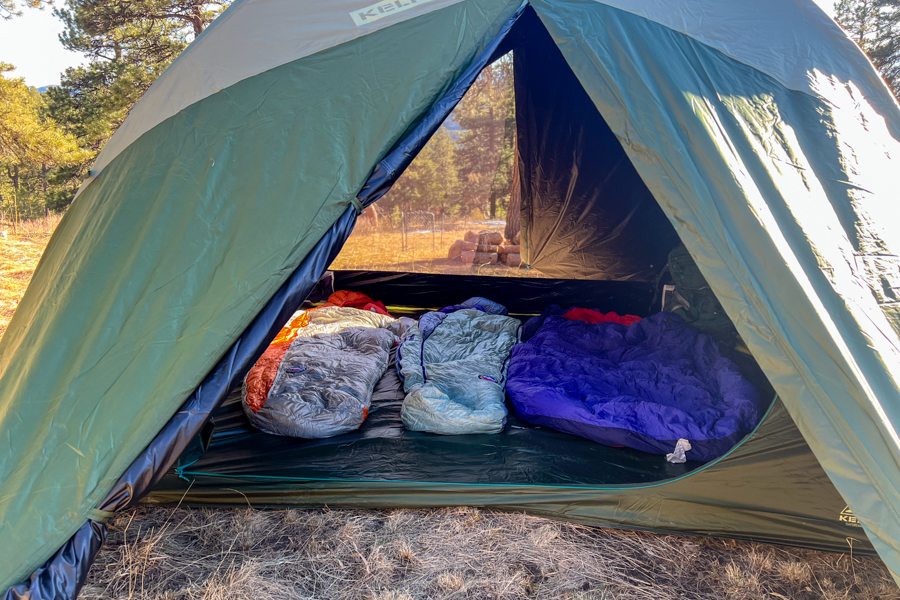
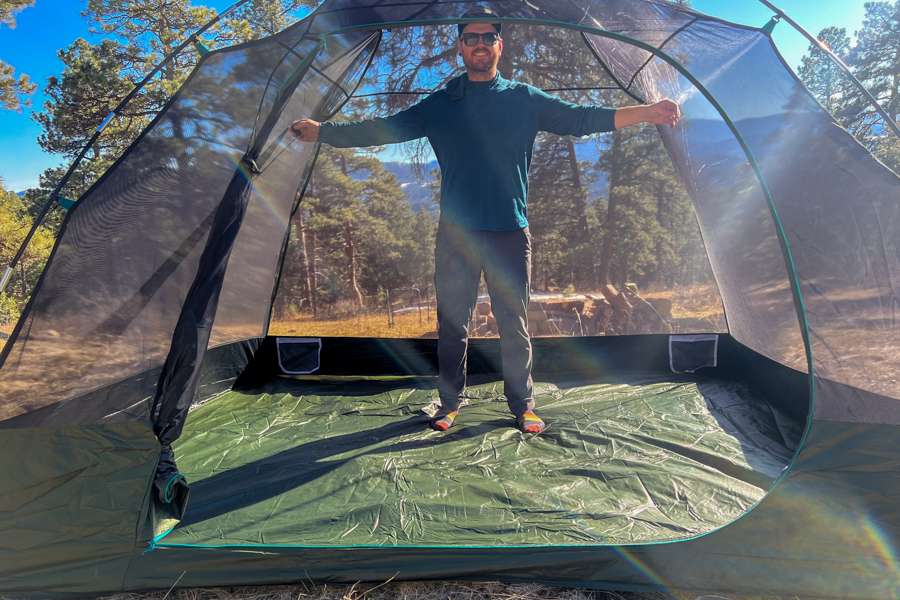
The Daydreamer 6 offers a lot of floor area for the price. At roughly 89.2 square feet, it is one of the largest six-person interiors we tested. Two or three campers have an enormous amount of room, three or four can spread out comfortably, and five are manageable. Six can technically sleep inside, but as with most six-person tents, a full group leaves little room for loose gear.
The 77-inch peak height is another advantage. Our 6-foot-2 tester appreciated being able to stand upright near the center. The roof drops quickly toward the sidewalls, so taller campers still need to duck near the edges, but the center zone is much more comfortable for changing clothes than the low-profile crossover tents in the guide.
The defining comfort feature is the darkened Twilight Tech fly. It blocks a meaningful amount of early-morning sun, campground lighting, and daytime brightness. We tested the tent with young kids and found that the darker interior is useful for naps, early bedtimes, and families whose sleep schedules do not align with sunrise.
That same fly creates the main comfort compromise. Ventilation is excellent with the mostly mesh body uncovered, but airflow drops sharply once the dark fly is installed. During a late-February test at roughly 8,000 feet, temperatures reached about 68°F in direct sun and the tent started to feel hot surprisingly quickly. We found airflow was strongest from the front and rear, so orienting the tent into the breeze makes a noticeable difference on warm days.
The Daydreamer therefore serves a specific buyer particularly well: families that value darkness and lots of room more than maximum airflow. Campers who regularly sleep in hot climates may prefer the Wireless 6, which has better ventilation and two vestibules.
Comfort Score: 4.6 / 5.0
Ease of Setup
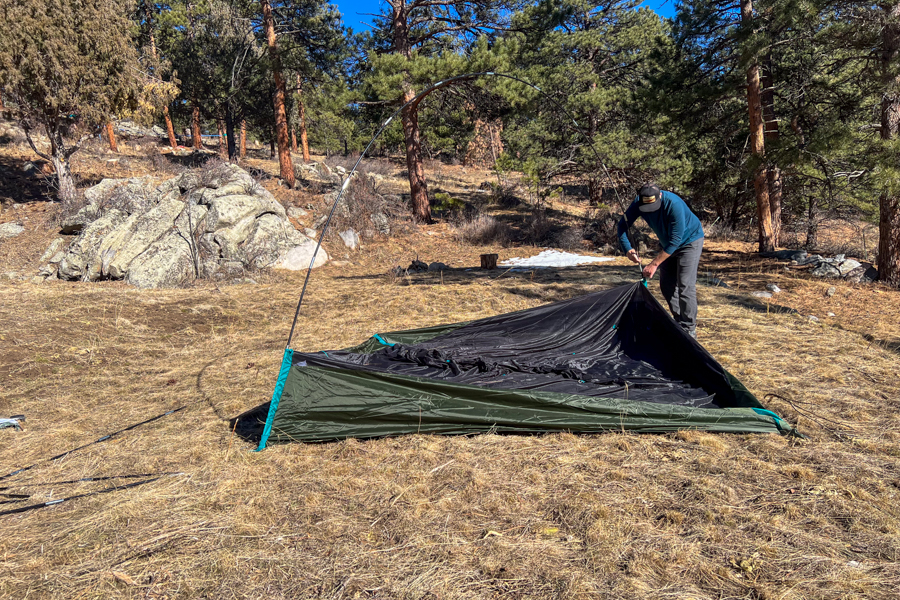
The Daydreamer 6 is relatively easy to understand for such a large tent. The main body uses a familiar pole layout, color-coded attachment points, and clips that quickly create the structure. One person can get the tent standing with practice, although a second camper makes handling the fly easier because the shelter is tall and broad.
The fiberglass poles are bulkier than aluminum sets, but the geometry itself is not complicated. During testing, we pitched the tent on rocky ground, packed dirt, and grass, which helped us see that the basic sequence does not depend on a perfectly flat campground pad. The large floor does require enough open space to spread the body before raising it.
The rainfly is where setup becomes more cumbersome. Twilight Tech fabric covers a large area, and getting it centered over the 77-inch frame takes more reach than pitching a smaller tent. Wind increases that difficulty because the fly catches air before it is clipped and tensioned.
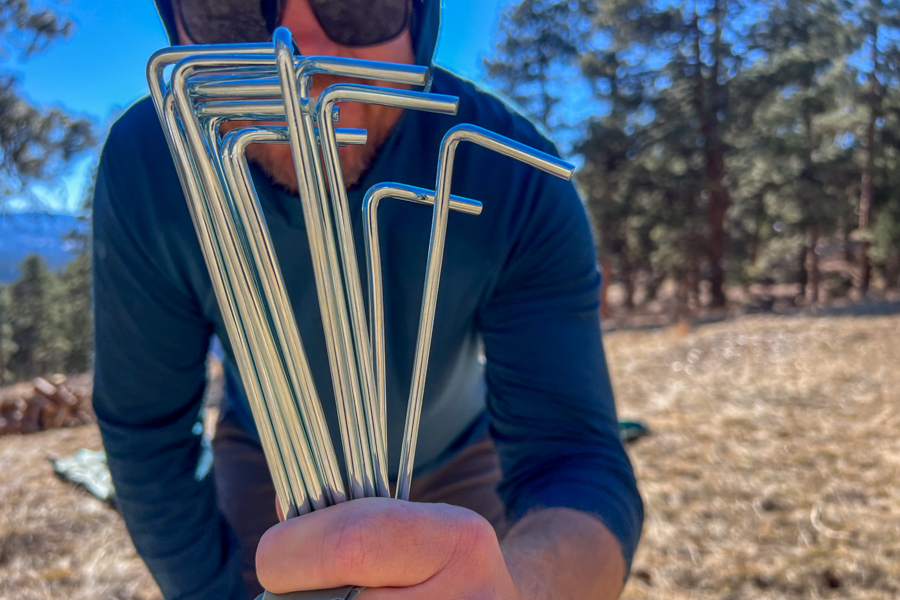
Once the shelter is standing, staking and tensioning are straightforward. The included stakes are basic and did not impress us on harder ground, so campers who frequently use rocky sites may want to upgrade them. The carry bag makes transport and breakdown manageable, although the packed tent remains bulky because it weighs nearly 20 pounds.
For a six-person budget shelter, the Daydreamer does not have an unusually complicated setup. It is better suited to campground trips than quick roadside overnights, but most families can learn the process without much frustration. The main setup tradeoff is simply the amount of fabric involved.
Ease of Setup Score: 4.6 / 5.0
Weather Resistance
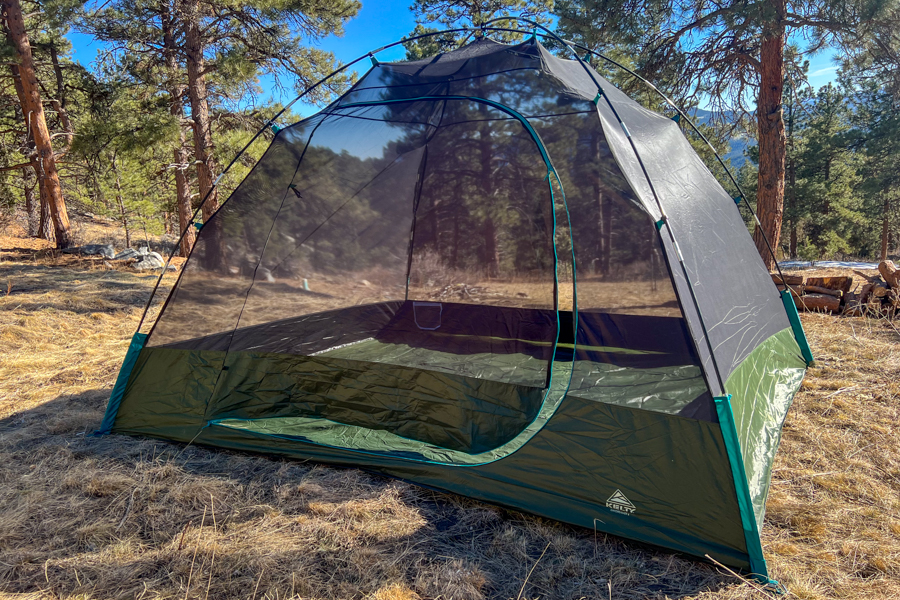
The Daydreamer 6 is designed for ordinary three-season family camping rather than repeated exposure to severe weather. We used it in light rain, light snow, and moderate wind in the foothills outside Golden, Colorado. Water beaded off the Twilight Tech fly and the interior stayed dry from above, but the thin floor did allow some moisture through during testing, which is why we strongly recommend a footprint or ground tarp.
The tall 77-inch profile is the first limitation in wind. There is a lot of wall and fly area for gusts to catch, and the fiberglass pole set does not inspire the same confidence as premium aluminum structures. We would not select the Daydreamer for exposed high-wind camps or trips where rough storms are a regular expectation.
Ventilation is closely tied to weather performance. The inner body is mostly mesh and moves air well in dry conditions. With the Twilight Tech fly installed, airflow falls sharply. That can make hot rainy weather uncomfortable and can increase the importance of managing condensation. Openings and vestibule positioning help, but the Daydreamer remains warmer and more enclosed than the Wireless 6.
The floor and fly are adequate for campground use, but we would take extra care on wet or abrasive sites because the floor material is relatively thin. A protective ground layer is sensible for repeated use.
We also noticed small pinpricks of light along portions of the fly stitching. They did not produce a leak in the conditions we experienced, but they make us more cautious about prolonged heavy rain, which we have not yet tested through a Colorado summer monsoon. Fully staking and guying the tent is important for a taut pitch in wind. The Daydreamer works best for normal campground weather; its blackout performance is excellent, but the ventilation, fiberglass poles, and thin floor make it a poor choice for sustained storms or exposed camps.
Weather Resistance Score: 4.3 / 5.0
Durability & Quality
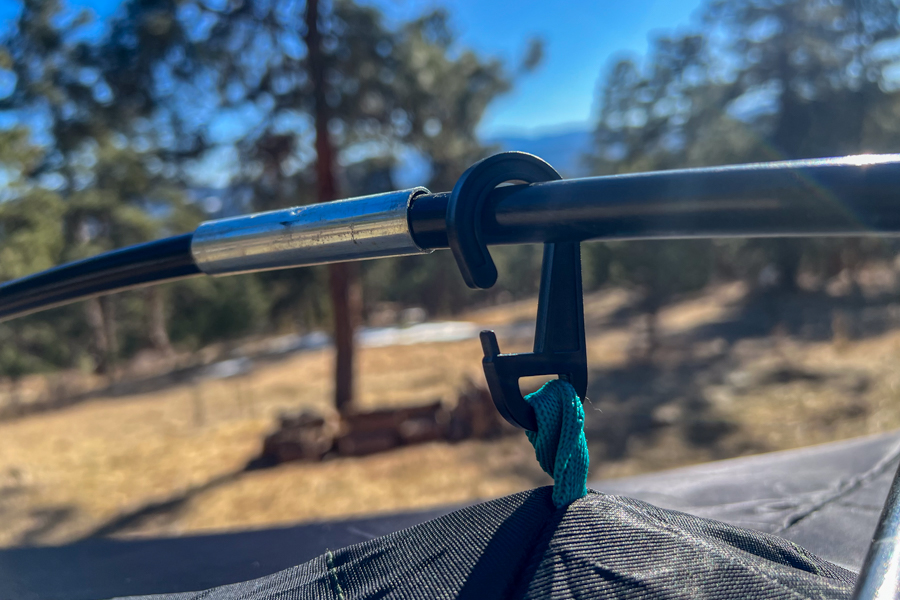
The Daydreamer 6 reaches its low price partly by using materials that are less robust than those on our premium picks. The fiberglass poles are the most obvious example. They are bulky and functional, but aluminum generally offers better strength-to-weight performance and greater long-term confidence under repeated bending loads.
The floor is another area where we would be careful. It feels noticeably thin, and during testing we saw some water seep through it, so we consider a footprint or ground tarp a must for both weather protection and long-term durability. The Twilight Tech fly also made small stitching imperfections easy to spot from inside; we noticed several pinpricks of light and are treating those as something to monitor rather than assuming they will become leaks.
During our test period, the Daydreamer remained functional through repeated pitches on grass, packed dirt, and rockier ground. We did not treat it as a heavy-duty storm shelter, and the build quality makes the most sense when evaluated against its $270 price rather than against tents costing twice as much.
Hardware and stakes also feel budget-oriented. The included stakes work on forgiving ground but are not our favorite for loose or rocky soil. The body and fly themselves are serviceable, and the darkened fly performs its intended light-blocking job well.
For occasional family camping, this level of construction can be entirely adequate. The tent offers a lot of interior volume for the money. Campers who expect dozens of nights every year, frequent wind, or especially rough campsite surfaces may get better long-term value from spending more on aluminum poles and heavier-duty fabrics. We see the Daydreamer as a specialized value tent rather than a buy-it-for-life shelter.
Durability Score: 3.9 / 5.0
Features
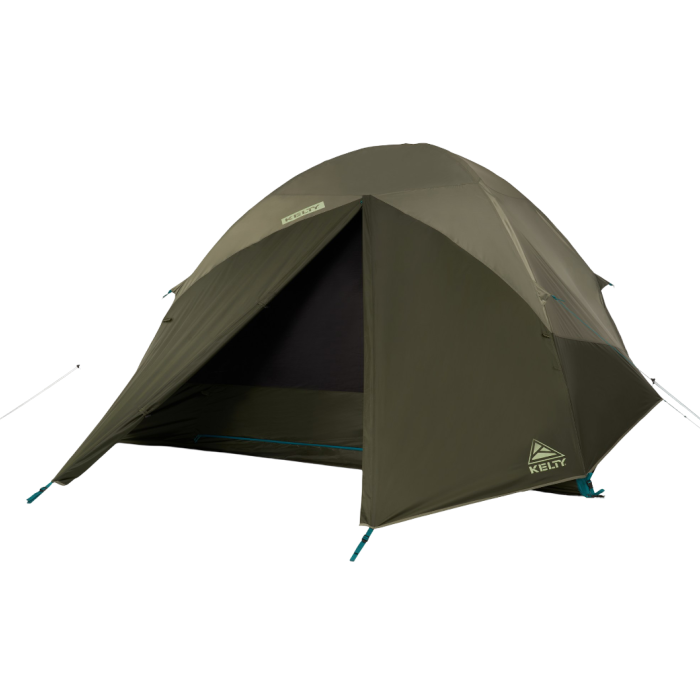
Twilight Tech is the feature that makes the Daydreamer 6 different from every other tent in our current lineup. The darkened rainfly substantially reduces sunlight and ambient campground lighting, making the interior more sleep-friendly after sunrise and during daytime naps. Families with young children or anyone sensitive to early light may value that benefit more than an extra vestibule or elaborate storage system.
The tent also provides a large front vestibule for shoes and some gear, which helps protect the sleeping area from wet or dirty items. It is useful, though less versatile than the dual-vestibule layout on the Wireless 6.
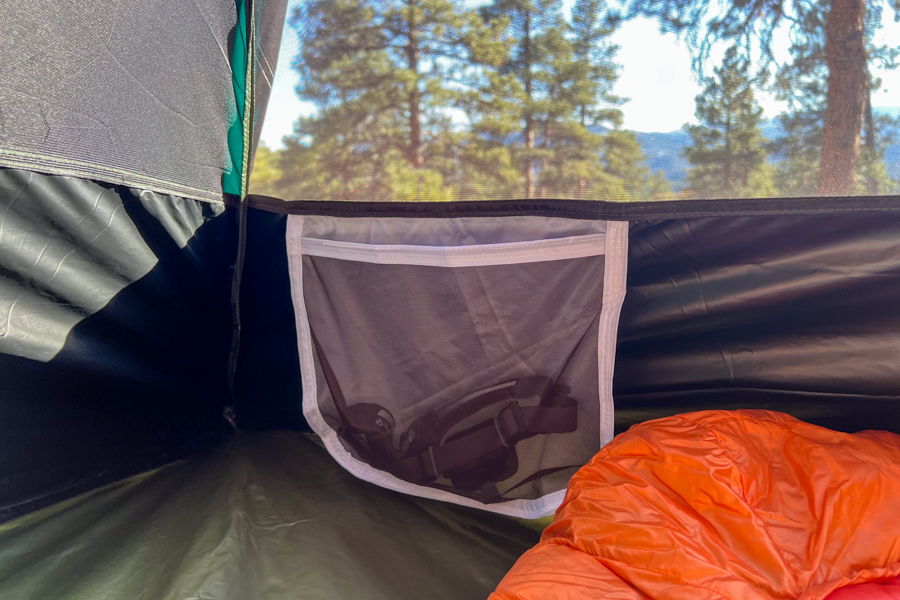
Interior storage is practical rather than exceptional. Pockets and a gear loft provide places for small items, and the 89.2-square-foot floor gives occupants enough room that organization is not as critical when only three or four people are inside.
The mesh-heavy body is a positive feature when the fly is off because it produces excellent airflow and an open feel. The tradeoff is that the light-blocking fly removes much of that ventilation when installed. In this tent, the signature feature and the biggest drawback are directly connected.
The 77-inch peak height is also part of the user experience, giving many adults a true standing zone at the center. We wish the hardware package matched the livability: stronger stakes and aluminum poles would improve confidence but would also raise the price.
For light-sensitive sleepers, the feature mix makes sense. Buyers who do not care about a dark interior will find more balanced all-around features in the Wireless 6.
Features Score: 4.3 / 5.0
Should You Buy the Kelty Daydreamer 6?
The Daydreamer is best for families with young kids, late sleepers, shift workers, festival campers, or anyone who finds sunrise inside a tent annoying. It gives you a lot of space for the money and is simple enough for casual trips.
Skip it if you expect frequent wind, heavy rain, or years of hard use. The Wireless 6 is a better all-around value, while the Wawona 6 is far more durable and weather-capable.
What Other Camping Tents Should You Consider?
Kelty Wireless 6 Review: If blackout performance is not important, the Wireless 6 gives you a more balanced general-purpose value. It has improved mesh coverage, two vestibules, and better airflow with the fly installed, which makes it easier to recommend across a wider range of summer conditions. The Daydreamer wins specifically on darkness, while the Wireless is the more balanced choice for families who just want a roomy budget tent.
REI Westward 6 Review: The Westward 6 is a major step up for families who want a more luxurious warm-weather basecamp. Its taller interior, premium materials, excellent ventilation, and huge vestibule make long campground stays more comfortable than the Daydreamer’s simpler layout. It costs far more and gives up the blackout effect, so the upgrade only makes sense if airflow, finish quality, and living space matter more than darkness.
The North Face Wawona 6 Review: For families who camp often enough to prioritize durability and weather performance over blackout capability, the Wawona 6 is the stronger long-term investment. We trust its materials, pole structure, ventilation, and giant vestibule more for repeated use and unsettled conditions. The Daydreamer remains the smarter purchase for occasional fair-weather trips when a dark sleeping environment is the feature you care about most.