
Bottom Line
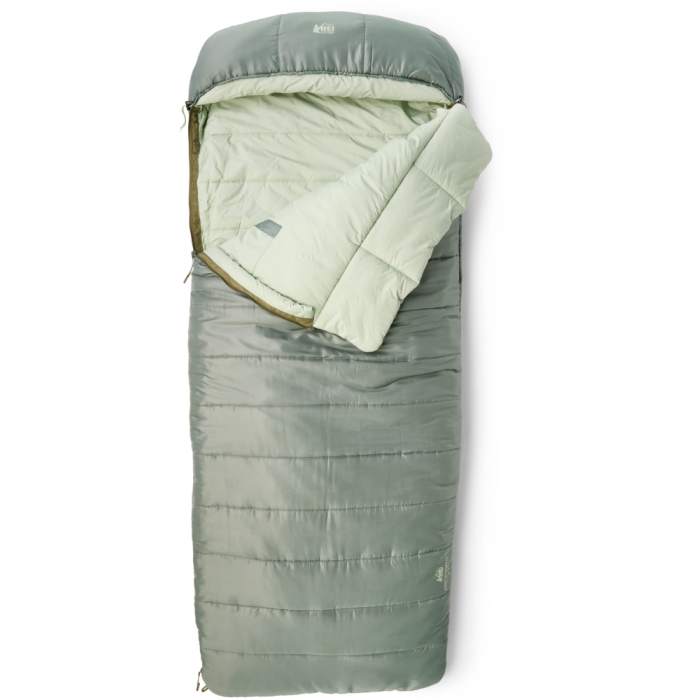
The REI Siesta Hooded 20 is our top camping sleeping bag for campers who prioritize a soft, spacious place to sleep without paying a premium. Between CleverHiker founder Dave Collins and the published gear analyst testing, the Siesta has seen more than 100 nights of use. Its generous rectangular cut, oversized hood, and thick draft collar make it exceptionally comfortable for people who change positions through the night.
The important limitation is warmth. Although the label says 20°F, our testing found the bag most comfortable around 35°F to 70°F, with extra layers needed below about 35°F. The synthetic fill and roomy footbox also make it heavier and less packable than a down backpacking bag. For most spring-through-fall campground trips, however, its combination of comfort, handling, and price is difficult to beat.
How We Tested
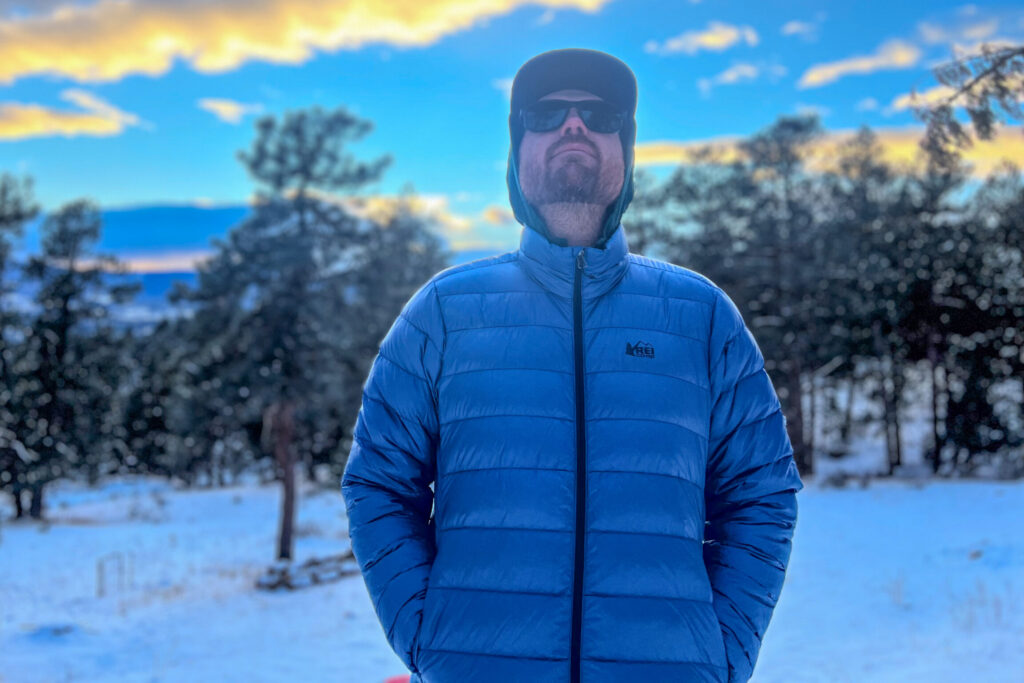
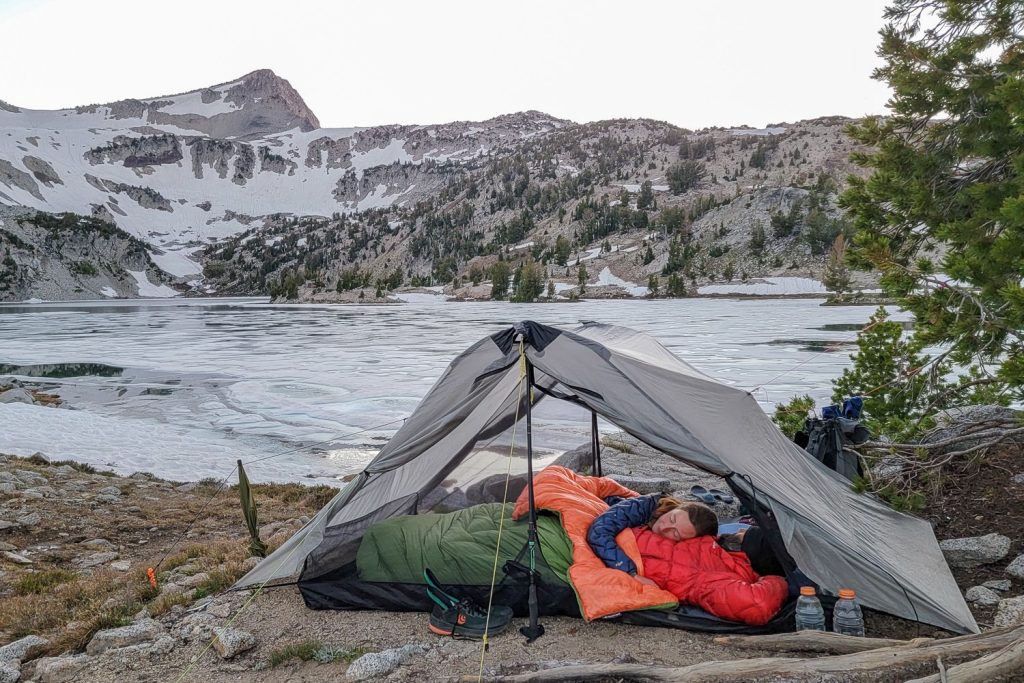
We’ve used this bag over more than 100 combined nights, primarily during car-camping trips. Field conditions included Colorado mountain nights in the upper 30s and low 40s and additional testing below 35°F. We assessed how the rectangular fit accommodates active sleepers, whether the hood and collar reduce drafts, how the zippers work in use, and whether repeated packing and use affected loft or comfort.
Quick Specs
- Sizes: Medium, Long, Long Wide
REI Siesta Hooded 20
Best Camping Sleeping Bag Overall
CleverHiker Rating: 4.9/5.0
Price: $149
Temperature Rating: 20°F
Weight: 5 lb. 7.3 oz.(Medium)
Fill Type: Synthetic
Pros
- Plush liner and roomy rectangular fit
- Large hood accommodates full-size pillow
- Thick collar and useful draft protection
- Blanket-style opening and adjustable venting
- Easy-running zipper pulls
- Inclusive size options
- Strong campground value
Cons
- Not comfortable near its stated 20°F temperature rating
- Heavy and bulky for backpacking
- Slippery shell can slide on certain pads
- No mesh storage sack included
- Synthetic fill shows some loft compression after extensive use


Comfort
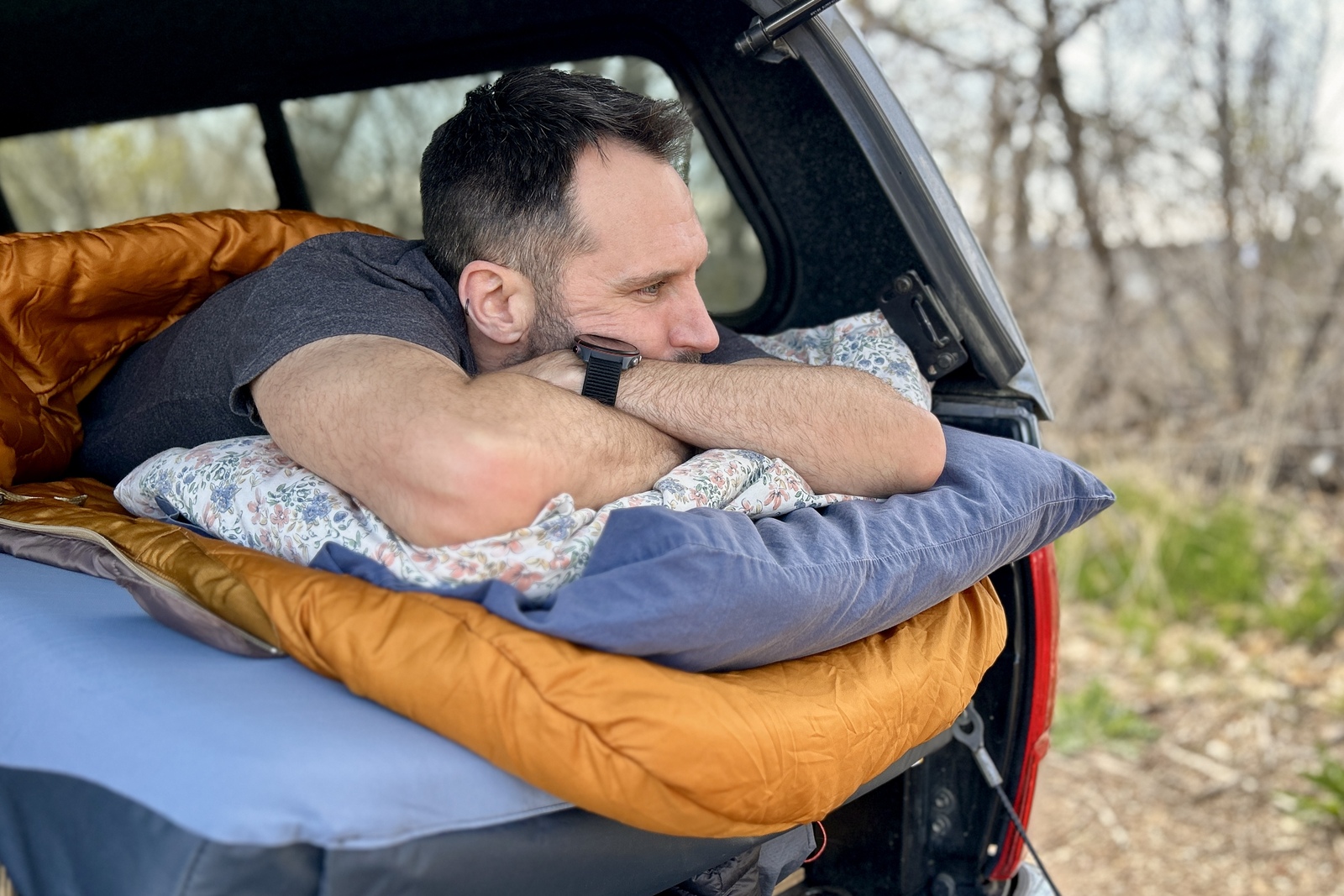
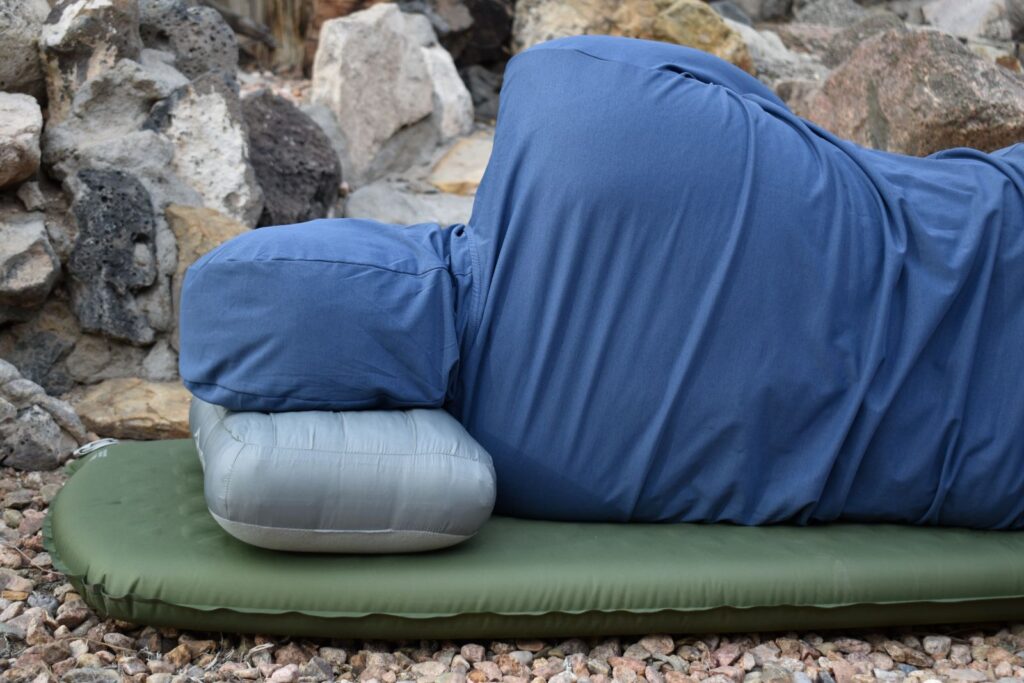
The Siesta’s comfort comes less from technical insulation than from how it feels to sleep inside. Its soft polyester lining and substantial weight have a reassuring, blanket-like feel, while the wide rectangular cut leaves enough room for side sleepers and people who sprawl to change positions. The large hood holds a regular pillow rather than forcing campers to rely on a tiny inflatable model.
A partial zipper lets the top collar fold back like a comforter, making it easy to customize the feel around the shoulders. When conditions turn cool, the collar can be tucked in and the hood tightened. One drawback became clearer with extensive use: the shell is slippery on some camping mattresses, so the bag can shift when you turn. The published long-term test also notes diminished loft in the synthetic fill after roughly 80 nights without an obvious decline in overall performance.
Comfort Score: 4.9 / 5.0

Warmth
Despite its 20°F name, this is primarily a mild-to-cool-weather campground bag. The published testing places its practical comfort range around 35°F to 70°F, and nights below roughly 35°F required additional layers. Its broad footbox creates corners where warmth is harder to retain than in a close-fitting mummy design.
The Siesta is nevertheless well equipped to seal out drafts in the conditions for which we recommend it. A substantial insulated hood can cinch around a pillow and head, while thick zipper draft tubes and an oversized shoulder collar reduce cold air entering at the most vulnerable openings. For hot sleepers, the two-way wraparound zipper opens the footbox or converts the bag to a blanket. Choose a bag with better demonstrated low-temperature performance if freezing nights are the objective.
Warmth Score: 4.3 / 5.0

Packed Size
At 5 lb. 7.3 oz., the Siesta is not designed for carrying deep into the backcountry. The published Long version packs to about 12 by 17 inches: manageable in a car trunk, but bulky enough to occupy precious space in a backpack. For car campers, the tradeoff is reasonable because the comfort and durable materials matter much more than a few extra pounds.
Packing the Siesta is straightforward, and its small carrying handle is convenient for unloading a vehicle. However, REI does not include a separate mesh storage sack. Campers who want to store the insulation loosely between trips should budget for a larger breathable storage bag rather than leaving it tightly compressed all season.
Packed Size Score: 4.5 / 5.0

Features
The opening is the Siesta’s strongest piece of design. The wraparound zipper moves smoothly, has large pulls that are easy to find in the dark, and can open the bag completely into a blanket. A shorter zipper on the opposite side lets the upper edge fold away without opening the entire side, so temperature adjustments are quick and less disruptive.
The hood cinch, sizable draft collar, and hook-and-loop closures keep the bag configurable across a wide range of sleeping preferences. The inner stash pocket is large enough for a phone, though it has no secure closure. Two compatible Siesta bags can also zip together. The slick outer fabric is the recurring caveat: its water resistance is helpful, but some mattress surfaces allow the bag to slide around more than we’d like.
Features Score: 4.7 / 5.0

Should You Buy the REI Siesta Hooded 20?
Buy the Siesta if you mostly camp next to your vehicle, prefer generous room to move, and want a warm-weather-through-cool-weather bag that feels closer to bedding at home. It is especially easy to recommend to beginners, active sleepers, and people who value a real pillow, a usable hood, and simple ventilation. The field-tested limitation is clear enough to plan around: do not count on the nominal 20°F label for comfortable freezing-weather sleep.
Skip it for weight-sensitive backpacking or repeated freezing nights. A lighter down bag such as the Kelty Cosmic Down 20 is more appropriate when pack volume matters, while a dedicated cold-weather car-camping option such as the Teton Sports Celsius XXL 0F makes more sense when extra bulk is acceptable and retaining warmth is the priority.

What Other Camping Sleeping Bags Should You Consider?
Teton Sports Celsius XXL 0F Review: The Celsius appeals to campers who like the Siesta’s roomy, soft-lined design but want more cold-weather emphasis. Its large draft tubes and warm, heavy insulation offer a different balance, though the bag is bulkier and its hood and zipper are less refined. Choose it for colder campground trips where storage space and carrying weight barely matter.
The North Face Wawona Bed 20 Review: Like the Siesta, the Wawona offers bed-like rectangular comfort and can unzip into a blanket. Its fleece-lined upper section is particularly pleasant against the skin, but it lacks the Siesta’s hood and was not our preferred option for cold nights. It’s a sensible alternative for campers who want simplicity and softness rather than the Siesta’s fuller feature set.
Therm-a-Rest Boost 650 Review: The Boost is a more technical down option for people splitting time between the campground and trail. It is lighter and more packable, with an adjustable fit that can create extra room, but costs substantially more than the Siesta. Pick the Boost if backpack portability and configurable insulation matter; the Siesta is the easier value choice for exclusively car-based camping.