Bottom Line
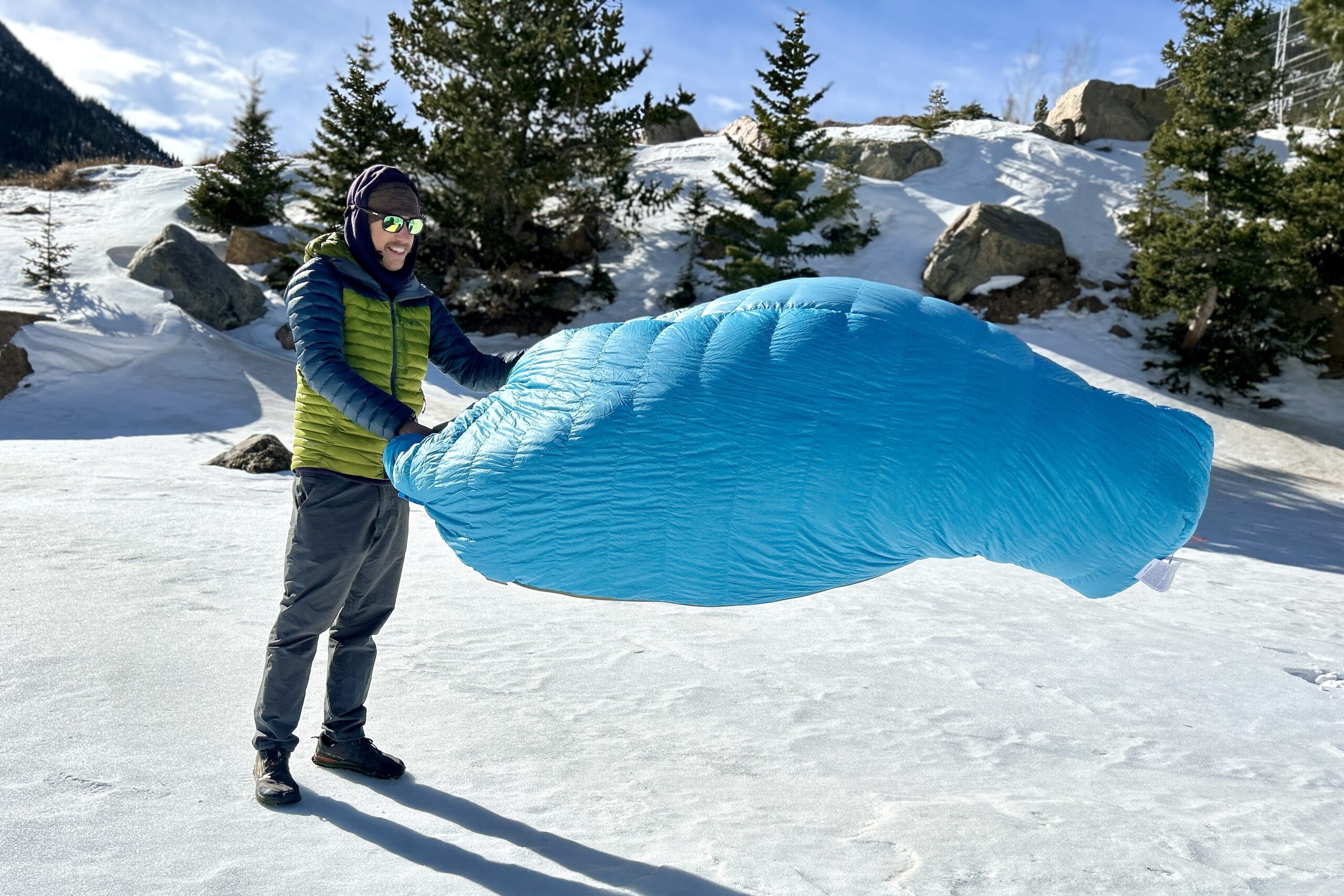
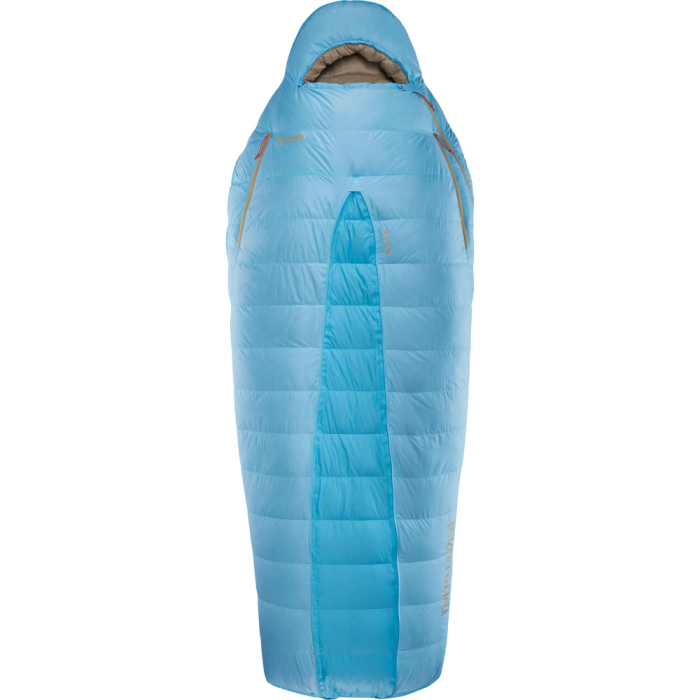
The Therm-a-Rest Boost 650 is one of the most adjustable sleeping bags we’ve used. Ian Krammer tested it on more than two dozen nights in the Colorado Rockies and especially appreciated its center expansion zipper and twin armhole vents, which let active sleepers alter the fit or reach outside without opening the whole bag. At 2 lb. 11 oz., its 650-fill down also makes it portable for occasional backpacking.
The drawbacks are its many zipper tracks and modest cold-weather performance. Ian needed extensive layers on a 27°F night despite using two highly insulated pads, so we recommend the Boost mainly above 40°F rather than trusting its nominal 20°F rating. For cooler conditions and simpler handling, consider the Cosmic or Bishop Pass. See our best camping sleeping bags lineup.
How We Tested
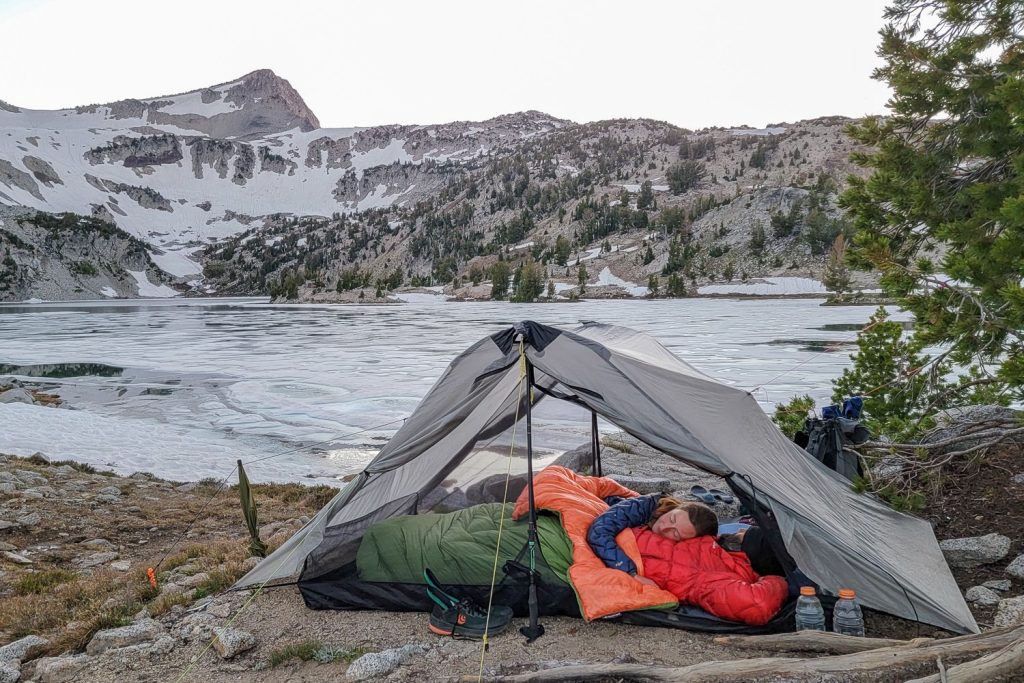
We used the Boost 650 over more than two dozen nights while car camping and backpacking in the Colorado Rockies through summer and fall. A particularly revealing test involved sleeping on a frozen lake at 27°F with two high-R-value pads, when he still needed multiple clothing layers. He also tested the expansion zipper, armhole vents, hood, stash pocket, and packed size across different sleeping positions.
Quick Specs
Therm-a-Rest Boost 650
Best Sleeping Bag for Features & Adjustability
CleverHiker Rating: 4.7/5.0
Price: $340
Temperature Rating: 20°F
Weight: 2 lb. 11 oz.(Regular)
Fill Type: 650-fill down
Pros
- Expands from mummy to rectangular fit
- Dual armhole vents
- Relatively light and packable
- Inclusive sizing options
- Compression and mesh storage sacks included
Cons
- Numerous zippers are confusing in the dark
- Shallow hood
- Cold-weather comfort falls short of 20°F label
- Down requires special care
- Higher cost than simpler alternatives


Comfort
The center expansion zipper is the Boost’s most distinctive comfort feature. Closed, it retains a relatively heat-efficient mummy outline; opened, it becomes much roomier through the torso and hips. Ian shifts between his stomach, back, and side overnight, and appreciated being able to make that change without replacing the bag. Short, regular, and long sizes each come in wider fits too.
Two zippered openings on top serve as vents and armholes, allowing you to read, reach a phone, or adjust a pad without uncovering your entire torso. That feature makes the Boost especially useful on long campground mornings. The tradeoff is zipper confusion: after nighttime bathroom breaks, Ian sometimes grabbed the expansion or vent zipper instead of the main opening. Even expanded, it still isn’t as roomy as a purpose-built rectangular bag.
Comfort Score: 4.7 / 5.0

Warmth
Our field experience puts the Boost’s practical comfort closer to 40°F and warmer than its nominal 20°F label. Ian tested it on a frozen lake at 27°F with two highly insulated pads and still needed base layers, midlayers, and a puffy jacket. The many openings permit extra airflow, but also create more places for warmth to escape even with draft tubes in place.
The main zipper reaches the footbox for easy ventilation, and the central expansion allows a tighter or looser fit. The shallow mummy hood is less reassuring in serious cold, so a longer size may be worth considering if hood room is limited. Choose this bag for roughly 40–65°F trips with variable conditions, not for consistently freezing nights.
Warmth Score: 4.5 / 5.0

Packed Size
For all the zippers and hardware, the Boost remains impressively portable. Our regular test bag weighed 2 lb. 11 oz. and measured roughly 20 by 7.5 inches in its included stuff sack. It takes much less room than many synthetic campground bags, making it a legitimate car-camping and short-backpacking crossover.
Therm-a-Rest includes both a compression sack for travel and a separate mesh storage bag to preserve loft at home. That second bag matters because the 650-fill down should not be stored tightly compressed for months. Down also demands more careful washing and drying than synthetic insulation, a worthwhile tradeoff for people who regularly need packability.
Packed Size Score: 4.7 / 5.0

Features
Beyond the expansion zipper, the Boost’s dual top zippers can vent excess heat or free your arms while the torso remains inside the insulation. The full-length side zipper reaches the footbox, while long pulls and a snap closure at the upper end improve handling. An unusually large internal pocket can hold a phone and headlamp together.
The bag sometimes crosses the line between clever and overly complicated. Different zipper tracks are easy to confuse in darkness, and the absence of zipper plows means fabric may catch. The oversized stash pocket also lacks a closure, so small objects can escape when an active sleeper rolls over. These irritations are worth accepting only if the versatility is something you’ll use.
Features Score: 5.0 / 5.0

Should You Buy the Therm-a-Rest Boost 650?
The Boost 650 is for campers who genuinely want a single down bag to serve different sleeping positions and activities. The expandable body, armholes, large pocket, inclusive sizing, and compact bundle are meaningful advantages for someone who moves between a car campsite and a moderate backpacking trip. Its 2 lb. 11 oz. weight is a respectable price to pay for that flexibility.
Skip it if you need reliable comfort near freezing, prefer a simple zipper arrangement, or want the best value for occasional summer nights. In our 27°F field test, extra clothing was necessary, and the shallow hood limits cold-weather confidence. The Kelty Cosmic Down 20 is a simpler, less costly down choice; the Mountain Hardwear Bishop Pass 15 better suits colder backpacking.

What Other Camping Sleeping Bags Should You Consider?
Kelty Cosmic Down 20 Review: The Cosmic trades the Boost’s convertible fit and armhole vents for a simpler, narrow down mummy at a much lower price. Its insulation kept us warm near 30°F, while Boost testing suggests comfort closer to 40°F and warmer. Choose it for value on cooler backpacking nights, not for lounging freedom.
Mountain Hardwear Bishop Pass 15 Review: A stronger cold-weather backpacking choice, the Bishop Pass emphasizes a snug mummy fit, effective hood and collar, and lower carry weight instead of the Boost’s multiple ventilation openings. It’s a better bet for longer trail miles, though less adaptable for relaxed warm-weather camping.