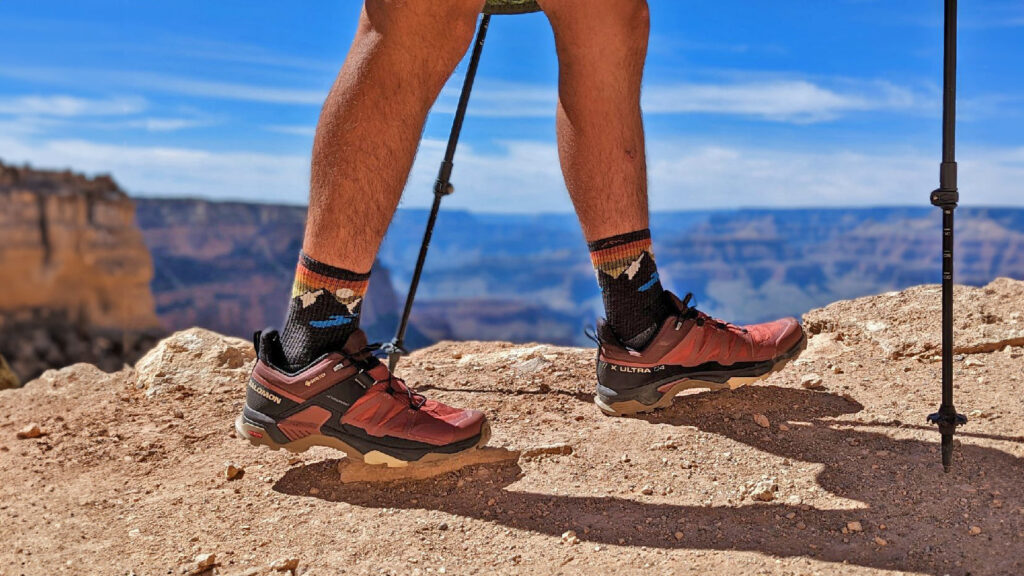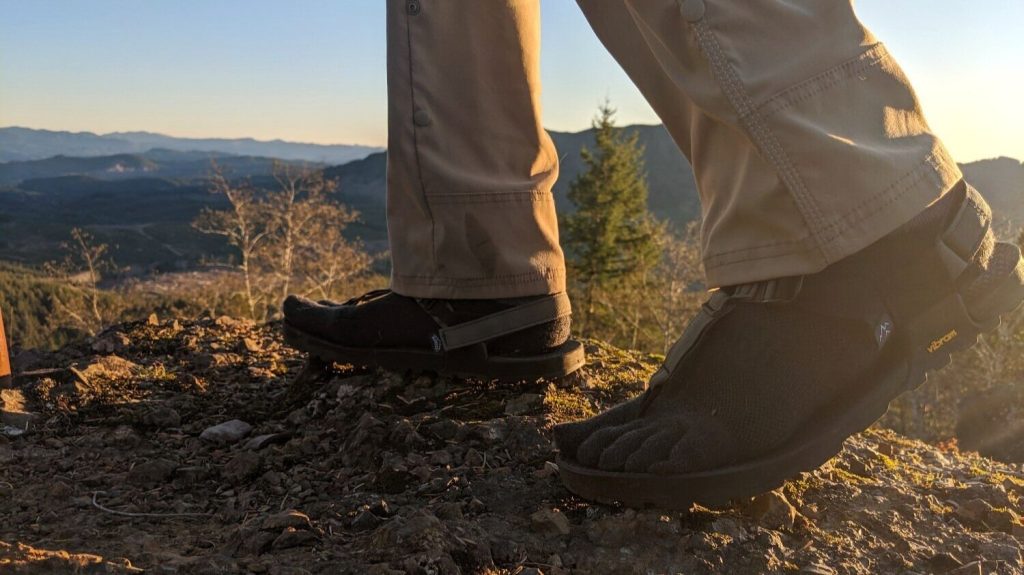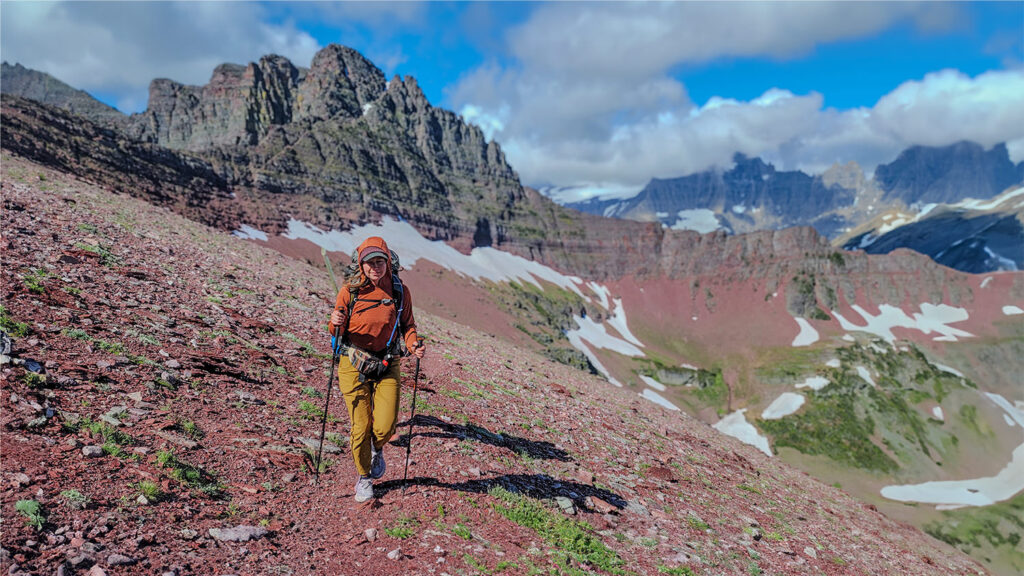



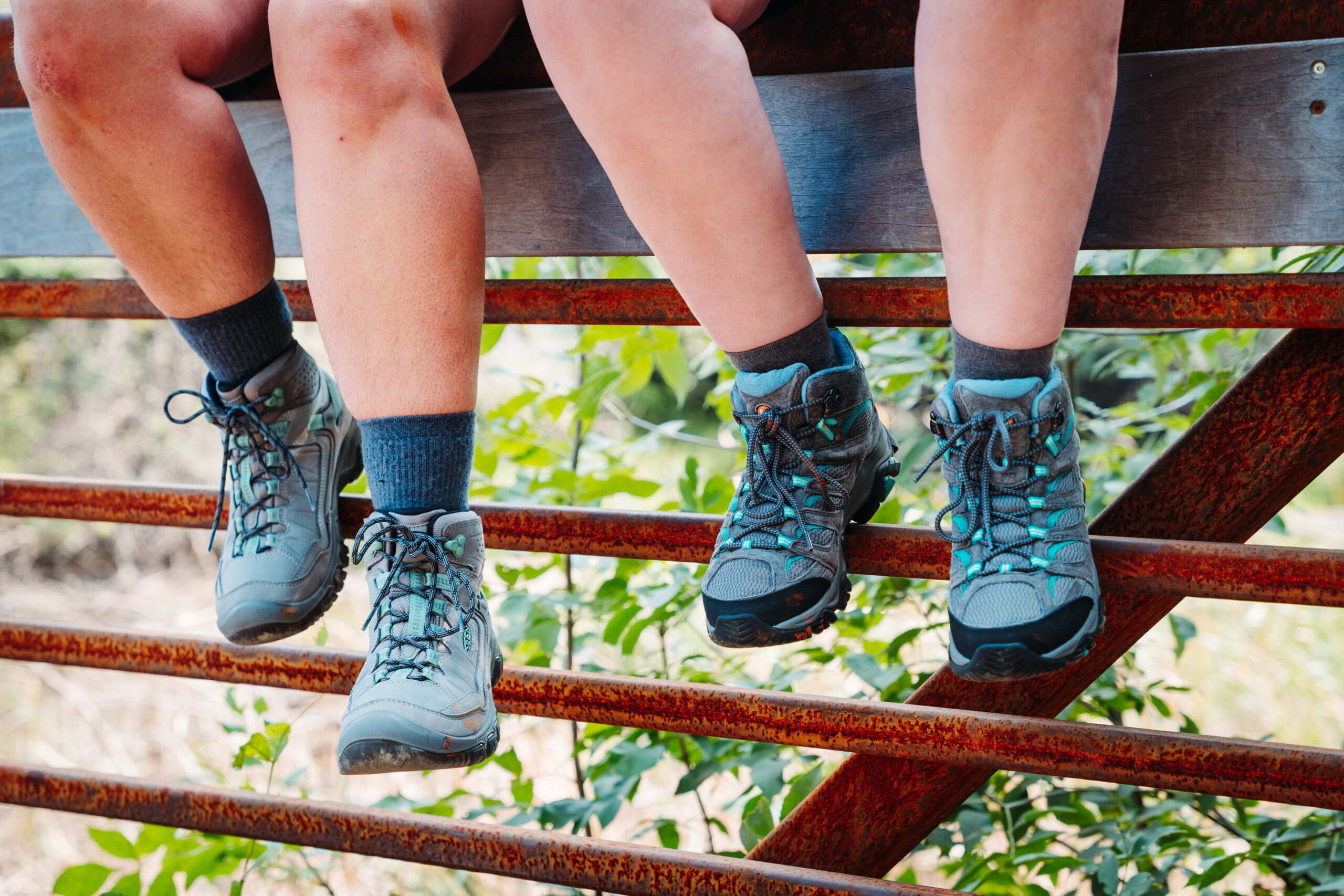
We’ve been testing women’s hiking boots for over 10 years, putting more than 40 designs through their paces on countless day hikes, multi-day treks, and big-mountain objectives. This year, our list includes the top 14 models currently available, from brands like LOWA, Merrell, Salomon, La Sportiva, Topo Athletic, Oboz, and KEEN.
Editor’s Note: We updated this guide on May 8, 2026, to add two boots to our list – La Sportiva TX Hike Leather and Danner Mountain 600 Leaf – with new insights on long-term wearability, and update pricing.
How We Test Women’s Hiking Boots
Collectively, we’ve hiked more than 2,000 days in boots of all shapes and sizes. We’ve summited high peaks in Colorado, traversed icy ridges in Oregon, logged miles in the Cascade Mountains of Washington, and traveled off-trail in Arizona to craft our expert boot reviews.
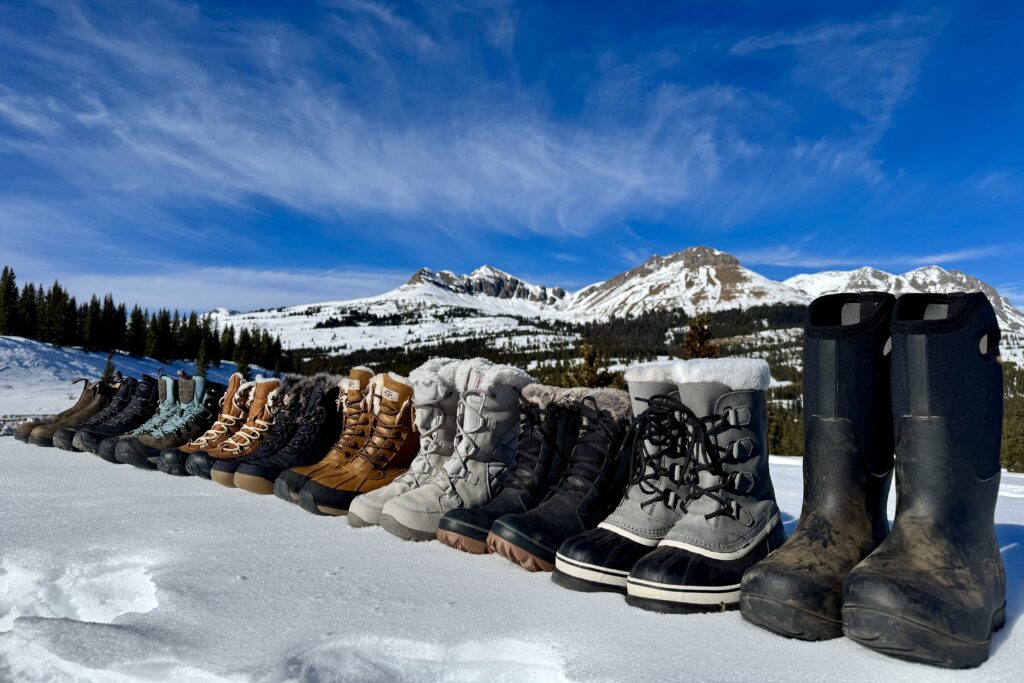
If you’re heading out in the snow, we’ve got a list of winter boots that excel for snowshoeing, icy terrain, and snow-packed trails. No matter which type of footwear you’re after, pair your new kicks with high-quality socks to keep your feet happy.
And for more info, check out some of our other popular gear guides:

#1. Best Hiking Boots for Women Overall
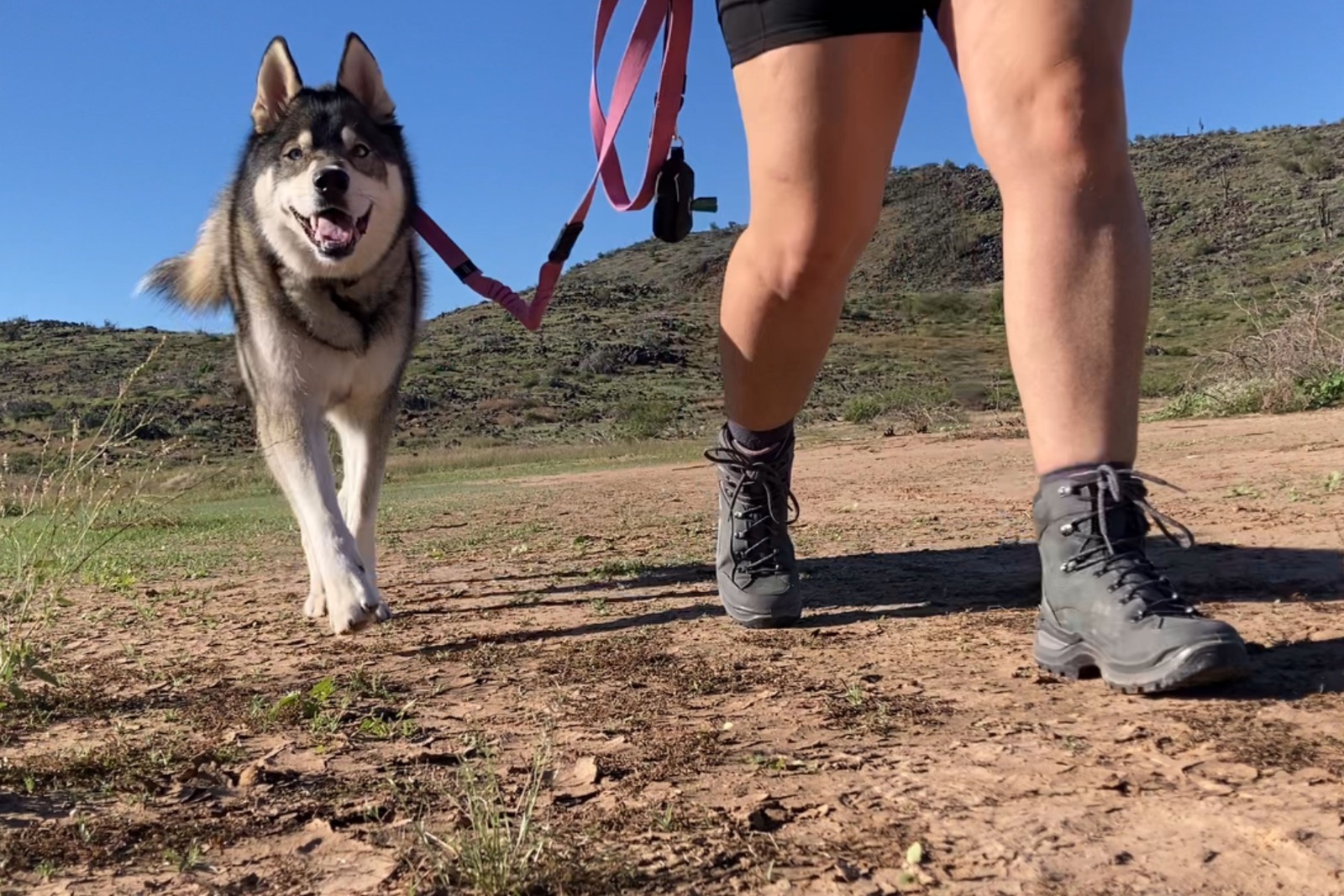
The Women’s LOWA Renegade EVO GTX Mid remains our top pick because it delivers everything we want in a boot without being clunky or unresponsive. We’ve put countless miles on the original Renegade as well as the latest EVO version, and we consider the EVO the best iteration yet.
Quick Picks for Women’s Hiking Boots
Check out this quick list of our favorites if you’re in a hurry, or continue scrolling to see our full list with in-depth reviews.
1. Best Hiking Boots for Women Overall: LOWA Renegade EVO GTX Mid ($280)
2. Best Balance of Weight & Durability: La Sportiva Nucleo High II GTX ($259)
3. Supportive Hiking Boots Built to Last: Salomon Quest 4 GTX ($230)
4. Best Lightweight Hiking Boots: Salomon X Ultra 5 Mid GTX ($190)
5. Best Boots for Great Traction: La Sportiva TX Hike Mid Leather GTX ($219)
6. Most Supportive Hiking Boots: Oboz Bridger Mid WP ($220)
7. Best Wide Fit: KEEN Targhee IV WP ($180)
8. Most Waterproof Hiking Boots: Danner Mountain 600 Leaf GTX ($250)
9. Comfortable Choice for Lightweight Backpackers: Topo Trailventure 2 WP ($185)
10. Best Entry-Level Hiking Boots: Columbia Newton Ridge Plus WP Amped ($110)
11. Best Budget Hiking Boots: Merrell Moab 3 Mid WP ($170)
12. Ultralight Hiking Boots With a Wide Toe Box: Altra Lone Peak 9 WP Mid ($190)
13. Best for Fastpacking: Oboz Katabatic LT Mid GTX ($210)
14. Best for Day Hiking: KEEN Zionic Mid Waterproof ($170)
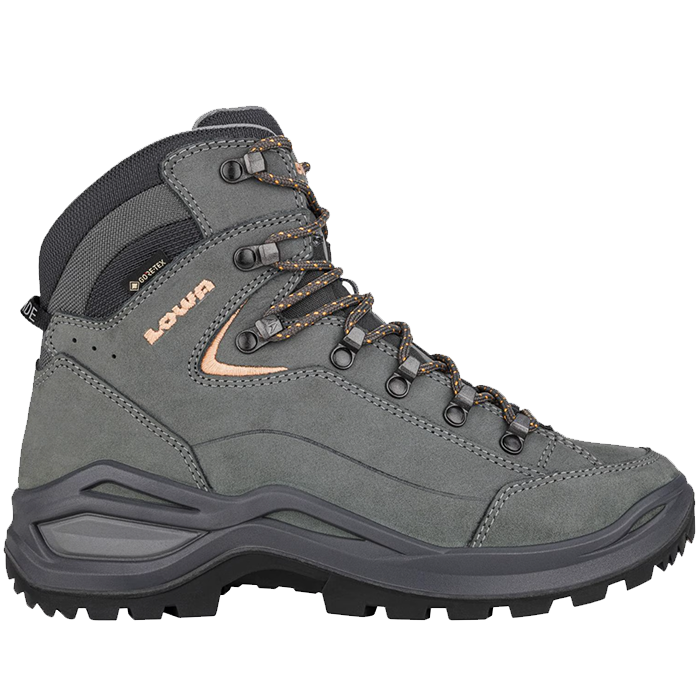
Women’s LOWA Renegade EVO GTX Mid
Best Hiking Boots for Women Overall
CleverHiker Rating: 4.8/5.0
Price: $280
Weight (Pair): 2 lb. 2.2 oz.
Upper Material: Nubuck leather/GTX membrane
Pros
- Slightly lighter than the original Renegade
- Women's-specific design
- Improved durability
- More comfortable than the original Renegade
- Wide and narrow sizes available
Cons
- Price
- Heavier than some
The LOWA Renegade EVO GTX Mid builds on the legendary design of the classic Renegade. On the surface, there are very few updates, but LOWA has refined comfort and stability to improve on the global bestseller (and our top-performing hiking boot). This latest version is a few ounces lighter and has a more ergonomic fit, enhancing comfort on the trail. Despite these updates, they have maintained the same reliability for long days out.
Right out of the box, the EVO feels noticeably more comfortable than the original and has no stiff break-in period. The new design uses fewer seams, giving the boot a cleaner look and removing several pressure points and potential wear areas from the previous version.
Waterproofing remains excellent due to a GORE-TEX lining and high-quality Heinen Terracare nubuck leather upper. These boots have no problem keeping feet dry, even when trudging through mud and shallow streams. Though the waterproofing is hard to beat, the breathability has not improved. In our experience, these boots are best suited for cooler, wetter climates rather than hot, dry environments.
The ankle support feels dialed in, and there weren’t many changes to it, but the women’s-specific version is only available in a medium, streamlined fit that works best for narrower feet. At $280, the Renegade EVO GTX Mid sits at a premium price point, but with recent improvements and reliable durability, we think it’s worth the investment. After all, the EVO seems to take everything great about the original Renegade and make it just a little better.
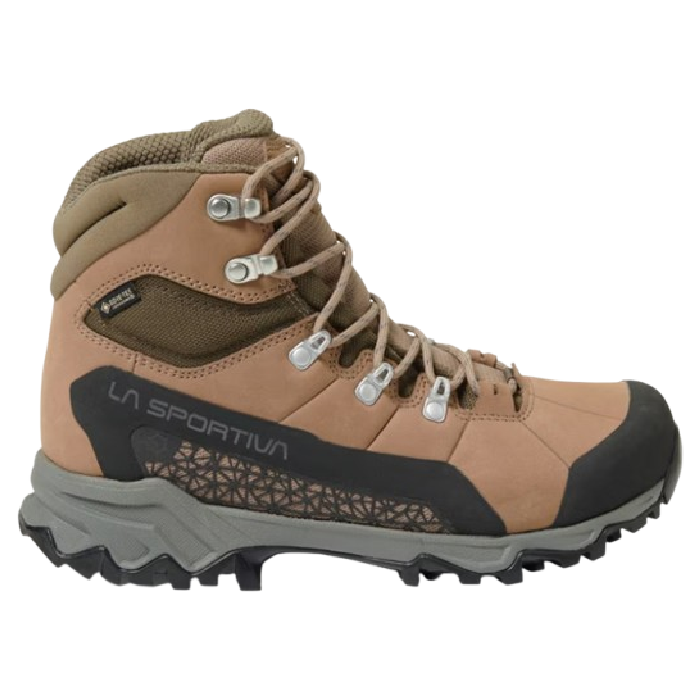
Women’s La Sportiva Nucleo High II GTX
Best Balance of Weight & Durability
CleverHiker Rating: 4.7/5.0
Price: $259
Weight (Pair): 1 lb. 10.8 oz.
Upper Material: Nubuck leather/GTX SURROUND membrane
Pros
- Lightweight but rugged
- Breathable for a waterproof boot
- Good ankle support
- Above-average durability
- Excellent traction
- Stylish
- Good for lightweight backpacking
- Protective toe cap
- Wide sizes available
Cons
- Expensive
- Requires some break-in
- Stiff
The La Sportiva Nucleo High II GTX boots are exceptionally lightweight for how durable they are, and they’re decently breathable for waterproof boots. These stylish hikers are more comfortable than most other boots that offer a similar level of support, so they’re an awesome choice for lightweight backpackers and day hikers putting up big-mileage days.
The high collar of the Nucleos provides ample ankle support, yet it still offers more flex than support-focused models. Hikers with a pack weight under 35 pounds will likely enjoy the Nucleos’ more streamlined build.
The upper and soles of the Nucleos are somewhat stiff, so you’ll need to break them in before they’re at peak comfort, and you may want to add aftermarket insoles if you prefer a soft, cushioned feeling underfoot. But overall, we find the Nucleos extremely comfortable and highly recommend this modern take on traditional hiking boots for any hiker needing solid support at a low weight.
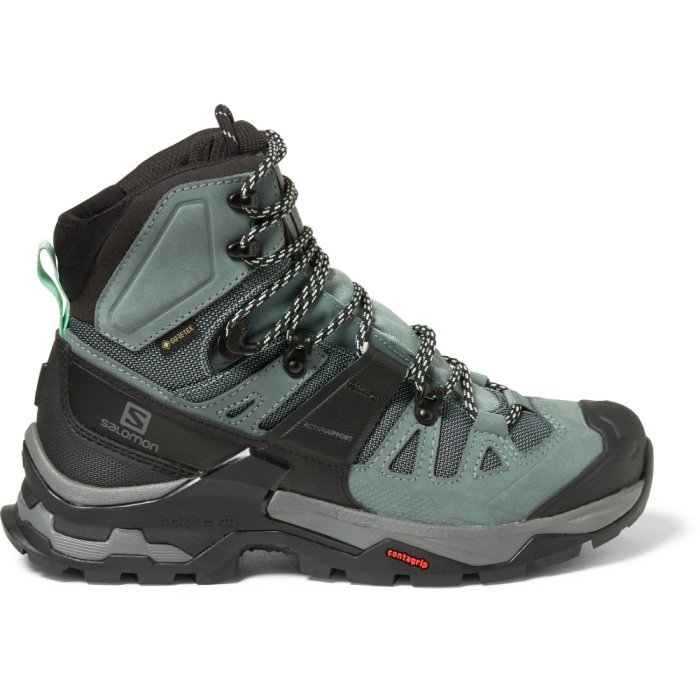
Women’s Salomon Quest 4 GTX
Supportive Hiking Boots Built to Last
CleverHiker Rating: 4.6/5.0
Price: $230
Weight (Pair): 2 lb. 5.7 oz.
Upper Material: Leather/textile/GTX membrane
Pros
- Excellent ankle support
- Above-average durability
- Exceptional traction
- Supportive soles
- Good for backpacking with a heavier load
- Protective toe cap
Cons
- Expensive
- On the heavy side
- Requires some break-in
The Salomon Quest 4 GTX is an expedition boot designed for long excursions and brutal conditions. They offer some of the most robust ankle support of any hiking boot on our list, with a focus on lateral support desired by hikers and backpackers seeking maximum stability. Their durable materials and aggressive traction will keep you moving confidently on the most rugged terrain.
These boots are on the heavier side, but that can be a benefit if you tend to hike with a backpack that’s over 40 pounds. Burlier hiking boots like the Quest won’t lose their support under a heavy load like lightweight footwear does. And they still feel nimbler than the more traditional boots on our list thanks to their well-balanced design.
The Quests come at a high price, but we think they’re worth the cost. You’ll be getting a solid pair of hiking boots that will remain comfortable and supportive over several seasons of hiking.
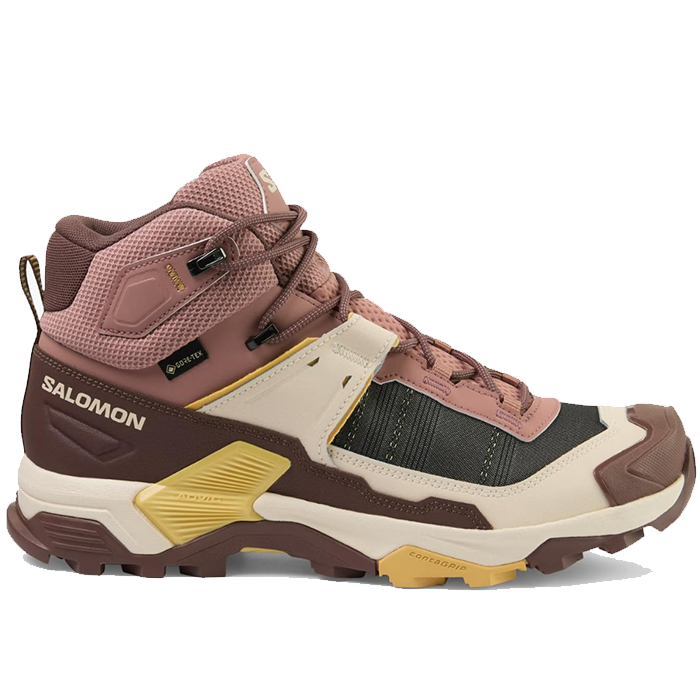
Women’s Salomon X Ultra 5 Mid GTX
Best Lightweight Hiking Boots
CleverHiker Rating: 4.5/5.0
Price: $190
Weight (Pair): 1 lb. 12 oz.
Upper Material: Synthetic/textile/GTX membrane
Pros
- Light and nimble feel
- No break-in needed
- Exceptional traction
- Very durable for the weight
- Good for lightweight backpacking
Cons
- Less ankle support than some
- Materials make a slight noise as you hike
The Salomon X Ultra 5 Mid GTX maintains the lightweight agility and comfort that made the X Ultra 4 a popular choice for fast-moving hikers while adding small enhancements for better control and protection. Designed with a trail runner-inspired fit, these boots feel quick and natural on your feet, making them ideal for day hikes or light overnights where speed and comfort are important.
Although the X Ultra 5s are lightweight, they still feel very stable on technical, rocky terrain. When hiking on steep inclines with loose rock or dirt, the traction grips well without feeling clunky or overbuilt. They’re great for scrambling and descending when you want a tighter fit and a strong grip. The fit is snug and streamlined, and it fits narrow to medium-width feet best. The snug fit is improved by the traditional lacing system, allowing you to fine-tune tension across the instep.
The updated upper is made with lightweight Matryx fabric reinforced with Kevlar, which adds structure and abrasion resistance, though it can make a faint “crinkling” noise when walking. Though we haven’t seen early wear in testing, the thinner outsole rubber might not last as long on rough, rocky terrain, especially if you are an avid hiker.
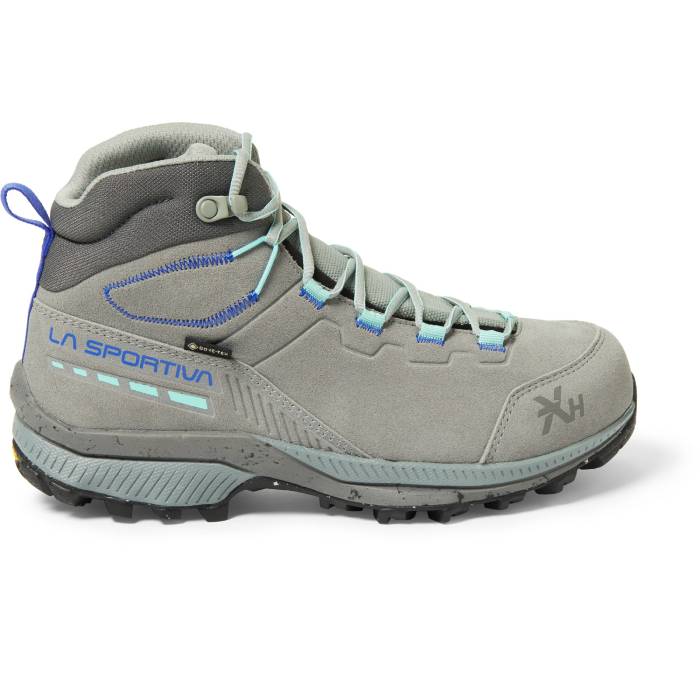
Women’s La Sportiva TX Hike Mid Leather GTX
Best Boots for Great Traction
CleverHiker Rating: 4.3/5.0
Price: $219
Weight (Pair): 1 lb. 12.4 oz.
Upper Material: Roughout leather/GTX membrane
Pros
- Excellent traction (Vibram outsole)
- Reliable waterproofing
- Lightweight for a boot
- Spacious toe box
- Comfortable for long hikes
- Durable leather upper
- Great in mud and snow
Cons
- Limited breathability in hot weather
- Flexible collar sacrifices some support
- Fabric eyelets may fray over time
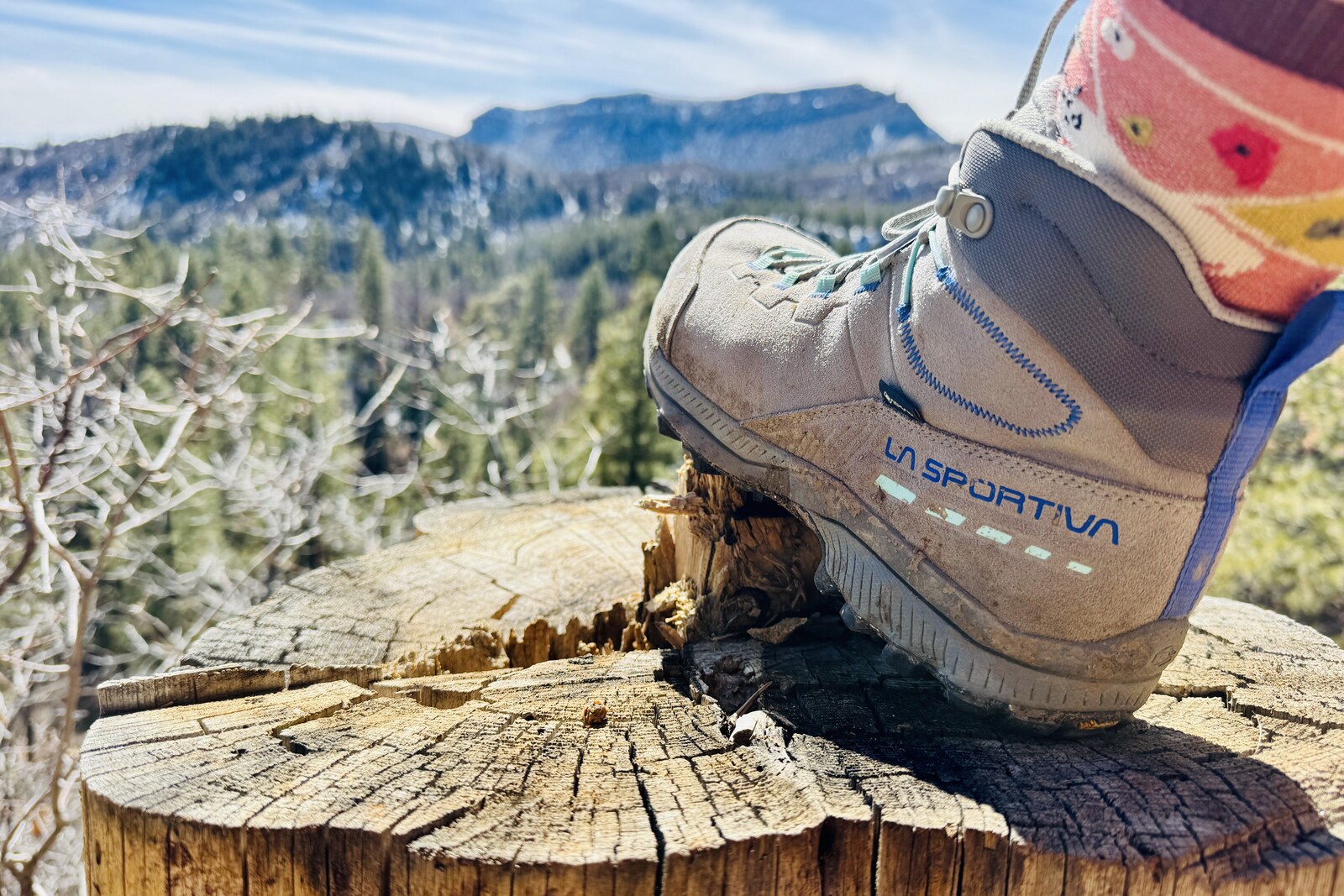
The La Sportiva TX Hike Mid Leather GTX boots are a standout choice for hikers who want a lightweight, comfortable boot with excellent traction and waterproofing for variable trail conditions. They strike an impressive balance between the agility of a trail runner and the protection of a traditional hiking boot, making them a versatile option for a wide range of trips.
Traction and weather resistance are where the TX Hike Leather boots truly excel. We put them through muddy trails, snow patches, and creek crossings around Durango, Colorado, and consistently came away impressed. The Vibram outsole provided confident grip on steep descents and uneven terrain, while the leather uppers and Gore-Tex membrane kept our feet completely dry – even when fully submerged. For hikers who frequently encounter wet or unpredictable conditions, these boots deliver reliable performance.
Comfort is another major highlight, especially for those who prefer a roomier fit. The wide toe box allows feet to spread naturally, which made a noticeable difference on longer hikes. Combined with a relatively lightweight feel, the TX Hike Leather boots were easy to wear for full days on trail. That said, the stiffer sole can feel less forgiving on hard surfaces like pavement, which is fairly typical for boots in this category.
There are a few trade-offs to consider, but they won’t be dealbreakers for most users. The flexible collar prioritizes comfort over maximum ankle support, so those carrying heavy packs or needing extra stability may want a more supportive option. Additionally, the strong waterproofing limits breathability, leading to warmer feet in hot conditions.
Overall, the TX Hike Mid Leather GTX is best for hikers who want dependable traction and waterproof protection in a lighter, more comfortable package.
More: Women’s La Sportiva TX Hike Mid Leather GTX Full Review
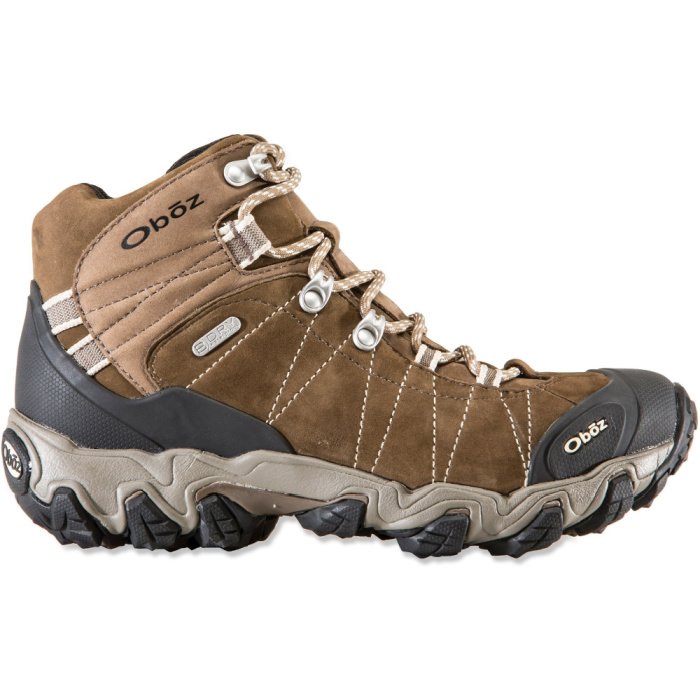
Women’s Oboz Bridger Mid WP
Most Supportive Hiking Boots
CleverHiker Rating: 4.2/5.0
Price: $220
Weight (Pair): 2 lb. 5.4 oz.
Upper Material: Nubuck leather/B-DRY membrane
Pros
- High level of support
- Excellent traction
- Exceptional durability
- Stout toe cap
- Wide sizes available
Cons
- On the heavy side
- Stiff
- Requires a longer break-in period
- Cuff height can feel restrictive
With their premium insoles and multidirectional traction pattern, the Oboz Bridger Mid WP boots are designed to be extremely supportive and versatile. The deep lugs on the soles extend over the sides to provide grip no matter what angle your foot strikes the ground.
The stiff construction of the Bridgers requires a bit of break-in, but these boots make up for it in long-term durability. Even after breaking in, they’re stiffer than many other boots on this list, but we see this as a good thing if you’re looking for extra support and stability. The sturdy nylon shank and plastic forefoot plate help prevent shaky footing and ankle rolls.
Though these boots are overkill for many hikers, those who need a dependable and supportive option for backpacking with a heavier pack or for challenging day hikes over rough trails will appreciate the sturdy build of the Bridgers.
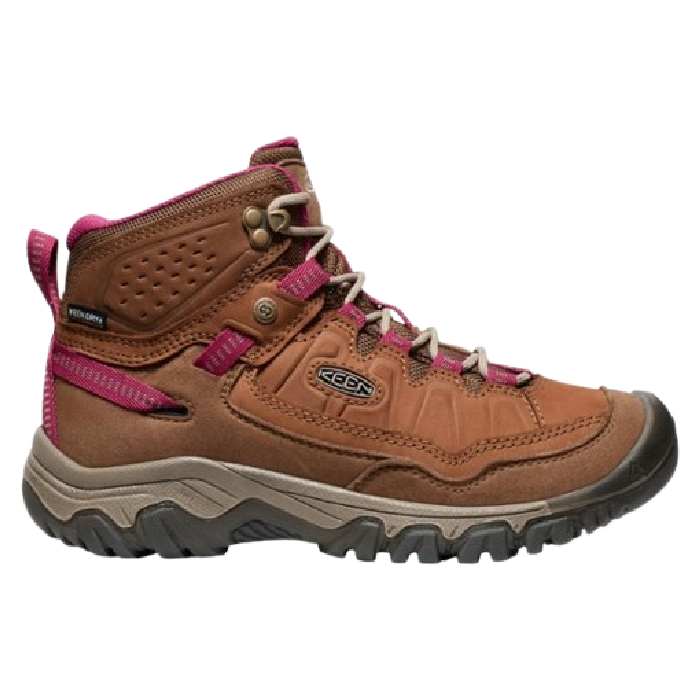
Women’s KEEN Targhee IV WP
Best Wide Fit
CleverHiker Rating: 4.1/5.0
Price: $180
Weight (Pair): 2 lb. 1.2 oz.
Upper Material: Nubuck leather/KEEN.DRY membrane
Pros
- Relatively affordable
- Wide fit
- Excellent traction
- Very little break-in required
- Beefy toe cap
- Band at the heel helps dial in fit
- Wide sizes available
Cons
- Less supportive at the ankle than some
- Not the most effective waterproofing
If you like a boot with a little extra wiggle room in the toes, the KEEN Targhee IV WP may be just the right fit. They’re designed with an extra-wide toe box – dedicated wide sizes are also available – and require very little break-in to achieve a comfy all-day fit.
The lacing system on the Targhees includes a unique band that attaches behind the heel to give a secure, locked-in feeling that helps with stability on uneven terrain. And the varied lug pattern on the sole provides superb traction on a variety of trail types.
Those who like a lot of ankle support will probably find these boots to be a bit less protective than some of the others on this list, but we rank them as a good balance between support and flexibility. Overall, hikers looking for a wide-fitting boot at a great price should keep the Targhees at the top of their list.
These boots used to have issues with the sole starting to delaminate or the leather uppers cracking and peeling. However, they now feature KEEN.FUSION technology, which uses a glue-free molding process to bond the top and bottom portions of the boot, boosting long-term durability. Plus, they’re backed by a lifetime guarantee against delamination and passed KEEN’s rigorous testing, showing no breakdown after 1,000 miles of use.
To extend the life of your boots, always give them time to dry properly before storing them, and don’t let them sit in direct sunlight for prolonged periods.
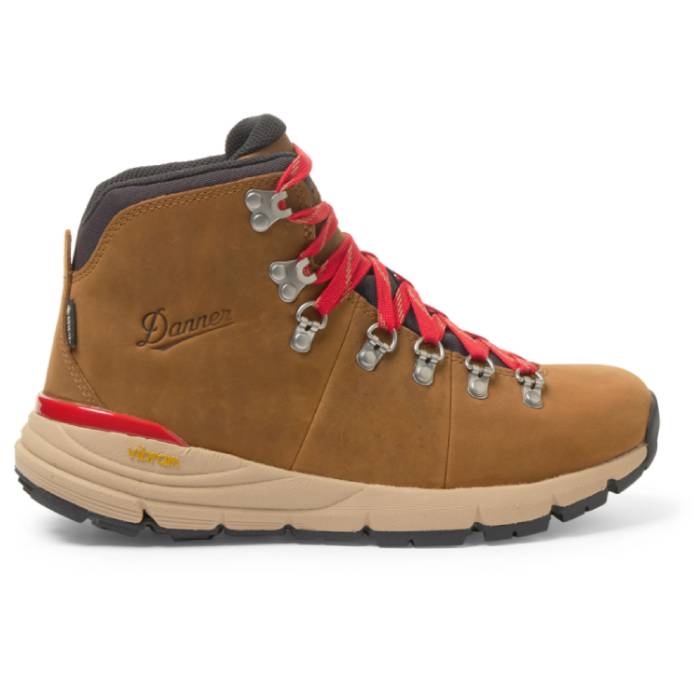
Women’s Danner Mountain 600 Leaf GTX
Most Waterproof Hiking Boots
CleverHiker Rating: 4.1/5.0
Price: $250
Weight (Pair): 2 lb. 4 oz.
Upper Material: Full-grain leather/GTX membrane
Pros
- Exceptional waterproofing
- Highly durable leather build
- Strong Vibram traction
- Great for rugged terrain
- Secure ankle support
- Wide range of sizes available
- Resists snags and abrasion
Cons
- Long break-in period
- Heavy on long hikes
- Runs hot in warm weather
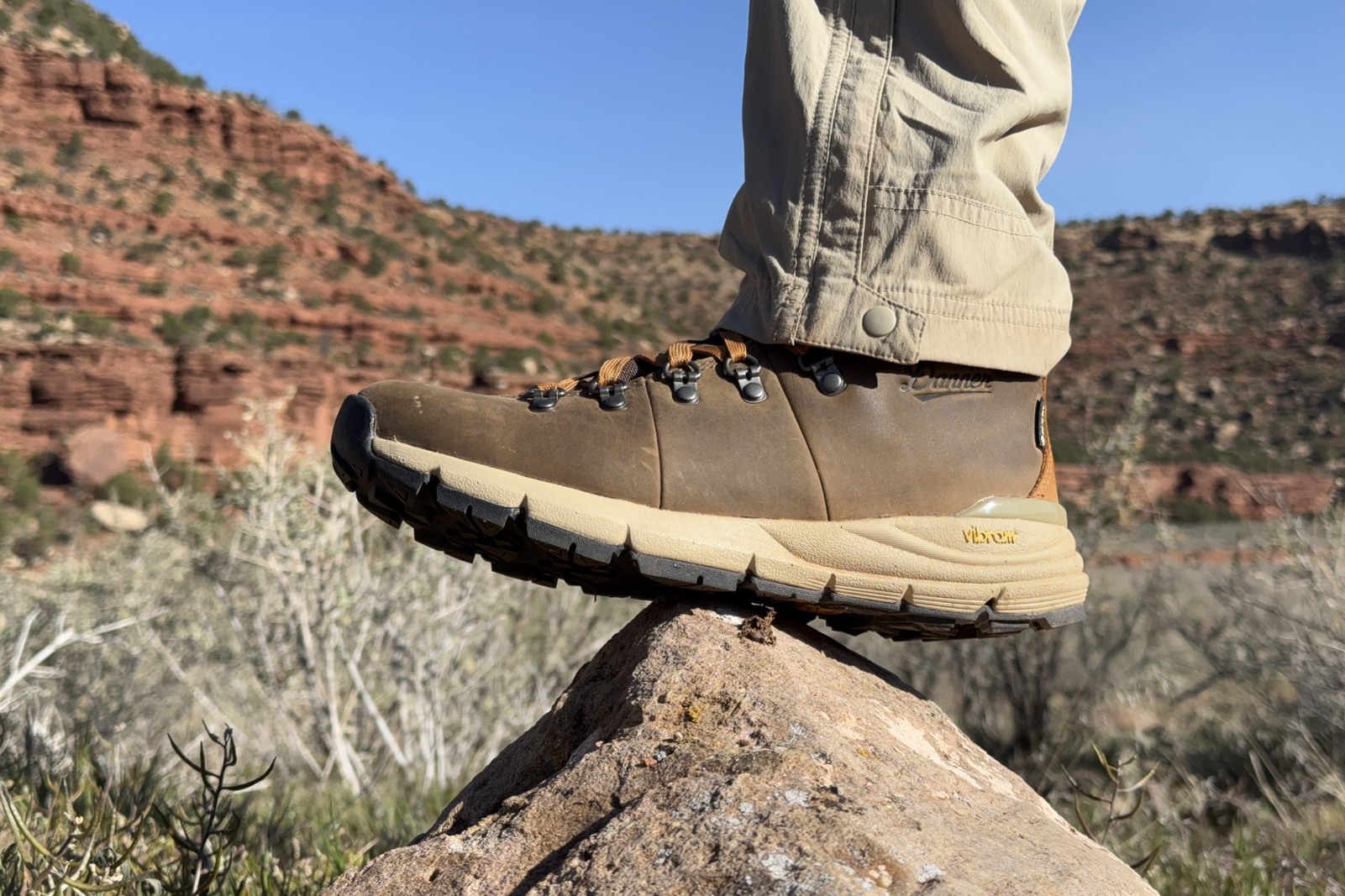
The Danner Mountain 600 Leaf GTX boots are a rugged, highly waterproof option that excels in wet, demanding conditions where durability matters most. They stood out in our testing as a dependable choice for hikers who prioritize protection and longevity over lightweight performance.
Durability and weather protection are the defining strengths of the Mountain 600 Leaf. During testing in southeastern Utah, we confidently hiked through streams and rough terrain without worrying about wet feet or damaged boots. The full-grain leather upper paired with a GORE-TEX lining provides excellent waterproofing, while the Vibram outsole delivers reliable traction on steep, rocky surfaces. These boots feel tough and capable, holding up well to abrasion from rocks and brush with minimal signs of wear.
Support and stability are also solid, especially for uneven terrain and moderate loads. The mid-height collar offers a good balance of structure and flexibility, keeping the ankle secure without feeling overly restrictive. We found them comfortable around the ankle even over longer miles, and they performed well on off-trail sections and rocky descents where added support is appreciated.
There are a few trade-offs, but they’re consistent with this style of boot. The full-leather construction leads to a longer break-in period, and we noticed some discomfort toward the end of a 30-plus-mile trip when the boots weren’t fully broken in. They also run warm and are less breathable, making them better suited for mild or cool conditions than hot weather. Additionally, the heavier weight can contribute to fatigue on longer days.
Overall, the Mountain 600 Leaf GTX is best for hikers tackling wet, rugged environments who value durability and waterproof performance over weight savings.
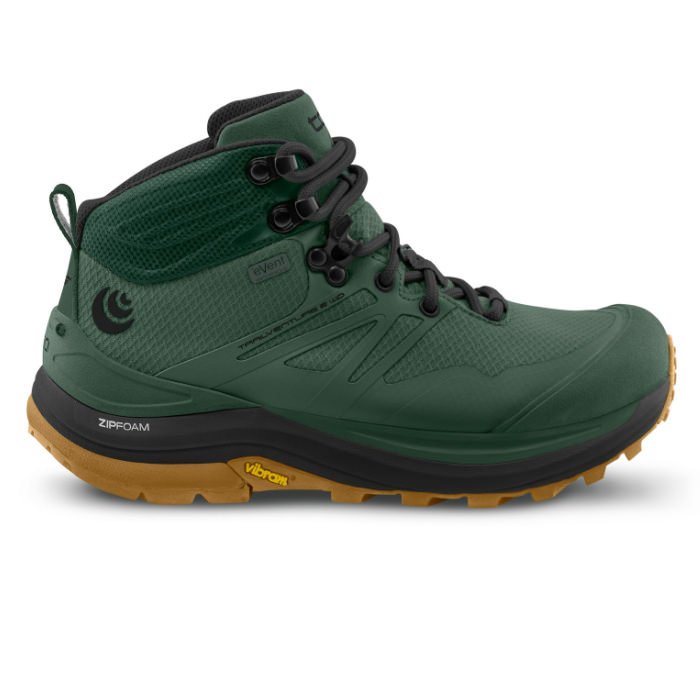
Women’s Topo Athletic Trailventure 2 WP
Comfortable Choice for Lightweight Backpackers
CleverHiker Rating: 4.1/5.0
Price: $185
Weight (Pair): 1 lb. 12.2 oz.
Upper Material: Mesh/eVent membrane
Pros
- Ultralight
- Affordable
- Wide toe box
- No break-in required
- Flexible
- Excellent traction
- Good for lightweight backpacking
Cons
- Less durable than some
- Not a standout in support
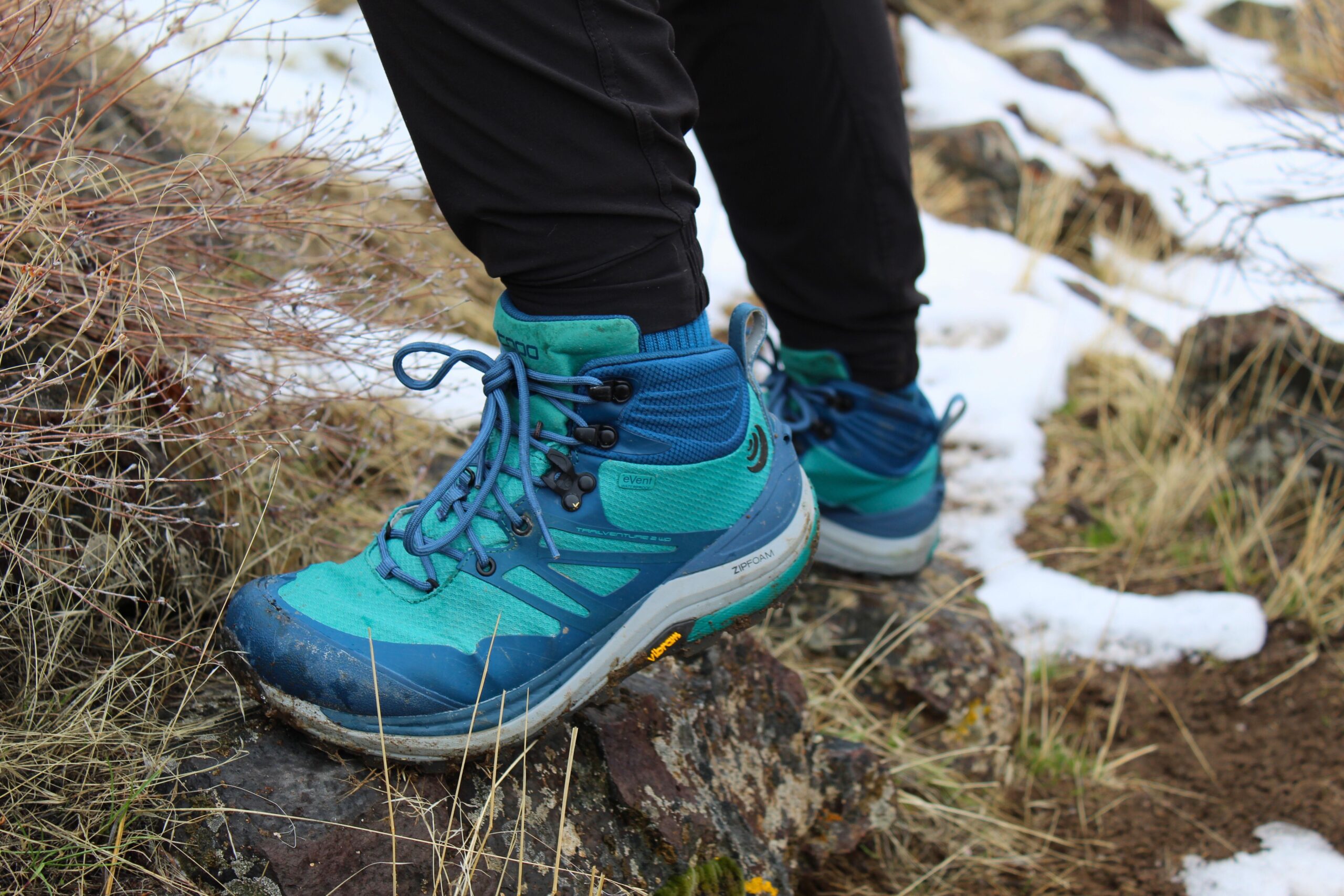
The Topo Athletic Trailventure 2 WP are some of the most comfortable boots we’ve ever tested. They have a wide toe box, which is excellent for anyone but especially those with wide feet, bunions, or susceptibility to toe blisters.
We love having space for our toes to spread naturally, and we like our shoes to be on the looser side rather than tight, so the Trailventures work well for even the most narrow-footed members of our team. That said, they may not be right for every foot shape. Our recommendation: Order them and try them on well in advance of any major trip. Chances are you’re going to love ‘em.
The Trailventures are also one of the lightest boots on our list, weighing less than a pound each. They don’t have the longevity of leather boots, but we think it’s well worth that trade-off to feel more agile on the trail. We’ve worn the Trailventures for everything from wet shoulder-season hikes to snowshoeing, and we’ve loved them every time.
The Trailventure 2 is similar to the popular Altra Lone Peak Hiker 3. Though less well known, the Trailventures are gaining traction in the industry. They’re a bit more cushioned in the sole and cuff and have a modest heel-to-toe drop (5mm vs. 0mm for the Altras). We give the Trailventures the slight edge because they’re less expensive, and they take less getting used to than a zero-drop shoe.
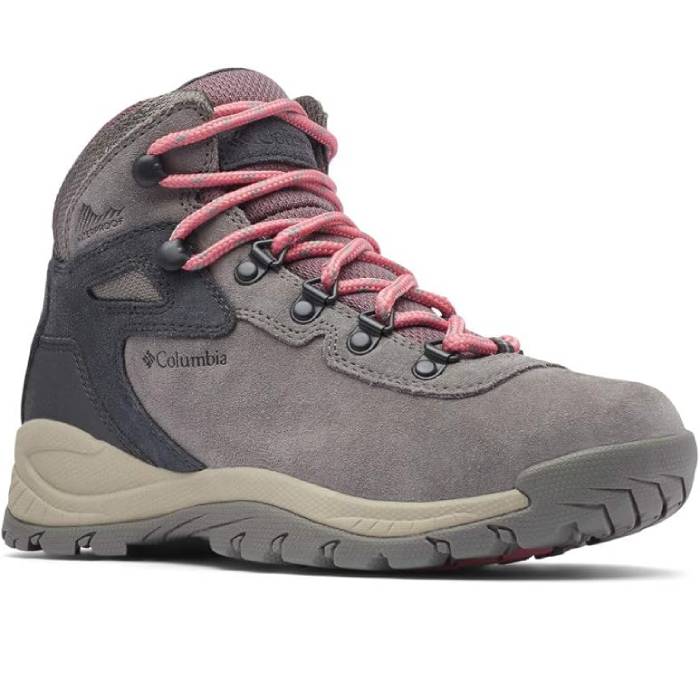
Women’s Columbia Newton Ridge Plus WP Amped
Best Entry-Level Hiking Boots
CleverHiker Rating: 4.0/5.0
Price: $110
Weight (Pair): 1 lb. 11.6 oz.
Upper Material: Full-grain leather/suede/Omni-Tech membrane
Pros
- Affordable
- Comfortable, classic feel
- Fits wider feet well
- Beginner friendly
- Durable materials
Cons
- Not very breathable
- Not the most supportive
The Columbia Newton Ridge Plus Waterproof Amped boots feature a timeless design at an affordable price. During testing, we found them comfortable right out of the box, eliminating the need for a lengthy break-in period. The combination of full-grain leather and suede offers a classic look while keeping feet dry with the waterproof membrane. For new hikers or those sticking to moderate trails, these boots provide a perfect balance of protection and value.
On the trail, the Techlite midsole offers plenty of cushioning and shock absorption, keeping feet comfortable on packed dirt and rocky paths alike. The Omni-Grip outsole provides solid traction on wet and dry surfaces and maintains a stable, consistent feel even when conditions change. Despite their durable construction, the boots stay fairly lightweight, and the roomy fit is ideal for wider feet or thicker hiking socks.
There are always trade-offs with budget boots, and in this case, the biggest one is breathability. On hot days or during long hikes, our feet felt warmer than we’d like, and the underfoot support seemed a bit flat compared to performance-focused models. Still, for casual hikers or anyone looking for a reliable, affordable leather boot, the Newton Ridge Plus Waterproof Amped remains a solid choice.
More: Women’s Columbia Newton Ridge Plus WP Amped Full Review

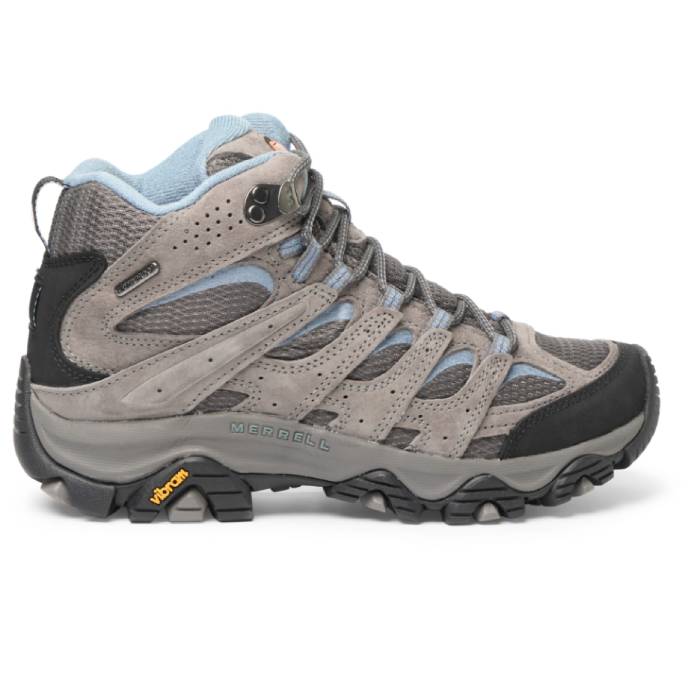
Women’s Merrell Moab 3 Mid Waterproof
Best Budget Hiking Boots
CleverHiker Rating: 4.0/5.0
Price: $170
Weight (Pair): 1 lb. 11.1 oz.
Upper Material: Pig suede leather/mesh/M-Select DRY membrane
Pros
- Affordable
- Very little break-in required
- Durable
- Breathable for a waterproof boot
- Good all-day comfort
- Protective toe cap
- Wide sizes available
Cons
- Not as supportive as some
- Bulkier than some
Don’t assume the low price of the Merrell Moab 3 Mid Waterproof boots means lower quality. These tried-and-true hiking boots have long been the top choice for budget-conscious hikers. They’re our top recommendation if you’re after a midweight boot for day hiking and everyday wear.
These shoes are comfortable, durable, and require very little break-in before they’re trail-ready. Thanks to the mesh panels in the uppers, they’re also more breathable than many other waterproof boots.
Just because they are a budget buy doesn’t mean they can’t hang. In fact, they’ve been great on bigger mountain objectives.
Not a technical boot design, the feel is a good mix between a hiking boot and a trail runner. One thing to note: They aren’t the most effective for water crossings, but they do well in rainy, muddy conditions.
Because they feel a little bulkier than some of our lightweight favorites, they aren’t our first choice for big-mileage days. But they’ll last a long time, and they’re some of our go-tos for day hikes and weekend trips when the weather and trail call for more protection than a low-top hiking shoe can offer.
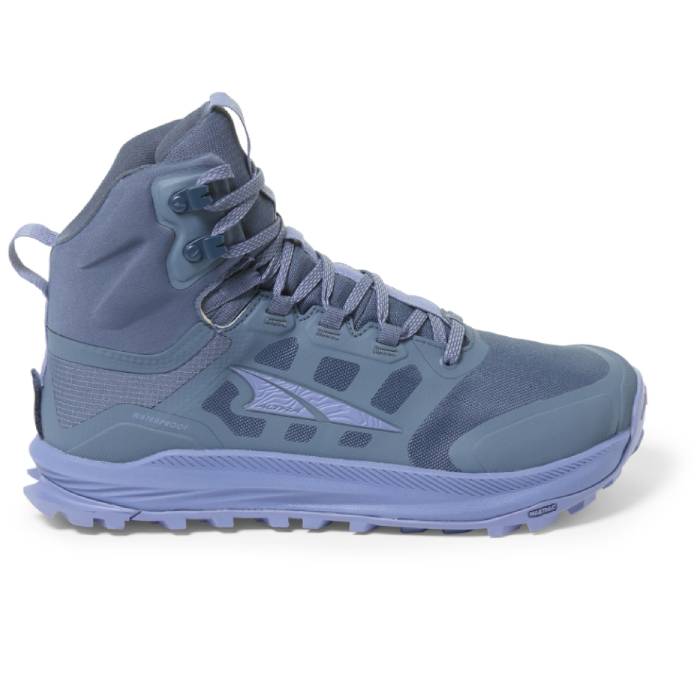
Women’s Altra Lone Peak 9 Waterproof Mid
Ultralight Hiking Boots with a Wide Toe Box
CleverHiker Rating: 3.9/5.0
Price: $190
Weight (Pair): 1 lb. 10.9 oz.
Upper Material: Polyester mesh/Hydroguard membrane
Pros
- Ultralight
- Wide toe box
- Very breathable for a waterproof boot
- No break-in required
- Good for lightweight backpacking
Cons
- Less durable than most
- Not very supportive
The Altra Lone Peak 9 Waterproof Mid boots are much lighter and lower-profile than traditional boots, so they’re perfect for hikers and backpackers who want the extra waterproofing of a boot without the stiffness and burly support.
The waterproof layer is a Hydroguard membrane, which is noticeably more breathable than the more common GORE-TEX linings but not quite as durable. That said, we find the flexibility and low weight of the Lone Peaks to be well worth that trade-off when we’re logging lots of miles.
The latest iteration of these boots is more supportive than previous models, but the Lone Peaks offer a lower level of support overall than some of the beefier designs on our list. For fast-and-light adventures that call for more protection than a trail runner can provide, the Lone Peak 9s can’t be beat.
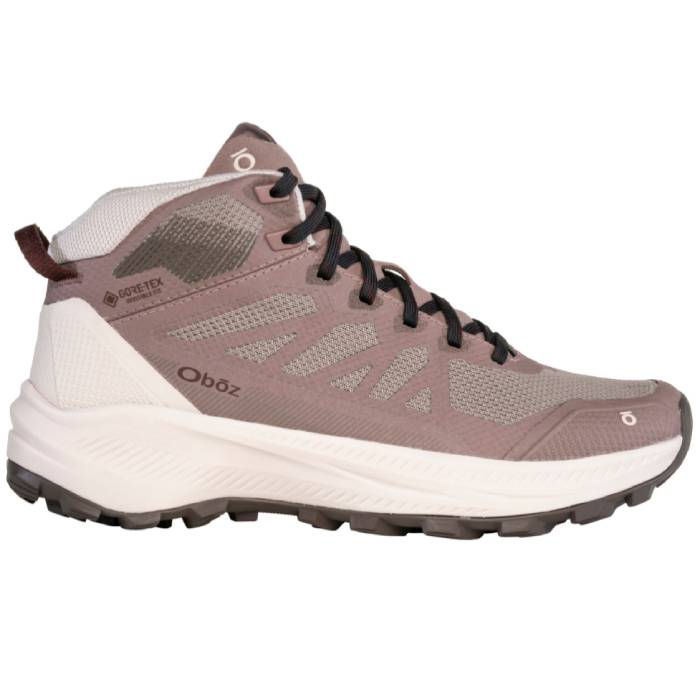
Women’s Oboz Katabatic LT Mid GTX
Best for Fastpacking
CleverHiker Rating: 3.9/5.0
Price: $210
Weight (Pair): 1 lb. 6.2 oz.
Upper Material: Polyester/GTX Invisible Fit membrane
Pros
- Lightweight yet supportive
- Excellent traction on varied terrain
- Waterproofing holds up well
- Cushioned, responsive midsole
- Secure fit for narrow feet
- Comfortable out of the box
Cons
- Narrow fit may not work for everyone
- Durability isn’t the best
- Minimal ankle support
The Oboz Katabatic LT Mid GTX is a lightweight, agile hiking boot with optimal traction and waterproofing, making it a top pick for fast-moving day hikers or minimalist backpackers. Designed to bridge the gap between a trail runner and a mid-height hiker, it’s a good fit for hikers looking for a nimbler feel but still wanting some of the security and support of a traditional hiking boot.
The Katabatic is comfortable, but the narrow fit won’t work for everyone. Oboz’s signature O FIT insole and responsive cushioning deliver plush support over long miles, and the boot molds quickly to your foot after just a few miles of break-in. However, the narrow build may cause pressure or blisters on longer hikes for those with wider feet. Though not a universal fit, it’s an excellent option for those looking for a secure, sock-like feel.
Traction and waterproofing are two of this boot’s best features. The Trail Tread HD rubber outsole is aggressive, with multi-directional lugs that grip everything from slick river rocks to loose, dry trails. The GORE-TEX Invisible Fit membrane consistently kept our feet dry even during water crossings and muddy treks, though breathability suffers a bit on hot days.
At just 1 pound, 6.2 ounces, the Katabatic is impressively light yet still feels protective underfoot. It doesn’t offer the rigid ankle support of bulkier boots, but it maintains stability with a well-structured heel cup and padded collar. If you’re seeking a sleek, trail runner-inspired boot with solid weather protection and excellent grip, the Katabatic LT Mid GTX is a well-rounded performer.

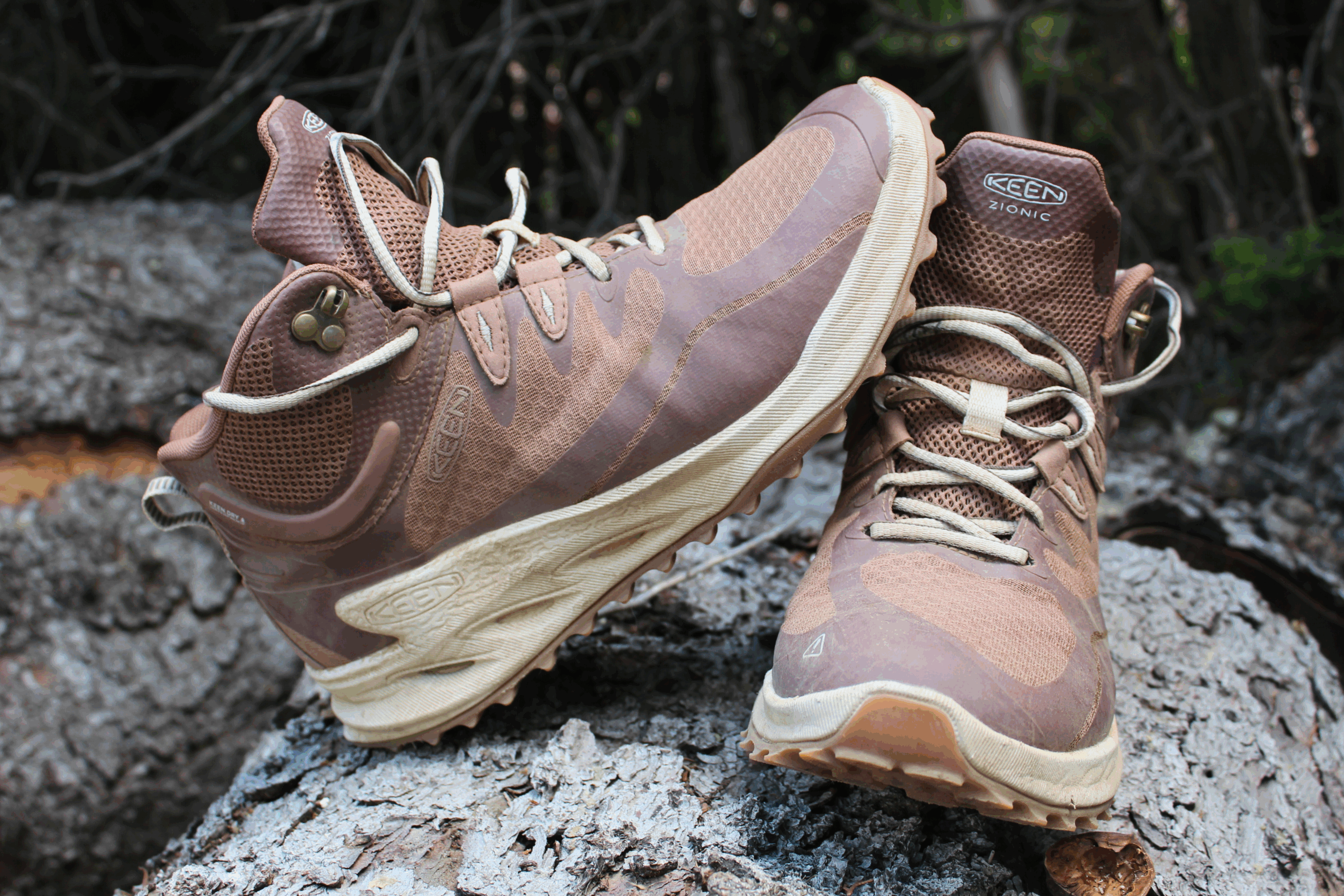
Women’s KEEN Zionic Mid Waterproof
Best for Day Hiking
CleverHiker Rating: 3.6/5.0
Price: $170
Weight (Pair): 1 lb. 0.2 oz.
Upper Material: Ripstop mesh/KEEN.DRY membrane
Pros
- Lightweight
- Excellent waterproofing
- Good traction on mixed surfaces
- Comfortable, high-rebound foam
- Quick-drying liner
- Trail-to-town wearability
Cons
- Narrow toe box
- Soft outsole wears quickly
- Limited ankle support
Sometimes, just the fact that a boot covers your ankles helps stabilize your steps because it gives you physical feedback if you start to roll an ankle. That’s this kind of boot. It isn’t an ankle brace that will stop you from rolling an ankle, but it will give you some support to help you regain your footing.
Otherwise, the KEEN Zionic Mid Waterproof is great for someone looking for a cross between a hiking shoe and a boot. It’s lightweight, comfortable, flexible, and has reliable waterproofing for day hikes and fast-paced trail adventures. Its breathable ripstop mesh upper and KEEN.DRY membrane keep feet dry and cool, while the cushioned insole and grippy outsole provide comfort and traction on varied terrain.
The boot’s snug, contoured fit is best for those with narrower feet, and its modern, trail-to-town style adds everyday versatility. Compared to heavier boots, the Zionic sacrifices some ankle support and long-term durability, making it less ideal for rugged, off-trail routes or backpacking with heavy loads.
For heavyweight boot hikers transitioning to trail shoes, or trail shoe hikers looking for more support, it’s a strong choice – just be mindful of its limits on tougher terrain.
Product Comparison Table
| oSort | Product | Price | Weight (Pair) | Upper Material | Comfort | Durability | Ankle Support | Traction | Weather Resistance | Weight Score | 0 |
LOWA Renegade EVO GTX Mid View at REI View at Amazon 
|
$280 | 2 lb. 2.2 oz. | Nubuck leather/GTX membrane | 4.8 | 4.8 | 4.8 | 4.6 | 5.0 | 3.5 | 1 |
La Sportiva Nucleo High II GTX View at REI View at La Sportiva |
$259 | 1 lb. 10.8 oz. | Nubuck leather/GTX SURROUND membrane | 4.3 | 4.8 | 4.5 | 4.8 | 4.5 | 4.3 | 2 |
Salomon Quest 4 GTX View at REI View at Amazon |
$230 | 2 lb. 5.7 oz. | Leather/textile/GTX membrane | 4.5 | 4.3 | 5.0 | 3.8 | 4.3 | 2.5 | 3 |
Salomon X Ultra 5 Mid GTX View at REI View at Salomon |
$190 | 1 lb. 12 oz. | Synthetic/textile/GTX membrane | 4.0 | 4.5 | 4.0 | 4.5 | 5.0 | 4.5 | 4 |
La Sportiva TX Hike Mid Leather GTX View at REI View at Amazon |
$219 | 1 lb. 12.4 oz. | Roughout leather/GTX membrane | 4.2 | 4.2 | 3.6 | 4.7 | 4.6 | 4.3 | 5 |
Oboz Bridger Mid WP View at REI View at Amazon |
$220 | 2 lb. 5.4 oz. | Nubuck leather/B-DRY membrane | 4.0 | 4.5 | 4.3 | 4.5 | 4.0 | 3.5 | 6 |
KEEN Targhee IV WP View at REI View at Amazon |
$180 | 2 lb. 1.2 oz. | Nubuck leather/KEEN.DRY membrane | 4.3 | 4.0 | 4.0 | 4.3 | 4.5 | 3.8 | 7 |
Danner Mountain 600 Leaf GTX View at REI View at Amazon |
$250 | 2 lb. 4 oz. | Full-grain leather/GTX membrane | 3.9 | 4.4 | 3.9 | 4.5 | 4.9 | 3.7 | 8 |
Topo Athletic Trailventure 2 WP View at REI View at Amazon |
$185 | 1 lb. 12.2 oz. | Mesh/eVent membrane | 4.8 | 3.8 | 3.8 | 4.3 | 3.8 | 4.3 | 9 |
Columbia Newton Ridge Plus WP Amped View at Amazon View at Columbia 
|
$110 | 1 lb. 11.6 oz. | Full-grain leather/suede/Omni-Tech membrane | 4.1 | 4.5 | 3.5 | 4.0 | 4.3 | 3.9 | 10 |
Merrell Moab 3 Mid Waterproof View at REI View at Amazon
|
$170 | 1 lb. 11.1 oz. | Pig suede leather/mesh/M-Select DRY membrane | 5.0 | 4.0 | 3.8 | 4.0 | 4.0 | 4.0 | 11 |
Altra Lone Peak 9 Waterproof Mid View at REI View at Amazon |
$190 | 1 lb. 10.9 oz. | Polyester mesh/Hydroguard membrane | 3.8 | 3.3 | 3.3 | 4.0 | 3.5 | 5.0 | 12 |
Oboz Katabatic LT Mid GTX View at REI View at Amazon |
$210 | 1 lb. 6.2 oz. | Polyester/GTX Invisible Fit membrane | 3.3 | 3.8 | 3.0 | 4.3 | 4.4 | 5.0 | 13 |
KEEN Zionic Mid Waterproof View at Amazon |
$170 | 1 lb. 0.2 oz. | Ripstop mesh/KEEN.DRY membrane | 3.6 | 3.0 | 2.0 | 3.8 | 4.0 | 5.0 |
|---|
Analysis & Results
Lace up and scroll down to find out which hiking boots are the best when it comes to comfort, ankle support, traction, weather resistance, weight, and durability.
Which Women’s Hiking Boots are the Best value?
When it comes to getting the most bang for your buck, the top contenders are the Women’s Merrell Moab 3 Mid WP, Topo Athletic Trailventure 2 WP, and the LOWA Renegade Evo GTX boots. These models all offer a great blend of durability, comfort, and performance at an excellent price.
The Merrell Moab 3 Mid WP offers outstanding value thanks to its waterproof construction and durable Vibram outsole, making it a reliable, super comfy, and affordable choice for all-weather hiking with almost no break-in period.
The Topo Trailventure 2 WP is a great deal due to its lightweight design and wide toe box, providing comfort and stability on challenging trails without breaking the bank.
Lastly, the LOWA Renegade Evo GTX stands out for its top-notch GORE-TEX waterproofing and sturdy construction, offering high-end performance and nearly unrivaled durability that helps these boots last for years (although you do pay a pretty penney up front).
Which Women’s Hiking Boots are the Most Comfortable?
We look for out-of-the-box wearability with short break-in times, with the Merrell Moab 3 Mid WP, LOWA Renegade EVO GTX, and Topo Trailventure 2 checking every box for comfort. Our top pick, the Moab 3, offers a contoured footbed with zonal arch and heel support that will cradle your foot from sunrise to sunset on the trail. The highly breathable mesh lining, padded collar, and cushy tongue add tons of extra cushioning and reduce friction, and the lacing system is nuanced to dial in the right fit for long hikes on varied terrain.
We love the LOWA Renegades – their cushioned footbed wicks moisture with ease and helps regulate temperature, so your feet will stay dry and comfortable as you hike. The soft leather lining and luxurious midsole provide excellent support and shock absorption, so you can keep your energy up on high-mileage days.
The Topo Trailventure 2s are also remarkably comfy thanks to one of the roomiest toe boxes of any boot we tested. Your toes can splay naturally, which helps reduce pressure points and enhance overall comfort. The more flexible outsole, ultra-cushy footbed, and breathable lining make this one easy to wear all day.
Which Women’s Hiking Boots are the Most Durable?
If you’re looking for boots that will last for years, even with regular use, the most durable boots on our list are the Salomon X Ultra 5 Mid GTX, LOWA Renegade EVO GTX, and La Sportiva Nucleo High II GTX. All three models have waterproof GORE-TEX liners that contribute to their longevity, as well as burly and aggressive outsoles that last season after season.
The Salomon X Ultra 5 GTX is our top pick, featuring a robust synthetic upper that withstands abrasion and wear over extended use. Its advanced, snug fit enhances durability by minimizing friction points, making it ultra-resilient on rough terrain and frequent hikes.
The LOWA Renegades also lead the pack for their durable nubuck leather upper, which we’ve found can handle the most punishing hikes in the worst conditions and holds up extremely well. Its strong PU overlays act as a frame around the bottom of the boot to contribute to its top-tier stability and durability without adding unnecessary weight.
Last but not least, we highly recommend the La Sportiva Nucleo High II GTX. This model excels in durability with its hybrid leather and abrasion-resistant mesh upper, built to withstand rough trails and harsh weather conditions.

Which WOmen’s Hiking Boots Have the Best Ankle Support?
If your top priority is ankle support, the best options for you are the Women’s Salomon Quest 4 GTX, LOWA Renegade EVO GTX, and the La Sportiva Nucleo High II GTX. These boots all offer taller cuts with robust ankle support, durable materials, and stable Vibram outsoles to keep you steady and pain-free on the trail.
The Salomon Quest 4 GTX stands out with its high-cut design and 4D Chassis. We loved its excellent lateral stability and noticed our typical foot fatigue was delayed on long-distance treks. Its lacing system provides a secure fit that requires minimal adjustments once dialed in, allowing you to fine-tune ankle support for added confidence on uneven terrain.
The LOWA Renegade EVO GTX is a close second, featuring a burly, long-lasting nubuck leather upper complemented by a cushy footbed that provides excellent stability and cushioning. Plus, the supportive midsole and ergonomic design will keep you feeling strong and stable year-round, from icy sidewalks to dusty trails.
The La Sportiva Nucleo High II GTX also excels with its tall collar, excellent lacing system, and lightweight build. This boot offers agile support and flexibility on technical trails and keeps your foot locked in place beneath abrasion-resistant materials that are protective and durable.

Which Women’s Hiking Boots Have the Best Traction?
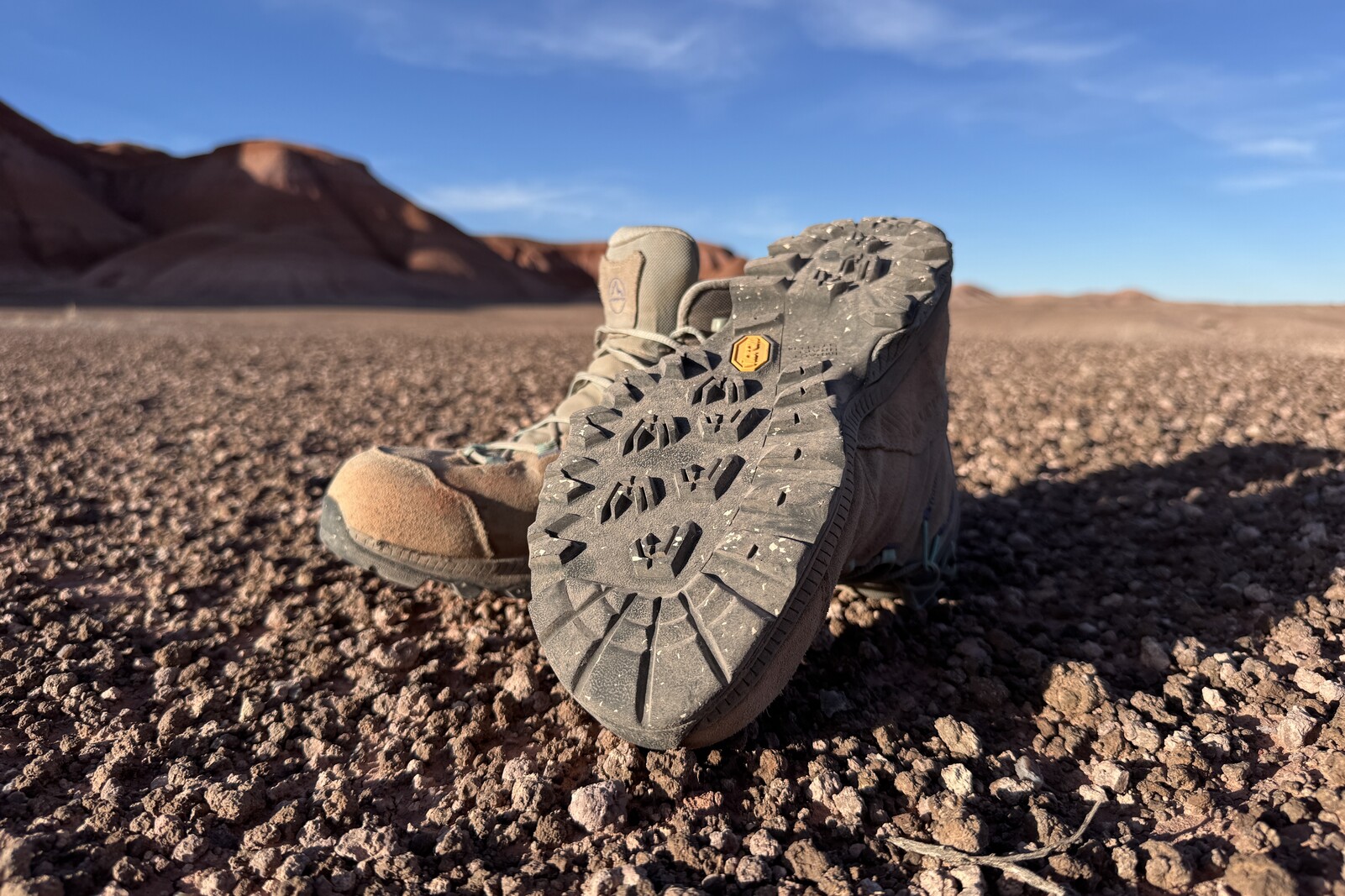
The gold standards for traction in women’s hiking boots are the La Sportiva Nucleo High II GTX, La Sportiva TX Hike Mid Leather GTX, and the LOWA Renegade EVO GTX. All these boots offer serious grip on slippery, mucky, and icy surfaces with their robust Vibram outsoles and lug patterns optimized for stability.
Both the La Sportiva Nucleo High II GTX and LOWA Renegade EVO GTX feature capable Vibram outsoles that lend steadfast grip on gnarly terrain, making either boot a great choice for confidently navigating steep ascents and slippery descents.
The La Sportiva TX Hike Mid Leather GTX also features trusty Vibram rubber with an aggressive tread pattern, offering trustworthy grip and secure footing on rugged paths and in wet conditions. The TX Hike boots performed well enough in testing to earn our endorsement as the best boots for great traction.
Which Women’s Hiking Boots are the Most Weather-Resistant?
For folks who need the ultimate in protection from wind, rain, snow, and mud, look no further than the Salomon X Ultra 5 Mid GTX, LOWA Renegade EVO GTX, and Danner Mountain 600 Leaf GTX.
The X Ultra, Renegade, and Mountain 600 Leaf feature robust and reliable GORE-TEX membranes that give outstanding protection against moisture to keep your feet dry and comfy in the worst weather.
The X Ultra comes with a synthetic blend on the upper that’s stellar for lightweight, 360-degree waterproof protection, whereas the Renegades use a blend of performance leather and mesh to achieve a super durable upper that blasts through the worst conditions.
One thing we love about the Mountain 600 Leaf boots is their full-grain, all-leather uppers that forgo porous mesh. This results in incredible protection, even when walking through or standing in streams. All models feature strong toe caps, fast-drying laces, and high collars that make these the most weather-worthy designs on our list.
Which Women’s Hiking Boots are the Lightest?
The lightest boots on our list are the Women’s KEEN Zionic Mid WP, Oboz Katabatic LT Mid GTX, La Sportiva Nucleo High II GTX, and Altra Lone Peak 9 Waterproof Mid. These models lead the pack thanks to their lightweight constructions, waterproof liners, and sturdy synthetic materials.
The Altra Lone Peak 9 Waterproof Mid shines with its featherweight design at just over a pound and a half for the pair, which it achieves through a breathable and quick-drying mesh upper, lightweight EVA midsole, and soft but sturdy cushioning for comfort and responsiveness.
The KEEN Zionic almost feels like more of a trail runner than a traditional boot thanks to its incredibly low weight and airy mesh upper. This can lead to less foot fatigue when wearing them for longer distances.
Likewise, the Oboz Katabatic LT Mid has a minimalist design reminiscent of a trail runner. You might notice there is a trend here, with the lightest boots having the most mesh, least rugged outsoles, and least amount of support. These are common trade-offs among lighter and more streamlined boots, and the reduction in foot fatigue is a definite plus.
How to Choose Hiking Boots
Which Type of Hiking Footwear is Best?
Hiking footwear is a really personal choice, and it all depends on the type of terrain, your body/injuries, and your typical pack weight. For most adventures, especially those that don’t require packing the kitchen sink, we tend to prefer lightweight trail runners since they’re typically more comfortable and breathable for long-distance hiking.
When climbing big peaks with a full pack, like on Mt. Shasta, we go with a stiffer, more supportive boot. Traditional hiking boots – especially those made with leather – are going to be more durable, but they’re typically significantly heavier and bulkier.
How Do I Choose the Right Size Hiking Boot?
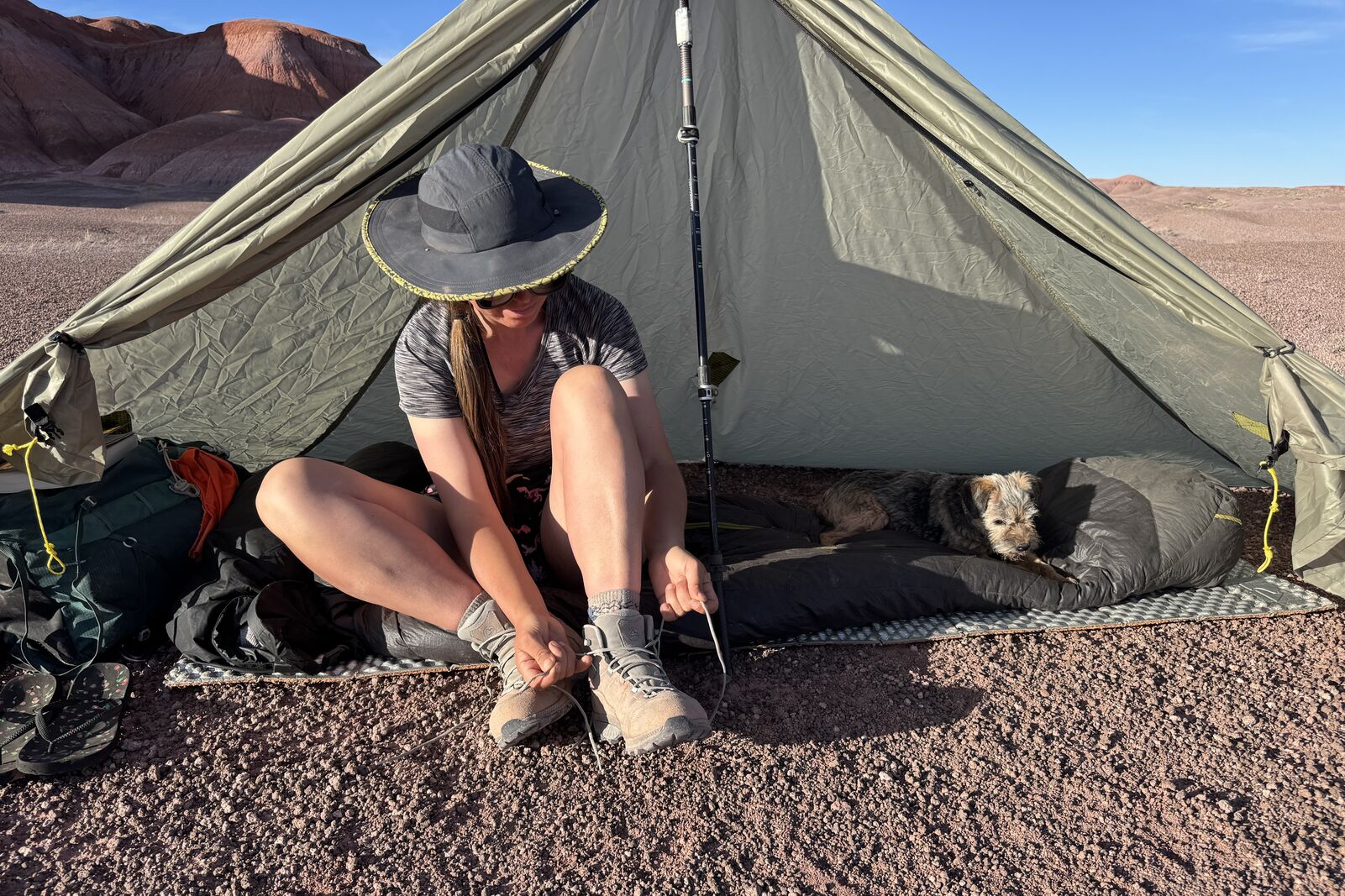
Feet can swell during long days on the trail, so it’s good to buy hiking footwear at least a half size larger than your normal shoes.
A good way to test sizing on your boots is to loosen all the laces, situate your foot so that your toes touch the front of the toe box, and then make sure you can put your index finger between your heel and the back of the boot. This will ensure that your toes don’t slide forward and hit the toe box on downhill sections of trail.
You should also consider which socks you’ll be wearing and if you’ll be adding aftermarket insoles when choosing a size. It’s much better for footwear to be a little big than too small.
How Long Does it Take to Break in Hiking Boots?
You’re going to take thousands of steps on any backpacking or hiking trip, so you need to know that your footwear will fit comfortably and won’t cause blisters.
We recommend buying your footwear at least a few weeks before any long hiking trips and spending as much time in them as you can. This will allow your new hiking boots to soften up, and you can make sure they work well for your feet. If you notice any issues, it’s much easier to address them before you head into the backcountry.

What Kind of Traction Do I Need in a Hiking Boot?
Knowing that your footwear will keep you from slipping is crucial, especially over washed-out or exposed sections of trail. We heavily factored quality traction into all of our footwear recommendations.
Traction is a combination of outsole materials, lug pattern, and depth of the lugs. All of these aspects work together to help the boots provide grip on different surfaces and terrain.
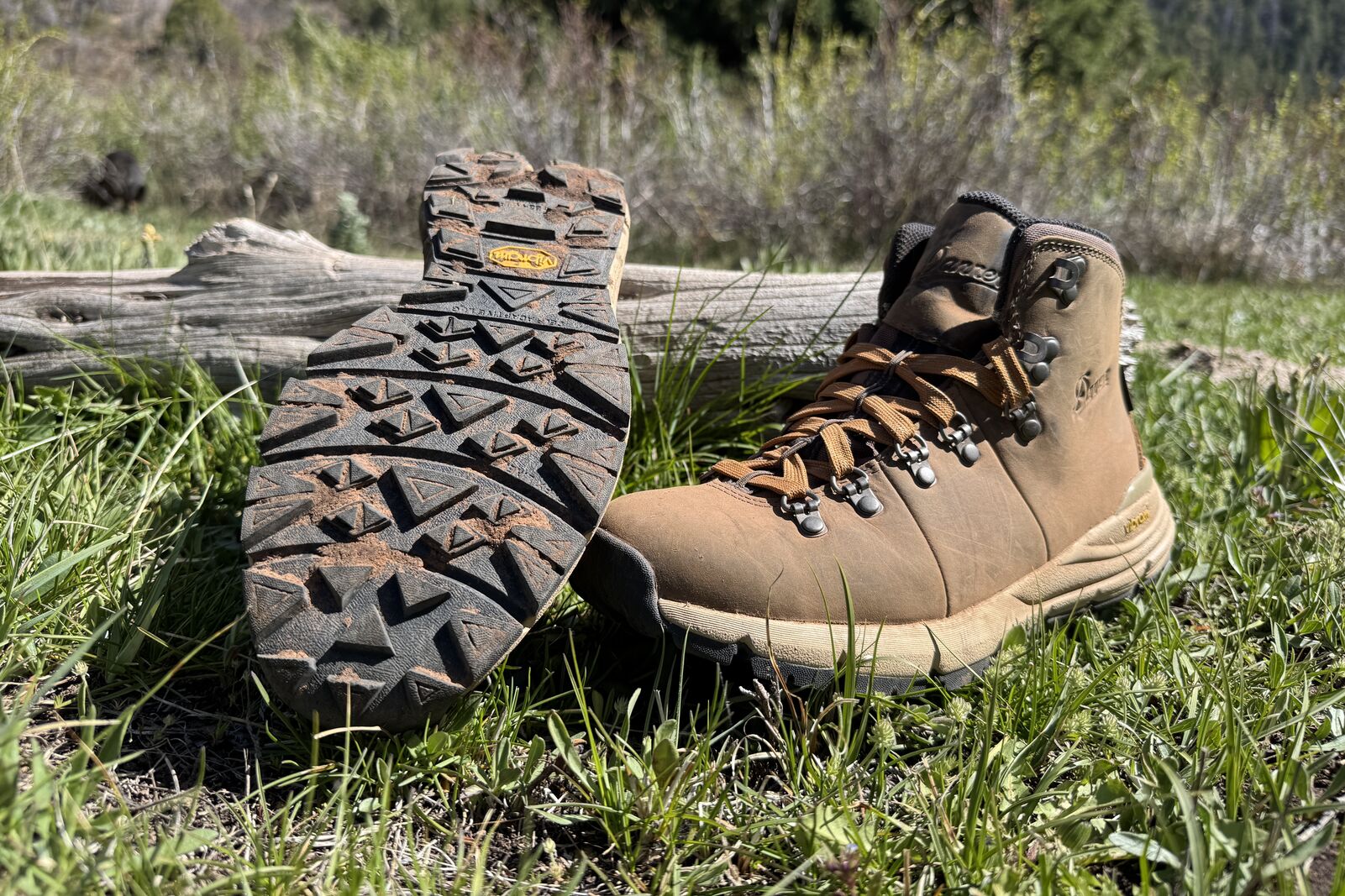
Rubber outsoles are typical for hiking boots, with Vibram being the gold standard for grip and longevity. Many brands have their own proprietary compounds that vary in performance. Some outsoles may include multi-directional lug patterns for more consistent grip on uneven terrain.
Lug patterns and depth can also vary by brand and model. Deeper lugs in the heel are better for braking on descents and more aggressive underfoot contact. Shallower lugs are best on smoother trails and can provide a slightly more comfortable feel. The spacing of the lugs also makes a difference: Wider spaces help shed mud, while tighter lugs have a better grip on solid ground.
How Do I manage Moisture & Blisters?
If you’re on an extended trip with lots of water crossings or hiking in persistently wet conditions, your feet will likely get wet whether your footwear is waterproof or not. Wet feet can lead to hot spots and blisters, so it’s critical to know how to manage moisture.
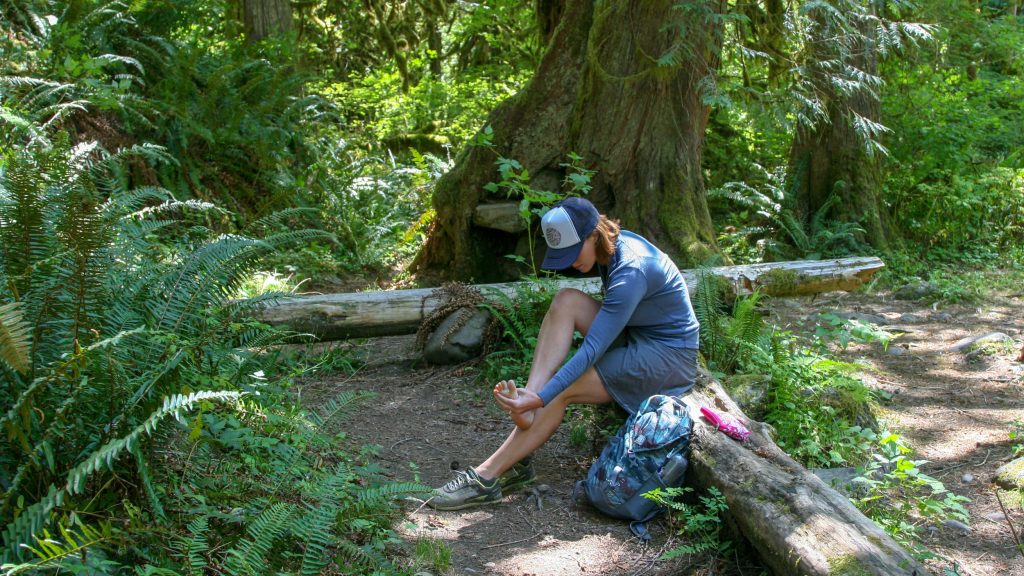
Our guide to preventing and treating blisters goes into more depth, but the main takeaways are: Make sure your boots fit properly, break in new footwear ahead of time, keep your feet clean and dry, and invest in quality hiking socks (wool and synthetics are best). On the trail, make sure to address any discomfort immediately, and ensure you have an adequate first aid kit in your pack.
Should I Waterproof My Hiking Boots?
Waterproof footwear is ideal for soggy day hikes, but it’s important to remember that “waterproof” doesn’t mean that water can never get in. Water will always find a way in during a prolonged downpour, and light rain can drip down your legs and into the top of your boots.
Even the highest-quality boots will develop small holes that allow moisture to creep in over time. Waterproof treatments are not permanent; you’ll eventually need to reapply a treatment to keep your shoes sealed.
What Kind of Socks are Best for Hiking Boots?
We don’t suggest skimping on footwear, and that extends to socks.
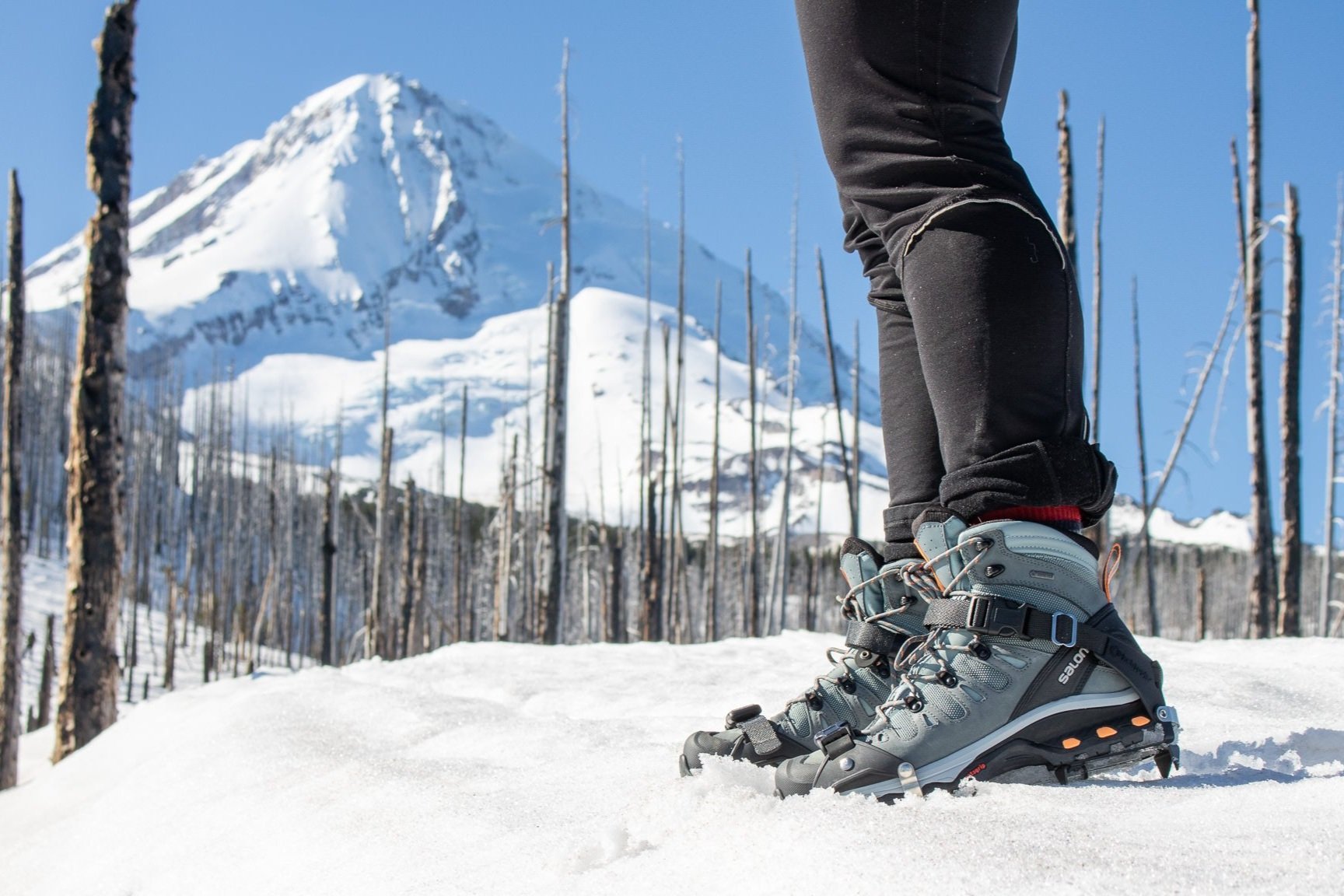
We’ve found that wearing quality socks makes a big difference in how long we can keep our feet happy and in good shape on trail. Hiking socks should be comfortable, durable, and made with materials that wick moisture away from your skin (e.g., wool or synthetics). Check out our list of the best hiking socks to see our top picks.
Should I Add Insoles to my Hiking Boots?
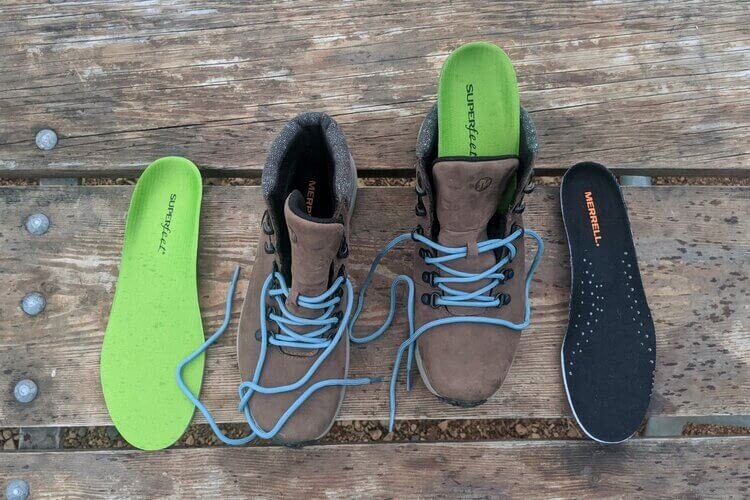
Aftermarket insoles can help alleviate a variety of shoe discomforts on the trail. If you suffer from plantar fasciitis or you just need more cushioning and support in an otherwise rigid shoe, aftermarket insoles may be your solution. Insoles can also help take up a little extra space in footwear for a customized fit if you’re between sizes or have a low-volume foot. Check out our article on best insoles to see what might work best for you.
Why Trust CleverHiker
With a collective 2,000+ days of hiking experience, the CleverHiker team is well versed in what makes hiking boots truly exceptional.
Senior Gear Analyst Casey Handley has tackled thousands of miles on her thru-hikes of the Appalachian Trail, Colorado Trail, and Arizona Trail to find the best of the best when it comes to women’s hiking boots. Her thorough testing in rain, snow, and blazing heat guarantees that only the finest footwear makes it onto our list. Her background in gear sales and in-depth product reviews ensures a high standard of quality and functionality.
CleverHiker Gear Analyst Meg Carney has also contributed to coverage. She hikes daily in the Cascade Range and spends much of the year on the road tackling trails around the country. She’s tested more boots than she’d like to admit and has a unique perspective on gear as a sustainability-focused journalist.
Finally, Gear Analyst Bailey Bremner brings a wealth of knowledge and experience. She is a Colorado-based adventurer who has thru-hiked over 9,000 miles on trails such as the Continental Divide Trail, Idaho Centennial Trail, and Vancouver Island Trail.

Testing Methodology
We analyze how well boots perform in metrics like comfort, ankle support, weight, traction, weather resistance, and durability. To find out how each pair stacks up, we put every pair we test through the wringer, mile after mile on trail, to determine the benefits and drawbacks of each pair.
How Do We Assess Comfort?
We conduct extensive field tests, wearing the boots day after day over dozens of miles on different types of terrain to gauge how well they handle various hiking conditions.
We assess every pair’s fit, making sure they allow for toe spread and provide plenty of cushioning through the midsole and heel to accommodate different foot shapes. We pay close attention to pressure points, hotspots, and arch support during short and long hikes.
Boots with a flexible upper that moves with the natural step of the user tend to be the most comfortable since flexible ankle coverage offers support while reducing fatigue.
How Do We Measure Durability?
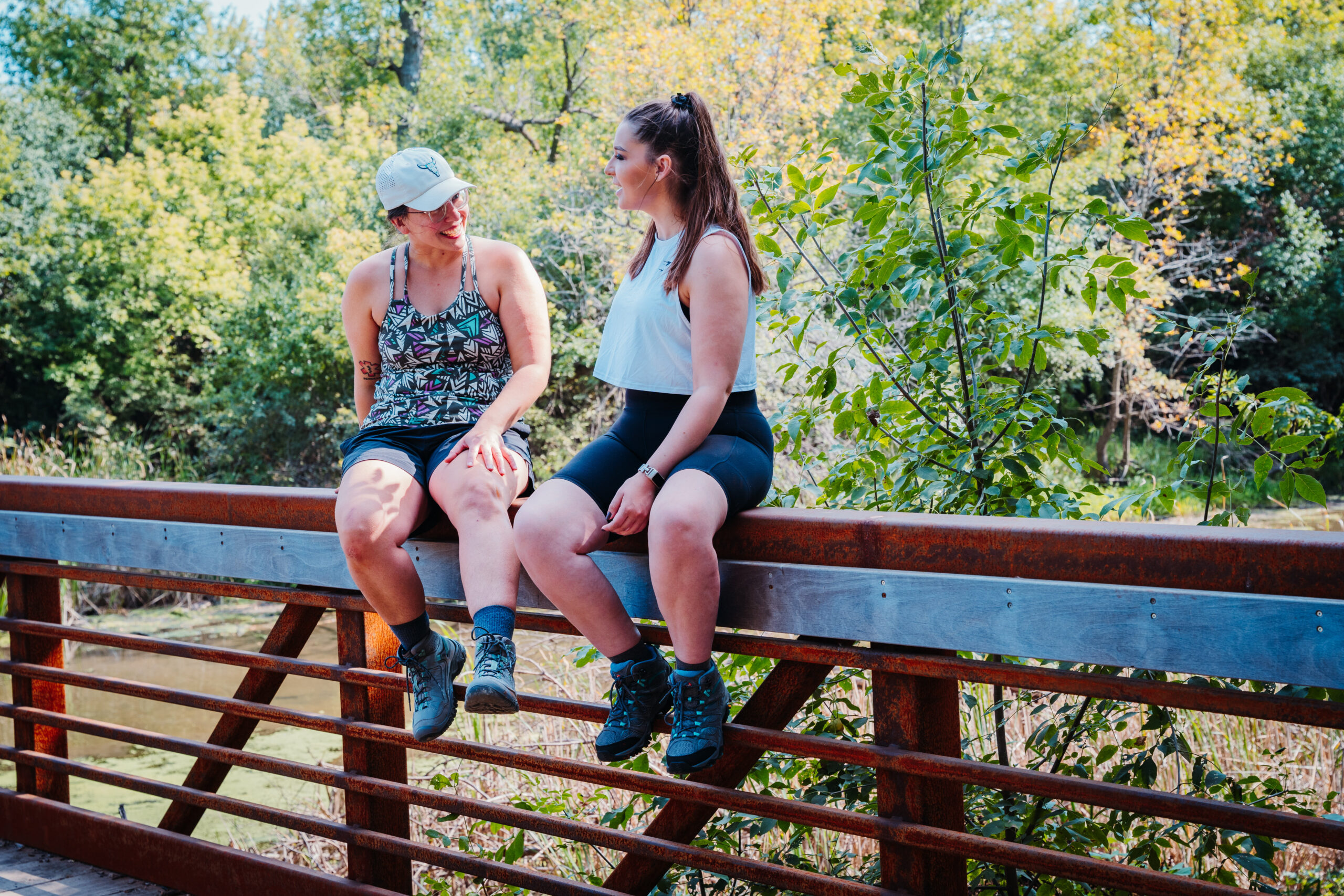
We put every pair of boots through rigorous short-term and long-term field tests to test for durability. These primarily involve hiking on rocky trails and bushwhacking through rough vegetation. We perform stress tests by applying pressure to the soles and bending the boots to check for signs of weakness or failure in the materials.
We carefully examine the materials and construction, with top performers in this metric offering reinforced stitching, high-quality leather, or burly synthetic fabrics.
We also evaluate the outsole’s wear pattern every 25 miles, checking for wear on the lugs and tread to gauge long-term performance. We track the boots’ performance over weeks and months of a hiking season, monitoring for issues like sole separation, fabric tearing, and seam breakdown.
How Do We Evaluate Ankle Support?
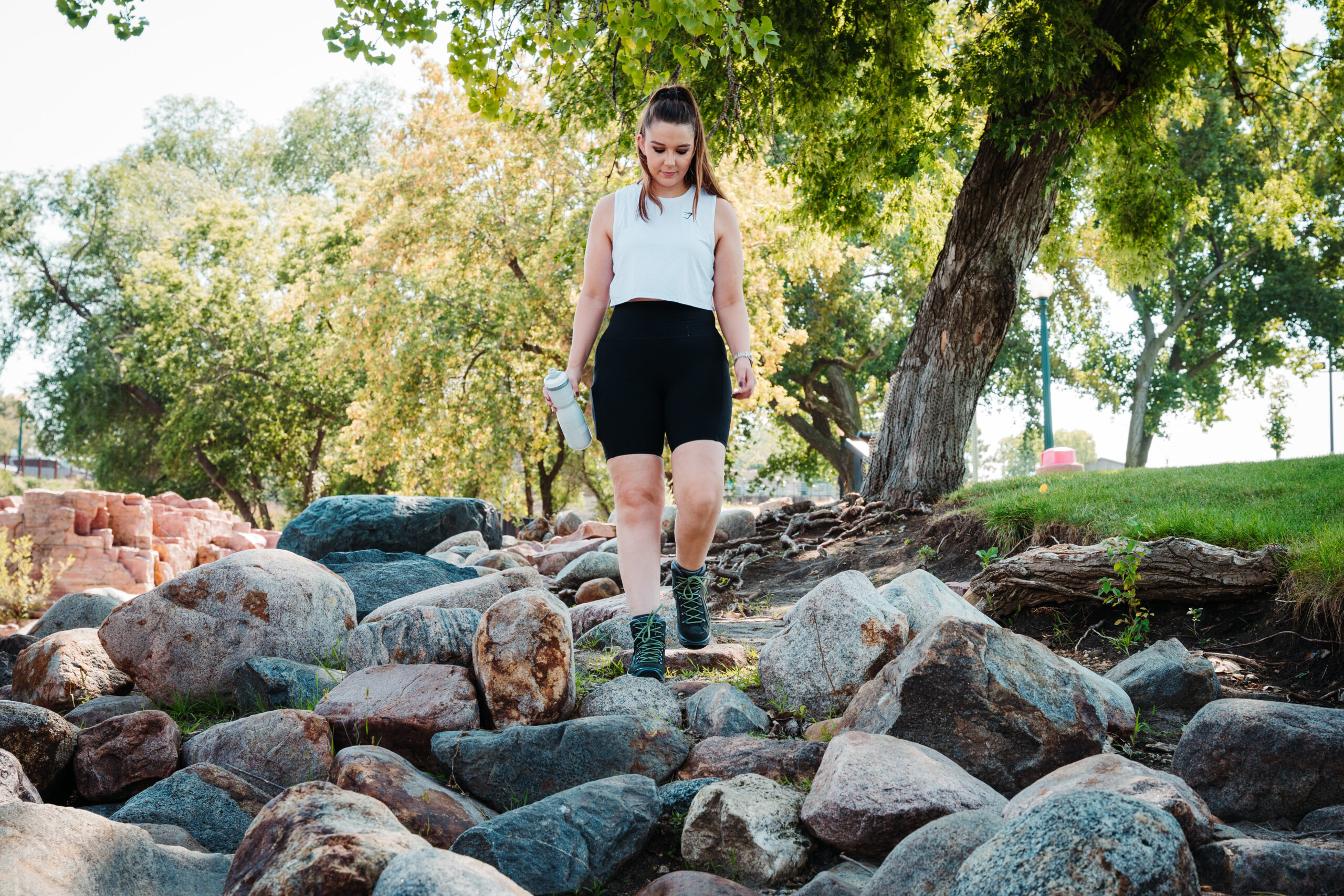
To test for ankle support in women’s hiking boots, we take every pair out on the trail for day hikes, overnights, and long trips. We conduct rigorous field tests on uneven and rocky terrains to see how well the boots stabilize our ankles during lateral movements and abrupt stops. This helps us assess the boots’ ability to prevent rolling and sprains.
We look for features like reinforced materials around the ankle and a secure lacing system that helps reduce the risk of injury and provides excellent stability. We evaluate the boot’s construction, focusing on the height and stiffness of the collar. We also measure boots’ responsiveness by having testers carry heavy backpacks.
How Do We Test Traction?
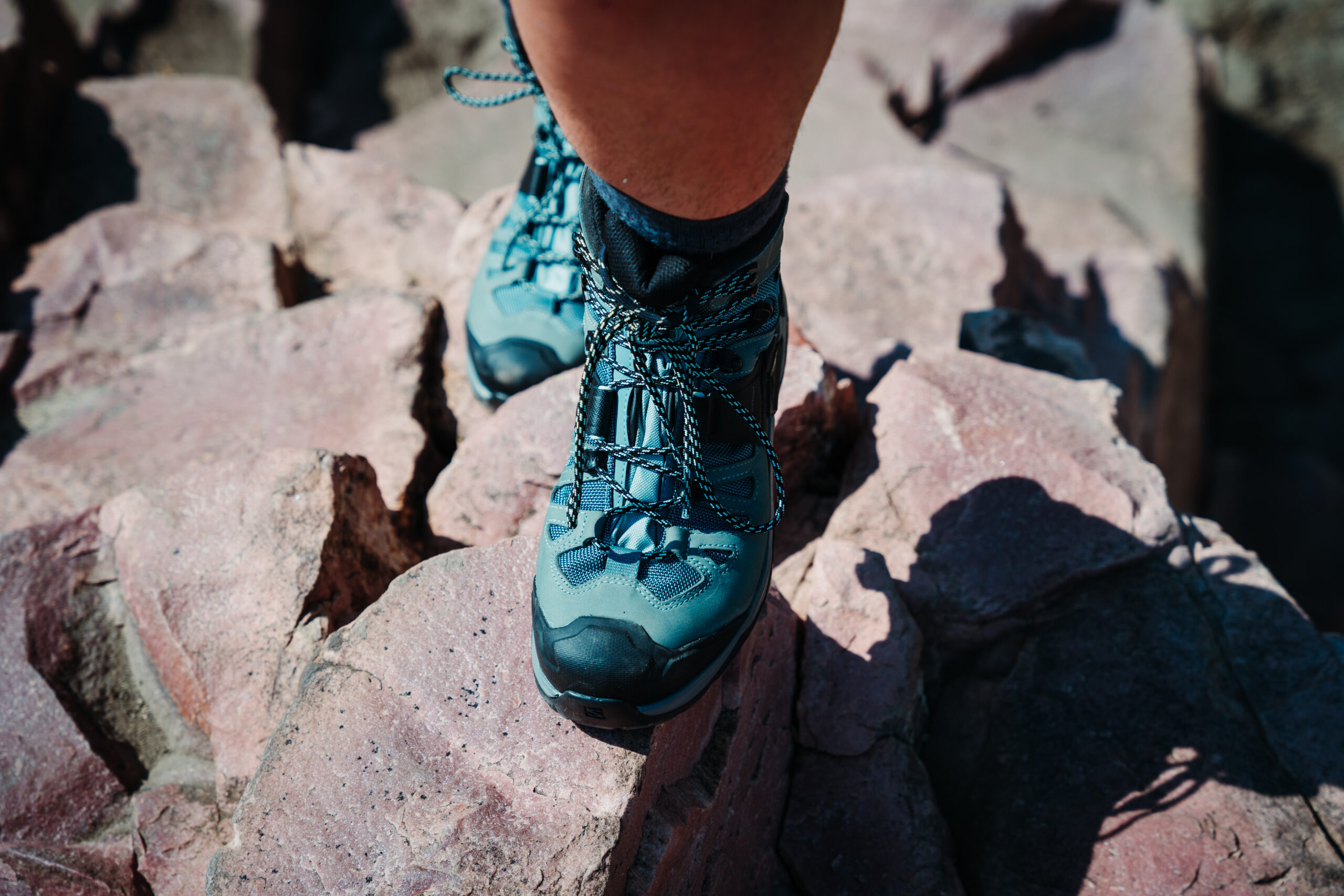
Our testers hike on wet rocks and muddy trails, loose gravel, and steep inclines, so we can evaluate the grip of every pair of boots we test. We look for slip resistance on dry and wet surfaces to understand how the boots maintain traction in different weather conditions.
We also perform sudden stops and quick directional changes to assess how well the boots handle abrupt movements. Since these blends significantly impact grip, we analyze the rubber compound used in the outsole and pay close attention to the lug pattern and depth.

How Do We Assess Weather Resistance?
We hike year-round in the rain, snow, and mud to observe how well boots keep our feet dry and comfortable. We also take them out on hot and humid routes to fully evaluate how well they manage internal moisture without compromising dryness. We dunk them in water many times during the testing period, fully submerging them to assess any waterproof claims.

How Do We Measure Weight?
We wear the boots on long-distance hikes to evaluate how each pair’s weight affects our overall endurance, leg and foot strain, and fatigue. We also include steep uphill and downhill sections to understand how their bulk, heft, and weight affect balance and agility over time.
We also weigh boots to get precise measurements. We consider the material composition to understand how the boots’ construction influences their bulk and weight.
Conclusion
We hope this guide helps you hit the trail with confidence in the right boots for your next adventure. The best hiking boots are supportive, comfy, and durable – but most importantly, they fit your specific foot shape and needs. Whether you’re looking for lightweight options to tackle a weekend hike in the height of summer or you prefer burly boots with rugged durability for tough shoulder-season backpacking, you’ll be ready to take on mile after mile with happy feet.