

Bottom Line
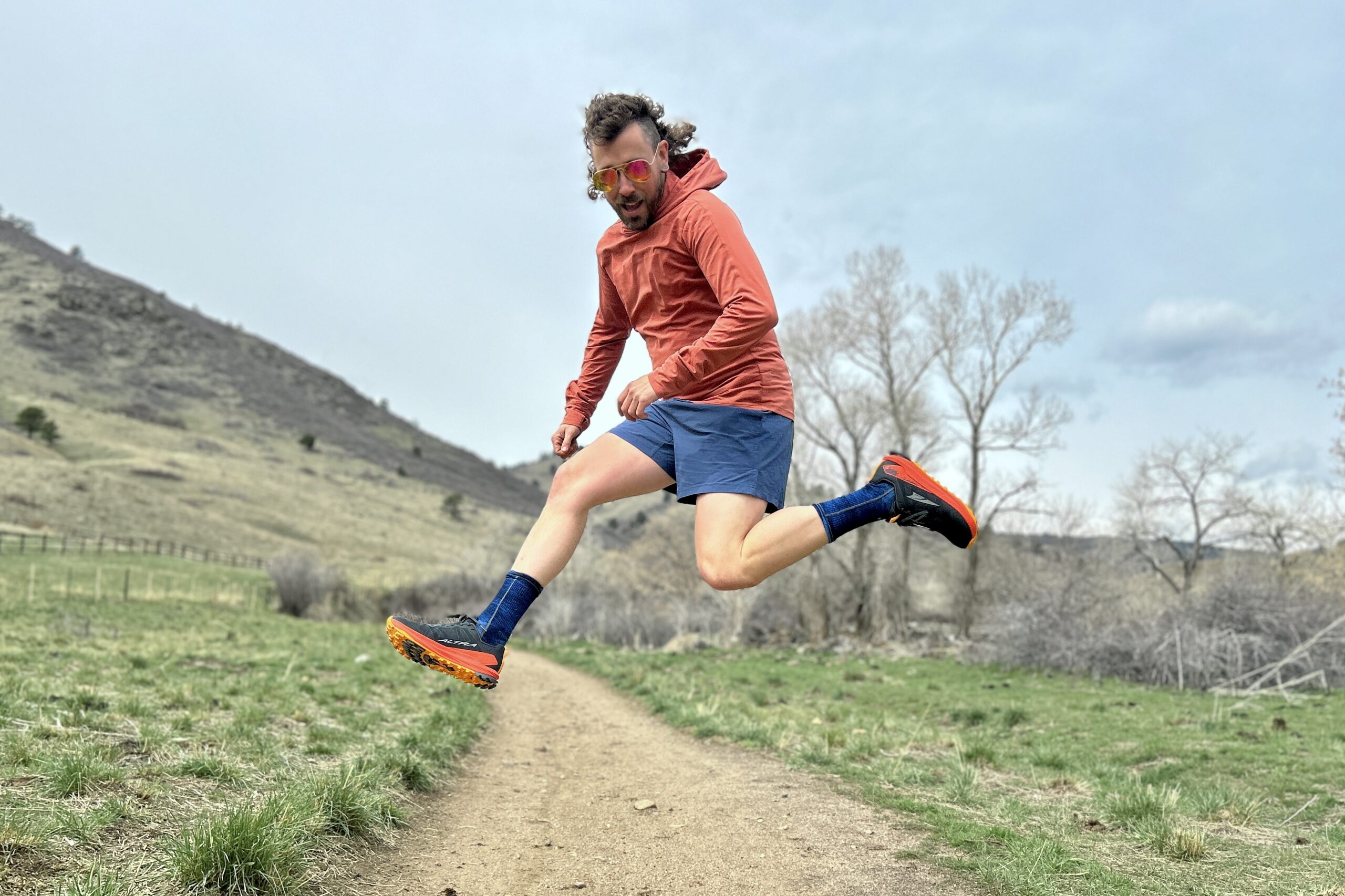
If zero-drop shoes are your style, the Altra Lone Peak 9 are one of our faves. These are the only zero-drop pair to make both our best hiking shoes for men guide as well as our trail running shoes for men guide. The Lone Peaks are in a league of their own when it comes to an ergonomic profile: the extra-wide toe box and foot-shaped design allows for a natural fit we can’t get enough of.
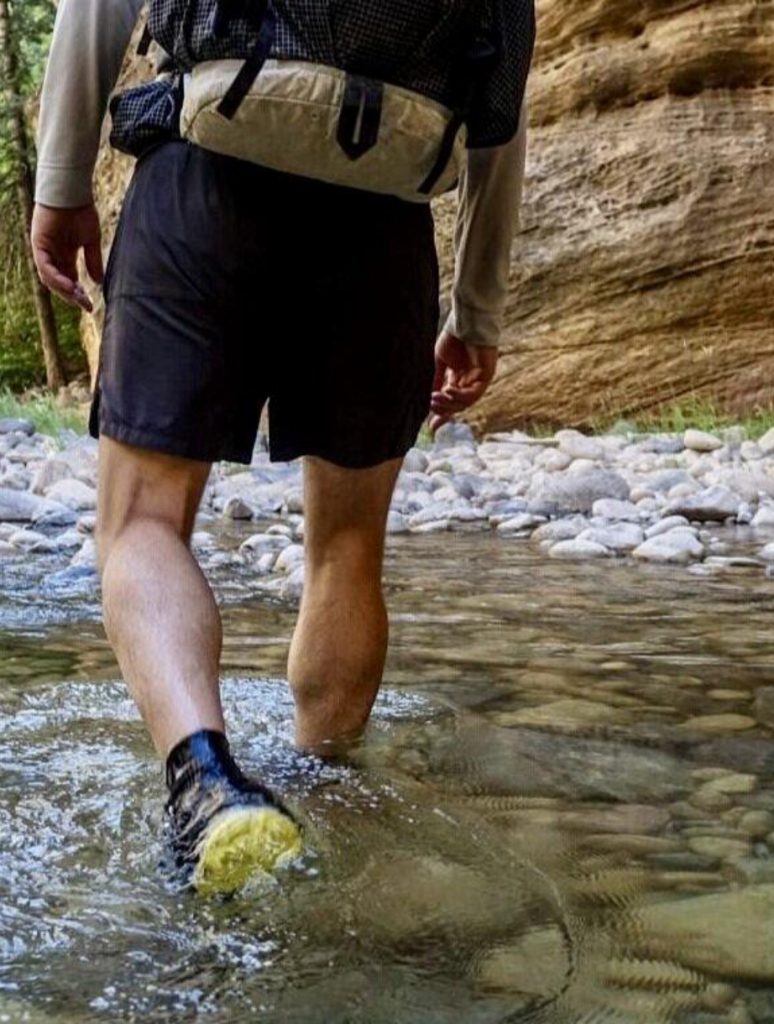
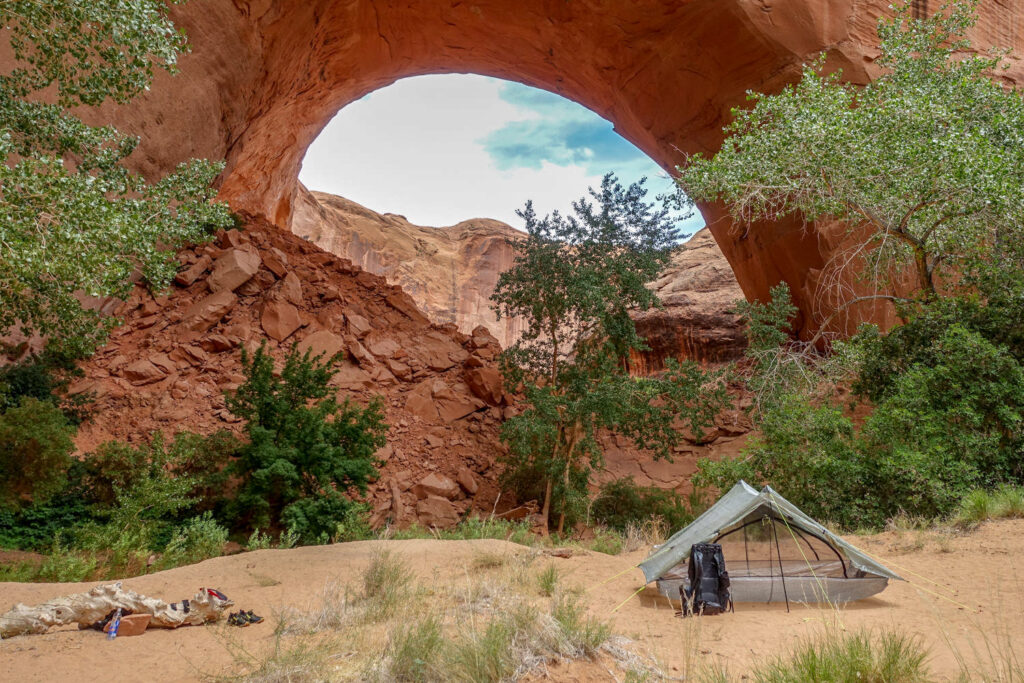
Senior Gear Analyst Ian Krammer has accumulated 200+ miles using the Lone Peak 9 in the Utah desert, from trail runs to days canyoneering. After months of testing, their top-notch ventilation, roomy fit, and quick-drying uppers keep him reaching for them again and again.
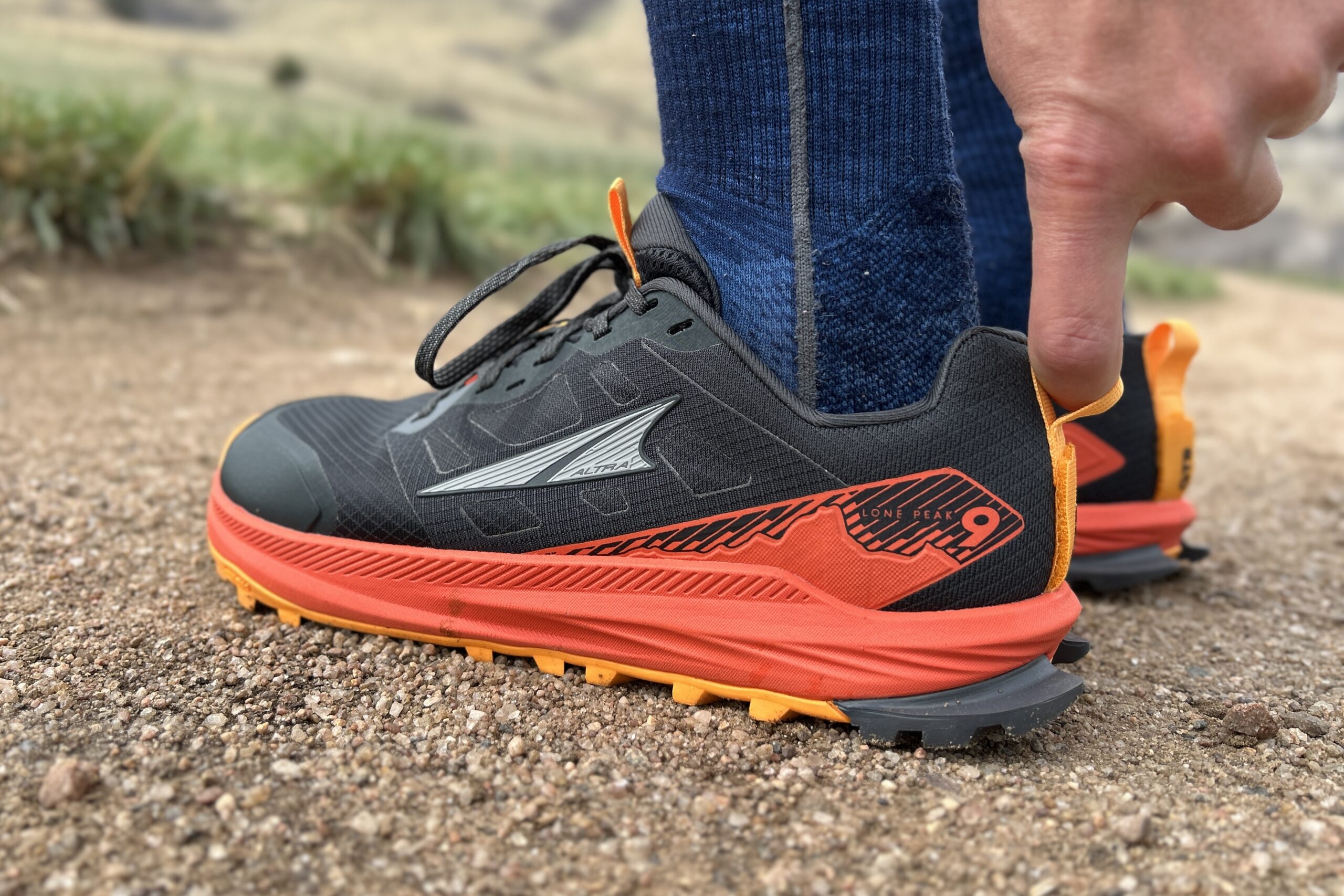
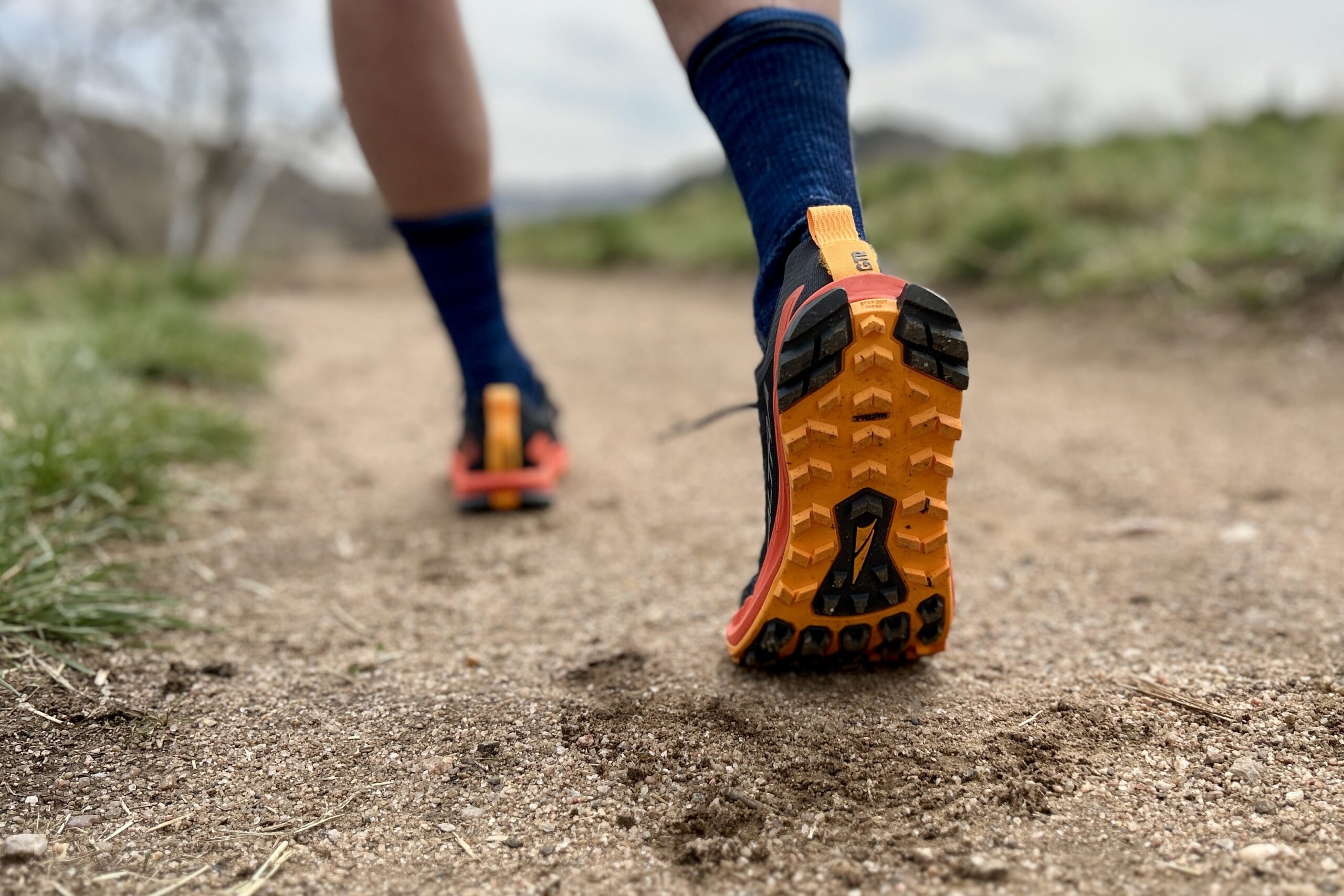
The Lone Peak 9 gets updated traction, with a refreshed lug pattern that performs better on scrambles, rocky sections, and downhills than the prior version. The midsole is updated as well, adding a bit more cushion without sacrificing ground feel. We love the addition of a dedicated gaiter hook to help keep debris out.
However, the sensitive lacing system requires careful adjustment for the right fit, and durability is still lacking compared to the competition. The Lone Peak 9 also has less cushioning around the heel cuff compared to the 8, which led to irritation during the first 30 miles of testing. And, the zero-drop design won’t suit everyone’s needs.
Still, Altra is at the top of its game with the Lone Peak 9. If you’re looking for great traction, breathability, and a spacious toe box, these shoes may be exactly what you’re looking for.
How We Tested
Gear Analyst Miles Knotek contributed current category testing of the Lone Peak 9 across mud, loose scree, wet rock, sidehills, and off-trail terrain. CleverHiker’s broader Lone Peak 9 testing also includes more than 200 miles across Utah, Colorado, and other western terrain, including desert trails, scrambles, water crossings, long runs, and hiking.
Quick Specs
- Waterproof: No
- Fit: Wide / foot-shaped; roomiest toe box
- Outsole: MaxTrac; lug depth not published
- Underfoot protection: StoneGuard insert
- Available widths: Regular & Wide (2E)
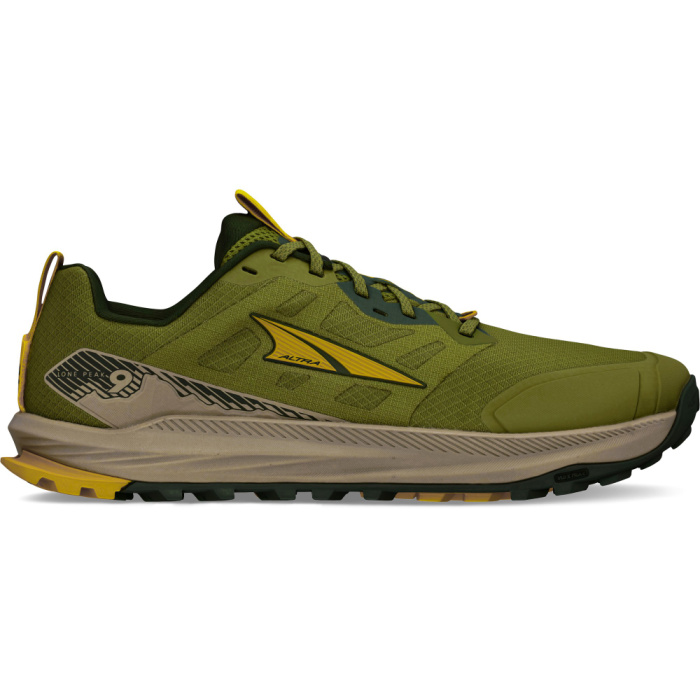
Altra Lone Peak 9
Best Zero-Drop Trail Runners
CleverHiker Rating: 3.9/5.0
Price: $145
Weight (Pair): 1 lb. 6.4 oz.
Heel-to-Toe Drop: 0 mm
Cushioning: Moderate
Best For: Experienced zero-drop users, thru-hiking, warm-weather hiking, roomy toe boxes
Pros
- Very roomy toe box
- Breathable and quick drying
- Good ground feel
- Gaiter attachment
- Lightweight relative to traditional hiking shoes
- Flexible platform
Cons
- Zero drop does not work for everyone
- Heel and cuff can cause irritation during break-in
- Lower durability than many hiking shoes
- Wet-rock traction is inconsistent in our testing
- Wide forefoot can feel sloppy for narrow feet
- Not weather resistant
Comfort
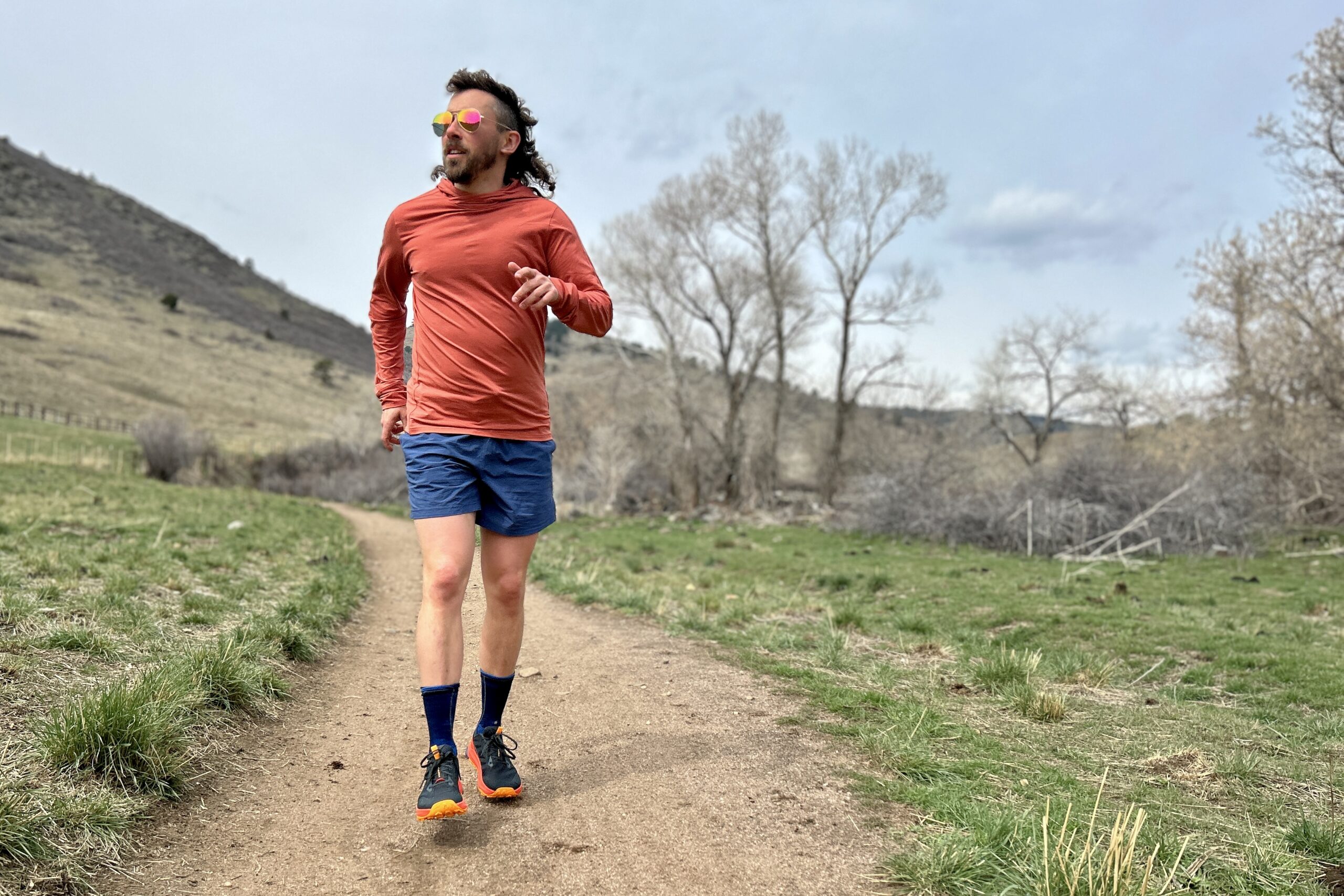
The Lone Peak 9 has one of the roomiest toe boxes in our lineup, which is a major advantage for hikers who want natural toe splay. The low, flexible platform also provides excellent ground feel.
Comfort depends heavily on biomechanics and foot shape. In CleverHiker’s long-term testing, one tester experienced heel and cuff irritation for about the first 30 miles before the shoe settled in. In separate category testing, Miles Knotek found the zero-drop geometry uncomfortable on descents and the broad forefoot too loose during sidehilling. Those are meaningful limitations, not just theoretical concerns.
Hikers who already know they thrive in zero-drop footwear may have a very different experience. We recommend easing into the platform and testing the fit carefully before committing to a long trip.
Comfort Score: 3.8 / 5.0
Traction
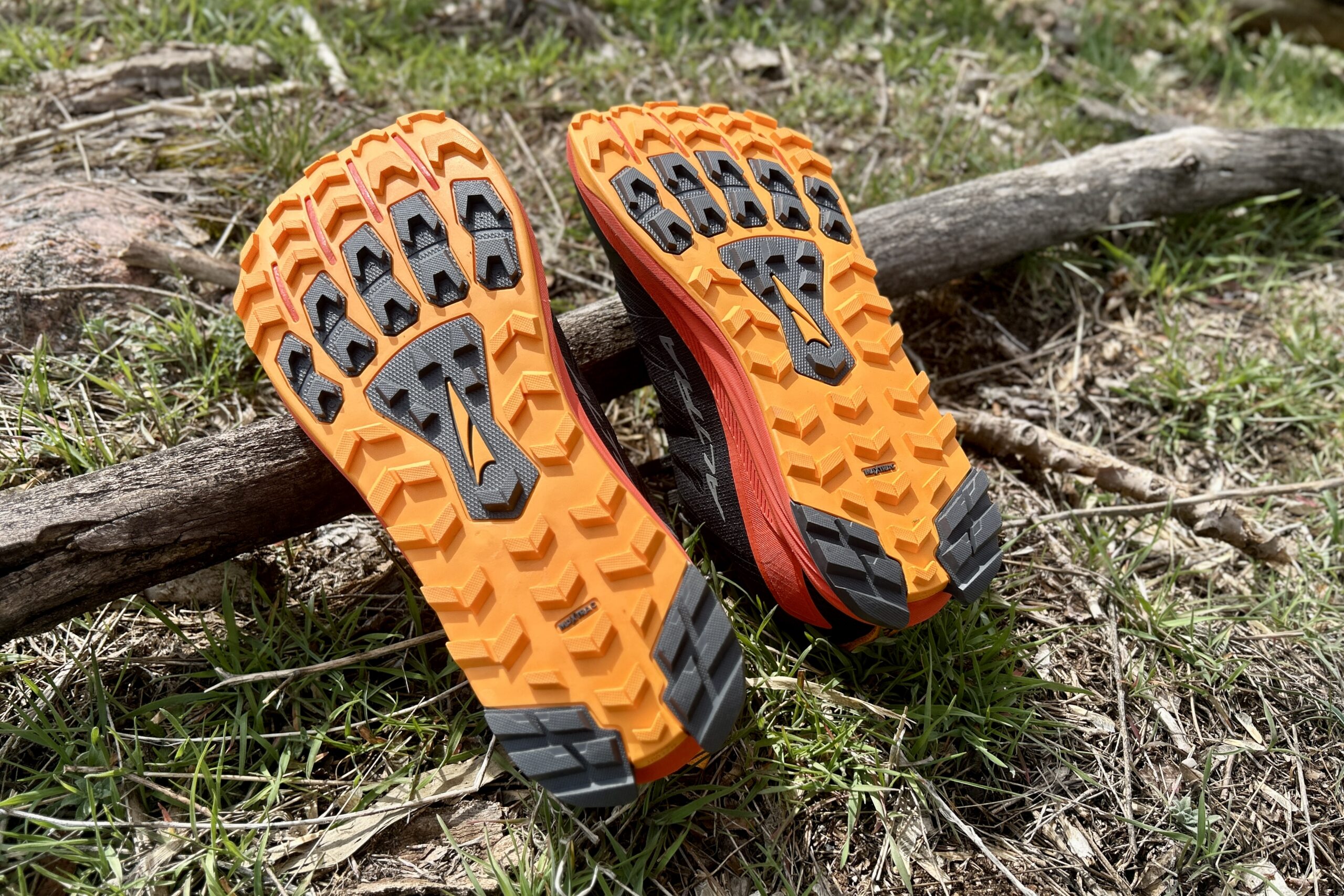
The Lone Peak 9’s lug pattern works well on dry dirt, desert washes, gravel, and many rocky surfaces. The low stack and ground feel help with precise foot placement.
Our testing has been less positive on wet rock, loose scree, and mud. One tester recorded multiple slips on wet rock and felt the lugs were not deep enough for the loosest terrain. That is why the current category traction score is lower than the older individual review implied.
Traction Score: 3.8 / 5.0
Weight
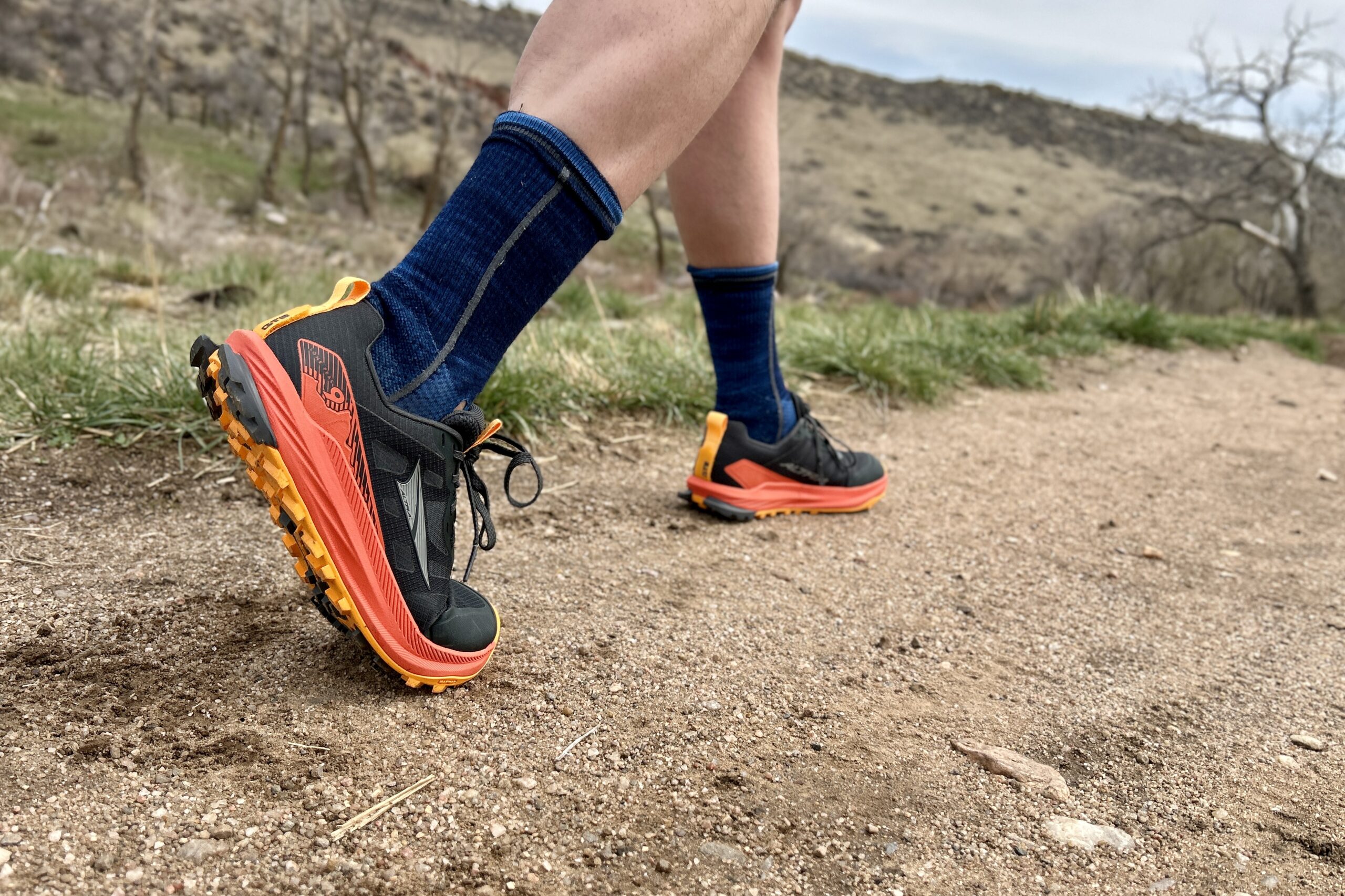
At about 1 pound 6.4 ounces per pair, the Lone Peak 9 is much lighter than traditional hiking shoes, though not especially light compared with modern trail runners. It still feels agile because of the flexible upper and low-profile platform.
The weight is reasonable for thru-hiking, especially for users who value the roomy shape and zero-drop geometry more than absolute gram counting.
Weight Score: 4.5 / 5.0
Durability
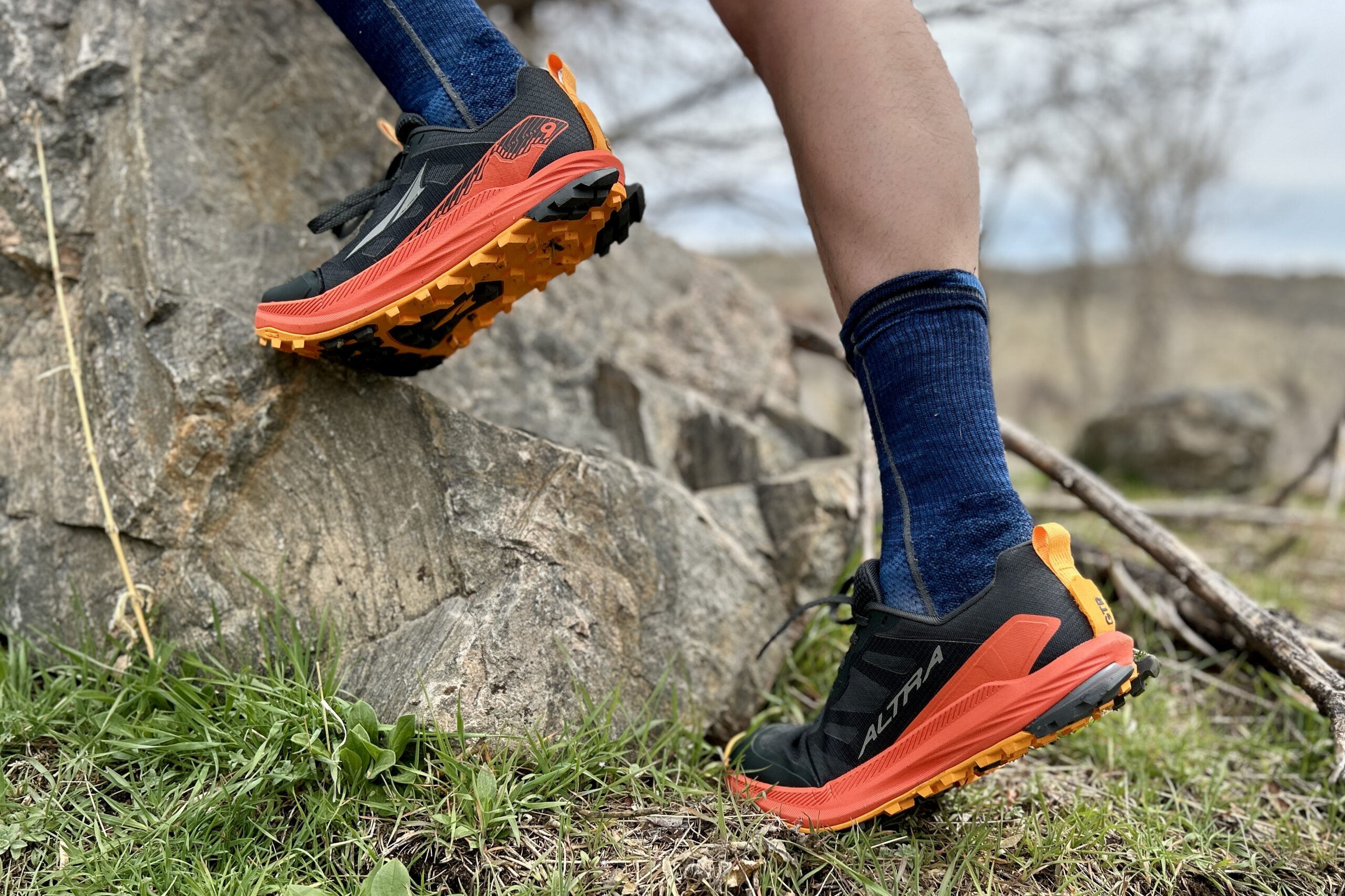
Durability remains one of the Lone Peak 9’s biggest weaknesses. In long-term testing, lugs began rounding and the mesh showed meaningful wear around 200 miles. Separate category testing also noted outsole wear and visible creasing after relatively modest use.
TPU overlays, a protective toe rand, and the updated upper help, but thru-hikers who choose Lone Peaks should still budget for more frequent replacement than with burlier hiking shoes.
Durability Score: 3.9 / 5.0
Weather Resistance
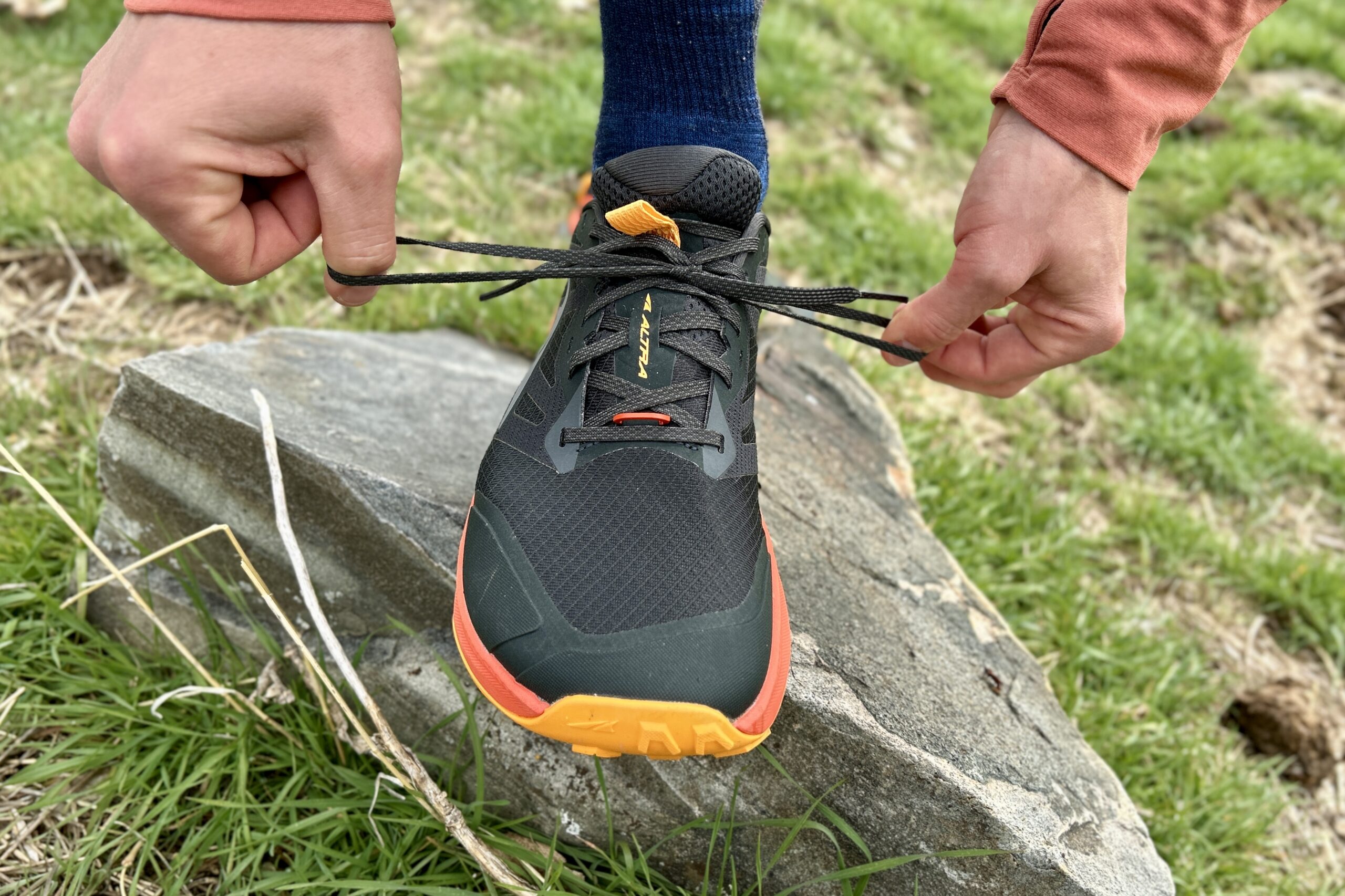
The mesh upper breathes exceptionally well and dries quickly after water crossings, which makes the Lone Peak appealing in warm weather. In our field testing, soaked shoes often dried within roughly an hour to an hour and a half under favorable conditions.
The flip side is almost no protection from sustained moisture or cold. Water penetrates the mesh quickly, and the shoe offers little insulation.
Weather Resistance Score: 3.9 / 5.0
Should You Buy the Altra Lone Peak 9?
Yes, if you already prefer zero-drop footwear, want a very roomy toe box, and prioritize breathability and ground feel. We would not recommend buying the Lone Peak solely because of its thru-hiking reputation without first confirming that the fit and zero-drop geometry work for your feet.
What Other Hiking Shoes Should You Consider?
Check out our lists of the best hiking shoes for men and best trail running shoes for men to see our other top picks.
Lone Peaks are the only zero-drop shoes on our list. But if you want a shoe with more support, consider these stellar options:
Saucony Peregrine 16 Review: Choose the Peregrine 16 if you want a more conventional fit, stronger traction, and lower overall weight. It is still flexible and trail-runner-like, but it avoids the zero-drop geometry and very wide forefoot that make the Lone Peak polarizing. We prefer the Lone Peak for committed zero-drop users and the Peregrine for a broader range of hikers.
Brooks Cascadia 20 Review: Consider the Cascadia 20 for long-distance hiking with a more traditional drop and supportive ride. It has a proven history on thru-hikes and offers a familiar feel for runners and hikers who do not want to adapt to zero drop. The Lone Peak provides more toe room and ground feel; the Cascadia is easier to recommend for conventional biomechanics.
HOKA Speedgoat 7 Review: Pick the Speedgoat 7 if cushioning and comfort are higher priorities than ground feel. Its thicker midsole and supportive rocker absorb trail impact far better than the Lone Peak, though the shoe feels less natural and less low-to-the-ground. The Speedgoat is the stronger choice for hikers who want plush support over long mileage.