
Bottom Line
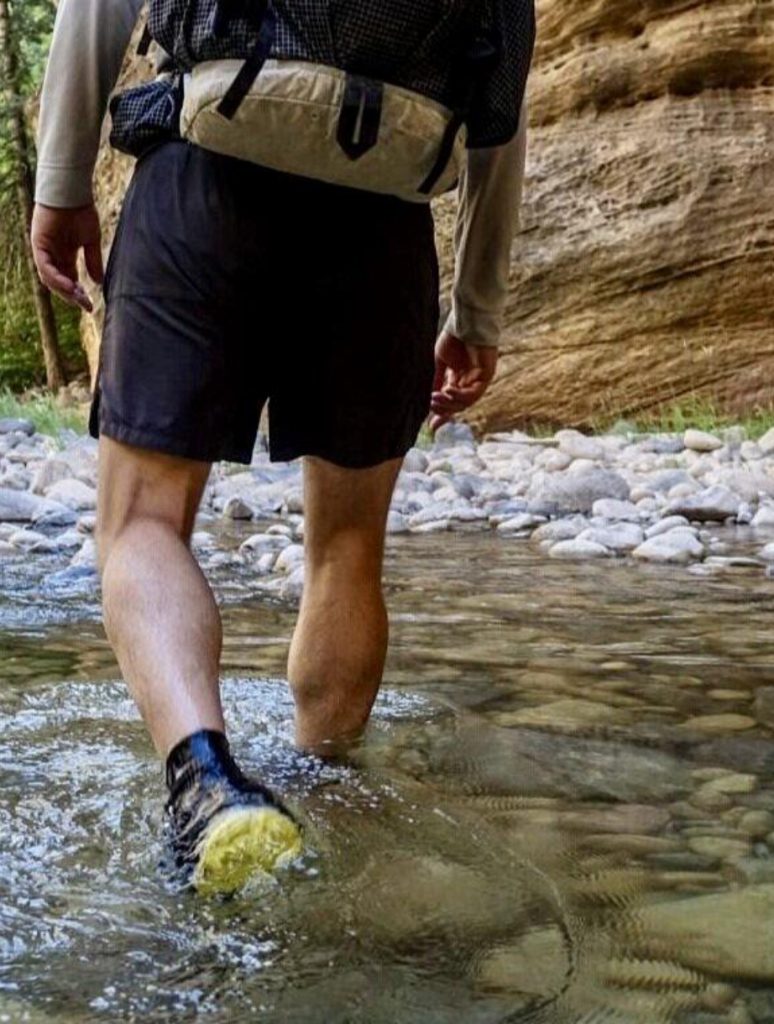
The On Cloudrock Low Waterproof is one of our favorite men’s hiking shoes for cold and damp conditions. Over months of testing in springtime Alaska, it proved to be a rugged, durable shoe that handles mud, wet trails, coastal conditions, and abrasive mountain terrain exceptionally well.
Its waterproof membrane kept our feet dry in saturated conditions, while the wraparound TPU protection and burly toe cap shrugged off rock and scree. The supportive platform feels much closer to a low hiking boot or approach shoe than a trail runner.
That construction comes with predictable tradeoffs. The Cloudrock is heavy, warm, and firm underfoot. Hikers seeking a soft, light, breathable shoe should look elsewhere. For people who frequently hike in cool, mucky conditions and want a shoe that feels built to last, the Cloudrock is excellent.

How We Tested
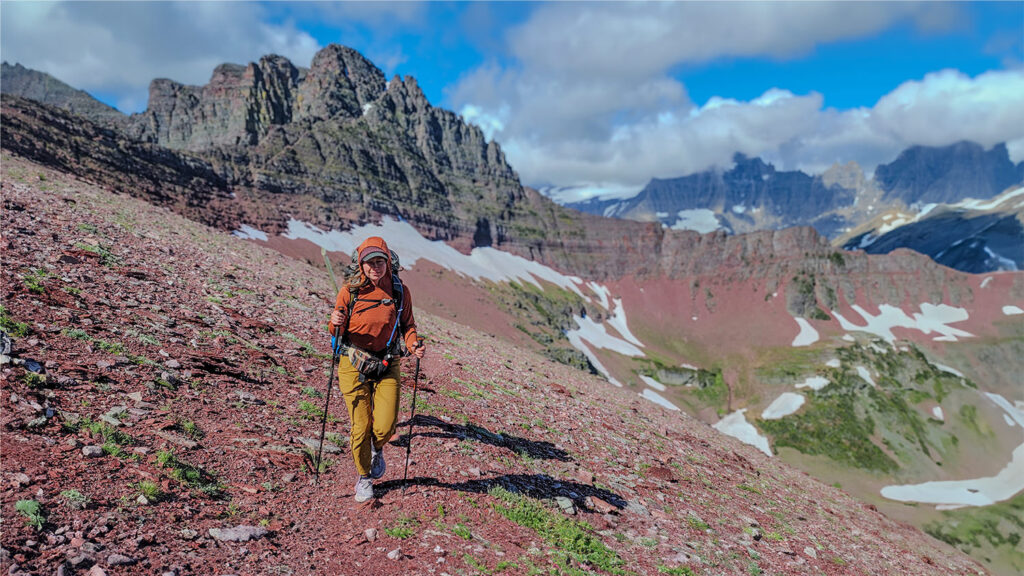
Gear Analyst Miles Knotek tested the Cloudrock Low Waterproof for roughly three months in variable spring mountain and coastal conditions in Alaska. Testing included muddy trails, wet terrain, rocky routes, and sustained damp conditions, with emphasis on comfort, traction, durability, weight, and waterproof performance.
Quick Specs
- Best for: Cold and damp hiking, muddy trails, rugged three-season use
- Waterproof: Yes
- Fit: Average / supportive
- Outsole: Missiongrip; lug depth not published
- Underfoot protection: X-shaped Speedboard for flex and stability
- Available widths: Standard only
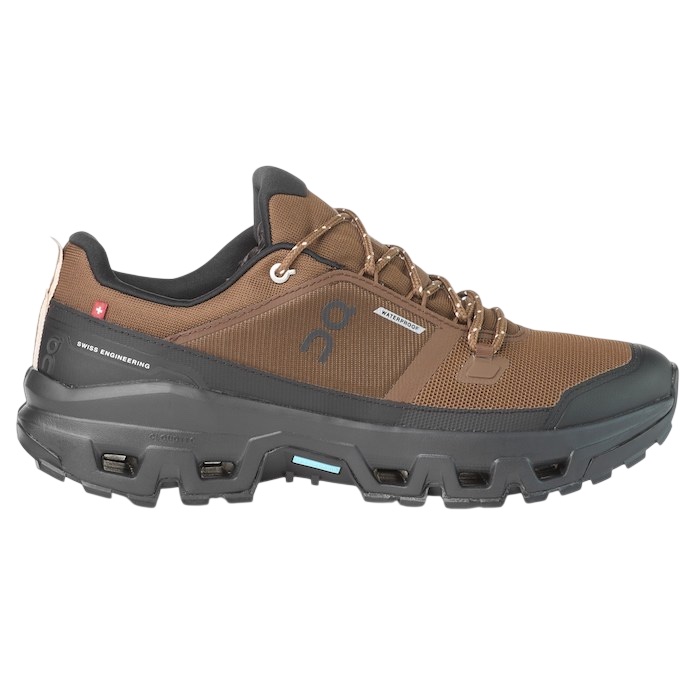
Men’s On Cloudrock Low Waterproof
Best Hiking Shoes for Cold & Damp Conditions
CleverHiker Rating: 4.4/5.0
Price: $200
Weight (Pair): 1 lb. 14.3 oz.
Heel-to-Toe Drop: 8 mm
Pros
- Supportive
- Strong waterpoofing
- Durable
- Rubber rand
Cons
- Warm
- Expensive
- Heavy

Comfort
The Cloudrock offers a supportive, structured feel. The platform is stable and protective, which we appreciate on uneven ground and in muddy conditions where a soft shoe can feel vague.
This is not a plush trail runner. The ride is firm and the burly upper holds more heat than breathable mesh footwear. Hikers who equate comfort with soft foam may prefer the Speedgoat 7, while hikers who value support may appreciate the Cloudrock more.
Comfort Score: 4.4 / 5.0

Traction
The outsole provides dependable grip on dirt, mud, rock, and mixed mountain terrain. The stable chassis helps keep the shoe planted when the surface is slippery or uneven.
Traction is strong enough for demanding hiking, though the Cloudrock’s real distinction is how well traction works together with its weather protection and durable construction.
Traction Score: 4.4 / 5.0

Weight
At nearly 2 pounds per pair, the Cloudrock is heavy compared with most trail-runner-style hiking shoes. You feel that additional structure on long days, particularly when moving quickly.
The weight is the price of the shoe’s waterproofing, protection, and durability. We think that tradeoff works in cold and wet conditions, but it is unnecessary for dry summer trails.
Weight Score: 4.0 / 5.0

Durability
Durability is one of the Cloudrock’s biggest strengths. The abrasion-resistant upper, reinforced toe, strong laces, and wraparound TPU protection handled repeated contact with sharp rock and scree without meaningful failures in our testing.
This is the type of construction we trust for hikers who are hard on footwear or regularly leave smooth trails behind.
Durability Score: 4.7 / 5.0

Weather Resistance
Weather resistance is excellent. In muddy and saturated conditions, the waterproof membrane kept our feet dry, while the protective upper prevented water and debris from working through vulnerable areas.
The downside is warmth. The thick construction can trap heat, so we would not choose the Cloudrock for hot-weather hiking.
Weather Resistance Score: 4.7 / 5.0

Should You Buy The On Cloudrock Low Waterproof?
Yes, if you hike frequently in cool, wet, muddy environments and want a durable shoe that feels protective and stable. It is less appealing for hot climates, ultralight hiking, or people who prefer soft cushioning.

What Other Men’s Hiking Shoes Should You Consider?
Curious about our other favorite hiking shoes? Head over to our best men’s hiking shoes gear guide to check out all our top picks.
Salomon X Ultra 5 GTX Review: Choose the X Ultra 5 GTX if you want a lighter, more precise waterproof shoe with excellent stability. It is less bulky than the Cloudrock and feels more versatile across mixed terrain, while still providing strong protection and wet-weather performance. We prefer the Cloudrock for cold, damp, abusive conditions and the Salomon for broader all-around use.
HOKA Anacapa 2 Low GTX Review: Pick the Anacapa 2 Low GTX if you want more cushioning and a roomier platform. It gives up some of the Cloudrock’s firm, protective feel but is easier on the feet over long days. The Anacapa is the better choice for hikers who prioritize comfort; the Cloudrock is better when durability and rugged weather protection lead the decision.
La Sportiva Spire GTX Review: Consider the Spire GTX for a similarly burly shoe-boot hybrid with exceptional long-term durability and excellent technical traction. It is stiff, narrow, and heavy, but our long-term testing shows it can handle hundreds of miles of rough terrain. The Cloudrock is a better match for cold, muddy conditions; the Spire is stronger for technical backpacking and alpine routes.