


Bottom Line
The Outdoor Research Foray (men’s) and Aspire (women’s) make the most sense for hikers who are frequently caught in prolonged cold rain. We particularly like their long, weather-resistant side openings, which let us release heat while walking and remove the pants over footwear. Attachment options for suspenders and inset stirrups expand their utility for snow and severe weather.
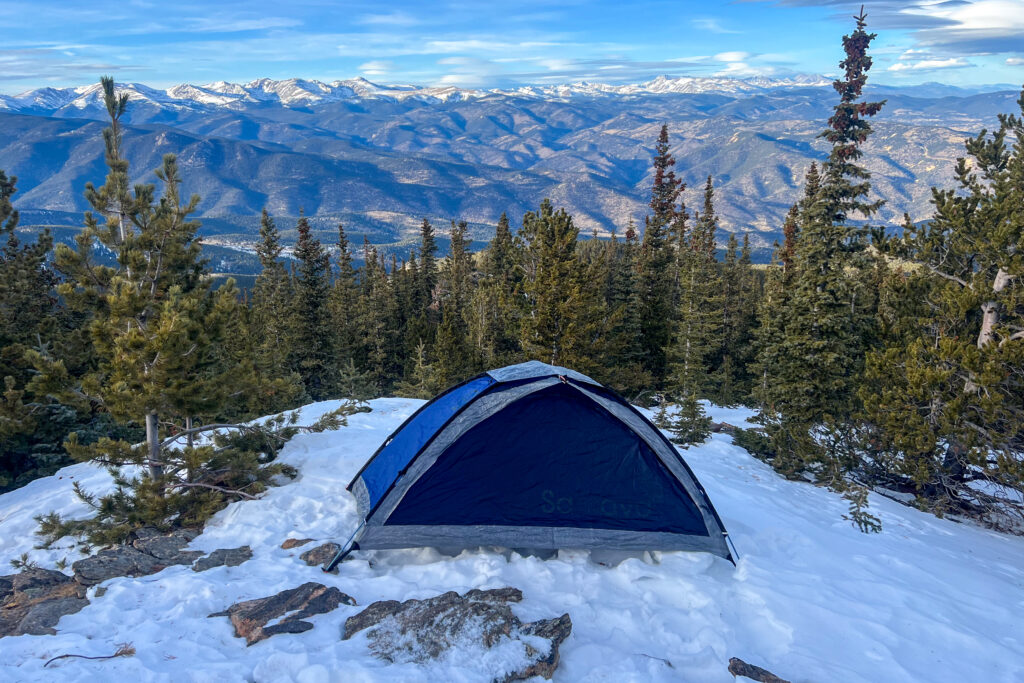
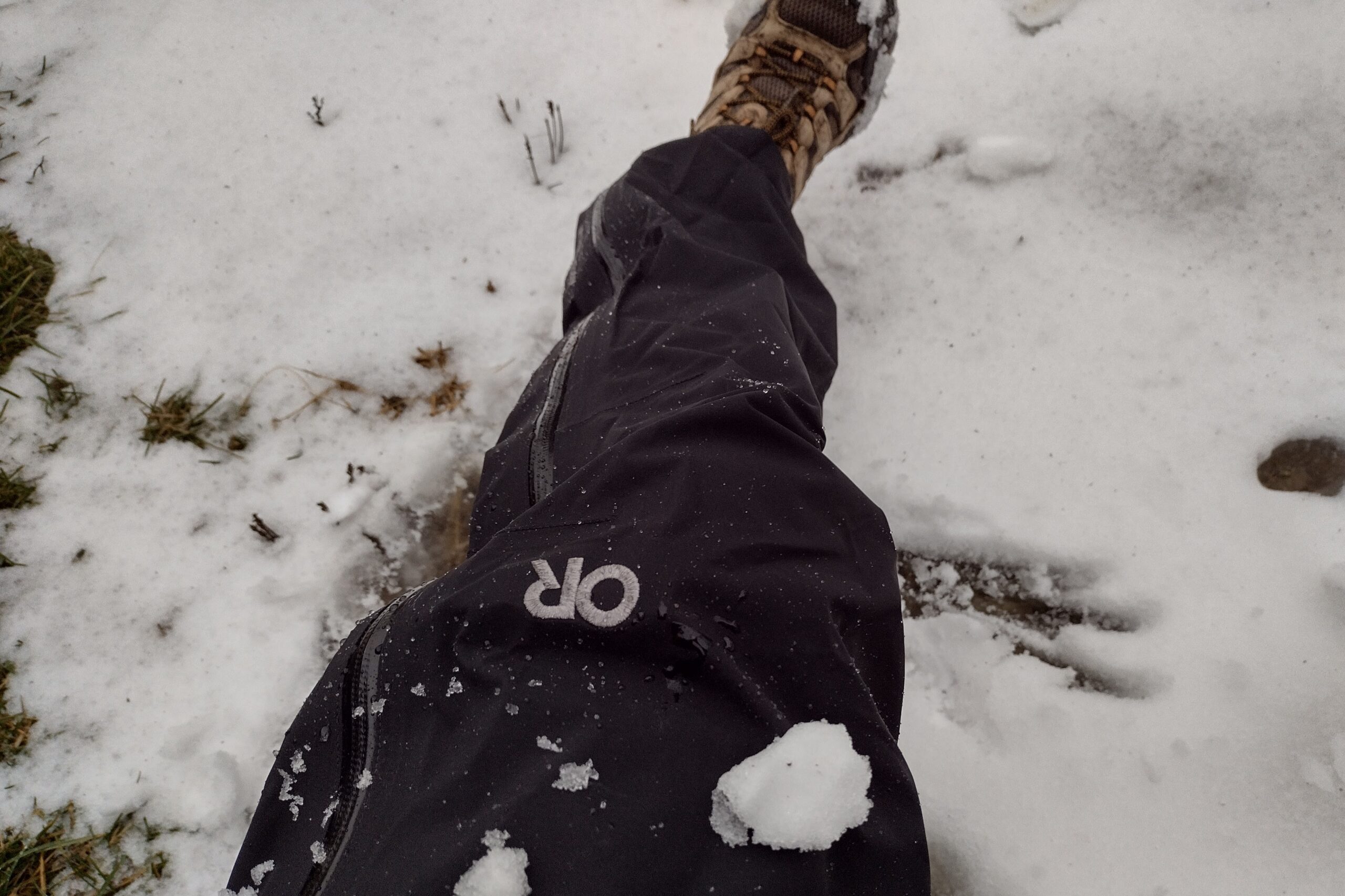
Our 60-day test included wet Minnesota winter hikes, miles on the Ice Age Trail, and scrambling through Colorado’s Poudre Canyon. The waterproof construction held up to sloppy conditions, while the flexible fit remained comfortable over layers. The quiet material is more pleasant than many rigid rain shells.
There are meaningful costs: at $210, these pants are expensive, and the baggy cut is not especially streamlined. They also rank among the heaviest models in the guide and supply only one rear pocket. Hikers who can use the venting and cold-weather adaptability get more from that weight than people seeking occasional emergency coverage. Our complete comparison is in the best rain pants guide.
How We Tested
We evaluated these pants over 60 days in soggy Minnesota winter conditions and on long Ice Age Trail hikes. Abrasion and movement testing included scrambling across Colorado boulders in Poudre Canyon. The combination let us compare rain protection, fit over insulating layers, zipper access, airflow, and practical toughness.
Quick Specs
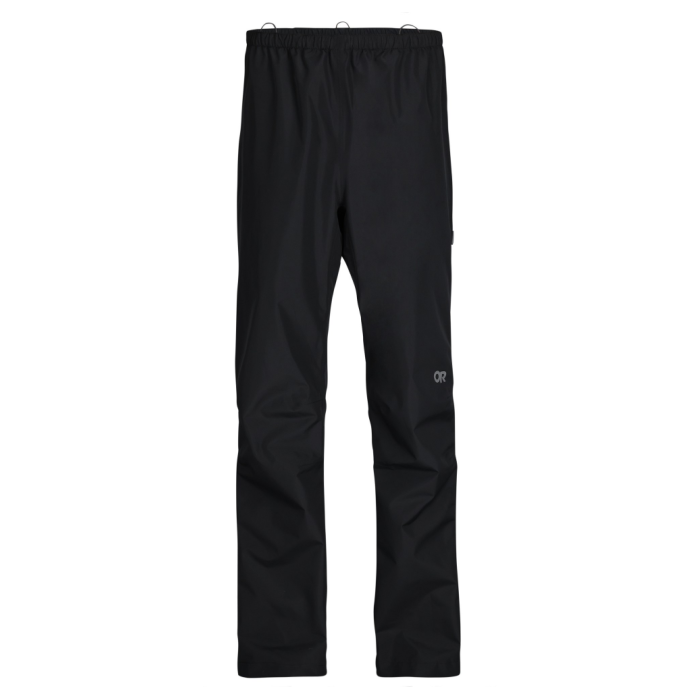
Outdoor Research Foray / Aspire
Best Rain Pants For Ventilation
CleverHiker Rating: 4.5/5.0
Price: $210
Weight: 13.6 oz. / 13.2 oz.(men’s / women’s)
Zipper Length: Thigh
Pros
- Excellent long side vents
- Quiet, comfortable fabric
- Optional suspender and stirrup attachments
- Short and tall sizing
- Strong cold-weather versatility
Cons
- Heavy
- Baggy fit
- Only one rear pocket
- Higher price
Comfort & Mobility
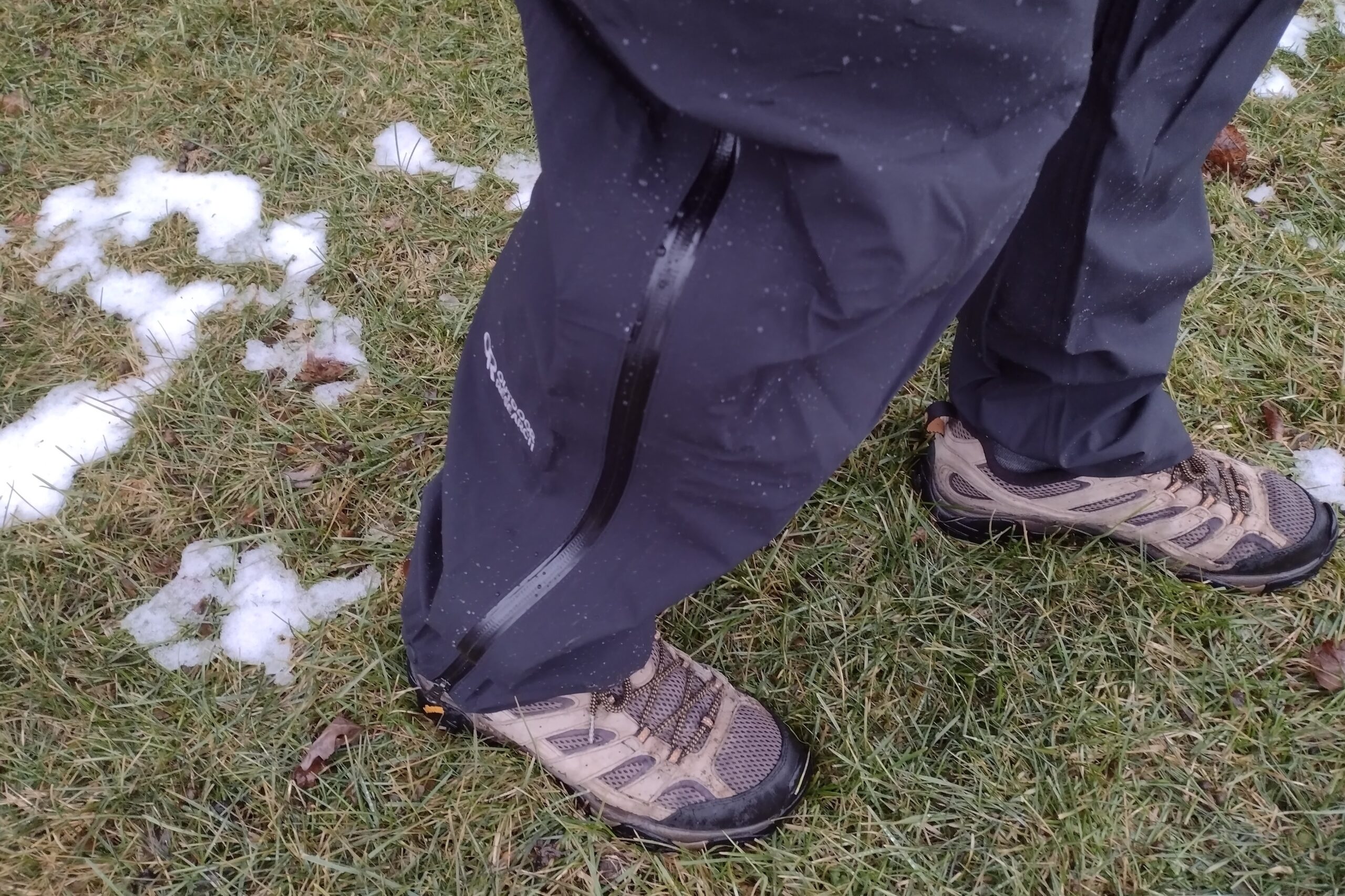
The relaxed cut leaves room for insulating pants, an important advantage when rain turns into wet snow or temperatures fall. During chilly hiking and rocky scrambling, we appreciated having space to step and bend without a tight shell tugging at the knees. The tradeoff is excess material, which some hikers will find sloppy compared with the tailored Fineline.
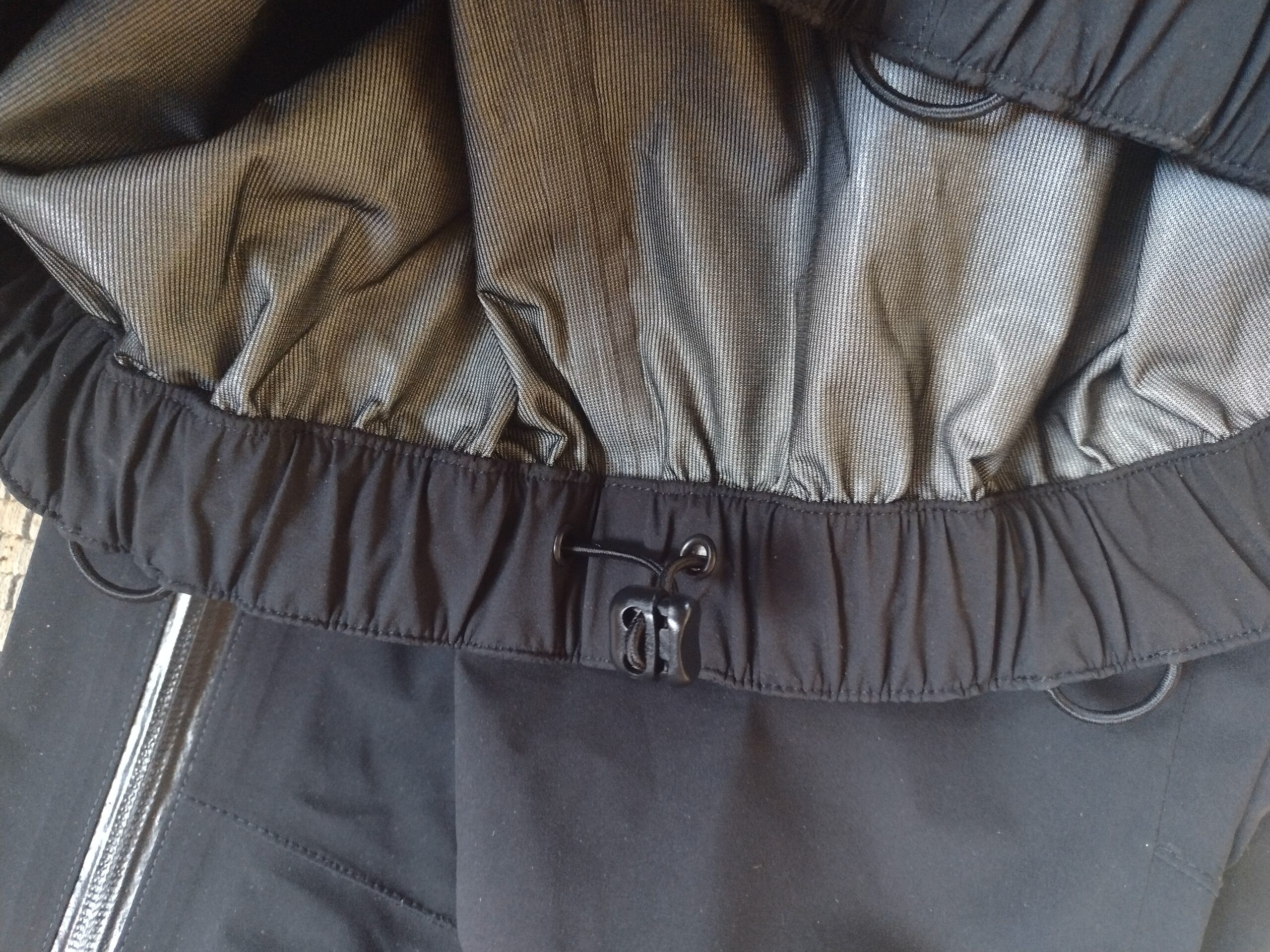
The fabric is relatively quiet, making it more pleasant during long stretches of walking than stiff, crackly alternatives. The wide cut and availability of different inseams also make this pair more adaptable to layers and body shapes than a trim design. Waist adjustments help with fit, and accessory attachment points improve coverage for hikers who use suspenders or stirrups.
On cold outings, the extra volume let us keep insulating layers underneath without pulling against the knees during long steps. The quiet fabric also reduced the stiff rustling sensation of some protective shells. That comfort comes from a roomy, forgiving fit rather than stretch-focused tailoring, so hikers seeking an athletic silhouette may still prefer the Fineline.
Comfort & Mobility Score: 4.7/5.0
Weather Resistance
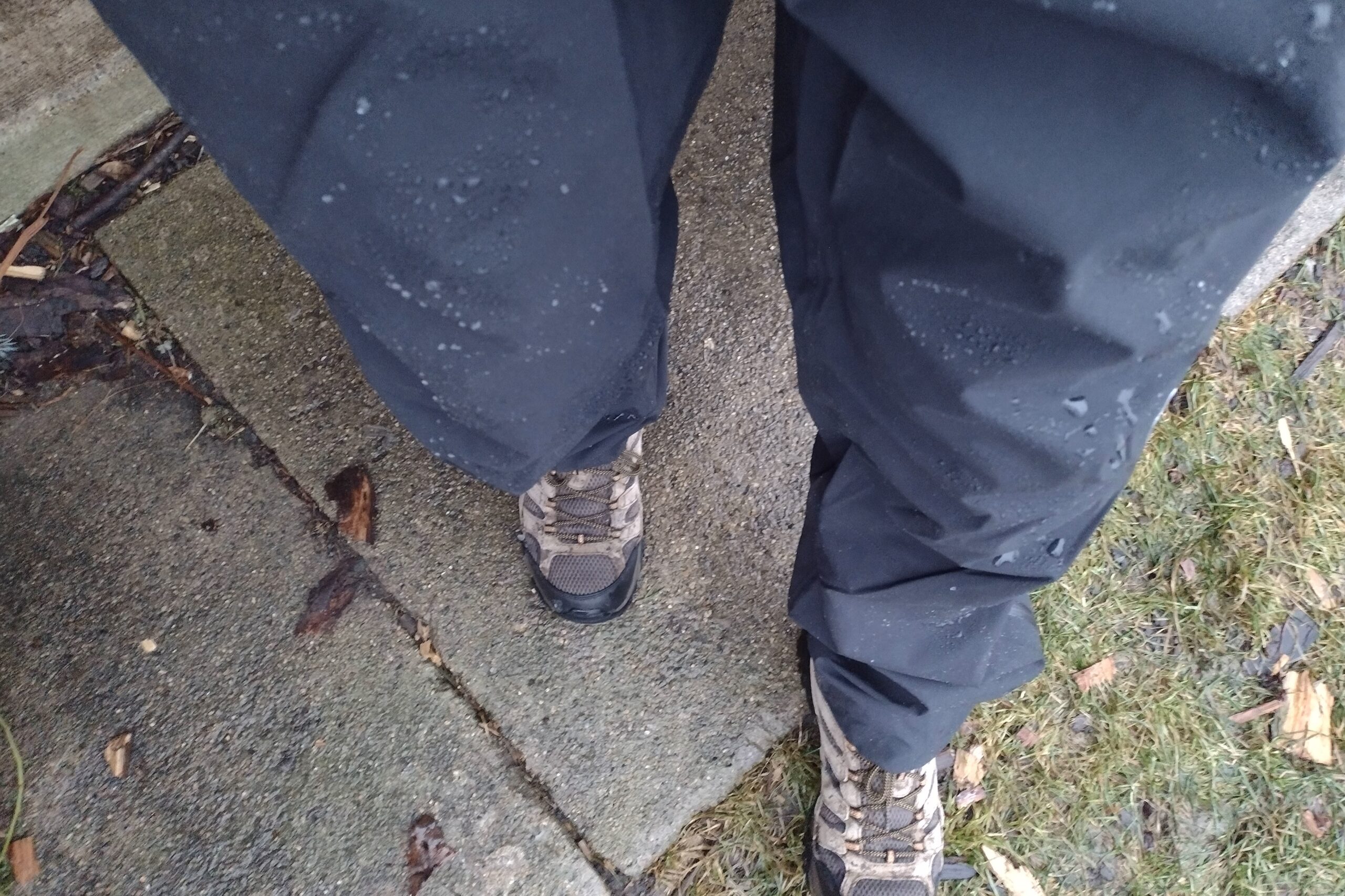
These pants are intended for sustained wet weather, not just a passing shower. Our Minnesota outings gave the shell repeated exposure to cold rain, while the sealed side closures helped protect the openings that double as ventilation. The large leg openings can be closed promptly when rain intensifies.
For backcountry users spending hours in wind-driven precipitation, that combination of substantial coverage and adjustability has real value. Optional suspender attachments and inset stirrups provide ways to keep the pants secured over layers and boots when snow joins the rain. It does not make a large opening waterproof while unzipped, though. Hikers still need to manage heat without exposing the legs when weather becomes severe.
Weather Resistance Score: 4.8/5.0
Ventilation
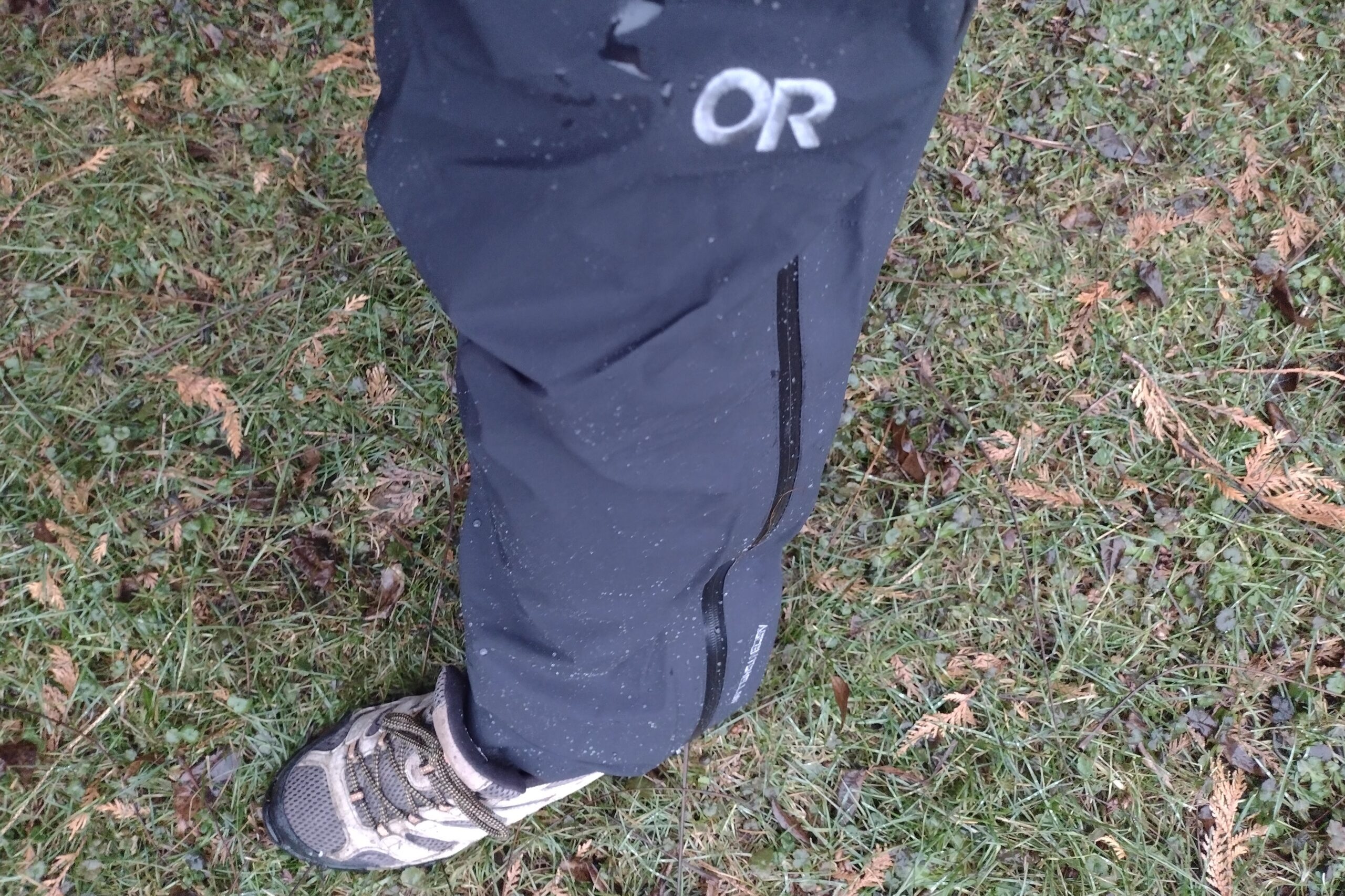
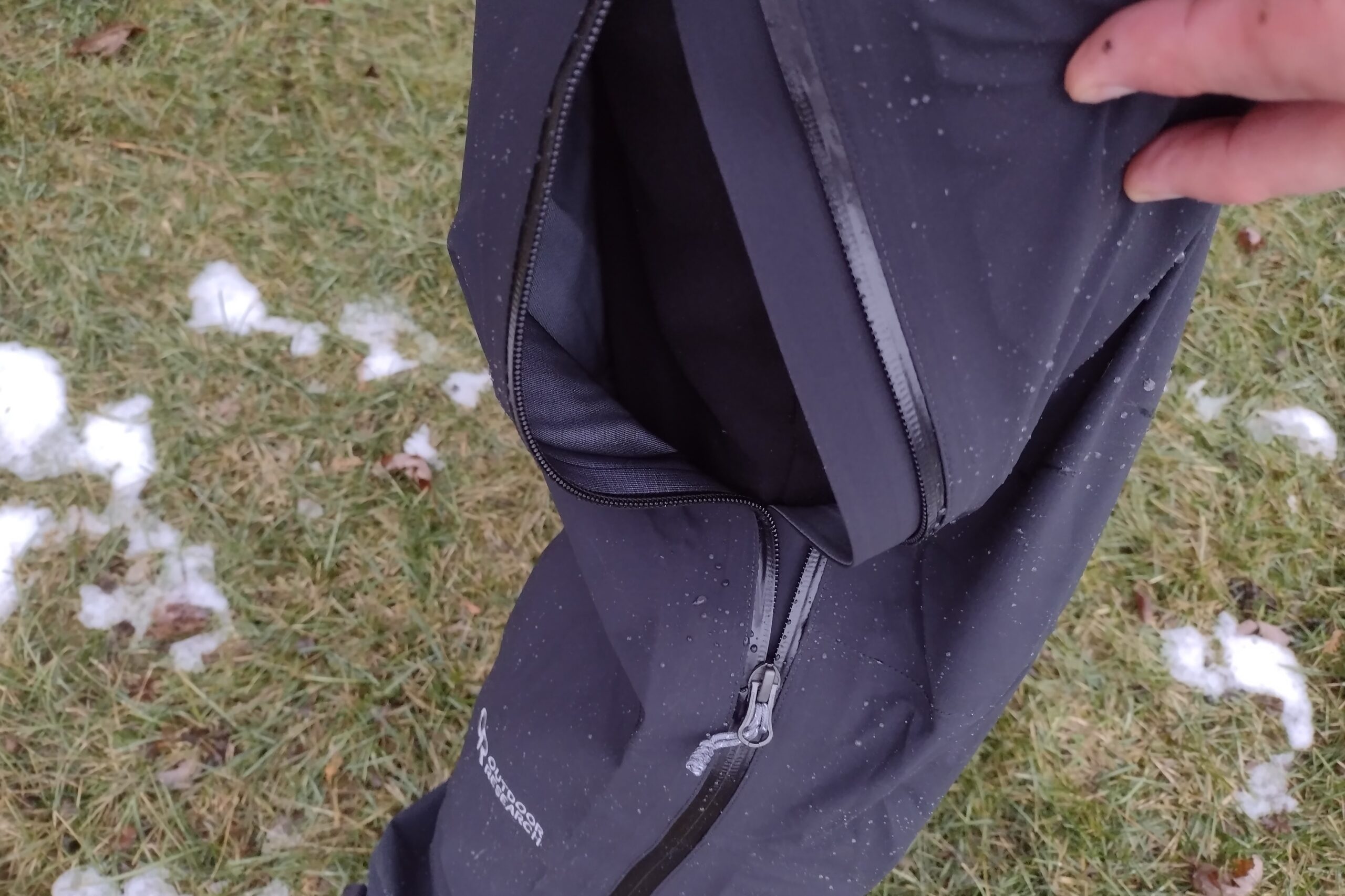
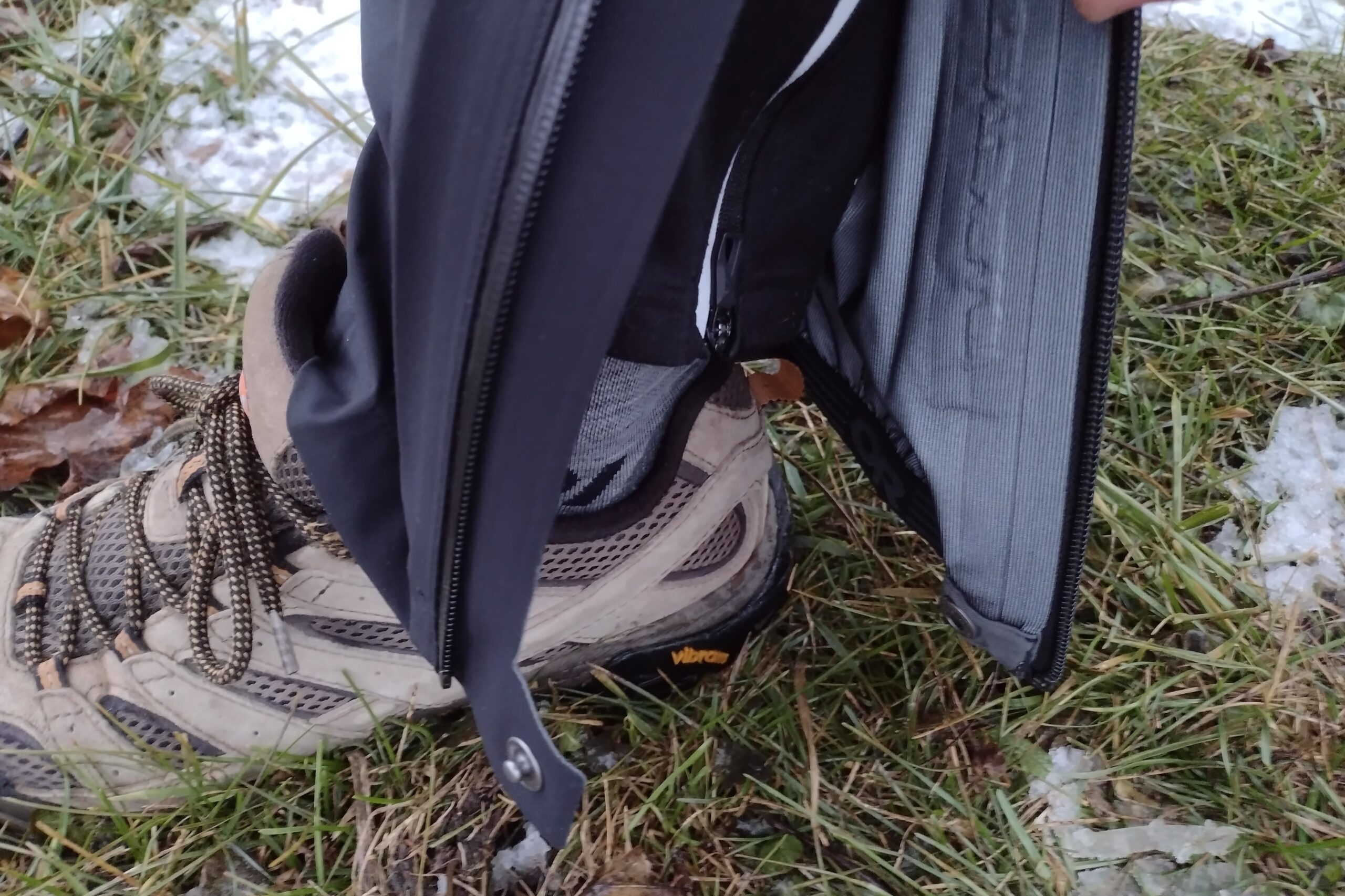
The long side zippers are the defining feature. We could release heat at the legs without pulling the pants off completely, useful during climbs followed by cold descents. They also simplified changes over footwear on wet trails.
This is an important contrast with zipperless models like the Vertice and Columbia. The three-quarter-length side closures reach from the ankles toward mid-thigh, which let us release heat at different points during winter hikes. Those save hardware and simplify construction, but cannot shed heat nearly as deliberately. If you often overheat inside waterproof layers, the Foray and Aspire give you control worth paying for.
Ventilation Score: 4.7/5.0
Weight
At 13.6 ounces for men and 13.2 ounces for women, the Foray and Aspire are not ideal for gram-counting backpackers. Wide legs, zipper hardware, and provisions for cold-weather accessories add complexity and packed bulk.
We would carry them willingly on consistently wet trips where we expect to wear rain pants for much of the day. Their one rear pocket is a limited storage solution for a pant with this much hardware, which makes the weight more defensible for bad-weather use than routine summer hiking. On mostly dry summer trails, those same features represent weight that could be avoided with the Helium or Zpacks Vertice.
Weight Score: 4.2/5.0
Durability
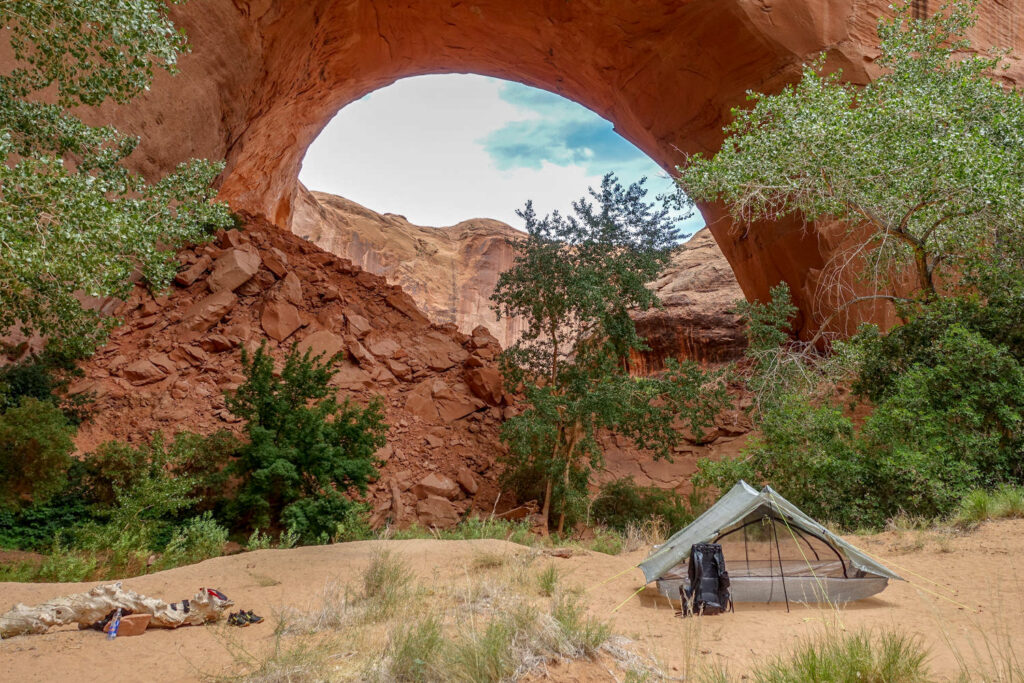
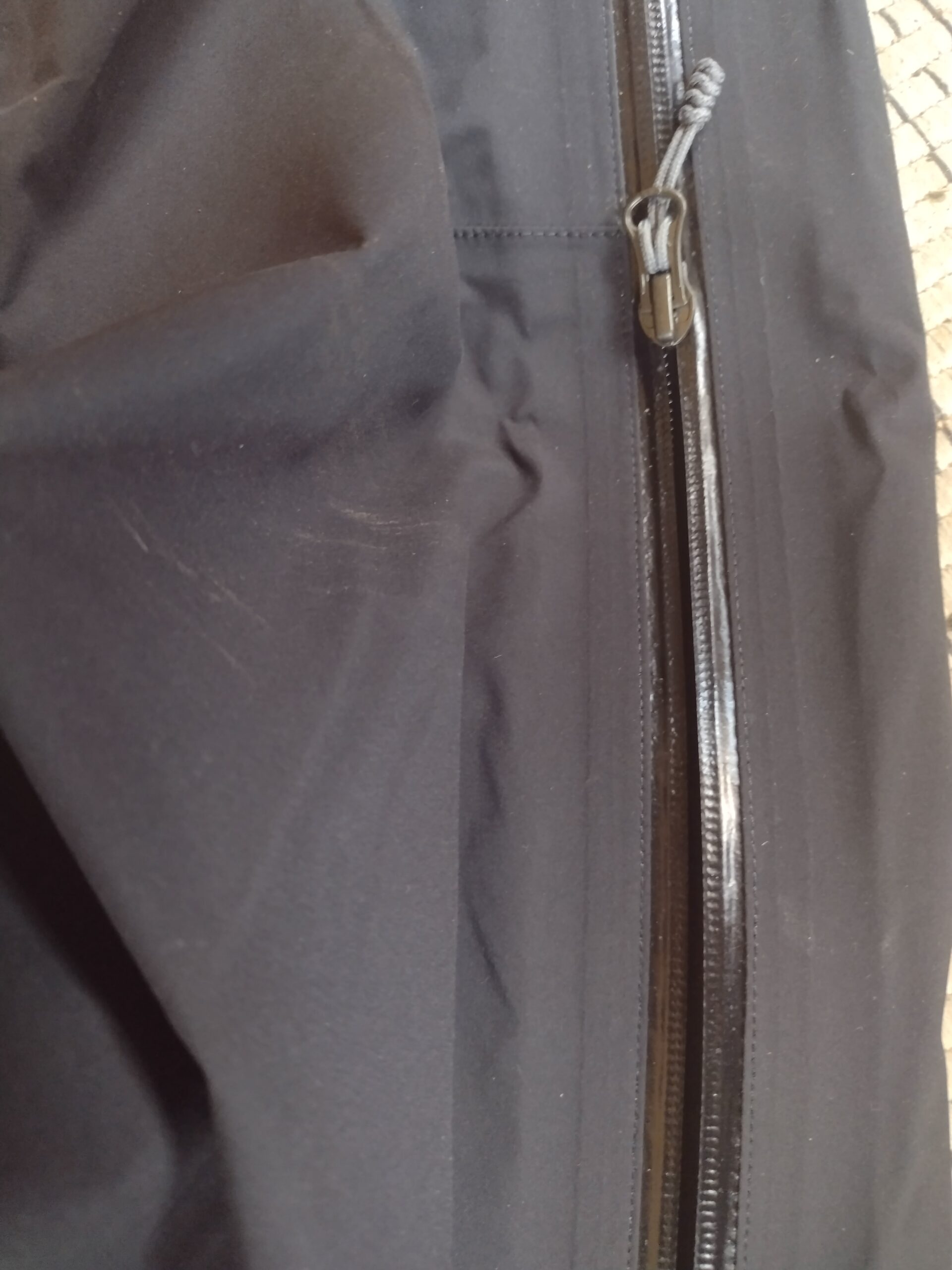
We included rough Colorado rock in testing specifically because durability matters for a shell aimed at harsh conditions. The Foray held up well to the varied field use, reinforcing our confidence in its construction for wet hiking and moderate scrambling.
Its long openings add moving parts that minimalist models avoid, so it is worth keeping them clean and operating smoothly. Our Poudre Canyon scrambling and winter trail walks supported its durability when a lightweight shell might have snagged or scuffed. Nonetheless, this is a more reassuring choice for repeated hard use than a very thin emergency shell.
Our Poudre Canyon scrambling supplied a different kind of evidence than the damp winter hikes: the pants had to move against rough rock as well as withstand persistent moisture. That supports choosing them for repeated foul-weather travel rather than occasional emergency coverage. It does not mean the closures are maintenance-free; long zippers should be kept clear of grit to preserve their advantage over simpler designs.
Durability Score: 4.3/5.0
Should You Buy the Outdoor Research Foray / Aspire Rain Pants?
They are especially well suited to hikers who regularly face cold rain, change layers frequently, or need serious adjustable ventilation. The accessory options also appeal to snow travelers, and size choices accommodate varied builds.
Skip them if you need the lightest possible backup pants or want a slim everyday fit. The extra price and weight are hard to justify when you’re rarely in sustained rain.
What Other Rain Pants Should You Consider?
If the Outdoor Research Foray rain pants aren’t the perfect match for you, here are three alternatives from our complete guide to the best rain pants to consider:
Patagonia Torrentshell 3L Review: Patagonia’s three-layer Torrentshell prioritizes abrasion resistance and storm coverage without the Foray’s premium price. We found its fabric durable on rocky Colorado terrain, so it makes sense if abrasion resistance is the priority. It is stiffer and noisier, and its leg closures do not offer exactly the same long-vent arrangement.
REI Rainier Review: The Rainier is the practical budget alternative for hikers who still want full-length openings, pockets, and adjustable cuffs. It costs much less and works well for ordinary rainy trails, but its bulky material is less comfortable against skin and its protection is less specialized for severe use.
Outdoor Research Helium Review: The Helium cuts a great deal of carried bulk for people who mainly want a compact shell as insurance. Its short ankle zips and lighter material cannot provide the same heat release or rugged cold-weather adaptability. Choose it for lighter loads, not prolonged demanding conditions.