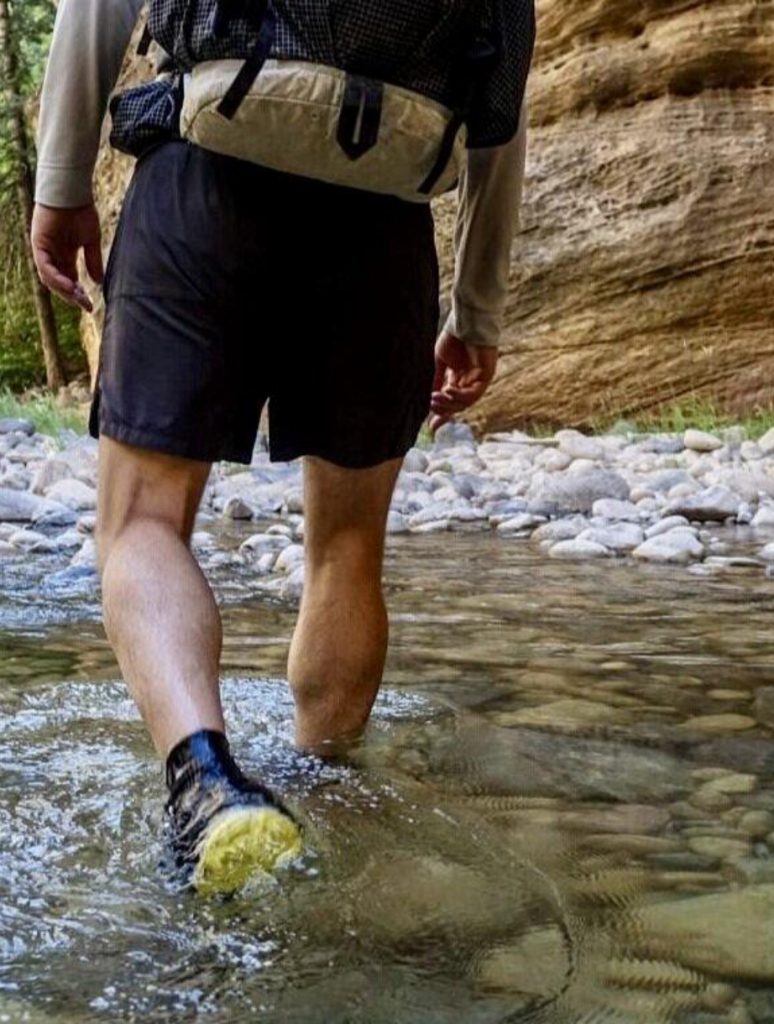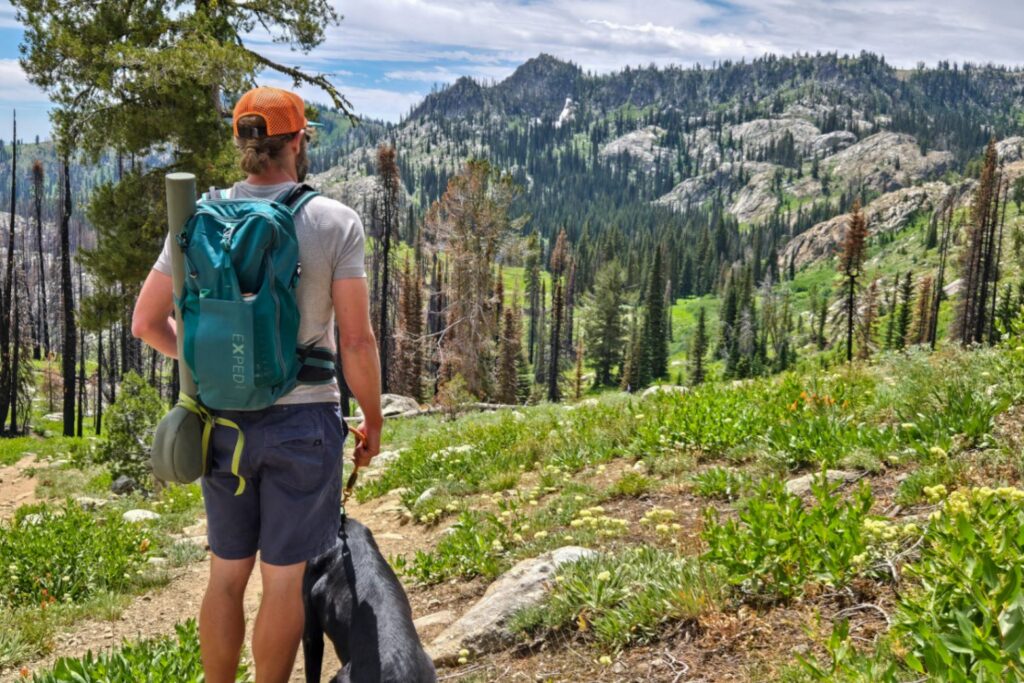


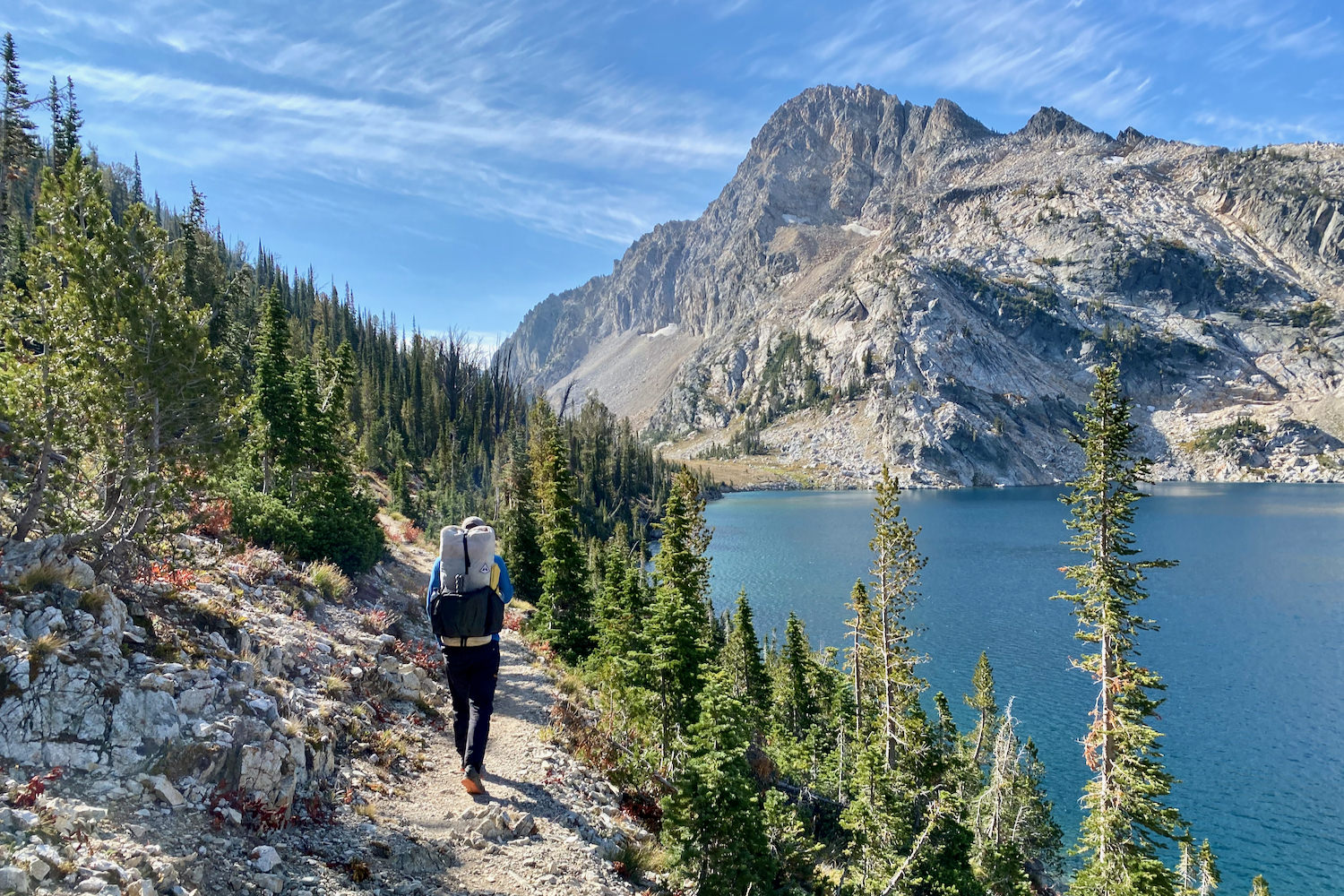
We’ve hiked more than 100,000 miles with backpacks over the past two decades.
During that time, our team of gear analysts has researched 220 backpacking backpacks. For this guide, we’ve narrowed down our picks to 12 packs that we’ve field tested over the past year.
If you’re a minimalist, youll want to see our guide to the best ultralight backpacks. This guide focuses on traditional backpacks for backpacking.
Editor’s Note: We updated this gear guide on May 16, 2026 to add new products and revise our rankings.
How We Test Backpacking Backpacks
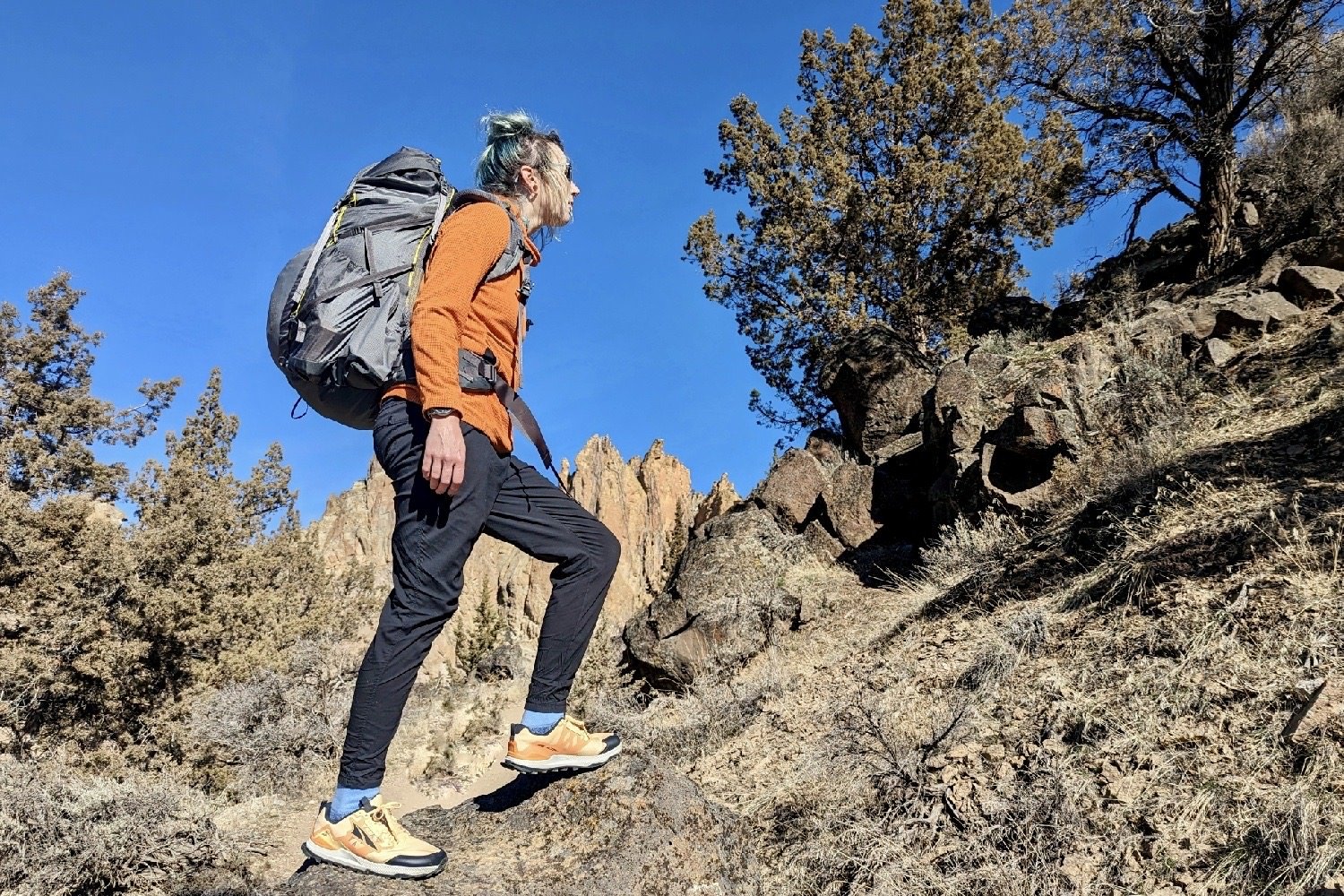
We most recently took these packs into the rugged Minnesota wilderness and out to Jotunheimen National Park in Norway. This added to a testing range that includes the PCT, Appalachian Trail, CDT, Colorado Trail, Arizona Trail, Long Trail, and several international destinations.
And for more info, check out some of our other most popular gear guides:

#1. Best Backpacking Backpack Overall
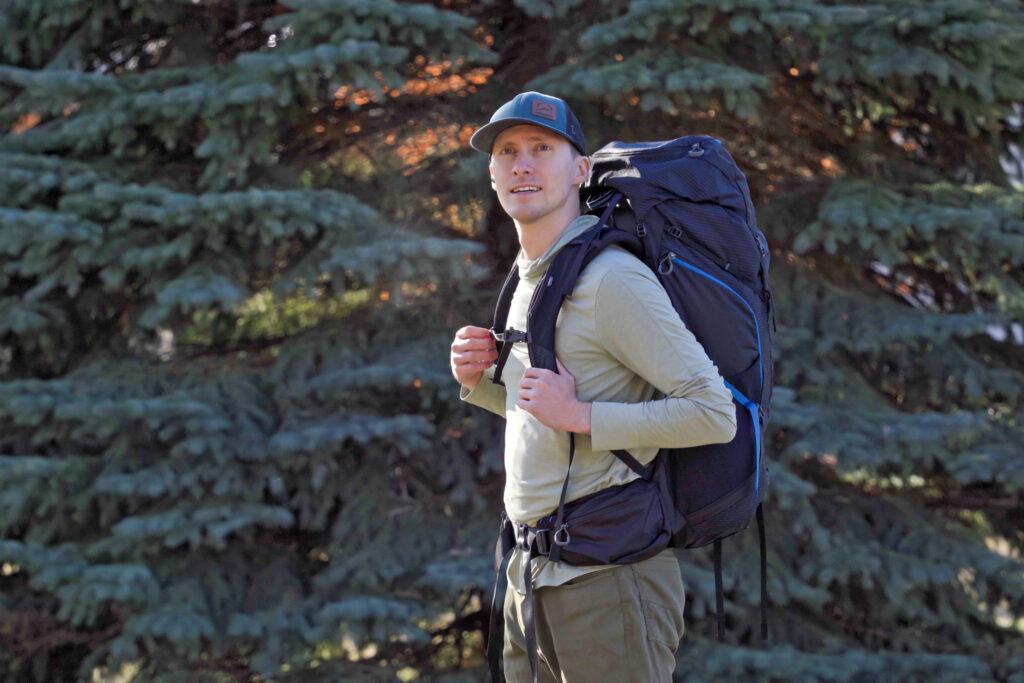
The Gregory Paragon 60 is one of the most comfortable packs we’ve ever tested. We’ve hiked over 1,000 miles with this pack over the years, and it’s still our favorite after all that time.

Quick Picks for backpacking packs
Check out this quick list of the best backpacking backpacks, or continue scrolling to see our full list of favorites with in-depth reviews.
1. Best Backpacking Backpack Overall: Gregory Paragon 60 (Men’s) / Maven 58 (Women’s) ($300)
2. Best Budget Backpacking Pack: REI Flash 55 (Men’s) / (Women’s) ($229)
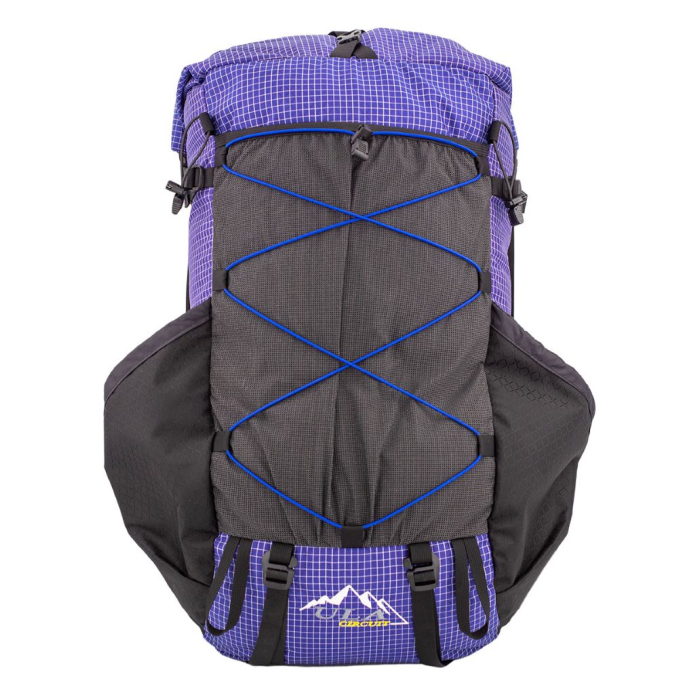
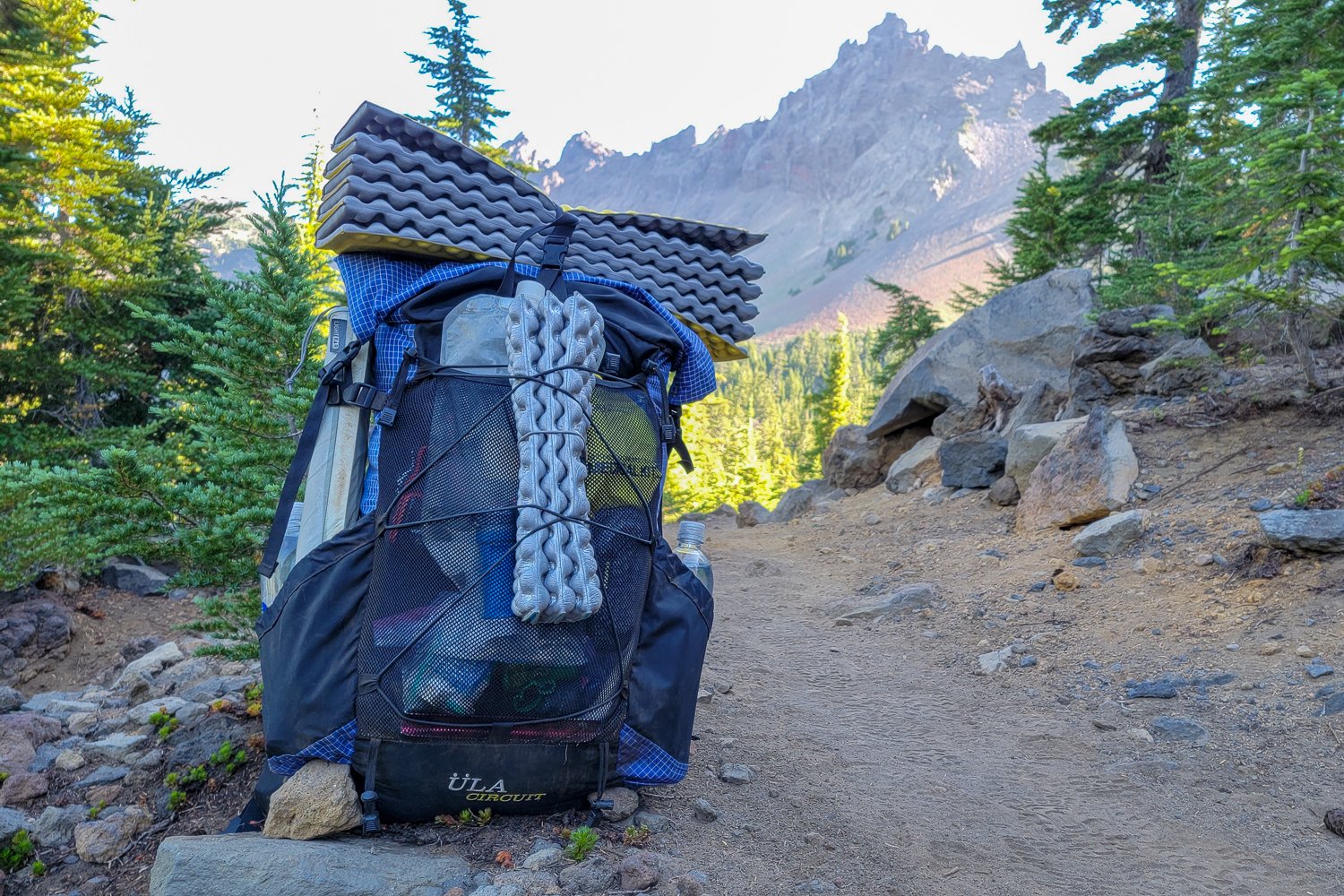
3. Best Backpack for Thru-Hiking: ULA Circuit ($300)
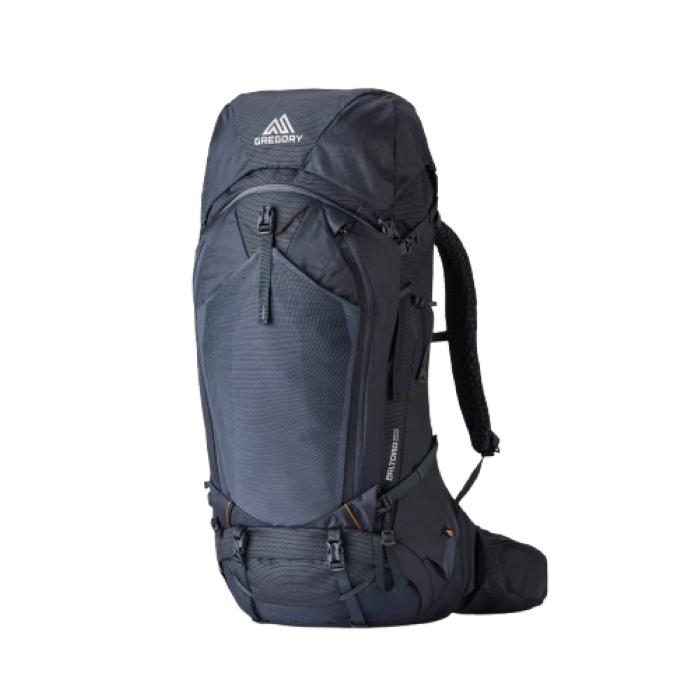
4. Best Load Hauler Backpacking Backpack: Gregory Baltoro 75 Men’s / Deva 70 Women’s ($400)
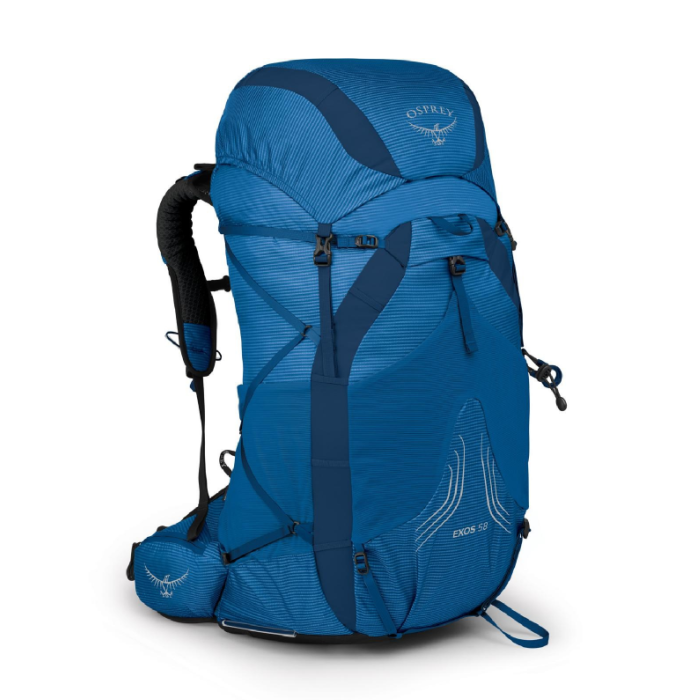
5. Best Lightweight Ventilated Pack: Osprey Exos 58 (Men’s) / Eja 58 (Women’s) ($285)
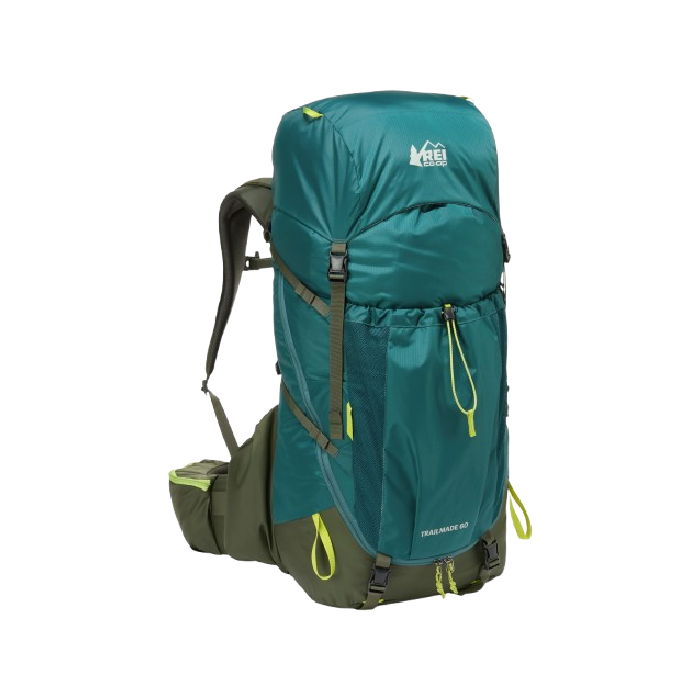
6. Backpacking Pack with Classic Styling & Great Price: REI Trailmade 60 (Men’s) / (Women’s) ($189)
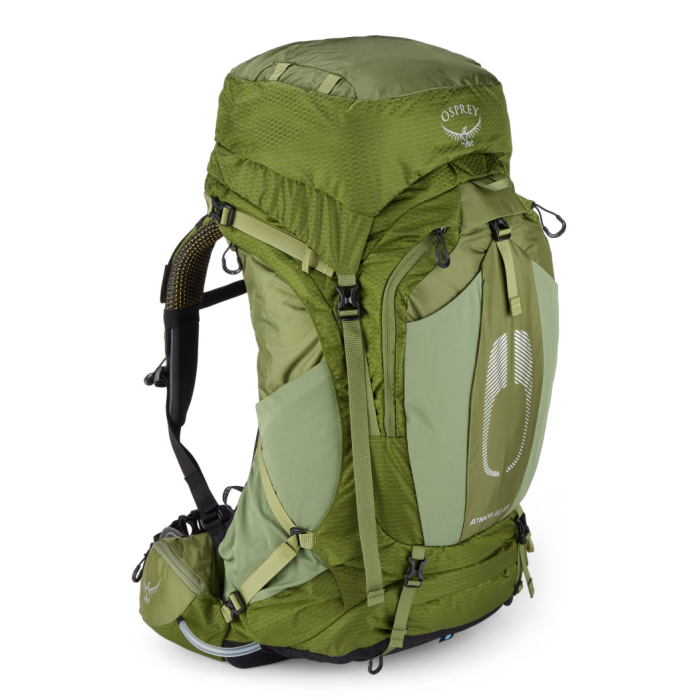
7. Backpacking Pack with Best Features: Osprey Atmos AG 65 (Men’s) / Aura AG 65 (Women’s) ($370)
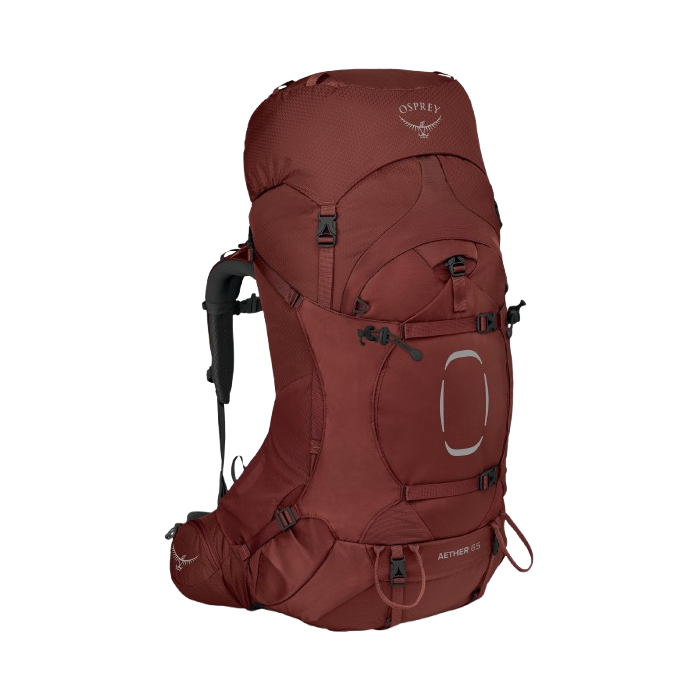
8. Most Durable Backpacking Pack: Osprey Aether 65 (Men’s) / Ariel 65 (Women’s) ($370)
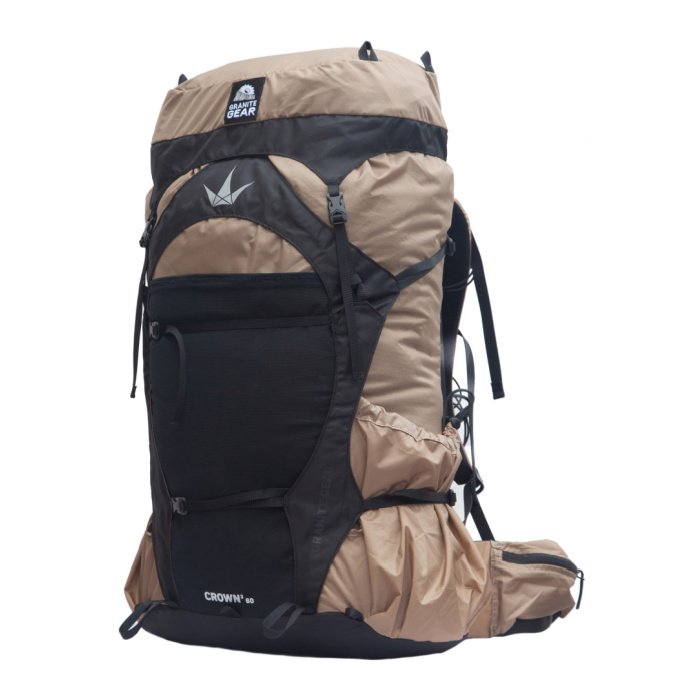
9. Best Crossover Backpacking Pack: Granite Gear Crown3 ($260)
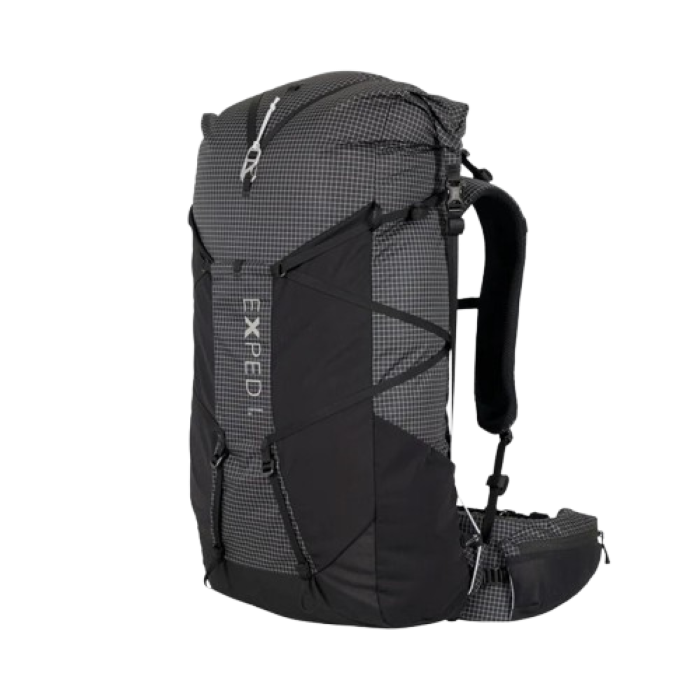
10. Quality Lightweight Backpack: Exped Lightning 50 ($270)
11. Backpacking Pack with Amazing Comfort & Quality: Deuter Aircontact Ultra 50+5 ($285)
12. Best Entry-Level Backpack: (men’s) Kelty Asher 55 ($169) / (women’s) Nena 60 ($179)
Gregory Paragon 60 / Maven 58
Best Backpacking Backpack Overall
CleverHiker Rating: 4.8/5.0
Price: $300
Weight: 3 lb. 8 oz.
Volume: 60 L / 58 L
Max Weight Rec.: 50 lb.
Pros
- Very comfortable
- Water bottle pocket easy to reach
- Side zipper access
Cons
- Heavier than its peers
- Only one bottle pocket has vertical opening
- Mesh on back pocket may lack durability
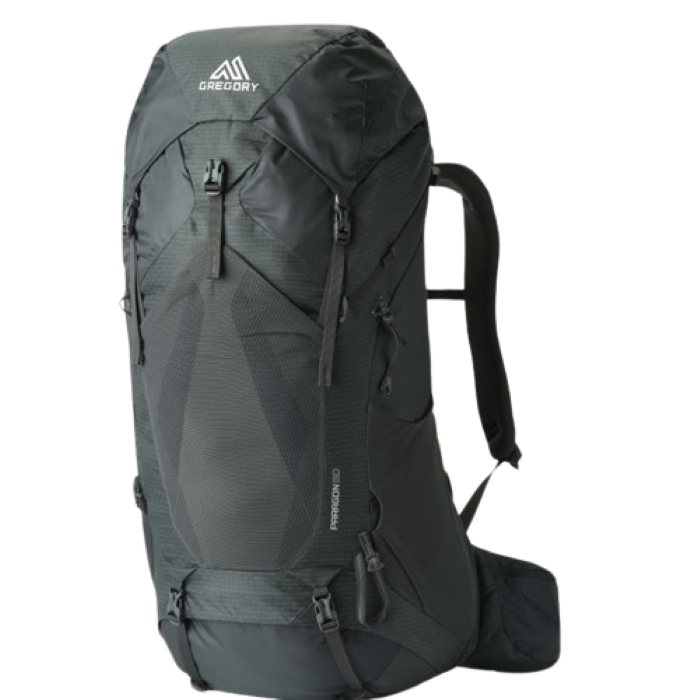
The (Gregory Paragon 60 (men’s) / (Maven 58 (women’s) has an exceptional balance of comfort, features, and price. It has an excellent mesh back panel and supportive hipbelt that both effectively distribute weight, minimizing pressure points. The side zippers allow easy access to the main compartment and the bottom sleeping back pocket, ample compression options, and external lashing points add to its versatility. Every part of the pack performed smoothly and delightfully during testing.
However, the Gregory Paragon is not the lightest pack in its class. In addition, the mesh back pocket, though high quality, does raise some durability concerns. The hipbelt pocket zippers also are difficult to close with one hand. These drawbacks are relatively minor though compared to the overall performance and comfort of the pack.
Overall, we found it offers a premium experience that delivers on all fronts. It may not be the lightest or most feature rich, but its combination of comfort an user-friendly design makes it a reliable and enjoyable pack for a wide range of backpacking adventures. If you’re a backpacker who values a well-rounded experience – and you’re willing to carry lightly more weight for it – the Paragon is the pack for you.
REI Flash 55
Best Budget Backpacking Pack
CleverHiker Rating: 4.7/5.0
Price: $229
Weight: 2 lb. 13 oz.
Volume: 55 L
Max Weight Rec.: 40 lb.
Pros
- Less expensive
- Lightweight
- Very comfortable
- Good pocket organization
- Very easy to access water bottles
- Can remove components to reduce weight
Cons
- Mesh hipbelt pocket lacks durability
- Bladder clip can snag gear
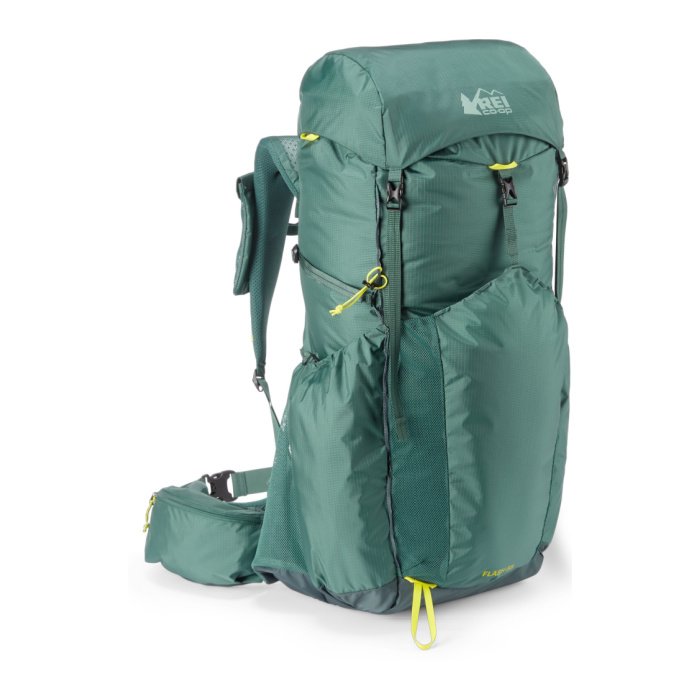
The REI Flash 55 (men’s) / (women’s) costs significantly less than comparable backpacking packs, but it doesn’t skimp on quality or features. This pack is light, versatile, and comfortable, so it’s the right choice for backpackers on a budget who want to keep their pack relatively light.
The Flash 55 has a truly unique element called “Packmod.” This modular system allows you to quickly and easily remove the straps and pockets and reconfigure them into several combinations, or you can leave them at home to save weight. So the Flash easily transitions from a lightweight weekend backpacking pack to a trusty hauler for heavier loads.
We also love the Flash 55’s forward-facing water bottle pockets. This may seem like a small detail, but if you’ve ever sweat and nearly dislocated your shoulder to reach an upright bottle, you’ll know exactly how big this is.
We’ve taken this pack on many adventures – including the stunning Timberline Trail around Mt. Hood – and we love its comfort, low weight, and convenient pockets, as well as the modular design.
The Flash 55 is one of the most affordable backpacks on our list, but you’ll want to make sure your pack weight is dialed in before choosing it. Hikers carrying more than 30 pounds will want to spend a bit more for a bag with a beefier frame, as this pack’s comfort diminishes quickly above that weight. That said, budget-conscious lightweight backpackers who have finely tuned their pack weight should look no further than the Flash 55.
More: REI Flash 55 Full Review

ULA Circuit
Best Backpacking Pack for Thru Hiking
CleverHiker Rating: 4.6/5.0
Price: $300
Weight: 2 lb. 7.5 oz.
Volume: 68 L
Max Weight Rec.: 35 lb.
Pros
- Excellent hauling capacity for the weight
- Durable construction
- Great feature set for thru-hikers
- BV500 bear vault fits horizontally in pack
Cons
- Back panel offers limited ventilation
- Hipbelt pocket zippers a bit stiff
- Water bottle pockets not easy to access
After thru-hiking 6,000 miles with the ULA Circuit, we can confidently say it’s an exceptionally durable backpack for long distance hiking. If you have your pack weight below 30 pounds, the Circuit’s frame will carry your load very comfortably.
We’ve used the Circuit for thru-hikes of the PCT and CDT as well as many small trips. We love this bag because it has the perfect balance of durability and low weight. The Circuit comes with a durable mesh front pocket and it’s compatible with ULA’s removable Y-strap and bottom strap.
All the little design elements on the Circuit really make it shine on trail – large, convenient pockets; light, durable fabric; and a minimal, yet highly effective suspension system. The giant hipbelt pockets keep essentials and snacks easily accessible, which are worth their weight in gold for hikers spending long days putting up big miles.
This backpack has an exceptional balance of weight, comfort, and durability, so it’s no wonder the ULA Circuit has been one of our favorites for years.
More: ULA Circuit Full Review
Gregory Baltoro 75 / Deva 70
Best Load Hauler Backpacking Backpack
CleverHiker Rating: 4.6/5.0
Price: $400
Weight: 5 lb. 4 oz.
Volume: 75 L
Max Weight Rec.: 55 lb.
Pros
- Excellent load carrying
- Great water bottle pocket
- Good array of features
Cons
- Heavy
- Use of mesh raises durability concerns
- Overkill for most backpackers
The Gregory Baltoro 75 (men’s) / Deva 70 (women’s) earns its spot in our rankings due to its exceptional ability to carry heavy loads while maintaining a high level of comfort and a robust feature set. It cinches our Editor’s Pick award for those select backpackers who need a heavy hauler for guiding or expedition trips.
We like how that well-designed hip belt conforms to the body, improving comfort and preventing pressure points. The Baltoro also features a great water bottle side pocket that is easy to access and can be tucked away when not in use. The pack got some minor updates for the 2026 season: a revamped frame, a better mesh back panel, and a more durable back panel.
But the Baltoro may also be overkill for backpackers who don’t haul very heavy loads. It’s a heavy pack, and its many features can be a bit overwhelming. We recommend familiarizing yourself with all the pack’s features before heading out into the backcountry.
The Gregory Baltoro 75 is an excellent choice for guides and those who need to carry specialized equipment – not for casual backpackers or those who travel light.
Osprey Exos 58 / Eja 58
Best Backpack for Lightweight Ventilation
CleverHiker Rating: 4.4/5.0
Price: $285
Weight: 2 lb. 13 oz.
Volume: 58 L
Max Weight Rec.: 35 lb.
Pros
- Excellent ventilation & comfort
- Good hipbelt pockets
- Lightweight for a framed pack
Cons
- Shifted center of gravity makes pack feel heavier
- Frame may rub on muscles
The Osprey Exos 58 (men’s) / Eja 58 (women’s) are long-time favorites of lightweight backpackers – and the CleverHiker team – because of their comfort, well-ventilated back panel, and approachable price.
The tensioned-mesh frames of the Exos and Eja are sturdier than most lightweight pack frames and can carry heavier loads more comfortably. When we used the Exos for a test hike up Misery Ridge in Central Oregon – a relentlessly steep trail – we were very pleased with how well the AirSpeed Suspension ventilated during intense activity on a sunny day. In addition, the frame and suspension transfer weight to the hips well and can make the load feel a bit lighter than it is.
In terms of feature downsides, the hipbelt pocks are very small. When the hipbelt is fastened, the pockets sit tight against your hip bone and make it pretty tough to get larger items in or out. Don’t expect to fit a smartphone inside these pockets, but storing small, commonly used stuff, like chapstick, a lighter, and a snack will work.
That gripe aside, the Exos and Eja are lighter and more affordable than many of the comparable packs on the market. So if you’re looking for the best balance of comfort, weight, capacity, and price you’ve found it with the Exos and Eja.
REI Trailmade 60
Backpacking Backpack with Classic Styling & Great Price
CleverHiker Rating: 4.4/5.0
Price: $189
Weight: 3 lb. 5 oz.
Volume: 60 L
Max Weight Rec.: 40 lb.
Pros
- Durable material selection and construction
- Good water bottle access
- Great feature set for beginners
Cons
- Too close in price to lighter and more featured packs
- Average comfort
The REI Trailmade 60 (men’s / women’s) is a solid, entry-level backpack that prioritizes durability and ease of use, making it a good choice for beginner backpackers. We’ll admit, this pack grew on us as we tested it. We were left underwhelmed in our first impressions, however, we came to appreciate its thoughtful design and the careful feature set that is practical but not overwhelming for beginners.
It has a durable construction, featuring solid nylon and no mesh that gives it a reassuring feel and makes it less likely to rip or tear. The water bottle pockets are positioned close to the hipbelt, which allows for easier access than competing backpacks. The hipbelt pockets are also large, easy to use, and made of solid face fabric, increasing their durability. The pack’s simple and straightforward design, along with a classic style, makes it easy to use, even for those new to backpacking.
However, the Trailmade 60 does have some drawbacks. With basic foam padding, its comfort is only average compared to other packs. The lumbar padding has a gap for airflow that could potentially create a pressure point for some users. Additionally, the pack’s features are well-suited for beginners, but it lacks some premium features like a U-shaped internal access zipper or an ice axe loop. The Trailmade 60 is also not as light as many of its peers – though the weight is reasonable for a pack in this price range.
It’s is a good option for those just getting into backpacking and looking for a durable, easy-to-use pack with a classic design. It excels at the basics, offering good water bottle access and sturdy construction. However, more experienced backpackers or those prioritizing comfort and weight savings will want to look at other options that offer more features and better ventilation. None of that detracts that on its own, the Trailmade is a good pack – one we grew to enjoy the more we used it.
Osprey Atmos 65 / Aura AG 65
Backpacking Backpack with the Best Features
CleverHiker Rating: 4.4/5.0
Price: $370
Weight: 4 lb. 10 oz.
Volume: 65 L
Max Weight Rec.: 40 lb.
Pros
- Can comfortably hold heavier loads
- Breathable & well-padded frame
- Above-average durability
- Sturdy frame transfers weight to hips well
- Very comfortable suspension
- Plenty of room for extra/bulky gear
- Lots of organization
- Very easy to access water bottles
Cons
- Expensive
- Heavy
The Osprey Atmos AG 65 (men’s) / Aura AG 65 (women’s) is an incredible piece of technical gear, sporting a great feature set, comfortable back panel, durable construction, and huge amount of adjustability. These features combine to create a versatile pack ready for a variety of backpacking situations – but one we think is overkill for most backpackers.
That doesn’t change the fact that it’s still a quality piece. The whole thing has a sense of rigidity to it that admittedly does make getting it on and off a bit cumbersome. But it feels reassuring once it’s situated. We like the excellent hipbelt pockets for how much they could store, and the water bottle pockets are easy to access. There’s also no denying how comfortable the whole experience is. The large mesh back panel really does a good job conforming to the body to provide great support while reducing hot spots.
However, it’s not so easy to forget that the Atmos is still very expensive and heavy. And for that weight, you don’t even get a frame that can haul the heaviest loads, its carry limit is barely higher than packs that weigh nearly half as much. Additionally, the abundance of features can sometimes make the overall experience unnecessarily complicated.
So in the end, we’re left with a feature-rich backpack that promises a premium experience and delivers on that goal. It’s a good choice for people who appreciate having a wide array of options. But those who prefer a simpler design or a more budget-friendly option should look at other packs.
Osprey Aether/Ariel 65
Most Durable Backpacking Pack
CleverHiker Rating: 4.3/5.0
Price: $370
Weight: 5 lb. 2 oz.
Volume: 65 L
Max Weight Rec.: 60 lb.
Pros
- Extremely durable
- Great feature set
- Good load hauling capability
- Good water bottle access
Cons
- Comfort isn't as good as competition
- Heavy
- Overkill for most backpackers
The Osprey Aether 65 (men’s) / Ariel 65 (women’s) is a highly durable pack with a great feature set and good load-hauling capability, making it a solid choice for those with specialized backpacking needs. It has a variety of features that make it tempting to those who want all the bells and whistles (and its sternum strap includes a whistle!).
The ability to adjust torso length while wearing the pack is a unique feature that’s helpful to dial in the perfect fit or adjust as the load increases. The Aether uses thick 210D and 420D nylon and limits mesh use smartly, making it the most durable pack we tested. The pack also has good water bottle access, with a clever vertical pocket design that accommodates both Smartwater and Nalgene bottles. The Aether’s durable construction and capacity make it ideal for those needing a reliable pack for demanding adventures.
It does have a few drawbacks, but it’s notable that this pack isn’t meant for the generalist backpacker – it’s aimed at heavy haulers. Therefore to say that the pack is heavy only tells half the story. Most of that weight is to support a beefy frame that can haul 60 pounds of gear. But at those weights, we actually thought other packs provided a more comfortable experience.
All of those features add up to a pack that can handle backpacking with ease, but is really made for a bit more – guiding, light mountaineering, base-camp style expeditions, and long treks off trail where durability is vital. These are areas where the Aether will excel and show why it commands such a weight and price premium. But for someone enjoying their local trail on a weekend or even thru hiking for months, most of what makes this pack unique simply won’t be utilized fully. Ultimately, the Aether is a reliable and feature-rich pack designed for those who need a heavy-duty option with a strong build that will last for years.
Granite Gear Crown3 60
Best Crossover Backpacking Pack
CleverHiker Rating: 4.2/5.0
Price: $260
Weight: 2 lb. 12.5 oz.
Volume: 60 L
Max Weight Rec.: 35 lb.
Pros
- Cross between lightweight & traditional pack
- Extensive exterior lashing options
- Great hipbelt pockets
Cons
- Not comfortable at 35+ pounds
- Narrow shoulder straps
- Awkward water bottle pockets
The Granite Gear Crown3 60 is a crossover pack that adapts to both lightweight and traditional backpacking styles, so it’s a great option for those who need that versatility. The pack features a huge amount of exterior lashing options and great hipbelt pockets, making it easy to carry gear in various configurations. The compression system allows the bag to cinch down for smaller trips or expand to carry an impressive amount. That’s something few packs can offer. It’s made from decently durable recycled materials with an undyed option.
The Crown3 is not without its drawbacks. The pack’s comfort falls off steeply as the weight rises, and we found the polypropylene sheet isn’t capable of supporting heavier loads. Thankfully Granite Gear does offer an aluminum frame that can snap into the sheet, but that’s extra. At those higher weights though, the narrow shoulder straps started to feel a bit fatiguing, and we wish Granite Gear would make them a bit wider. The water bottle pockets are also awkward. They are too high to use comfortably, and the included chest bottle mount that’s supposed to alleviate this problem is not great.
The negatives don’t outweigh the fact that we love the Crown3. We think it’s a great option for those who want a versatile pack that can handle both lightweight and traditional backpacking. Backpackers who prioritize comfort or need a pack for heavy hauling may want to consider other options.
Exped Lightning 50
Sleek and Quality Backpack
CleverHiker Rating: 4.1/5.0
Price: $269
Weight: 2 lb. 10.4 oz.
Volume: 50L
Max Weight Rec.: 48.5 lb.
Pros
- Excellent balance of features and weight
- Comfortabl hipbelt and shoulder straps
- One-handed zippers on hipbelt pocket
- Good lashing options
- Overall construction quality
Cons
- Back padding
- Top Y strap requires more work
- Back pocket gets compress
- Water bottle pockets
- Mesh hipbelt pockets
We really liked the Lightning as a pack – more so than its final score probably suggests. It could be a good option for those who don’t mind its shortcomings.
The main issue is usability. The top Y strap is effective, but since the center clip is also a buckle, it requires work to ensure the two straps are tensioned properly. Additionally, the Lightning suffers from water bottle pockets that look sleek but are too high up, difficult to reach, and made of less durable mesh. We didn’t like how the compression straps routed through the back stretch pocket, which makes getting items out more difficult than necessary.
These are nitpicks, but they add up.
But thankfully the positives hit strong here. Quality is top notch. Despite its lightweight design, it should last years of heavy use. The features are also great for a lightweight design, with a trekking pole holder, waterproof pocket, sunglasses holder, and by far the best hip belt zippers we’ve ever used.
In spite of some usability concerns, the positives add up to a pack that we wanted to come back and use. For a gear tester, that says a lot. If you’re not bothered by certain tradeoffs, we think this pack will delight you.
More: Exped Lightning 50 Full Review
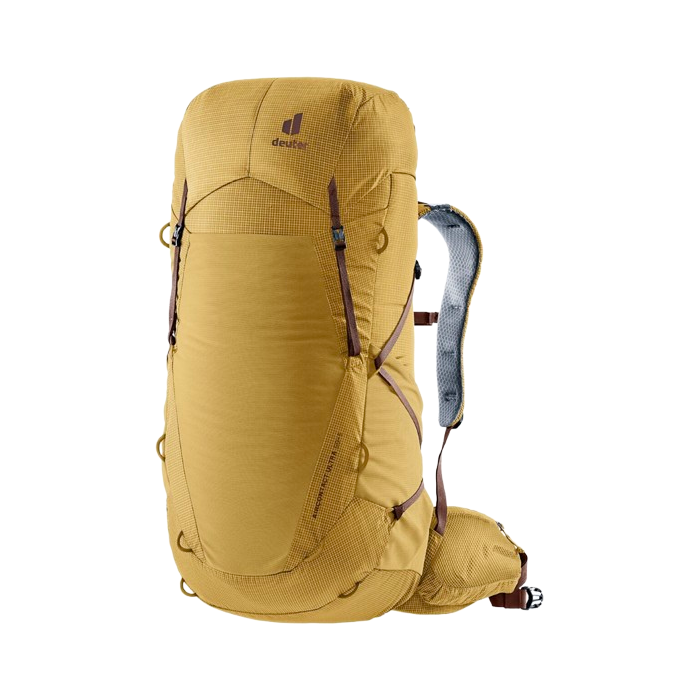
Deuter Aircontact Ultra 50+5 / 45+5
Backpacking Pack with Amazing Comfort & Quality
CleverHiker Rating: 4.1/5.0
Price: $285
Weight: 2 lb. 15 oz. / 2 lb. 10 oz.
Volume: 55L / 50L
Max Weight Rec.: 35 lb.
Pros
- Adjustable torso
- Comfortable
- Sleek design
- Excellent buckles
Cons
- Floppy hipbelt pockets
- Water bottles are slightly cumbersome to access
- Lower durability mesh components
The Deuter Aircontact Ultra 50+5 (men’s) / Ultra 45+5 (women’s) is a comfortable pack with a sleek design and great comfort. The smart arrangement of foam pads creates a more comfortable fit than any other traditionally padded pack, easing pressure points even when loaded with 30 pounds of weight. The pack also boasts great lashing points for customizing its external carrying capacity. The buckles are a standout feature – small but easy to clip and unclip – an under appreciated detail that helps make day-to-day use easier.
We’re a bit obsessed with how comfortable this thing is, some unfortunate downsides make the overall experience more mixed. The water bottle pockets are too high to be usable while wearing the pack, and the compression cords go over the pockets, making them impractical to use if there’s a bottle inside. The hipbelt pockets are hard to access, and made of mesh, which makes us think they’ll be the first part to wear out or catch on a branch while bushwacking. The large back pocket is also made entirely of mesh, another potential weak spot for durability.
The Aircontact Ultra is best suited for backpackers who want a straightforward and comfortable experience. For someone backpacking on established trails who doesn’t need great hipbelt pockets, and prefers hydration bladders to water bottles, this could be a great pack.
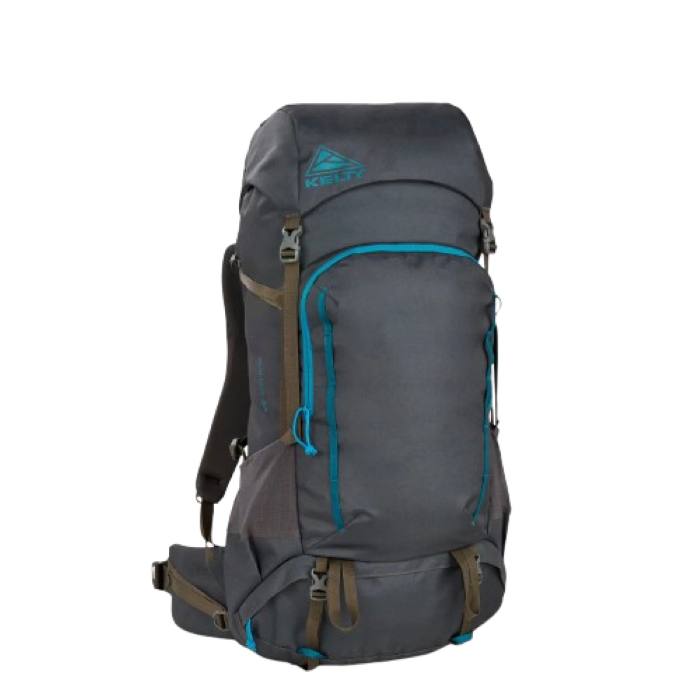
Kelty Asher 55
Best Entry-Level Backpack
CleverHiker Rating: 4.0/5.0
Price: $169
Weight: 2 lb. 15 oz.
Volume: 55L
Max Weight Rec.: 55 lb.
Pros
- Budget price
- Good comfort at 45lbs
- Not overwhelmed with features
Cons
- Durability
- No back stuff pocket
- Uncomfortable water bottle pockets
- One thin hip belt pocket
The lower score might raise some red flags at first, but rest assured the Kelty Asher is a good budget option for beginners.
For starters, we were really impressed with the comfort here. Even with his bony frame, our lead tester found the supportive hip belt, mesh back, and foam shoulder straps to cushion effectively mile after mile. When testing in early spring at Afton State Park in Minnesota, the Asher didn’t generate any hot spots even when he sprinted up a hill.
The frame also surprised us. It transferred our load – even with a full water carry – and felt agile when loaded fully up.
We were less enthusiastic about some features, however, even for a budget pack. No real hip belt pockets is a tough pill to swallow. The small mesh sleeve on this side can fit a phone or a snack – but not both. We also felt a bit deceived by the U zipper on the back. It just leads to a pocket instead of the main compartment. We also were not impressed with the quality of the top cinch fabric and suspect it will be the first point of failure with heavy use.
But how much does all of that matter on a first pack? Not a whole lot if the goal is simply to let someone enjoy backpacking. The Asher delivers enough on the fundamentals to be a legit option for an entry-level backpack.
More: Kelty Asher 55 Full Review
Product Comparison Table
| oSort | Product | Price | Weight | Volume | Max Weight Rec. | Comfort | Features | Durability | Ease of Use | 0 |
Gregory Paragon 60 / Maven 58 View Men's View Women's 
|
$300 | 3 lb. 8 oz. | 60 L / 58 L | 50 lb. | 4.9 | 4.7 | 4.5 | 4.6 | 1 |
REI Flash 55 View Men's View Women's 
|
$229 | 2 lb. 13 oz. | 55 L | 40 lb. | 4.3 | 4.5 | 4.3 | 4.4 | 2 |
ULA Circuit View at ULA
|
$300 | 2 lb. 7.5 oz. | 68 L | 35 lb. | 4.5 | 4.4 | 4.8 | 4.7 | 3 |
Gregory Baltoro 75 / Deva 70 View Men's View Women's
|
$400 | 5 lb. 4 oz. | 75 L | 55 lb. | 4.5 | 4.7 | 4.6 | 4.5 | 4 |
Osprey Exos 58 / Eja 58 View Men's View Women's |
$285 | 2 lb. 13 oz. | 58 L | 35 lb. | 4.6 | 4.5 | 4.3 | 4.4 | 5 |
REI Trailmade 60 View Men's View Women's |
$189 | 3 lb. 5 oz. | 60 L | 40 lb. | 4.6 | 4.9 | 4.7 | 4.4 | 6 |
Osprey Atmos 65 / Aura AG 65 View Men's View Women's |
$370 | 4 lb. 10 oz. | 65 L | 40 lb. | 4.6 | 4.9 | 4.7 | 4.4 | 7 |
Osprey Aether/Ariel 65 View Men's View Women's |
$370 | 5 lb. 2 oz. | 65 L | 60 lb. | 4.2 | 4.8 | 4.9 | 4.4 | 8 |
Granite Gear Crown3 60 View at Backcountry View at Granite Gear |
$260 | 2 lb. 12.5 oz. | 60 L | 35 lb. | 4.2 | 4.6 | 4.4 | 4.2 | 9 |
Kelty Asher 55 View at KELTY View at BACKCOUNTRY |
$169 | 2 lb. 15 oz. | 55L | 55 lb. | 4.2 | 3.8 | 3.8 | 4.4 |
|---|
Analysis & Results
We use four metrics – comfort, features, durability, and ease of use – to assess our backpacks in the field. We outline product performance below in each of those metrics, as well as value (i.e. overall performance compared to price).
Which Backpack is the best value?
Backpacks are among the most expensive items in a gear list. Therefore, we looked for backpacks that outperformed their price. For the best value, we recommend the REI Trailmade, REI Flash, Kelty Asher, and the Gregory Paragon.
All of these packs are excellent performers in their own categories:
- With a low price and good fundamentals, the REI Trailmade is the best value of all backpacks tested.
- The Flash 55 aims to be a more minimalist and lightweight pack at a lower price, and it nails the fundamentals while adding thoughtful features that make it stand out. For those reasons, it was an easy Budget Buy win.
- On the more traditional end of things, the Gregory Paragon 58 managed to hit the sweet spot of exactly what you want in a backpack, all in a smartly designed package.
- The Asher is your classic entry level pack that delivers solid performance for the price and is our lower priced Budget Buy winner.
We found the rest of our backpacks lumped into two groups. For average price and performance, the Deuter Aircontact Ultra, Granite Gear Crown 3, Exped Lightning, and Osprey Exos 58 are all decent. In the more expensive but specialized category, the Osprey Atmos, Osprey Aether, Gregory Baltoro, and ULA Circuit were pricey but good-performing packs.
Which Backpacks Are the Most Comfortable?
In backpacking gear, comfort is king. However, comfort is also very subjective. What works for one body shape and type won’t necessarily work for another. The best way to ensure a comfortable pack is to try it on in person.
That said, the Gregory Paragon provided the best overall comfort in our tester’s experience. Other standouts were the Deuter Aircontact Ultra, Osprey Atmos, and Osprey Exos. The Aircontact takes a more traditional approach with smartly designed foam pads, and the Atmos and Exos both use a huge suspended mesh panel. The Paragon falls somewhere in the middle, with large sections of foam and mesh that come together to make an overall excellent experience.
Average performers for comfort were the ULA CIrcuit, Gregory Baltoro, REI Flash, Osprey Aether, Exped Lightning 50, Kelty Asher, and Granite Gear Crown. All of these were comfortable and, depending on body shape, should work well for most people.
We gave the REI Trailmade a lower score for smaller foam back panels that we thought could be polarizing, and the Nevo Rhino is last with an odd fit and comfort that became fatiguing.
Which Backpacks Have the Best FEatures?
For the most part, the heaviest packs we tested packed in the most features. The most decked-out pack we tested was the Osprey Atmos. With a huge array of options, its features include a solution, no matter the situation. Close behind is its load-hauling cousin, the Osprey Aether. With a more traditional suspension system but similar features, it’s another pack that feels built for anything. The trend of heavier packs having the most features continues with the Gregory Baltoro and Gregory Paragon, both sporting well-rounded feature sets.
The Granite Gear Crown 3, Exped Lightning, Nevo Rhino, Deuter Aircontact Ultra, Osprey Exos, REI Flash, and ULA Circuit were near the middle of the pack, with the Crown standing out a bit for its lashing versatility. The REI Trailmade and Kelty Asher were the simplest packs we tested, with only the essential features.
Which Backpacks Are the Most Durable?
The most durable backpack we tested, the Osprey Aether, felt like a tank. Sporting 210D and 420D nylon construction, the only weak spots were the mesh side pockets. Close behind is the thru-hiking wonder, the ULA Circuit. With strong Robic 400 nylon for the entirety of its construction, it even beats the Aether in some regards since it doesn’t use mesh for its water bottle pockets, making it even better for bushwhacking.
Other notable performers were the Osprey Atmos, Gregory Baltoro, REI Trailmade, and Granite Gear Crown 3. These used mesh sparingly, had overall decent fabric choices, and excellent stitching that should hold up to use well.
Which Backpack is the Easiest to Use?
In general, we found little to complain about when it came to these packs. But the pack we felt executed well on nearly every feature was the ULA Circuit. Sporting a very focused design, it was the pack that we thought the least about during testing.
Close behind were two of our favorite packs, our Editors Choice Gregory Paragon and the delightful REI Trailmade. The Paragon struck the best balance of giving enough features to be helpful without being overwhelming. The Trailmade followed a similar trend to the Circuit. We especially loved the easy-to-access water bottle pockets.
Speaking of great water bottle access, we have to give a special shout out to the best water bottle solution in the lineup. The burly Gregory Baltoro wins this hands down with its clever stowable side holster. Placing the bottle lower than any other pack on our list, it was so easy to access that we immediately wished that Gregory’s other pack, the Paragon, had this feature.
How to Choose a Backpacking Backpack
How to Size a Backpack
Proper backpack sizing comes down to two things: 1. torso length and 2. hipbelt circumference.
First, measure your torso. It can help to have a second person to take the measurement. Tilt your head forward and find the bony bump at the base of your neck. This is your C7 vertebra. Then find the top of your hip bones and trace an imaginary line parallel to the ground from that point to your spine. Measure the distance between those two points. That number, usually between 15 and 22 inches for most adults, determines your pack size. Match it to the brand’s sizing chart.
Next, focus on the hipbelt. You may not have a choice – many brands have fixed hipbelts that accommodate a wide range of waist sizes. If the pack you are considering has a replaceable hipbelt, then it’s on you to make sure you get the right size.
You should carry most of the weight of a backpack – 75-80% on your hips. Your shoulders will be a little sore at the end of the day, but if they hurt early on, your hipbelt is probably not holding enough weight.
The belt should wrap snugly around the top of your hip bones with the padding centered over them. If the belt rides up, slips, or can’t tighten enough, it’s not the right size.
Always test a pack with real, correctly distributed weight.
How Big Should a Backpack Be?
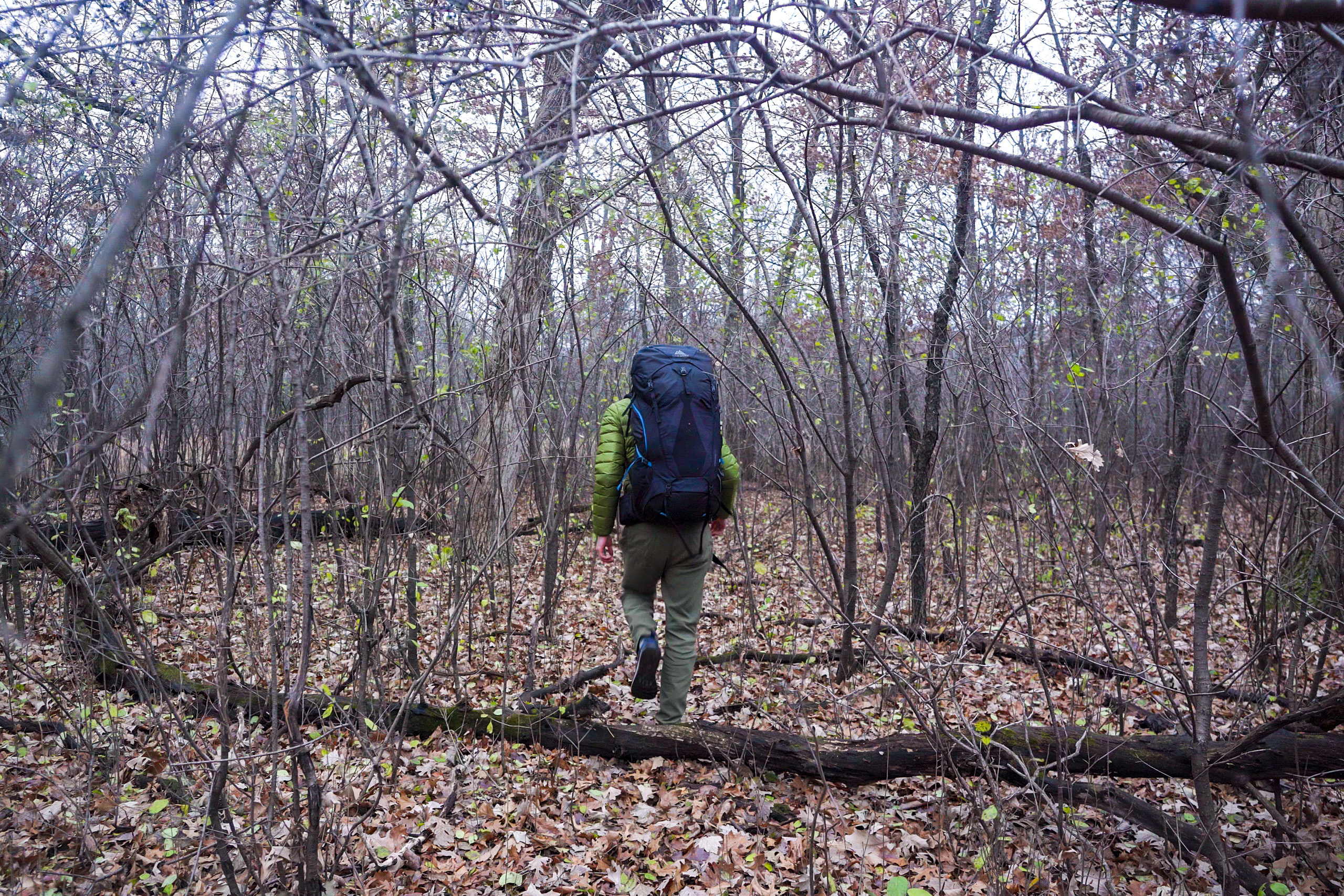
The key factor is the length of your trip (or interval between resupplies). However, you also need to account for the quality of your gear. Cheaper gear tends to be heavier and bulkier – which requires more volume. More expensive gear tends to be lighter and more packable (which may allow for a lower volume pack). Our size estimates assume you’re carrying better backpacking gear:
- 1-3 Nights – ~40 liters. You can get away with 30L if you are careful (and have ultralight gear). 50L allows for some luxury items without overstuffing.
- 4-6 Nights – ~60 liters. Again, you can use a smaller pack if you have smaller, lighter gear, or a slightly larger pack if you have extras.
- 7+ Nights – ~70 liters. This gets into expedition territory. Our experience tells us that you could do just fine with a 60L pack for a week. If you are with a group, or have bulkier gear though, you might just need the space and extra lash points that tend to come with larger packs.
What Features Do You Need in Your Backpack?
Here are our favorites:
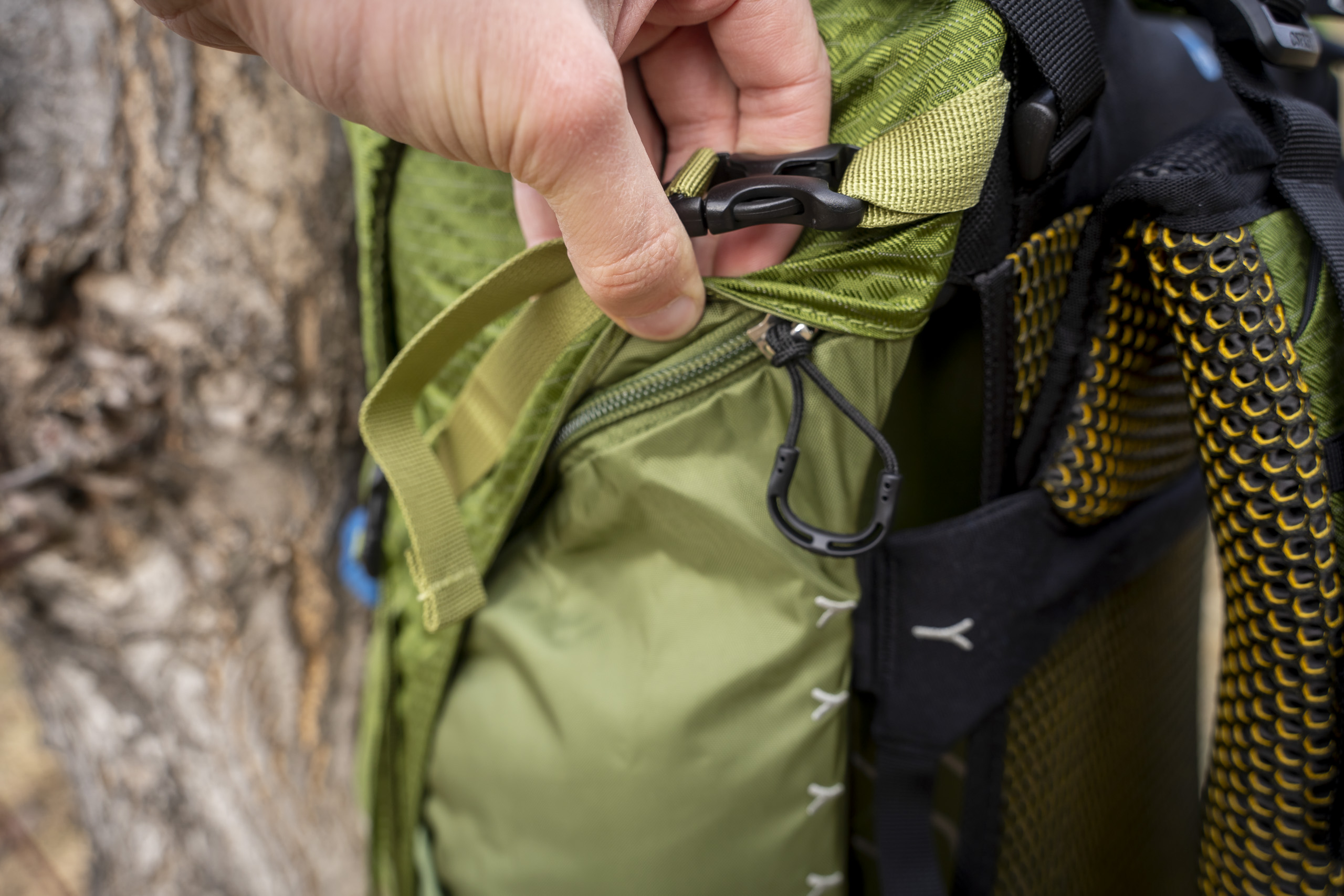
Water bottle pockets that are easy to access – you’ll be reaching for water often, so be sure to find a pack that has pockets that are angled toward you while wearing the pack, or have some other nifty access feature.
Stretchy mesh back storage pocket – for stashing items that you often need fast – a raincoat, trowel, or sit pad, for example.
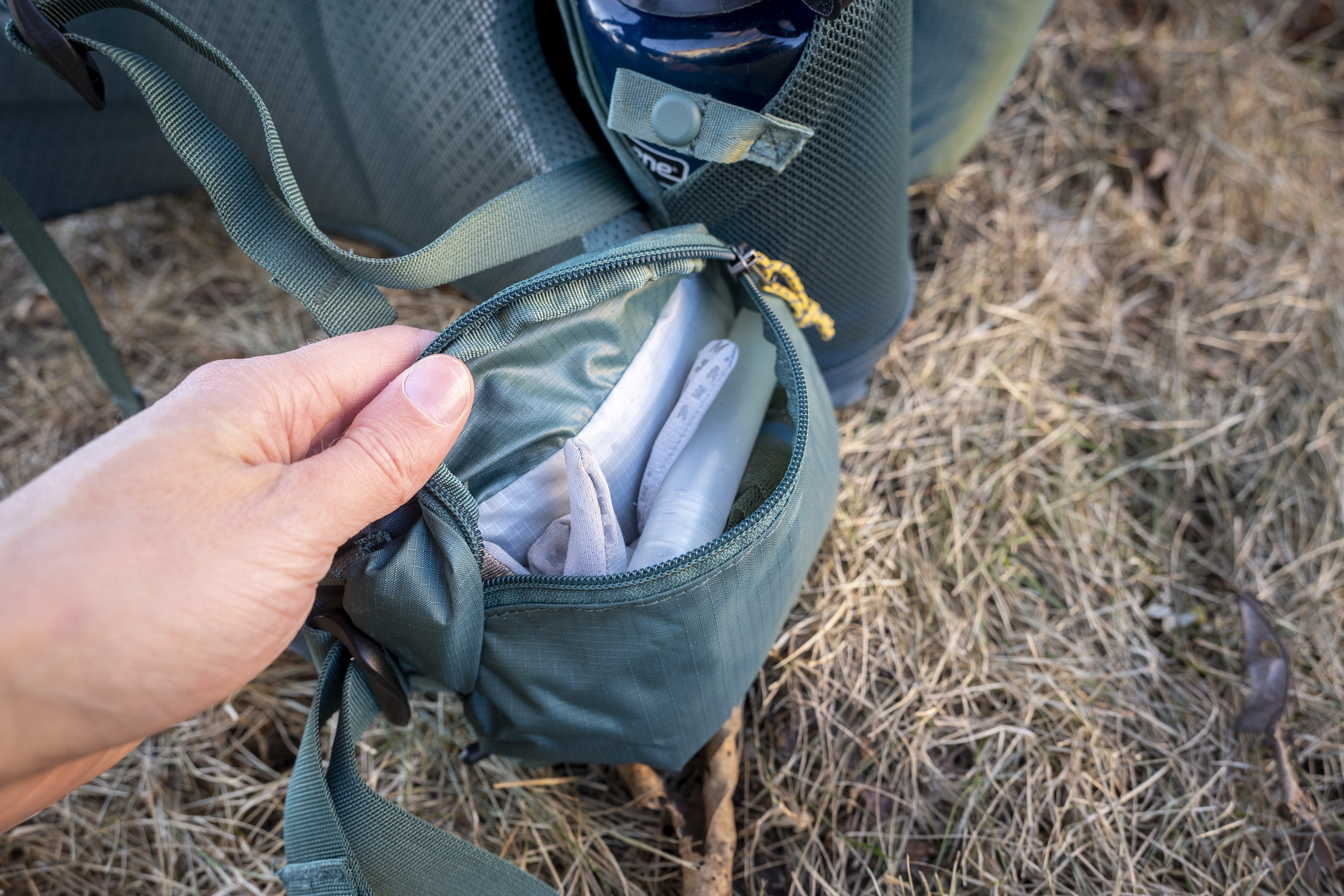
Large hipbelt pockets – make sure they can fit your smartphone and look for smooth zippers and solid face fabric for durability.
Front access to main compartment – we like packs that have a large U-shaped or side zipper to be able to easily see everything in your pack, even if it’s at the bottom.
Removable brain – adds versatility to the pack and potentially reduces weight on trips where you need less storage. We’ve even seen models where the lid turns into a daypack/summit pack.
How Much Should a Backpack Weigh?
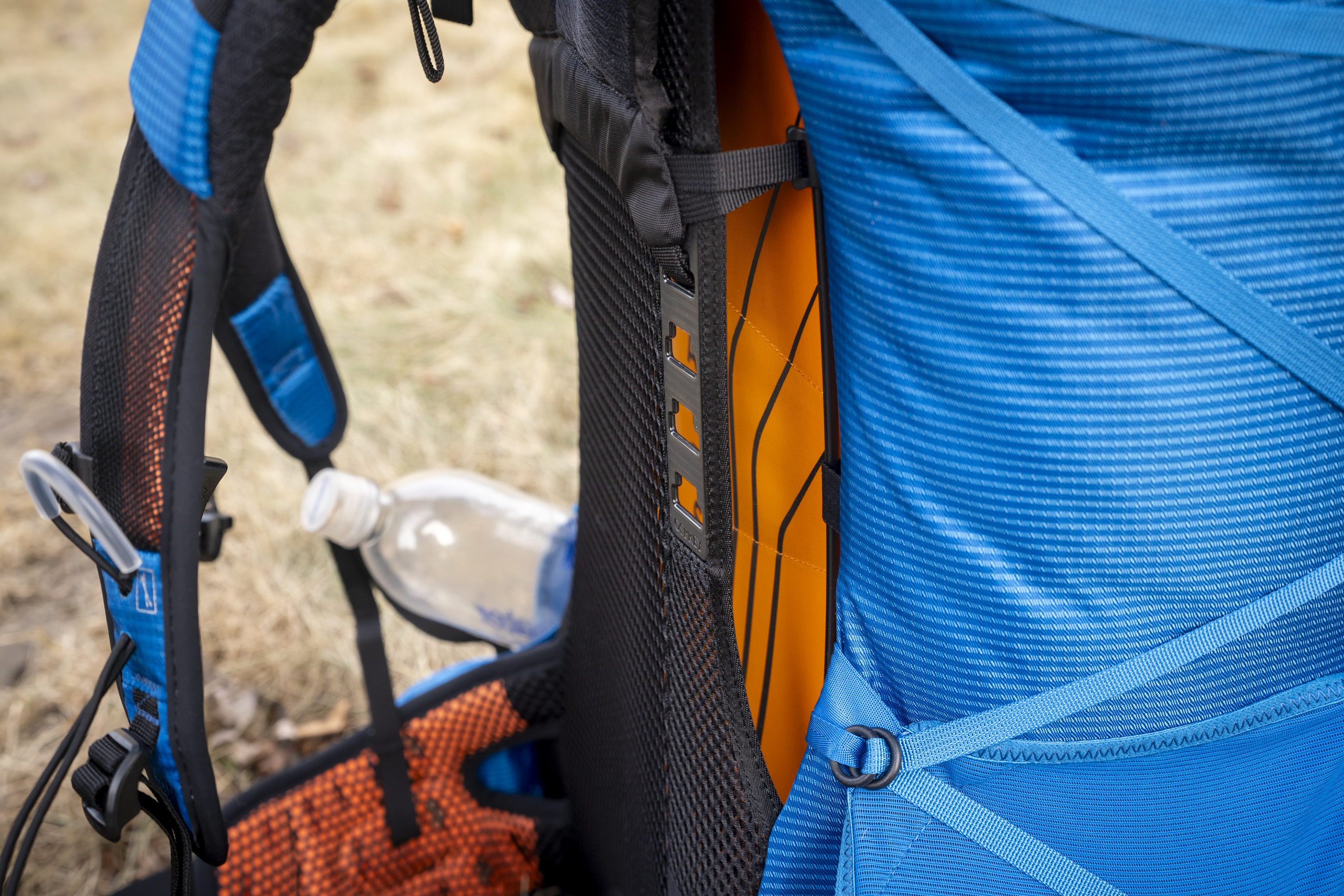
Look for the lightest pack that has the features and durability you want and can comfortably carry the weight and the bulk of the gear you’ll be hauling. Here are our guidelines, given a total pack weight:
- <25 lbs – If you’re a small amount of weight like this, we recommend an ultralight backpack, or even a daypack, depending on what you’re doing.
- 25-35 lbs – Packs meant for these light loads can weigh around 2 pounds.
- 35-40 lbs – For carrying this kind of weight, there are many great backpacks that weigh less than 3 pounds (though if you are after certain features, 3-4 pounds is not unreasonable.)
- 40-50 lbs – Count on a decent pack that can handle this weight weighing 4 or more pounds.
- >50 lbs – These expedition-style packs weigh more than 5 pounds, and it’s worth the weight for the added comfort you’ll need for hauling this much gear.
Why Trust CleverHiker
CleverHiker editors and analysts have spent more than 20,000 nights in the backcountry. Gear analyst Taylor Passofaro has been backpacking for more than seven years, covering many of the midwestern United States’ most beautiful trails. He’s hiked the Pacific Crest Trail, the Superior Hiking Trail, Collegiate Loop, Laugavegur & Fimmvörðuháls trek, the Tour du Mont Blanc, and others.
He’s tested many backpacks while on treks, swapping out different styles, weights, and classes of packs as the adventures call for different requirements. His other life as a medical device research engineer brings a background of detail oriented testing to provide solid gear recommendations for any type of adventure.
Testing Methodology
We tested these packs for comfort, features, durability, and their ease of use.
How We test Comfort
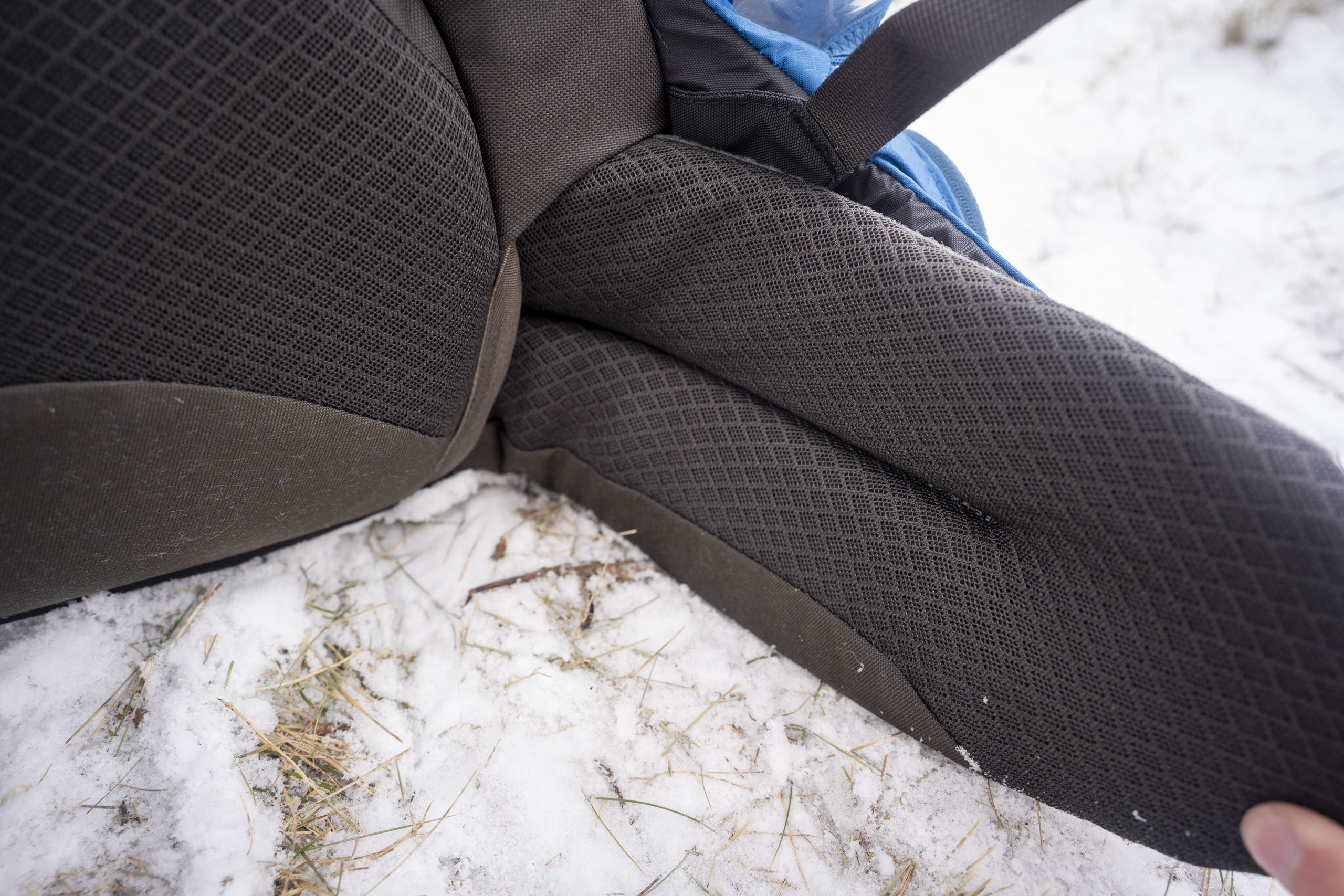
Based on each pack’s maximum weight rating, we loaded it up with 35-50 pounds of gear and took it out in the backcountry, most recently in Minnesota, to see how it handled the load. We evaluated how each pack’s comfort and support features performed in the field. For example, we paid special attention to the comfort of hipbelts, noted any pressure points, and evaluated adjustability.
We also looked at the plushness of the foam on the hipbelt and shoulder straps, as well as the quality of the foam. We take into account the adjustment buckles and evaluated back ventilation.
What Features Do we Look for In a Backpack?
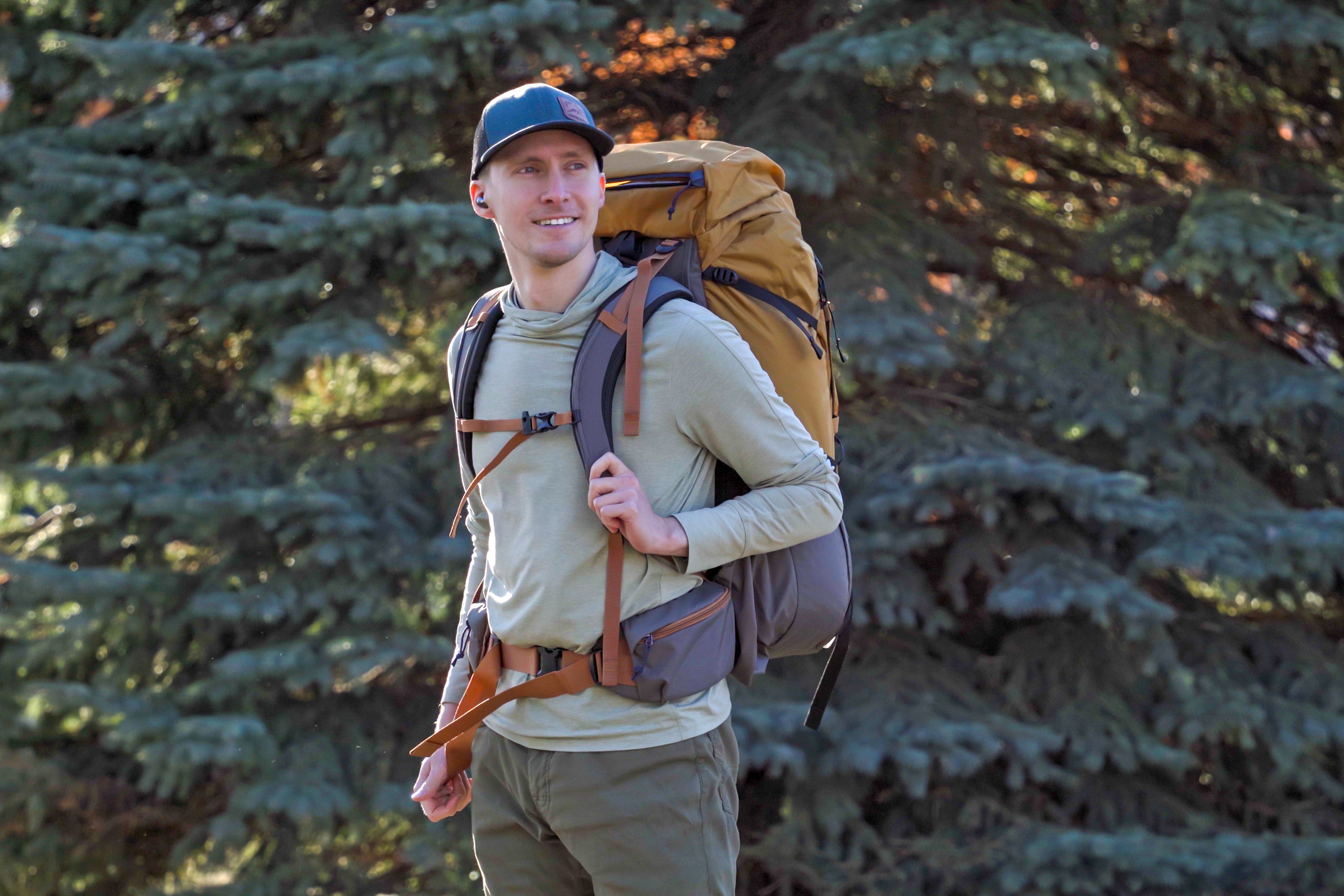
Our analysis noted essential features like hipbelt pockets, water bottle pockets, back stretch pocket, sternum strap, side compression straps, internal frame, and load lifters.
We also assess non-essential features that potentially add value (but also add weight) such as dedicated sleeping bag compartment, floating top lid, ice axe loop, side zippers, U-shaped main compartment zippers, hydration bladder pocket, adjustable torso length, included raincover, trekking pole attachment, bottom attachment straps, and internal pockets.
After wearing each pack, we made note of any features that we either missed or did not use and determined what type of backpacker would use each pack’s features the most.
How do we Assess Durability?
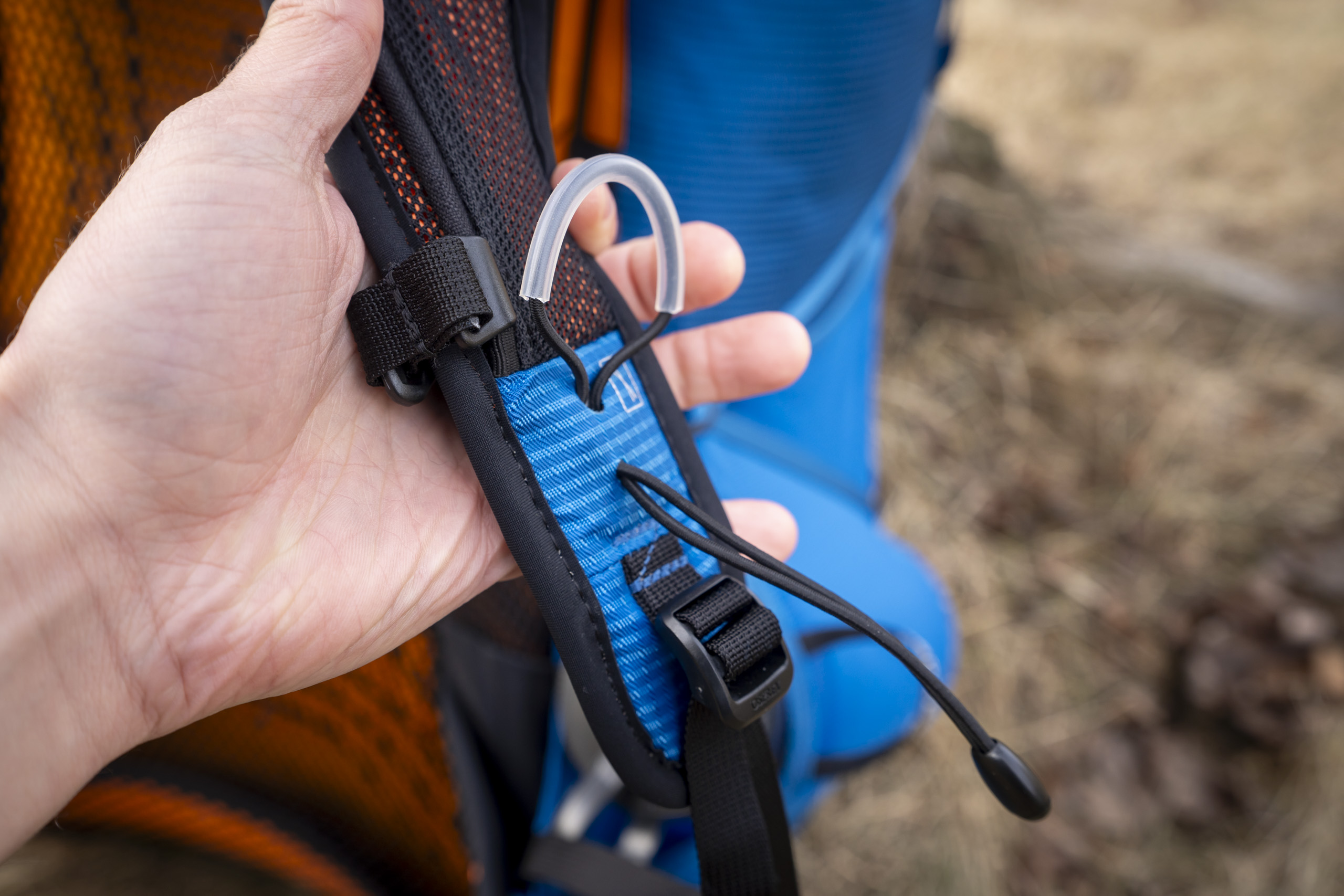
For durability, we look at fabric thickness and quality, with thicker and higher quality fabrics surviving better on an equal playing field. We also paid attention to stitching quality, the quality of plastic components, and the quality and placement of mesh – a common weak spot on backpacks in this class.
In general, these backpacks should last for thousands of miles. Even the lightest pack here doesn’t get into the category of ultralight packs, which require special care for long-term durability.
What Do We Consider for Ease of Use?
We paid attention to common trouble spots, such as water bottle pockets that are hard to access and compression straps that might cover those pockets. We looked at hipbelt pockets to see how easy they were to open and close one handed and how well they fit the larger phones.
On the flip side, we also looked for our favorite features, such as quick access to trekking poles on the front of the pack. Features like internal access side zippers or U-shaped zippers also add to overall ease of use, even if they’re not essential. Being able to adjust the torso height of a pack while wearing it is another nice – but not essential – feature.
Conclusion
A backpack is one of the most personal items you’ll buy for an adventure, with comfort, weight, and feature preferences varying considerably from person to person. Whether you’re looking to tackle a multi-month journey or a fun overnight at a local park, we’ve got picks for every adventure. The most important thing is to get out and hike!