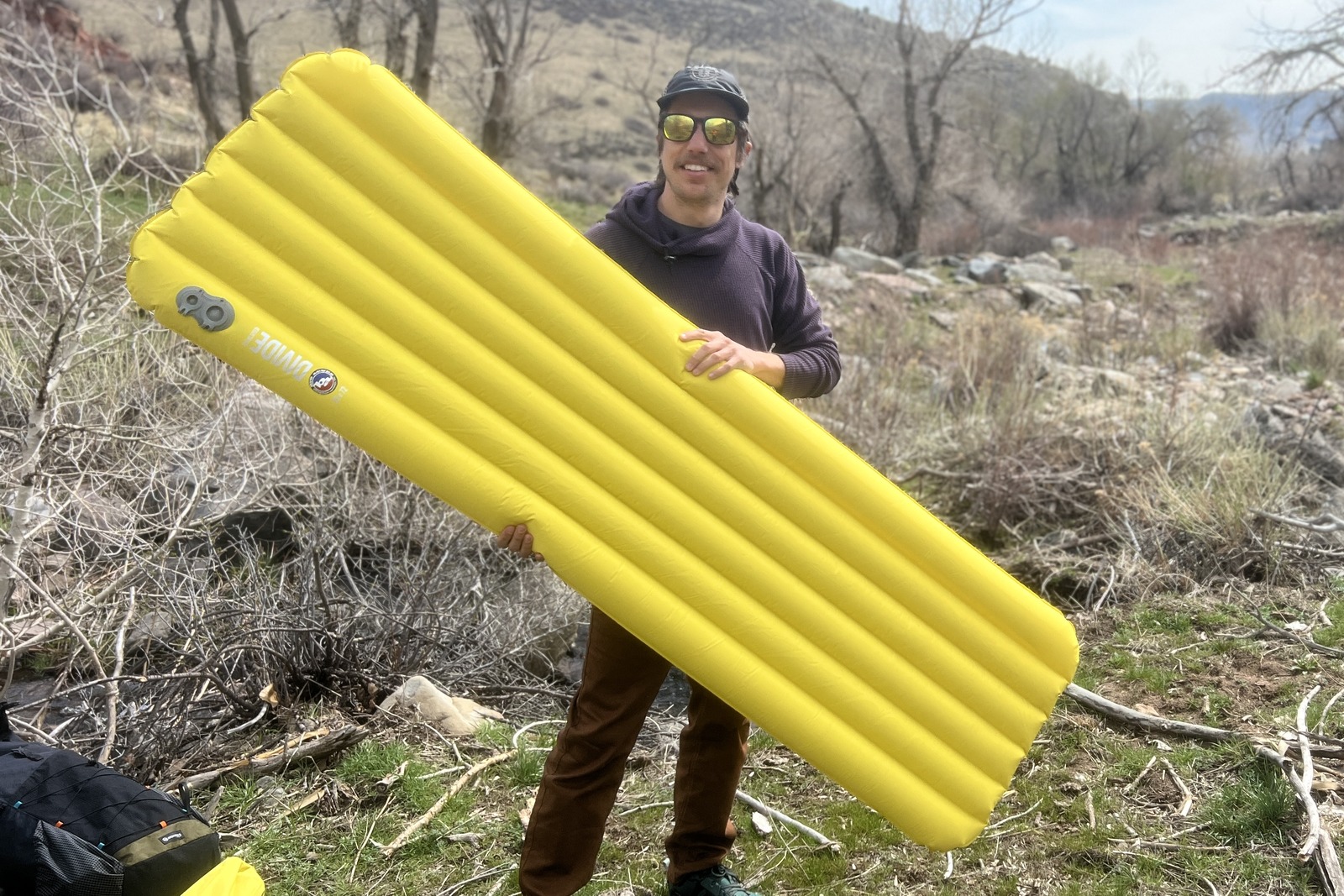
Bottom Line
The Big Agnes Divide Insulated is our favorite budget-friendly all-around backpacking sleeping pad. It costs substantially less than the premium leaders in our lineup while still delivering dependable three-season warmth, strong durability, respectable comfort, and straightforward setup.
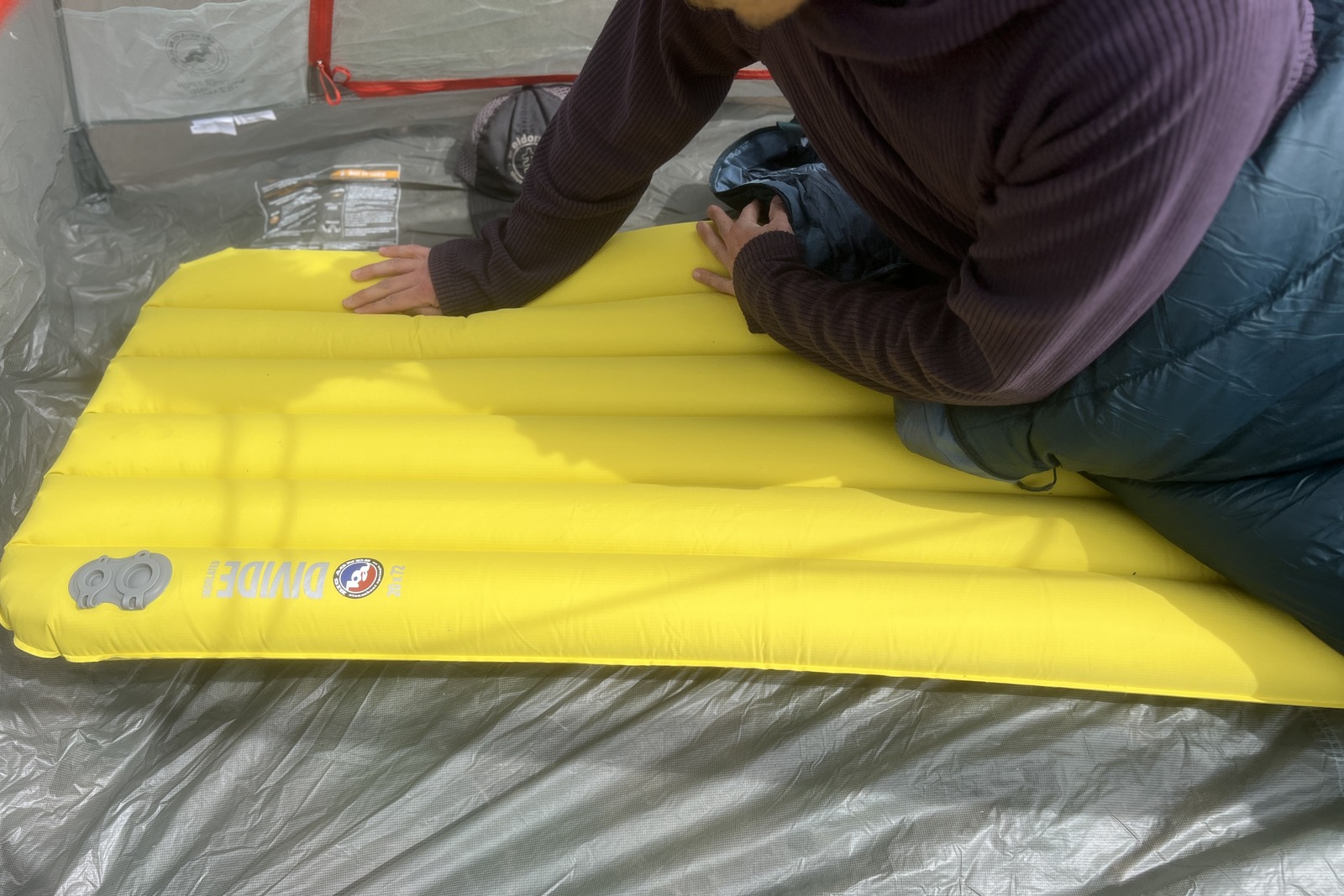
We’ve tested the Divide Insulated for more than a dozen nights during a brisk Colorado spring, including trips in snowy Rocky Mountain conditions and several frontcountry nights. Its vertical I-beam baffles create a hammock-like feel that some sleepers will love, while the raised side rails help keep you centered on the pad.
There are tradeoffs. Our test pad weighed 23.5 ounces, so this is not a lightweight choice, and the vertical baffle layout can feel less even under side sleepers than some horizontal or cell-based designs. The stuff sack is also tight enough that packing requires more precision than we’d like.
Still, the Divide’s R-value of 4.0, durable construction, easy dual-valve setup, and $130 price make it one of the strongest values in our guide to the best backpacking sleeping pads. For backpackers who want one capable three-season pad without moving into premium pricing, the Divide Insulated is our favorite balance of price and performance.
How We Tested
Gear Analyst Brett Kretzer tested the Big Agnes Divide Insulated for more than a dozen nights during a brisk Colorado spring, including snowy Rocky Mountain conditions and several frontcountry camping nights.
We evaluated the Regular rectangular version for comfort, weight, durability, warmth, inflation, deflation, packability, and overall value. Our current category data records a 23.5-ounce CleverHiker measured weight for the test pad.
Quick Specs
- Best for: Budget-conscious three-season backpacking, versatile all-around use
- Tested size: Regular rectangular
- Tested dimensions: 72 x 20 x 3.5 in., manufacturer listed
- Fabric: Recycled nylon ripstop with aviation-grade TPU lamination
- Included: Pump sack, stuff sack, repair kit
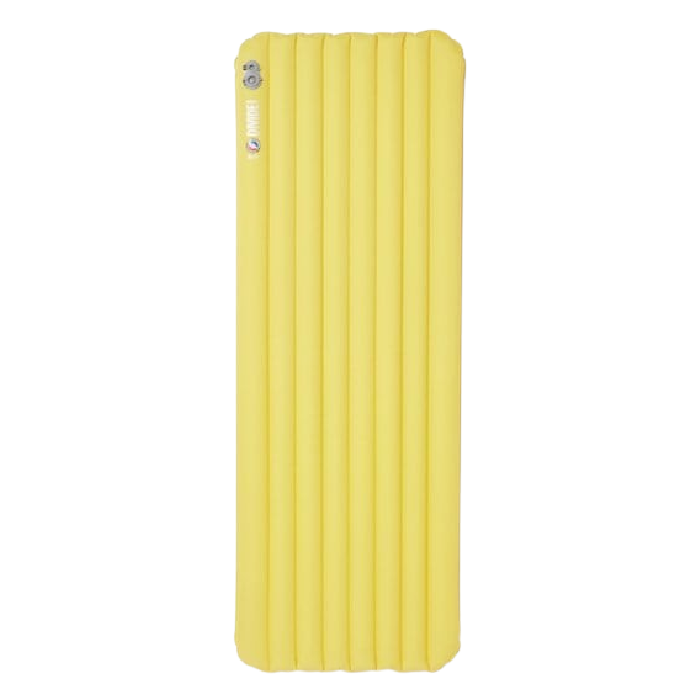
Big Agnes Divide Insulated
Affordable & Versatile Backpacking Sleeping Pad
CleverHiker Rating: 4.4/5.0
Price: $130
Weight: 23.5 oz., CleverHiker measured
R-Value: 4.0
Thickness: 3.25 in. center / 3.5 in. outer chambers
Pros
- Excellent value
- Good three-season warmth
- Durable for an inflatable pad
- Raised side rails help keep sleepers centered
- Easy dual-valve setup
- Many size options
- Rectangular sleeping surface
Cons
- Heavy compared with premium lightweight pads
- Vertical baffles may not suit side sleepers
- Tight stuff sack makes packing fussy
- Not intended for true winter use

Comfort
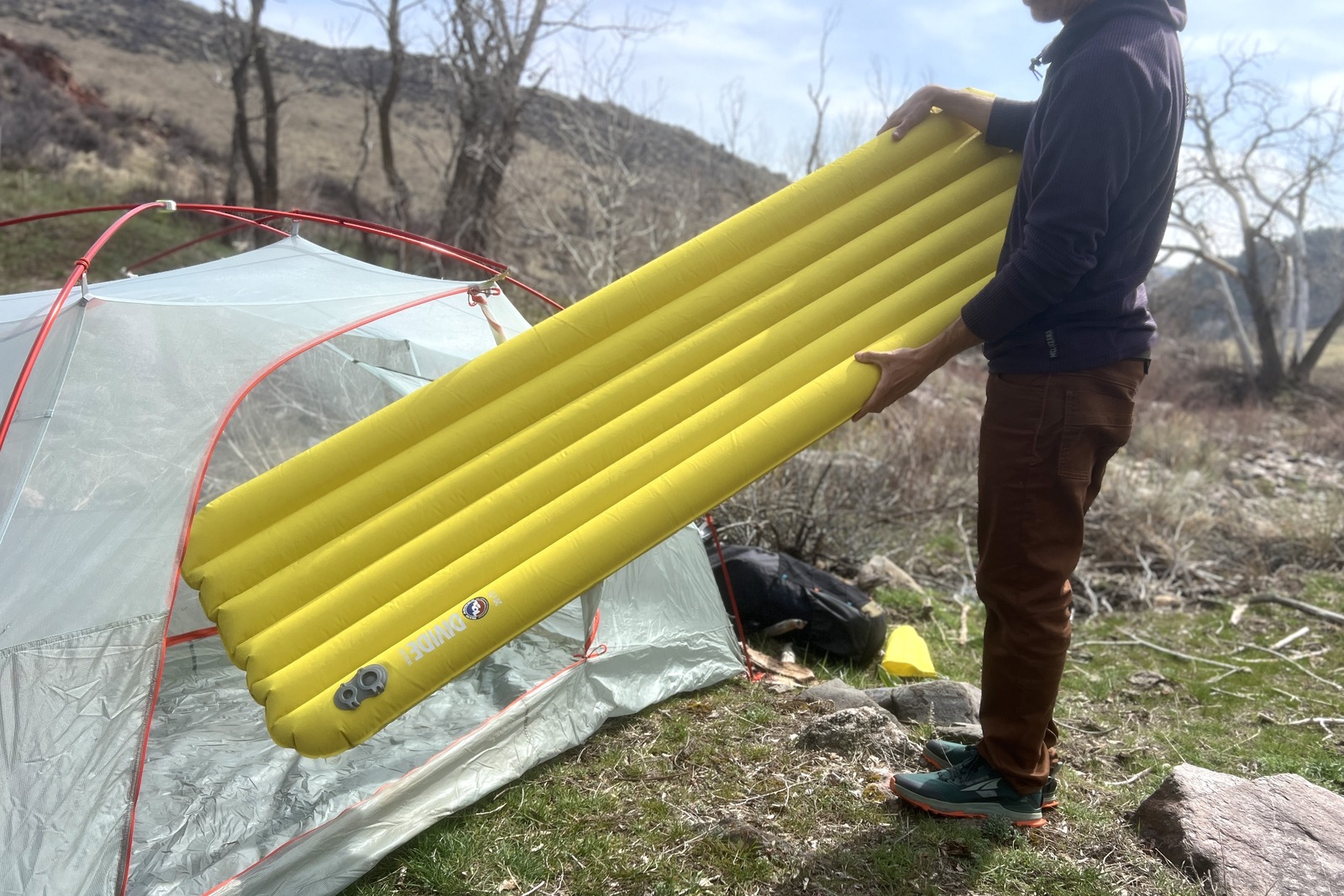
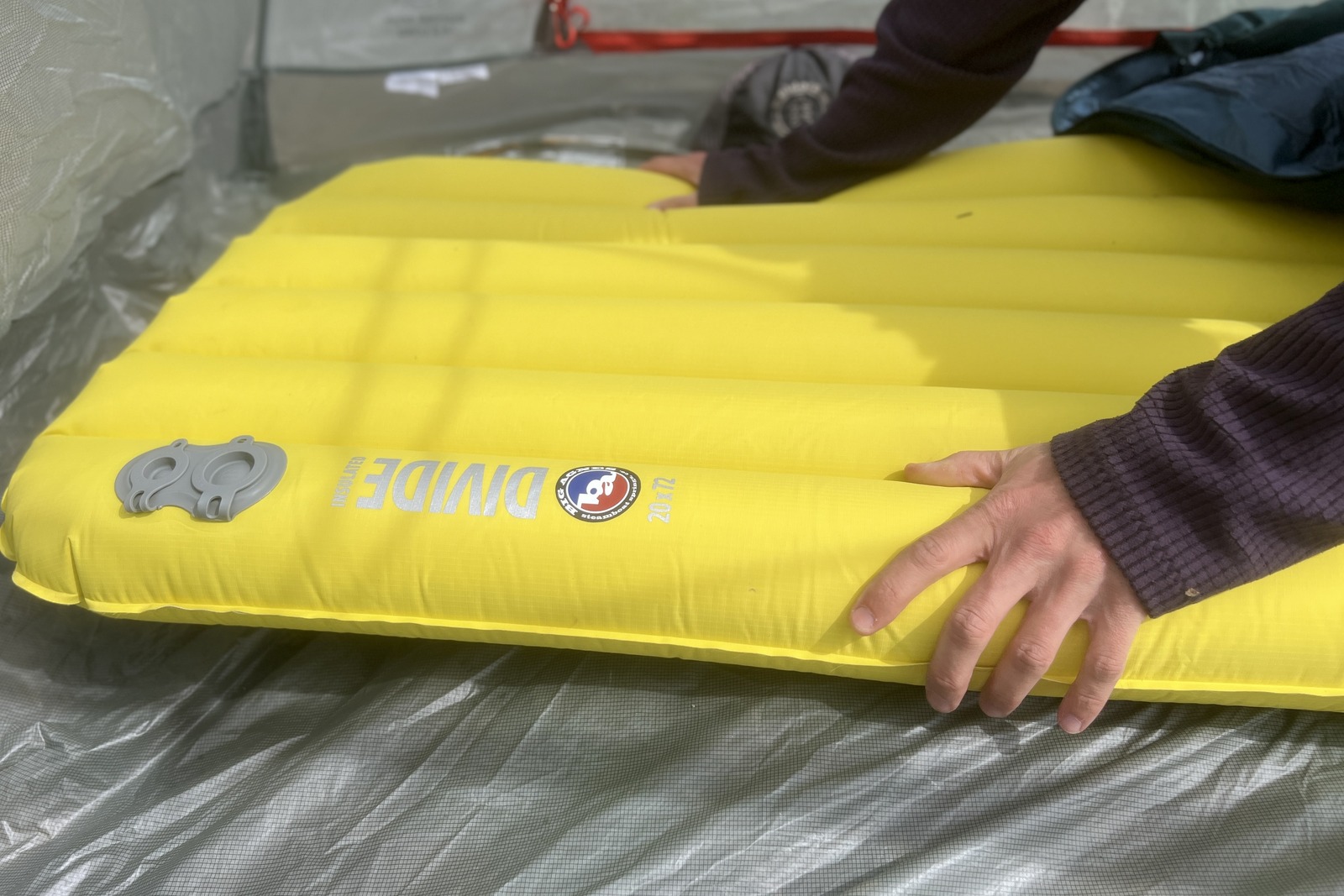
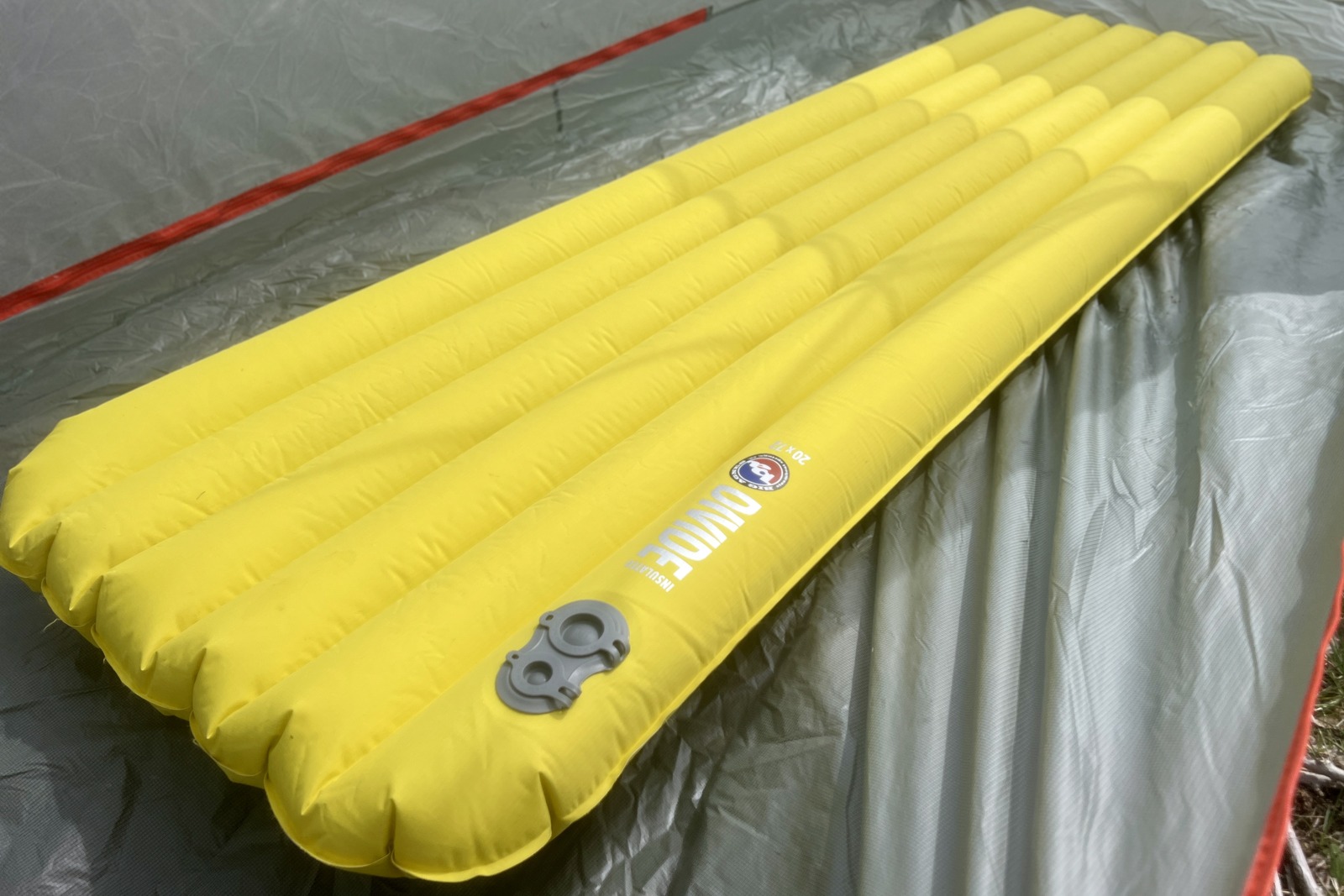
The Divide Insulated uses a vertical I-beam baffle design instead of the horizontal or cell-based layouts found on many other backpacking pads. That gives it a hammock-like feel, with the pad naturally cupping the sleeper from both sides.
The center of the pad provides roughly three-plus inches of cushioning, while the raised outer rails are taller and help keep sleepers from drifting off the edges. We find that layout comfortable for back and stomach sleepers and useful for people who like a more cradled feel.
Side sleepers are more likely to notice the limitations. The vertical baffles can create slightly less even pressure distribution than softer horizontal or cell designs, and some side sleepers may be more prone to bottoming out if the pad is underinflated.
The rectangular shape helps offset that tradeoff by giving you more usable sleeping surface than a narrow mummy pad, and Big Agnes offers a broad range of sizes for different body types.
Comfort Score: 4.4 / 5.0
Weight & Packability
Weight is the Divide Insulated’s clearest compromise. Our Regular test pad weighed 23.5 ounces, which puts it well above premium lightweight options such as the Tensor All-Season and XLite NXT.
That extra weight supports some of the Divide’s strengths: thicker, more confidence-inspiring materials, useful three-season insulation, and a roomy rectangular shape. At its price, the tradeoff is understandable, but ounce-conscious backpackers have better options.
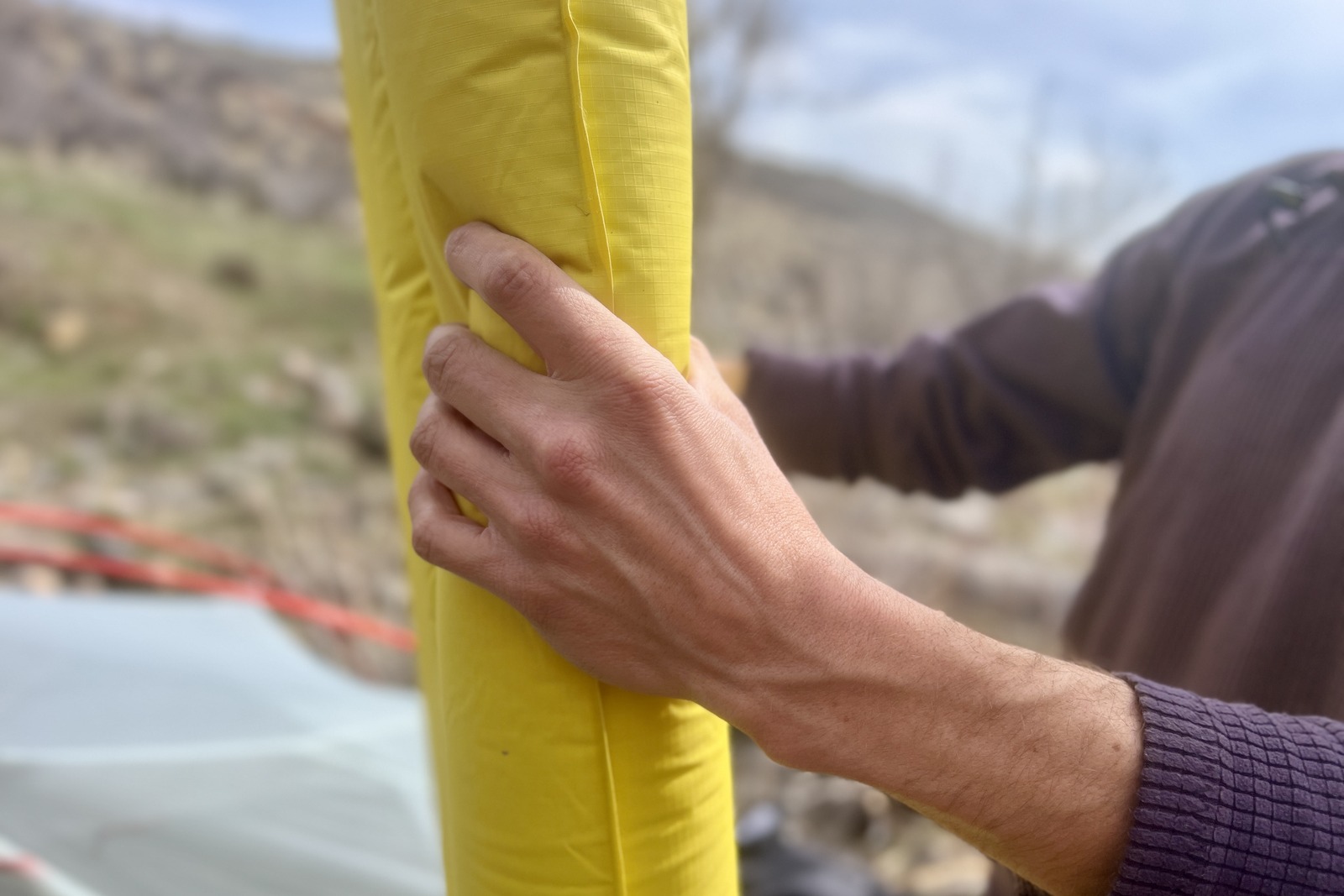
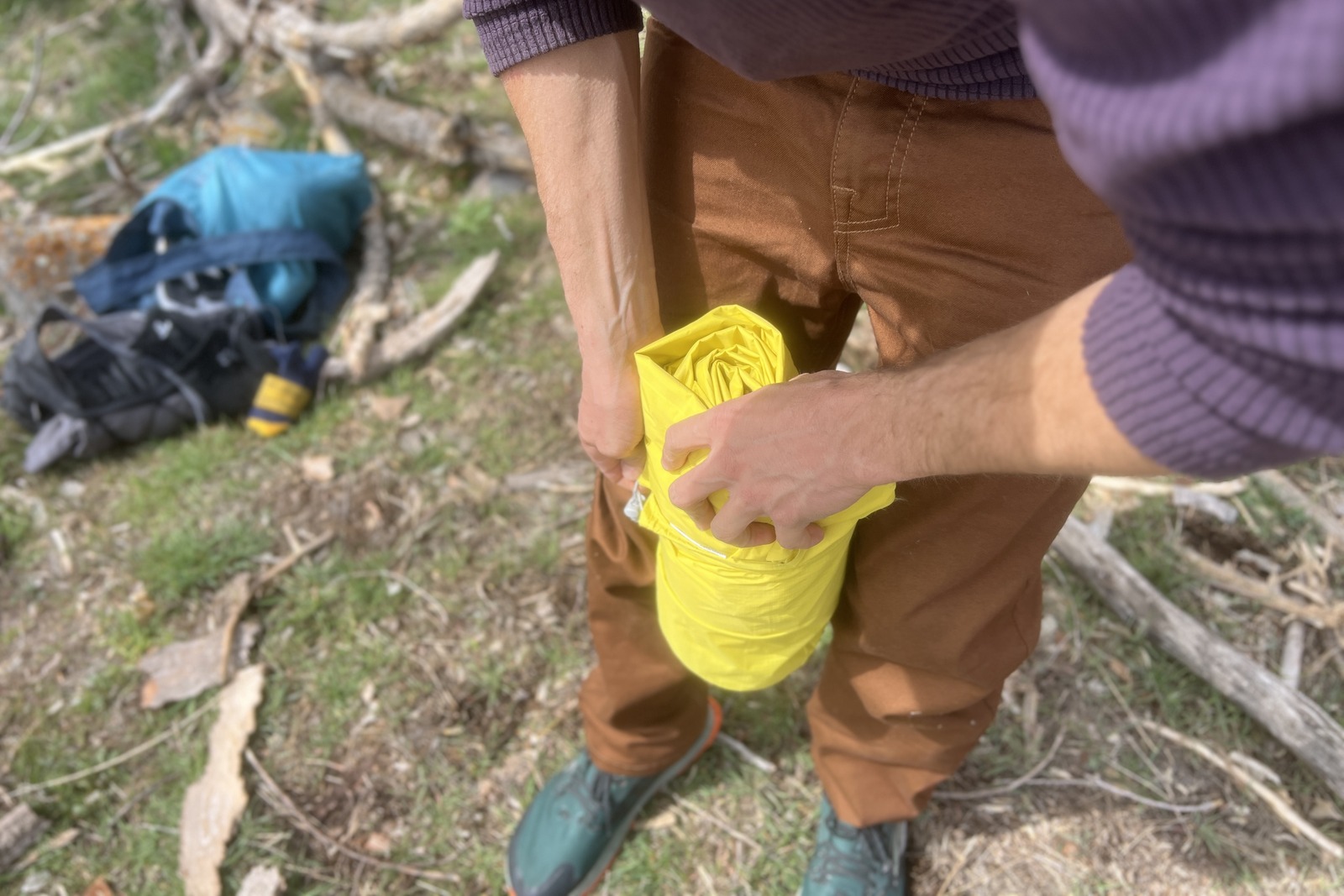
The Regular packs to about 5 by 8 inches. That is compact enough for normal backpacking use, though not especially small by current premium-pad standards.
Our bigger complaint is the stuff sack. It is very snug, so the pad needs to be folded and rolled more carefully than we’d prefer. We often find that the Divide itself packs reasonably well, but the included sack makes the process fussier than it needs to be.
Weight Score: 3.5 / 5.0
Durability
Durability is one of the Divide Insulated’s strongest attributes for the price. Big Agnes uses recycled ripstop nylon with aviation-grade TPU lamination, and our category testing places the Divide among the stronger inflatable pads in the lineup.
We have good confidence in the material around normal backpacking use, especially compared with very thin ultralight pads. The valve design is also a positive: separate inflation and deflation ports reduce complexity and give us fewer concerns around one of the common failure points on inflatable pads.
No air pad is puncture-proof, so we still clear campsites of sharp debris and avoid unnecessary abrasion. Big Agnes includes a repair kit with patches and replacement valve components for field fixes.
For backpackers who want an affordable air pad without feeling like they need to baby the fabric, the Divide delivers a strong durability-to-price balance.
Durability Score: 4.6 / 5.0
Warmth
The Divide Insulated has an R-value of 4.0, which makes it a capable three-season pad for spring, summer, fall, and cooler shoulder-season conditions.
Big Agnes uses synthetic insulation and reflective material to reduce heat loss to the ground. In our experience, that level of insulation is enough for the vast majority of normal three-season backpacking trips.
We would not rely on the Divide alone for true winter camping, extended trips on snow, or consistently frozen ground. In those situations, we would move to a higher-R-value winter pad or pair the Divide with a closed-cell foam pad for extra insulation.
For its price, though, the Divide provides a useful amount of warmth without forcing budget-conscious backpackers into a warm-weather-only pad.
Warmth Score: 4.3 / 5.0

Ease of Setup
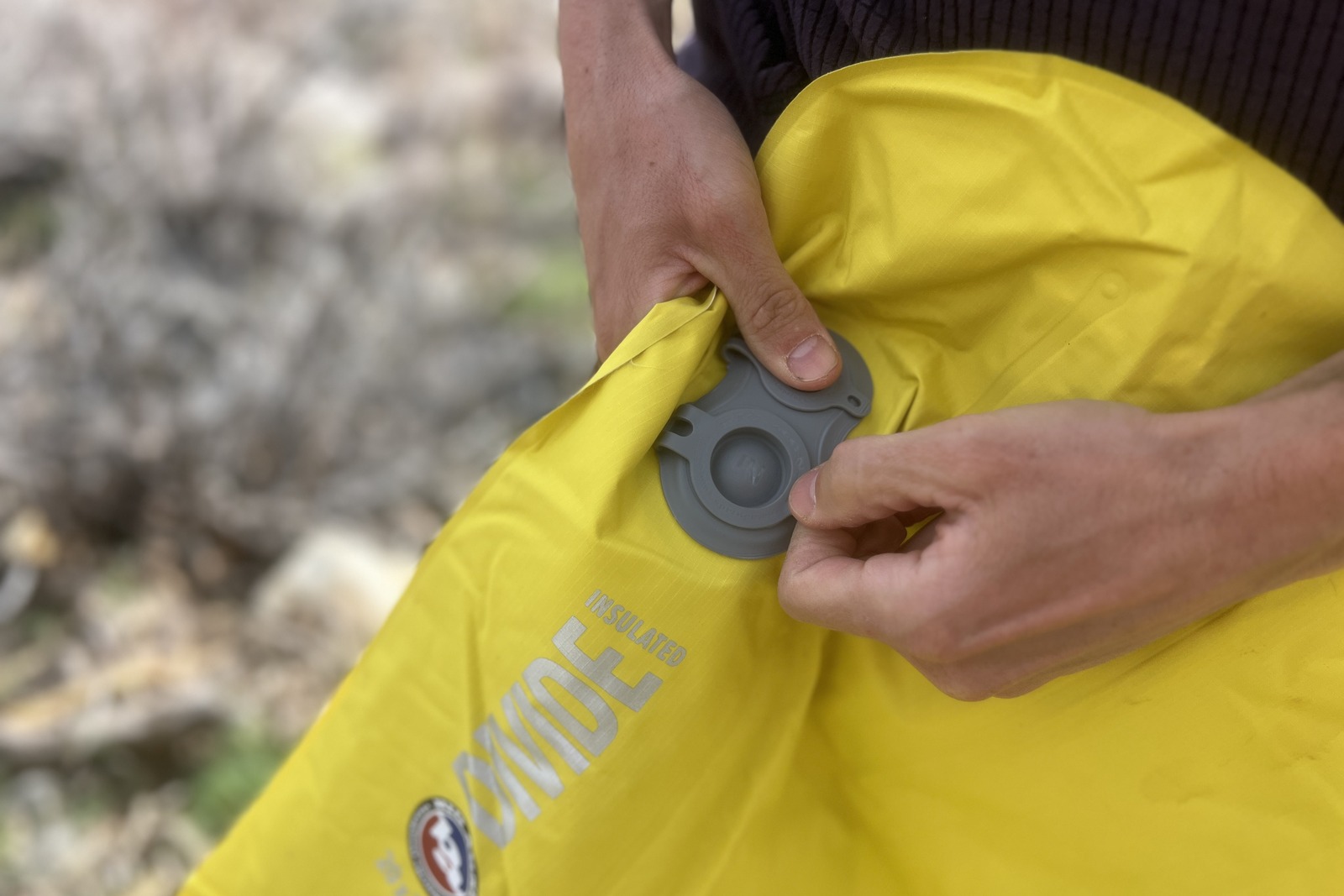
The Divide Insulated is easy to inflate and adjust thanks to its dual-valve system. Separate inflation and deflation ports make the process intuitive, and the inflation valve allows straightforward firmness adjustments once the pad is full.
With the included pump sack, our testing generally lands in the one-to-two-minute range for full inflation. The pump sack works adequately, even though it is not one of our favorites in the category.
Deflation is quick because the dedicated dump valve releases air efficiently. The vertical baffle structure also gives you natural fold lines when collapsing the pad.
The main annoyance comes during packing. The included stuff sack is tight, so a sloppy roll usually will not fit. That adds some friction to an otherwise simple setup and breakdown process.
Ease of Setup Score: 4.6 / 5.0
Should You Buy the Big Agnes Divide Insulated Sleeping Pad?
The Divide Insulated is our favorite affordable choice for backpackers who want one versatile three-season air pad without paying premium prices. It gives up some weight efficiency, but its warmth, durability, comfort, and easy setup are unusually well-rounded for the cost.
It makes the most sense for budget-conscious backpackers, newer hikers who still want a capable pad they can grow into, and experienced backpackers who care more about value and durability than shaving every possible ounce.
We would look elsewhere for ultralight trips, side sleepers who are especially sensitive to uneven support, or dedicated winter use. Premium pads can save meaningful weight, improve comfort, or add warmth, but they also cost considerably more.
For backpackers trying to maximize performance per dollar, the Divide Insulated remains one of the most compelling all-around options in the category.
What Other Backpacking Pads Should You Consider?
Big Agnes Rapide SL Insulated: The Rapide SL is the natural step-up for backpackers who like the Big Agnes approach but are willing to spend more for better comfort, more warmth, and lower weight. It costs more than the Divide, but the extra money buys a more refined sleep surface and stronger all-around performance.
NEMO Tensor All-Season: The Tensor All-Season is our favorite overall backpacking sleeping pad and a better choice for hikers who want a lighter, warmer, and more polished premium option. It costs substantially more than the Divide, but it delivers a stronger overall balance of comfort, weight, warmth, and ease of use.
Sea to Summit Ether Light XR Insulated: The Ether Light XR is worth considering if comfort matters more than keeping cost low. Its Air Sprung Cell construction distributes pressure more evenly than the Divide’s vertical baffles and makes it a better fit for sleepers who want a softer, more body-conforming feel.