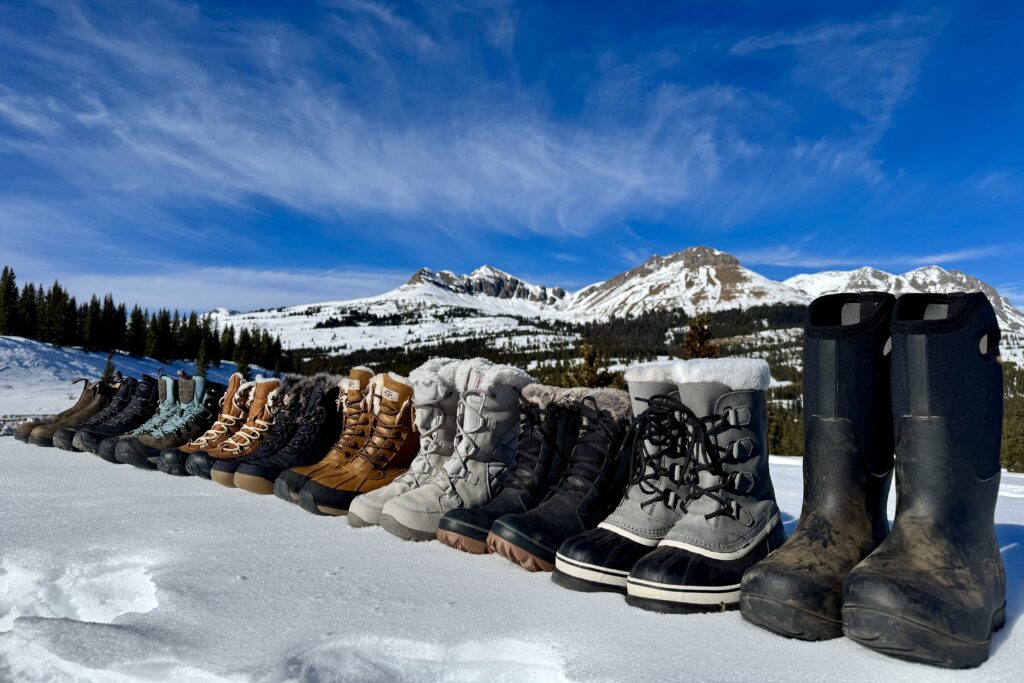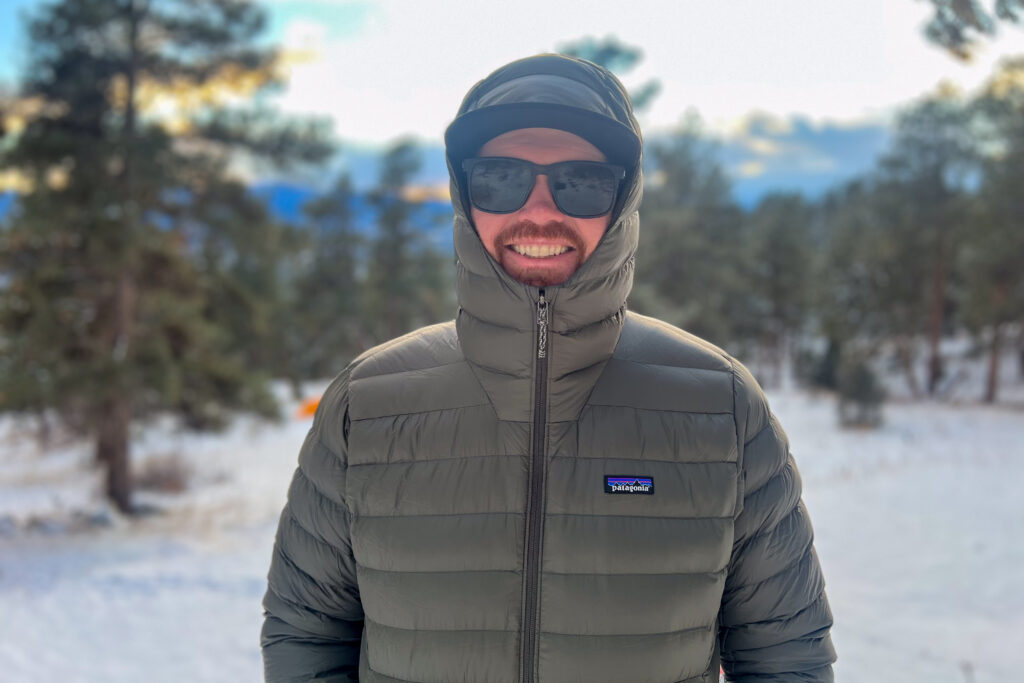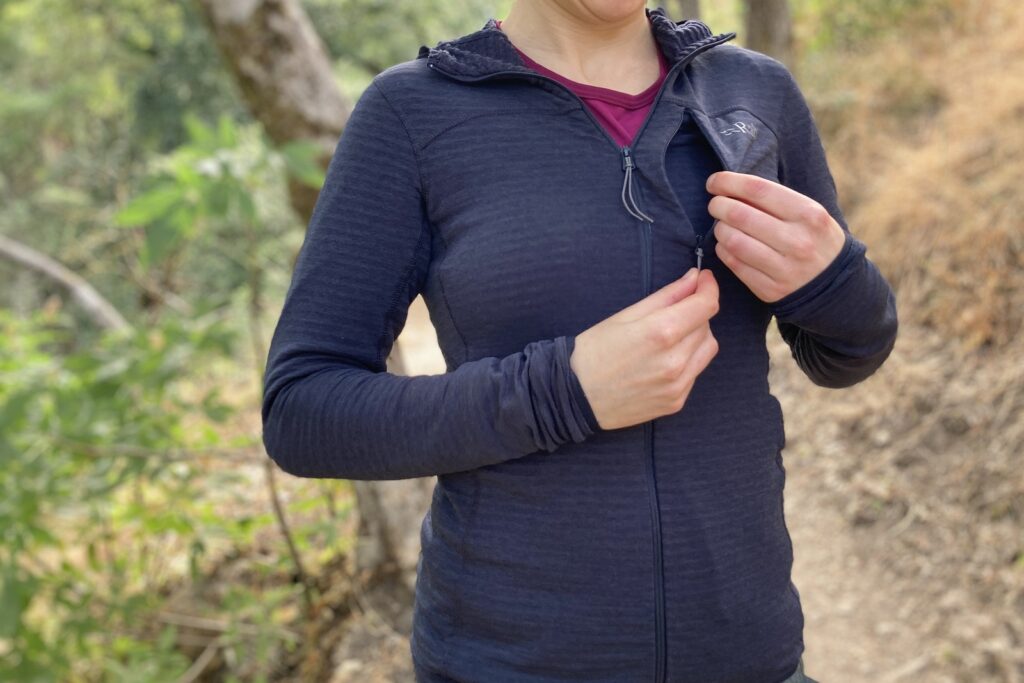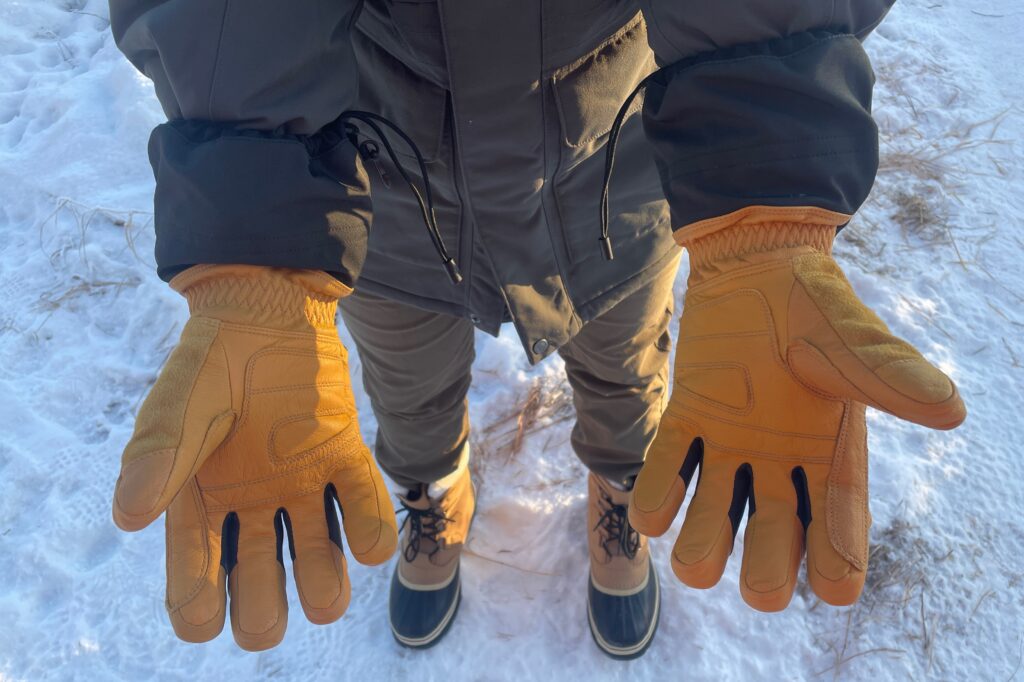


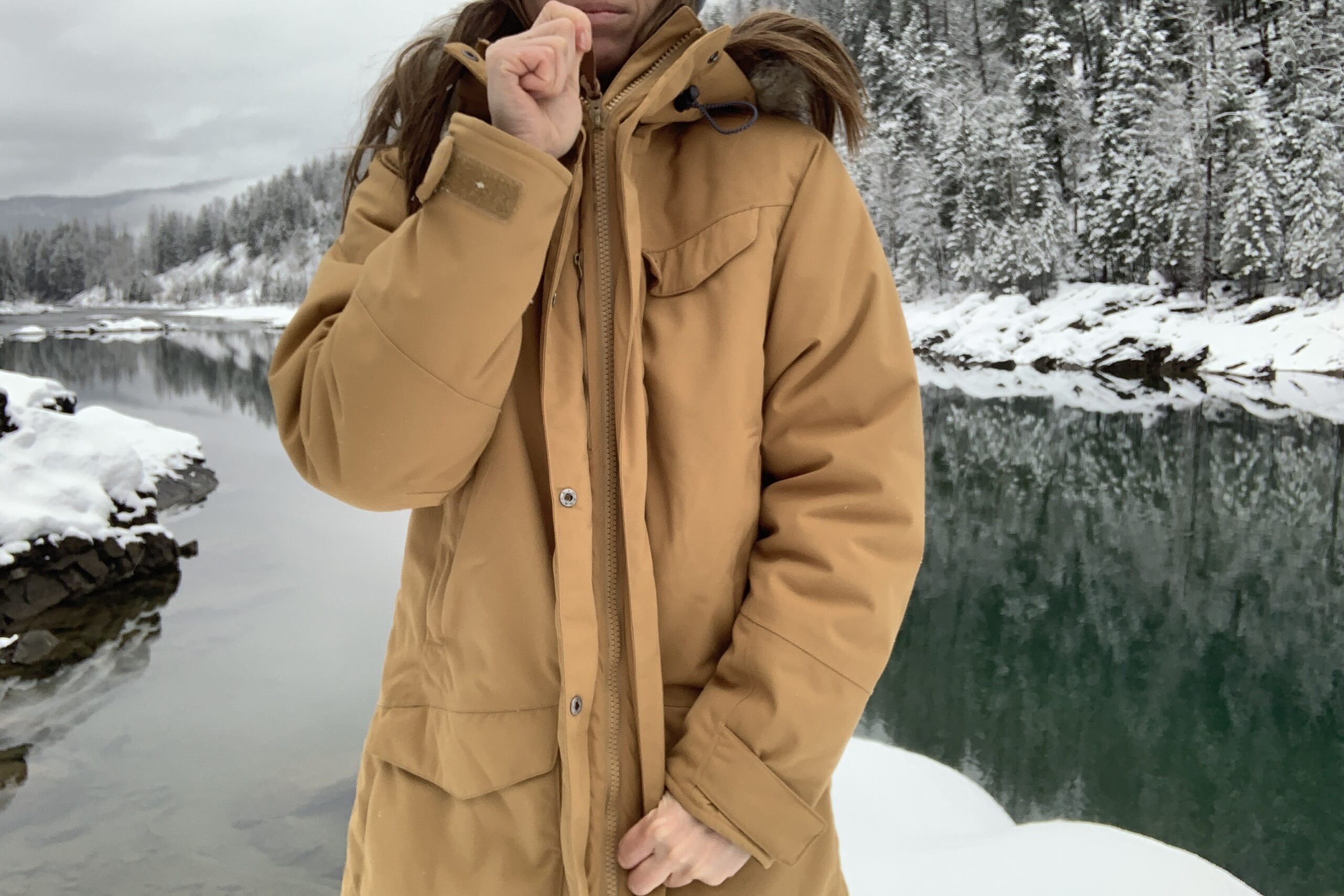
Over the last 12 years, our team has tested more than two dozen winter jackets in brutal winter conditions throughout the U.S. and Canada. We’ve researched close to 100 designs – including classic everyday parkas, synthetic active insulators, and packable backcountry puffies – to hone in on our 10 favorites below.
Editor’s Note: We updated this guide on July 29, 2026, to ensure the accuracy of product pricing and technical specifications. We also revamped our section on How to Choose a Winter Jacket.
How We Test Women’s Winter Jackets
We looked closely at warmth, weather resistance, comfort, and features among leading jackets from The North Face, REI, Outdoor Research, Fjallraven, and more. Our lead analyst stood outside in zero-degree temperatures and 40-mile-per-hour winds to discern which coats could hold their own in frigid, blustery conditions throughout northwest Montana and Banff National Park.
For more info, check out some of our other most popular gear guides:

#1. Best Women’s Winter Coat Overall
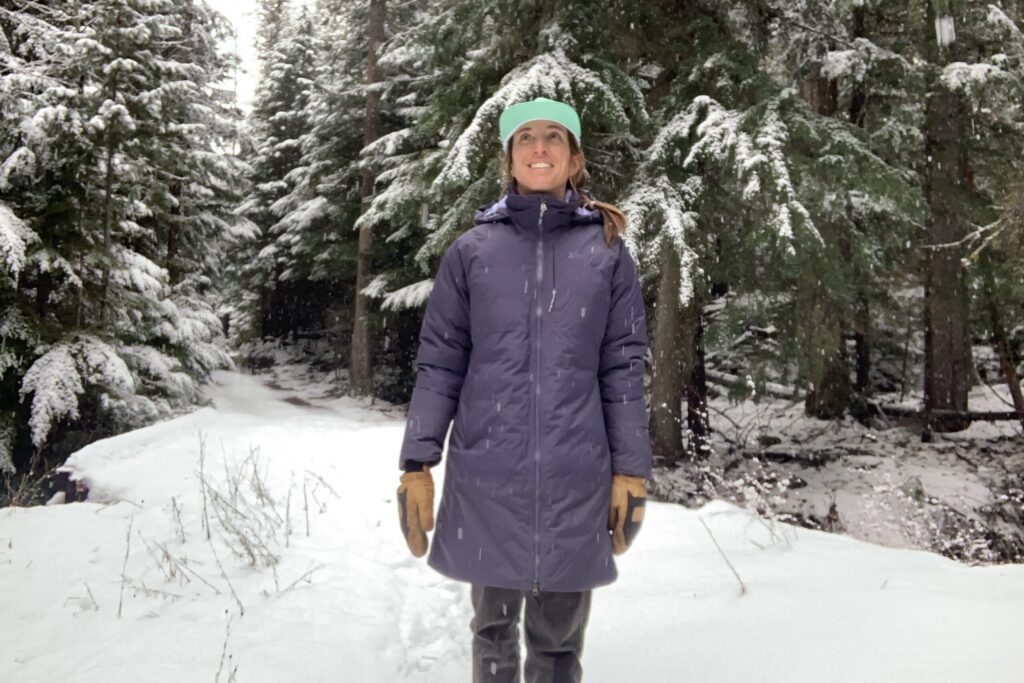
The REI Stormhenge 850 Down Hybrid Parka earned our top spot for its competitive combination of warmth, coverage, and price. Packed with a mix of down and synthetic fill, it was quick to win us over during a frigid winter of testing in northwest Montana.
Quick Picks for Women’s Winter Coats
Check out this quick list of our favorites if you’re in a hurry, or continue scrolling to see our full list of the best winter coats for women with in-depth reviews.
1. Best Winter Coat Overall: REI Stormhenge 850 Down Hybrid Parka ($299)
2. Best Waterproof Winter Jacket: The North Face Arctic Parka ($400)
3. Best Expedition Down Parka: Outdoor Research Super Alpine Down Parka ($479)
4. Best Lightweight Active Insulator: Arc’teryx Atom Hoody ($300)
5. Best Synthetic Parka: Fjallraven Nuuk Parka ($500)
6. Best Parka for Frigid, Windy Conditions: Outdoor Research Coze Down Parka ($445)
7. Best Warm-But-Not-Bulky Down Parka: Rab Deep Cover Down Parka ($325)
8. Best Budget Parka: REI Campwell Down Parka ($239)
9. Best Casual Down Jacket: The North Face Hydrenalite Down Hoodie ($250)
10. Most Comfortable Parka: Patagonia Down With It Parka ($365)
REI Stormhenge 850 Down Hybrid Parka
Best Winter Coat Overall
CleverHiker Rating: 4.9/5.0
Price: $299
Weight: 1 lb. 10.5 oz.
Insulation: 850-fill-power down; 180g & 80g polyester
Length: 36.5 in.
Pros
- Comfortable
- Warm
- Waterproof
- Versatile
- Affordable
Cons
- Those with a broader chest/larger or longer arms may want to size up
- Zipper is a little stiff for cold fingers or mittens
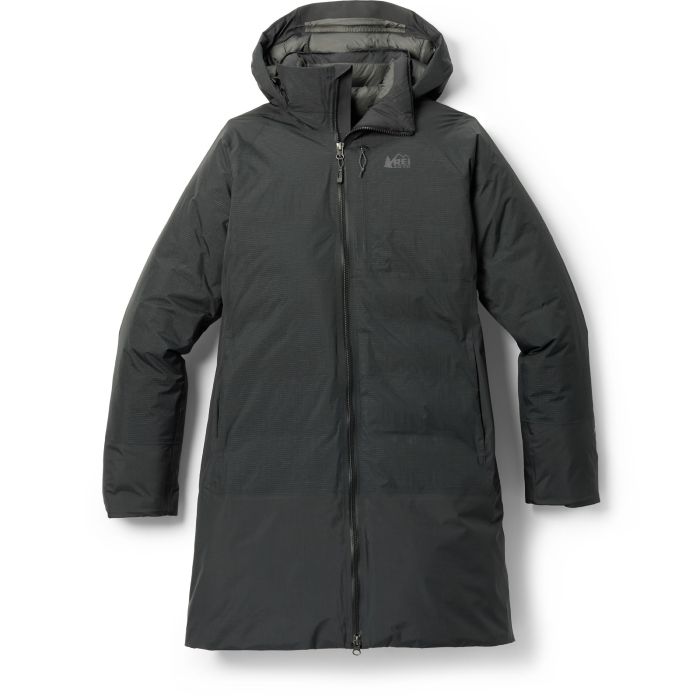
The women’s REI Stormhenge 850 Down Hybrid Parka is the longer version of the bestselling waterproof and insulated Stormhenge 850 Down Hybrid Jacket. The lightest parka-length design to make our list, this coat inspires confidence in pretty much any winter weather.
This winter coat falls just above the knees and effortlessly blends warmth, weather protection, and utility. We love that it’s functional for low- to moderate-output adventures where you might build a sweat but then remain stationary for a while. It also doesn’t look so technical that it can’t work as everyday companion.
Featuring 850-fill-power down in the body for warmth and synthetic insulation in the hood and side panels to dump excess heat, it offers an excellent warmth-to-weight ratio alongside reliable wet-weather protection. The 2-layer HydroWall waterproof shell – paired with DWR-treated insulation – keeps you dry, while thoughtful touches like a brimmed hood and wrist gaskets keep moisture from reaching your base layers.
The Stormhenge performed well in temperatures as low as 10 degrees Fahrenheit. It was especially effective when we were moving a bit to generate some heat.
Its above-the-knee cut gives you full seat coverage for sitting on bleachers, benches, or snow. Because it falls above the knee, there isn’t any leg restriction unless you’re lunging. For a waterproof down jacket, it still wears like a lightweight puffy and is easy to pack. It pairs well with a base layer or thin mid layer, although chunky sweaters and high-pile fleeces can feel like a little much.
We had a hard time coming up with complaints. Tested in Montana’s sleet, hail, snow, and 40-mile-per-hour winds, this jacket proved itself durable and adaptable in a variety of winter conditions.
The REI Stormhenge is a fantastic option for a waterproof down parka, offering impressive warmth, weather resistance, and versatility. Though it might not replace a specialized backcountry puffy, it’s an excellent all-in-one choice for most cold-weather activities, providing great performance for the price.

The North Face Arctic Parka
Best Waterproof Winter Jacket
CleverHiker Rating: 4.9/5.0
Price: $400
Weight: 2 lb. 13.5 oz.
Insulation: 600-fill-power down
Length: 35.3 in.
Pros
- Highly protective, faux fur-lined hood
- Excellent warmth
- Breathable
- Waterproof
Cons
- Heavy
- Not very packable
- Pockets aren't insulated
- Hood feels a bit oversized
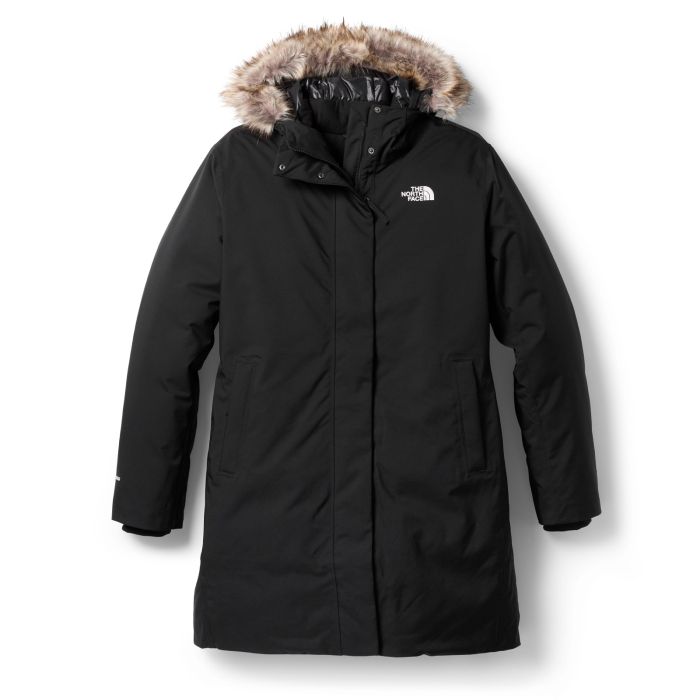
The North Face Arctic Parka is a longstanding favorite that blends solid comfort, durability, and performance with sleek, street-ready style. We also appreciate the price, because we’d expect this coat to cost more for how versatile it is.
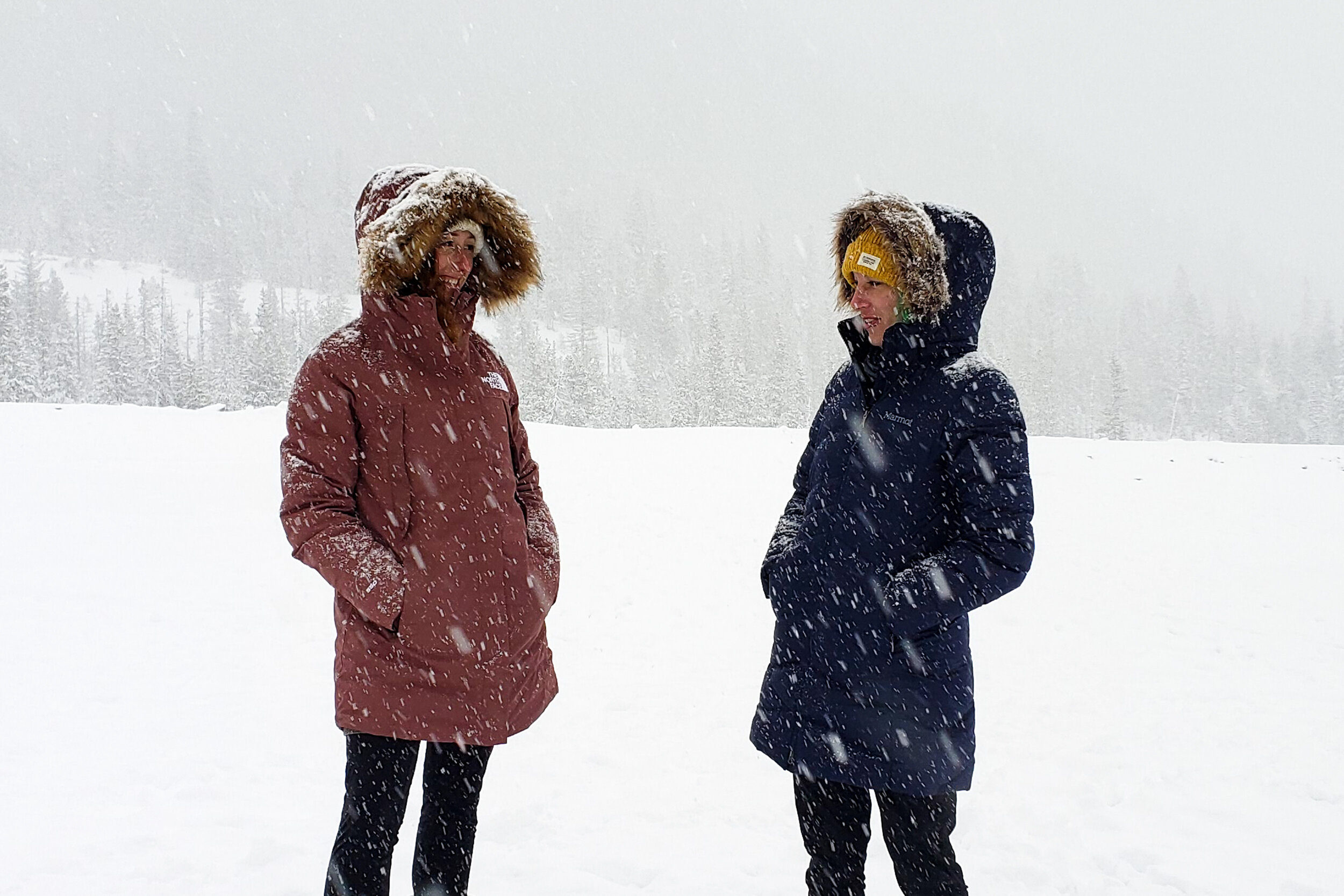
With 600-fill-power down insulation and a weatherproof, 2-layer DryVent shell, this parka keeps you warm and dry in cold, wet conditions. Think wintery mixes, bone-chilling coastal conditions, or playing with kids in the snow.
It offers excellent coverage with its mid-thigh cut, and the removable, faux fur-lined hood adds extra warmth and coziness on windy days. It’s not the lightest or most packable jacket in its class, so if you’re going on a trip, use a big duffle.
The down insulation holds its own in temperatures down to around 0 degrees Fahrenheit – as long as you’re moving and wearing the right layers. Thoughtful details like zippered hand pockets, an adjustable waist, and a roomy interior make it an easy choice for those who value functionality and warmth.
If you need a dependable, full-coverage winter coat that handles everything from city streets to snowy trails, The North Face Arctic Parka is a solid pick. It’s not built for extreme alpine conditions, but it’s a great everyday jacket that balances warmth, protection, and comfort at a great value.

Outdoor Research Super Alpine Down Parka
Best Expedition Down Parka
CleverHiker Rating: 4.8/5.0
Price: $479
Weight: 1 lb. 3.4 oz.
Insulation: 800-fill-power down
Length: 32.5 in.
Pros
- Exceptionally comfortable
- Great mobility and coverage
- Durable outer fabric
- Stuff sack included
- Practical pockets
- Sized for layering
Cons
- Not the most water-resistant
- A little techy for wearing casually
- Runs big
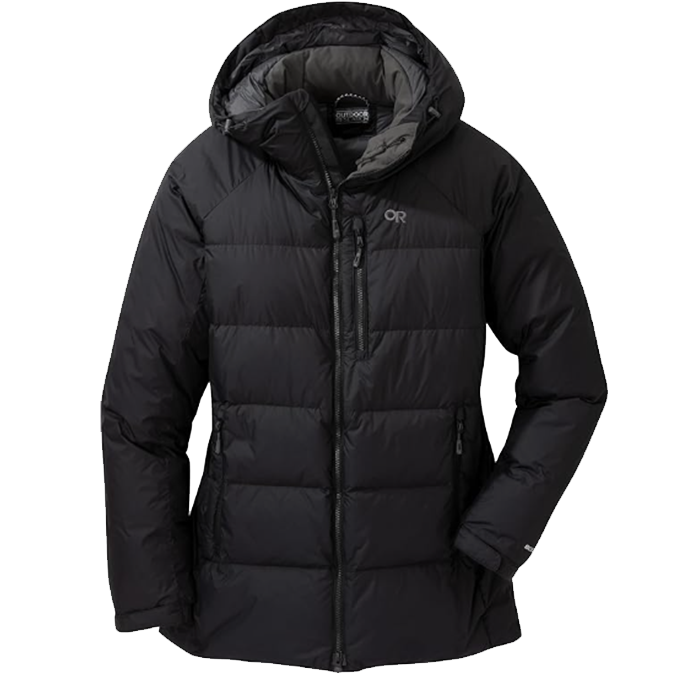
The Outdoor Research Super Alpine Down Parka is designed for extreme winter exposure. It pairs lofty, 800-fill down insulation with a 30-denier Pertex Quantum Pro shell that can withstand brushes against ice and rock. Its 32.5-inch length stops at mid-thigh (for us), nicely balancing coverage and mobility.
The body of the jacket is baffled, while the arms and shoulders are seamless to maximize durability and minimize heat loss. It really is an exceptional puffy for standing around at a glacial base camp, waiting at a belay station, or hanging out in a ski resort parking lot. Like most down jackets, it’s overkill when you’re generating heat in temperatures above freezing.
Beyond the high-quality down fill, the collar is tall and lined with brushed tricot to keep your neck and chin cozy and warm. The pockets feature the same soft fabric. Speaking of storage, the jacket boasts a whopping six pockets, including two internal drop-in pockets. We often used these to stash items we wanted to keep warm from our body heat, like gloves or a phone.
The Super Alpine is an unapologetically technical performance piece that lacks the street-friendly styling of some options here. Though we liked the shape and cut, the jacket doesn’t have the slight hourglass shape of more casual women’s parkas.
All told, for women facing the coldest, windiest, and most exposed winter conditions, the Super Alpine Down Parka is a real standout.
More: Women’s Outdoor Research Super Alpine Down Parka Full Review
Arc’teryx Atom Hoody
Best Lightweight Active Insulator
CleverHiker Rating: 4.8/5.0
Price: $300
Weight: 11.3 oz.
Insulation: 60g Coreloft
Length: 26 in.
Pros
- Year-round appeal
- Effective at wicking moisture
- Versatile
- Packable
- Great hood design
- Durable
- Can be worn as an outer layer or mid layer
Cons
- Limited warmth in truly frigid conditions
- A little more crinkly than previous versions
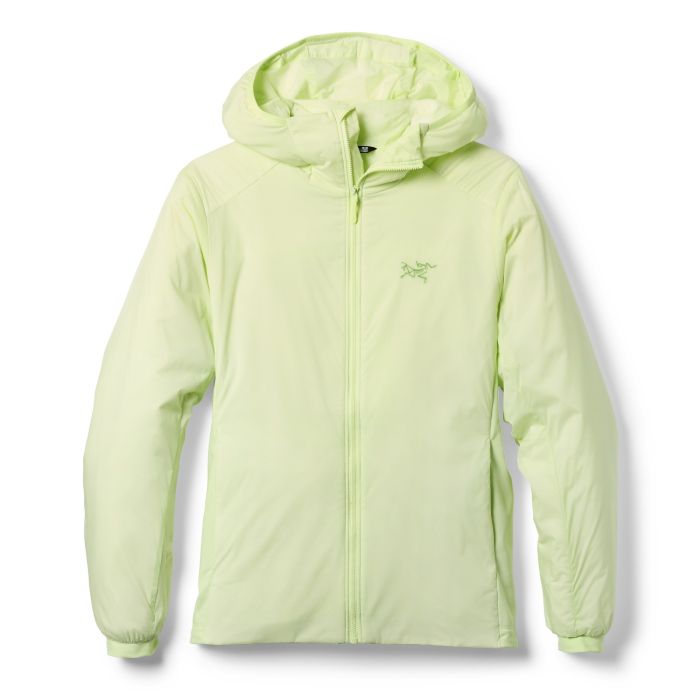
We’ve run our Arc’teryx Atom Hoody ragged for over 15 years, so it’s safe to say we love this active insulator. Though we had some minor quibbles when unboxing and starting to test the latest version, after a few wears, we really couldn’t tell the difference – it’s still a standout technical piece.
The Atom is a Jane-of-all-trades layer that adapts well to variable weather, elevation, and activity levels. We pack it for summer alpine climbing as an outer or emergency layer. It’s our go-to windproof, cold-weather protector during the shoulder seasons. In winter, we wear it as a mid or outer layer, depending on the activity.
Arc’teryx offers three insulation levels in the Atom line, and this one is the middle option. At the lightweight end is the Atom SL (short for “superlight”), which is a minimalist piece for high-output use. The Atom SV (short for “severe weather”) is the warmest and most weather-ready design.
During higher-exertion outings like uphill hiking, climbing, trail running, skiing, backpacking, or snowshoeing, the Atom provides good breathability and mobility thanks to its stretchy fleece side panels. Once we’re really huffing and puffing, we tend to stash the jacket in our pack.
The synthetic insulation retains warmth even when wet (unlike down), and the outer shell resists snow and light rain. We’ve climbed thousands of feet of limestone wearing the Atom without any tears to report. The jacket is designed to be lightweight and packable, so you should still treat it with care to avoid damage.
For women who get after it in cold temperatures and want a jacket that can keep up without overwhelming them, the Atom is hard to beat.
Fjallraven Nuuk Parka
Best Synthetic Parka
CleverHiker Rating: 4.7/5.0
Price: $500
Weight: 3 lb. 13.1 oz.
Insulation: 250g Supreme Microloft
Length: 33.9 in.
Pros
- Warm
- Durable
- Lots of fleece-lined pockets
- Trustworthy weather protection
- Oversized for layering
Cons
- Heavy and bulky
- Runs large
- Tactical styling
- Overkill for mild conditions and exerting (even in cold weather)
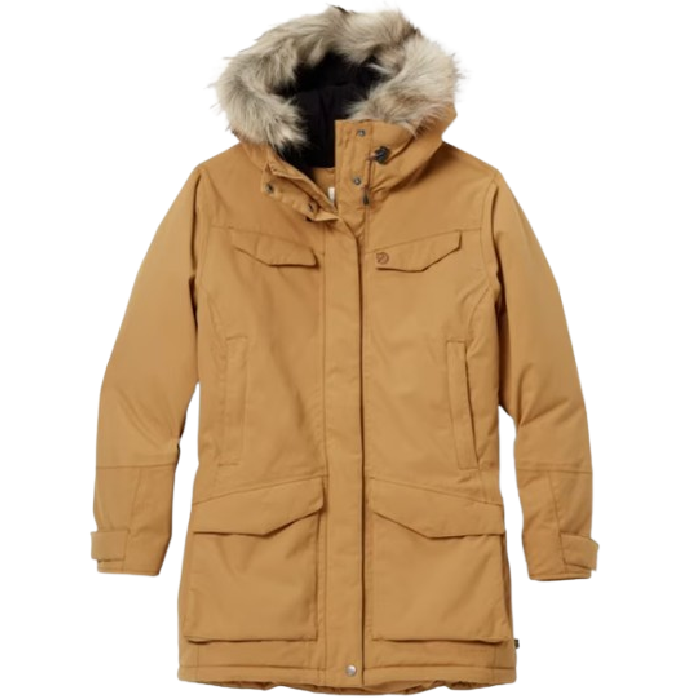
The Fjallraven Nuuk Parka is full-on in every sense of the word. It has a workwear-inspired, heavy-duty shell that refuses to let weather soak in or get torn up by branches or rocks.
This coat is purpose-built for those spending extended time in harsh winter conditions. Don’t be deterred by the lack of down feathers – the Nuuk’s synthetic Microloft insulation and durable polyamide shell deliver reliable warmth, even in wet weather. It’s great for winter work, ice fishing, dog sledding, or simply enduring a frigid winter around town or outdoors in places like Montana or British Columbia.
The Nuuk features a long cut and robust construction, providing solid assurance against wind and snow. However, the loose fit at the hem may let some cold air sneak in, and its weight makes it best suited for stationary or low-intensity activities rather than high-energy backcountry pursuits (unless you’re experiencing record lows). We quickly had to unzip the coat on a slight hill walk in the middle of winter.
With 10 pockets, a fleece-lined collar and hood, a removable faux-fur ruff, and oversized leather zipper pulls, the Nuuk offers ample storage and glove-friendly convenience. However, the jacket’s larger, boxy fit might feel too roomy for some, so consider sizing down.
If you’re looking for a jacket that prioritizes warmth, durability, and features, the Nuuk is a great choice. Though it may not appeal to minimalist adventurers or anyone trying to pack this coat into a suitcase, it’s excellent for women needing a rugged, high-performance jacket for frigid conditions or tough winter tasks.

Outdoor Research Coze Down Parka
Best Parka for Frigid, Windy Conditions
CleverHiker Rating: 4.7/5.0
Price: $445
Weight: 2 lb. 3.5 oz.
Insulation: 95% 700+ fill-power down, 5% synthetic
Length: 43 in.
Pros
- Super warm
- Durable
- Great coverage
- Wind- and water-resistant
- Neck isn’t restrictive
- Draft tube at the collar helps seal in warmth
Cons
- Expensive
- Oversized baffles might not be your style
- Shell attracts hair and lint
- Too bulky for casual use
The Outdoor Research Coze Down Parka is built for standing around in extreme cold. The jacket is packed with a healthy dose of 700+ fill-power down inside a rugged nylon plainweave shell. Its knee-length hem and exceptional wind resistance make it a reliable choice for those venturing out into bitterly cold and windy outings.
Putting this parka on feels reminiscent of cozying up inside a lofty down sleeping bag. In addition to the quality down fill, Outdoor Research included an insulated neck baffle, soft cuffs with thumb holes for layering, an oversized collar with a tricot lining, and a baffle ruff-equipped hood that cinches to seal out drafts.
Weather resistance is solid thanks to the wind- and water-resistant shell. It reliably kept us protected in light rain and snow, though it’s best suited for dry, frigid climates.
The Coze Down Parka shines in comfort, with a generous cut that tapers to the side zippers. This maximizes warmth and protection when you’re stationary, and the zippers can be used to boost mobility and breathability as needed. And for such a large parka, the Coze still has a lightweight feel that allows you to move freely without feeling weighed down.
Rab Deep Cover Down Parka
Best Warm-But-Not-Bulky Down Parka
CleverHiker Rating: 4.7/5.0
Price: $325
Weight: 1 lb. 13.1 oz.
Insulation: 12 oz. of 700-fill-power down
Length: 35.4 in.
Pros
- Warm
- Comfortable
- Tailored fit
- Quick-drying
- Packable
- Two-way zipper
- Removable faux-fur hood
Cons
- Not the most durable
- No fleece on the collar
- Limited room for layering
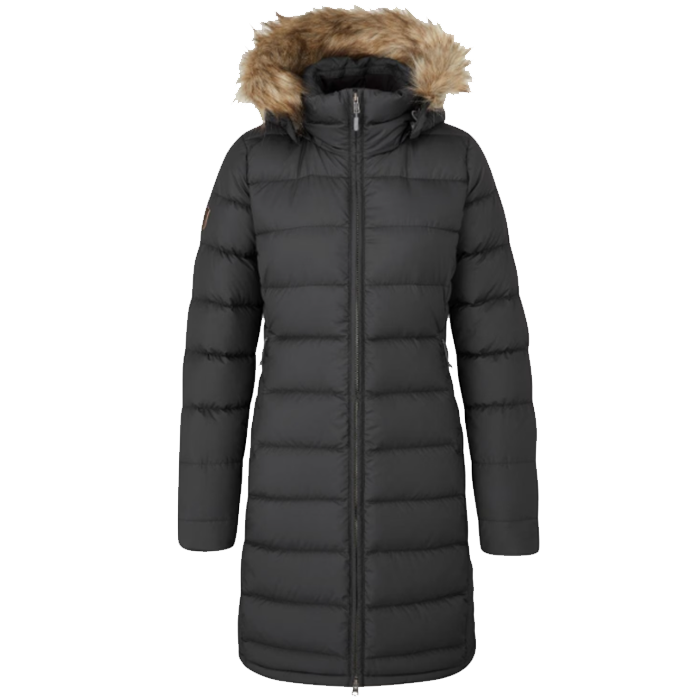
The Rab Deep Cover Parka was the coat we kept coming back to when we knew it would be wintery but we still wanted to feel feminine – not like we were wearing a down comforter.
Packed with 700-fill-power goose down that’s treated with a Nikwax finish, this jacket is both warm and moisture-resistant, which is essential for down to perform well. Rab specifies that there are 12 ounces of down packed inside, indicating they didn’t skimp on insulation. All told, the Deep Cover performs well in extreme cold without adding excess bulk – great for winter walks and other mobility-dependent activities.
The DWR coating shields against light snow and brief rain exposure. We wouldn’t wear this coat if heavy, wet snow or extended rain were in the forest. Still, the exterior dries fast, and the insulation keeps its loft even if it gets damp.
The Deep Cover’s chevron side baffles add nice contouring while minimizing bulk under your arms. We didn’t experience any cold spots in testing – the coat was cozy and warm from the thigh to the crown of our head. It was a Goldilocks level of warmth: not too hot and not too cold.
Rab is known their high attention to detail, and the Deep Cover carries the torch. They included long, stretchy, fleece-lined cuffs to seal out snow and drafts. The front of the pockets has the same fleece lining for added comfort. The front zipper is smooth and made of metal, which adds a nice dose of everyday flair.
The parka’s fitted cut prioritizes warmth retention and styling above layering friendliness. It works best with low-bulk, snug-fitting mid layers and base layers – like a performance-ready merino long-sleeve.
Lightweight and packable, the Deep Cover easily compresses to roughly the size of a basketball (or even smaller with a compression sack), making it a dependable choice for travel to cold-weather destinations. Taken together, this parka is a worthwhile investment for its urban versatility, lightweight comfort, and just-right warmth for walking in temperatures that dip into the single digits.
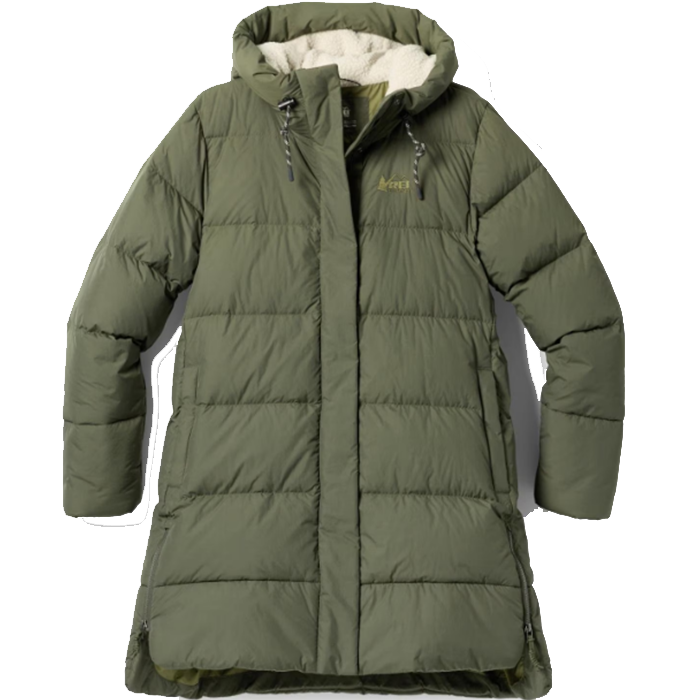
REI Campwell Down Parka
Best Budget Parka
CleverHiker Rating: 4.6/5.0
Price: $239
Weight: 2 lb. 2.9 oz.
Insulation: 650-fill-power down & 120g polyester
Length: 36.5 in.
Pros
- Very warm
- Long-lasting insulating power
- Water-resistant
- Shearling hood
Cons
- Side zippers lend a boxy shape
- Pockets aren’t fully lined
The REI Campwell Down Parka strikes a fantastic balance among warmth, style, and affordability. Featuring a mix of 650-fill down and 120-gram synthetic insulation in moisture-prone areas, it’s ready for cold, drizzly days when you need both warmth and light moisture protection.
One of the cheapest winter jackets on our list, this coat doesn’t skimp on quality despite costing around half as much as the competition. The Campwell performed exceptionally well in our timed insulation test, and features like a fleece-lined hood, knit cuffs, and inner and outer storm flaps make it highly capable for everyday wear in the winter.
The Campwell is boxier than some of the more tailored jackets on our list. The side zippers increase mobility, sitting comfort, and ventilation but cause the back of the jacket to spread away from you like a tail wing.
If you’re looking for a casual winter jacket that doesn’t break the bank, the Campwell Down Parka delivers great value with all the features you need to stay warm in cold weather.
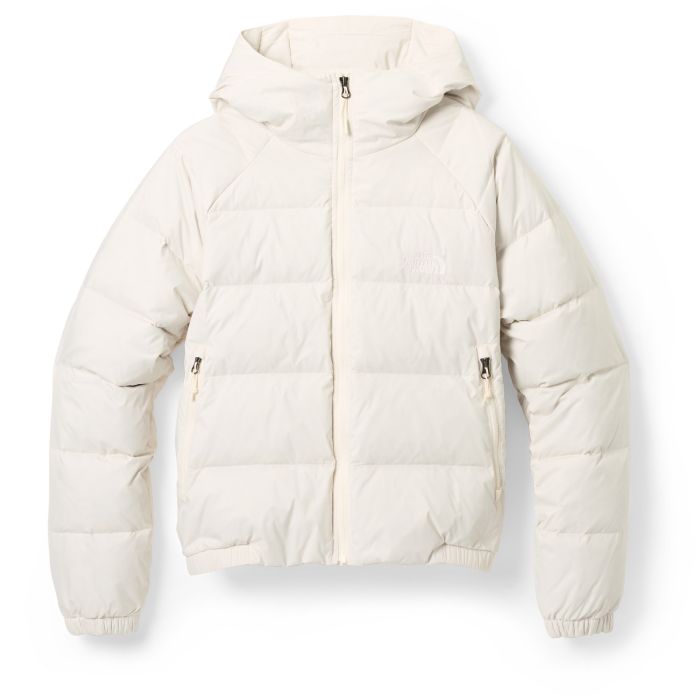
The North Face Hydrenalite Down Hoodie
Best Casual Down Jacket
CleverHiker Rating: 4.6/5.0
Price: $250
Weight: 15 oz.
Insulation: 600-fill-power down
Length: 20.8 in.
Pros
- Lightweight
- Packs down well
- Comfortable
- Nice size range
- Flattering
Cons
- No cinch on the hood
- We wish the chin were lined
- Logo gets discolored
- Not great for serious winter conditions
The North Face Hydrenalite Down Hoodie blurs the line between streetwear puffy and tactical backcountry piece. From NYC to off-grid Montana, we’ve been pleasantly surprised by the jacket’s performance – enough so that it has unexpectedly become our daily go-to.
At first, we thought the hip length would be too short, but more often than not, it was perfect without being over the top (unlike some longer parkas). That said, we wouldn’t rely on it in remote outdoor spaces or for long days or nights exposed to the cold.
If you’re hopping from your car to the store, the Hydrenalite is a great puffy for staying warm when the mercury starts to drop. Packed with mid-range, 600-fill down, this jacket provides moderate warmth without being bulky.
If you live in an area with mild winters (hovering around freezing), this coat is enough, but we had to keep our pace up to stay warm below 20 degrees. Also, the cut might be too short for women with long arms, long torsos, or who prefer their hips covered.
More: Women’s The North Face Hydrenalite Down Hoodie Full Review
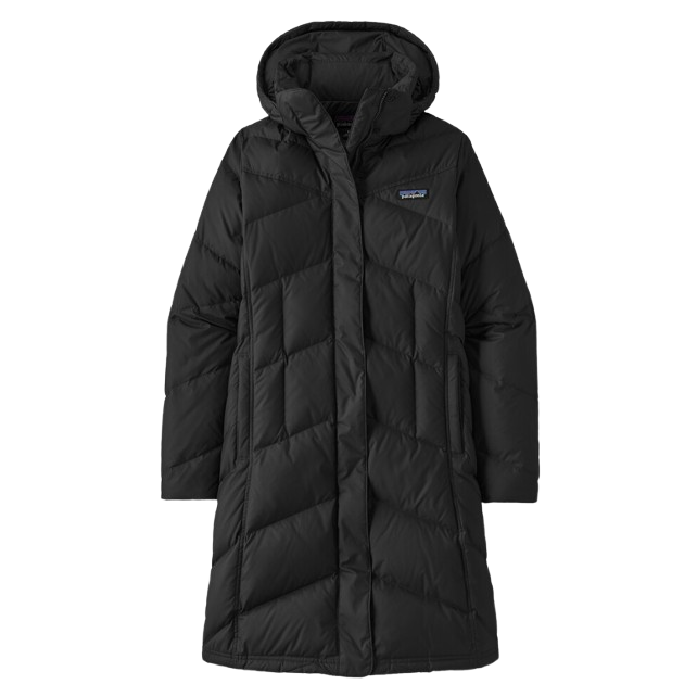
Patagonia Down With It Parka
Most Comfortable Parka
CleverHiker Rating: 4.5/5.0
Price: $365
Weight: 2 lb. 5 oz.
Insulation: 600-fill-power down
Length: 39.3 in.
Pros
- Exceptionally comfortable
- Great mobility
- Durable outer fabric
- Stylish fit for a longer coat
- Unique baffle stitching
Cons
- Not as weather-resistant as some
- Heavy
- Lighter colorways stain easily
The Patagonia Down With It Parka combines 600-fill down insulation with a unique silhouette and stitching design for a warm, flattering, easy-to-move-in parka. If you run cold, this is a great winter coat that doesn’t wear like a sleeping bag.
Designed for low-output and cold-weather outings, this parka provides excellent coverage, and the knee-length cut doesn’t feel restrictive when you’re on the move.
In our insulation test, the Down With It took 108 minutes to drop to ambient temperatures, which was an impressive performance. The weight and warmth of this coat will have you unzipping it to dump heat if you’re on a more strenuous walk.
If you’re trying to shop more intentionally, this jacket features insulation reclaimed from down products, and the shell and lining are 100%-recycled polyester taffeta. The shell is coated in a DWR finish that’s made without perfluorinated chemicals (PFCs/PFAS). Plus, Patagonia has an awesome in-house repair program should you run into any issues.
The shell beads light rain and snow effectively, though it will wet through relatively quickly in sustained moisture. The down isn’t hydrophobic, so once this jacket soaks, it needs to dry fully to perform as intended. The cuffs omit gaskets, too, so we wouldn’t advise playing in the snow unless you have gauntlet-style mittens or gloves to protect your wrists.
The hood features a cinch cord and snaps to detach when you don’t need it. We were initially worried about drafts creeping in between the snaps, but there’s an extra panel to cover the gap. We had no worries relying on the jacket for warmth in temperatures down to the teens and 20s – without needing to exert much energy to generate body heat.
The fit runs a touch small. Though we could fit a knit sweater underneath, we recommend sizing up if you’re curvy or have broad shoulders. Finally, the lighter colorways are susceptible to stains and discoloration, so be sure to follow Patagonia’s care instructions and opt for a darker option if you’re worried about longevity.
Product Comparison Table
| oSort | Product | Price | Weight | Insulation | Length | Warmth | Weather Resistance | Comfort & Functionality | Features | 0 |
REI Stormhenge 850 Down Hybrid Parka View at REI 
|
$299 | 1 lb. 10.5 oz. | 850-fill-power down; 180g & 80g polyester | 36.5 in. | 4.6 | 4.9 | 4.9 | 4.8 | 1 |
The North Face Arctic Parka View at Amazon View at Backcountry 
|
$400 | 2 lb. 13.5 oz. | 600-fill-power down | 35.3 in. | 4.7 | 4.8 | 4.8 | 4.8 | 2 |
Outdoor Research Super Alpine Down Parka View at Amazon |
$479 | 1 lb. 3.4 oz. | 800-fill-power down | 32.5 in. | 4.8 | 4.7 | 5.0 | 5.0 | 3 |
Arc’teryx Atom Hoody View at REI View at Amazon
|
$300 | 11.3 oz. | 60g Coreloft | 26 in. | 4.1 | 4.3 | 5.0 | 4.8 | 4 |
Fjallraven Nuuk Parka View at Amazon View at Backcountry |
$500 | 3 lb. 13.1 oz. | 250g Supreme Microloft | 33.9 in. | 4.7 | 4.8 | 4.7 | 4.9 | 5 |
Outdoor Research Coze Down Parka View at Amazon View at Outdoor Research |
$445 | 2 lb. 3.5 oz. | 95% 700+ fill-power down, 5% synthetic | 43 in. | 4.9 | 4.5 | 4.8 | 4.5 | 6 |
Rab Deep Cover Down Parka View at Amazon View at Backcountry
|
$325 | 1 lb. 13.1 oz. | 12 oz. of 700-fill-power down | 35.4 in. | 4.6 | 4.6 | 4.7 | 4.5 | 7 |
REI Campwell Down Parka View at REI
|
$239 | 2 lb. 2.9 oz. | 650-fill-power down & 120g polyester | 36.5 in. | 4.8 | 4.8 | 4.6 | 4.6 | 8 |
The North Face Hydrenalite Down Hoodie View at REI View at The North Face |
$250 | 15 oz. | 600-fill-power down | 20.8 in. | 4.2 | 4.5 | 4.6 | 4.1 | 9 |
Patagonia Down With It Parka View at REI View at Patagonia |
$365 | 2 lb. 5 oz. | 600-fill-power down | 39.3 in. | 4.3 | 3.9 | 4.7 | 4.5 |
|---|
Analysis & Results
Which Women’s Winter Jacket is the Best Value?
Value at CleverHiker doesn’t necessarily mean a low price. We look for winter jackets that deliver reliable warmth and weather protection, don’t skimp on essential features, and are designed with quality materials – all without breaking the bank.
The two highest-value winter jackets are REI’s Stormhenge 850 Down Hybrid Parka and The North Face’s Arctic Parka. They not only keep you warm but also have waterproof shells and are fully seam-sealed, ensuring the coats maintain their performance in mixed winter conditions. The Stormhenge is also body-mapped, with synthetic insulation where you want more breathability and down fill where you want more warmth.
The North Face Arctic Parka is about a pound heavier than the Stormhenge and less compressible but offers additional warmth for colder or more passive outings. It still is breathable and has a bomber hood with removable faux fur for days when it’s snowing sideways.
The Arc’teryx Atom Hoody is an expertly made, winter-capable jacket. It is unquestionably spendy, but we wear ours year-round and have relied on the same jacket for 15 years. It is packable, easy to move in, layering-friendly, relatively breathable, and quick to dry. Plus, it resists light moisture and stays warm even when wet.
A final jacket worth calling out is the REI Campwell Down Parka. The cheapest option on our list, the Campwell doesn’t skimp on performance with an effective down/synthetic insulation mix, thoughtful features, and everyday-friendly styling.
Which Winter Jacket is the Warmest?
Warmth is the ultimate measure of a good winter coat. Some pack a more powerful punch than others, but all of the designs that made our list do a good job retaining body heat.
The Outdoor Research Coze Down Parka was a top performer in this metric. In our tests, it over three hours to go from 71 degrees to ambient outdoor temperatures. It’s packed with a healthy dose of high-quality down (700+ fill-power), has a knee-length cut that offers great coverage, and boasts a nice assortment of warmth-trapping features.
Among the shorter jackets we tested, the Outdoor Research Super Alpine Down Parka, The North Face Arctic Parka, and the REI Campwell Down Parka all had a very gradual heat loss in our lab test. All of these jackets took over two hours to go from 71 degrees to ambient temperatures.
The Rab Deep Cover Down Parka performed unexpectedly well despite its tailored look and understated baffles. Its insulating power comes from 12 ounces of 700-fill-power down packed inside a weather-resistant shell. It’s essentially a longer version of a technical performance puffy.
For wetter conditions, we turn to synthetic-filled designs with tough outer shells. Our top choice in this category is the Fjallraven Nuuk Parka. The Nuuk is packed with 250-gram Supreme Microloft fill and boasts a heavy-duty polyamide exterior that holds up well to inclement weather and abrasion. It’s great for spending extended time in harsh winter weather but overkill for exerting in mild to moderate conditions.
Finally, for warmth while you’re moving, the Arc’teryx Atom Hoody is hard to beat. It is lightweight and not built to keep you warm when standing still in below-freezing temps. However, it’s a standout for winter climbing, biking, hiking, and backpacking.
Which Winter Jacket Has the Best Weather Resistance?
For the most part, down-insulated parkas aren’t designed to be worn in sustained rain or snowfall. If moisture makes its way to the down insulation, it will lose its loft, resulting in compromised insulating performance. Some down parkas combat this with hydrophobic down or fully waterproof shells.
A couple options on our list with treated down are the REI Stormhenge 850 and Rab Deep Cover Down Parka. The Stormhenge also features synthetic insulation in moisture-prone areas, fully sealed seams, and a waterproof 2-layer shell, making it one of the most weather-ready options on our list.
The North Face Arctic Parka and Fjallraven Nuuk Parka are right in line with the Stormhenge as dependable options in the worst winter weather. The Arctic boasts a 2-layer DryVent shell that’s fully waterproof and treated with a DWR finish that causes droplets to bead up and roll off the exterior.
The Nuuk Parka features a tough polyamide shell combined with a waterproof and breathable Hydratic polyurethane membrane and separate synthetic lining. The shell effectively sheds light precipitation, although we found that moisture eventually penetrates the exterior. It never reached the inner lining in our testing, but the system proved slightly less effective than the 2-layer Stormhenge and Arctic parkas.
Which Winter Jacket is the Most Comfortable & Functional?
Comfort is largely subjective and can depend on factors like body type, how hot or cold you run, and what sort(s) of activities you’ll be doing. In general, our top comfort picks nicely balanced warmth and bulk, accommodated layers without being too large or boxy, and were easy to move in.
The Outdoor Research Super Alpine Down Parka and Arc’teryx Atom Hoody both received our top billing for comfort. The Super Alpine is filled with lofty down, has a mid-thigh cut that deftly balances coverage and mobility, and boasts thoughtful details like a tricot-lined collar and pockets and seamless arms and shoulders.
The Atom Hoody, though minimally insulated, is a very cozy and easy-wearing piece. It features stretchy fleece side panels for breathability and mobility when you’re exerting in the cold. All of the materials and components have a very high-quality feel, and the jacket is supremely easy to move in thanks to its shorter cut, articulated patterning, and gusseted underarms.
The REI Stormhenge 850 Down Hybrid Parka also impressed us in the comfort department. The jacket’s inner lining is super comfortable and slides easily over other layers. Though considerably longer than both the OR Super Alpine and Atom Hoody, it’s not so long that it restricts movement.
If you’re looking for jacket that will keep you comfy when standing out in the cold, the Outdoor Research Coze Down Parka takes the cake. It’s reminiscent of a lofty down sleeping bag, offers coverage down to the upper calf, and is packed with warmth-trapping features. These include an insulated neck baffle, soft cuffs with thumb holes, an oversized collar that’s lined with soft tricot, and a baffle ruff-equipped hood that cinches to seal out drafts.
The Rab Deep Cover Down Parka and Patagonia Down With It Parka are shorter than the Coze Down Parka but hit a real sweet spot for warmth, mobility, and style. We often forgot we were wearing these jackets because of how comfortable they were. Plus, they have very flattering silhouettes that are sure to earn you some compliments around town.
Which Winter Jacket has the Best Features?
Several jackets stood out for their outstanding features, starting with the Outdoor Research Super Alpine Down Parka. This technical jacket boasts an adjustable and helmet-compatible hood, a tall collar that’s lined with brushed tricot, a two-way front zipper, an insulated storm flap, six pockets, and adjustability at the hem and cuffs. It also comes with a stuff sack for stashing in a pack or duffel.
The REI Stormhenge 850 Down Hybrid Parka, Fjallraven Nuuk Parka, The North Face Arctic Parka, and Arc’teryx Atom Hoody all have tasteful features that enhance their intended performance.
The Stormhenge 850 is designed to be worn while you’re moving or outside for extended periods. Its body-mapped down and synthetic insulation nicely balances weight, compressibility, warmth, and weather resistance. It has lots of other features to keep you cozy, too, including a sleeping bag-style draft tube at the neck, fully sealed seams, gasket-style cuffs, and a nice assortment of pockets.
The Nuuk has a whopping 10 pockets, Velcro cuff closures, a detachable fur brim, an adjustable hood, hood and waist cinches, and a double storm flap on the front zipper. The tough exterior makes it wearable for working outside, ripping groomers at the ski hill, and snowmobiling, but it still looks hip enough to wear casually.
For the price, the REI Campwell Down Parka is surprisingly functional and well appointed. It features an insulated hood that cinches, side zippers for ventilation, a two-way front zipper with a storm flap, knit cuff gaskets, and three pockets for storage.
If a removable hood is a must-have feature, check out Patagonia’s Down With It and Rab’s Deep Cover parkas. The Deep Cover features a zip-off hood, while the Down With It uses plastic snaps.
How to Choose a Winter Jacket
What is Your Intended Use for a Winter Jacket?
Before buying a winter jacket, consider the climate where you live and how you plan to use it. Are you dealing with Arctic temperatures and driving snow? Is this jacket meant for urban commutes, or will it be your go-to for nature strolls and early-morning dog walks?
Performance-ready winter jackets prioritize warmth and functionality over appearance. They are generally shorter than casual parkas to allow for unrestricted mobility when you’re on the move. They also typically have thinner shells and are packed with high-quality down insulation to maximize warmth and compressibility while minimizing weight and bulk.
At the other end of the spectrum are long, everyday-friendly parkas. If your primary use will be commuting, walking the dog, or running errands around town, you can likely get away with a longer and more stylish design. Many casual parkas have faux-fur hoods, lots of pockets, and knee-length (or longer) cuts for maximum coverage when sitting down or standing around in the cold. They are often packed with lower-quality down or synthetic fill (or both), since weight and compressibility aren’t huge concerns.
Which Type of Insulation is Best in a Winter Jacket?
Down Insulation
Down fill is best suited for dry snow and very cold (but not wet) environments. Higher-quality down (around 750-fill or higher) is loftier and warmer for the weight than lower-quality down, which is why it’s found in many performance-oriented jackets. Casual parkas can get away with being heavier and bulkier, so they often opt for more cost-effective, mid-range down (600-fill is common).
No matter the fill power, if down gets wet, it can clump up and lose its insulating abilities. Some brands condition down with a hydrophobic treatment to help it retain its loft – and therefore its warmth – even if moisture penetrates the jacket’s lining or outer shell.
In addition to being lighter for the weight than most synthetic alternatives, down insulation is highly compressible. If you’re planning on packing your winter coat in a suitcase or duffle, a down-filled option is your best bet. For long-term storage, it’s best to store the jacket uncompressed so that the down retains its loft.
Synthetic Insulation
The biggest advantage to synthetic insulation is that it retains its insulating abilities when it gets wet. Synthetic-insulated jackets are a nice option for those who live in damp climates or who run particularly hot.
Comparing down and synthetic fill isn’t exactly apples to apples since they are measured differently, but in general, synthetics are less compressible and not as warm for the weight as down fill. That said, technology continues to improve, and some synthetics do a really good job mimicking the natural properties of down.
Hybrid Options
Some winter coats combine both down and synthetic fill for best-of-both-worlds performance. Synthetic insulation is often concentrated in moisture-prone areas like the shoulders, arms, and hood, with down focused around the core to maximize warmth. These hybrid options have become increasingly common in recent years, and we consider them a nice middle ground for folks who want the benefits of both types of insulation.
How Much Weather Protection Do You Need in a Winter Jacket?
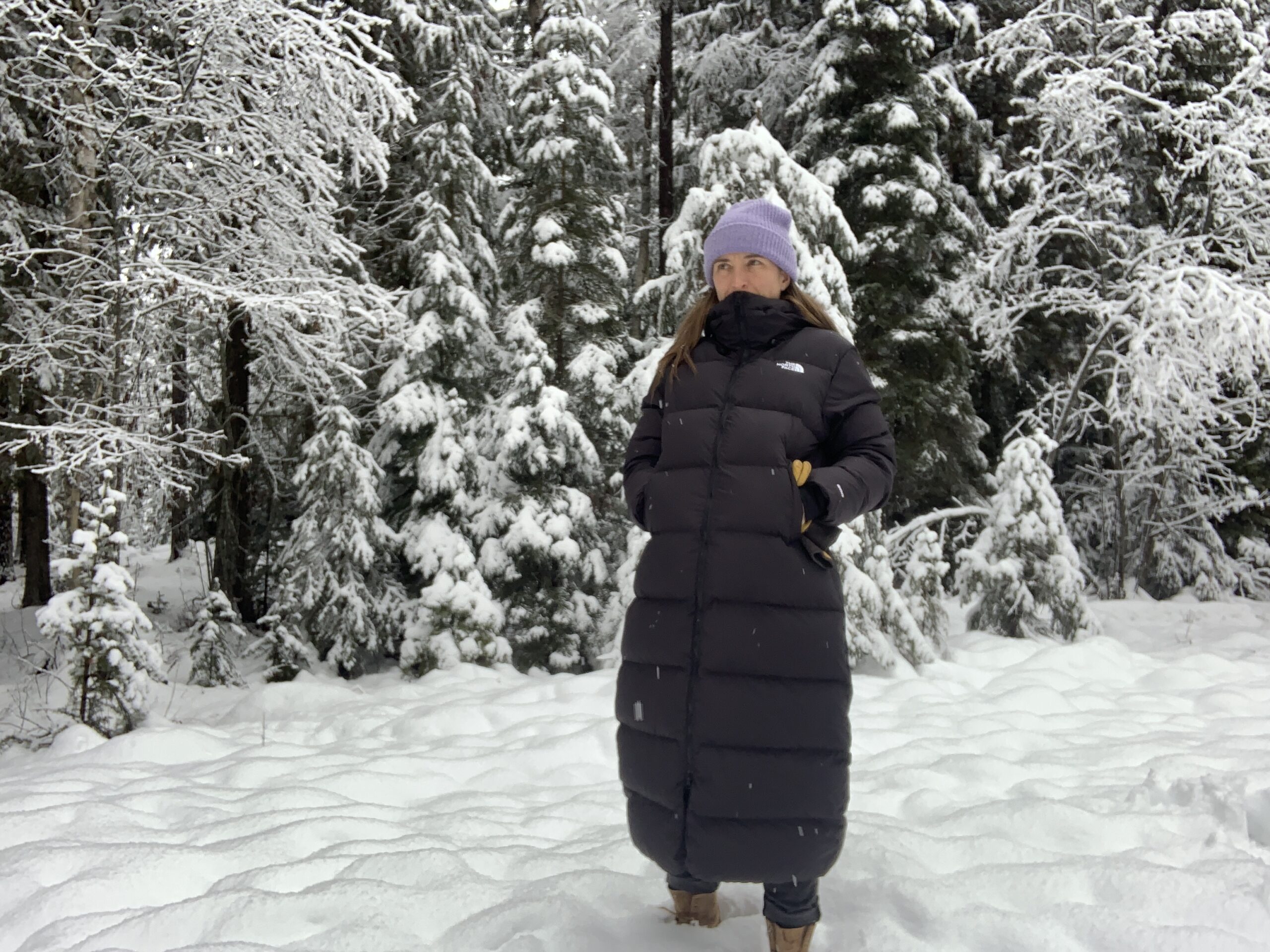
This decision will largely come down to the climate you live in and how much moisture you typically encounter on your winter adventures. For very wet environments that get a lot of wet snow or even rain, there is no replacement for a fully waterproof jacket. These designs feature a 2- or 3-layer shell (similar to a rain jacket) that provides assurance beyond a standard DWR coating.
Speaking of DWR coatings, most winter jackets offer at least some moisture resistance via a water-repellent finish on the exterior. These coatings do a good job fending off light moisture, causing droplets to bead up and roll off the shell rather than soak through. However, they will eventually succumb to heavy or extended rain or snow, allowing moisture to penetrate the shell and potentially reach the jacket’s insulation or even your base layers. DWR coatings also need to be reapplied from time to time, which is a relatively easy process with a spray-on or wash-in treatment.
What’s the Ideal Length for a Winter Jacket?
In general, the longer the coat, the more warmth and protection it will provide. At the long end of the spectrum are calf-length parkas (37+ inches long) that cover most of your legs, even when you’re seated. The added material can feel restrictive when you’re bending over, taking longer strides, or performing other sorts of movement-dependent tasks – even getting in and out of a car can be tricky. For this reason, we don’t recommend longer parkas for any sort of serious outdoor use.
If you plan on being active in your coat, go for a jacket that hits above the knee (look for a center back length around 28 to 35 inches). Though you’ll sacrifice some warmth and protection, the added mobility is worth that trade-off for activities like hiking or snowshoeing. You still get some below-the-waist coverage, but not so much that it impedes your stride or range of motion.
For the most movement-dependent activities like climbing or biking, a standard waist-length jacket is best. These designs typically have a center back length around 20 to 27 inches, covering just the upper body and none of the legs. Only a couple designs that fit this bill made our list, as most women are looking for more warmth and coverage when shopping for a dedicated winter jacket.
How Should a Winter Jacket Fit?
Most winter parkas are built to accommodate layering. We recommend sizing up if you plan on layering heavily underneath (e.g., a base layer plus a thick mid layer) or simply like the oversized look. Most companies do a good job advertising the fit of their jackets, and you can also take a look at user reviews to get an idea of the overall shape and accuracy of the brand’s sizing.
If you have broader shoulders, you may want to look for a relaxed fit or consider sizing up, especially if you’re often between sizes. If you prefer a snugger, more athletic cut for movement-dependent activities, a fitted design may be your best bet. There’s no substitute for trying jackets on in person, so we recommend doing so whenever possible – or ordering from a reputable manufacturer that makes returns or exchanges easy.
In the end, a well-fitting winter jacket should accommodate your typical layers underneath while allowing you to move unencumbered. You should be able to sit, stand, reach overhead, and move around without any tugging or tightness. Some amount of restriction is normal with longer parkas especially, but in general, you should be able to perform your normal activities comfortably.
Which Features Matter to You in a Winter Jacket?
Hood
The best hoods are snug enough that they don’t fill up like a sail in the wind but loose enough to fit a hat or beanie underneath. Many hoods feature at least one adjustment point for dialing in fit and sealing out drafts.
Faux-fur brims are also common, especially among casual winter parkas. The fur can boost comfort and warmth, minimizing the amount of skin exposed to the elements. It can impact peripheral vision, but the good news is that it’s often removable, so you can tailor the hood depending on the conditions.
Some designs feature detachable hoods that can be added or removed via a zipper, snaps, or buttons. This boosts overall versatility but can also add weight and bulk.
Pockets
The ideal number of pockets is largely a matter of personal preference. Many of our favorites have two deep hand pockets that are large enough for warming cold hands and at least one interior pocket that can securely hold a smartphone (keeping it closer to your body will help maximize battery life). We love when the hand pockets are lined with fleece or brushed tricot for comfort and added warmth.
Zippered pockets are preferred, especially if you plan to spend a lot of time playing in the snow – think building snowmen with your kids, skiing, sledding, or snowboarding. Snaps and button closures are reasonably secure, but they aren’t the easiest to operate when you’re wearing bulky gloves or mittens. Internal drop-in pockets can be helpful for stashing a hat, mittens, or a pair of climbing skins while backcountry skiing.
Cuff & Hem Adjustments
Adjustable cuffs and waist drawcords help seal out cold air and drafts. Most longer parkas (past the knees) do not have an adjustable hem, but it can be a helpful feature for jackets that are waist- or even thigh-length. For cuffs, Velcro closures are nice for accommodating different styles of gloves or mittens. We also appreciate when jackets feature cuff gaskets and/or thumb loops for maximizing protection and hand coverage.
Collar
Some winter parkas have tall collars that – when used in conjunction with the hood – leave very little of your face exposed. Draft tubes can add another barrier against the elements. Our favorite collars are tall, insulated, and lined with fleece or brushed tricot. Keep in mind that if you opt for a light-colored jacket, this area may discolor quickly from face oils, moisturizer, or sunscreen.
Zippers
A cheap zipper can be the downfall of an otherwise good jacket. Many of our favorite jackets feature high-quality metal zippers with long pulls that are easy to grab with bulky gloves or mittens. Two-way zippers can be helpful for increasing ventilation, pairing with a harness, or eliminating awkward bunching when sitting.
Water-resistant zippers add another layer of defense against the elements, as do storm flaps either in front of or behind the main zipper. Keep in mind that storm flaps are often secured via snaps or buttons, which adds another step to the on and off process. Finally, some winter jackets have side zippers for added mobility and venting.
Why Trust CleverHiker
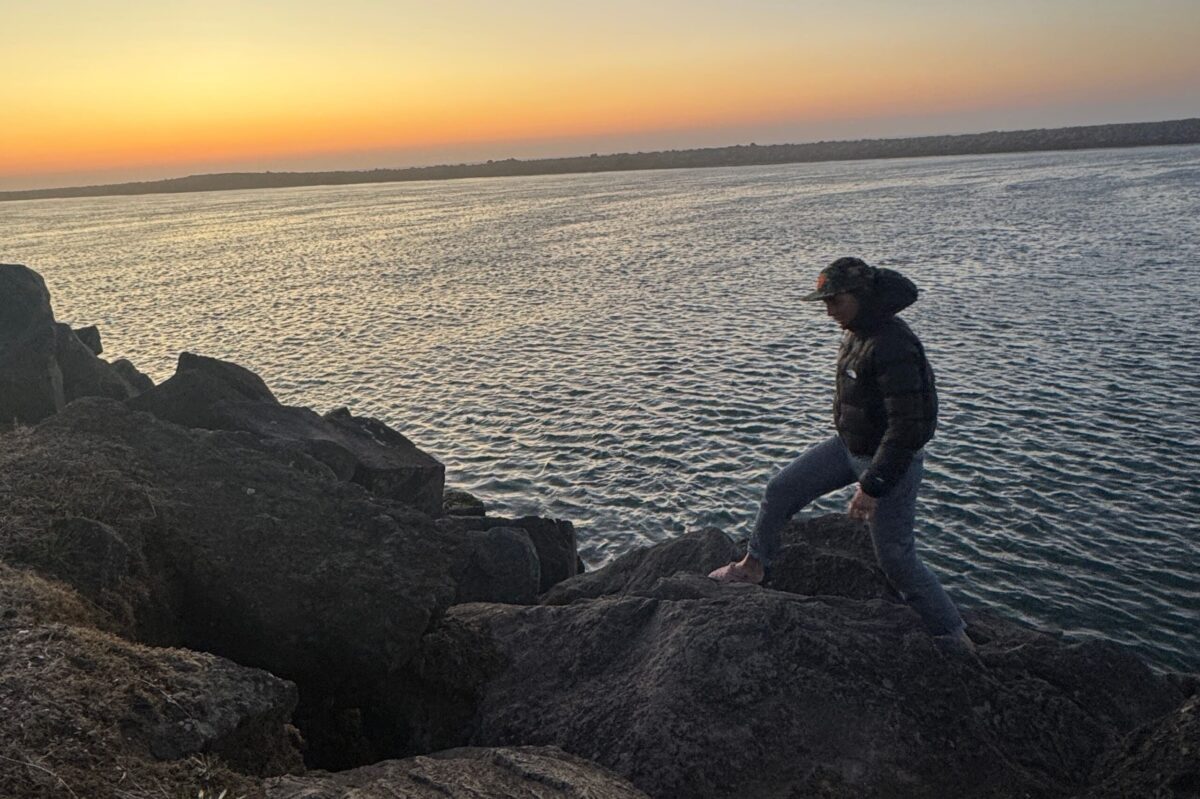
Gear analyst Meghan Allsopp lives in northwest Montana, and she has tested countless winter jackets and parkas in conditions that even her dog didn’t want to romp around in. She stood outside in zero degrees and 40-mile-per-hour winds to discern which coats were up to the onslaught of Old Man Winter. She tracked grizzlies that passed through her backyard, explored the foothills of Banff National Park, and went on winter walks in Glacier National Park.
When she isn’t writing for CleverHiker, Meghan can be found snowboarding, hanging in the parking lot post-adventure, cross-country skiing, and walking her Aussie/Lab mix. She runs cold, has no interest in toeing the line of frostbite, and is an expert nitpicker because she relies heavily on her gear in remote wilderness environments.
Testing Methodology
How Do We Test Warmth?
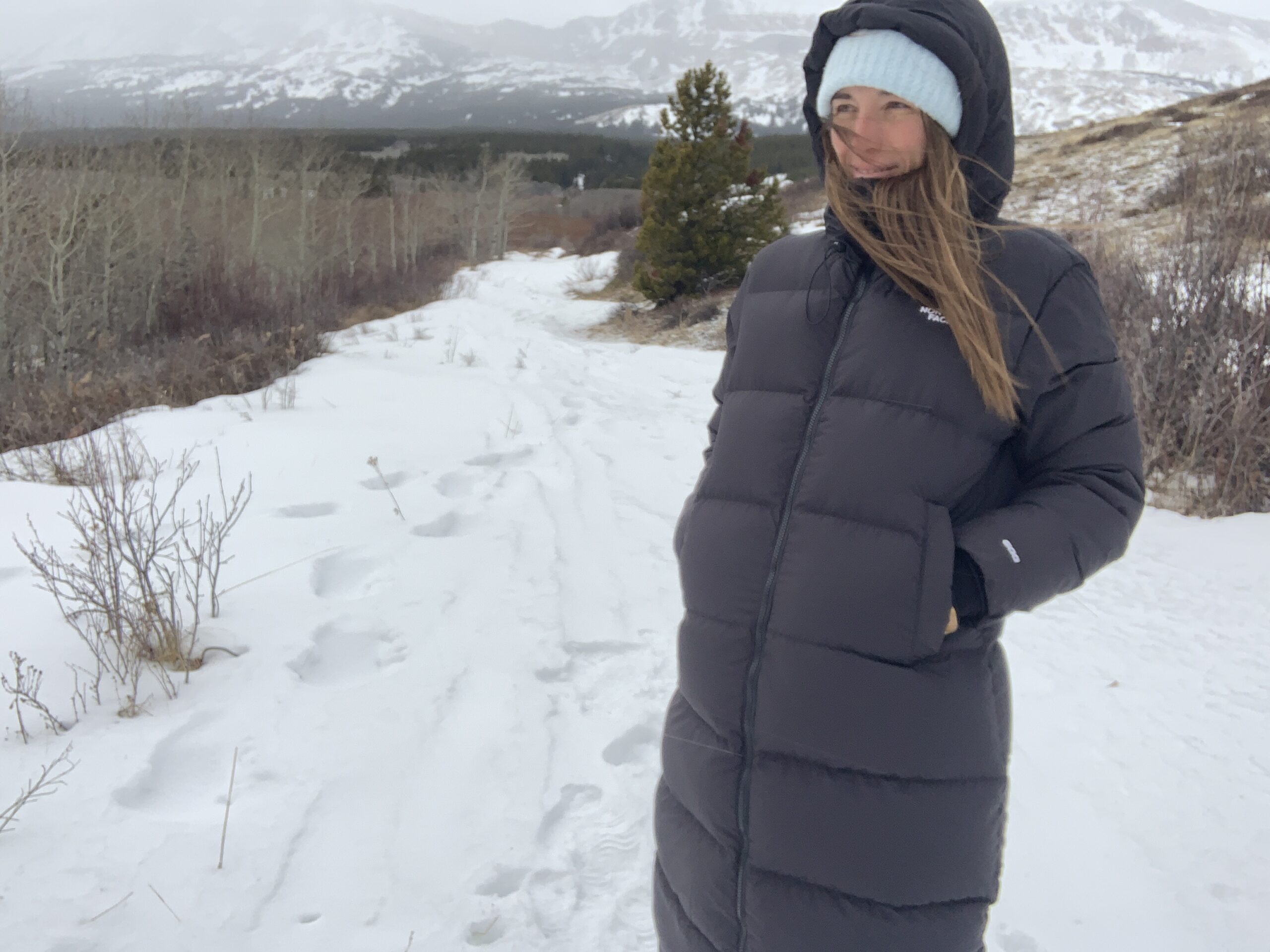
We assess each jacket’s warmth by wearing it in a range of temperatures, ensuring we experience its performance across as many conditions as possible. We also evaluate how it performs during different levels of exertion (e.g., watching a hockey game, walking the dog, or running errands in town).
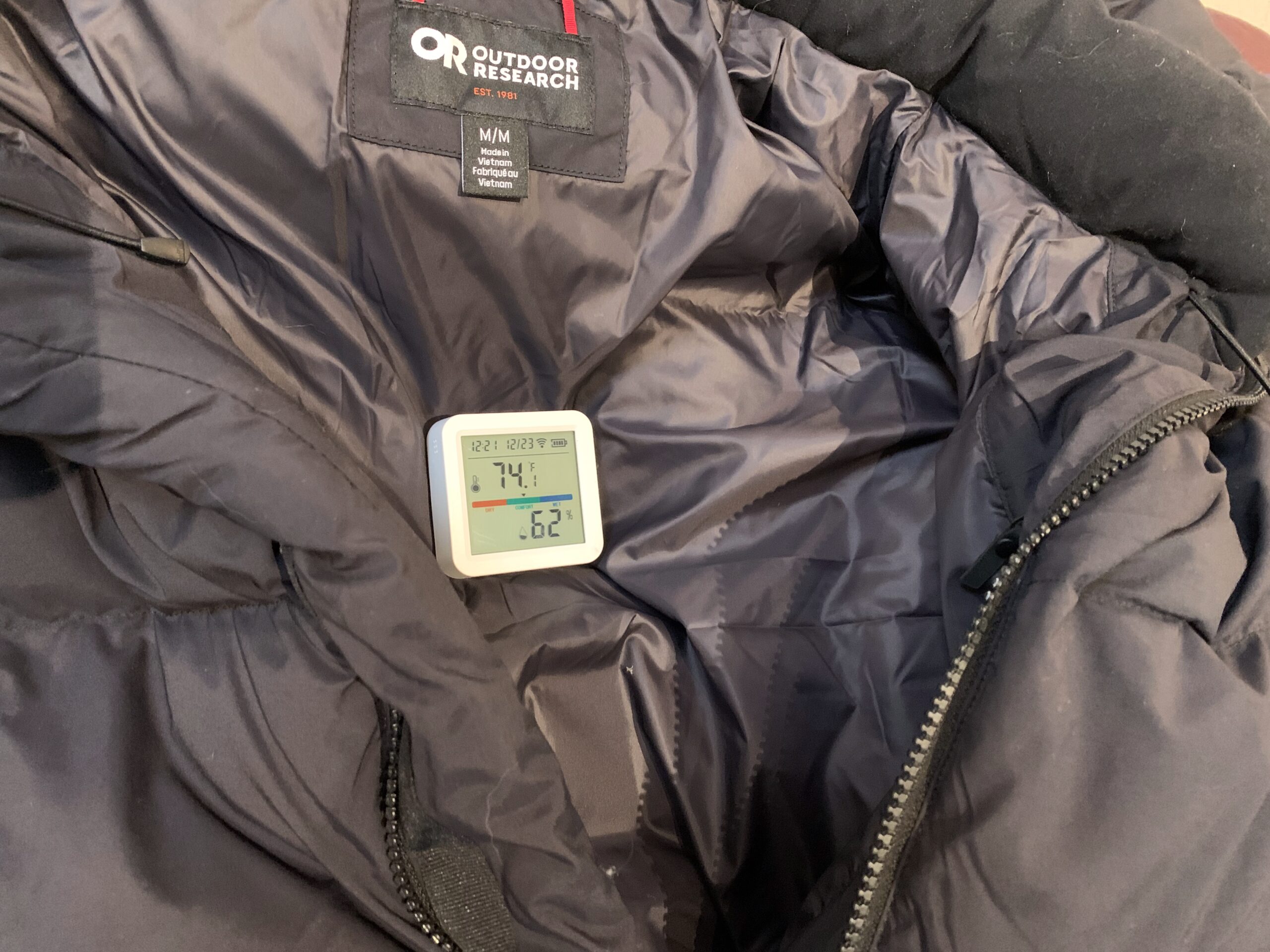
We tested passive heat loss by bringing the parkas from room temperature to our outside deck (38 degrees Fahrenheit) and timed how long each parka took to reach ambient temperature. We also stood outside in zero degrees and ~40-mile-per-hour winds for 10 minutes and got a reading on the temperature inside the coat. We noted any discernible drafts or cold spots and reported if/when we felt cold before the 10 minutes were up.
How Do We Evaluate Weather Resistance?
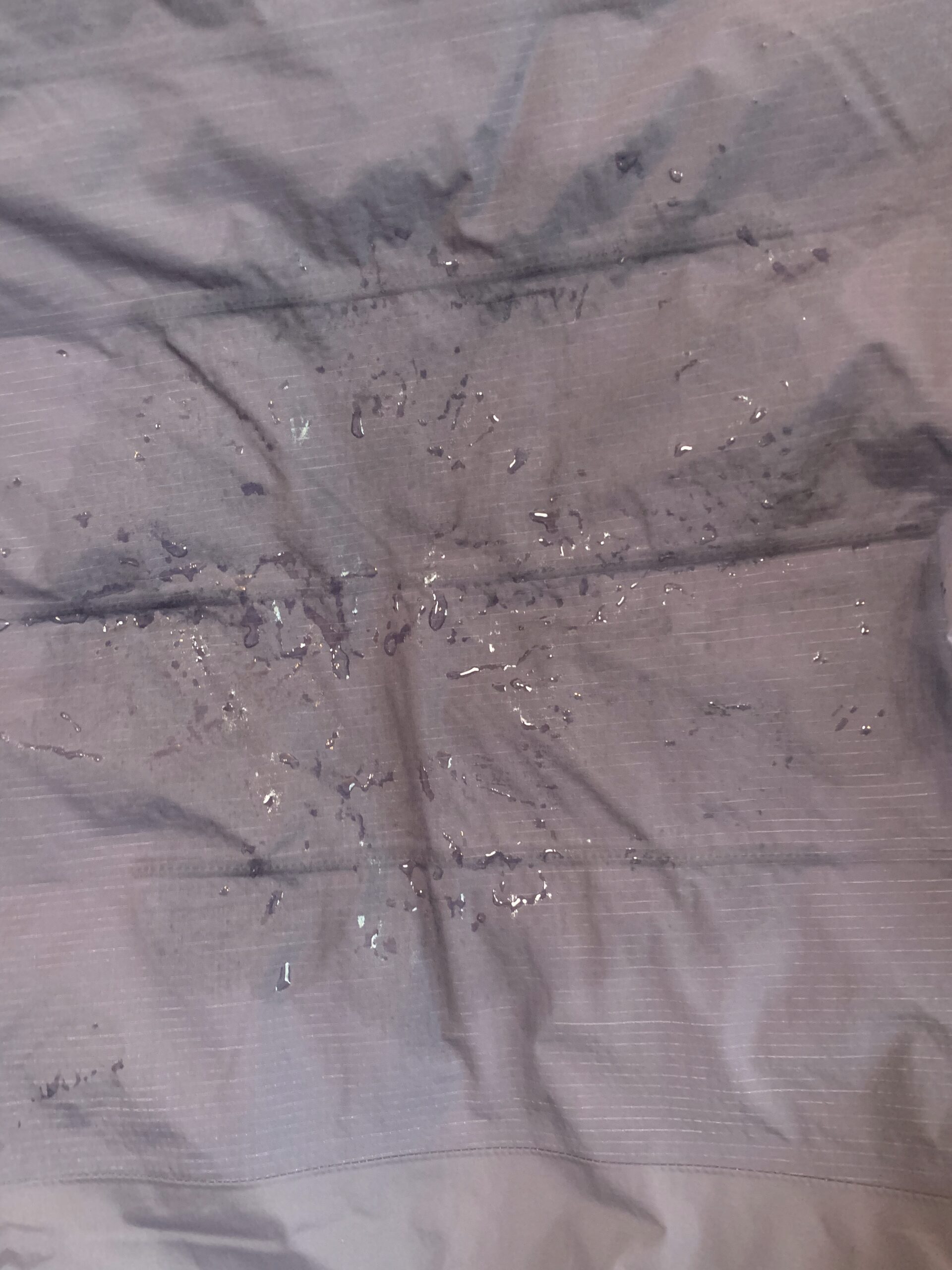
From notoriously windy mountain passes to snowstorm walks and a targeted soak-through test, we tested how long each jacket resisted saturation from the shell to the inner lining. We noted how well (or poorly) each shell shed moisture and blocked wind.
We also put each jacket’s hood, collar, and cuffs to the test, ensuring they provided sufficient coverage and remained secure in blustery conditions. We evaluated them for water resistance, too, confirming they effectively sealed out moisture.
How Do We Assess Comfort & Functionality?
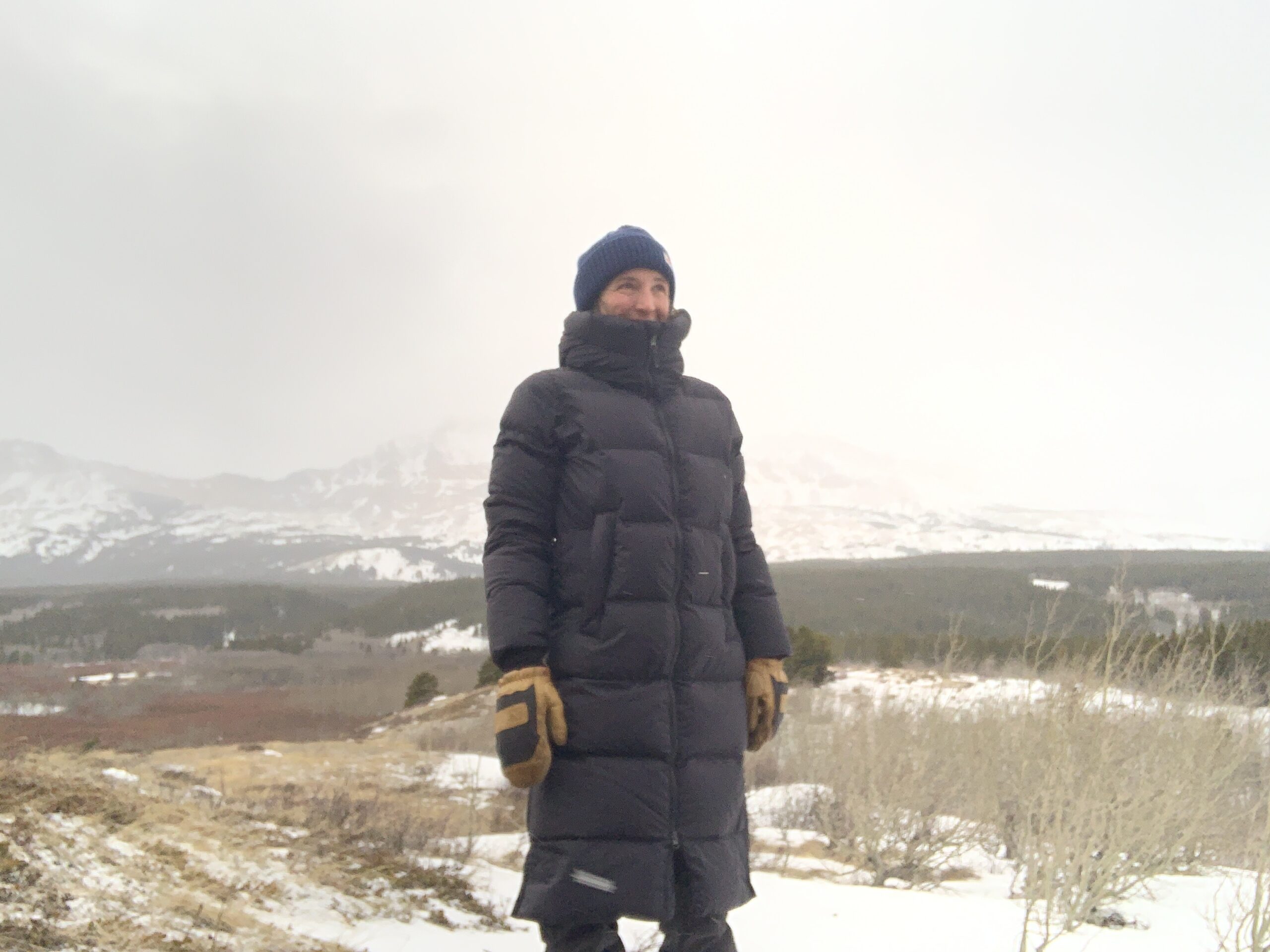
Comfort is subjective, so we try to evaluate objective differences in each jacket and parka we test. Overall, we look closely at length, cut, and style. We observe how these variables affect the jacket’s wearability, also taking into account the softness of the lining and exterior fabrics, brushed backings on pockets and chin guards, and other comfort-enhancing additions.
When pinpointing functionality, we ask ourselves, “Does this parka perform as intended?” We note any issues with zippers, pockets, hoods, and other features. We zip, button, and snap all the adjustment points with our biggest mittens to see how easy or difficult they are to operate with cold hands. We wear the hood in high winds to evaluate its security and protection.
How Do We Evaluate Features?
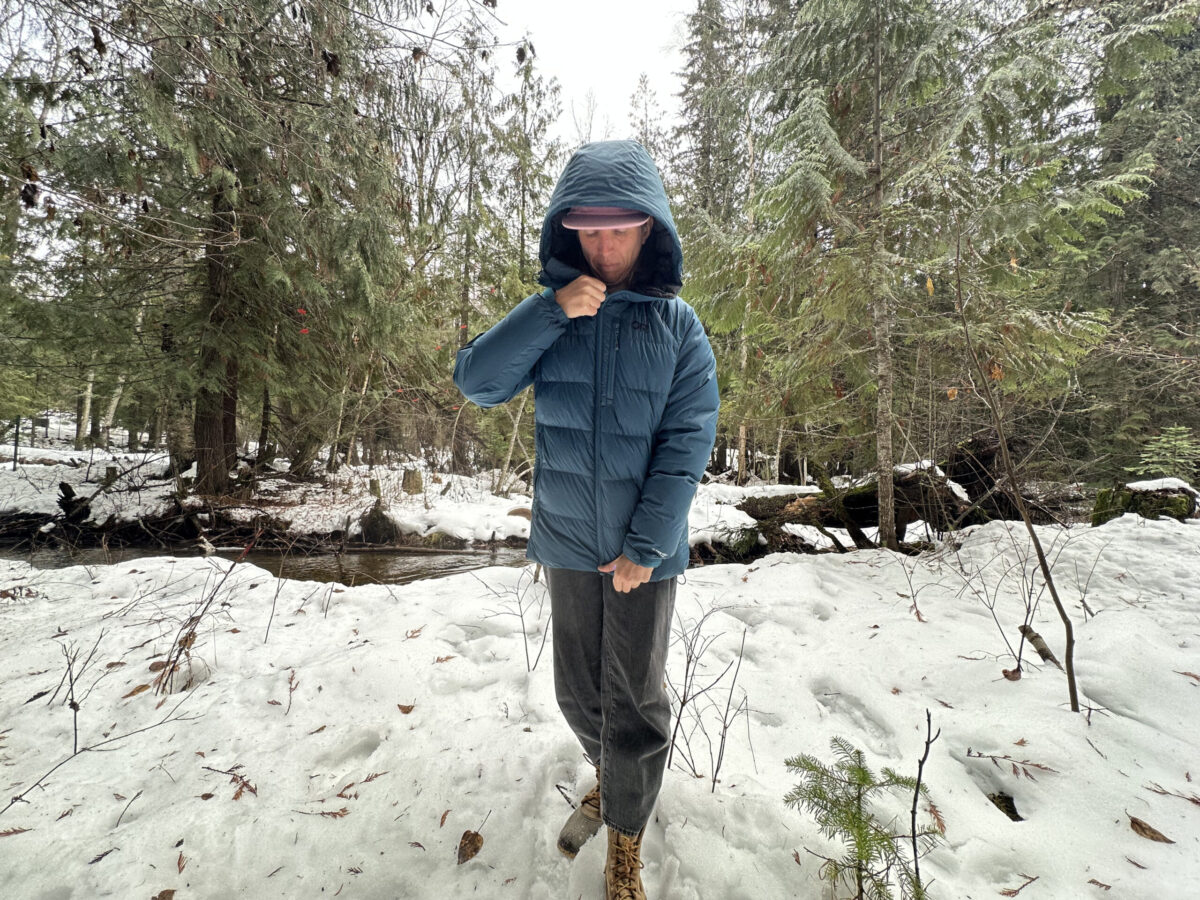
When ranking the features of a winter parka, we look at how the design and small details work together to enhance (or detract from) the overall experience. This includes everything from pockets and zippers to drawcords and hoods.
Some jackets prioritize simplicity for lightweight performance, while others are feature-packed for everyday utility. We use each feature to get an idea of its overall quality and functionality. Are the pockets large enough for cold hands or a smartphone? Does the hood stay in place in high winds? Does the hem drawcord effectively seal out drafts? Do the zippers operate smoothly, and are they easy to manipulate with gloves or mittens?
Conclusion
Our favorite winter jackets offer a just-right balance of warmth, weather resistance, comfort, and features. For backcountry use, jackets packed with high-quality down fill are the ultimate in lightweight, compressible warmth. For casual and around-town wear, we love longer parkas with plenty of storage and flattering silhouettes. If winter in your neck of the woods is particularly wet, there’s no substitute for a fully waterproof shell. We hope this guide has helped you decide on the best cold-weather companion for your needs and adventures.