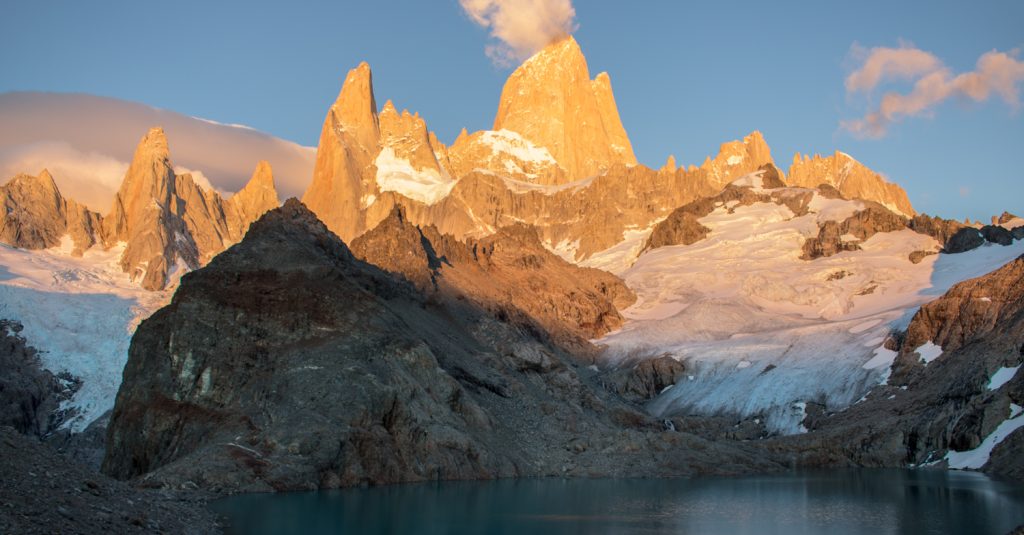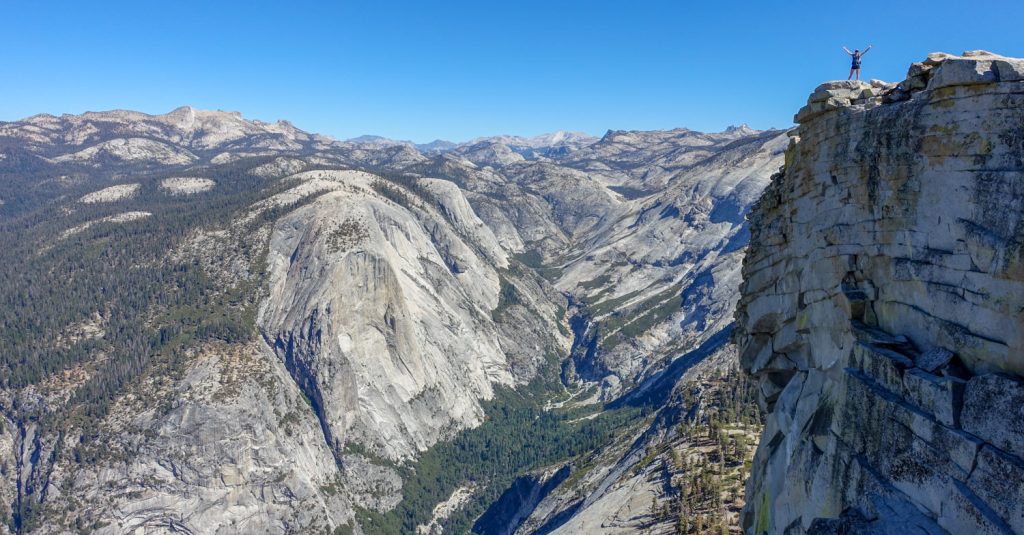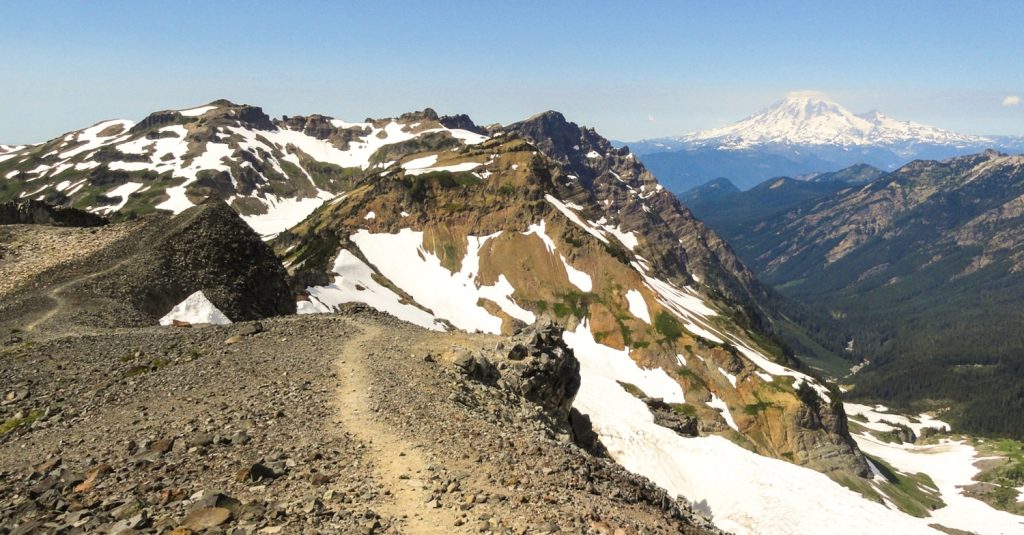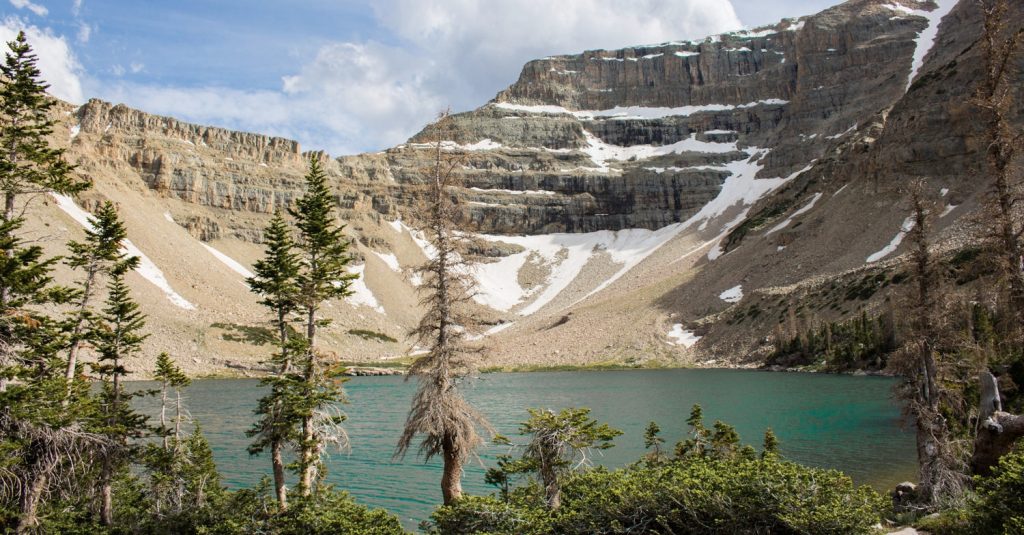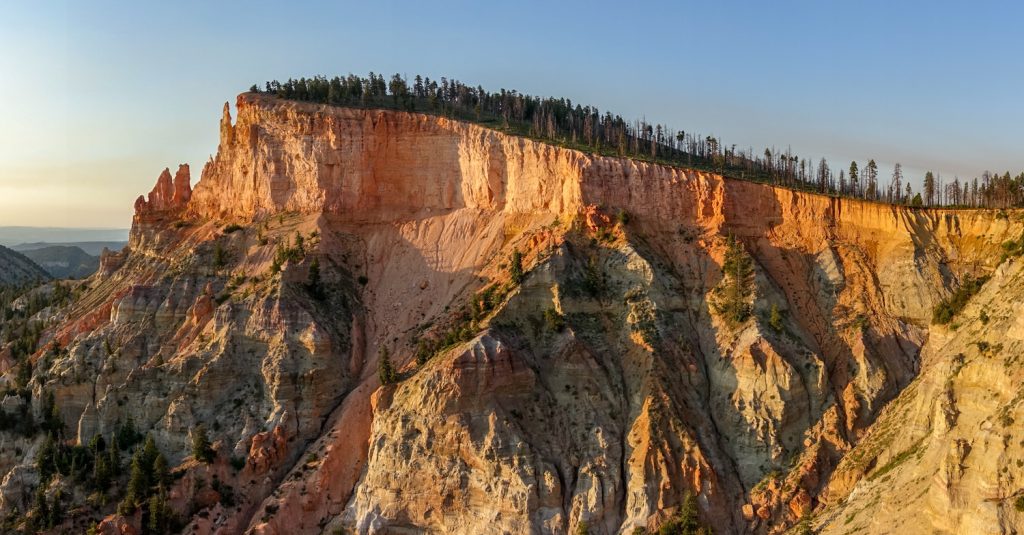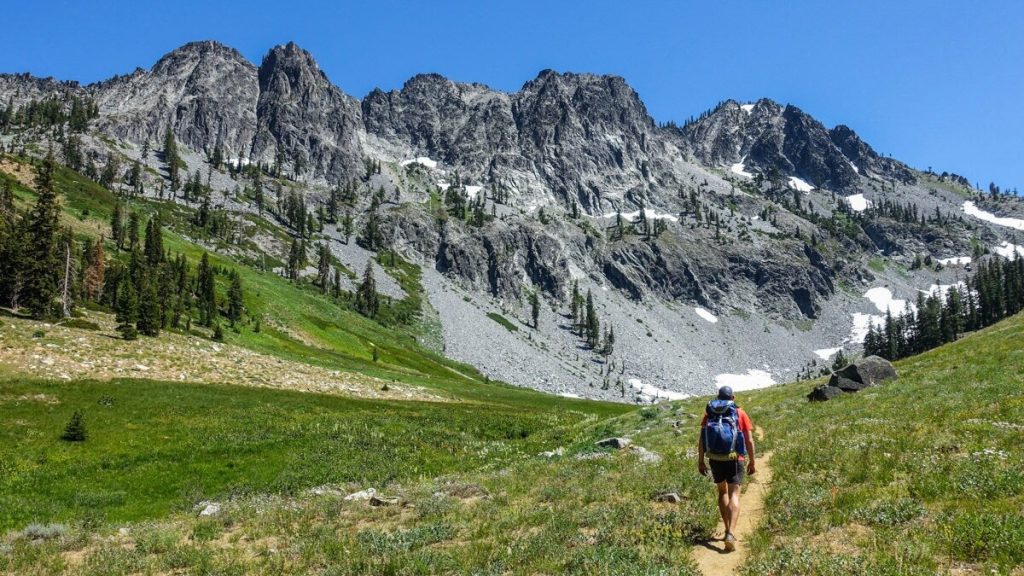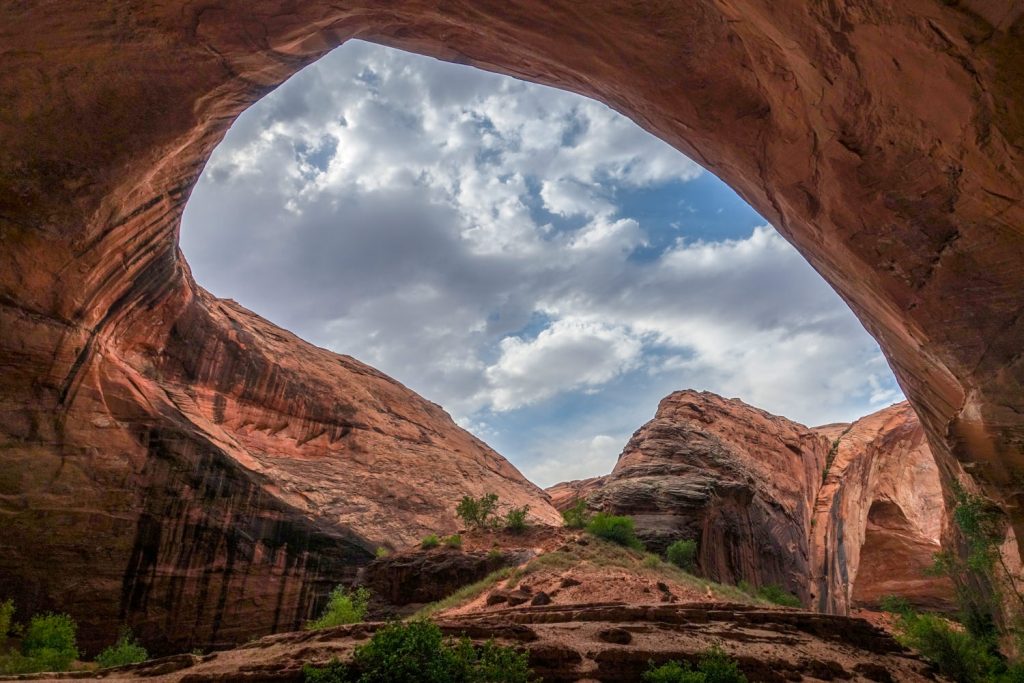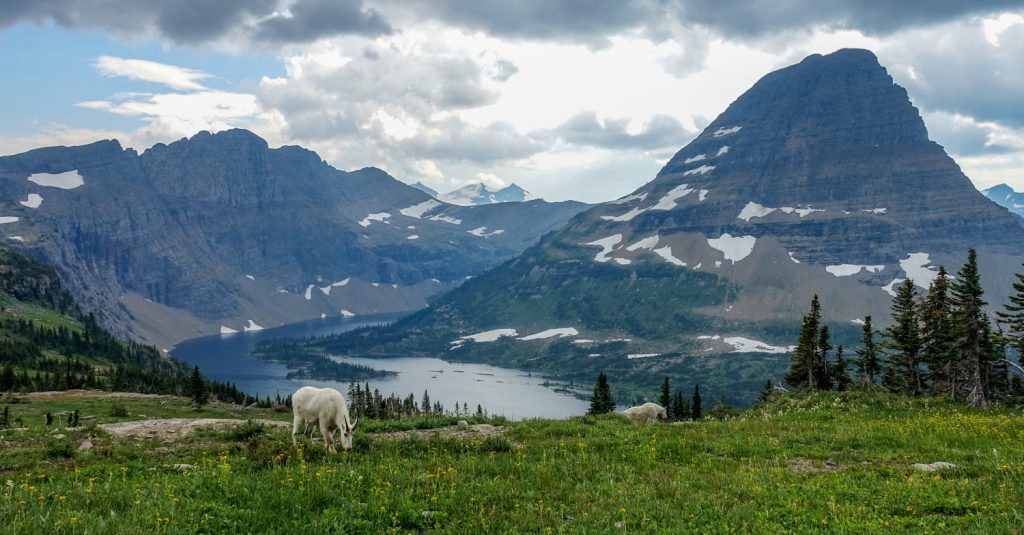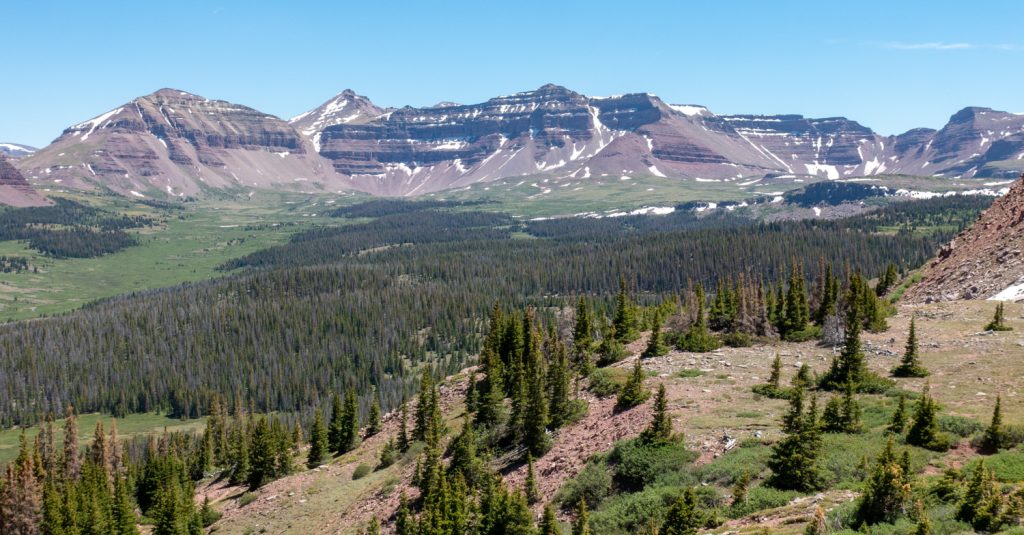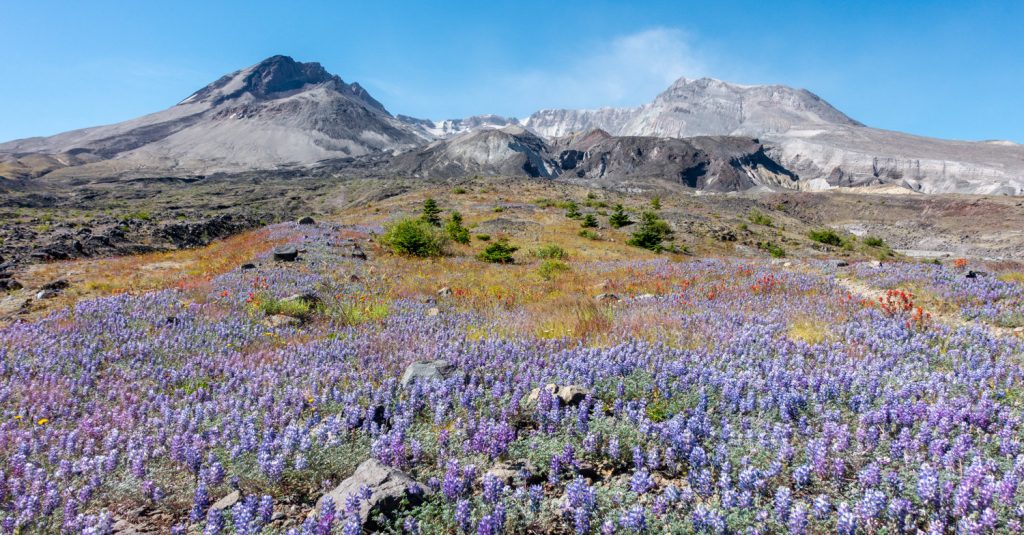

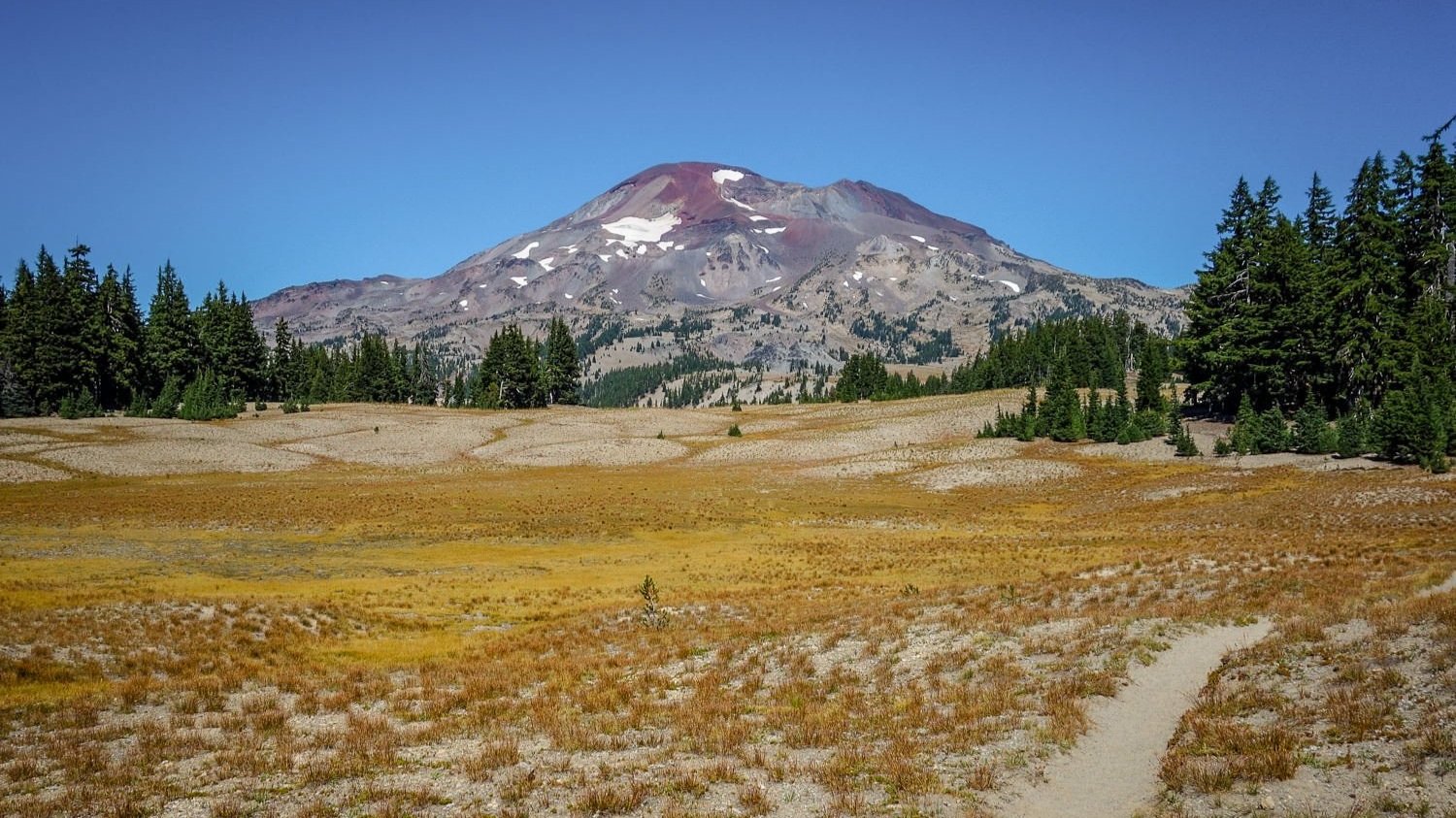
If you’re the type of backpacker who’s into big views, lush forests, stunning peaks, and craggy volcanic landscapes, you’ll absolutely love the Three Sisters Loop. This trail is an iconic 3- to 6-day backpacking trip set in the Cascade Range among some of Oregon’s prettiest peaks. The 50-mile loop circles the North, Middle, and South Sister volcanoes, providing a fantastic array of diverse terrain including expansive pumice fields, pristine melt lakes, quiet old-growth forests, newly recovering burn areas, peaceful wildflower meadows, and glossy obsidian streams.
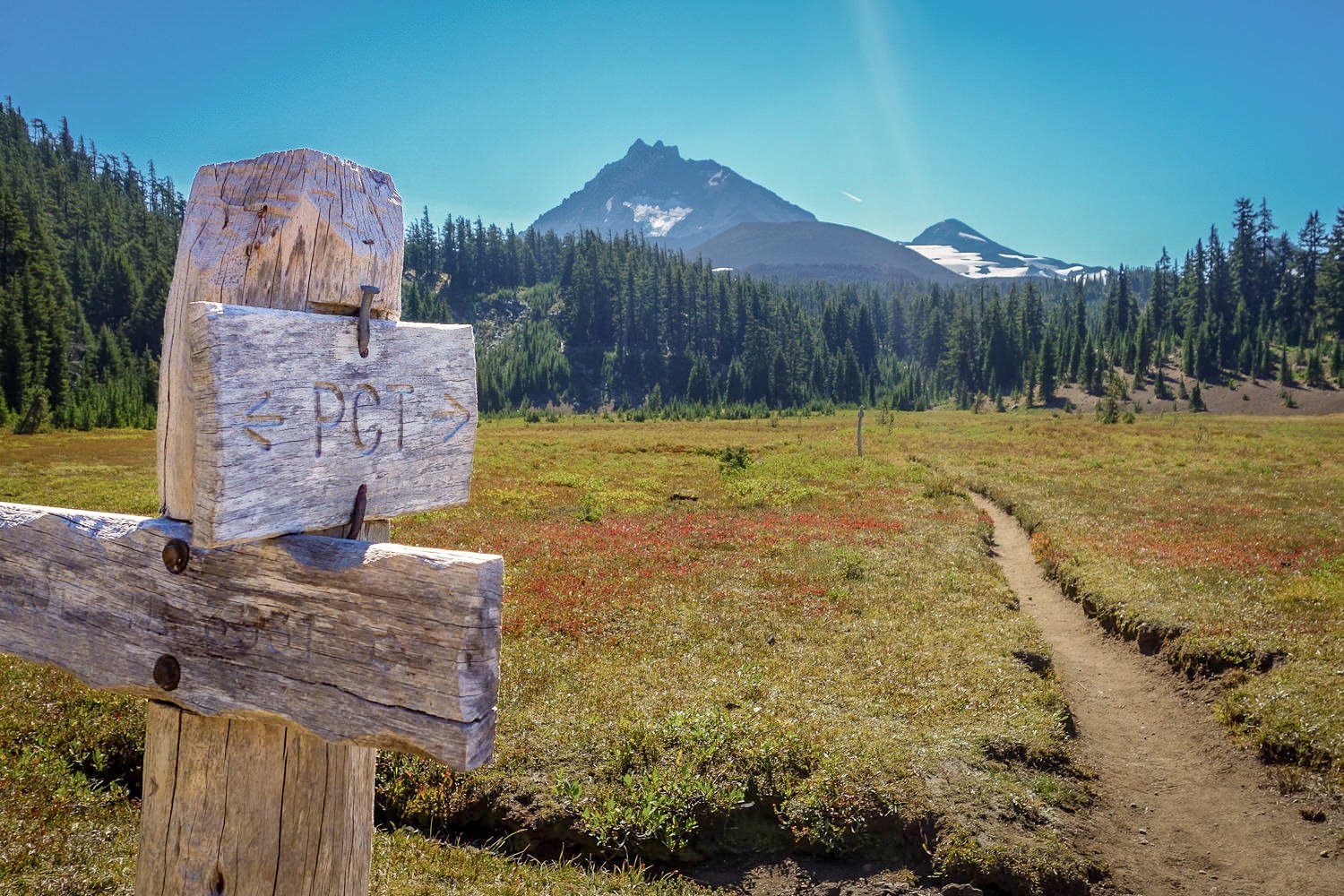
Quick Facts
- Distance: 46.3 miles (inner loop); ~50 miles (from trailhead)
- Time Needed: 3 to 6 days
- Elevation Gain/Loss: ~6,000 to 10,000 feet, depending on side trips
- Best Time to Hike: July through October
- Permits: Yes (June 15 to October 15)
- Difficulty: Moderate to strenuous
Highlights
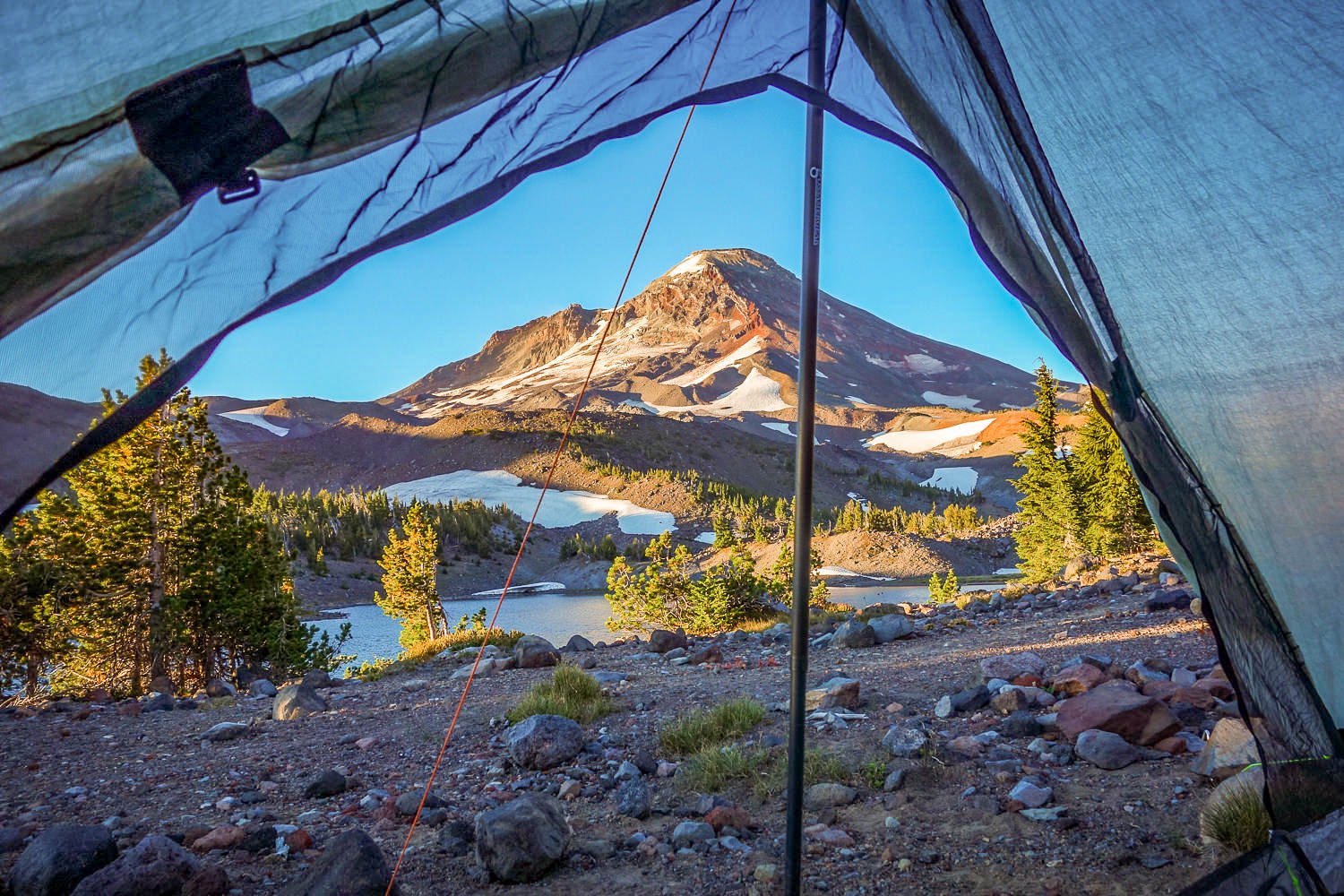
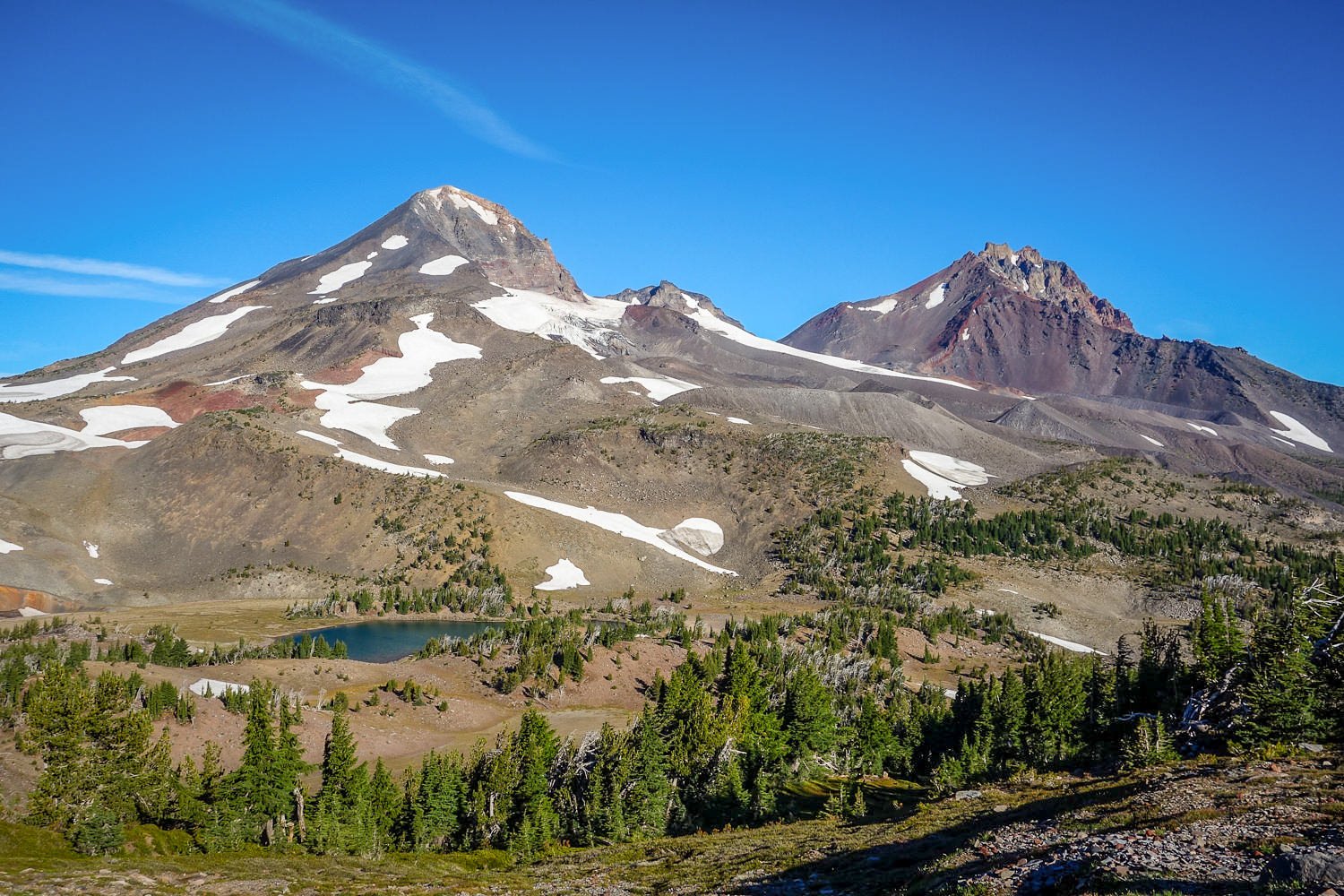
- Sweeping volcano views
- Diverse landscapes
- Gorgeous lakes and streams
- Plentiful wildflowers and forests
- Well-maintained trails
- Fascinating rock formations
- Lots of excellent side trips to tack on
Lowlights
- Crowds
- Limited camping areas
- Strict campfire restrictions
- Seasonal bugs, snow, and heat
- Competitive permit system
When Is the Best Time to Visit?
Late July through October is usually a great time to travel to this area. August and September are particularly good for this route because of their reliable weather and snow-free trails, but that’s also when crowds will be the largest. Plan your trip to avoid the crowds if possible.
Early-season snowpack can be a limiting factor in this area, and late-season storms can cover trails with snow, as well. Make sure to check weather forecasts and snow conditions before heading out on an early- or late-season trek.
How Long Is the Three Sisters Loop?
The length of the inner loop is 46.3 miles. However, when you factor in a short hike from a trailhead, the total distance is around 50 miles. Lava Camp Trailhead (3 miles off the loop), Devils Lake Trailhead (1.5 miles), and Green Lakes Trailhead (2 miles) are common starting points for this trip. See our section on “Which Trailhead Should I Start From?” below for more information on starting locations.
How Difficult Is the Three Sisters Loop?
This trip is a good fit for intermediate to experienced backpackers. The trails along this route are well maintained and well marked. Trails are also graded with switchbacks to avoid steep ups and downs as much as possible.
That said, 50 miles of backpacking is nothing to scoff at, and you should be adequately prepared for inclement weather and other adverse conditions. Packing light can help improve your experience while you’re covering miles on this trek. Check out our backpacking gear guides for our favorite tents, packs, sleep systems, and more.
What Is the Elevation Profile?
Shield volcanoes – though they do have long, gradual flanks – are still rugged, so expect some decent climbs and descents along this trek. Most of the climbs are between 500 and 700 feet and are generally not too steep, but there are a few bigger climbs. Your total elevation gain along this loop will be between 6,000 and 10,000 feet, depending on the side trips you choose to take.
What Permits Do I Need?
Permits are required for day and overnight trips to the Three Sisters Wilderness between June 15 and October 15. Permits are available for reservation through Recreation.gov starting on the first Tuesday in April.
The Obsidian Trailhead is a limited-entry area, which means you’ll need to get a special permit if you plan on parking or camping in that part of the loop. (You can pass through on the trail without a permit, though.) If you can’t get a permit for the time you plan to visit, just use one of the other trailheads and camp outside of the Obsidian area. There are tons of other beautiful places to camp.
For more information on daily quotas, visit this U.S. Forest Service page. They also have a useful map that shows designated trailheads and permitted areas.
What Regulations & Restrictions Are in Place?
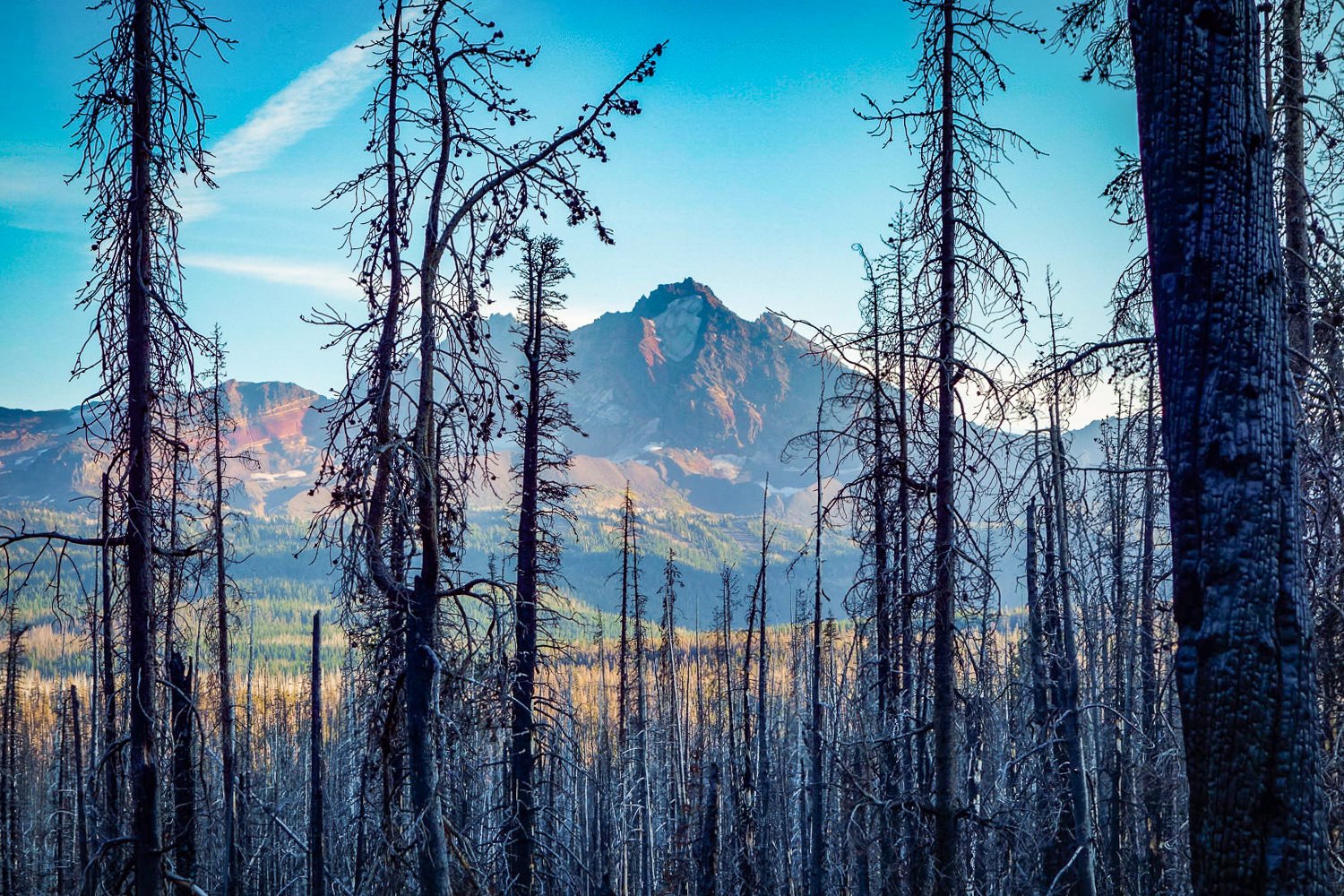
Leave No Trace principles are extremely important anywhere, but especially in the Three Sisters Wilderness due to its popularity. The area has experienced a ton of use and human-caused degradation, so we implore you to follow the rules to limit your impact. This includes carrying out any trash and properly disposing of human and pet waste.
Campsites are first-come, first-serve. Camping is prohibited in the Pole Creek Burn area and the immediate vicinity of Golden Lake and No Name Lake. As we mentioned above, a permit is required to park or camp at the Obsidian Limited-Entry Area.
Campfires are prohibited above 5,700 feet and at many of the lakes along the trail. Check the Deschutes National Forest website for a current list. Where fires are allowed, they must be at least 100 feet away from water sources. Signs are often posted where fires are prohibited, but given the frequency of wildfires in Oregon, we implore you to be extremely cautious – including having plenty of water on hand – any time you start a fire.
There are no specific regulations about bear canisters, but you should plan to properly store your food. Chipmunks, mice, and marmots can wreak havoc on packs. Never feed wild animals. Dogs are allowed but must be kept on a leash on specific stretches (including Green Lake, Moraine Lake, and South Sister trails) from July 15 to September 15.
What Are the Best Maps & Guides for the Area?
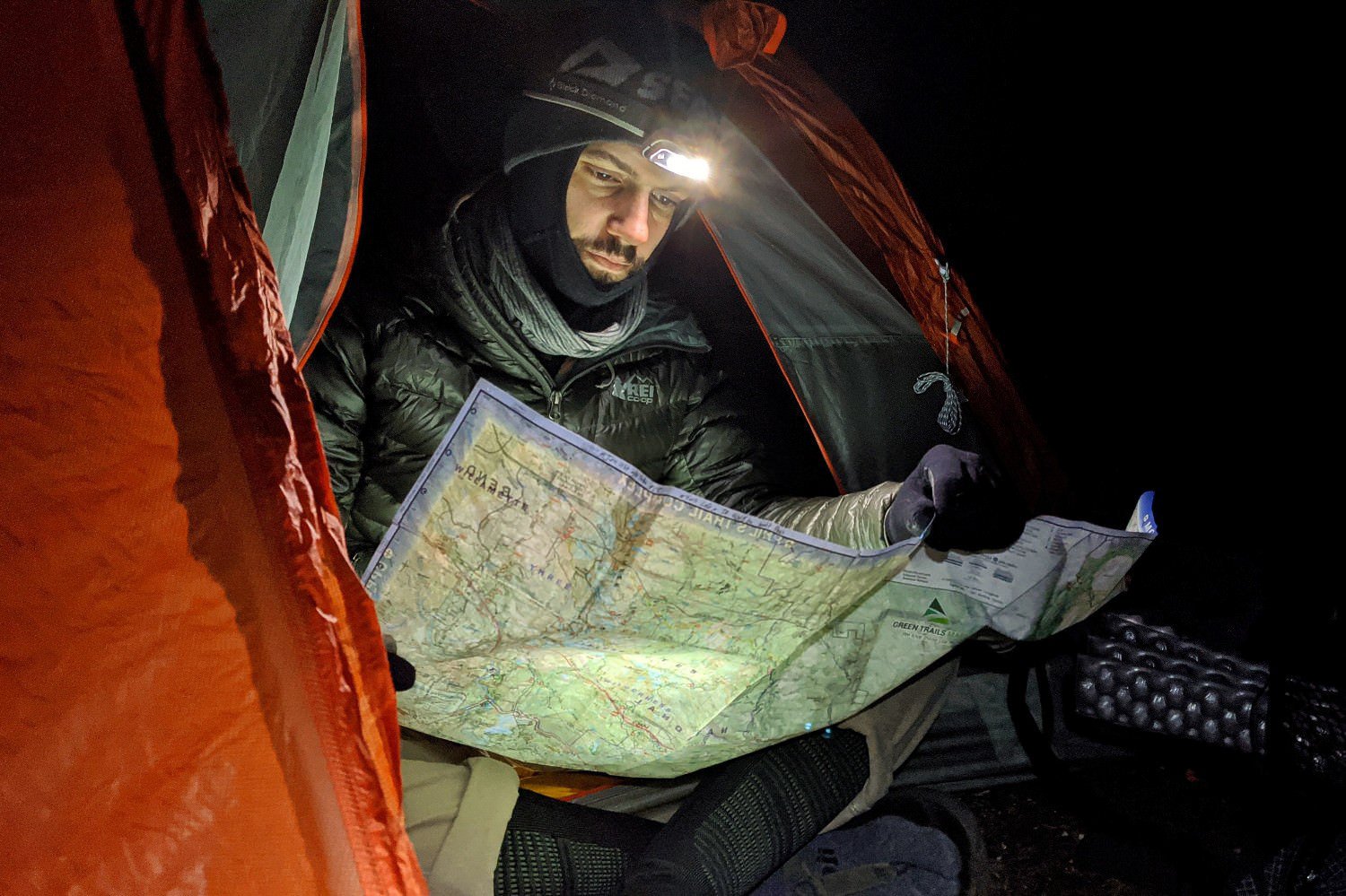
- National Geographic Trails Illustrated Map #818 – This is a fantastic map for backpacking the Three Sisters Loop. We highly recommend picking it up, even if you plan to primarily rely on a phone app for navigation.
- Green Trails Maps #622SX & #589SX – These maps shows the most current trail, road, and access information to the Three Sisters Wilderness in a compact format.
- Backpacking Oregon – This book is an excellent trip resource for those who love backpacking in Oregon. It’s well worth the small investment if you plan to do a lot of adventuring in the area.
Which Side Trips Are Worth Adding On?
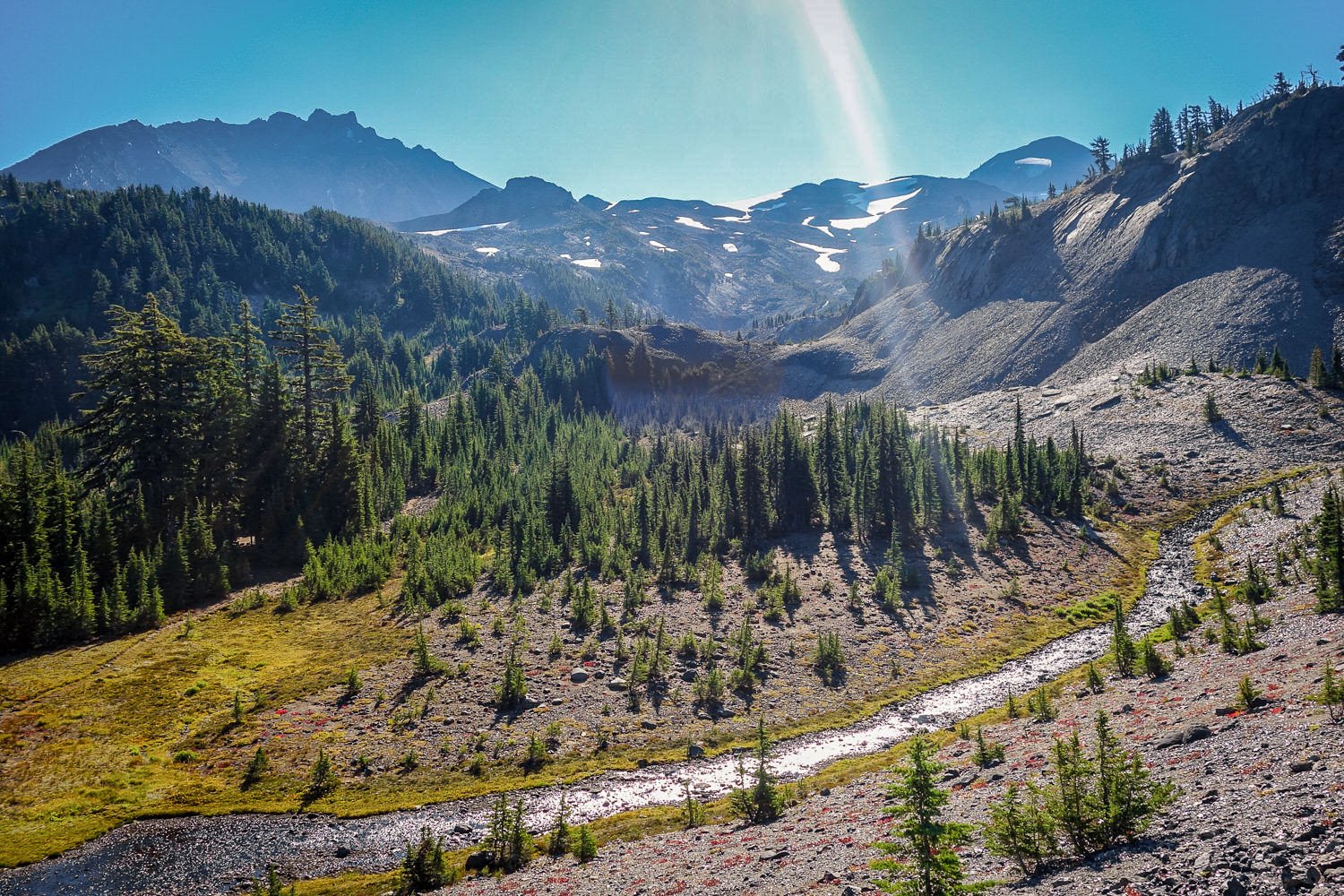
There are several fantastic side trip options along this loop that are highly recommended if you have the time. Among the most popular and beautiful are the trips to Camp Lake, the South Sister Summit, Sisters Mirror Lake, Husband Lake, Eileen Lake, and North Matthieu Lake. Just make sure you get the right permits, follow designated trails, and camp at designated sites.
How Plentiful Is Water Along the Route?
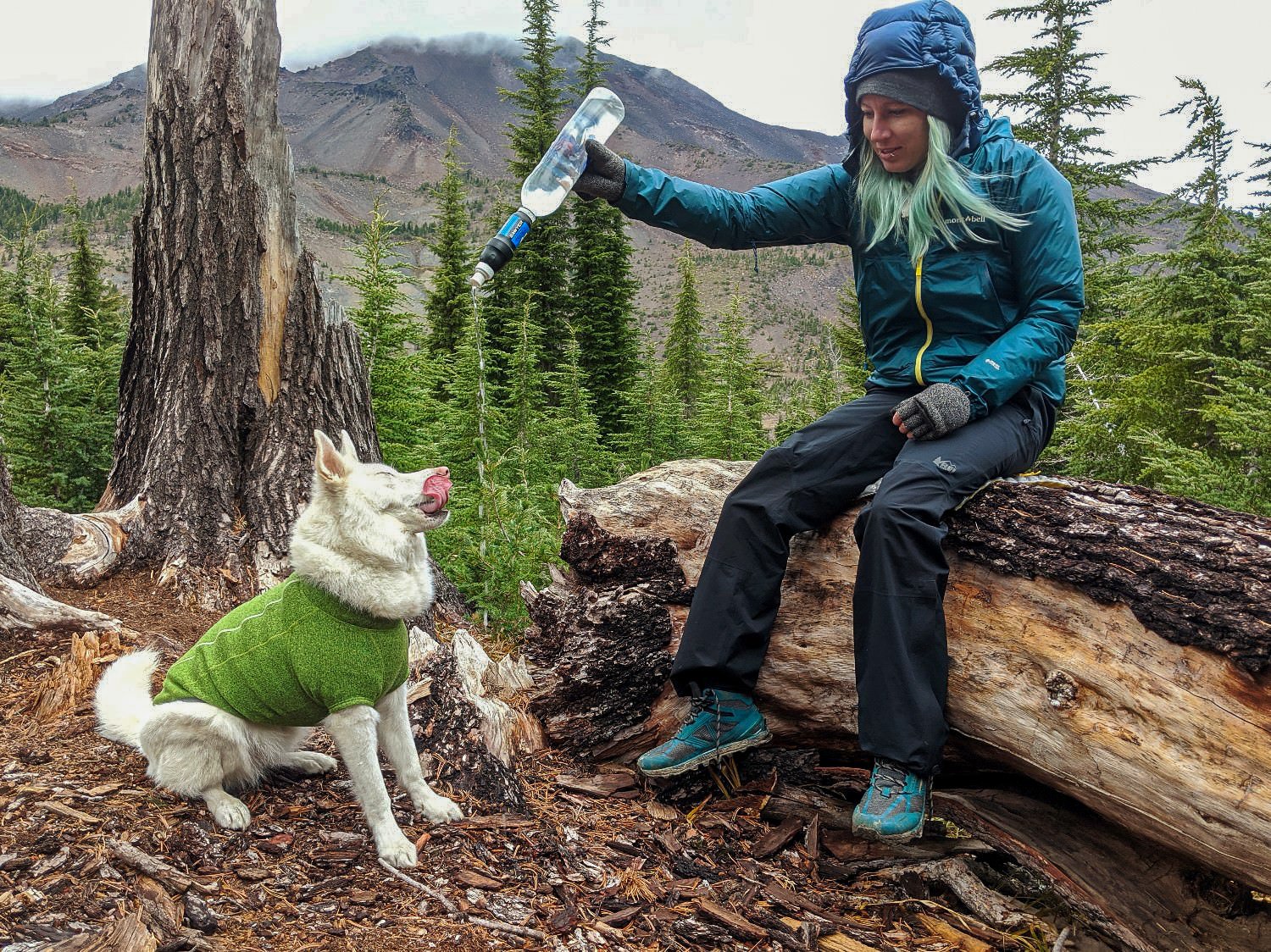
Water is not scarce along this trek, but it’s not quite as plentiful as in many other Northwest backpacking locations. Plan your route accordingly and check on water conditions before your trip. Bring a lightweight water filter – see our list of the best water filters for our favorites – and carry enough water to get you from one sure source to the next.
How Should I Store My Food?
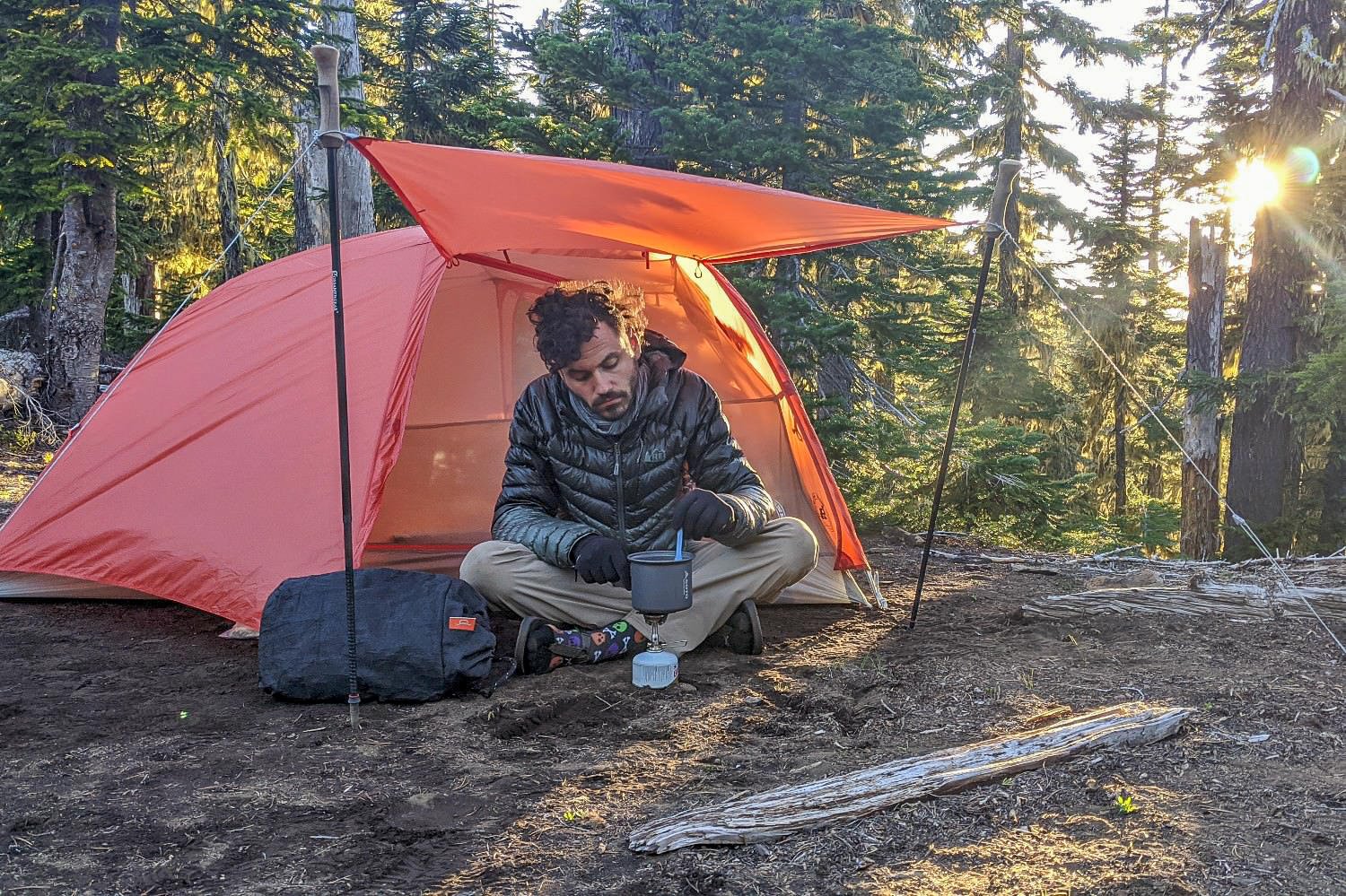
There are bears in the Three Sisters Wilderness, but seeing them is quite rare. It’s far more likely that chipmunks and mice will get into your food if you leave it unprotected. Bear canisters shouldn’t be considered necessary, but you should still protect your food from all wild animals. If you don’t want to haul around a hard-sided canister or hang your food, a bear bag like an Ursack should get the job done.
Which Trailhead Should I Start From?
The most common trailheads to start this loop hike are listed below. You can’t really go wrong, but if you are having trouble landing an overnight permit, it might be worth a few extra miles to begin your hike at a less popular trailhead. You will need a Northwest Forest Pass or America the Beautiful Interagency Pass to park.
- Lava Camp Lake Trailhead
- Obsidian Trailhead – special permit required
- Devils Lake Trailhead
- Green Lakes Trailhead
What Gear Should I Pack?
Make sure to check out our Ultimate Backpacking Checklist, so you don’t forget something important.
Below you’ll find our current favorite backpacking gear. If you want to see additional options, our curated gear guides are the result of many years of extensive research and hands-on testing by our team of outdoor experts.
BACKPACK
- Best Backpacking Pack Overall: Gregory Paragon 58 – Men’s / Gregory Maven 58 – Women’s
- Best Ultralight Backpacking Backpack: Hyperlite Mountain Gear Unbound 40
- More: Check out our best backpacking backpacks guide for ultralight and trekking options
TENT
- Best Backpacking Tent Overall: Big Agnes Copper Spur HV UL2
- Best Ultralight Tent: Zpacks Duplex
- Best Budget Tent: REI Half Dome 2
- Best Tent Stakes Overall: All One Tech Aluminum Stakes
- More: Check out our best backpacking tents guide for more options
SLEEPING BAG/QUILT
- Best Sleeping Bag Overall: Men’s Feathered Friends Swallow YF 20 / Women’s Feathered Friends Egret YF 20
- Best Quilt Overall: Enlightened Equipment Revelation 20
- More: Check out our best backpacking sleeping bags guide and best backpacking quilts guide for more options
SLEEPING PAD
- Best Sleeping Pad Overall: NEMO Tensor All-Season
- Best Foam Sleeping Pad: NEMO Switchback
- More: Check out our best backpacking sleeping pads guide for ultralight and trekking options
CAMP KITCHEN
- Best Backpacking Stove Overall: MSR PocketRocket 2
- Best Backpacking Cookware Overall: TOAKS Titanium 750ml
- Best Backpacking Coffee Overall: Starbucks VIA
- More: Check out our best backpacking stoves guide and best backpacking cookware guide for ultralight and large group options
WATER & FILTRATION
- Best Water Filter Overall: Sawyer Squeeze
- Best Hydration Bladder Overall: Gregory 3D Hydro
- Best Backpacking Water Bottles: Smartwater Bottles
- More: Check out our best backpacking water filters guide and best backpacking water bottles guide for ultralight and large group options
CLOTHING
- Best Hiking Pants Overall: Men’s Outdoor Research Ferrosi / Women’s The North Face Aphrodite 2.0
- Best Hiking Shorts Overall: Men’s Patagonia Quandary / Women’s Outdoor Research Ferrosi
- Best Women’s Hiking Leggings: Fjallraven Abisko Trekking Tights HD
- Best Rain Jacket Overall: Men’s Patagonia Torrentshell 3L / Women’s Patagonia Torrentshell 3L
- Best Rain Pants: Men’s Patagonia Torrentshell 3L / Women’s Patagonia Torrentshell 3L
- Best Down Jacket Overall: Men’s Patagonia Down Sweater Hoodie / Women’s Patagonia Down Sweater Hoodie
- Best Fleece Jacket Overall: Men’s Patagonia Better Sweater / Women’s Patagonia Better Sweater
- Best Sunshirt Overall: Men’s Outdoor Research Echo / Women’s Outdoor Research Echo
- Best Socks Overall: Men’s Darn Tough Light Hiker Micro Crew / Women’s Darn Tough Light Hiker Micro Crew
- Beste Ultralight Liner Glove: Patagonia Capilene Midweight Liner
- More: Check out our best backpacking apparel lists for more options
FOOTWEAR & TRACTION
- Best Hiking Shoes Overall: Men’s HOKA Speedgoat 6 / Women’s HOKA Speedgoat 6
- Best Hiking Boots Overall: Men’s Salomon X Ultra 5 GTX / Women’s Lowa Renegade Evo GTX
- Best Hiking Sandals Overall: Men’s Chaco Z/1 Classic / Women’s Chaco Z/1 Classic
- Best Camp Shoes Overall: Crocs Classic Clogs
- Best Traction Device for Hiking Overall: Kahtoola MICROspikes
- More: Check out our best backpacking footwear lists for more options
NAVIGATION
- Best GPS Watch Overall: Garmin Instinct 2 Solar
- Best Personal Locator Beacon (PLB): Garmin inReach Mini 2
- More: Check out our article How to Use Your Phone as a GPS Device for Backpacking & Hiking to learn more
FOOD
FIRST-AID & TOOLS
- Best First-Aid Kit Overall: Adventure Medical Kits Ultralight/Watertight .7
- Best Pocket Knife Overall: Kershaw Leek
- Best Multitool Overall: Leatherman Wave+
- Best Headlamp Overall: Black Diamond Spot 400-R
- Best Power Bank Overall: Nitecore NB 10000 Gen 3
- More: Check out our best first-aid kit guide, best pocket knife guide, best multitool guide, best backpacking headlamps guide, and best power banks guide for more options
MISCELLANEOUS
- Best Trekking Poles Overall: Black Diamond Pursuit
- Best Backpacking Chair Overall: REI Flexlite Air
- Best Backpacking Stuff Sack Overall: Hyperlite Mountain Gear Drawstring
- More: Check out our best trekking poles guide, best backpacking chairs guide, and best stuff sacks guide for more options
More Three Sisters Loop Photos
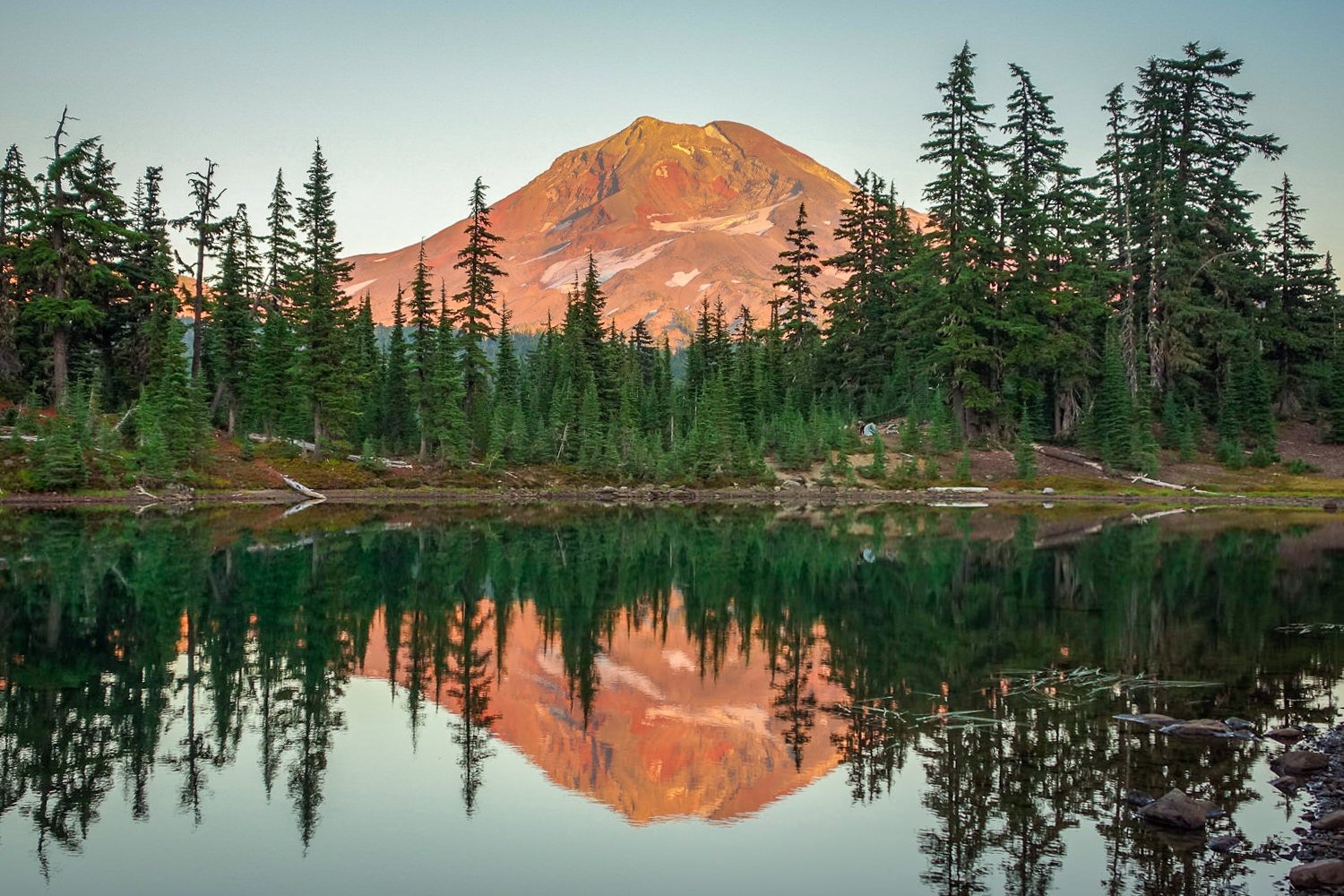
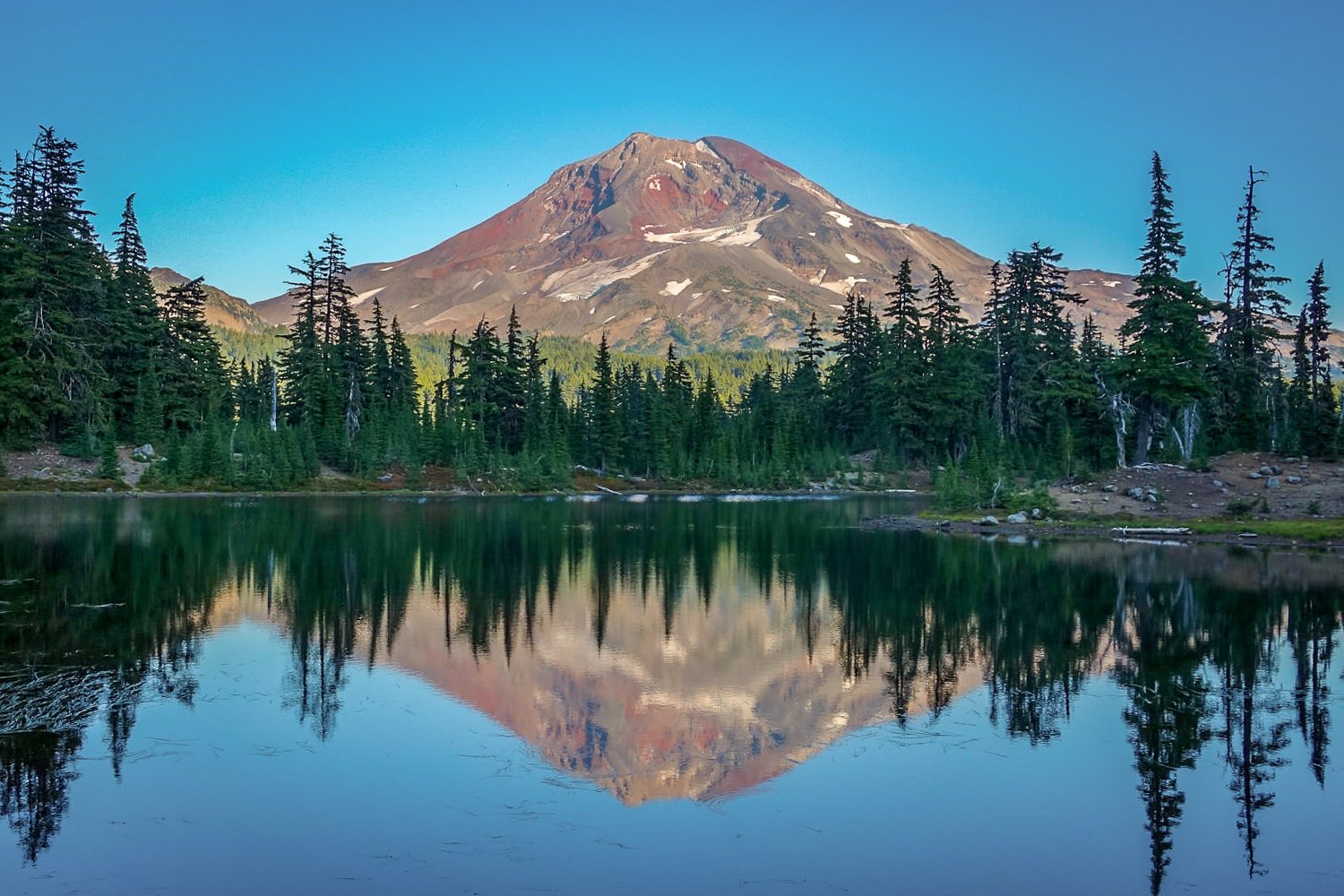
The alpenglow in the cascades is hard to beat. – Photo Credit: Dave Collins (CleverHiker.com)
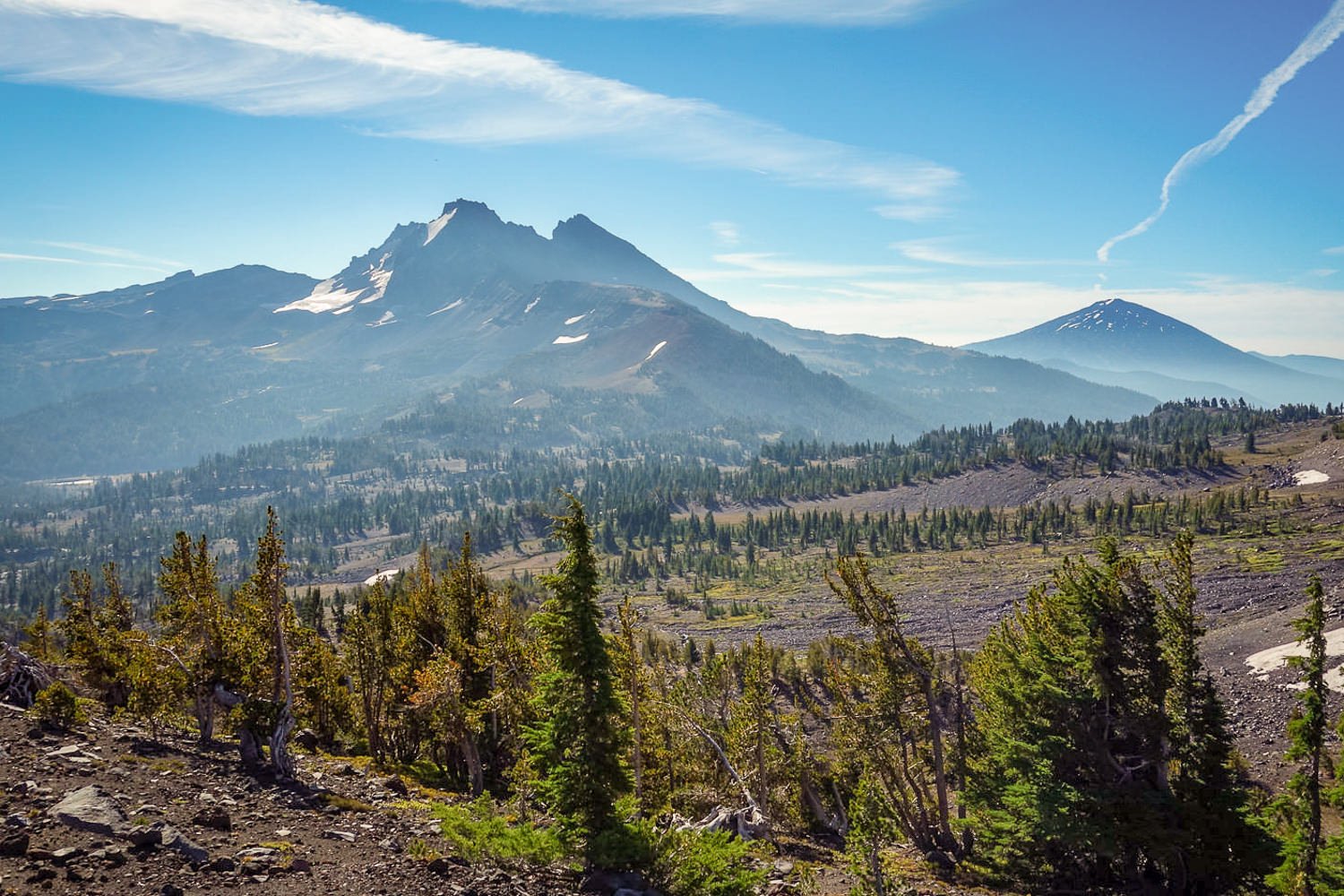
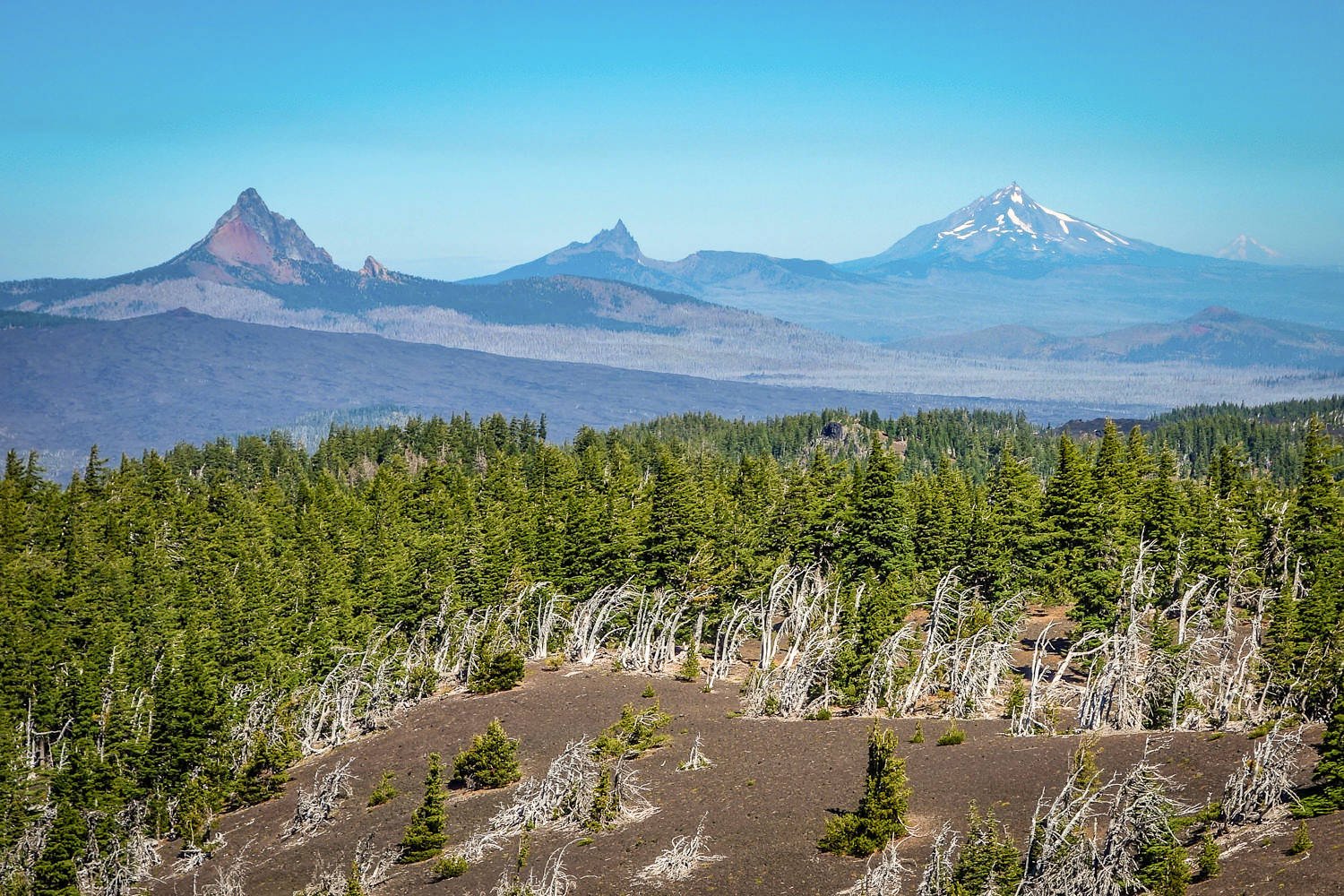
Broken Top and Mount Bachelor in view from the trail. – Photo Credit: Casey Handley (CleverHiker.com)
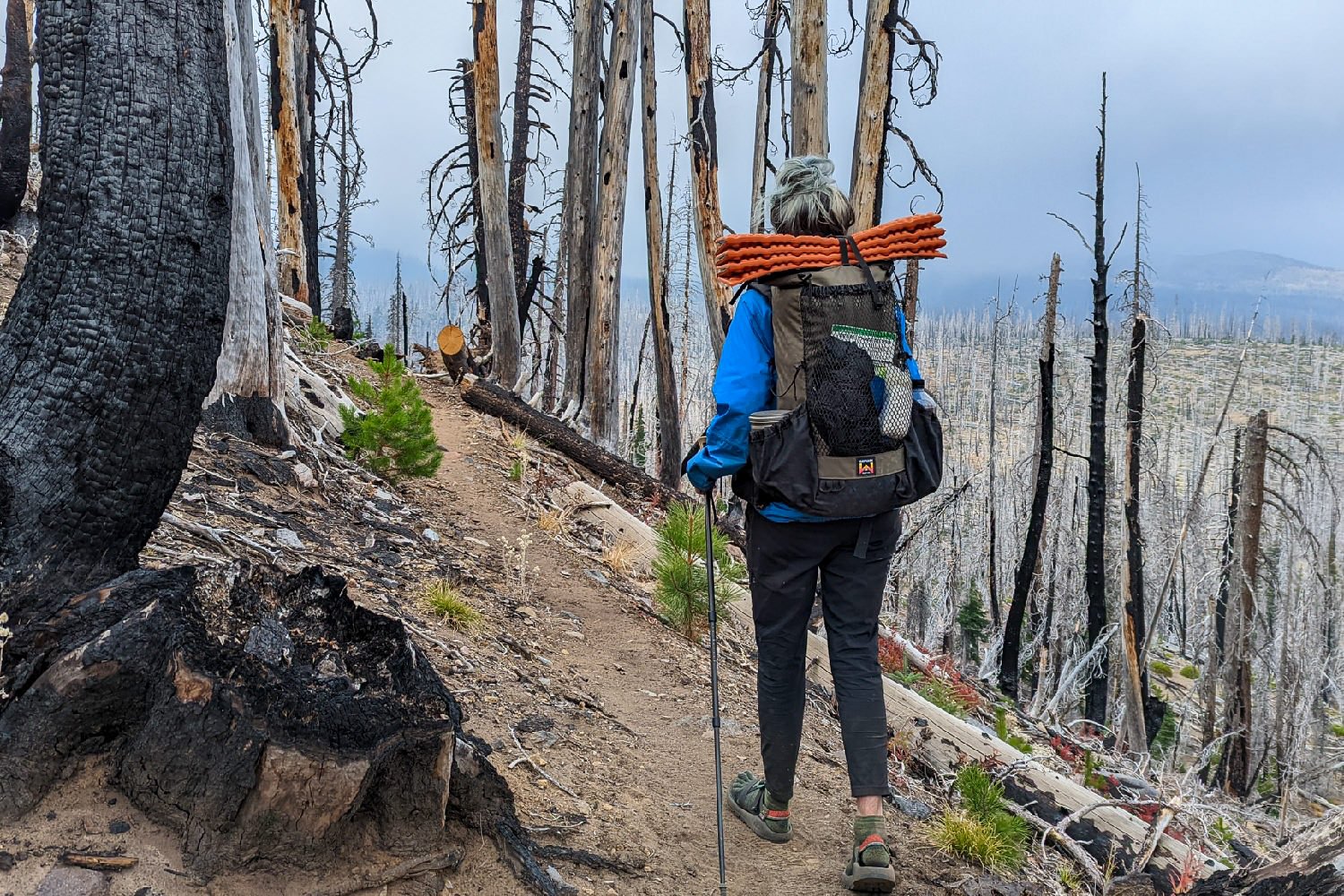
If you can time it right, this loop is a great fall trip. – Photo Credit: Casey Handley (CleverHiker.com)
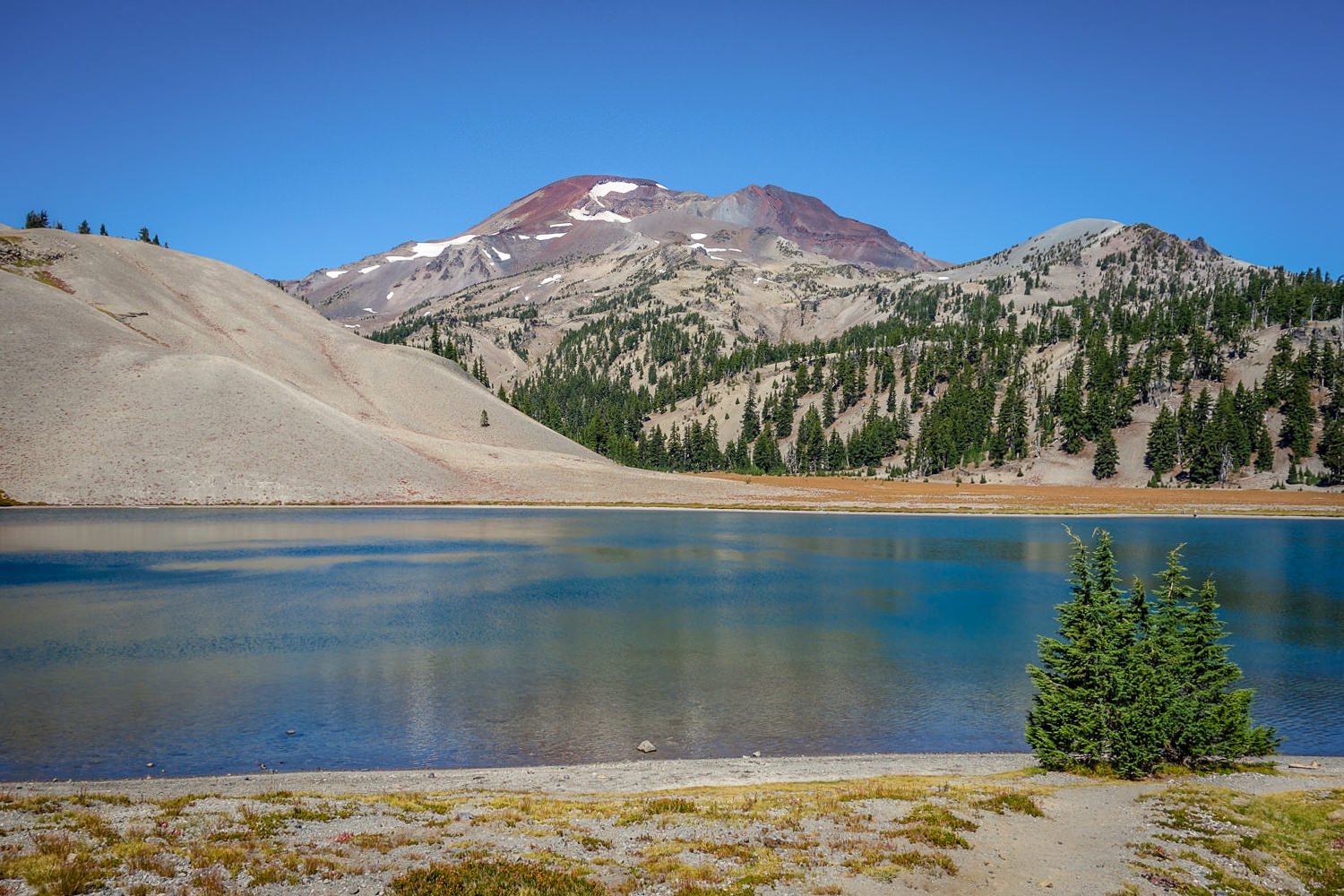
Moraine Lake is one of the most popular day use trails in the area. – Photo Credit: Dave Collins (CleverHiker.com)
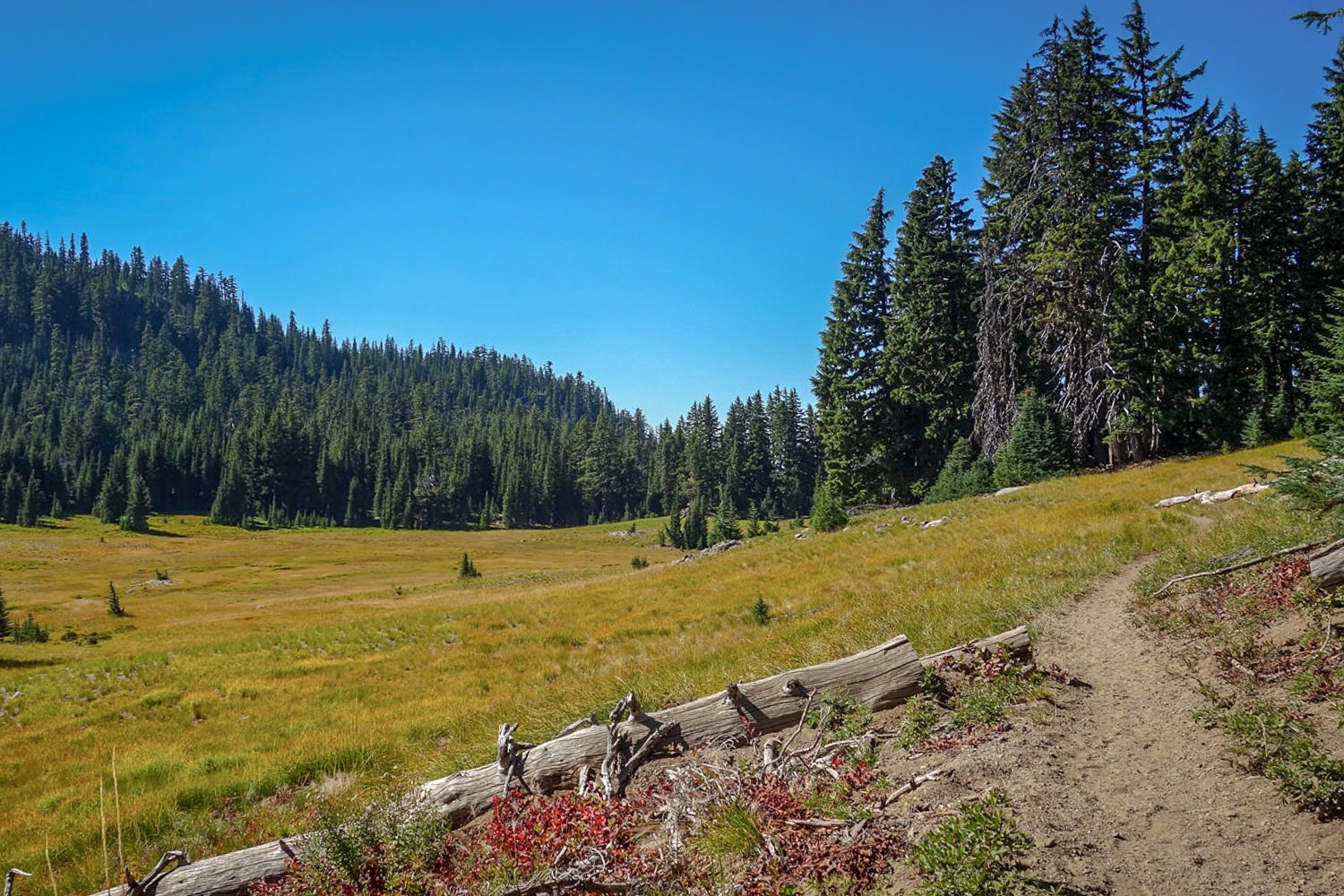
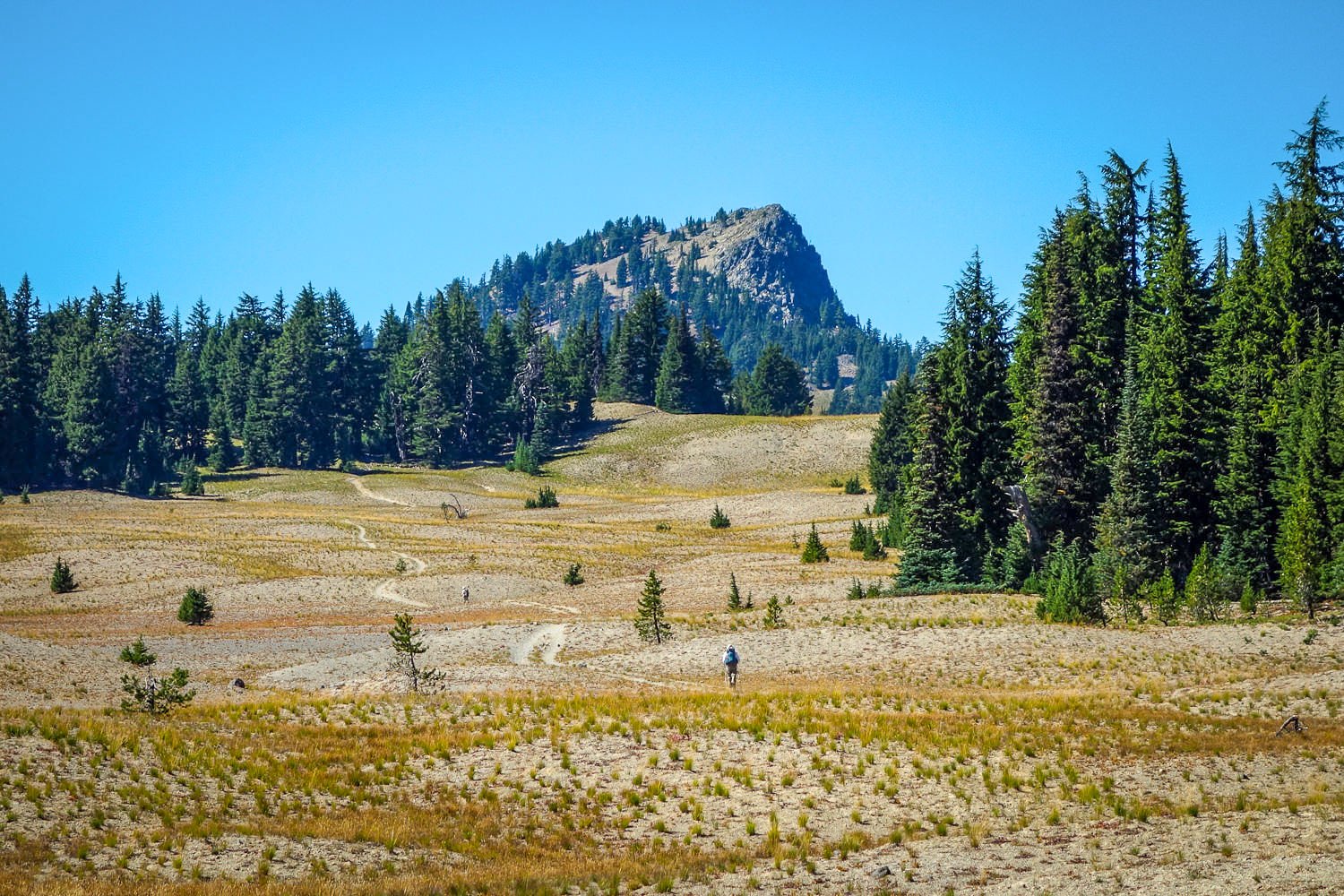
There isn’t much organic matter for the plants in this area to work with, so the ecosystem of these meadows is quite sensitive. – Photo Credit: Casey Handley (CleverHiker.com)
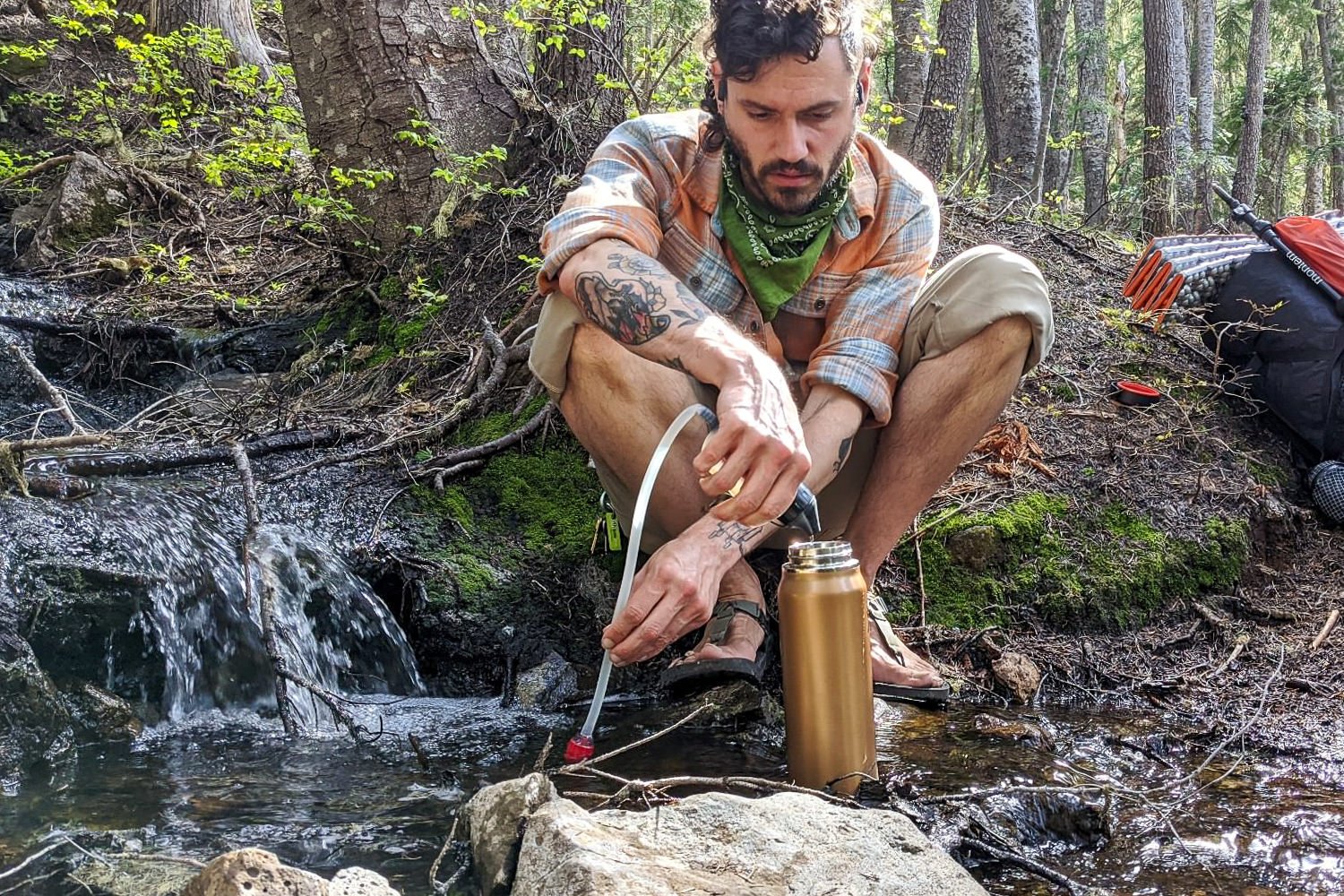
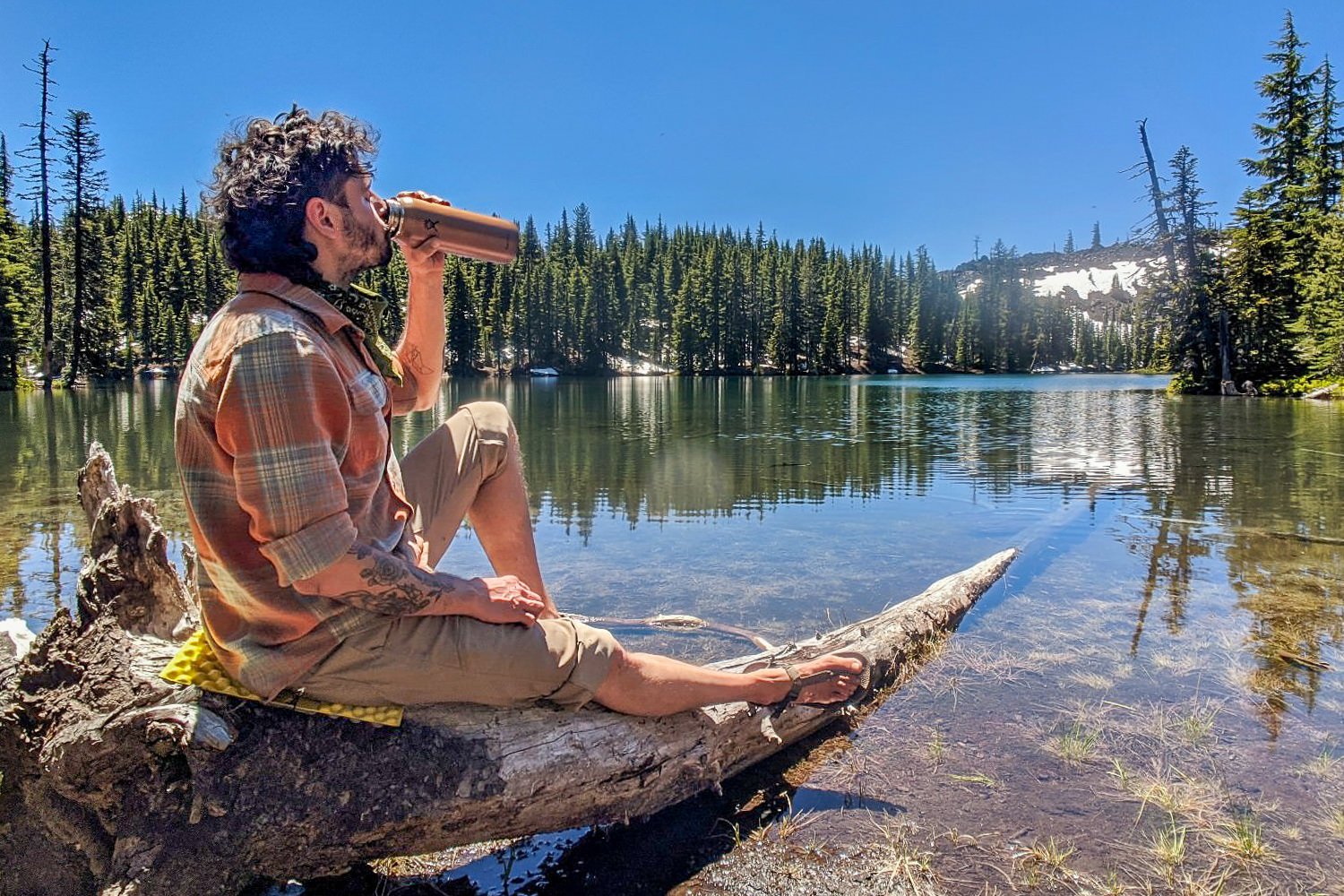
We prefer filling up on water at a stream rather than a lake. – Photo Credit: Casey Handley (CleverHiker.com)
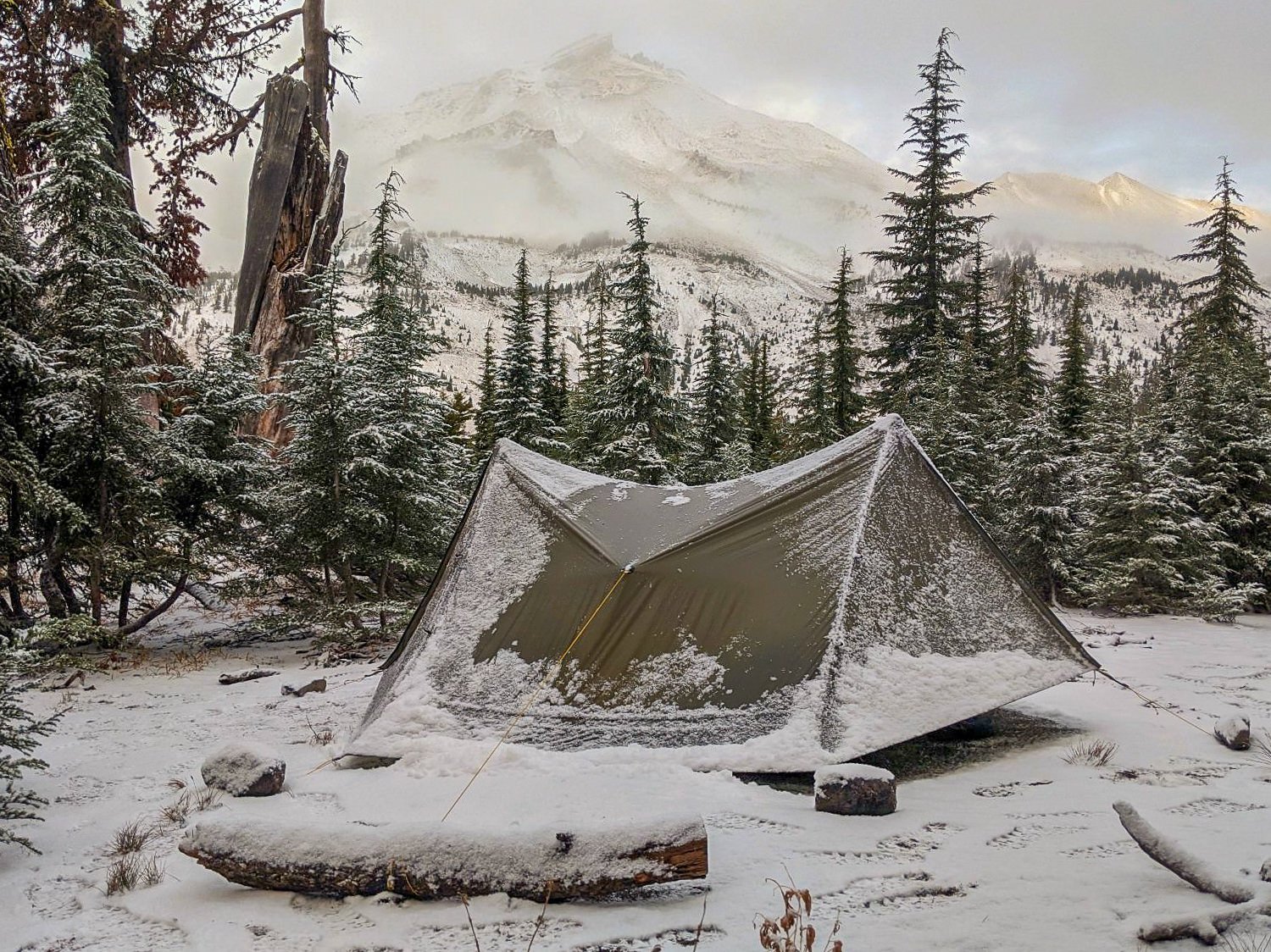
We gambled with the weather, and it made for an exciting morning. – Photo Credit: Casey Handley (CleverHiker.com)
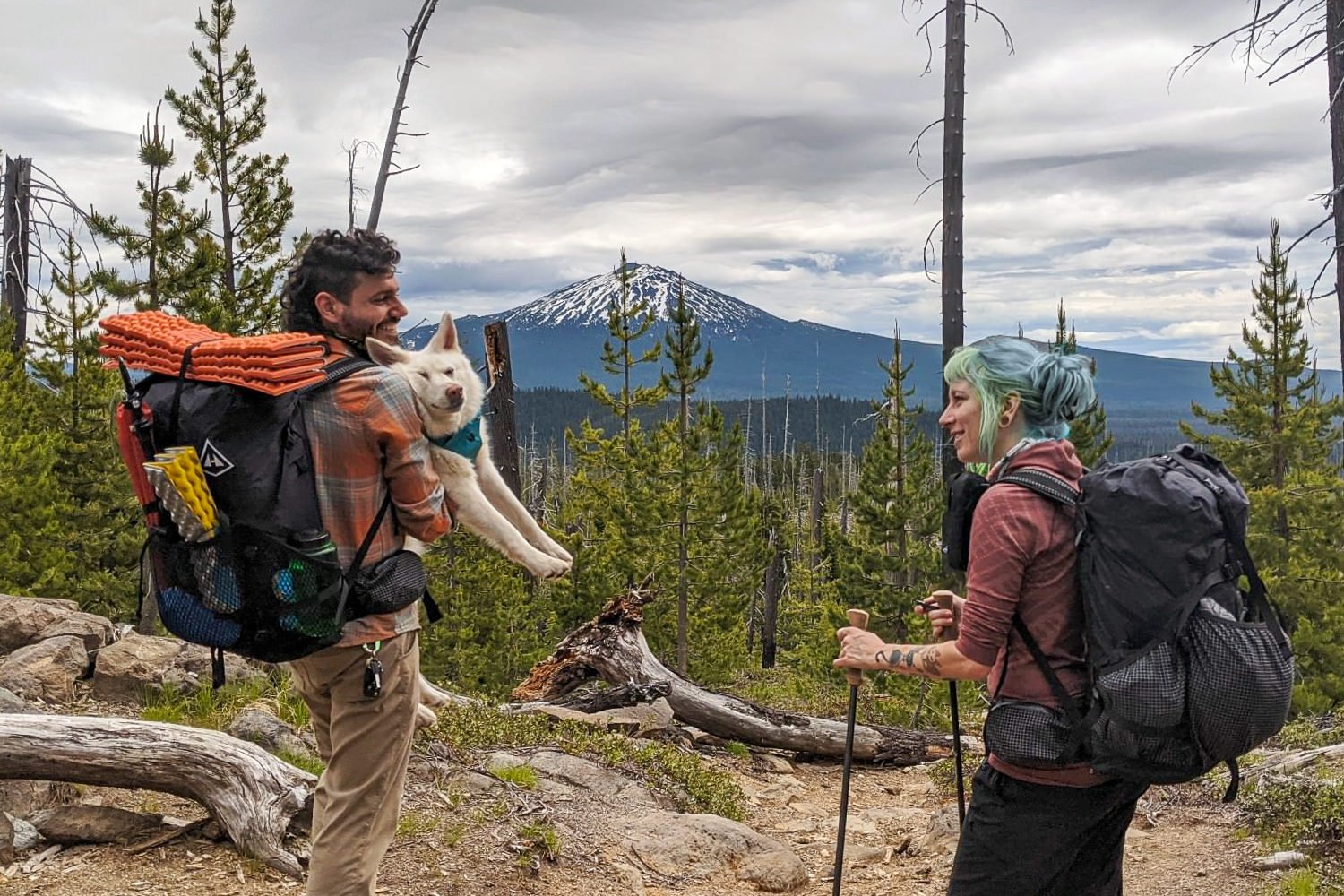
Mount Bachelor making an appearance on the Three Sisters Loop. – Photo Credit: Casey Handley (CleverHiker.com)