Bottom Line
The NEMO Aurora Highrise 4 is one of the easiest premium family tents to recommend. It gives couples and small families a spacious interior, high-quality materials, very good ventilation, and a setup process that becomes quick and intuitive after a little familiarity.
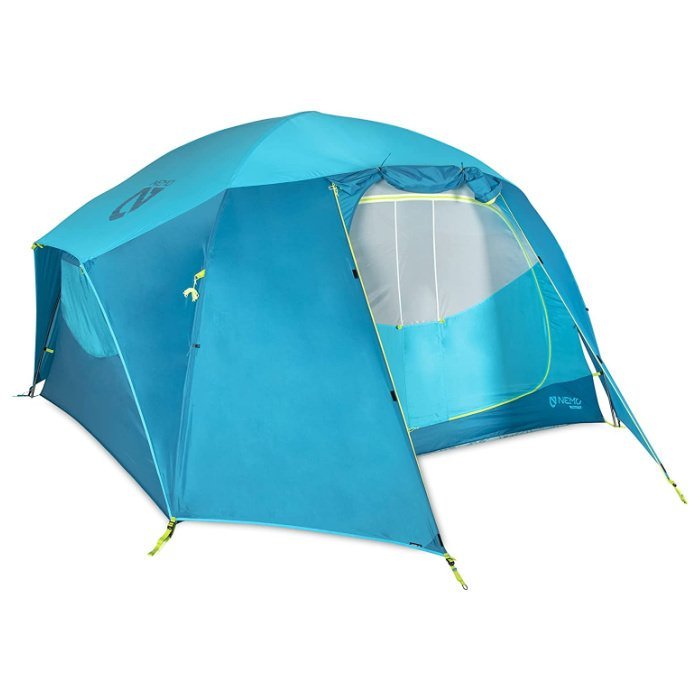
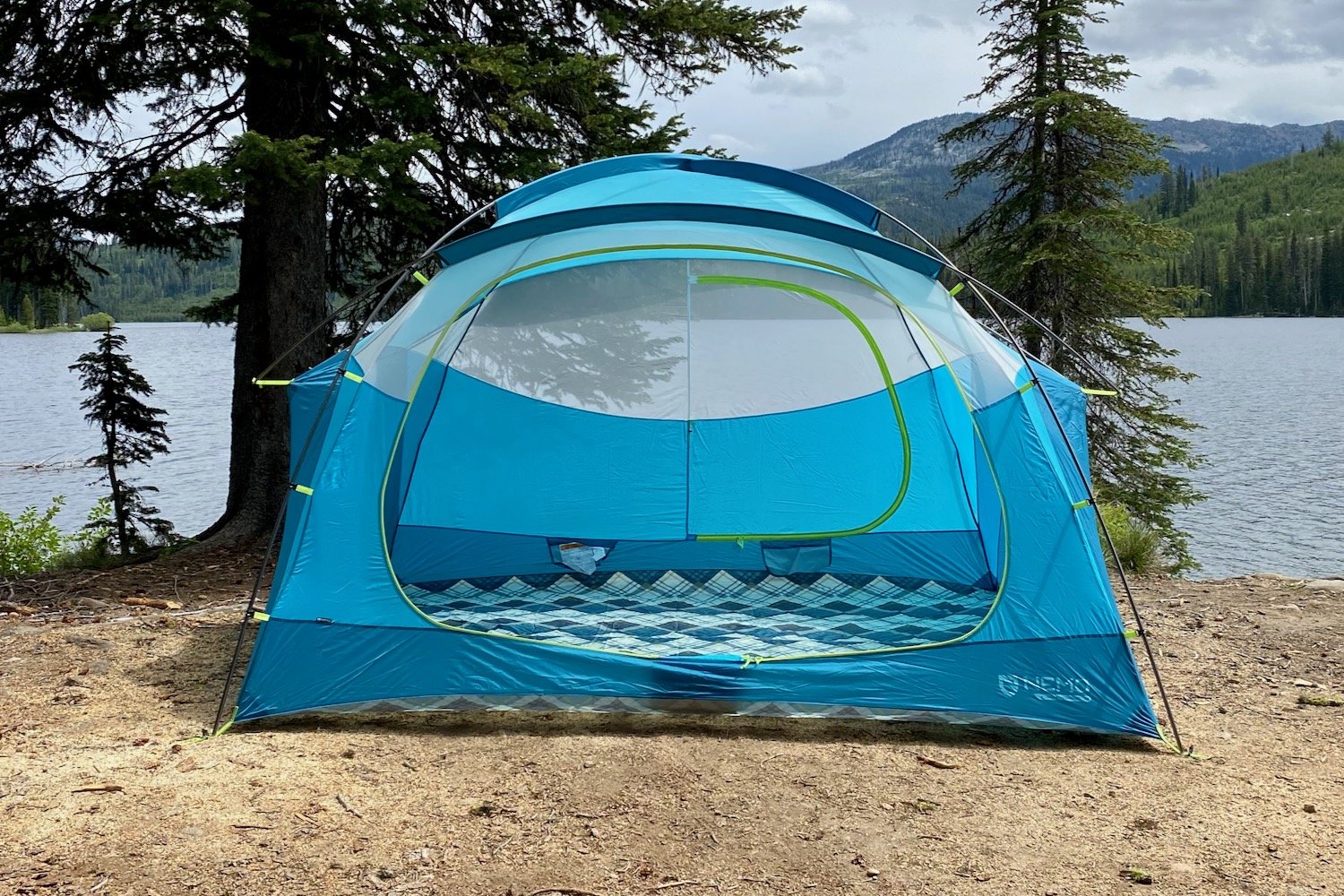
We especially like the steep walls and giant front door. The 75-inch peak height gives most campers room to stand near the center, while the wall shape preserves more usable volume than a traditional dome. The white mesh also creates a bright interior and allows views out through all four sides, even with the fly deployed.
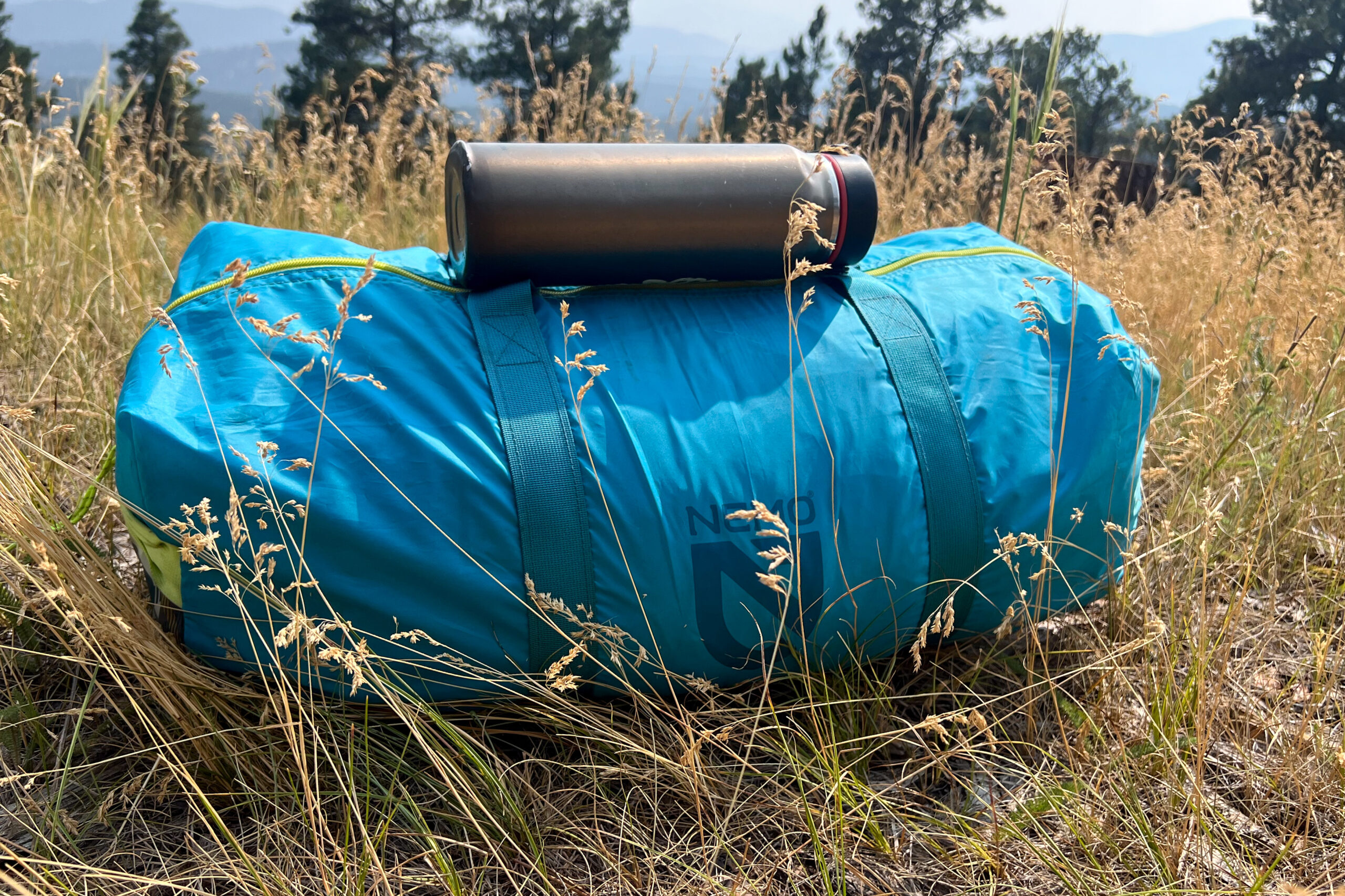
Our biggest complaint is the carry bag. It is tighter than we would like and makes packing more fussy than setup. We also wish the rear door were full-size. Neither issue outweighs the Highrise’s comfort, durability, and storm-worthiness.
How We Tested
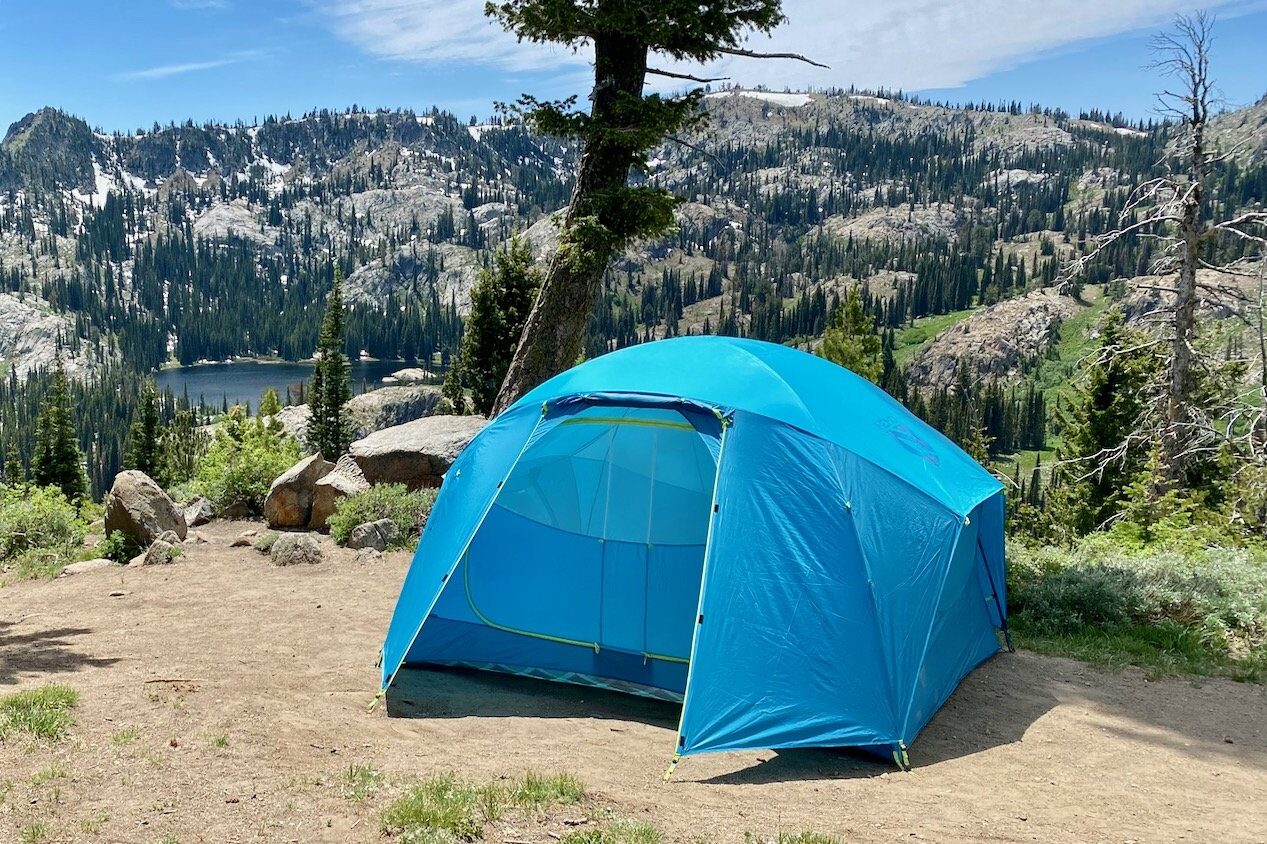
A six-week cross-country family road trip turned the Aurora Highrise 4 into a regularly used home away from home. CleverHiker gear analyst Ben Dawson lived out of it through repeated pitches and pack-ups, hot weather, Colorado thunderstorms, and strong winds. That sustained use let us judge comfort, setup, ventilation, weather performance, storage, and material quality under the kinds of conditions family campers actually encounter.
Quick Specs
- Capacity: 4-person
- Floor Area: 62.5 sq. ft.
NEMO Aurora Highrise 4
Best Tent for Easy Setup & High-Quality Materials
CleverHiker Rating: 4.6/5.0
Price: $400
The size we tested feels: Luxurious for 2, comfortable for 3, tight for 4
Measured Weight: 15 lb. 14 oz.
Dimensions (LxWxH): 100 x 90 x 75 in.
Pros
- High-quality materials
- Fast, intuitive setup
- Large livable space
- Excellent ventilation
- Two doors
- Durable construction
Cons
- Rear door is only half-height
- Carry bag is tight
- Footprint not included

Spaciousness & Comfort
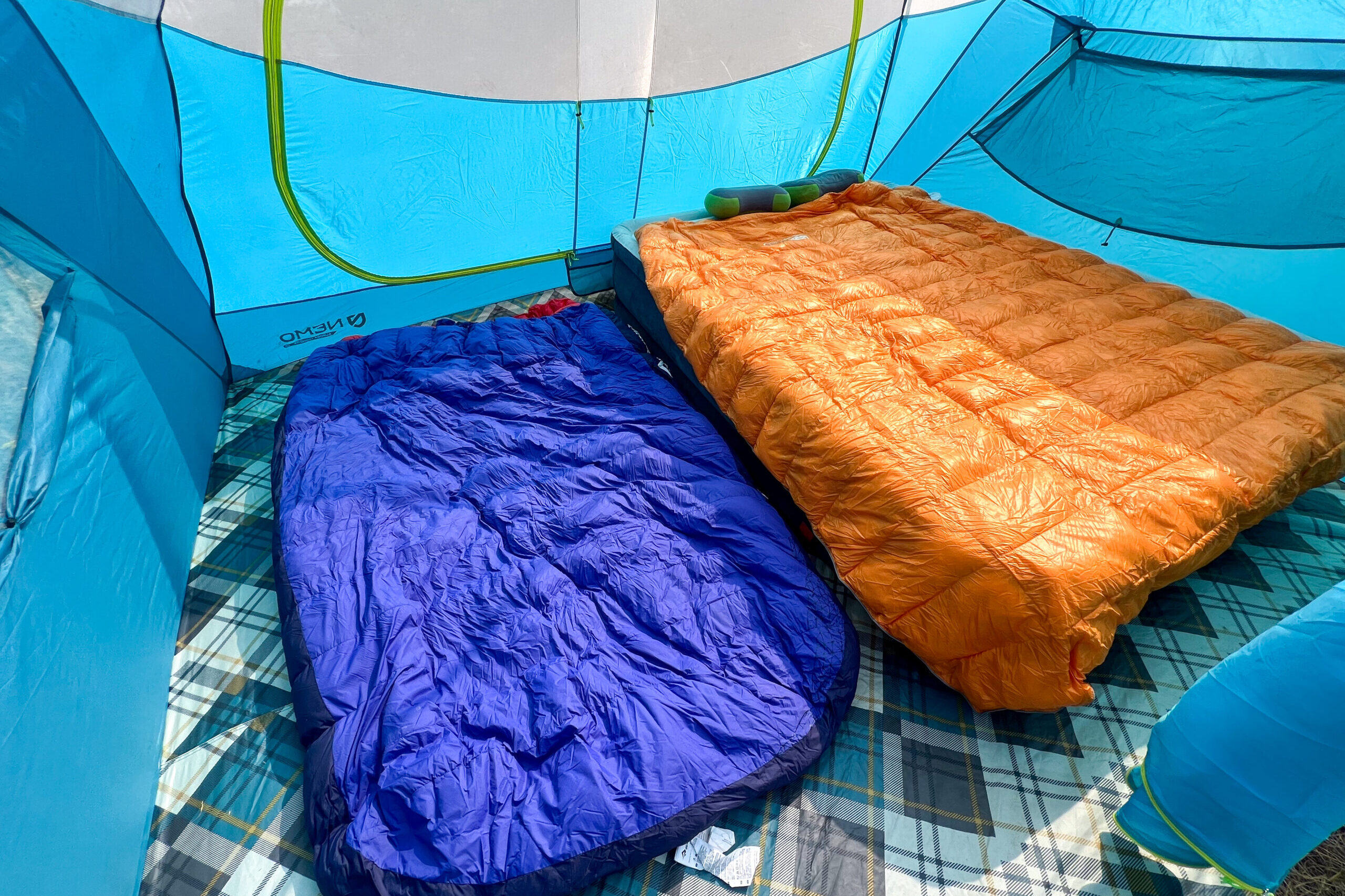
The Aurora Highrise 4 hits a useful comfort sweet spot for couples and small families: it offers real standing height without the bulk of a six-person basecamp tent. The floor provides about 62.5 square feet of sleeping space. During a six-week road trip, we fit a full-size air mattress and a double sleeping bag while still leaving enough room along the sides to enter, exit, and manage small gear.
Peak height is 75 inches, so many adults can stand upright near the center. The walls slope as they approach the perimeter, which means very tall campers cannot walk around fully upright everywhere. We found that limitation reasonable for a four-person dome because the steep wall geometry still creates more usable upper-body room than a low crossover shelter. For two people, the interior feels luxurious; three have comfortable space; four use most of the floor and need to be more deliberate about gear.
The dual vestibules keep shoes and equipment outside the sleeping zone, which helps preserve the relatively compact interior. The large front door also makes loading mattresses and bulky sleep systems easier than it is through narrow backpacking-style entries.
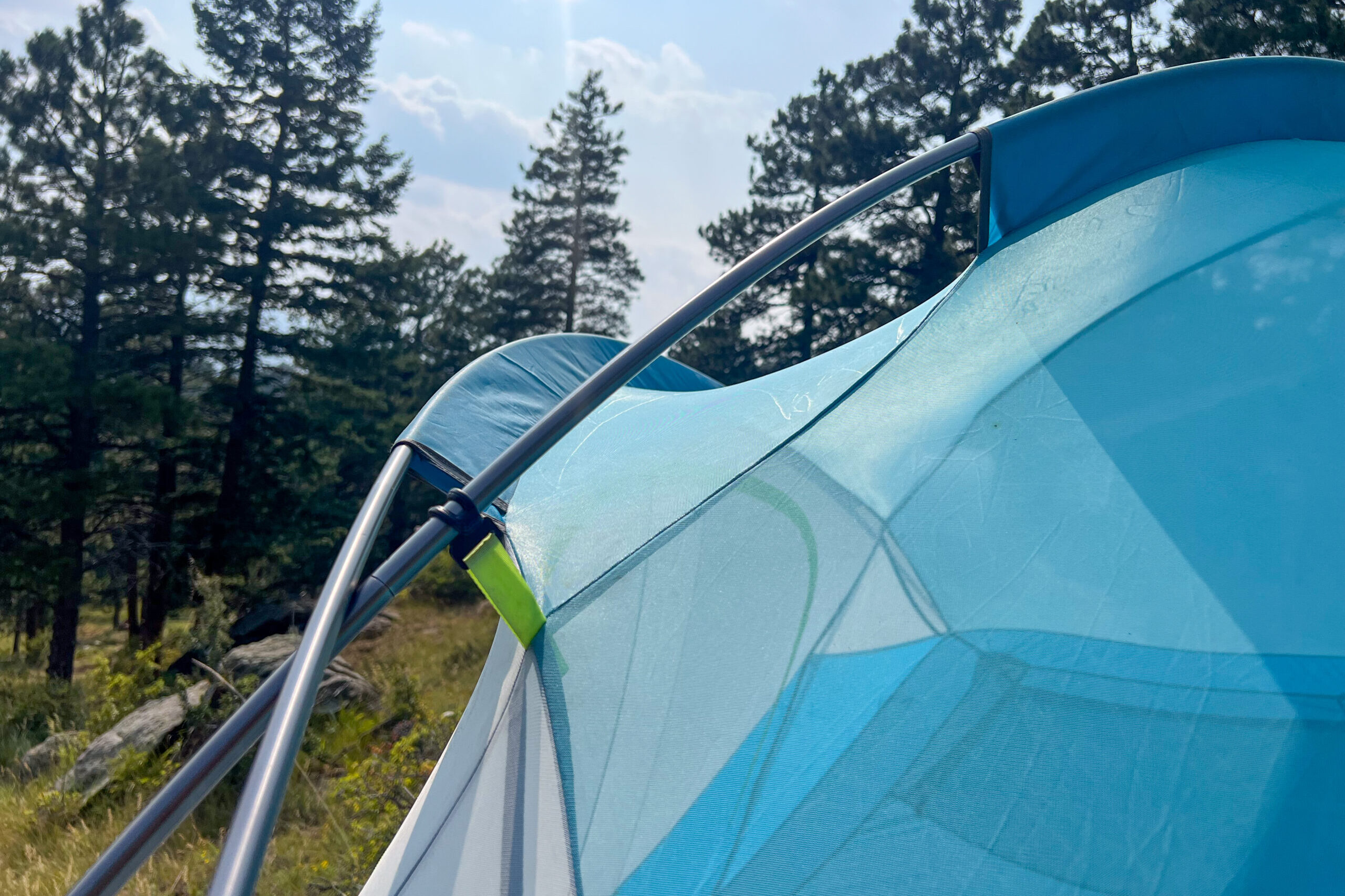
Ventilation is excellent for a tent with this much fabric. Mesh, windows, and the fly design let air move effectively during warm weather, and the ability to see out on all four sides keeps the tent from feeling closed in when the fly is on. Campers who want a spacious four-person tent that still packs smaller than the biggest family models will find the Highrise especially comfortable.
Comfort Score: 4.4 / 5.0
Ease of Setup
The Aurora Highrise 4 is one of the easier tall camping tents we have used once the pole layout becomes familiar. The structure is not identical to a basic two-pole dome, so the first pitch requires a little attention, but the color coding and obvious attachment points remove most of the guesswork. Two longer poles form the main body, while shorter sections tension the doors and help create the steep walls that give the tent its spacious feel.
With a partner, we can move from the packed tent to a standing shelter in only a few minutes. The body is lighter and less unwieldy than most six-person tents, so there is less fabric to control while raising the poles. Solo setup is also realistic because the footprint and height remain manageable.
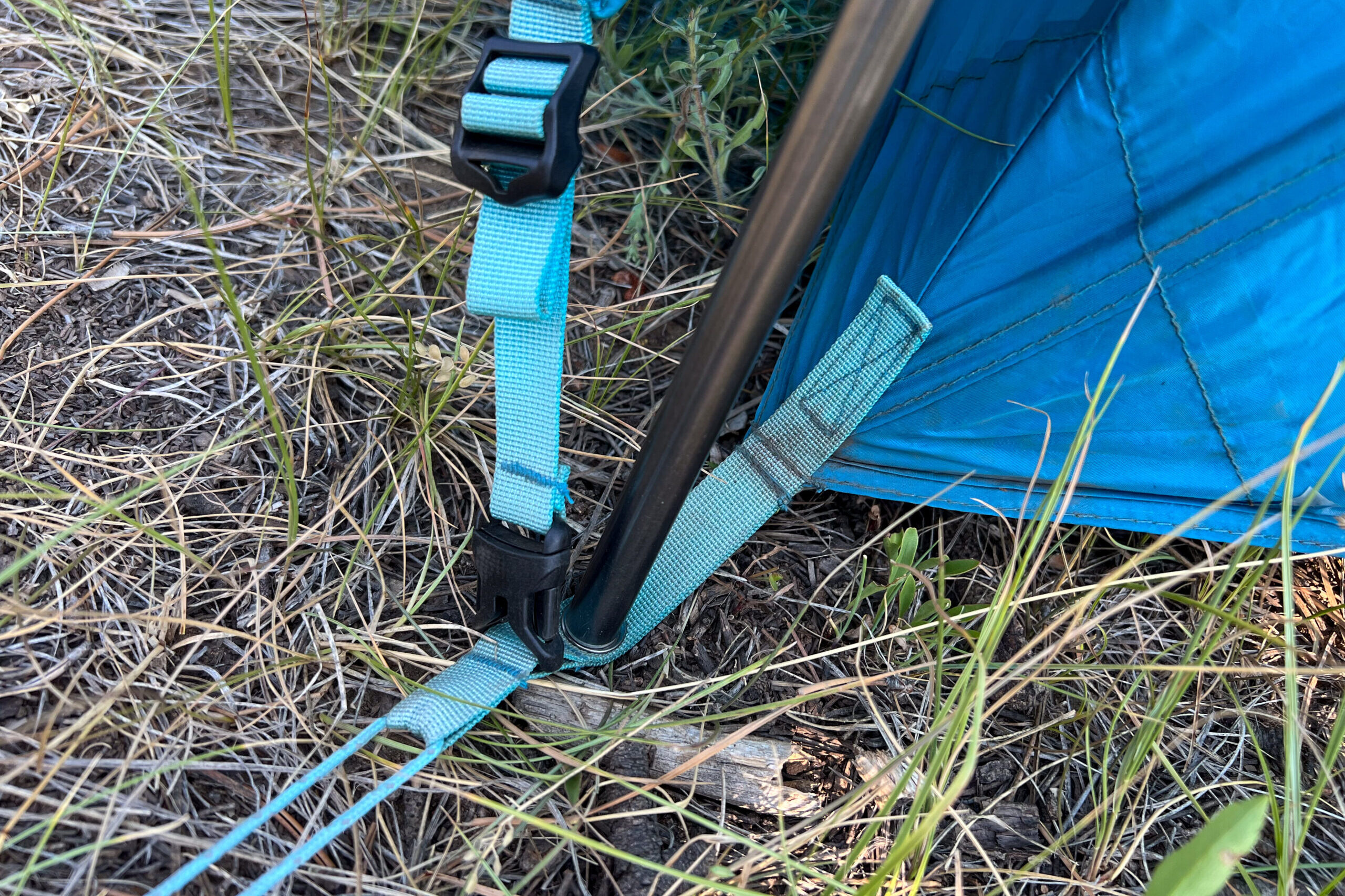
NEMO includes a setup diagram on the stuff-sack tag, which is genuinely useful the first time out. After a couple of pitches, we no longer needed to reference it. Clips and pole connections engage cleanly, and the fly is sized so that orienting it correctly is easier than on tents with large asymmetric vestibules.
Breakdown is similarly straightforward until you reach the carry bag. Our biggest setup-adjacent complaint is that the sack is tighter than we would like. Everything fits, but the packing job needs to be neater than it does with a wide-mouth duffel-style bag. That annoyance is small compared with the overall ease of pitching. For campers who want standing room without accepting the more involved setup of the Base Camp 6 or Wawona 6, the Highrise is an excellent middle ground.
Ease of Setup Score: 4.8 / 5.0
Weather Resistance
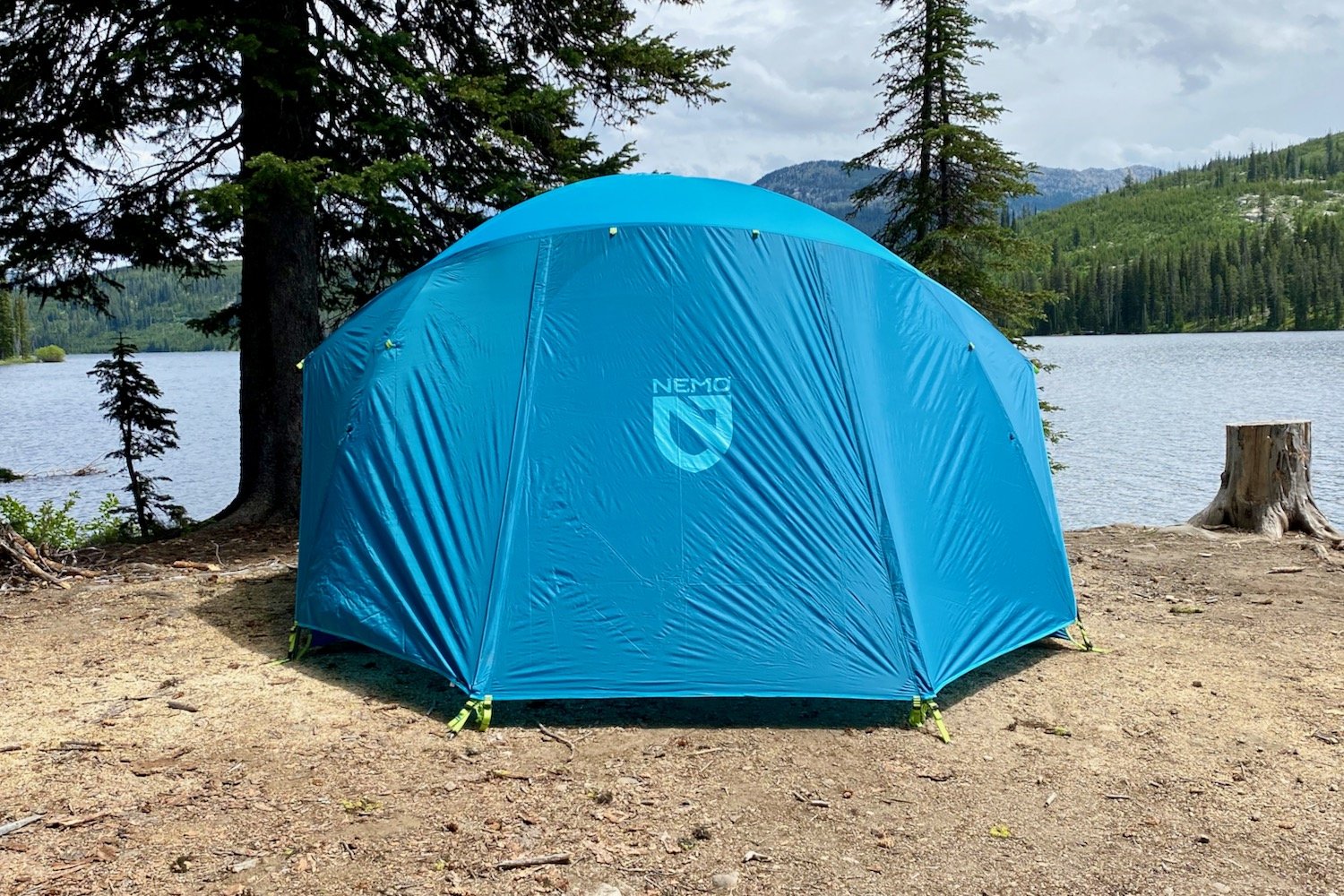
The Aurora Highrise 4 gave us more confidence in rough weather than we expected from a tent this tall. Its dome-influenced shape keeps the structure relatively balanced, and the quality pole set resisted the flex and instability we see on some large family tents. In light and moderate wind, the Highrise felt very secure. We also had it out when winds reached roughly 40 to 50 mph; the shelter became noisy, as any tall tent would, but we did not experience a structural failure.
Rain protection was a bigger part of our six-week test. We camped through intense Colorado thunderstorms and did not experience leakage. The fly provides strong coverage over the important areas of the body, exposed seams are taped, and the bathtub-style floor keeps runoff from reaching the sleeping area. Those details make the Highrise feel much more than a fair-weather cabin tent.
Ventilation helps its wet-weather performance as well. Air can continue moving with the fly installed, reducing the condensation that can make a technically waterproof shelter uncomfortable from the inside. On hot days, the mesh and large openings shed heat effectively.
The Highrise is still a three-season camping tent. Its 75-inch height creates more wind exposure than a low-profile Tungsten or Mineral King, and we would not choose it for heavy snow loading or extreme alpine conditions. Within normal campground use, however, it combines unusually good airflow with dependable rain protection and a frame that handled serious gusts in our testing.
Weather Resistance Score: 4.4 / 5.0
Durability & Quality
Material quality is one of the main reasons the Aurora Highrise 4 remains near the top of our camping-tent list. The 150-denier fabrics feel substantially tougher than the thin floors and flies found on entry-level shelters, and the pole set has the stiffness and finish we expect from a premium tent. After weeks of repeated setup, packing, and family use, we did not see the body begin to feel loose or delicate.
The heavier fabric is particularly reassuring on the floor. Family tents see more traffic than backpacking shelters—kids crawl in and out, air mattresses drag across the surface, and gear gets moved constantly. A sturdier floor gives more margin for that kind of use. We still recommend sensible campsite preparation and a footprint when ground conditions are especially abrasive, but the tent does not feel dependent on babying.
Zippers, clips, and door storage also held up well during our road-trip testing. The large front door is used constantly, so smooth operation there matters more than it might on a tent that is entered only at bedtime. The smaller rear door is less convenient, but we did not identify a quality issue with its hardware.
At just under 16 pounds, the Highrise is not light in an absolute sense, yet its packed size and weight are reasonable for the amount of space and material quality provided. Campers who use a tent frequently rather than a few weekends each summer are likely to appreciate paying for stronger fabrics and poles. The build feels suited to years of regular three-season family camping.
Durability Score: 4.8 / 5.0
Features
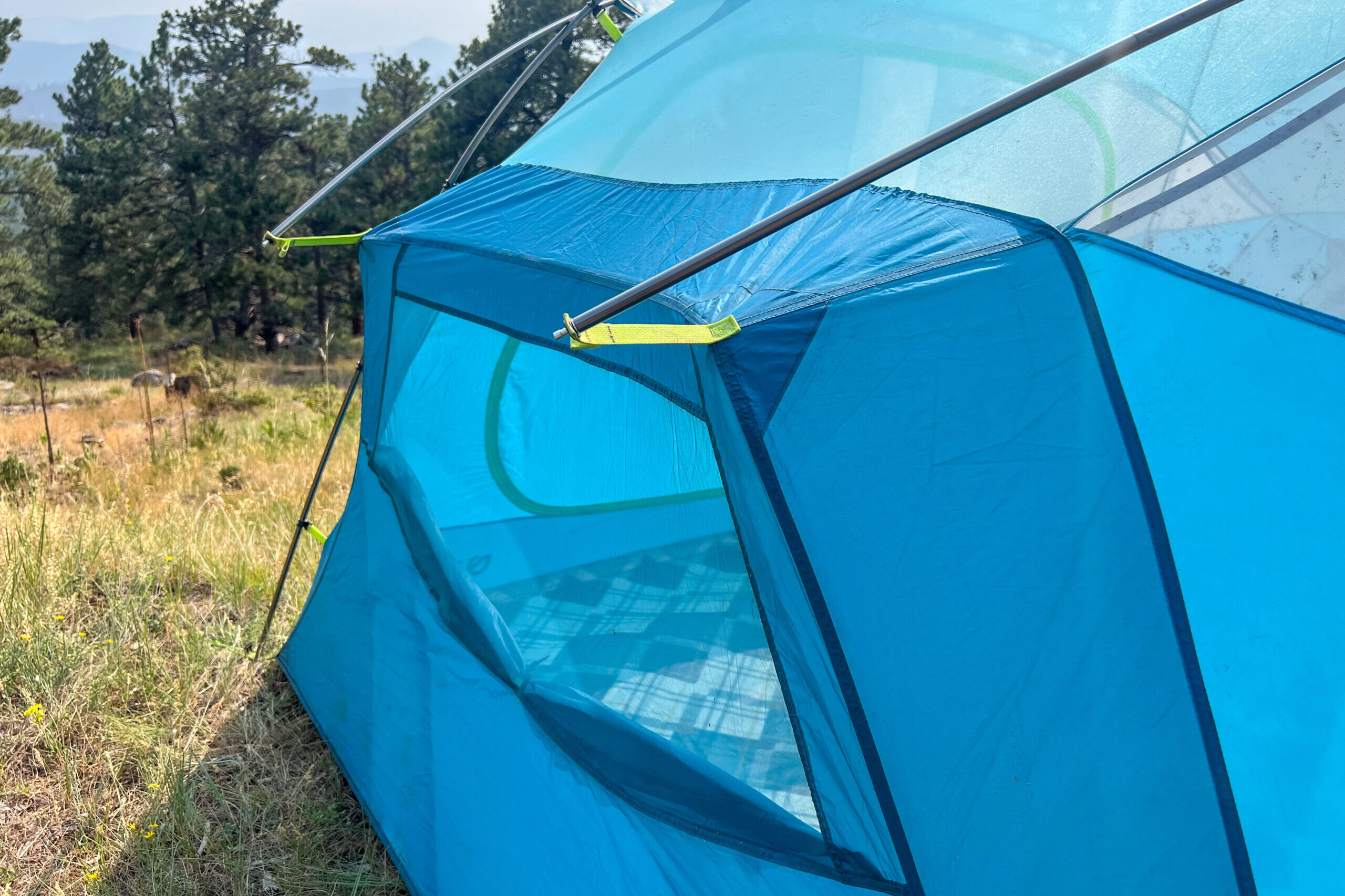
The Highrise 4’s features focus on livability rather than sheer quantity. The huge front door is the most noticeable. It opens widely enough to move an air mattress and bulky bedding without fighting the frame, and it stashes into a small integrated pocket so there is no loose door panel hanging in the entry. The rear opening is only a half door, which is less convenient for daily traffic, but it works well as a secondary access point and a large ventilation opening.
Visibility is another unusual strength. The white mesh and window arrangement allow campers to see out on all four sides, even with the fly deployed, while still offering more privacy than the open feel might suggest. That makes rainy periods less claustrophobic and helps parents keep an eye on the campsite from inside.
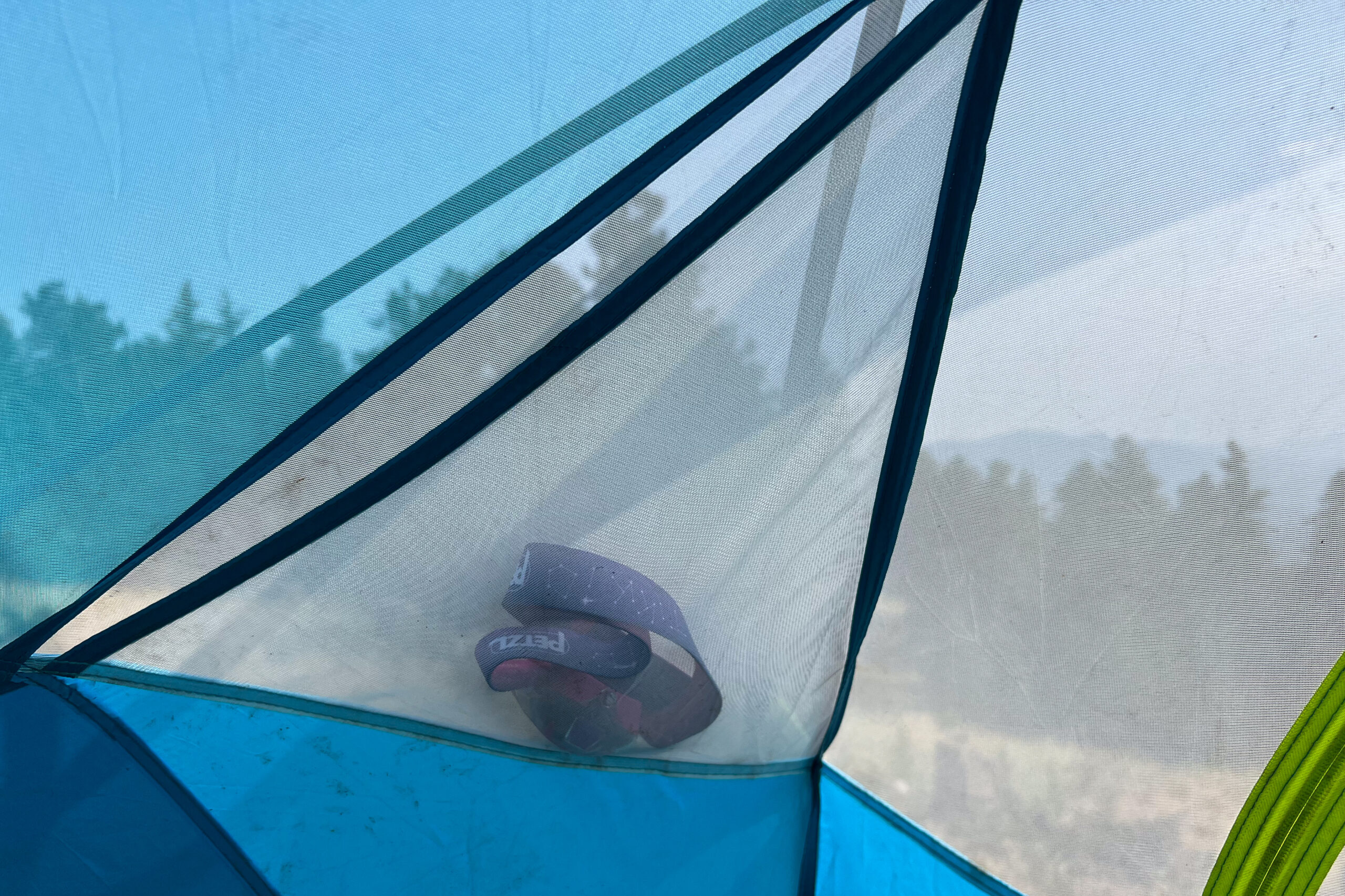
Dual vestibules add covered storage for shoes and gear. Interior pockets are useful, though the organization system is not as extensive as the REI Base Camp 6 with its wall-to-wall storage approach. We think that simpler layout suits the Highrise’s smaller footprint.
Ventilation features are particularly effective. Large mesh areas and well-placed openings keep the shelter comfortable on warm trips without requiring the fly to be completely removed. The carry bag is the least successful feature because it fits tightly and demands careful packing. Even with that gripe, the Highrise offers a refined collection of details that make setup, entry, airflow, and everyday camp use easier rather than more complicated.
Features Score: 4.7 / 5.0
Should You Buy the NEMO Aurora Highrise 4?
Buy the Highrise 4 if you want a premium small-family tent that is easier to manage than a six-person shelter but still offers real standing height and excellent materials. It is particularly good for couples who like extra room or families of three.
If you need maximum floor space for the money, the Kelty Wireless 6 is bigger and cheaper. If you camp in especially rough weather and prioritize full-coverage protection over quick setup, the REI Base Camp 6 is worth considering.
What Other Camping Tents Should You Consider?
Mountain Hardwear Mineral King 3 Review: The Mineral King 3 is the better choice for two campers who value portability and simplicity more than standing room. At under eight pounds in our testing, it is dramatically easier to move and store, and the mesh-heavy body makes it an excellent warm-weather option. The tradeoff is livability: with a 48-inch peak height, it feels much more like a compact crossover tent than the upright Aurora Highrise.
REI Base Camp 6 Review: The Base Camp 6 earns its place as the rough-weather alternative for larger families and gear-heavy trips. Its full-coverage fly, dual vestibules, and extensive internal storage give it a more storm-focused, organized feel than the Aurora Highrise. It is also heavier, takes longer to pitch, and occupies more campsite space, so we would only make that trade if the extra weather protection is genuinely useful.
REI Westward 6 Review: The Westward 6 is the better fit if your priority is maximum interior comfort for a larger group in generally mild conditions. Its taller peak, broader floor, and large vestibule create a more luxurious family basecamp than the four-person Aurora Highrise. We prefer the Highrise’s more balanced weather protection and easier handling, while the Westward wins when space and airflow are the deciding factors.