

Bottom Line
If you can only spend $100 on your camping mattress, you should spend it on the Sea to Summit Camp Plus Self Inflating Sleeping Pad. After testing it on and off for several months, we awarded it the best budget badge on our camping mattresses guide.
The Camp Plus can’t compete with our favorite luxury camping mattresses in terms of comfort. But it’s a definite comfort boost if you’re trying to get off the ground for the first time or find a budget sleeping pad that won’t disappoint at the campground.
This thinner pad may not be the most comfortable, and it’s too heavy for backpacking. But dig it: The Camp Plus packs down smaller than the big dogs. It’s insulated enough for winter camping. And its thinner profile and modest size let you inflate and deflate it relatively quickly.
This is a solid sleeping pad for what it is. If you’re hunting for a less expensive camping mattress that does what it’s supposed to do, the Sea to Summit Camp Plus is the one.
Quick Specs
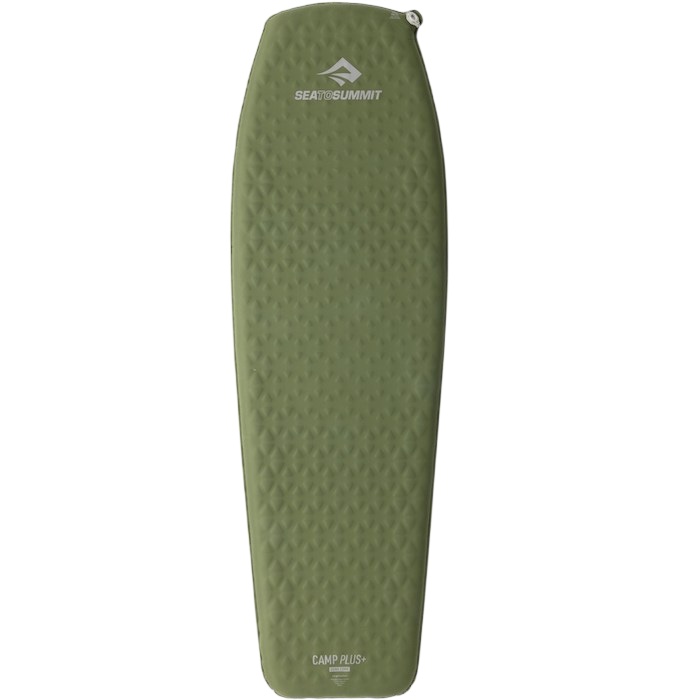
Sea to Summit Camp Plus
Best Budget Camping Mattress
CleverHiker Rating: 4.2/5.0
Price: $99
Dimensions (LxWxH): 72 x 22 x 2.8 in.
Weight: 2 lb. 5 oz.
Style: Self-inflating
R-Value: 5.3
Pros
- Great value
- Light and packable
- Four-season capability
- Durable
Cons
- Less comfort
- Lowest loft on our list

Comfort
Let’s manage expectations here: you won’t confuse the Sea to Summit Camp Plus Self Inflating Sleeping Pad with the luxury mattresses on our list. But its comfort is more than respectable for its price.
If you’ve never used a self-inflating pad like the Camp Plus, you should know that they’re generally more comfortable than sleeping on an ultralight backpacking pad or repurposing an air mattress for camping. Why? They mix an air bladder with open-cell foam. The air pressure provides support, and the foam softens your sleep system.
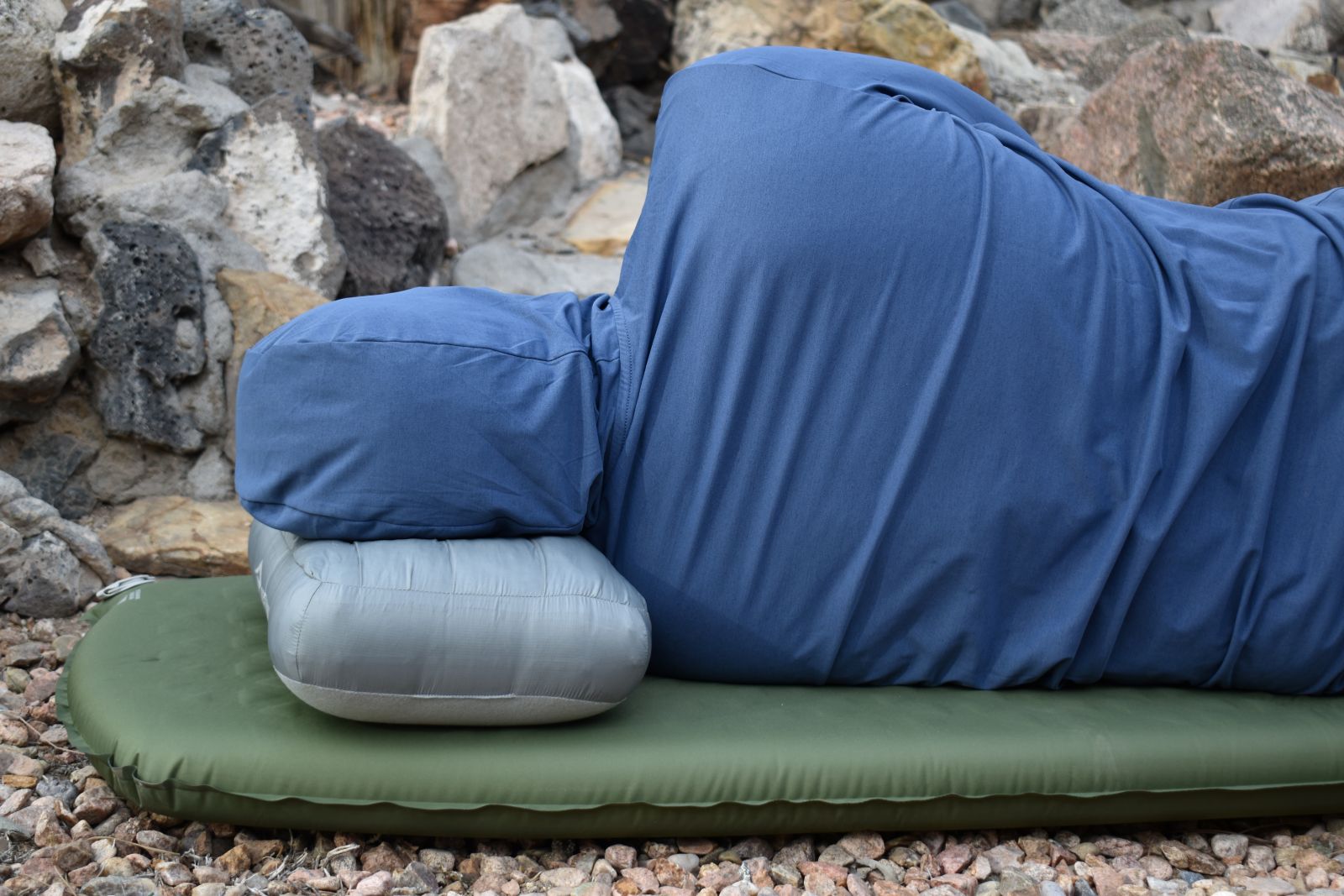
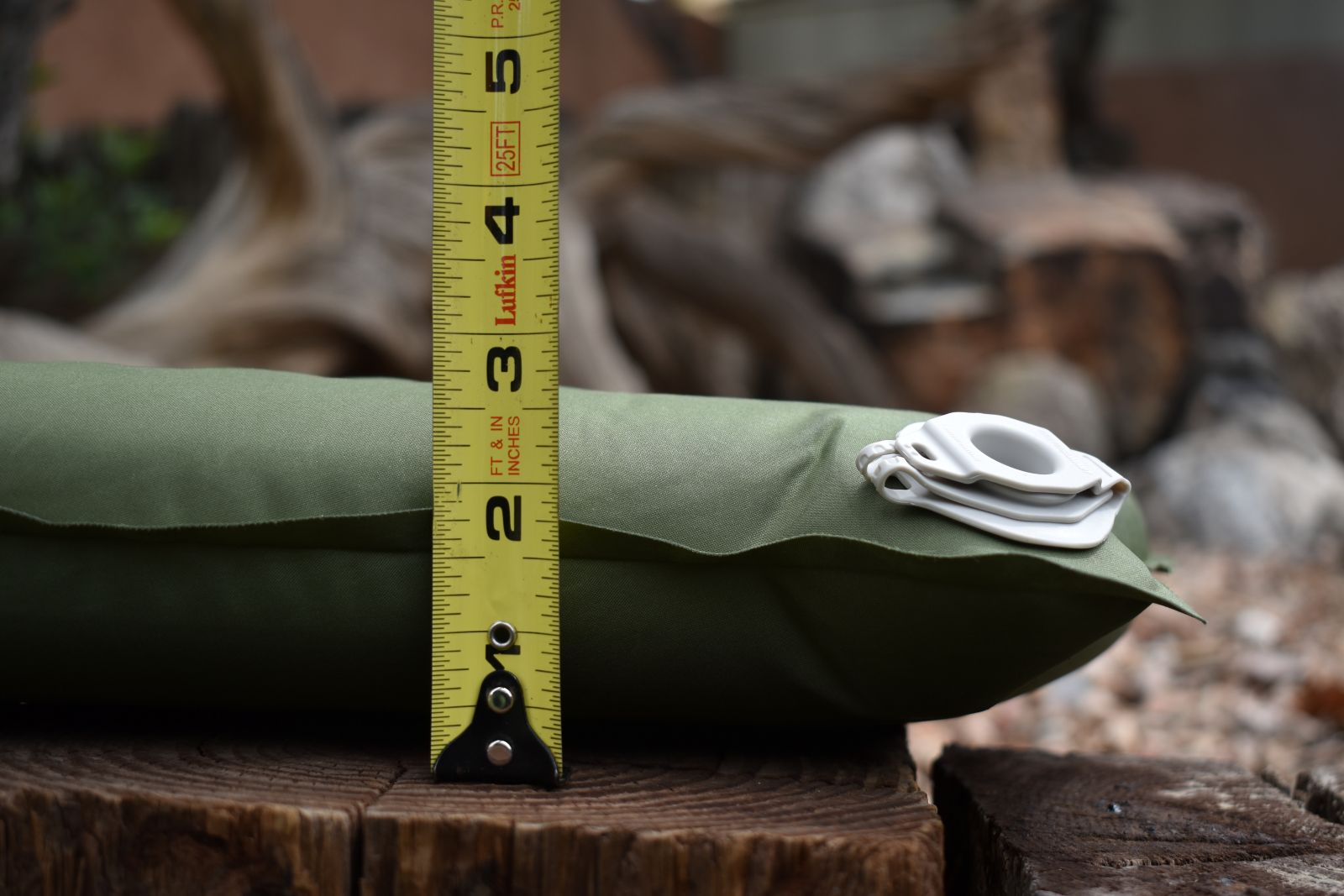
Based on our side-by-side testing, the Sea to Summit Camp Plus feels firmer than the other sleeping pads we recommend. It’s also thinner: 2.8 inches thick compared with the 4 to 5 inches of airy, foamy goodness in other camping mattresses that ranked higher for comfort. Still, that’s not a fair comparison since our top comfort picks cost almost three to four times as much as the Camp Plus.
If you compare this self-inflating sleep pad to less expensive options, the Camp Plus packs plenty of comfort. We were skeptical that the Camp Plus would keep larger frames off the ground, much less be comfortable, but we were pleasantly surprised that its thin but firm cushioning otherwise did the job.
If our camping mattress budget was $100, we’d get enough comfort out of the Sea to Summit Camp Plus to get our money’s worth — and then some. We’d rather sleep on the Camp Plus Self Inflating Sleeping Pad than several budget camping mattresses and inflatable mattresses we’ve tried. So don’t be turned off by our average comfort score here if you’re hunting for a budget-friendly alternative to the $250 to $400 options that dominate our recs.
Ease of Use
Most campers don’t lose sleep over the complexity of camping mattresses, but it’s nice to know that the Sea to Summit Camp Plus is easy to use.
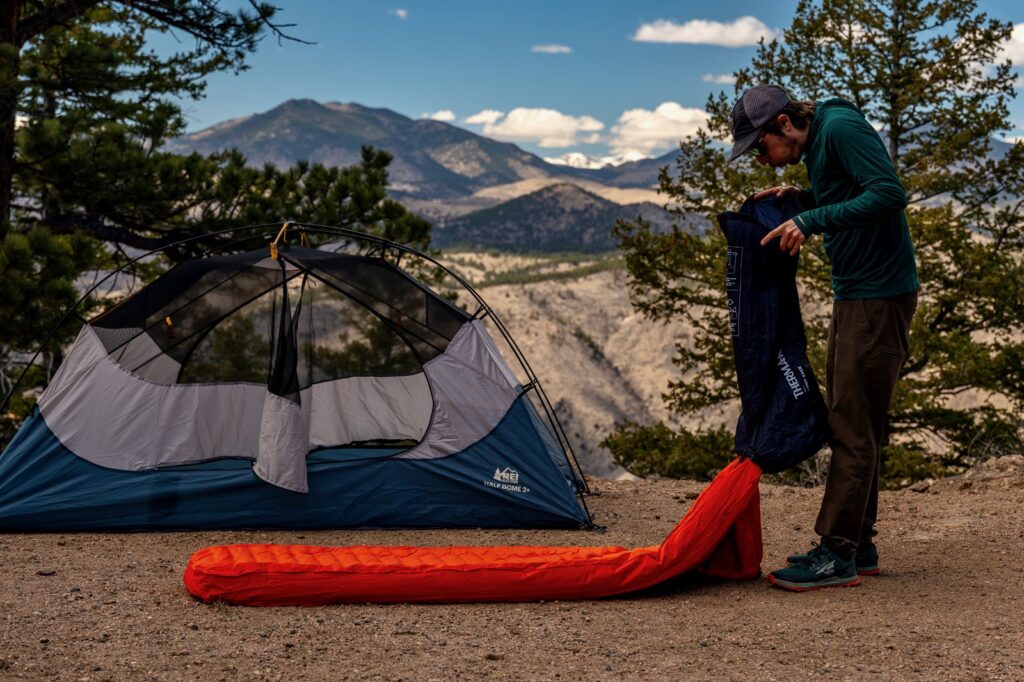
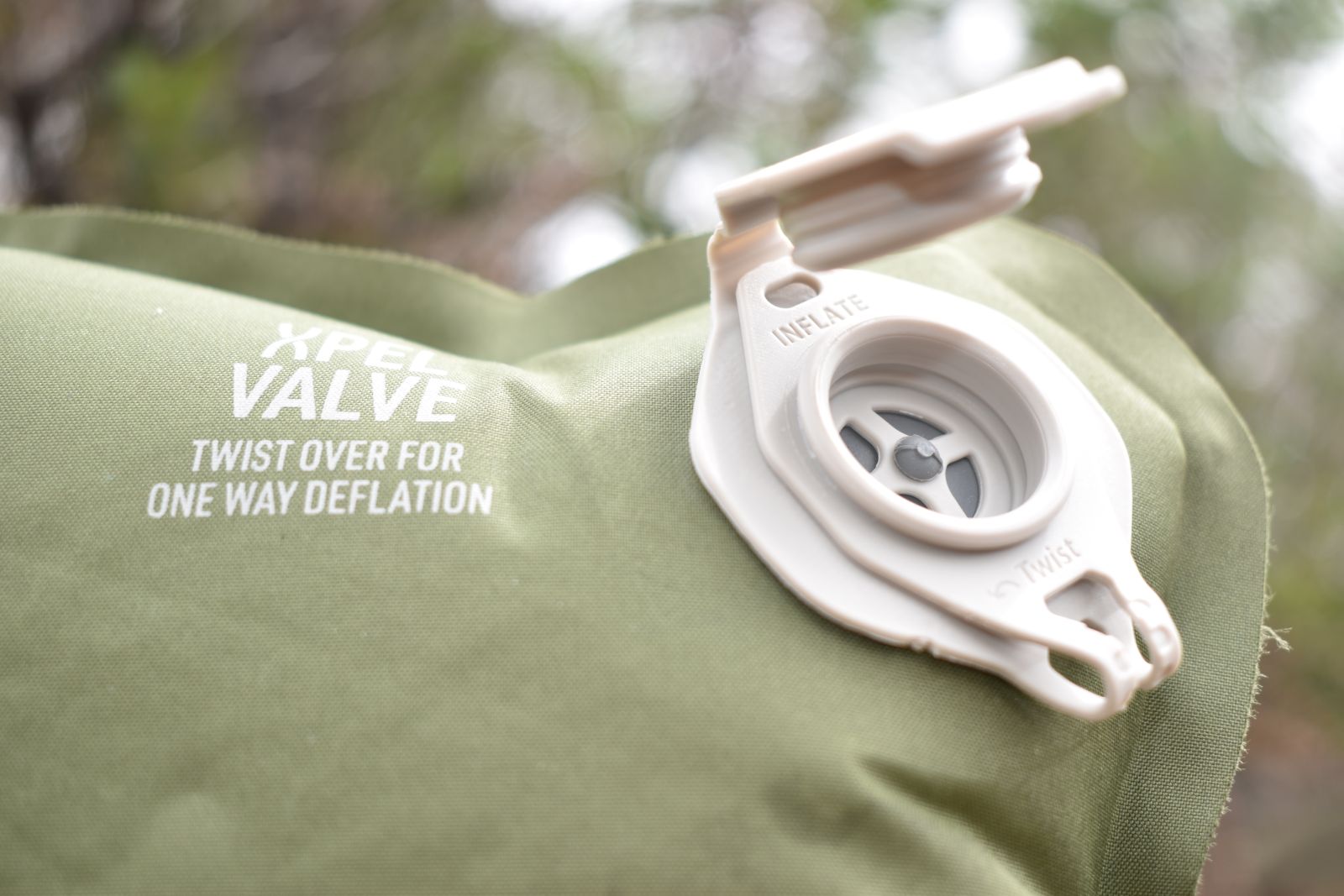
We know from experience that some beginners don’t know how to work self-inflating mattresses. But here’s the gist: you open their valve(s) to allow their open-cell foam to suck in air. In our field tests, the Camp Plus literally sucked air so hard that it whistled — without us needing to do anything. After about 10 minutes, self-inflating sleeping pads should be mostly inflated. Then it’s up to you to add air pressure to your preferred firmness using a stuff sack or by blowing directly into the valve (which can lead to mold-supporting moisture).
During our field and home tests, we had no problems inflating the Camp Plus — other than losing the stuff sack — while juggling so many camping mattresses. When we timed the process of deflating and packing up the Sea to Summit Camp Plus, it took no more than a couple of minutes because our (regular-size) pad was thinner and smaller than the others we reviewed.
Sea to Summit includes a side-loading stuff sack to store the Camp Plus. Many people prefer this design, which makes it easier to cram the sleeping pad into the smaller dimensions of the stuff sack.
Warmth
In spite of its budget price and smaller dimensions, the Sea to Summit Camp Plus Self Inflating Mattress has a high R-value of 5.3. In other words, you can use this sleeping pad in all four seasons — even winter, in most places — without worrying about losing your body heat to the cold ground.
In spite of our “Warmth” rating, R-value refers to thermal resistance — not warmth. In other words, the Camp Plus slows your loss of body heat when it’s between you and the ground. It doesn’t actively heat you up by generating warmth.
This distinction is important for two reasons. One, the 5.3 R-value of the Camp Plus means you can sleep on it safely in temperatures well below freezing. Two, you can still sleep comfortably on a high-value mattress even when temperatures are warm.
R-value makes a big difference in cold weather, not in hot weather. That is, you’re not out of luck if you try to sleep on the Camp Plus indoors or in summer, when temperatures are much hotter than this mattress’s three-plus season rating from Sea to Summit.
So don’t worry much about our warmth rating unless you’re the brave soul who sleeps on the ground in below-zero temps. (If that’s you, focus on our recs with R-values in the 5.5 to 8 range.) During our testing, we didn’t roast on this mattress at 75 degrees F or freeze at the Gila Wilderness when overnight temps dipped into the 20s.
Packed Size
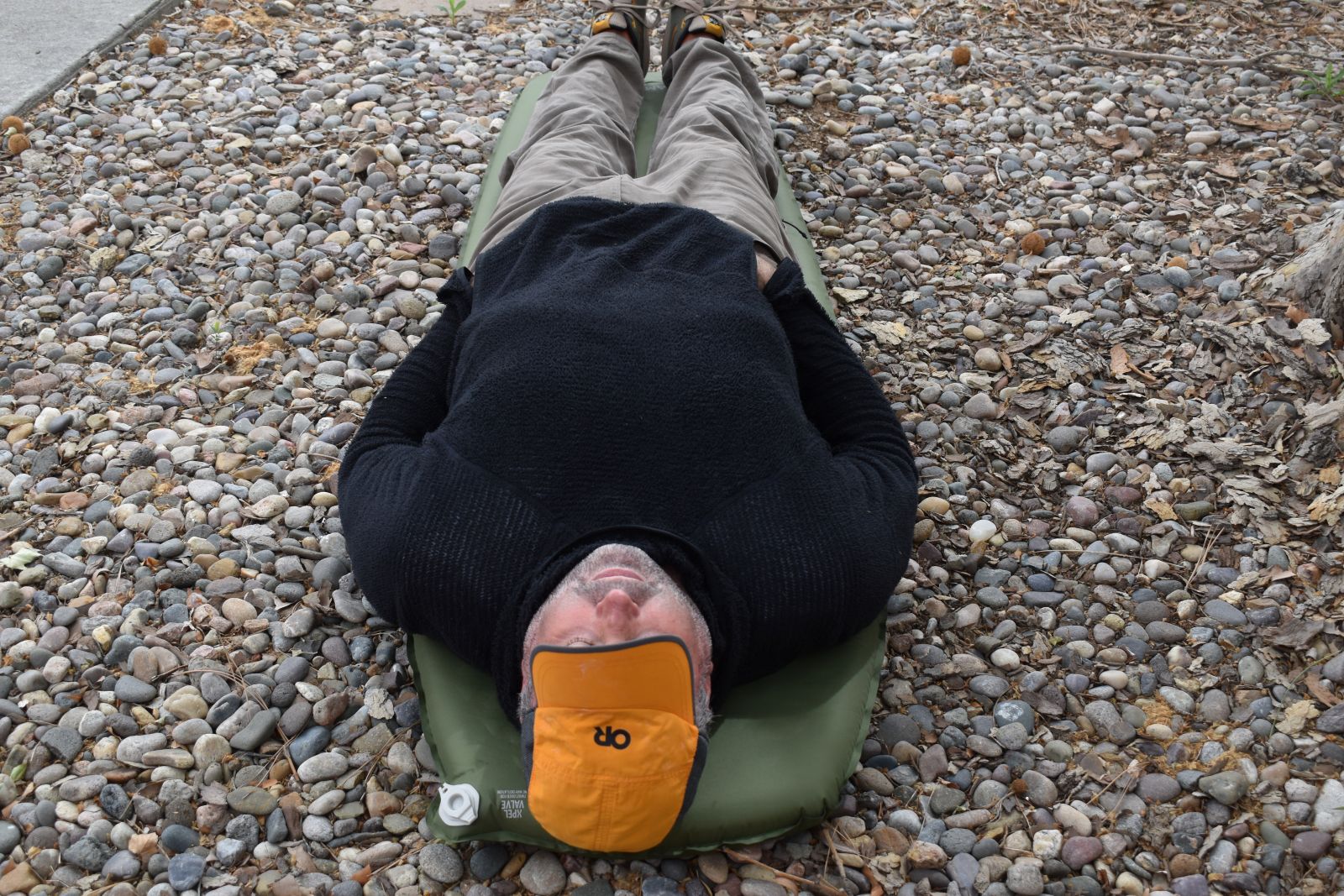
The packed size of our regular-sized Sea to Summit Camp Plus Self Inflating sleeping pad is a potential plus if you’re short on space. With a packed size of about 11 (length) by 6.3 (diameter) inches, it’s more like hauling an ultralight backpacking chair than a campground bed. This was the most packable camping mattress we tested and reviewed — edging the NEMO Flyer Cloud (due to a smaller diameter).
This is another plus of choosing the budget-oriented model over our comfort-oriented model (in addition to saving some coin).
Packed size is another category that doesn’t matter much with camping mattresses — unless you’re exceptionally challenged for space in a small apartment or hauling a ton of gear to the campground in your Prius or VW bug. But if you’re worried about packed size, the Sea to Summit Camp Plus gets the job done without taking up much space in your gear closet or vehicle.
Should You Buy the Sea to Summit Camp Plus Self Inflating sleeping pad?
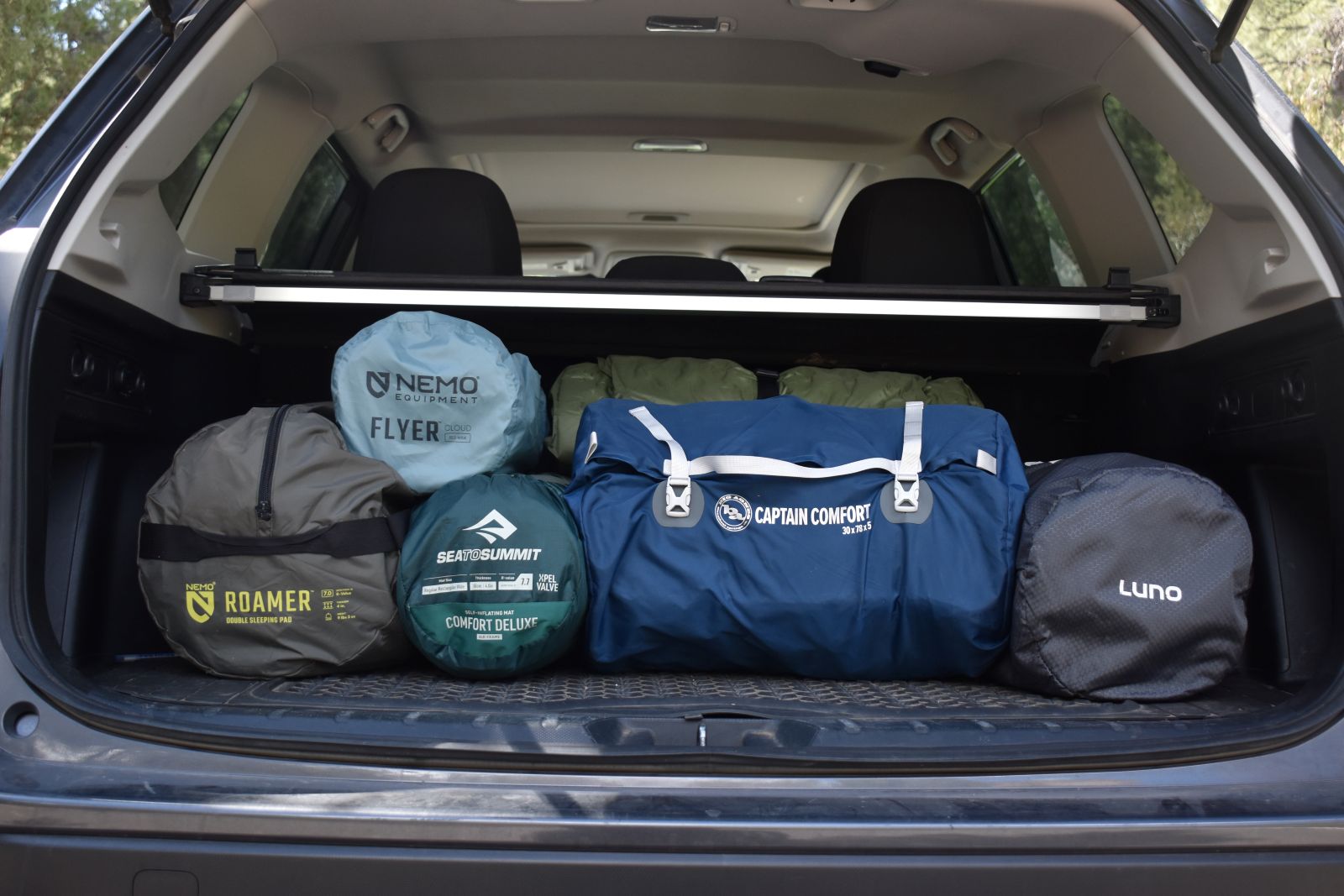
What’s most important to you in a camping mattress: comfort, weight savings, or price? If you prioritize price or weight savings, the Sea to Summit Camp Plus is one of the best options we tested and reviewed. That’s despite scoring much lower for comfort than the camping mattresses that cost three to four times as much. It’s comfortable enough, comparatively easy to use, packs down smaller than most camp beds, and costs at least $150 less than most of our top picks.
Unfortunately, this sleeping pad isn’t lightweight enough for backpackers and can’t match the comfort of our luxury picks. Still, we recommend the Sea to Summit Camp Plus for campers looking to sleep off the ground or score an upgrade in campground comfort without spending more than $100.
What Other Camping Mattresses Should You Consider?
If you’re looking for a more comfortable night of sleep, consider other options on our list of the best camping mattresses:
EXPED MegaMat Review: If you’d prefer a more iconic sleeping mattress for the campground, the EXPED MegaMat pioneered the self-inflating luxury camping mattress category (but costs two to three times as much).
NEMO Flyer Cloud Review: The Flyer Cloud can’t compete on price with the Camp Plus, but it’s thicker, softer, warmer, and significantly less expensive than the comfort splurges we recommend.
REI Campwell Review: The Camp Plus is significantly less expensive, more comfortable, more supportive, and less prone to durability problems. But the Campwell is another value for budget buyers.