

Bottom Line
The EXPED Skyline 20 is a rugged, versatile daypack with a supportive, ventilated back panel and unusually durable fabric for its size. It is built for hiking but has a clean enough profile for travel and everyday use.
External stretch storage, a top pocket, an accessible hydration sleeve, thoughtful strap management, and an included rain cover add practical trail utility. The materials and hardware feel built for repeated use.
Comfort is the variable. One tester found the pack very comfortable, while another disliked the firmer back panel and narrow fit. Shorter or broader hikers should pay particular attention to fit before buying. For more options, see our best hiking daypacks guide.
How We Tested
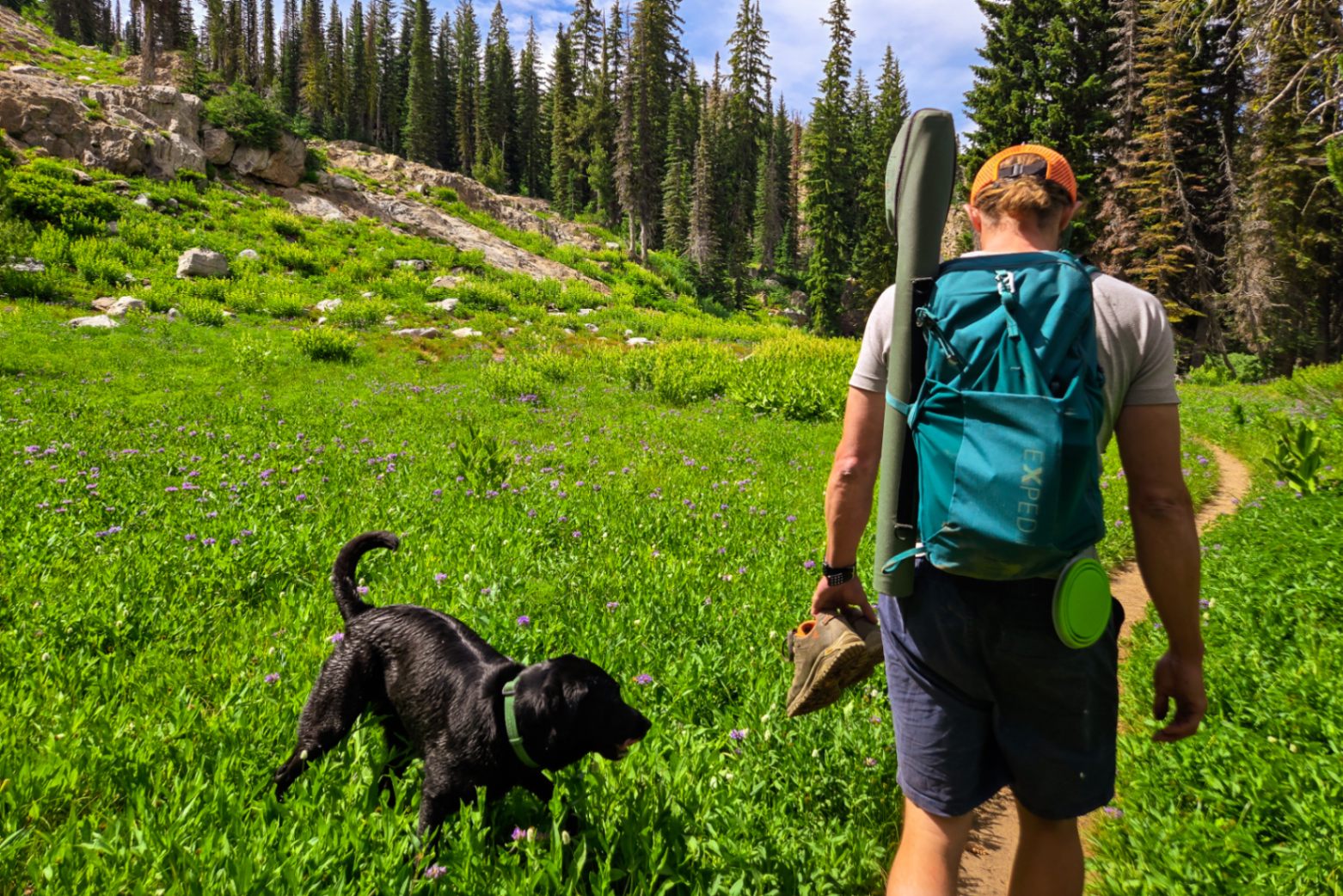
CleverHiker Gear Analyst Abigail Taylor tested the Skyline 20 across hiking and multi-sport scenarios, including alpine fly-fishing approaches, a whitewater safety hike into Box Canyon, dusty Idaho trails, river travel, and a steep wet climb in Squamish, British Columbia. Those trips exposed the pack to varied loads and environments and helped us compare comfort, organization, support, durability, and portability.
Quick Specs
- Best for: Durable multi-sport hiking
- Material: 450D x 300D PU-coated polyester
EXPED Skyline 20
Light Yet Durable Daypack
CleverHiker Rating: 4.3/5.0
Price: $160
Weight: 1 lb. 14 oz.(S / M size)
Capacity: 20 L
Frame: Internal framesheet
Pros
- Ventilated back panel
- Adjustable fit
- Stretch-mesh front pocket
- Highly durable materials
- Includes a rain cover
Cons
- We had mixed feelings on comfort
- Limited internal organization
- Firmer foam back panel
Comfort
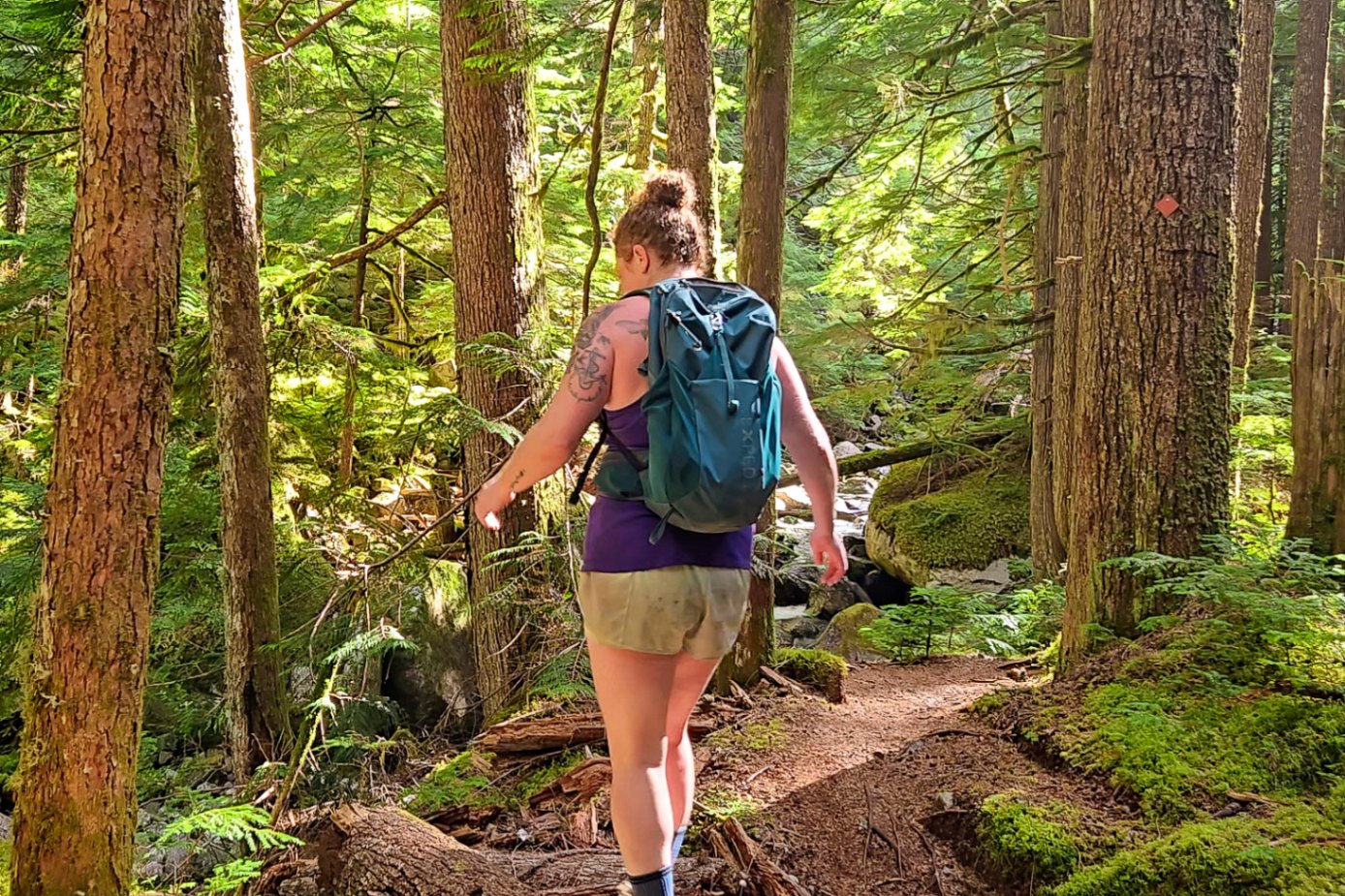
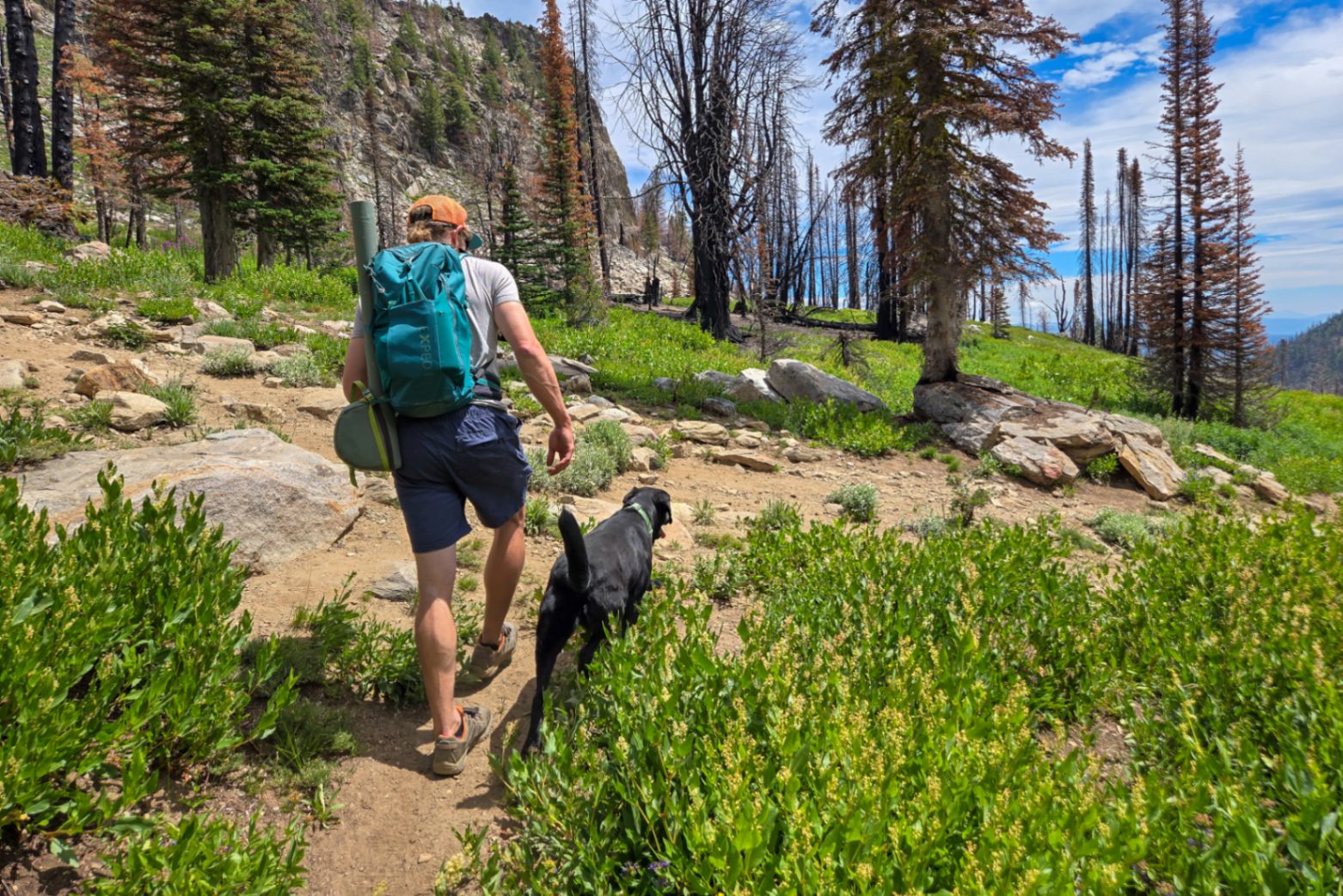
The Skyline’s Air Flow back system combines foam structure with ventilation, producing a supportive feel that works well for some bodies. Wide shoulder straps also spread pressure effectively when the pack is loaded.
Our testers disagreed more on this pack than on most others. One found it highly comfortable, while another rarely chose a larger Skyline because the back panel felt firmer and less plush than competitors. A compact tester also found the frame long for her torso.
That variation is why fit matters here more than the raw score suggests. The design is capable, but it is not universally accommodating.
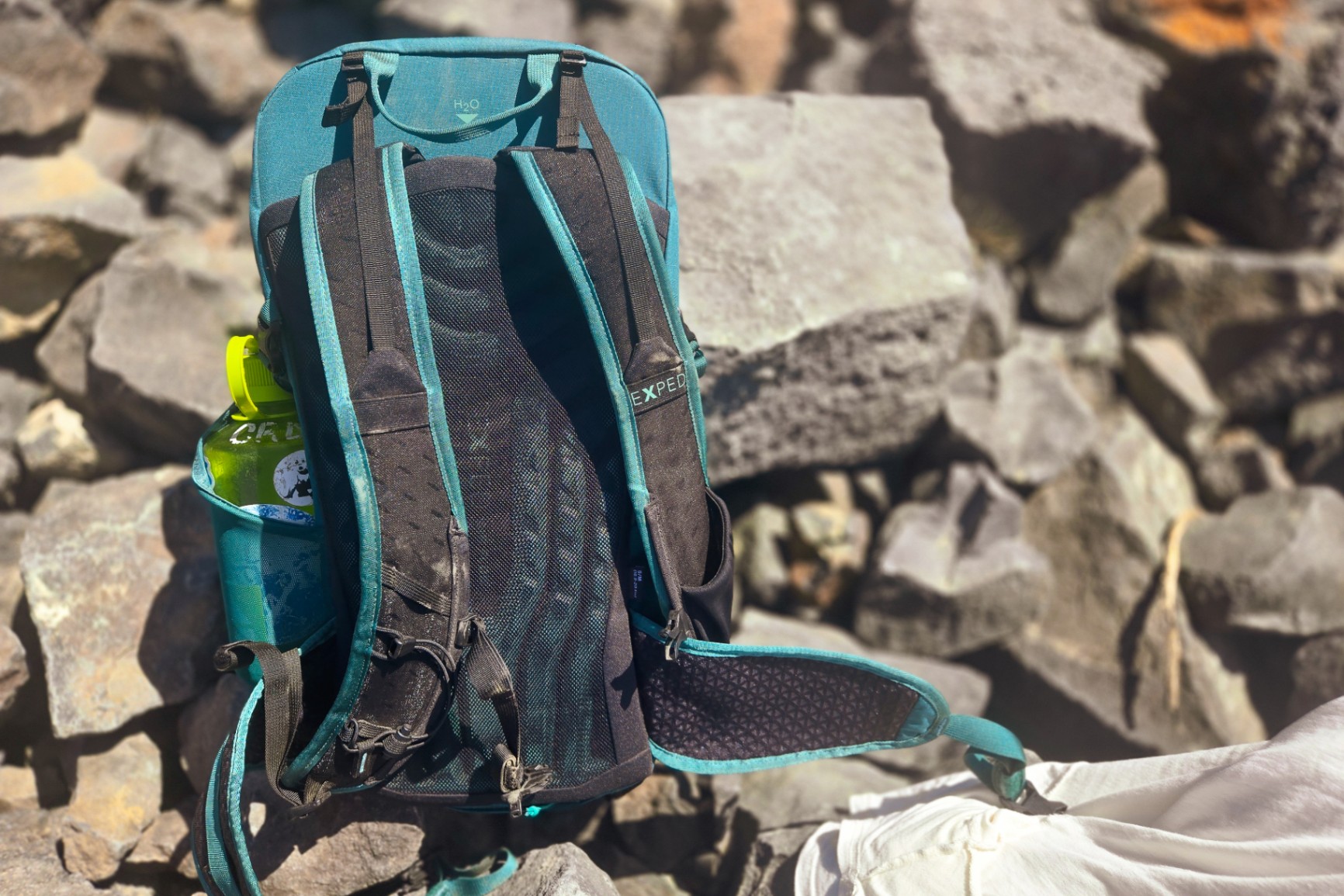
The Air Flow back panel combines mesh with a flexible foam frame, which kept the pack ventilated on steep summer climbs while preventing awkward gear from pressing directly into the back. Wide honeycomb-mesh shoulder straps spread pressure well, and the lightweight hipbelt molds closely to the body rather than feeling stiff.
Fit is highly adjustable through load lifters, sternum straps, and multiple harness settings, and EXPED offers separate S/M and M/L sizes. Even so, comfort was more body-dependent than with our most universally fitting packs. Shorter hikers may notice the frame length while climbing or scrambling, and one tester preferred softer back panels. The Skyline works best when its firmer, technical fit matches the user.
Comfort Score: 4.2 / 5.0
Organization
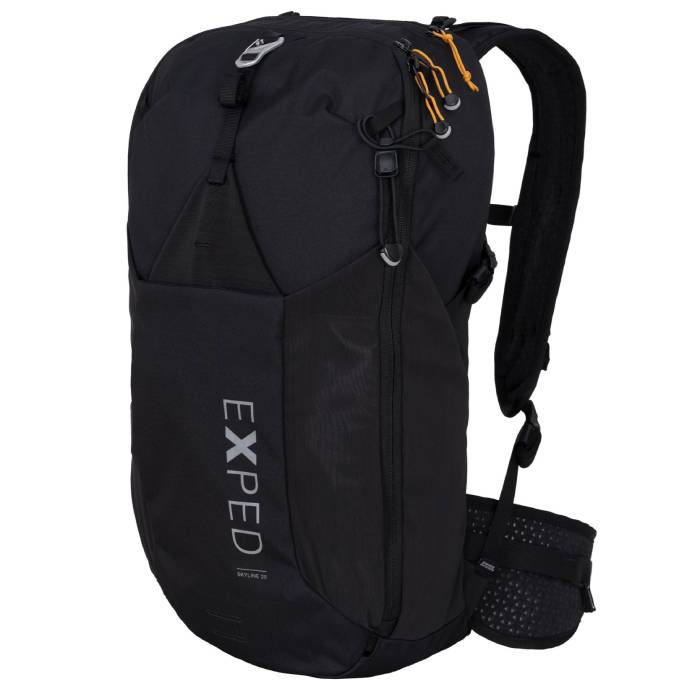
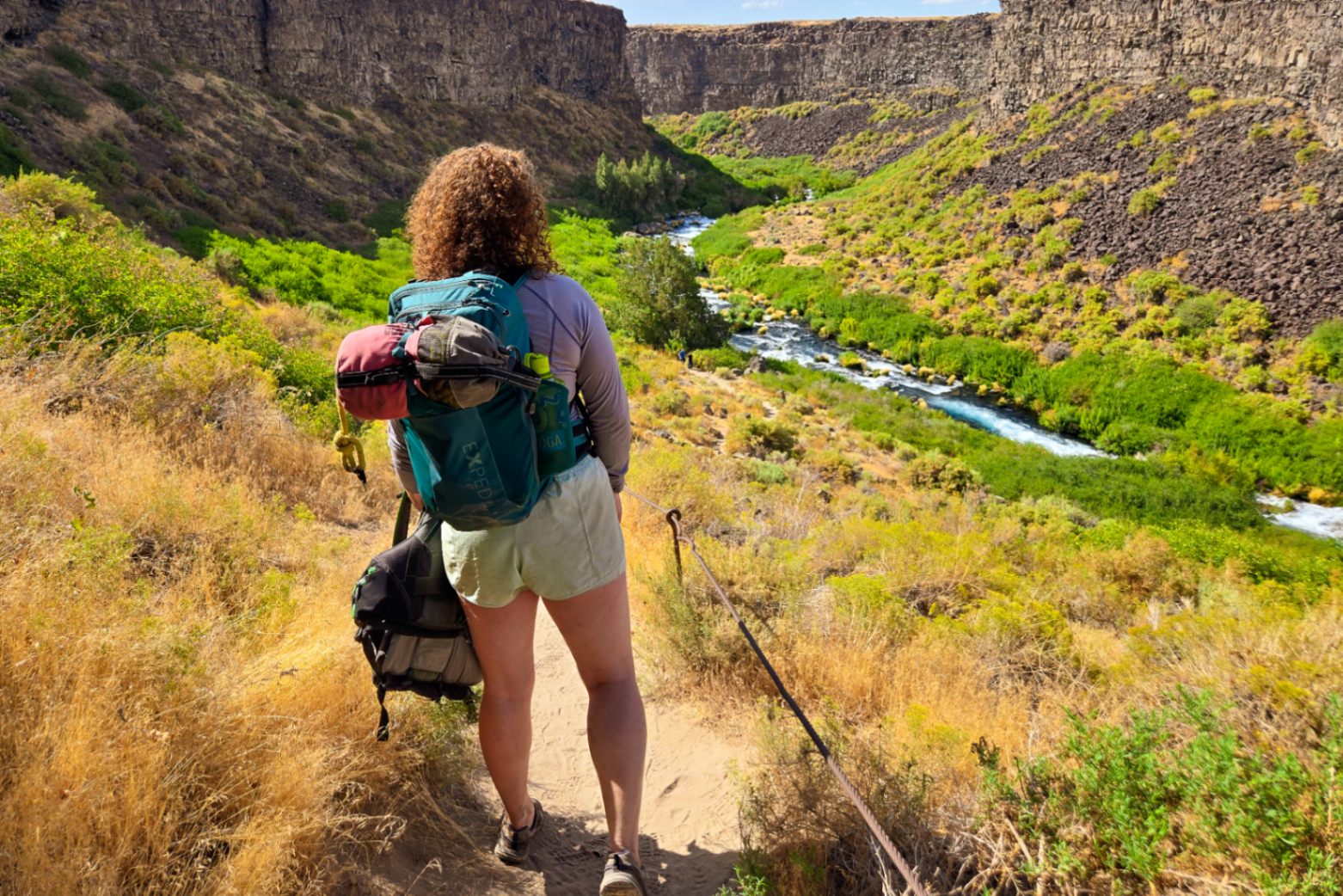
The Skyline provides a useful collection of external storage without looking cluttered. Stretch side pockets, a front stretch pocket, a roomy top pocket, and an internal zippered pouch handle the common categories of day-hiking gear.
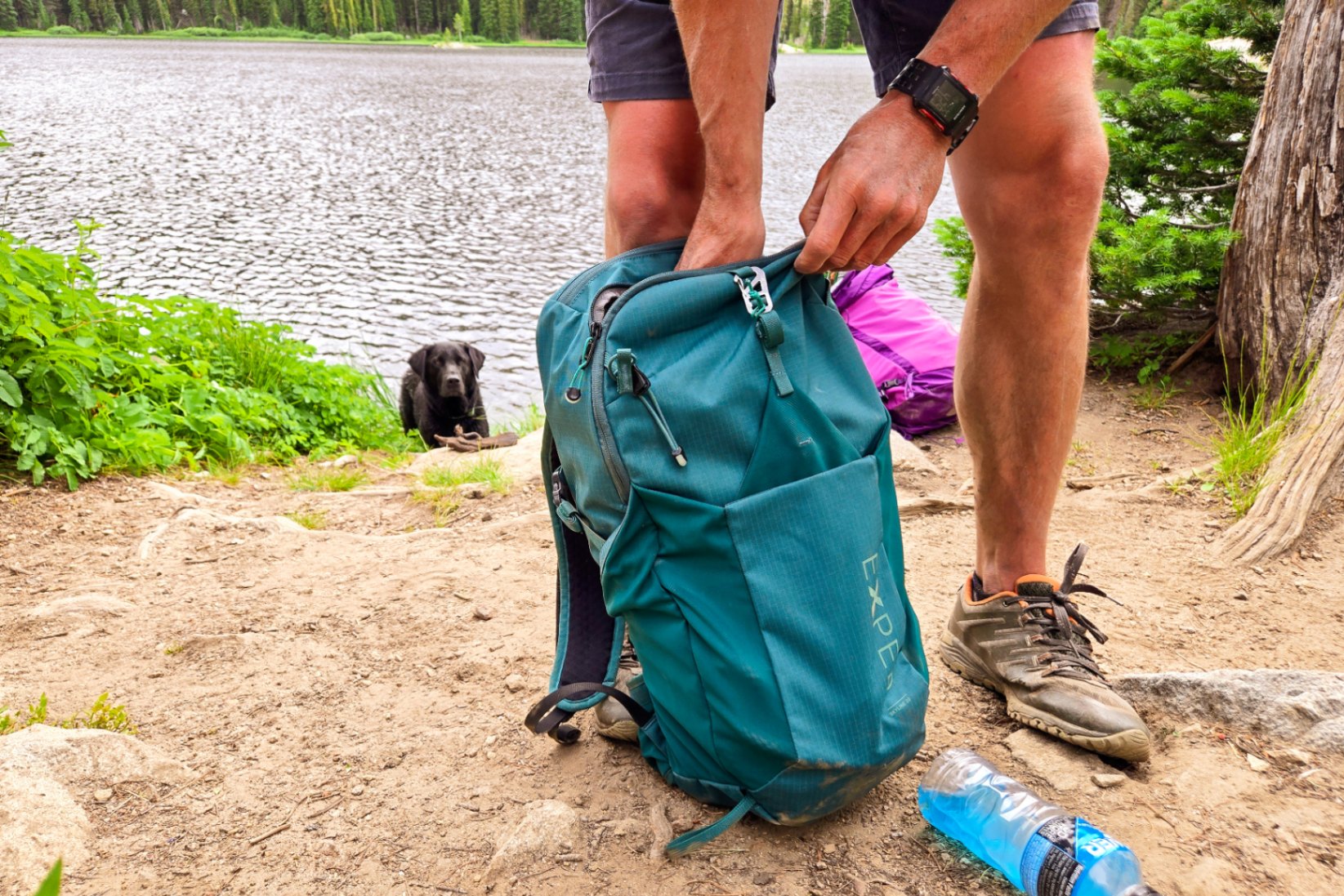
We especially liked the hydration sleeve’s external access, which simplifies refills. Small details such as strap wraps and easy-to-grab zipper pulls show thoughtful execution.
The main compartment itself offers limited separation, so hikers who prefer many dedicated internal dividers may find the layout basic.
Small details make the Skyline easier to live with than the pocket count alone suggests. The top pocket includes a key clip, shoulder-strap and hipbelt storage keep small items accessible, and the externally accessed hydration sleeve simplifies refills without opening the main compartment. Velcro wraps also manage loose webbing so straps do not flap around during technical movement.
The large front stash pocket and deep side pockets handle most quick-access trail gear, while the top zippered pocket keeps keys and other small essentials easy to find. Inside, a zippered mesh pocket and additional stretchy storage provide more separation than the simple exterior suggests. Multiple webbing loops and bungees also let users secure awkward equipment outside the main compartment.
Technical attachment options are unusually complete for a 20-liter pack. Trekking-pole bungees run from the shoulder area toward the hipbelt, and there are additional mounting points for tools or small equipment. The externally accessed hydration sleeve is one of our favorite details because it can be refilled without opening the main compartment or dripping water over dry gear.
Organization Score: 4.2 / 5.0
Support
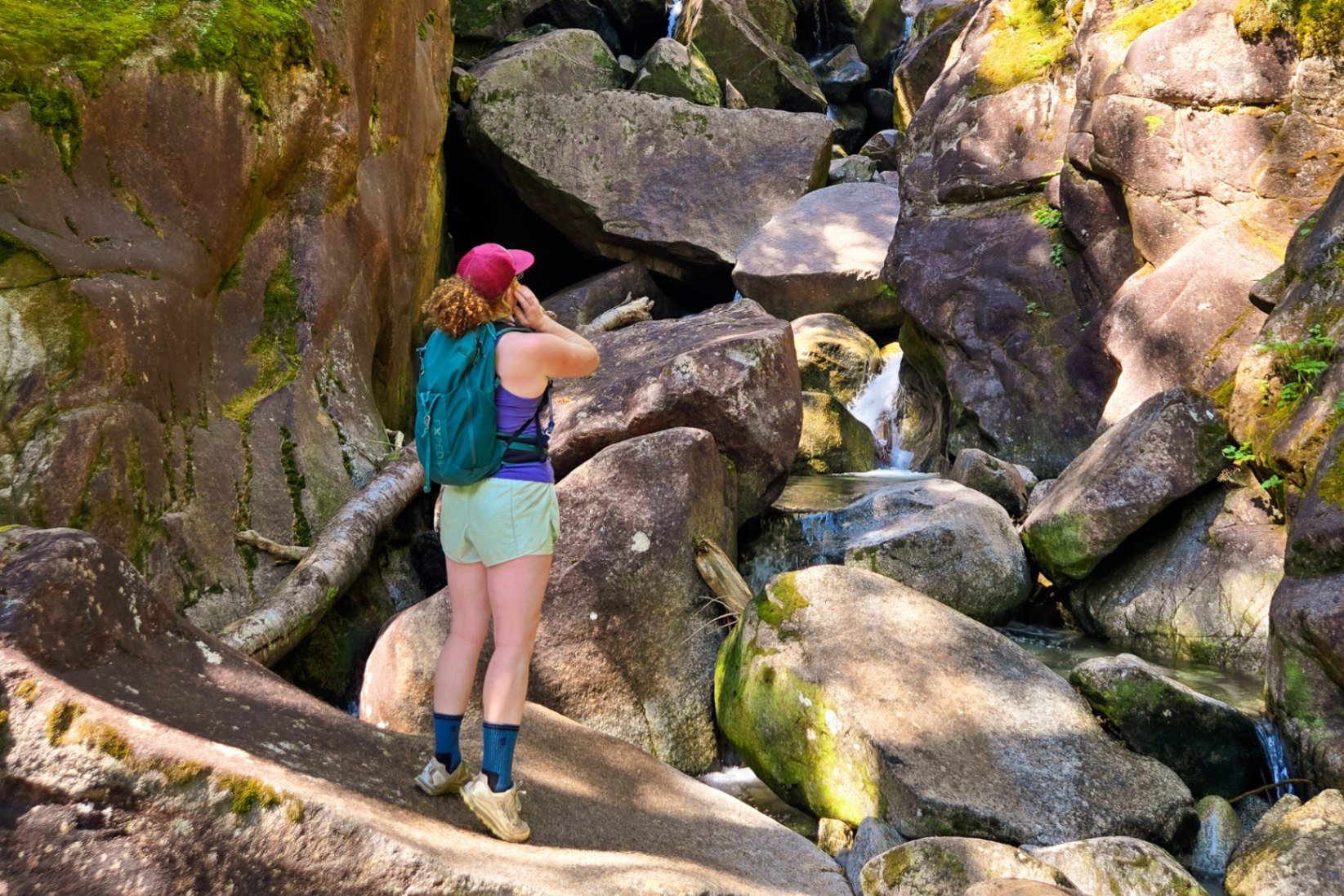
The internal framesheet and structured back panel give the Skyline stronger load control than most 20-liter packs. The bag maintains shape when partially or fully loaded and keeps gear from pressing directly into the back.
Its harness is not as substantial as a heavy-hauling perimeter-frame pack, but for the volume it offers a useful level of support. That makes it versatile for multi-sport days when compact equipment can still be dense.
The support advantage is most noticeable compared with frameless travel-oriented bags, which may weigh less but sag more as the load increases.
The semi-rigid foam framesheet keeps the Skyline stable when the load gets dense, while the wide hipbelt and load lifters let hikers pull the pack closer to the body. We found that useful on boulder hopping, steep climbs, and multi-sport approaches where a soft frameless bag would move around more.
The support is substantial for a 20-liter pack but stops short of heavy-hauling territory. The hipbelt is lightweight and the frame is flexible, so the system is better at controlling a moderate load than transferring a very heavy one to the hips. That makes the Skyline well suited to technical day trips with compact equipment, not to winter or camera loads that push a small pack beyond its intended range.
Support Score: 4.5 / 5.0
Weight & Packability
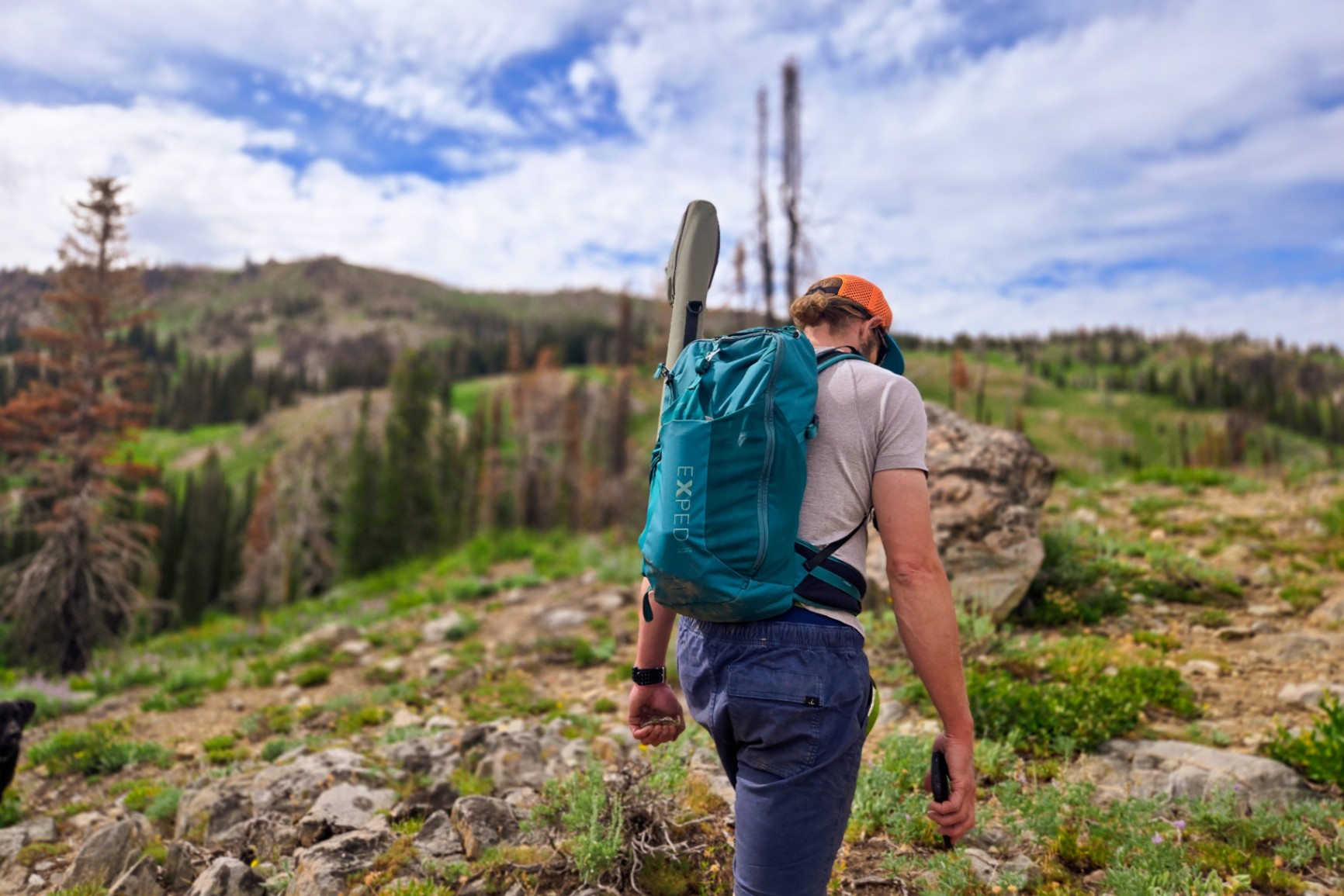
At 1 lb. 14 oz. in the tested S/M size, the Skyline remains reasonably light despite its sturdy fabric, framesheet, rain cover, and technical hardware. It is not an ultralight design, but the weight is competitive for the feature set.
The structured back panel limits how tightly the pack can collapse, although the 20-liter body remains manageable for travel. Removable or stashable straps and a clean profile also help it transition away from the trail.
Buyers prioritizing pure packability have lighter choices, but few combine this level of durability and support at a similar size.
At just under 2 pounds, the Skyline is not ultralight, but the weight includes a semi-rigid back panel, durable fabric, a rain cover, and a more complete attachment system than many packs at this volume. Side compression straps and a top cinch help stabilize partial loads and reduce the profile when the pack is not full.
The foam structure prevents the bag from folding as small as a frameless travel pack. Some components can be removed or stashed—the rain cover and pole bungees are removable, while the hipbelt and ice-axe loops can be tucked away—which cleans up the exterior for travel or town use. The result is moderate packability with much better structure than a simple sack.
Weight & Packability Score: 4.4 / 5.0
Should You Buy the EXPED Skyline 20?
Buy it if you want a tough, versatile 20-liter pack for hiking and multi-sport use and you value an included rain cover. Try it on first if possible, because the firmer back panel and frame length fit some body shapes better than others.
What Other Daypacks Should You Consider?
Osprey Talon 22 / Tempest 22 Review: The Talon/Tempest is a better choice if you want more consistent comfort and a more refined hiking-specific organization system. Its adjustable harness, hipbelt pockets, front stretch storage, and trekking-pole carry make it easier to use on long trail days. The Skyline feels tougher and includes a rain cover, but its firmer back panel is more body-dependent. Choose Osprey if fit confidence matters most.
Osprey Sportlite 20 Review: The Sportlite offers a similar 20-liter size at a much lower price and weight. Its ventilated AirScape back panel and light framesheet cover the basics for ordinary summer hiking without the Skyline’s burly materials or rain cover. The EXPED is more durable and technical, while the Osprey is easier to justify for casual hikers. If you do not need multi-sport durability, the Sportlite is the better value.
Rab Protium 27L Review: The Protium is a stronger choice if you need more capacity and more technical all-season features. Its adjustable back panel, wide hipbelt, deep pockets, and included rain cover work well for winter layers and gear-intensive days. The Skyline is smaller, cleaner, and easier to use for compact multi-sport kits. Choose Rab for bigger carries; choose EXPED when 20 liters is enough and durability is the priority.