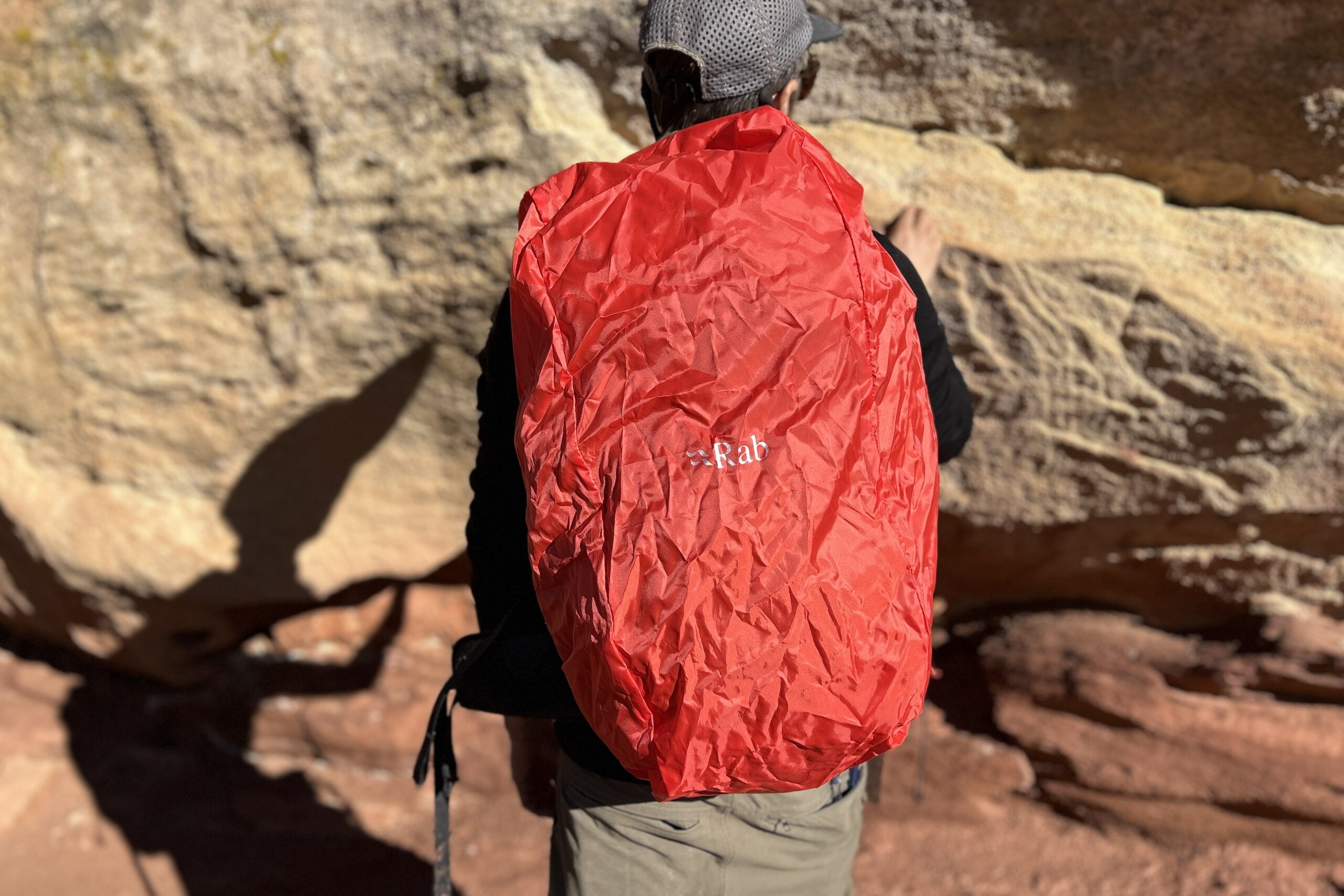
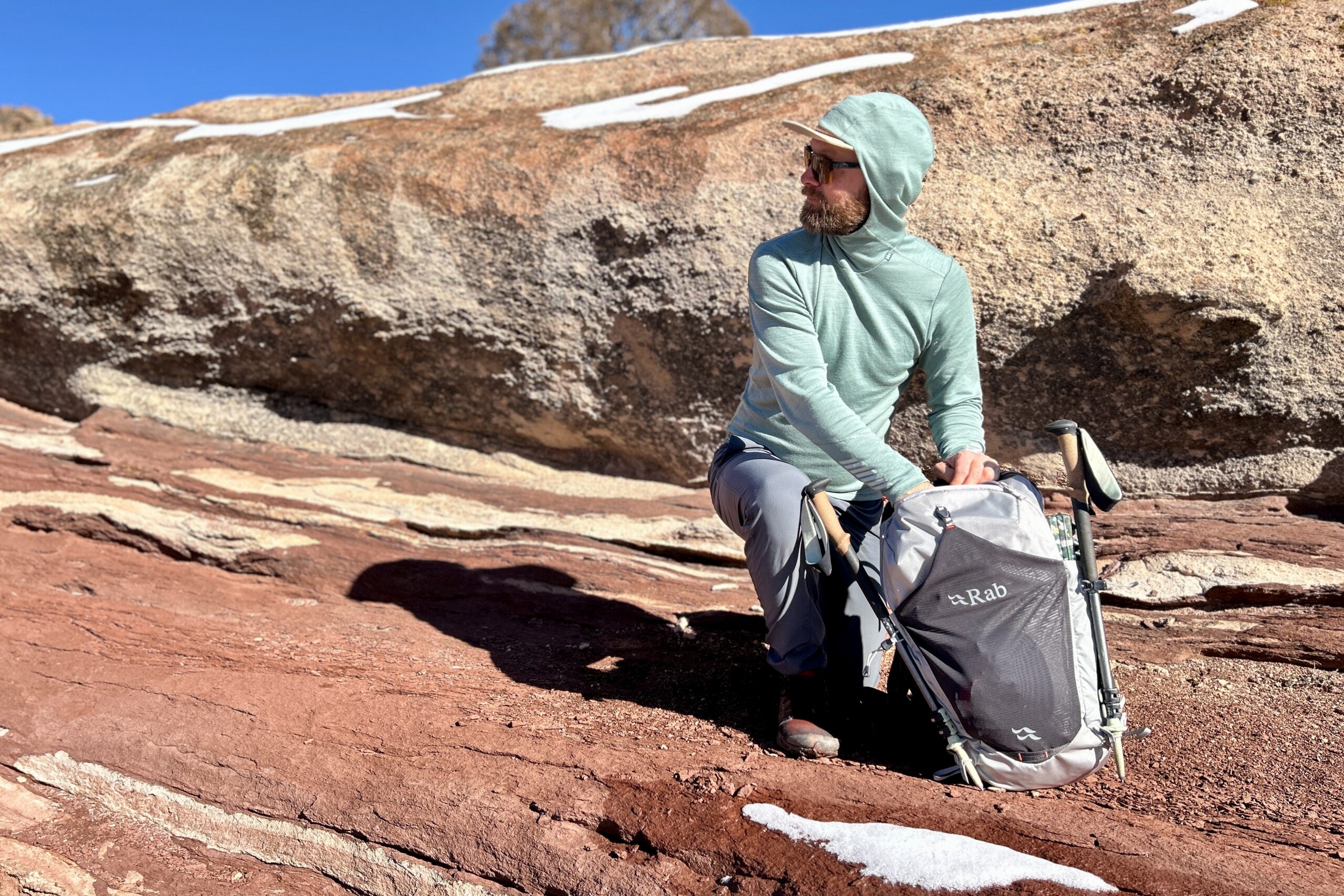
Bottom Line
The Rab Protium 27L is a rugged, do-it-all daypack for hikers who want technical features, substantial storage, and a highly adjustable fit. It performed well through more than 200 miles of rough, varied testing.
Its breathable adjustable back panel, wide hipbelt, deep side pockets, top storage, and included rain cover make it especially useful for year-round hiking and gear-intensive days.
The compromise is bulk. The shoulder straps can feel thin with loads above roughly 25 pounds, the hydration pocket is narrow, and casual hikers may never use all of the features. For serious all-season use, though, it is a dependable option.
How We Tested
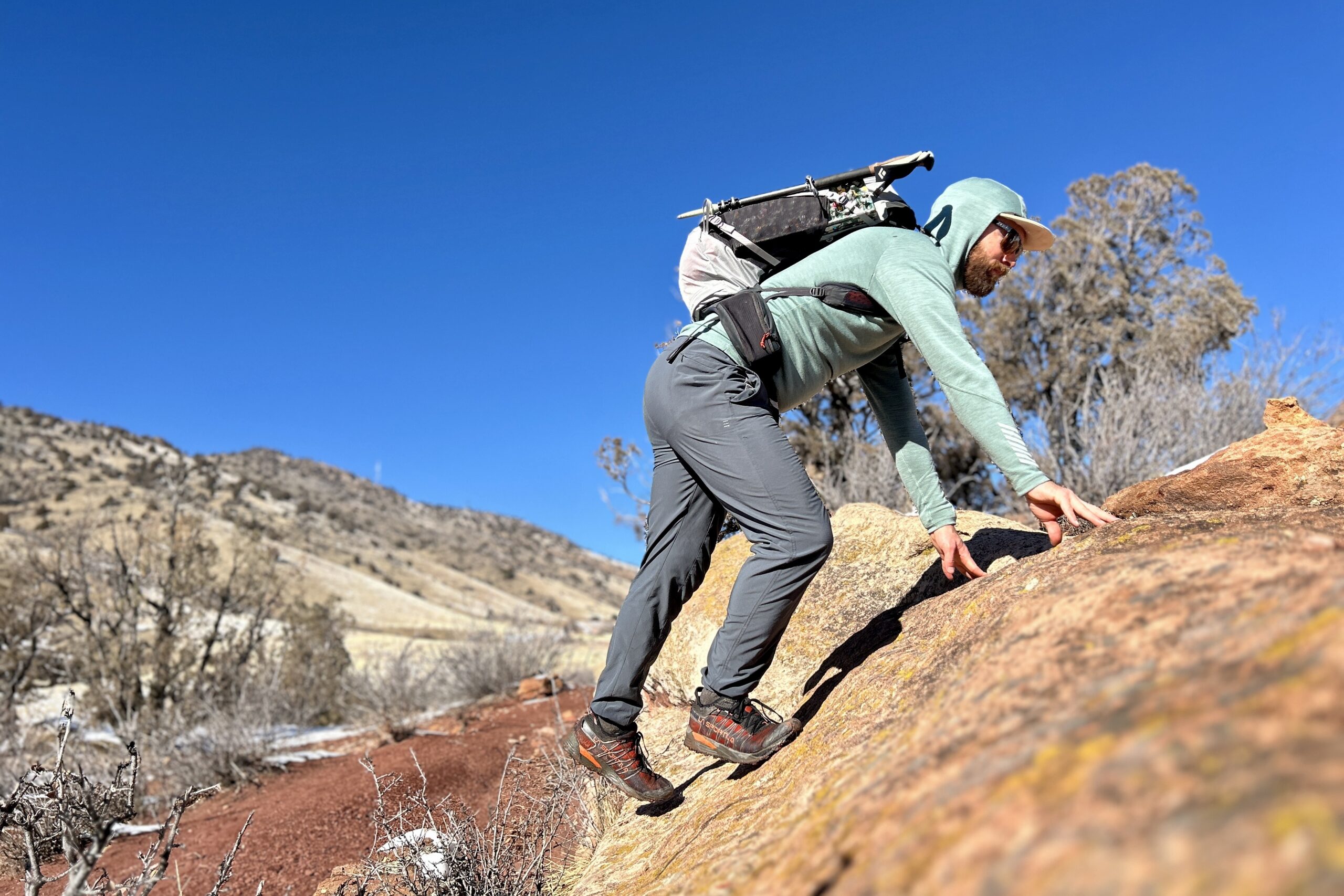
We tested the Rab Protium 27L for more than 200 miles across Colorado and Utah, including hot, dry trails, brushy desert terrain, snowy mountain conditions, and longer outings with substantial day-hiking loads. We compared fit, ventilation, pocket access, load control, weather readiness, and portability against the rest of our current daypack lineup.
Quick Specs
- Best for: Versatile, gear-intensive day hiking
- Material: 100D ripstop nylon
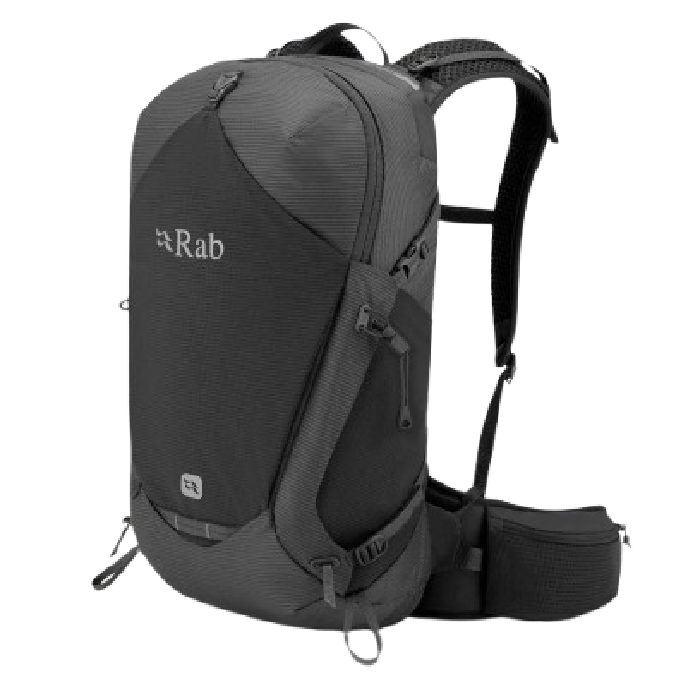
Rab Protium 27L
Best Do-It-All Daypack
CleverHiker Rating: 4.5/5.0
Price: $190
Weight: 2 lb. 5 oz.
Capacity: 27 L
Frame: Internal frame
Pros
- Highly customizable fit
- Comfortable shoulder and waist straps
- Excellent pocket organization
- Included rain cover with dedicated pocket
- Breathable
Cons
- Narrow hydration reservoir pocket
- Generous capacity for gear-intensive day hikes
- Shoulders straps could use more padding
- Technical features are overkill for simple hikes
Comfort
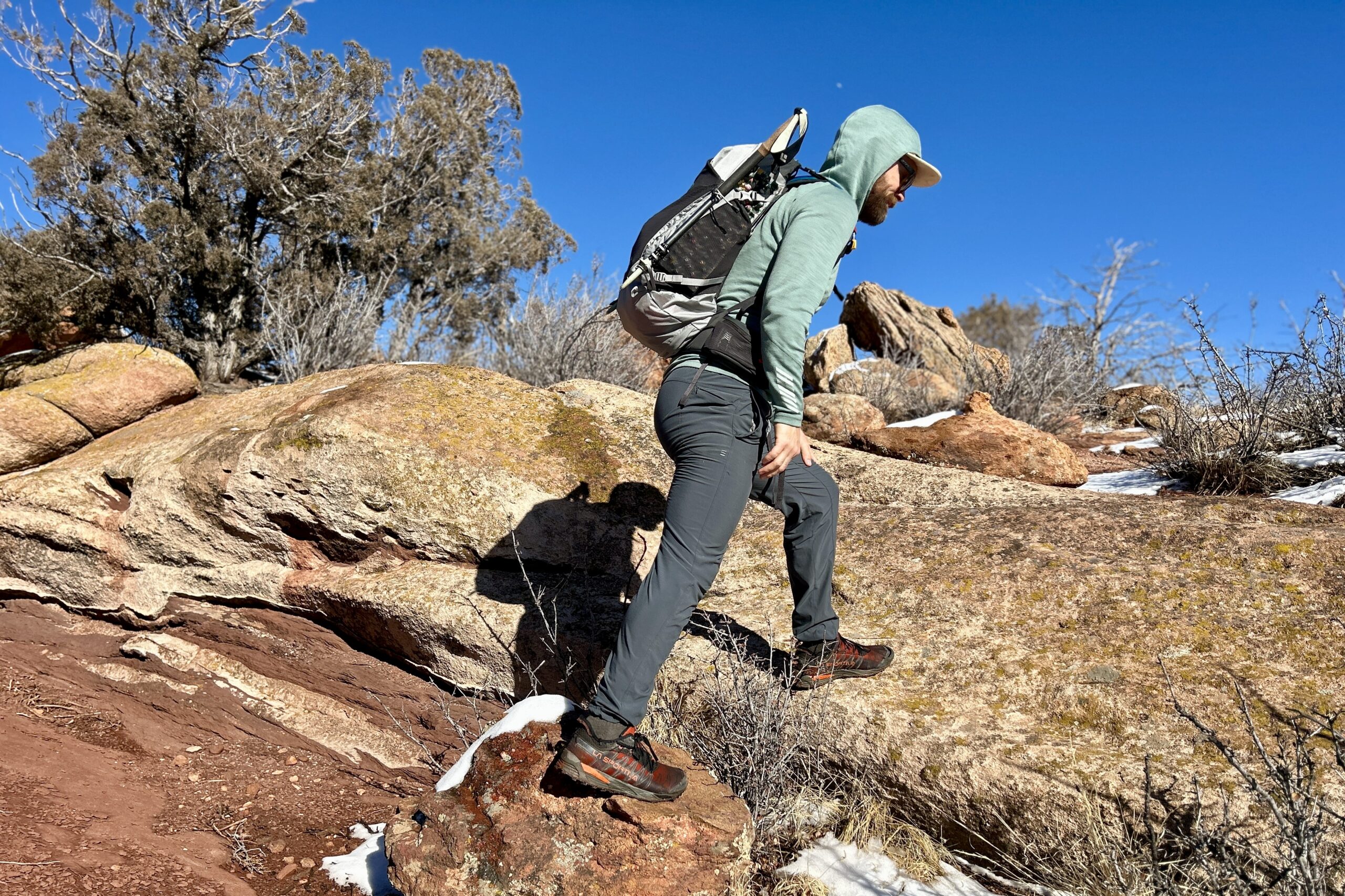
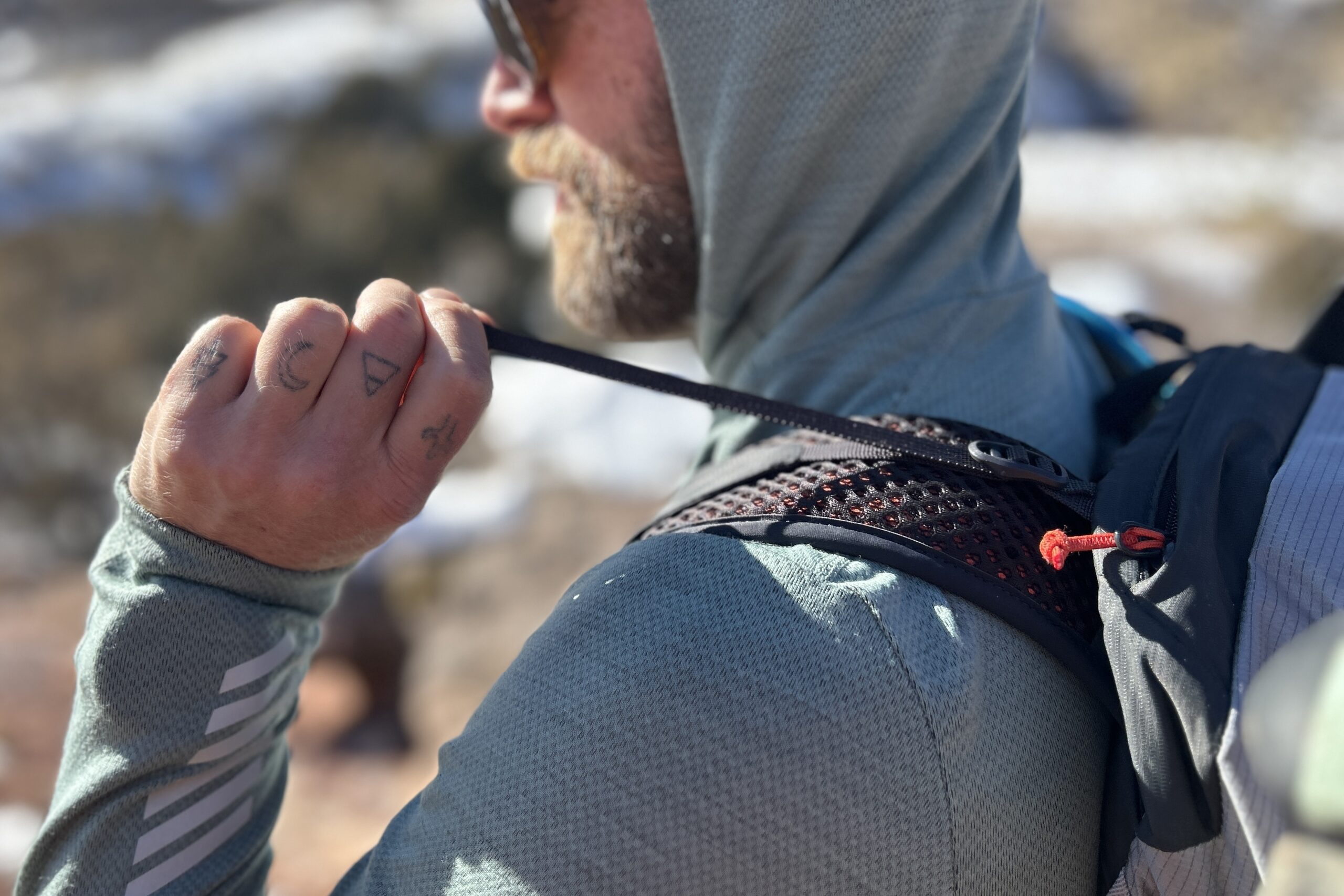
The Protium’s adjustable mesh back panel is its comfort centerpiece. It accommodates different torso lengths and shapes while maintaining ventilation, which helped us manage heat across conditions ranging from cool mountain days to hot desert hiking.
The wide hipbelt adds stability and cushioning, while the shoulder straps remain comfortable under typical day-hiking loads. We noticed those straps more once loads climbed above about 25 pounds, where additional padding would improve the carry.
For normal 27-liter use, the fit is secure and adaptable, placing the Protium among the more comfortable close-to-body packs we tested.
Comfort Score: 4.5 / 5.0
Organization
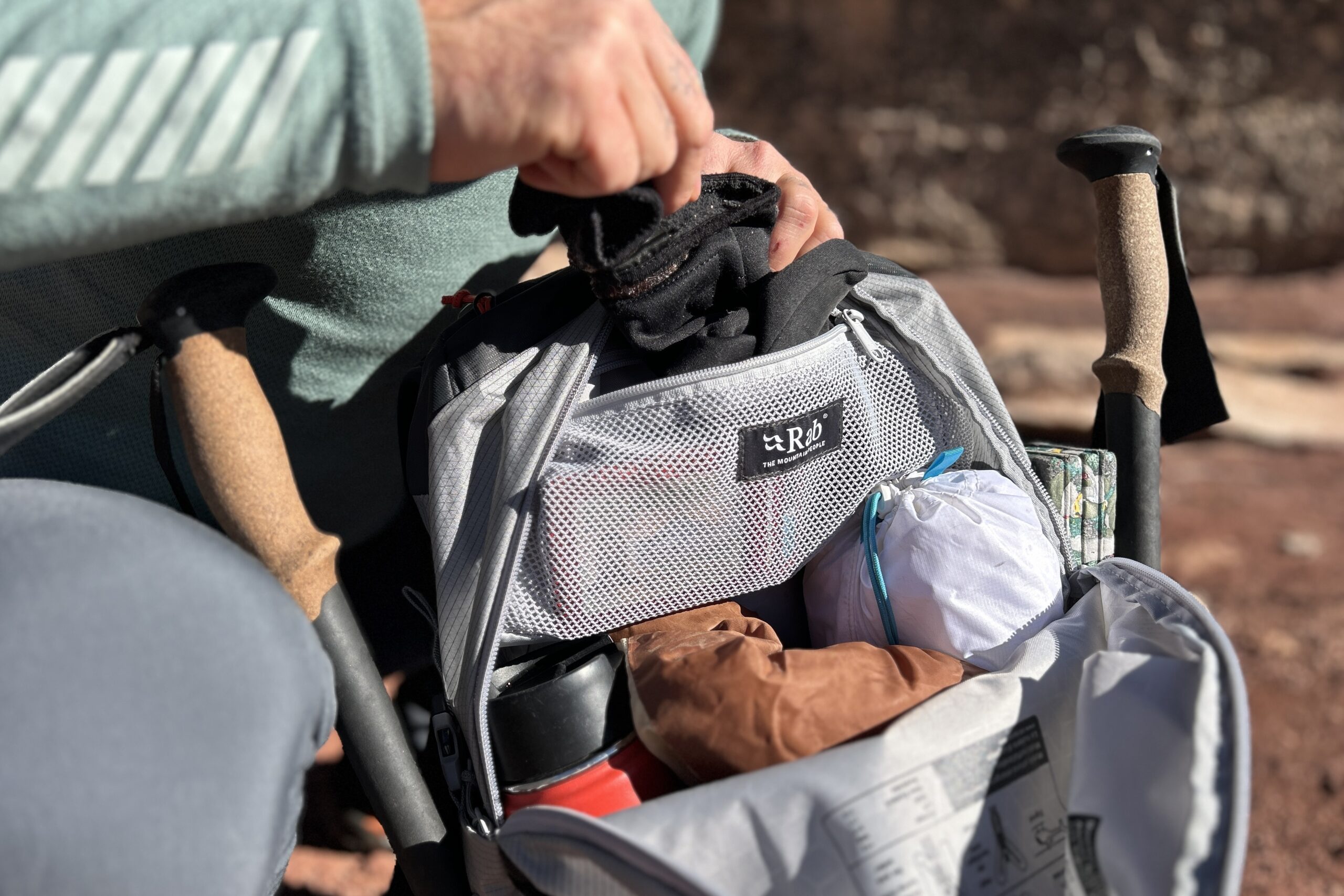
The 27-liter capacity is paired with a practical collection of storage rather than one oversized cavity. Deep side pockets, a large main compartment, top storage, hipbelt access, and an external hydration area make it easy to separate water, layers, and small essentials.
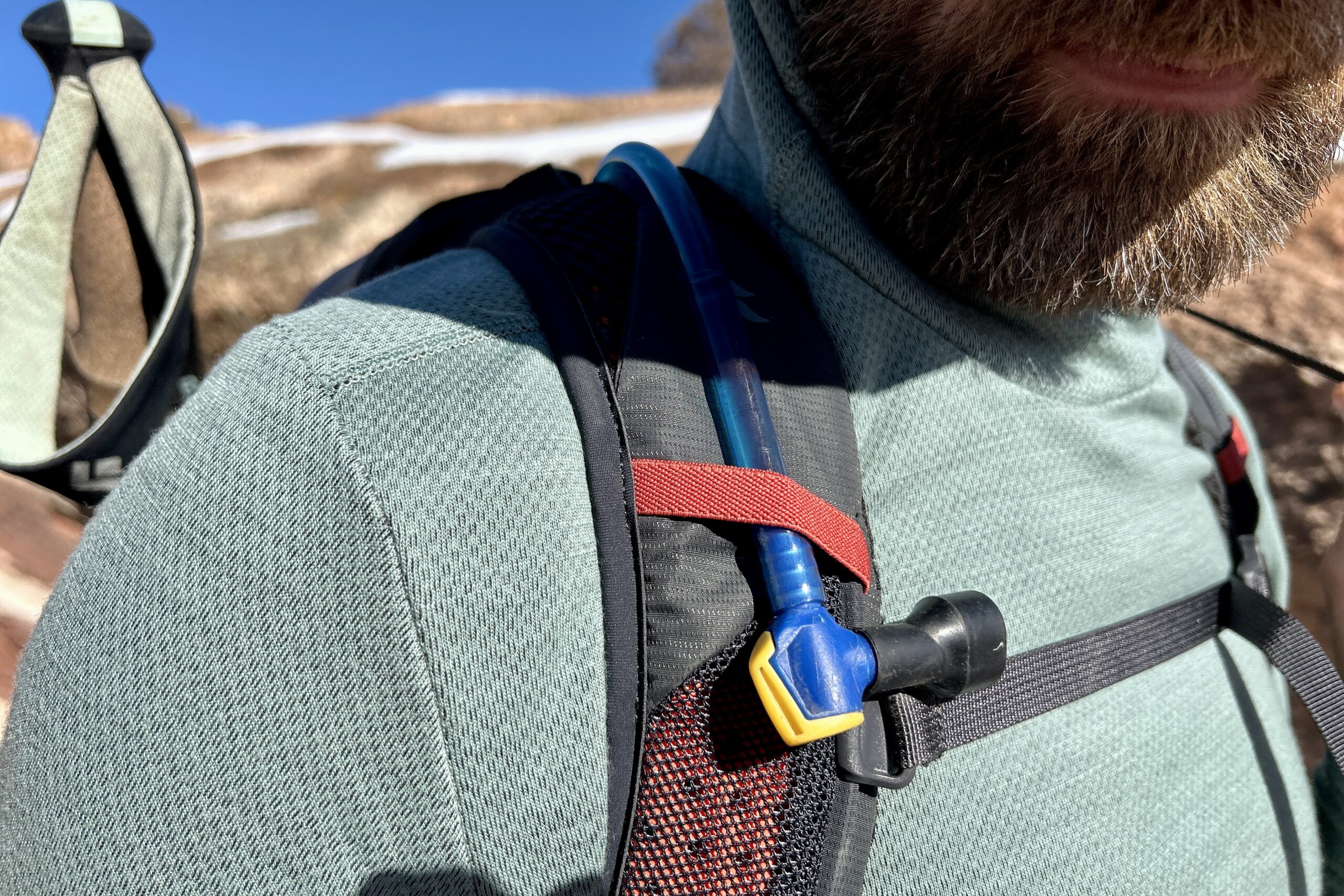
The external hydration pocket is unusual and can be convenient, although its narrow shape makes some reservoirs awkward to insert or remove. The generous overall capacity is useful for winter or gear-heavy hikes, even if casual users may find it excessive.
Compared with minimalist packs, the Protium offers much more dedicated storage; compared with the Talon, the organization is slightly less intuitive but still excellent.
Organization Score: 4.6 / 5.0
Support
The Protium provides meaningful load control without the full bulk of the heaviest framed packs. Its back structure, hipbelt, and close fit stabilize moderate loads well on rough terrain and help prevent the bag from swaying during uneven movement.
It is not our first choice for very heavy loads. Above roughly 25 pounds, shoulder comfort begins to decline, and the suspension cannot match the weight transfer of the Gregory Zulu or Osprey Stratos/Sirrus.
For the loads most hikers actually carry in a 27-liter daypack, however, the Protium offers a useful middle ground: more support than lightweight lifestyle packs with less structure than a mini backpacking pack.
Support Score: 4.4 / 5.0
Weight & Packability
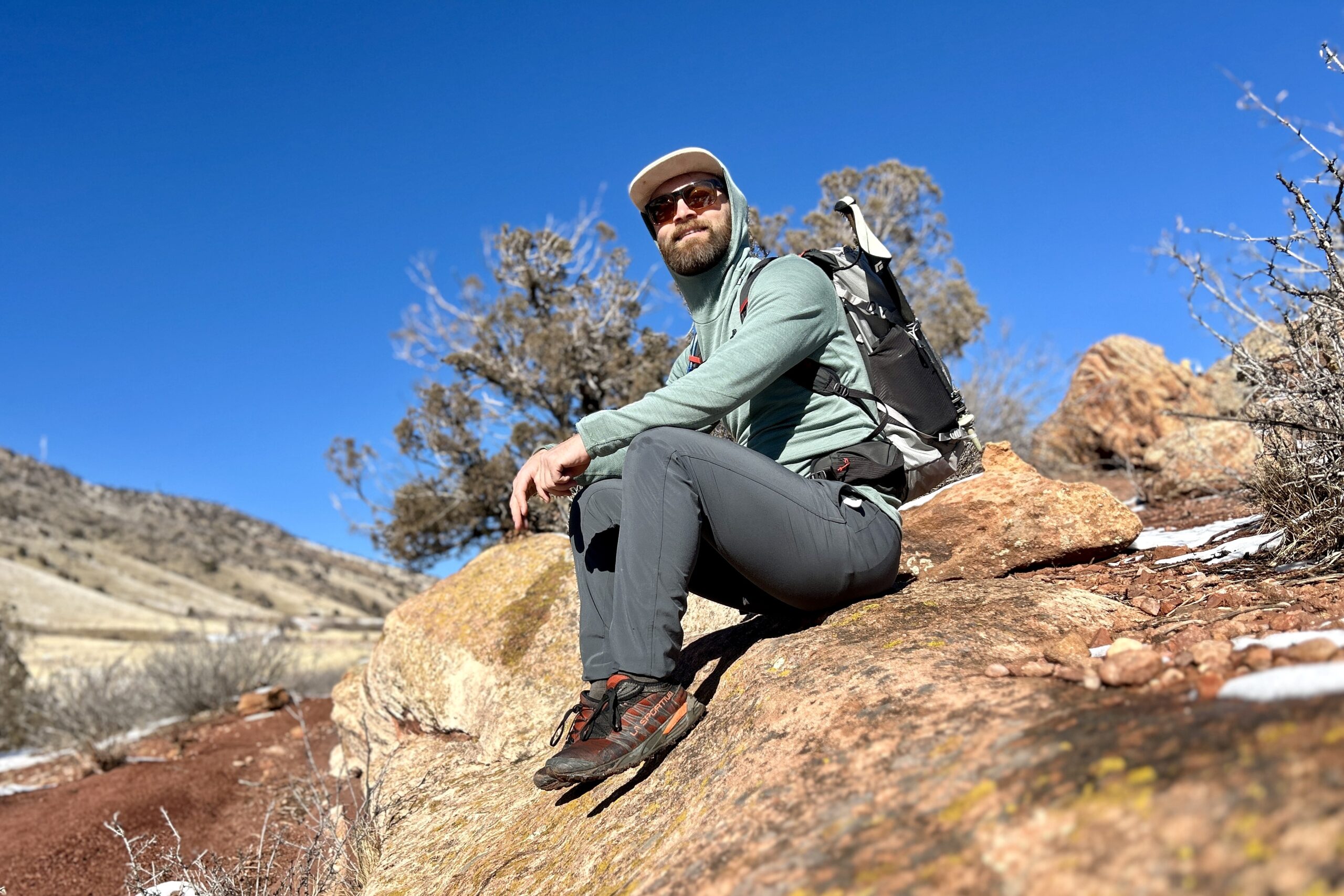
At 2 lb. 5 oz., the Protium is neither ultralight nor unusually heavy for a technical 27-liter pack. Its structure, rain cover, storage, and durable fabric account for much of the weight.
The pack is bulkier and less compressible than frameless options, so it is not the best choice as a spare travel bag. Its capacity and harness are intended to be worn and loaded rather than folded away.
That extra material pays off in durability and weather readiness. Hikers who prioritize ruggedness and all-season usefulness may accept the weight, while fast-and-light users will prefer the Deuter Speed Lite Pro or Black Diamond Pursuit.
Weight & Packability Score: 4.0 / 5.0
Should You Buy the Rab Protium 27L?
Buy it if you want a durable, highly adjustable daypack for year-round hiking and regularly carry enough gear to use its 27-liter capacity. Skip it for short, simple hikes where a lighter and less technical bag will do the job.
What Other Daypacks Should You Consider?
Osprey Talon 22 / Tempest 22 Review: The Talon/Tempest is a better pick if you want a slightly lighter, more intuitive all-around hiking pack. Its pocket layout is especially strong for quick access, and the 22-liter capacity is easier to manage on ordinary three-season hikes. The Protium offers more room, a rain cover, and a more technical all-season feel, so we prefer it when weather or extra gear makes the smaller Osprey feel limiting.
Gregory Zulu 30 / Jade 28 Review: The Zulu/Jade is the better choice when heavy-load support is the main goal. Its perimeter frame, substantial hipbelt, and FreeFloat suspension transfer more weight to the hips and stay comfortable with bulky winter or hut-trip loads. It is around three pounds and much less compressible than the Protium. Choose Gregory for hauling; choose Rab for a lighter, more versatile balance of capacity and technical features.
Deuter Speed Lite Pro 25 / Speed Lite Pro 23 SL Review: The Speed Lite Pro is the faster and lighter option. Its vest-style harness, lower weight, and close athletic fit suit quick hikes, scrambling, and hikers who prefer a more minimal carry. The Protium offers more storage, more substantial weather protection, and a sturdier feel for year-round use. If your normal kit is compact, the Deuter is more efficient; if you carry more gear, the Rab is easier to live with.